Some states stretch a vacation budget further than others, but location and timing still matter. A 2026 comparison of travel-friendly states found West Virginia offered the lowest estimated daily costs, while South Carolina ranked as the most expensive. Resort towns, major events, peak seasons, and attraction tickets can make even an affordable state costly, while quieter communities can provide better value in expensive states.
Travel-Friendly: West Virginia
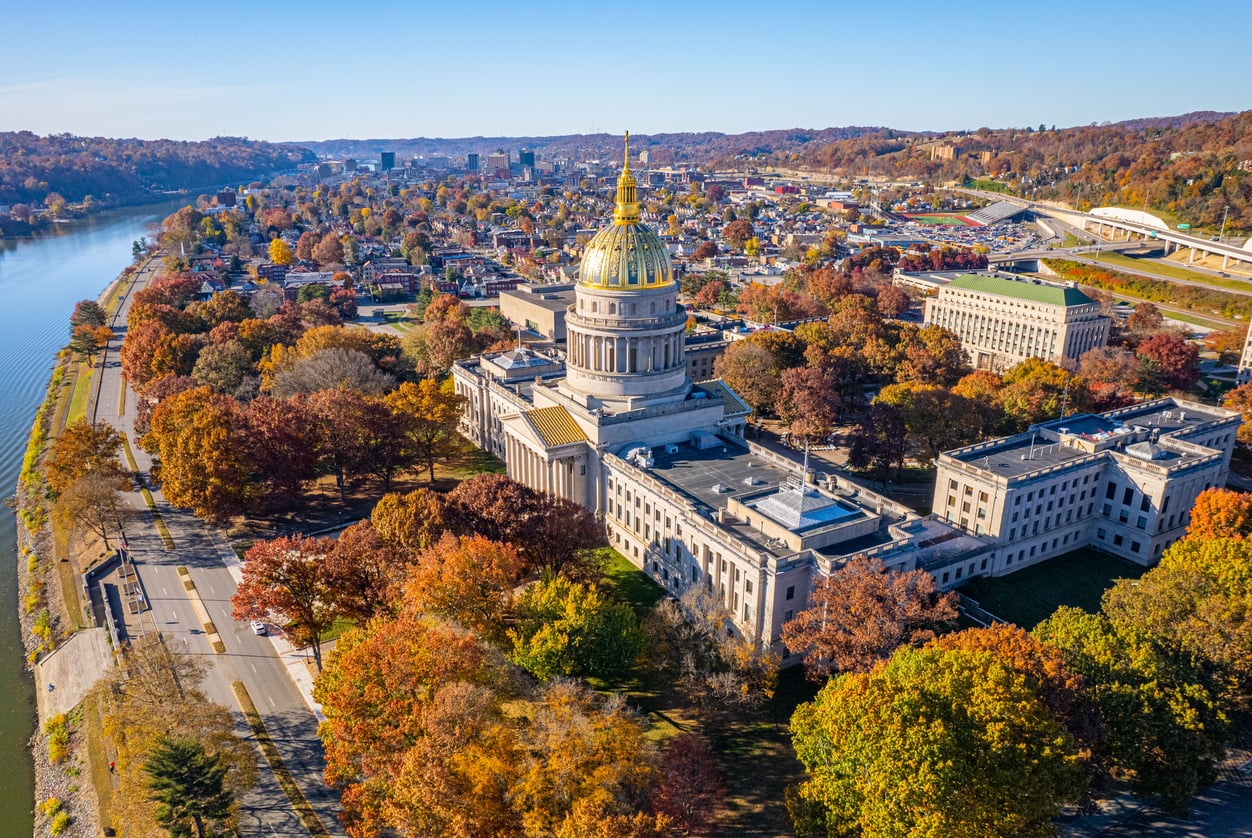
West Virginia ranked as the least expensive state in the study, with estimated spending of $108.51 per traveler per day. Much of its appeal requires little admission spending: mountain drives, waterfalls, overlooks, trails, and historic communities can fill several days. New River Gorge National Park and Preserve does not charge an entrance fee, although rafting trips, lodging, and other guided activities cost extra. Fall foliage weekends and ski destinations can also be much pricier than the statewide average.
Travel-Friendly: Mississippi
Mississippi placed second among the most affordable states. Travelers can explore blues history, civil rights landmarks, Gulf Coast beaches, literary sites, and the Natchez Trace Parkway without relying on costly attractions. Restaurants and roadside hotels are often reasonably priced. However, casino weekends, college football games, festivals, and busy coastal dates can make lodging much more expensive.
Travel-Friendly: Arkansas
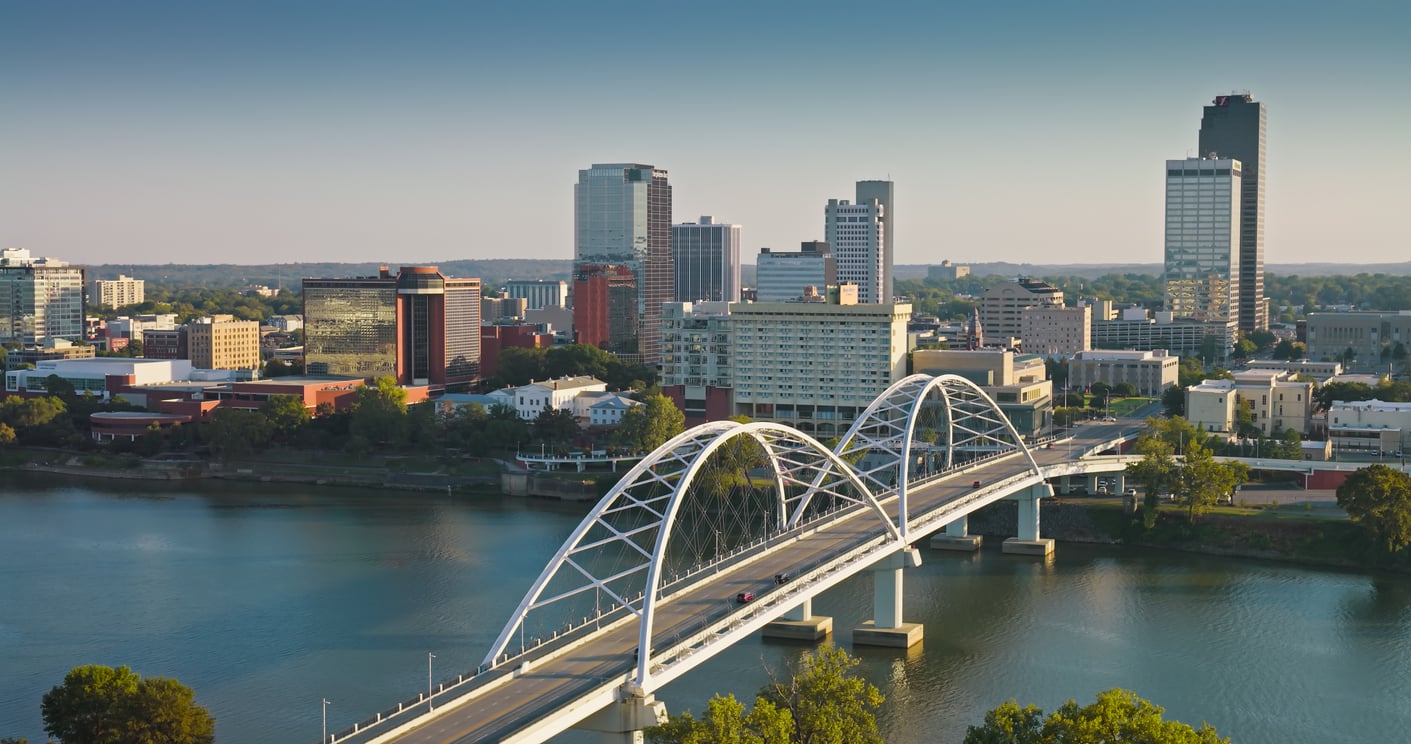
Arkansas ranked third in the travel-cost study and performed especially well for affordable road trips. Visitors can combine Hot Springs, the Ozarks, Buffalo National River, Little Rock, and Bentonville while spending much of their time outdoors. Several major attractions and museums are free. Prices can rise in northwest Arkansas during concerts, university events, cycling weekends, and peak autumn travel.
Travel-Friendly: Oklahoma
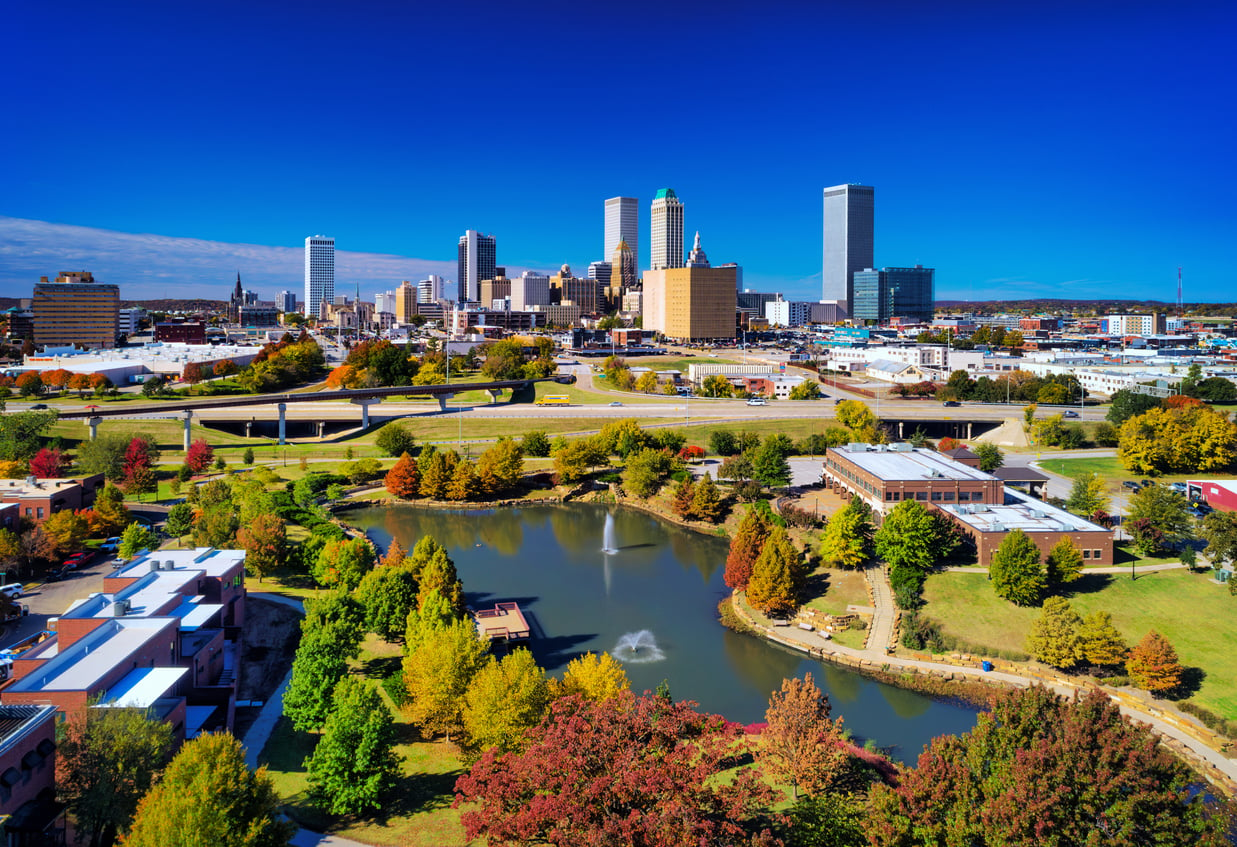
Oklahoma placed fourth among the study’s most affordable states. Route 66 attractions, Western history, Tulsa architecture, Indigenous cultural sites, and Oklahoma City museums create plenty of itinerary options. Parking, casual meals, and roadside stops are often manageable. Broken Bow cabins, casino resorts, lake weekends, major sporting events, and areas with limited hotel choices can be surprisingly expensive.
Travel-Friendly: Kentucky
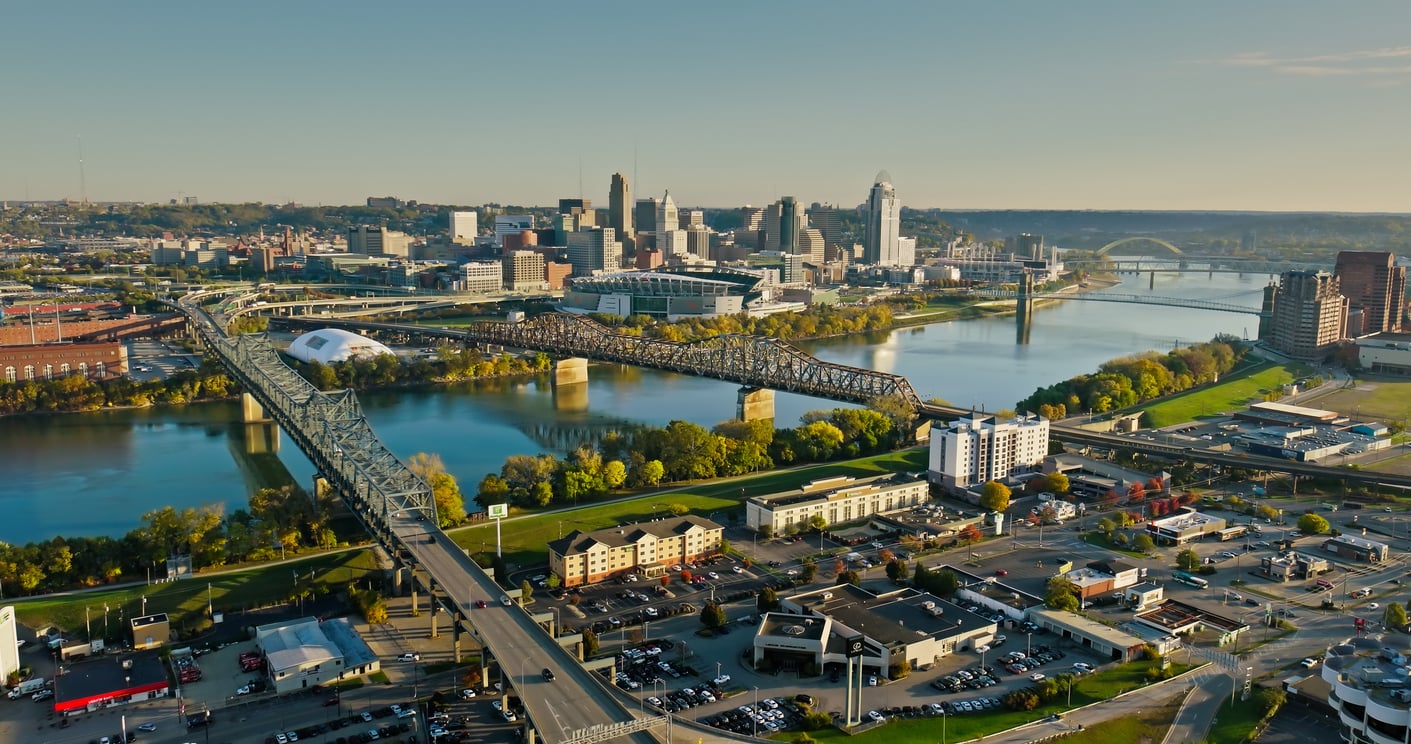
Kentucky ranked fifth on the affordable side of the study. Travelers can enjoy scenic drives, horse country, historic downtowns, hiking, and smaller communities such as Berea and Paducah without spending heavily. Mammoth Cave National Park has no general entrance charge, although cave tours cost extra. Derby week, premium distillery experiences, major events, and lake rentals can quickly increase the total.
Trending on Cheapism

Travel-Friendly: Iowa
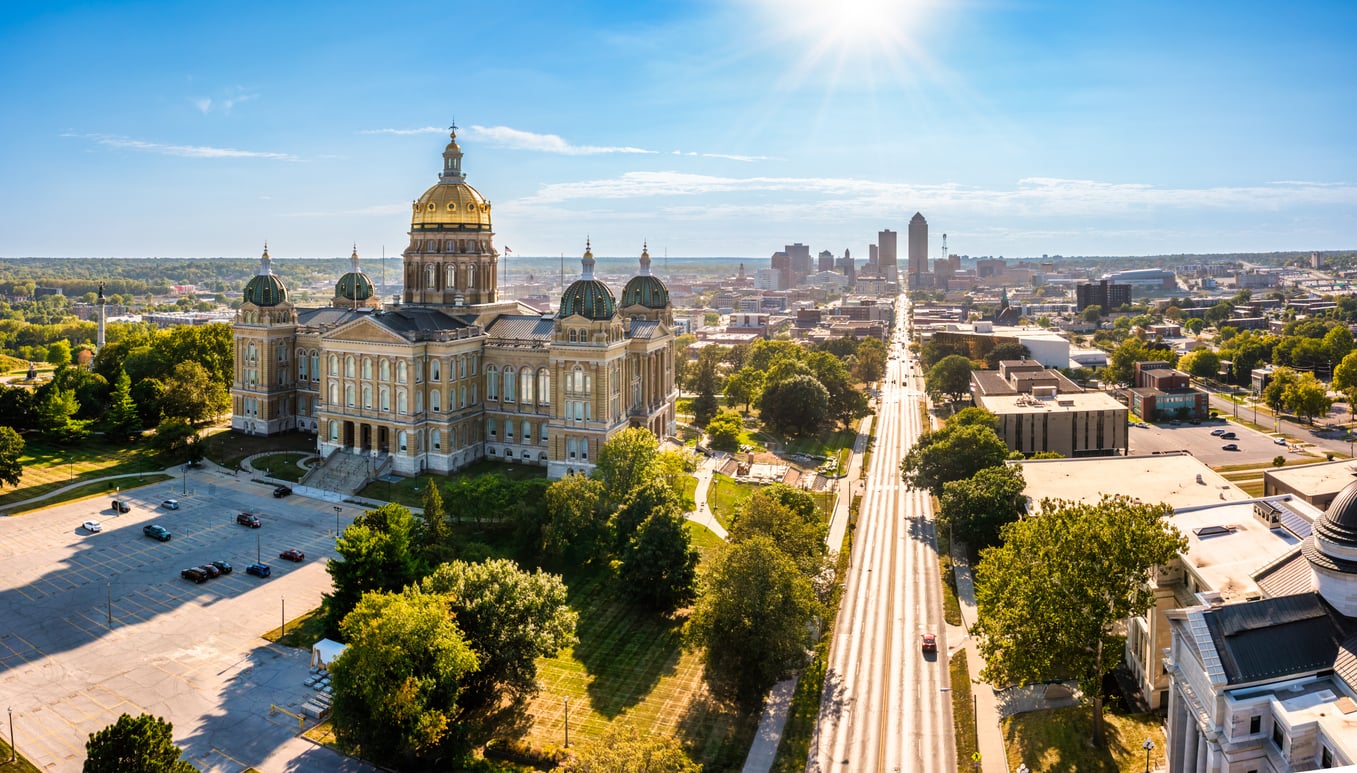
Iowa placed sixth among the least expensive states. Des Moines, the Amana Colonies, Mississippi River communities, covered bridges, college towns, and the Loess Hills provide relaxed alternatives to crowded tourist destinations. Visitors often find parking, traffic, diners, and local attractions manageable. Hotel prices rise during the Iowa State Fair, football weekends, conventions, festivals, and major political events.
Travel-Friendly: North Dakota
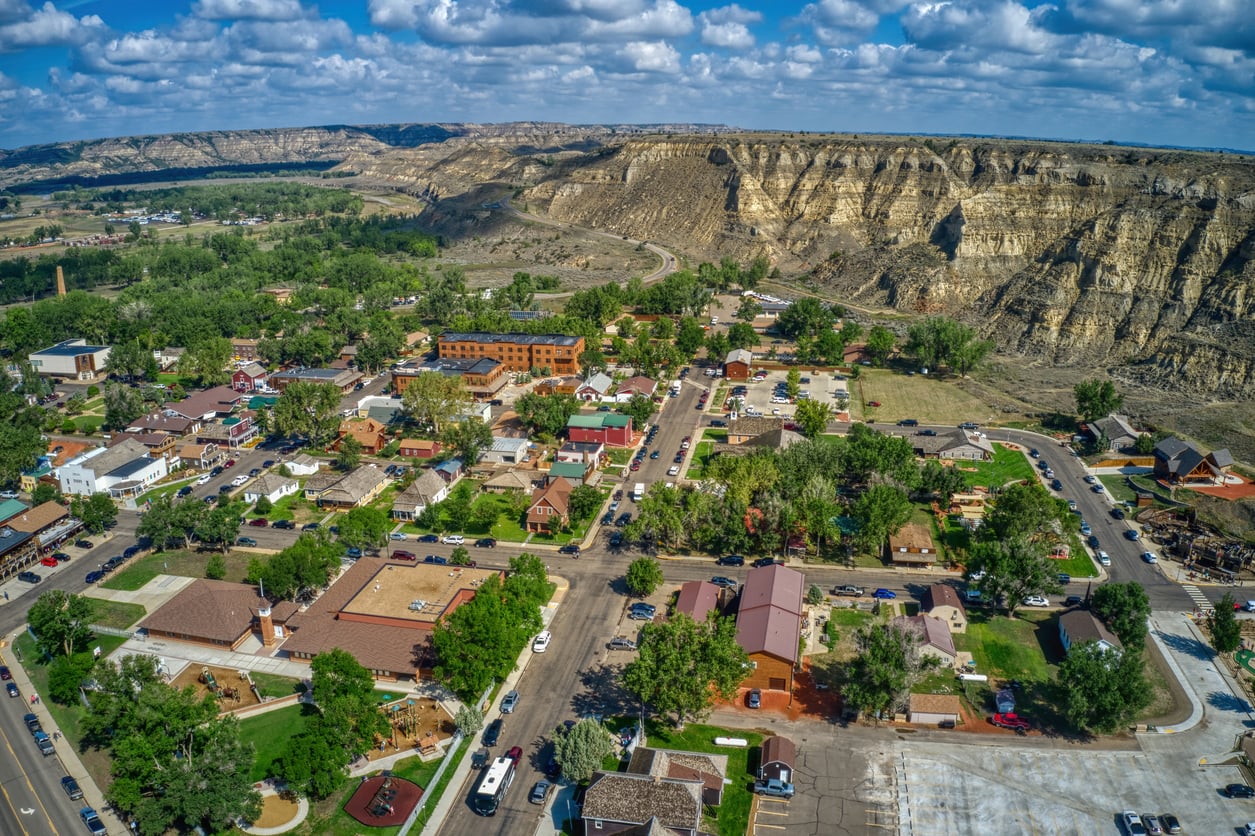
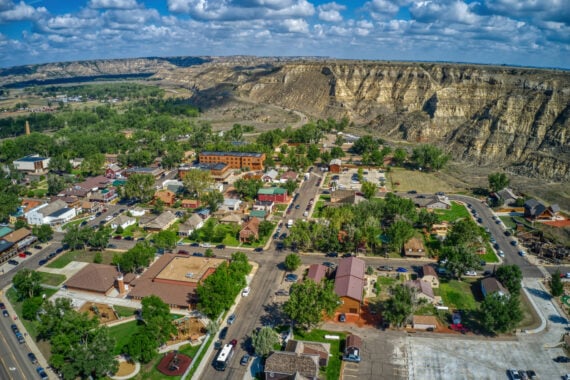
North Dakota ranked seventh among the study’s most affordable states. Theodore Roosevelt National Park, the Enchanted Highway, historic forts, scenic byways, and small museums suit travelers who enjoy quiet roads and open landscapes. The main drawback is distance. Fuel costs can accumulate, while limited lodging around Medora and the national park may become expensive during the short summer season.
Travel-Friendly: North Carolina
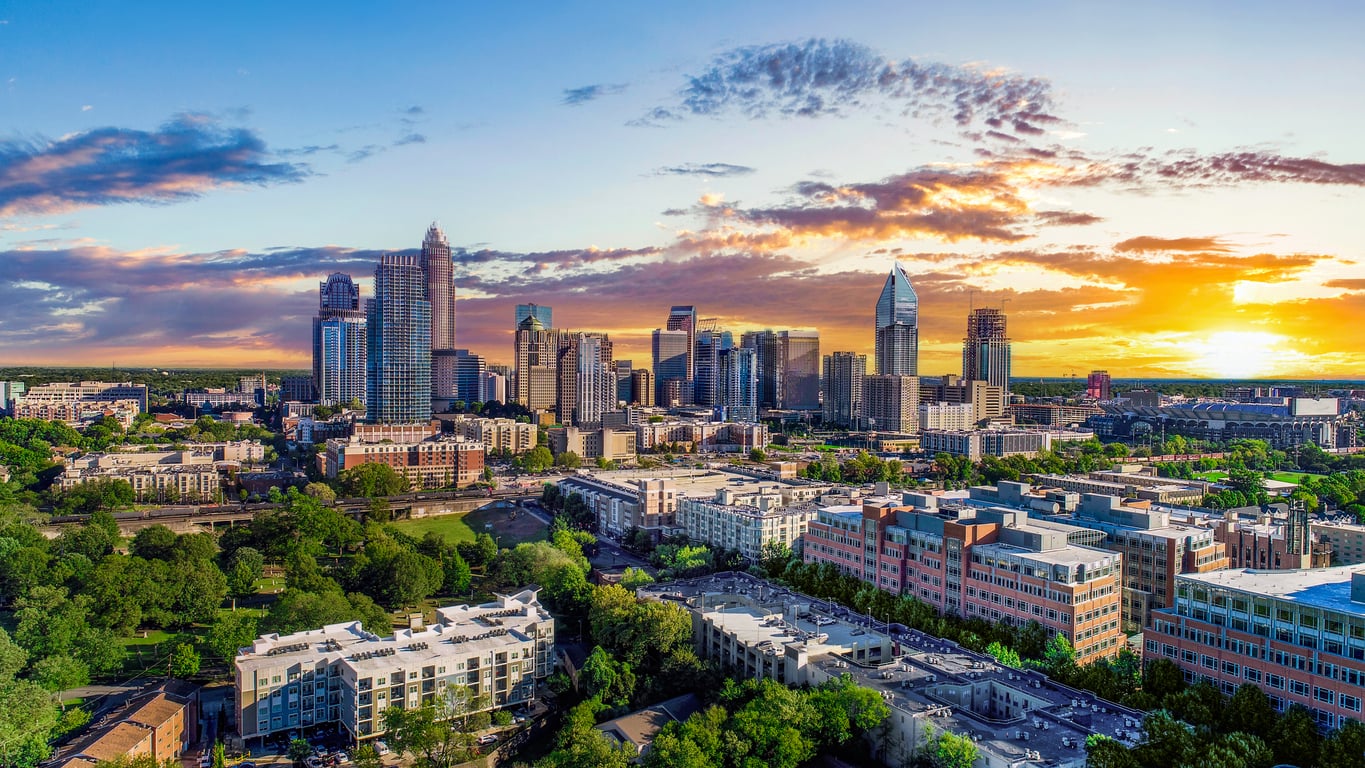
North Carolina ranked eighth among the least expensive states and also performed well in road-trip value research. The Blue Ridge Parkway, mountain communities, urban greenways, historic towns, and coastal recreation provide many free or inexpensive activities. Prices depend heavily on location and timing. Asheville, the Outer Banks, and popular beach towns can become costly during summer, holidays, and fall foliage season.
Sign up for our newsletter
Travel-Friendly: Minnesota
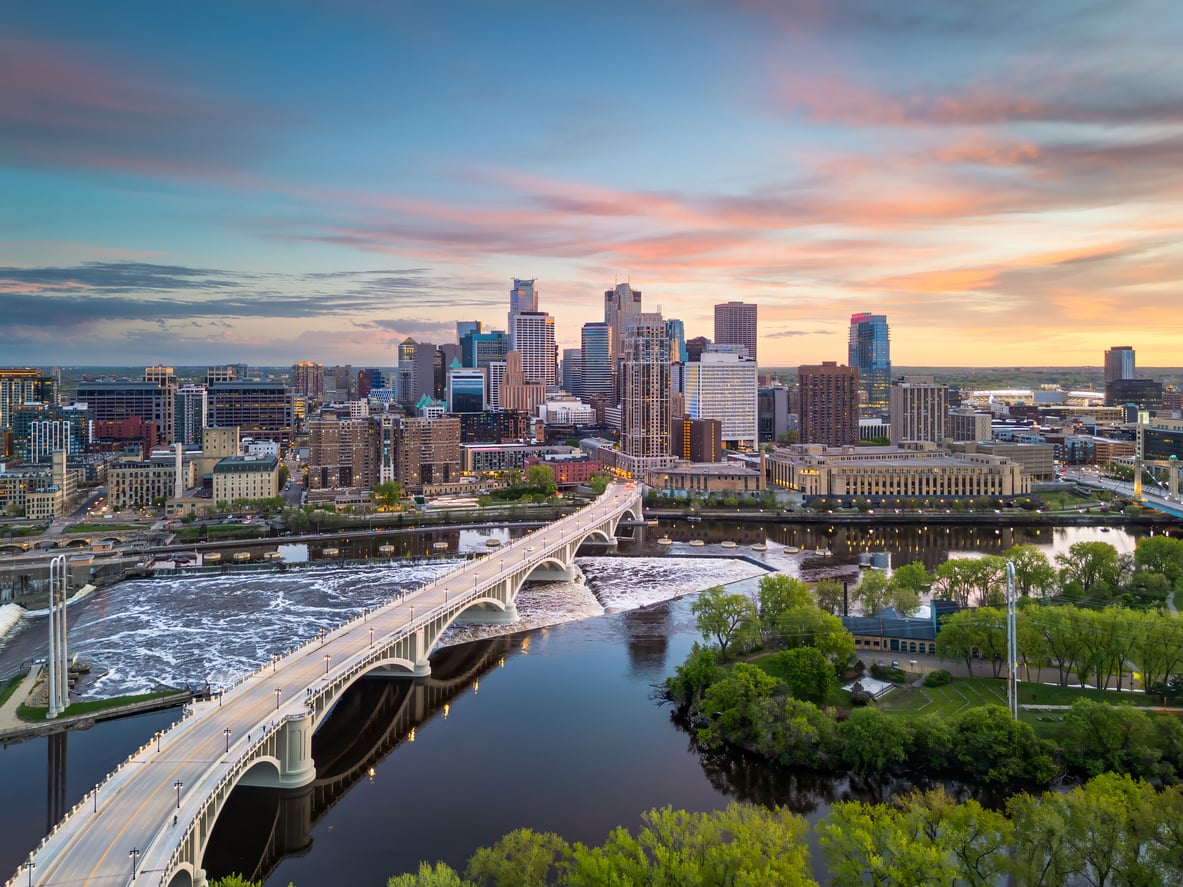
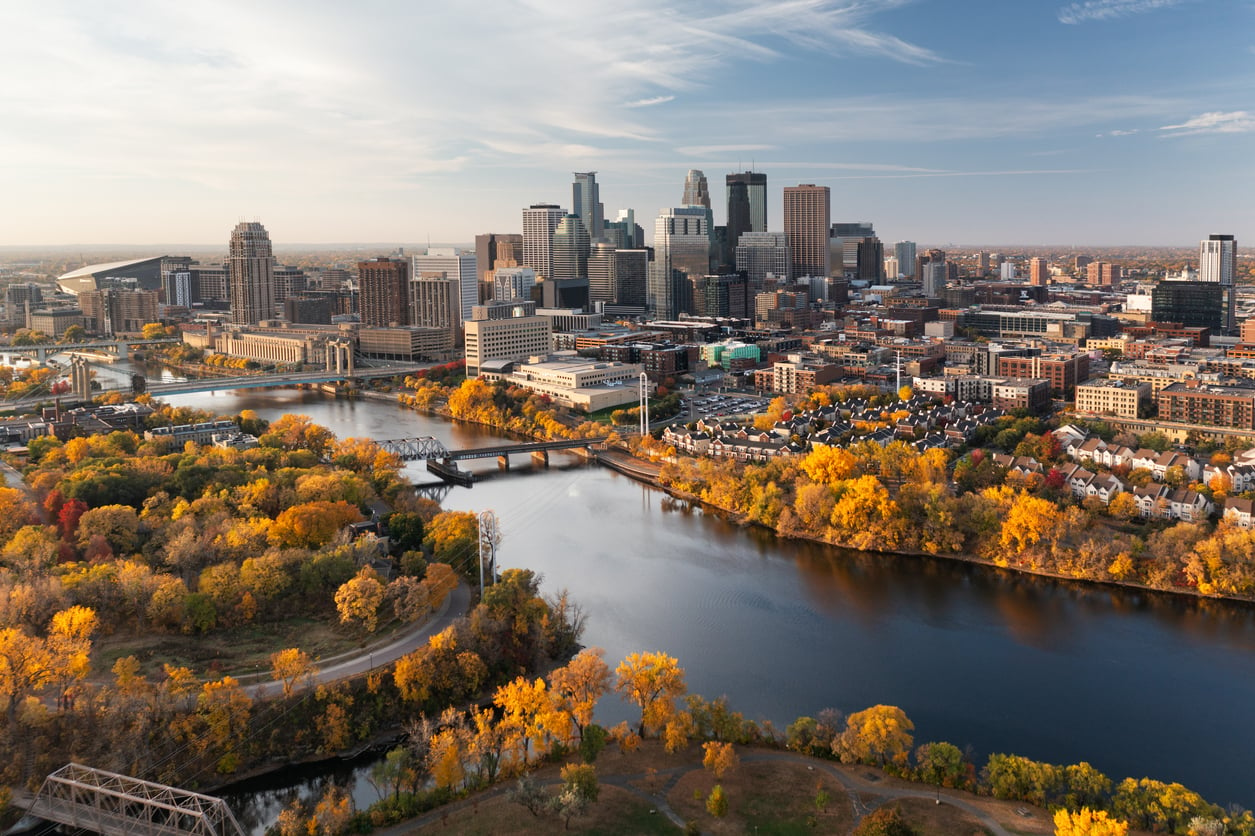
Minnesota ranked ninth on the affordable side despite having some costly cities and lake resorts. Urban lakes, public beaches, parks, trails, scenic drives, and neighborhood attractions can keep entertainment spending low. Minneapolis and St. Paul also offer public transportation. Lake cabins, North Shore hotels, sporting events, festivals, and peak autumn weekends can be expensive when availability becomes limited.
Travel-Friendly: Nebraska

Nebraska completed the study’s 10 least expensive states. Omaha’s Old Market, Lincoln, Scotts Bluff, Chimney Rock, pioneer sites, and the Sandhills provide more variety than many visitors expect. Hotels, parking, and traffic are often manageable. However, major attractions are widely separated, so fuel and overnight stops can add up. Omaha lodging also rises sharply during the College World Series.
Surprisingly Expensive: Maine
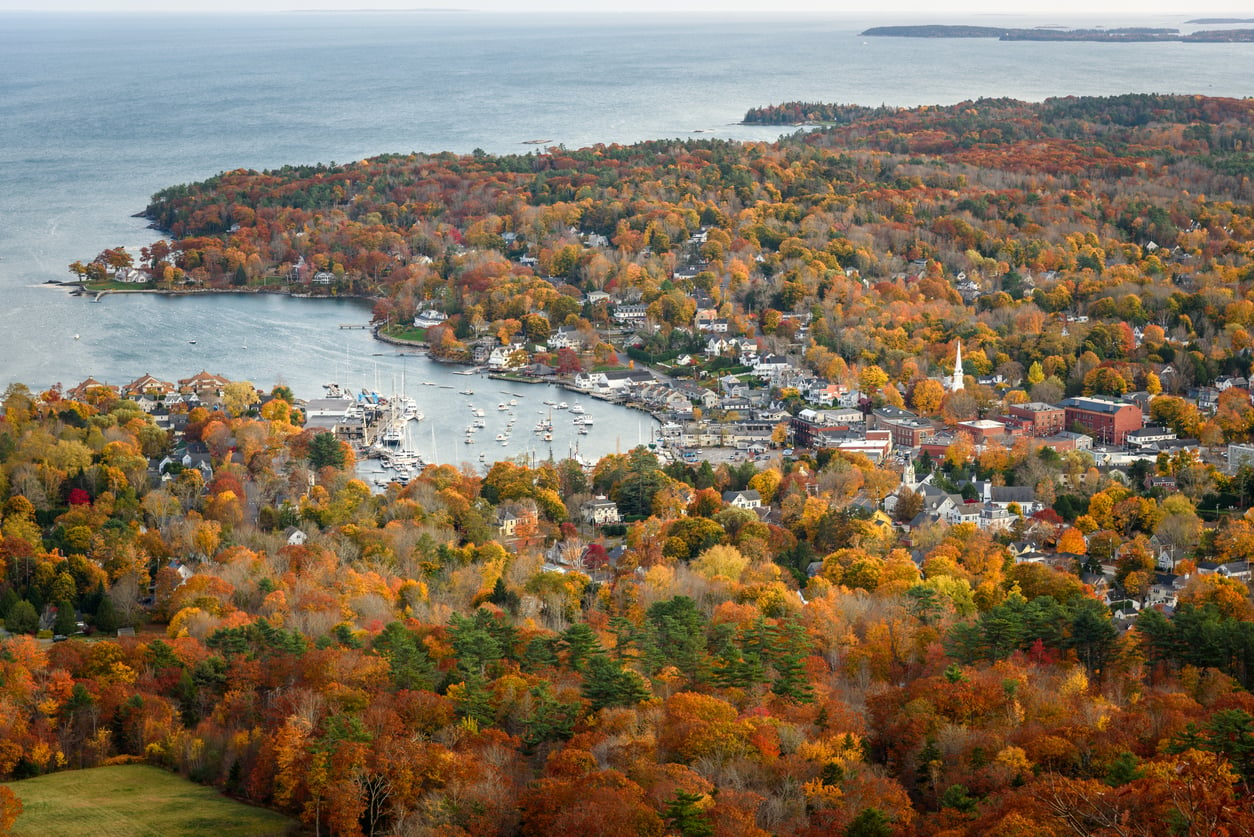
Maine ranked tenth among the study’s most expensive states. Its short tourism season concentrates demand around Bar Harbor, Acadia National Park, Portland, Kennebunkport, and other coastal destinations. Limited rooms, seafood restaurants, rental cars, and long driving distances can increase the bill. Inland towns, campgrounds, western mountain areas, and visits outside peak summer and foliage season can be far more affordable.
Surprisingly Expensive: New Hampshire
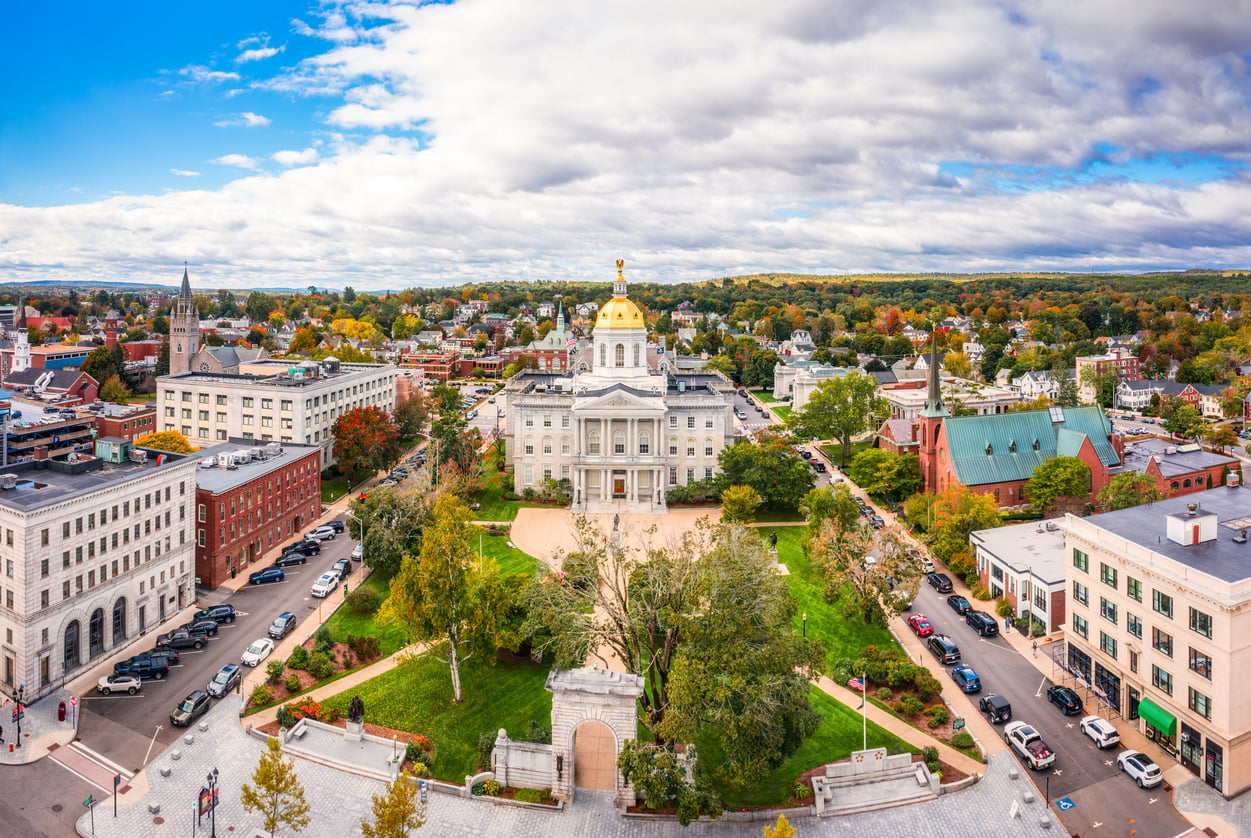
New Hampshire placed ninth among the most expensive states. The White Mountains, Lakes Region, ski towns, and foliage destinations have limited lodging, allowing rates to rise during popular seasons. Lift tickets, equipment rentals, resort meals, and car expenses can add considerably more. The lack of a general sales tax helps in some situations, while scenic roads, trails, forests, and small towns offer lower-cost alternatives.
Surprisingly Expensive: Alabama
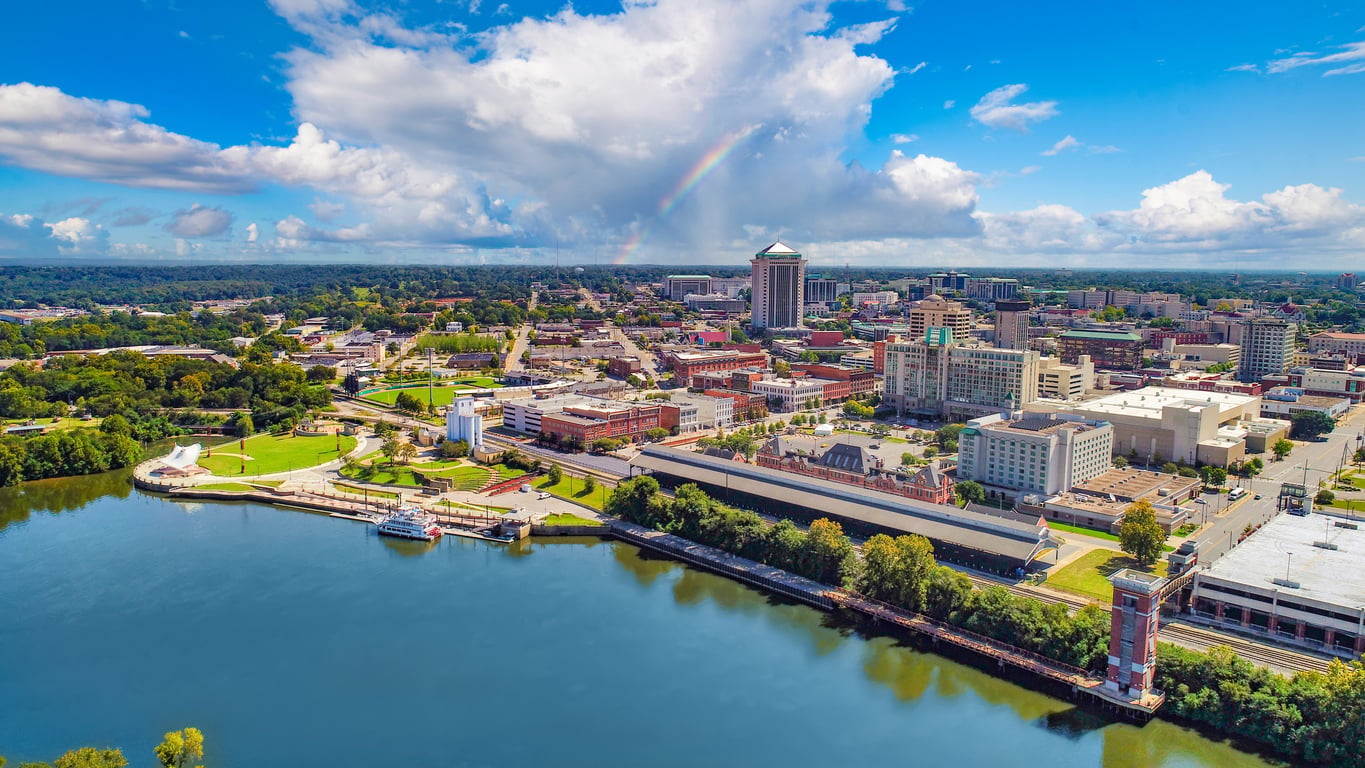
Alabama ranked eighth among the most expensive states in the main study, despite appearing affordable in separate road-trip research. Gulf Shores and Orange Beach can have high rental prices, lodging taxes, restaurant costs, and strong summer demand. Inland trips can be very different. Birmingham, Montgomery, Huntsville, civil rights landmarks, museums, and smaller communities often provide more manageable options than the coastal resort areas.
Surprisingly Expensive: Virginia
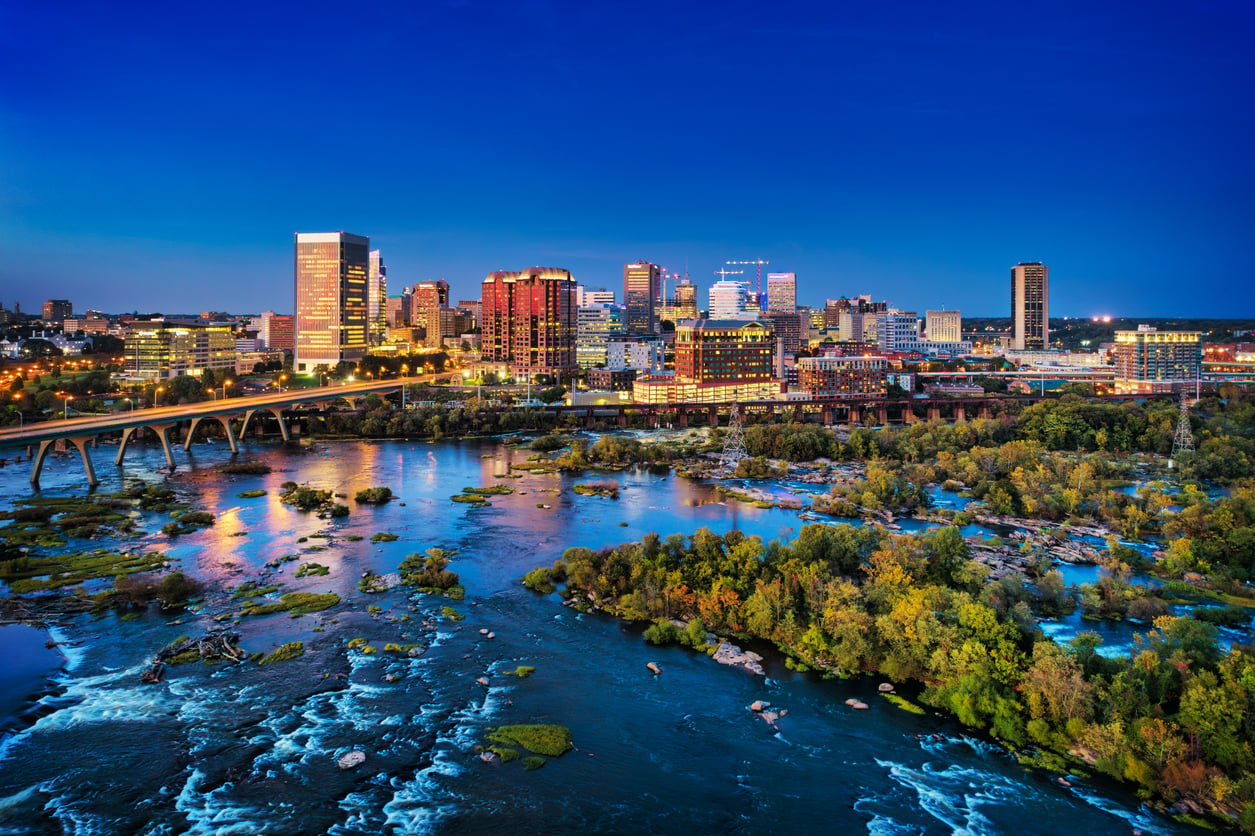
Virginia placed seventh on the expensive side. Northern Virginia hotels, restaurants, parking, and transportation can reflect Washington-area pricing, while Virginia Beach, Williamsburg, amusement parks, and resorts create additional costs. Distances between regions may also require more fuel and overnight stays. Richmond, smaller Shenandoah Valley towns, scenic drives, and lodging near public transit can help travelers reduce the total.
Surprisingly Expensive: Rhode Island
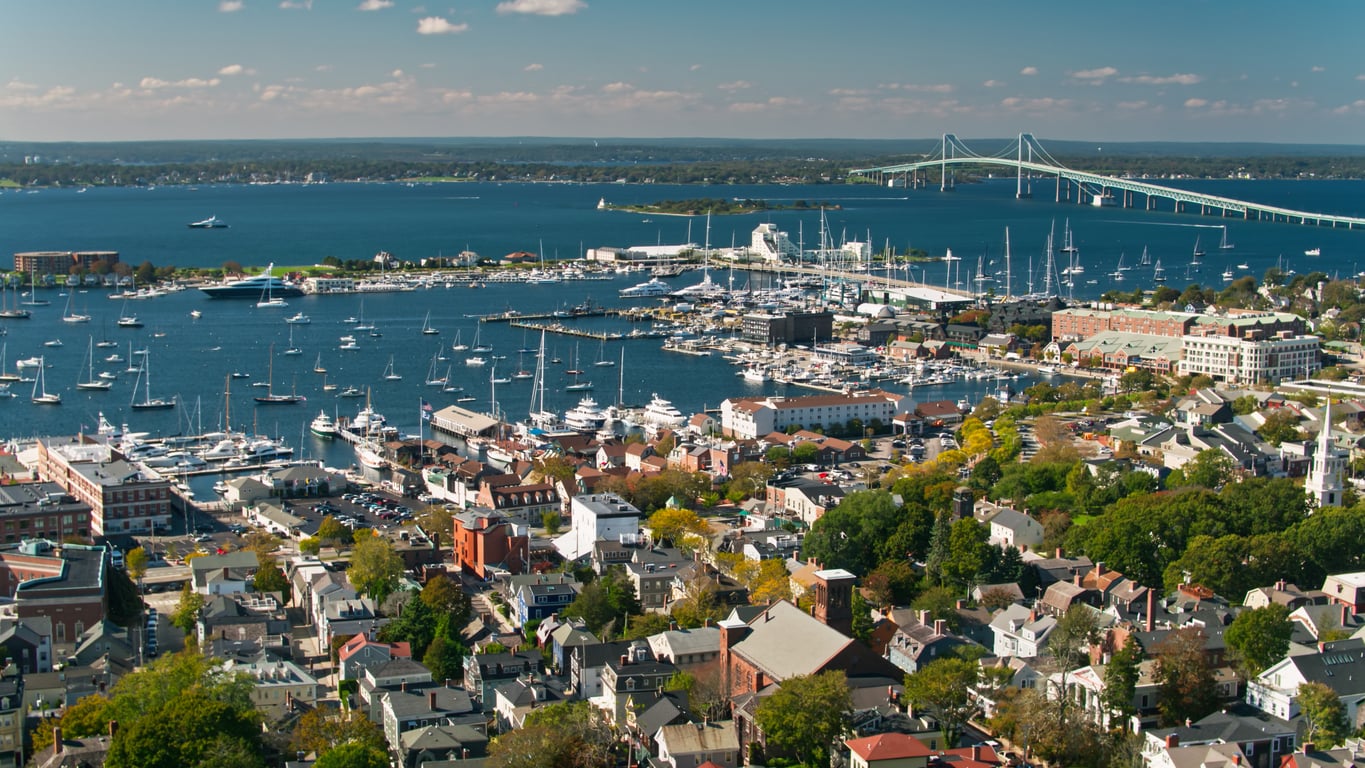
Rhode Island ranked sixth among the most expensive states. Newport hotels, coastal inns, weddings, summer rentals, seafood restaurants, and beach parking can be costly despite the state’s small size. Accommodation taxes can make the final checkout price higher than the advertised rate. Providence, Warwick, and inland communities may offer better value, while coastal walks and historic neighborhoods provide inexpensive sightseeing.
Surprisingly Expensive: Florida
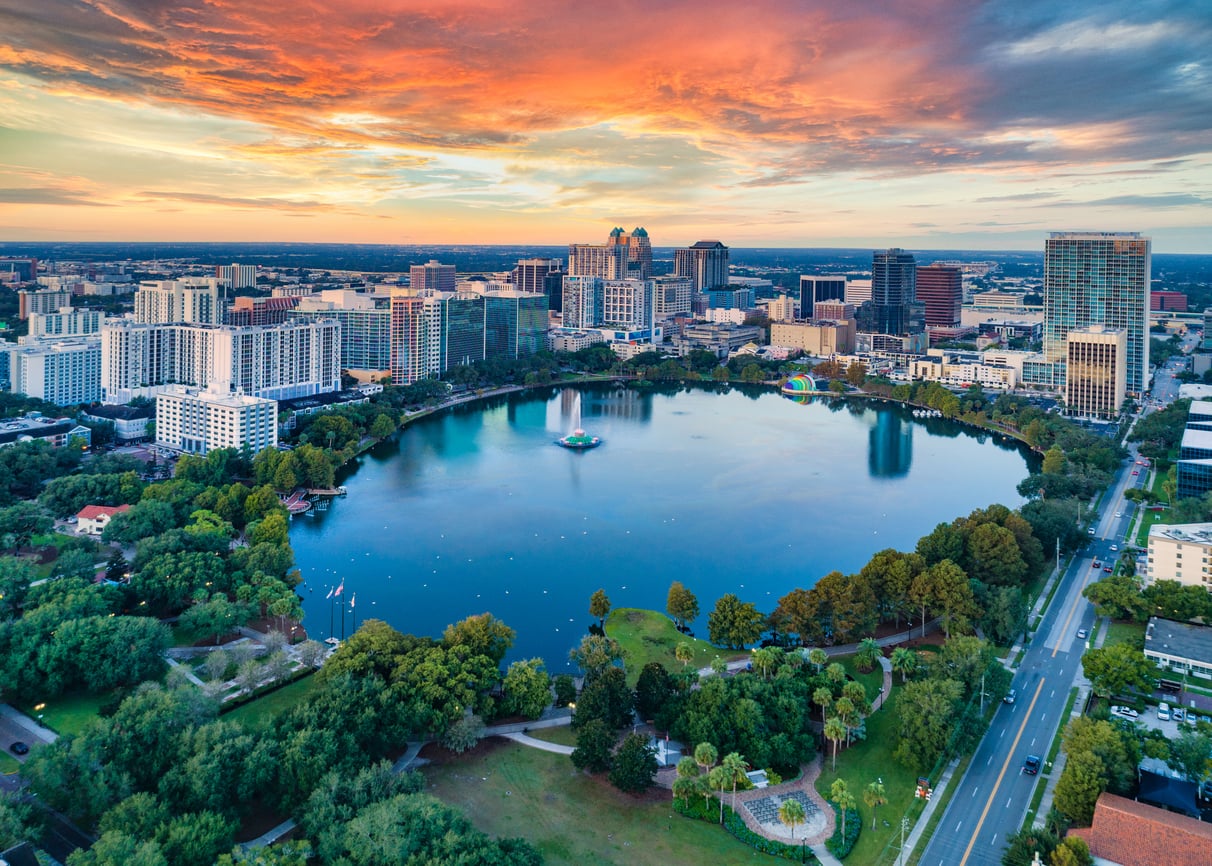
Florida ranked fifth among the most expensive states, with estimated daily spending of $365.60 per person. Theme parks, premium attractions, parking, dining, and optional upgrades can make an Orlando trip especially costly. Miami, Key West, and major resorts can also strain a budget. Florida’s large hotel supply creates some bargains, while beaches, springs, preserves, and smaller communities offer lower-cost alternatives.
Surprisingly Expensive: New York
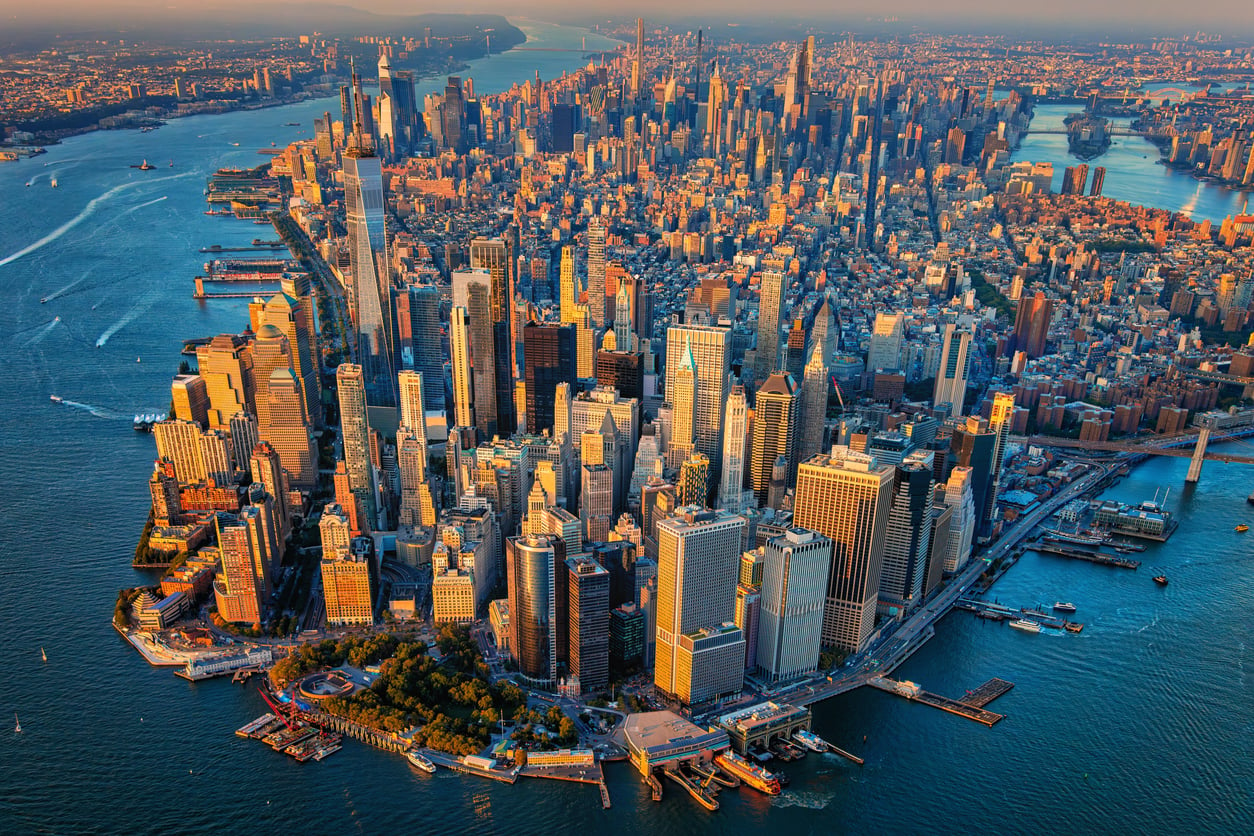
New York ranked fourth among the study’s most expensive states, with estimated daily spending of $380.71. New York City hotels, theater tickets, restaurants, taxis, drinks, and parking strongly influence the result. Seasonal destinations such as the Hamptons can also be costly. Public transportation and free city attractions help, while Buffalo, Rochester, Syracuse, Albany, and smaller upstate communities generally cost less.
Surprisingly Expensive: California
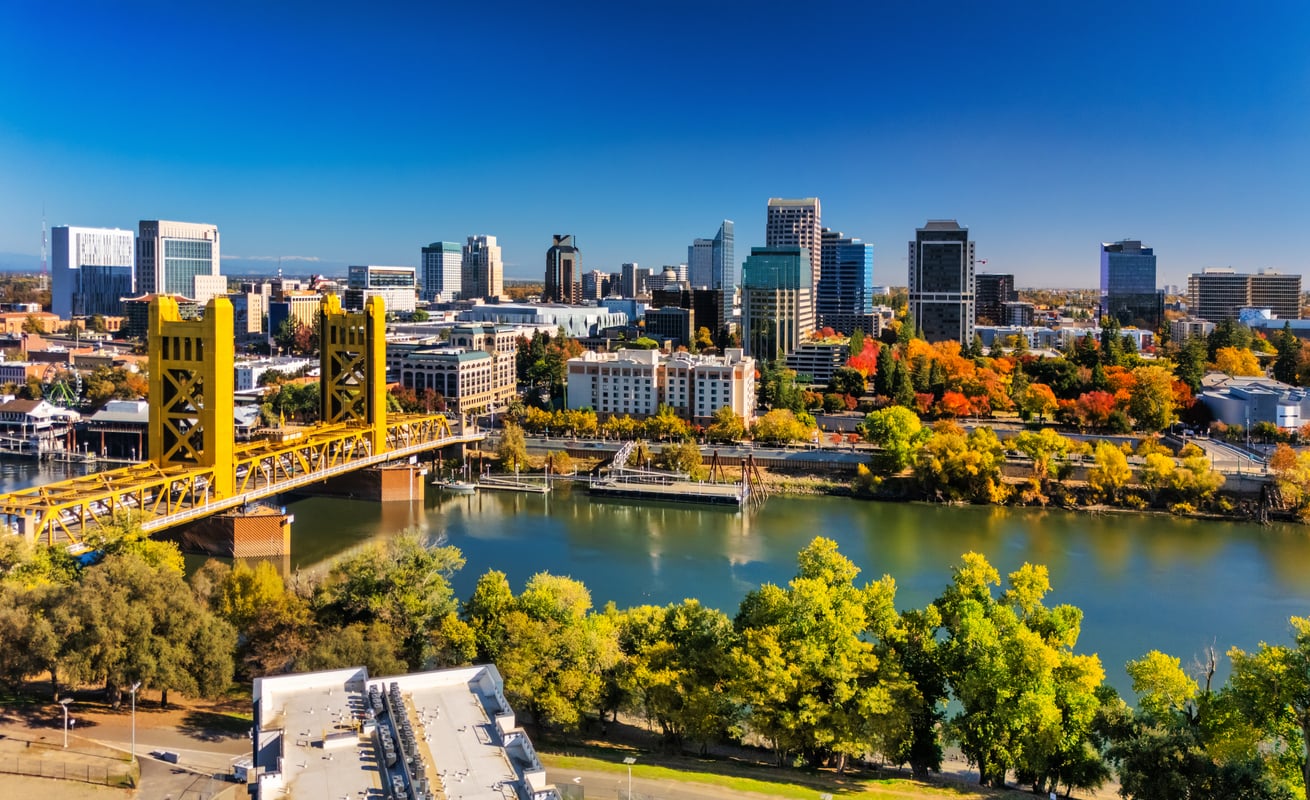
California placed third among the most expensive states, with estimated daily spending of $389.33. Theme parks, tours, entertainment, parking, gasoline, and hotel rates can all add pressure. The state’s size also makes ambitious road trips costly. Travelers may save by staying within one region and focusing on beaches, neighborhoods, public parks, and scenic drives rather than combining several distant cities and resorts.
Surprisingly Expensive: Massachusetts
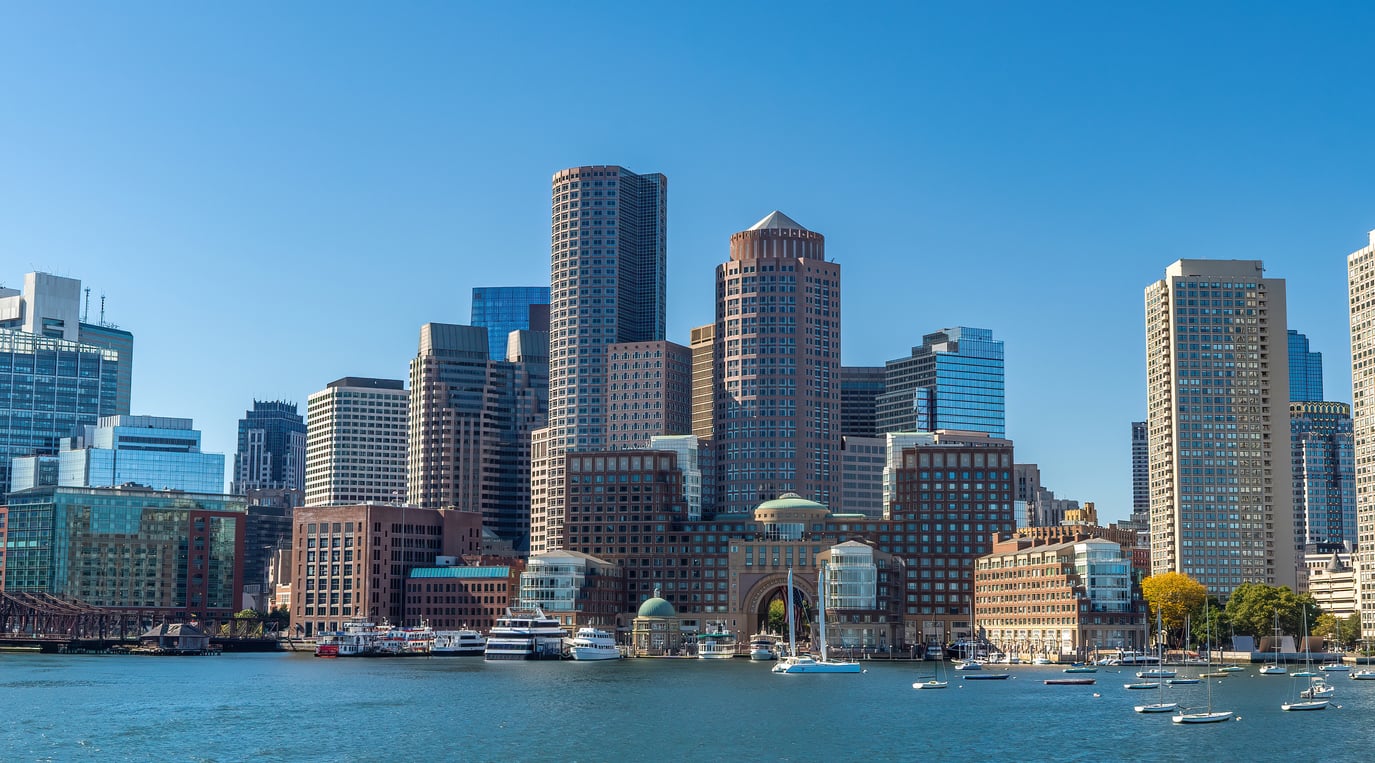
Massachusetts ranked second among the study’s most expensive states, with estimated daily spending of $413.87. High hotel prices in Boston, Cape Cod, Martha’s Vineyard, and Nantucket create much of the pressure. Ferries, parking, seafood meals, and limited island lodging add more. Free Boston attractions, public transportation, western Massachusetts, Worcester, and shoulder-season coastal visits can make the state more manageable.
Surprisingly Expensive: South Carolina
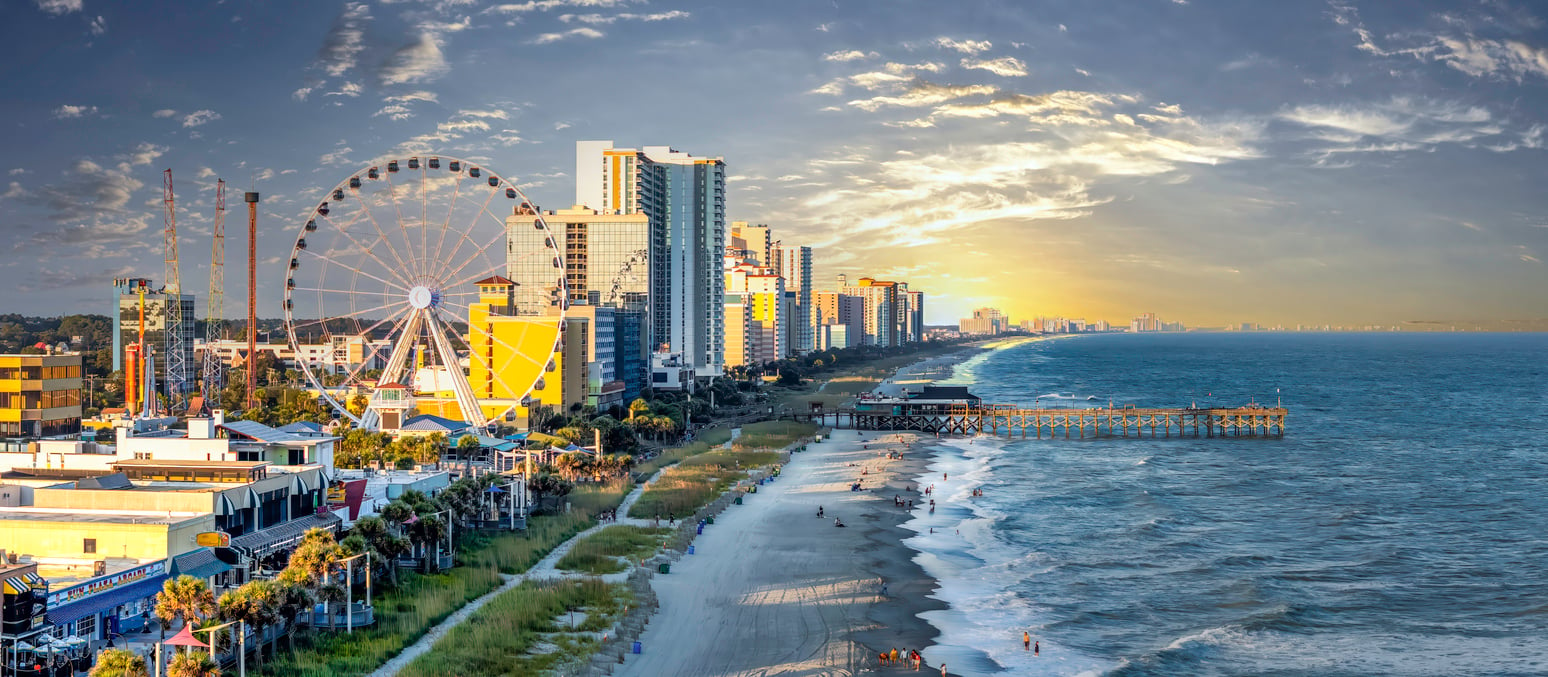
South Carolina ranked as the most expensive state in the study, with estimated spending of $450.07 per person per day. Charleston’s premium hotels and restaurants, Hilton Head resorts, beach rentals, golf packages, and seasonal coastal demand heavily influence the result. Greenville, Columbia, inland parks, smaller towns, and off-season stays can cost far less than the statewide figure suggests.