Some of America’s most fascinating culinary customs have their roots in everyday life, from feeding hungry workers to celebrating religious holidays and preserving seasonal ingredients. As Discover New England’s guide to heritage foods illustrates, regional cooking reflects generations of cultural influences and resourcefulness. From underground bean suppers in Maine to colorful Mardi Gras cakes in Louisiana, these 12 American food traditions have surprisingly rich histories that make them worth experiencing at least once.
Door County Fish Boils – Wisconsin
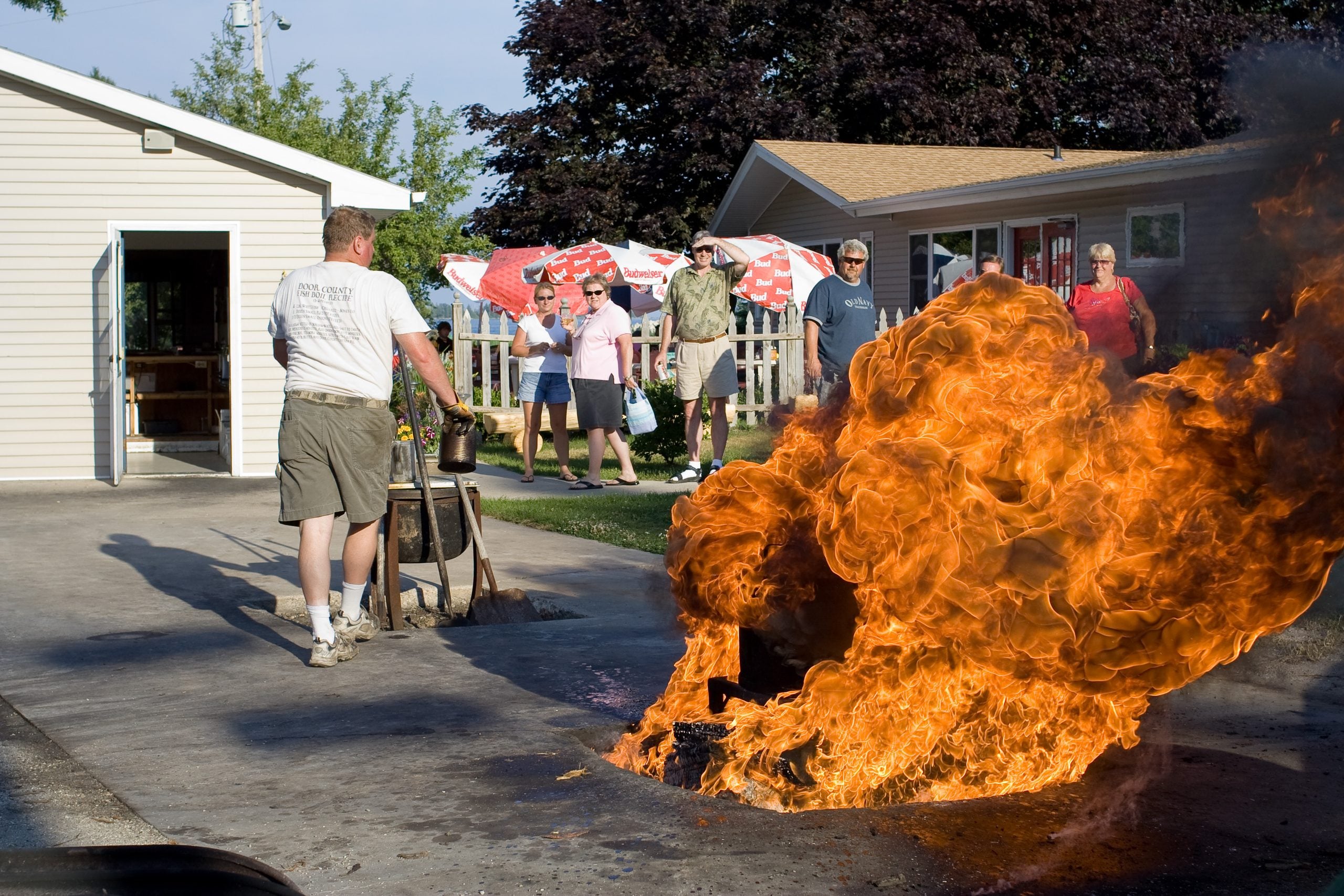
Dinner comes with a little theatrical entertainment at a traditional Door County fish boil. Lake Michigan whitefish and potatoes are cooked in a large outdoor kettle before the boil master produces a dramatic burst of flames, causing the floating fish oils to spill over the pot. The tradition is associated with Scandinavian immigrants and the need to feed large groups of fishermen or lumbermen economically. By the 1960s, establishments such as the White Gull Inn in Fish Creek were introducing vacationers to this longstanding community custom.
Bean-Hole Suppers – Maine
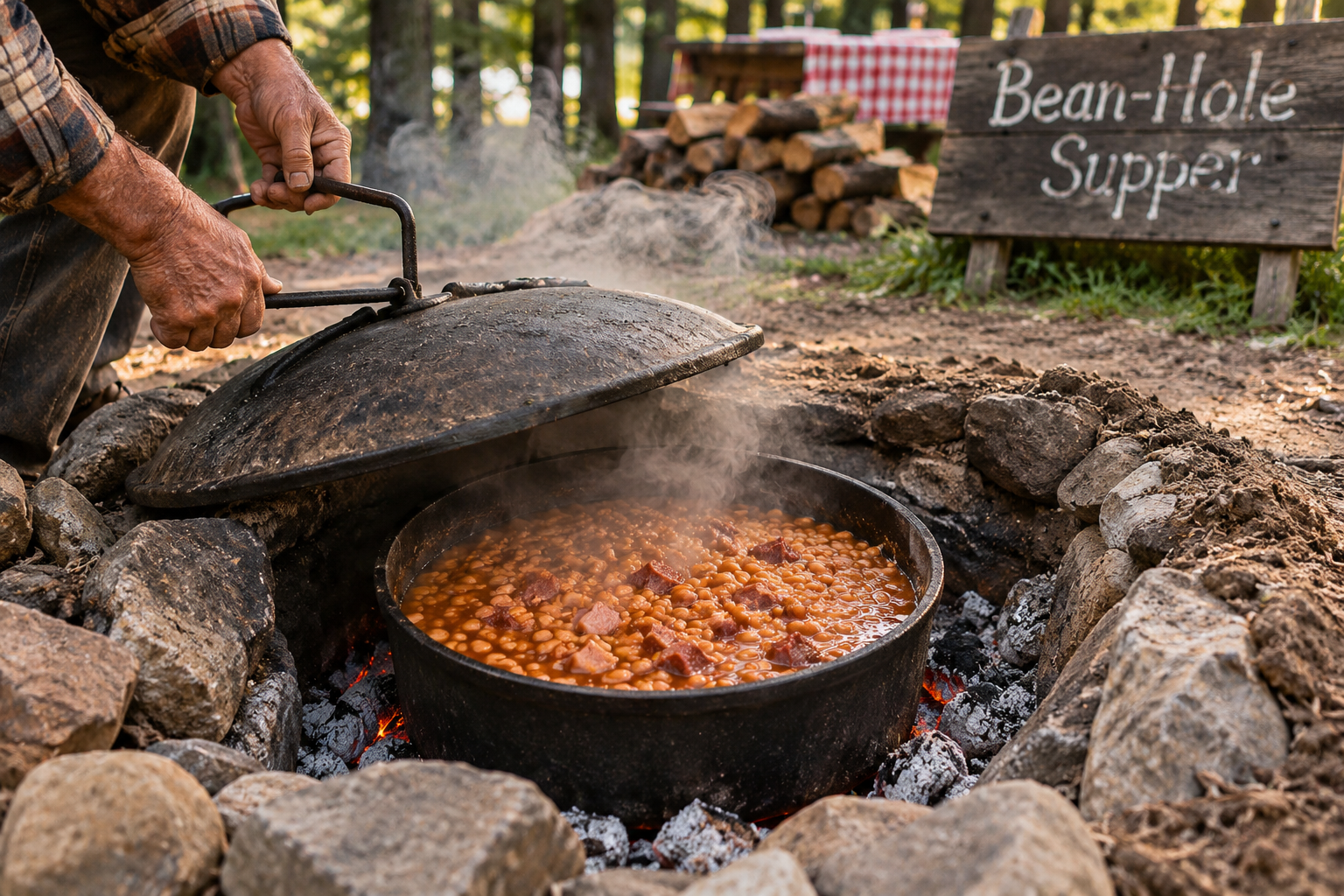
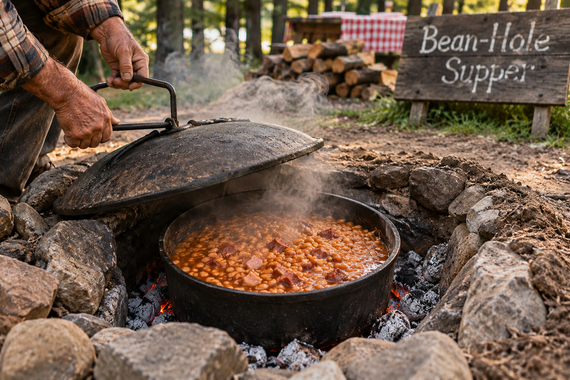
Long before slow cookers became kitchen staples, Maine cooks were preparing baked beans beneath the ground. A covered pot of beans is placed in a pit heated with hot coals and left to cook for many hours. The technique draws on Indigenous cooking traditions and was adapted by logging camps to provide substantial meals for hungry workers. Today, bean-hole suppers help preserve a piece of Maine’s rural history. The lengthy preparation makes them particularly well suited to community gatherings rather than ordinary weeknight dinners.
Lowcountry Oyster Roasts – South Carolina
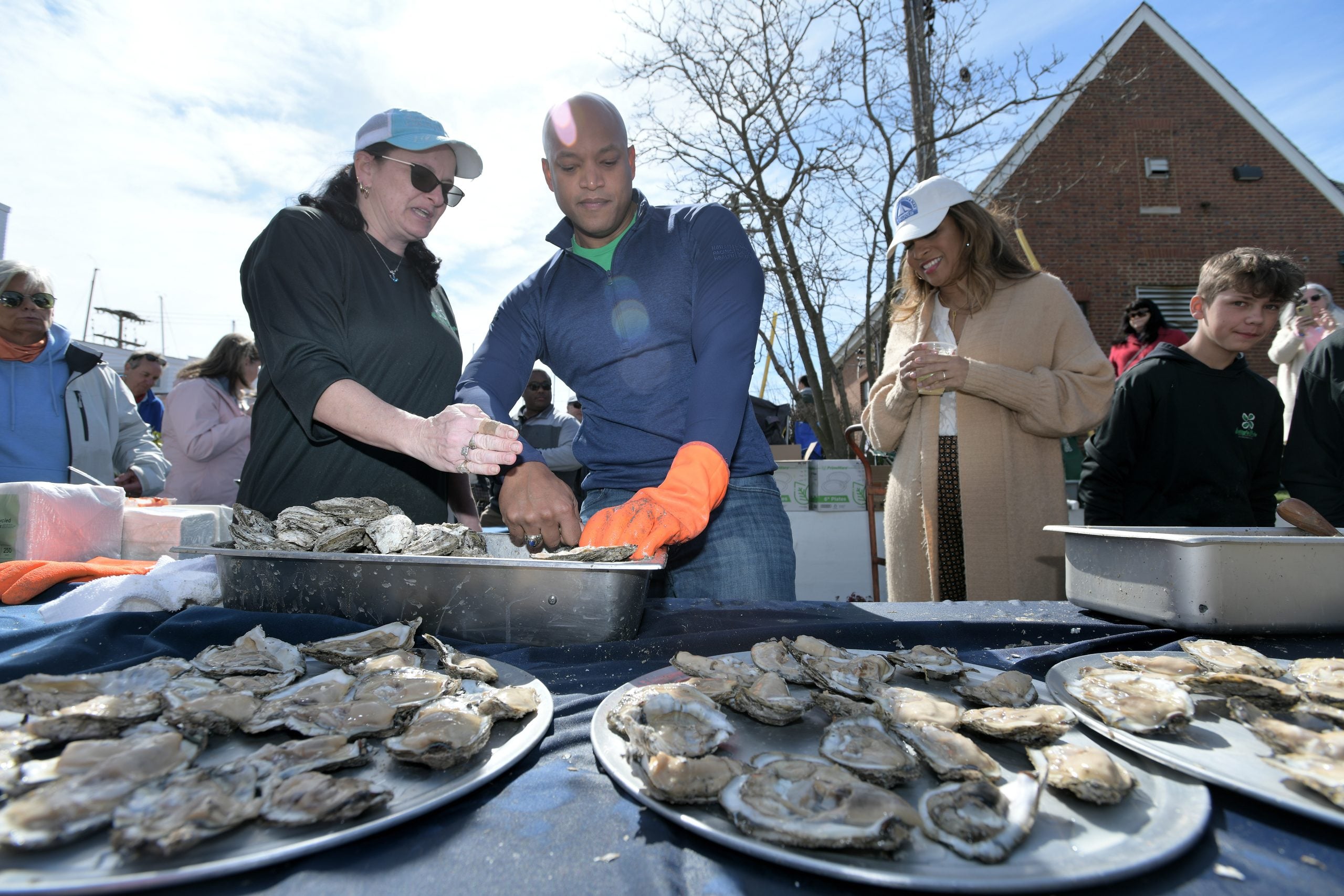
While visitors often associate coastal South Carolina with summer beach vacations, the cooler months bring one of the area’s most distinctive food traditions. At a Lowcountry oyster roast, oysters are cooked in large batches, sometimes beneath wet burlap that helps trap steam. Guests gather around communal tables, opening the shells themselves and eating as they go. The experience encourages conversation in a way that an ordinary restaurant dinner rarely does. Wear casual clothes, since shucking oysters can be a rather messy business.
Spring Crawfish Boils – Louisiana
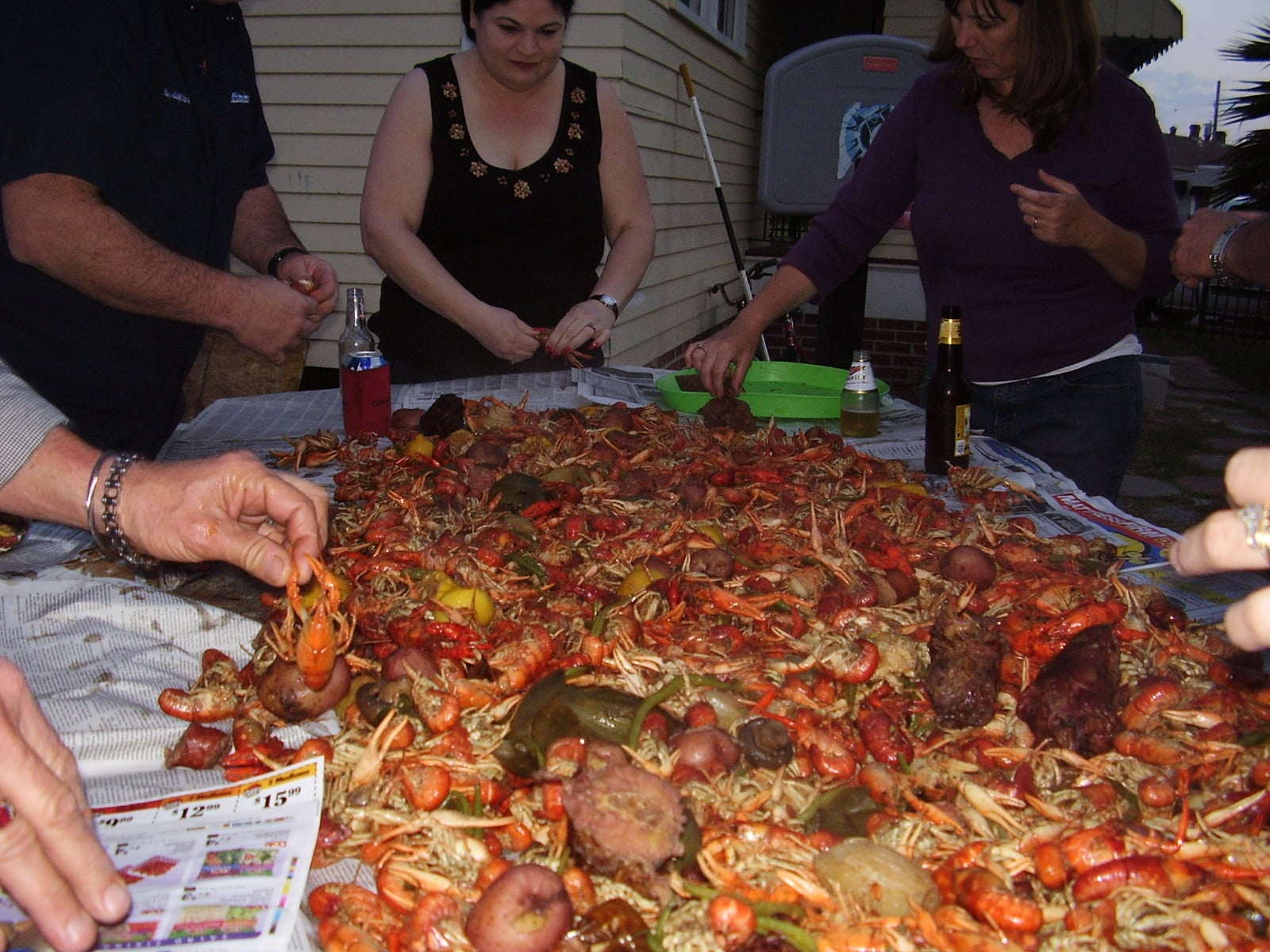
In Louisiana, a pile of bright red crawfish spread across a communal table is a familiar sign that spring has arrived. The crawfish are boiled with seasonings, often alongside potatoes, corn, and sausage, before guests gather to peel and eat them. These meals are particularly suited to family reunions, graduation parties, and neighborhood celebrations. Peeling crawfish takes some practice, and there’s considerably less edible meat than their appearance might suggest. Still, the leisurely process is part of what makes the gathering enjoyable.
Traditional Wild Rice Harvesting – Northern Minnesota
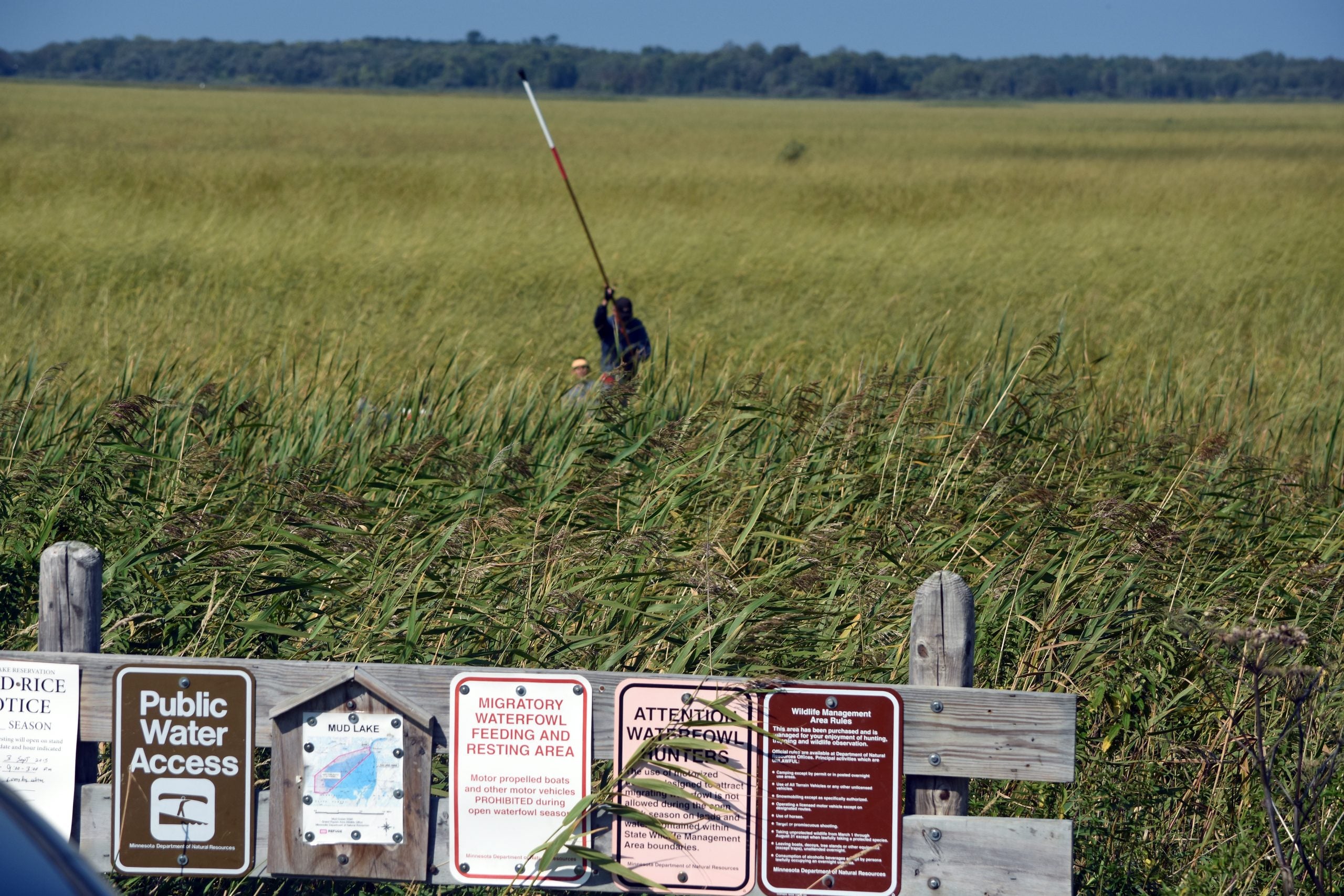
The wild rice sold in grocery stores has a much deeper cultural significance for Ojibwe communities, who call it manoomin. Traditionally, harvesters travel through shallow waterways in canoes, gently knocking ripe grains into the boat with wooden sticks. The harvested grain must then undergo several stages of processing before it’s ready to cook. Wild rice is actually the seed of an aquatic grass. Buying traditionally harvested wild rice from Indigenous producers can help support the communities that have maintained this important food tradition.
Trending on Cheapism

Fasnacht Day – Pennsylvania Dutch Country
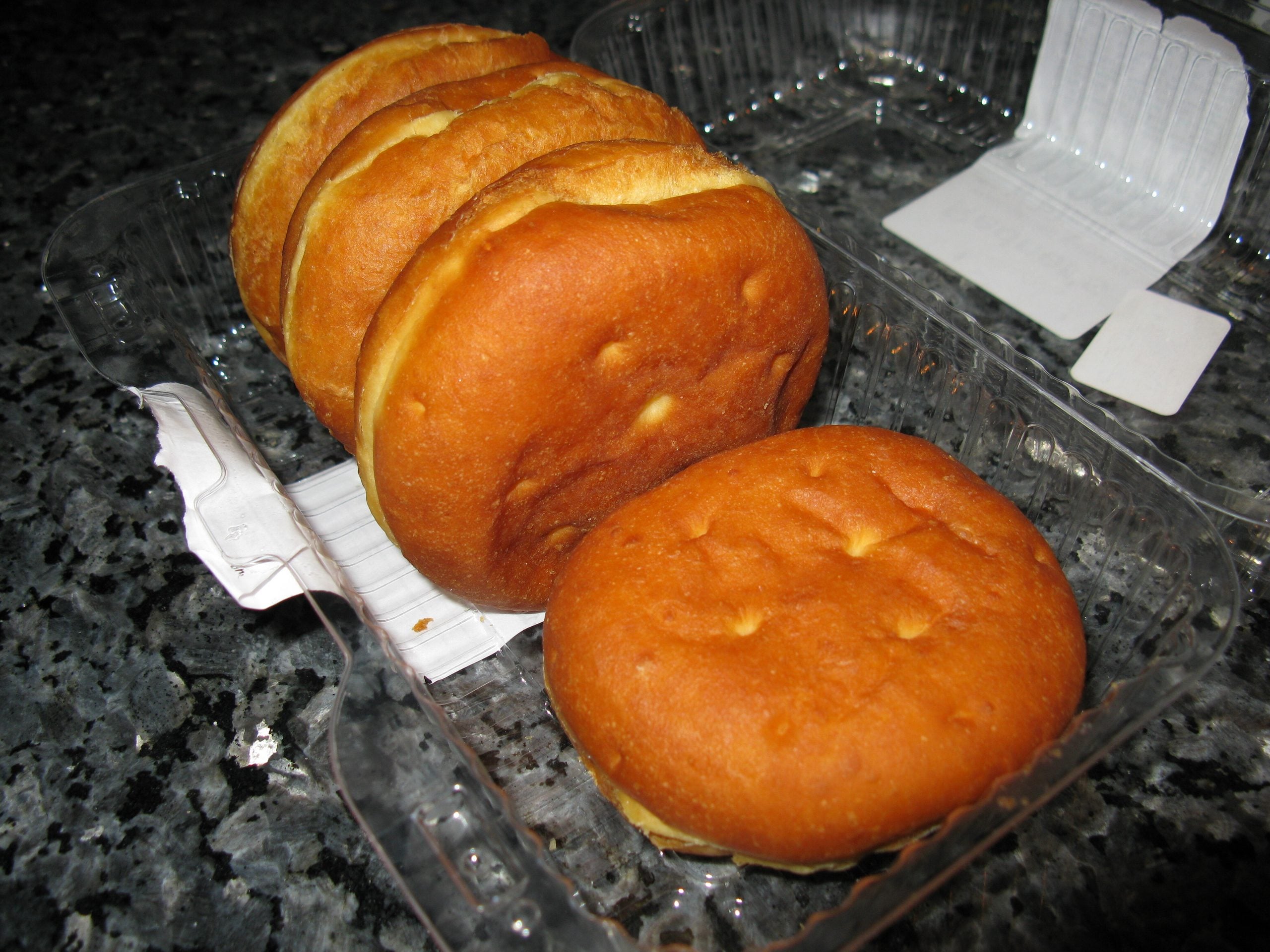
The day before Lent begins is an especially good time to visit a bakery in Pennsylvania Dutch country. Fasnacht Day is celebrated with traditional fried pastries that historically helped households use up rich ingredients before the Lenten fasting period. Some recipes incorporate potatoes, giving the pastries a texture that differs from ordinary doughnuts. Depending on the baker, fasnachts may be served plain, glazed, or dusted with sugar. It’s a charming example of how a practical religious custom developed into an eagerly anticipated annual treat.
Czech Kolache Baking – Central Texas
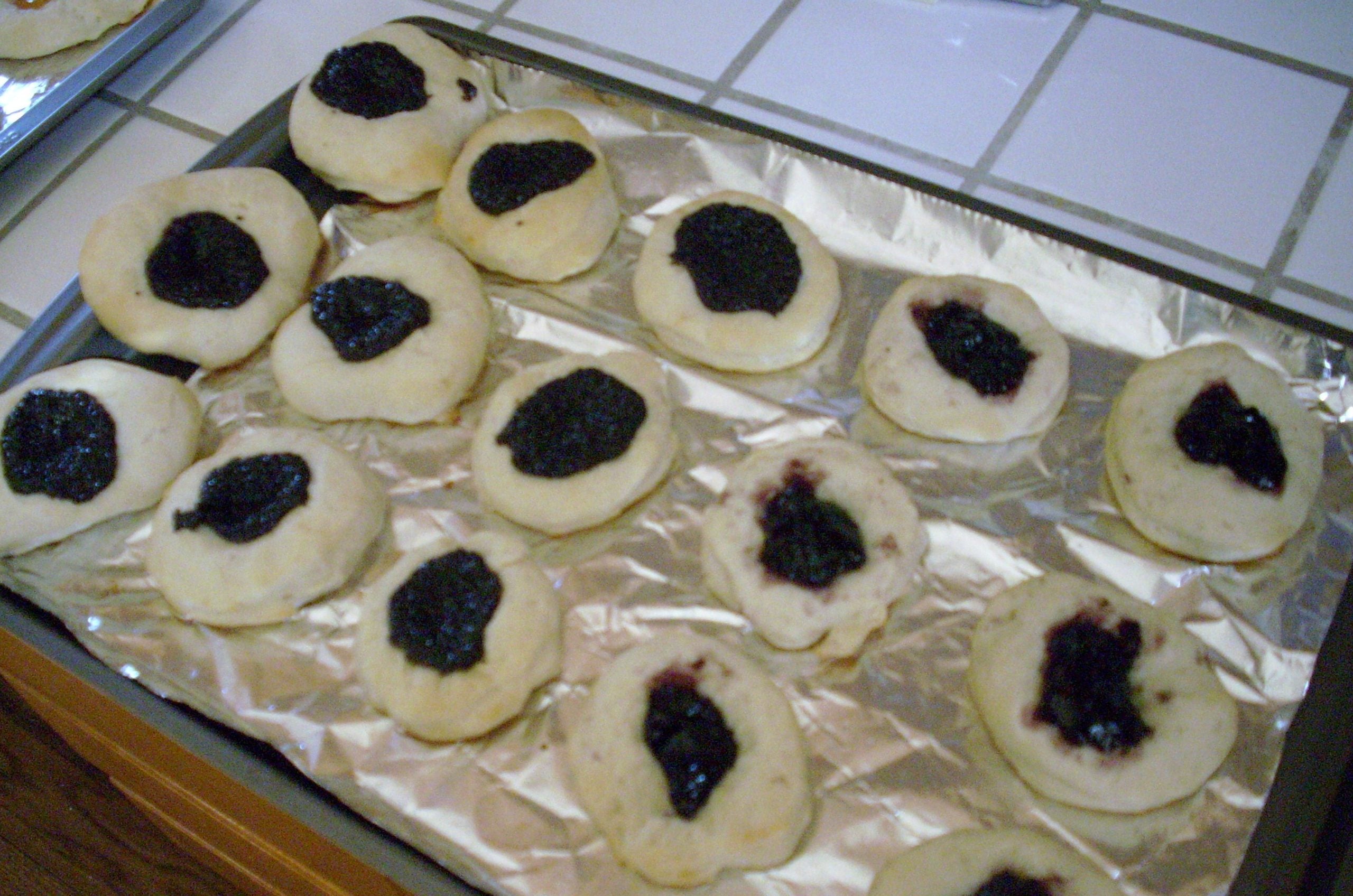
Stopping at a Central Texas bakery offers a delicious introduction to the region’s Czech immigrant heritage. Traditional kolaches feature soft yeast dough with fillings such as fruit, poppy seeds, or sweetened cheese. The familiar sausage-filled pastries that Texans often call kolaches are more properly known as klobasneks. Towns such as West and La Grange remain closely associated with these baking traditions. The pastries make a convenient road-trip snack, but the distinction between the sweet and savory varieties is an interesting piece of cultural history in itself.
Traditional Maine Clambakes – Maine’s Midcoast
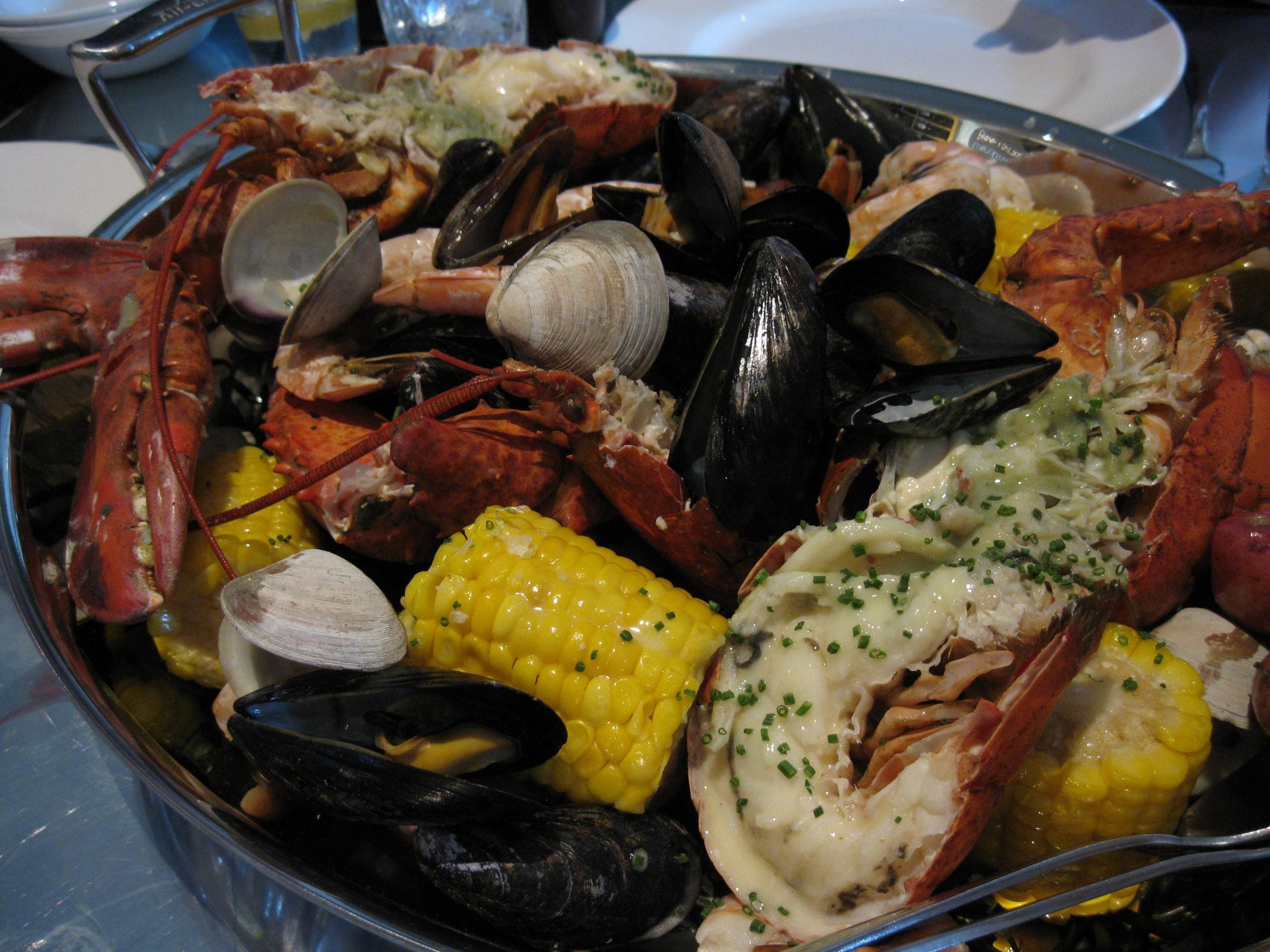
A traditional coastal clambake makes clever use of ingredients that never appear on the dinner plate. Heated stones and layers of seaweed create a steaming environment for cooking shellfish and other foods. Indigenous coastal cooking practices helped shape New England’s later clambake traditions, which became popular at summer gatherings. Around Boothbay Harbor, experiences such as the Cabbage Island Clambake combine a coastal outing with a traditional seafood meal. Check package prices beforehand, since organized clambakes can cost considerably more than a simple seafood lunch.
Sign up for our newsletter
Maple Sugaring Season – Vermont
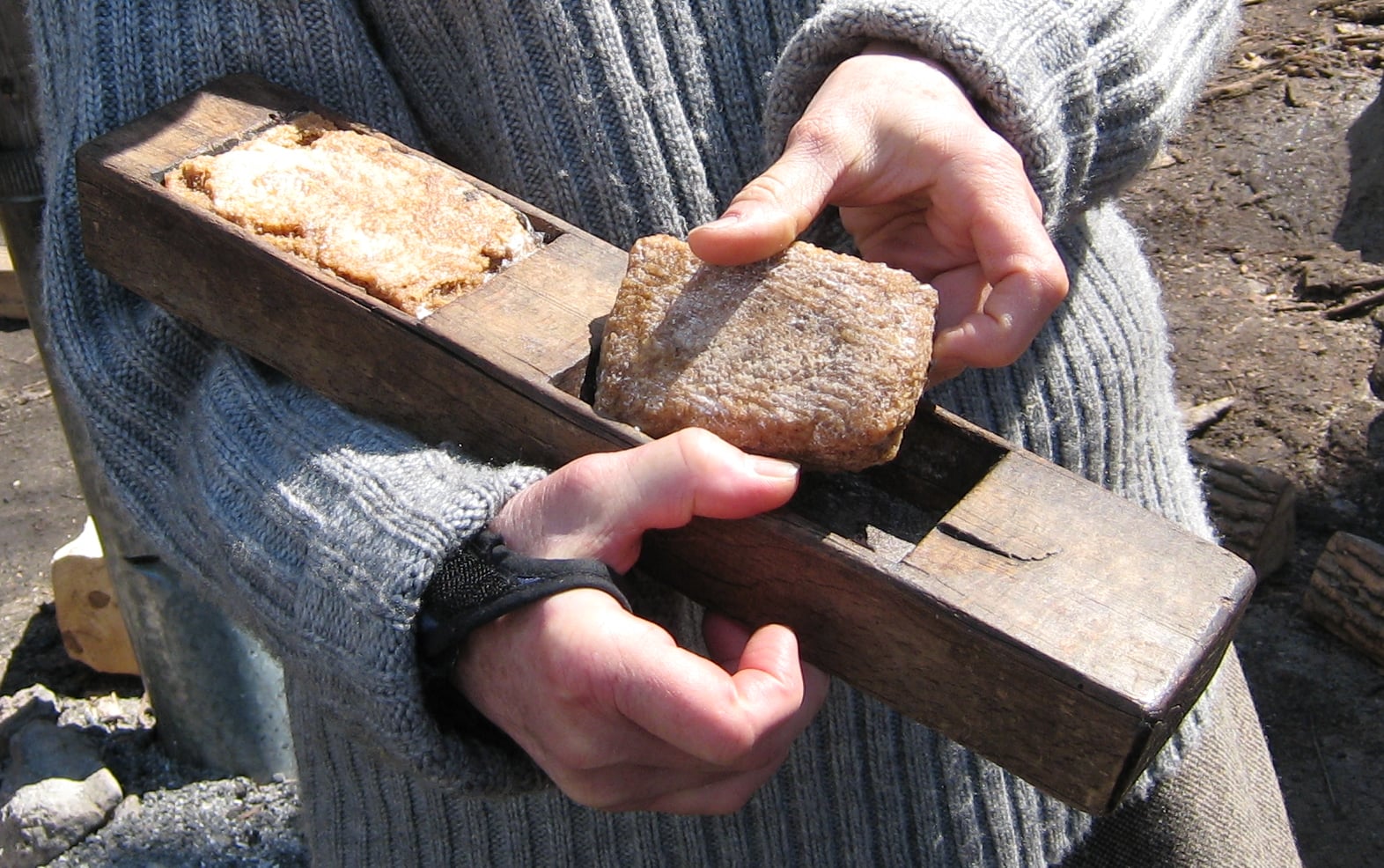
Vermont’s maple syrup harvest follows the weather rather than a fixed appointment on the calendar. Freezing nights followed by warmer days encourage sap to flow, allowing producers to collect it and evaporate much of its water in sugarhouses. Indigenous peoples made maple sweeteners long before European settlement, and the practice remains closely connected to Vermont’s agricultural identity. Visiting a sugarhouse during late winter or early spring offers a chance to appreciate the considerable work that goes into an ordinary bottle of pure maple syrup.
Mississippi Delta Hot Tamale Traditions – Mississippi
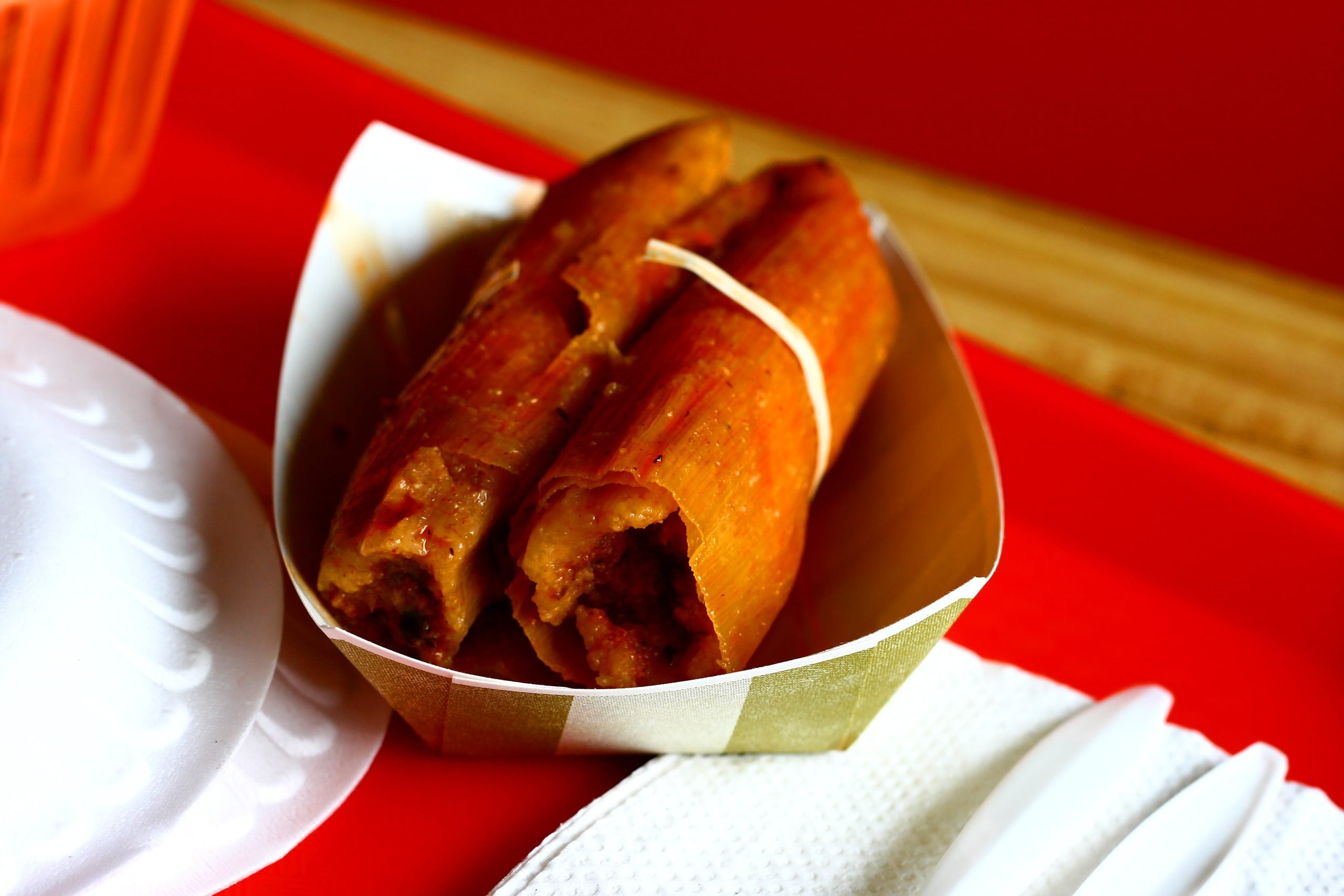
Tamales might seem like an unexpected specialty in Mississippi, but they’ve been part of Delta food culture for generations. One prominent theory links their arrival to Mexican agricultural workers, although historians disagree on the precise origins. African American cooks and vendors have played an important role in carrying the tradition forward. Delta tamales often feature cornmeal and seasoned meat, with the wrapped bundles simmered in spicy liquid rather than steamed. The region’s Hot Tamale Trail celebrates this distinctive example of American culinary exchange.
The New Orleans King Cake Tradition – Louisiana
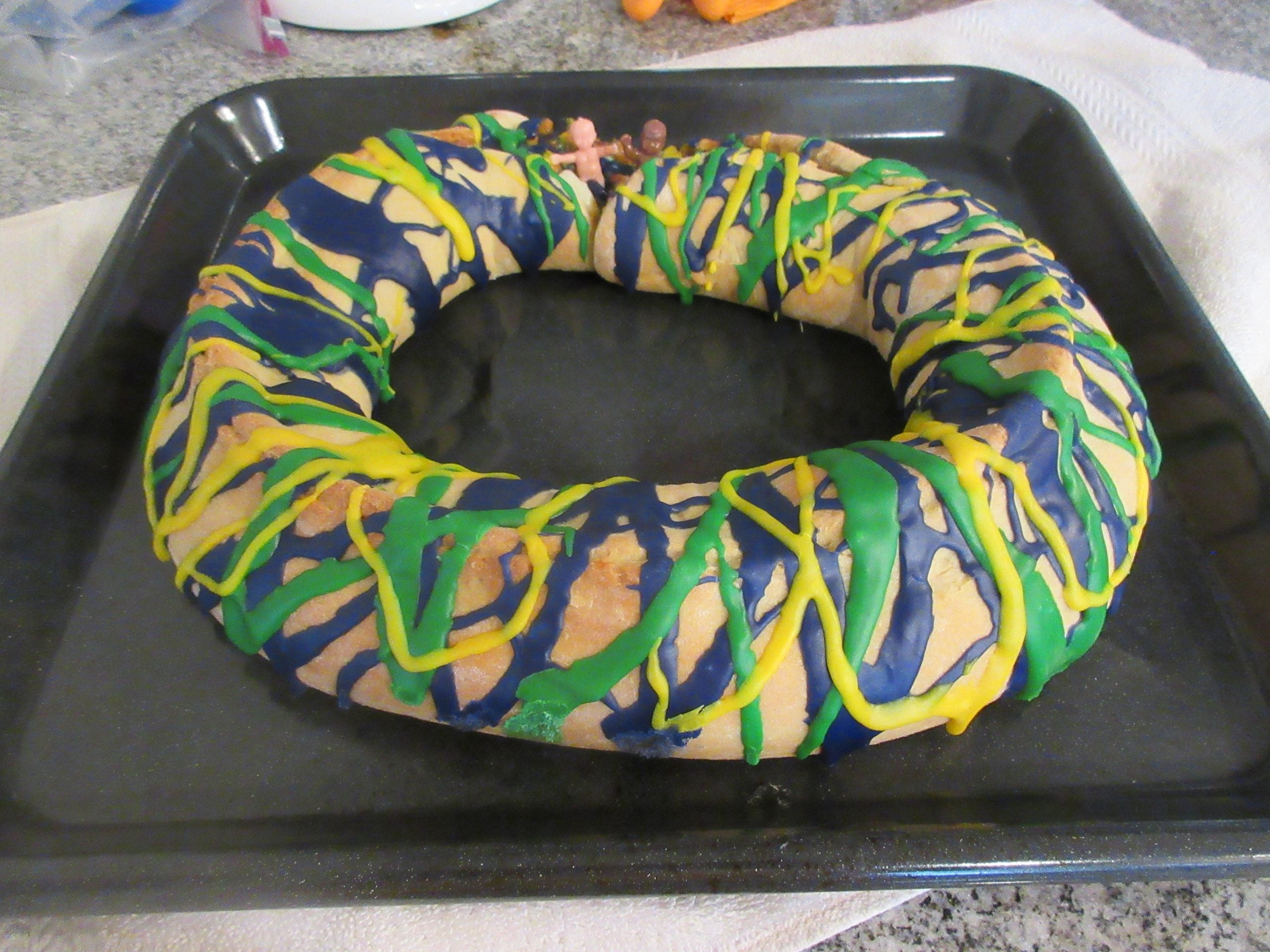
Buying a slice of cake in New Orleans during Carnival season can come with an unexpected responsibility. Traditional king cakes often feature sweet dough, cinnamon, and decorations in purple, green, and gold. A small plastic baby is commonly included, and whoever finds it is traditionally expected to supply the next cake. For that reason, a single celebration can turn into a succession of gatherings throughout the season. The traditional period begins on January 6 and continues through Mardi Gras, although some bakeries sell king cakes outside those dates