Some of the most recognizable American foods didn’t start in fancy restaurants or come from expensive ingredients. Many grew out of immigrant neighborhoods, mining towns, street stands, and family kitchens, where cooks had to turn affordable ingredients into filling meals. The po’ boy is a particularly striking example: as Smithsonian Magazine explains, the sandwich is tied to a 1929 New Orleans streetcar strike, when restaurant owners Bennie and Clovis Martin fed striking workers. From pepperoni rolls carried into coal mines to meatloaf designed to stretch a little meat further, these 12 dishes show how humble meals became enduring parts of America’s food culture.
Po’ Boys
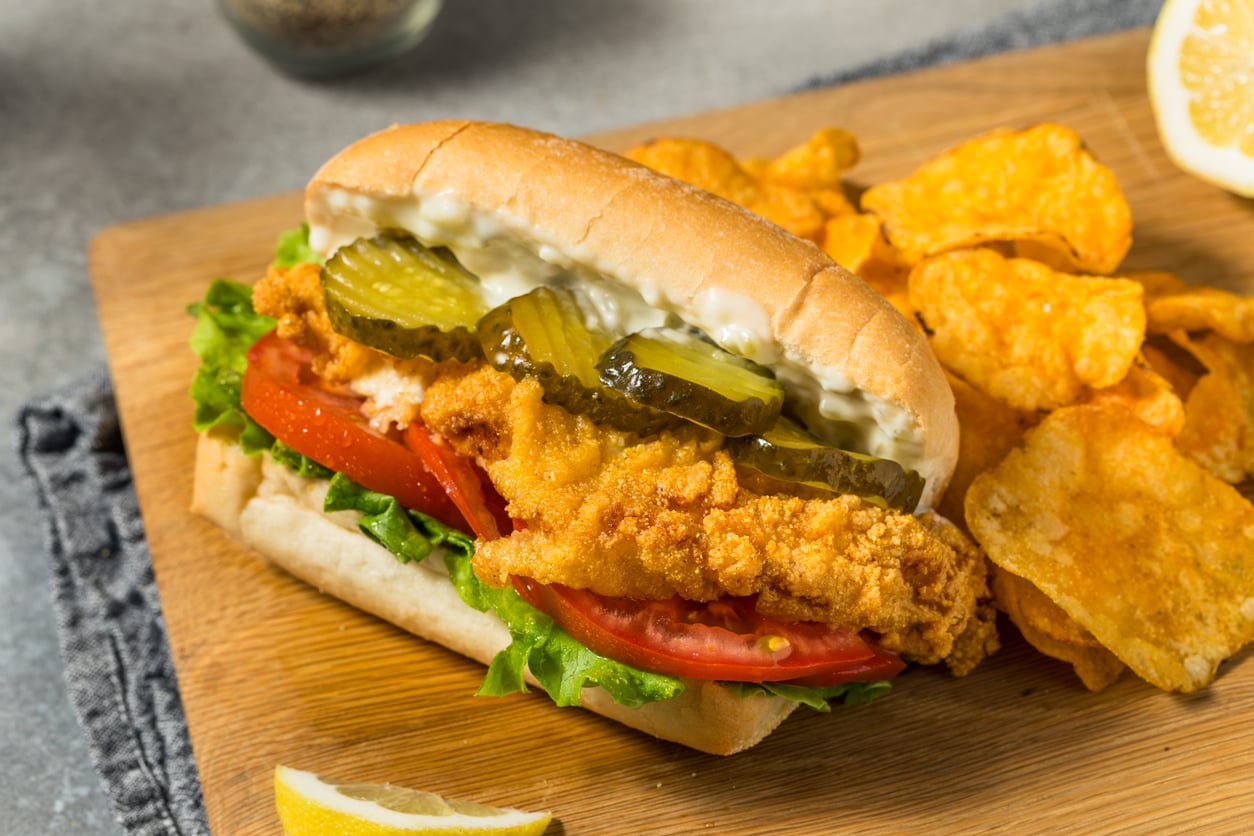
Few sandwiches have a labor story as direct as the New Orleans po’ boy. During the city’s bitter 1929 streetcar strike, former streetcar conductors Bennie and Clovis Martin offered free meals to striking union workers at their restaurant. According to the traditional account, workers approaching the shop were called “poor boys,” which eventually became “po’ boys.” The inexpensive sandwiches fed strikers then; today, versions overflowing with roast beef, fried shrimp, oysters, and other fillings are fixtures of New Orleans food culture.
Philly Cheesesteaks
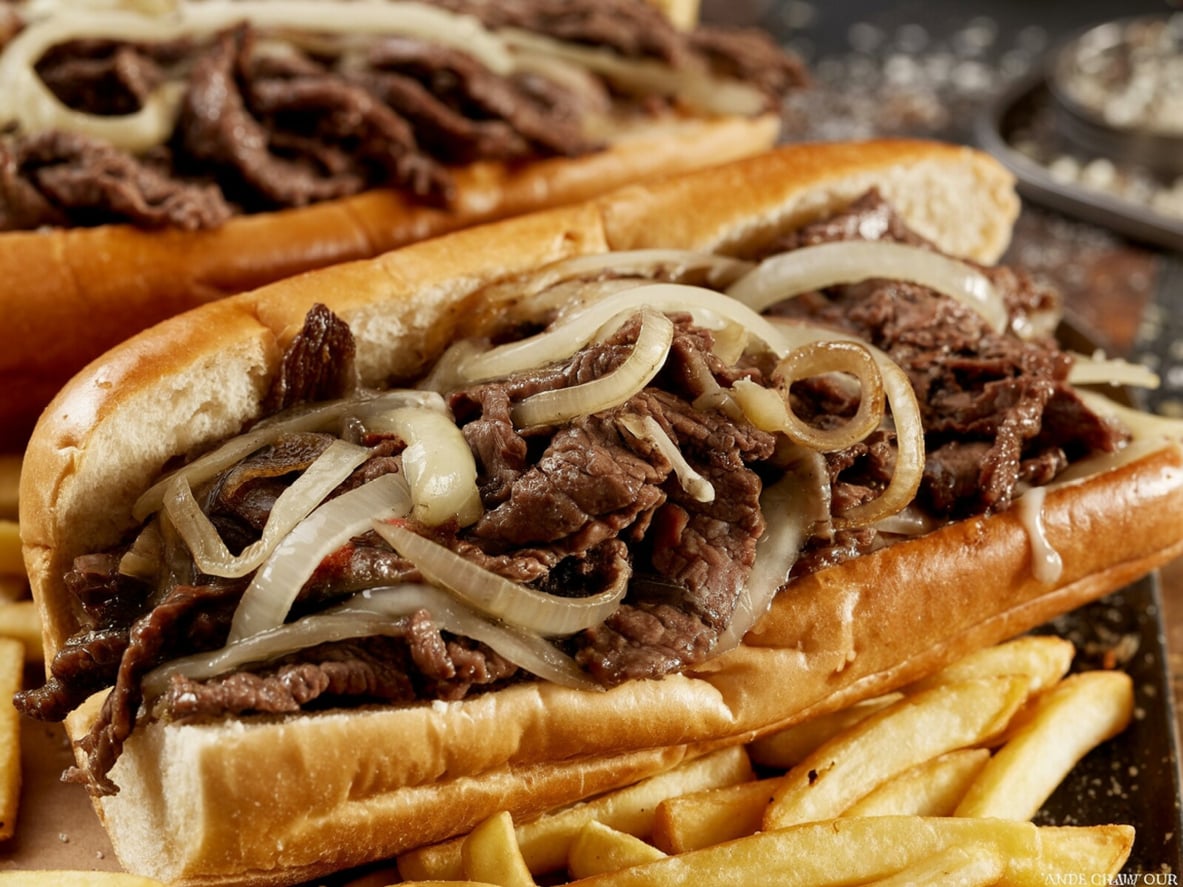
Philadelphia’s most famous sandwich started considerably more modestly than its reputation today might suggest. According to the traditional origin story, South Philadelphia hot-dog vendor Pat Olivieri put beef on his grill in 1930 and made himself a sandwich. A passing cab driver wanted one, word spread among other cabbies, and Olivieri eventually opened a permanent shop. Cheese apparently wasn’t even part of the earliest version. Today, cheesesteaks range from no-frills neighborhood-counter meals to versions served at higher-end restaurants.
Cincinnati Chili
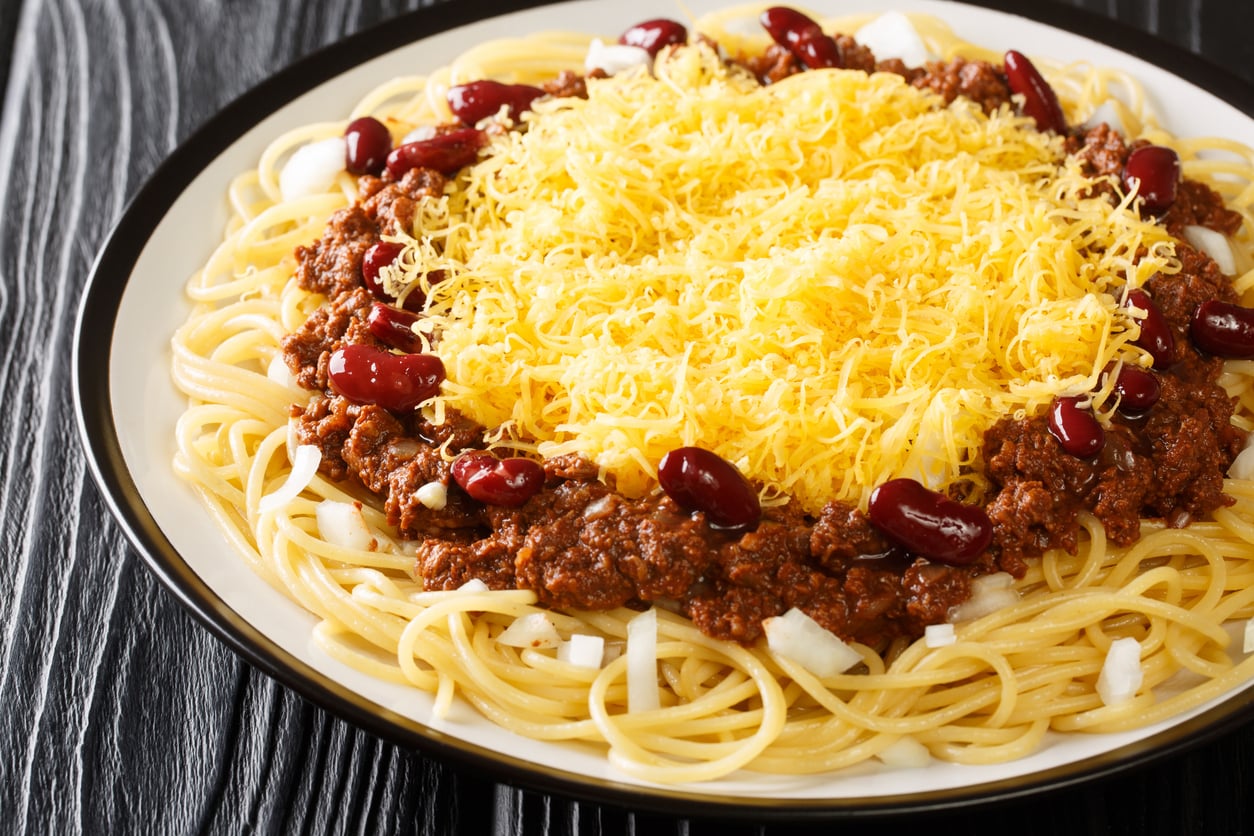
Cincinnati chili grew from the city’s immigrant restaurant culture rather than an established American chili tradition. Macedonian immigrant brothers Tom and John Kiradjieff began serving their spiced meat sauce at Empress Chili in 1922. It went over hot dogs and eventually spaghetti, with combinations of cheese, onions, and beans developing into Cincinnati’s familiar “ways” system. The inexpensive, filling format proved perfect for casual chili parlors. A century later, what began at a small immigrant-run restaurant is one of Cincinnati’s most distinctive regional foods.
Biscuits and Gravy
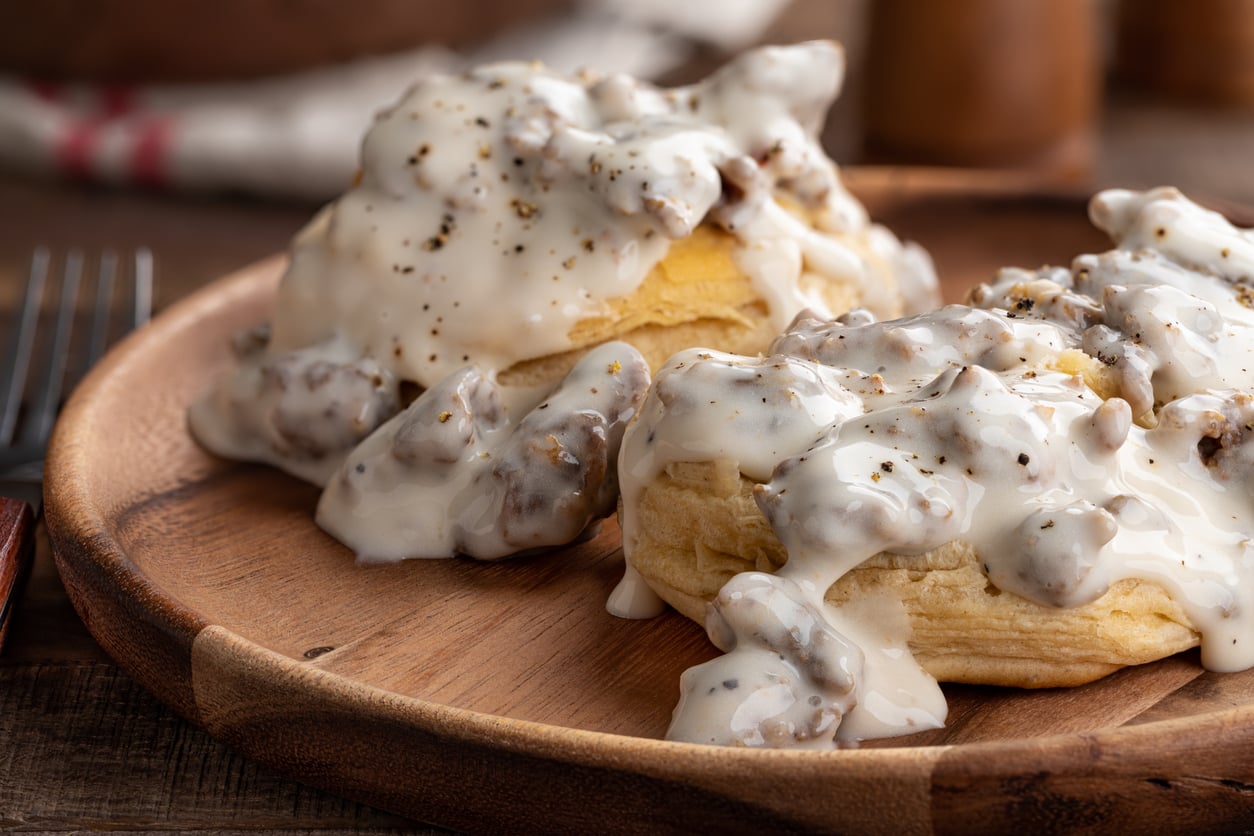
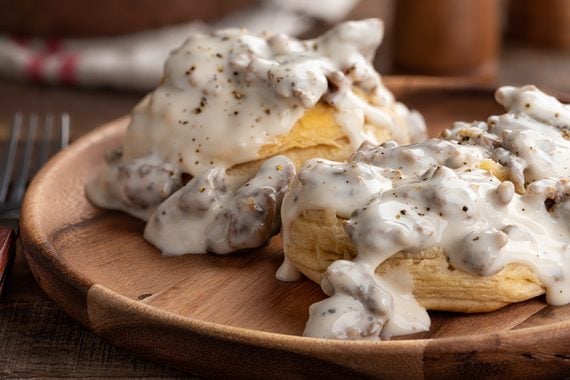
Biscuits and gravy has become a brunch-menu fixture, but its roots were far more practical. Food historians commonly connect the dish’s development to Southern Appalachia in the late 19th century, when the region’s lumber industry demanded filling meals for workers performing hard physical labor. Biscuits made from basic pantry ingredients paired naturally with inexpensive gravy, creating a substantial breakfast without requiring fancy ingredients. The connection isn’t documented well enough to name one inventor, but its modest Appalachian origins are much clearer than many food legends.
Chicken-Fried Steak
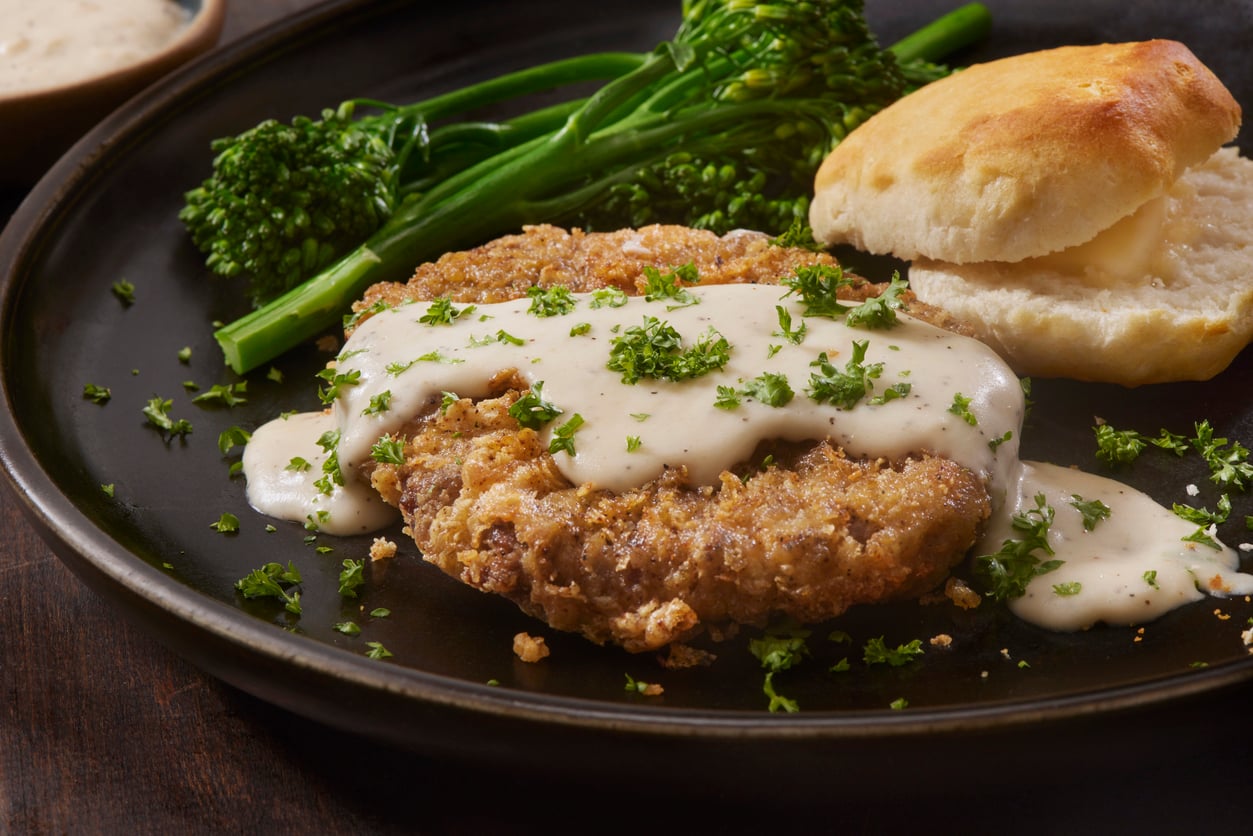
Chicken-fried steak demonstrates what cooks can accomplish with an inexpensive, stubborn piece of beef. The dish typically uses a thin cut, often from the round, that is tenderized before being breaded, fried, and covered with gravy. Its precise origin remains disputed, and historians have proposed connections to both Southern frying traditions and schnitzel brought by German immigrants to Texas. What’s clearer is the practical logic behind it: pounding, breading, and frying helped make tough meat more palatable. Eventually, necessity became a Texas comfort-food institution.
Trending on Cheapism
Red Beans and Rice
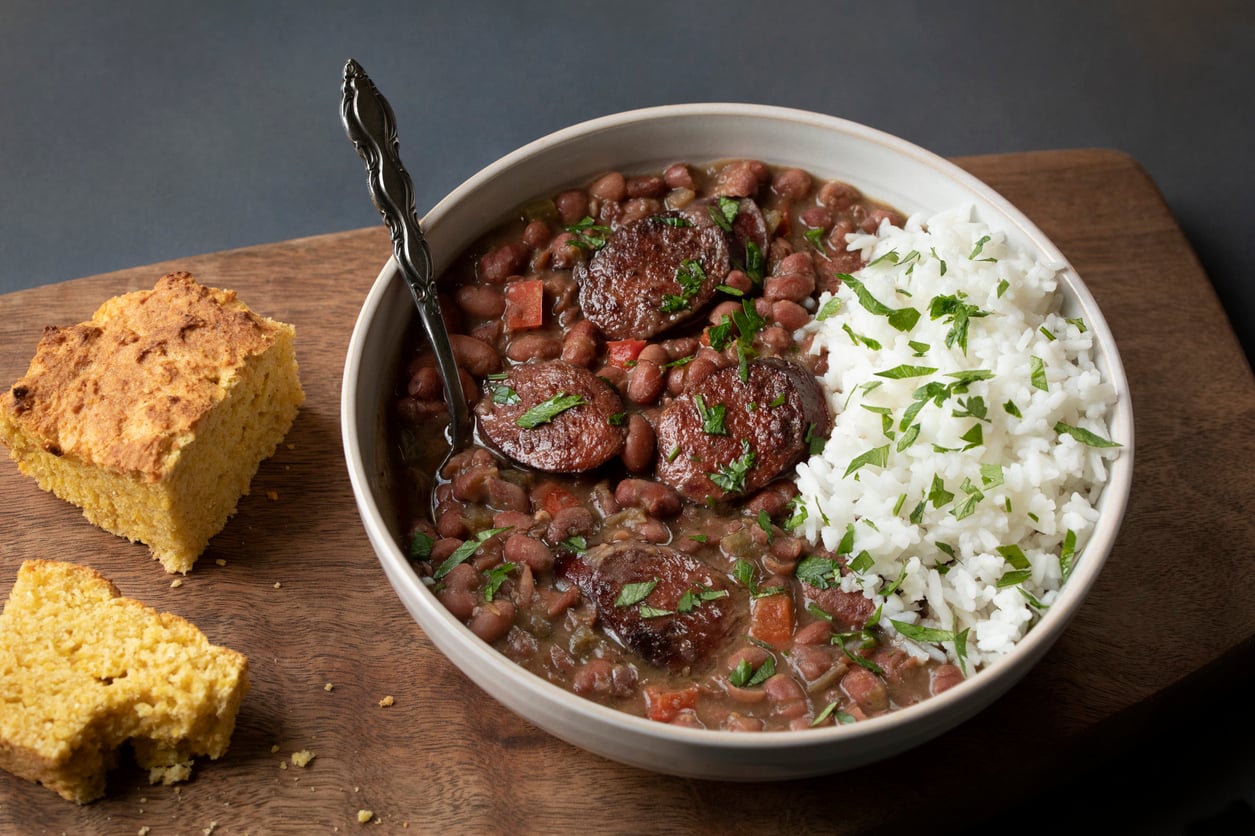
Red beans and rice turned thrift and household routine into one of New Orleans’ defining dishes. Monday was traditionally washday, when doing laundry by hand consumed much of the day. A pot of beans could simmer with relatively little attention, often flavored with pork left from Sunday dinner, then served over inexpensive, filling rice. The Monday tradition survives even though washing machines eliminated the original practical reason for it. Restaurants across New Orleans still serve red beans and rice as a Monday special.
Italian Beef
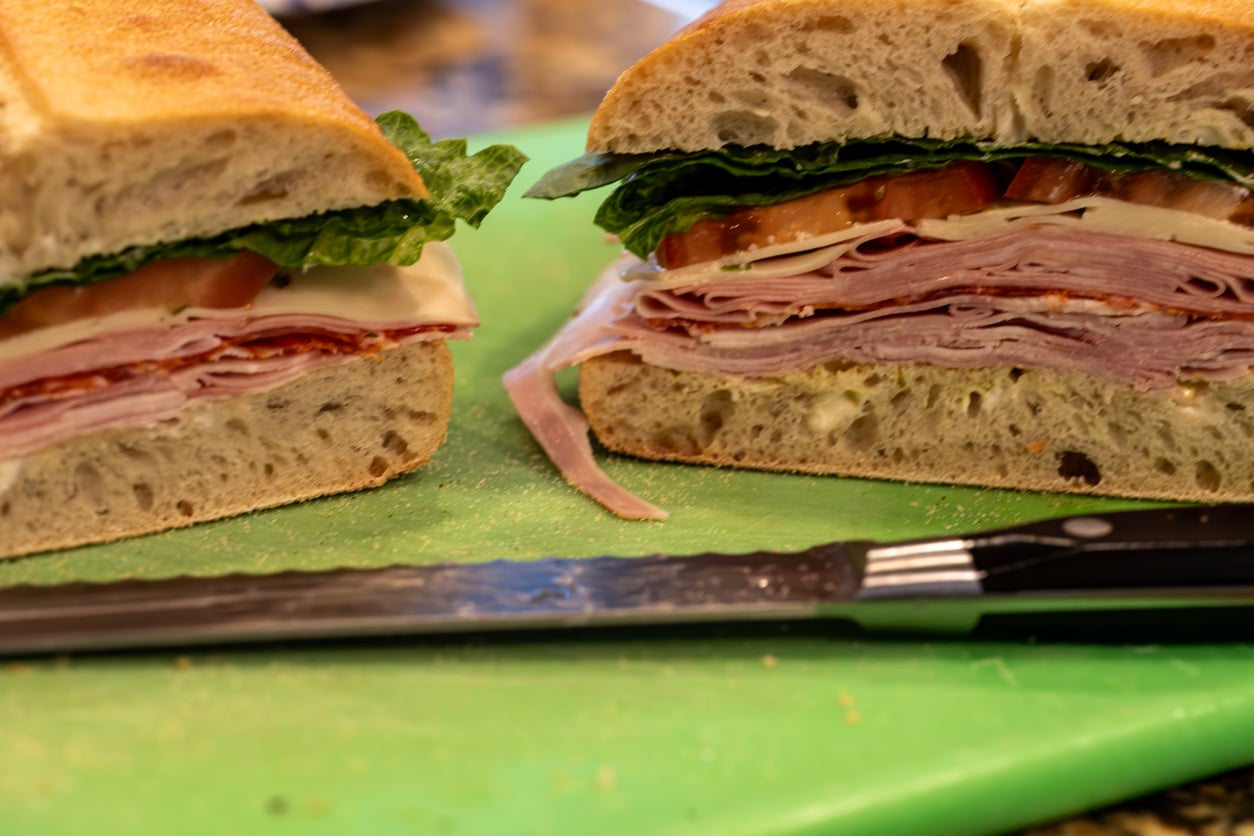
Chicago’s Italian beef sandwich is closely tied to the city’s working-class Italian-American communities, although competing stories make naming a single inventor difficult. The basic economics make perfect sense: roast a relatively affordable cut of beef, slice it extremely thin, soak it in flavorful juices, and pile it onto bread. That technique helped stretch a modest amount of meat across many servings. Italian beef was especially associated with inexpensive Depression-era Italian-American wedding celebrations before beef stands helped turn it into a Chicago institution.
Scrapple
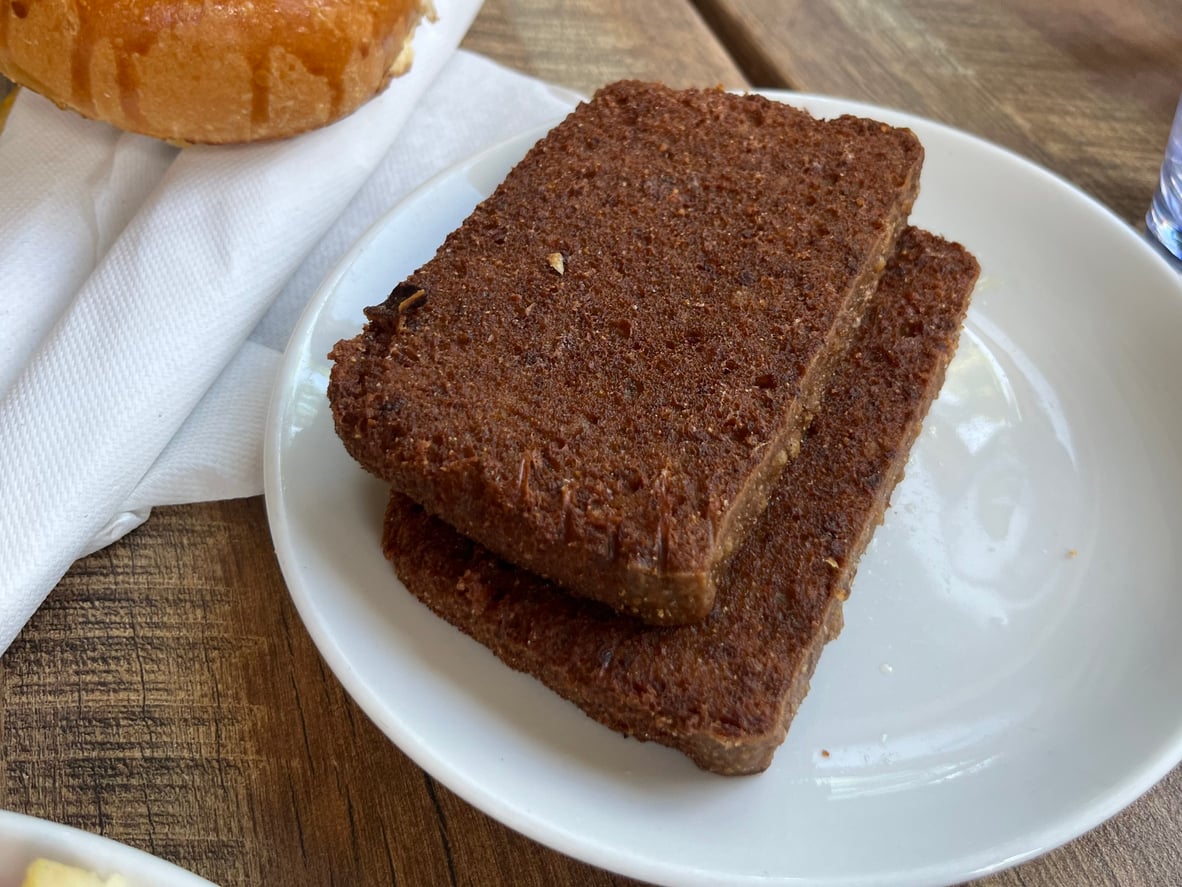
Scrapple’s name may sound like “scraps,” but its history is more interesting than simply throwing leftovers together. Pennsylvania German cooks used the edible pork remaining after other parts had been turned into products such as bacon and sausage, combining the meat with cornmeal or buckwheat and seasonings. It was an efficient way to waste as little as possible during hog butchering. Commercial production arrived in the 19th century, but scrapple never completely shed its regional identity. It remains a familiar Mid-Atlantic breakfast food today.
Sign up for our newsletter
West Virginia Pepperoni Rolls
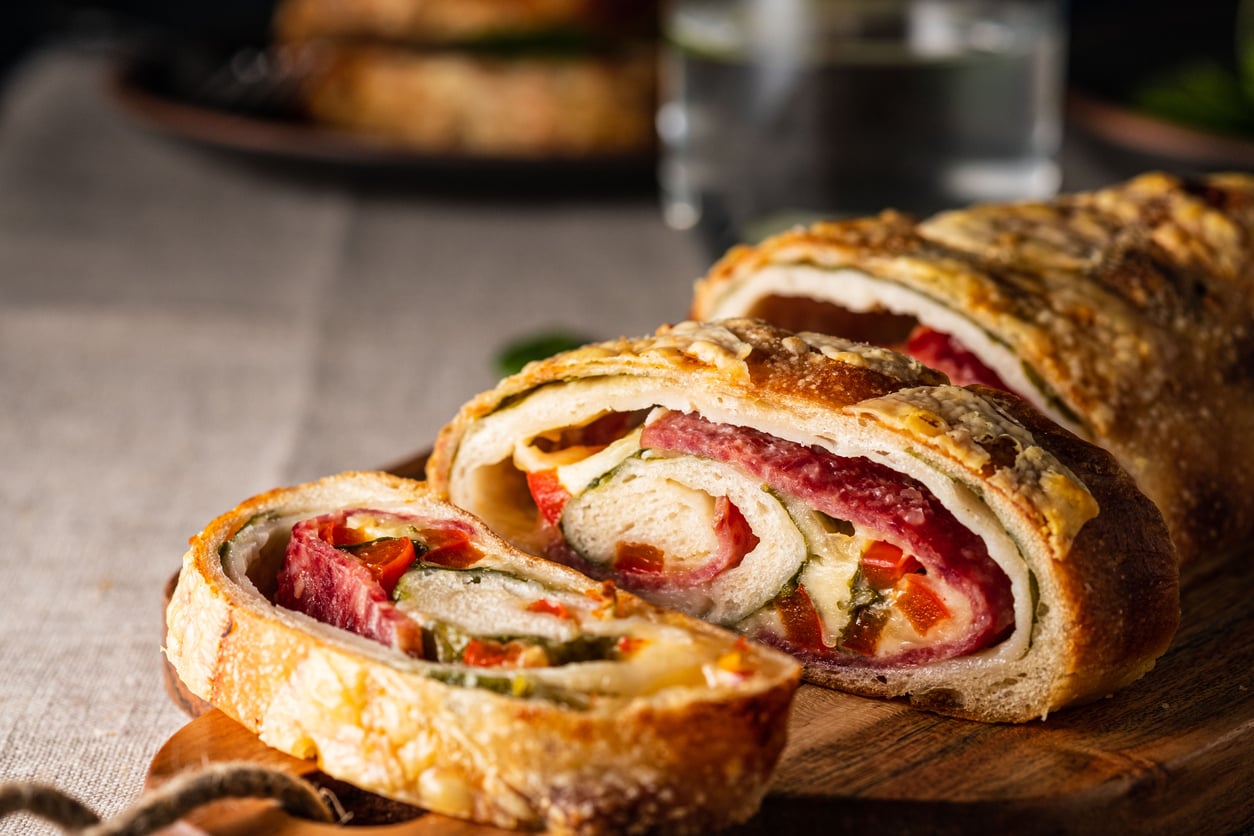
The pepperoni roll may be the purest workingman’s lunch on this list. In the coalfields of north-central West Virginia, Italian immigrant miners commonly carried bread and pepperoni underground because the ingredients were portable and didn’t require elaborate preparation. Former miner Giuseppe “Joseph” Argiro is credited with commercially producing bread baked around pepperoni in Fairmont in 1927. The idea escaped the mines and spread through bakeries, convenience stores, restaurants, and sporting events. What began as practical mining food is now a symbol of West Virginia itself.
Hot Dogs
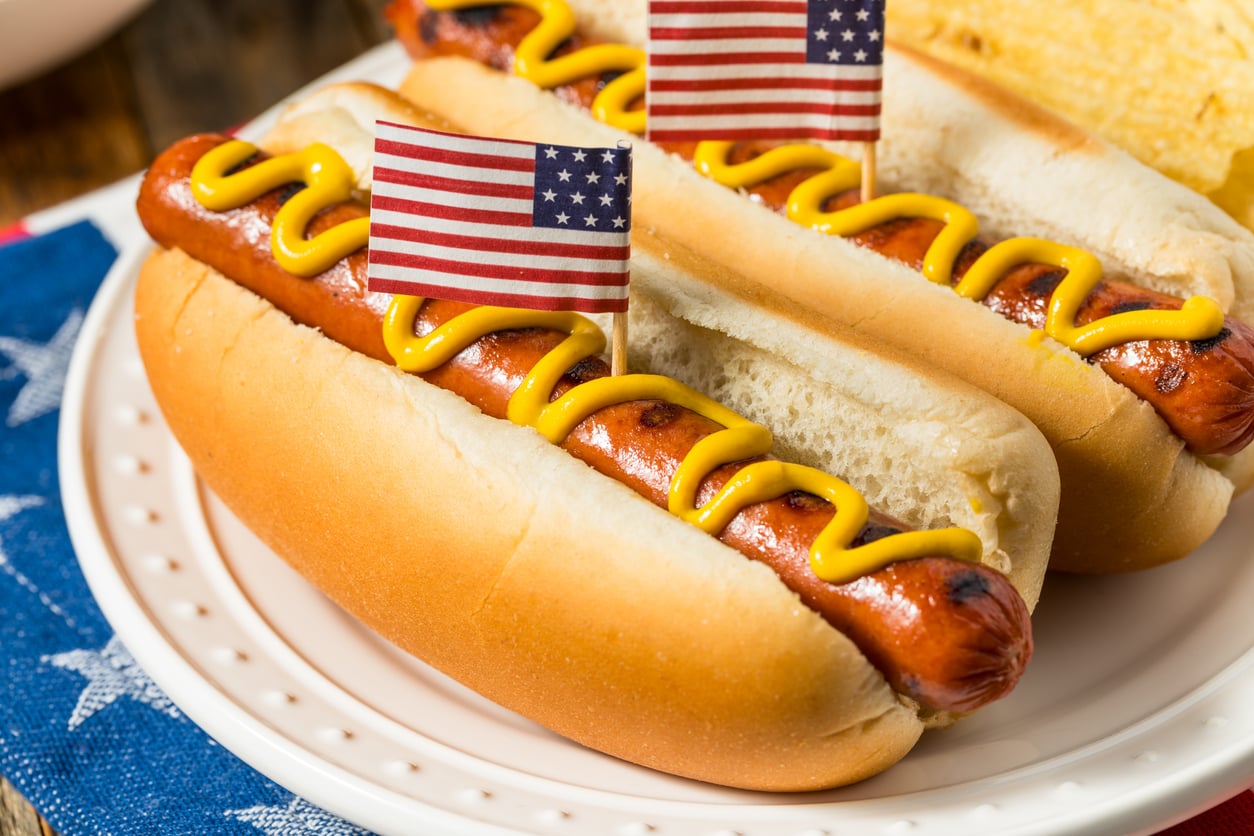
Hot dogs were practically built for a fast-moving industrial city: cheap, portable, hot, and utensil-free. German immigrants were selling sausages from pushcarts in New York by the 19th century, and Coney Island helped turn the sausage-in-a-bun into mass-market food. Nathan Handwerker pushed affordability even further when he opened his Coney Island stand in 1916 and sold hot dogs for a nickel, half the dime charged by his former employer. Factory workers, laborers, families, and eventually presidents all embraced the inexpensive meal.
Lobster Rolls
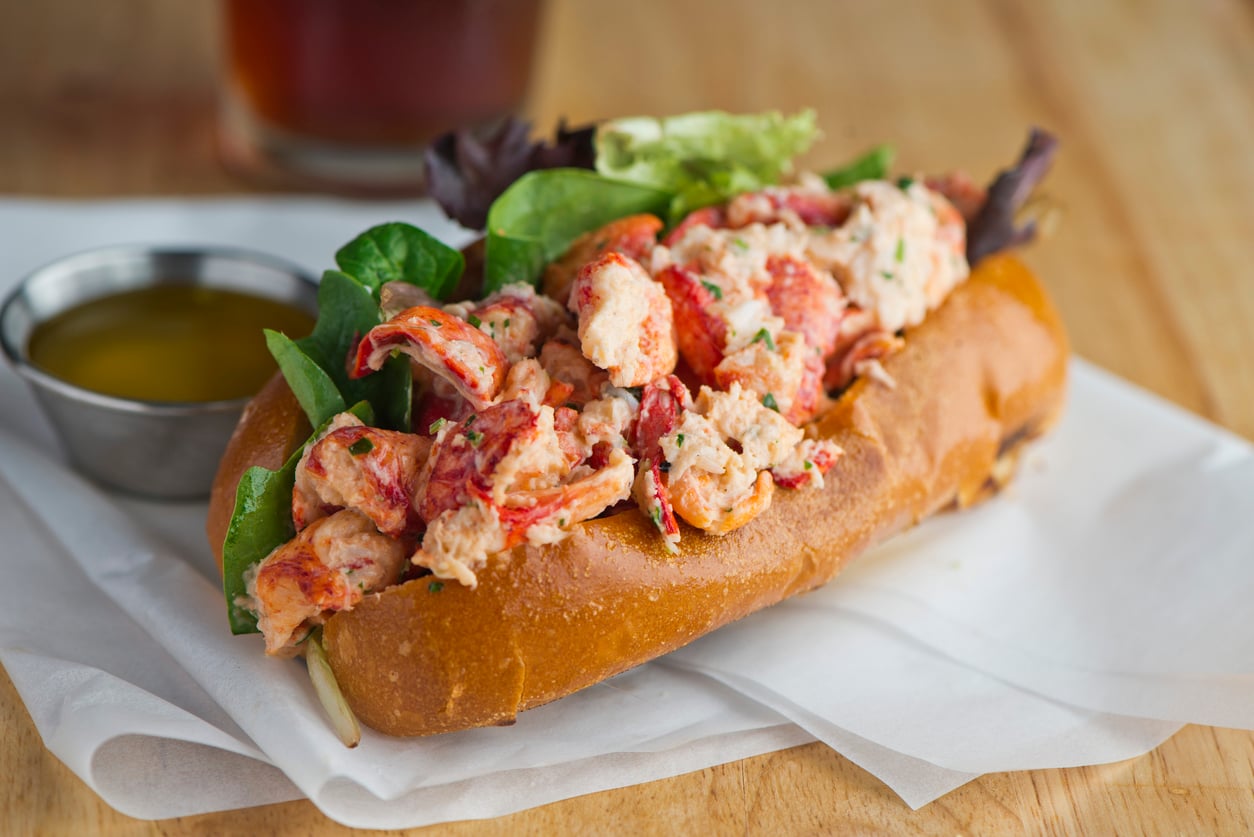
Paying today’s vacation-town prices for a lobster roll makes its humble history difficult to believe. Lobsters were once extraordinarily abundant along the New England coast and lacked the luxury reputation they later acquired. Food historians have linked early lobster sandwiches to fishermen, sailors, and shipwrights who tucked leftover lobster meat between pieces of bread for a convenient work meal. Demand, tourism, and lobster’s transformation into premium seafood changed the economics dramatically. The former fisherman’s lunch eventually became one of New England’s quintessential vacation splurges.
Meatloaf
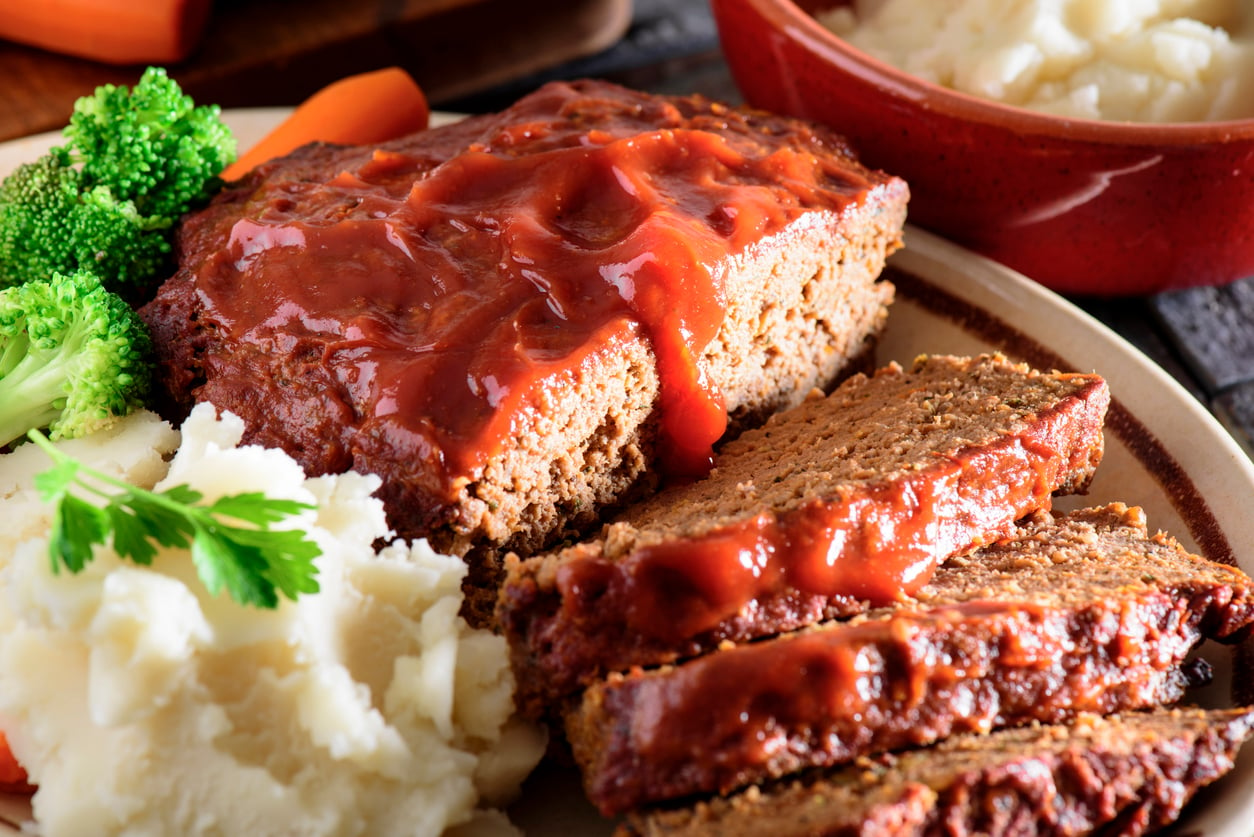
Meatloaf’s great economic advantage has always been its stretchability. Ground meat could be bulked out with breadcrumbs, crackers, oats, eggs, or other inexpensive ingredients, allowing a relatively small amount of meat to feed an entire family. That practicality became especially valuable during the Great Depression and wartime periods, when cooks had good reason to make expensive protein go further. Meatloaf eventually became less a symbol of thrift than one of American comfort food, but its economical formula is still essentially the same.