Some of America’s most familiar dishes look surprisingly different from the foods that inspired them. From oversized meatballs to cream-heavy pasta sauces, American versions of international foods have evolved through generations of immigration, changing tastes, and restaurant trends. As the Smithsonian explains, Italian immigrants helped transform traditional recipes into distinctly American favorites. And Italian food is just the beginning. Here are 12 dishes that took on a whole new identity in the United States.
Spaghetti and Meatballs
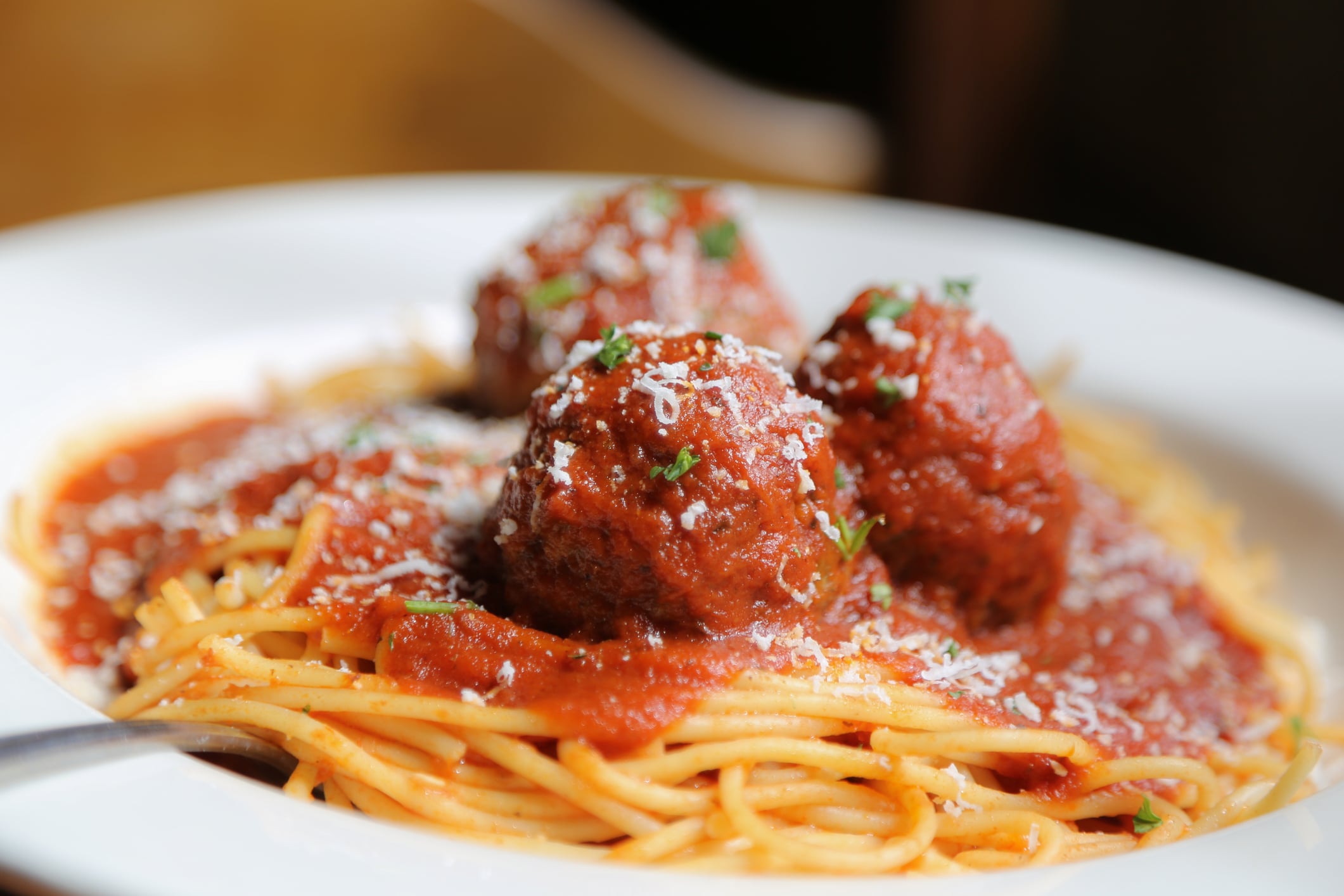
In Italy, meatballs, known as polpette, are often served on their own rather than piled over pasta. Italian immigrants in America helped turn them into the oversized, sauce-covered meatballs familiar today. As meat became more affordable, portions grew, and restaurants began pairing the meatballs with spaghetti and tomato sauce. The combination eventually became a fixture of Italian-American dining, complete with generous helpings of grated Parmesan. Order spaghetti and meatballs in Italy, however, and you might find it mainly at restaurants catering to tourists.
General Tso’s Chicken
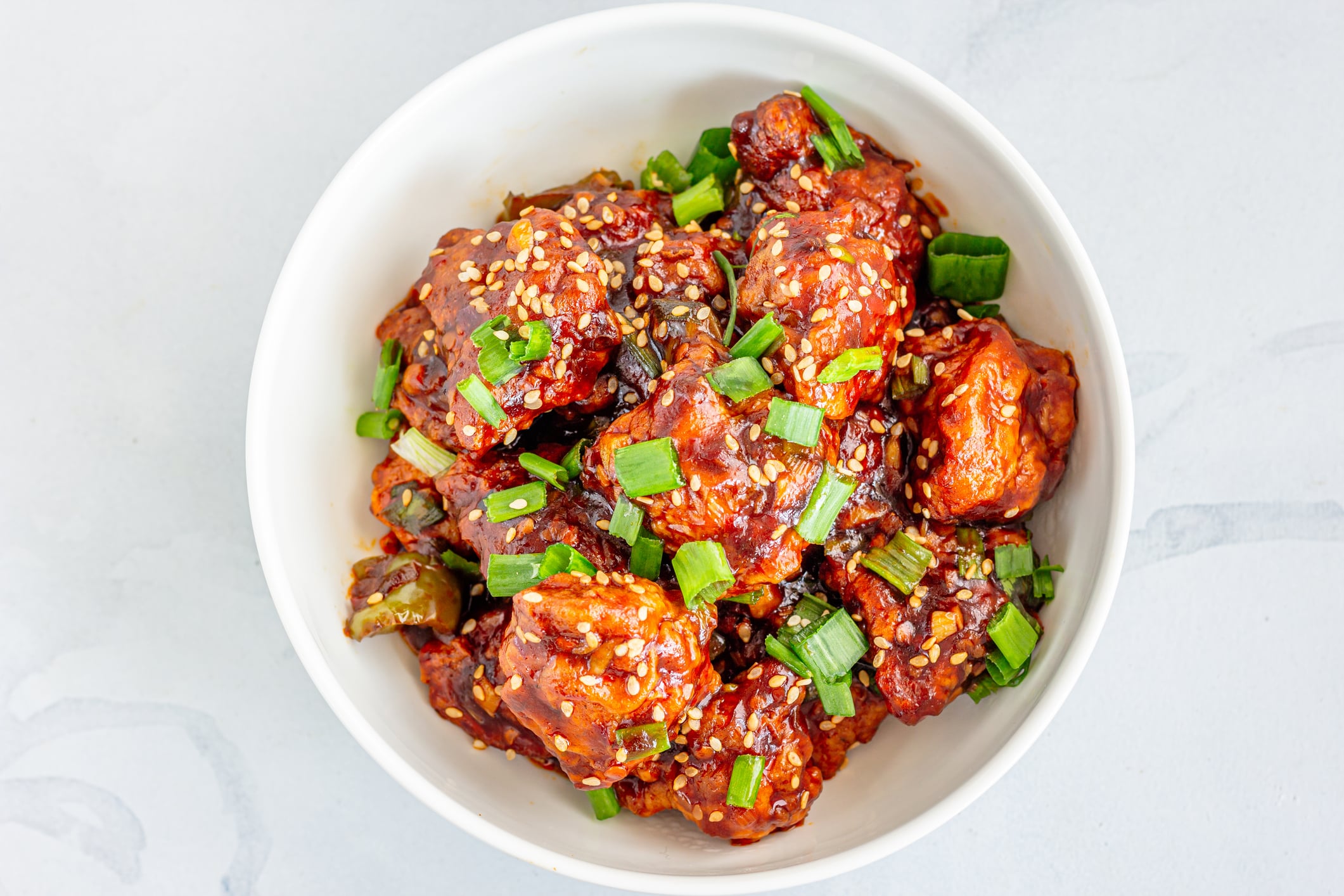
The General Tso’s chicken served at American Chinese restaurants bears little resemblance to the dish associated with chef Peng Chang-kuei, who developed an earlier version in Taiwan during the 1950s. His preparation emphasized savory, sour, salty, and spicy flavors rather than sweetness. In the 1970s, New York chefs helped transform it into crispy, battered chicken coated in a thick, sugary sauce. The American version became a takeout favorite, often served with broccoli and rice. Peng himself eventually adjusted his recipe for American customers.
Fettuccine Alfredo
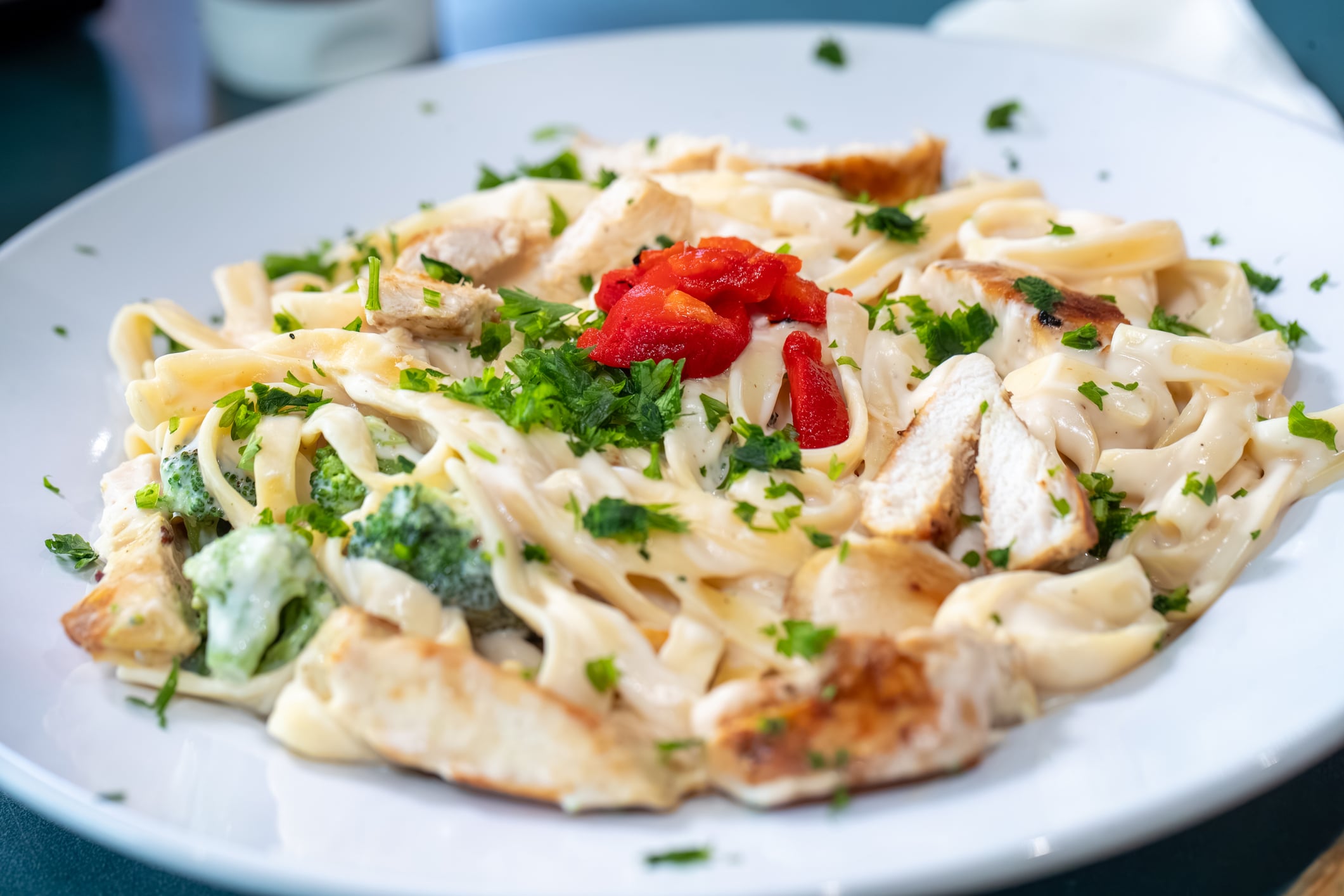
The original fettuccine Alfredo, popularized by Roman restaurateur Alfredo Di Lelio, was remarkably simple. Fresh pasta was tossed with butter and Parmesan until the ingredients formed a smooth, creamy coating. No heavy cream was necessary. American restaurants eventually developed a much richer version, adding cream, garlic, and sometimes chicken or broccoli. The result became a familiar Italian-American comfort food, often served in enormous portions. In Rome, the original preparation remains much closer to buttered pasta than the thick white sauce Americans recognize.
California Rolls
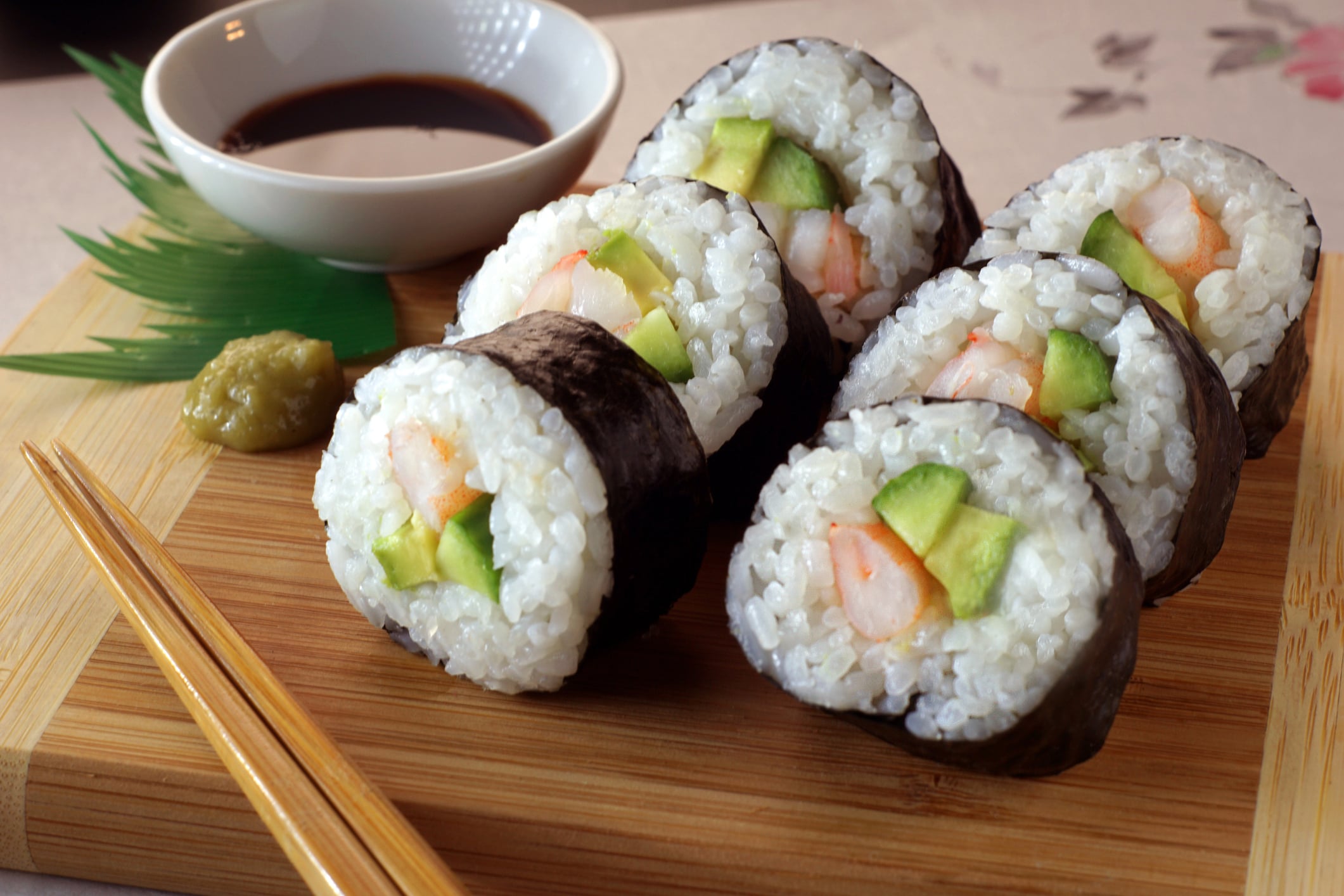
Traditional Japanese sushi emphasizes carefully prepared rice and ingredients such as seafood, vegetables, and seaweed. The California roll took those elements in a different direction, combining avocado, cucumber, and crab or imitation crab, often with the rice on the outside. The adaptation helped make sushi more approachable to American diners who were unfamiliar with raw fish or visible seaweed. Its exact inventor remains disputed, with competing claims from chefs in North America. Regardless of its beginnings, the California roll helped introduce generations of Americans to sushi.
Hard-Shell Tacos
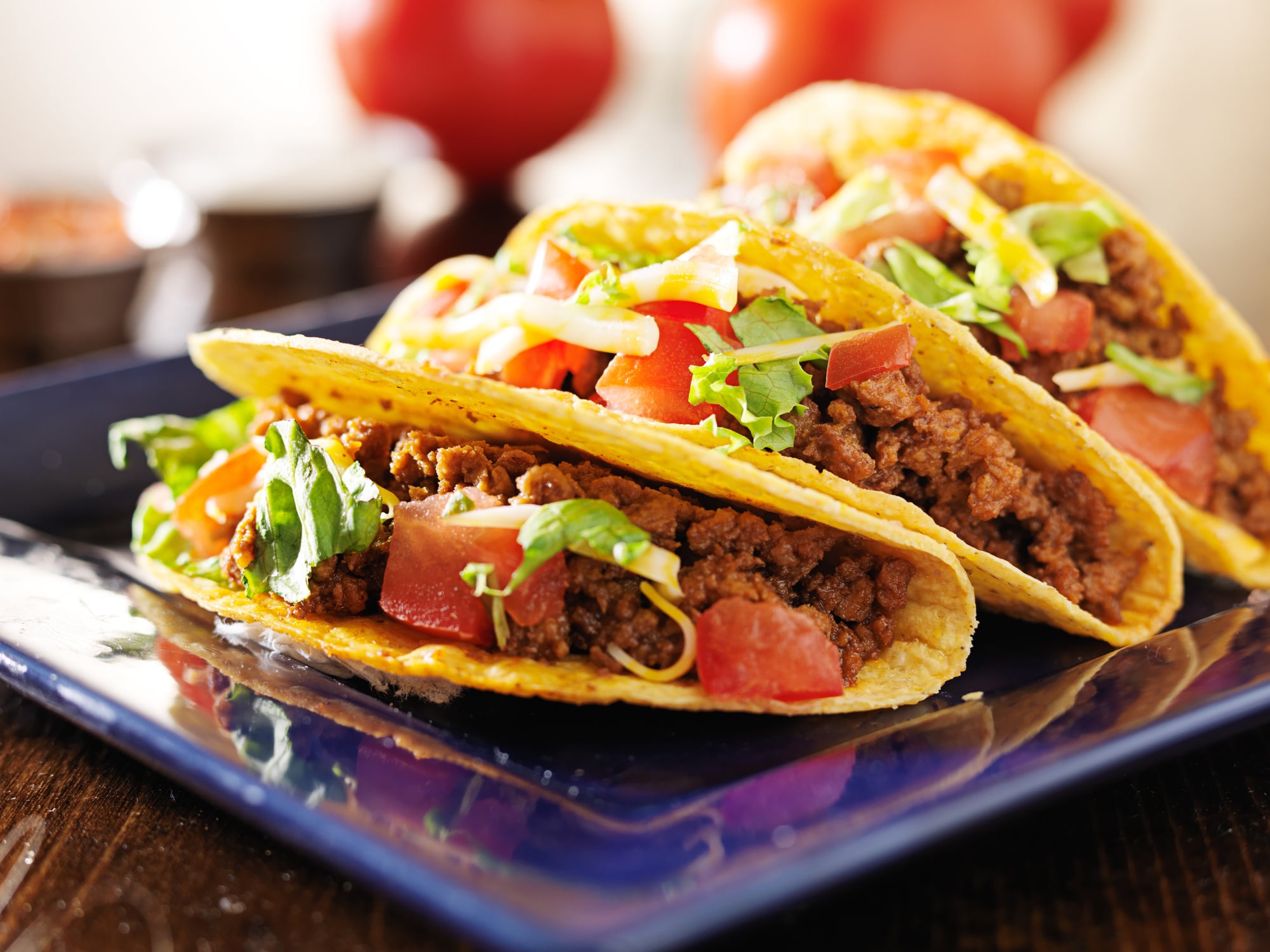
Tacos in Mexico come in countless regional varieties, often featuring soft corn tortillas filled with meats, vegetables, and fresh garnishes. Crispy tacos also have longstanding Mexican and Mexican-American roots, but American fast-food chains standardized a particular version: a preformed, crunchy shell filled with seasoned ground beef, shredded lettuce, cheese, and tomatoes. Taco Bell helped popularize this convenient format nationwide during the 1960s. The familiar U-shaped shell became so closely associated with tacos in America that many diners grew up knowing it better than traditional soft-tortilla varieties.
Trending on Cheapism


Chicken Parmesan
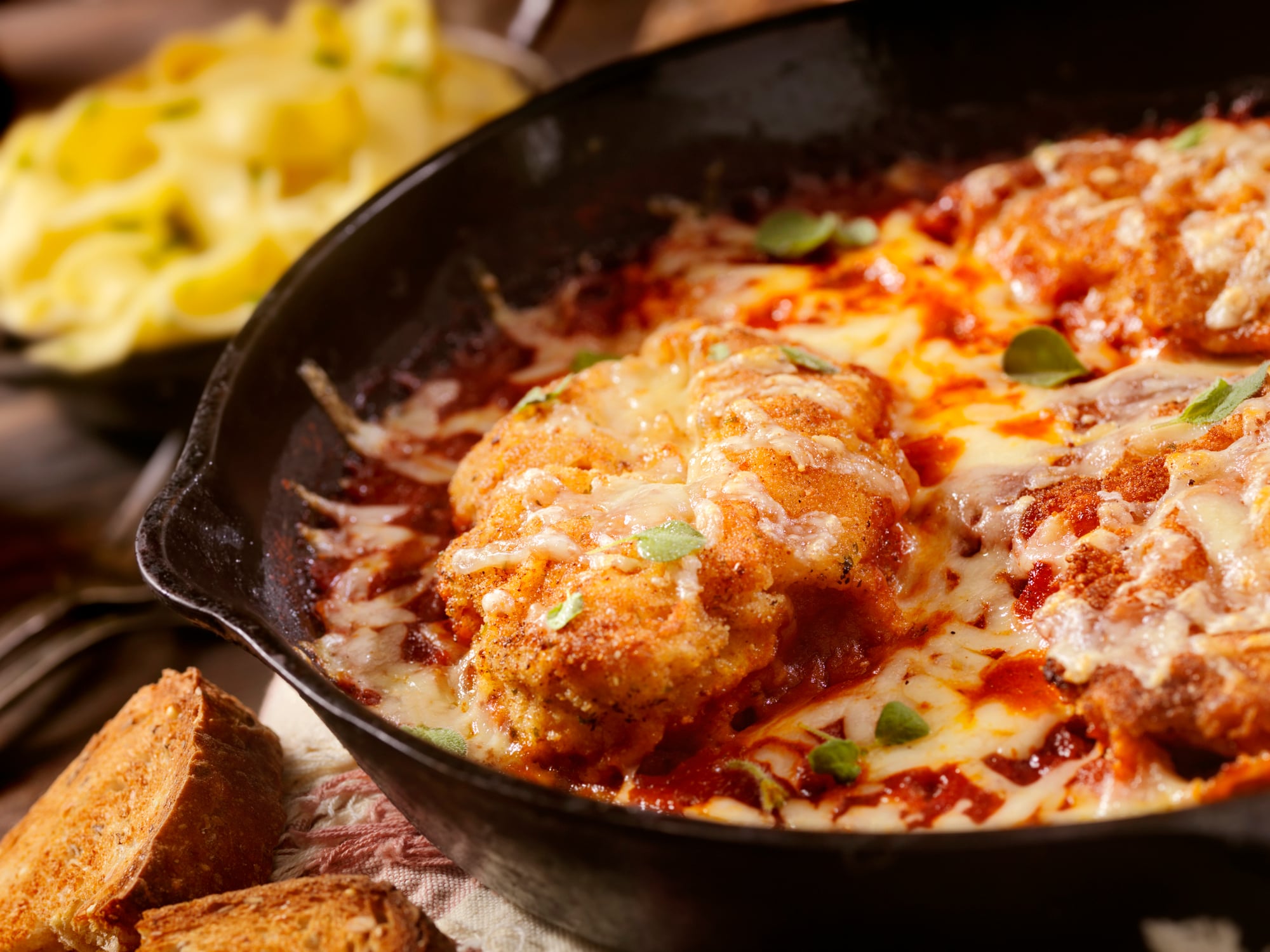
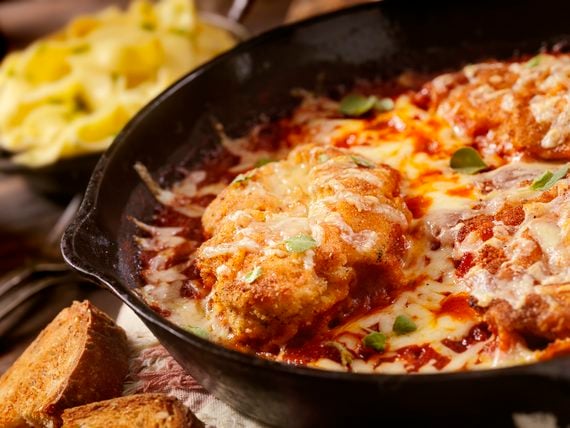
Italy has a long tradition of preparing eggplant parmigiana with tomato sauce and cheese, but the breaded chicken version became especially popular in Italian-American cooking. Immigrant communities adapted familiar recipes using ingredients that were more readily available in the United States, including larger portions of meat. Chicken Parmesan eventually became a restaurant staple, usually featuring a breaded cutlet covered in marinara and melted mozzarella. American restaurants frequently serve it alongside spaghetti or turn it into an enormous sandwich, combinations that distinguish it from its Italian inspirations.
Orange Chicken
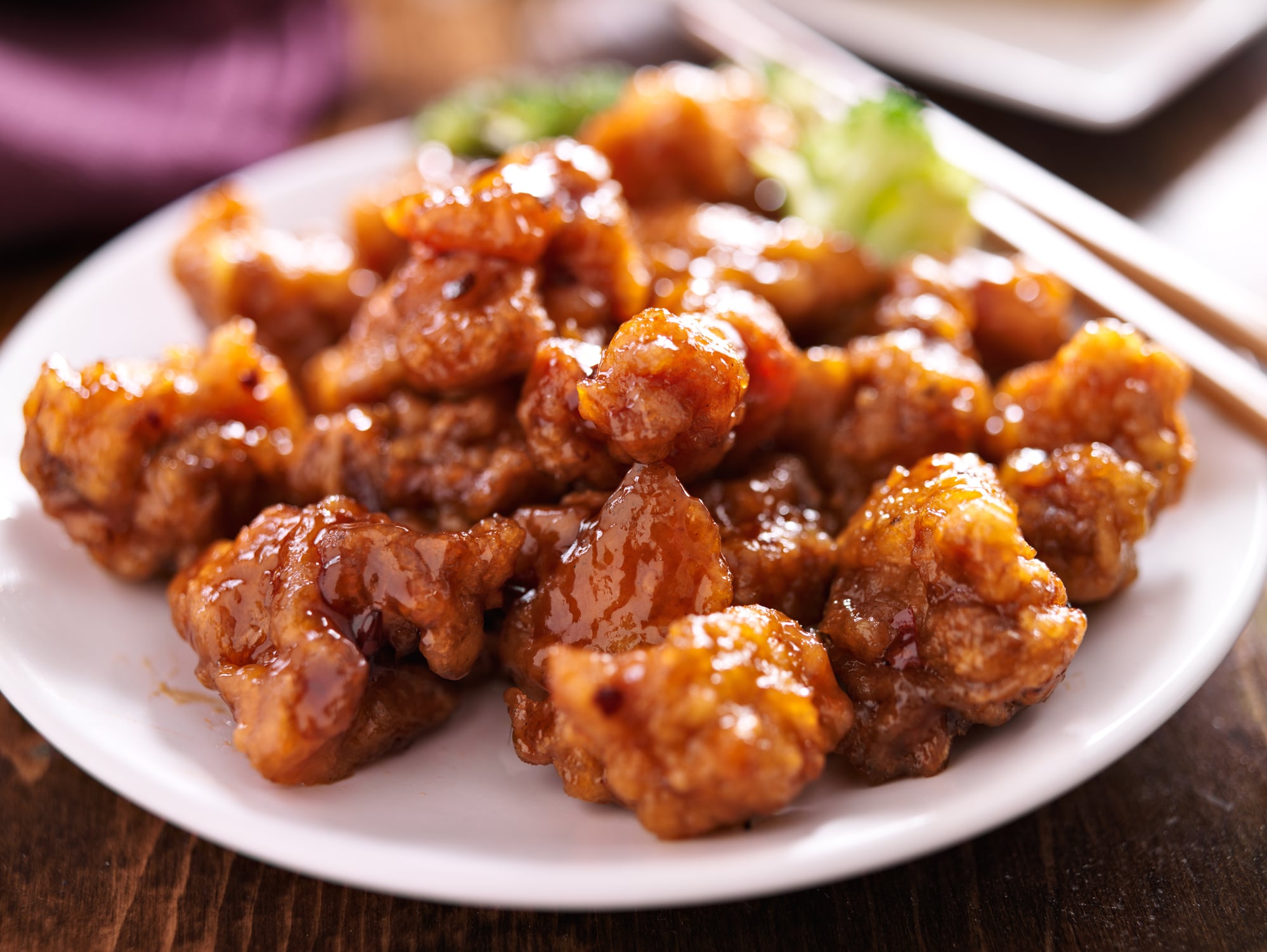
Orange chicken might be a Chinese-American takeout staple, but its best-known version has a surprisingly recent history. Panda Express credits chef Andy Kao with developing its signature recipe in 1987, drawing inspiration from Chinese tangerine-peel beef. Instead of beef, the American dish features battered, fried chicken coated in a sticky sauce balancing citrus, sweetness, and a little heat. It became one of Panda Express’s signature offerings and helped popularize a style of Chinese-American cooking built around crispy textures and sweet sauces.
Crab Rangoon
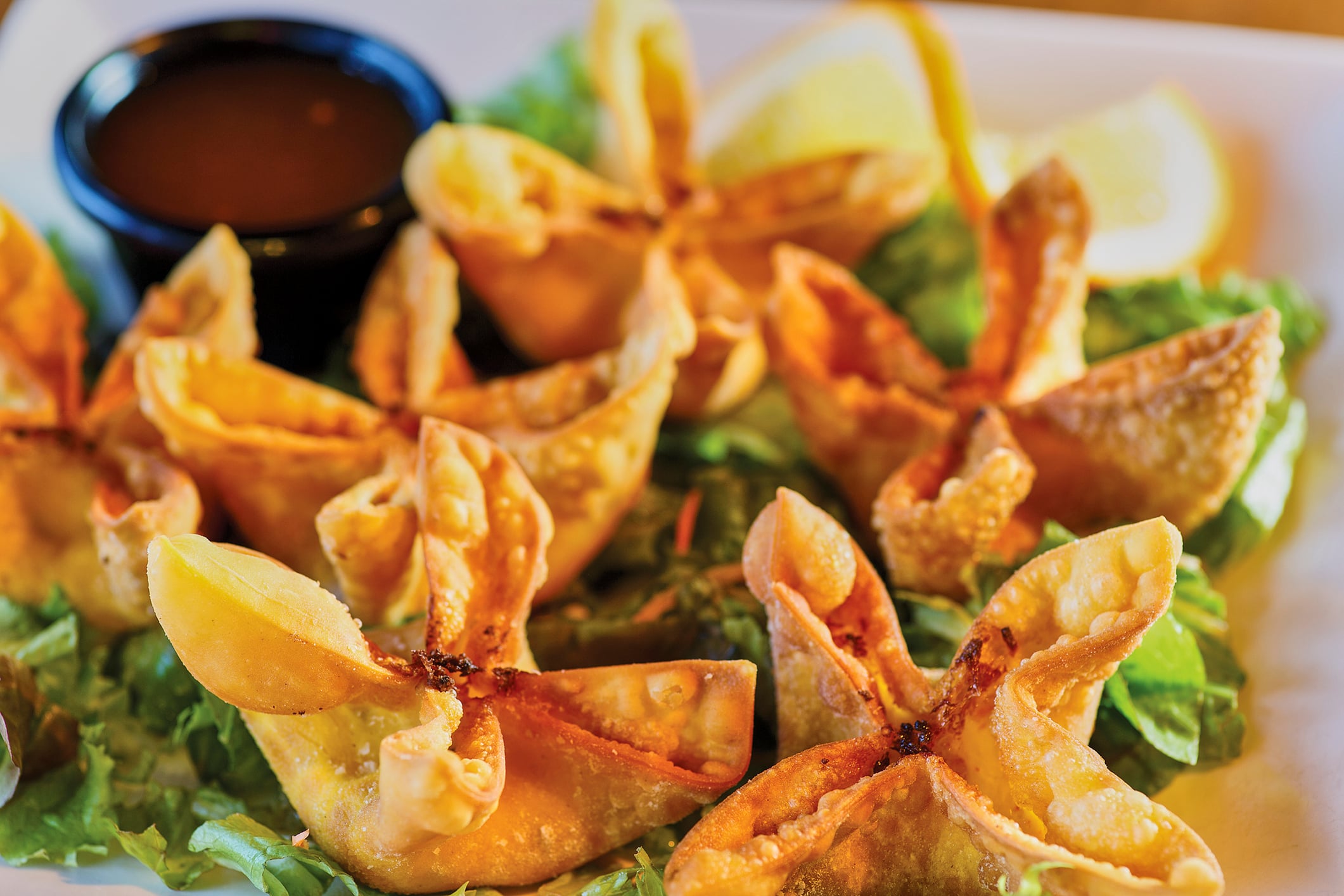
Despite its name, crab Rangoon isn’t a traditional dish from Myanmar, whose largest city was formerly called Rangoon. Its history instead points to Trader Vic’s, the American tiki-restaurant chain that helped popularize the appetizer during the mid-20th century. The dish combines wonton wrappers with cream cheese and crab, creating crispy fried pockets that eventually spread to Chinese-American takeout menus. Many restaurants now use imitation crab and serve the wontons with sweet-and-sour sauce. It’s a particularly unusual example of American restaurant culture blending ingredients from several culinary traditions.
Sign up for our newsletter
Corned Beef and Cabbage
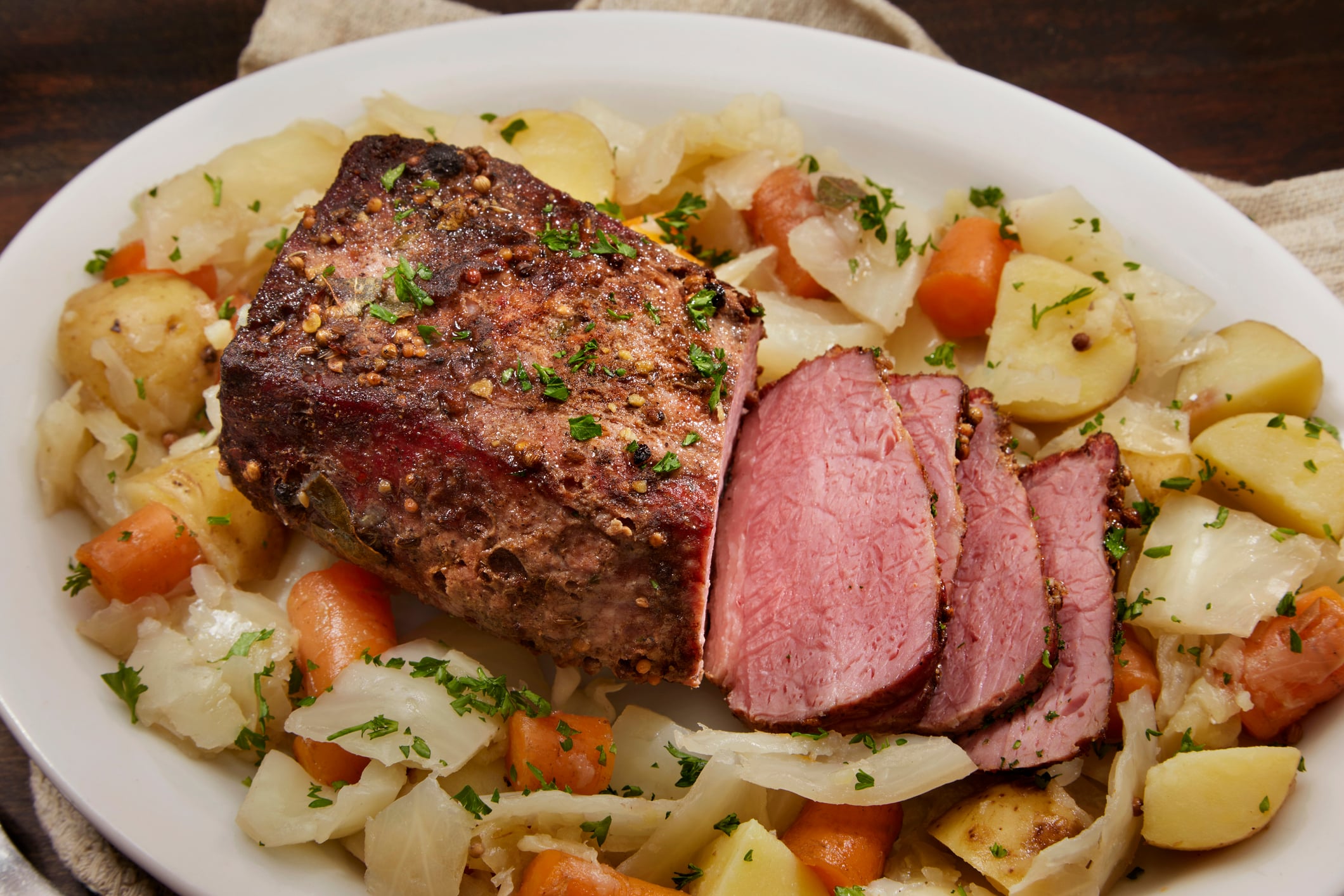
Corned beef and cabbage is practically synonymous with St. Patrick’s Day in America, but the connection is largely an Irish-American development. In Ireland, pork and bacon were historically more common everyday meats, while Irish immigrants in American cities encountered affordable corned beef sold by Jewish butchers. Brisket, preserved through salting, became an appealing alternative to traditional Irish bacon. Paired with inexpensive cabbage and potatoes, it developed into a celebratory meal. Today, the dish is more strongly associated with Irish-American holiday traditions than with everyday cooking in Ireland.
Beef Stroganoff
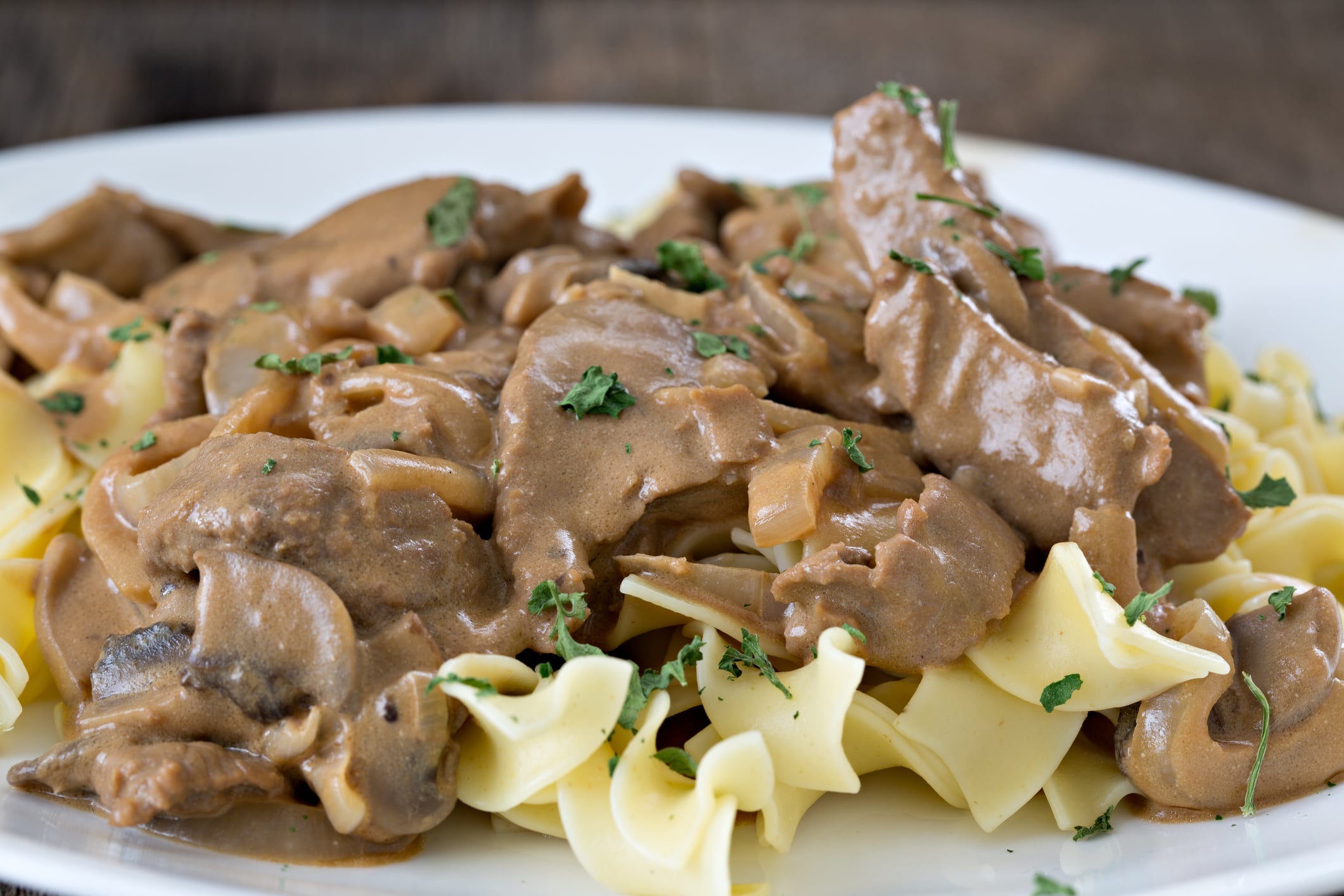
Beef Stroganoff originated in Russia, where early recipes featured sautéed beef served with a sour cream-based sauce. As the dish gained popularity in the United States during the 20th century, American home cooks developed their own convenient interpretations. Mushrooms, onions, canned cream of mushroom soup, and egg noodles became familiar additions, transforming it into a hearty weeknight dinner. Some recipes even replaced strips of beef with ground beef to reduce costs. The American casserole-like versions can look quite different from the more straightforward Russian preparations that inspired them.
Fortune Cookies
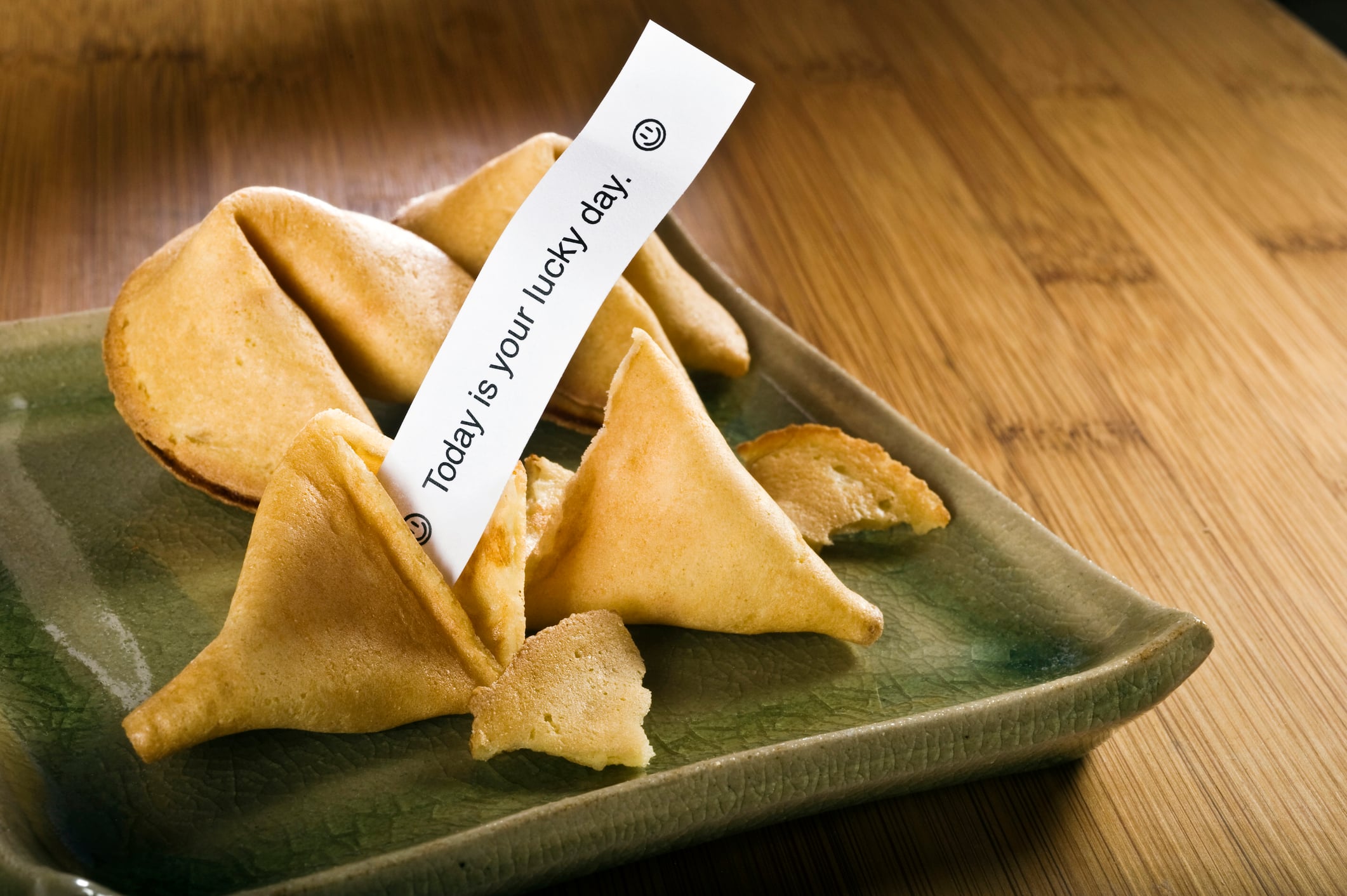
The fortune cookie handed out after a Chinese-American restaurant meal has stronger historical connections to Japan than many diners realize. Japanese-style crackers containing paper fortunes were an important predecessor, and Japanese-American businesses supplied early versions in California. San Francisco’s Japanese Tea Garden served fortune cookies before World War II. During the wartime incarceration of Japanese Americans, Chinese-American businesses increasingly took over production and distribution. The cookies eventually became a familiar ending to Chinese-American restaurant meals, despite not being a traditional Chinese dessert.
Nachos
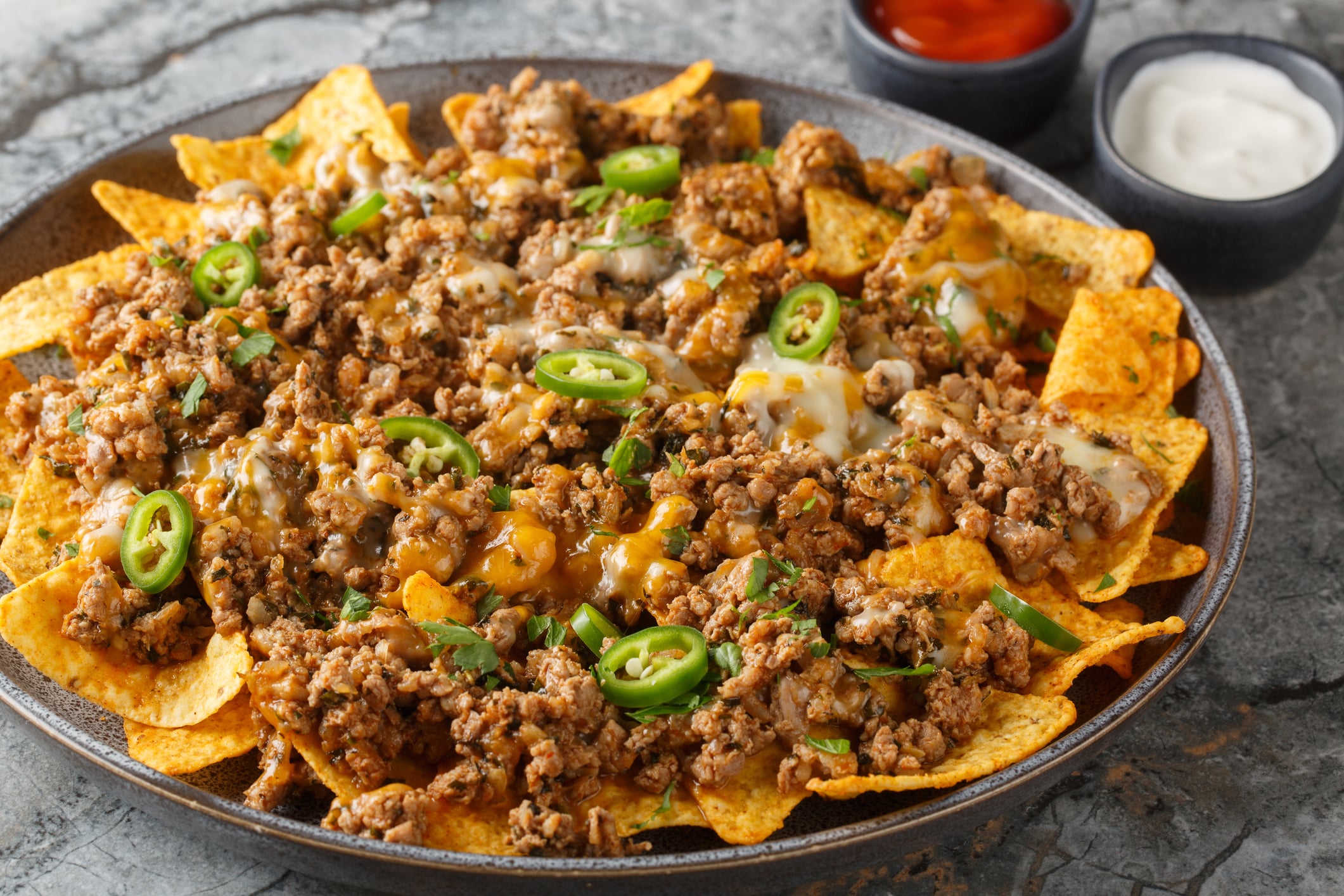
Nachos began as a relatively simple snack in Piedras Negras, Mexico, in 1943. Ignacio “Nacho” Anaya is credited with assembling tortilla pieces topped with cheese and jalapenos for visiting American women. The dish spread across the border, where it eventually took on a much bigger identity. American stadium concessions popularized nachos with pourable cheese sauce during the 1970s, while restaurants developed loaded versions piled with ground beef, beans, sour cream, guacamole, and other toppings. What started as a modest appetizer became a full meal, sometimes large enough to share.