Back-to-school shopping can get expensive fast, especially when store aisles are packed with colorful organizers, high-tech gadgets, novelty stationery, and seemingly endless “must-have” supplies. But according to teachers, spending more doesn’t necessarily mean sending your kid to school better prepared.
In fact, some of the flashiest school supplies can become distractions, take up valuable desk space, or simply go unused. The most important rule? Check your child’s actual school or teacher supply list before filling your cart. Requirements vary widely by school and grade, and something that’s encouraged in one classroom could be prohibited in another.
Here are 12 back-to-school purchases teachers say parents may want to think twice about.
Supplies Bought Before the Teacher’s List Arrives
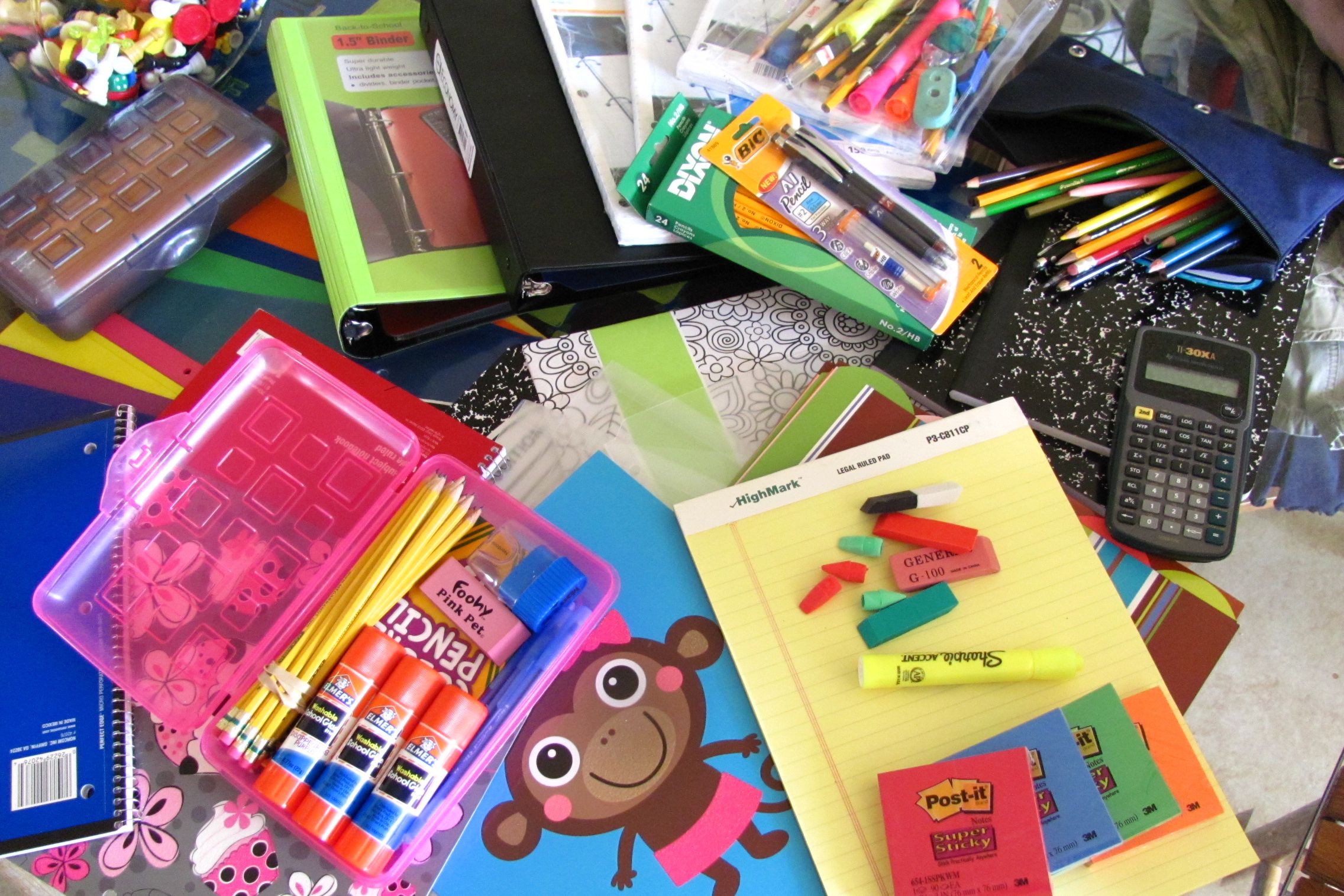
It can be tempting to knock out school shopping early, but buying a cartload of supplies before seeing the official list could mean spending twice. Schools can get surprisingly specific, right down to binder sizes, pencil-box dimensions, headphone styles, and even the type of pencils students should bring.
Rather than relying on a generic school-supply checklist you found online, wait for the real thing whenever possible. If you do shop early to take advantage of sales, stick with basic supplies you know will get used — and hang onto those receipts.
Fidget Pencil Boxes
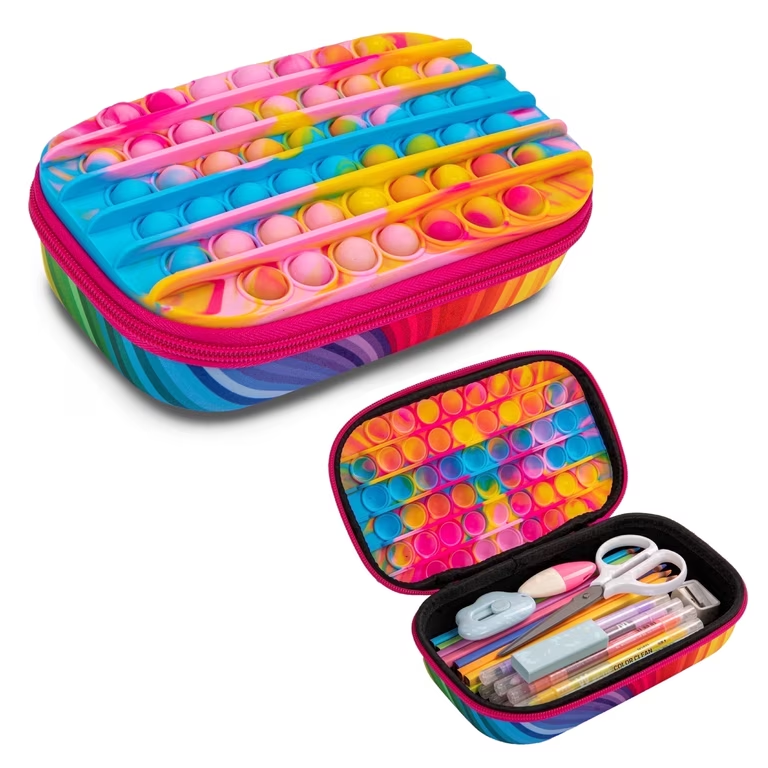
A pencil box that doubles as a fidget toy might sound like a clever two-for-one purchase. Teachers may see it differently.
First-grade teacher Katie Alburger has warned that fidget pencil boxes can quickly turn into classroom distractions rather than useful storage. Kids who genuinely benefit from sensory tools may still need them, of course, but Alburger recommends addressing those needs separately with the teacher or school instead of relying on novelty school supplies.
For everyone else, the boring plastic pencil box on the supply list may be the better buy.
Scented and Colored Glue Sticks
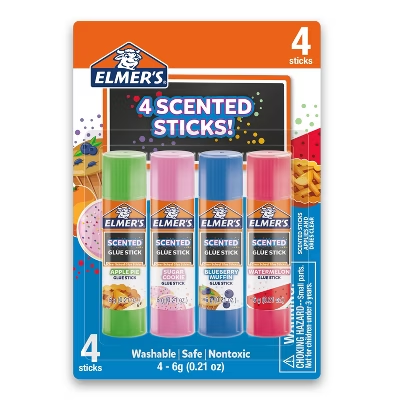
Bubblegum-scented or brightly colored glue might make school shopping more exciting, but it probably won’t make that construction-paper project stick together any better.
Alburger has also encouraged parents to choose basic glue sticks instead of novelty varieties, particularly because some classrooms pool supplies. That expensive pack your child picked out could wind up in a communal bin anyway. Standard glue sticks are often cheaper, easier to replace, and exactly what teachers are requesting in the first place.
Rolling Backpacks for Younger Kids
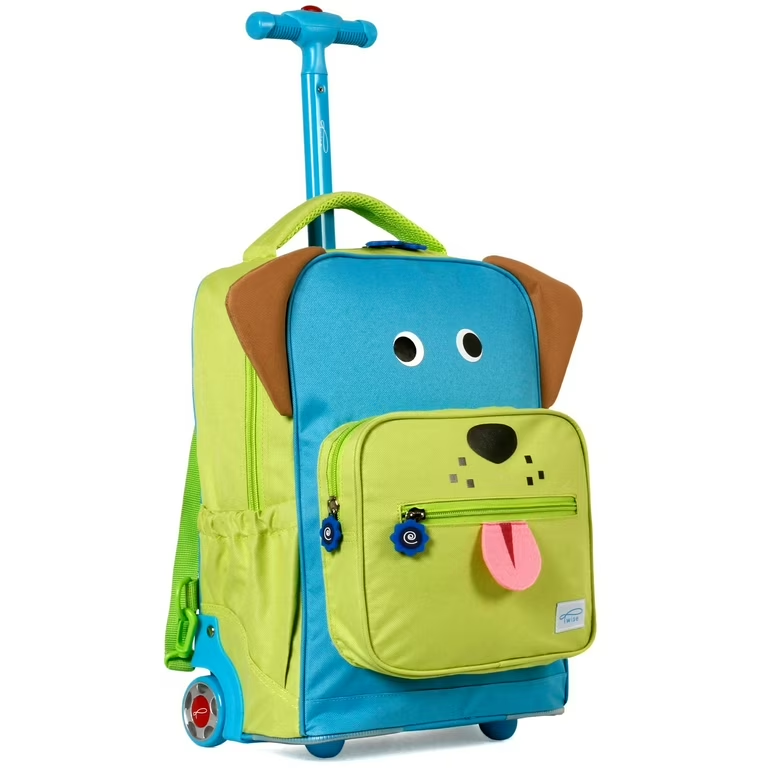
Rolling backpacks seem like a smart way to take some weight off a child’s shoulders, but those wheels come with a downside: bulk.
Teachers have complained that rolling backpacks can be difficult to fit into elementary classrooms, cubbies, and lockers. Some school supply lists go a step further and explicitly prohibit them. Younger kids also may not be carrying enough books and supplies to justify hauling around a miniature suitcase every day.
Unless your child has a specific need for one, check the school rules before spending extra on wheels.
Trapper Keepers and Giant Zip-Up Binders
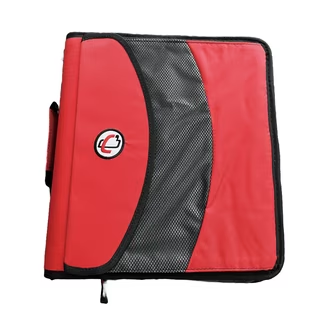
For parents who remember the glory days of the Trapper Keeper, seeing them back on store shelves can make school shopping surprisingly nostalgic. Unfortunately, your kid’s teacher may be less enthusiastic.
Some schools specifically prohibit Trapper Keepers and other oversized organizers because they don’t fit properly inside desks or lockers. Giant zippered binders can also cost considerably more than the basic binder a teacher actually requested.
That doesn’t mean binders themselves are a bad purchase. The trick is buying the exact size and style listed instead of assuming bigger and fancier means better organized.
Trending on Cheapism

Mechanical Pencils When the List Says No
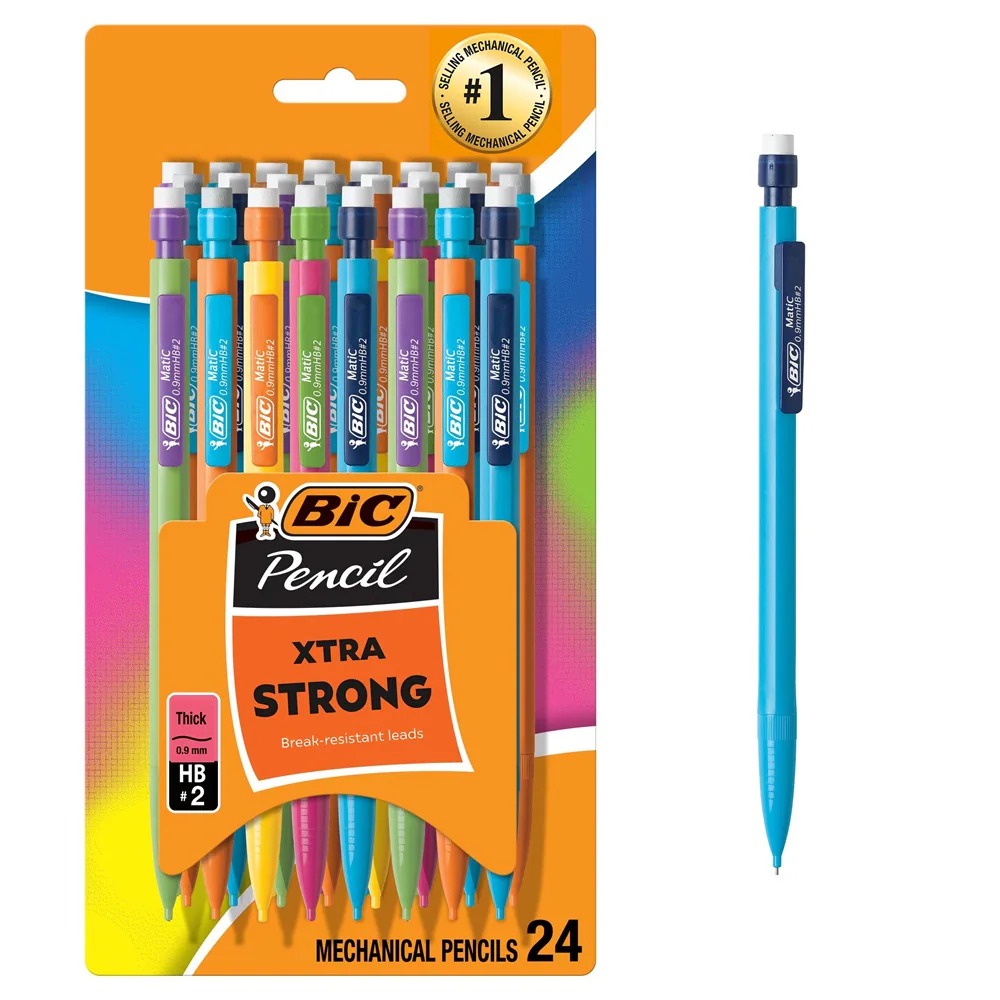
Mechanical pencils can feel like an upgrade from old-school wooden ones, but don’t automatically toss a pack into the cart.
Some elementary school lists specifically request traditional No. 2 pencils and prohibit mechanical versions. Teachers have also pointed out that mechanical pencils introduce their own annoyances: Kids lose them, run out of lead, and need refills.
If the list asks for pre-sharpened wooden pencils, save yourself the headache and buy exactly that. There will be plenty of time for mechanical pencils when your child’s teachers actually allow them.
Bluetooth Earbuds When the School Wants Wired Headphones
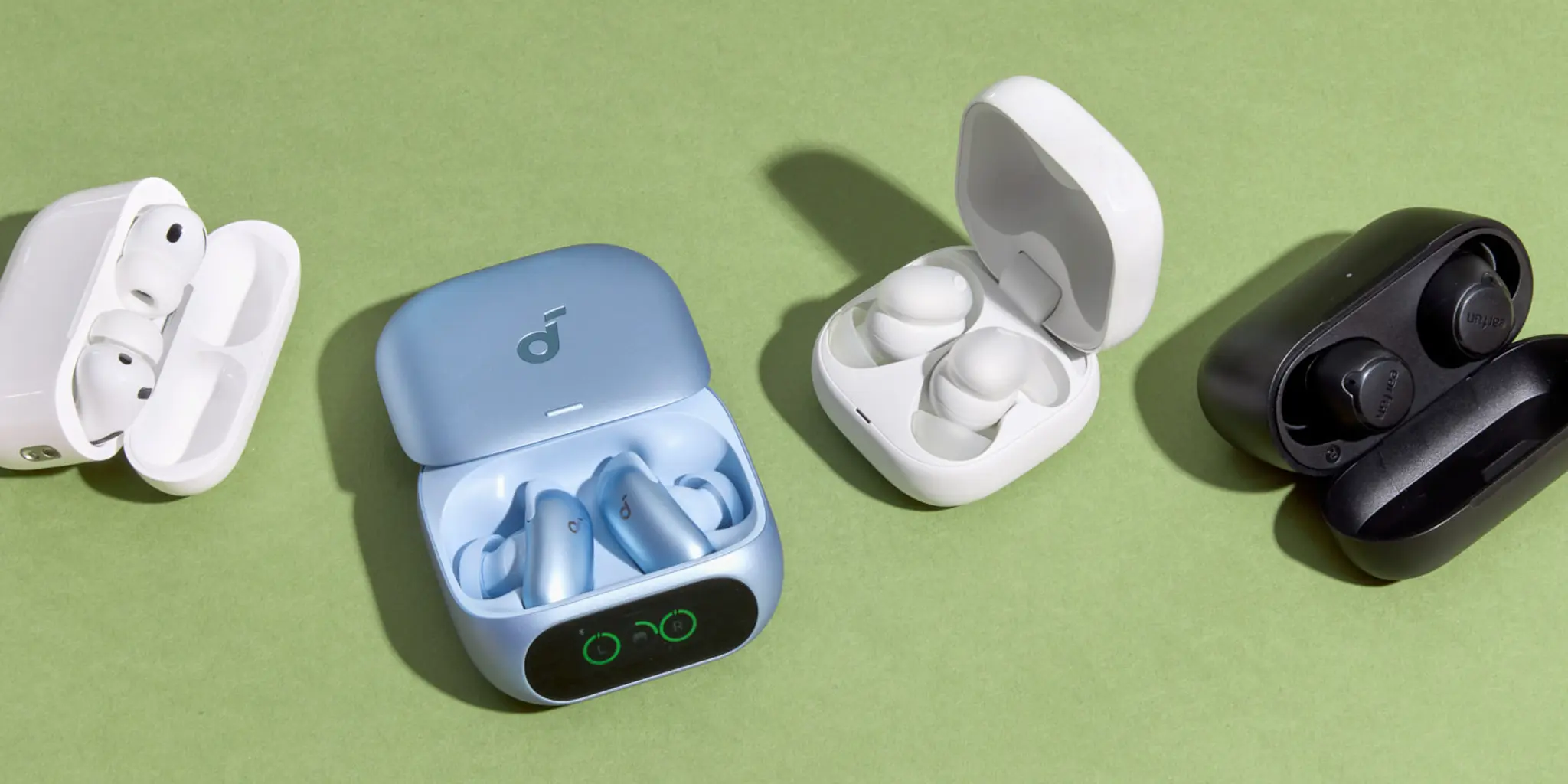
Those wireless earbuds your kid has been begging for might be great for listening to music at home. That doesn’t mean they’ll work with classroom technology.
Some schools specifically require wired headphones with a standard jack and prohibit Bluetooth models, particularly for younger students. Others may want over-the-ear headphones instead of earbuds.
Before spending big on a fancy pair, find out what devices students will be using and what kind of connection they require. The cheap wired headphones you already own could turn out to be more useful than a brand-new wireless pair.
Giant Pencil Cases and Locking Supply Boxes
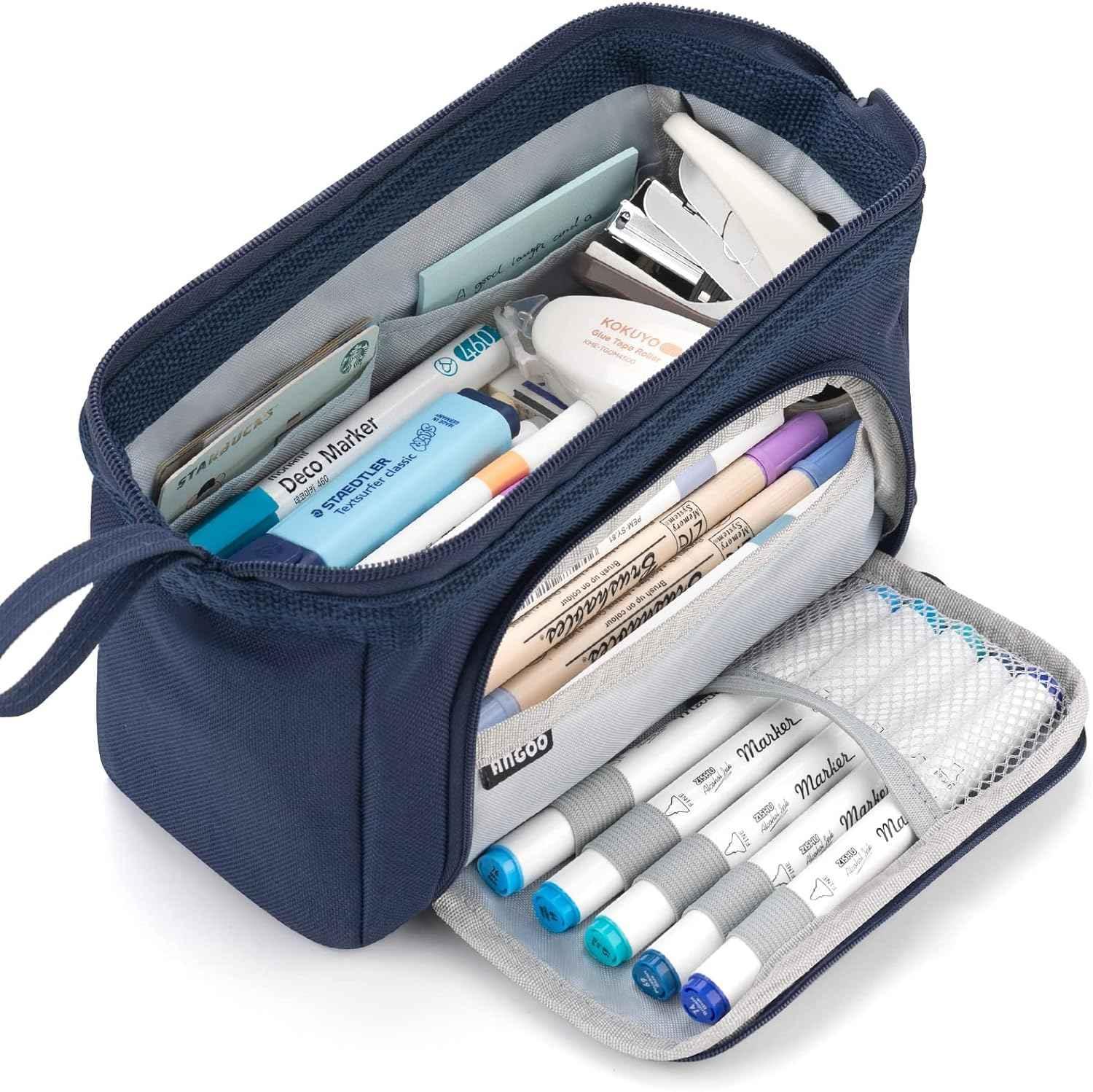
When it comes to pencil boxes, bigger isn’t always better.
Classroom desks have limited real estate, which is why some schools specify exact or approximate dimensions for supply boxes. Oversized cases and elaborate locking organizers may not fit at all, leaving you with an expensive box your child can’t use.
Check the measurements on the supply list before buying. Better yet, see whether last year’s plain plastic box still works. It may be one of the easiest school supplies to reuse.
Sign up for our newsletter
Novelty Rulers, Erasers, Pens, and Other ‘Toy’ Stationery
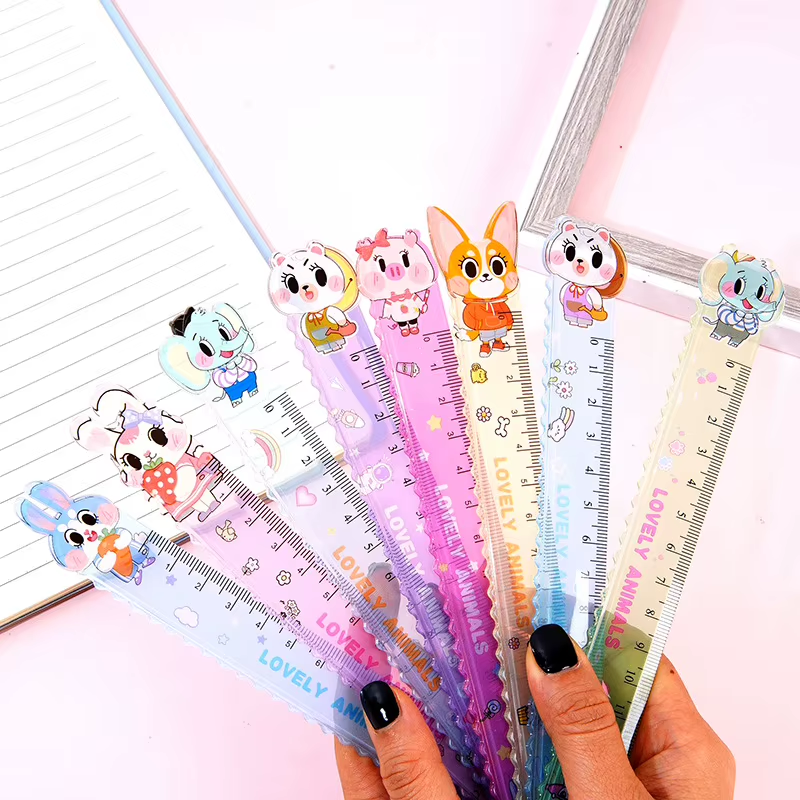
Bracelet rulers! Scented markers! Erasers shaped like cheeseburgers! The school-supply aisle has gotten very good at turning basic stationery into toys — and kids are very good at convincing parents they desperately need them.
Teachers aren’t always fans. Novelty supplies can become distractions when students spend more time playing with them than using them.
That doesn’t mean kids can’t show off their personality at school. A fun backpack, lunch box, or water bottle can do the job without turning math class into an extended debate over somebody’s pizza-shaped eraser.
Fancy Gel, Glitter, and Multicolor Pen Sets
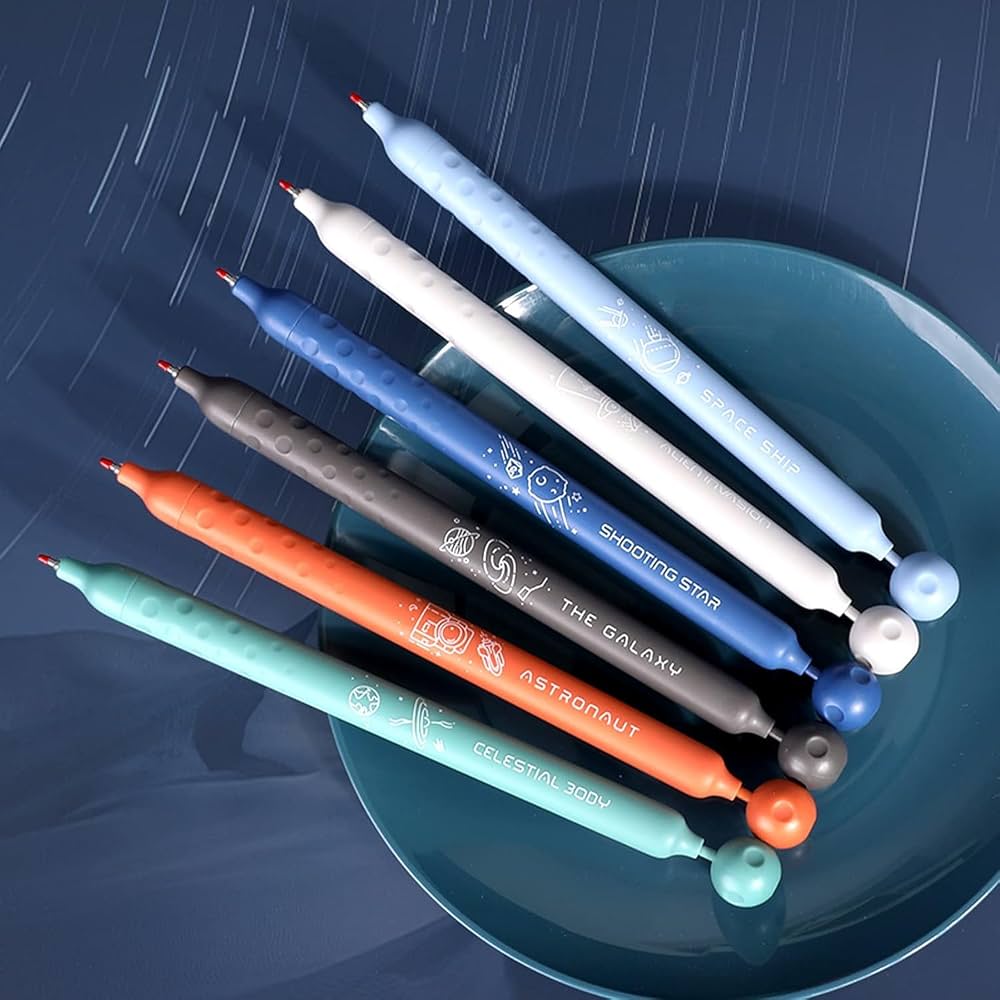
Does a fourth grader really need 30 different shades of glittery gel pen? Probably not — at least not for school.
Teachers have called out elaborate pen collections as an unnecessary expense when students may only need a few basic ink colors. Some current supply lists ask for just a handful of ordinary black, blue, and red pens.
Buy what’s on the list first. If your child loves colorful pens for drawing, journaling, or homework at home, the giant multipack can always be a separate purchase.
The Absolute Cheapest Pencils, Crayons, and Glue
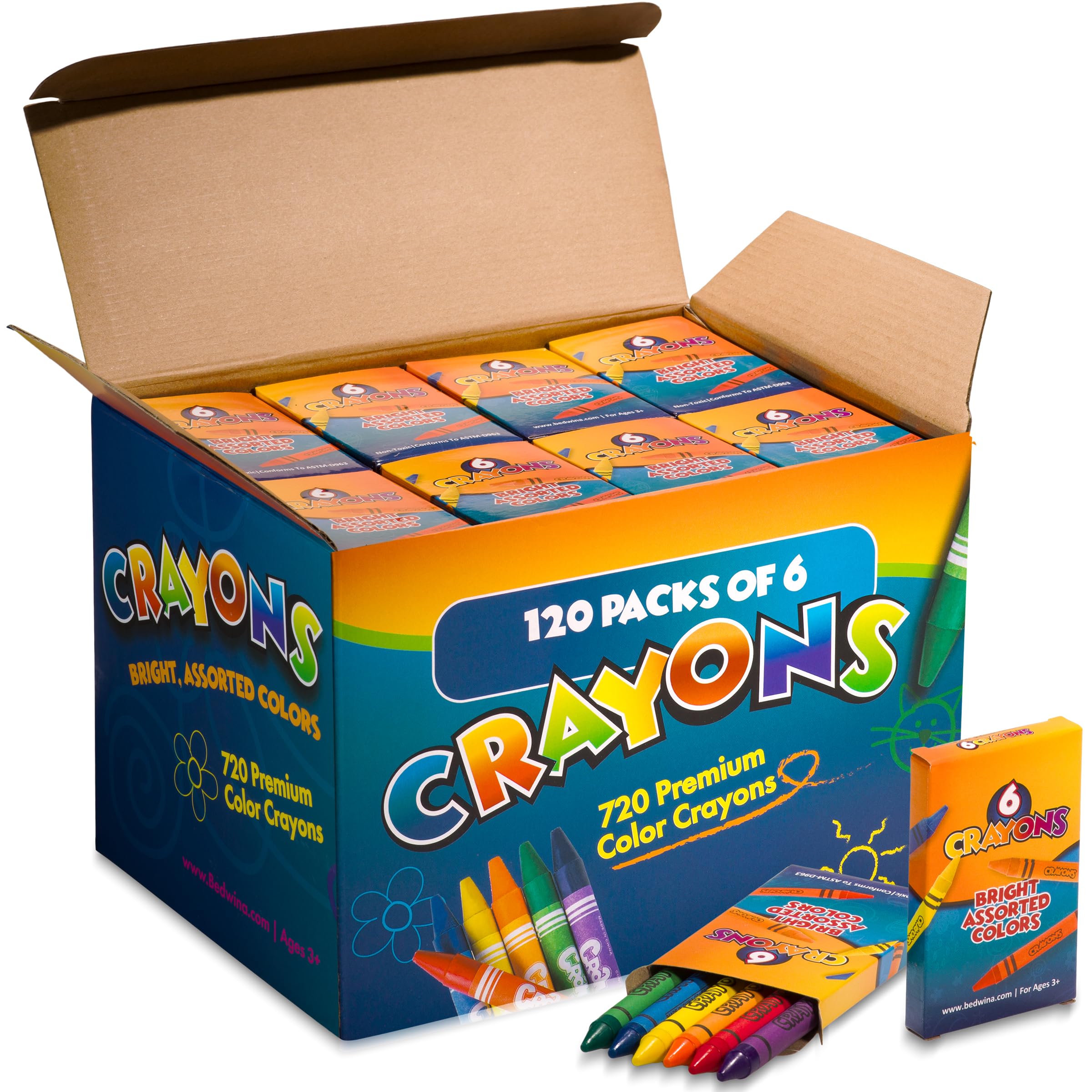
Here’s the exception to the “don’t overspend” rule: Sometimes going as cheap as humanly possible ends up costing more.
Teachers have long complained about bargain-bin pencils that break or won’t sharpen properly, crayons that snap easily or barely leave color behind, and glue sticks that dry out too quickly. That’s one reason some school lists request specific brands for heavily used supplies.
You don’t necessarily need the name-brand version of everything. But if the teacher specifically requests a certain pencil, crayon, glue, or marker brand, there may be years of classroom experience behind that seemingly picky request.
Whiteout, Clipboards, and Other ‘Might Need It’ Extras
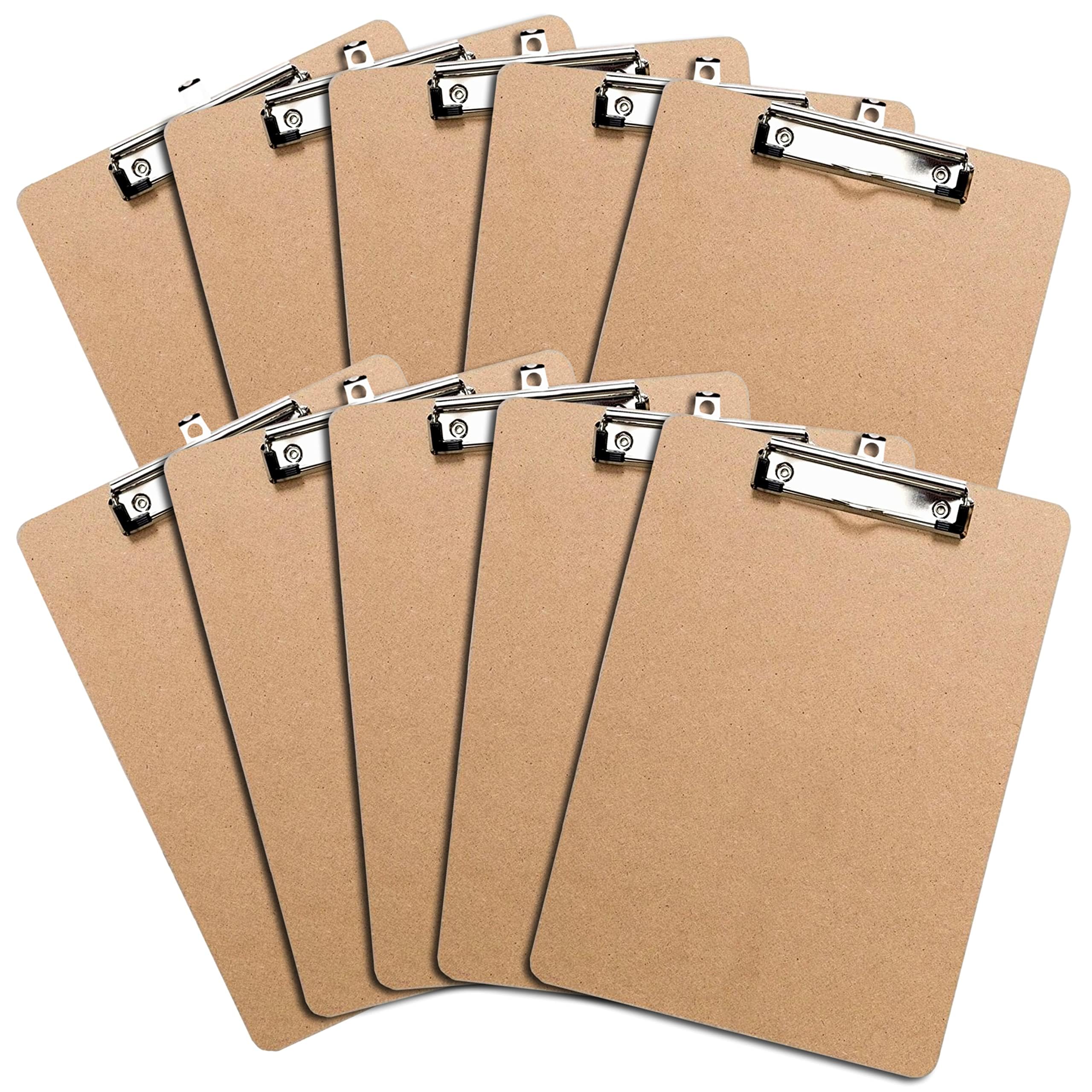
Whiteout is only a few bucks. Index cards are cheap. Surely a clipboard might come in handy eventually. Toss enough of these “just in case” purchases into your cart, though, and suddenly you’ve spent another $20 on things your kid may never use.
Teachers have specifically singled out items such as whiteout and clipboards as things parents shouldn’t necessarily buy unless they’re requested. Whiteout can even be counterproductive in classes where teachers want to see students’ corrections and drafting process.
Instead of trying to anticipate every project your child might encounter between now and June, start with the official list. You can always buy index cards in October if an actual assignment calls for them.
The Bottom Line
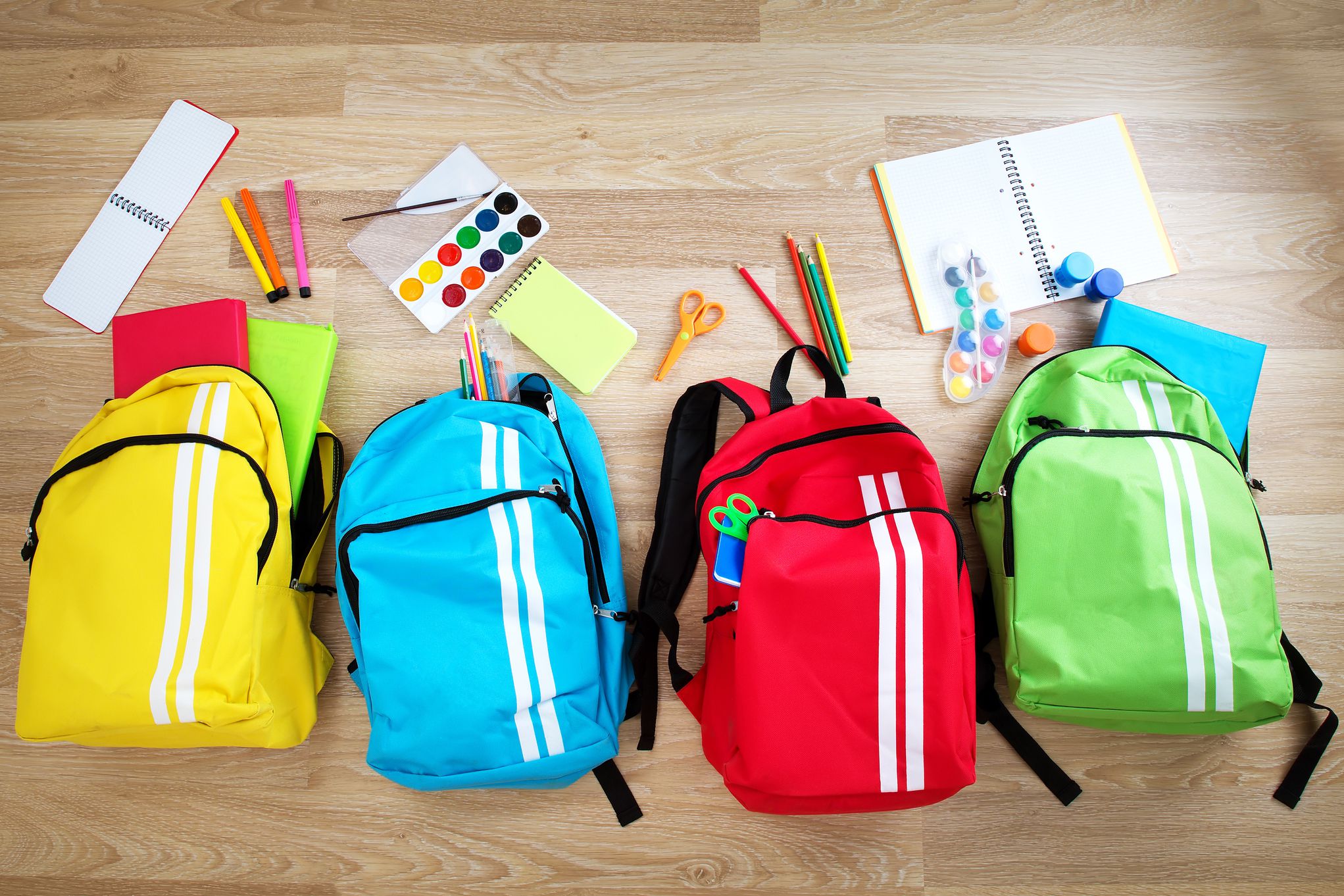
The easiest way to save on back-to-school shopping isn’t necessarily buying the cheapest version of everything. It’s buying less — and buying the right things.
Before hitting the school-supply aisle, check what survived from last year and wait for your child’s official list whenever possible. Pay attention to seemingly fussy specifications about sizes, styles, and brands, and resist the urge to stock up on novelty products and “just in case” extras.
Your kid can always ask for that 30-pack of glitter pens later.