Cruise ships might look like floating vacation resorts, but there’s an entire world operating behind the scenes that passengers rarely get to see. Beyond the swimming pools, buffets, and entertainment venues are crew-only corridors, medical facilities, enormous storage areas, and some surprisingly unusual equipment. These Cruise Ship “Secrets” reveal just how much work goes into keeping thousands of people comfortable at sea. From hidden morgues to mountains of toilet paper, here’s what really happens behind those crew-only doors, as documented in Royal Caribbean’s behind-the-scenes reporting.
Cruise Ships Have an Entire Hidden World for Crew Members
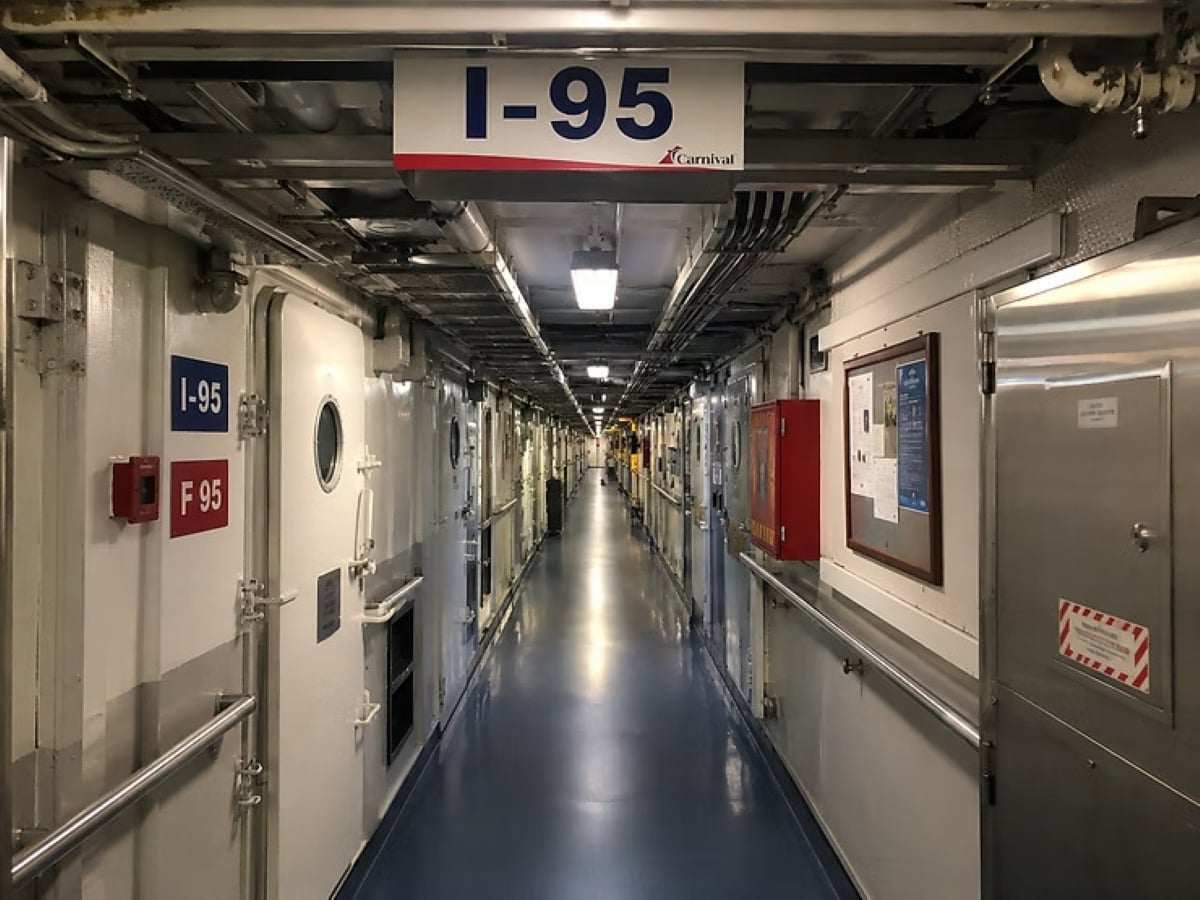
Behind those doors marked “Crew Only” lies an entire network of corridors, cabins, dining rooms, and recreational spaces that passengers rarely see. On some Royal Caribbean ships, a long service corridor is nicknamed I-95, allowing employees to move supplies and travel between work areas without navigating crowded passenger decks. Some vessels even have crew-only shops and outdoor lounges. It’s essentially another neighborhood within the ship, complete with its own daily routines. Curious passengers can sometimes explore selected working areas through organized behind-the-scenes tours, although availability and prices vary.
Most Large Cruise Ships Have Their Own Morgues
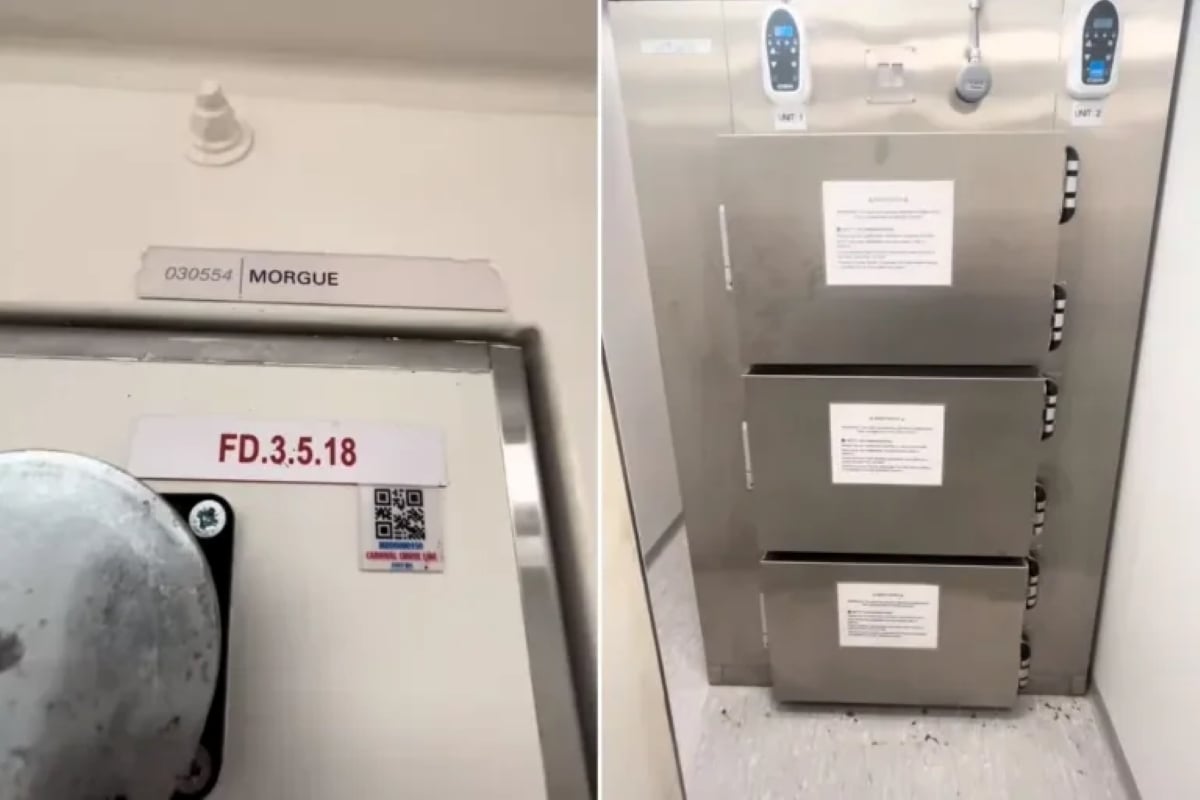
It’s not something anyone wants to think about during vacation, but most large cruise ships have refrigerated morgue facilities. These small, discreet spaces allow ships to respectfully hold the remains of passengers or crew members who die during a voyage until arrangements can be made ashore. The facilities are generally located away from passenger areas and food storage. Their capacity varies by vessel, and they’re designed for temporary use rather than extensive medical examinations. It’s an uncomfortable subject, but an important part of operating a ship far from land.
Some Cruise Ships Have Small Jails Called Brigs
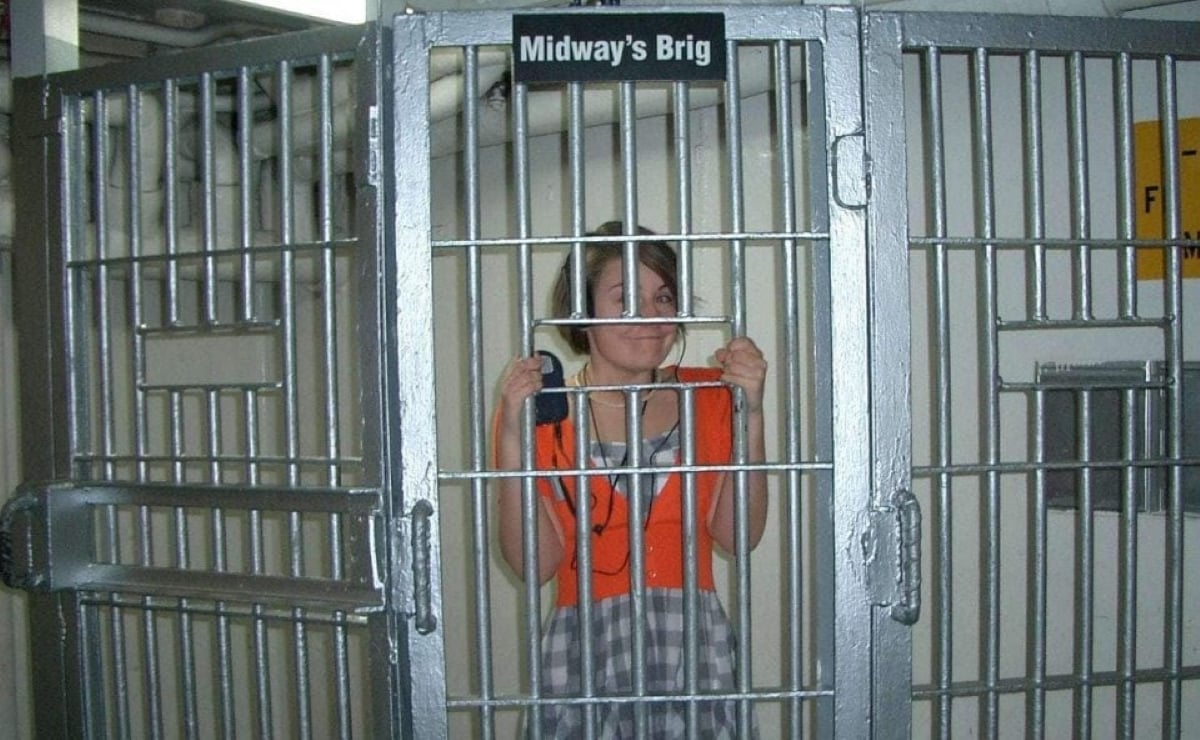
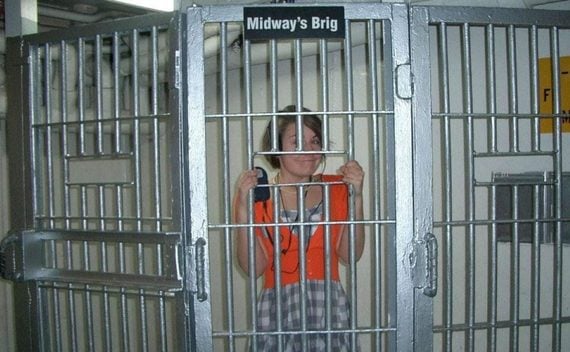
Believe it or not, some cruise ships have designated holding rooms for passengers who become violent or pose a serious security threat. These spaces are sometimes called brigs, a traditional maritime term for a shipboard jail. However, not every vessel has a separate cell. Security personnel may instead confine someone to their cabin while arranging for authorities to take over at the next port. The captain typically oversees immediate safety decisions, but serious criminal investigations are handled by the appropriate law enforcement agencies.
Some Cruise Ships Can Make All Their Own Fresh Water
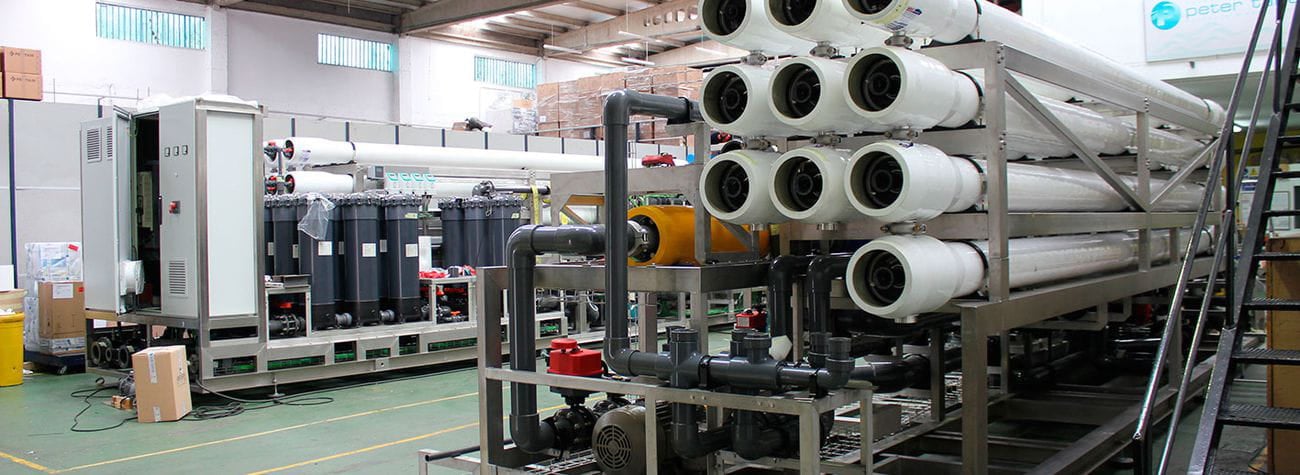
Ever wondered how thousands of passengers can shower, flush toilets, and enjoy drinking water while sailing across the ocean? Many cruise ships produce freshwater onboard using technologies such as reverse osmosis and evaporation, which remove salt from seawater. According to a 2026 Cruise Lines International Association report, 218 reporting ships had systems capable of producing all their freshwater needs under suitable conditions. That doesn’t mean every vessel is entirely self-sufficient, but it helps reduce dependence on freshwater supplies at ports, particularly in destinations where water resources are limited.
A Giant Cruise Ship Can Be Prepared for New Passengers in Just 10 Hours
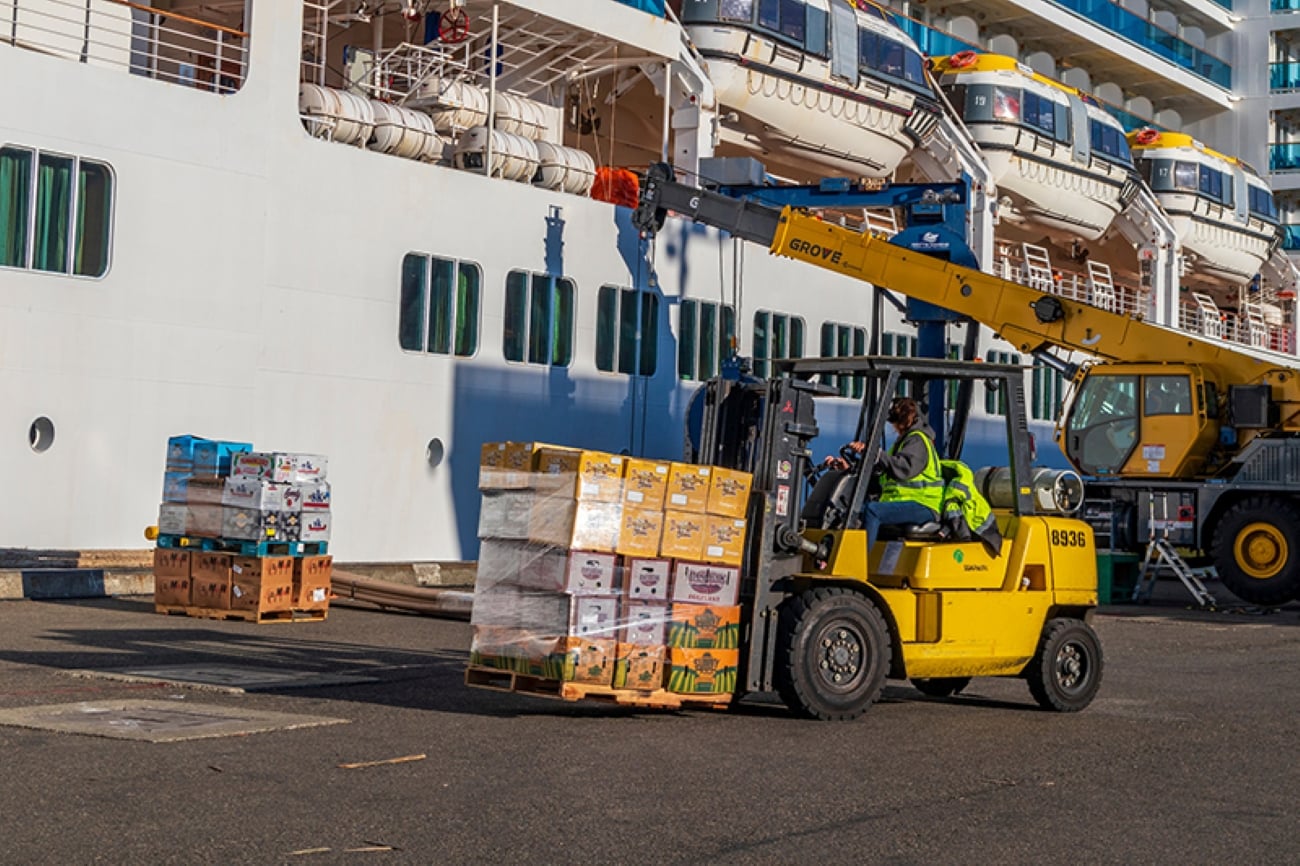
Imagine cleaning thousands of hotel rooms, restocking restaurants, handling luggage, and welcoming nearly 6,000 new guests in a single morning. That’s the challenge cruise ship crews face on turnaround day. Royal Caribbean documented how more than 2,100 crew members prepared Oasis of the Seas for its next voyage in approximately 10 hours. While departing passengers head home, workers clean cabins, inspect supplies, load food, and prepare public spaces. It’s a tightly coordinated operation, and delays can affect boarding times even when everything appears calm from the terminal.
Trending on Cheapism
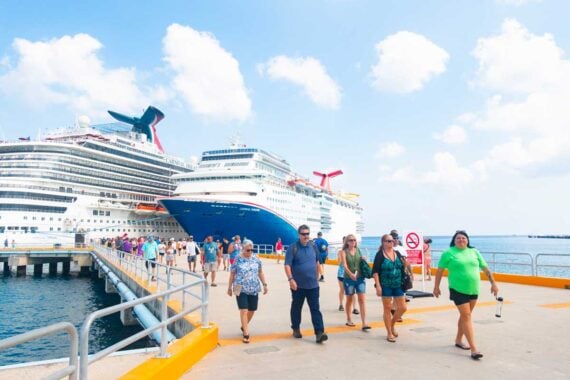

One Cruise Ship Can Need More Than 10,000 Rolls of Toilet Paper

Here’s a number you probably never considered while planning a cruise: more than 10,000 rolls of toilet paper. That’s how much Royal Caribbean reported stocking aboard Oasis of the Seas for a voyage in its behind-the-scenes turnaround coverage. The same operation involved nearly 2,000 pounds of coffee and approximately 1,000 replacement light bulbs. These aren’t standard quantities for every ship, but they illustrate the extraordinary amount of planning required. Running out of basic supplies becomes a much bigger problem when the nearest supermarket is hundreds of miles away.
Cruise Ship Employees Have Their Own Restaurants and Nightlife
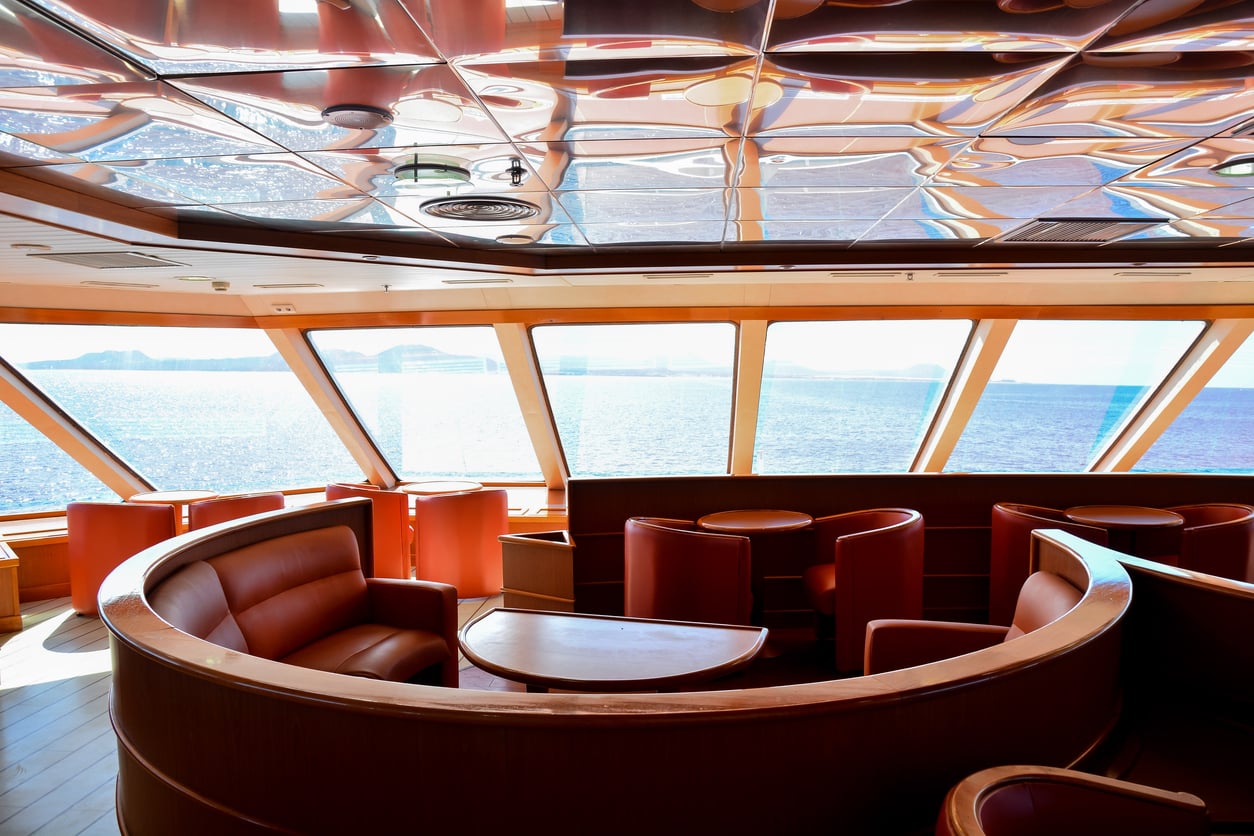
While passengers enjoy elaborate buffets and specialty restaurants, crew members usually eat in separate dining rooms known as crew messes. These cafeterias serve meals throughout the day to accommodate employees working different shifts. Depending on the vessel, staff may also have access to private bars, lounges, gyms, and organized social events. Former crew members have shared stories of karaoke nights, themed parties, and surprisingly varied meals. Of course, working onboard isn’t an endless vacation. Long hours, shared accommodations, and limited personal space are part of the experience.
Cruise Ships Get Surprise Health Inspections From the CDC

Those spotless-looking cruise ship buffets aren’t judged solely by passenger reviews. The Centers for Disease Control and Prevention conducts unannounced sanitation inspections of cruise ships operating under its jurisdiction, generally twice a year. Inspectors examine food preparation, drinking water, swimming pools, medical procedures, and other public health concerns. Ships receive scores on a 100-point scale, and the reports are publicly available. Travelers can check a vessel’s inspection history before booking, although a good score doesn’t guarantee that nobody will become ill during a particular sailing.
Sign up for our newsletter
Cruise Ships Have Sophisticated Sewage Treatment Systems
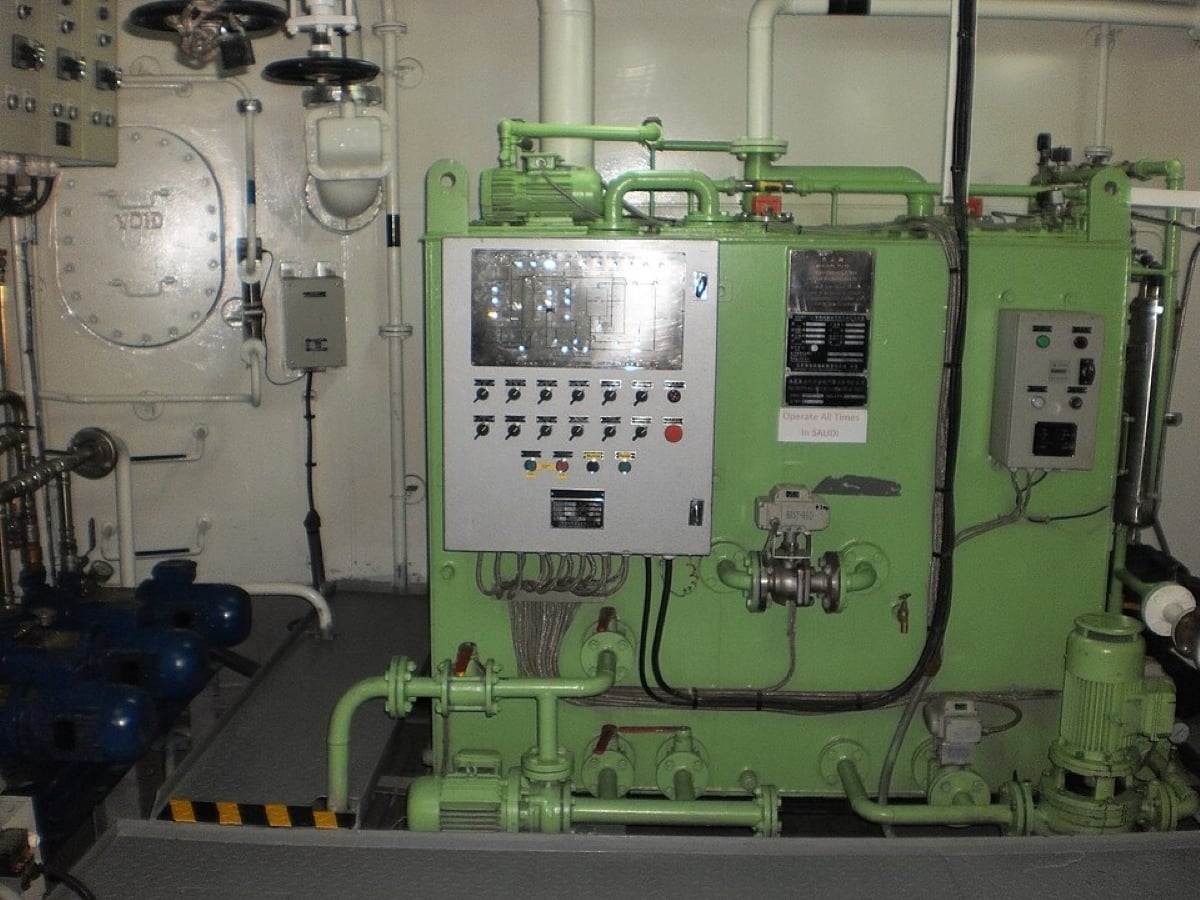
Thousands of people eating, showering, and using bathrooms generate enormous amounts of wastewater. Modern cruise ships use onboard systems to collect and treat sewage, with many vessels equipped with advanced wastewater treatment technology. International maritime regulations control how and where wastewater can be discharged. However, the rules do permit certain treated discharges and some other discharges under specified conditions, so it would be misleading to claim that nothing ever enters the ocean. Environmental performance also varies between vessels, making this an important area for continued oversight.
Cruise Ship Waiters and Entertainers Have Emergency Duties
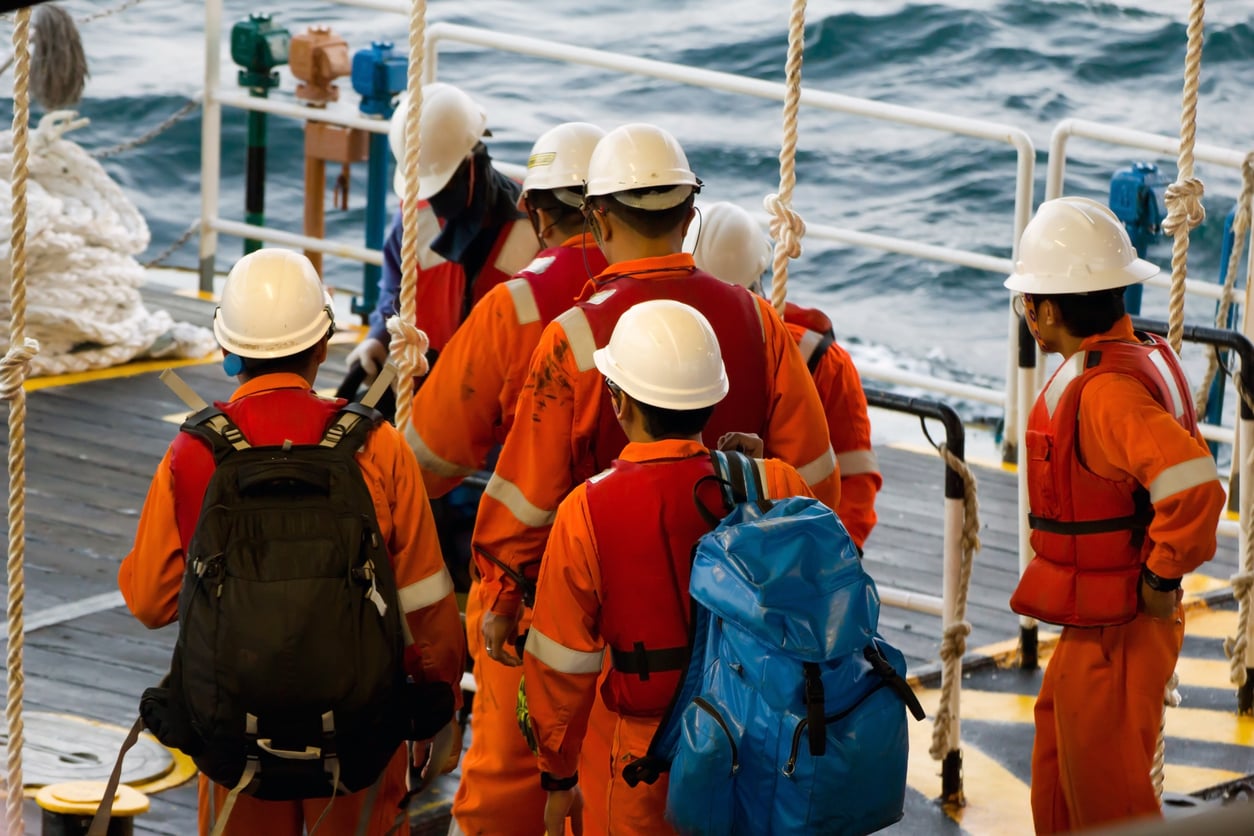
The person serving your dinner or performing in the evening show might have an entirely different responsibility during an emergency. Cruise ship employees receive safety training and may be assigned duties such as guiding passengers to muster stations, assisting with evacuation procedures, or helping organize lifeboat boarding. Crew members also participate in drills to practice responding to emergencies. These assignments depend on their training and position, but passenger safety takes priority when something goes wrong. It’s a reminder that cruise employees have responsibilities far beyond their everyday hospitality jobs.
Some Cruise Ships Have Ice Rinks and High-Diving Theaters

An ice-skating rink sounds unusual enough on land, but imagine maintaining one aboard a moving ship. Royal Caribbean operates vessels with real ice arenas where professional skaters perform elaborate shows. Some ships also feature AquaTheaters with specialized pools designed for high-diving and acrobatic performances. These attractions require technical crews, sophisticated equipment, and constant maintenance. On selected sailings, passengers can even try recreational ice skating. Many performances are included in the cruise fare, although reservations, availability, and participation requirements vary by ship.
Cruise Ships Have Medical Centers for Emergencies Far From Land
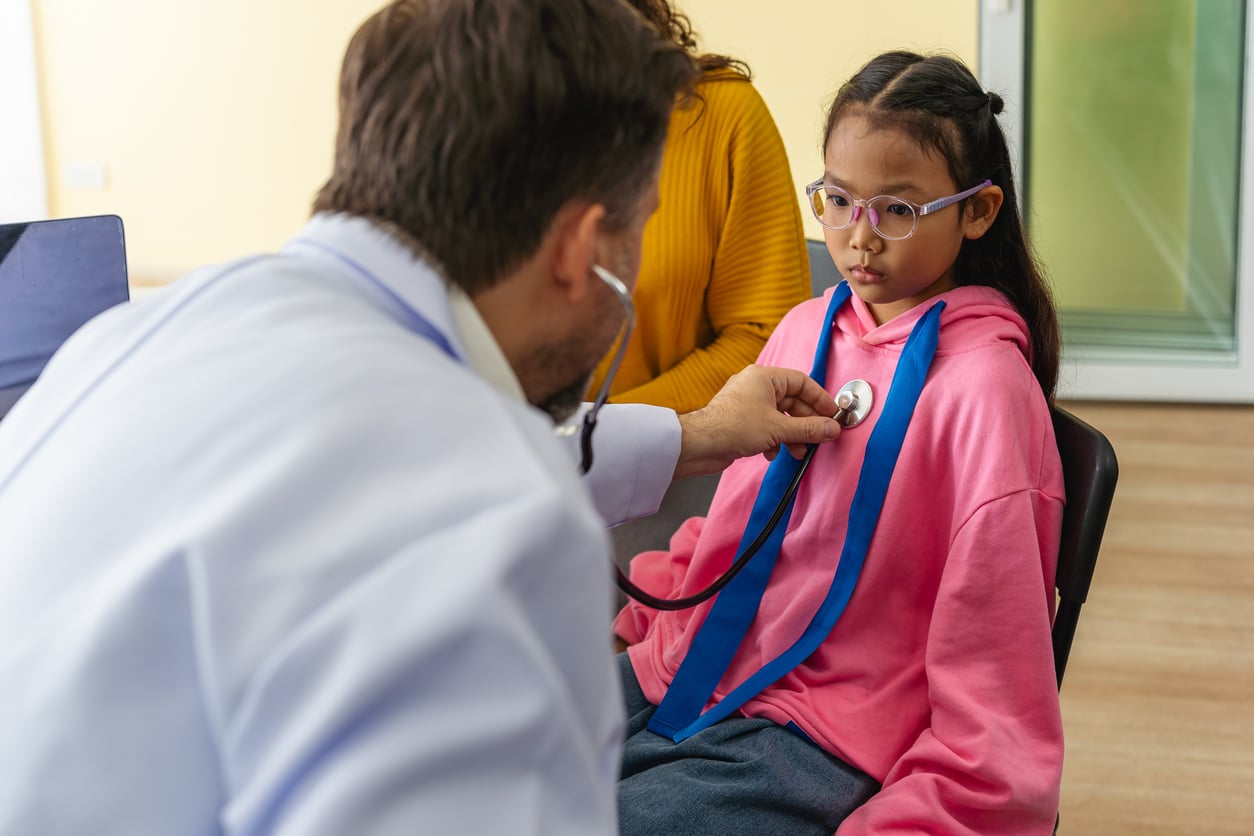
Cruise ships aren’t floating hospitals, but many carry medical professionals and equipment to handle illnesses, injuries, and emergencies at sea. Depending on the vessel, medical facilities may provide diagnostic tests, medications, and emergency stabilization. Serious cases can require coordination with coastal authorities, a diversion to another port, or helicopter evacuation. The CDC advises travelers to understand a ship’s medical capabilities before sailing, particularly if they have existing health concerns. Another surprise? Onboard medical treatment and emergency evacuation can be expensive, making suitable travel insurance worth considering.