
Many people no longer replace household products as quickly as they did a few years ago. The new trend is to keep products and appliances as long as they continue to function, with durability becoming more important even as they aged and more advanced products hit the market. With information gathered from Consumer Technology Association and the Federal Trade Commission, among others, we’ve found products that consumers expect to use for longer periods before replacing them!
Cars

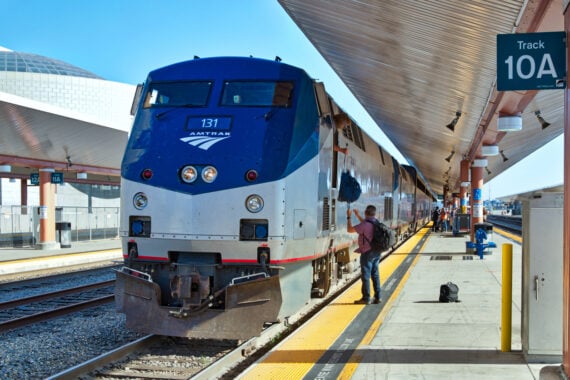
Nowadays, car owners are prioritizing durability over expensive new vehicles. Consequently, it makes sense for them to repair their older cars when a fault arises rather than buying a new one. According to S&P Global Mobility, the lifespan of passenger vehicles in the United States reached averaged 14.5 years. Owners of older cars view a $1,500 repair as a reasonable price compared to the payments for a new car.
Smartphones

There is no real need to replace your smartphone every three or four years. These devices can still send messages and photos, use maps, access banking services, stream content, and browse the internet well beyond that four-year mark. Furthermore, annual upgrades have lost their appeal with modern smartphones, as today’s phones are powerful enough to provide durability. One of their weak points is the battery, which does degrade, but for many models, you can buy a replacement.
Major Kitchen Appliances
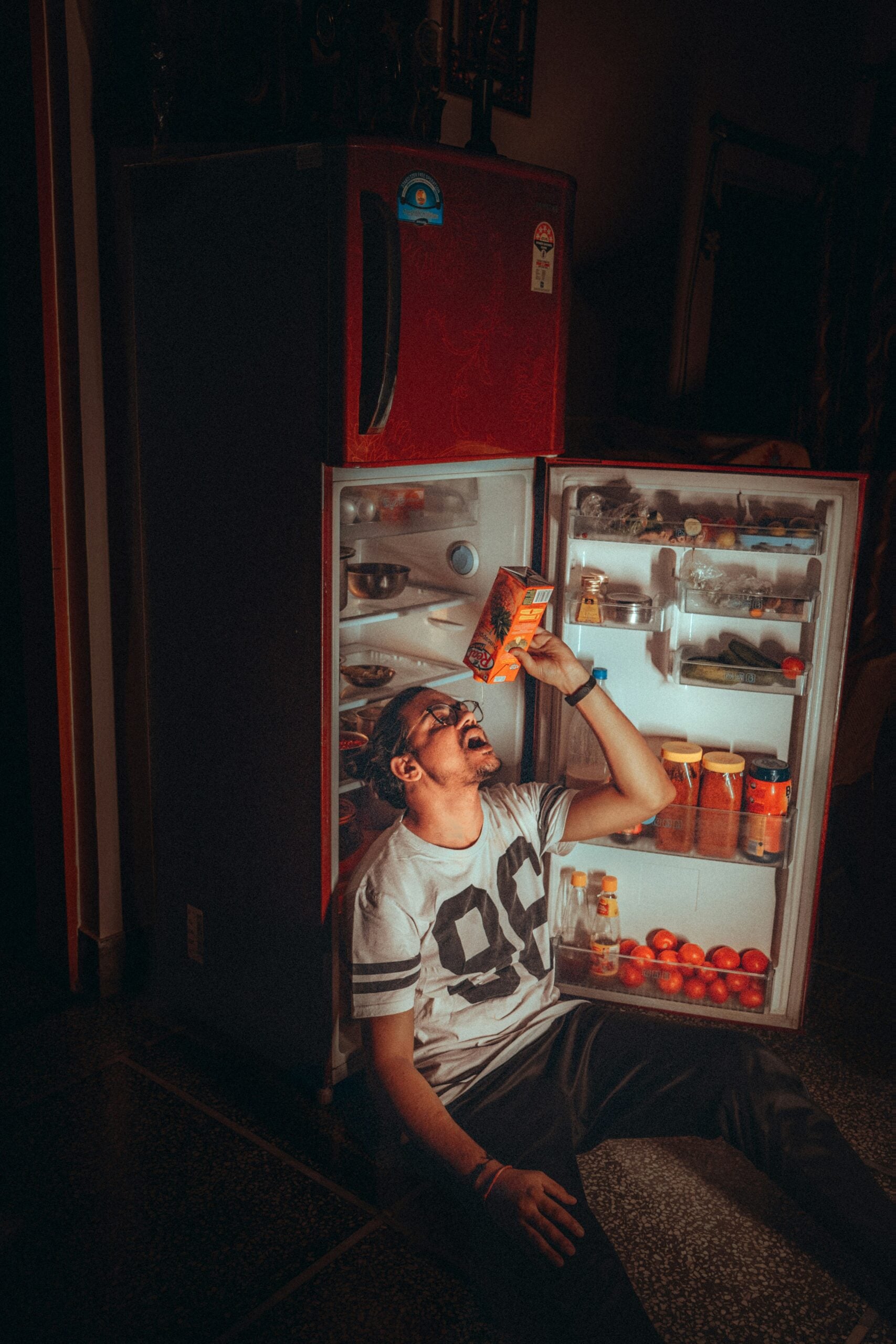
When it comes to refrigerators, dishwashers, and ranges, people often choose to repair an existing unit rather than buy a new one to upgrade their home. The fact is that many of these appliances can last for decades, and you do not necessarily need new features like touchscreens, cameras, or Wi-Fi connectivity, add-ons that may simplify certain tasks but are not essential. Households tend to value reliability and durability highly than the ability to connect them to an app.
Washing Machines and Dryers
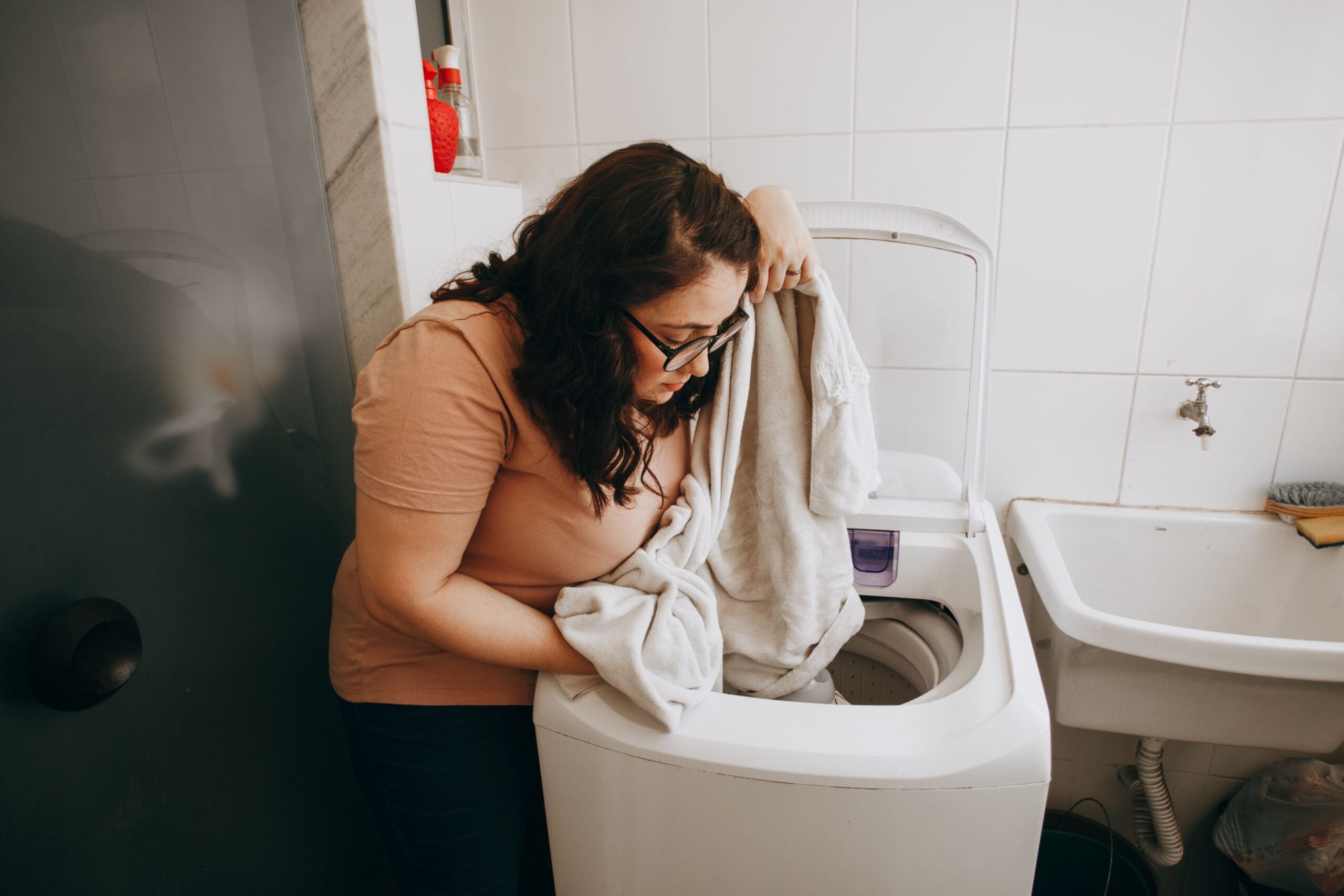
When a washing machine or dryer starts to malfunction, you likely consider repairing the belt, heating element, switch, or other replaceable components rather than buying a new appliance. In fact, older mechanical dryers are particularly valued for their durability because they fulfill their fundamental purpose, tumbling wet clothes while circulating heated air through them. These units lack technology features like the ones found in newer models.
Televisions

The last major leap in television technology may well have been the transition from CRT sets to flat screens. After all, while the shift from HD to 4K is noticeable, it doesn’t represent a truly transformative change. It is essentially just a slightly brighter or “smarter” screen. Furthermore, according to the Consumer Technology Association, dreaming devices can extend the durability and usefulness of some older TVs without requiring you to replace the entire unit.
Trending on Cheapism

Laptops

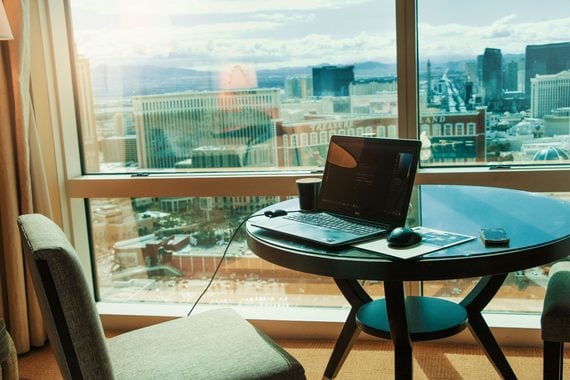
When an aging laptop starts to malfunction or run slowly, you can give it a second life by upgrading its RAM, replacing the SSD, or even installing a new battery, all of which are cheaper than buying a new laptop. Even if Microsoft updates are no longer compatible with your version of Windows, the laptop remains functional. Tasks such as sending emails, web browsing, word processing, and working with spreadsheets will still work fine, especially when the device has sufficient durability for your needs.
Game Consoles

Some people feel the urge to buy a new gaming console as soon as the next generation hits the market, whether it’s a PlayStation, Xbox, or Nintendo system. What customers look for is the ability to keep enjoying their existing games or to take advantage of digital libraries that provide instant access to titles. However, many people hold onto their current consoles because the games themselves don’t necessarily become more enjoyable just by playing them on newer hardware, making the durability of existing systems valuable.
Digital Cameras

Sales of compact digital cameras have seen a resurgence between the 2000s and the 2010s as young photographers gravitate toward the imperfect “digicam look,” even though they own smartphones capable of taking photos but they not quite necessarily match the image quality. A key advantage is their durability, these cameras do not require annual upgrades to keep taking photos. Furthermore, some people actively seek out that “outdated” aesthetic.
Sign up for our newsletter
Printers

Printers have evolved to the point where new models are very expensive and even feature app subscriptions that rely heavily on a smartphone. One issue with these new printers is cartridge compatibility. Given this, if you have a printer that can still print black ink on white paper without jamming, you have a machine whose durability makes it worth keeping.
Cast-Iron Cookware

Cast-iron cookware has not undergone any technological transformation that would render it obsolete, which is why ‘Lodge’ has been manufacturing it in Tennessee since 1896. Replacing one of these pieces with a modern alternative might seem ridiculous. Even if the skillet’s surface is rusty or the seasoning is damaged, you can remove the buildup without having to discard an otherwise functional item, demonstrating its durability.
Corded Power Tools
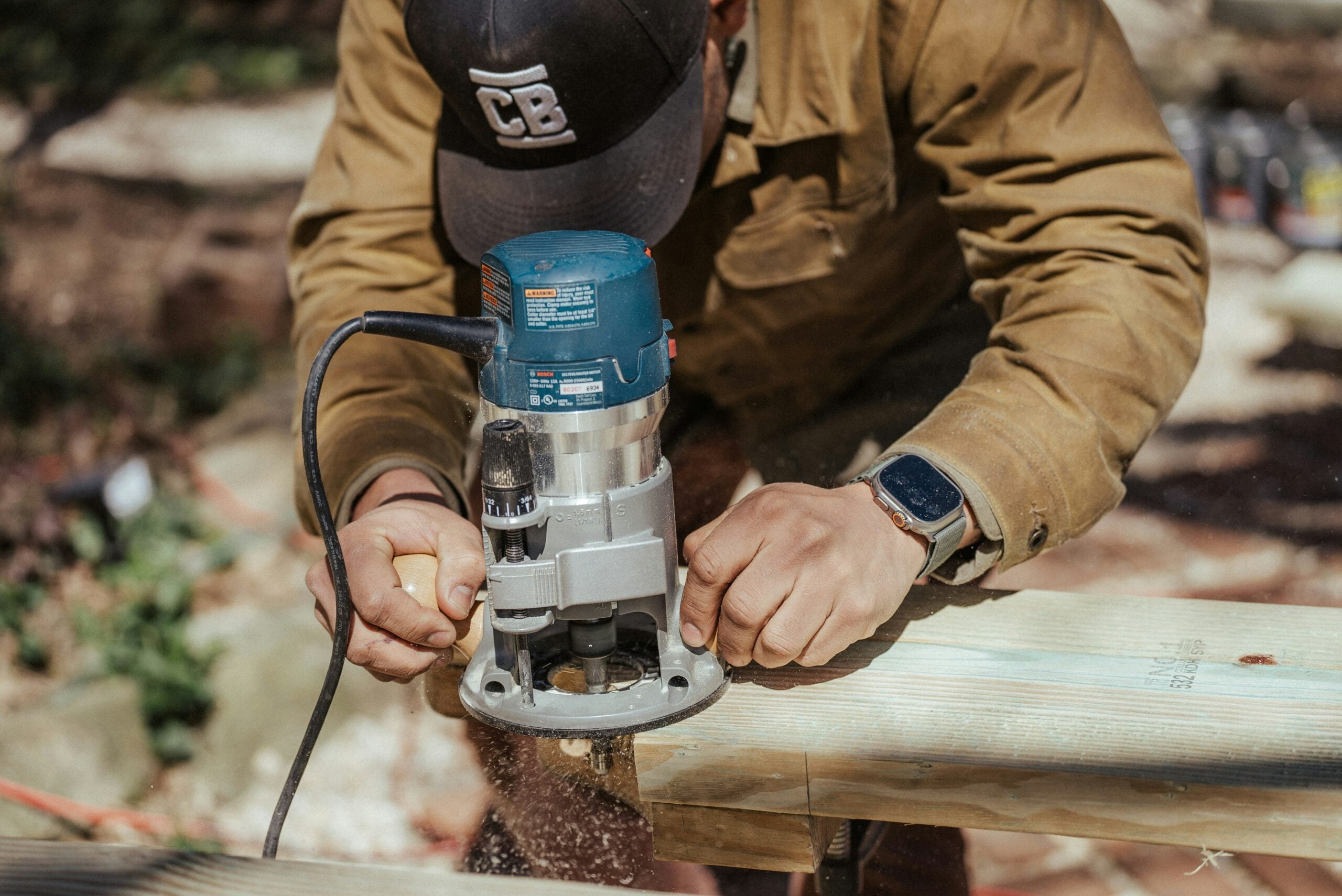
Technology may have advanced beyond corded power tools by offering battery-operated models that eliminate the need for cables and are more convenient to handle. However, this improvement comes with a downside: The issue of a proprietary battery pack aging alongside the tool. Corded equipment can offer long-term durability, so you should prioritize the utility of those drills, saws, and sanders over whether they look fashionable.
Basic Furniture

Traditional furniture made from solid wood, such as dining tables, dressers, bookshelves, and even bed frames, can last for decades before their primary function changes. The durability of these pieces means that maintaining and repairing the furniture you already own can reduce waste that harms the environment, as the EPA data shows. Always consider whether an item can be repaired, reupholstered, repainted, or refinished before replacing it.
Conclusion

Consumer behavior makes it clear that it is not a lack of interest in new products hitting the market. Rather, paying for a replacement is a significant expense, and consumers need a compelling reason to make that decision. Instead of replacing them, many consumers prefer to repair the devices they already own, provided those devices still perform the required tasks, and extend their useful life.