Remember when you could buy a household appliance without downloading an app, creating an account, or worrying about a subscription? These days, even the most ordinary products seem to come with features nobody asked for. That’s why some people are choosing simpler versions of everyday essentials instead. From coffee makers to cleaning supplies, going back to basics can mean fewer things to maintain and less money spent on replacements. As the Environmental Protection Agency points out, reducing waste often starts with reusing what we already have.
Regular Coffee Makers Instead of Connected Brewing Machines

Making a cup of coffee shouldn’t require a software update. Yet some modern brewing machines come with Wi-Fi connectivity, complicated settings, and expensive proprietary capsules. A basic drip coffee maker or French press gets the job done without much fuss. You can choose your own coffee grounds, skip the specialty pods, and avoid paying for features you’ll rarely touch. Of course, convenience matters, and some people love their automatic machines. But if all you want is a decent morning brew, simpler equipment may be enough.
Manual Can Openers Instead of Electric Models

Remember the trusty manual can opener tucked away in the kitchen drawer? It still has plenty going for it. Unlike electric versions, a sturdy manual opener doesn’t need an outlet, take up counter space, or stop working during a power outage. It’s also easy to store and usually inexpensive to replace. The catch is that manual openers require grip strength and wrist movement, making electric models a better choice for some people with arthritis or mobility limitations. Otherwise, this is one kitchen gadget that doesn’t need an upgrade.
Traditional Alarm Clocks Instead of Smartphone Alarms
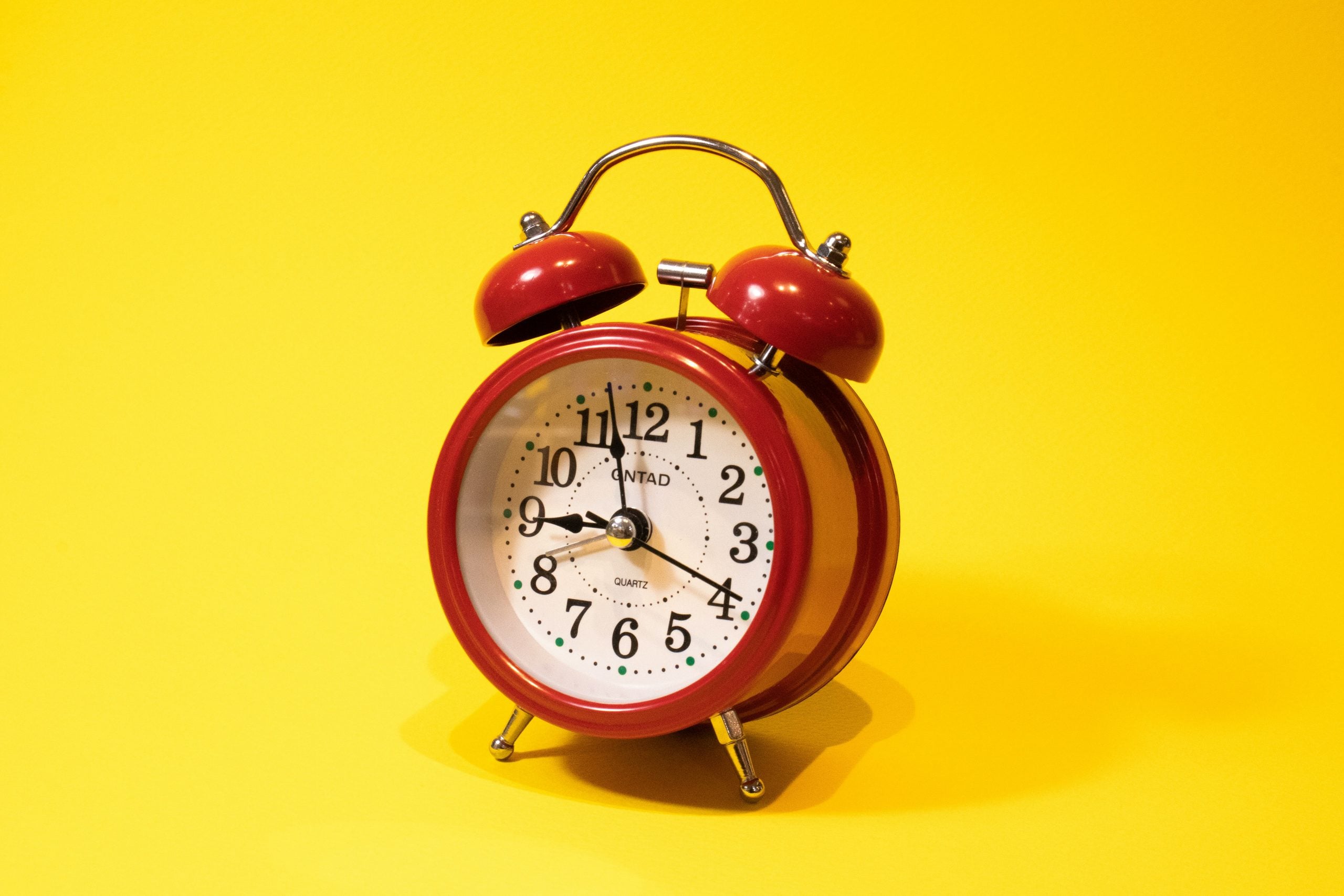
Using your phone as an alarm seems convenient until checking the time turns into scrolling through messages at midnight. A traditional alarm clock removes that temptation and keeps your bedroom routine refreshingly simple. Basic models display the time, sound an alarm, and don’t require notifications or software updates. Some even have battery backup for power outages. You won’t get the endless customization of a smartphone, but that might be the point. For anyone trying to spend less time staring at a screen, an old-fashioned alarm clock makes sense.
Paper Planners Instead of Multiple Scheduling Apps
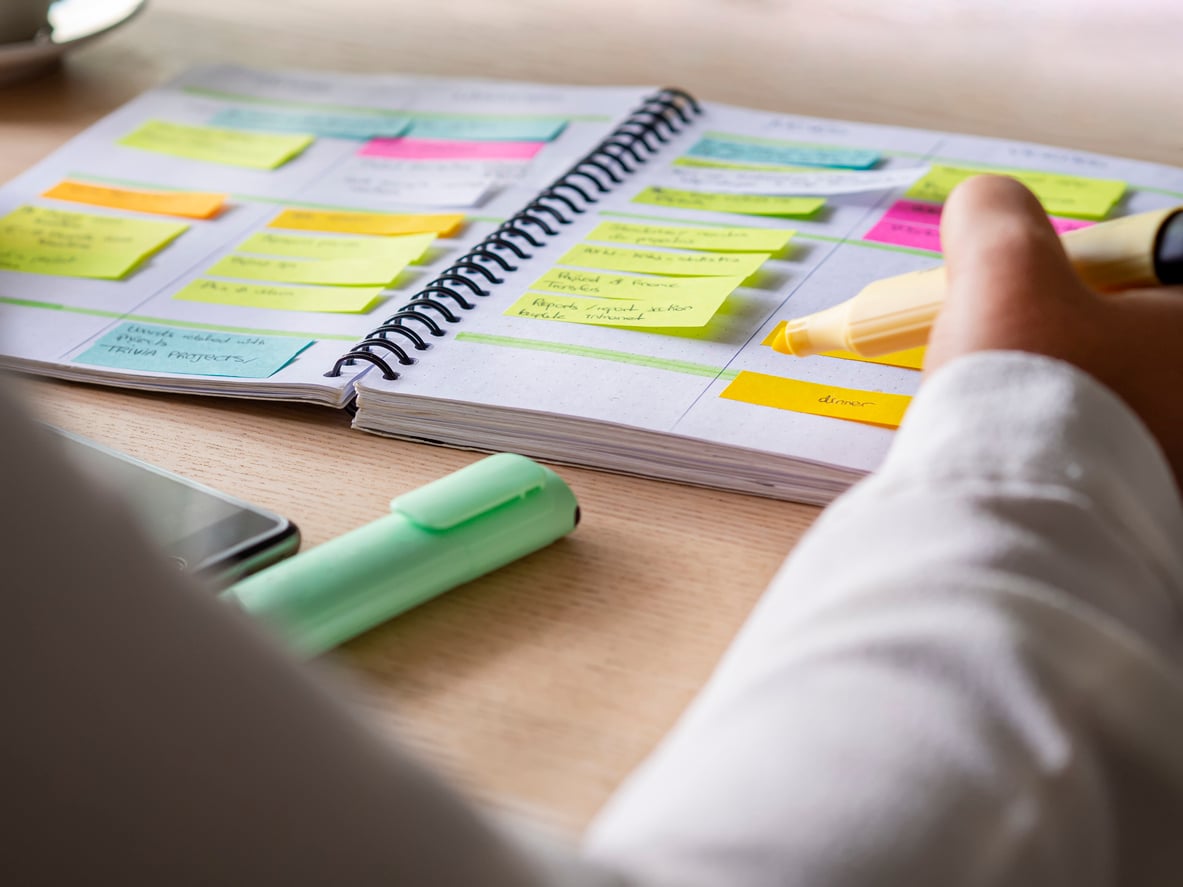
Not every appointment needs a notification, and not every grocery list belongs in an app. A paper planner or wall calendar makes it easy to see upcoming bills, birthdays, and family commitments without opening another screen. There’s no subscription to renew, password to remember, or software to learn. Keeping a calendar in the kitchen can also help everyone in the household stay organized. Digital reminders are still useful for appointments and changing schedules, but for everyday planning, sometimes a pen and paper are all you need.
Refillable Cleaning Bottles Instead of Disposable Specialty Sprays

Buying a brand-new plastic spray bottle every time the bathroom cleaner runs out can feel wasteful, especially when the old bottle still works perfectly. Refillable cleaning products offer a practical alternative, allowing households to reuse compatible containers rather than continually buying replacements. Concentrated refills may also cost less per use, although that’s worth checking before purchasing. The important part is using products exactly as directed. Never mix different cleaners, and don’t refill an unlabeled bottle with something unfamiliar. Saving a little plastic isn’t worth creating a safety hazard.
Trending on Cheapism


Basic Vacuum Cleaners Instead of Complicated Smart Models
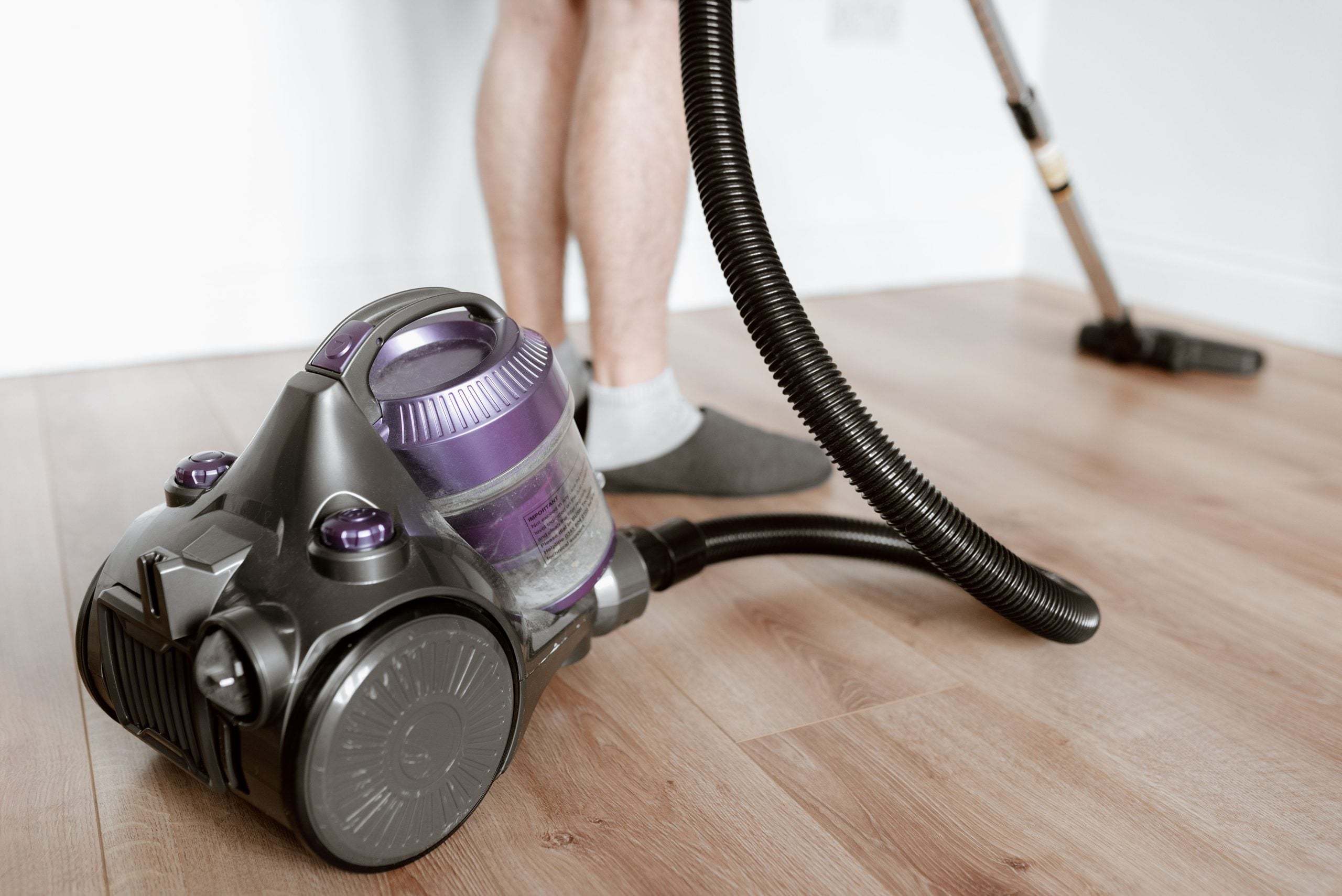
Robot vacuums that map your house and empty themselves sound impressive, but not everyone needs that much technology to clean the floors. A straightforward upright or canister vacuum can handle carpets, furniture, and everyday dirt without requiring an app or charging dock. Look for models with easily available filters, bags, and replacement parts rather than assuming the cheapest option will last. Robot vacuums can still be helpful for people who struggle with regular cleaning. But if you’re comfortable vacuuming yourself, simpler equipment may be easier to live with.
Clothes-Drying Racks Instead of Using the Dryer for Everything
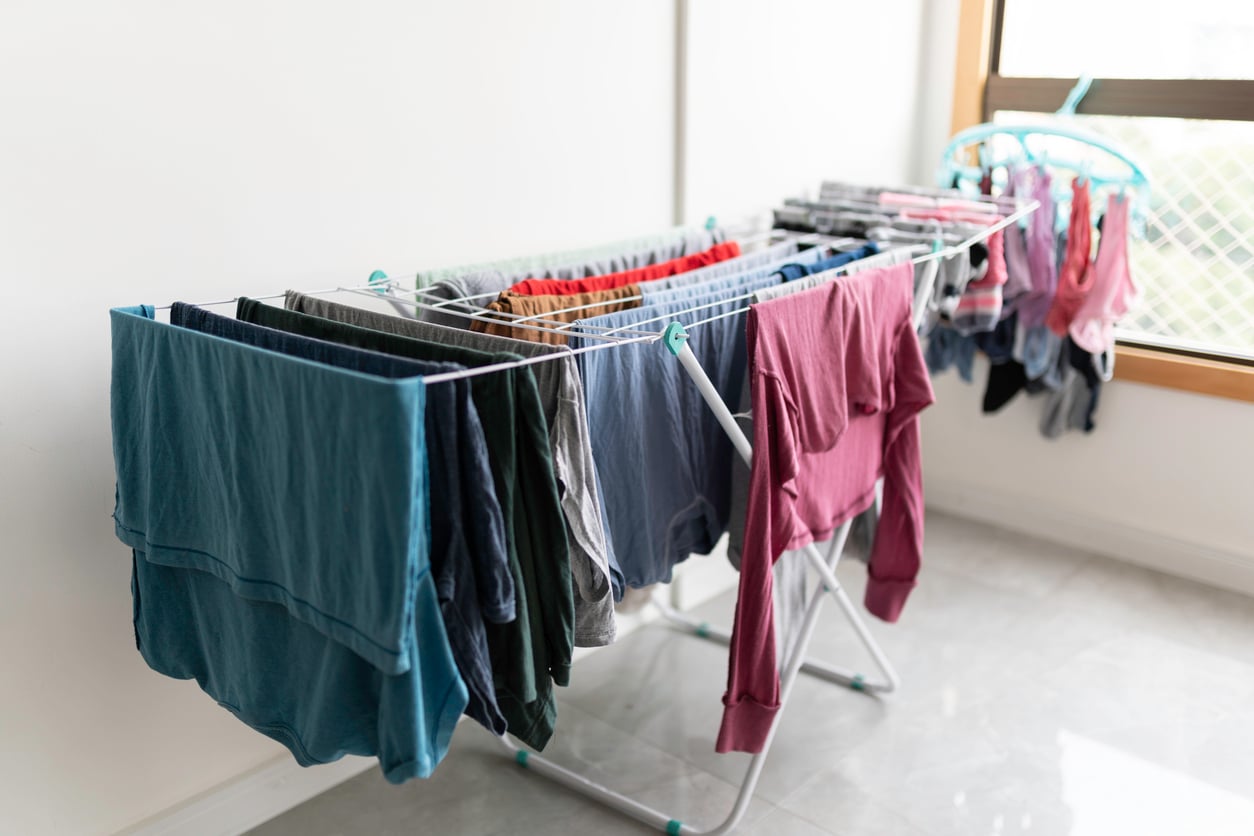
A folding drying rack might not look like much of an upgrade, but it can save energy and help delicate clothes last longer. Sweaters, workout clothes, and items that shouldn’t go in the dryer can air-dry without exposure to machine heat. The Department of Energy recommends air-drying as one way to reduce laundry energy use. The downside is that clothes take longer to dry, and indoor racks need good ventilation to prevent excess moisture. Still, using a rack for part of your laundry can make a noticeable difference in dryer use.
Cast-Iron Skillets Instead of Frequently Replacing Nonstick Pans

A well-maintained cast-iron skillet can stay in the kitchen for decades, which is more than can be said for many inexpensive nonstick pans. Cast iron handles high temperatures, works well for searing meat, and can move from the stovetop to the oven. It also develops a naturally seasoned cooking surface with proper care. However, it’s heavy, needs thorough drying to prevent rust, and isn’t as effortless for delicate foods as a good nonstick pan. For cooks willing to maintain it, one sturdy skillet can replace several specialty pans.
Sign up for our newsletter
Regular Brooms Instead of Cordless Vacuums for Small Messes
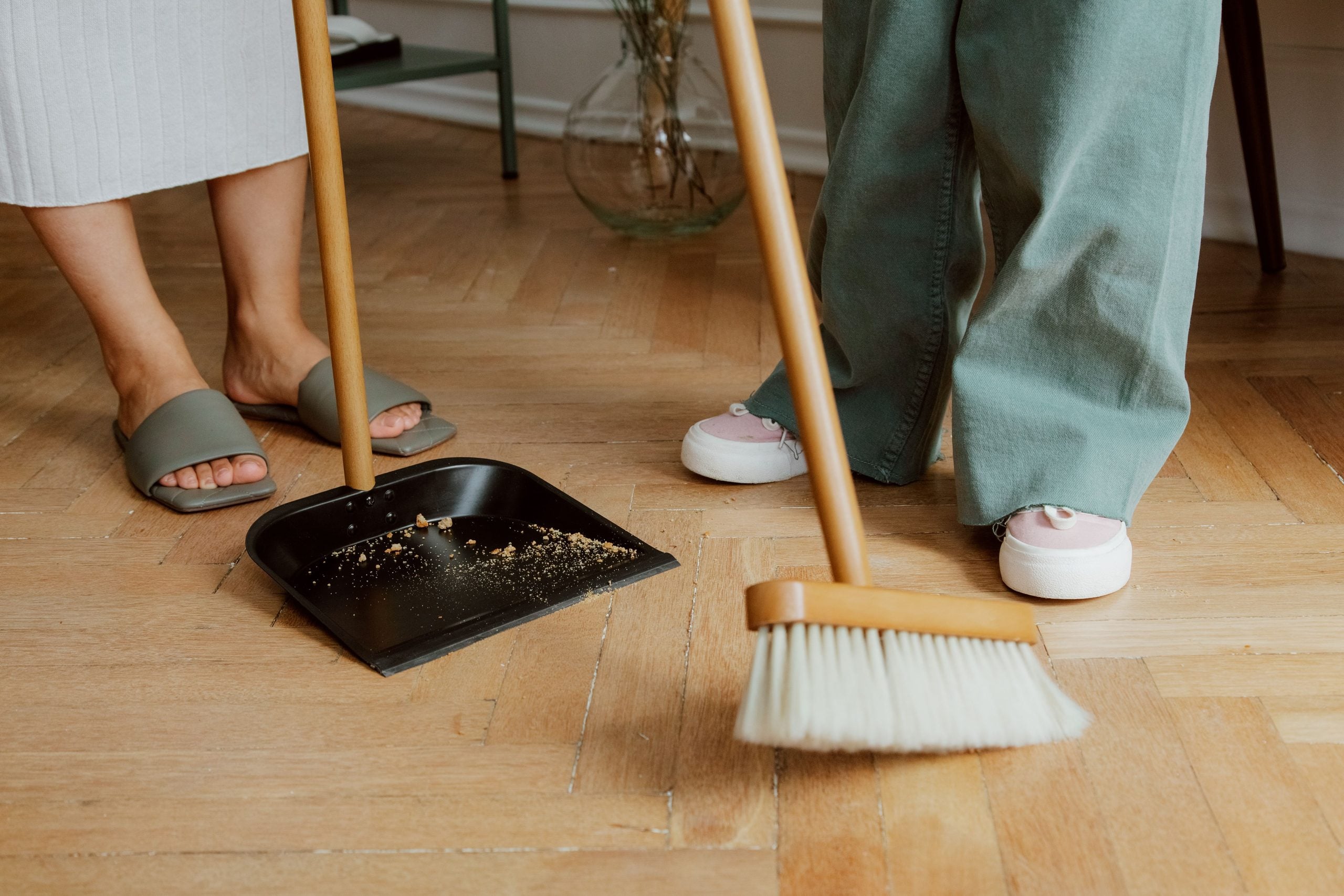
Not every pile of crumbs requires a rechargeable appliance. A regular broom and dustpan can handle kitchen spills, tracked-in dirt, and other small messes without making noise or using electricity. There’s no battery to replace, charging cable to find, or filter to clean. Keeping a broom near the entryway makes quick cleanups especially convenient. Of course, vacuum cleaners are better for carpets, fine dust, and some allergy-related cleaning needs. But for sweeping up a few crumbs after dinner, the simplest tool in the closet often does the job.
Basic Thermostats Instead of Complicated Smart Systems
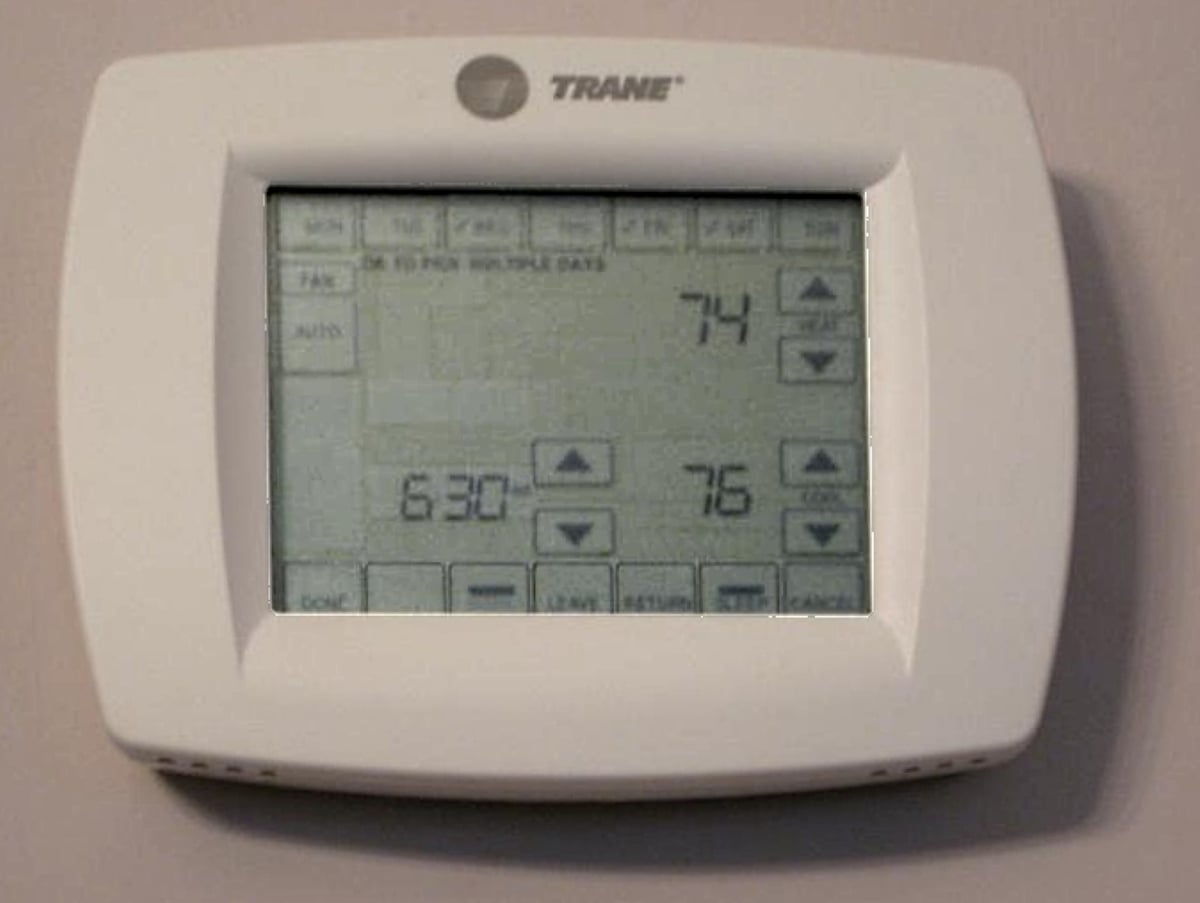
A thermostat doesn’t need to learn your entire daily routine to keep the house comfortable. For households with predictable schedules, a basic programmable thermostat can automatically adjust heating and cooling without complicated smart-home features. The Department of Energy notes that appropriate temperature setbacks can reduce energy use. Smart thermostats can offer additional savings and convenience, especially when schedules change frequently. Before replacing one, though, check compatibility with your heating system. Some heat pumps require special controls, and choosing the wrong thermostat could cost more than it saves.
Glass Food Containers Instead of Disposable Storage Bags
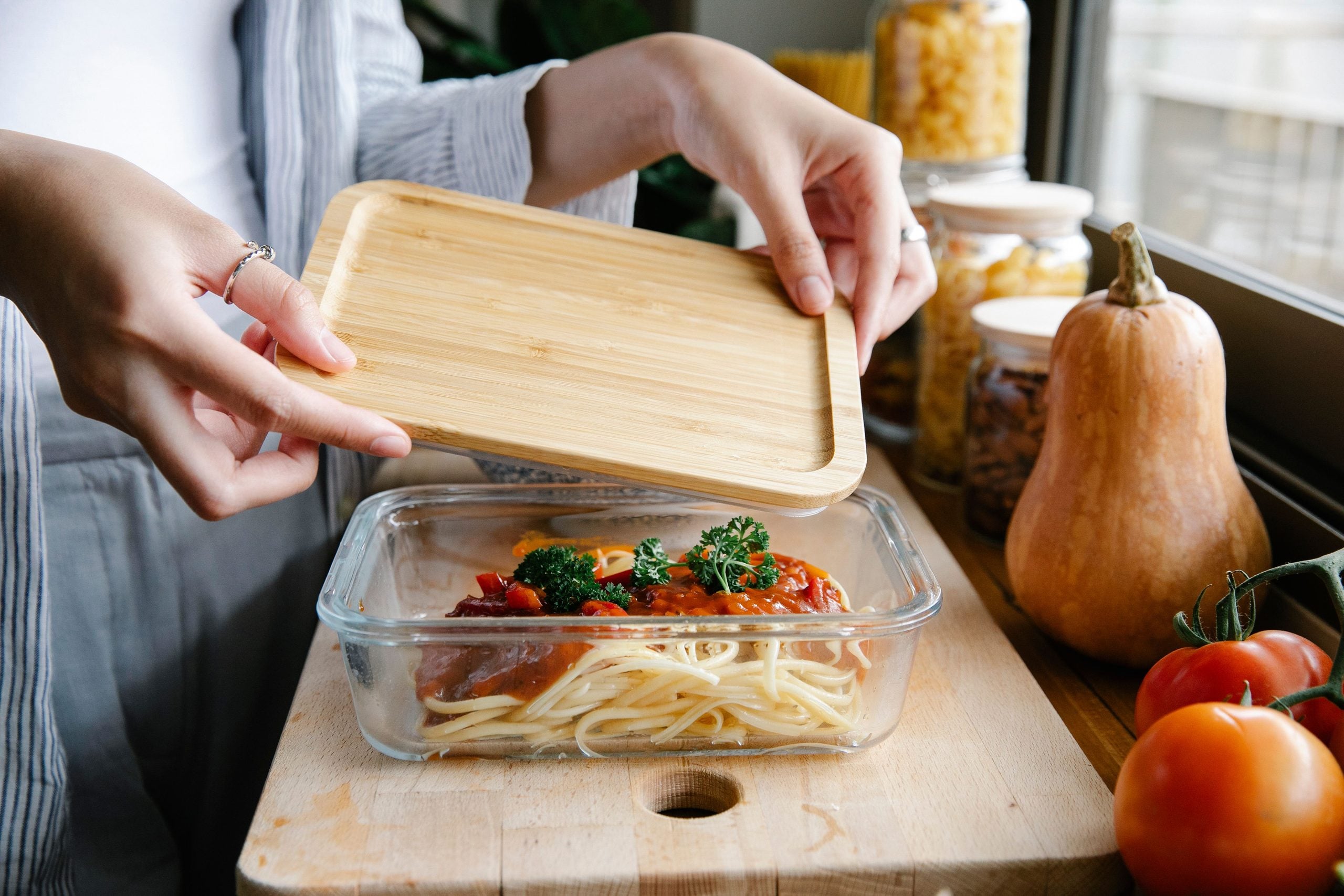
Opening a refrigerator filled with mismatched plastic bags and mystery leftovers isn’t anyone’s idea of organization. Reusable glass containers make it easier to see what’s inside, stack meals neatly, and avoid repeatedly buying disposable storage bags. Many are suitable for reheating food, provided the manufacturer specifically rates them for microwave use. Glass also has drawbacks: it’s heavier, can break, and costs more upfront. Still, for people who regularly save leftovers or prepare meals ahead of time, a matching set of durable containers can be a worthwhile investment.
Ordinary Water Bottles Instead of Smart Hydration Bottles

Some water bottles now come with glowing reminders, Bluetooth connections, and apps that track every sip. That’s useful for people who want those features, but most everyday hydration needs don’t require electronics. A sturdy reusable bottle with a leakproof lid is easier to clean, doesn’t need charging, and won’t become less useful when an app stops working. Look for a comfortable size, a wide opening for washing, and a lid with readily available replacement parts. Sometimes the smartest water bottle is simply the one you’ll actually carry.