Retirement comes with plenty of financial adjustments, and not all of them are particularly exciting. Between rising healthcare costs, inflation, and the challenge of making savings last, keeping expenses under control becomes more important than ever. But there’s one silver lining to leaving the workforce that doesn’t always get enough attention: Some of the easiest expenses to cut in retirement are things you only needed because you had a job.
Think about how much money you spent getting to work, dressing for the office, grabbing lunch on your break, or ordering takeout because you were too exhausted to cook. Those expenses might have seemed unavoidable when you were working full-time, but retirement gives you the opportunity to rethink them. And in some cases, eliminating just a few old habits can free up hundreds or even thousands of dollars a year.
Of course, retiring doesn’t mean every expense suddenly disappears, and some costs may actually increase. But from commuting and professional clothing to convenience services and vacation planning, here are 12 expenses that are easier to cut once you stop working.
Daily Commuting Gas and Transportation Costs
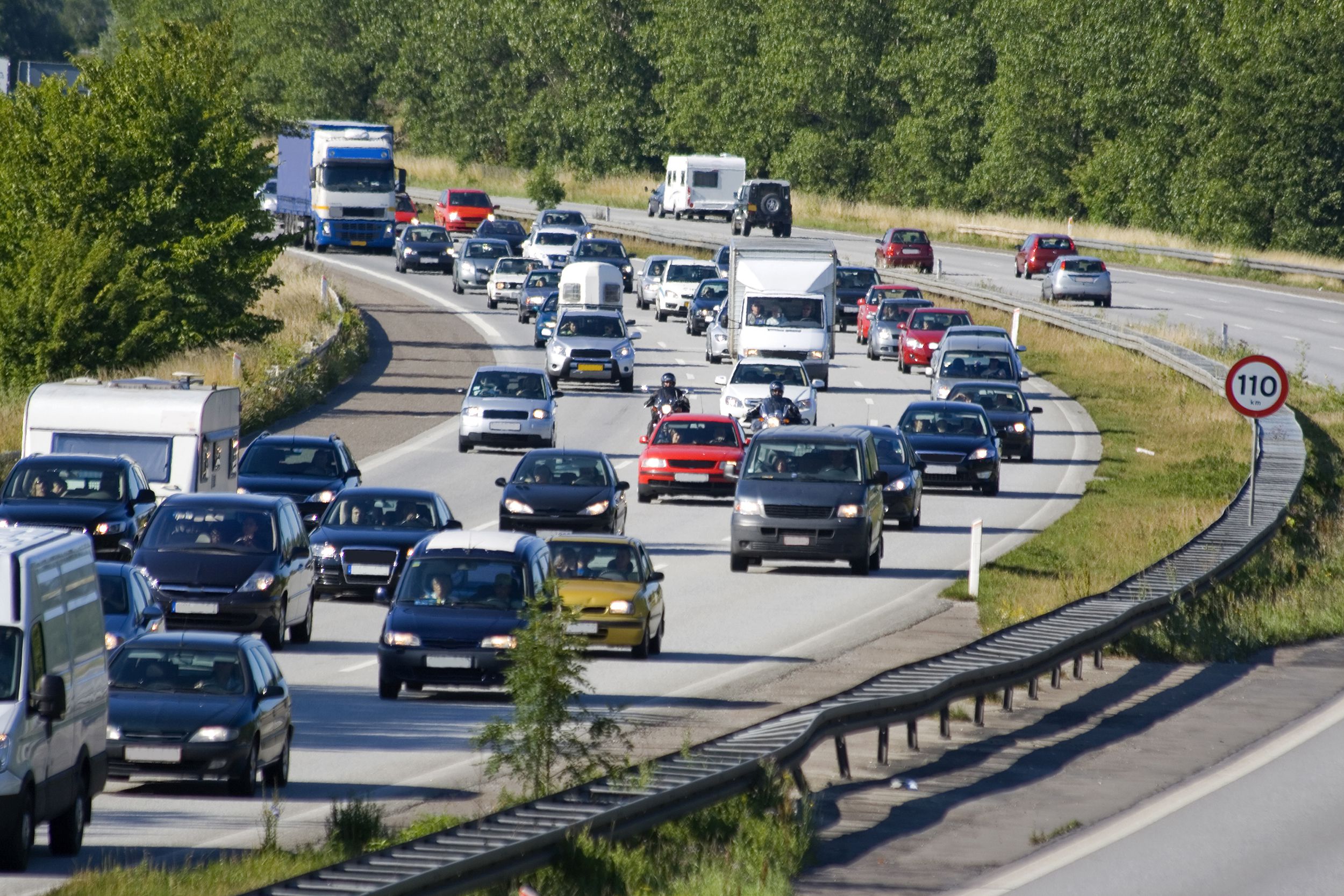
If you spent decades driving to work five days a week, you probably don’t need reminding how expensive commuting can be. Between filling up the gas tank, putting extra miles on your vehicle, and dealing with routine maintenance, those daily trips can take a serious bite out of your paycheck. According to AAA, the average annual cost of owning and operating a new vehicle reached $12,863 in 2026, although that figure includes expenses that won’t disappear just because you stop commuting. Still, retirement means you can finally say goodbye to those daily work trips, potentially reducing your fuel costs, mileage-related maintenance, and wear and tear. It’s worth recalculating how much you actually drive now rather than continuing to budget as though you’re still making the same commute.
Maintaining a Second Car Just for Work

For many couples, having two cars was practically a necessity when both people worked outside the home. But once retirement enters the picture, keeping that second vehicle might no longer make financial sense. Think about it: Even if a car spends most of its time sitting in the driveway, you’re still paying for insurance, registration, maintenance, and possibly a monthly loan payment. Selling an unnecessary vehicle could eliminate several of those expenses at once. Of course, sharing one car isn’t practical for everyone, especially if one spouse is still working or both have busy schedules. But trying it out for a few weeks before making a decision could reveal whether that second set of wheels is really worth the cost.
Office Parking, Tolls, and Commuter Passes

Remember paying for a monthly parking spot near the office or loading money onto a commuter rail pass every few weeks? Those expenses might have been an unavoidable part of working life, particularly if you lived in a major city. But once you retire, there’s a good chance you won’t need to pay for daily parking, toll roads, or unlimited public transportation passes anymore. And while you’ll still need to get around for appointments, errands, and social activities, occasional trips may cost considerably less than a regular commute. Take a look at any transportation subscriptions or parking arrangements you’re still paying for and cancel the ones that no longer make sense.
Professional Clothing and Work Shoes
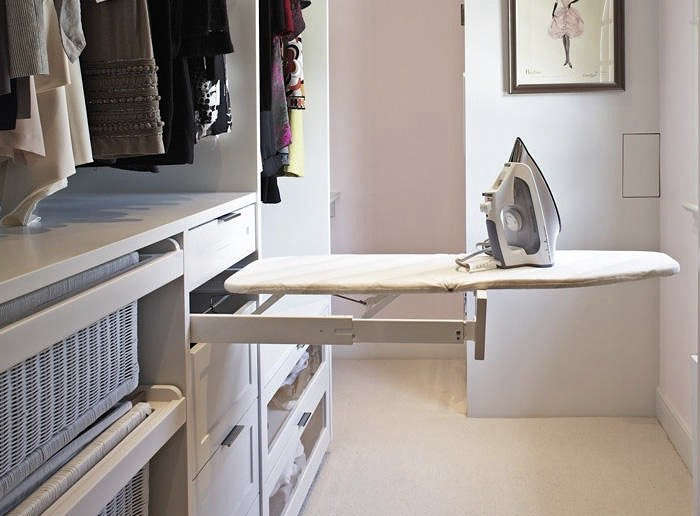
One of the underrated perks of retirement is never having to worry about dressing for the office again. If your job required suits, dress shirts, business-casual outfits, or specific work shoes, you probably spent a considerable amount of money keeping your wardrobe up to date over the years. And let’s not forget replacing worn-out dress shoes or buying clothes that were appropriate for different seasons. Once you’re retired, there’s little reason to keep purchasing clothing exclusively for professional appearances. You can hold on to a few versatile outfits for special occasions and focus on comfortable everyday clothes instead. Selling or donating the workwear you no longer need can also help clear out some closet space.
Dry Cleaning and Clothing Alterations
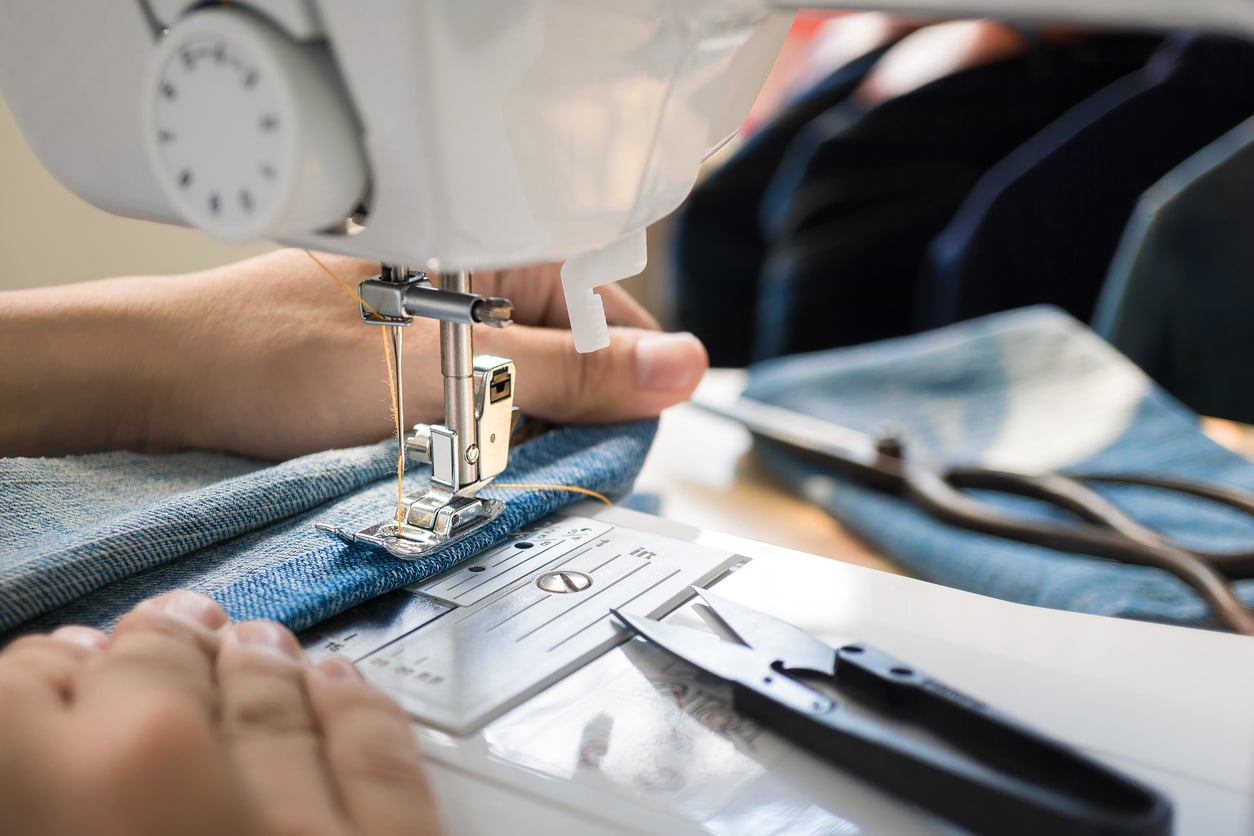
Professional clothing doesn’t just cost money to buy. It can also be surprisingly expensive to maintain. Anyone who spent years wearing suits, tailored trousers, or delicate dress shirts knows how quickly dry-cleaning bills can add up. Add occasional alterations, pressing, and shoe polishing, and you’ve got another recurring expense that was largely tied to your working life. Retirement often means swapping those high-maintenance outfits for clothes that can go straight into the washing machine. You might still need dry cleaning for a special occasion, but there’s a good chance you won’t be making weekly trips to the cleaners anymore. It’s a small change that can translate into meaningful savings over time.
Trending on Cheapism


Buying Lunch Near the Office

Grabbing lunch near the office might not have seemed like a big deal when you were working, especially on days when packing something from home felt like too much effort. But those sandwiches, salads, and fast-casual meals could add up to a surprising amount over the course of a year. Someone spending $12 on lunch just three workdays a week would shell out $1,872 over 52 weeks. Once you retire, there’s usually more flexibility to prepare lunch at home, reheat leftovers, or make something simple without rushing back to your desk. Of course, groceries aren’t free, but replacing restaurant lunches with home-cooked meals can significantly reduce what you spend. And you can still treat yourself to lunch out whenever you feel like it.
The Daily Coffee Stop on the Way to Work
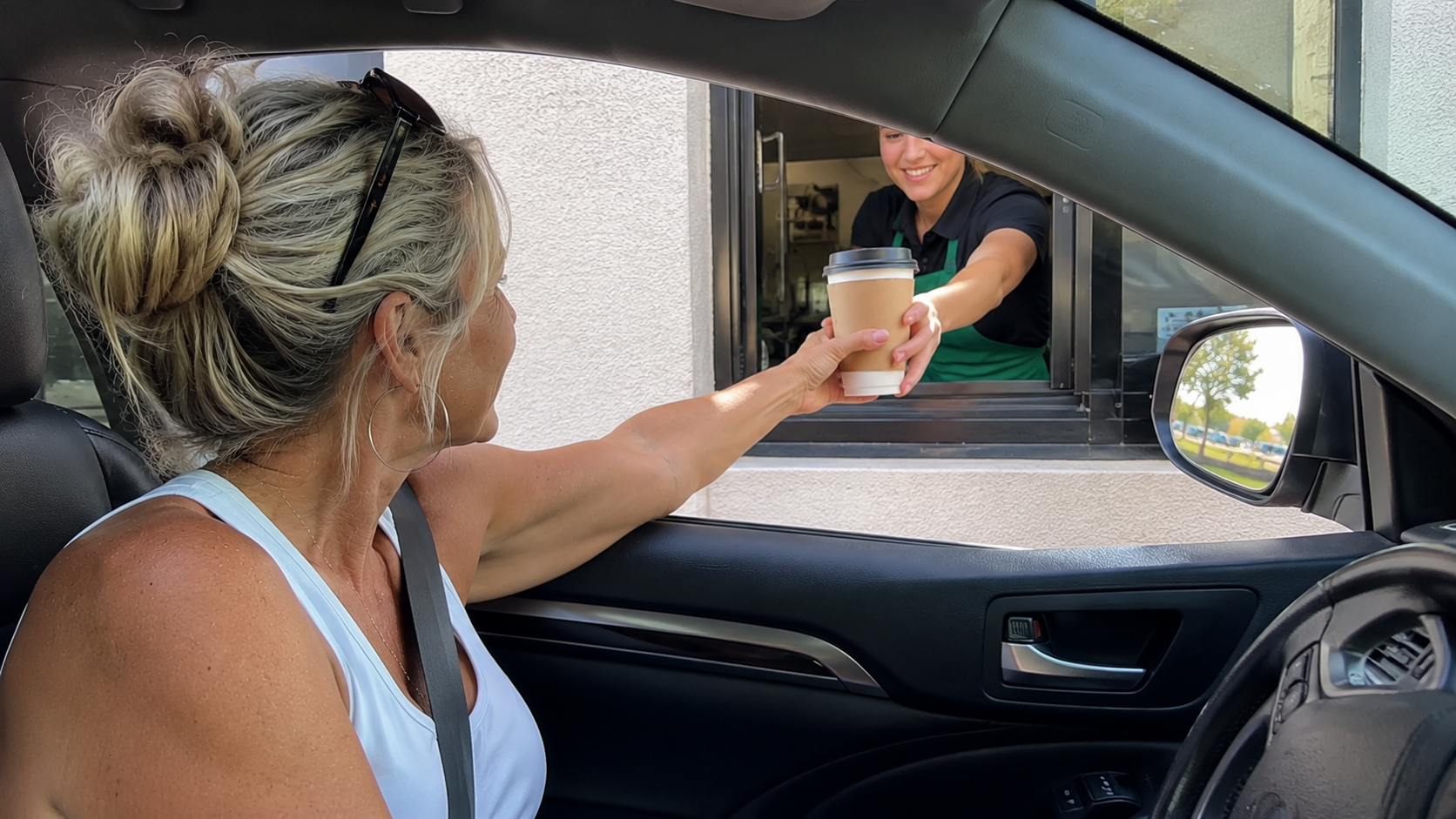
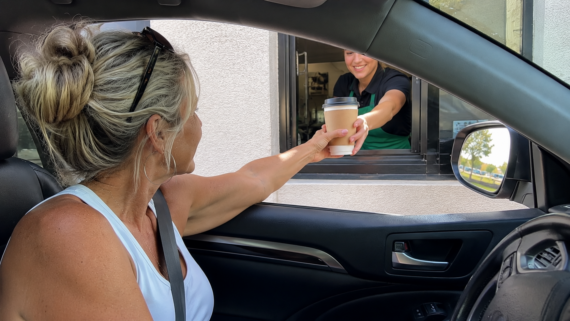
For plenty of workers, stopping for coffee on the way to the office was practically a sacred morning ritual. Maybe it was a latte from Starbucks, a quick Dunkin’ run, or a coffee and pastry from the café near your workplace. Whatever your preference, those little purchases had a way of becoming automatic. At $5 a cup, buying coffee four workdays a week adds up to $1,040 over 52 weeks. Retirement gives you the chance to slow down and enjoy your morning coffee at home instead of grabbing it on the run. You don’t have to give up your favorite coffee shop entirely, either. Simply cutting back on those habitual purchases can make a noticeable difference in your monthly spending.
Takeout Dinners Purchased Because There’s No Time to Cook

After spending eight or nine hours at work, sitting in traffic, and finally getting home, cooking dinner from scratch probably wasn’t always at the top of your priority list. That’s where takeout and food delivery came in handy, even if they weren’t particularly kind to your budget. Retirement can make it easier to plan meals, shop for ingredients, and prepare dinner without feeling like you’re racing against the clock. And the savings can be substantial. Replacing one $35 weekly takeout dinner with an $18 homemade meal would save about $884 over a year, assuming comparable portions and costs. You can still enjoy ordering in occasionally, but it no longer has to be the default solution to an exhausting workday.
Sign up for our newsletter
Housecleaning and Convenience Services Hired to Save Time

When you’re working full-time, paying someone to clean the house, pick up laundry, or handle other everyday chores can feel like money well spent. After all, there are only so many hours in the day, and nobody wants to spend every weekend catching up on housework. But retirement may give you more flexibility to take care of certain tasks yourself, potentially reducing what you spend on convenience services. For example, cutting a $150 monthly cleaning appointment down to every other month could save roughly $900 a year. That doesn’t mean you should give up services that make your life easier or help with tasks you physically can’t manage. It’s simply worth reconsidering which ones you still need now that your schedule has changed.
Professional Memberships and Career-Related Subscriptions

Depending on your career, you may have spent years paying for professional association memberships, industry publications, licensing fees, or continuing education courses. Some of those expenses might have been necessary to keep your job or stay current in your field, but they can become unnecessary once you retire. The problem is that automatic renewals don’t always stop just because you’ve left the workforce. Take some time to review your subscriptions, memberships, and professional dues to see which ones still serve a purpose. If you’re planning to consult, volunteer, or return to work part-time, certain credentials may still be worth maintaining. Otherwise, canceling unused career-related expenses is an easy way to stop paying for a professional life you’ve already left behind.
Paying Peak-Season Prices for Vacations

One of the best things about retirement is finally being able to travel without checking your vacation days or asking your boss for time off. And that flexibility can also be a money-saving advantage. When you were working, you might have been stuck traveling during summer vacations, major holidays, or other busy periods when flights and hotels tend to be more expensive. Now, you can plan trips around lower prices instead of your work schedule. Traveling during the shoulder season, choosing midweek departures, or adjusting your dates by a few days can sometimes lead to better deals on accommodations and transportation. According to AARP, being flexible with travel dates is one of the ways retirees can help keep vacation costs under control. You may even find that quieter destinations are more enjoyable when you’re not competing with peak-season crowds.
Paying Extra for Rush Shipping and Time-Saving Deliveries

When you were juggling a full-time job, paying extra for express shipping, grocery delivery, or other convenience services might have been worth every penny. After all, finding time to run errands or wait around for a package wasn’t always easy. But retirement often gives you more freedom to shop during quieter hours, plan purchases ahead of time, and choose slower shipping options when you’re not in a hurry. Take a look at any delivery memberships, recurring fees, or rush-order charges you’re still paying. Some services may continue to be valuable, particularly if they make everyday life more manageable, but others might be leftovers from a schedule you no longer have. Cutting the unnecessary ones can help you save without sacrificing much convenience.
Retirement Is a Chance to Rethink What You Spend

Leaving the workforce doesn’t automatically mean your cost of living will go down. Healthcare, travel, hobbies, and other retirement expenses can easily take the place of what you used to spend on work. But it’s worth remembering that some of the bills and habits you carried for decades may no longer serve a purpose. Whether it’s maintaining a second car, buying office clothes, or paying extra for convenience, retirement offers a chance to redirect that money toward things you actually enjoy. And when you’re living on a fixed income, every expense you no longer need to pay is money that can go a little further.