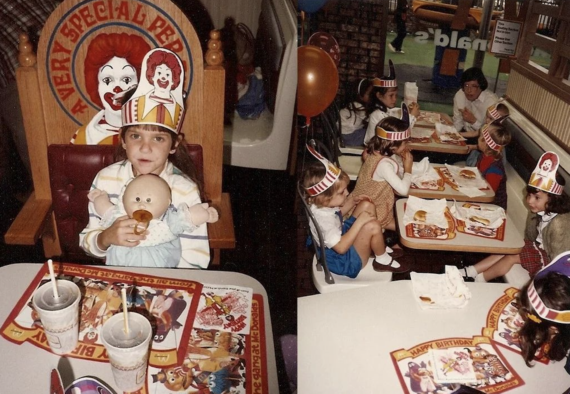
Fast food in the United States has improved over the years, evolving into the massive chains that customers recognize today. From menu items that didn’t exist when these establishments first opened to innovations in cooking processes that transformed how food is served, and drawing on information about McDonald’s, White Castle, and others, discover these fast-food history interesting facts about the early versions of American fast food!
McDonald’s Originally Operated as a Drive-In Before Becoming a Fast-Food Pioneer
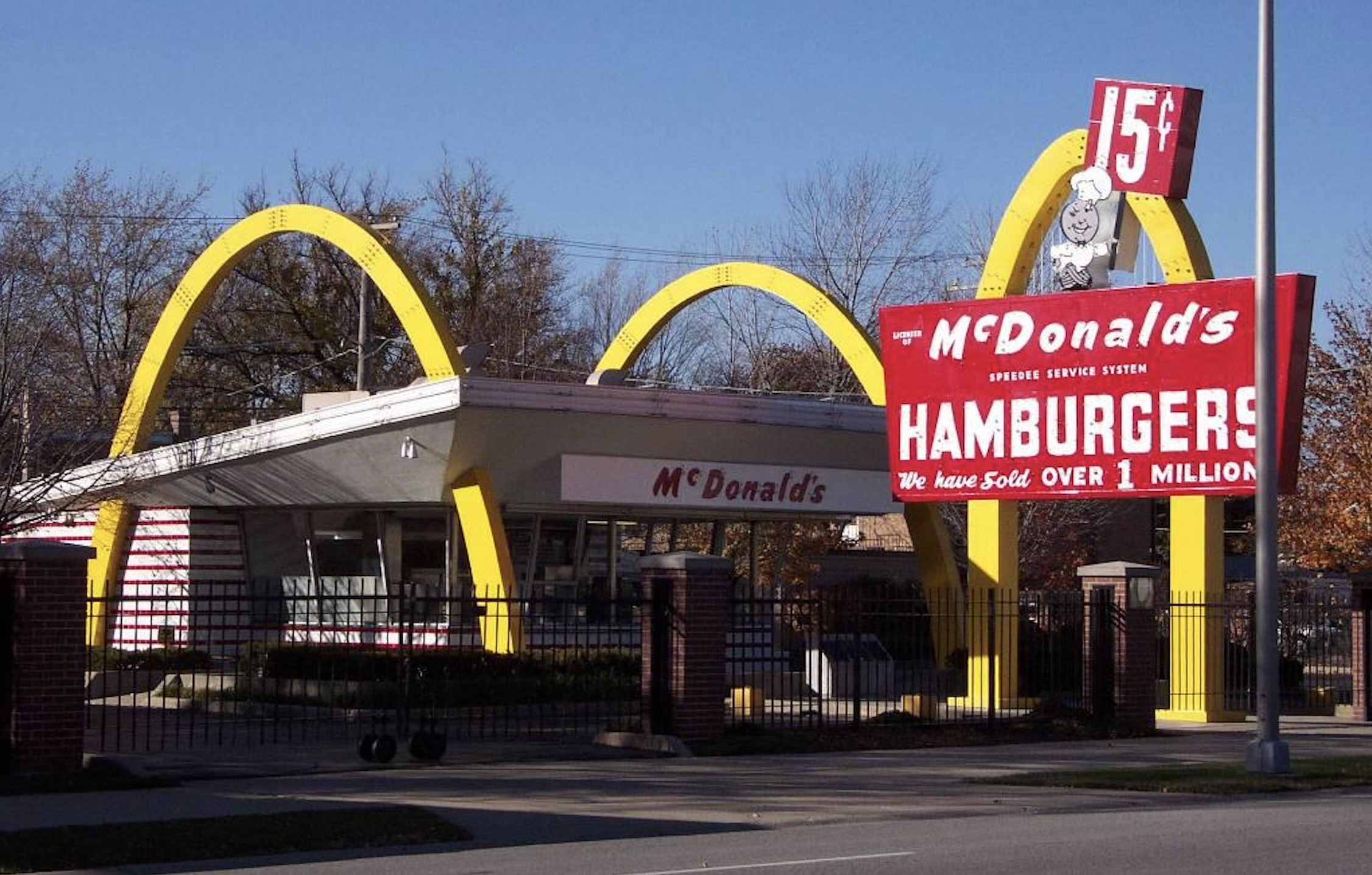
McDonald’s did not feature the fast-food service system when it opened its doors in San Bernardino, California, in 1940. The McDonald brothers simplified their food-service process in 1948 when the restaurant was still called ‘McDonald’s Famous Barbecue’. They limited the number of burgers, fries, and shakes on the menu. Additionally, the low price of just 15 cents per hamburger played a significant role.
White Castle’s Original Hamburgers Cost Just Five Cents
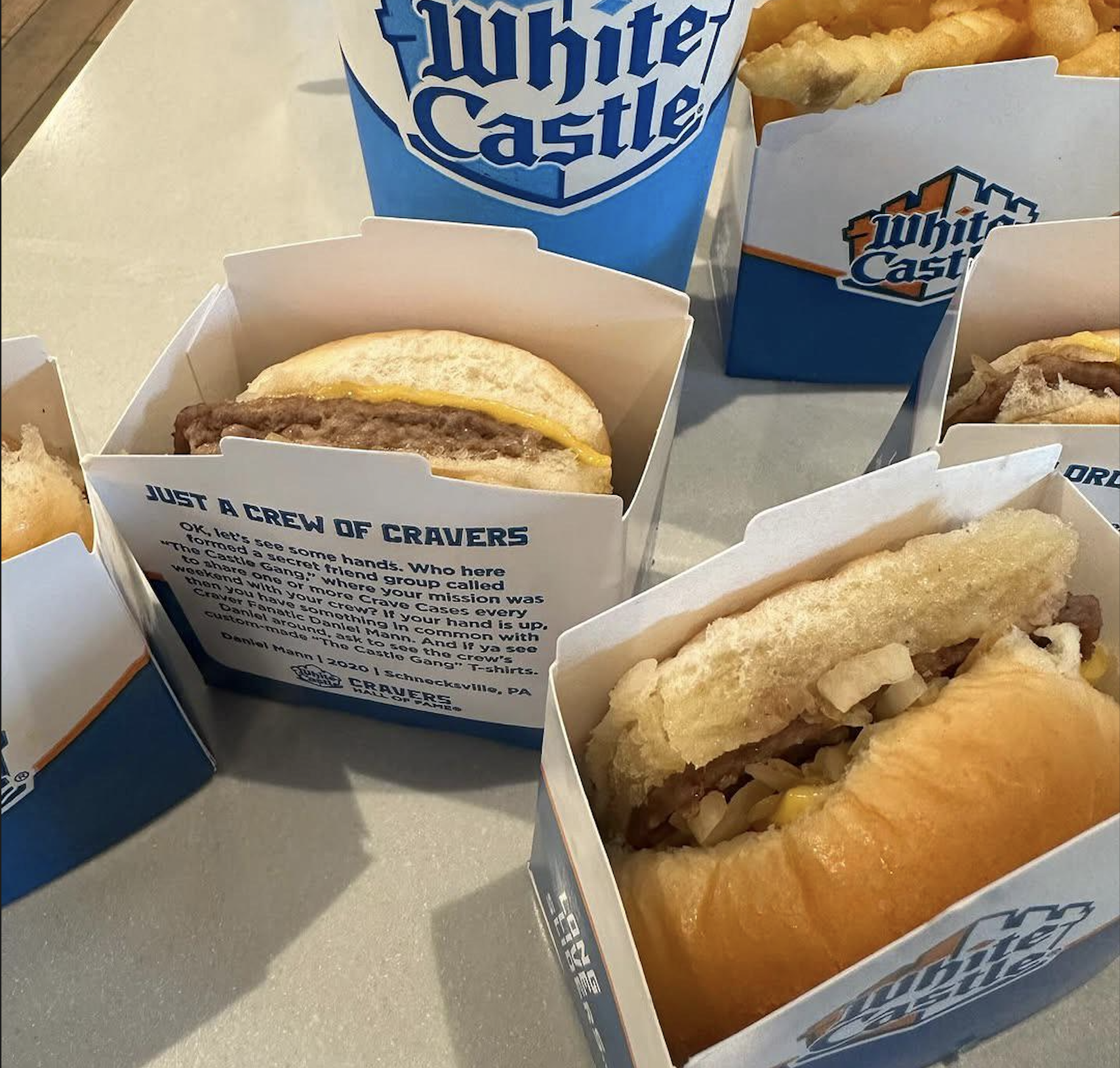
In 1921, at its first location in Wichita, Kansas, White Castle sold small, square-shaped burgers for just 5 cents each, a price point that encouraged customers to buy more than one at a time. White Castle helped to establish a standardized approach to fast-food restaurants, emphasizing affordable burgers and consistent preparation. This innovation became an important part of early fast-food history.
In-N-Out Had a Two-Way Drive-Thru Speaker Back in 1948
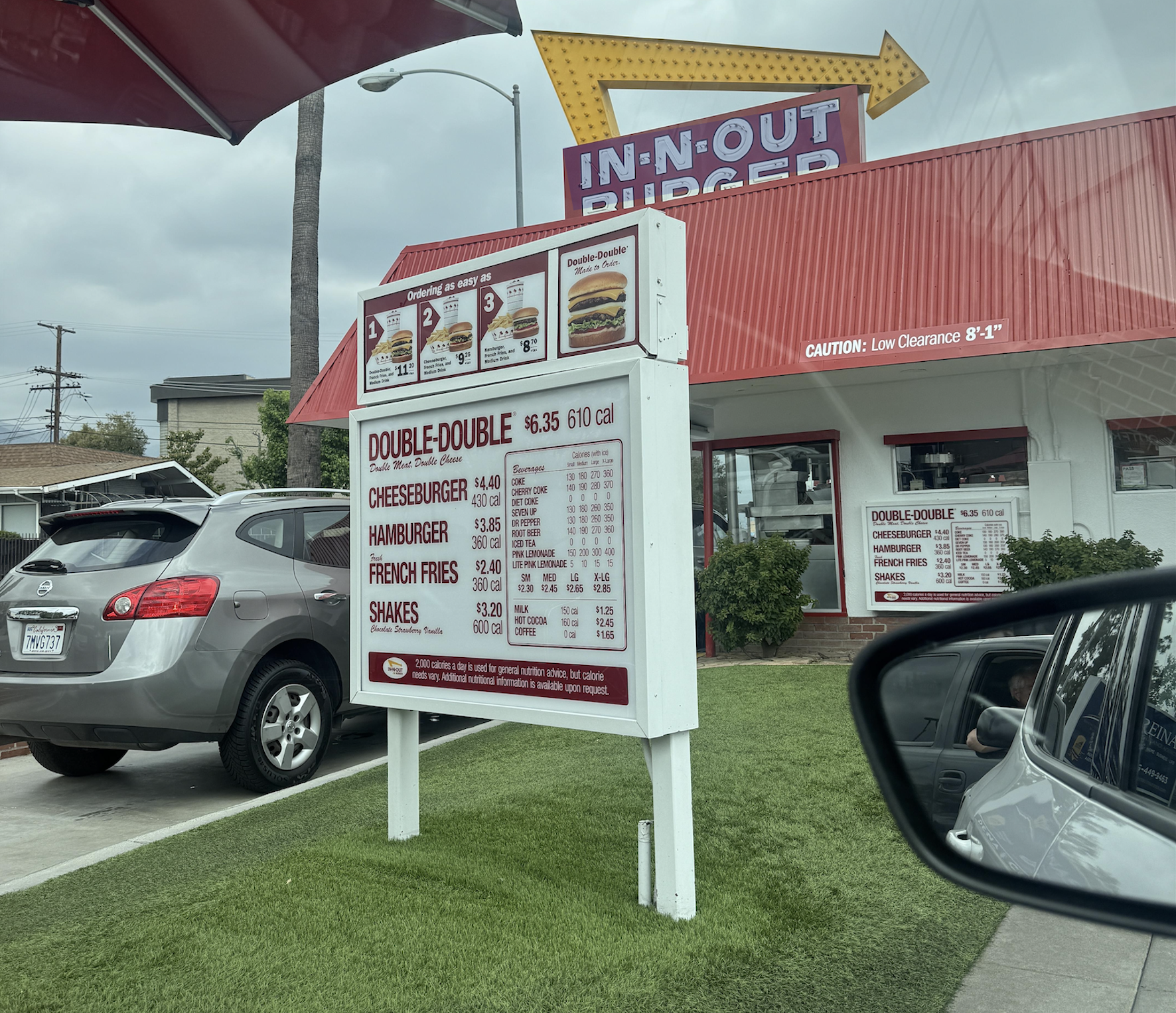
The In-N-Out chain developed a two-way speaker system that allowed customers to order their food without leaving their cars. It was Harry Snyder who developed the system for that location in Baldwin Park, California, in 1948. Until then, people who drove to such establishments relied on carhops at drive-in restaurants. This innovation became a memorable milestone in fast-food history.
Taco Bell’s Founder Sold Hamburgers Before He Sold Tacos
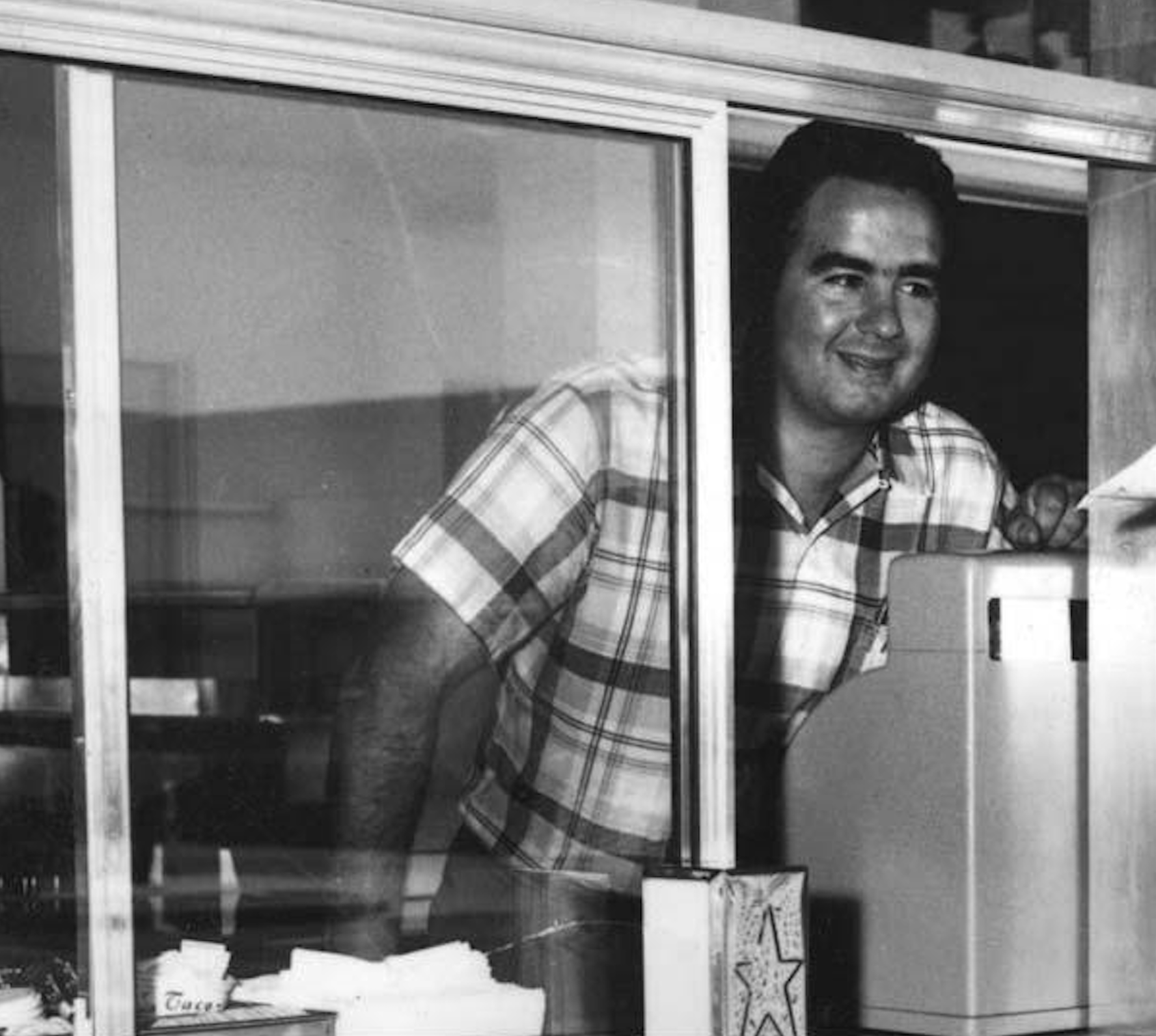
The first Taco Bell opened its doors in Downey, California, in 1962, but its owner, Glen Bell, was selling hamburgers, not tacos. Taco Bell went through several restaurant concepts before becoming the Tex-Mex chain known to Americans today. According to Glen Bell own historical records, the first tacos were sold for 19 cents before creating Taco Bell. It’s an interesting detail from the chain’s fast-food history.
Chick-fil-A’s Original Restaurant Had Only 10 Stools and Four Booths
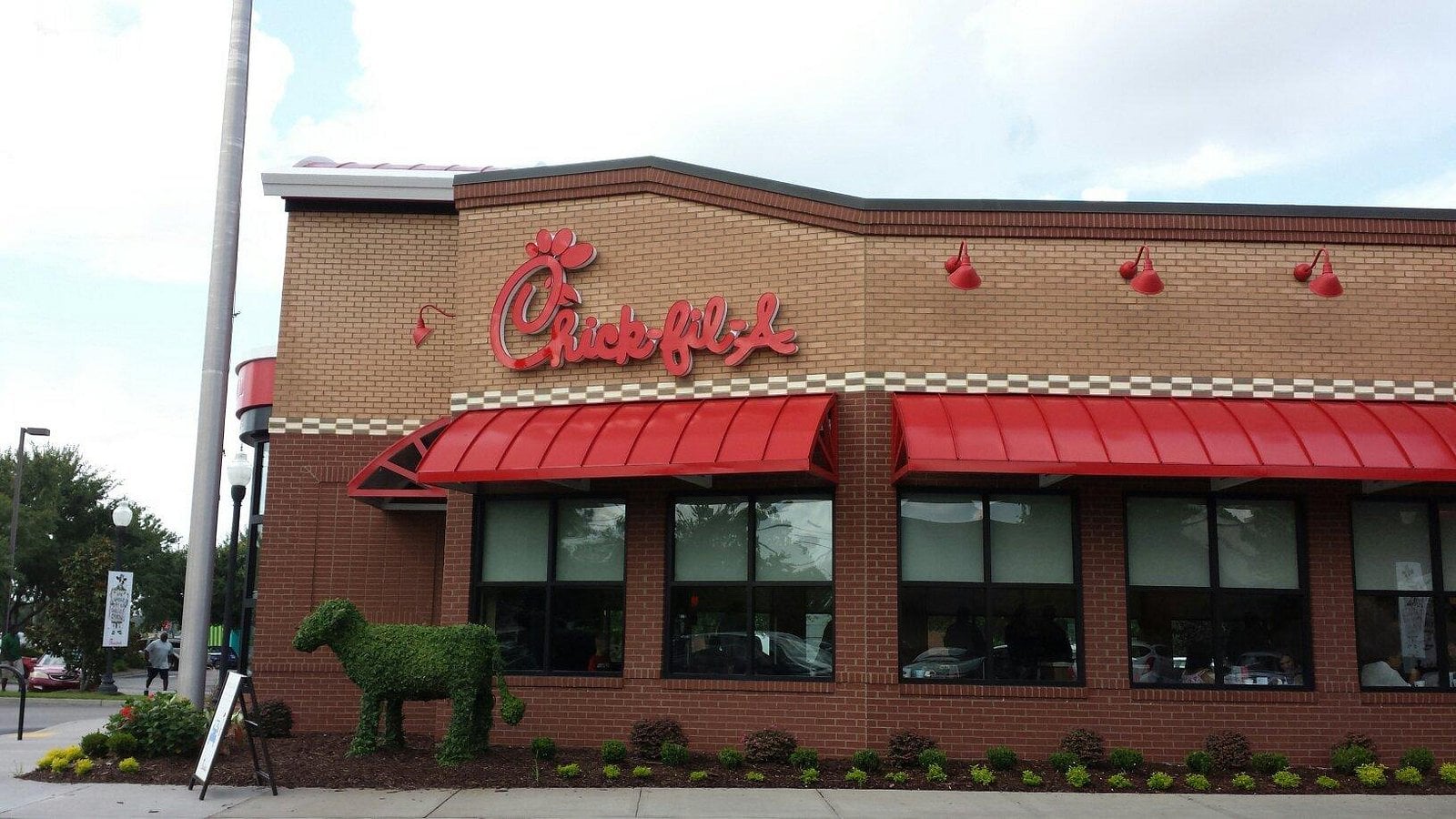
The fast-food establishment that was the precursor to Chick-fil-A is known as the ‘Dwarf Grill,’ which opened its doors in Hapeville, Georgia, in 1946. It was a tiny diner that served hamburgers, steak, and other dishes, not just chicken sandwiches. The driving force behind the restaurant was Truett Cathy, who refined his family’s chicken sandwich recipe, and developed a new preparation process in 1964 that would later become famous through Chick-fil-A.
Trending on Cheapism

Carl’s Jr. Started with a Hot Dog Cart Purchased Using a Car as Collateral
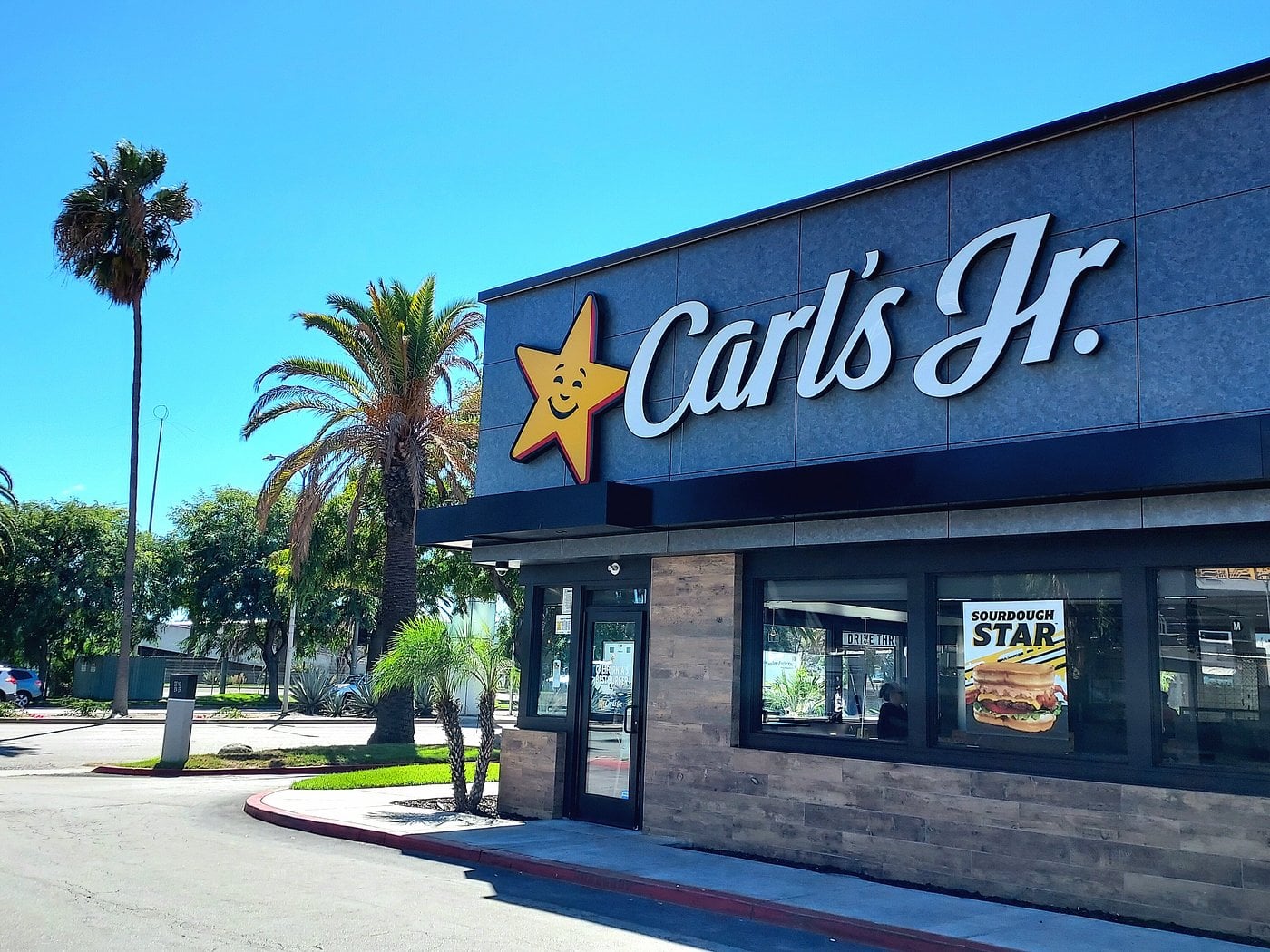
When Carl and Margaret Karcher launched their food business in Los Angeles in 1941, they had to put up their car as collateral to purchase a hot dog cart. The pair only had $15 in savings, and when they borrowed against their automobile, they got $311 extra. That modest street-food operation later evolved into a fully equipped restaurant, giving rise to Carl’s Jr. It’s one of the more remarkable stories in fast-food history.
Dairy Queen’s Early Business Was Built Around Soft Serve, Not Burgers
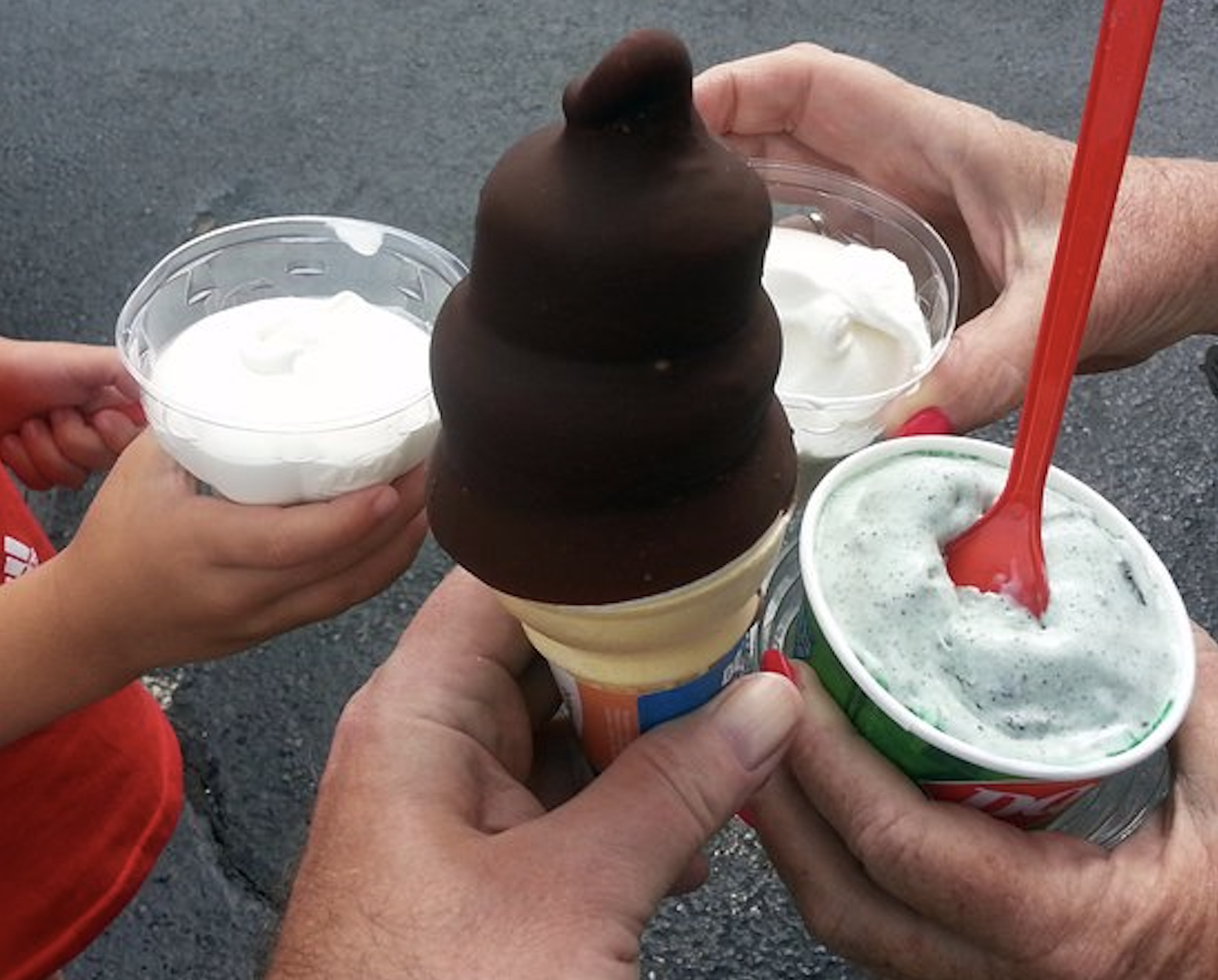
When Dairy Queen opened its doors in Joliet, Illinois, in 1940, it focused on soft-serve ice cream rather than burgers. Its menu was built around a new style of frozen dessert. A few years later, milkshakes, malts, and banana splits were added. Over time, the company expanded to include the burgers and hot food for which it is known today, marking another interesting chapter in fast-food history.
KFC’s Founder Cooked for Travelers at a Roadside Service Station
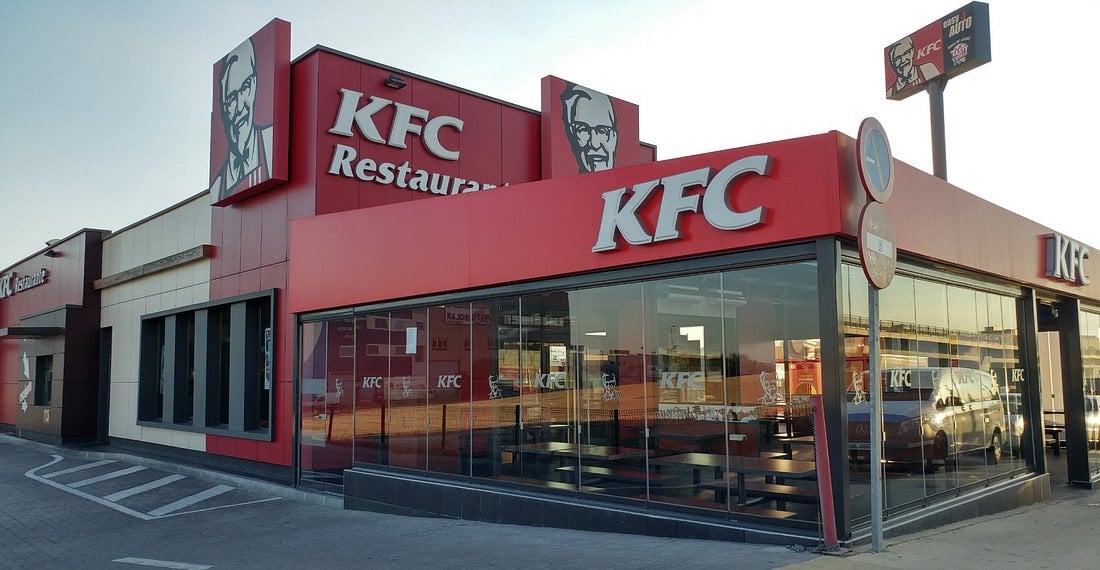
Harland Sanders is the founder of KFC; he used to cook for travelers at a roadside service station in Kentucky. It was Sanders who developed techniques for cooking fried chicken efficiently several years later, including the use of pressure cooking, to make its preparation practical by the roadside, long before the restaurant was named Kentucky Fried Chicken. These early innovations eventually helped shape the fast-food history of one of America’s most recognizable chicken chains.
Sign up for our newsletter
Wendy’s Had to Teach Customers How to Use Its Early Drive-Thru
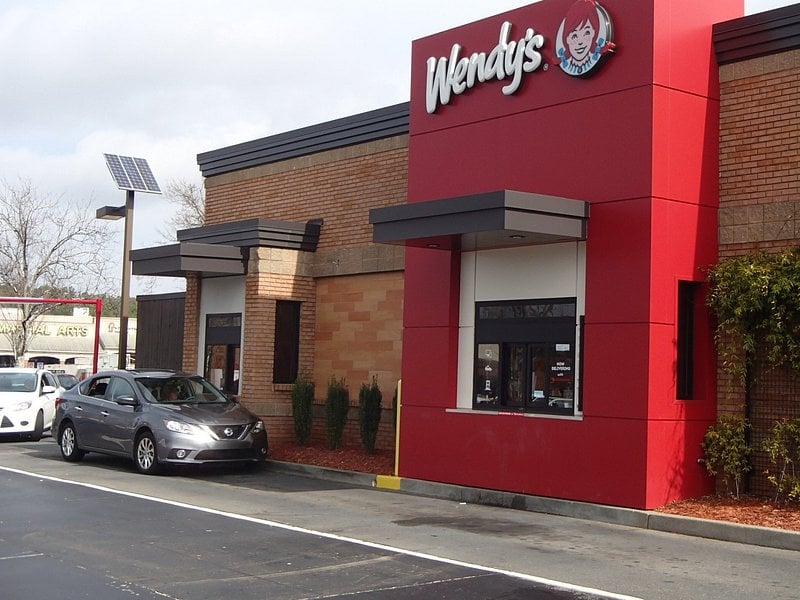
The concept of a pick-up window at a Wendy’s location was introduced in 1970, one year after the chain’s first restaurant opened its door in Columbus, Ohio. However, since that format of pick-up window was still unfamiliar to people, the company had to instruct its customers on how to speak into the order speaker. It was an early version of a drive-thru system, rather than a full-fledged drive-thru service process.
Whataburger Was Designed to Sell a Hamburger That Required Two Hands
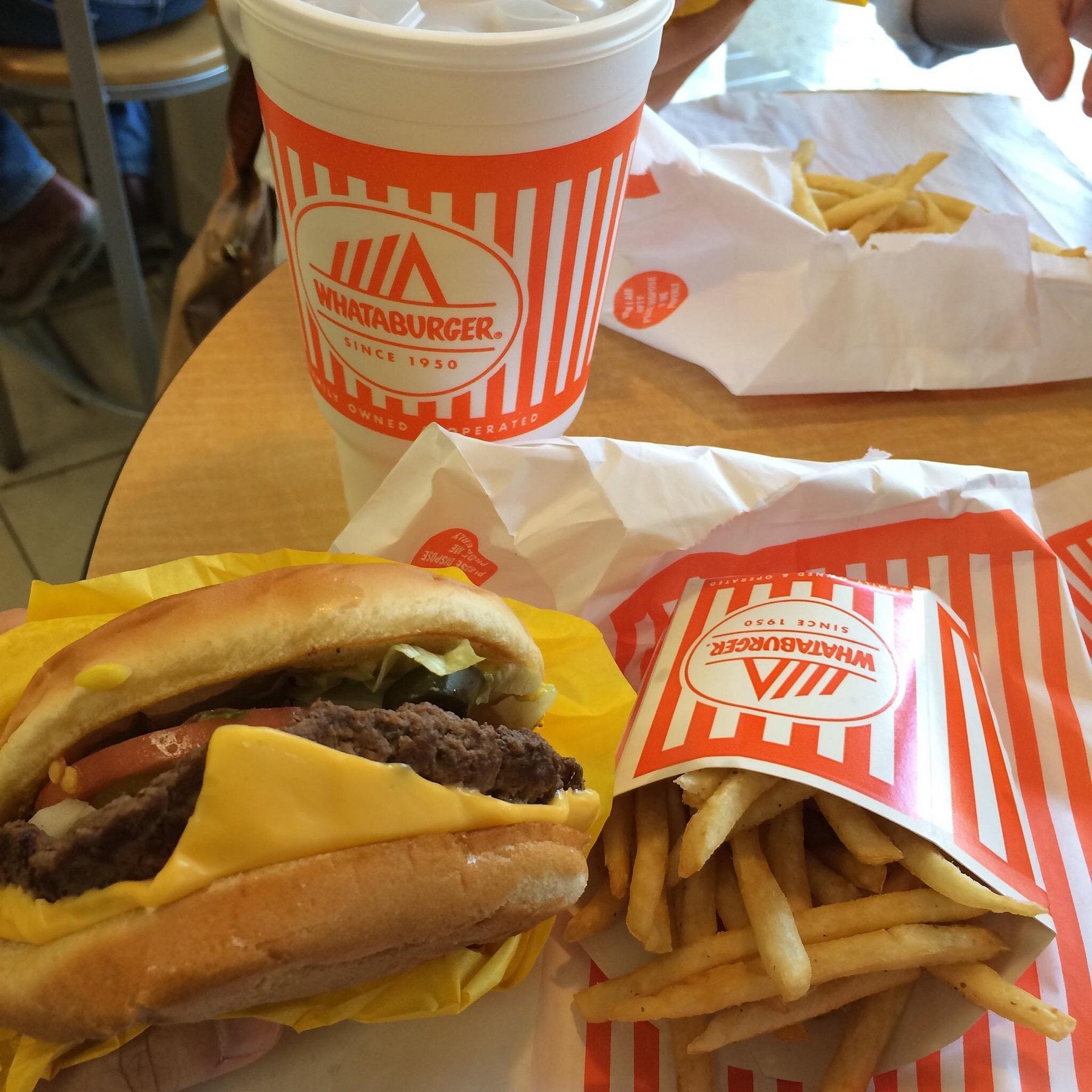
When Harmon Dobson opened his first Whataburger location in Corpus Christi, Texas, in 1950, his ambitious idea was to create a burger so large that customers would need both hands to hold it. This represented a major departure from the prevailing fast-food philosophy, as other chains focused on small, inexpensive burgers. This distinctive approach helped make Whataburger’s place in fast-food history unique.
Pizza Hut’s Original Name Was Chosen Because of a Tiny Sign
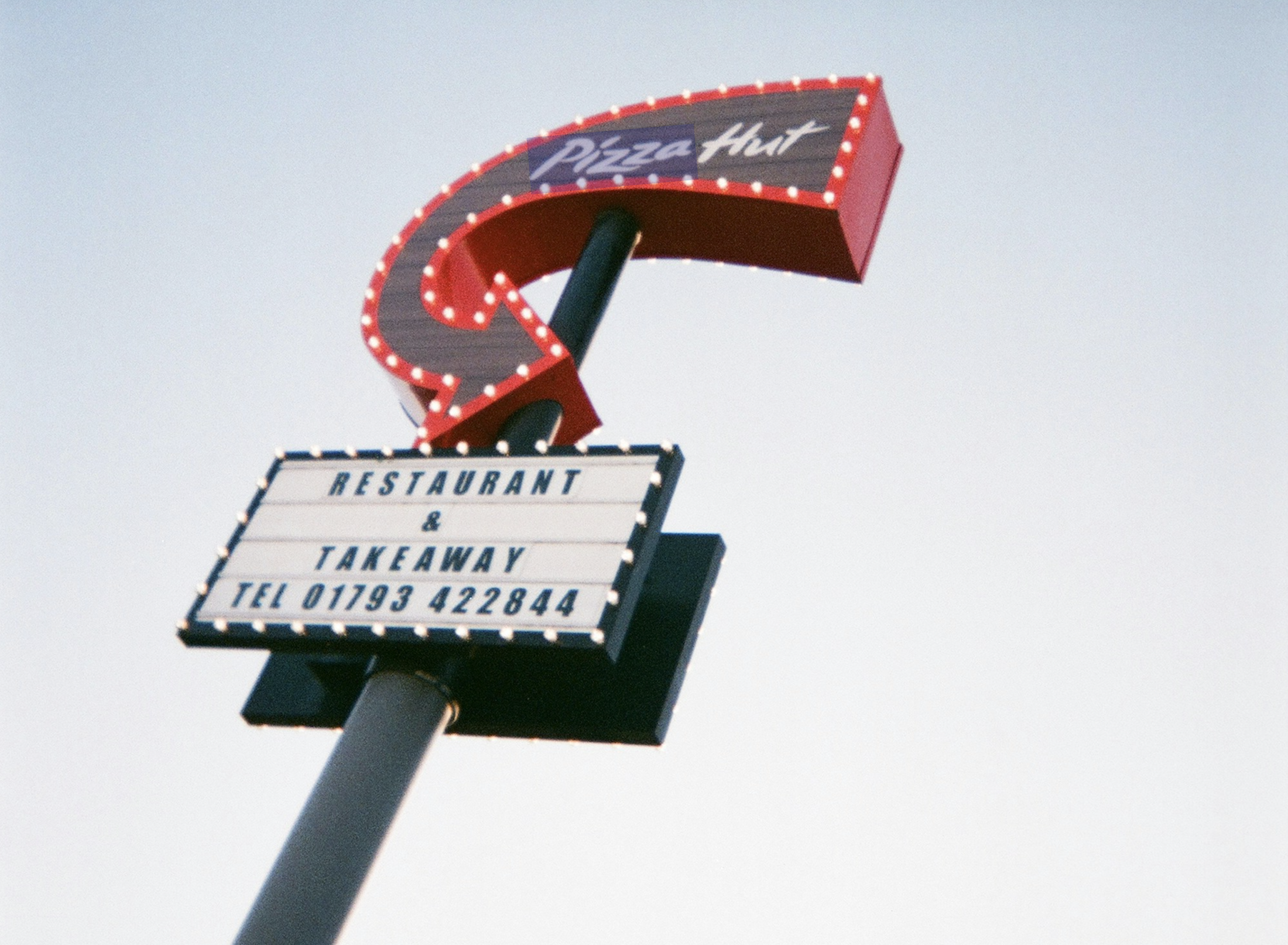
Brothers Dan and Frank Carney borrowed $600 from their mother to open the first Pizza Hut location in Wichita, Kansas, in 1958. Because their budget was limited, they had to choose a short name for the restaurant, as the sign they could afford had space for only eight letters. That is how the name of one of the most recognized restaurant chains in American history came to be chosen, adding another memorable story to fast-food history.
Culver’s First ButterBurgers Were Portioned with Ice Cream Scoops
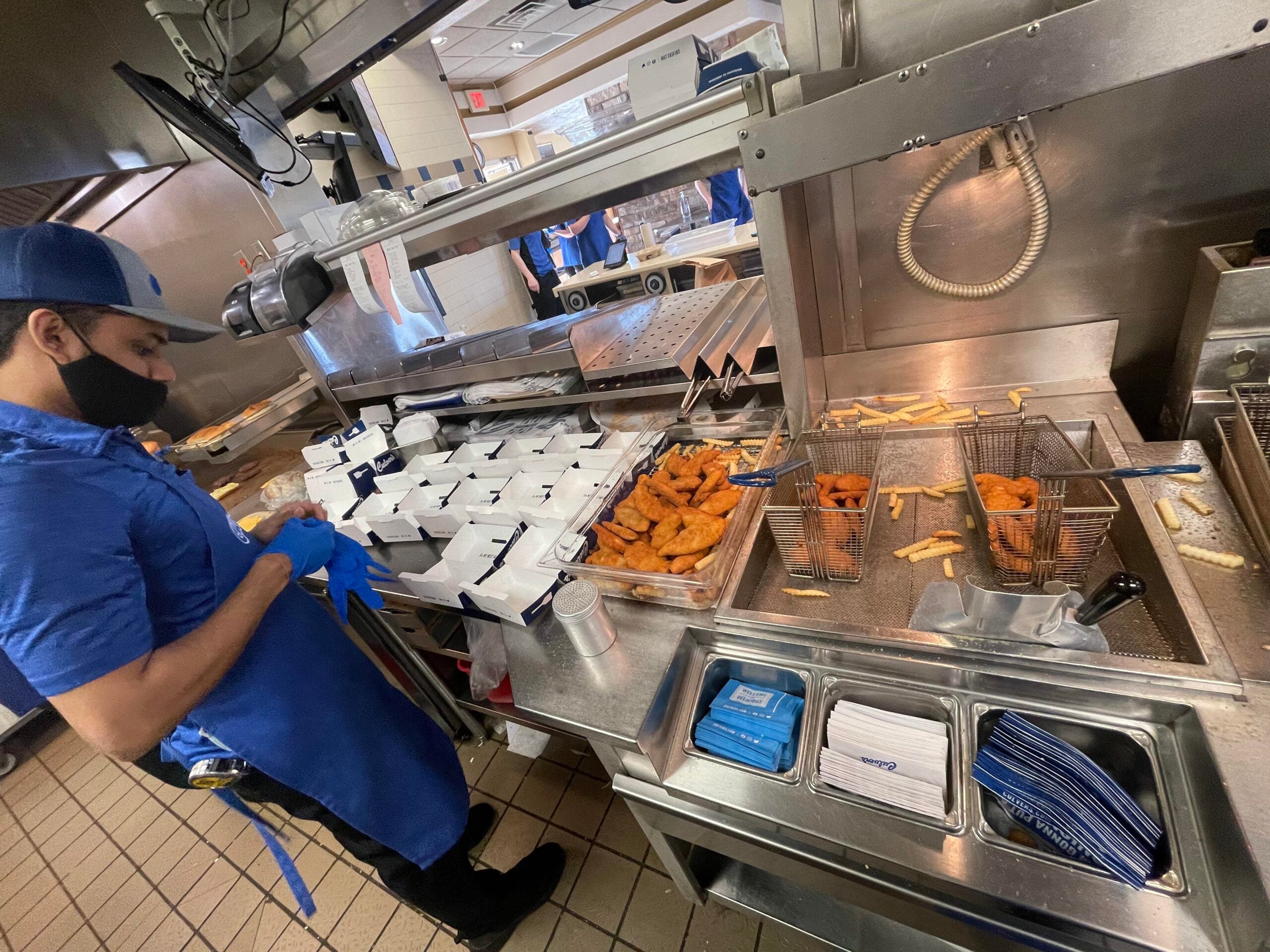
In the original preparation of a ButterBurger, dating back to 1984 at the Sauk City, Wisconsin, location where the first Culver’s was established, ground beef was pressed down using an ice cream scoop. This technique ensured consistent portions and created the signature seared-burger style that is central to the chain. It’s one of the more unusual details in fast-food history.
Conclusion
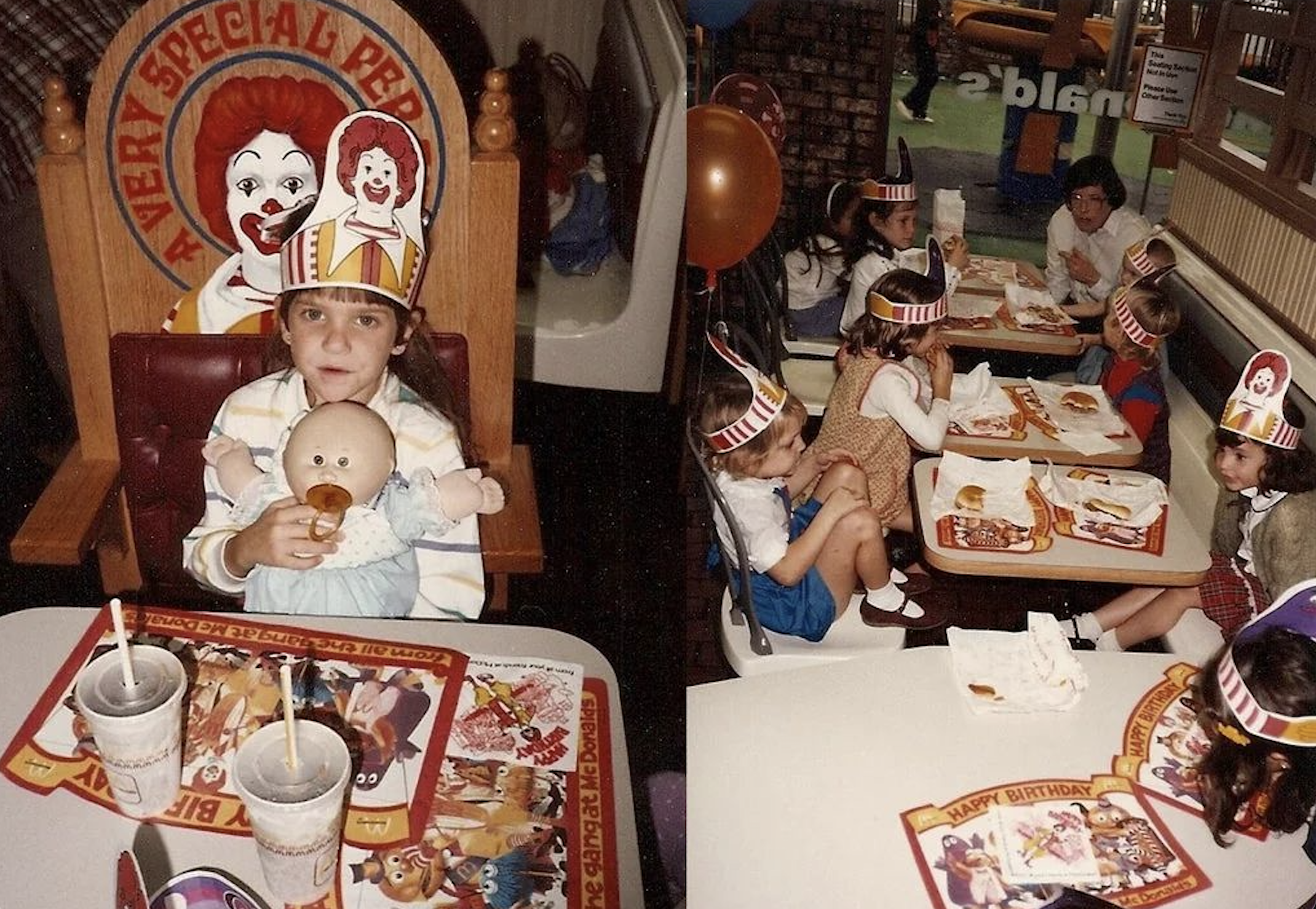
These facts reveal that many famous American fast-food chains began with a more limited, simple menu and unfamiliar ordering systems. Industry innovations emerged over the years, and some of these historical accounts are quite surprising when you consider how a modest business grew into one of the nation’s major brands. Looking back at fast-food history shows just how much the industry has changed.