American food is often reduced overseas to burgers, fries, and giant portions, but that is only a small part of the picture. Some of the Foods Non-Americans Enjoy in America most are regional specialties that are much harder to find in their proper form abroad, from Texas brisket and Southern biscuits to Buffalo wings and Key lime pie. As the Smithsonian has documented across its food and culture coverage, American cuisine has been shaped by regional traditions, migration, and generations of adaptation, which helps explain why many visitors are surprised by just how varied it can be.
Texas Smoked Brisket
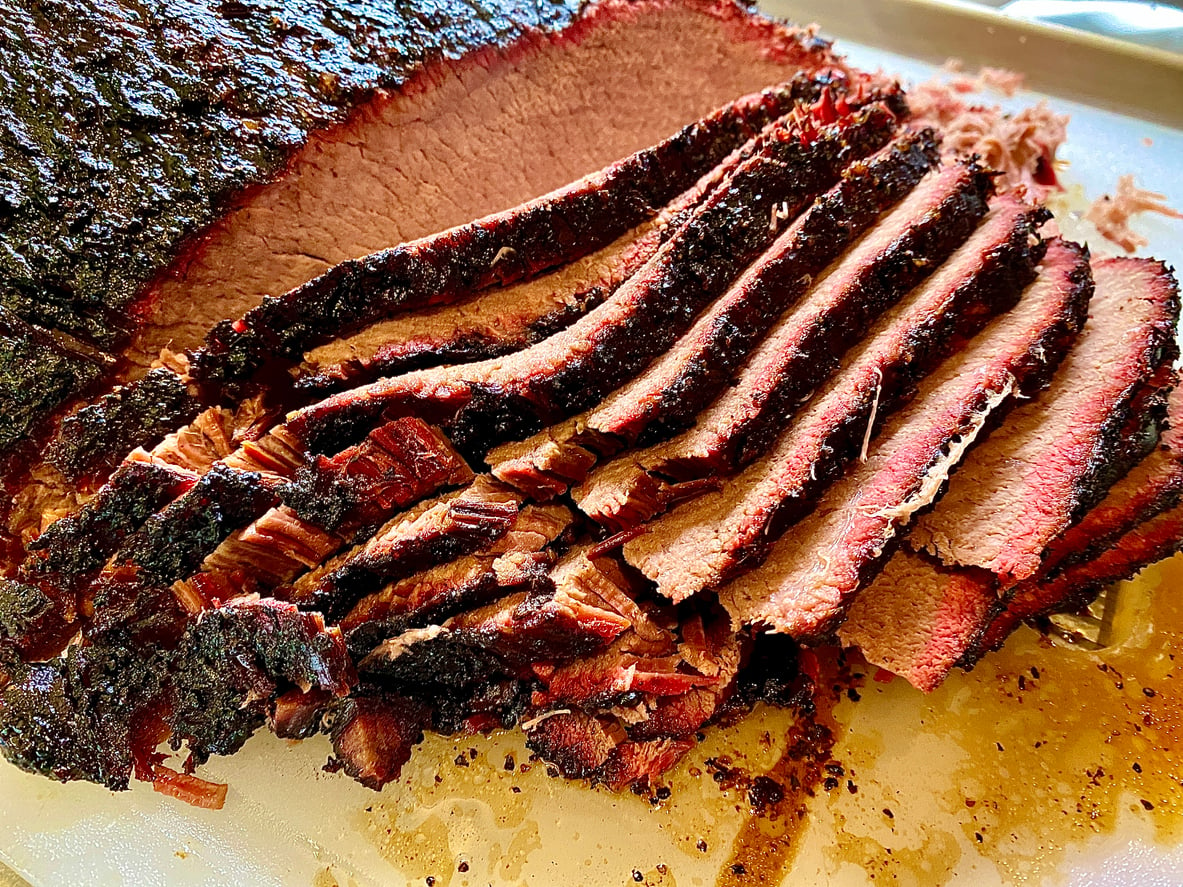
For visitors whose idea of barbecue means grilling burgers over direct heat, Texas brisket can be a revelation. Central Texas barbecue typically keeps things relatively simple, letting smoke, beef, and a dry rub do the work. Travel Texas says brisket in the Hill Country can spend 12 to 24 hours smoking over woods such as oak, mesquite, or hickory. Order it sliced with pickles, onions, white bread, and sauce on the side. The catch? Famous barbecue joints can involve long lines, and good brisket isn’t exactly bargain-priced anymore.
Southern Fried Chicken
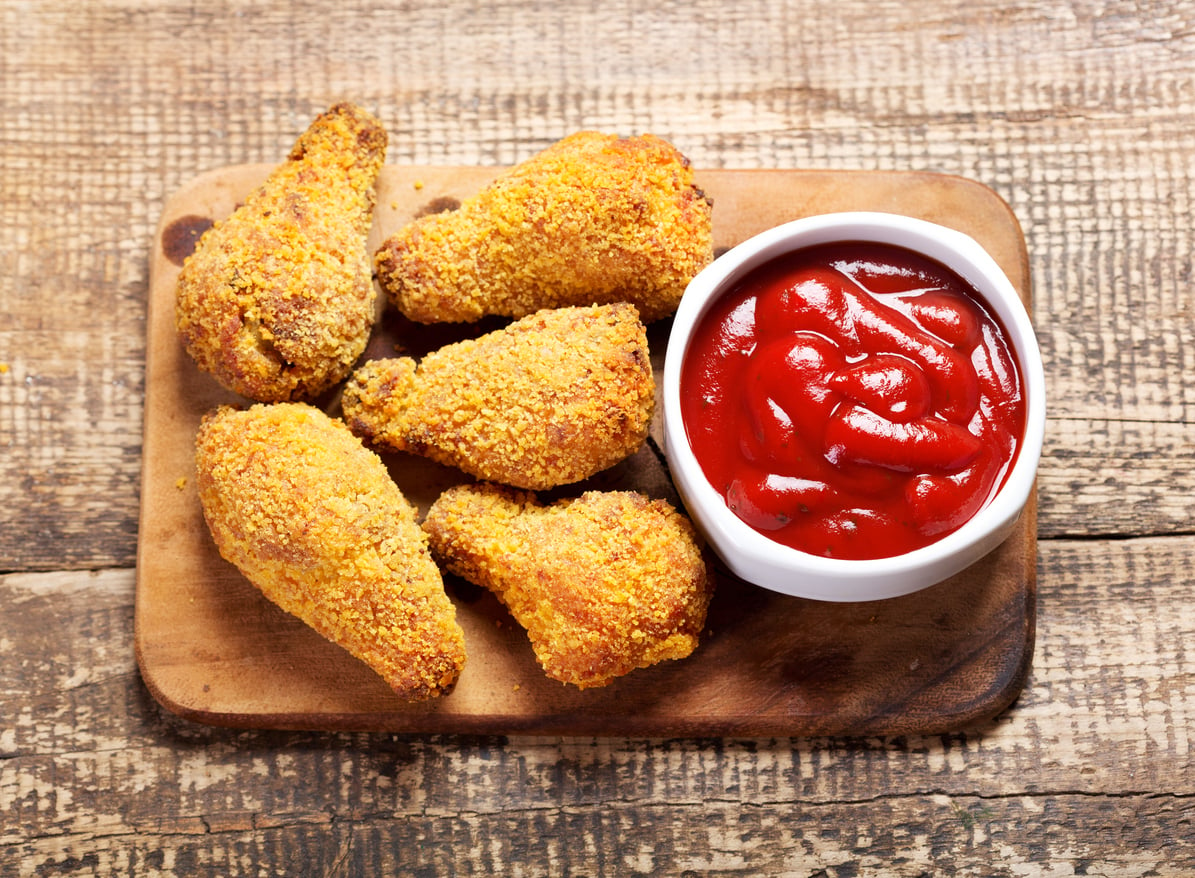
Forget the bucket from a national chain. Good Southern fried chicken is about the contrast between a deeply seasoned, crunchy exterior and juicy meat underneath, and recipes vary considerably from kitchen to kitchen. International interest isn’t hard to find: a Korean exchange student preparing for a semester in New York in July 2026 specifically listed American fried chicken among the foods they couldn’t wait to try. For the full comfort-food experience, order bone-in chicken with sides such as greens, mashed potatoes, biscuits, or mac and cheese.
Biscuits and Sausage Gravy
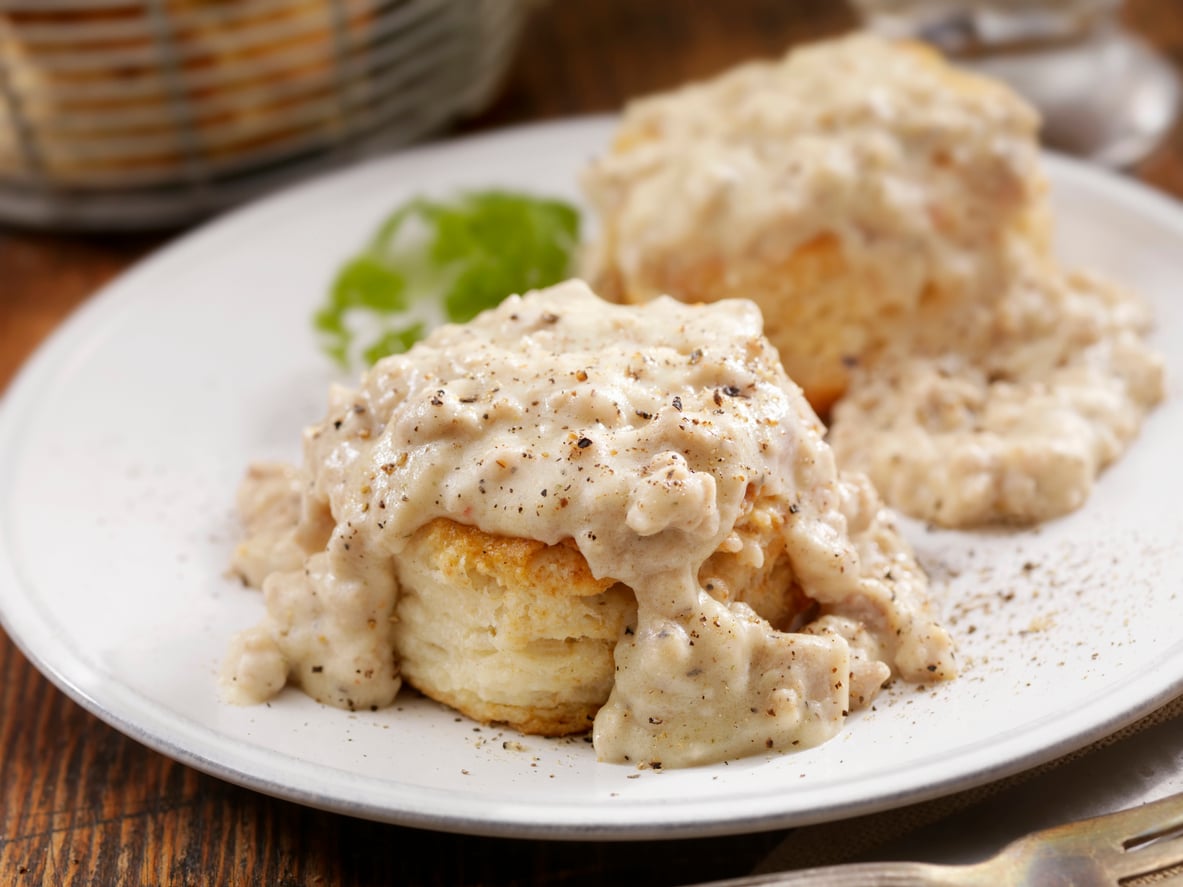
This dish has a language problem before it even reaches the table. To many British and international visitors, a “biscuit” is a cookie. In the American South, it means a soft, savory quick bread that’s closer to a scone, ideally tender inside with flaky, buttery layers. Recent online discussions still joke about how dramatically the word changes across the Atlantic. Split one open and cover it with creamy, peppery sausage gravy and the odd-looking breakfast starts making more sense. It’s filling, inexpensive comfort food, though definitely not a light way to start the morning.
Tex-Mex Fajitas
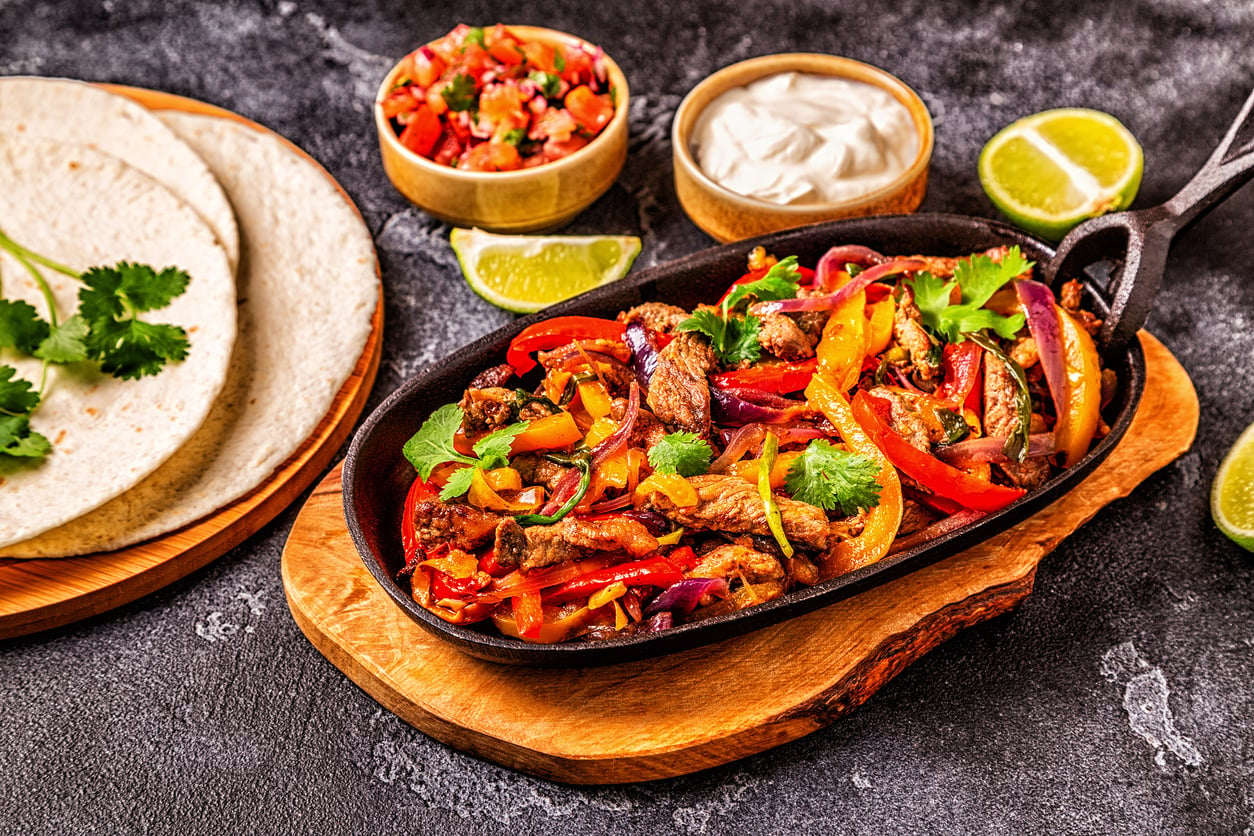
Tex-Mex deserves to be treated as a cuisine in its own right, not dismissed as Mexican food covered in cheese. Its roots stretch through the complicated culinary history of Texas, Mexico, Spain, Indigenous communities, and generations of Tejano cooks. The term eventually became associated with the Mexican-influenced cooking of Texas, and fajitas are now among its familiar staples. A sizzling platter of grilled meat, onions, and peppers with warm tortillas, salsa, and guacamole also lets diners build each bite themselves. Just don’t confuse Tex-Mex with the enormously diverse regional cuisines of Mexico.
New Orleans Jambalaya
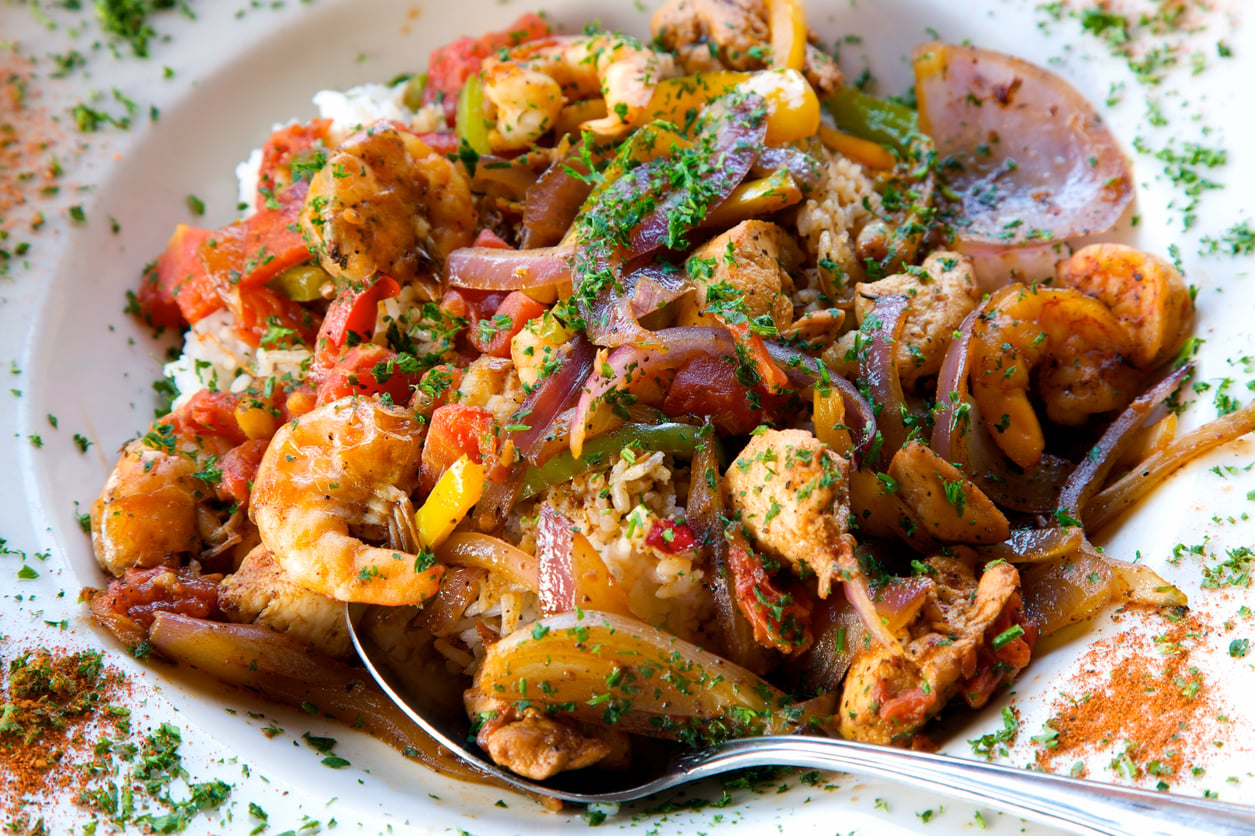
Few dishes make the case for America’s regional food traditions as efficiently as jambalaya. New Orleans’ tourism office traces part of its development to Spanish settlers attempting to recreate paella with ingredients available locally. Today, countless versions combine rice with chicken, seafood, sausage, peppers, onions, spices, or some mixture of them. Smoked andouille adds another distinctly Louisiana flavor. Recipes differ between families and regions, so arguing over one “authentic” formula misses the point. For travelers watching their budget, it also shows how a humble rice dish can deliver a lot of flavor in one bowl.
Trending on Cheapism

Chicken and Waffles
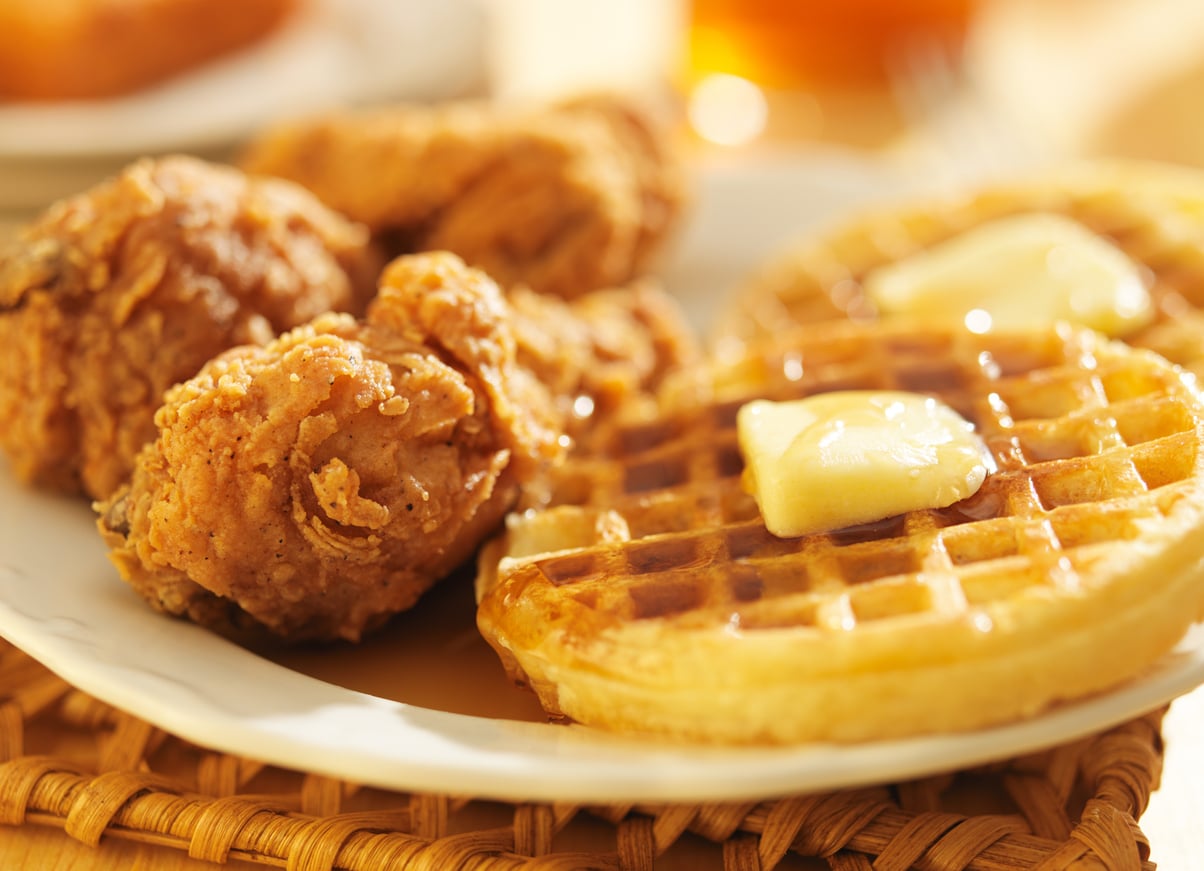
Fried chicken, waffles, butter, and maple syrup sound like several meals accidentally landed on the same plate. Then the salty, crunchy chicken meets the soft waffle and sweetness, and the combination begins to make sense. The history is more complicated than the shorthand “Southern dish” suggests. Pennsylvania Dutch cooks had an older chicken-and-waffles tradition involving stewed chicken and gravy, while the fried-chicken version became closely associated with Black culinary culture and Harlem’s Wells Supper Club in the 1930s. It’s deliciously excessive, but portions can easily be big enough to share.
New York-Style Pizza
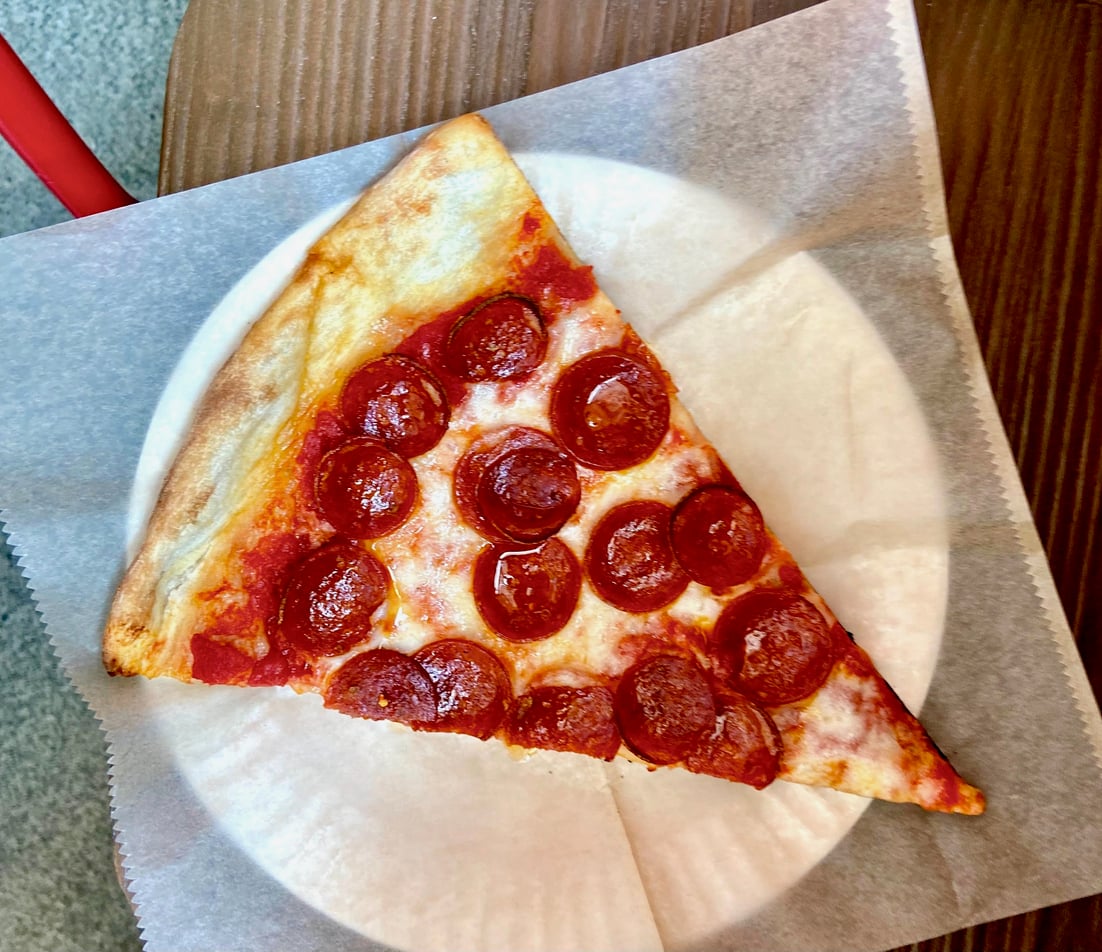
Visitors accustomed to Neapolitan pizza may initially wonder what New York has done to it. The answer is essentially create a different pizza tradition. A classic New York slice has a relatively thin crust sturdy enough to support the toppings but flexible enough to fold, typically with tomato sauce and low-moisture mozzarella. It’s fast, uncomplicated, and still one of the more wallet-friendly ways to eat in an expensive city. And New York is only part of the American pizza story: Detroit, Chicago, and New Haven have developed fiercely defended styles of their own.
A Real New York Bagel With Cream Cheese
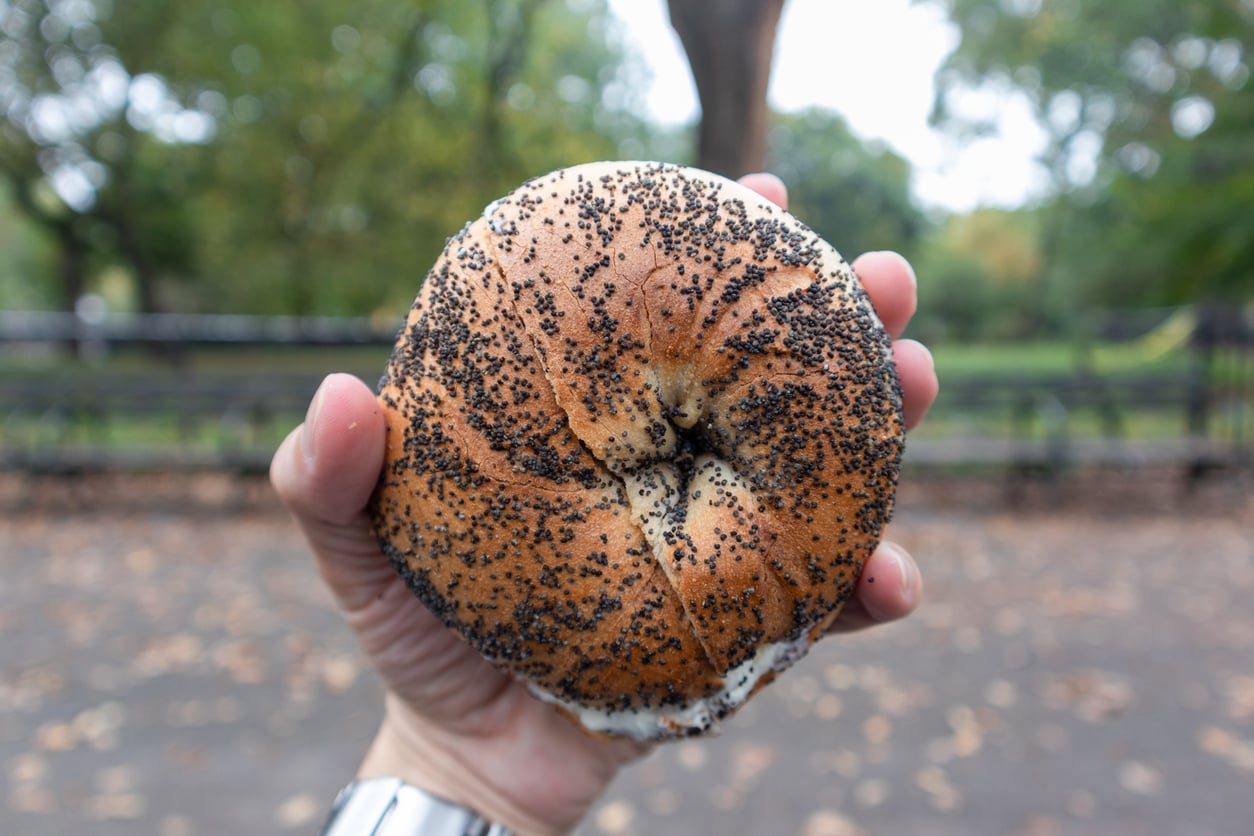
People who know bagels mainly as soft supermarket bread may be surprised by a properly made one. Traditional bagel dough is relatively stiff, producing a tight crumb and substantial chew, and boiling before baking helps create that distinctive glossy, slightly leathery crust. Without the water bath, King Arthur Baking notes, you’re essentially left with a ring-shaped roll. Start simply with sesame or everything seasoning and cream cheese. Smoked salmon, capers, tomato, and onion make a classic upgrade, although a fully loaded bagel can get surprisingly expensive in Manhattan.
Sign up for our newsletter
Buffalo Wings
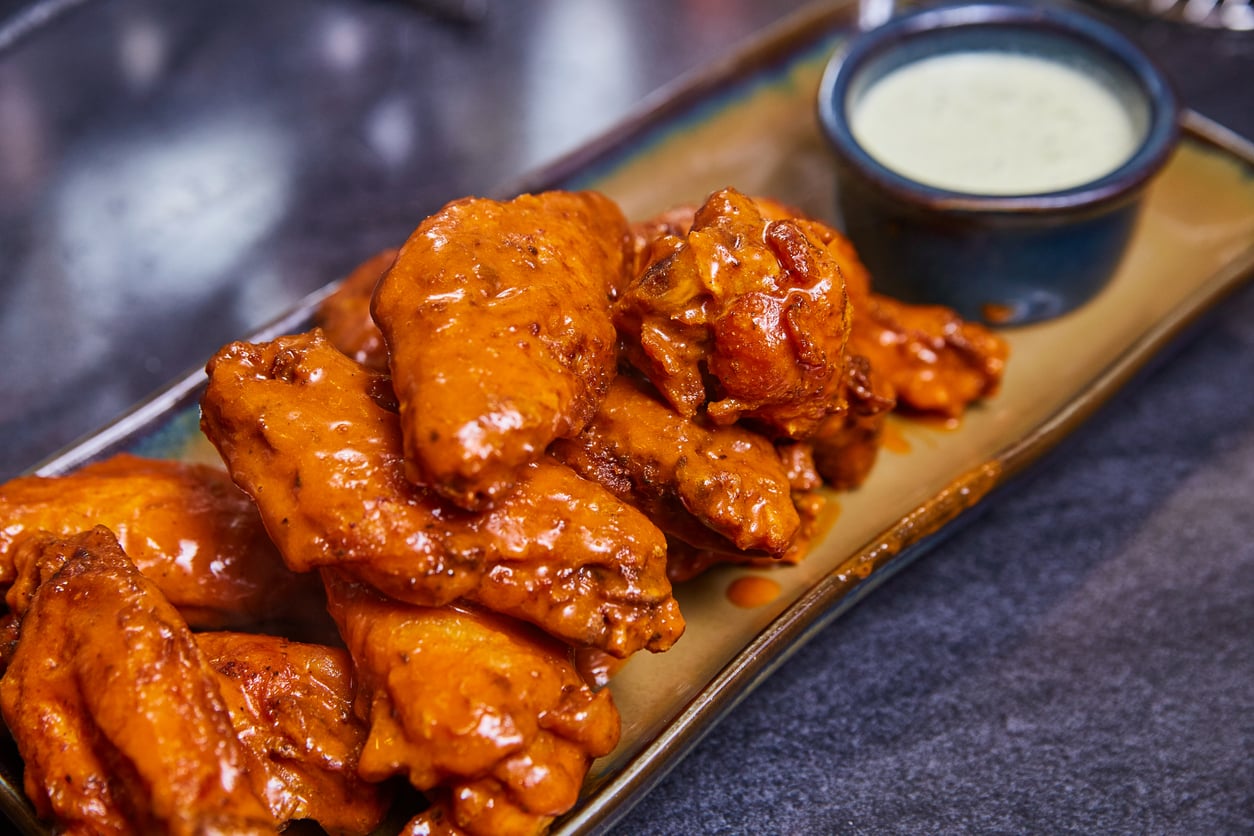
Plenty of countries now serve chicken wings, but Buffalo’s original style is refreshingly straightforward: fried wings tossed in a buttery hot sauce, traditionally accompanied by celery and blue cheese. Buffalo’s tourism organization traces the famous Anchor Bar version to 1964, when Teressa Bellissimo prepared wings as a late-night snack. The classic style isn’t about thick breading or sticky barbecue glaze. Order medium if you want to taste the sauce without turning lunch into an endurance contest. A shared order can also be a relatively affordable way for several people to sample the Buffalo original.
A Proper Philadelphia Cheesesteak
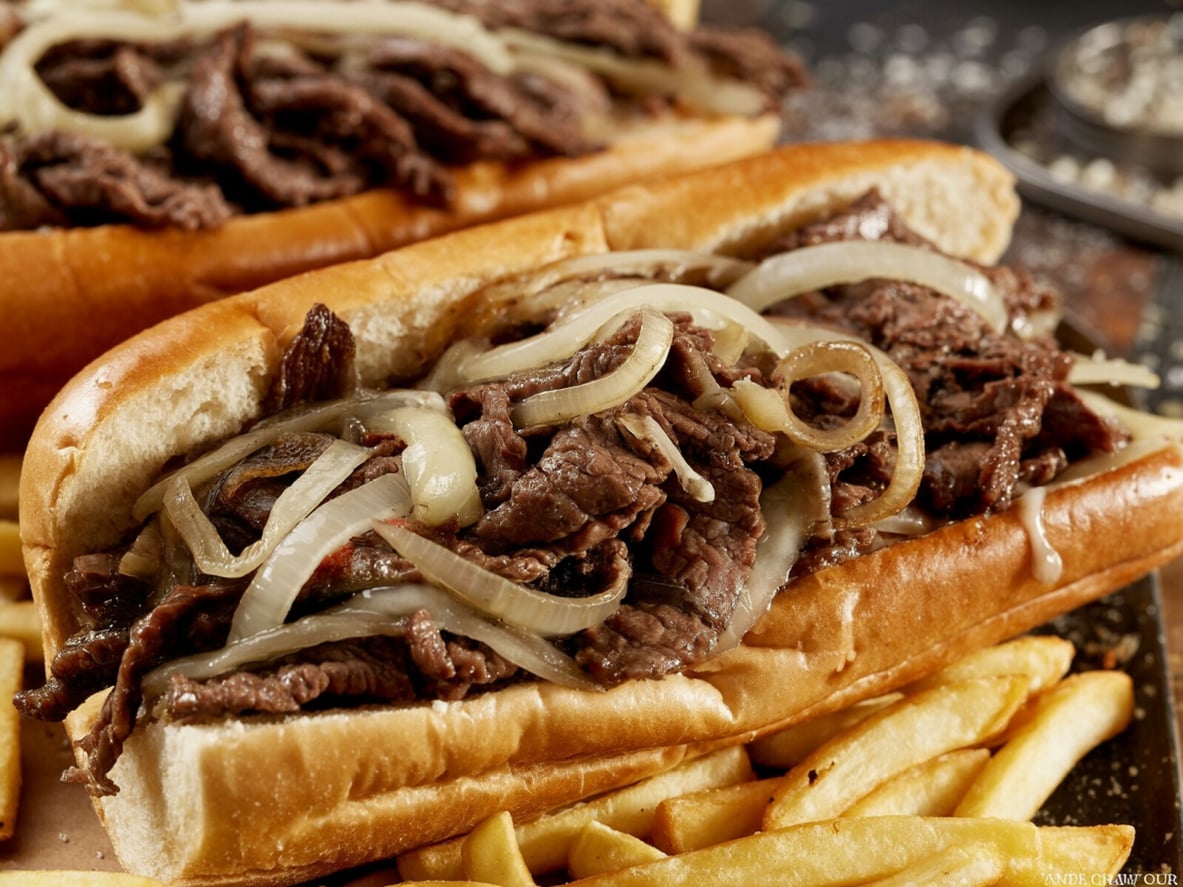
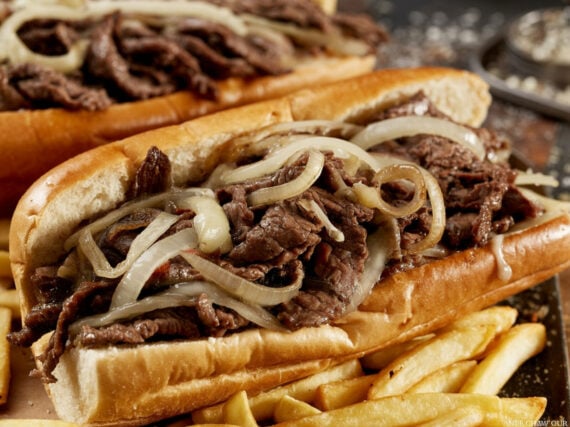
Beef, cheese, onions, bread. On paper, Philadelphia’s signature sandwich doesn’t sound complicated enough to inspire decades of arguments. In practice, the roll and proportions matter enormously. Visit Philadelphia traces the sandwich to hot-dog vendor Pat Olivieri, who began selling steak sandwiches around 1930; cheese came later in the story. Today, provolone, American, and Cheez Whiz all have loyalists. Ordering “wit” gets you onions and “witout” skips them. One warning for newcomers: the famous names aren’t automatically everyone’s favorites, and locals have strong opinions about neighborhood alternatives.
New York-Style Cheesecake
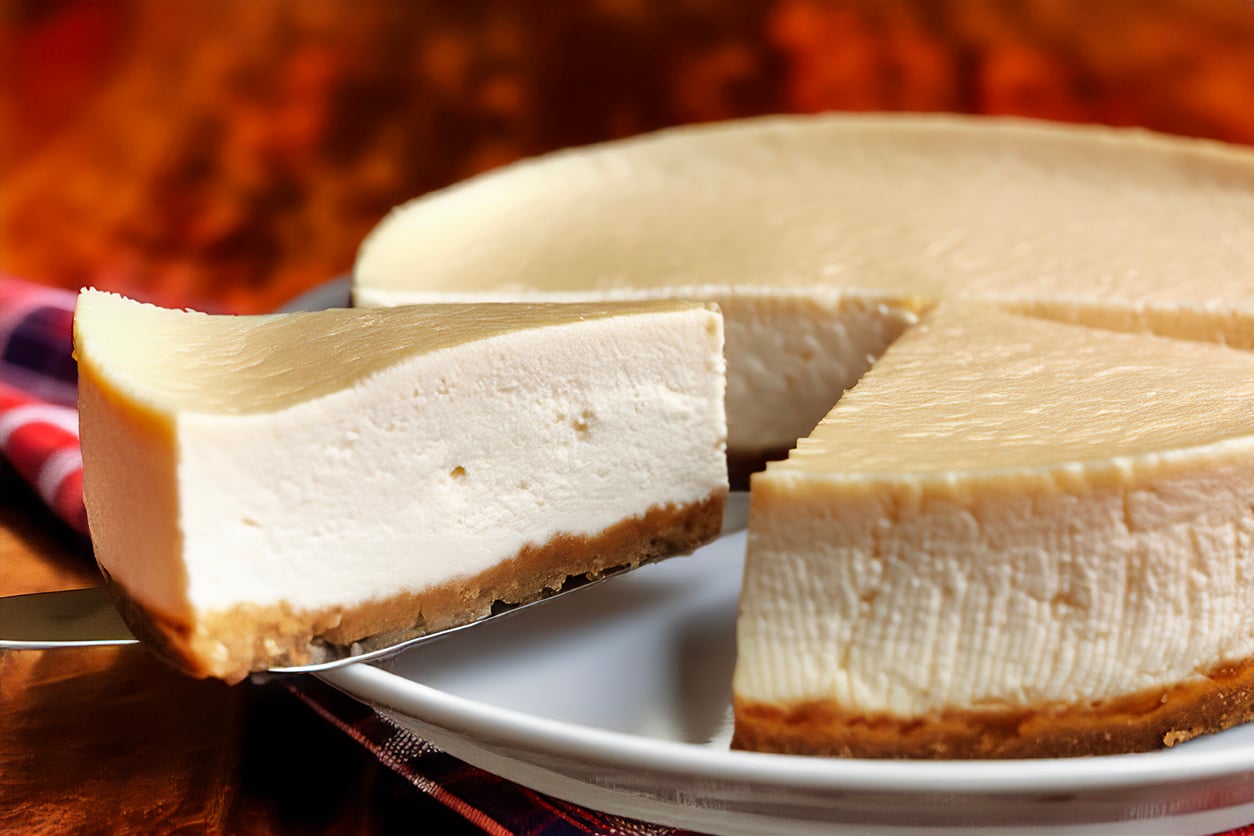
New York cheesecake doesn’t apologize for being rich. Unlike lighter cheesecakes made with ricotta, quark, or other fresh cheeses, the New York style became known for a dense, smooth filling built around cream cheese. Its development is tied to New York’s immigrant baking traditions and restaurants such as Reuben’s, Lindy’s, and later Junior’s. The appeal clearly crosses borders: cheesecake was one of the first recommendations given to that Korean exchange student asking Reddit what to eat in America in July 2026. Try a plain slice before burying it under chocolate, candy, or fruit sauce.
Key Lime Pie in Florida

After brisket, fried chicken, and cheesecake, Key lime pie almost feels restrained. Its combination of tart lime juice, sweetened condensed milk, and egg yolks produces a creamy filling with enough acidity to keep the sweetness in check. The Florida Keys tourism office calls it the island chain’s signature dessert, and Florida law has designated Key lime pie the official state pie since 2006. One easy authenticity check is color: traditional filling is pale yellow from the egg yolks, not bright green. Whipped cream versus meringue, however, remains fair game for debate.