Some foods stick around for reasons that go well beyond taste. A familiar package or first bite can bring back school lunches, snow days, grandparents’ kitchens, road trips, and evenings spent eating in front of the TV. In fact, Smithsonian Magazine’s look at Jell-O traces how one simple convenience food became an American grocery-store fixture over generations. The foods people almost always buy for nostalgia have a similar appeal: They may not be the fanciest things in the pantry or freezer, but sometimes what you’re really craving is the memory that comes with them.
Boxed Macaroni and Cheese
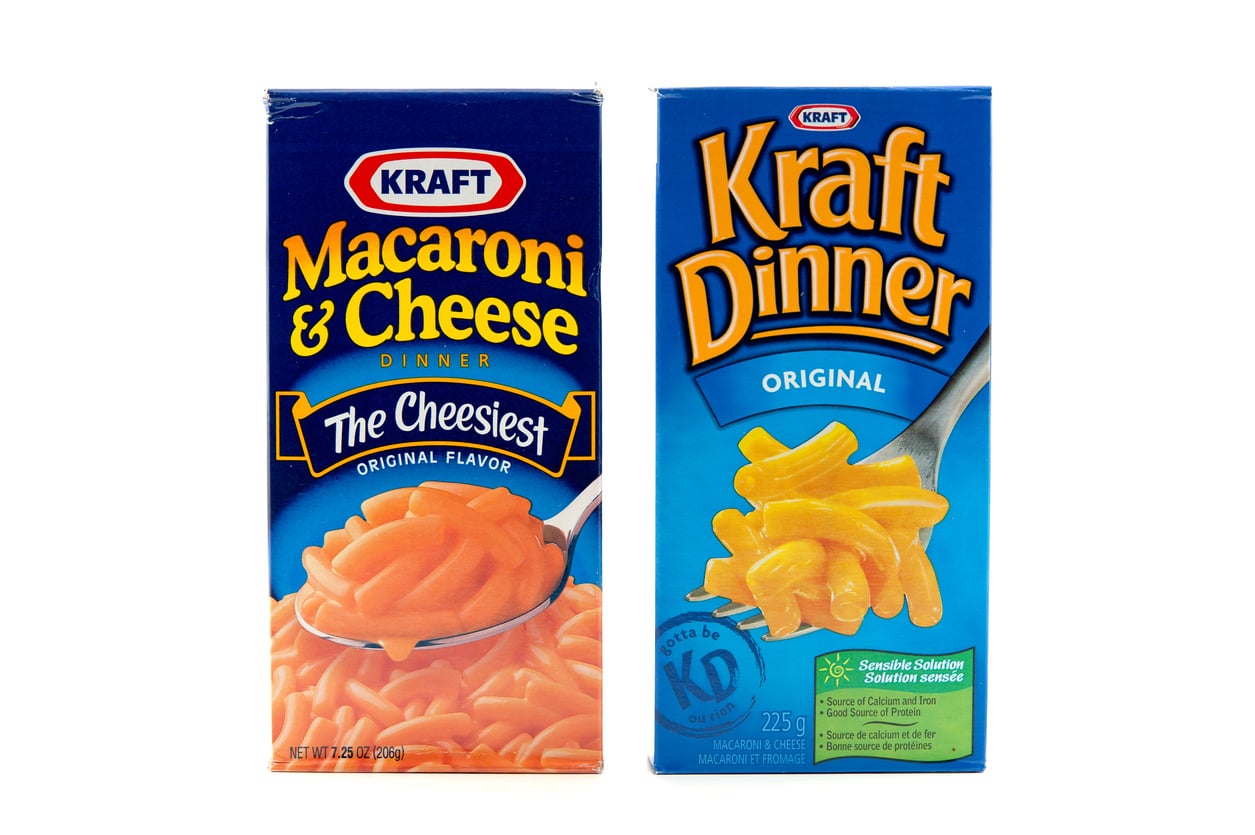
Homemade mac and cheese can be richer and cheesier, but it doesn’t quite replicate that unmistakable bowl of soft noodles coated in bright orange cheese sauce. Kraft introduced its boxed Mac & Cheese in 1937, meaning generations of Americans have now grown up with it. The company itself leans into that longevity, describing the product as a tradition that has brought generations together. It’s inexpensive, easy to keep in the pantry, and for plenty of adults, still tastes like the kind of uncomplicated dinner they ate as kids.
Peanut Butter and Jelly Sandwiches
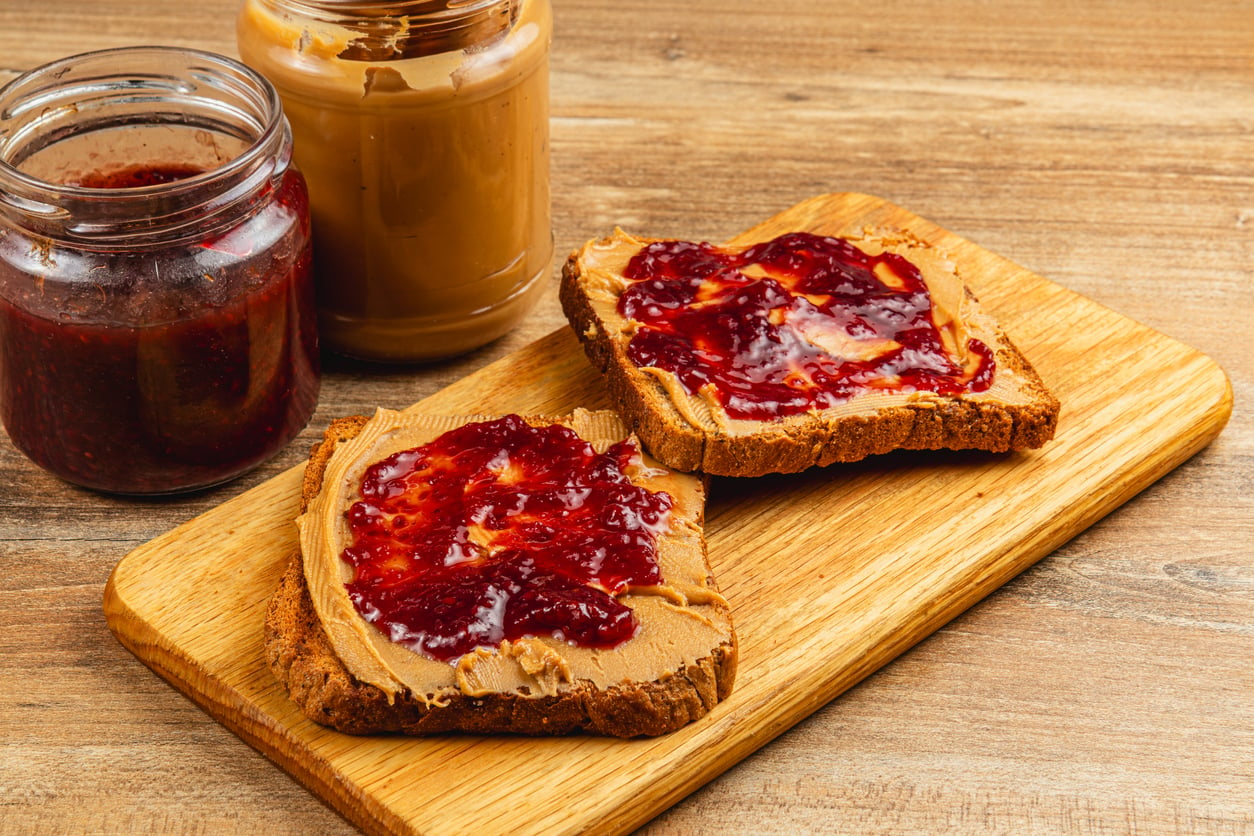
There isn’t much sophistication involved in spreading peanut butter and jelly between two slices of bread, and that’s precisely part of the charm. PB&J remains closely associated with childhood lunches because it’s inexpensive, portable, customizable, and easy enough to make without much planning. Adults can upgrade it with fancy preserves or artisan bread, but sometimes soft sandwich bread, creamy peanut butter, and grape or strawberry jelly are exactly what’s wanted. Cutting it diagonally may be unnecessary, but somehow it makes the whole thing feel even more like lunch as a kid.
Canned Spaghetti and Meatballs
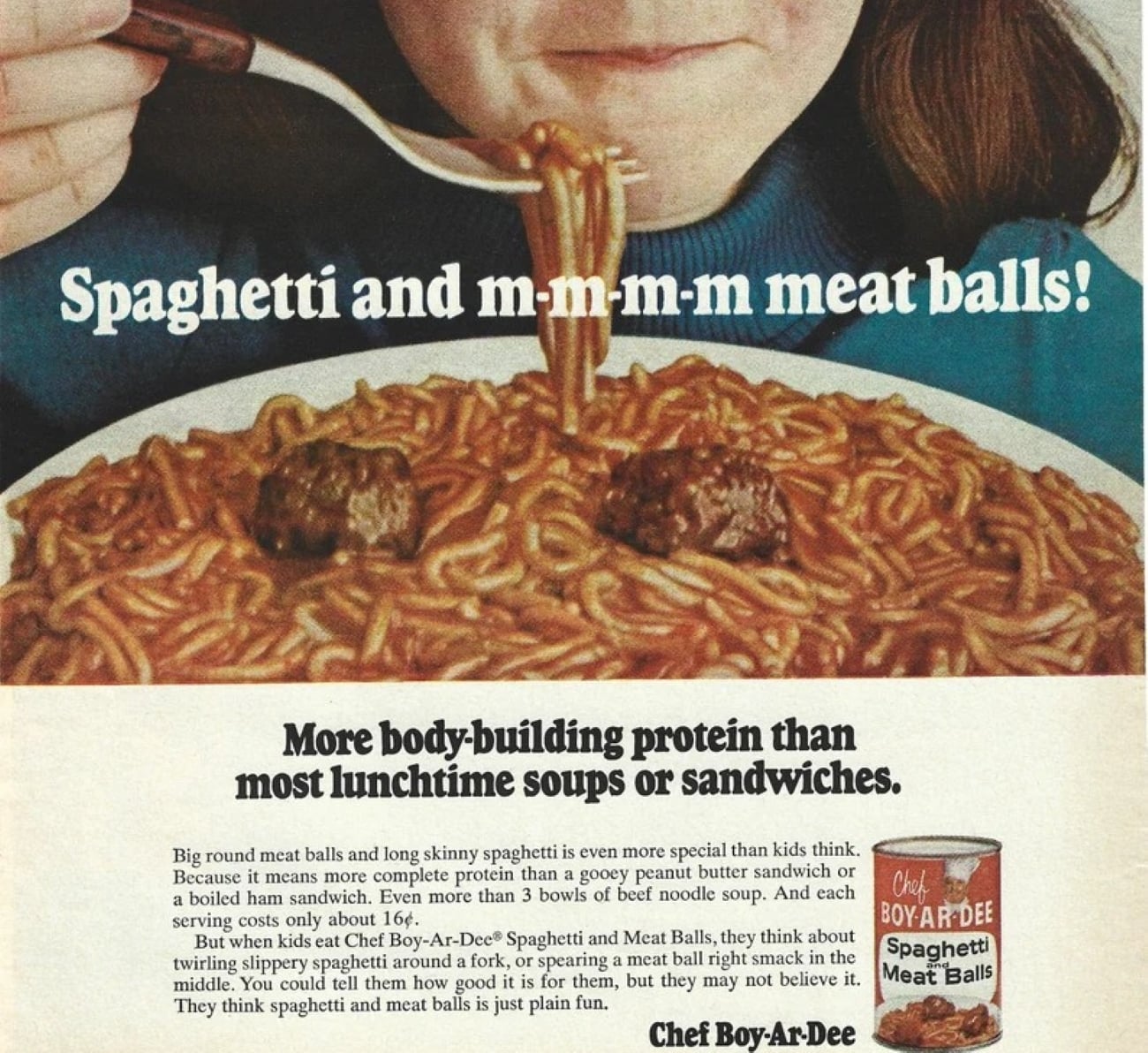
Nobody opens a can of spaghetti and meatballs expecting the same experience as pasta simmered in homemade sauce. The soft noodles, small meatballs, and sweet tomato-based sauce are their own category of comfort food. Chef Boyardee has particularly deep roots: Italian immigrant Hector Boiardi founded the company in 1928 after customers sought out his popular restaurant sauce. The brand remains on supermarket shelves today, including its familiar canned pasta products. For longtime fans, the appeal can be as much about recreating an after-school lunch as getting dinner on the table quickly.
Frozen TV Dinners
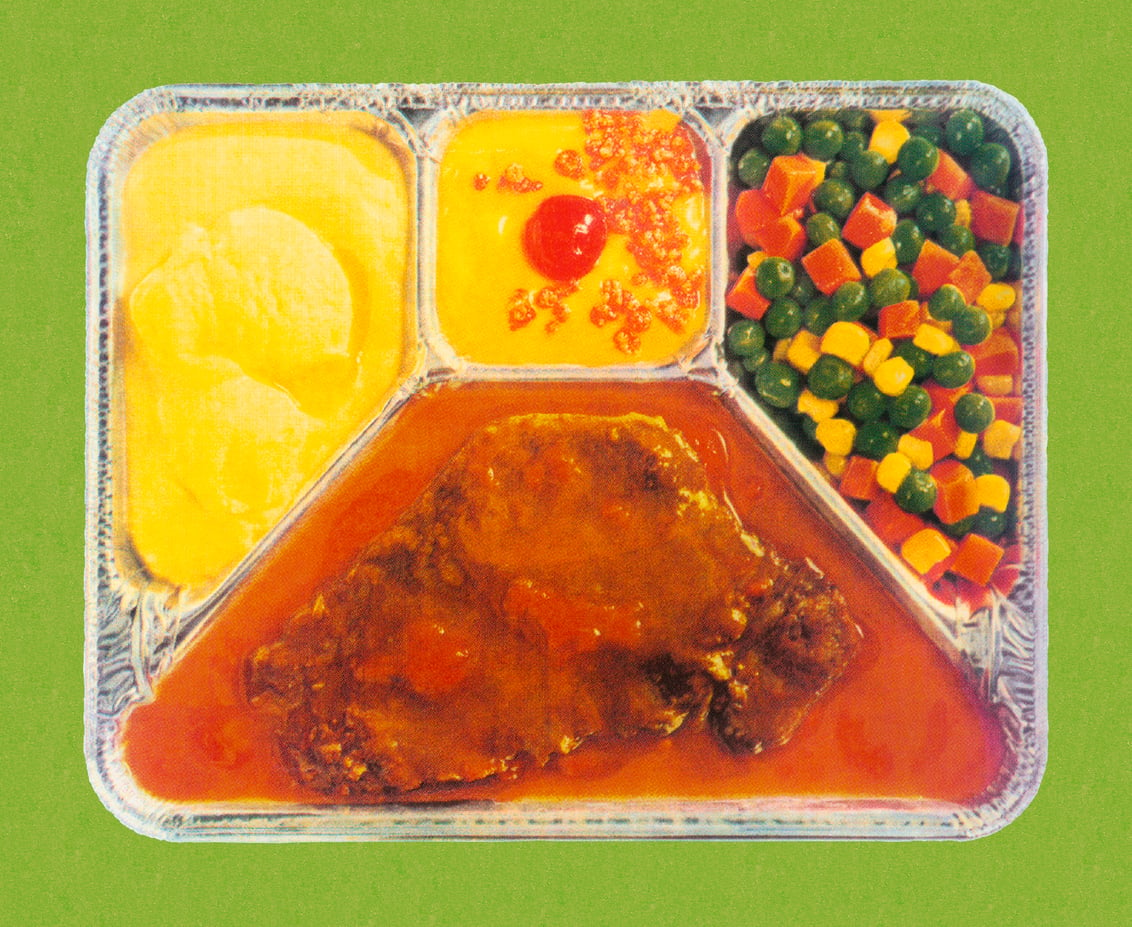
Few convenience foods capture mid-century America quite like the TV dinner. Swanson launched its famous version nationally in 1954, packing turkey, dressing, peas, and sweet potatoes into a compartmentalized aluminum tray. Ten million were sold during the first full year. The timing couldn’t have been better: television ownership was exploding, and eating dinner in front of the set became part of the product’s identity. Today’s frozen-meal aisle looks considerably different, but turkey, Salisbury steak, and mashed potatoes in a divided tray can still summon memories of supper in front of the TV.
Chocolate Pudding Cups
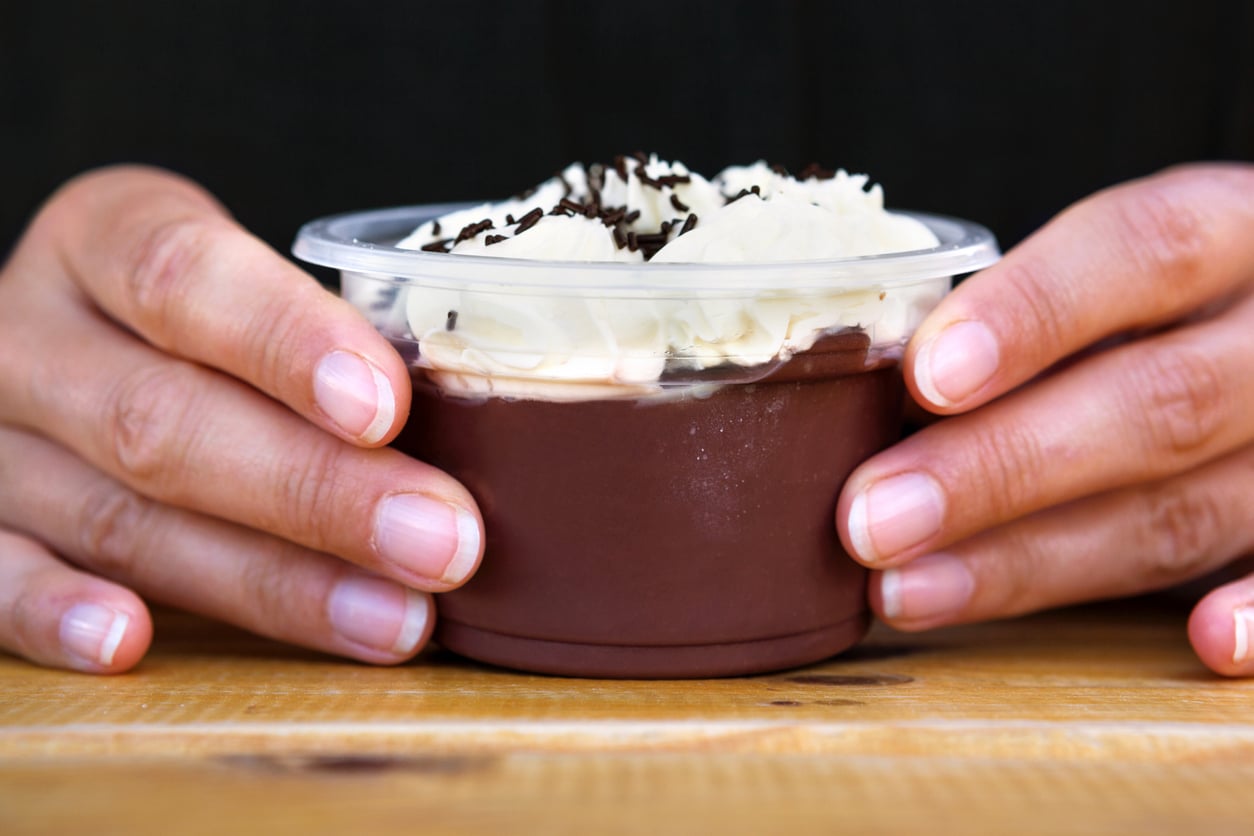
Depending on your age, the nostalgic pudding container might not have been plastic at all. Snack Pack debuted in 1968 in small aluminum cans, which remained until the brand switched to plastic cups in 1984 and then clear cups in 1990. Chocolate, vanilla, butterscotch, and tapioca turned ready-to-eat pudding into an easy packed-lunch or after-school treat. The containers have changed, but the basic pleasure hasn’t: peel back the lid, grab a spoon, and dessert is ready. For older shoppers especially, today’s pudding cups can trigger memories of their considerably sharper-edged ancestors.
Trending on Cheapism
Toaster Pastries
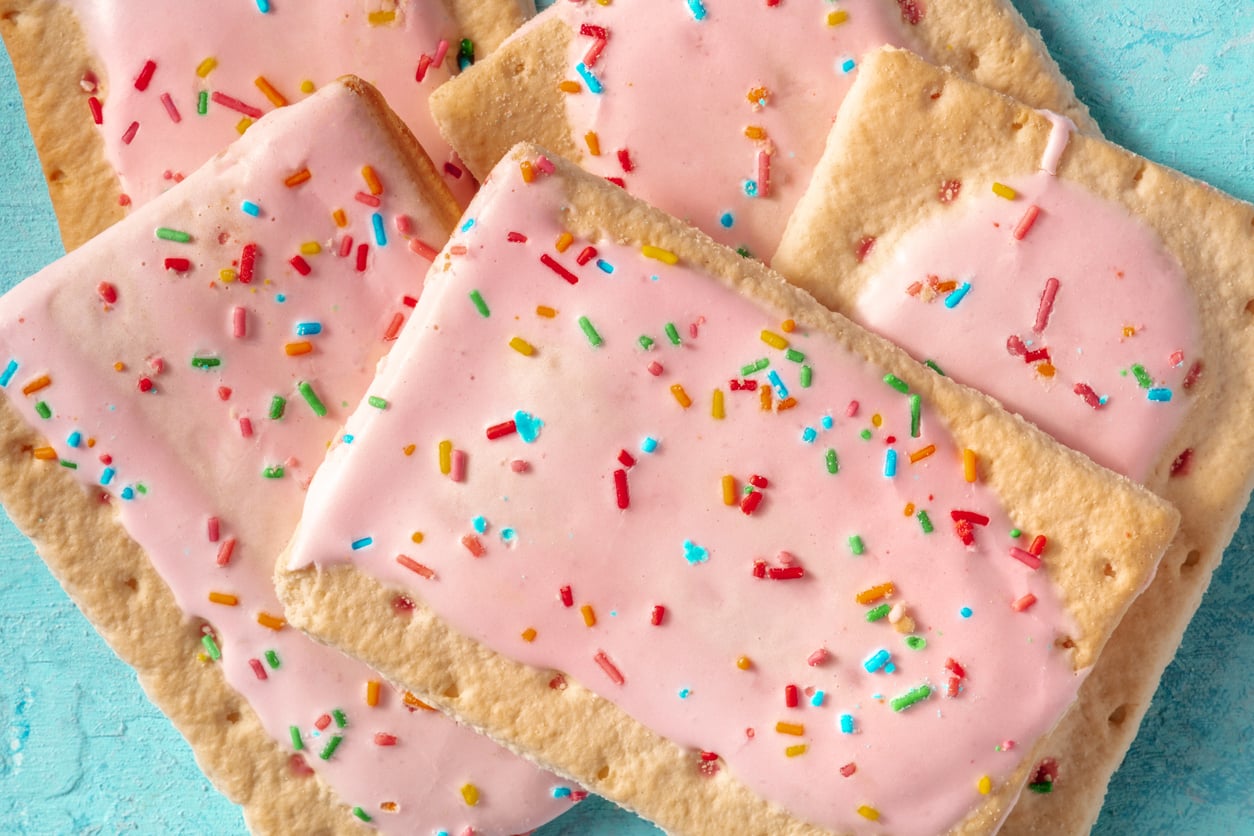
Pop-Tarts arrived at exactly the right time for generations of kids who thought breakfast could stand to resemble dessert a little more closely. Kellogg’s toaster pastries reached broad distribution in 1964, initially appearing in strawberry, blueberry, brown sugar cinnamon, and apple currant flavors. Interestingly, they weren’t originally frosted; frosting followed a few years later. Six decades on, they’re still sold as a quick breakfast or snack. And despite the name, plenty of longtime fans don’t bother with the toaster at all, eating one straight from its foil wrapper has become its own familiar ritual.
Cheese Crackers
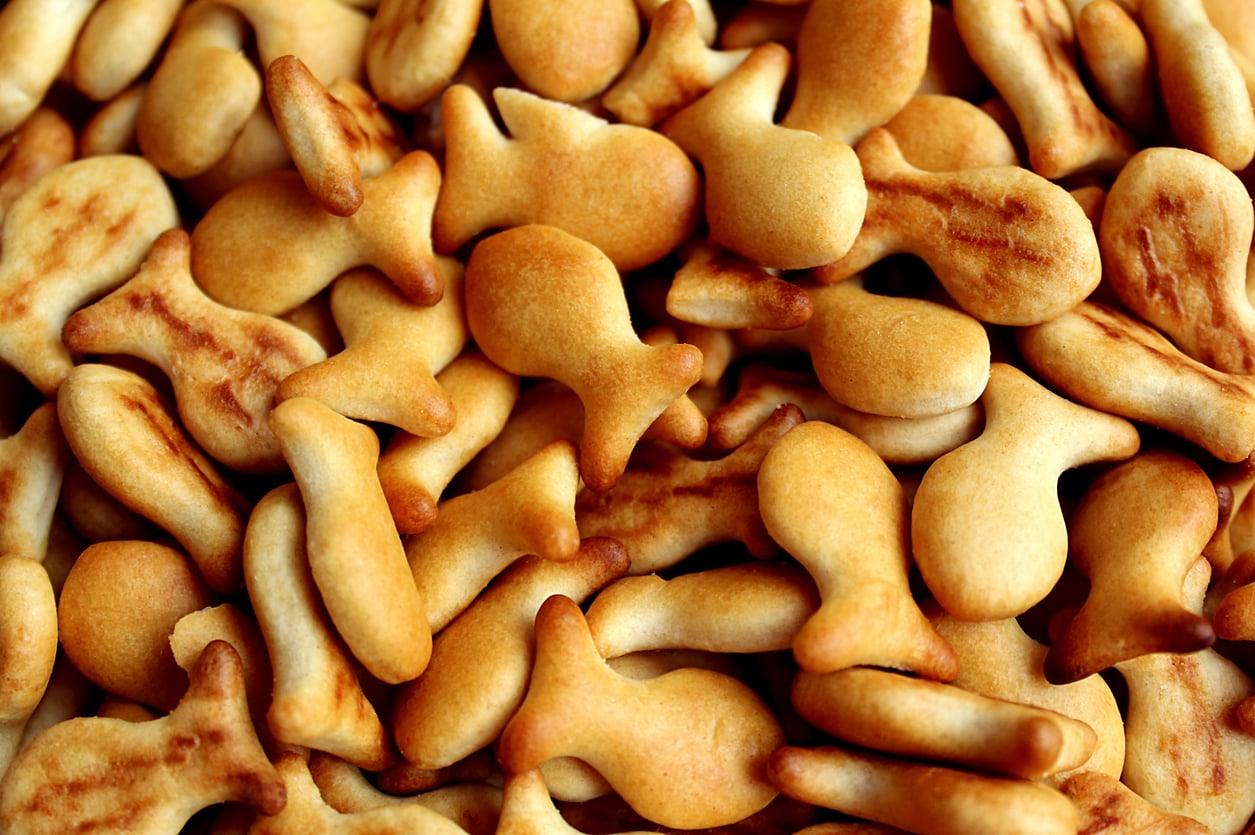
A handful of little orange cheese crackers can transport someone straight back to a packed lunch, family road trip, or afternoon snack. Whether the childhood favorite was shaped like a square or a tiny fish, cheese crackers succeeded partly because they’re portable, shelf-stable, and easy to portion into lunch bags and bowls. They’re hardly an elaborate snack, which may be exactly why they’ve endured. Adults have countless more sophisticated options available, yet sometimes what sounds good is simply the salty, crunchy snack they remember eating by the handful while watching television after school.
Instant Hot Chocolate
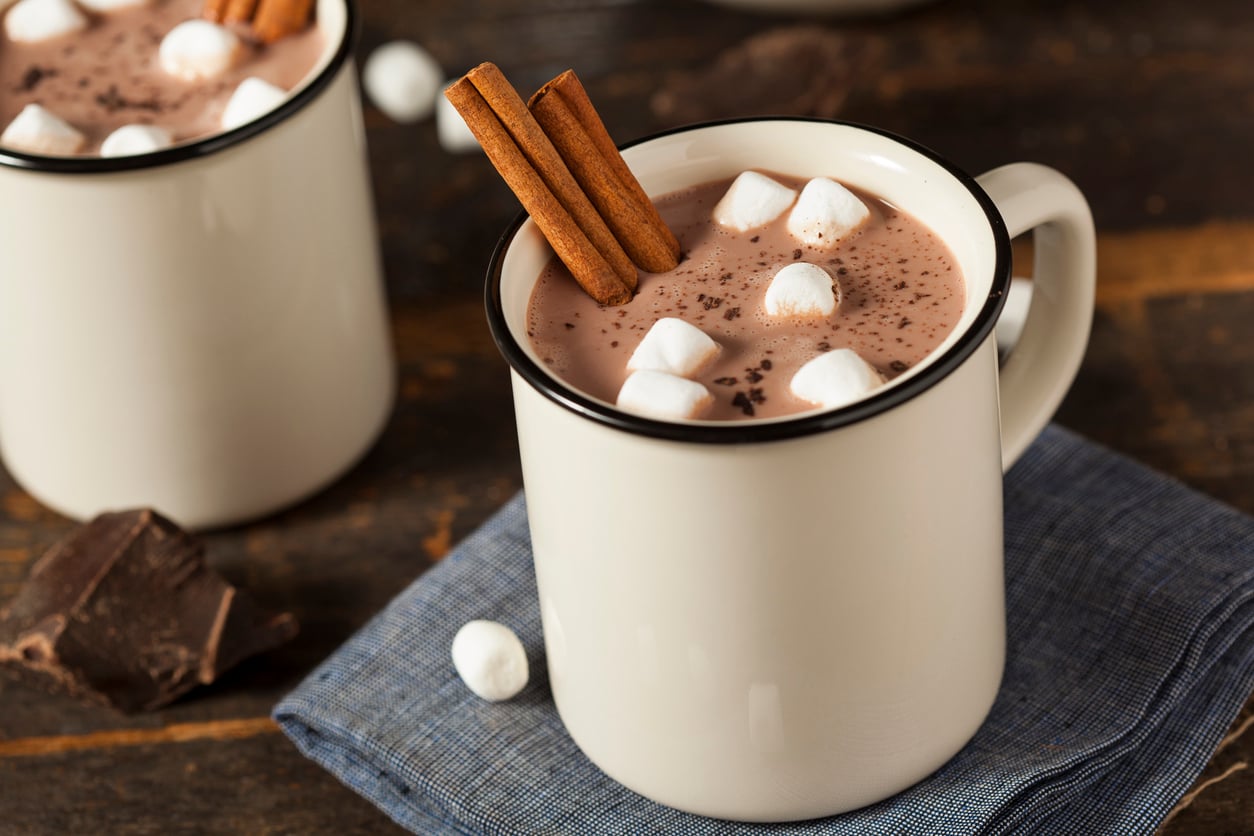
Instant cocoa isn’t trying to compete with melted chocolate and steamed milk from a cafe. Its appeal is convenience, and, for many people, familiarity. Tear open a packet, add hot water or milk, and the drink is ready in minutes. That simplicity has helped make powdered cocoa a fixture of winter mornings, snow days, camping trips, and evenings spent warming up indoors. Mini marshmallows only heighten the effect. There are richer ways to make hot chocolate, but richness isn’t necessarily what someone wants when the goal is recreating the mug they remember from childhood.
Sign up for our newsletter
Ice Cream Sandwiches
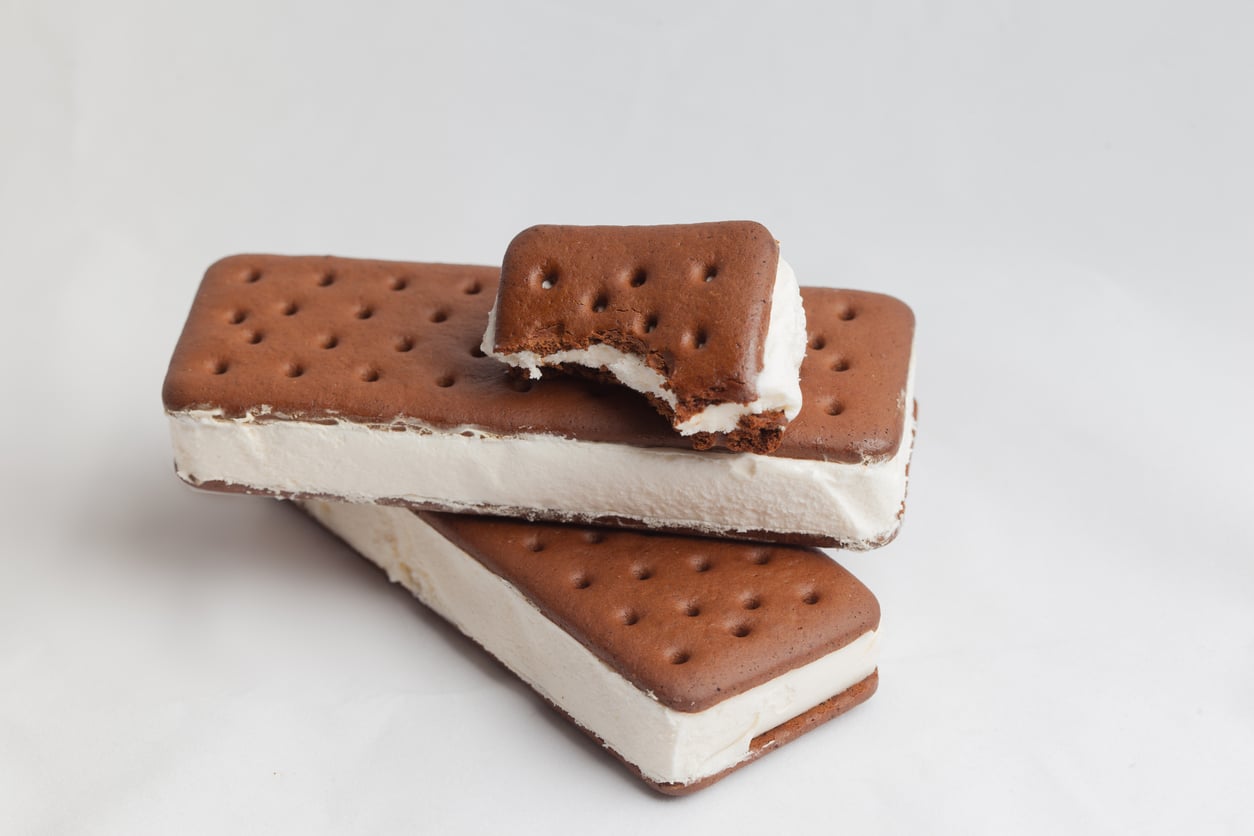
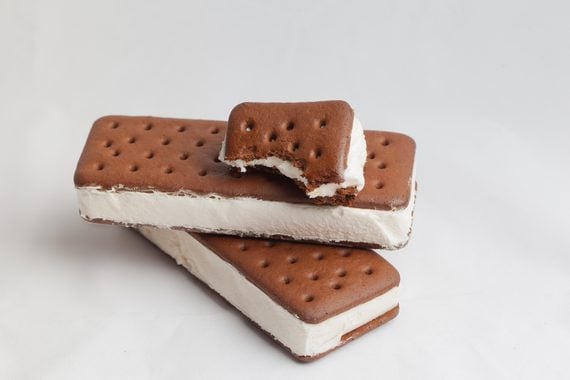
The classic ice cream sandwich barely needs an introduction: vanilla ice cream pressed between two soft chocolate wafers, preferably eaten quickly enough to prevent a sticky mess. It’s the kind of frozen treat associated with summer afternoons, swimming pools, school cafeterias, cookouts, and ice cream trucks. Unlike increasingly elaborate premium ice creams, the classic sandwich remains remarkably straightforward. Even the slightly sticky chocolate wafer that clings to your fingertips is part of the experience. Sometimes improving a childhood favorite would miss the point entirely.
Gelatin Dessert
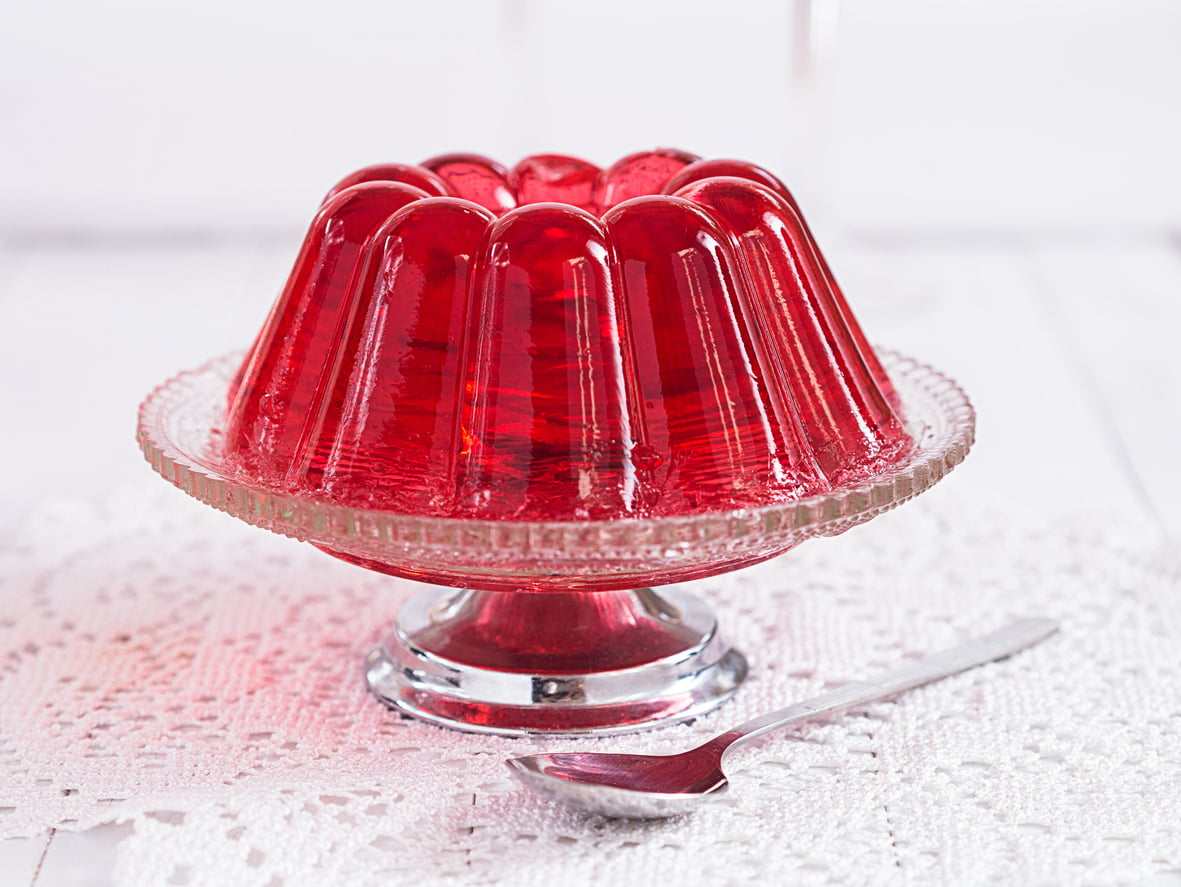
Few foods can wobble their way into a memory quite like gelatin. Jell-O became a major American success in the early 20th century, with sales soaring during the 1920s, and later generations encountered it in everything from school cafeterias to elaborate molded salads and holiday desserts. Mid-century cookbooks took gelatin particularly far, suspending fruit, vegetables, marshmallows, and plenty of stranger ingredients inside brightly colored molds. Many of those recipes have fallen from fashion, but a bowl of cherry or lime gelatin still carries an unmistakably retro quality.
Animal Crackers
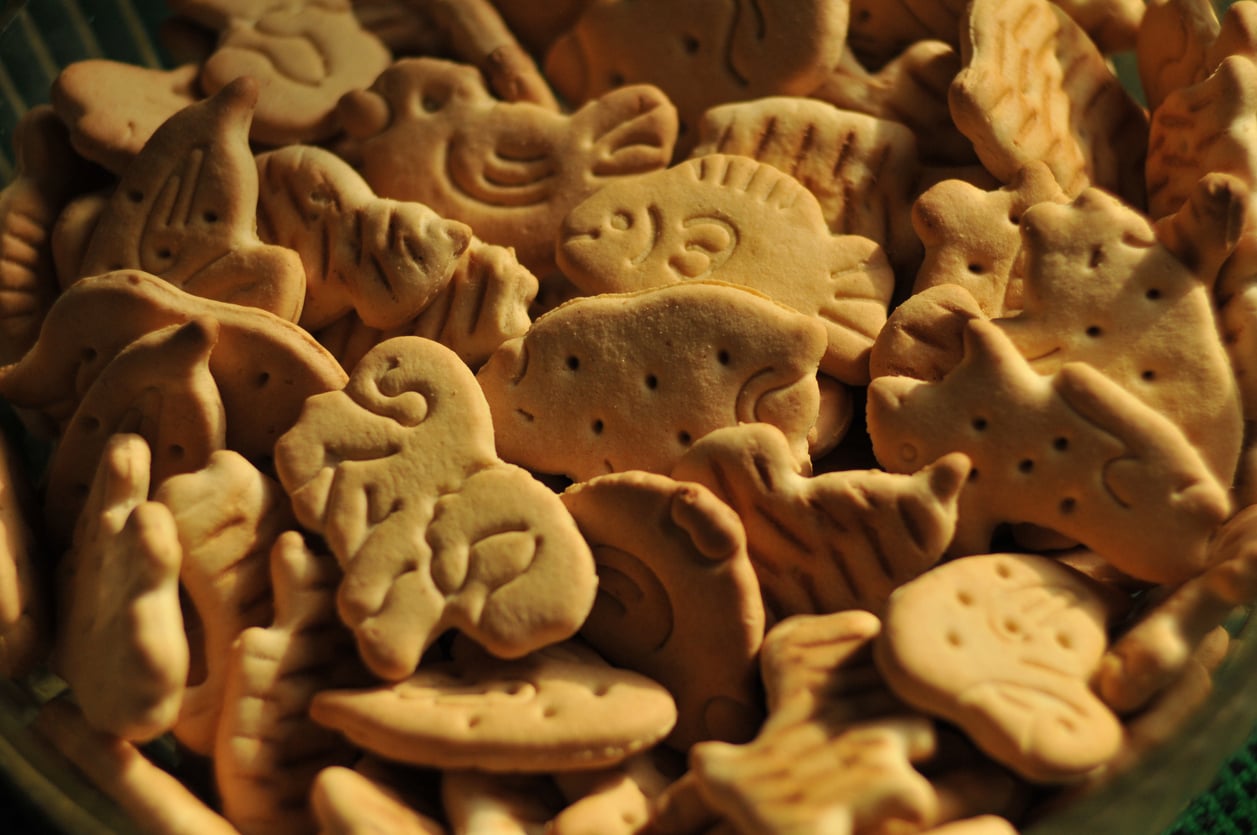
Animal crackers occupy the unusual territory between snack and toy. Before eating one, you can inspect whether you’ve pulled out a lion, elephant, bear, or some harder-to-identify creature, something generations of children have done before biting off its head. That’s a big part of their staying power. They’re simple, mildly sweet, and recognizable in a way that a regular cracker isn’t. Adults may have access to far more indulgent cookies, but animal crackers offer something those can’t: a snack that can briefly make eating your food feel like playing with it again.
Root Beer Floats
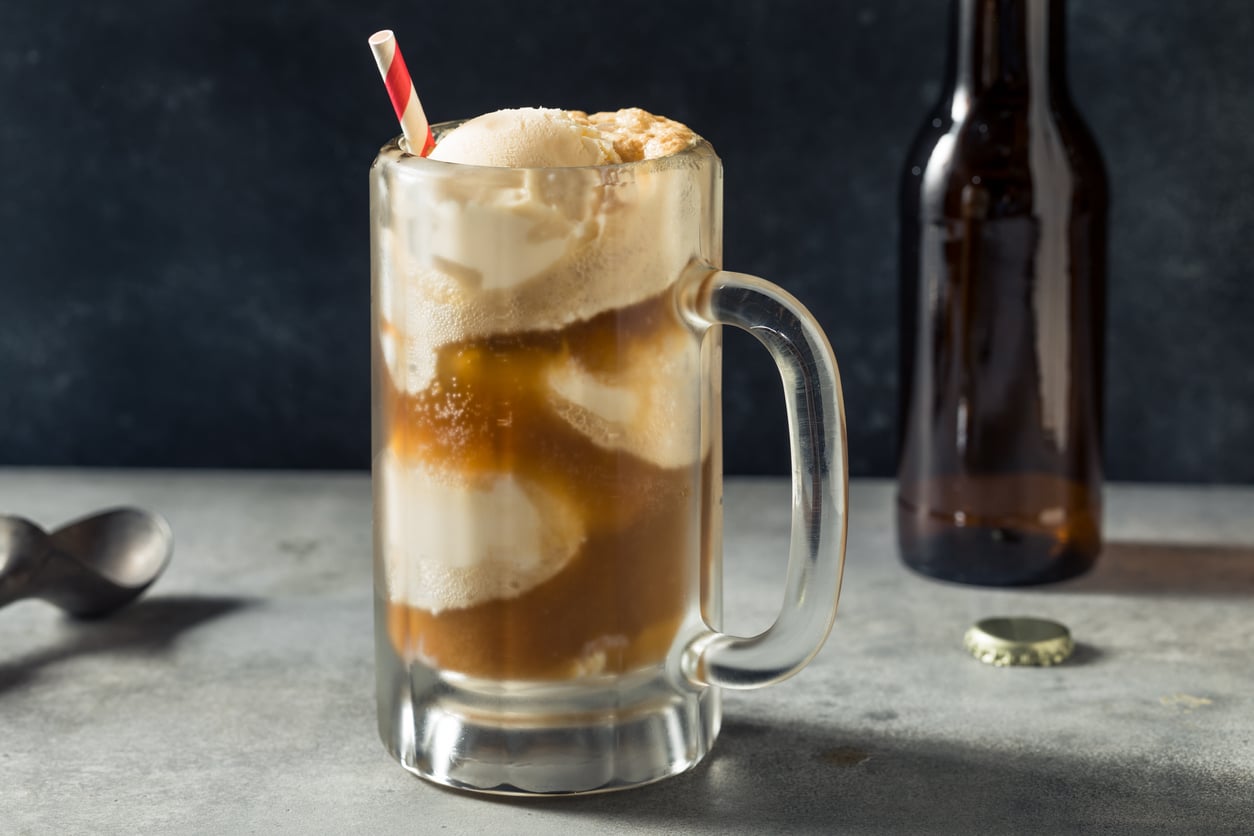
A root beer float doesn’t require a vintage soda fountain to feel old-fashioned. Vanilla ice cream dropped into fizzy root beer creates the familiar eruption of creamy foam that has made the drink-dessert hybrid a staple of diners, drive-ins, and summer gatherings. It’s inexpensive and remarkably easy to reproduce at home: two basic supermarket ingredients deliver nearly the whole experience. Served in a tall chilled glass or mug with a spoon and straw, it can evoke the soda-fountain era even for people whose memories of floats came from their own kitchen rather than a malt shop.