Some foods seem pretty straightforward until you order them in another part of the country and barely recognize what arrives. From chili served over spaghetti to bacon-wrapped hot dogs and cheese-stuffed burgers, regional traditions have given familiar favorites some surprising makeovers. The Smithsonian has explored how regional food traditions develop across the country, and these foods people don’t realize can change dramatically depending on where in America you order them.
Pizza
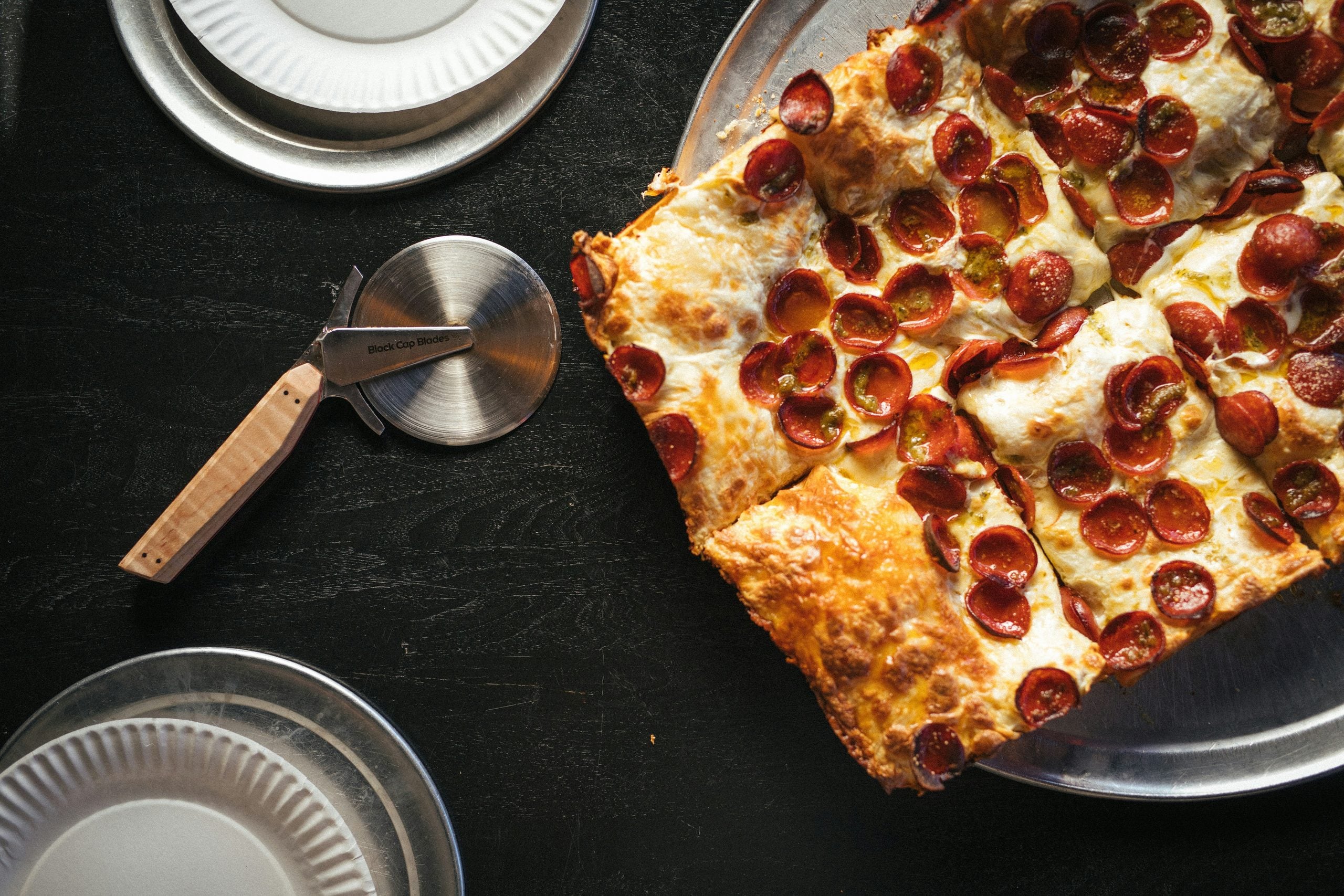
Pizza may be America’s ultimate regional shape-shifter. New York is famous for large, thin, foldable slices, while Detroit goes thick and rectangular, with cheese extending to the edges of the pan to form a crisp, caramelized border. Buddy’s traces Detroit-style pizza to its original square pie in 1946. New Haven’s “apizza” is thin, chewy, and characteristically charred, while Philadelphia-area tomato pie puts the sauce front and center and traditionally uses little cheese. Same basic idea, four remarkably different dinners.
Chili
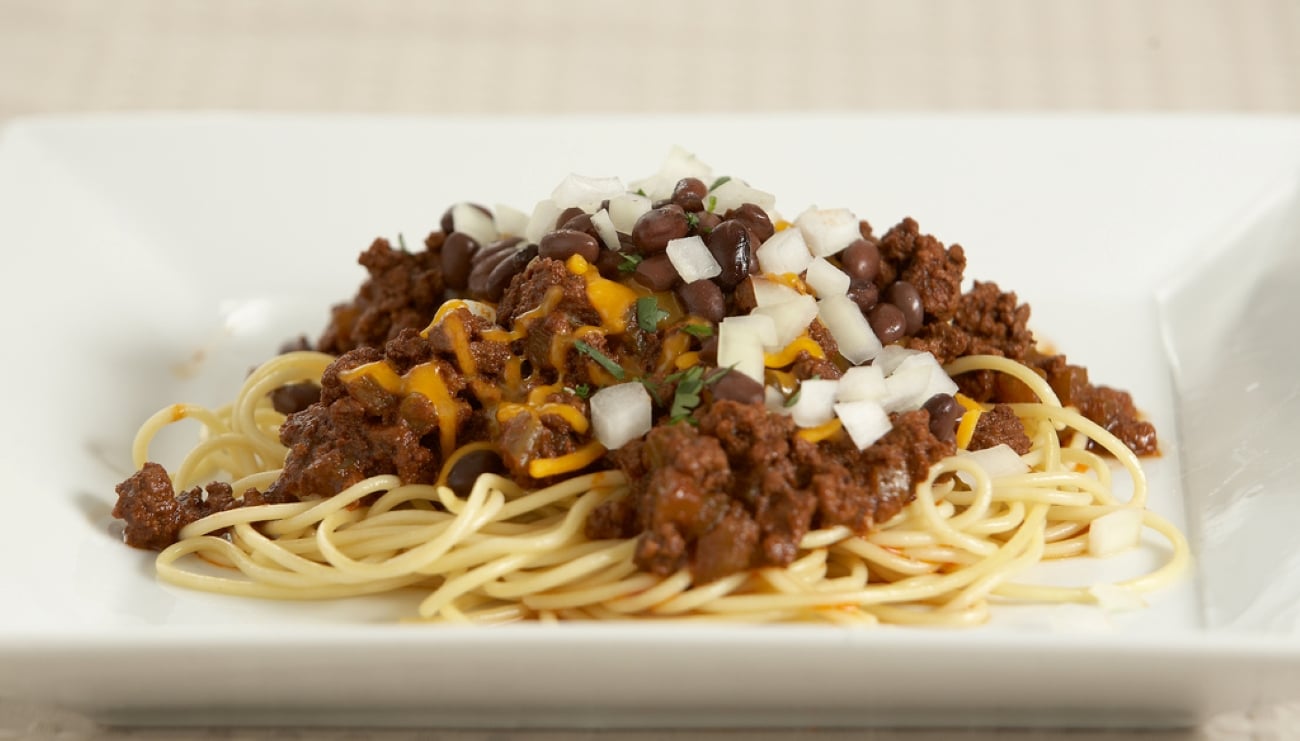
Order chili in Texas and Cincinnati and you might wonder how the dishes ended up sharing a name. Texas chile con carne traditions emphasize meat and chiles, with beans famously capable of starting an argument. Cincinnati chili developed from Macedonian immigrant cooking in the 1920s and is a thinner, heavily spiced meat sauce served over spaghetti or hot dogs. A Cincinnati “three-way” means spaghetti, chili, and a considerable mound of shredded cheese. It’s usually eaten with a fork, not a spoon.
Hot Dogs
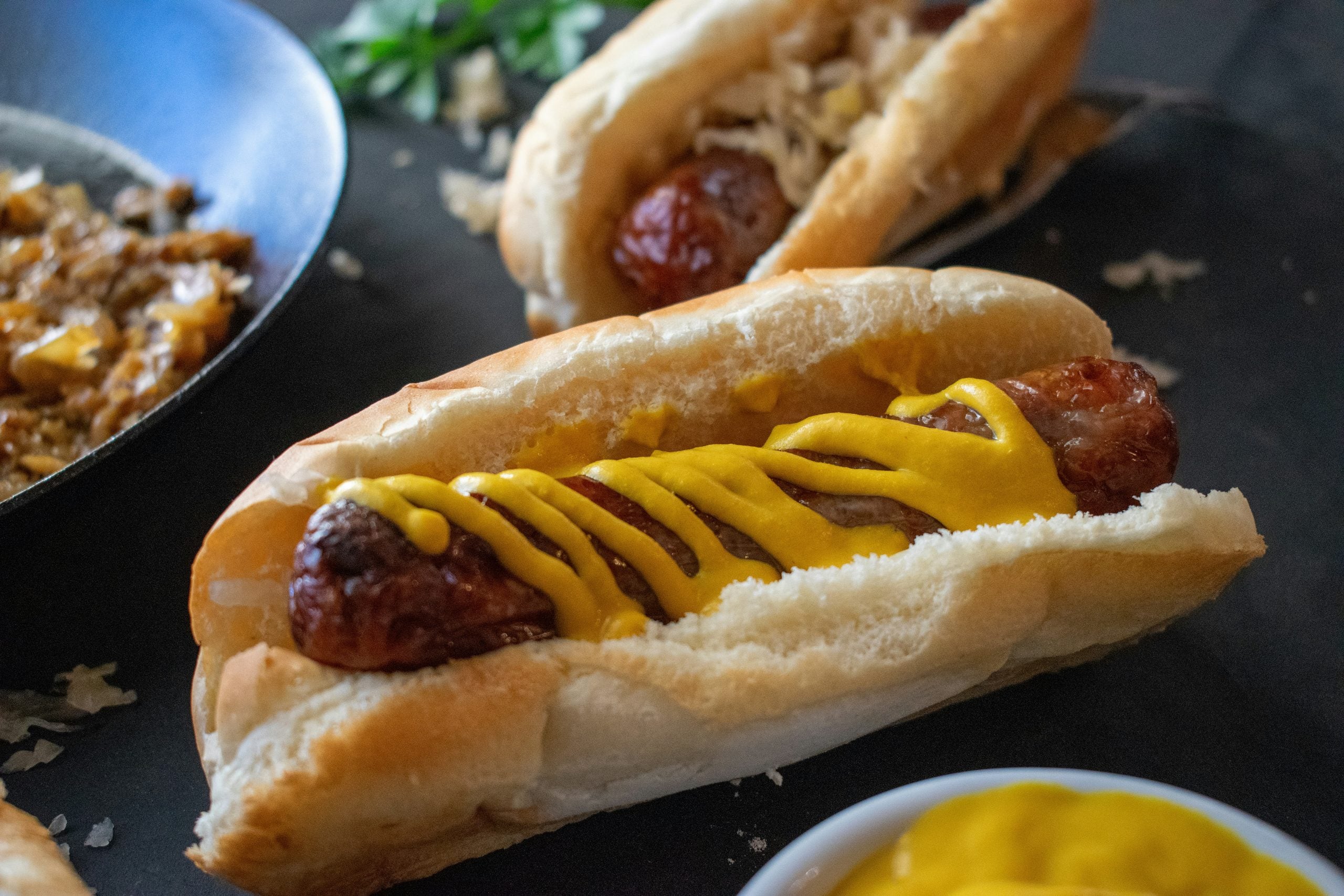
Regional hot dogs can make ketchup-versus-mustard arguments seem tame. A Chicago dog piles an all-beef frank with mustard, relish, onion, tomato, pickle, sport peppers, and celery salt on a poppy-seed bun. Tucson’s Sonoran dog goes another direction entirely: the frank is wrapped in bacon, tucked into a bolillo-style bun, and topped with pinto beans, tomatoes, onions, mayo, mustard, and jalapeno sauce. Detroit has its Coney dogs, while Seattle famously adds cream cheese and grilled onions.
Barbecue
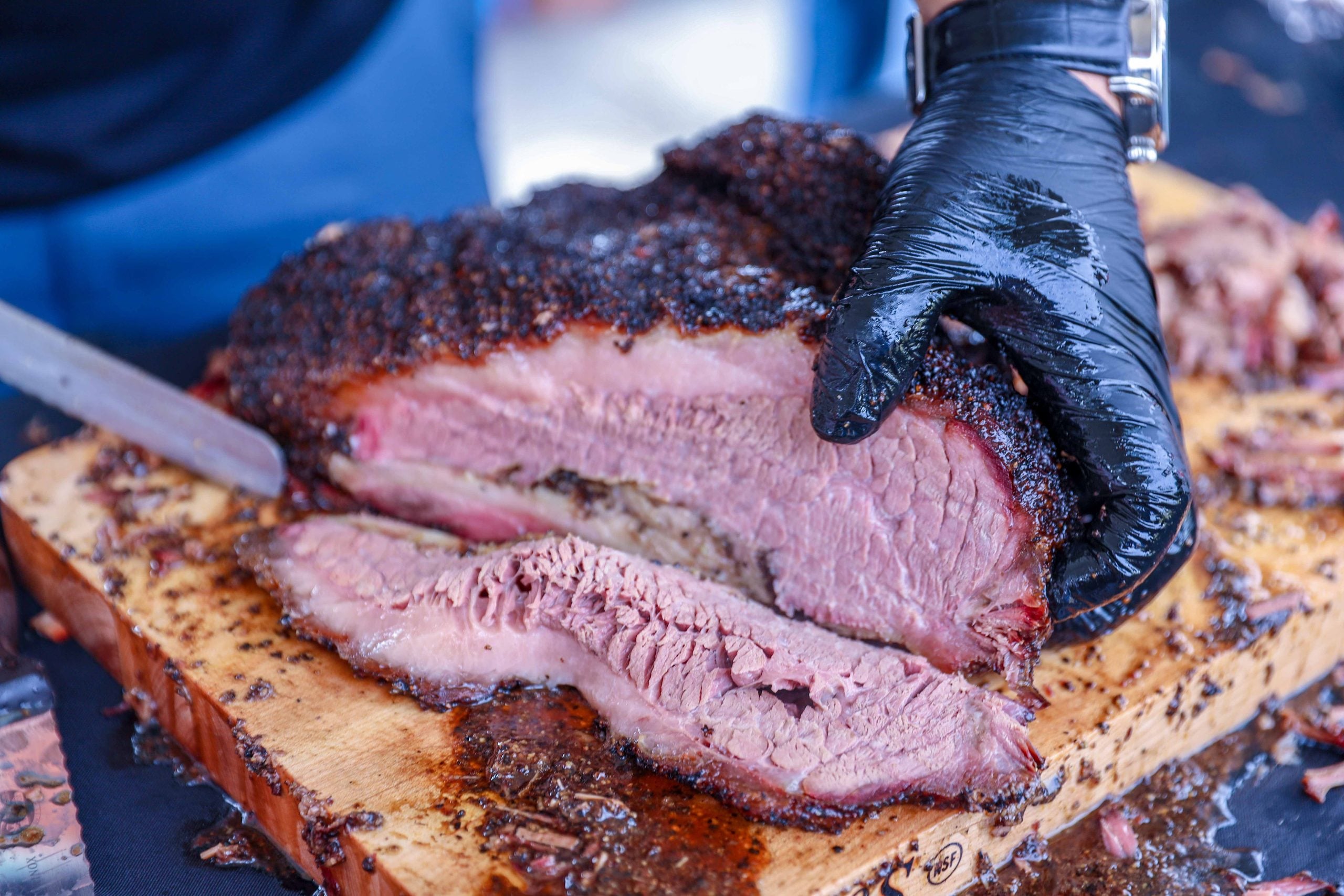
“Let’s get barbecue” is a surprisingly vague proposal in America. Central Texas is closely associated with smoked brisket and sausage, while eastern North Carolina centers whole hog and vinegar-pepper sauce. Memphis built a reputation around pork ribs, including dry-rubbed versions, and Kansas City became known for an assortment of smoked meats paired with thick, sweet sauce. Smithsonian identifies Carolina, Texas, Memphis, and Kansas City as four major American barbecue traditions. Even within those regions, though, barbecue rules can change from one town to the next.
Clam Chowder
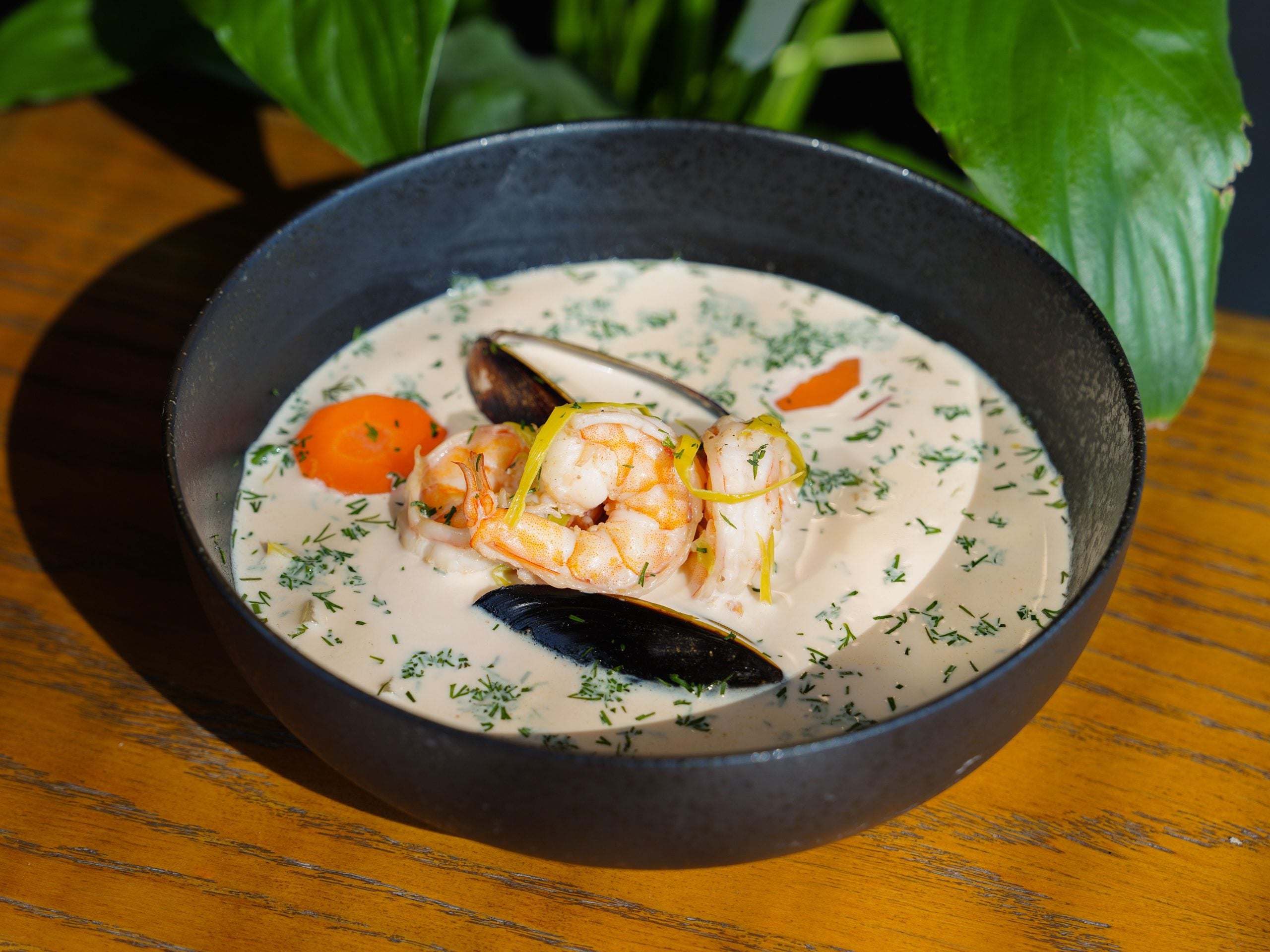
The creamy bowl most people picture is only one branch of America’s clam-chowder family. New England chowder typically combines clams with potatoes and dairy for a thick, pale soup. Manhattan chowder replaces that creamy base with tomatoes, producing a red soup that barely resembles its northern cousin. Rhode Island has another tradition altogether: clear chowder that lets clam broth take center stage. The distinctions aren’t merely modern restaurant inventions; regional chowder traditions developed over generations along the Northeast coast. The downside for travelers is obvious: never assume “clam chowder” tells you exactly what’s coming.
Trending on Cheapism


Hamburgers
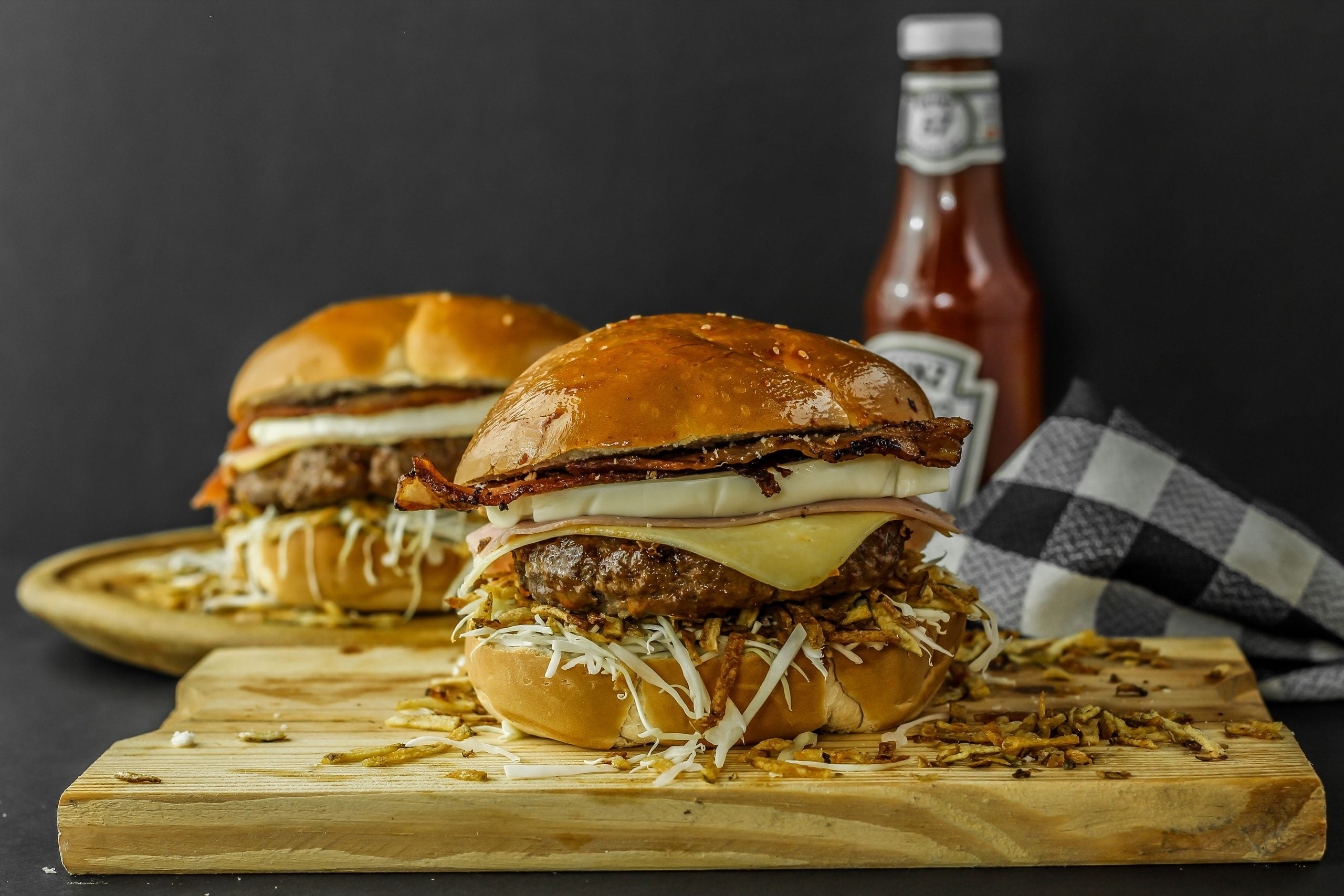
America couldn’t even agree on how to cook a cheeseburger. Oklahoma’s fried onion burger smashes a mound of thin onions directly into the beef, a style associated with El Reno and Depression-era thrift. Minneapolis has the Juicy Lucy, which hides molten cheese inside the patty rather than placing it on top. Around Meriden, Connecticut, burgers and cheese are actually steamed in special cabinets. Wisconsin contributes another indulgent variation: butter burgers topped with generous amounts of dairy-state butter.
Tamales
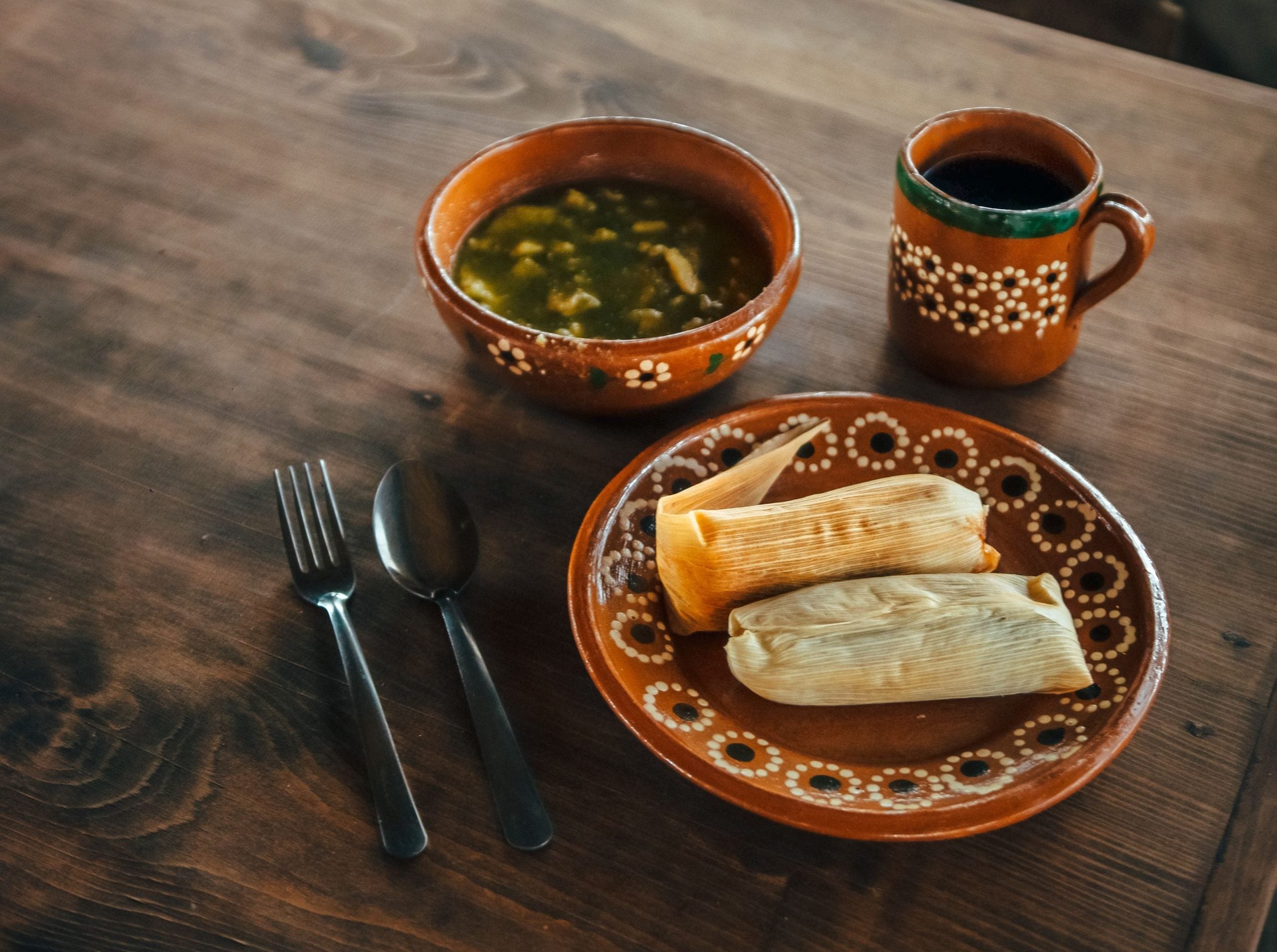
Travel from the Southwest to Mississippi and even tamales change dramatically. Mexican and Mexican American versions generally wrap masa and filling inside corn husks before steaming. Mississippi Delta hot tamales tend to be smaller and spicier; many use coarser cornmeal and are simmered rather than steamed, sometimes arriving with some of their cooking liquid. Their precise origin remains debated, with Mexican migrant labor, African American cooking traditions, and other influences appearing in competing explanations. What is clear is that African American cooks became important keepers of the Delta tradition.
Tacos
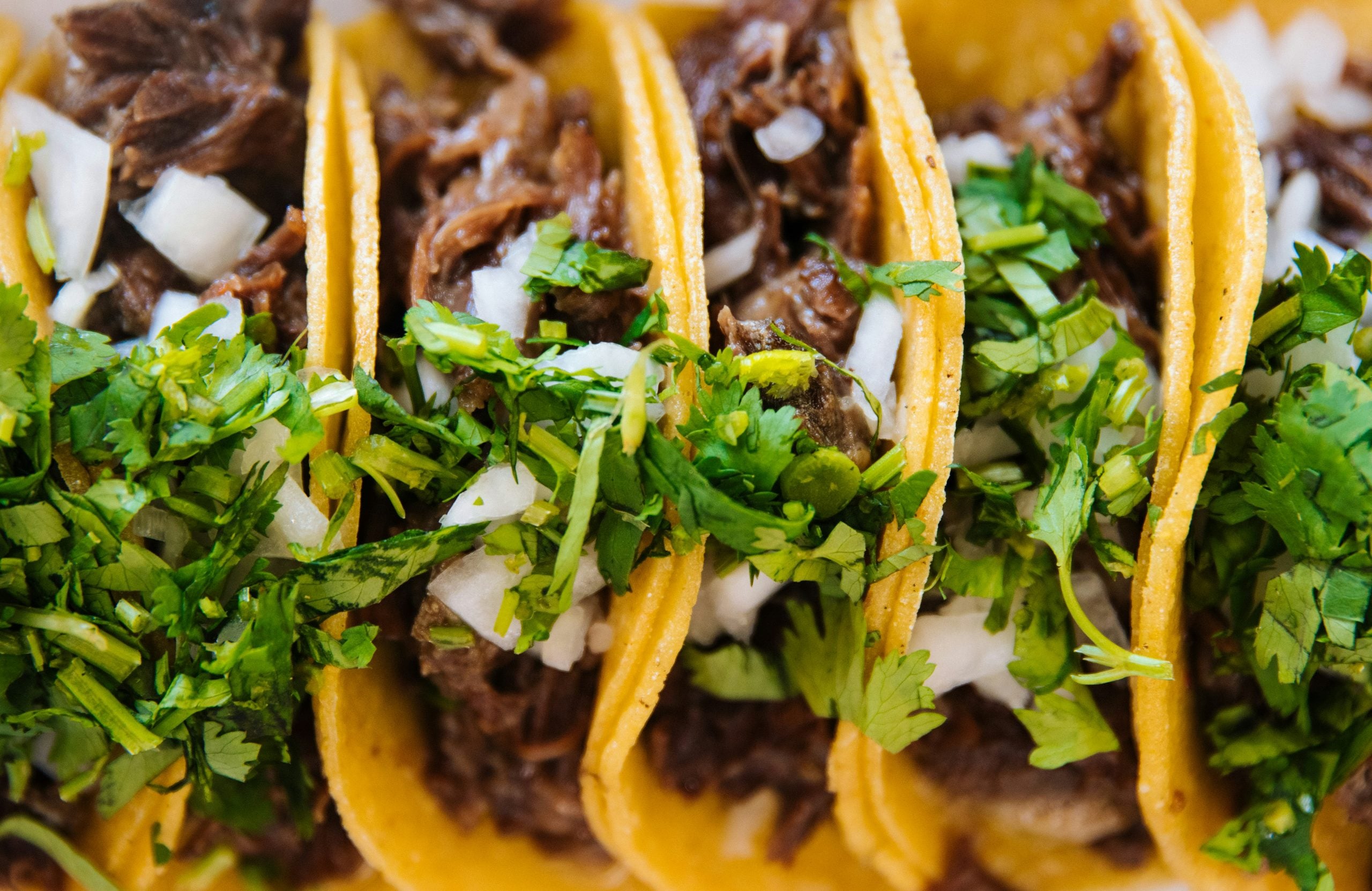
Even within the United States, “taco” covers an enormous amount of territory. San Antonio’s puffy taco starts with fresh corn masa fried until it balloons into a crisp but airy shell; local tourism sources credit Ray’s Drive Inn with introducing the style in the 1950s. Central and South Texas are strongly associated with breakfast tacos, while San Diego adopted Baja-influenced fish tacos and developed its own Mexican American taco culture. Elsewhere, crispy ground-beef tacos became a Tex-Mex staple. None represents Mexican tacos as a whole; they’re regional American expressions of a much broader food tradition.
Sign up for our newsletter
Hoagies, Heroes, Grinders, and Subs
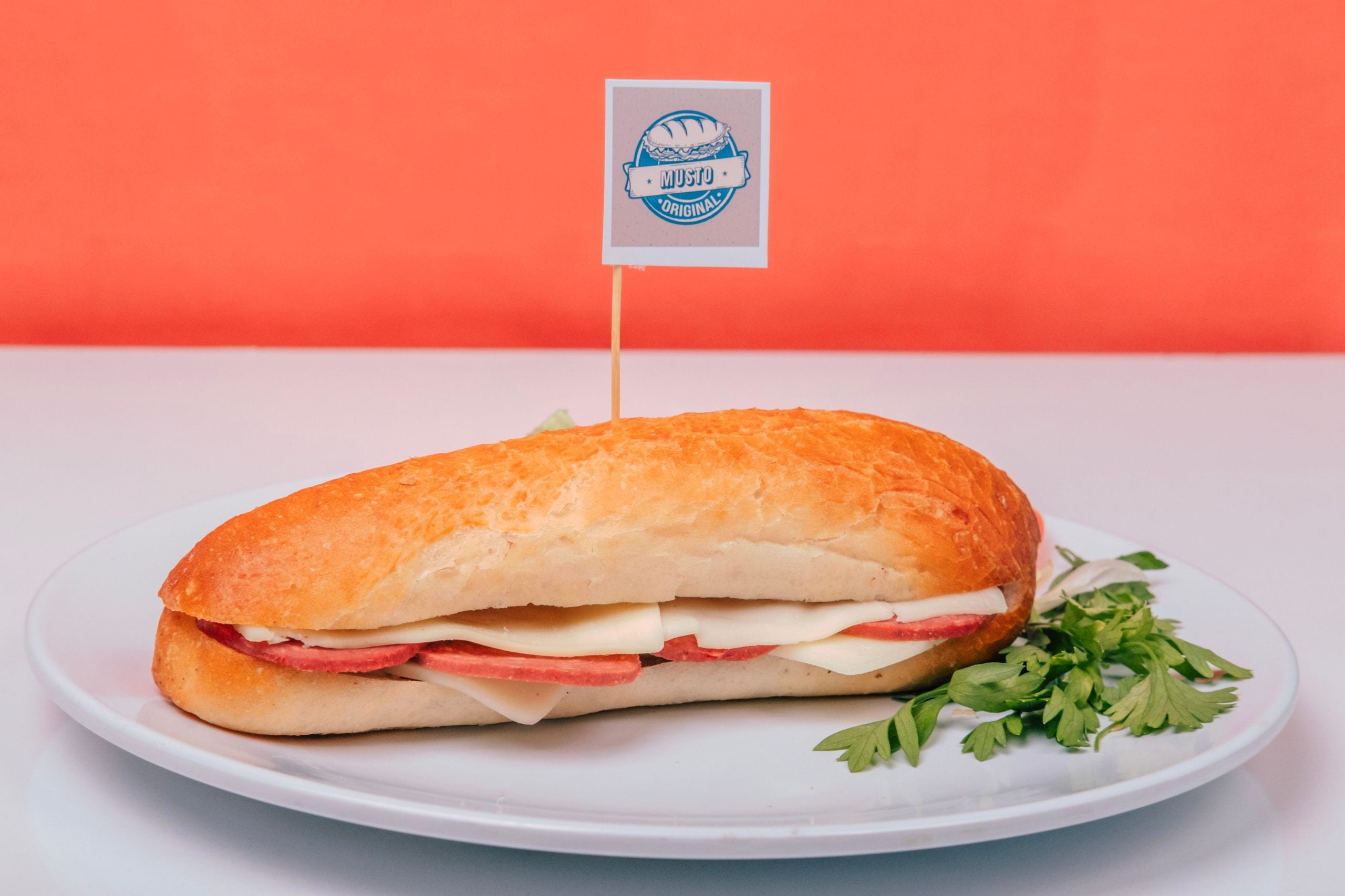
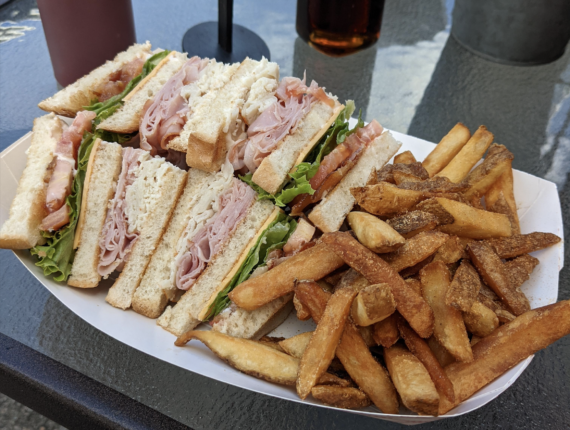
Walk into a sandwich shop in Philadelphia and you may order a hoagie; in New York, something similar might be called a hero. New England has a strong association with “grinder,” while “sub” has become the broadly understood national term. The distinctions aren’t absolute recipes: bread, fillings, temperature, and local conventions vary by shop. Still, the vocabulary can immediately reveal where you are. New York’s hero can describe hot or cold sandwiches, while grinder remains particularly associated with New England. Sometimes America’s regional food difference begins before you’ve even ordered.
Roast Beef Sandwiches
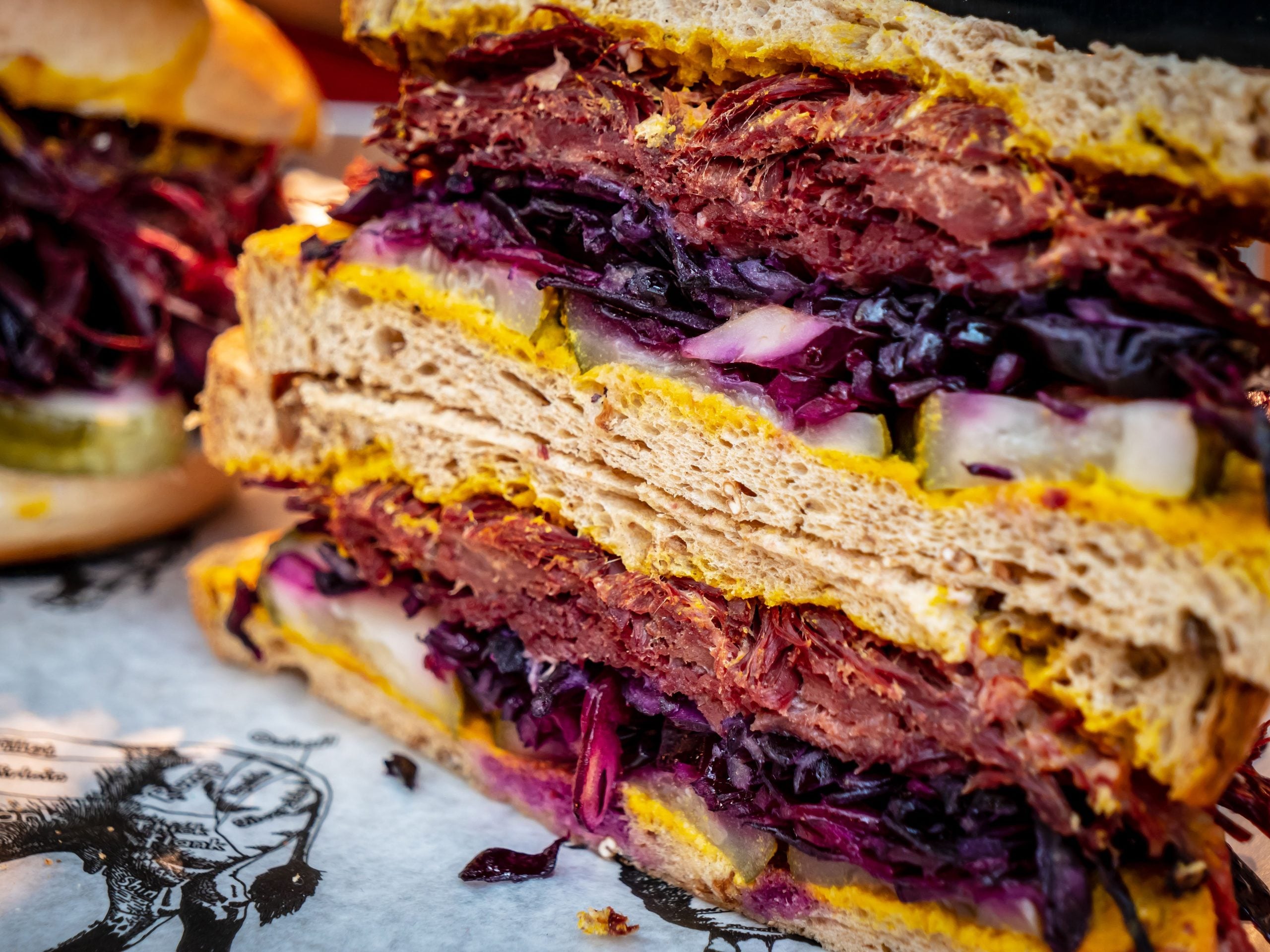
Roast beef between bread becomes four surprisingly different specialties around the country. Chicago’s Italian beef is thinly sliced, served with jus, and commonly topped with sweet peppers or spicy giardiniera. Buffalo’s beef on weck uses a kummelweck roll crusted with coarse salt and caraway, traditionally paired with horseradish and jus. Baltimore pit beef is cooked over high heat and commonly paired with onions and horseradish-based tiger sauce. Los Angeles contributes the French dip, although Philippe’s and Cole’s have long competed over its origin story.
French Fries
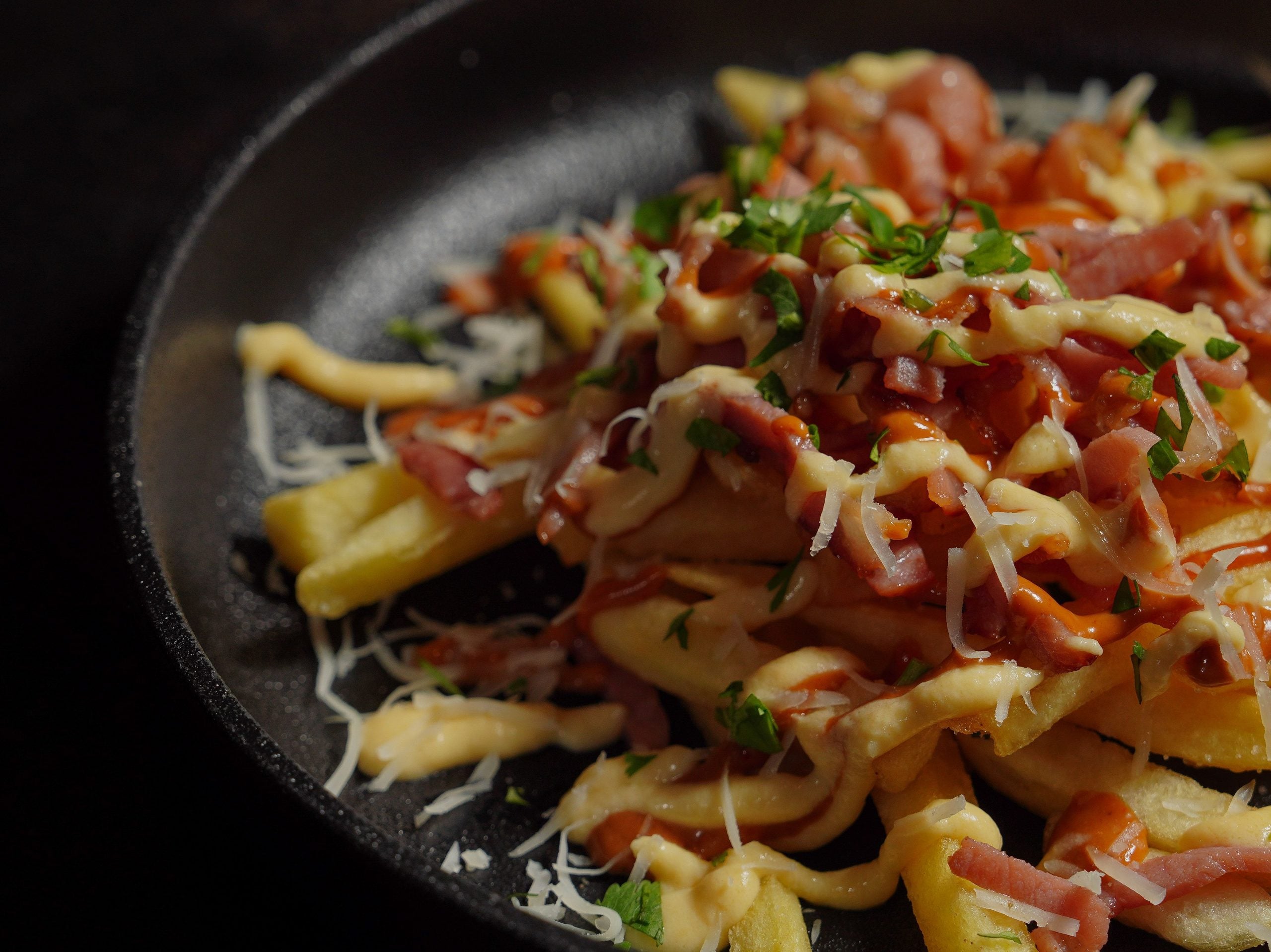
In some regions, french fries barely qualify as a side dish anymore. New Jersey’s late-night diner tradition produced disco fries, covered in brown gravy and melted cheese. San Diego’s carne asada fries turn them into a full meal with grilled beef, cheese, guacamole, sour cream, and other Mexican American toppings. Utah made fry sauce, generally a ketchup-and-mayo combination, a regional institution; Visit Utah credits Arctic Circle with helping popularize it. Pittsburgh takes things further by putting fries directly onto sandwiches and even salads.
Cornbread
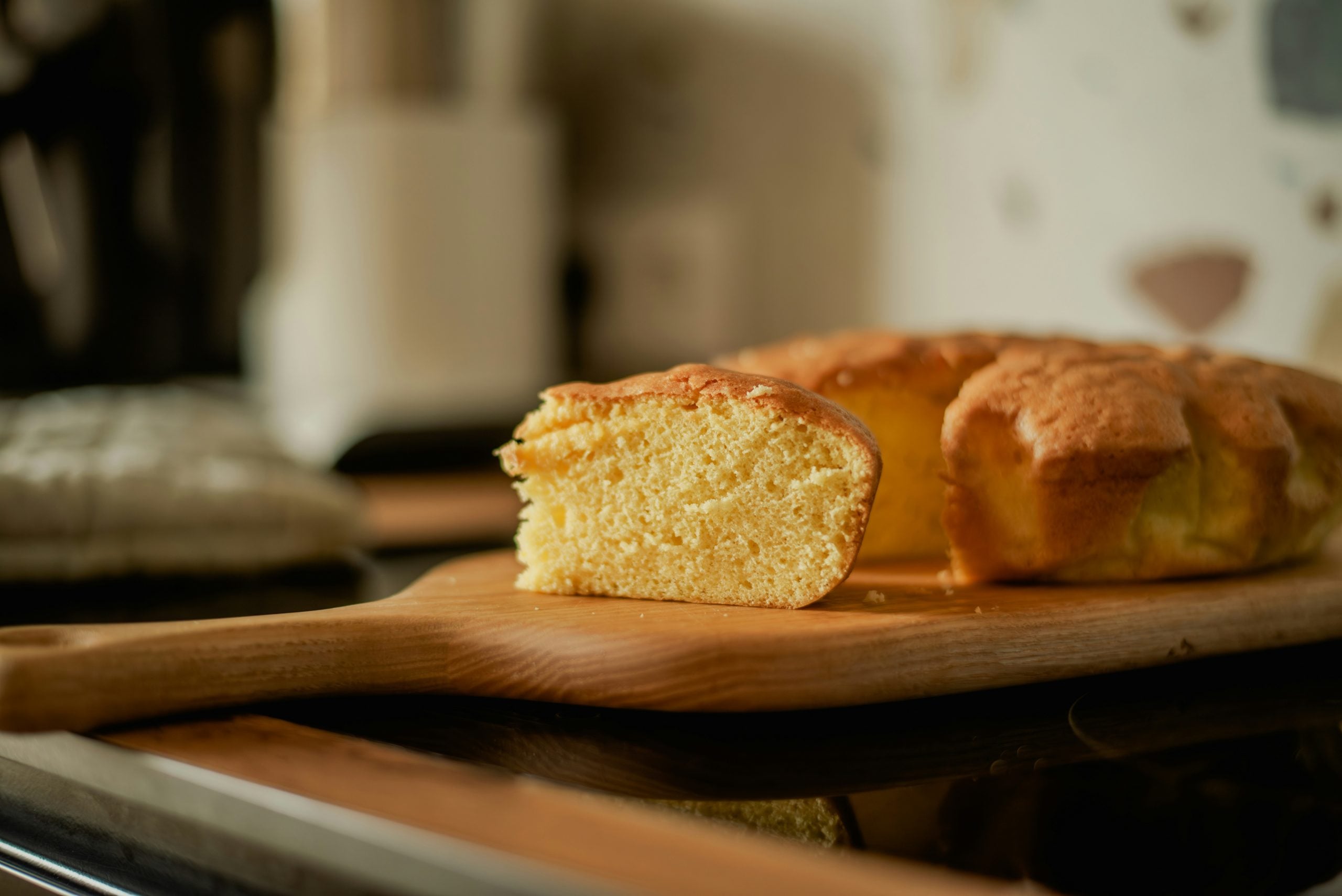
Cornbread sounds simple until sugar enters the conversation. Many traditional Southern versions lean savory, with little or no sugar and a crisp crust produced by baking the batter in a hot skillet. Sweeter, softer, more cake-like cornbreads are common elsewhere, and the South itself contains plenty of variation. Hot-water cornbread turns cornmeal into small fried cakes, while another old-fashioned Appalachian and Southern tradition crumbles leftover cornbread into a glass of milk or buttermilk. Even within one region, family recipes can disagree sharply, which makes cornbread a particularly risky food to declare there is only one “correct” way to make.