Some foods come with unwritten rules, and people can have strong opinions when someone breaks them. Ketchup on a hot dog, sugar in cornbread, beans in chili, or pineapple on pizza can turn an ordinary meal into a surprisingly passionate debate. And these disagreements aren’t just an internet phenomenon. A recent YouGov survey on American food debates found Americans nearly evenly divided over pineapple on pizza, among several other food arguments. Whether the preference comes from regional tradition, family recipes, or childhood nostalgia, these 12 foods prove there is rarely one “right” way to eat a favorite.
Hot Dogs
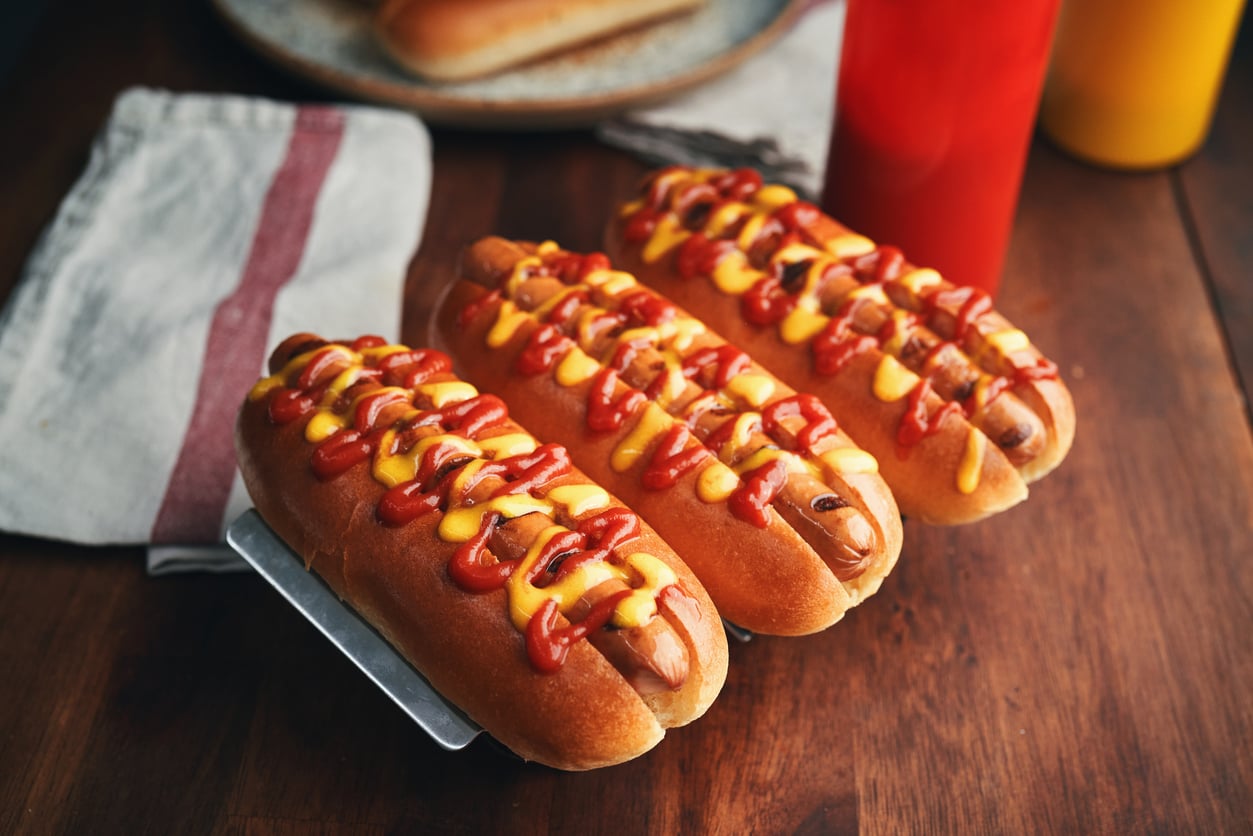
Few condiments create as much controversy as ketchup does on a hot dog, particularly in Chicago. A traditional Chicago-style dog comes loaded with yellow mustard, relish, chopped onion, tomato, a pickle spear, sport peppers and celery salt, but conspicuously not ketchup. Vienna Beef’s Chicago-style condiment lineup reflects those traditional toppings. Of course, travel outside Chicago and ketchup on a hot dog is hardly shocking. What looks like an innocent squirt of tomato sauce in one place can amount to messing with tradition in another.
Grits
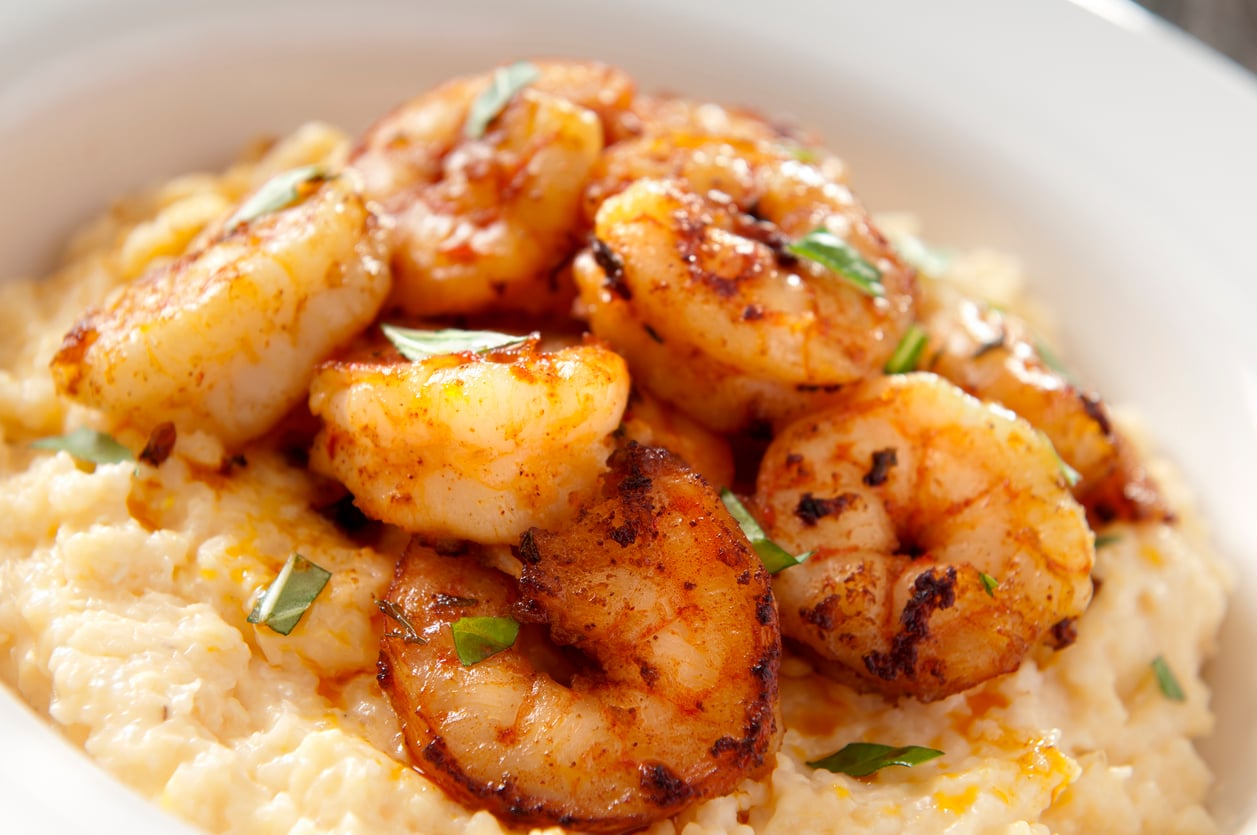
Ask whether grits should contain sugar and you may discover just how seriously people take a bowl of ground corn. Traditional Southern preparations commonly lean savory, with salt, pepper and butter providing a simple base and cheese, shrimp or other savory additions taking things further. Serious Eats’ Southern food experts likewise describe grits as a savory breakfast side or base for dishes such as shrimp and grits. Still, plenty of people grew up sweetening theirs. The disagreement is really about which childhood breakfast gets to define “proper” grits.
Cornbread
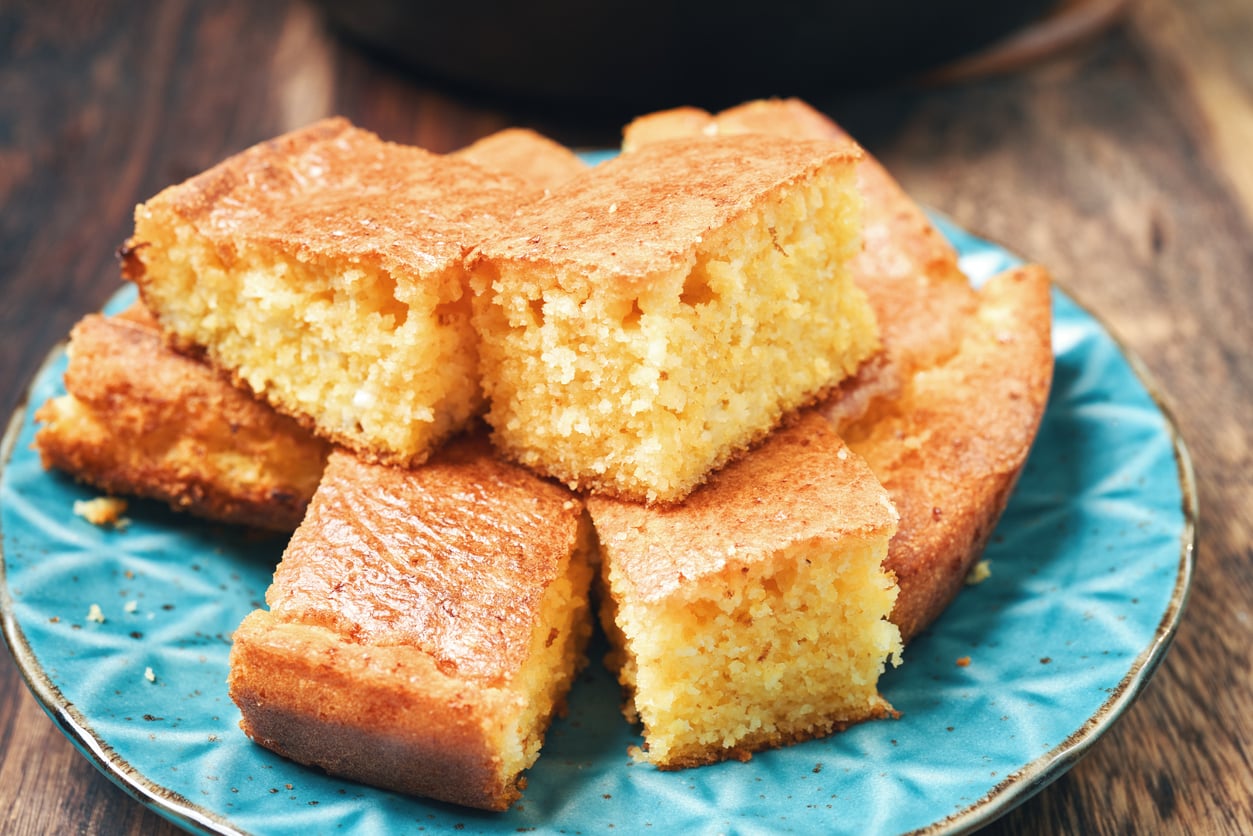
Should cornbread taste noticeably sweet? This argument has been bouncing around Southern kitchens for generations. Unsweetened versions made with flavorful cornmeal have a long Southern tradition, and some purists still consider sugar unnecessary. But calling sweet cornbread “not Southern” goes too far. Dolly Parton, who grew up in Tennessee, has defended both versions, explaining that her family usually ate plain cornbread because sugar cost money, while sweet cornbread was more of a treat. Sometimes the family recipe matters more than any regional rule.
Pizza
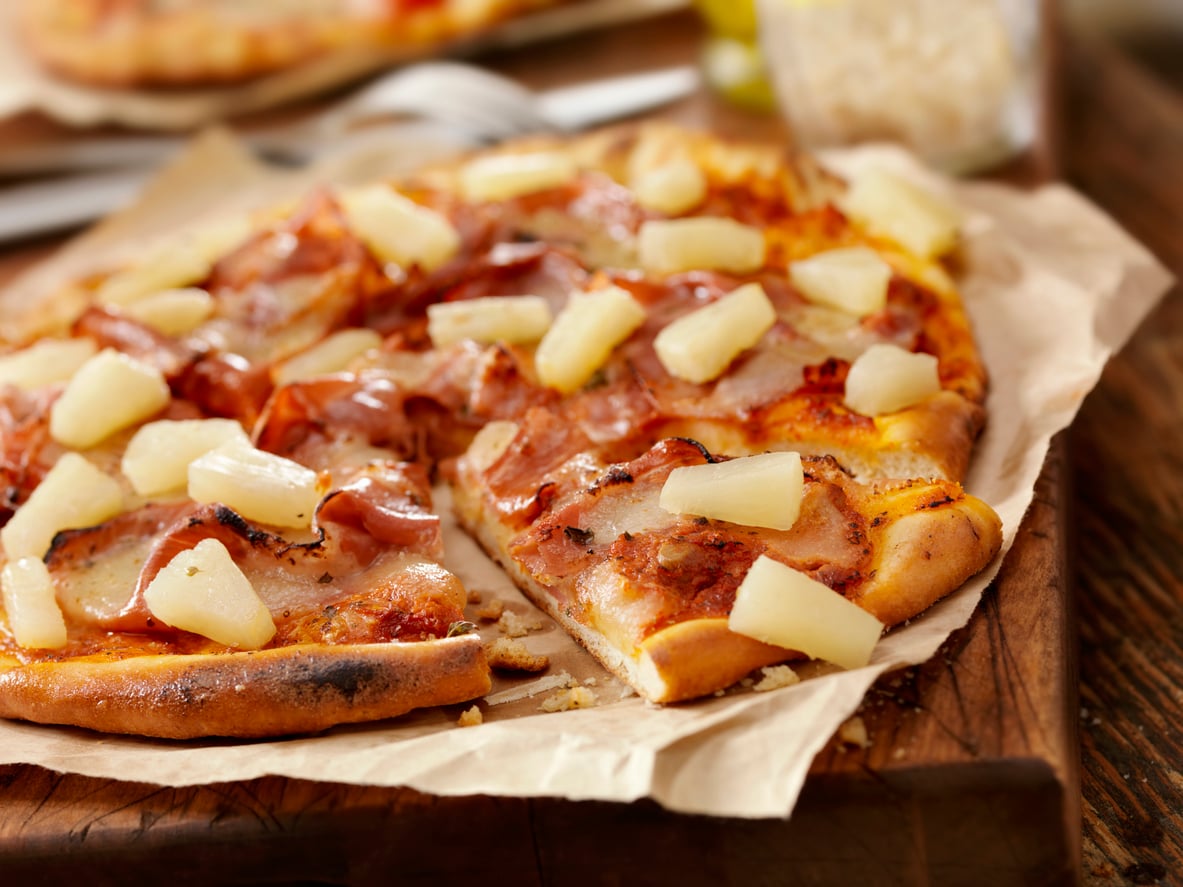
Pizza manages to create several arguments at once: thin versus thick crust, folded versus flat, ranch versus no ranch, and, inevitably, pineapple. That last argument isn’t just an internet cliche. A 2025 YouGov survey found 48% of Americans liked or loved pineapple on pizza while 44% disliked or hated it. Even the way a slice gets eaten can signal where someone is from or what style they’re accustomed to. Fortunately, pizza may also be the easiest food on this list to customize without making anyone else participate.
Steak
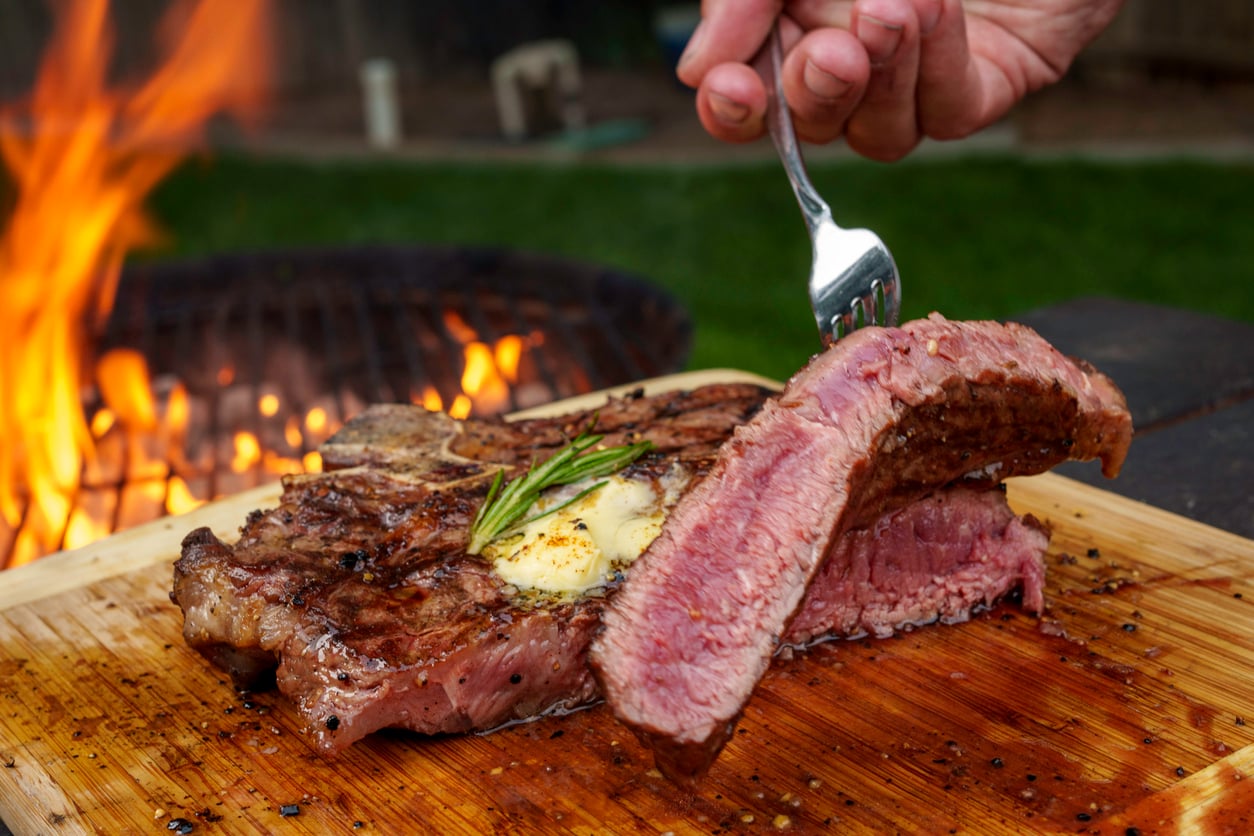
Tell a table how you order your steak and somebody may have an opinion about it. Medium-rare devotees praise a warm pink center, while well-done diners would rather not see pink at all. Americans are more divided than steak snobbery might suggest. In a YouGov survey, 24% chose well-done as their preferred steak and 23% chose medium-rare, with medium-well, medium and rare dividing much of the rest. Add steak sauce to the conversation and another argument begins. Ultimately, the person paying for the steak gets to decide.
Trending on Cheapism
French Fries
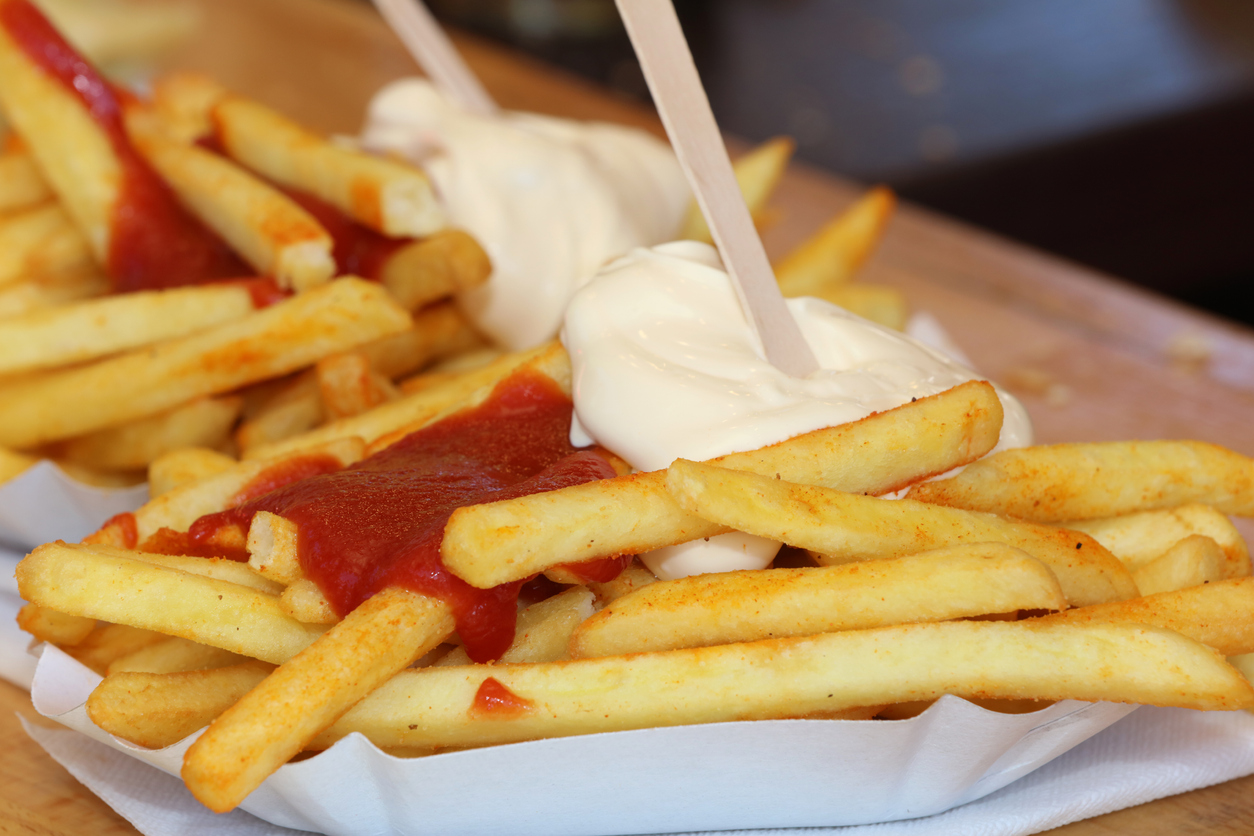
French fries may be simple, but what goes beside, or on top of them varies dramatically. Utah is so closely associated with “fry sauce,” typically based on ketchup and mayonnaise, that the state’s own history resources describe it as a Utah staple. New Jersey has another tradition entirely: disco fries, covered with brown gravy and melted cheese and closely associated with the state’s diners. Elsewhere, ketchup, mayonnaise, ranch or simply salt may be enough. The potato stays roughly the same; the regional identity comes from everything surrounding it.
Scrambled Eggs
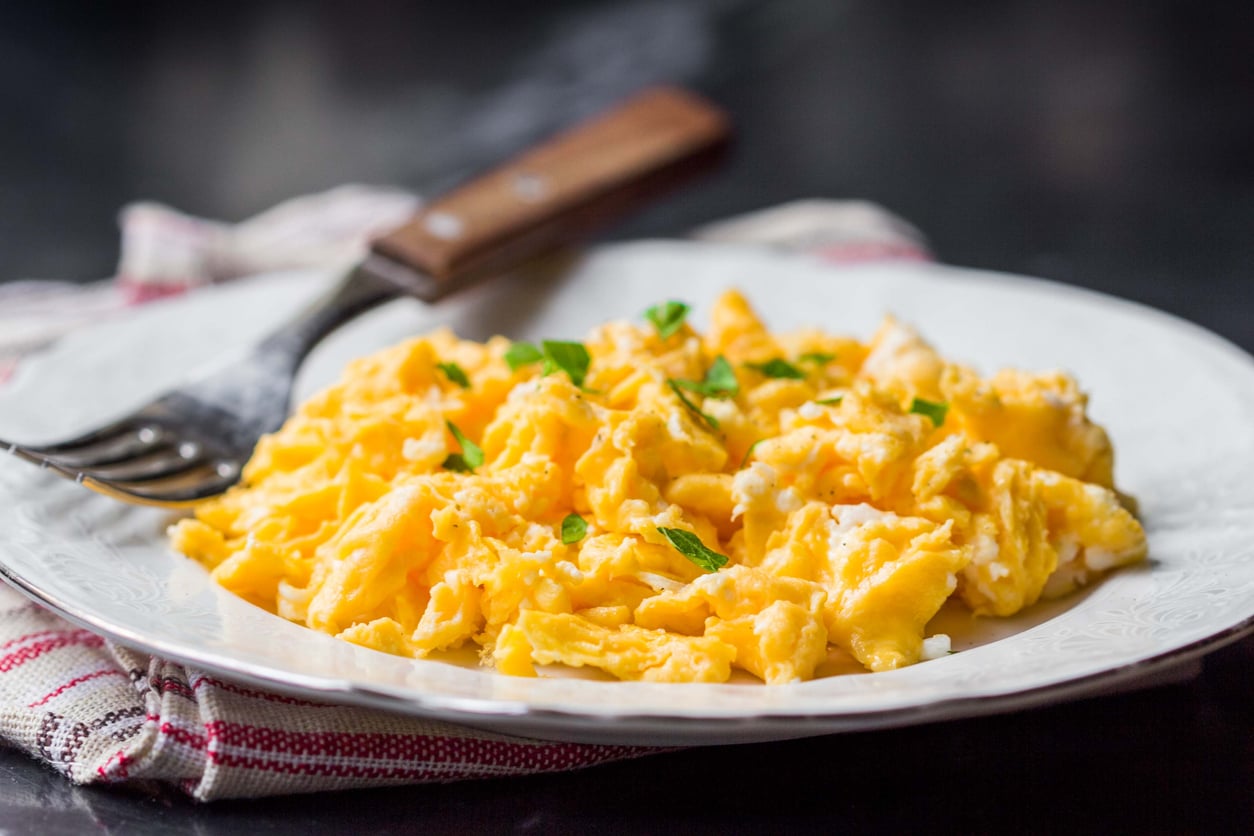
Some people want scrambled eggs soft, glossy and barely set. Others take one look at that texture and send them straight back to the pan. Then there’s the dairy question. Milk, cream, butter or nothing but eggs? There isn’t one technique that produces everyone’s preferred result because “good scrambled eggs” can mean fundamentally different textures. Recipe testing continues to compare methods involving milk, heavy cream, slow cooking and even cornstarch. What one diner calls wonderfully creamy, another may simply call undercooked.
Bacon
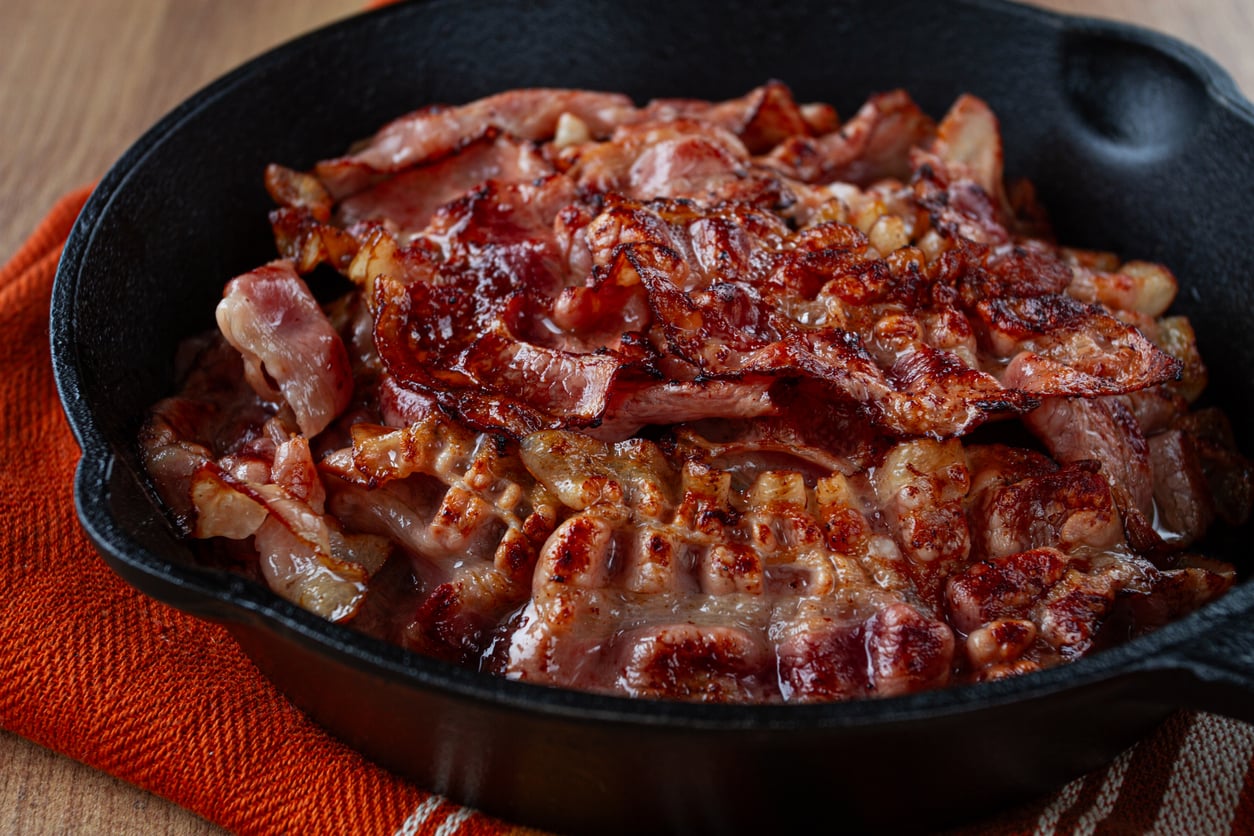
There may be no universally acceptable moment to remove bacon from the pan. Some people want a strip that bends and retains a little chew, while others don’t consider it finished until it snaps. The disagreement is alive and well: recent Reddit discussions include people advocating everything from almost-burnt bacon to thick, chewy strips, with plenty choosing the narrow territory somewhere between the two. Thickness and fat content matter, too. It’s a reminder that with bacon, “done” describes a preference almost as much as a cooking stage.
Sign up for our newsletter
Chili
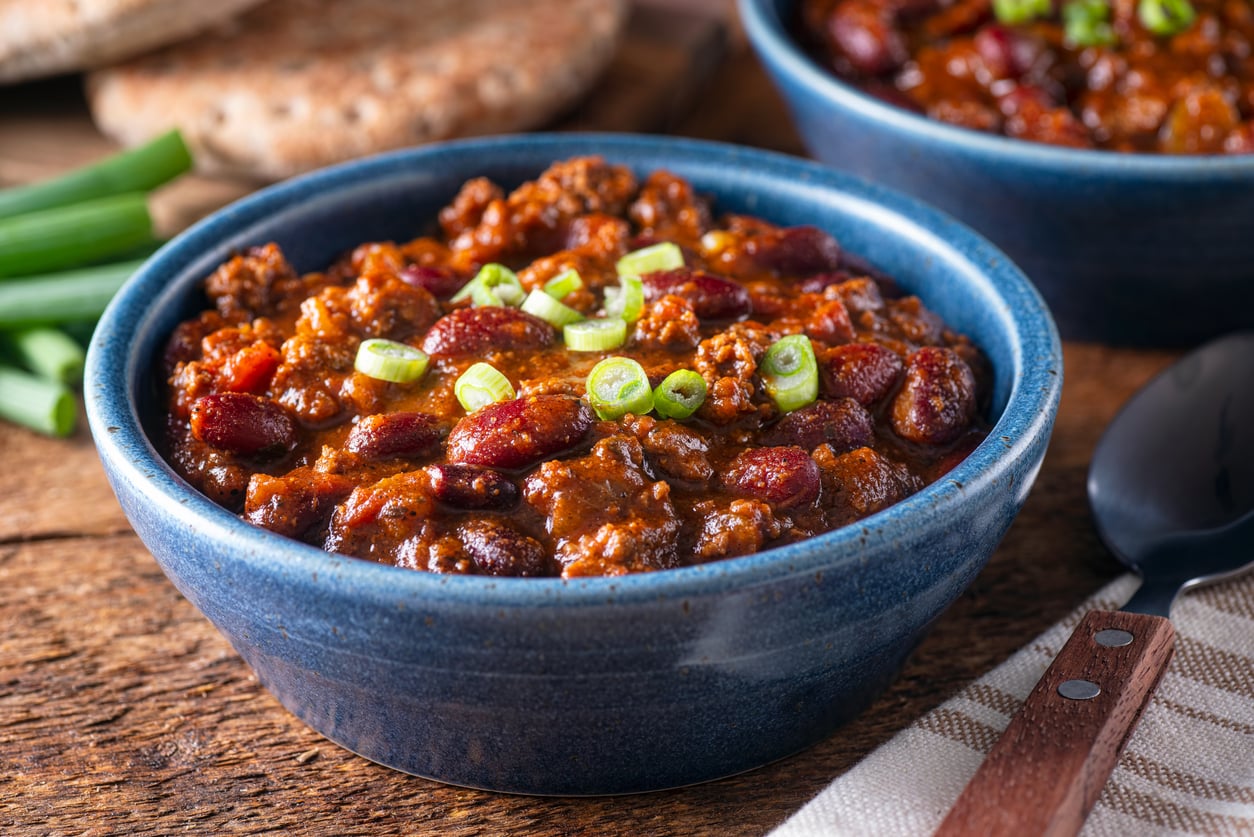
Few food arguments are as closely tied to geography as beans in chili. The International Chili Society’s competition rules illustrate the divide perfectly: its Traditional Red Chili category permits meat, red chiles and spices but specifically prohibits beans and fillers such as rice or pasta. Its Homestyle Chili category, meanwhile, actually requires beans. Then there’s Cincinnati-style chili, traditionally served over spaghetti and sometimes topped with beans and cheese. “Chili” can describe remarkably different meals depending on where you happen to be eating it.
Peanut Butter and Jelly
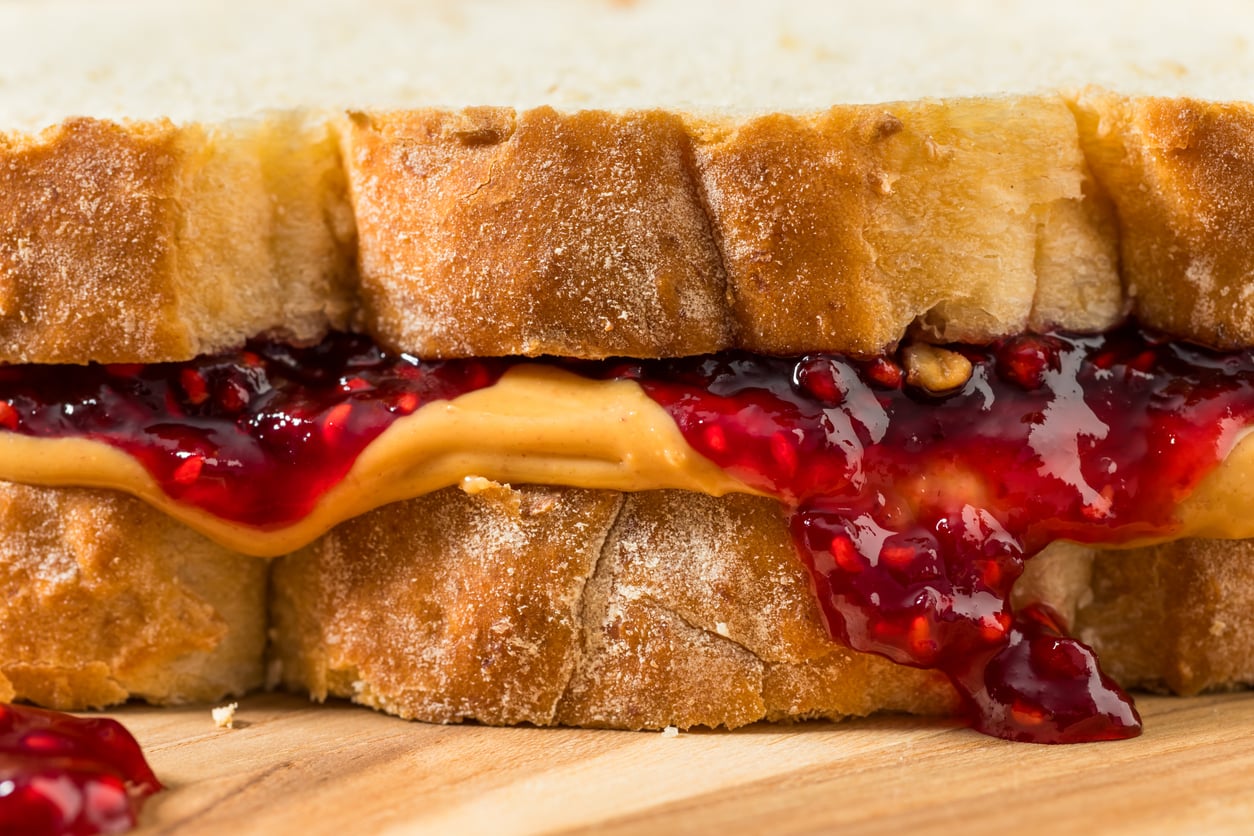
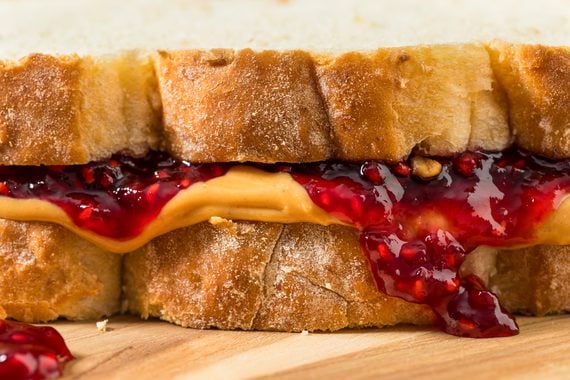
The PB&J arguments start before the jelly jar even opens. Creamy or crunchy peanut butter? Grape or strawberry? Toasted bread or soft? YouGov polling suggests creamy has the numerical advantage: in a 2023 survey, 46% of U.S. adults preferred creamy peanut butter, 24% chose crunchy and 22% liked both equally. But PB&J is such a childhood staple that statistics probably won’t change many minds. For plenty of adults, the “right” sandwich is simply the one that tastes like the version packed in their lunchbox.
Biscuits and Gravy
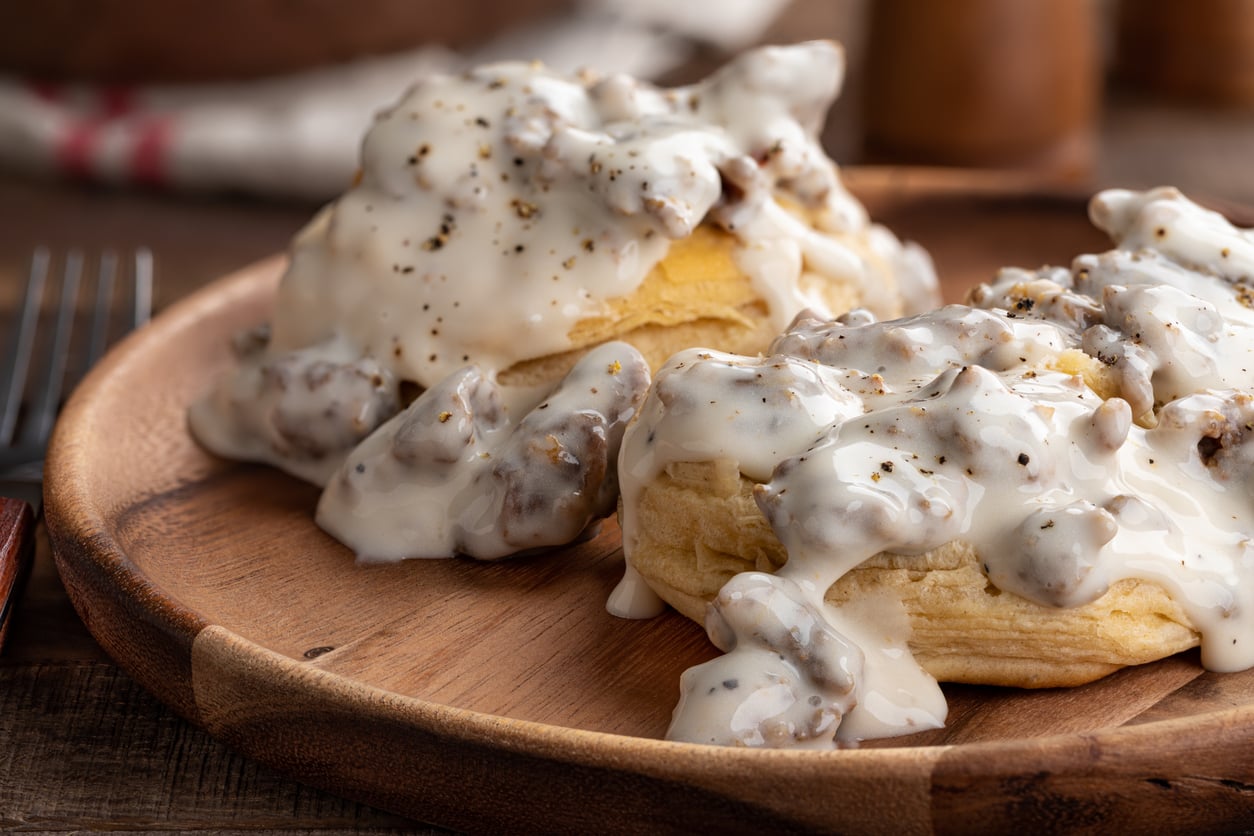
Even biscuits and gravy have rules, depending on whom you ask. Should the biscuit be split before the gravy goes on or remain whole? Should it be lightly covered or practically disappear beneath sausage gravy? A September 2026 Reddit discussion asking whether biscuits should be served whole or split produced enthusiastic defenders of both approaches. Leaving the biscuit intact preserves more of its structure, while splitting it exposes more surface area to the gravy. The choice essentially comes down to whether you prioritize biscuit texture or maximum gravy coverage.
Burgers
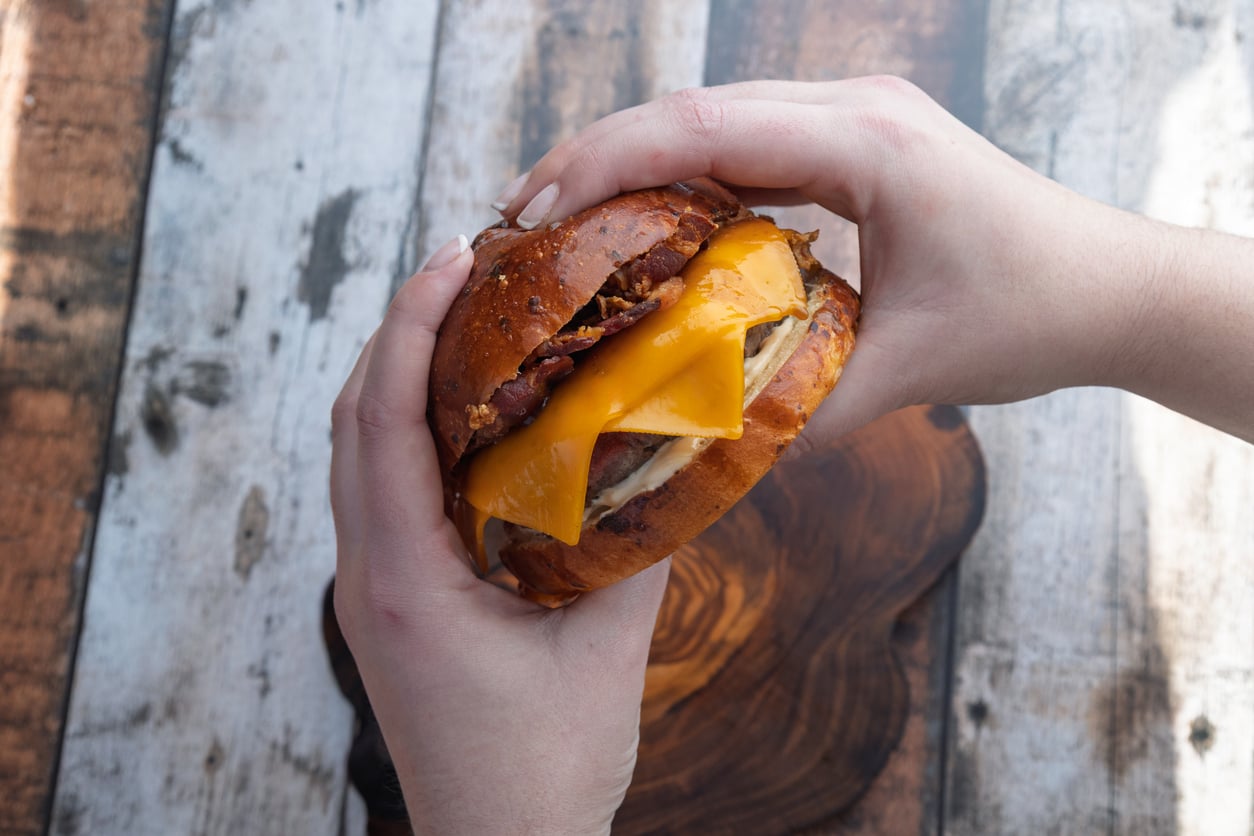
A burger offers almost unlimited opportunities for disagreement before toppings even enter the picture. Smash burgers use thin patties pressed against a hot cooking surface to create deeply browned, crisp edges, while classic pub-style burgers use substantially thicker patties and emphasize a juicy interior. Recent online discussions show passionate fans of both, including diners frustrated that smash burgers have become so prevalent. Then come the onions, pickles, lettuce, tomato, ketchup, mustard and mayo. Few foods make it easier to build exactly what you like, or judge somebody else’s order.