Most weekly groceries are perfectly fine from the supermarket, but a few foods can be worth an extra trip to a specialty shop. Fresh bread, carefully cut meat, good cheese, and recently roasted coffee can benefit from better handling, knowledgeable staff, and more attention to freshness. As the USDA explains, proper handling and storage can make a real difference in food quality and safety. Here are 12 foods where shopping somewhere more specialized may actually be worth the extra stop.
Fresh Bread
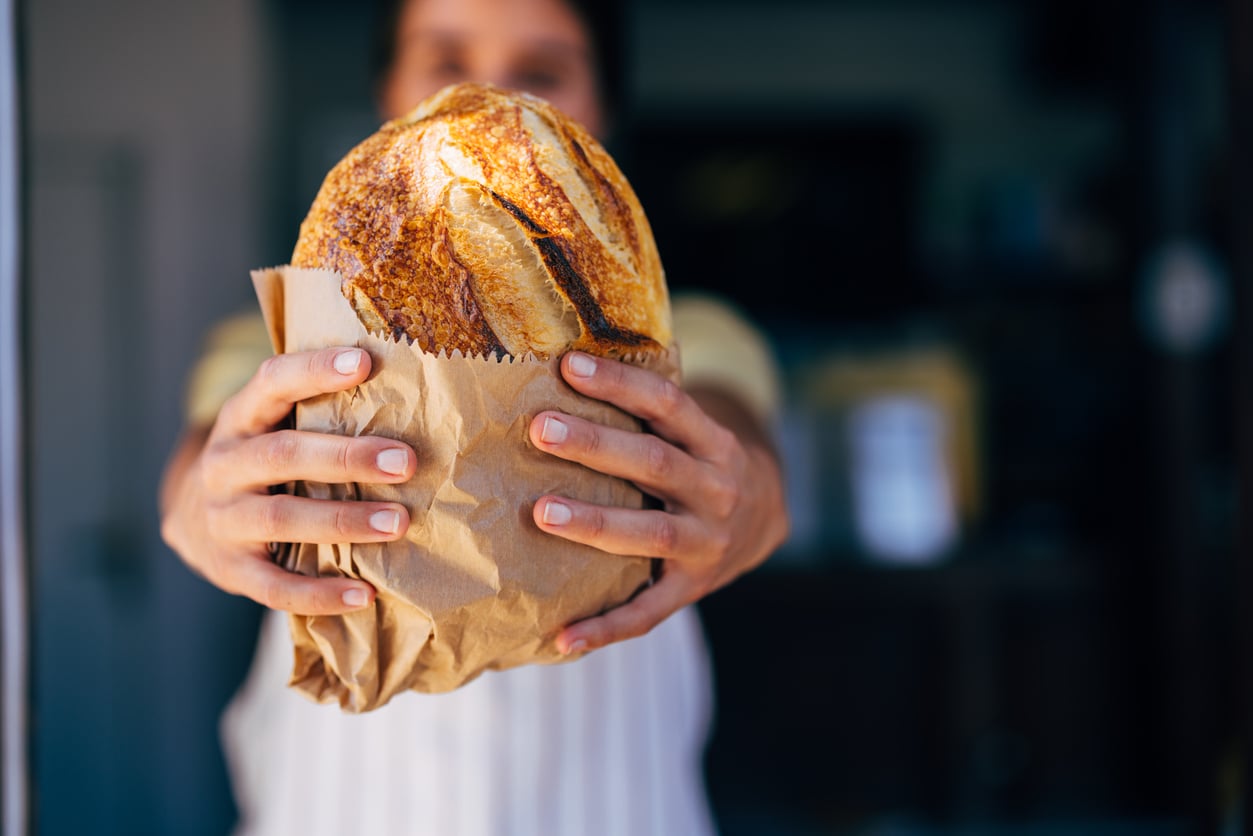
A supermarket loaf is perfectly practical for toast and everyday sandwiches. But when bread is going beside a bowl of soup, underneath bruschetta, or straight onto the dinner table, a bakery loaf can justify the extra trip. Fresh baguettes and crusty sourdoughs are particularly sensitive to time; King Arthur recommends eating a baguette within a day for the best texture. Buy only what you’ll use soon, and freeze the rest rather than refrigerating it, which speeds up staling.
Fresh Mozzarella
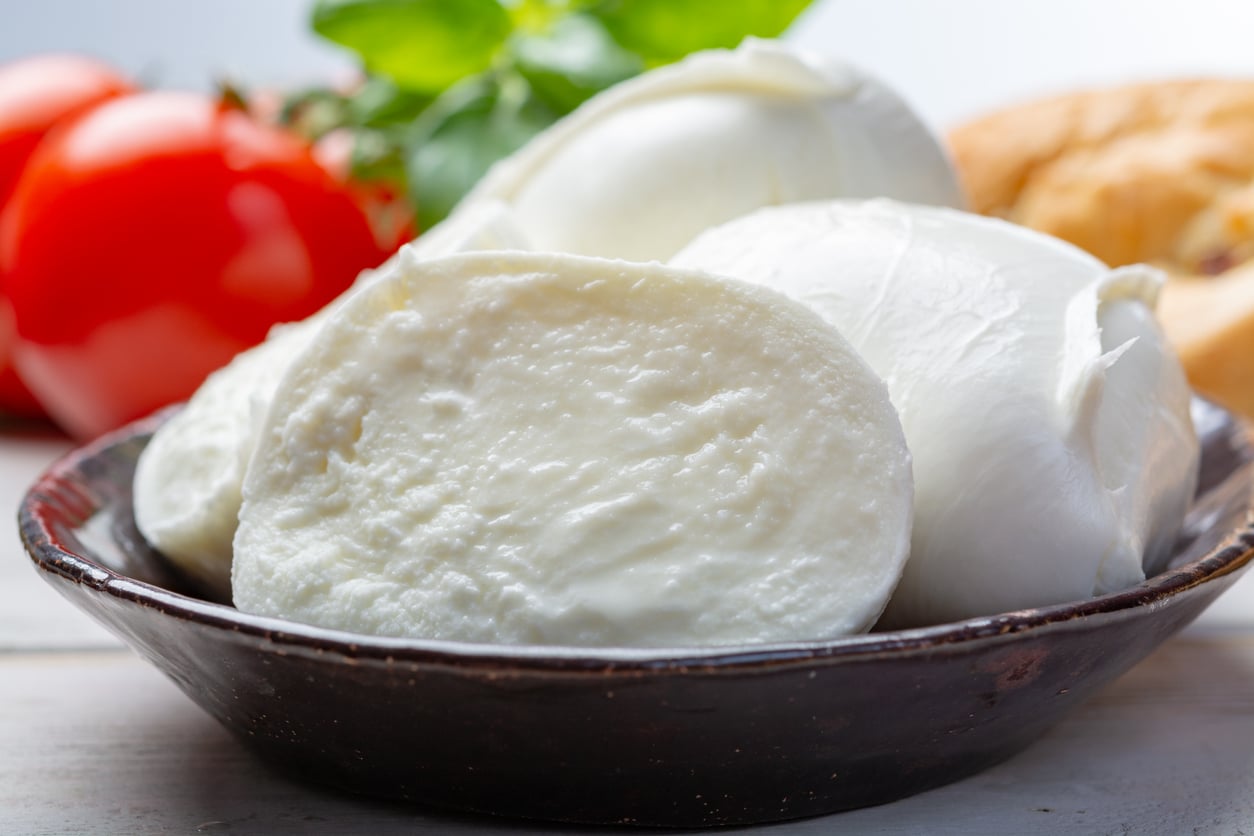
Fresh mozzarella is one cheese where buying from a good Italian market or cheese counter can be particularly rewarding. Look for mozzarella stored in liquid and ask when it arrived or, even better, whether the shop makes it in-house. Burrata and stracciatella are worth considering for the same reason. The upgrade makes the most sense when the cheese is the star of the meal, such as in a Caprese salad or simple sandwich. Melted under several pizza toppings, the difference may be harder to justify.
Deli Meats
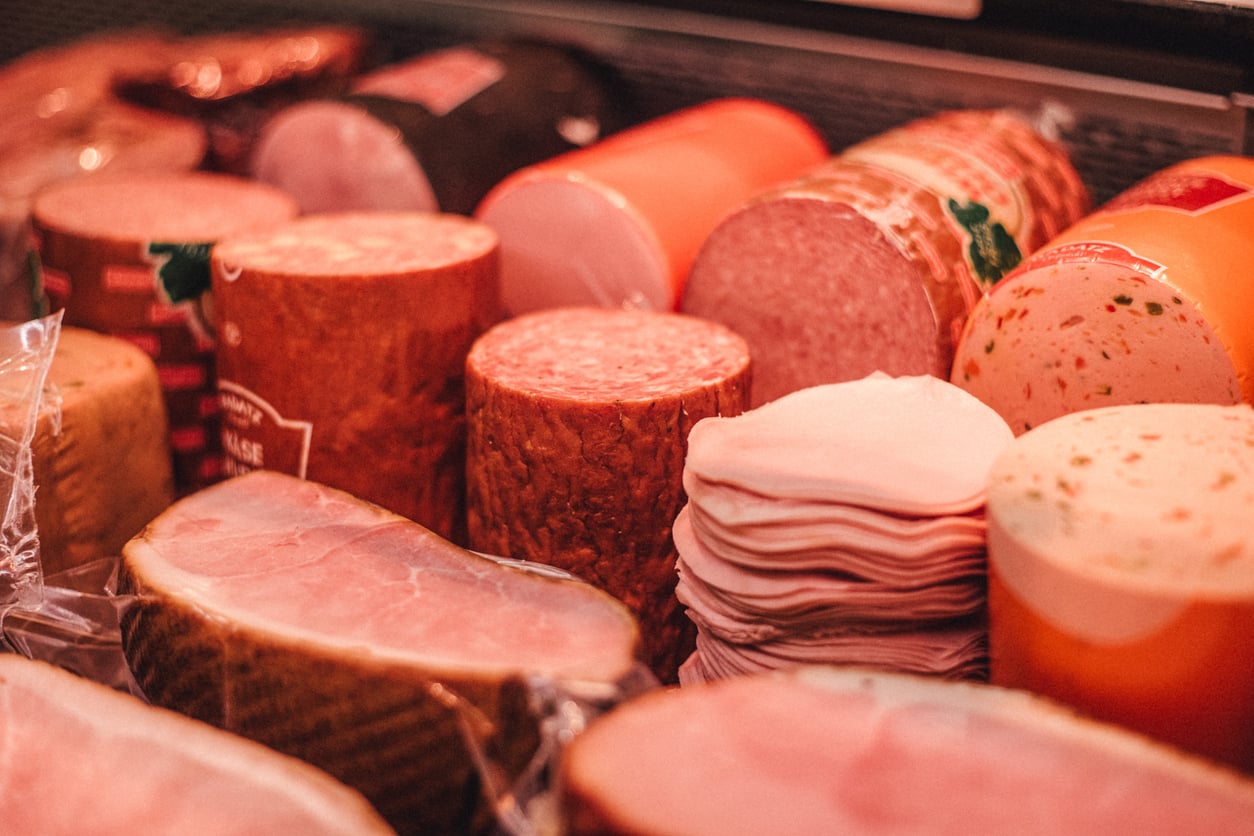
There’s a practical advantage to visiting a real Italian deli: you can often choose the exact product and have it sliced to the thickness you want. That matters with something like Prosciutto di Parma, whose consortium recommends slicing it extremely thin and doing so at the time of purchase because improper storage after slicing can diminish its quality. Buy modest amounts, particularly if you don’t eat deli meat frequently. USDA guidance gives deli-sliced meat a refrigerator window of roughly three to five days.
Steak
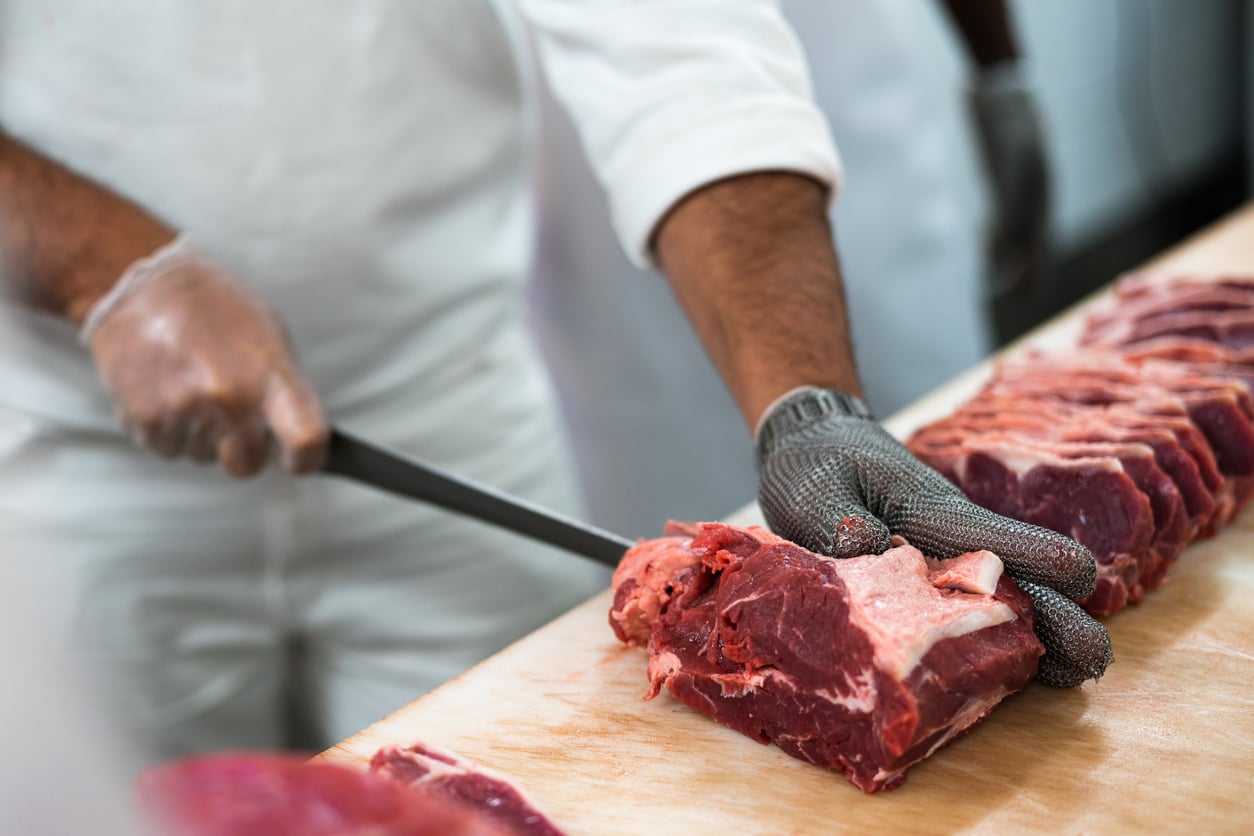
The biggest advantage of a good butcher isn’t necessarily a more expensive steak. It’s having someone who can cut it to the thickness you want and steer you toward a cut that suits your cooking method and budget. Pay attention to USDA grades rather than assuming a butcher-shop label guarantees superior beef: Prime has more marbling than Choice, while Select is leaner and may have less juiciness and flavor. A knowledgeable butcher can also introduce shoppers to less familiar cuts instead of automatically selling them a pricey ribeye.
Sausage
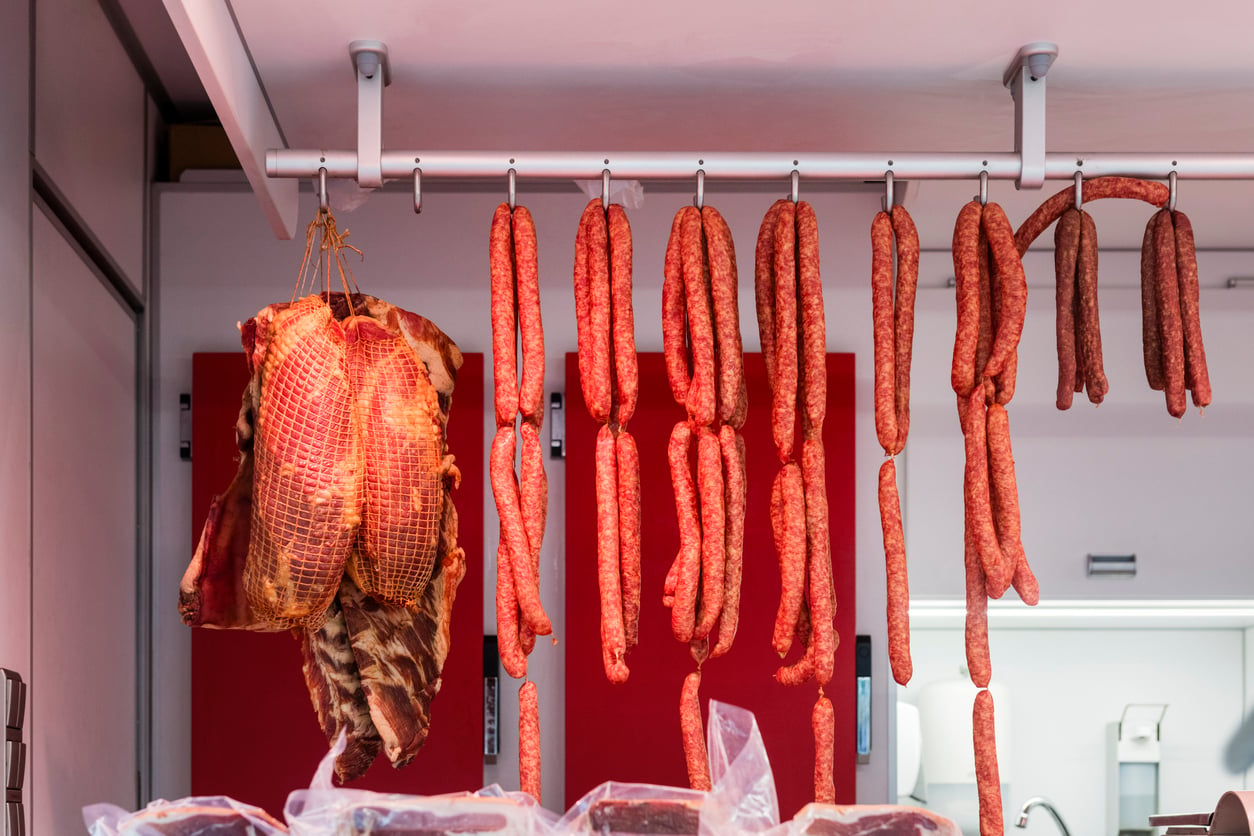
Fresh sausage is one of the more enjoyable reasons to visit a neighborhood butcher. Shops that make their own may offer combinations you rarely see in the supermarket case, from traditional Italian links and bratwurst to merguez and house recipes. Ask what’s made on-site and what’s simply brought in from another supplier. And don’t stock up unless you’re freezing it: USDA guidance says uncooked fresh sausage generally lasts only one to two days in the refrigerator. That’s a good reason to buy a small amount when you’re actually ready to cook it.
Trending on Cheapism

Fresh Fish
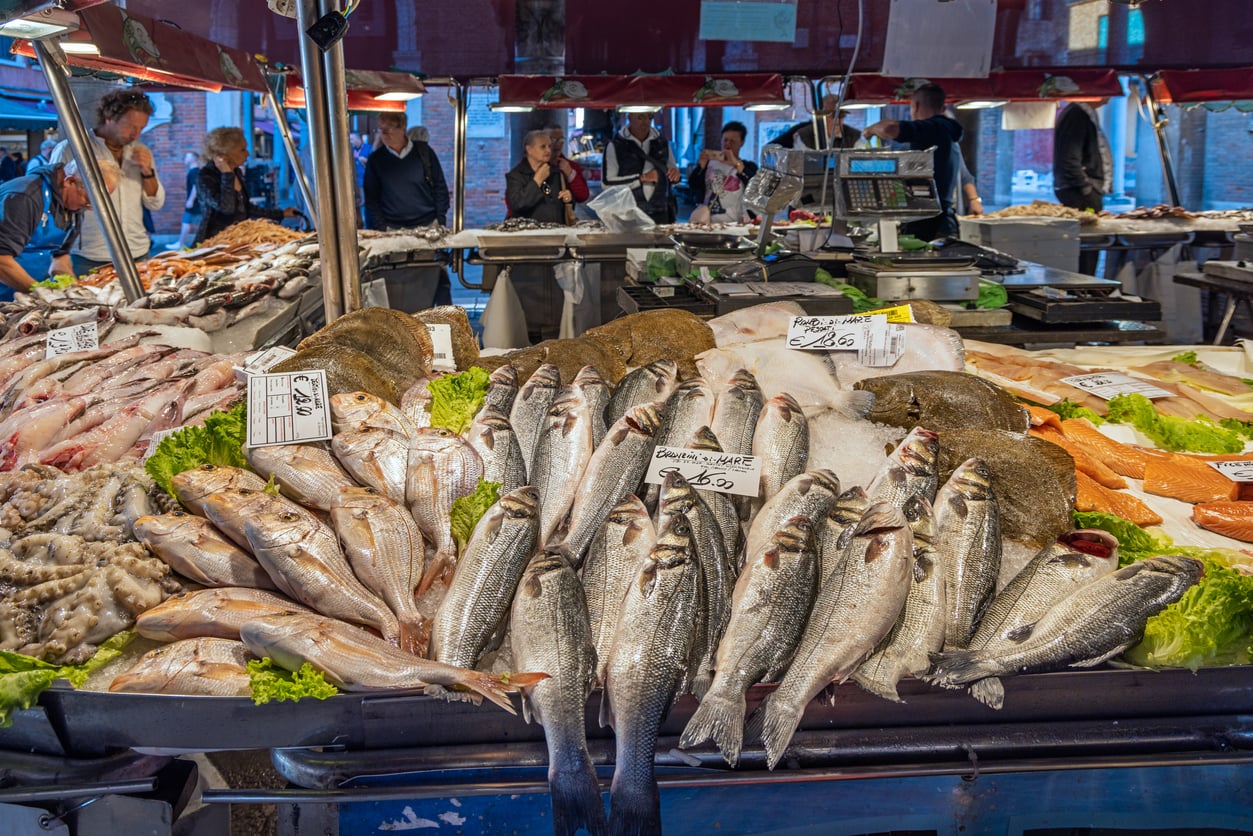
A dedicated fish market can be invaluable because the person behind the counter should be able to tell you what’s especially good that day, where it came from, and how to prepare it. But don’t assume “fish market” automatically means fresher. Look at the product itself and ask questions. FDA guidance says fresh fish should smell mild rather than strongly fishy or sour, while fillets should have firm flesh without discoloration or drying around the edges. A busy supermarket seafood counter that meets those standards can be just as sensible.
Fresh Pasta
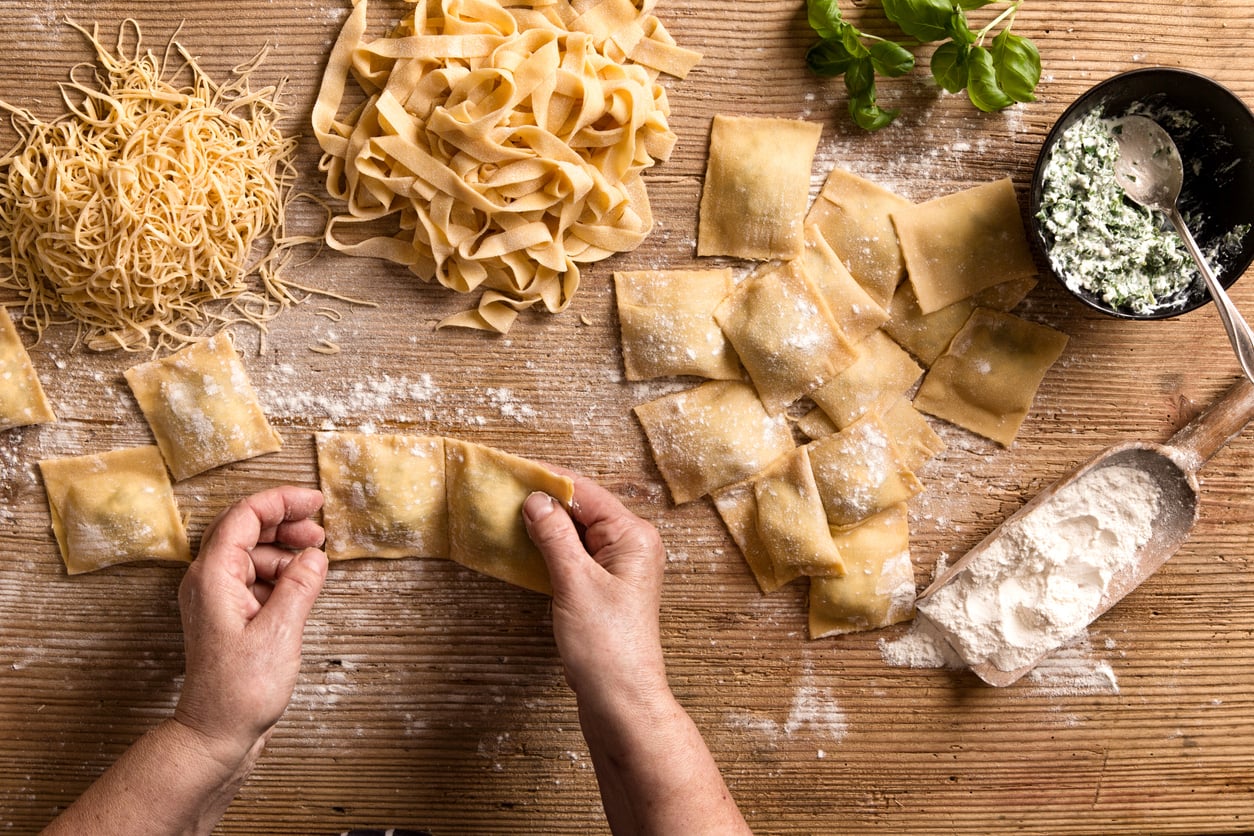
Fresh pasta isn’t inherently superior to dried pasta; they’re different products suited to different dishes. But a good Italian market or pasta shop can give you access to handmade or less familiar shapes that don’t normally turn up beside supermarket spaghetti. Regional Italian traditions include fresh shapes such as orecchiette, cavatelli, malloreddus, and busiate. It’s an upgrade worth considering when the pasta itself is central to dinner, particularly with a relatively simple sauce. For an ordinary weeknight marinara, quality dried pasta remains the more economical pantry staple.
Cheese
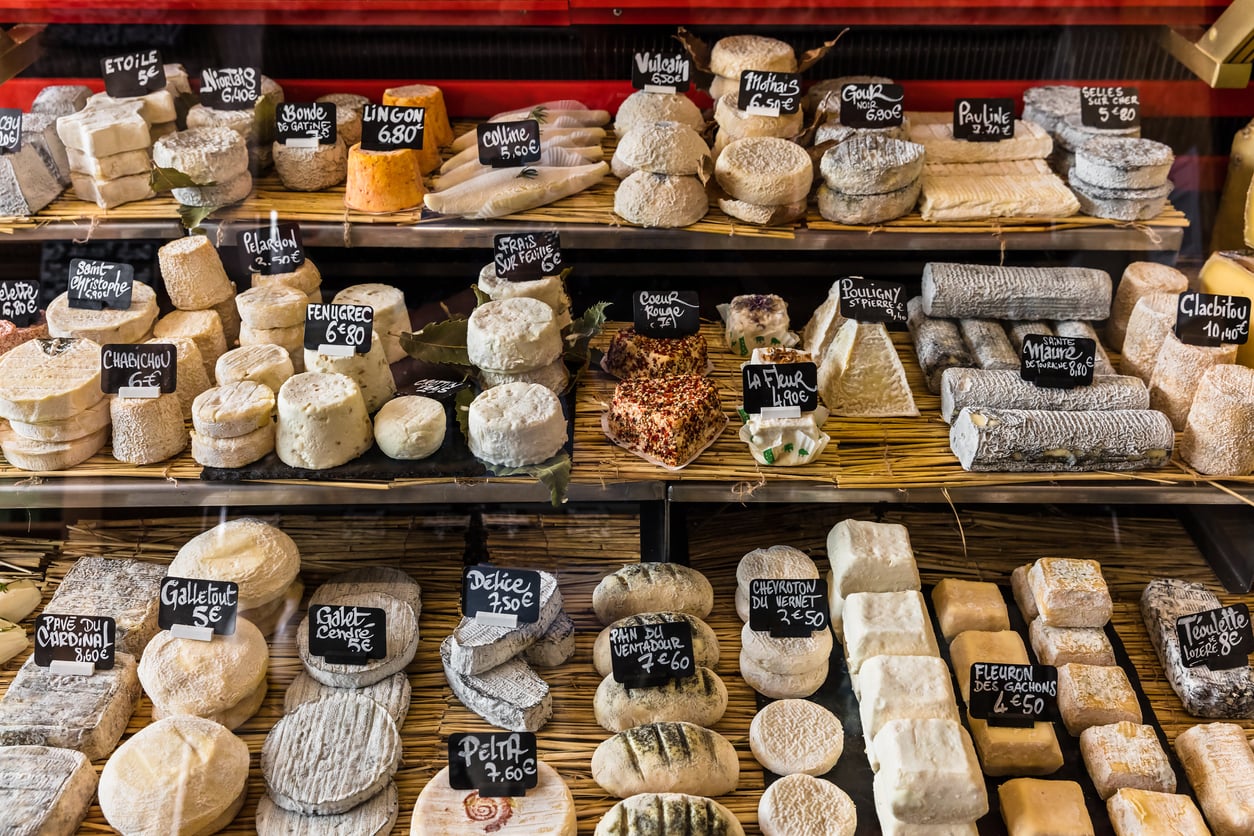
A real cheese counter earns its keep when you don’t know exactly what you want. Cut-to-order shops can carry dozens of cheeses and let shoppers buy a modest wedge rather than committing to a large package. That’s particularly useful when exploring aged, washed-rind, blue, or Alpine-style cheeses. For Parmigiano Reggiano, freshly cut cheese also requires proper refrigeration once purchased. Instead of spending $20 on a large piece you’re unsure about, tell the cheesemonger your budget and what flavors you like, then buy enough for the meal at hand.
Sign up for our newsletter
Coffee Beans
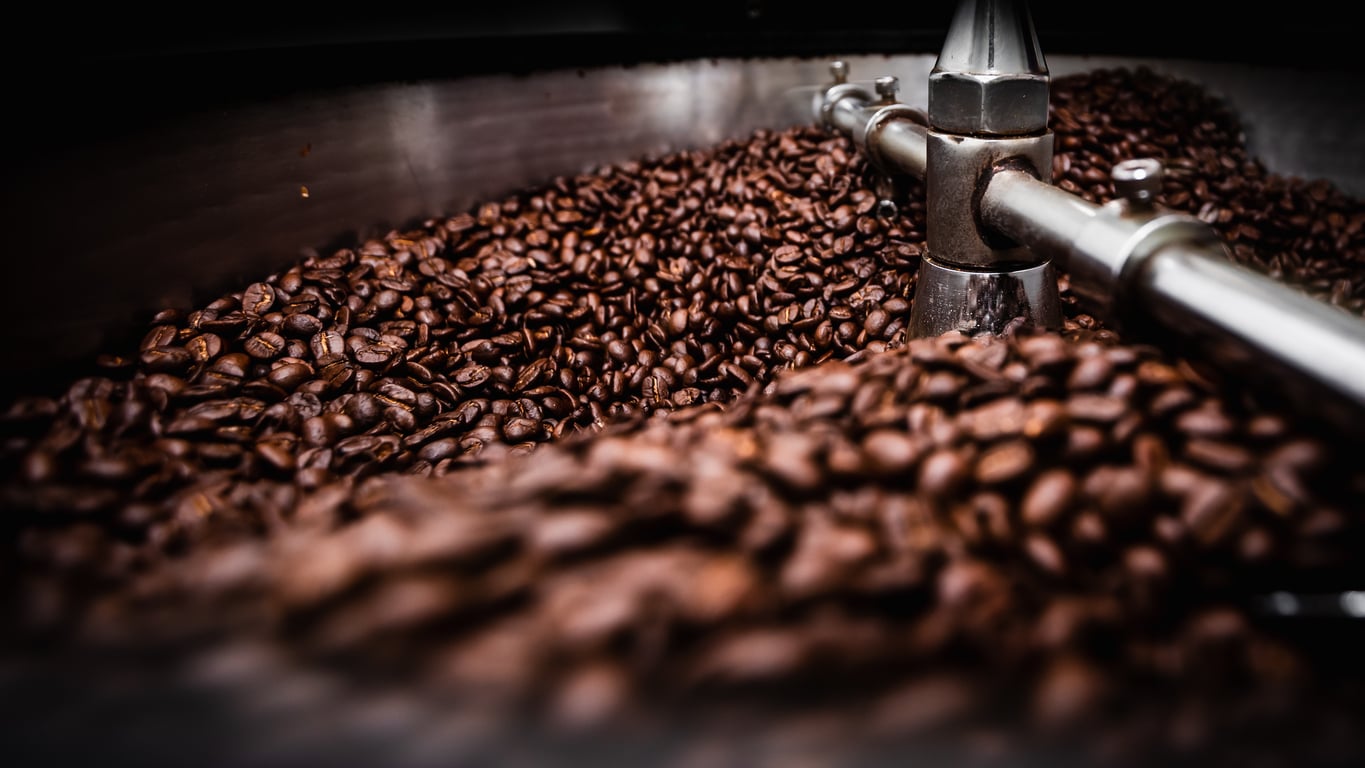
Coffee is one category where a useful date on the package can tell you a lot. A local roaster will often provide a roast date rather than only a distant expiration date. The Specialty Coffee Association notes that roasted coffee changes rapidly during its first few weeks, while grinding dramatically accelerates the loss of carbon dioxide and aroma. If you’re spending extra, buy whole beans in quantities you’ll actually finish and grind them as needed. Someone drinking heavily flavored coffee may notice less difference than a person drinking it black.
Olive Oil
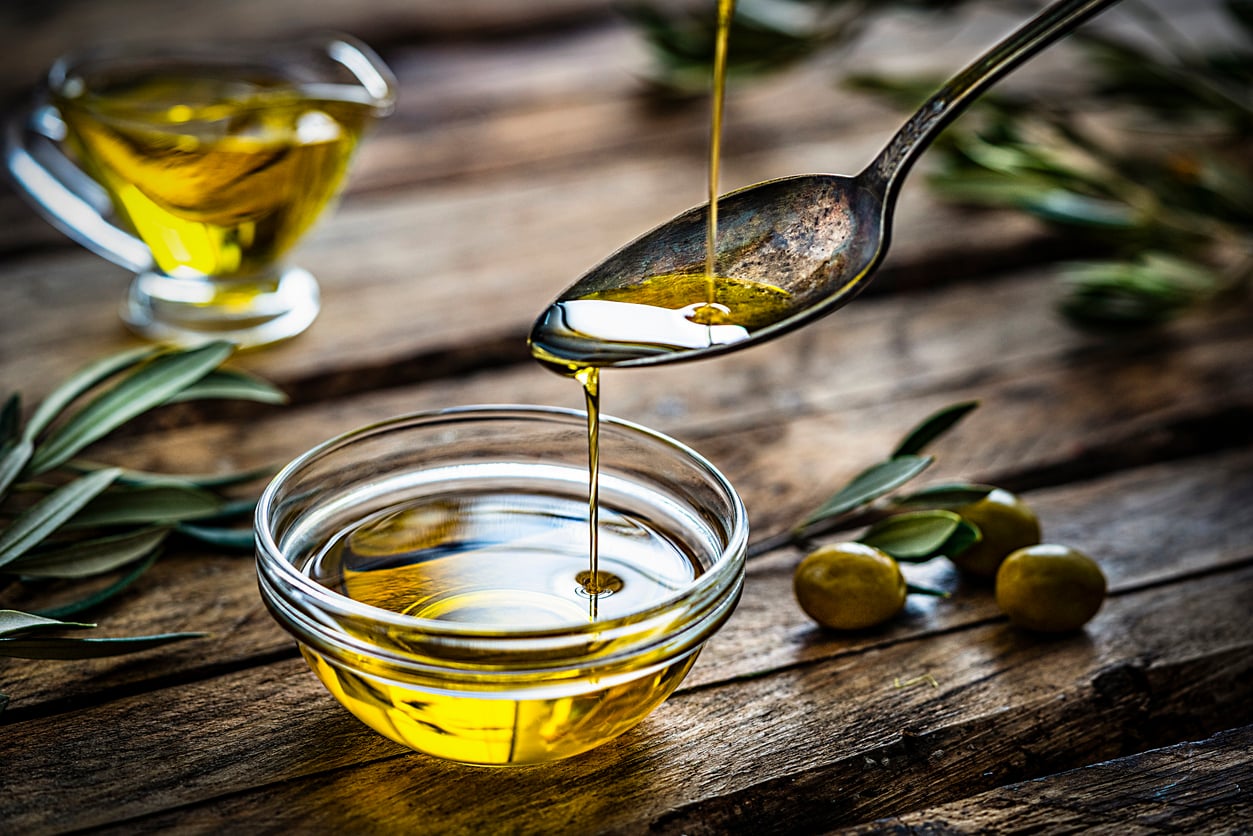
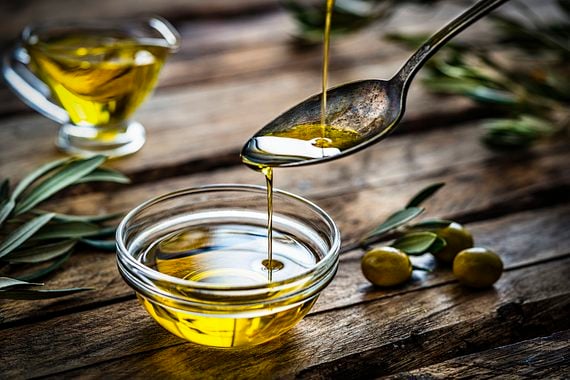
A specialty grocer can be useful when you’re shopping for extra-virgin olive oil because staff may know more about the producer, olive variety, harvest, and flavor. But an expensive bottle isn’t automatically fresher. UC Davis recommends looking for a harvest date when available and choosing packaging that protects the oil from light and air. It also warns against buying oversized containers that will sit open for months. A money-saving approach is to keep a reasonably priced oil for everyday cooking and reserve a more distinctive bottle for salads, dipping, and finishing dishes.
Spices
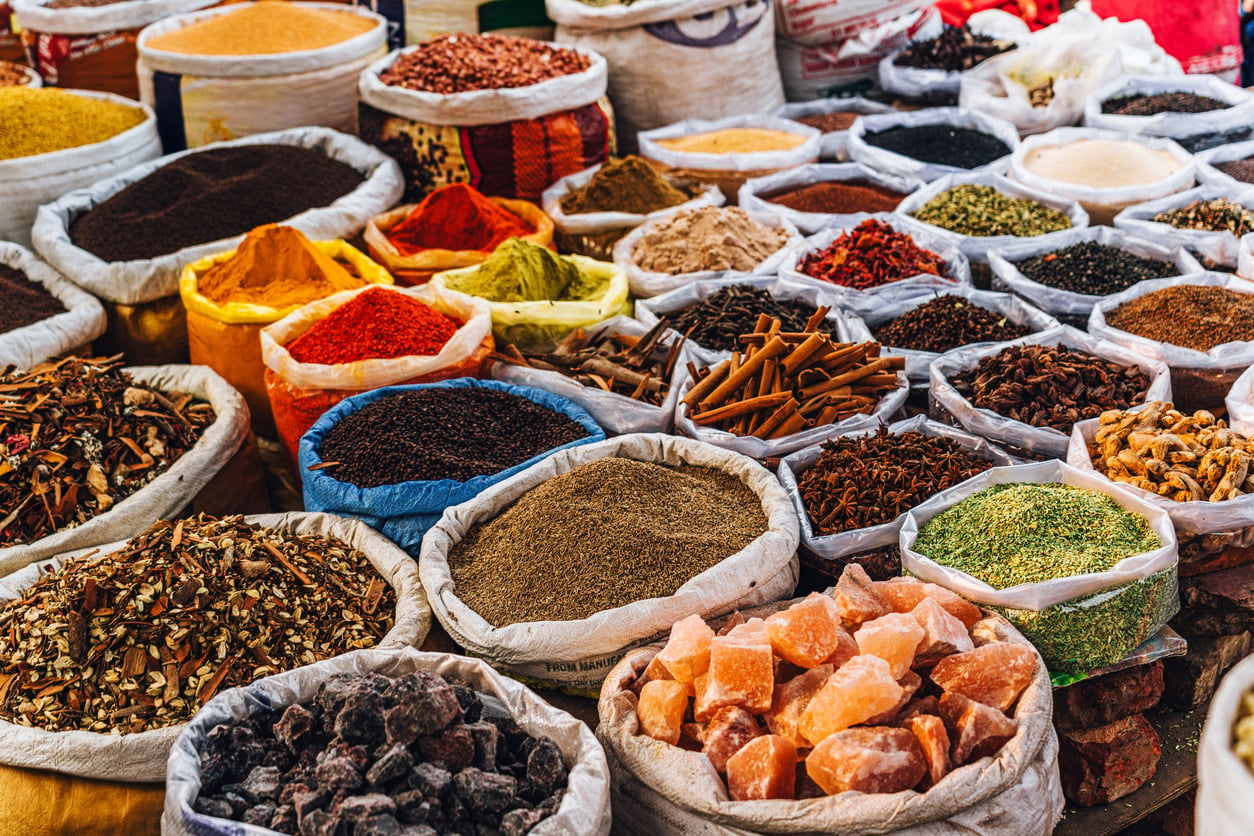
The advantage of a spice shop or well-stocked international market isn’t simply that everything there is automatically fresher. It’s the chance to buy unusual varieties, compare aromas, find whole spices, and sometimes purchase only the amount you need. That’s useful for cardamom, cumin, coriander, chile powders, and specialty blends that might otherwise languish in the cupboard. Whole spices generally retain their quality longer than ground versions, while heat, moisture, and sunlight all work against freshness. Buying less can actually be the better bargain if it prevents half-used jars from going stale.
Seasonal Produce
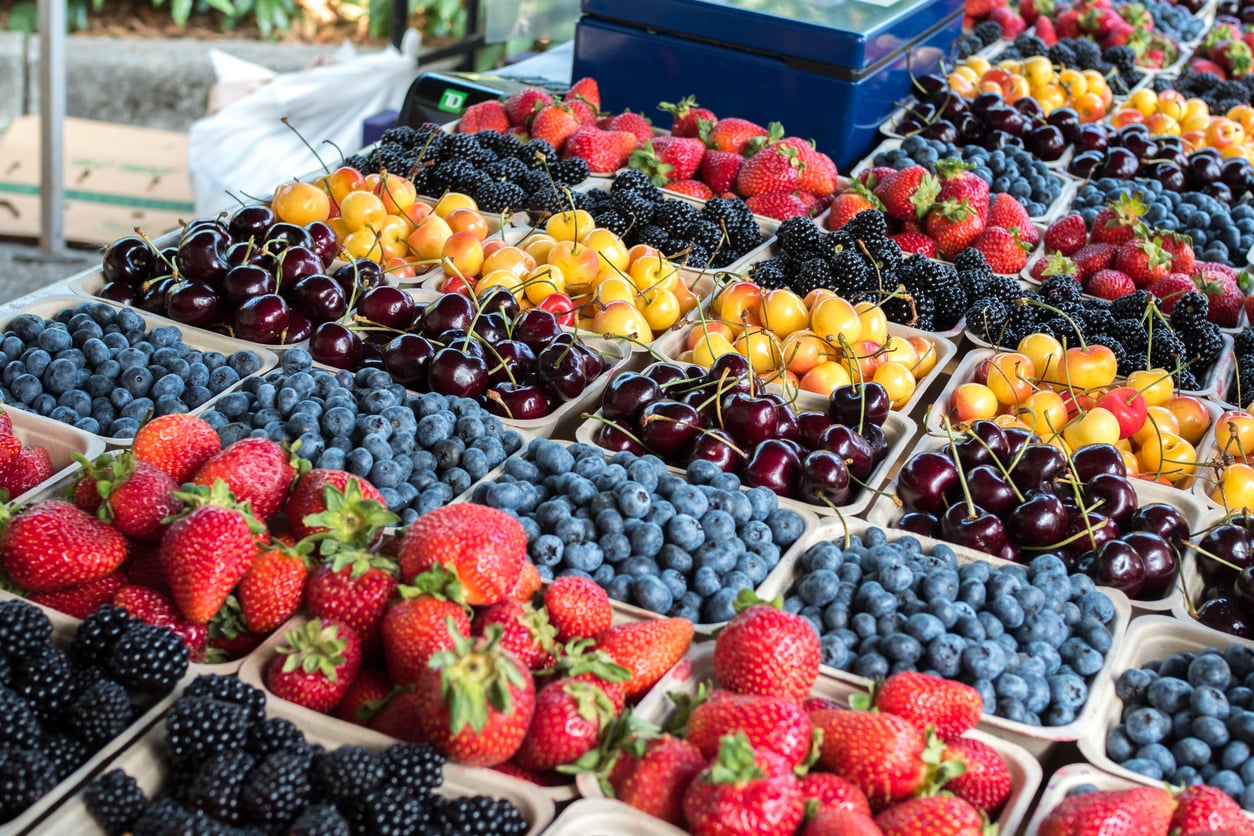
Farmers markets and dedicated produce shops are worth checking when fruits and vegetables are doing most of the work in a meal. Peaches, berries, tomatoes, sweet corn, and other highly seasonal produce can make the extra stop worthwhile when they’re locally abundant. USDA describes farmers markets as places to find fresh, locally grown foods and connect directly with growers. Still, compare before paying a premium: supermarkets can carry excellent local produce in season too. The smartest strategy is to buy what looks and smells good rather than assuming the specialty source automatically wins.