The option to order delivery, getting products and food brought to your door the very same day, has made life much easier for many people. Even so, there are times when you need certain items urgently, and factors like delivery fees or minimum order requirements can become an obstacle. By gathering information from the USDA, Ready.gov, and other sources, we’ve identified the household essentials you should keep on hand at home rather than relying on a delivery service to bring them to you!
A Backup Package of Toilet Paper
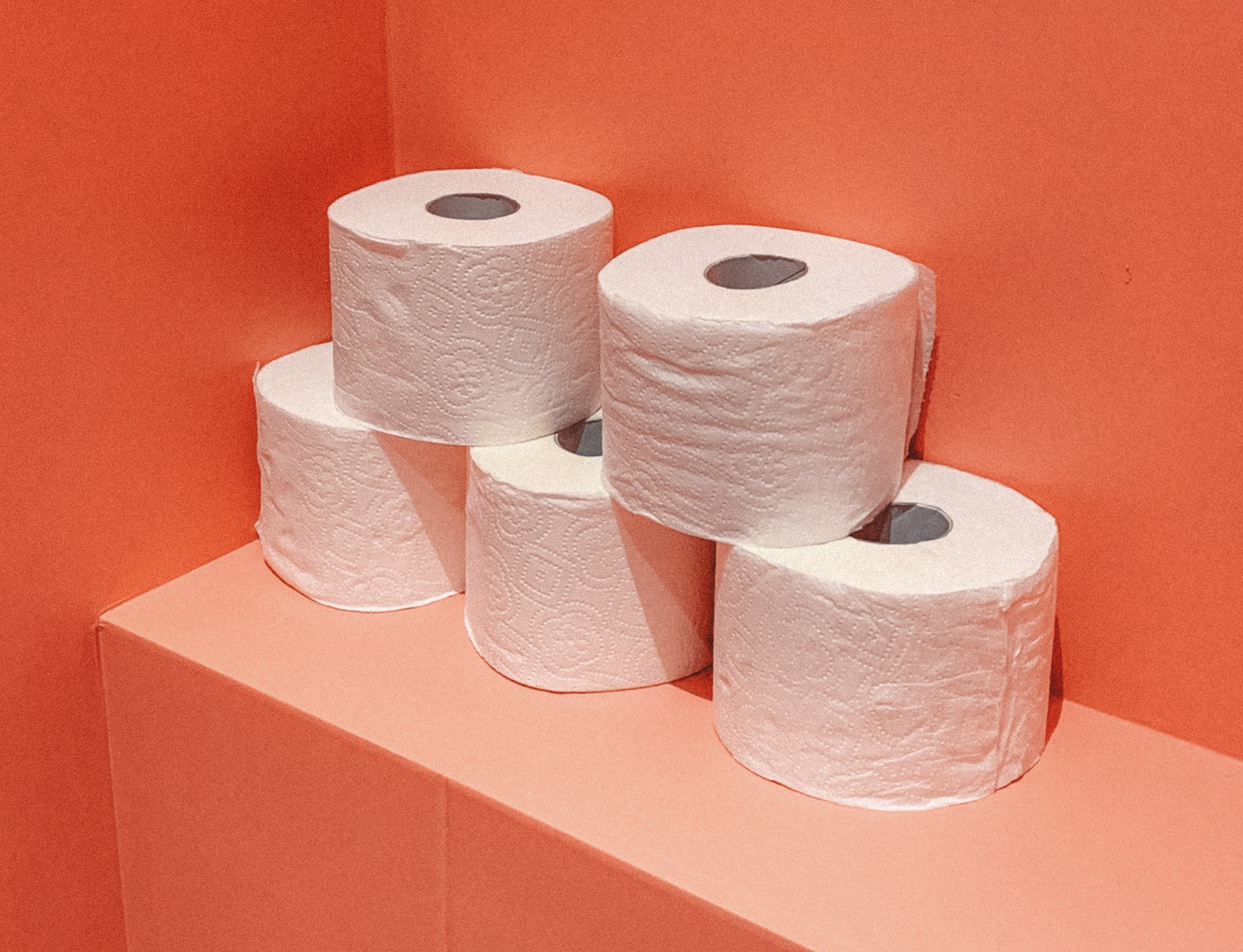
Running out of toilet paper is an issue that needs to be resolved urgently, and even if you order delivery, it may not arrive when you need it. An unopened package of this household essential can serve as a practical backup, without the need for an entire closet full of extra supplies. A good way to avoid reaching that extreme situation is to add toilet paper to your grocery list as soon as you open the backup package.
Spare Batteries in Common Household Sizes
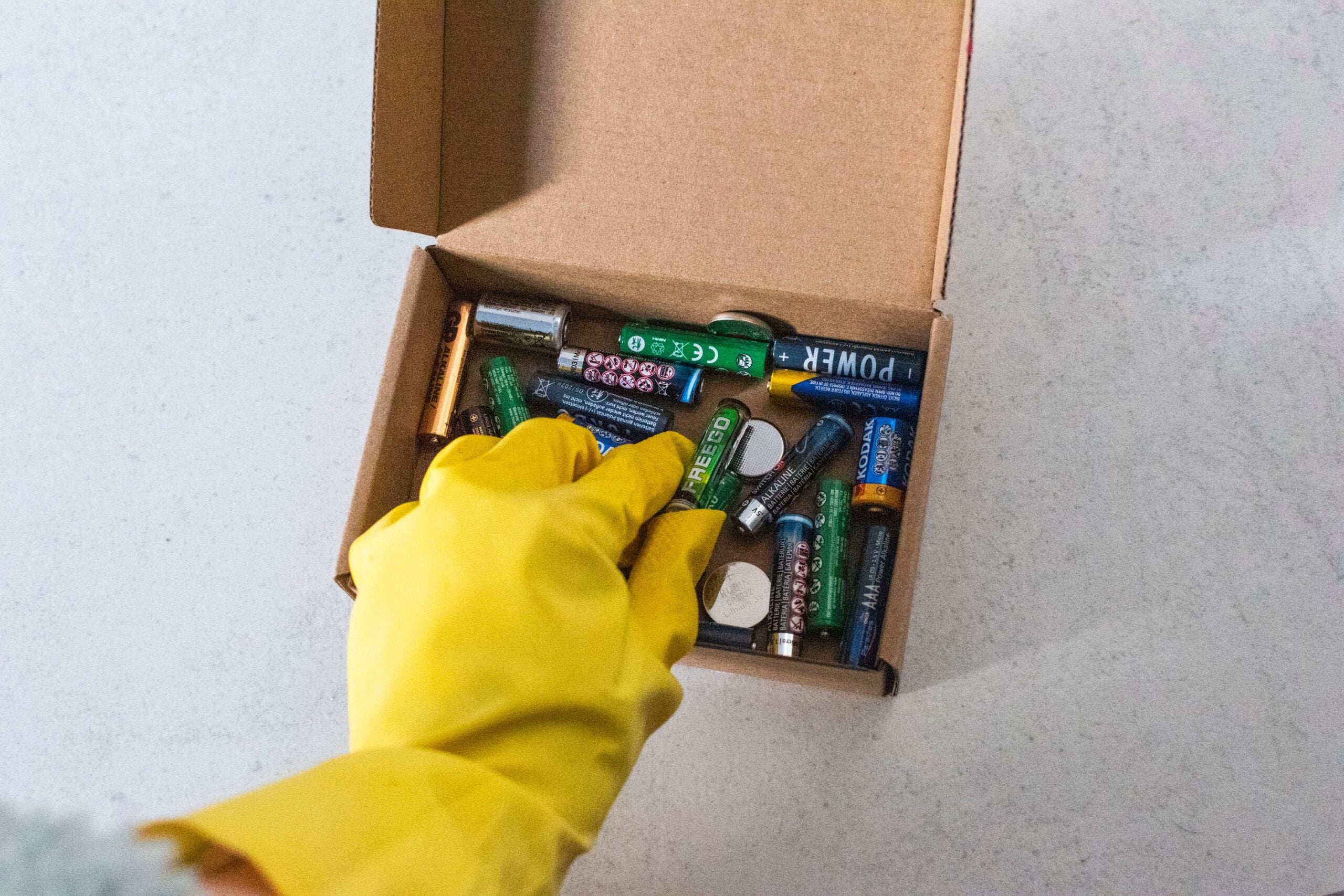
There are certain common household essentials that require batteries, often at inconvenient times, such as flashlights, smoke alarms, and remote controls. Keeping a limited supply of the battery sizes you need will help you avoid emergency purchases. And paying for delivery just for batteries could end up being more expensive due to the service cost. Also, always remember to store batteries according to the manufacturer’s instructions.
A Manual Can Opener
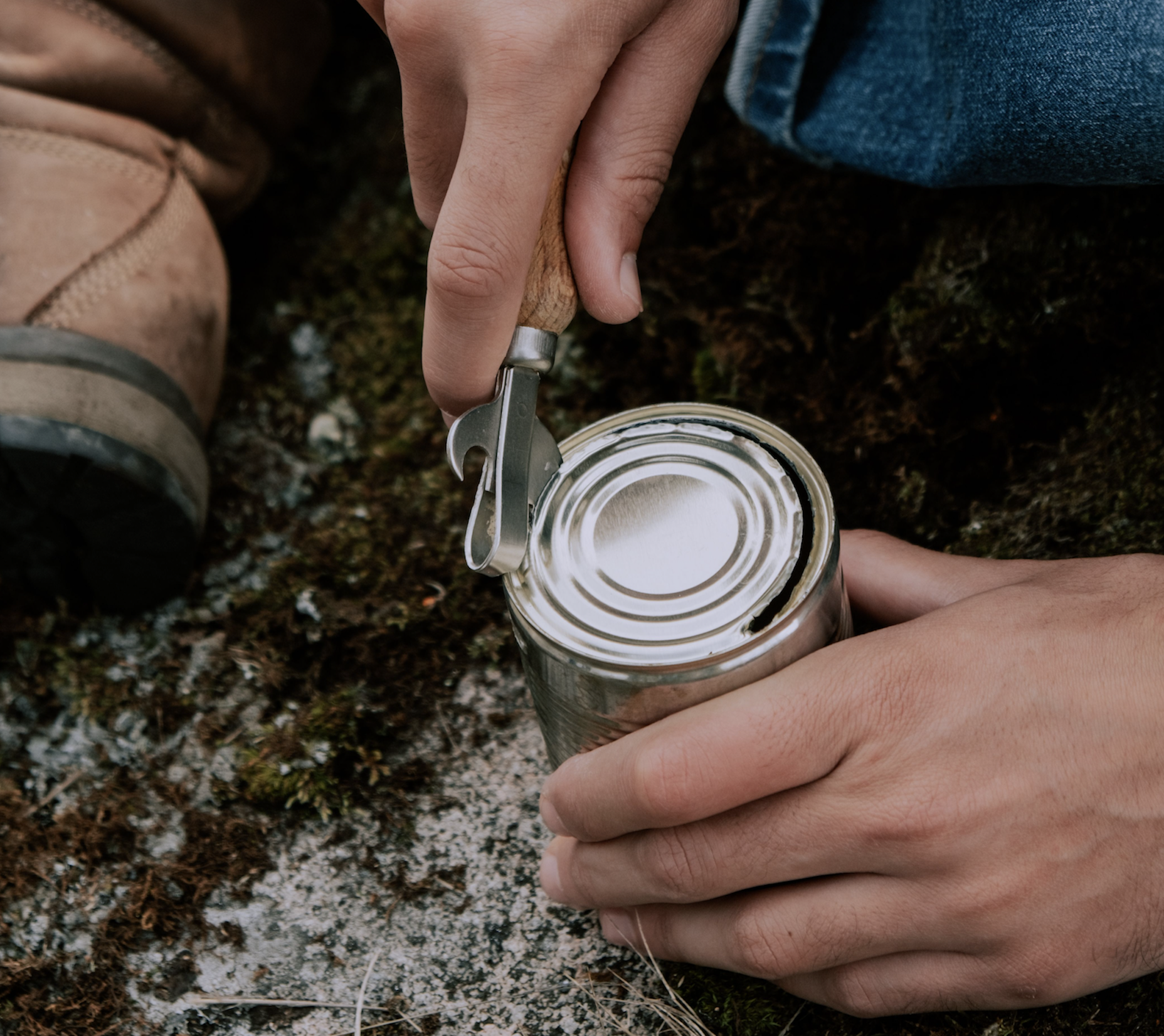
Electronic can openers may seem more convenient than manual ones, but if you experience a power outage or they suddenly run out of batteries, you won’t be able to rely on them. A basic manual opener is one of those household essentials that is compact, requires no electricity to operate, and allows you to open canned foods at any time. The USDA typically includes a manually operated can opener among its recommended emergency supplies.
A Small Supply of Pantry Meals
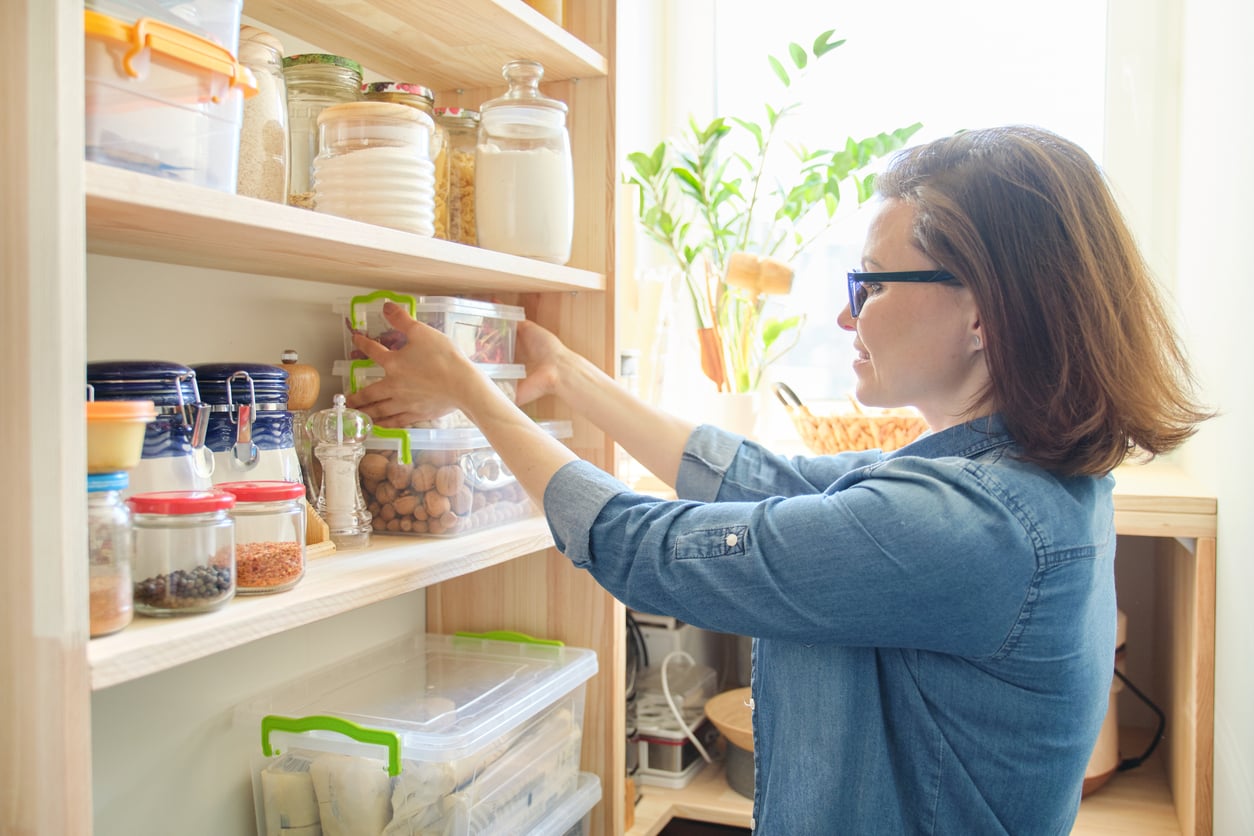
Having a small supply of pantry staples will come in handy when you’re hungry and don’t want to wait for a food delivery. These household essentials allow you to prepare meals using pasta, canned beans, soup, and other shelf-stable ingredients you keep in your pantry. Furthermore, canned goods have a much longer shelf life than the fresh food or prepared food you might order for delivery, which could otherwise end up as food waste.
A Fully Stocked Basic First-Aid Kit
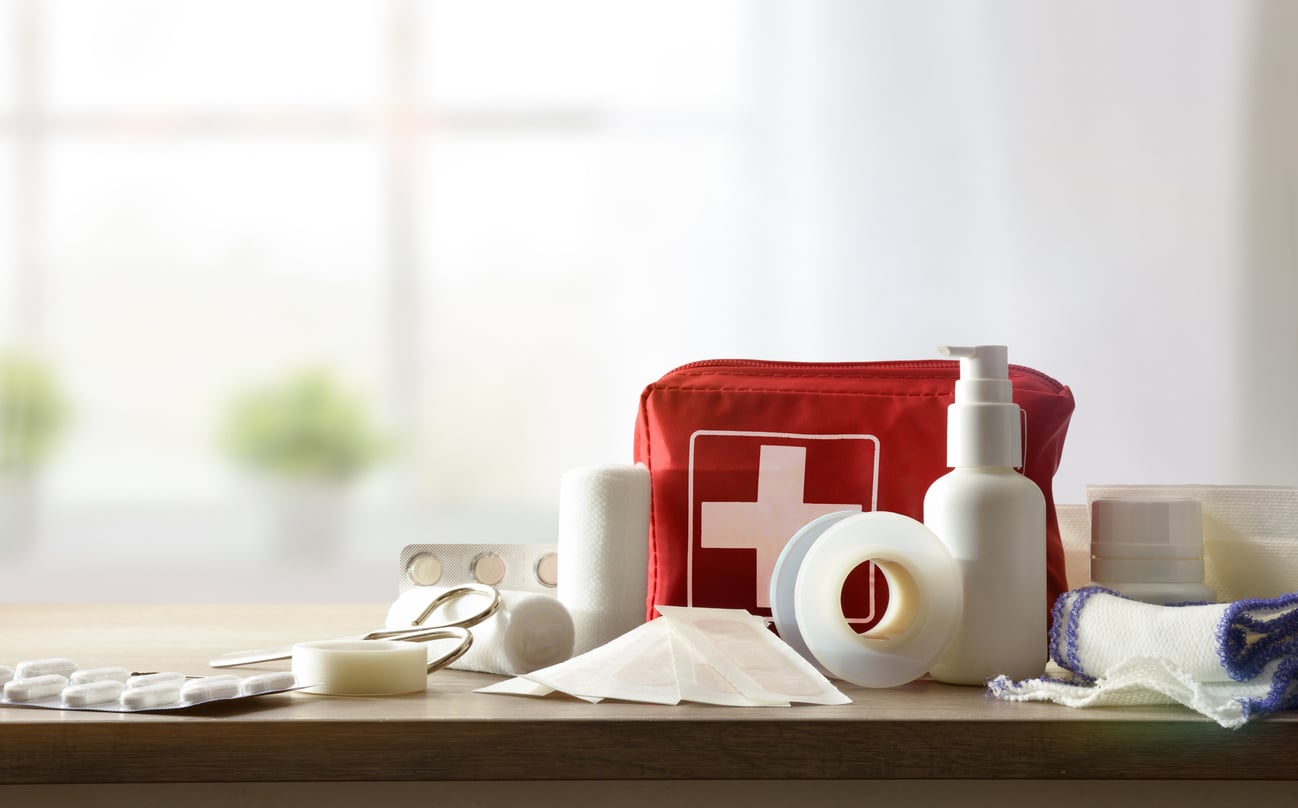
If you find yourself needing a basic first-aid kit, you are likely in an unpleasant or stressful situation. Having to place an order for delivery just to get a bandage or other necessary supplies only adds an unnecessary extra step. You should keep household essentials like bandages, dressings, and other first-aid supplies at home so you are prepared to handle small cuts, scrapes, and minor injuries that require immediate attention.
Trending on Cheapism


Extra Laundry Detergent
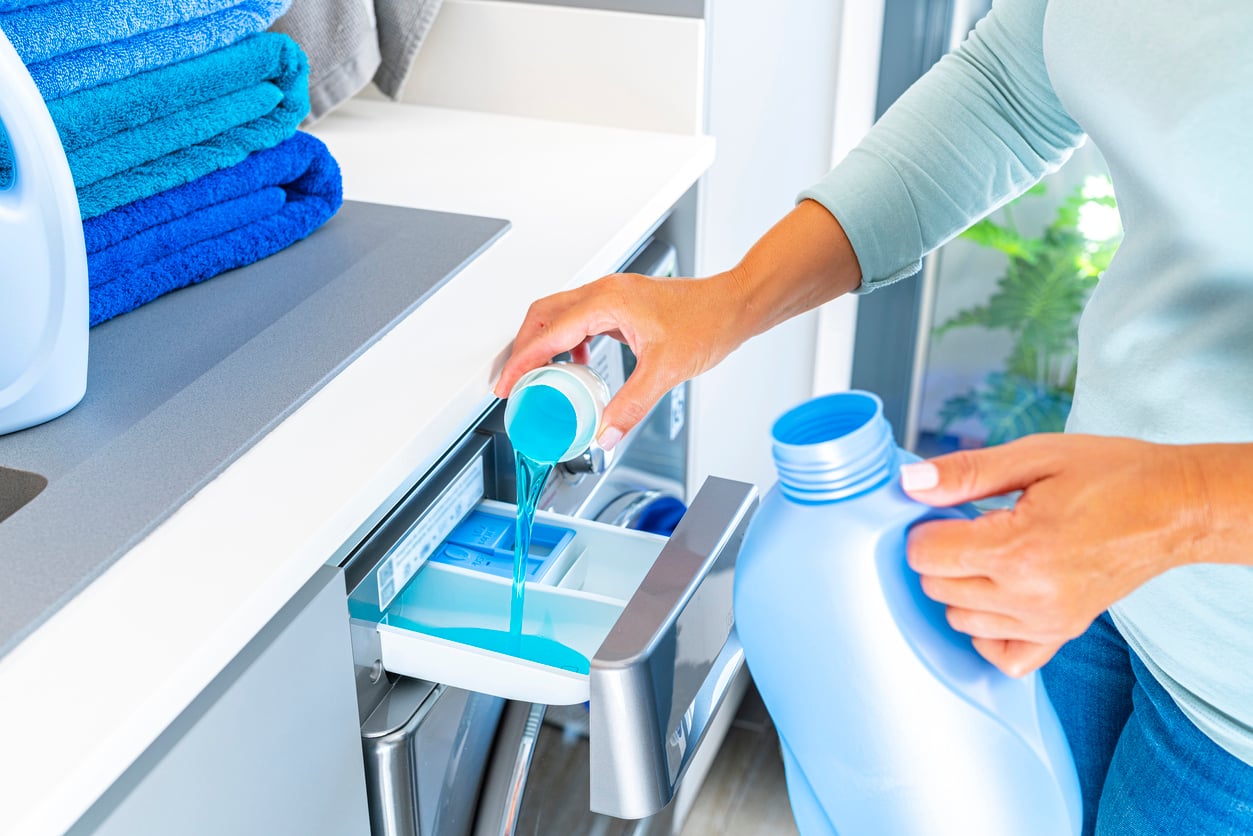
Running out of laundry detergent can disrupt your household chores and prevent you from washing your clothes. A better approach is to keep a backup container of one of these household essentials on hand, preferably a regular detergent suitable for your laundry needs. Store in a cool, dry place and check the manufacturer’s recommendations for shelf life to make sure it remains effective when you need it.
Replacement Lightbulbs for Frequently Used Fixtures

When a lightbulb burns out, it can be a problem if it happens in an area like a stairwell, bathroom, or hallway. Since it’s such a small, inexpensive item, it’s hardly worth ordering for delivery. It’s much better to simply have the right bulb on hand in a designated drawer at home so you can replace one of these household essentials whenever the need arises.
An Extra Phone-Charging Cable
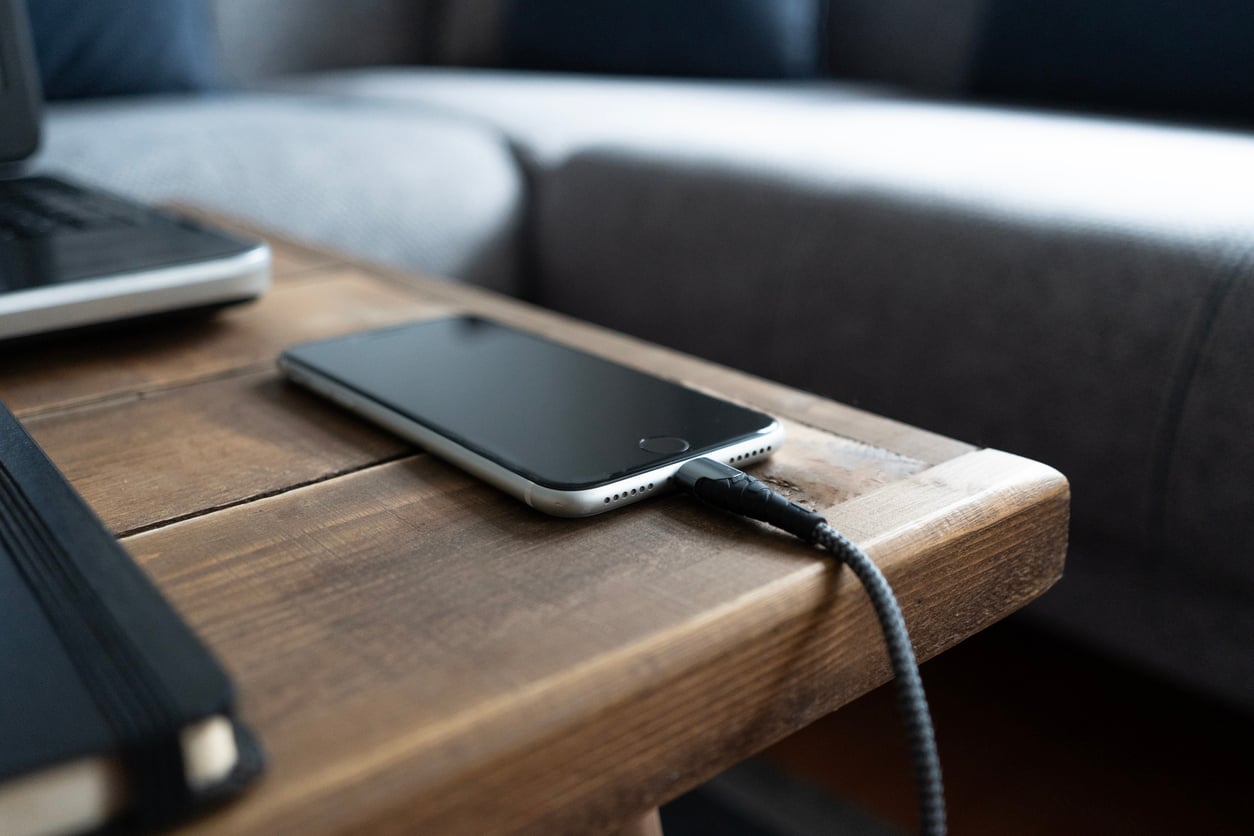
The mobile phone has become so essential to people’s daily lives that running out of battery, with no way to charge it, can create a significant personal or even professional problem. For this reason, keeping compatible household essentials such as a spare certified charger, designated for your device, to help you avoid major issues throughout the week.
Sign up for our newsletter
Basic Hardware for Small Household Repairs
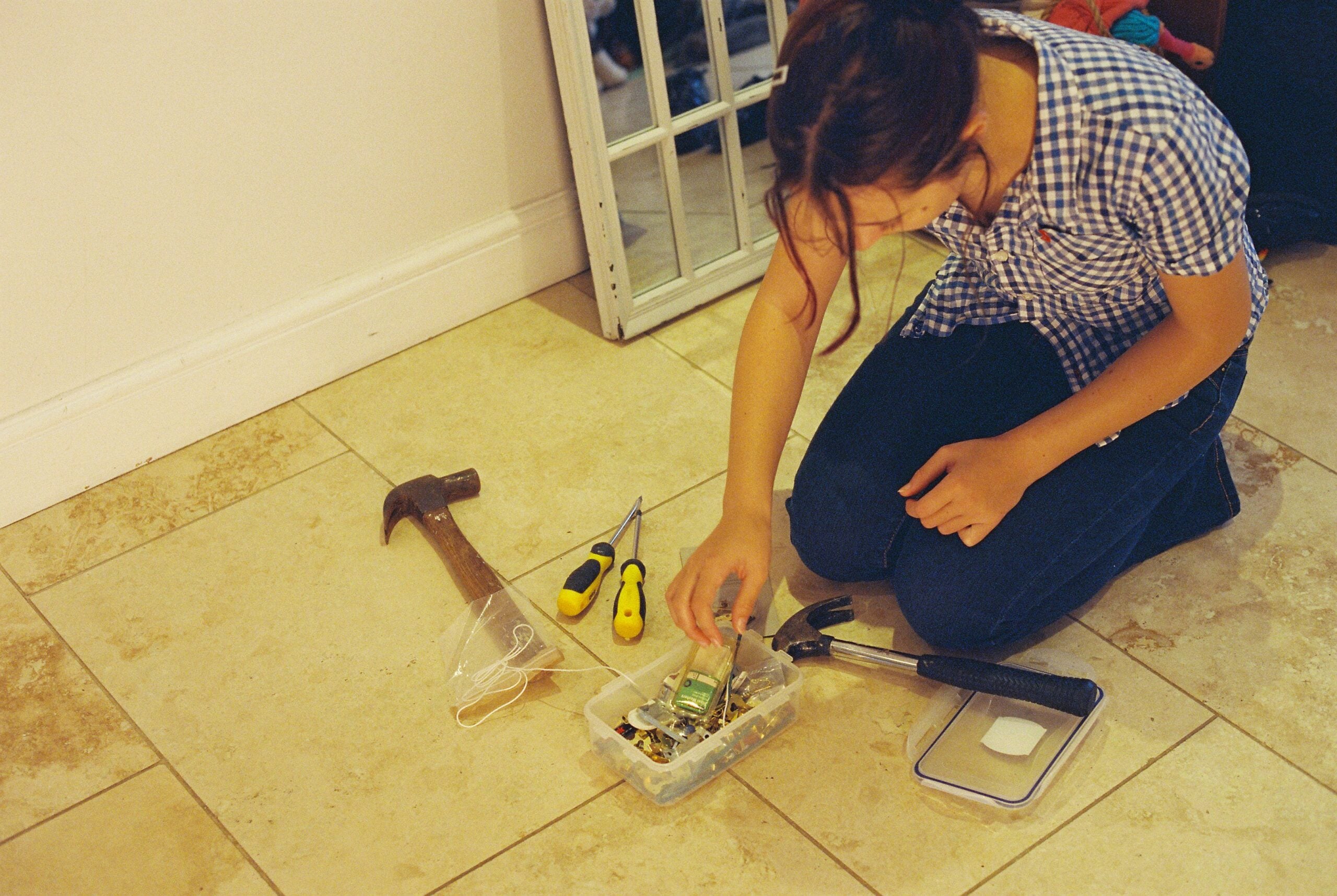
Another recommended practice for the home is to keep some basic hardware on hand to deal with issues like a loose cabinet handle, a missing screw, or a wobbly chair, saving you from having to head to the hardware store or pay for a tool to be delivered, which would be more costly. Keeping a small organizer at home stocked with screws, washers, picture hangers, and felt pads can help you take care of minor household repairs.
Pet Food and Other Pet Essentials
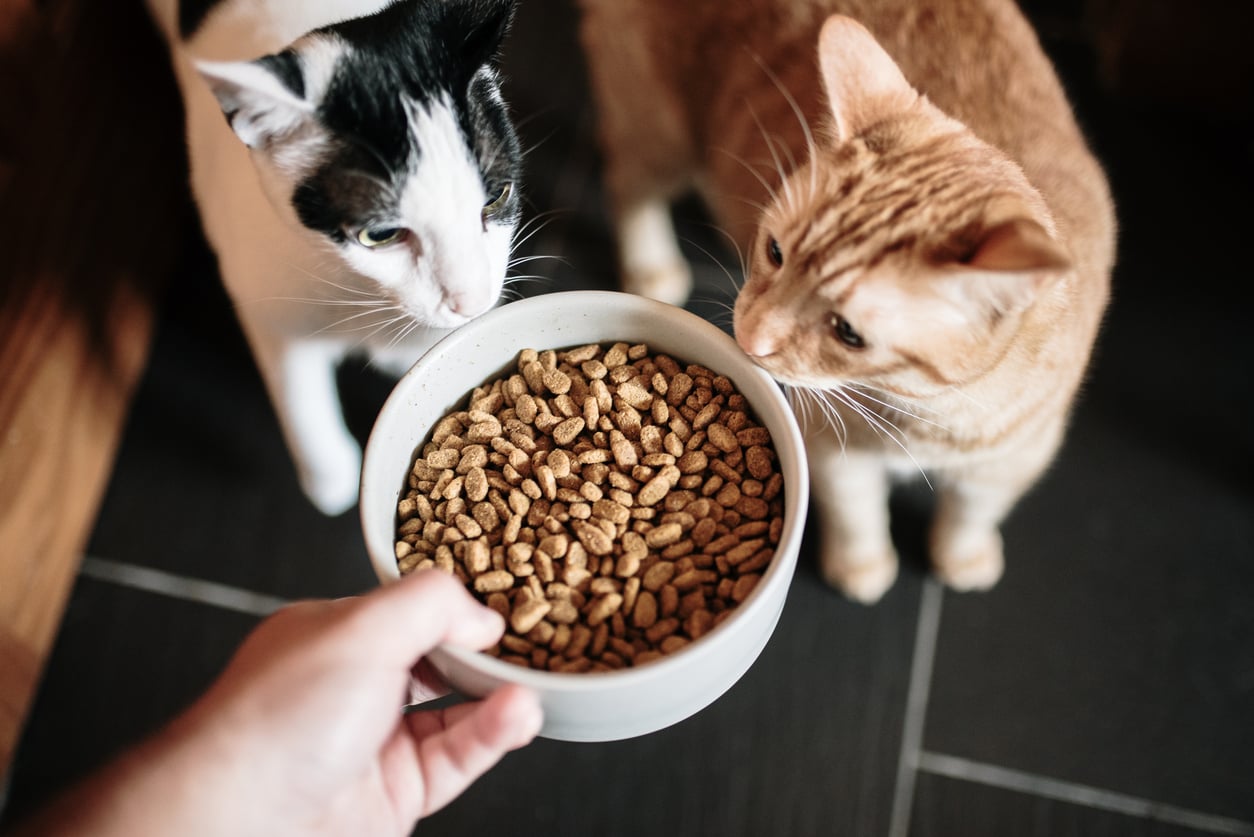
If you have ordered pet food or other pet essentials and the delivery is delayed, you may not always have the schedule flexibility to stay home and wait for it. Therefore, keeping a modest reserve of pet food among your household essentials can simplify your daily routine and help you avoid potential issues. Just remember to store the food in a properly sealed container and rotate your stock based on expiration dates.
An Extra Box of Trash Bags
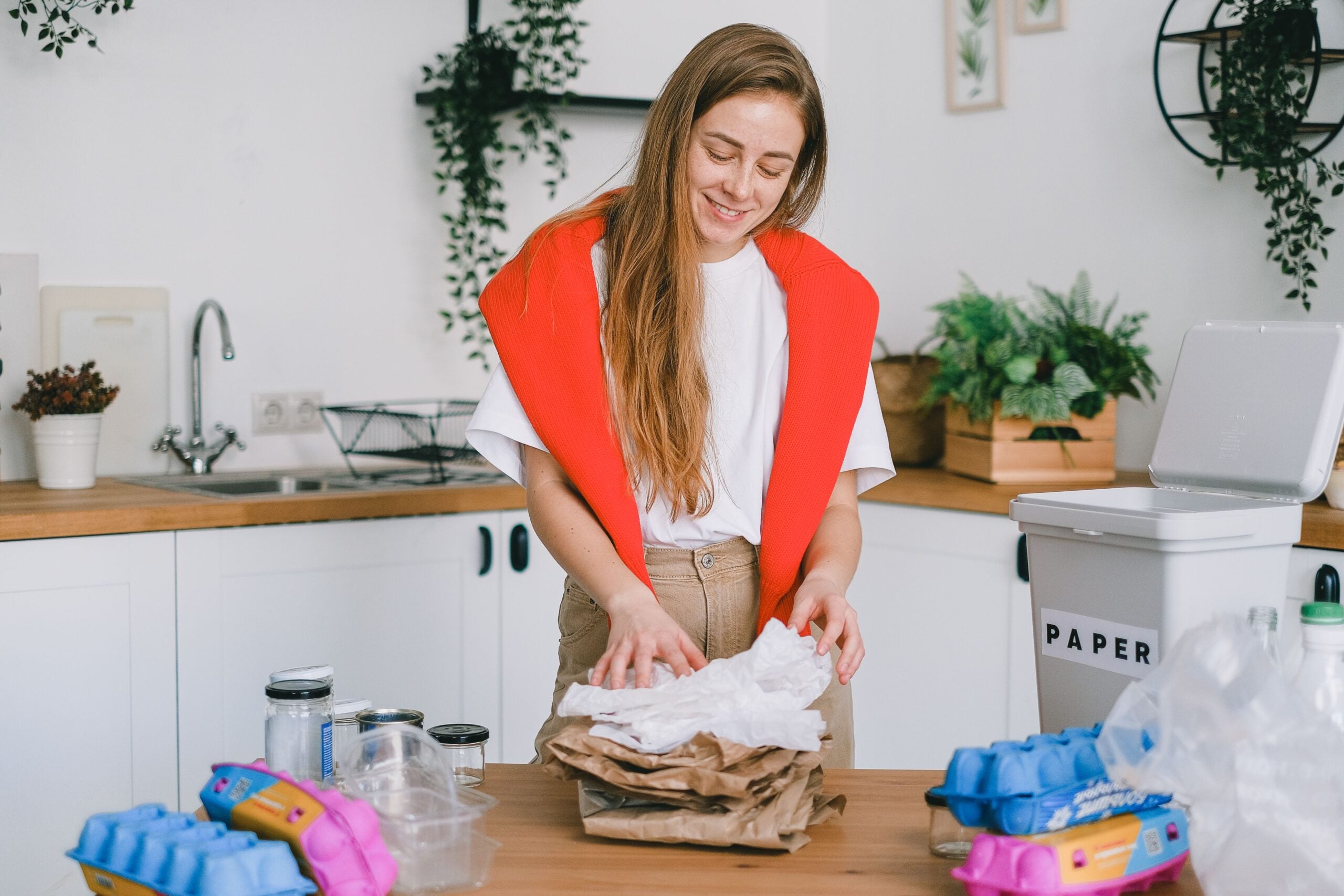
Trash can produce unpleasant odors and is unsightly, so finding yourself without any trash bags on hand can be quite awful. At the same time, it’s easy to predict when your current supply of one of these household essentials is likely to run out, so keep an eye on that. Since they are easy to store and have a long shelf life, compare prices and keep a few extra on hand for when such situations arise.
Candles, Flashlights, and Emergency Lighting Supplies

Experiencing a power outage without the necessary items to cope can be a real problem, and you cannot rely on a delivery service to bring you emergency supplies. Having reliable battery-powered or rechargeable emergency lighting is useful during storms, blackouts, and other disruptions. These household essentials should also be checked periodically. However, you should also keep candles and matches at home, as they do not require electricity to provide light.
Conclusion
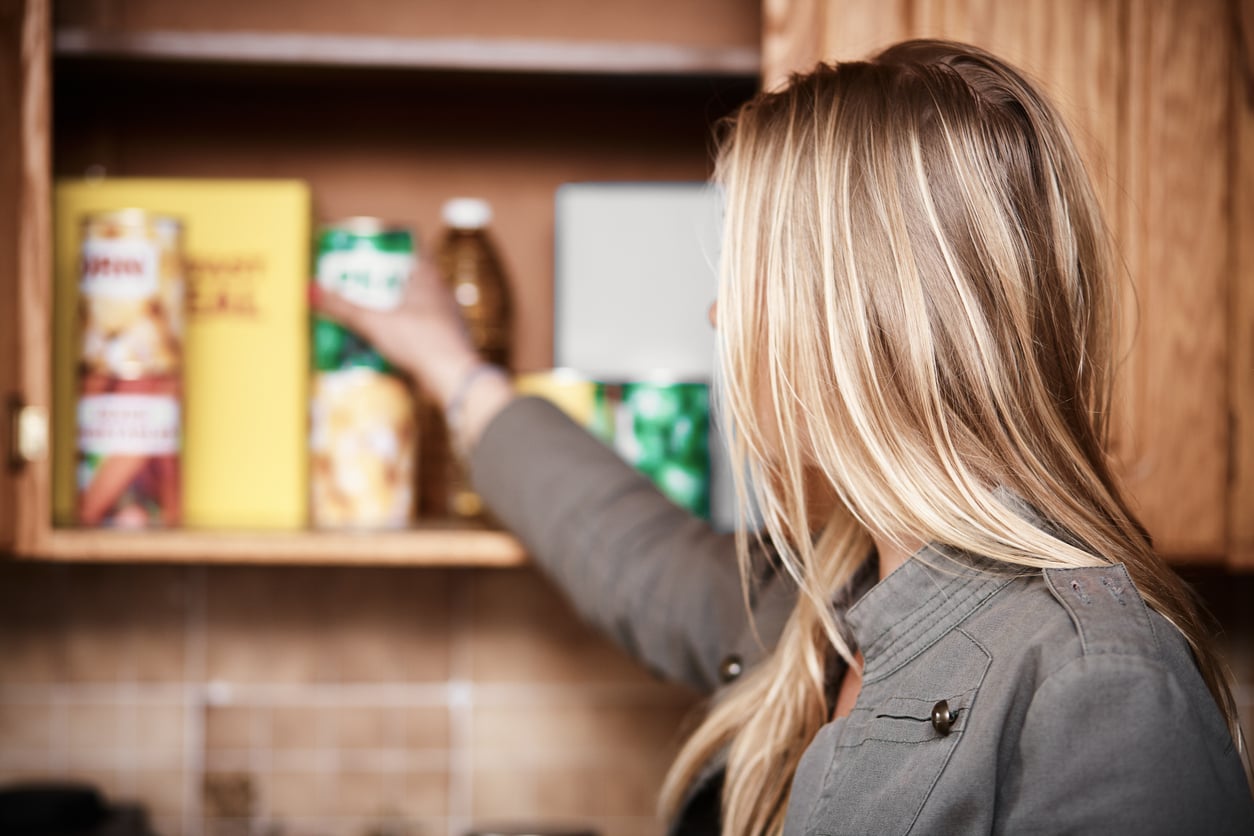
Having backups of household essentials at home can help you in emergency situations where relying on a delivery service isn’t always a viable solution. Between the time you spend waiting and the additional delivery fees you may incur for certain items, it’s simply not a very practical approach. The household reserves you need most are those tied to your daily requirements, allowing you to shop in smaller, more organized quantities.