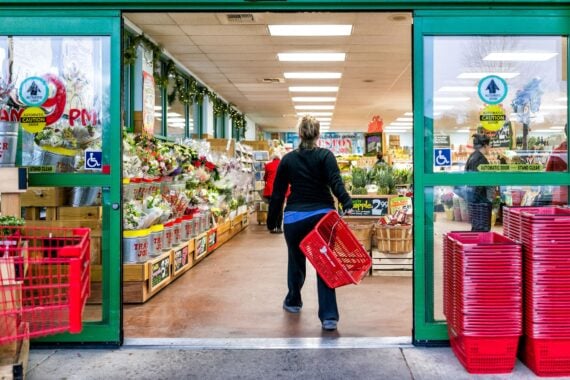

Homeowners believe that going through a massive pantry stock-up behavior would be convenient for the month, ensuring they had food on hand whenever needed. However, according to NielsenIQ (NIQ), traditional pantry-loading model is becoming less relevant. Homeowners now prefer making more frequent trips, focusing on product affordability and trying to minimize waste. We’ll reveal the items people have stopped trying to stockpile at home!
Canned Soup and Other “Just in Case” Pantry Meals
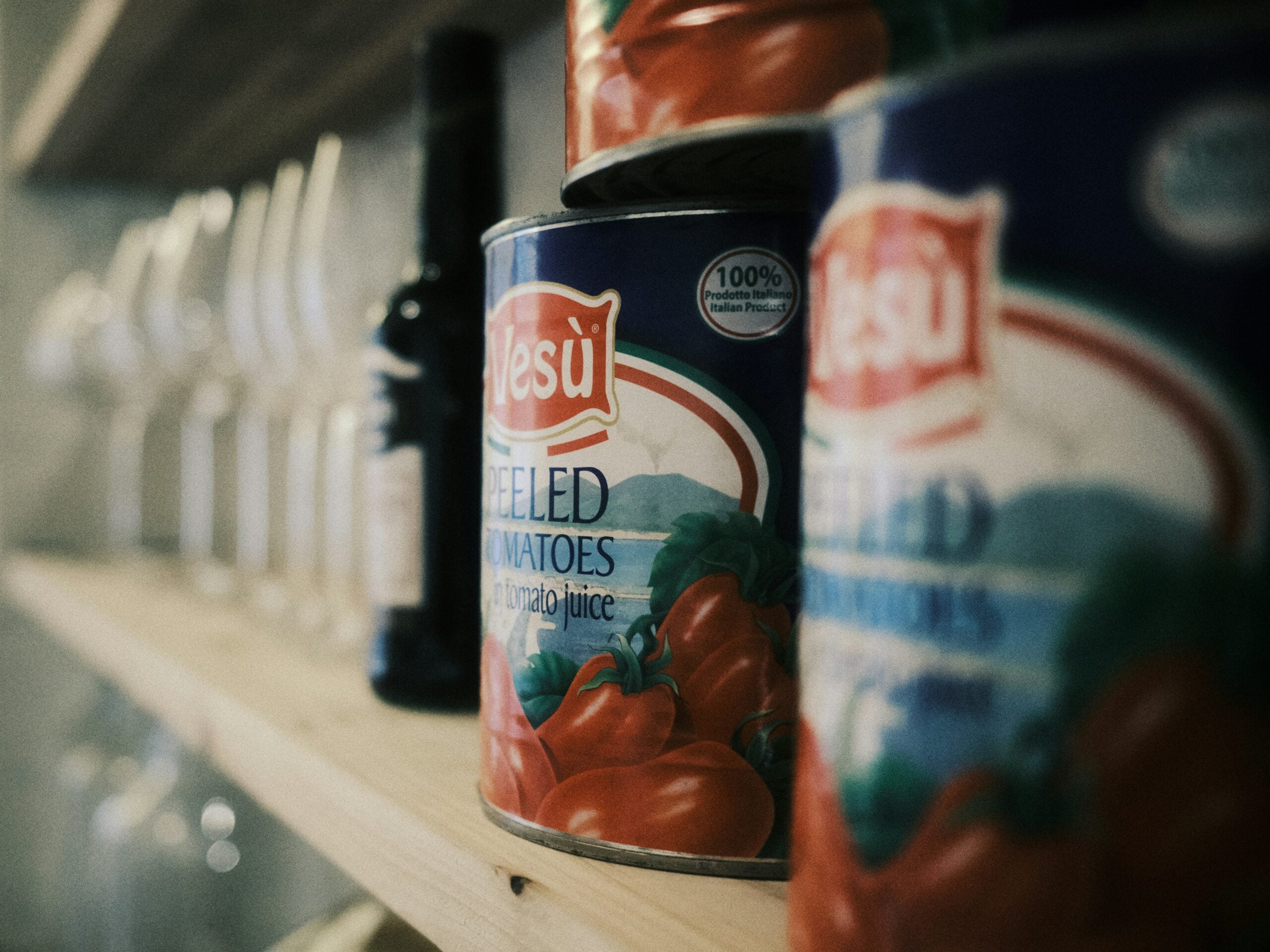
Many people relied on having canned soup, canned pasta, and shelf-stable meals on hand for when their refrigerator started running low and the end of the month arrived, a time when bank account balances tend to be tight. According to NIQ, this pantry-stocking behavior is fading, as shoppers are gradually replacing items they use rather than automatically restocking everything at once. They are less likely to stockpile these foods.
Giant Bags of Flour and Other Baking Staples

Stocking up on flour and other baking staples often stems from the fact that flour, sugar, specialty flours, and baking mixes tend to be purchased together. However, many shoppers seek the right balance between saving money and buying in bulk and purchasing only what is needed to avoid spoilage. Occasional bakers might opt for smaller bags rather than leaving a large package sitting in the pantry for months.
Cases of Bottled Water
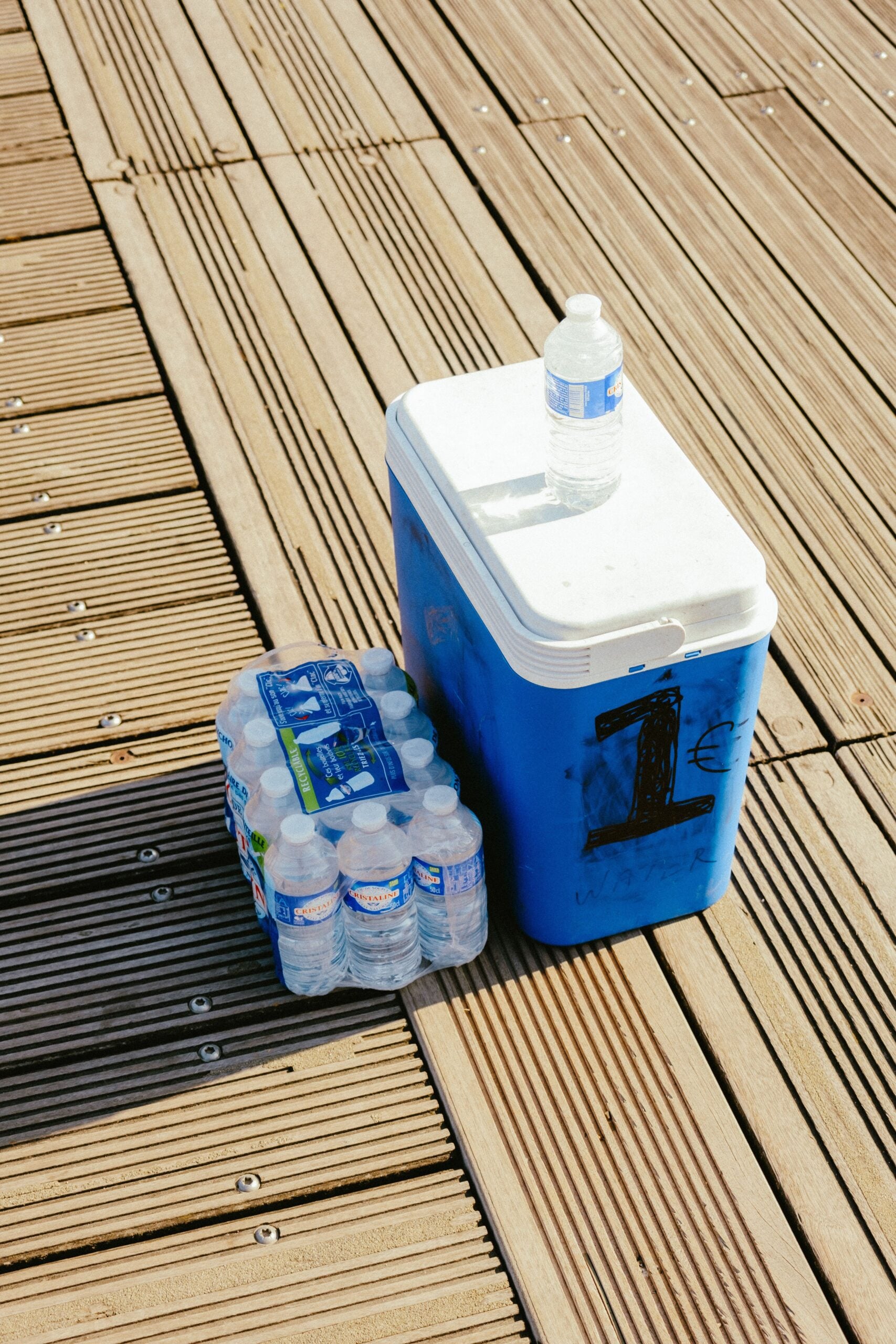
One development regarding household water consumption is the use of refillable bottles, refrigerator filters, countertop filters, and improved reusable drinkware. This allows people to avoid buying cases of bottled water, which also take up a lot of space in the home. Furthermore, using reusable bottles helps reduce household waste and the need to stockpile bottled water.
Disposable AA and AAA Batteries
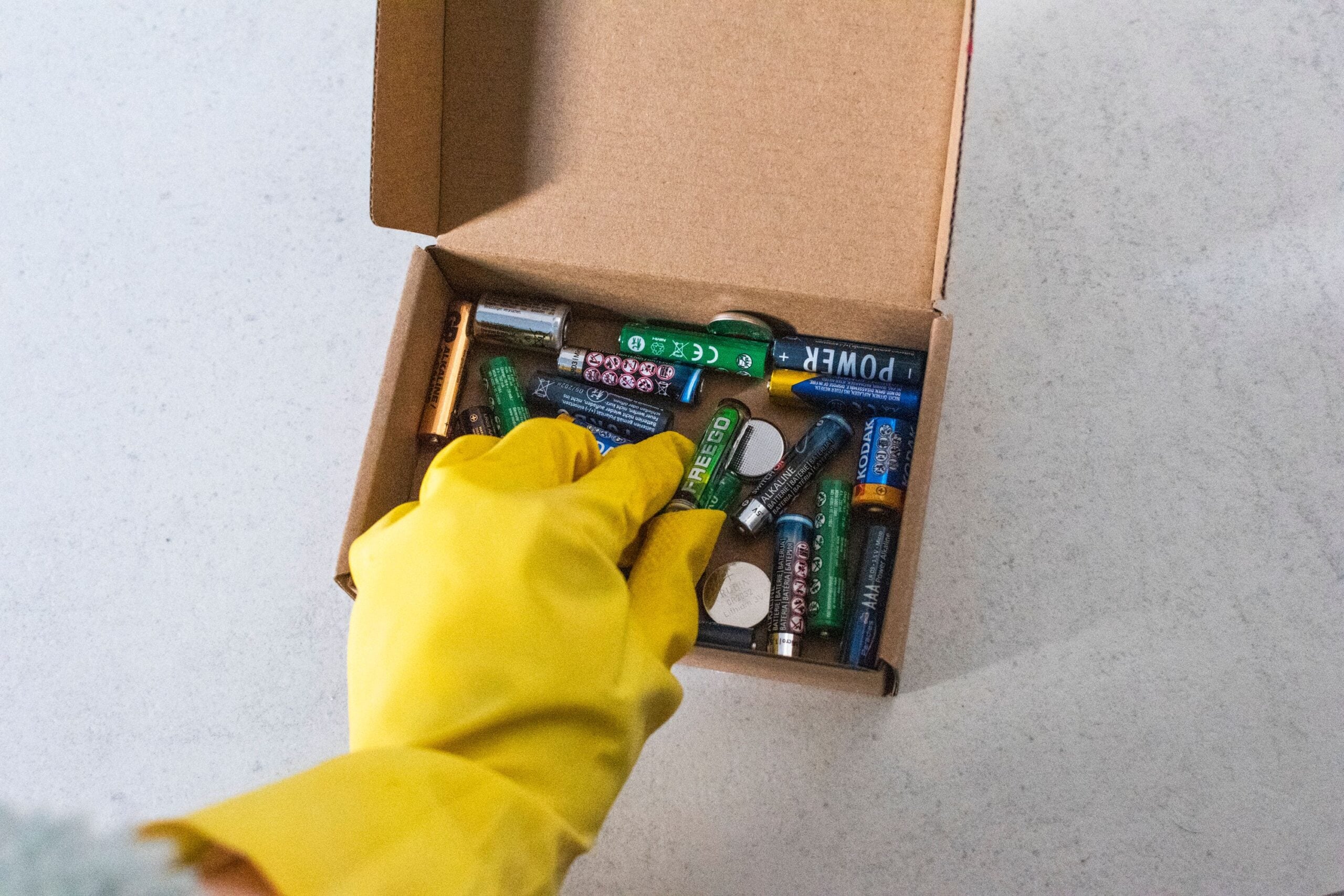
One of the changes society has undergone is a shift away from using so many AA and AAA batteries. In the past, it was common for households to have a drawer full of alkaline batteries for cameras, toys, radios, remote controls, and portable electronics. Technology has moved toward USB charging and lithium-ion batteries, so these disposable batteries are now kept mainly for emergency equipment and are no longer purchased in large packs.
Paper Towels by the Case

NielsenIQ notes that paper products, including paper towels, have shown negative volume growth as consumers stabilize their household purchasing habits and move away from bulk buying. In turn, these items are being replaced by washable microfiber cloths and reusable cleaning rags. Paper towels tend to be reserved for specific messes on an occasional basis, reducing the need to stockpile them.
Trending on Cheapism

DVDs and Blu-rays
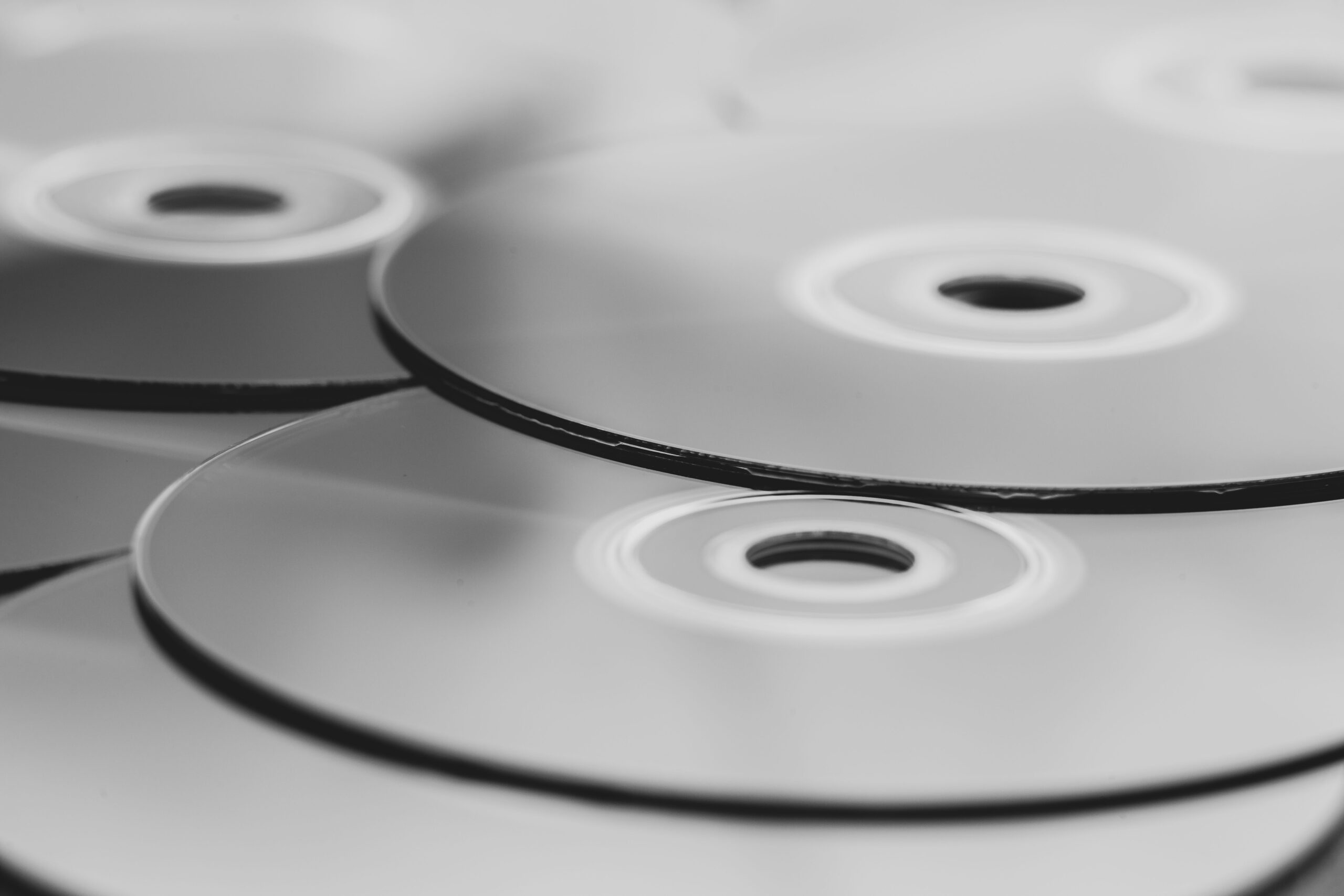
One of the places where people used to find plenty of DVDs and Blu-rays was in movie stores, but that is now a thing of the past. According to Statista, by 2026, 42% of Americans have shifted away from physical media, as entertainment redirected toward streaming and digital libraries. The few people who still hold onto physical discs are collectors, especially given that some movies might disappear from streaming libraries, making them less likely to stockpile discs.
Blank CDs and DVDs
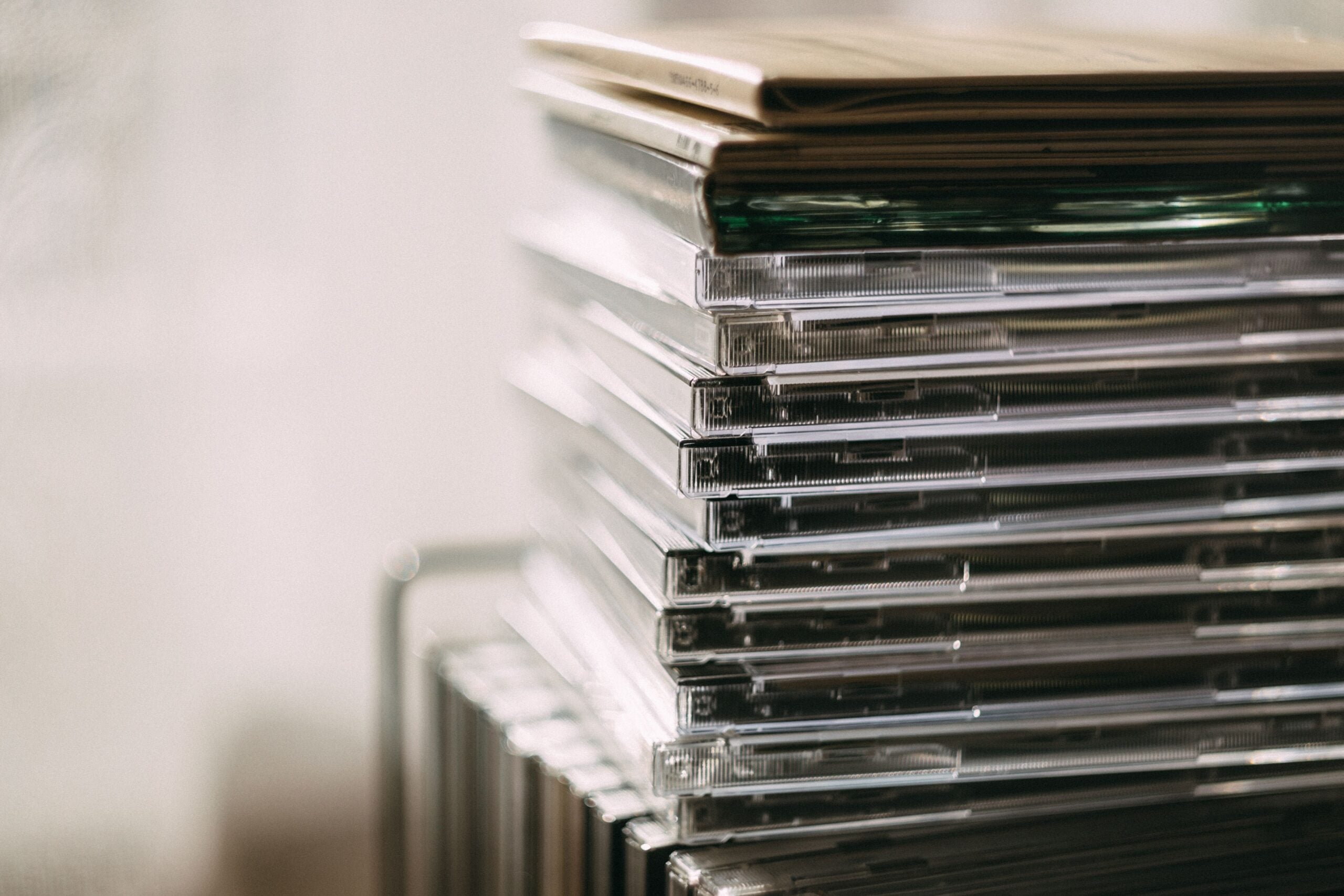
Until a few years ago, it was common to find a good supply of blank discs among home-office equipment, used for backing up photos, burning music, and transferring files. People have stopped trying to stockpile these items because flash drives, streaming, cloud storage, and file-sharing services have improved storage options. Another key factor is that the vast majority of new computers do not even come with optical drives.
Printer Paper and Extra Ink Cartridges
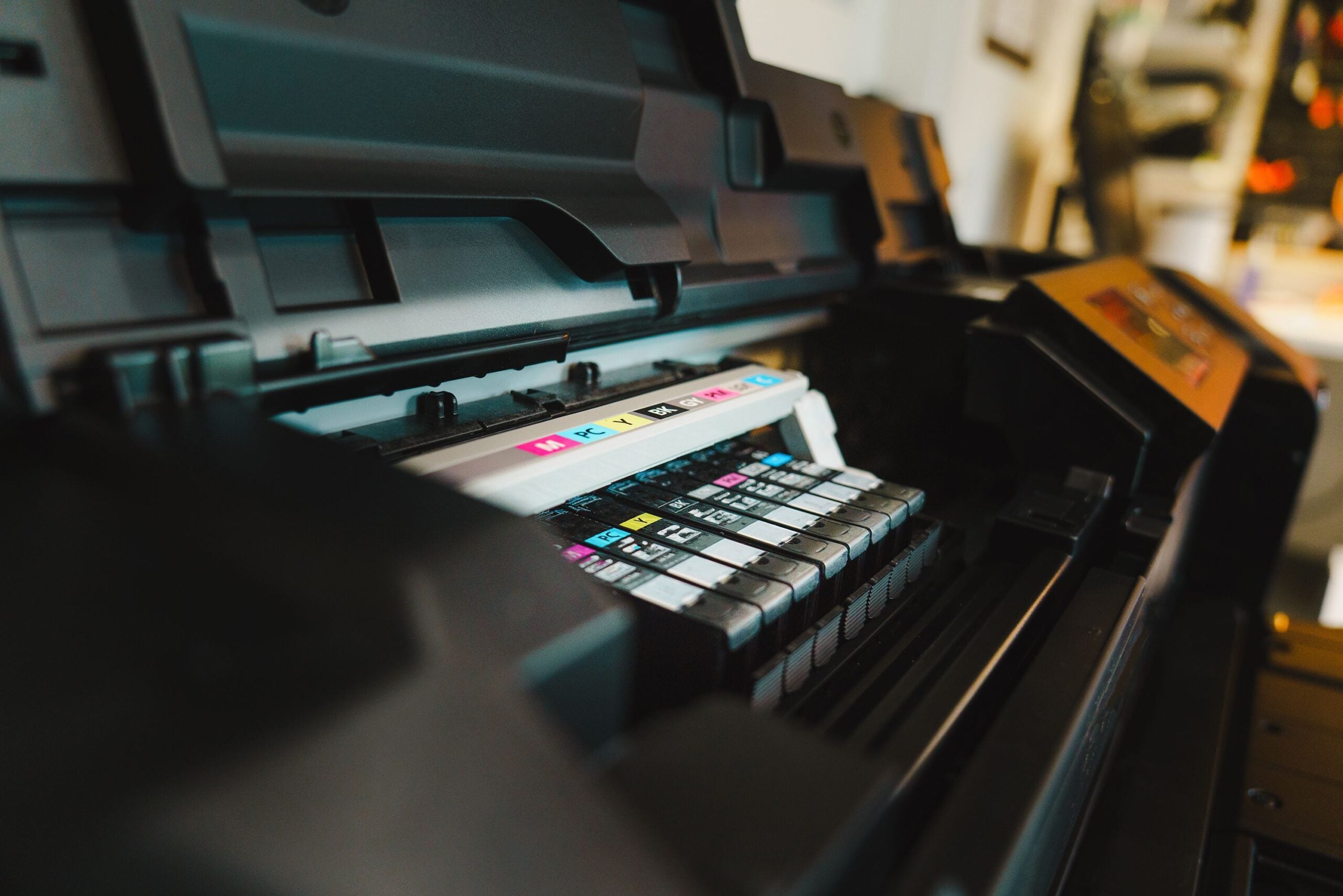
NielsenIQ reports indicate that ink cartridges are viewed as a justifiable purchase amidst financial pressure, leading consumers to buy them with spending discipline. The volume of printed material has declined because items such as airline tickets, recipes, bills, coupons, and photographs can now be viewed on electronic devices like smartphones. Printers have not disappeared; rather, they are now used only when absolutely necessary.
Sign up for our newsletter
Huge Packs of Disposable Plates and Cutlery
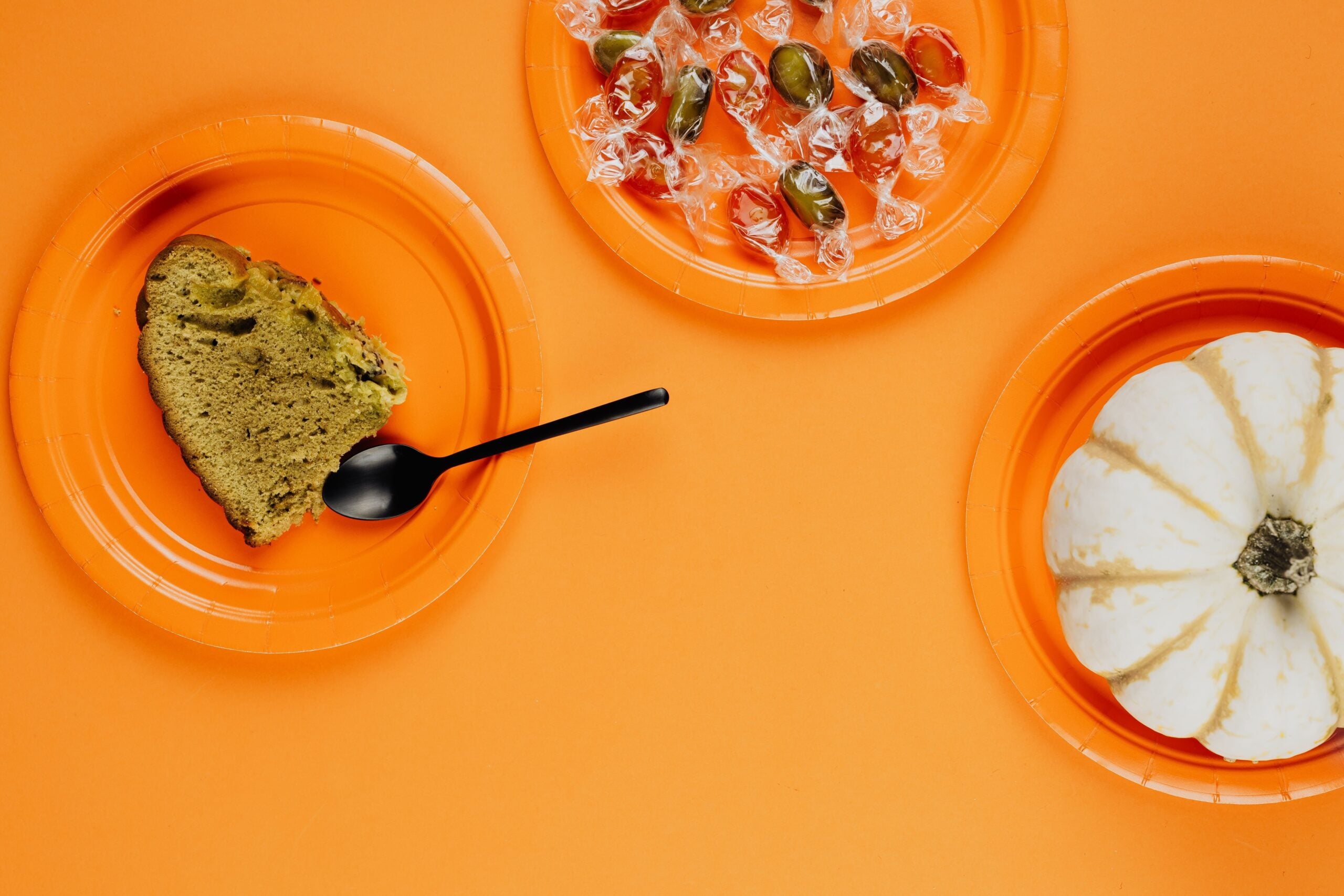
Bulk packs of disposable plates and cutlery are no longer a staple in many American households. NIQ notes that consumption of less essential household items, such as disposable dishware, is declining. Many people are turning to reusable containers, dishes, and flatware, which do not incur additional costs once you already have them in your kitchen. As a result, there is less reason to stockpile disposable items.
Months’ Worth of Fresh and Perishable Groceries
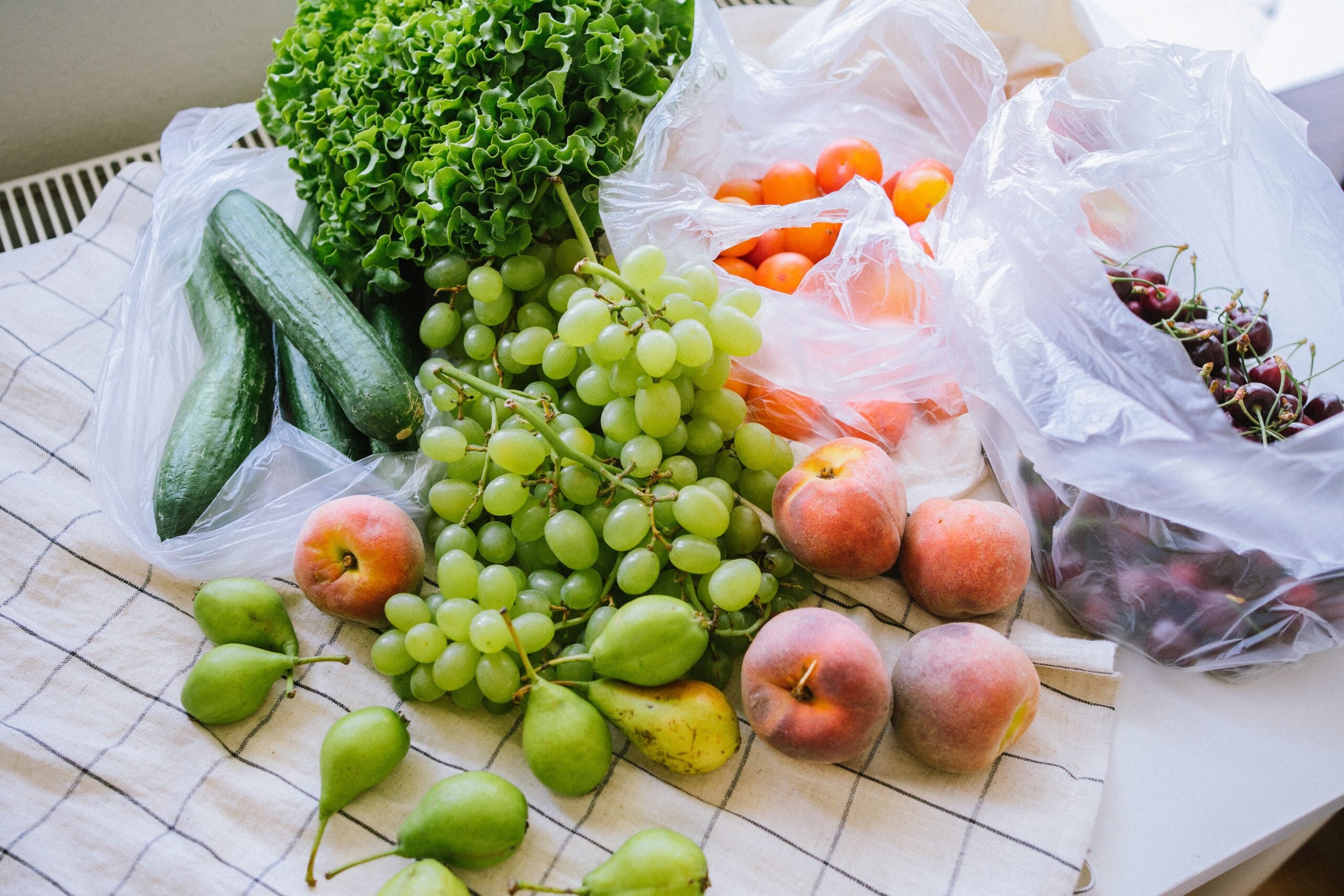
During the pandemic, many people focused on stocking their refrigerators, freezers, and pantries. However, purchasing perishable food can turn potential savings into a waste of money. Over time, consumers have increasingly focused on aligning purchase quantities with actual usage, rather than simply maximizing the amount of product bought or trying to stockpile food.
Huge Stashes of Cleaning Products
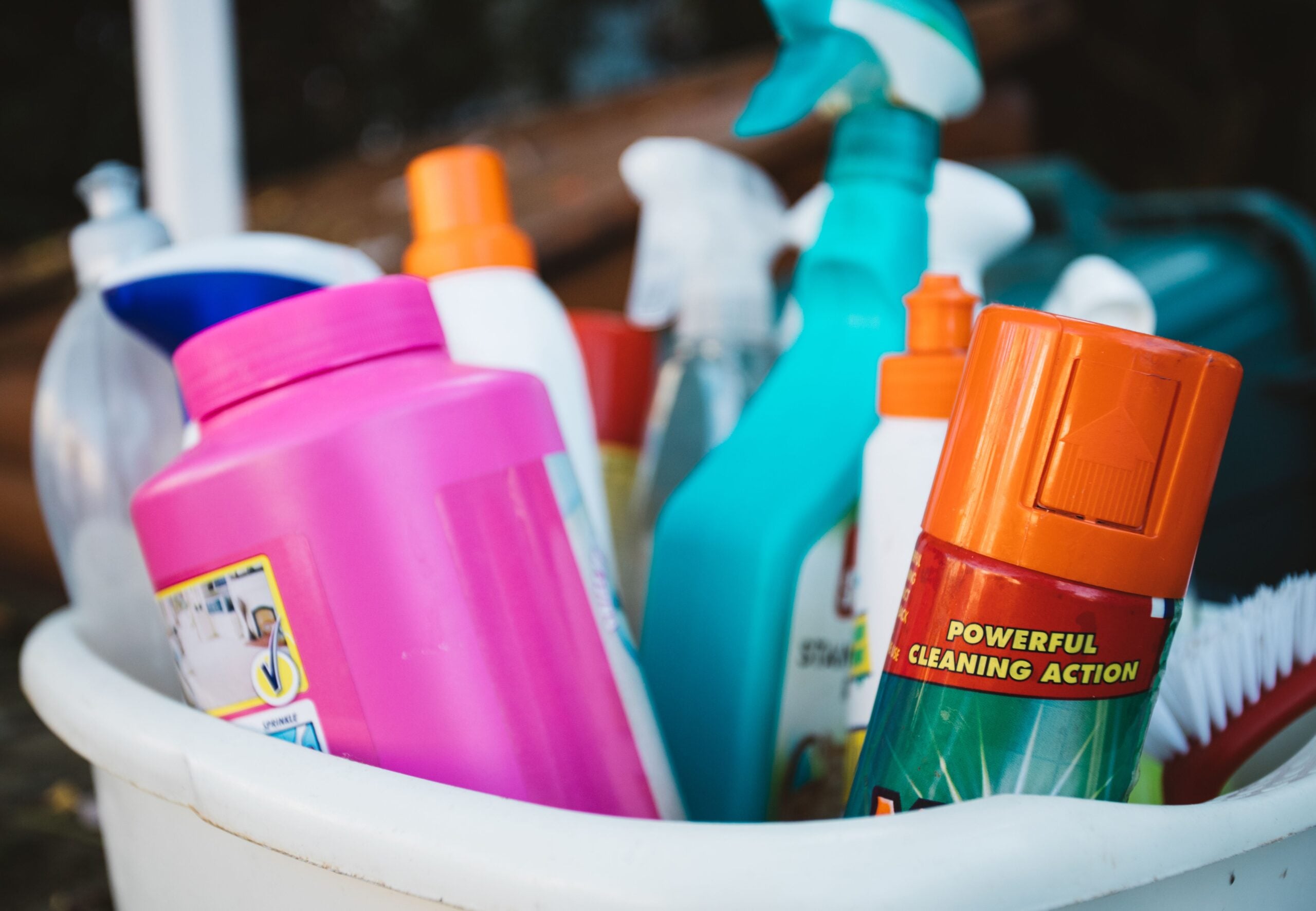
General consumer trends regarding cleaning products are shifting toward purchasing only what is truly necessary, rather than equating more bottles with better value. Today, concentrated multi-purpose cleaners are available that simplify people’s lives. In the past, people tended to stockpile separate bottles for every surface, glass, bathroom tiles, countertops, appliances, and more.
Large Amount of Cash

One thing people no longer stockpile at home is cash. It used to be a routine part of weekly life to visit an ATM to withdraw money for daily expenses, but recent studies by Pew Research indicate that 42% of American adults say they don’t use cash for any purchases in a typical week. Paper money has largely been replaced by cards, tap-to-pay, digital wallets, and online shopping, among other methods. Many people keep cash on hand only for emergencies, so they are less likely to stockpile it.
Conclusion

Americans are shifting their mindset, realizing that buying more doesn’t always mean getting better value, which leads them to give each purchase more thought. They may not need as many backup supplies as previously thought. Instead, they might wait for the right moment, such as a sale or the off-season, to buy them at a lower price. A practical way to stockpile today is to avoid running out of an item while purchasing it only when the price makes it worthwhile.