Once upon a time, luxury vacations meant dressing up for dinner, dancing in grand ballrooms, and spending summers at exclusive seaside resorts. But some of the world’s most glamorous luxury vacation destinations have since disappeared, fallen into disrepair, or changed beyond recognition. As the Newport Mansions history shows, even the extravagant summer retreats of America’s wealthiest families couldn’t escape changing times. From abandoned beachfront hotels to once-famous celebrity hideaways, these 12 destinations offer a glimpse into a golden age of travel that’s largely gone for good.
Varosha, Famagusta, Cyprus
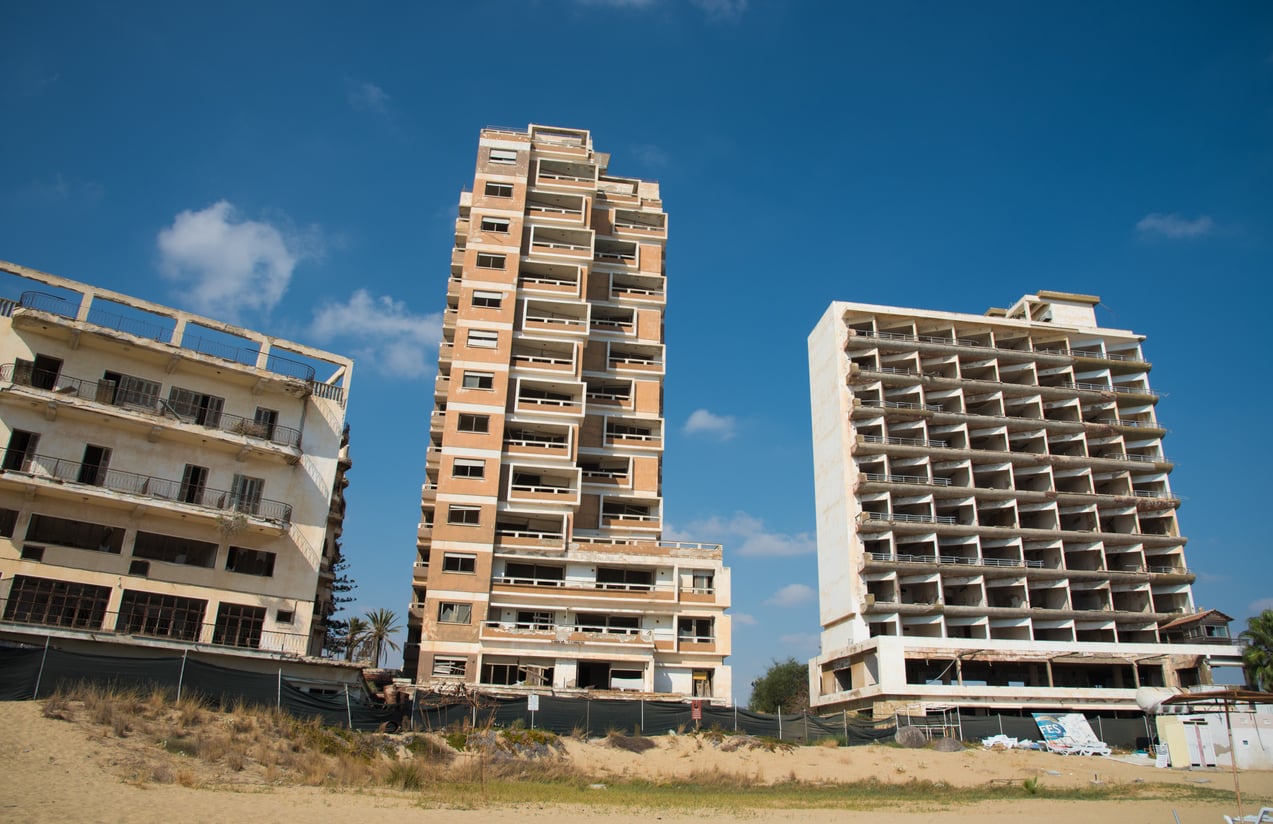
In the early 1970s, Varosha was a fashionable Mediterranean getaway, with beachfront hotels, upscale restaurants, and international visitors enjoying its sandy shores. Everything changed in 1974, when Turkish forces advanced into northern Cyprus and the district’s Greek Cypriot residents fled. The area was subsequently fenced off, leaving hotels and businesses abandoned for decades. Portions reopened to visitors beginning in 2020, but the buildings remain largely derelict and the property dispute unresolved. What was once a thriving luxury resort district is now a haunting reminder of the island’s division.
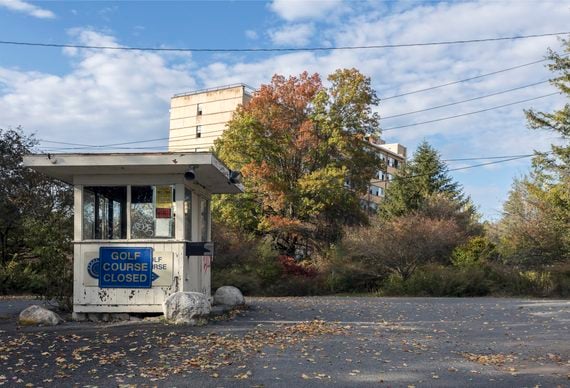
Grossinger’s Catskill Resort, Liberty, New York
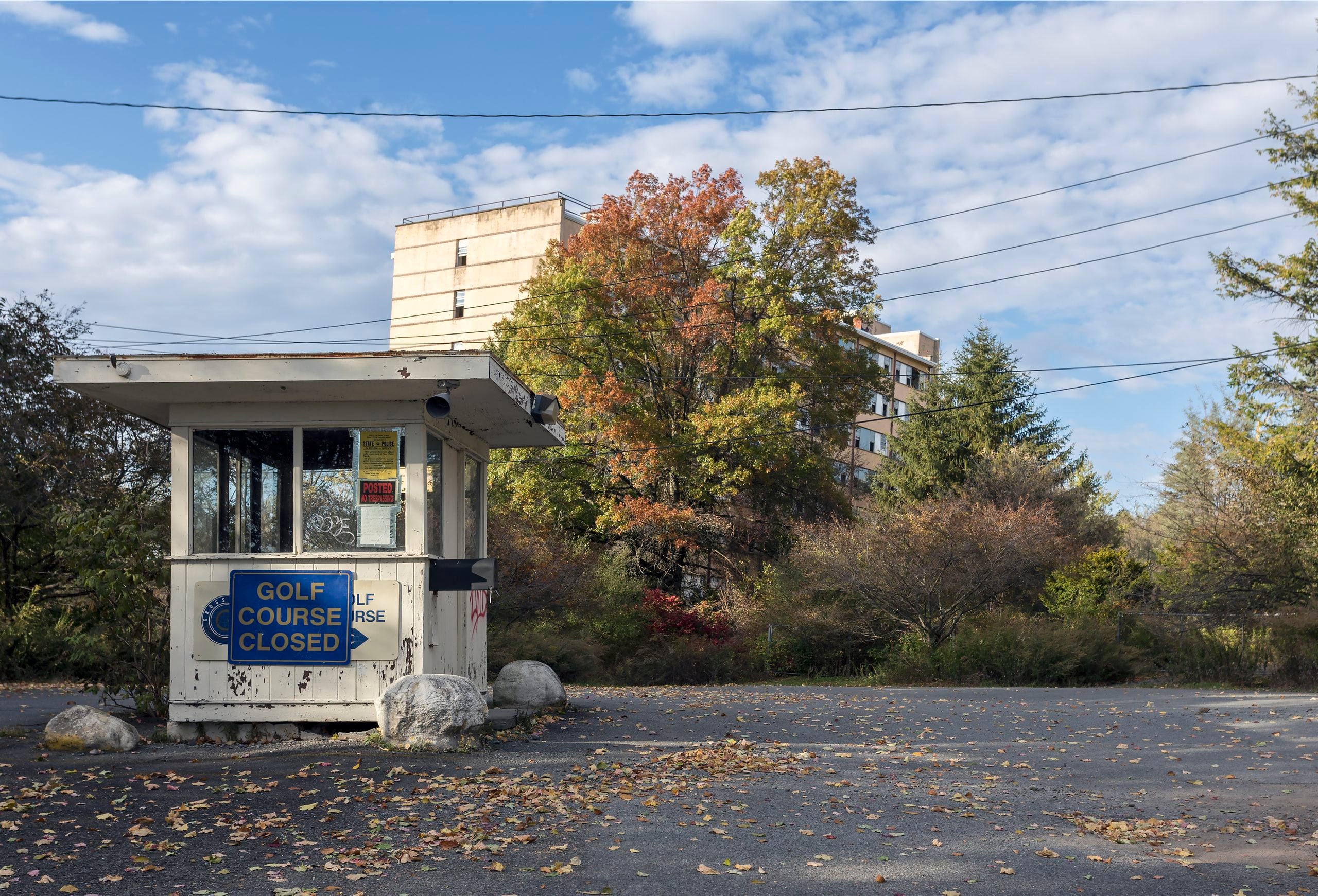
For generations of vacationers, Grossinger’s was practically a summer tradition. The sprawling Catskills resort offered swimming pools, golf, skiing, elaborate meals, and entertainment that attracted families from New York City and beyond. Its atmosphere helped inspire the fictional resort in the 1987 movie “Dirty Dancing.” But changing travel habits and declining business led to its closure in 1986. Much of the property was eventually demolished, and a fire destroyed another building in 2022. Developers unveiled ambitious redevelopment plans in 2026, although the original resort experience is long gone.
Havana’s Casino-Hotel District, Cuba
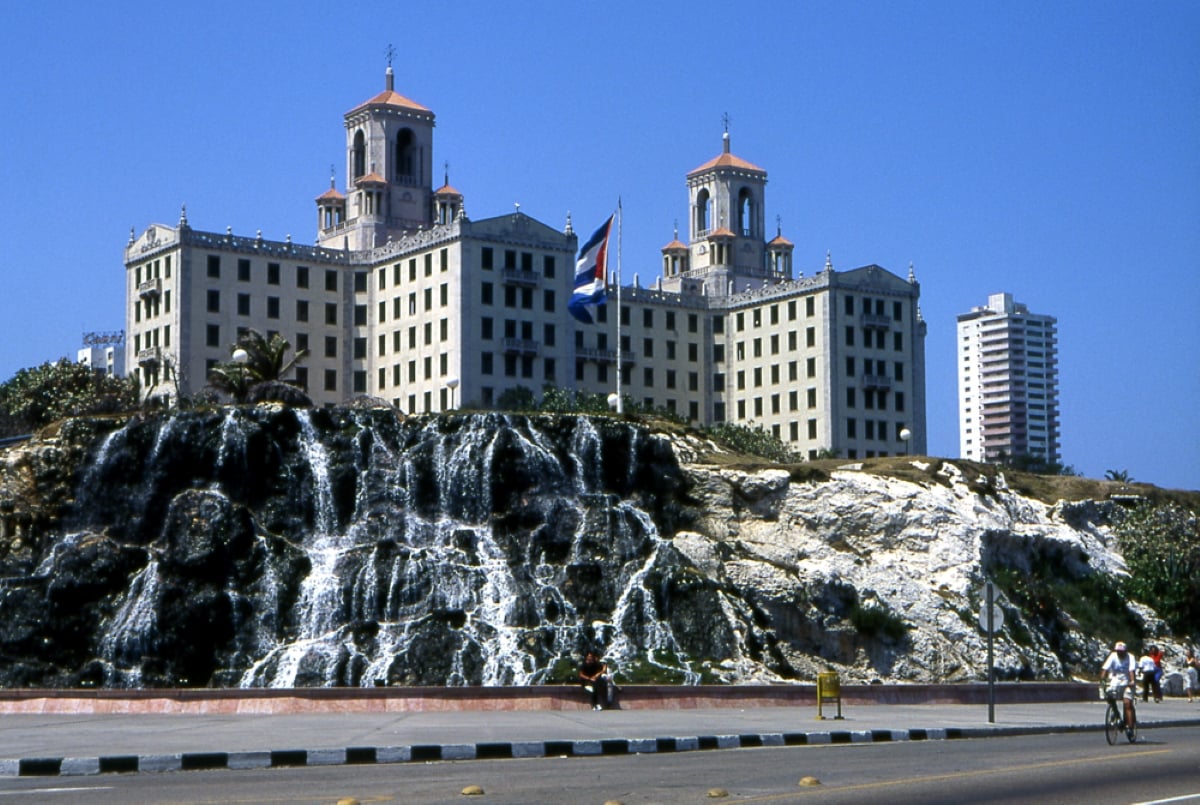
Before the Cuban Revolution, Havana was a playground for wealthy American vacationers, Hollywood celebrities, and high-rolling gamblers. Hotels such as the Riviera and Hotel Nacional offered elaborate entertainment, while casinos and nightclubs kept the city buzzing well into the morning. The revolution of 1959 transformed that world, and the government eventually eliminated casino gambling. Some historic hotels still operate, and visitors can admire much of the city’s architecture. However, the lavish, American-oriented gambling scene of the 1950s has disappeared, along with the political and social conditions that sustained it.
Acapulco’s Golden-Age Resorts, Mexico
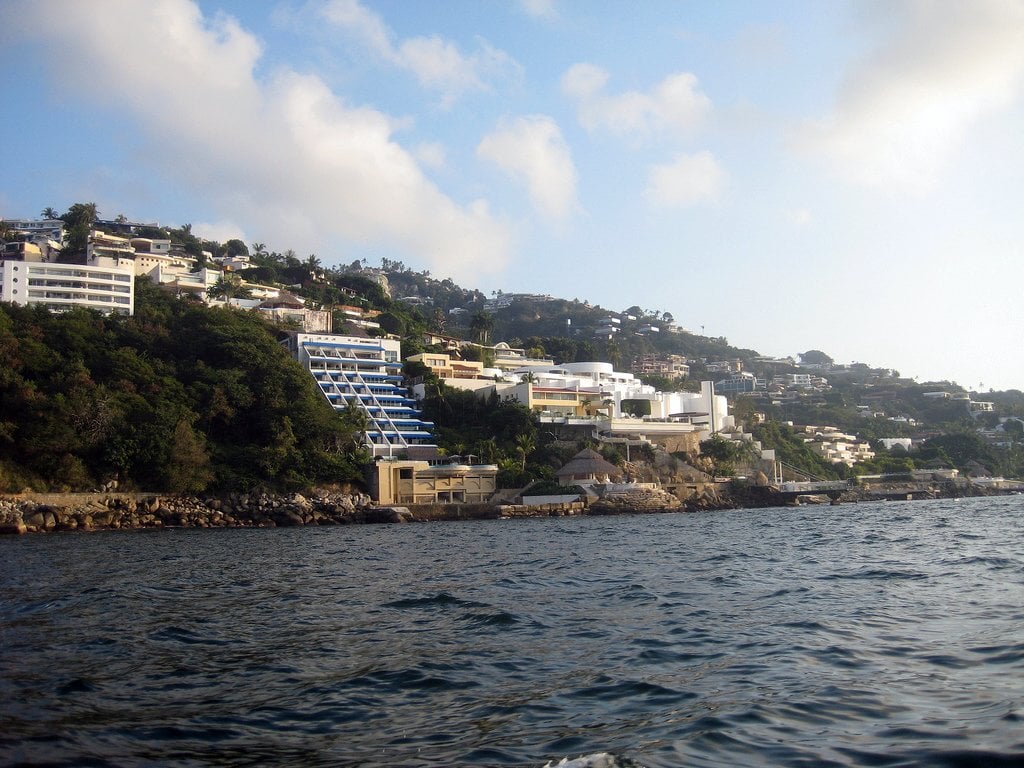
There was a time when vacationing in Acapulco practically guaranteed a brush with Hollywood glamour. During the 1950s and 1960s, celebrities flocked to its beaches, hillside villas, and luxurious hotels overlooking the Pacific. Las Brisas, which opened in 1957, became particularly associated with that exclusive lifestyle. But competition from newer resorts, security concerns, and changing travel preferences gradually altered Acapulco’s reputation. Hurricanes Otis in 2023 and John in 2024 caused further disruption. Tourism is recovering, but the city’s old identity as an international celebrity playground is difficult to recreate.
The Concord Resort Hotel, Kiamesha Lake, New York
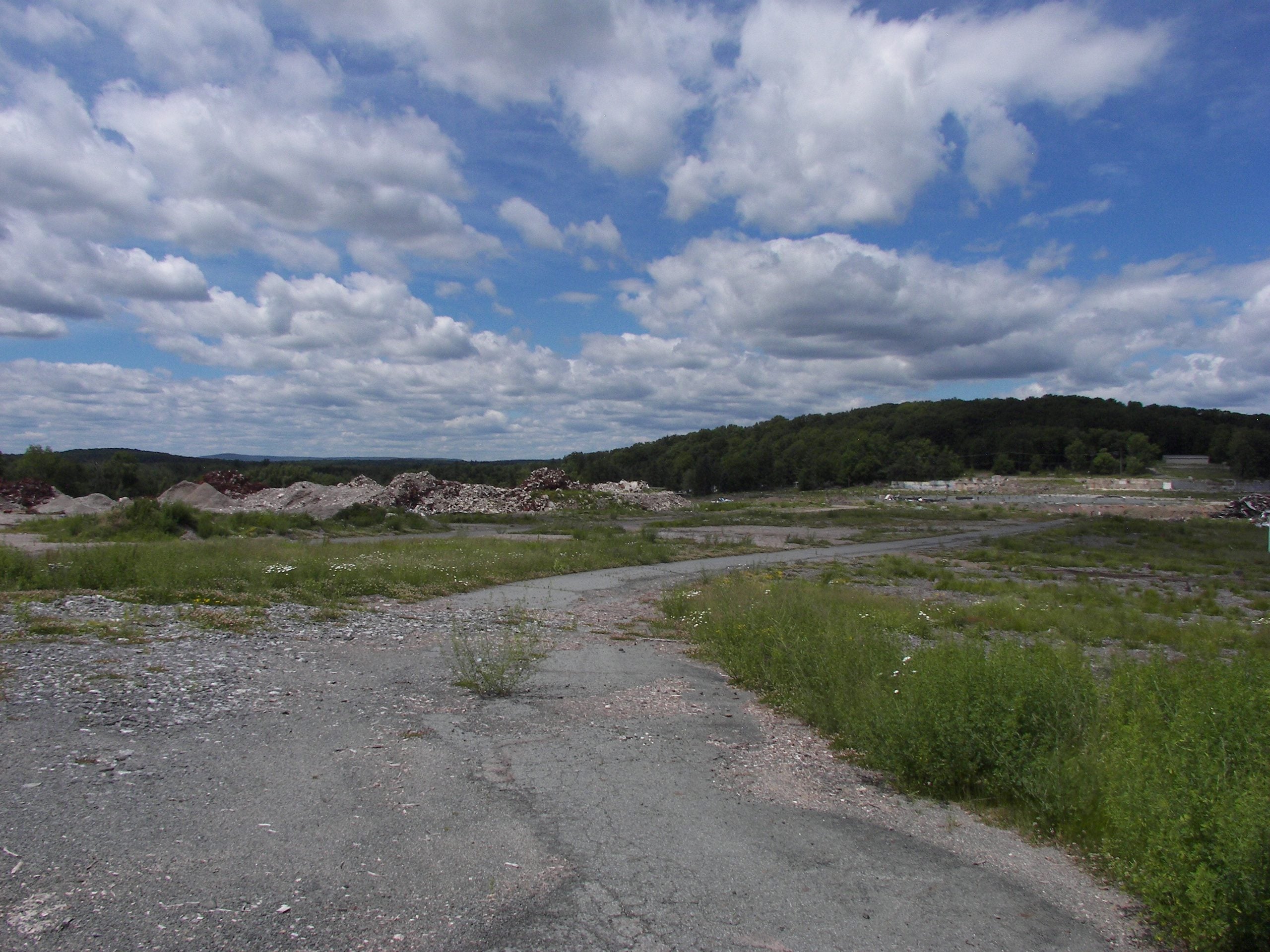
The Concord was the kind of resort where guests could unpack their suitcases and forget about planning anything else. With roughly 1,200 rooms, an enormous dining room, golf facilities, and a theater hosting entertainers such as Judy Garland and Tony Bennett, it became one of the Catskills’ defining vacation destinations. Families returned year after year for the entertainment and social atmosphere. The hotel closed in 1998, and its main buildings were demolished in 2008. New resort and casino developments have changed the area, but the Concord’s sprawling vacation culture belongs to another era.
Trending on Cheapism


Penn Hills Resort, Analomink, Pennsylvania

Heart-shaped bathtubs, round beds, and romantic weekend packages once made the Pocono Mountains a honeymoon destination unlike anywhere else. Penn Hills Resort embraced the trend with unusually decorated suites, recreational activities, and even a swimming pool shaped like a wedding bell. Couples could spend their days playing tennis or enjoying the grounds before returning to their novelty-filled accommodations. The resort closed in 2009 following financial difficulties and changing vacation habits. Its buildings subsequently deteriorated or were demolished, leaving little of the once-popular honeymoon retreat behind.
The Ocean Forest Hotel, Myrtle Beach, South Carolina
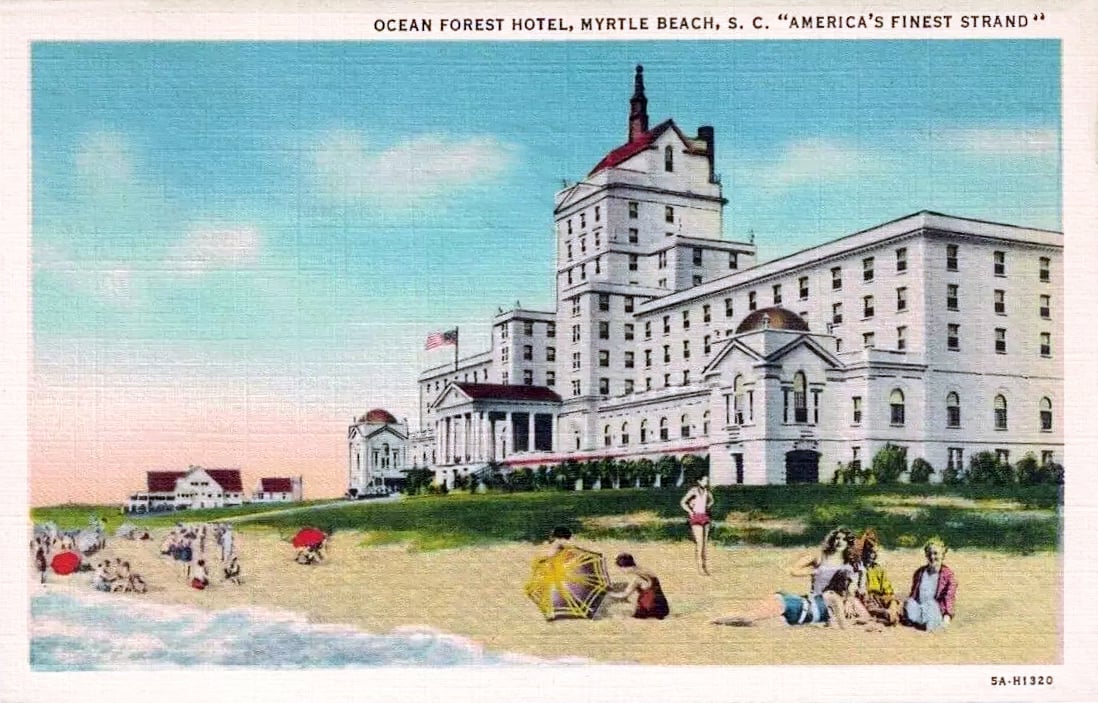
Long before Myrtle Beach became synonymous with family vacations and oceanfront condominiums, the Ocean Forest Hotel catered to a far more formal crowd. Opened in 1930, the imposing beachfront property featured marble staircases, crystal chandeliers, gardens, swimming pools, and a distinctive 10-story tower. Guests once dressed in tuxedos and evening gowns for dinner. By the 1970s, however, rising operating costs and years of deferred maintenance had taken their toll. The hotel was demolished in September 1974. Today, only traces of its original setting remain amid modern development.
Coney Island’s Grand Seaside Hotels, Brooklyn, New York
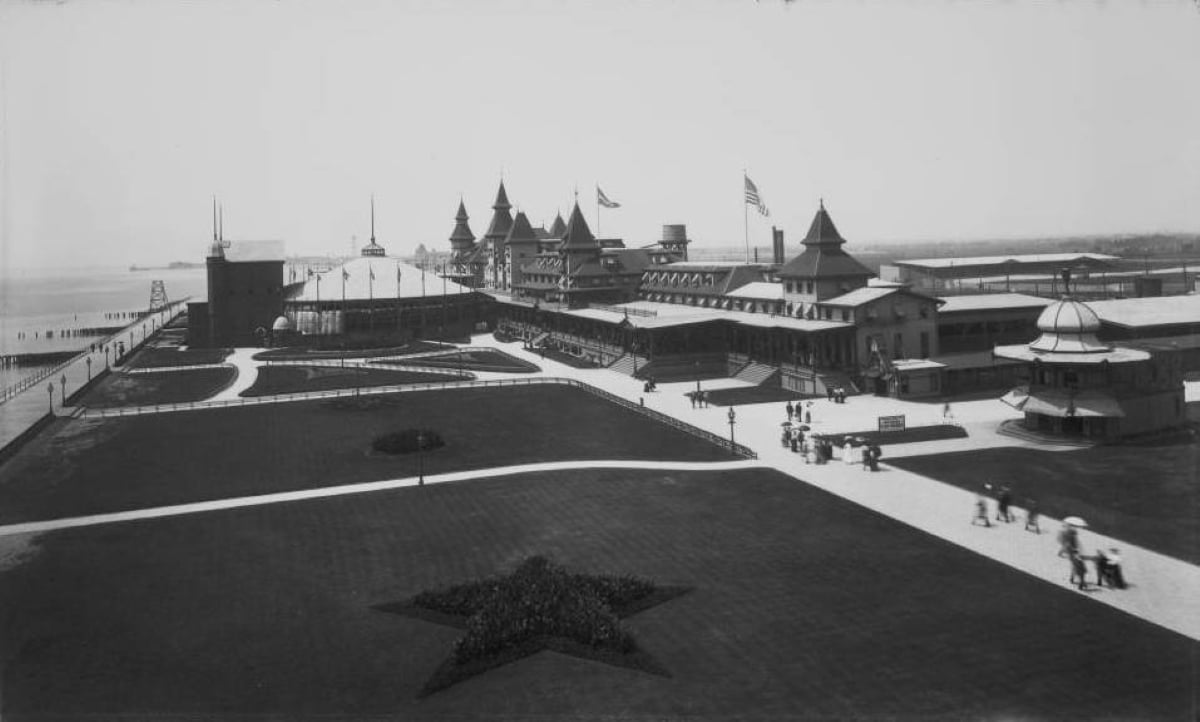
Coney Island wasn’t always about roller coasters, hot dogs, and crowded boardwalks. During the late 1800s, its eastern beaches attracted wealthy New Yorkers who stayed at grand establishments such as the Oriental Hotel, Manhattan Beach Hotel, and Brighton Beach Hotel. Guests enjoyed seaside bathing, orchestral performances, and carefully maintained grounds. As transportation improved, the area became accessible to a much wider public, and amusement parks gradually replaced the exclusive resort atmosphere. Coney Island remains a beloved destination, but its days as a fashionable summer retreat for the upper classes are long over.
Sign up for our newsletter
Newport’s Gilded Age Summer Colony, Rhode Island
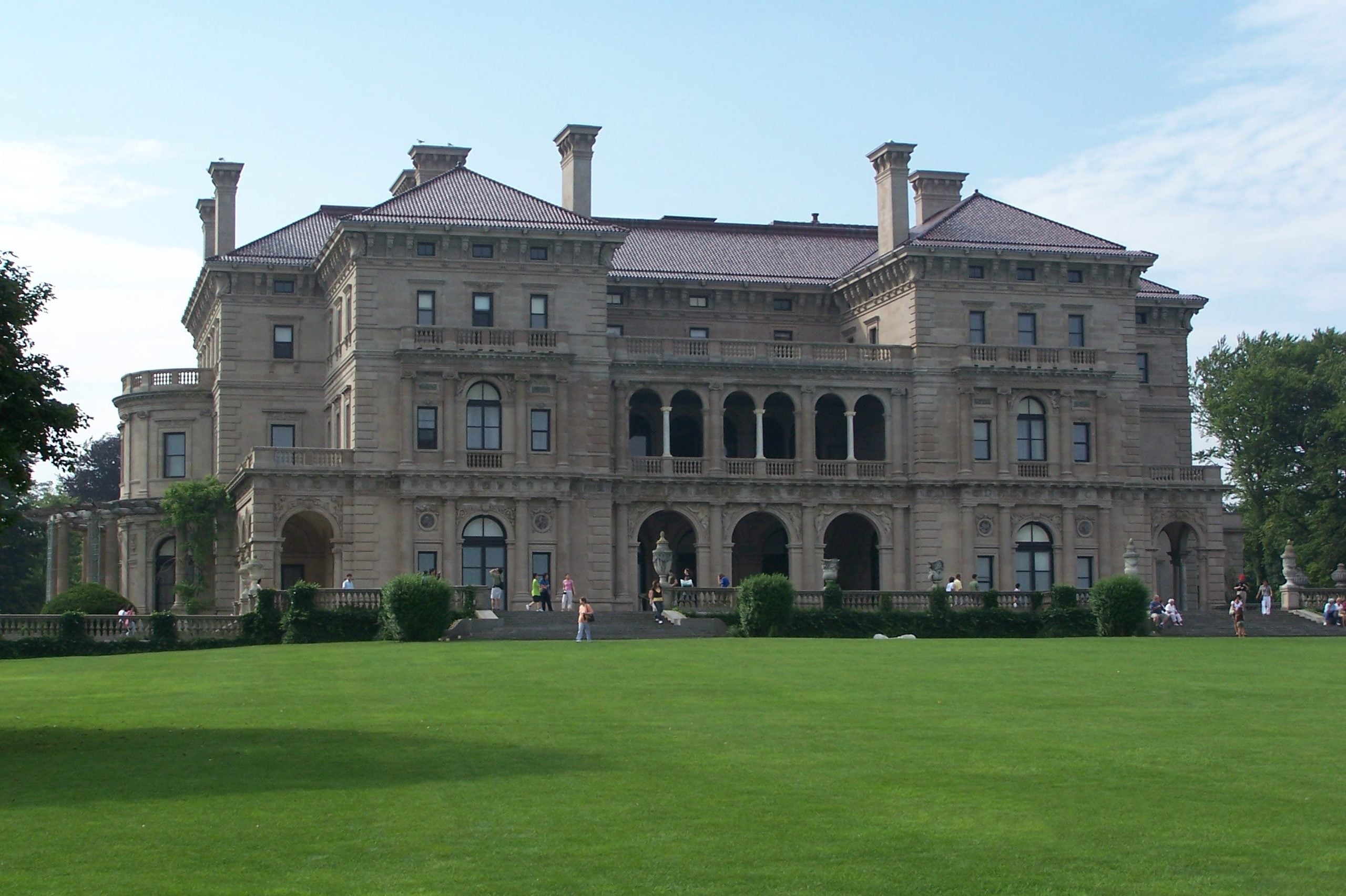
In Newport’s Gilded Age heyday, America’s wealthiest families spent their summers entertaining guests in enormous seaside mansions they casually called cottages. Properties such as The Breakers and Marble House featured elaborate architecture, formal gardens, and rooms designed for extravagant social gatherings. Maintaining these seasonal estates became increasingly expensive as taxes, economic upheaval, and changing lifestyles reshaped American high society. Many properties were sold, demolished, or preserved as museums. Visitors can still tour several remarkable mansions today, but the exclusive world of private summer balls and lavish house parties has largely disappeared.
Long Branch’s Presidential Resort Era, New Jersey
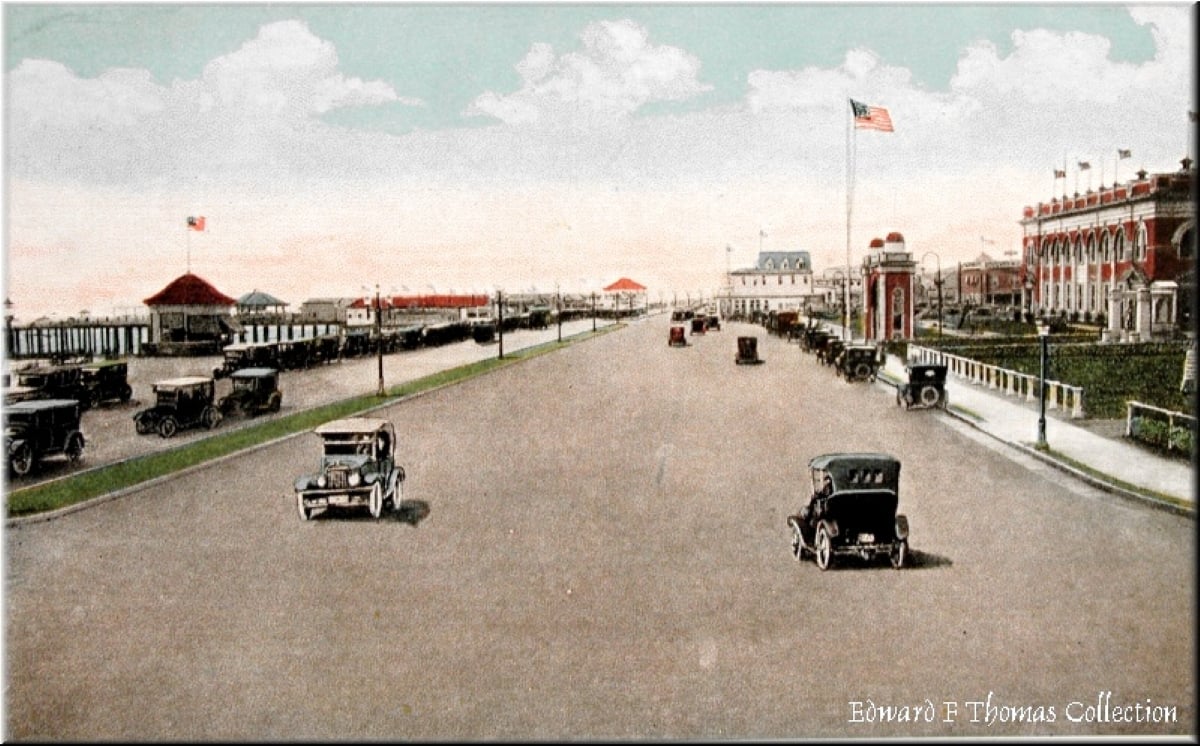
During the 19th century, Long Branch was one of America’s fashionable seaside escapes, drawing wealthy families, entertainers, and several U.S. presidents. Ulysses S. Grant helped popularize the area, while James Garfield was brought to a seaside cottage in 1881 in hopes that the ocean air would aid his recovery after he was shot. Grand hotels and elaborate summer residences once lined the shore. As vacation habits changed, much of that landscape disappeared. Today’s visitors find beaches, restaurants, and modern development rather than the exclusive presidential retreat of the Victorian era.
Coco Palms Resort, Kauai, Hawaii
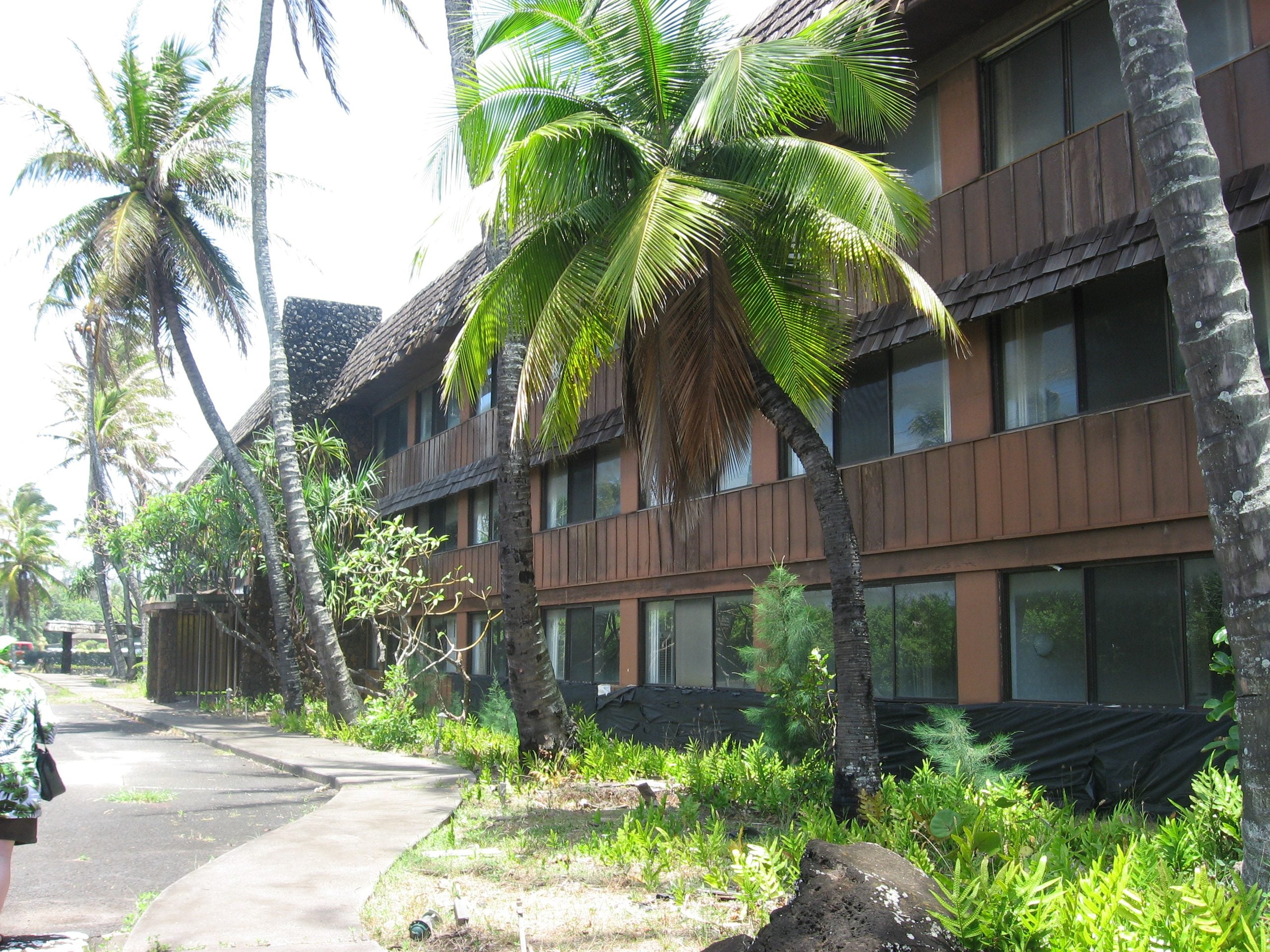
Few Hawaiian resorts captured midcentury glamour quite like Coco Palms. Opened in 1953, the tropical retreat welcomed celebrities and became famous as a filming location for Elvis Presley’s 1961 movie “Blue Hawaii.” Guests enjoyed palm-lined grounds, lagoons, and elaborate evening ceremonies that made a stay feel like a special occasion. Hurricane Iniki severely damaged the property in 1992, and it never reopened. After decades of abandoned buildings and unsuccessful proposals, restoration work is underway, with a projected 2028 opening. For now, the original resort remains a memory rather than a place to book.
Atlantic City’s Pre-Casino Grand Hotels, New Jersey
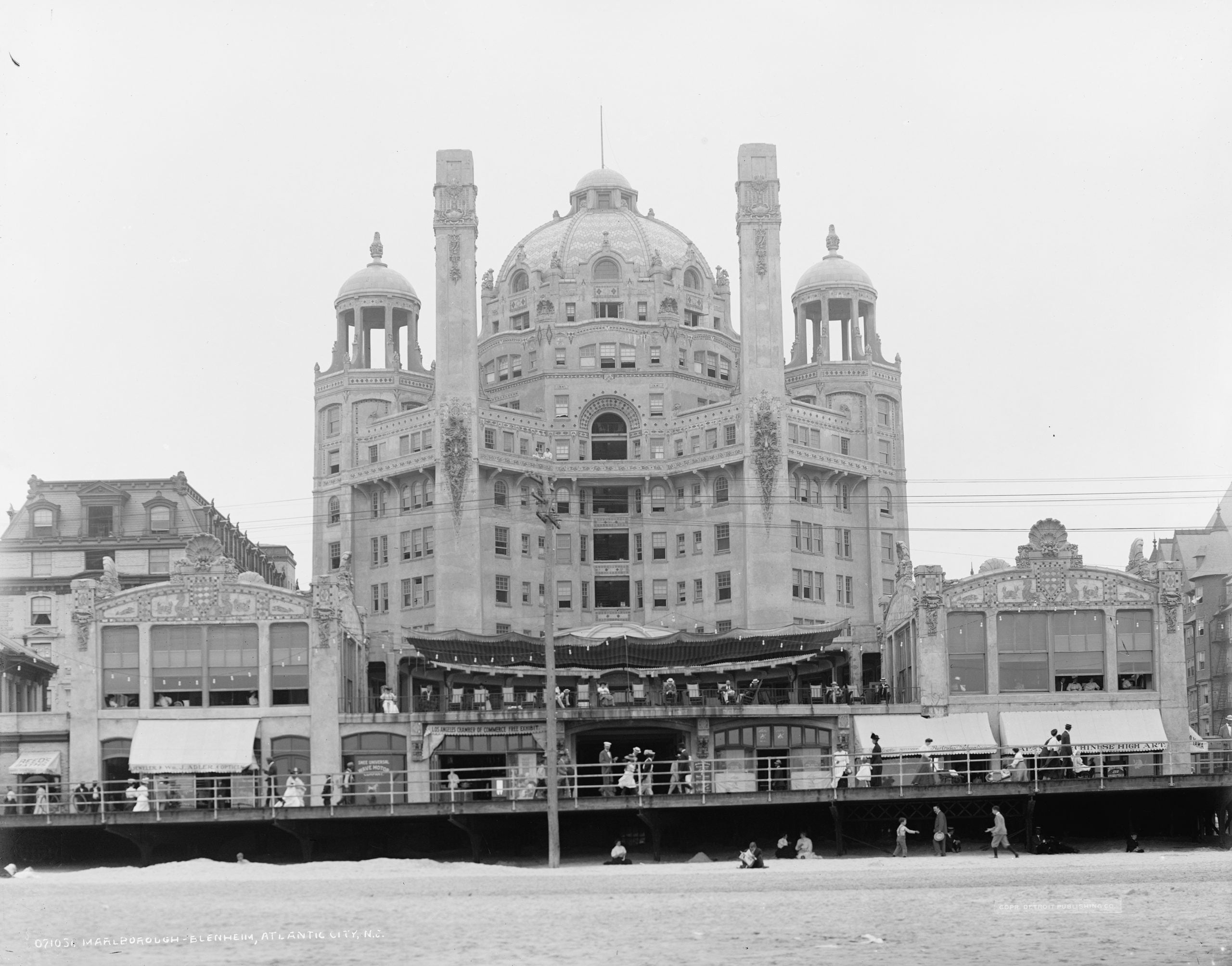
Long before slot machines dominated Atlantic City’s skyline, visitors came for elegant seaside hotels, ocean breezes, and leisurely strolls along the boardwalk. The Marlborough-Blenheim Hotel, with its distinctive architecture, represented the resort’s early-20th-century grandeur. But changing travel habits weakened the traditional hotel industry, and legalized casino gambling in 1978 transformed the waterfront. The Marlborough-Blenheim complex was demolished around 1978 and 1979 to make way for casino development. Atlantic City still welcomes beachgoers, but the grand hotel culture that once defined its appeal has largely vanished.