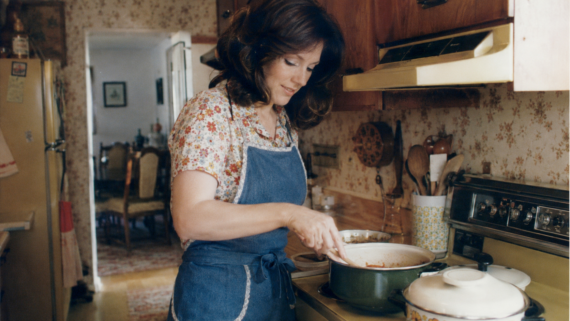
Dinner in the 1970s was often about making something filling without spending too much money or too much time in the kitchen. As more convenience foods and time-saving appliances became household staples, the meals middle-class moms made often leaned on ground beef, canned soup, boxed mixes, casseroles, and slow-cooked dinners. The Smithsonian notes that the Crock-Pot became a major kitchen phenomenon during the decade, reflecting just how much families valued practical cooking. From Hamburger Helper to meatloaf and tuna noodle casserole, these dinners may be simple, but for many people they are pure 1970s nostalgia.
Hamburger Helper
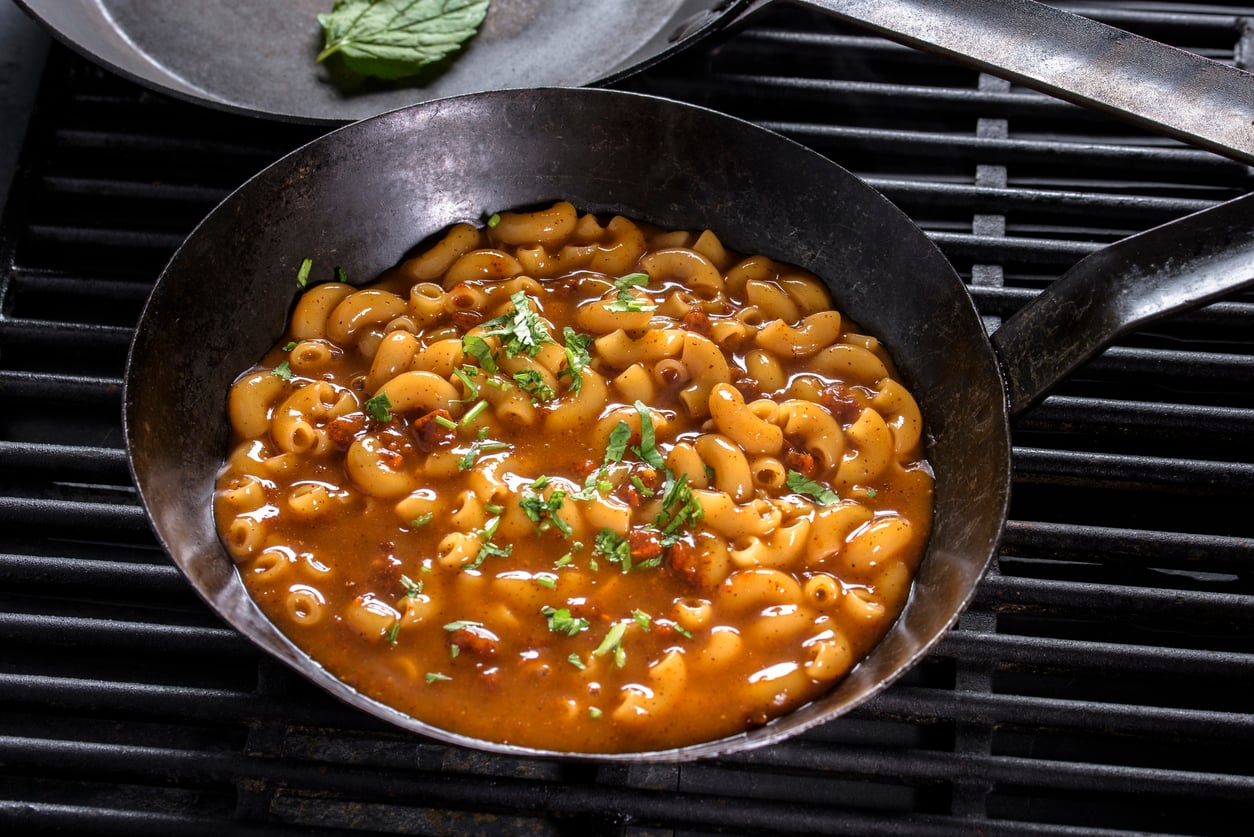
Few foods scream 1970s weeknight dinner quite like Hamburger Helper. General Mills launched it nationally in August 1971 with Beef Noodle, Potato Stroganoff, Hash, Rice Oriental, and Chili Tomato flavors. The selling point was wonderfully practical: turn a pound of hamburger into a skillet meal big enough for a family. It caught on immediately, with 27% of U.S. households purchasing it during its first year. Add canned green beans or peas on the side and dinner could be finished with very little fuss.
Tuna Noodle Casserole
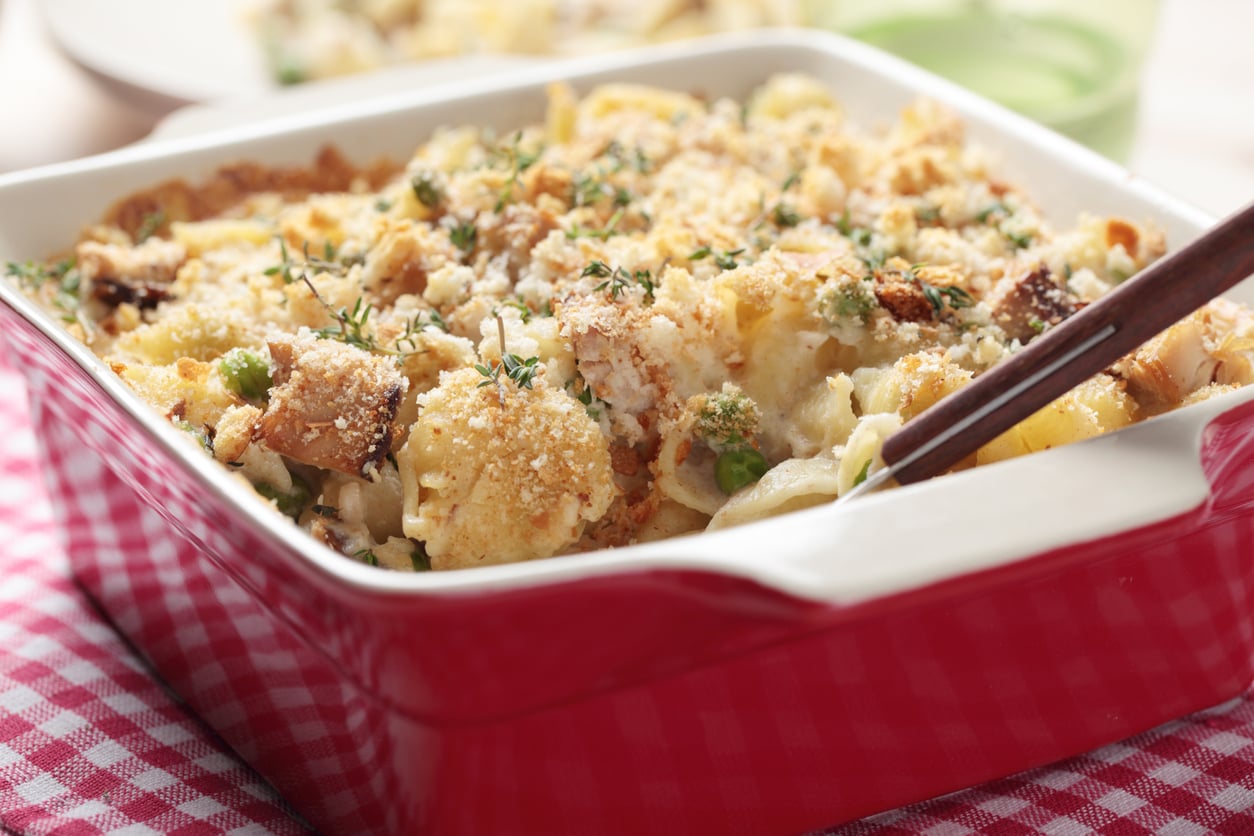
Tuna noodle casserole was already established before the 1970s, but the decade practically adopted it as its own. A 1974 Better Homes and Gardens version combined noodles, canned tuna, condensed soup, vegetables, cheese, and an optional potato-chip topping. It was economical, pantry-friendly, and easy to stretch across several servings. Not everybody remembers it fondly, either. One Reddit commenter recalling the era described the familiar combination of tuna, mushroom soup, noodles, peas, and crushed chips as “standard 1970’s fare.”
Meatloaf With Mashed Potatoes
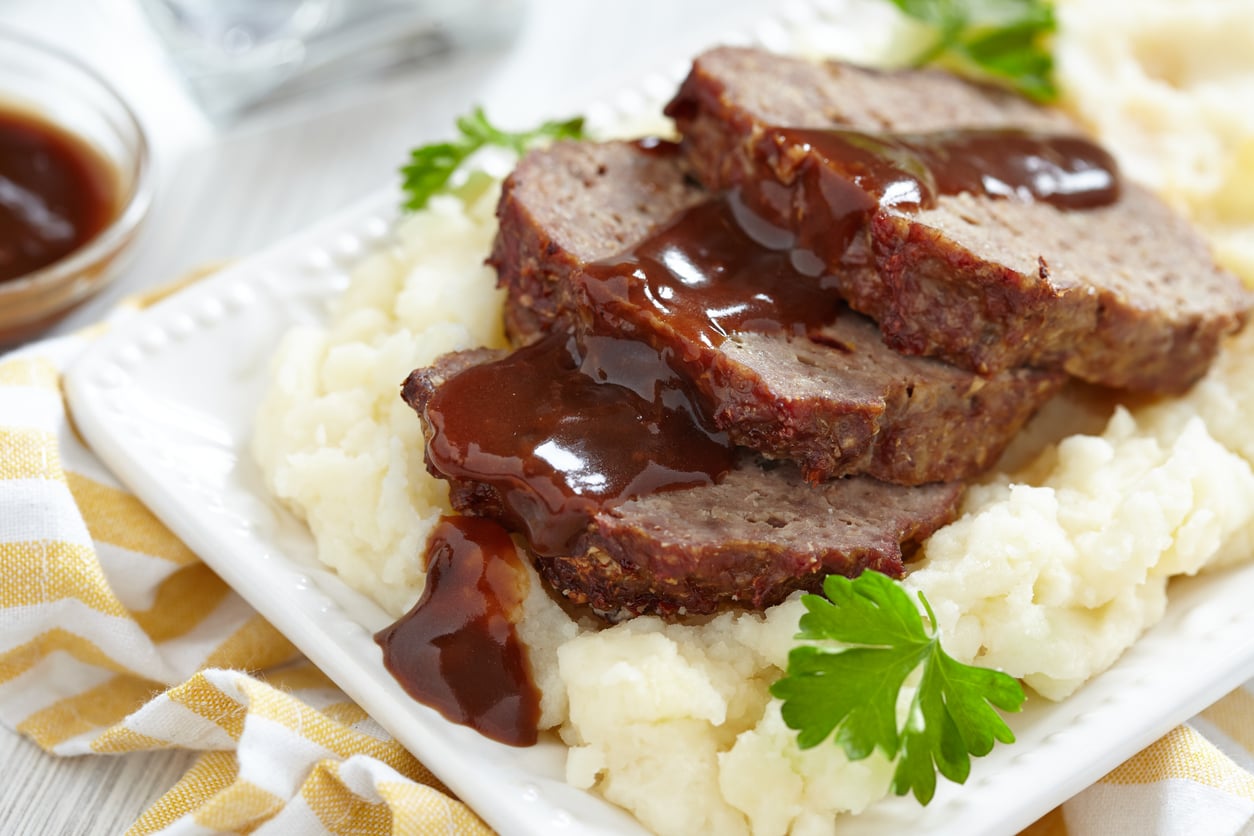
Meatloaf was one of the great ground-beef stretchers. Breadcrumbs, oats, eggs, milk, or crackers could bulk out the meat, while ketchup or tomato sauce provided the familiar glazed top. Mashed potatoes and canned green beans completed the sort of plate many people still associate with childhood dinners. Nostalgia discussions back that up: older Americans repeatedly mention meatloaf, potatoes, and canned vegetables when describing routine family meals of the era. The bonus was tomorrow’s lunch, since cold meatloaf made a perfectly respectable sandwich.
Chicken a la King Over Toast
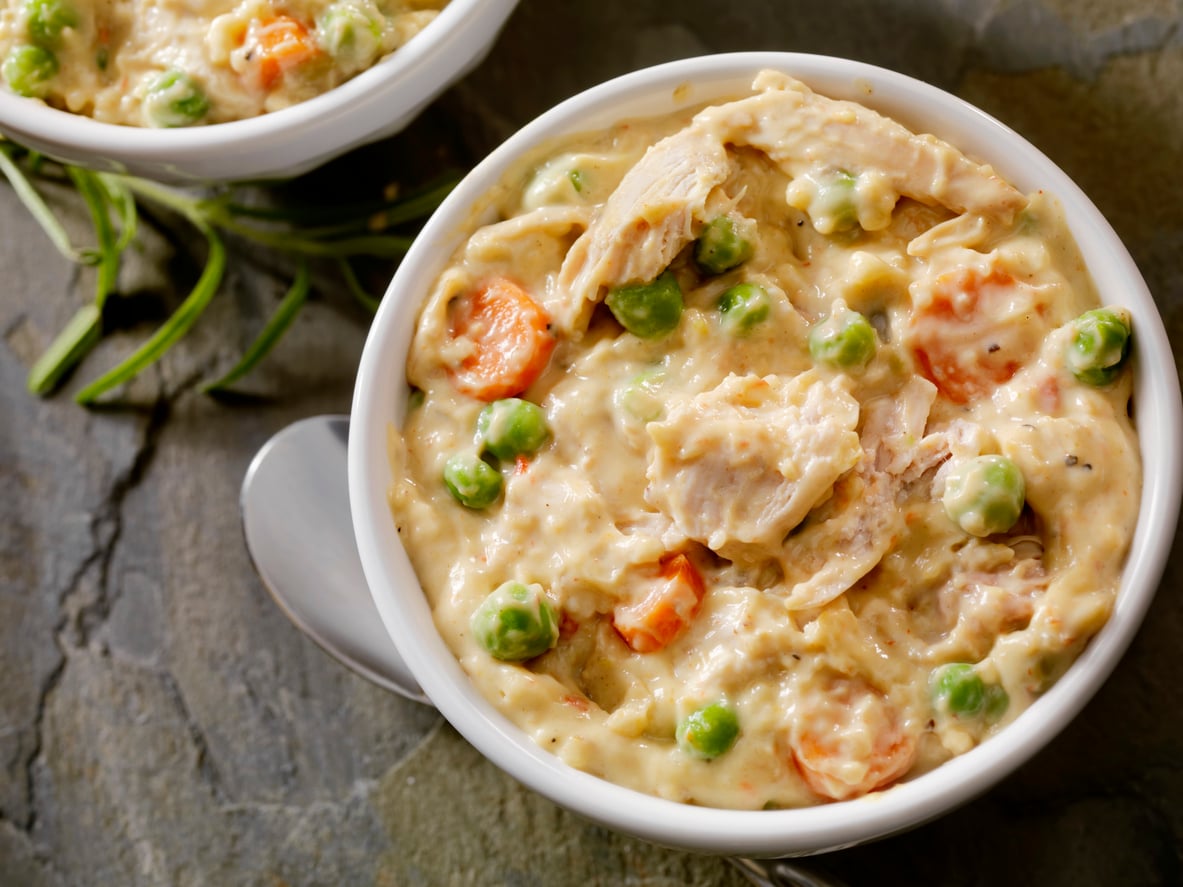
Chicken a la King had been around for decades by the 1970s, but it still belonged comfortably on the period dinner table. James Beard included a version in his 1972 “American Cookery” using chicken, mushrooms, bell pepper, onion, pimiento, cream sauce, and sherry. Home cooks could make considerably simpler versions with canned mushrooms and leftover chicken, then spoon the creamy mixture over toast, rice, biscuits, or noodles. It looked a little fancy while quietly accomplishing something very practical: turning scraps of cooked chicken into another full meal.
Sloppy Joes
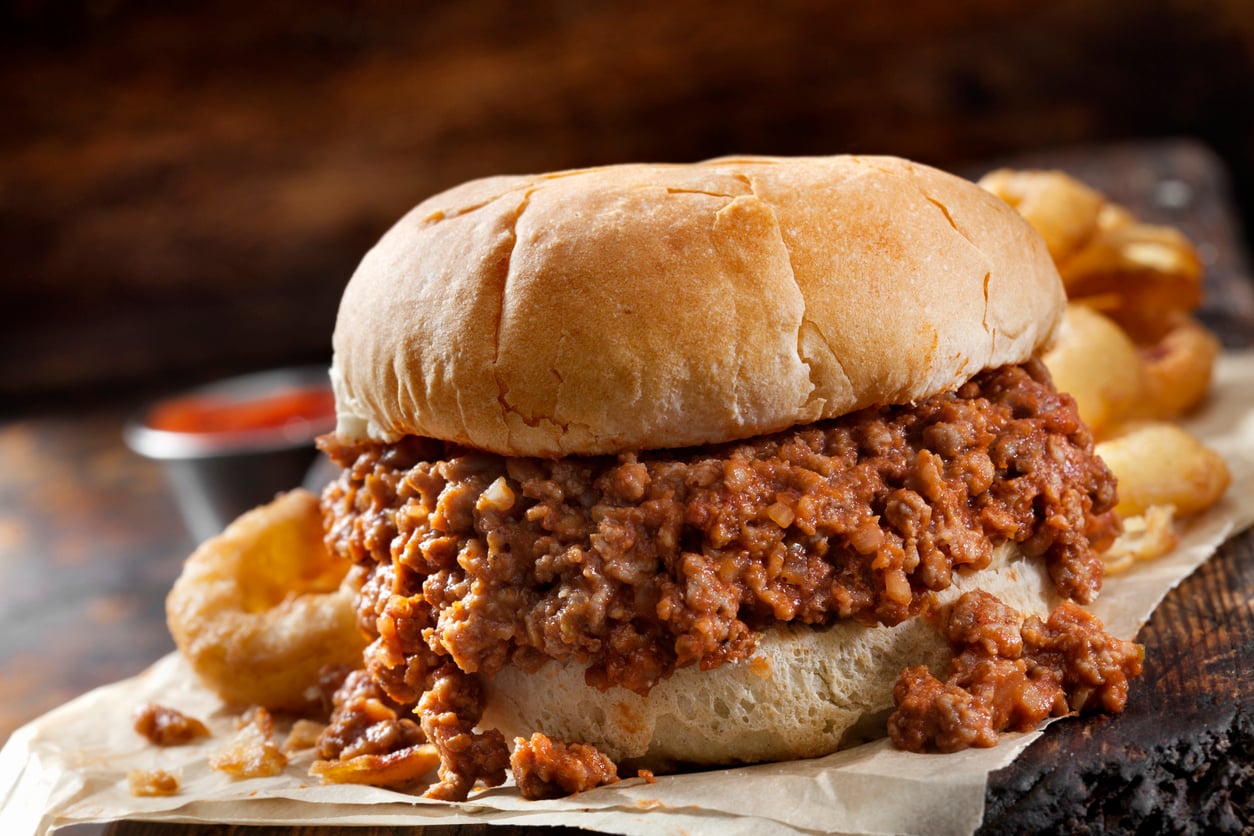
Brown some hamburger, stir in a sweet tomato-based sauce, and pile it onto buns. That simplicity explains much of the Sloppy Joe’s staying power. Manwich canned Sloppy Joe sauce arrived in 1969, just in time to become part of the convenience-food landscape of the following decade. Homemade versions were hardly complicated either, often relying on ketchup, tomato sauce, onion, and seasonings. Chips, pickles, or canned vegetables made an easy side. Best of all for a busy household, nobody expected a Sloppy Joe night to look elegant.
Trending on Cheapism

Salisbury Steak With Gravy
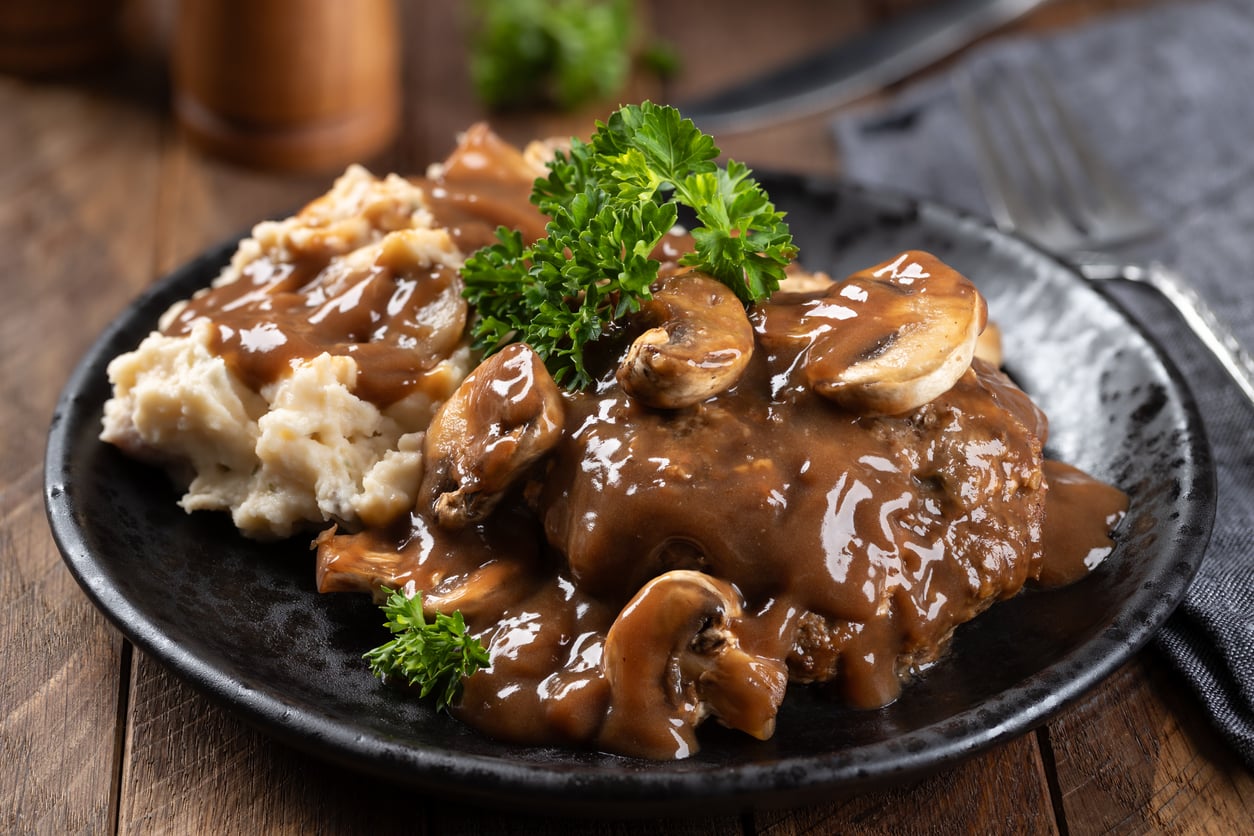
Salisbury steak gave ground beef the appearance of a more formal meat-and-potatoes dinner. Patties were browned, covered with onion or mushroom gravy, and usually partnered with mashed potatoes and peas or green beans. Frozen dinners helped reinforce the association: a 1976 comparison of popular frozen meals listed Salisbury steak among the best-selling offerings from major brands such as Banquet. Homemade versions were straightforward, too. For families watching the grocery bill, it delivered gravy-and-steak satisfaction without requiring actual steaks for everyone.
Beef Stroganoff Over Egg Noodles
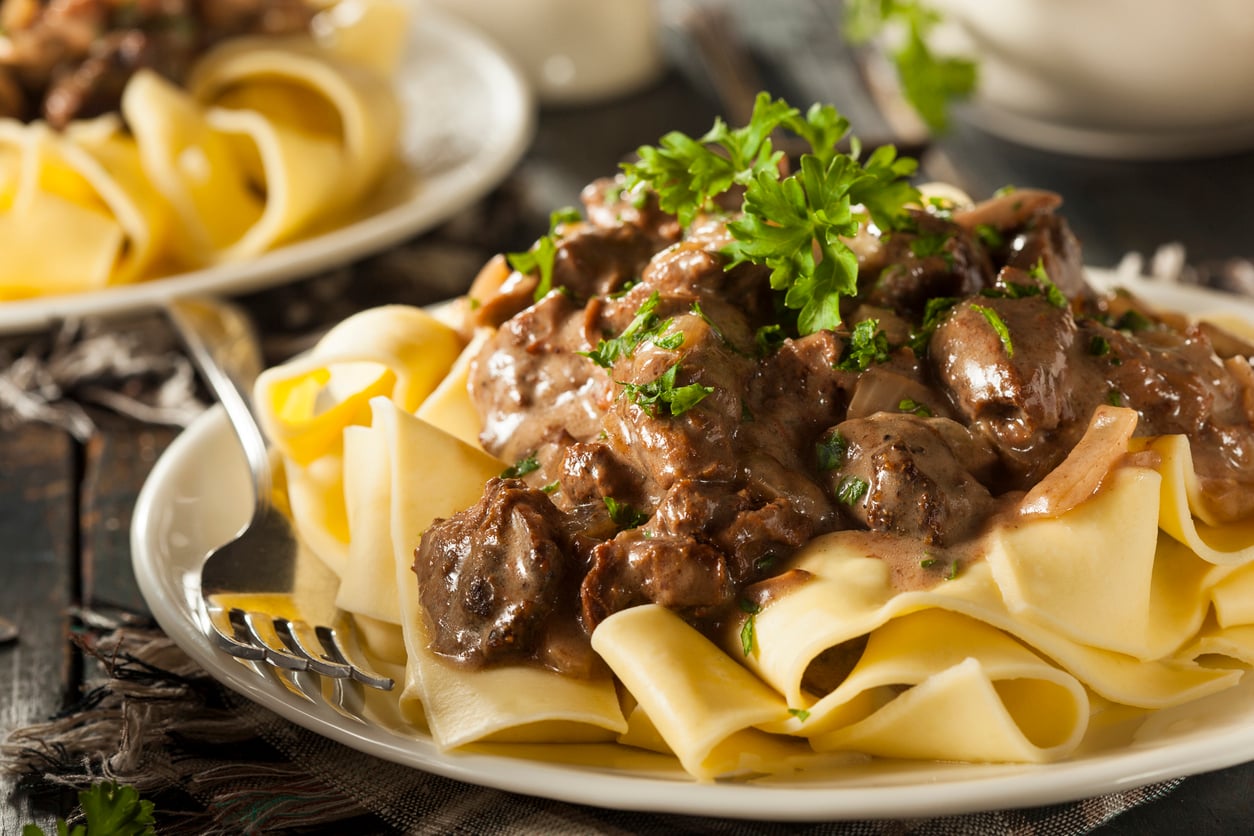
Americanized beef stroganoff could range from company-worthy to decidedly budget-minded. Plenty of home versions used ground beef instead of steak, then added mushrooms, sour cream, broth or condensed soup and poured the whole thing over egg noodles. One home cook still uses a recipe from a 1970s Betty Crocker cookbook made with ground beef, mushrooms, bouillon, ketchup, soy sauce, sour cream, and flour. Noodles stretched the meat farther, while the creamy sauce made an ordinary pound of hamburger feel a little more grown-up.
Chicken and Rice Casserole
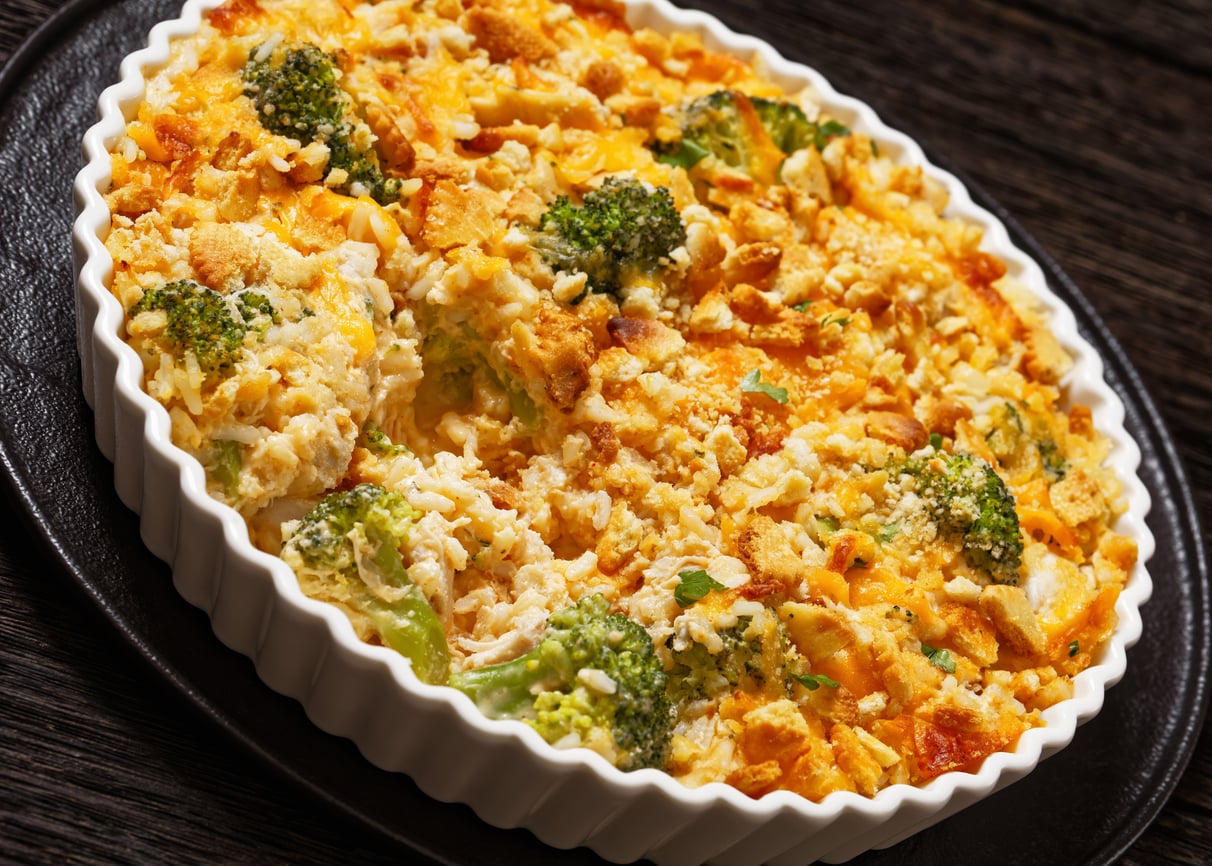
Chicken and rice casserole embodied the “put it in a dish and bake it” school of 1970s cooking. A community cookbook published in 1972 includes a version built from chicken, uncooked white rice, cream of celery soup, cream of mushroom soup, and dry onion soup mix, all baked together for two hours. That is about as period-perfect as dinner gets. Rice made the chicken go farther, canned soup supplied the sauce, and cleanup mostly amounted to one casserole dish once everybody had eaten.
Sign up for our newsletter
Shake ‘N Bake Chicken
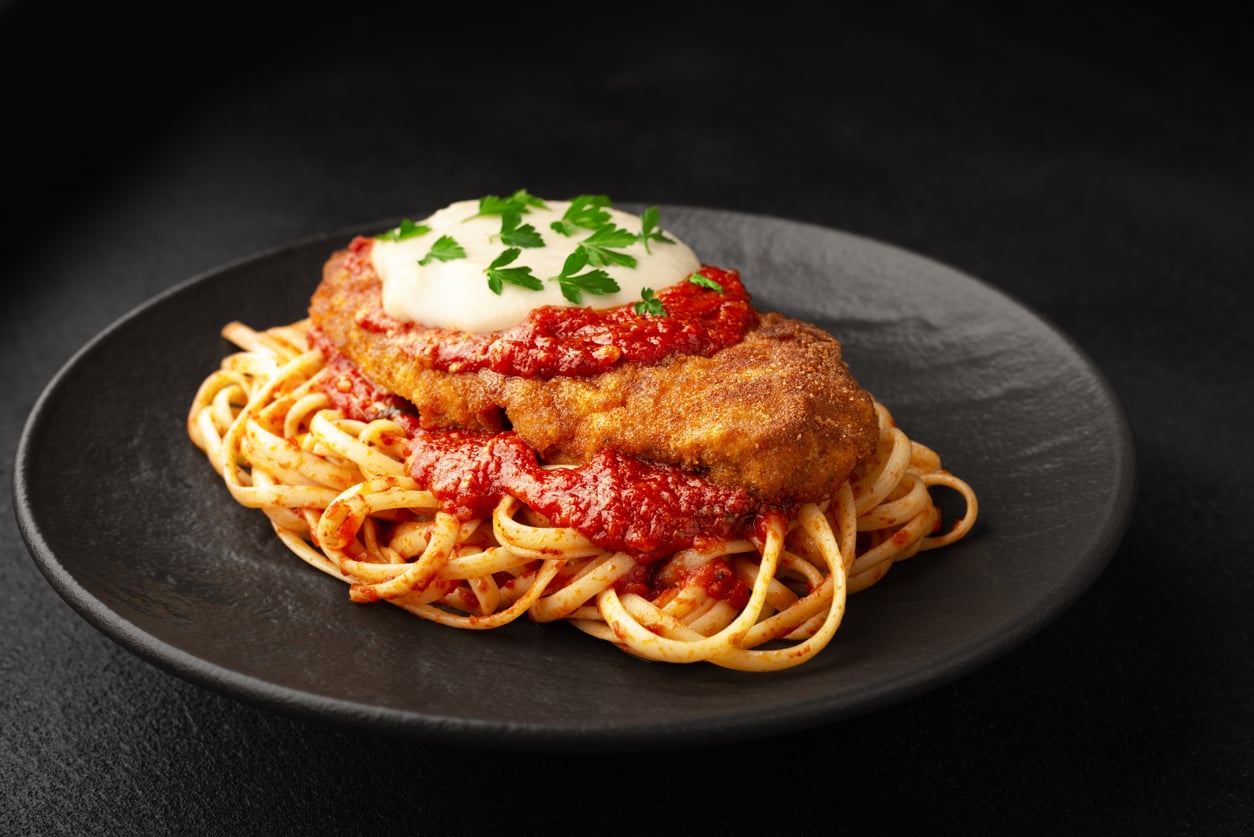
For plenty of children of the 1970s, Shake ‘N Bake was practically a catchphrase as much as a dinner. General Foods introduced the seasoned coating in test markets in 1965 and took it nationwide the following year, promising crisp oven-baked chicken without traditional frying. By the 1970s it was thoroughly embedded in family cooking and advertising. People remembering their childhood dinners still mention Shake ‘N Bake chicken alongside scalloped potatoes, canned vegetables, and meatloaf. It was crunchy, predictable, and much less messy than frying.
Pork Chops Baked in Cream of Mushroom Soup
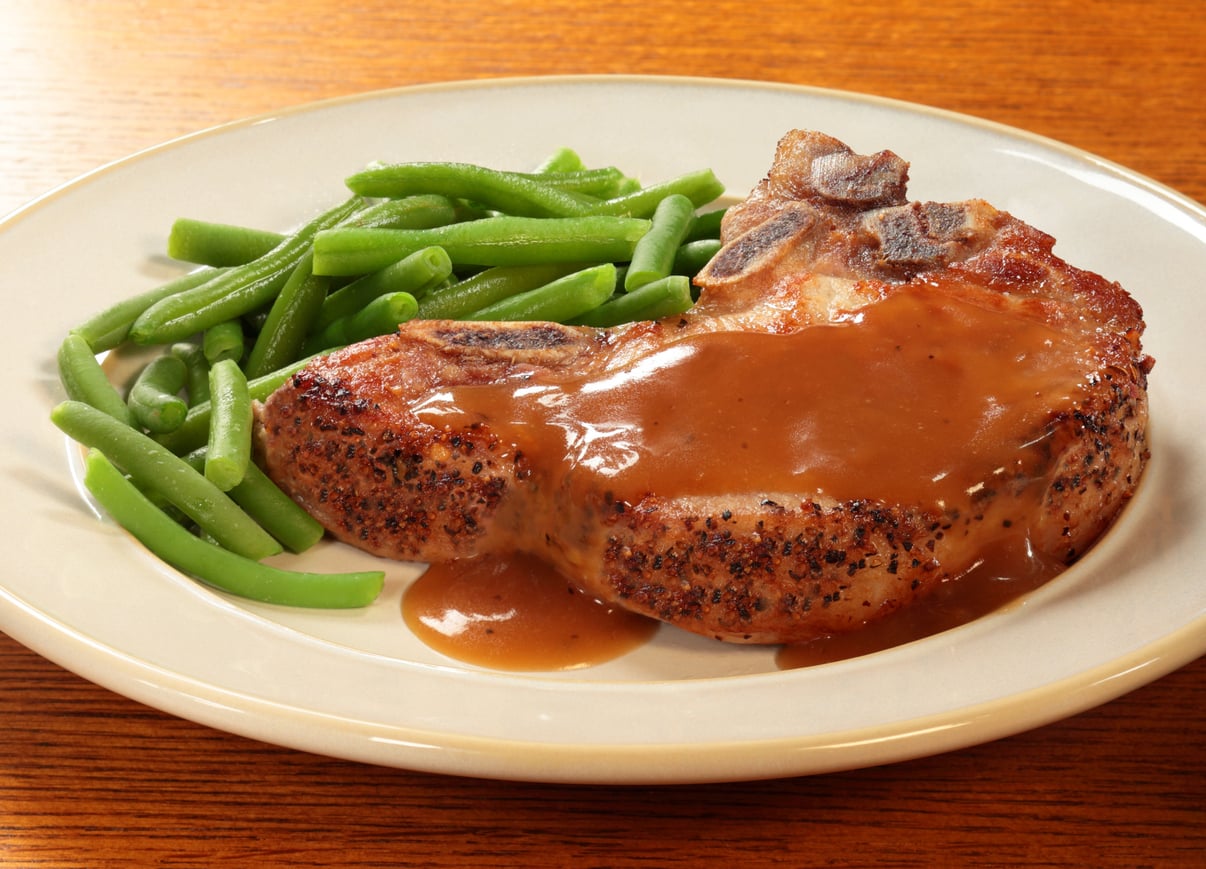
Open a can of condensed cream of mushroom soup, pour it over pork chops, and let the oven do most of the work. That basic formula appeared in countless family kitchens and community recipes, sometimes with rice or potatoes baked alongside the meat. The soup provided seasoning, moisture, and gravy in one inexpensive shortcut. The finished plate was usually brown, beige, and not remotely photogenic, but that was hardly the point. With peas or green beans alongside it, dinner was hearty and required very little last-minute attention.
American Goulash
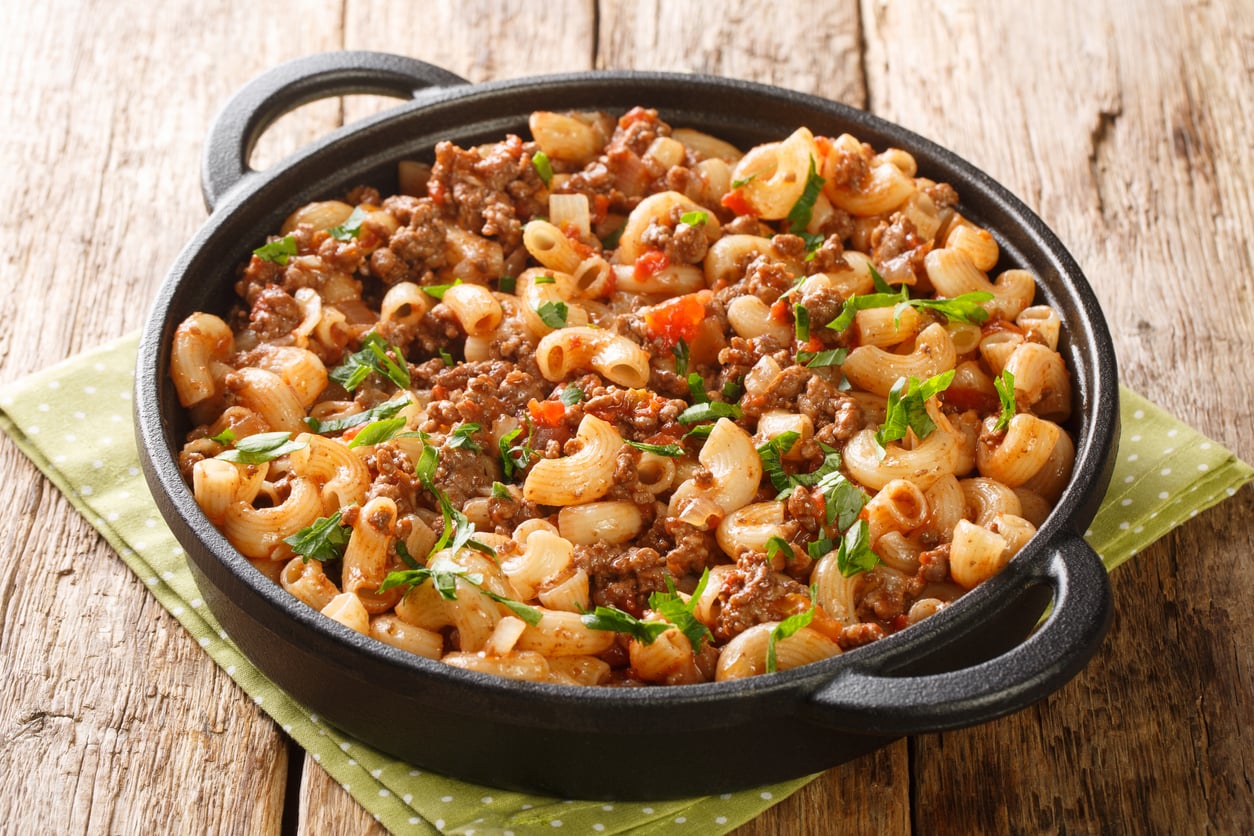
American goulash was not the paprika-heavy Hungarian stew its name suggests. The American version was a simple mixture of ground beef, elbow macaroni, tomato sauce or canned tomatoes, onion, and seasonings. In New England, a closely related dish is commonly called American chop suey. It was exactly the sort of meal that made financial sense for a family: pasta stretched a modest quantity of beef into a big pot, leftovers reheated easily, and there was plenty of room to adjust the recipe according to what was already in the pantry.
Crock-Pot Pot Roast
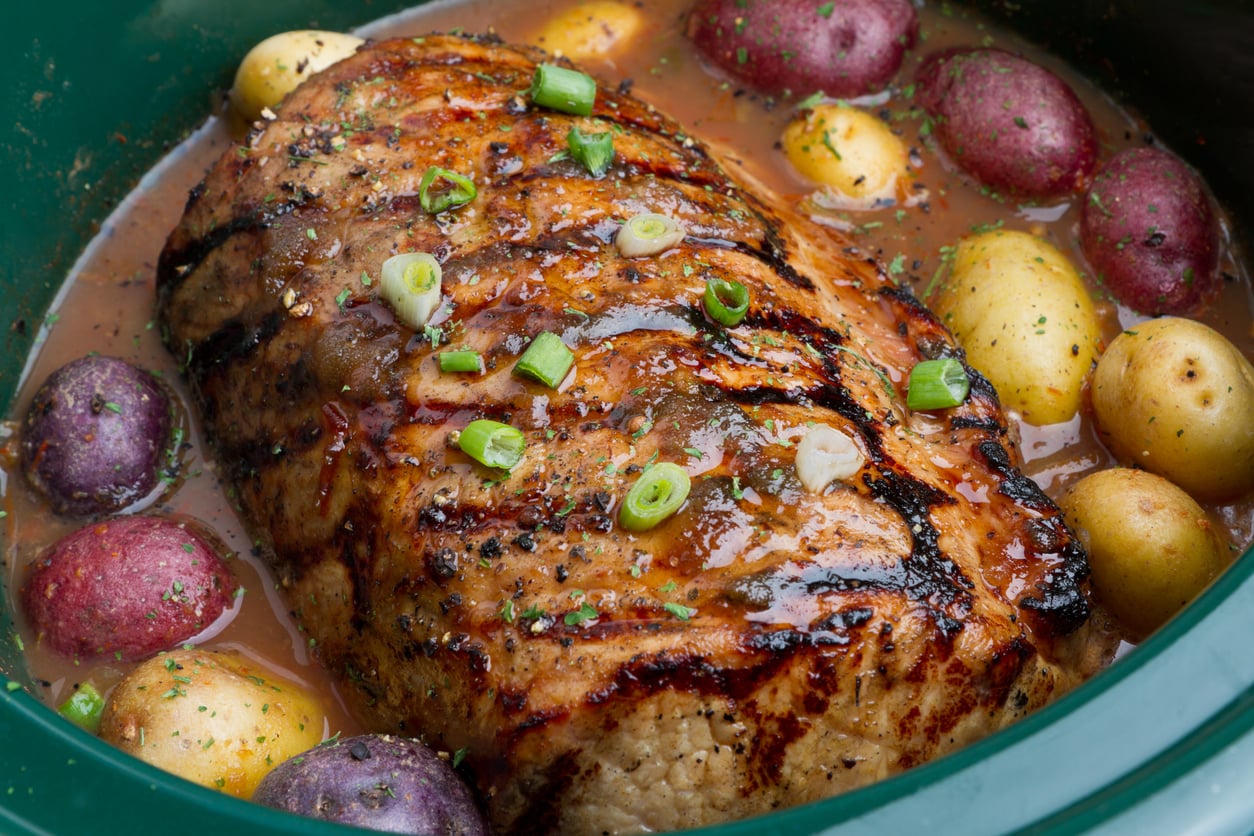
The Crock-Pot became a genuine 1970s phenomenon after Rival introduced the appliance under that name in 1971. Sales reportedly jumped from about $2 million that year to $93 million just four years later. Pot roast was an ideal match. A less-expensive cut of beef could slowly cook for hours with potatoes, carrots, onions, broth, or a packet of onion soup mix until tender. The appliance was specifically marketed to busy women, making the promise of coming home to an already-cooked dinner extremely appealing.