There was a time when a road trip might mean spotting a Howard Johnson’s orange roof, while a quick burger could come from Burger Chef instead of McDonald’s. Some of these once-familiar restaurant chains were huge: Burger Chef topped 1,000 locations, and Sambo’s spread to more than 1,100 restaurants across 47 states. Others were smaller but unforgettable thanks to barn-shaped buildings, beer-steamed hot dogs, talking moose, or some seriously cheap burgers.
Eventually, changing tastes, fierce competition, corporate takeovers, bankruptcies, and plain old bad business decisions did them in. Today, these 12 chains are gone, but plenty of people still remember what it was like to eat there — and some of the stories behind their disappearances are almost as memorable as the food.
Burger Chef
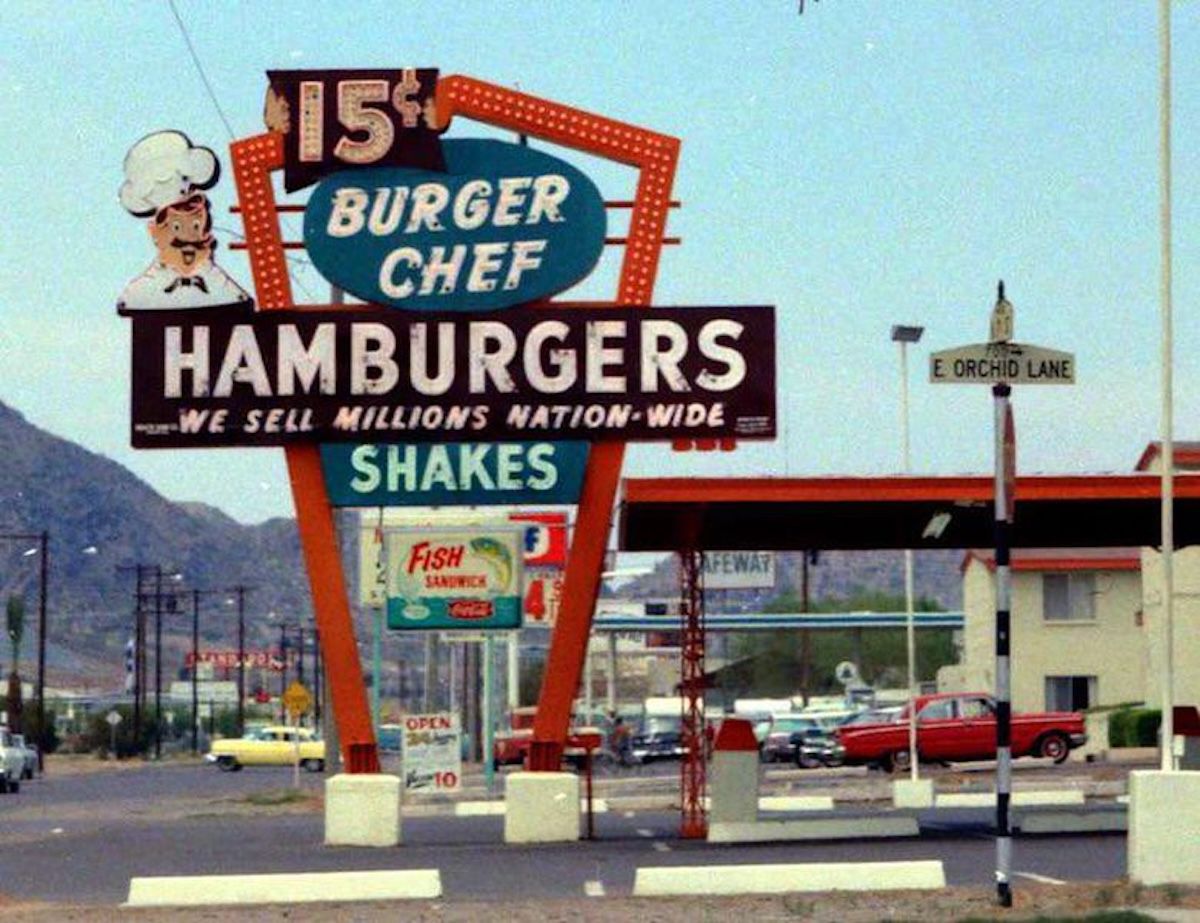
Long before every fast-food chain had a kids meal, Burger Chef was handing children burgers, fries, drinks, treats, and toys in its Funmeal. The Indianapolis-born chain was a genuine McDonald’s competitor, with more than 1,000 restaurants at its peak and signature burgers like the Big Shef and Super Shef. It also offered the Works Bar, where customers could pile their own toppings onto their burgers.
The Funmeal arrived in 1973, six years before McDonald’s debuted the Happy Meal. Burger Chef eventually sued McDonald’s over the competing concept but lost. By then, however, bigger problems were brewing. General Foods sold Burger Chef in 1982 to Imasco, which also owned Hardee’s, and restaurants were gradually converted. The last Burger Chef-branded location closed in 1996.
Howard Johnson’s Restaurants
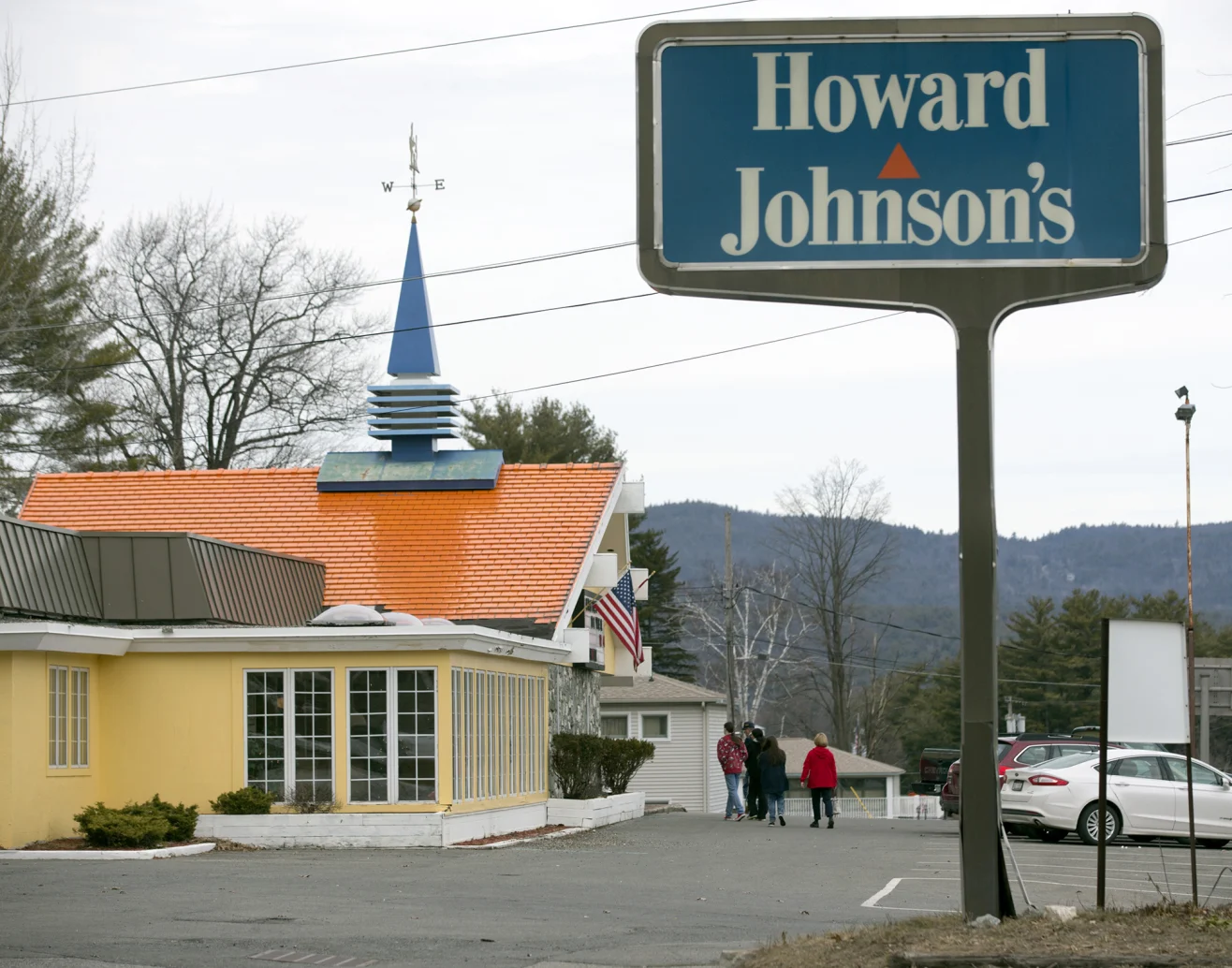
For generations of American families, the bright orange roof of a Howard Johnson’s was practically a road-trip rest stop sign. “HoJo’s” became famous for dependable family meals, fried clam strips, hot dogs, and — most famously — its 28 flavors of ice cream. At its height in the 1960s and 1970s, the company had around 1,000 restaurants and was once the largest restaurant chain in the country.
But the highway landscape changed. Fast-food restaurants proliferated, travelers developed new habits, and Howard Johnson’s restaurant empire steadily dwindled. One location in Lake George, New York, stubbornly hung on after nearly all the others were gone. When it closed in 2022, the restaurant chain finally disappeared. The Howard Johnson hotel brand survives, but you’ll have to look elsewhere for those fried clams and 28 flavors.
Red Barn
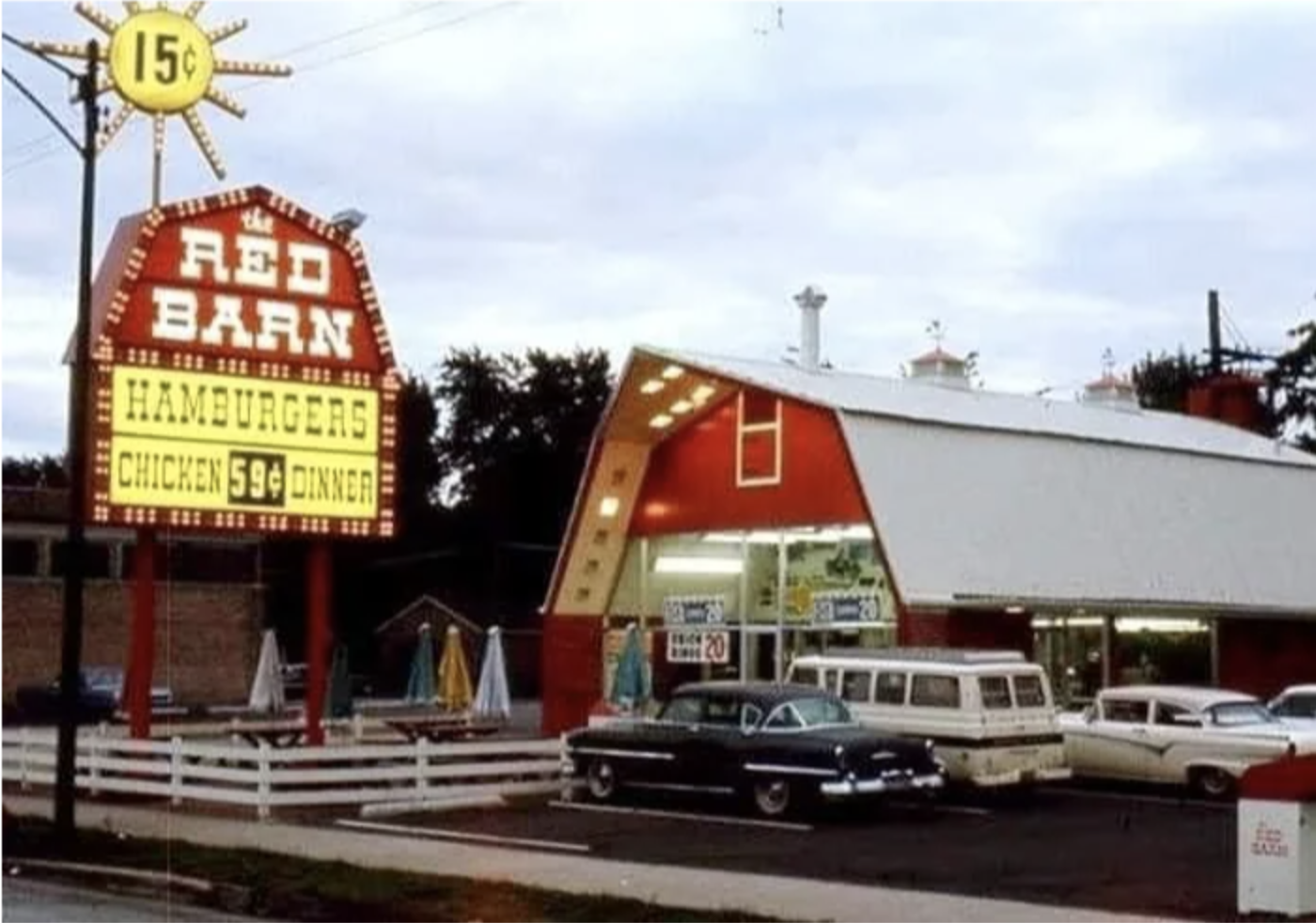
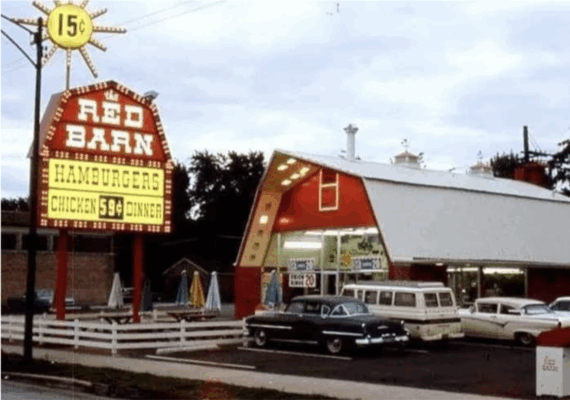
You didn’t need a giant roadside sign to figure out where Red Barn was. Many of the restaurants were actually built to resemble bright red barns, making the chain one of the more recognizable fast-food sights of its era.
The Ohio-born chain eventually expanded to hundreds of restaurants, including locations outside the United States. Customers came for burgers like the Big Barney and Barnbuster, along with fried chicken and other fast-food staples. Red Barn also experimented with ideas that would become far more common later, including self-service salad bars.
But looking different wasn’t enough to beat increasingly dominant national competitors. Ownership changes and competition from burger giants helped push Red Barn into decline, and the chain eventually disappeared. The restaurants may be gone, but some of those unmistakable barn-shaped buildings have survived, repurposed for completely different businesses.
Sambo’s
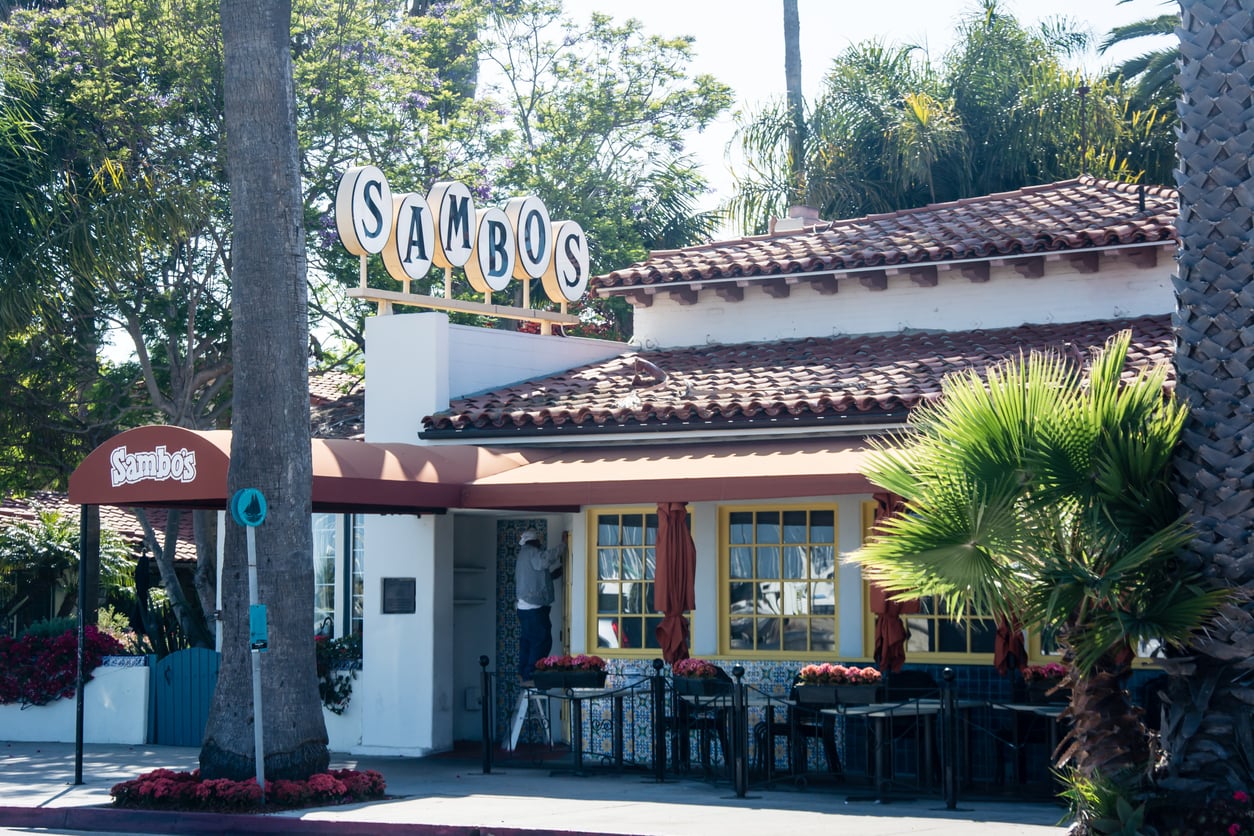
At its peak, Sambo’s was enormous. Founded in Santa Barbara, California, in 1957, the family-dining chain grew to more than 1,100 restaurants across 47 states. Pancakes, coffee, inexpensive breakfasts, and familiar diner food made it a fixture in communities around the country.
But there was a problem far bigger than pancakes: The chain’s name and imagery became associated with racist stereotypes, creating a controversy that increasingly overshadowed the restaurants themselves. Financial problems compounded the damage, and the once-massive company collapsed.
One Santa Barbara restaurant managed to outlive the rest of the chain by decades. In 2020, amid renewed criticism of the name, that final holdout dropped the Sambo’s branding and became Chad’s. With that change, a restaurant empire that had once stretched across nearly the entire country was officially gone.
Pup ’N’ Taco
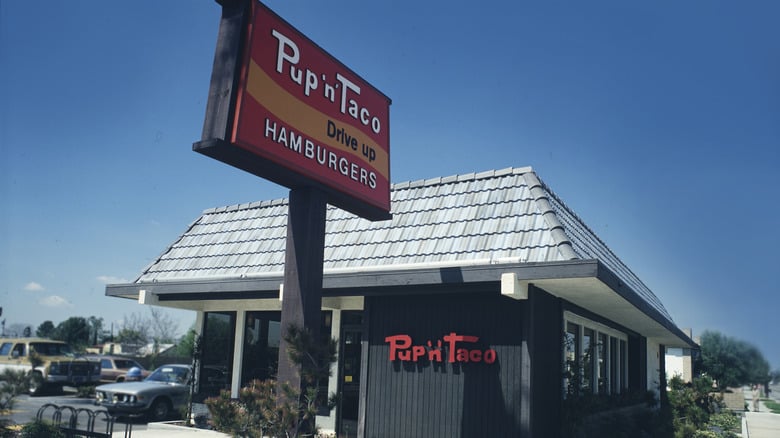
Tacos or hot dogs? At Pup ’N’ Taco, there was no reason to choose.
The Southern California chain had one of the stranger fast-food menus around, serving tacos and hot dogs alongside tostadas, hamburgers, pastrami sandwiches, fries, and flavored slushes. And this wasn’t some tiny local curiosity: By 1984, Pup ’N’ Taco had grown to 102 locations.
That same year, Taco Bell bought 99 of its California restaurants, effectively ending Pup ’N’ Taco as customers knew it. The locations themselves were particularly valuable, and many became part of Taco Bell’s growing footprint. A handful of related restaurants in New Mexico continued under the Pop ’N’ Taco name for years afterward, but even those eventually disappeared. For Southern Californians of a certain age, though, the combination of tacos, hot dogs, and slushes remains hard to forget.
Trending on Cheapism
Lum’s
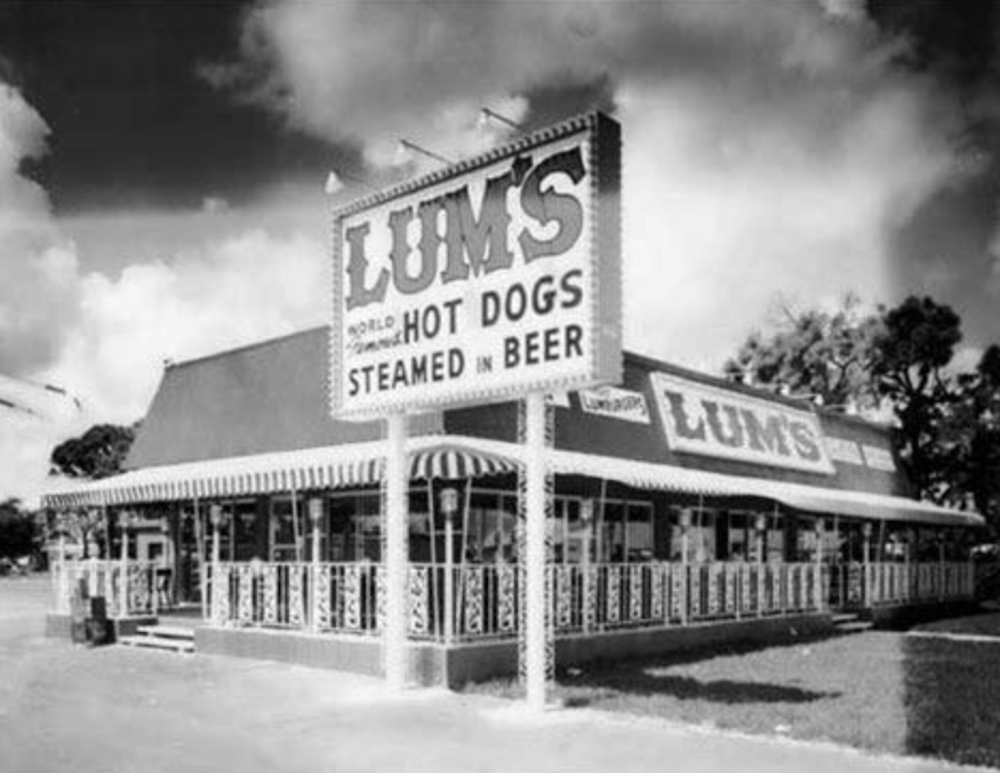
Plenty of restaurants serve beer with hot dogs. Lum’s took things a step further and steamed the hot dogs in beer.
That quirky specialty helped make the Florida-born chain memorable as it grew to roughly 400 locations. The menu wasn’t limited to boozy franks, either. Lum’s served hamburgers, sandwiches, seafood, and other casual fare, making it a familiar family restaurant in communities around the country.
Ownership changes and financial trouble eventually dismantled the national chain, although individual Lum’s restaurants managed to survive long after the original company faded away. The last one, in Bellevue, Nebraska, held out until 2017. Its closure finally ended a restaurant name that had been around for roughly six decades — and eliminated one of America’s more unusual ways to cook a hot dog.
Wag’s
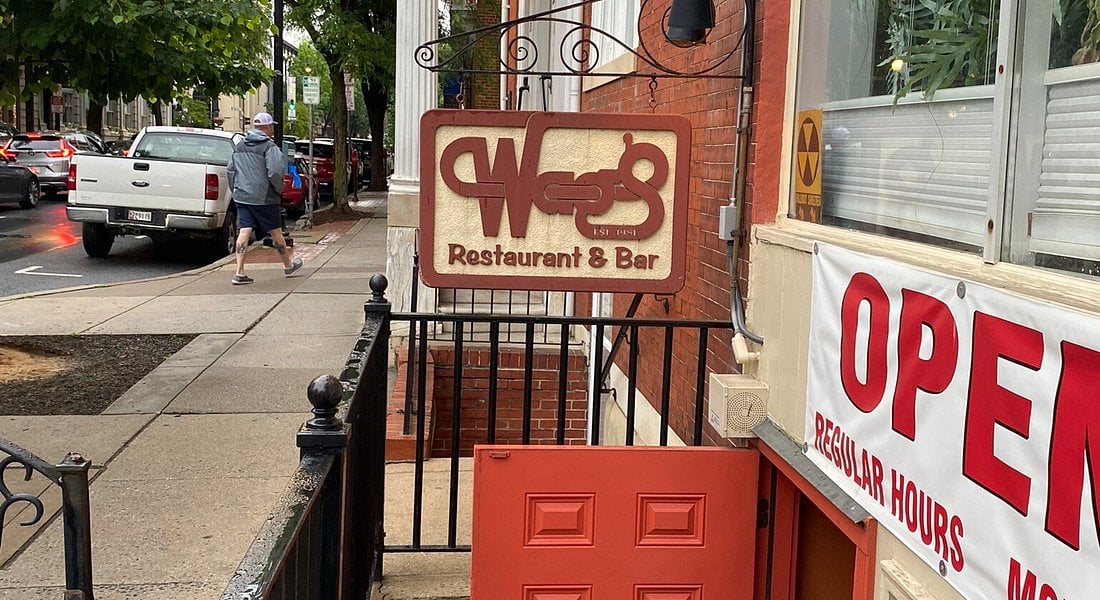
Yes, that Walgreens once had a restaurant chain.
Wag’s launched in 1975, evolving from the lunch counters and restaurants found inside some larger Walgreens stores. The concept eventually became a chain of freestanding family restaurants that looked more like Denny’s or Shoney’s than anything you’d associate with picking up a prescription.
Many locations operated 24 hours, serving inexpensive breakfasts, hamburgers, and other diner staples. In 1988, Walgreens sold 91 freestanding Wag’s restaurants to Marriott. Marriott later struggled to find a buyer for much of the chain, while some locations were converted into Shoney’s restaurants. By 1991, Wag’s was completely out of business.
For anyone who grew up with them, though, the idea of grabbing breakfast at a Walgreens-owned diner probably doesn’t sound nearly as bizarre as it does today.
Sandy’s
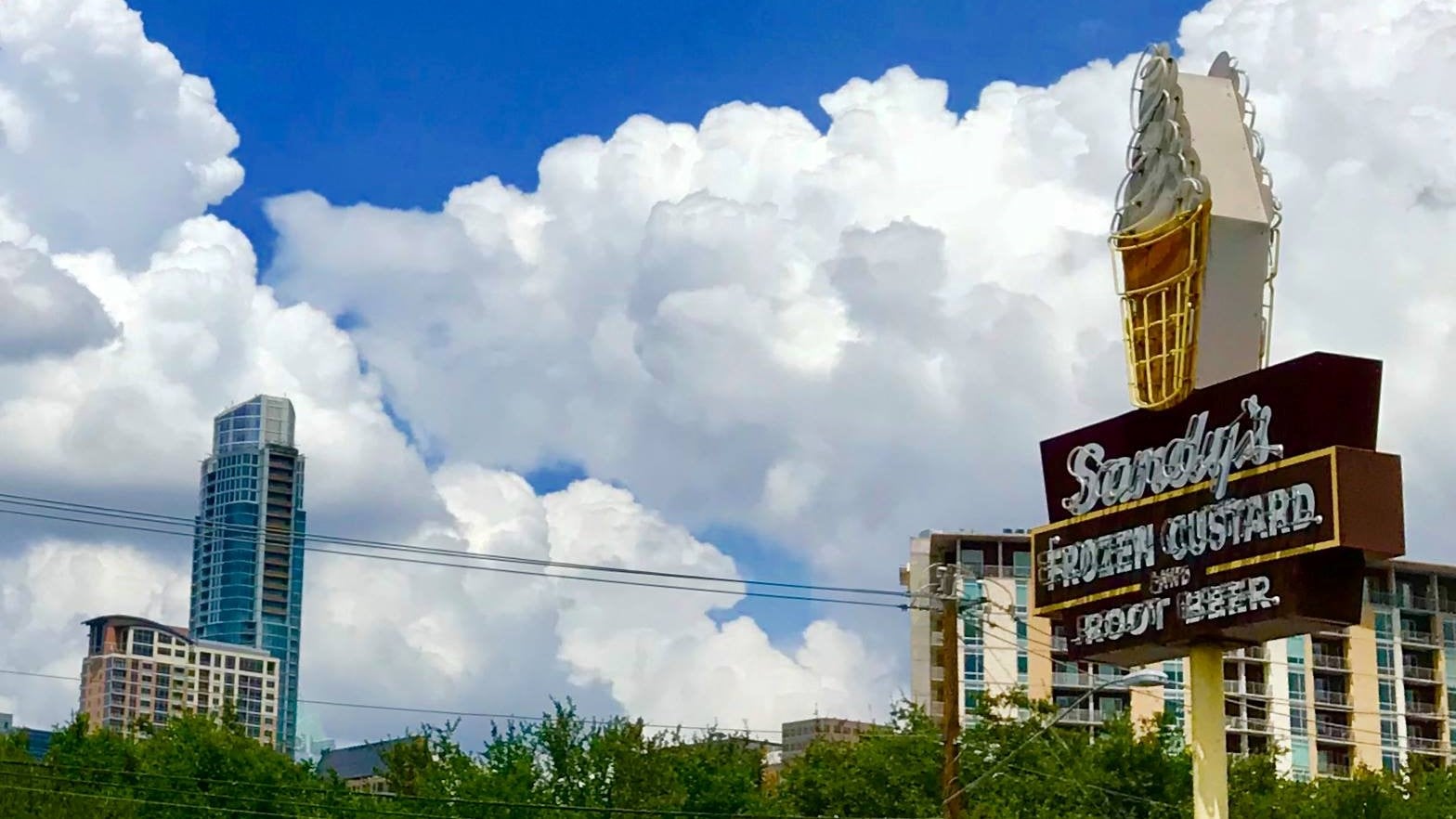
Sandy’s might look suspiciously familiar in old photographs — and there’s a reason for that. The Illinois burger chain was started in 1956 by businessmen who had initially explored becoming McDonald’s franchisees before striking out on their own.
Its early prices are enough to make modern fast-food customers jealous: hamburgers for 15 cents, shakes for 20 cents, and bags of fries for a dime. The formula worked. Sandy’s grew from just seven restaurants in 1959 to more than 120 during the 1960s, becoming a recognizable Midwestern fast-food chain.
Eventually, Hardee’s saw those locations as a way to strengthen its presence in the Midwest. It acquired Sandy’s, and most operators agreed to convert their restaurants to Hardee’s during the 1970s. By 1979, the final Sandy’s had made the switch, bringing the era of 15-cent burgers to a definitive end.
Sign up for our newsletter
Beefsteak Charlie’s
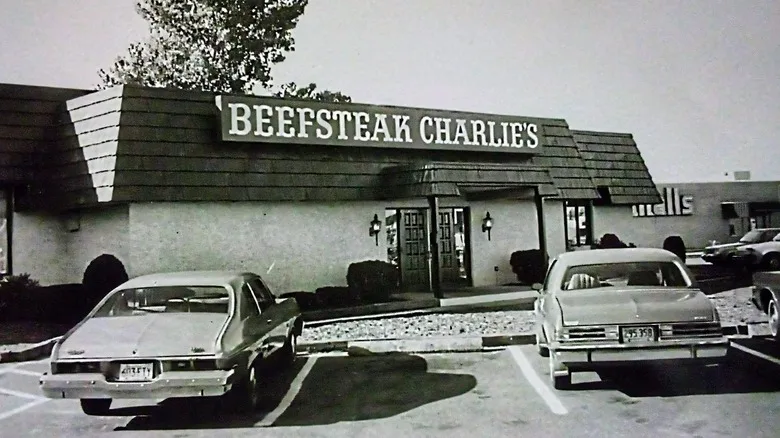
Beefsteak Charlie’s understood the appeal of two magical words: all you can.
The chain became particularly well known around New York for steakhouse meals paired with an all-you-can-eat salad bar and promotions involving unlimited beer, wine, or sangria. By 1984, Beefsteak Charlie’s had more than 60 restaurants, mostly along the East Coast. Its advertising leaned hard into the idea that customers should leave feeling thoroughly spoiled.
Unfortunately, unlimited abundance didn’t translate into unlimited longevity. The chain struggled financially, changed hands, and steadily contracted. Its remaining New York locations eventually vanished. There was even an attempted comeback on Long Island in 2009, but it didn’t last.
Still, it’s easy to understand the nostalgia. In an era when restaurants increasingly charge extra for seemingly everything, a steak dinner accompanied by bottomless drinks and a giant salad bar sounds almost fantastical.
Don Pablo’s
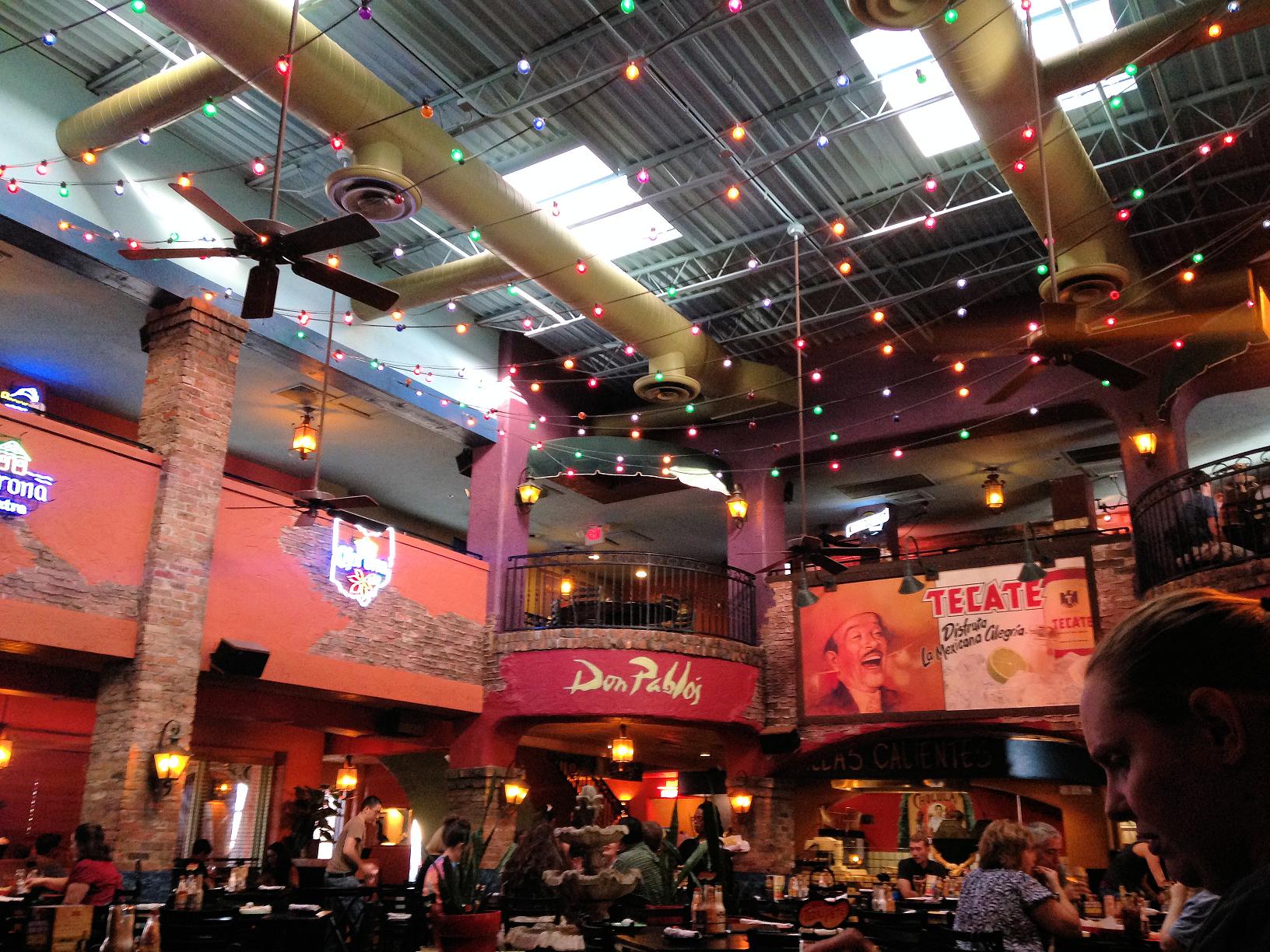
If you ate out with your family during the 1990s or early 2000s, there’s a decent chance someone suggested Don Pablo’s.
The Tex-Mex chain became known for sizzling fajitas, tacos, chips and salsa, margaritas, and fresh flour tortillas served in colorful dining rooms. At its peak, Don Pablo’s had around 120 locations, making it one of the country’s largest full-service Tex-Mex chains.
Then came years of financial problems, ownership changes, bankruptcies, and closures. A restaurant chain that had once dotted the country was eventually reduced to a single location in Deptford, New Jersey. That restaurant closed in 2019, officially ending Don Pablo’s run.
For former customers, the nostalgia isn’t necessarily about one spectacular dish. It’s about the whole casual-dining experience: baskets of chips, loudly sizzling fajitas arriving at the table, oversized margaritas, and family dinners that somehow seemed to last forever.
Bugaboo Creek Steakhouse
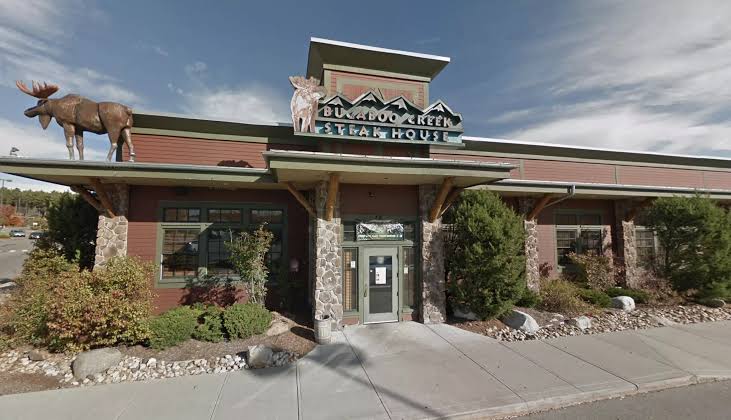
Imagine eating a steak in a Canadian mountain lodge while the dead moose on the wall suddenly starts talking to you.
That was more or less the Bugaboo Creek experience.
The wilderness-themed steakhouse filled its dining rooms with mounted and animatronic animals, including moose, buffalo, fish, and raccoons that moved or spoke while customers ate steaks, ribs, burgers, and comfort food. The chain eventually grew to more than 30 locations across 11 states.
But themed dining couldn’t protect Bugaboo Creek from financial trouble. Its parent company entered bankruptcy protection in 2010, and new owners later tried to modernize the restaurants, including toning down some of the animatronic elements. The effort wasn’t enough. The final locations disappeared in 2016.
The food may be difficult to remember after all these years. A talking moose interrupting dinner? That’s considerably harder to forget.
Minnie Pearl’s Chicken
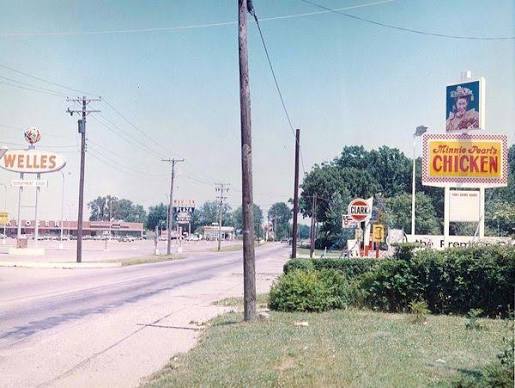
The fried-chicken boom of the 1960s created some enormous winners — and at least one spectacular cautionary tale.
Minnie Pearl’s Chicken was created as an ambitious rival to Kentucky Fried Chicken and licensed the name of beloved Grand Ole Opry comedian Minnie Pearl. With a celebrity attached and investors eager to get into the booming fast-food business, the company expanded aggressively through franchising.
Too aggressively, as it turned out.
The company struggled to maintain consistent food and experienced operators while growing at breakneck speed. Serious accounting problems followed, forcing the company to restate financial results and badly damaging confidence among investors and franchisees. By 1975, the parent company had sold off its major assets.
Minnie Pearl remained a country-music icon. Her chicken chain became something else entirely: a reminder that opening restaurants quickly is a lot easier than building a restaurant business that lasts.
Gone, But Definitely Not Forgotten
It’s tempting to assume that a restaurant chain disappears because people simply stopped liking the food. These 12 stories show how much messier the reality can be. Burger Chef and Sandy’s were swallowed up by Hardee’s, Taco Bell absorbed most Pup ’N’ Taco locations, and other chains were undone by bankruptcy, overexpansion, changing travel habits, stronger competitors, or questionable management.
Some hung on remarkably long. Lum’s lasted until 2017, the final Sambo’s kept its old name until 2020, and Howard Johnson’s didn’t lose its last restaurant until 2022.
And maybe that’s why people still remember them. The nostalgia isn’t just for burgers or pancakes. It’s for orange roofs spotted from the back seat, 15-cent hamburgers, giant salad bars, strange restaurant buildings, and animatronic animals that started talking halfway through dinner.