Americans continue to spend billions of dollars caring for their pets, but rising prices have changed how many owners shop for pet products. While essentials like food, veterinary care, and medications remain top priorities, many pet parents say they’ve started cutting back on nonessential purchases that no longer feel like a good value.
Across Reddit, pet owner forums, and consumer surveys, shoppers increasingly say they’re waiting for sales, buying store brands, or skipping certain products altogether as inflation continues to affect household budgets. That doesn’t mean they’re spending less on their pets overall—instead, many are becoming more selective about where they splurge, focusing on products that genuinely improve their pets’ health and well-being while passing on convenience items and luxury accessories.
Premium Dog Treats
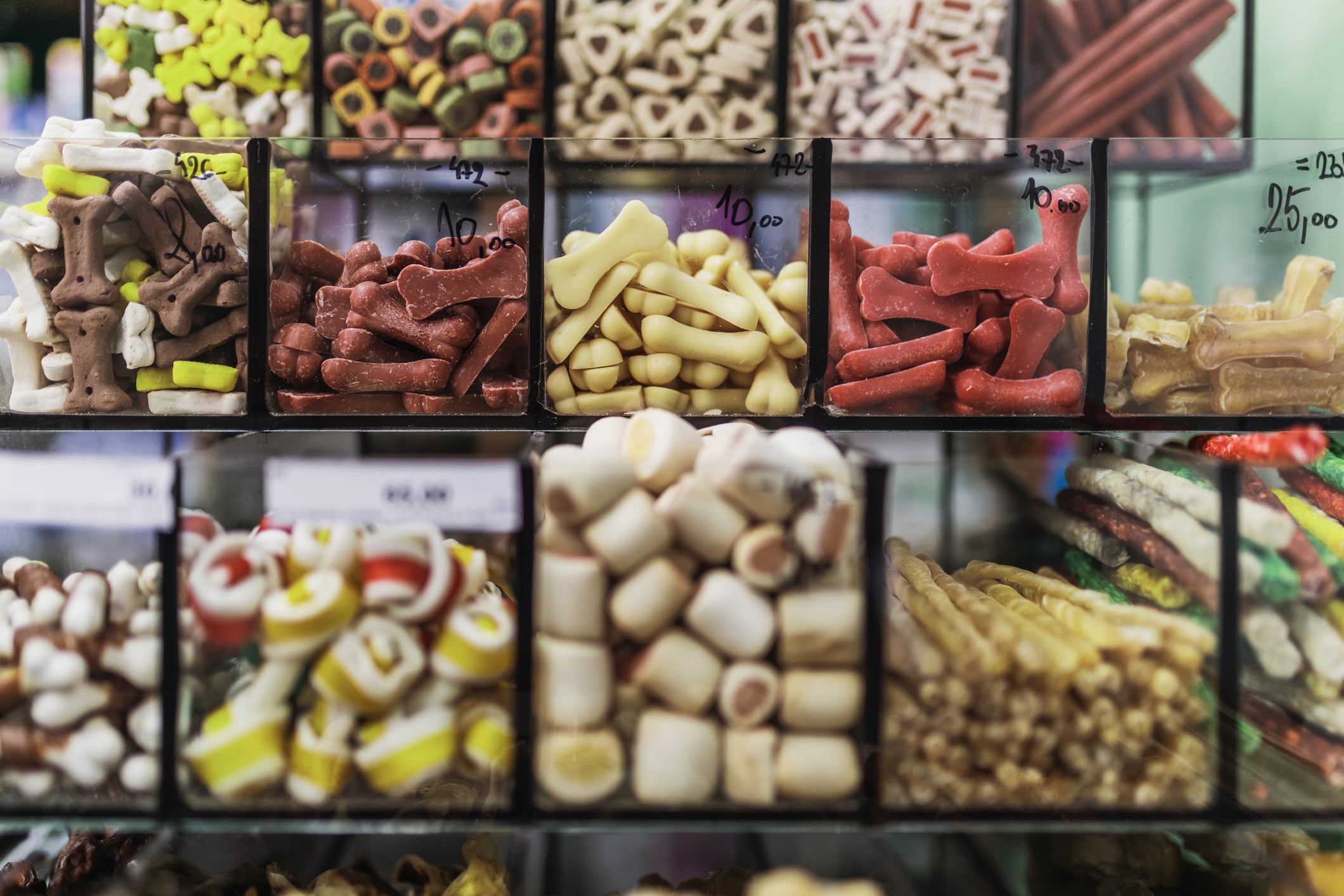
Premium dog treats have become one of the first extras many pet owners say they’re cutting back on. Gourmet biscuits, freeze-dried snacks, and specialty training treats have seen steady price increases, with some large bags now costing nearly as much as a small bag of dog food. Across r/dogs and r/Frugal, owners say they’ve switched to store-brand treats, homemade recipes, or dog-safe fruits and vegetables like carrots and apples. Many still buy premium treats occasionally, but they’re no longer an automatic addition to every shopping trip.
Premium Wet Cat Food
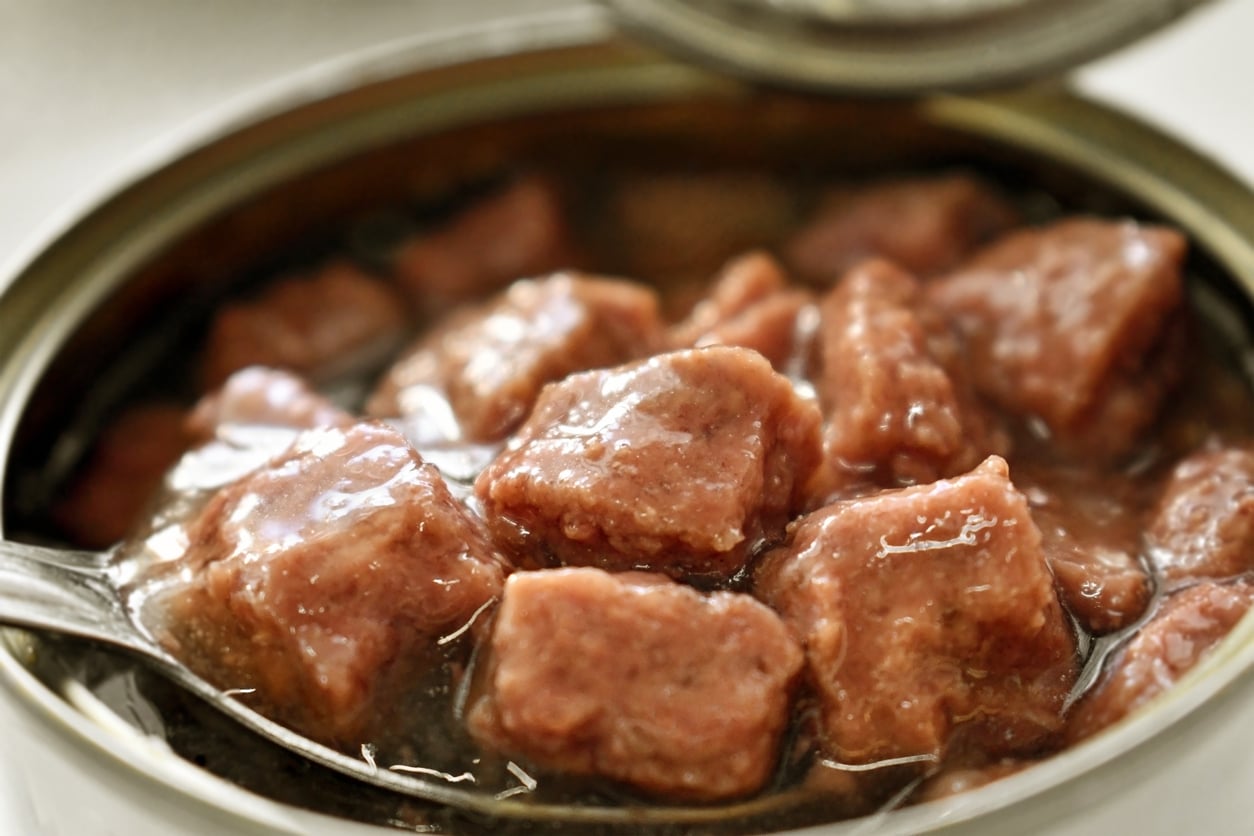
Many cat owners say premium canned food has become noticeably more expensive, especially for households with multiple cats. While they still want to provide quality nutrition, some consumers say feeding exclusively premium wet food is becoming harder to afford. Instead, many have started mixing wet and dry food, purchasing larger value packs, or trying store-brand recipes with similar nutritional profiles. The goal, owners say, is maintaining quality while stretching the grocery budget.
Plush Dog Toys
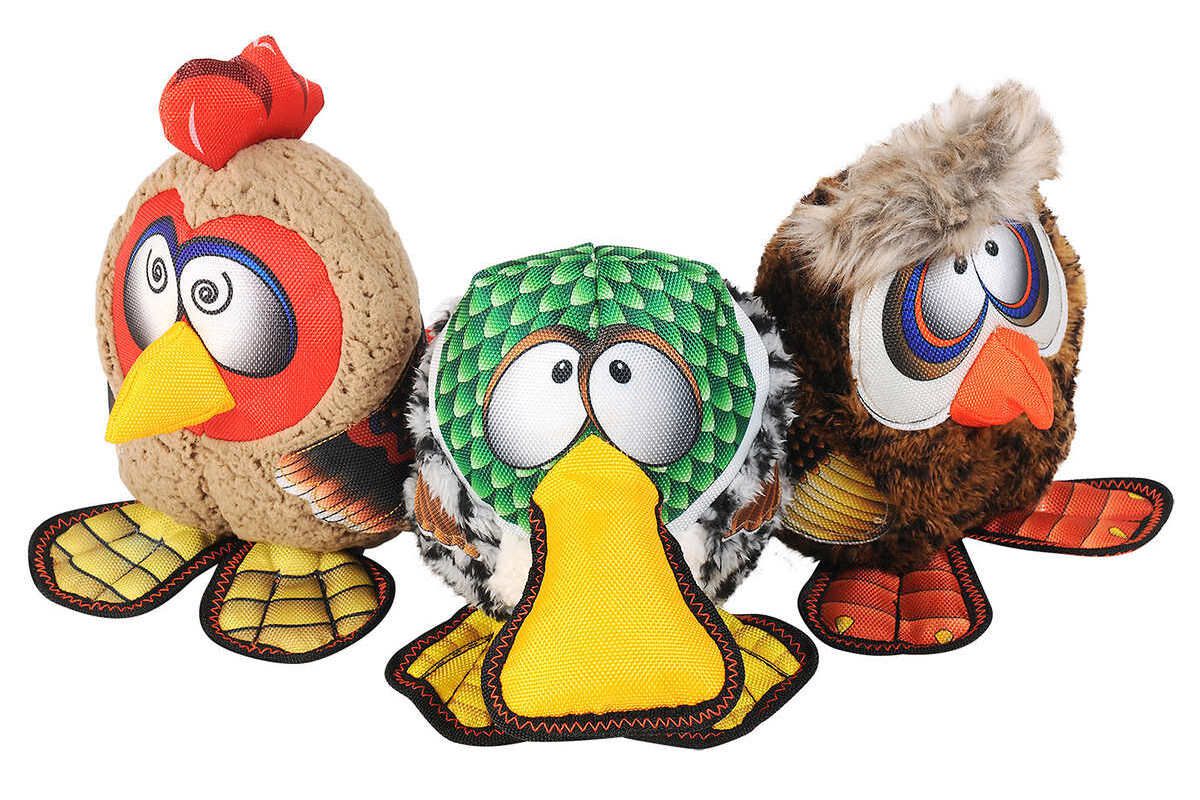
Soft plush toys remain popular with many dogs, but owners often say they don’t last long enough to justify today’s prices. Heavy chewers can destroy a new toy in minutes, making repeated replacements expensive. Rather than buying premium plush toys as often, many shoppers now choose tougher rubber toys, discounted multipacks, or durable chew toys designed to withstand rough play. Others simply wait for sales before replacing worn-out favorites.
Fancy Cat Litter
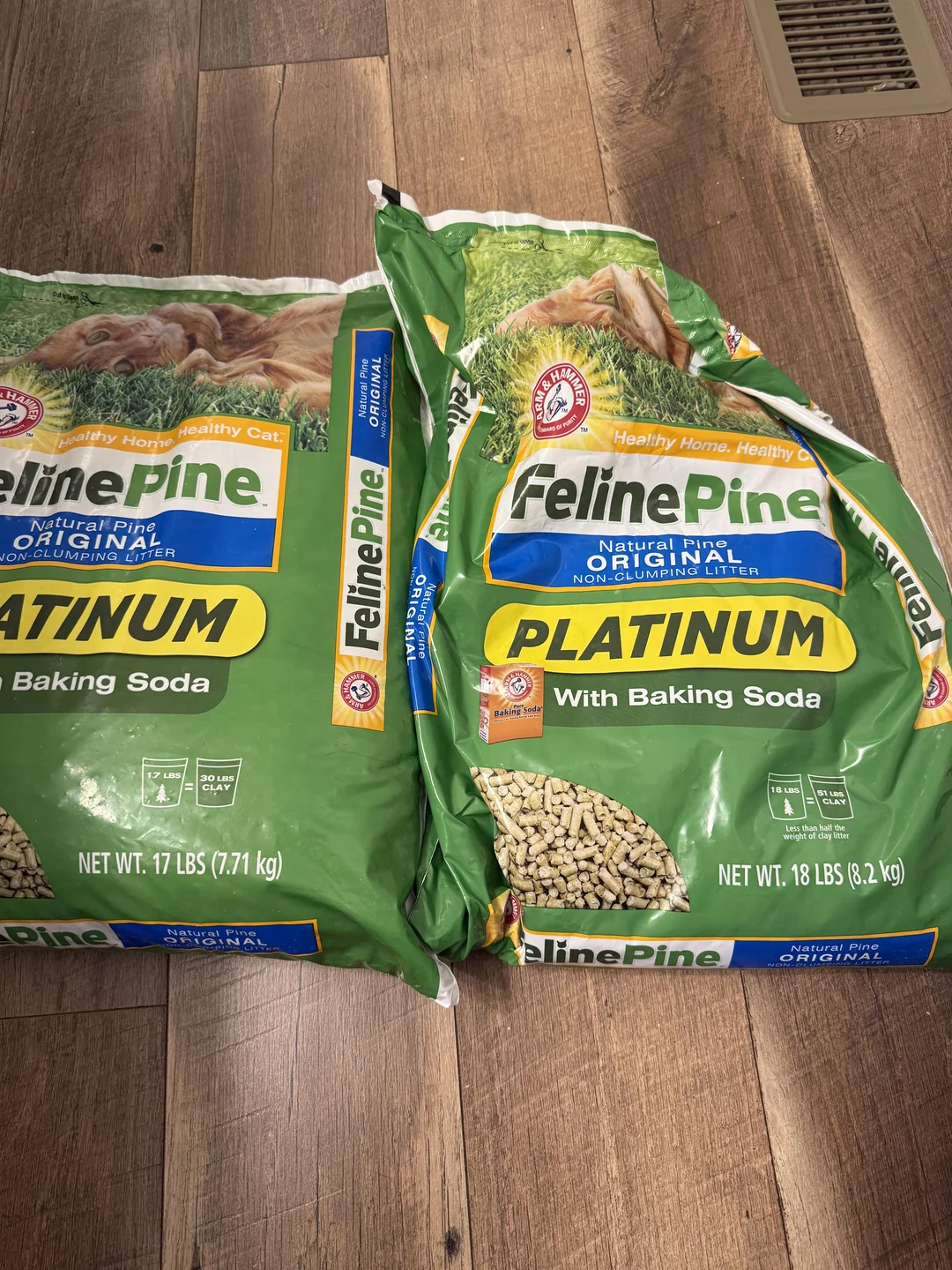
Premium cat litter formulas promising extra odor control or lightweight designs often come with significantly higher price tags. Owners of multiple cats say litter is one of their largest recurring pet expenses, making even small price increases noticeable over time. Many shoppers have switched to store-brand clumping litter or warehouse club options that provide similar performance for less. For many households, value now outweighs premium features.
Pet Beds
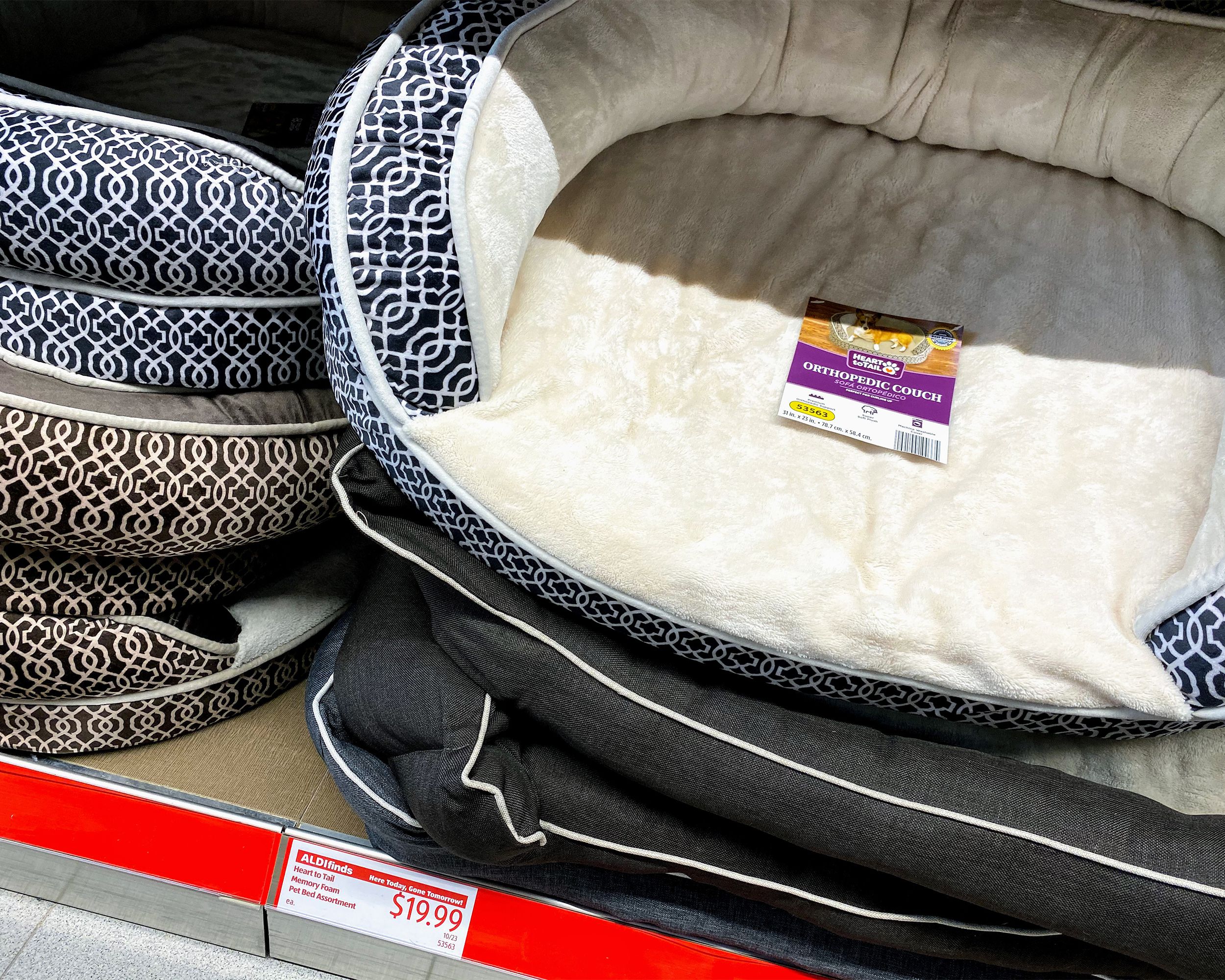
Orthopedic and designer pet beds can easily cost more than $100, leading many owners to postpone replacing them. Instead of buying new beds every few years, shoppers say they’re washing existing beds, replacing removable covers, or adding fresh cushioning to extend their lifespan. Budget retailers have also become popular alternatives for basic pet bedding. Since many pets happily continue using older beds, owners often see little reason to upgrade.
Trending on Cheapism
Dental Chews
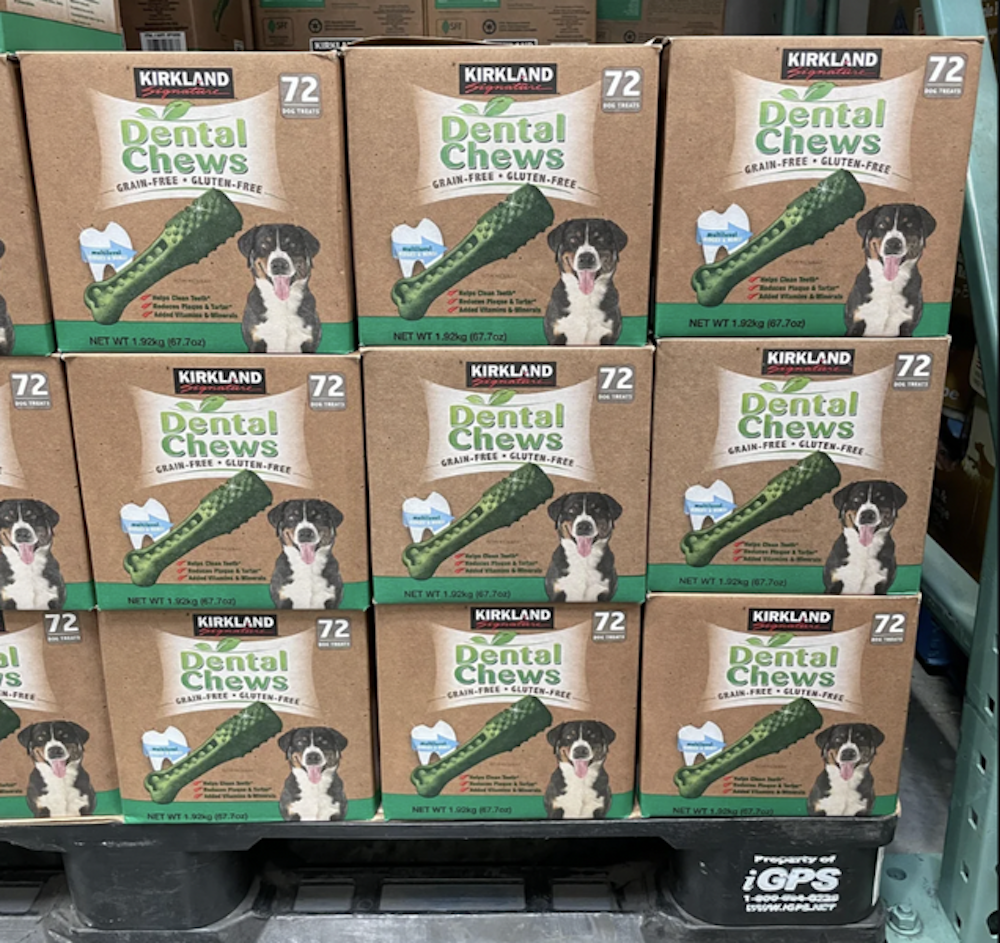
Dental chews remain a popular way to support pets’ oral health, but many owners say daily use has become too expensive. Rather than giving one every day, some now reserve them as occasional treats while relying more on tooth brushing or generic dental chews for routine care. Others look for bulk purchases or sales to reduce the cost. The focus has shifted toward maintaining dental health without overspending.
Premium Bird Seed Blends
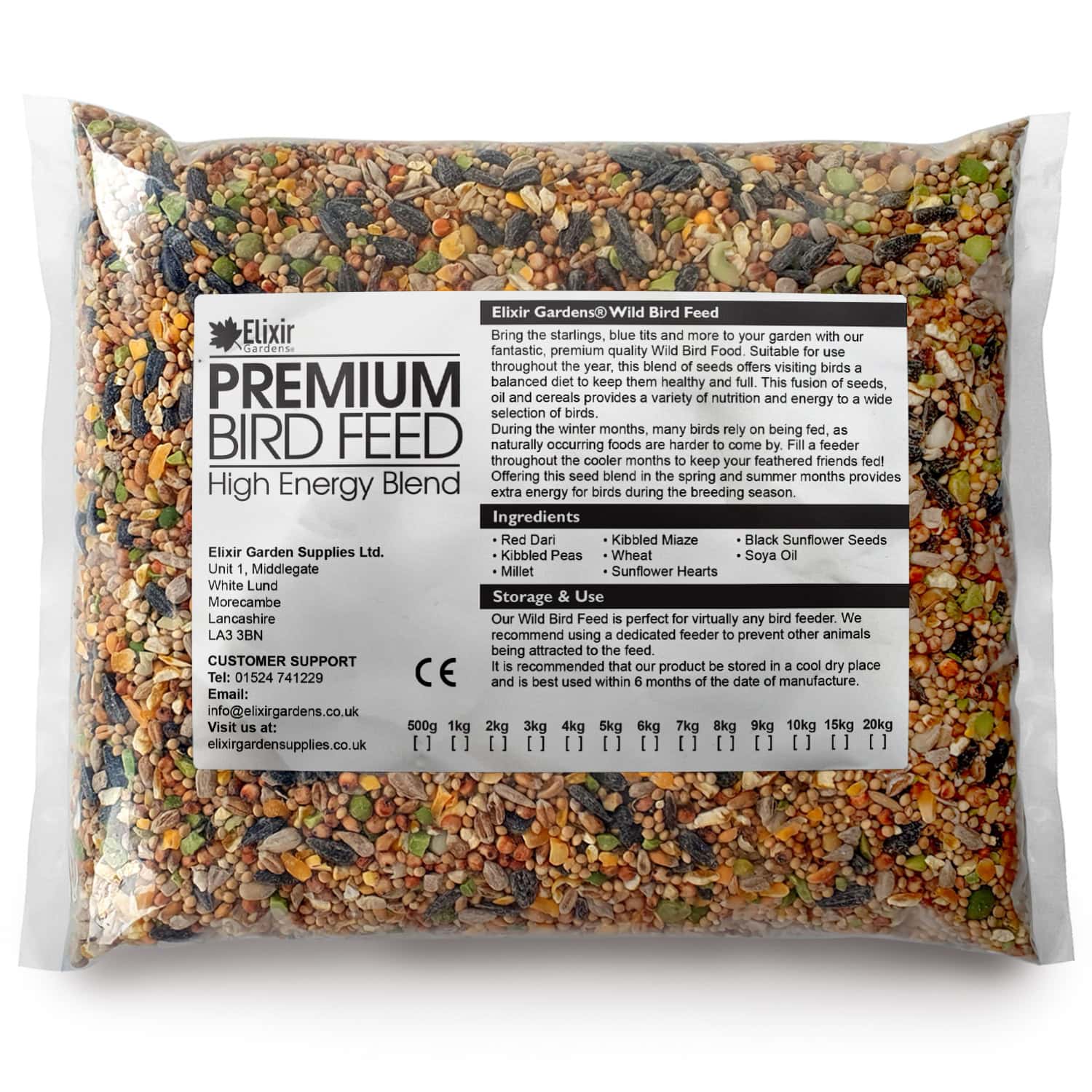
Owners of backyard birds and pet birds alike say specialty seed blends have become noticeably more expensive. Premium mixes often contain higher-priced nuts, dried fruit, and specialty ingredients that significantly increase the overall cost. To save money, many shoppers are buying standard seed mixes, purchasing larger bags in bulk, or reserving premium blends for occasional feeding. The change allows them to continue caring for their birds while keeping costs manageable.
Pet Clothing
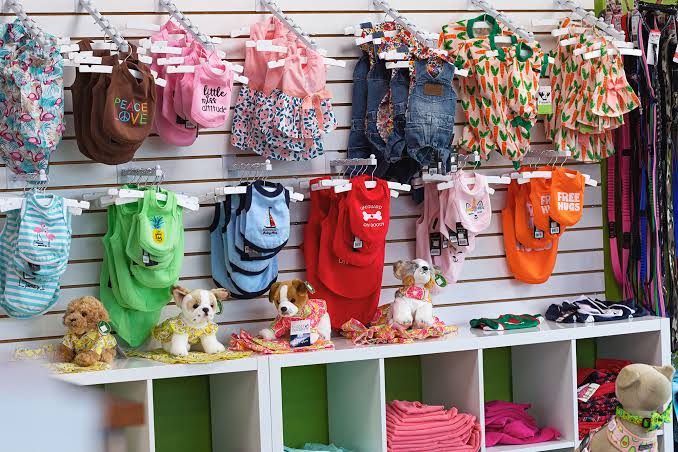
Pet sweaters, costumes, and seasonal outfits are among the first purchases many owners say they’ve cut from their budgets. While some clothing remains necessary for certain breeds or cold climates, decorative outfits are increasingly viewed as optional. Instead of buying new apparel each season, many owners reuse older clothing or purchase only practical cold-weather essentials. For many, fashion has taken a back seat to function.
Sign up for our newsletter
Automatic Feeders and Smart Pet Gadgets
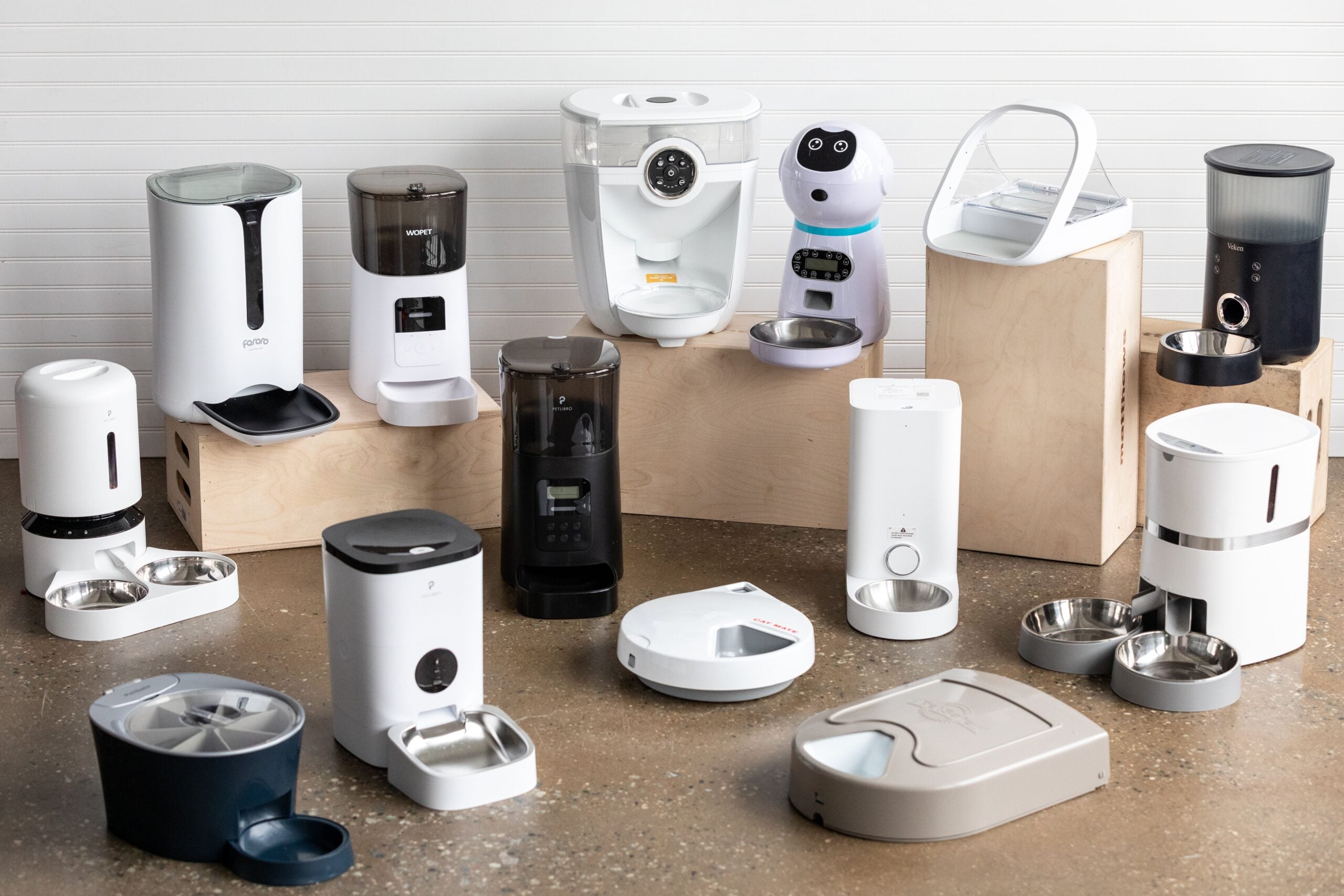
Smart feeders, connected water fountains, pet cameras, and other high-tech accessories continue to attract attention, but many owners say they’re delaying these purchases because of the price. While the convenience is appealing, shoppers often question whether the extra features justify the additional cost. Basic food bowls, manual feeders, and affordable pet cameras meet most households’ needs at a fraction of the price. As budgets tighten, practicality is winning out over smart technology.
Premium Cat Trees
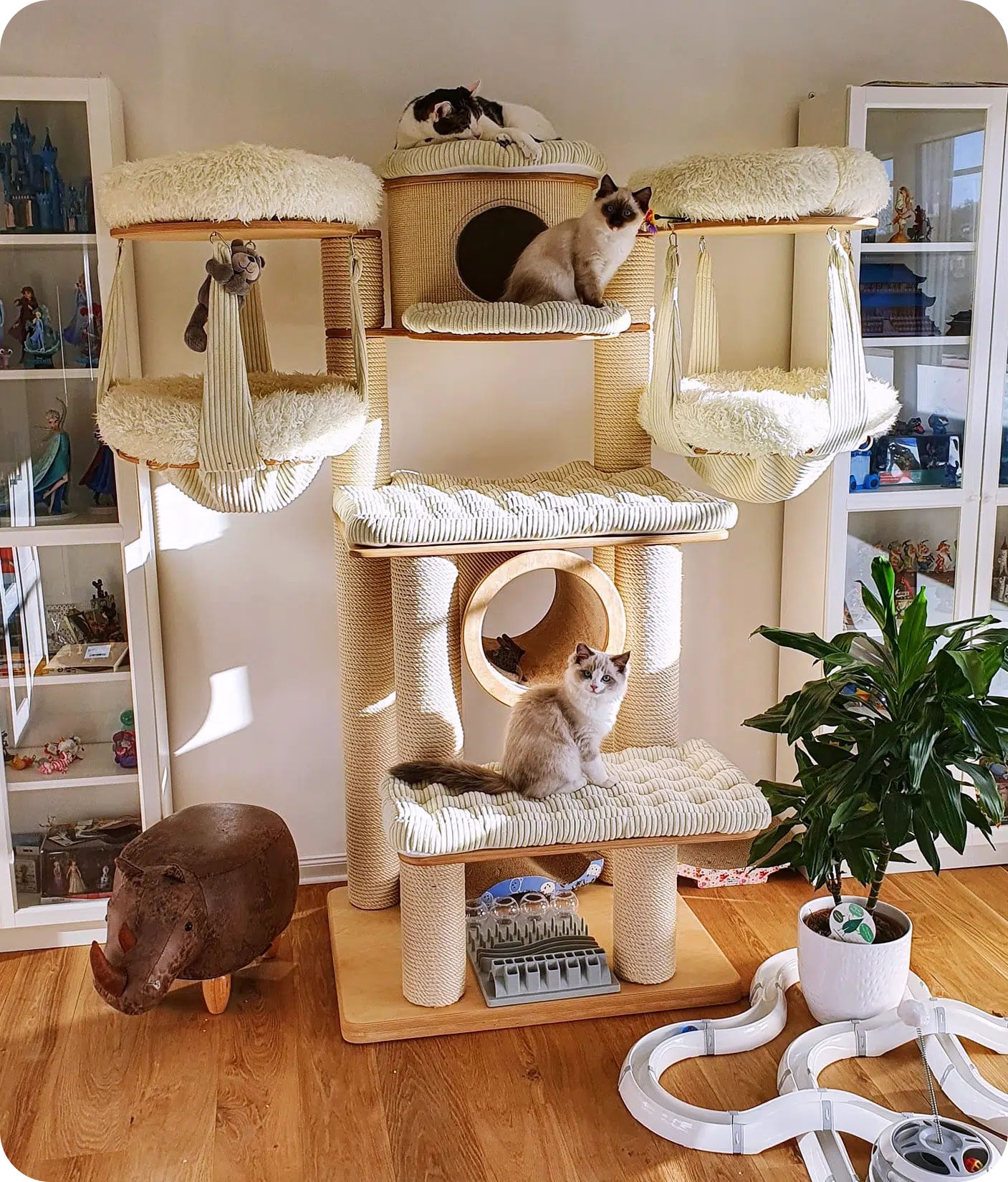
Large cat trees with multiple platforms, condos, and scratching posts can cost several hundred dollars, making them one of the biggest pet accessory purchases. Rather than replacing them, many owners say they’re repairing worn scratching surfaces, tightening loose platforms, or refreshing existing cat trees with replacement parts. Others opt for smaller scratching posts or create DIY climbing shelves at home. The result is a functional play space without the premium price tag.
Flea & Tick Accessories
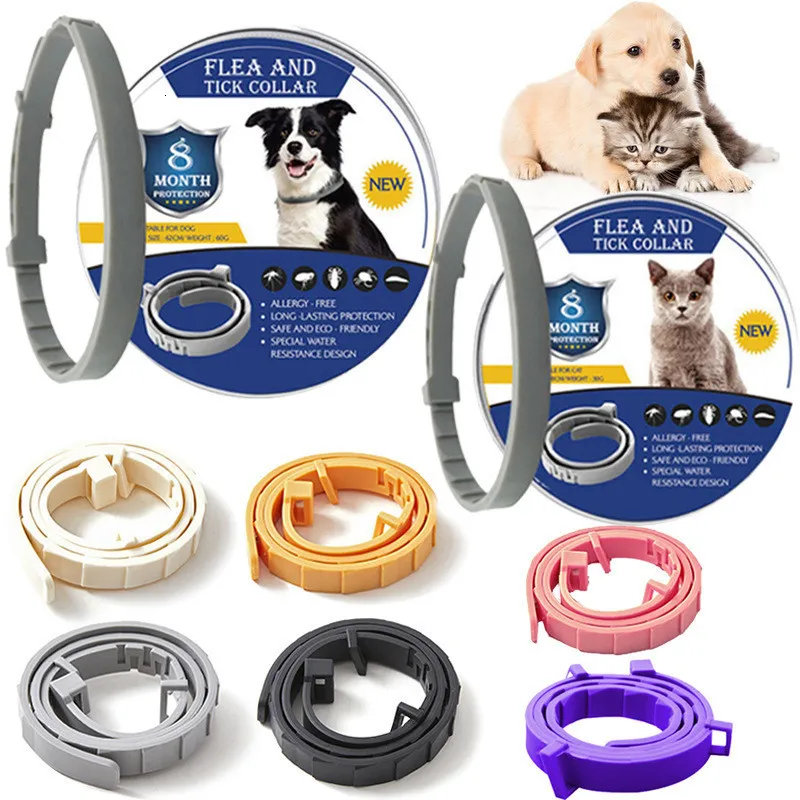
Many pet owners say they’ve become more selective about flea and tick products as prices continue to rise. Rather than buying multiple collars, sprays, shampoos, and accessory products, they’re focusing on veterinarian-recommended preventatives that provide the most reliable protection. Some also purchase seasonal treatments only when the risk is highest instead of buying additional products year-round. The emphasis has shifted toward essentials rather than extras.
Decorative Pet Accessories
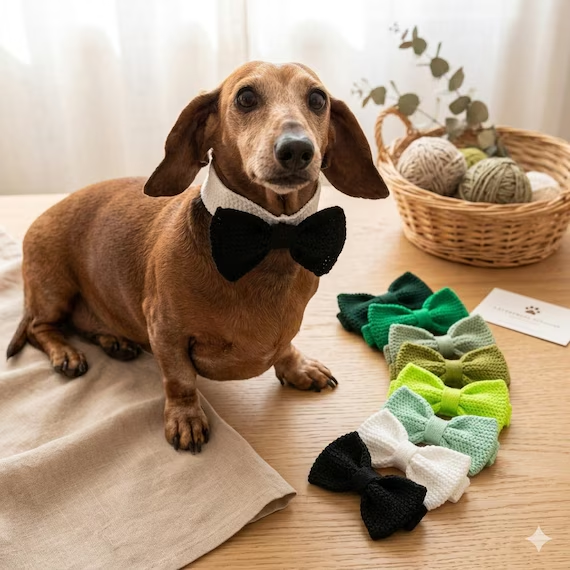
Luxury collars, personalized bowls, matching leashes, and decorative pet accessories are increasingly viewed as optional purchases. Owners say these items are easy to postpone when grocery and veterinary bills are already climbing. Instead, many continue using existing accessories for years, shop clearance sales, or choose simple functional products over fashionable designs. Their priority, they say, is spending money where it most benefits their pets.
Putting Pets First While Spending Smarter
Pet owners consistently say they’re willing to spend money where it matters most—quality food, veterinary care, and products that genuinely improve their pets’ health and comfort. As prices continue to rise, however, many are becoming more selective about discretionary purchases, choosing store brands, buying in bulk, waiting for promotions, and making products last longer. Rather than spending less on their pets, owners say they’re simply spending more thoughtfully, ensuring every dollar goes toward what matters most.