People often develop habits based on the convenience of their daily routines. Sometimes, they handle the products and items in their homes in ways that are far from ideal. Drawing on information from the FDA, the USDA, and other sources, we will reveal items that people frequently and unknowingly keep in the wrong places, highlighting the importance of proper storage!
Medications in the Bathroom Medicine Cabinet

Many people keep their medications in a cabinet in the bathroom. This is a poor location because the room tends to have heat and humidity, which can compromise proper storage. The FDA warns that damp conditions can affect medications before their expiration date. A better place to store medications would be in a closet, and you should always check the labels for specific storage instructions.
Sunscreen in the Glove Compartment
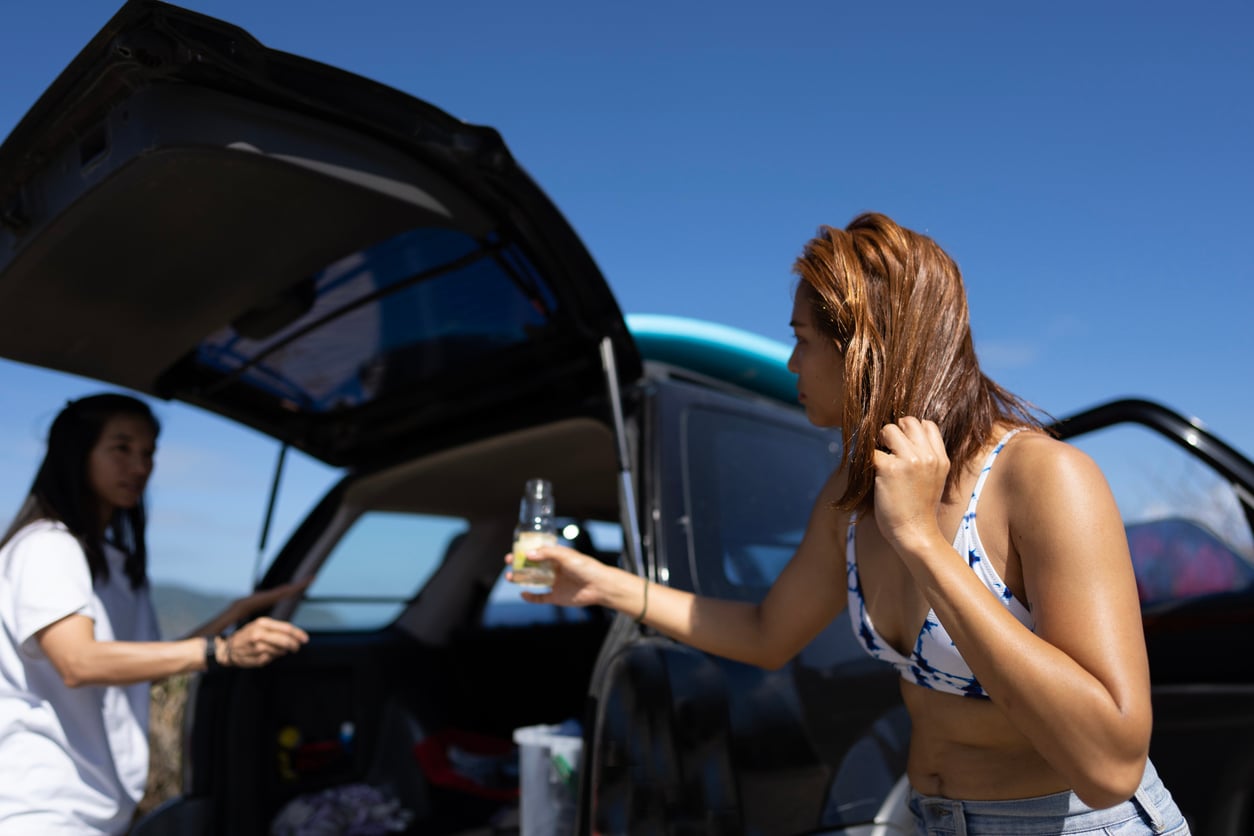
Keeping sunscreen in the car’s glove compartment might seem convenient, but it can get very hot in there, especially when the car is parked in the sun. The heat can damage the sunscreen’s formula and cause it to spoil before its expiration date. Proper storage means keeping it in a cool indoor cabinet in your home.
Cooking Oil Next to the Stove
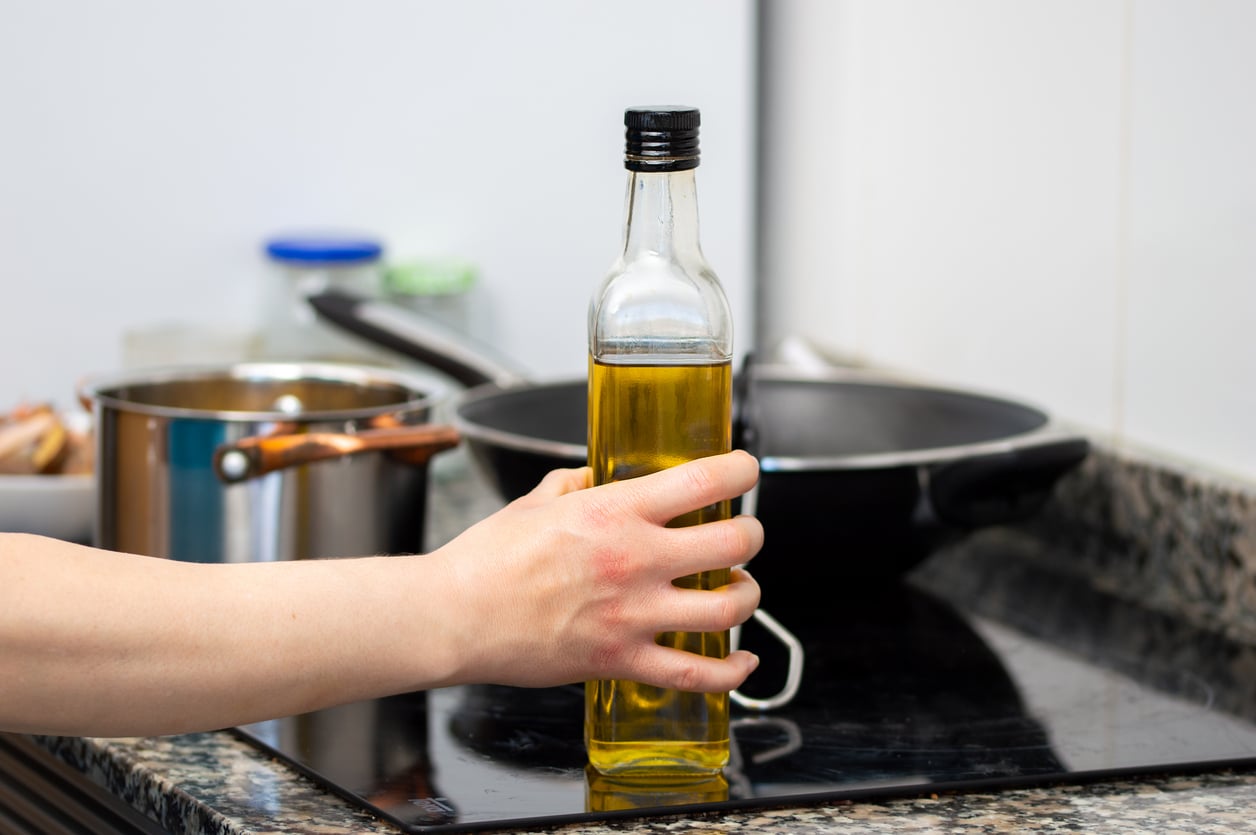
Cooking oil is often stored near the stove for convenience, but leaving it exposed to heat and light can accelerate its deterioration. If the oil develops rancid odors or unpleasant flavors, it may be because it has been exposed to heat. For proper storage, choose a dark, cool cabinet away from the oven.
Ground Spices Directly Above the Oven
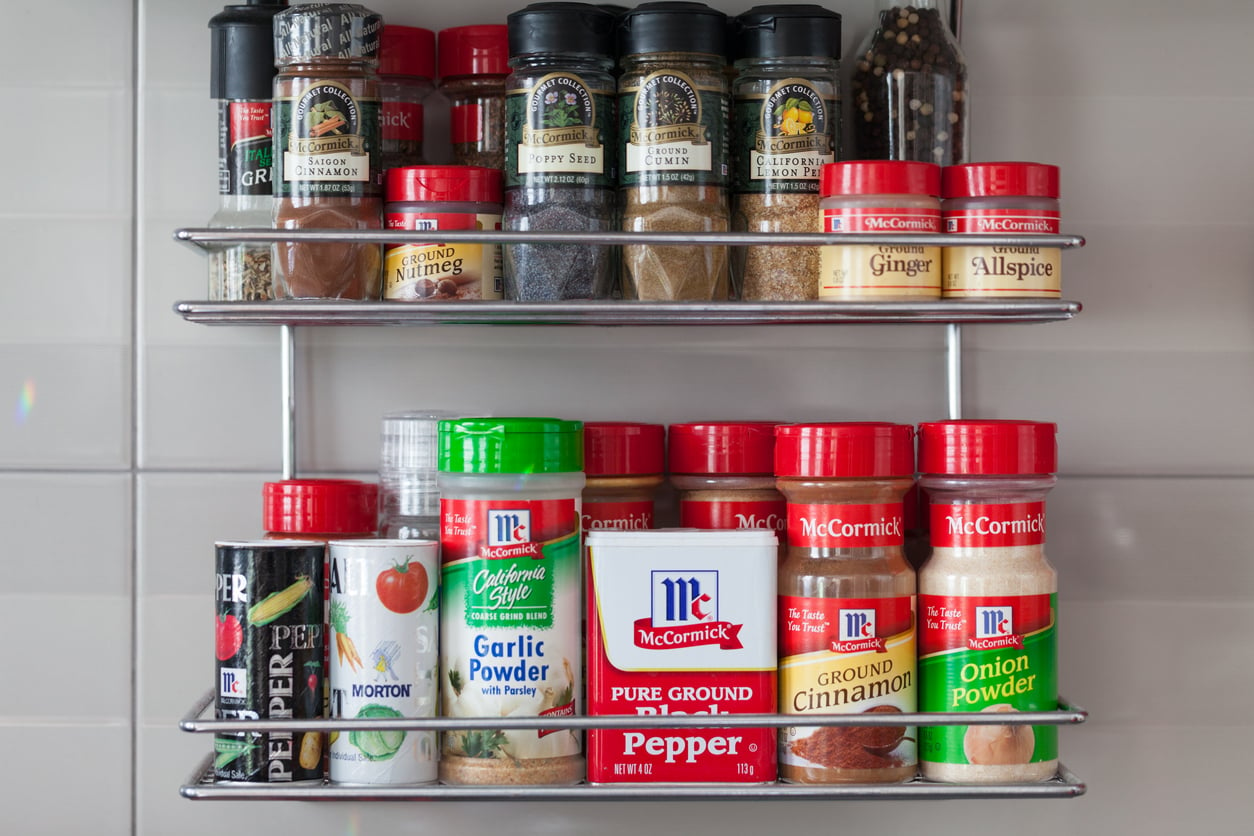
Some people place their spice rack above the stove, but heat, steam, and light can damage the flavor of these ingredients. The USDA notes that ground spices generally lose their quality faster than whole spices, especially when exposed to heat, moisture, and light. Proper storage involves keeping them in a dry cabinet, away from heat and direct sunlight.
Family Photographs in the Attic
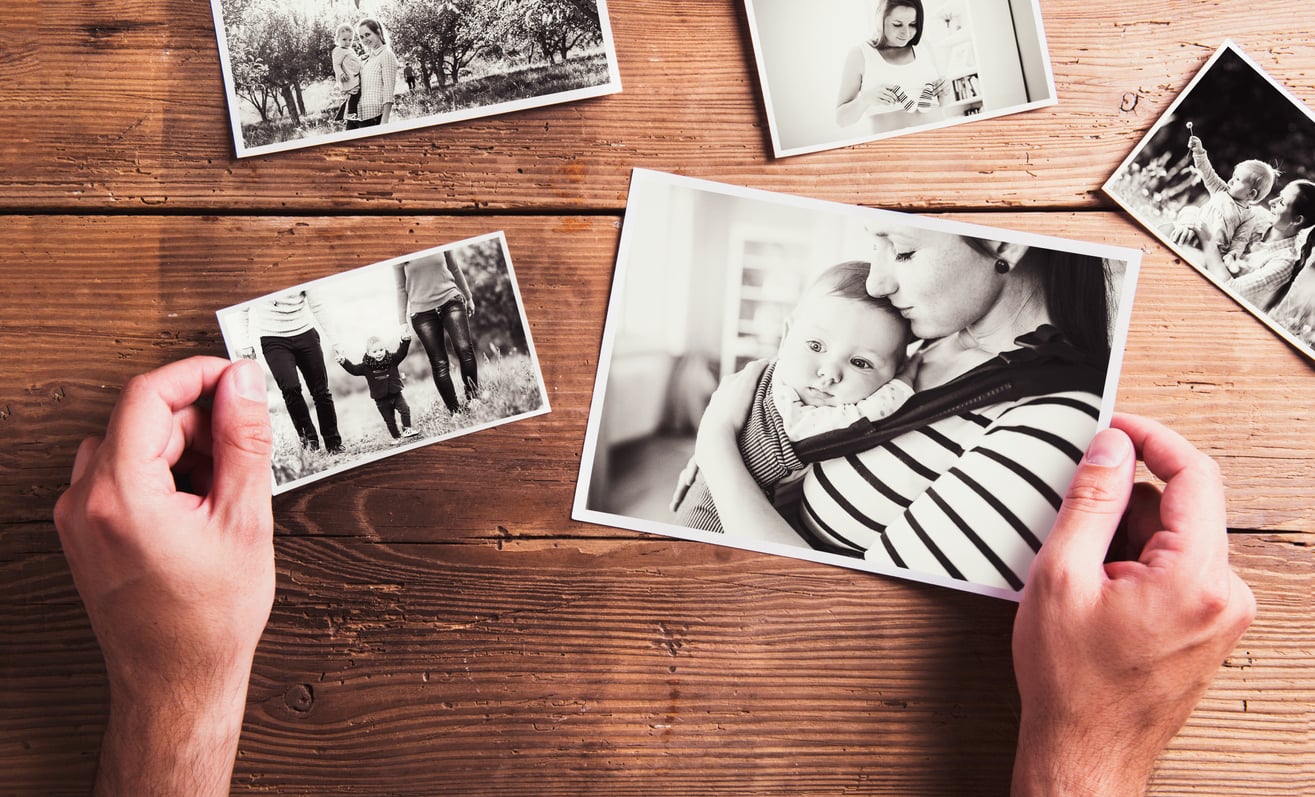
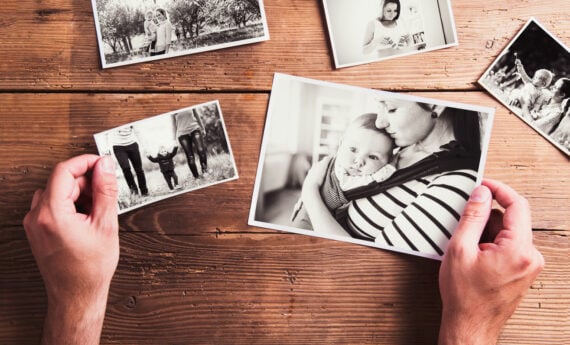
Family photographs may have ended up in the attic, where there is more space to store items that aren’t needed for day-to-day use. However, the extreme heat and humidity that can occur in that space make it a poor choice for storing photos. These conditions could affect the color, the materials, and the overall appearance of the images. A better approach would be to place them in archival-quality photo boxes and store them in a cool, dry closet.
Trending on Cheapism


Emergency Flashlights with Old Batteries Inside
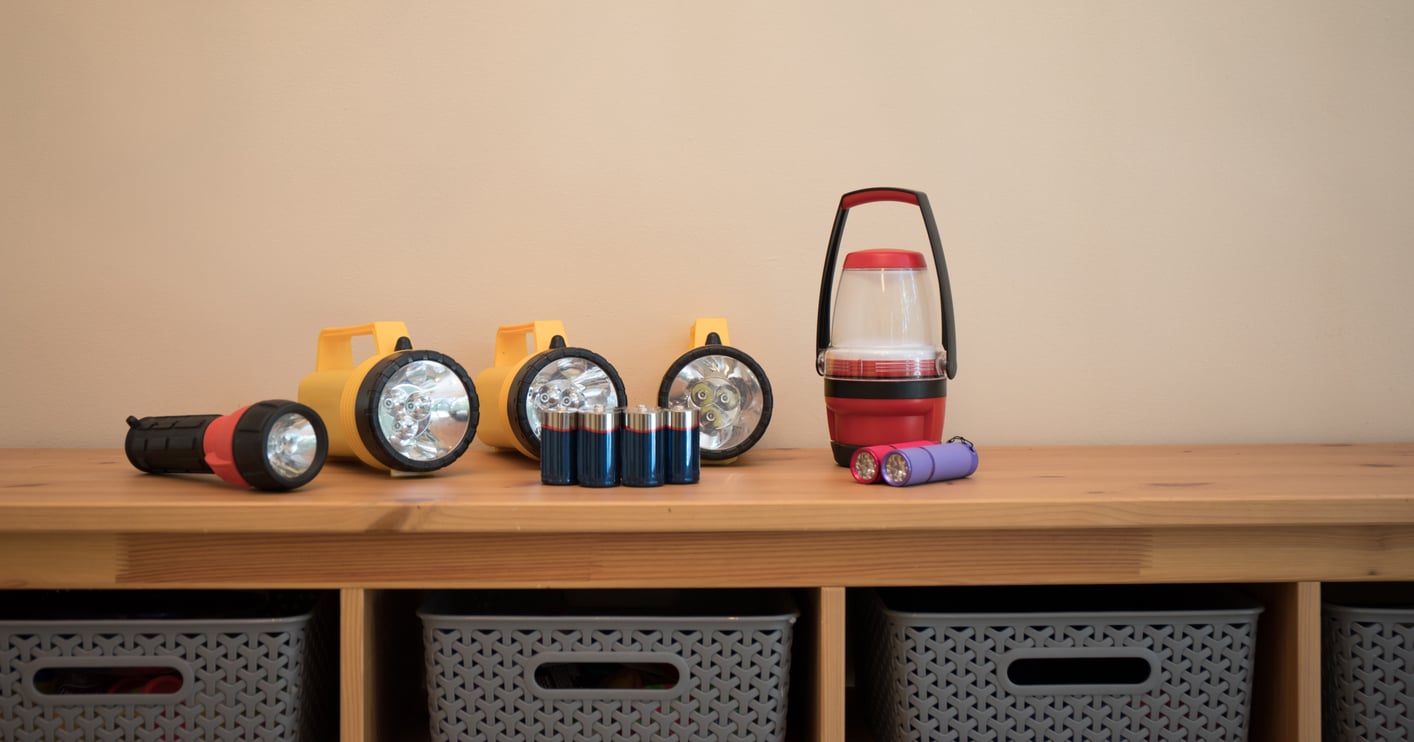
The risk posed by emergency flashlights containing old batteries is that the batteries may leak, lose their charge, or deteriorate. Furthermore, exposure to excessive heat can damage batteries and, in some cases, increase the risk of leakage, overheating, or fire. While the specific risk depends on the type of battery and the design of the flashlight, it is best to store them in an accessible location where you can inspect them periodically.
Cleaning Chemicals Beside Food and Pet Supplies
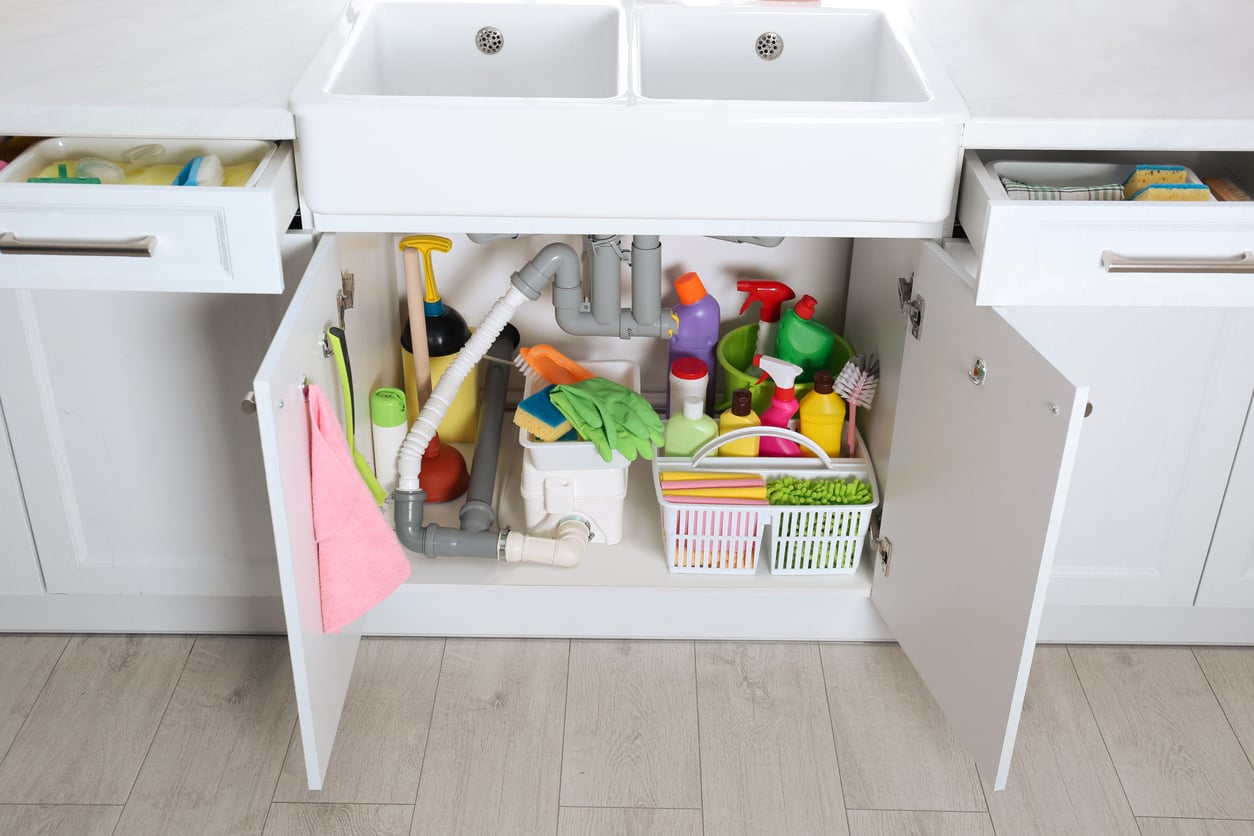
Cleaning chemicals might end up being stored in the same place in the home as food and pet supplies, which is not advisable. The EPA warns against storing pesticides near food, as they could begin to leak or accidentally contaminate food with hazardous chemicals. A better alternative is to keep them in a secure area, away from food products and items intended for personal use.
Bags of Flour and Rice on the Basement Floor
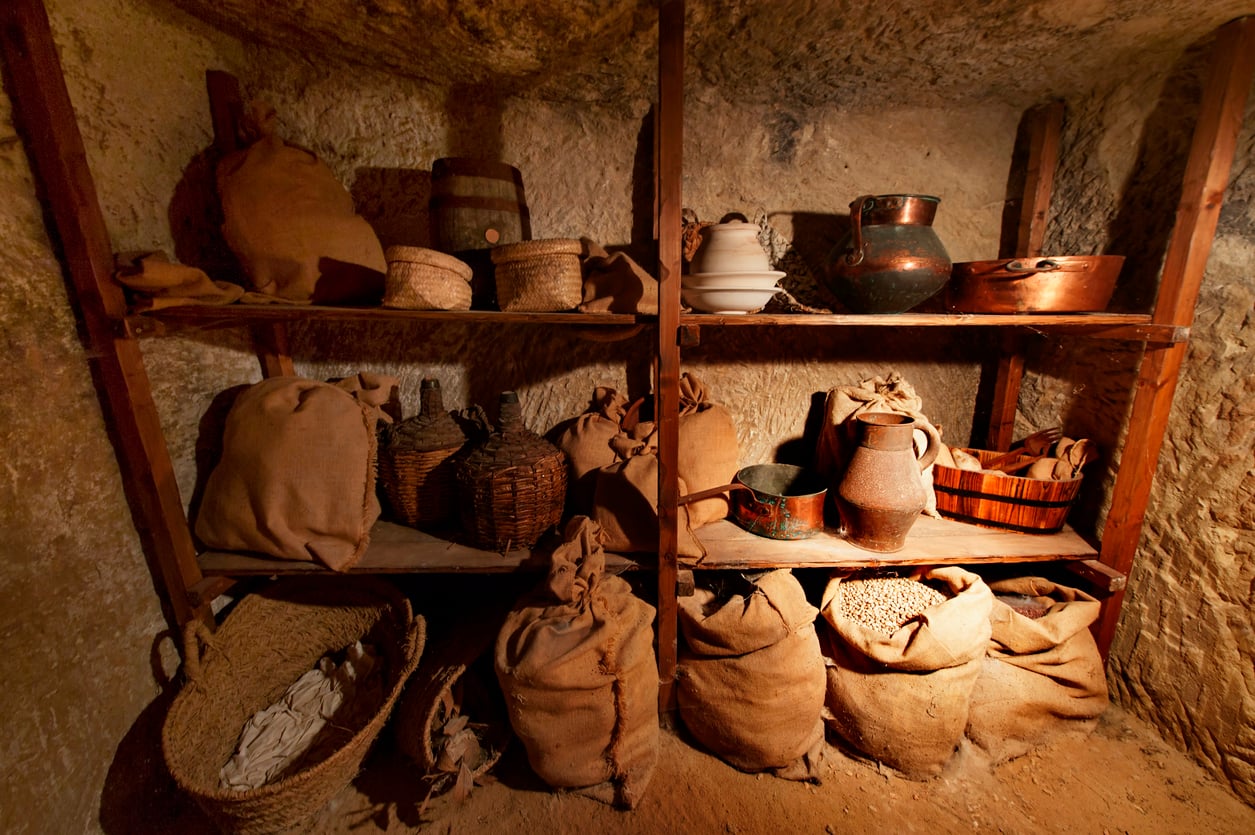
According to FoodSafety.Gov, food stored outside the kitchen should be protected from insects and rodents, and kept away from potential floodwaters. Therefore, a basement floor is not a suitable place to store food, particularly if the area is damp or vulnerable to flooding or pests. Unlike the proper storage environment, which would be a dry pantry shelf or food-grade containers.
Sign up for our newsletter
Extra Blankets and Clothing Against Damp Basement Walls
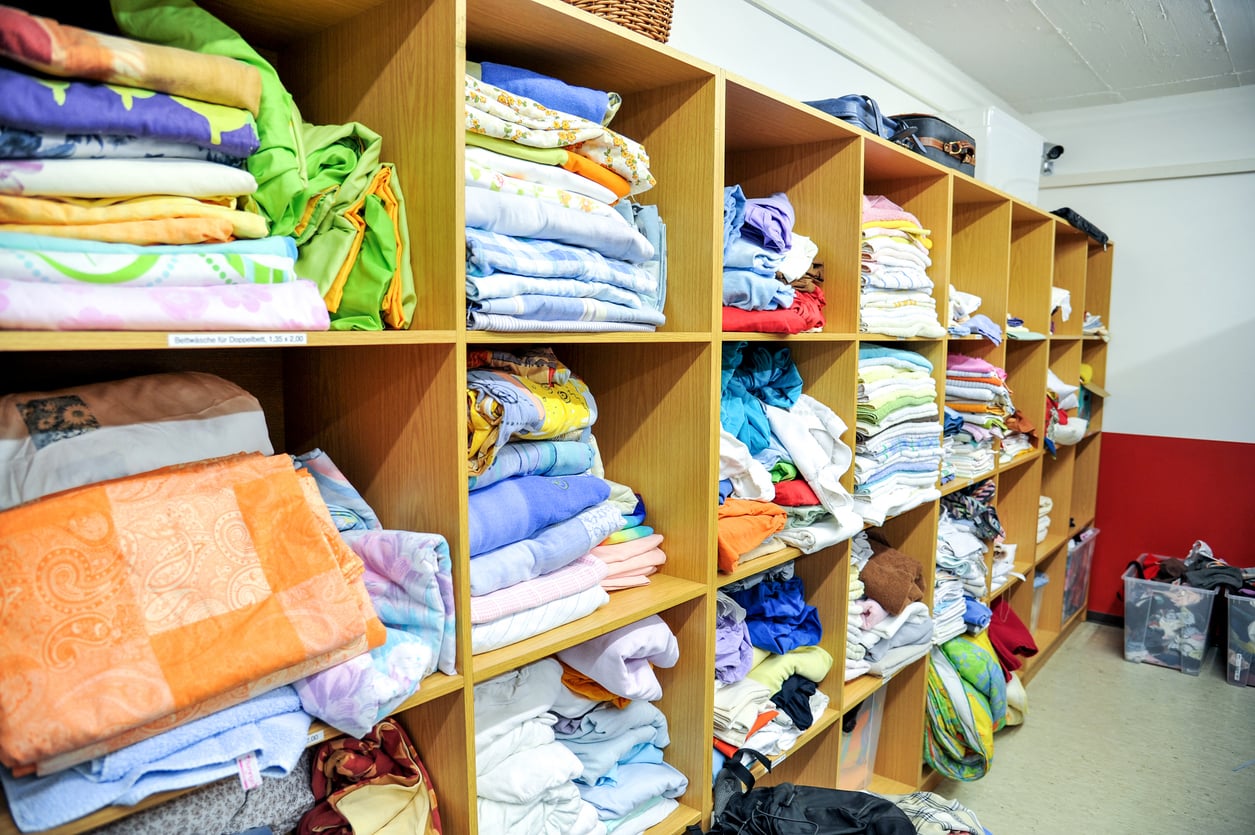
Storing extra blankets and clothing in a damp basement is not a good idea, as these fabrics will absorb moisture, develop musty odors, and could become a breeding ground for mold. Even if you place them in sealed plastic bins, they might not withstand the harsh conditions of a basement. Storing them in dry, indoor closets is the best approach.
Spare Lithium-Ion Batteries in a Hot Car
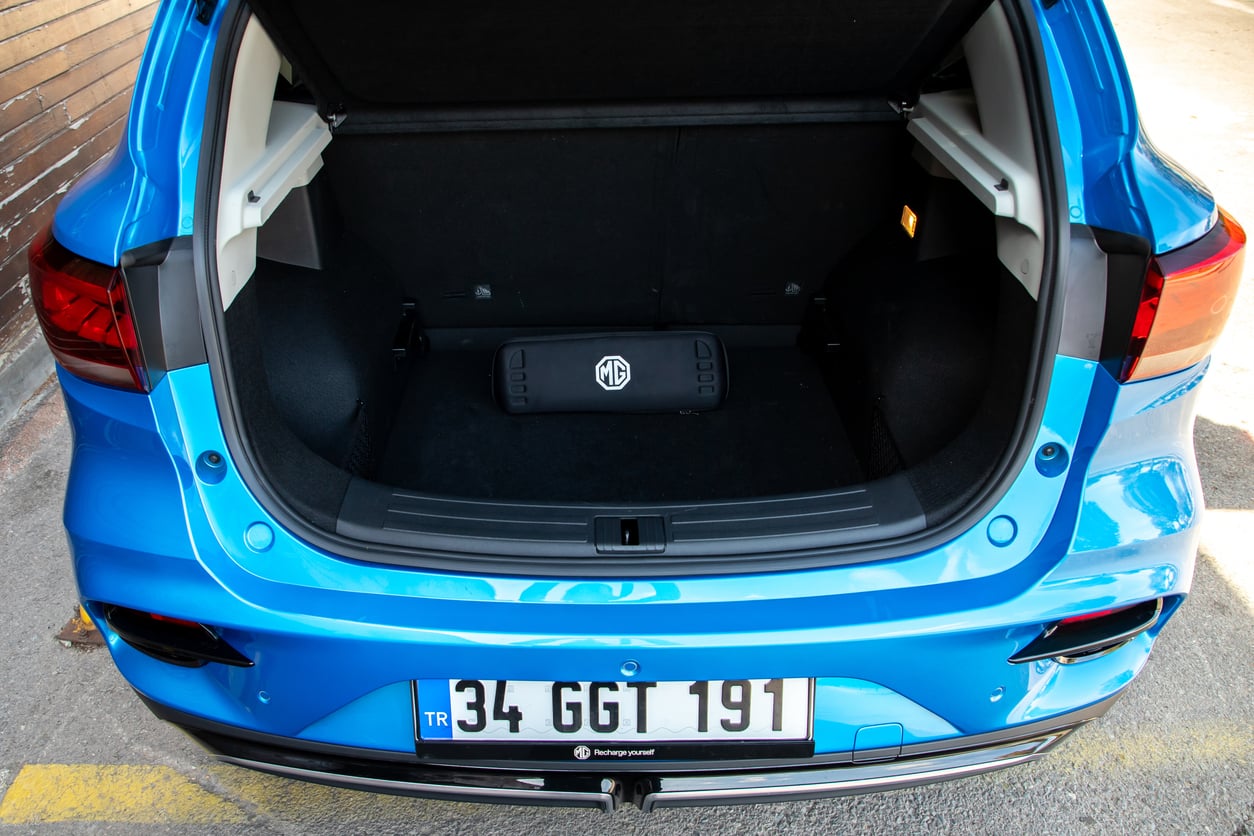
With the trend toward electric vehicles, some people keep a spare electric battery in their car, much like they might store power banks, batteries for cordless tools, or similar items. The U.S. Fire Administration warns against leaving spare lithium-ion batteries in a vehicle due to the risk of overheating and fire. Proper storage means keeping such spare batteries at room temperature, away from combustible materials.
The Fire Extinguisher Behind a Wall of Clutter
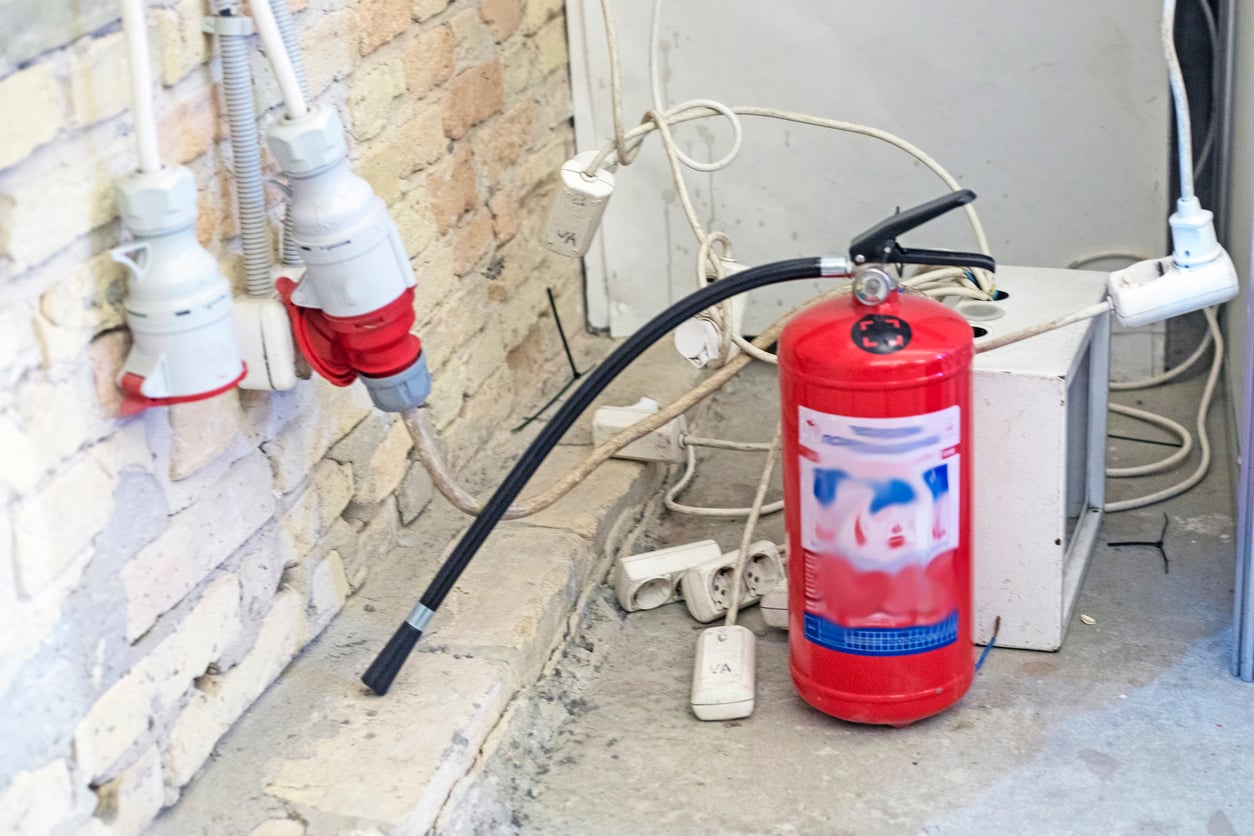
If you ever need a fire extinguisher, it will be during an emergency. Therefore, they should not be kept behind a wall of clutter, a common place where items end up being stored. The U.S. Fire Administration recommends keeping your fire extinguisher in an accessible location and regularly checking that it is in good working order. Proper storage includes placing it near an escape route you have planned in the event of a house fire.
Contact Lens Cases on a Wet Bathroom Counter
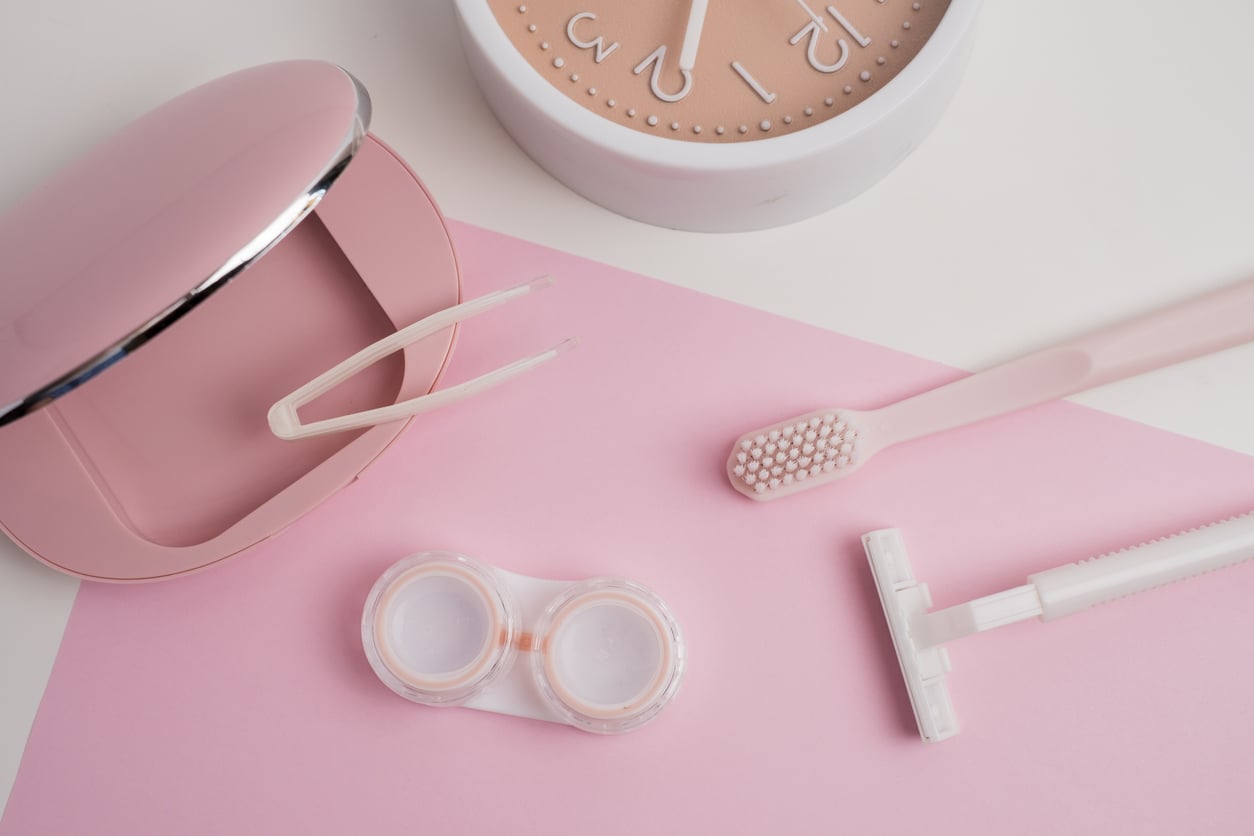
The bathroom is a room characterized by moisture and heat, not to mention water splashes and poor drying habits, so contact lens cases should not be kept there. The CDC recommends cleaning these cases with fresh contact lens solution rather than water and allowing them to air-dry. Proper storage means keeping the clean cases upside down, with their caps off, in a dry area.
Conclusion
The places where people typically store these items are not always the best, whether for maintaining their composition, ensuring they function as expected, or keeping things safe. Factors such as humidity, heat, and contamination can negatively affect these items, so understating proper storage is essential. You should move them to more suitable locations while taking the necessary precautions.