Ever bought something because it was on sale, only to realize months later that you’ve barely used it? A low price doesn’t always mean a good deal, especially when something wears out quickly or spends most of its time collecting dust. Thinking about cost per use can help you figure out what’s actually worth your money. As REI’s guide to choosing insulated jackets explains, factors like materials, weather protection, and proper care can make a difference in how useful a purchase remains over time. From winter coats to kitchen essentials, here are 12 purchases that can make more financial sense when you consider how often you’ll use them.
A Good Winter Coat

A $240 winter coat might seem expensive until you consider how often you’ll wear it. If you put it on 80 times each winter for five years, that’s just 60 cents per wear before cleaning or repairs. Suddenly, a well-made coat doesn’t seem quite so extravagant. Look for sturdy zippers, reliable stitching, and insulation suited to your climate. Just remember that expensive doesn’t automatically mean durable. A comfortable coat you’ll actually reach for every cold morning is worth more than a fashionable one that rarely leaves the closet.
Comfortable Everyday Walking Shoes

Those $120 walking shoes might feel like a splurge, but wear them 200 times and the cost drops to about 60 cents per outing. Compare that with a pair of dress shoes you wear twice a year, and the difference becomes clear. Comfortable walking shoes are especially worthwhile for people who spend hours running errands, traveling, or exploring their neighborhoods. Prioritize proper fit, cushioning, and durable soles over appearance alone. Shoes eventually lose their support, though, so don’t keep wearing a worn-out pair simply to lower its cost per use.
A Reliable Reusable Water Bottle
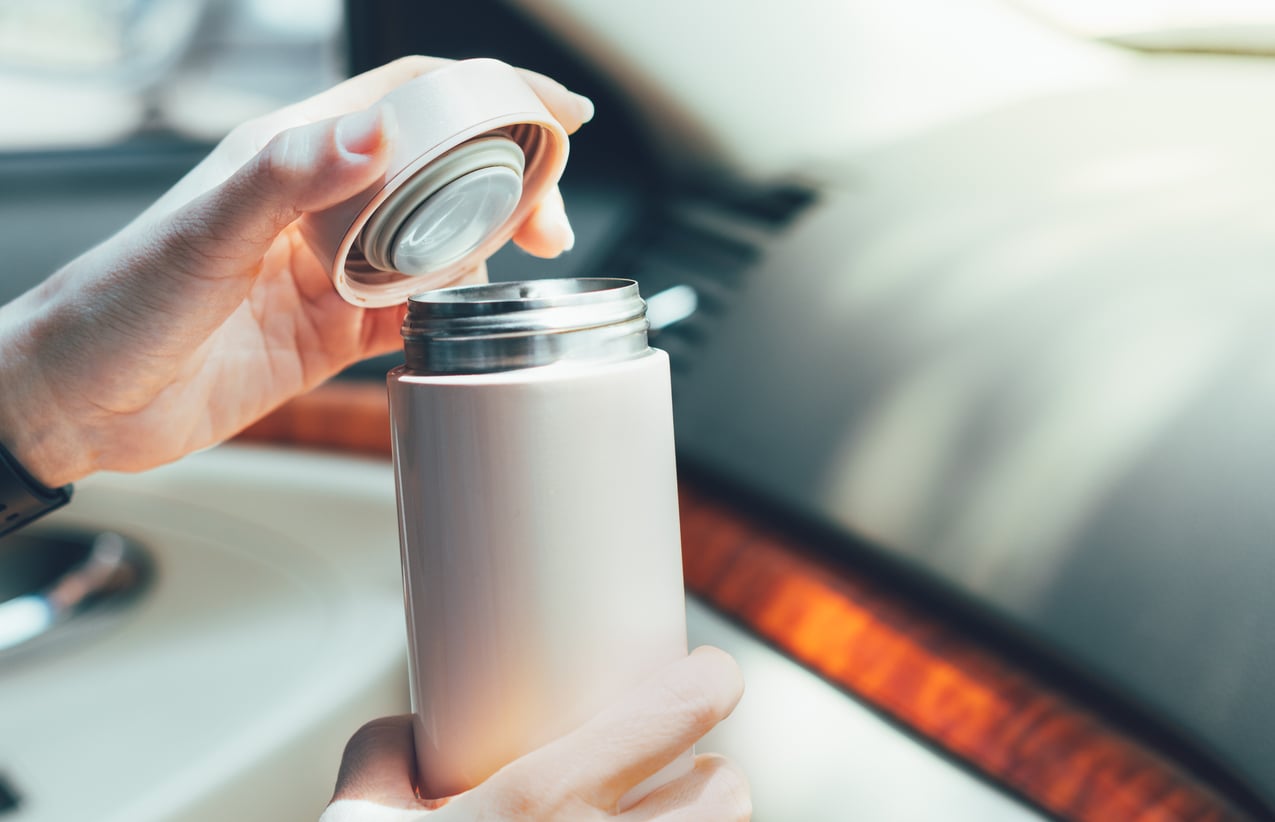
Spending $30 on a reusable water bottle can seem unnecessary when you already have glasses at home. But if you carry it 300 times, that’s just 10 cents per use before washing. It can also help you avoid buying bottled water while traveling or running errands. The trick is choosing one you’ll actually bring along. Look for a leakproof lid, an opening that’s easy to clean, and a size that fits your bag or car’s cup holder. A fancy bottle forgotten in the kitchen cabinet isn’t much of a bargain.
A Durable Stainless Steel Frying Pan
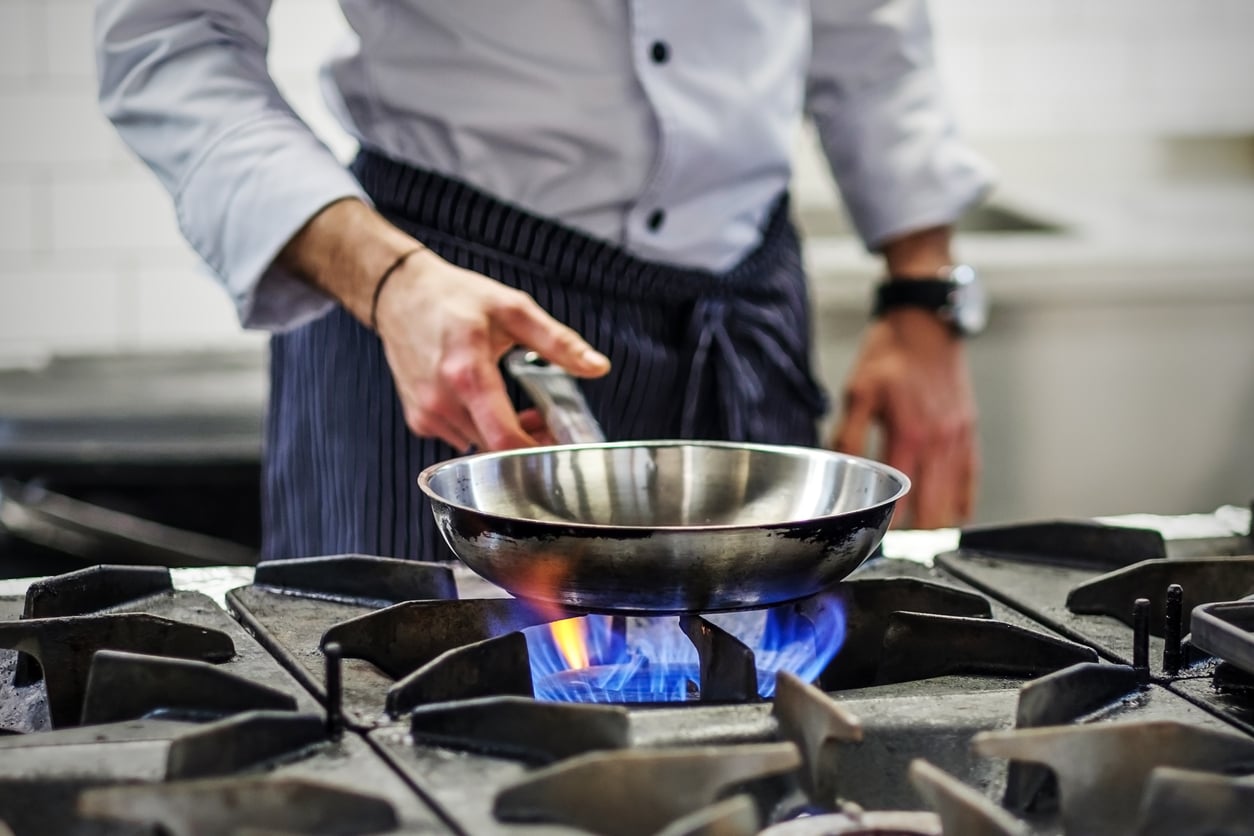
A good stainless steel frying pan can handle everything from scrambled eggs to vegetables and weeknight dinners. Spend $100 on one and use it three times a week for five years, and the purchase works out to roughly 13 cents per cooking session. Unlike some coated pans, stainless steel doesn’t depend on a nonstick surface that gradually wears away. There’s a learning curve, however, and food can stick without proper temperature control. Look for a comfortable handle, sturdy construction, and a size that suits the meals you regularly prepare.
An Everyday Coffee Thermos
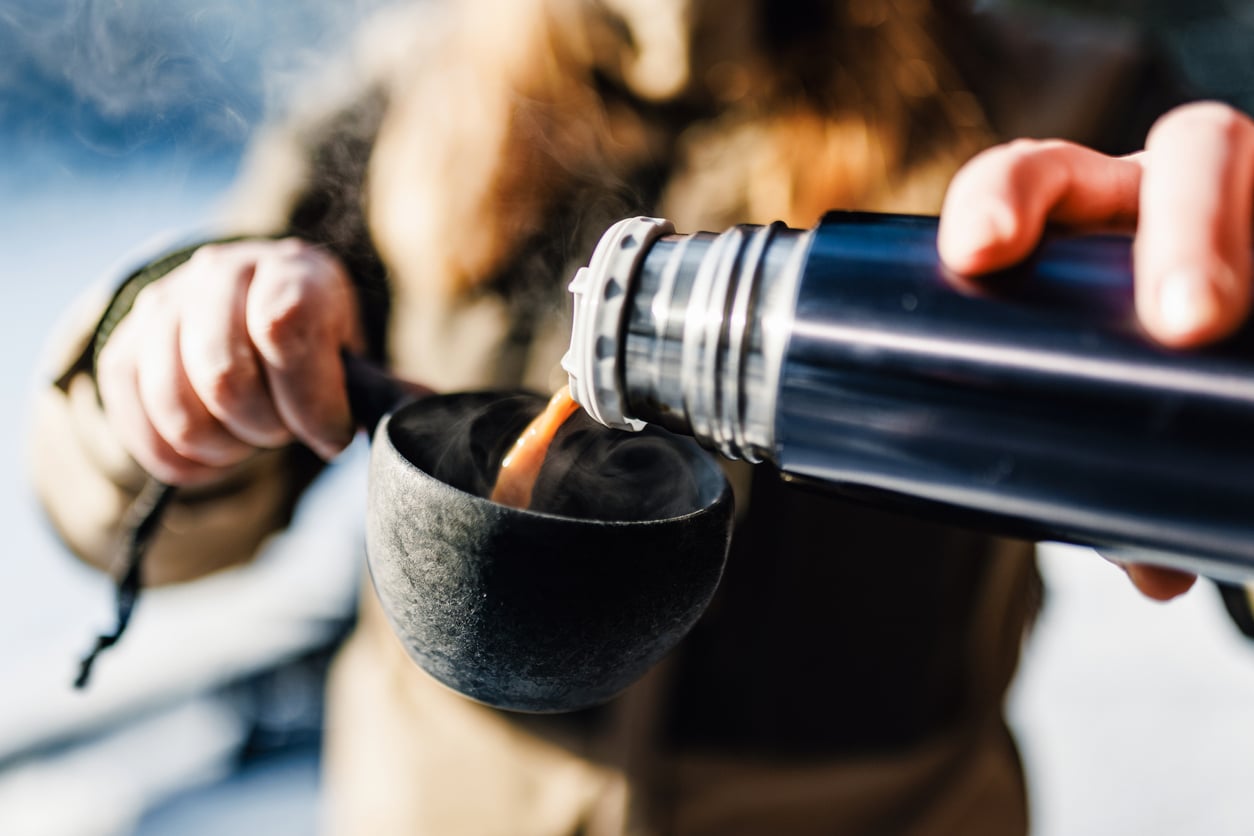
That $35 travel mug could pay for itself surprisingly quickly if it helps you skip coffee-shop purchases. Use it 250 times and the mug itself costs just 14 cents per use, excluding cleaning and the coffee inside. Even better, it can keep homemade drinks warm during long commutes, appointments, or road trips. But not every thermos is equally practical. Some leak, while others have complicated lids that are difficult to wash. Choose one that’s easy to clean and comfortable to carry, or it may end up gathering dust.
Trending on Cheapism


LED Light Bulbs in Frequently Used Rooms
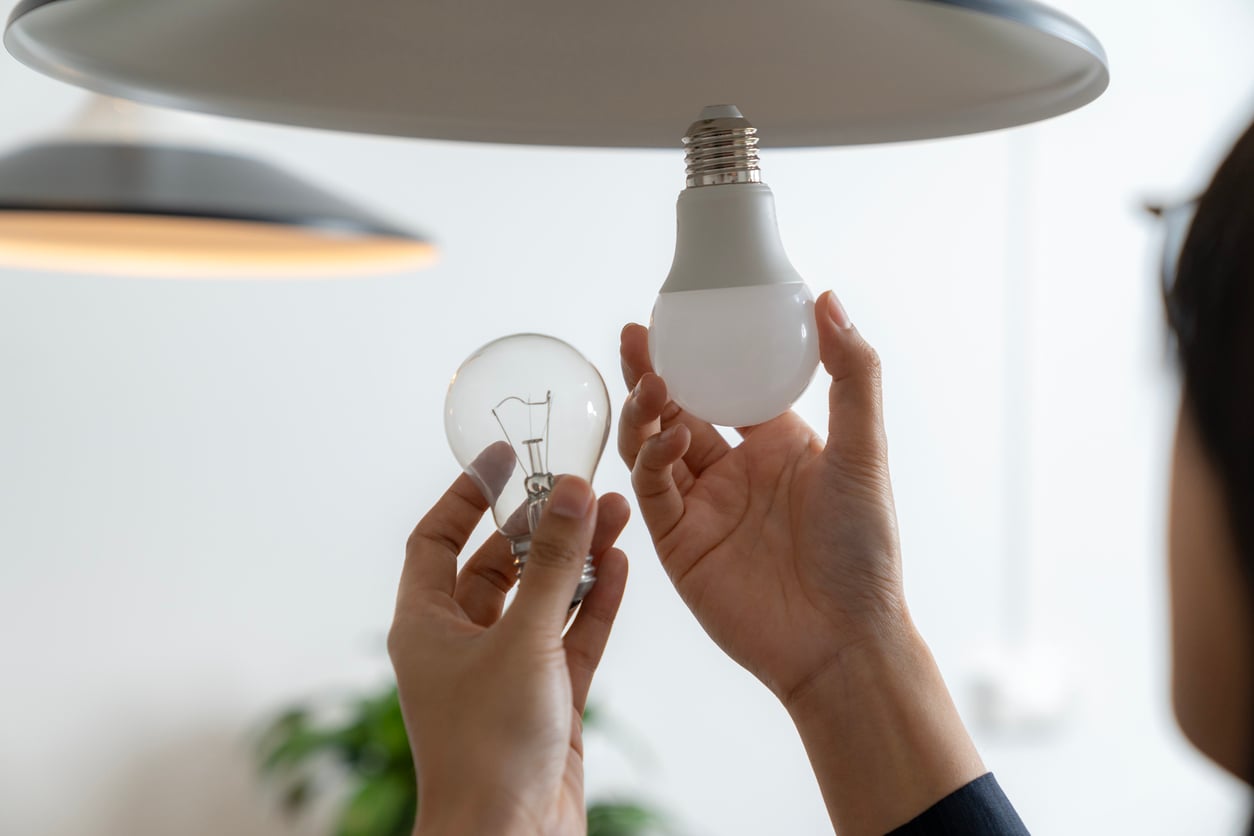
A light bulb might not seem like something worth calculating, but consider how many hours your kitchen or living room lights stay on. An efficient LED bulb can use considerably less electricity than a traditional incandescent bulb while lasting much longer. That means its value comes from both the purchase price and the electricity it consumes over time. The savings are greater in rooms where lights are used frequently. Before buying, check brightness, color temperature, and dimmer compatibility. An inexpensive bulb that flickers or doesn’t work with your fixture isn’t a bargain.
A Set of Well-Made Bath Towels
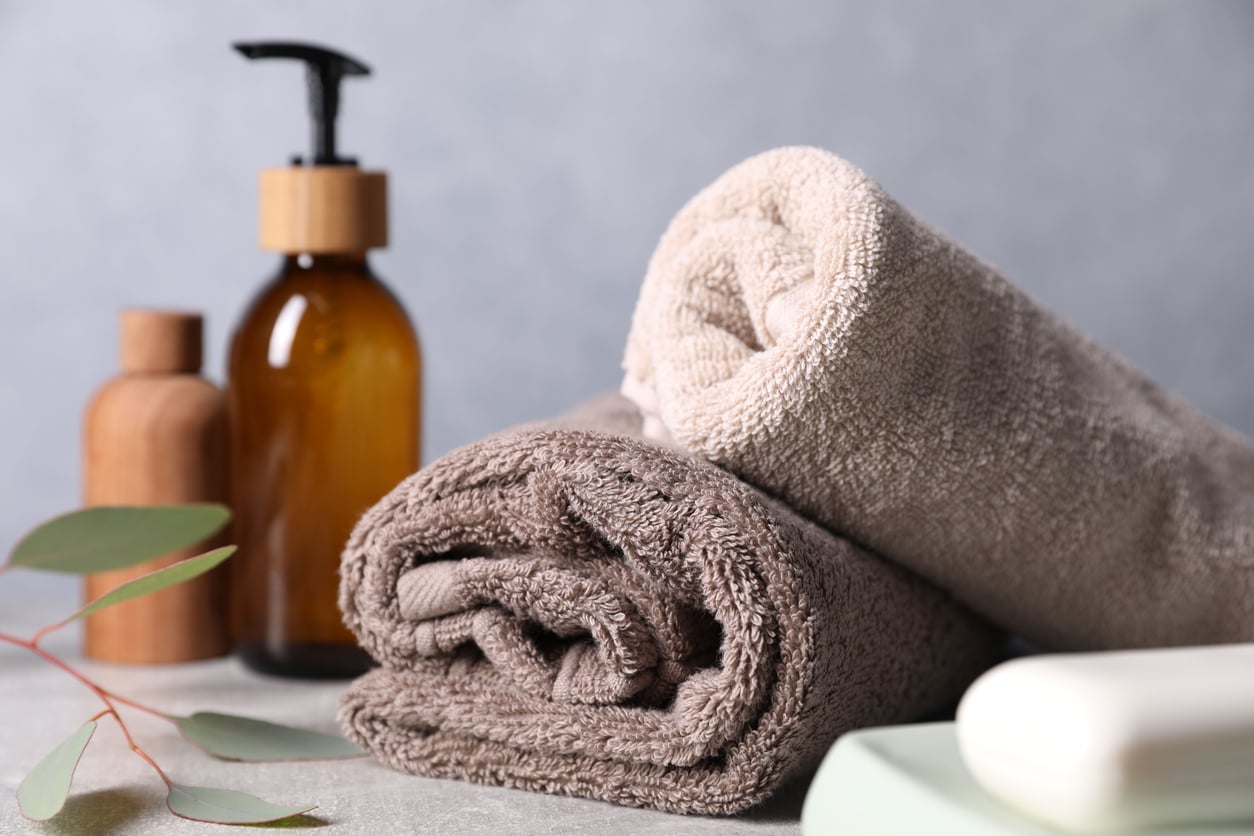
It’s tempting to grab the cheapest towels on the shelf, especially when you’re buying several at once. But thin towels that lose their absorbency or fall apart after repeated washing can become frustrating. A $20 towel used twice a week for three years costs roughly six cents per use before laundering. That’s reasonable if it remains soft and absorbent throughout that time. Look for sturdy edges, comfortable fabric, and care instructions you can realistically follow. Extremely thick towels aren’t always better, particularly if they take forever to dry.
A Comfortable Office Chair

If you spend much of your day at a desk, your office chair gets more use than almost any other piece of furniture. A $400 chair used 250 days a year for five years costs about 32 cents per workday. That can be a reasonable investment if it fits your body and remains comfortable. Adjustable seat height, back support, and armrests matter more than a fancy appearance. Try sitting in the chair before purchasing whenever possible. Even an expensive model can be a poor choice if its proportions don’t suit you.
Sign up for our newsletter
A Versatile Weekender or Carry-On Bag
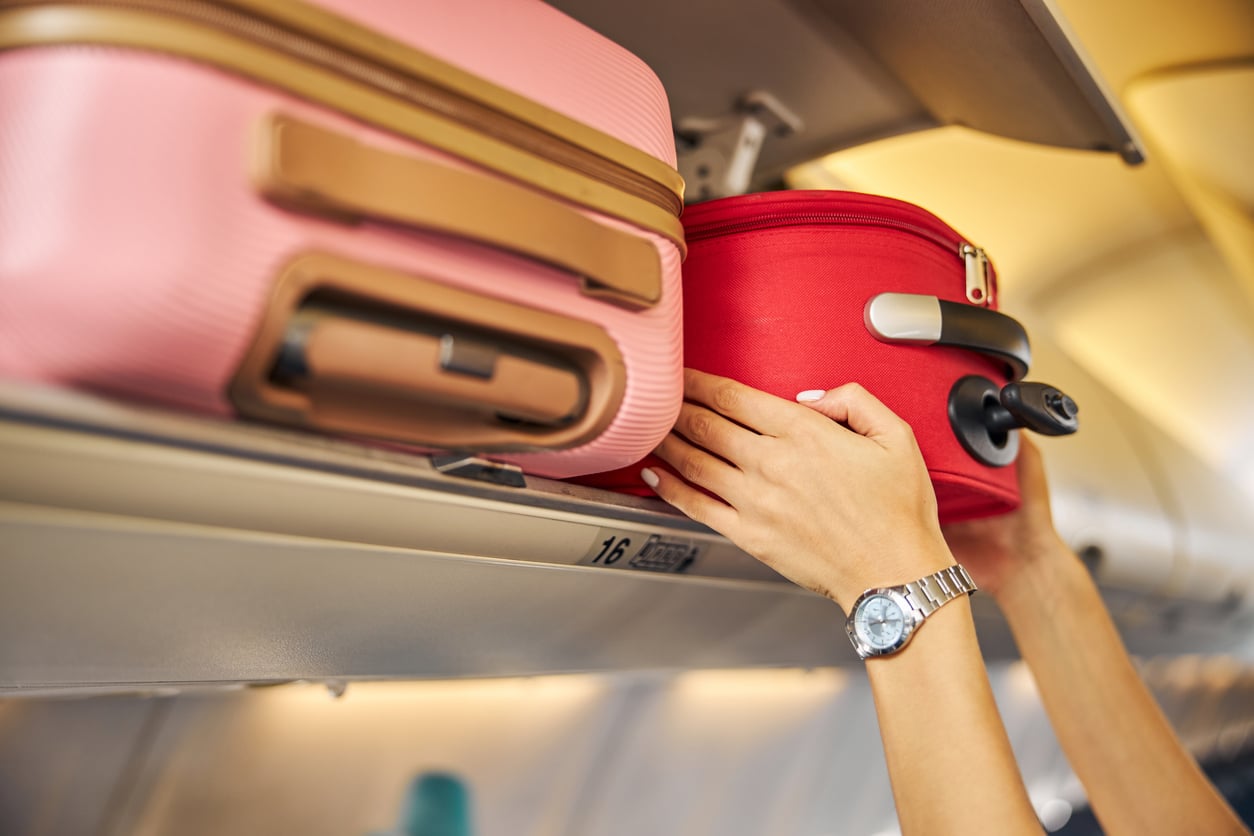
A $150 travel bag might seem pricey when cheaper options are everywhere. But use it 20 times a year for five years, and you’re paying just $1.50 per trip before repairs or cleaning. A versatile bag can work for weekend getaways, family visits, overnight stays, and longer vacations. Look for dependable zippers, comfortable handles, and compartments you’ll actually use. Weight matters, too, especially if you prefer traveling light. Before buying, check the carry-on limits of airlines you regularly fly, since an oversized bag can create additional expenses.
A Quality Set of Food Storage Containers
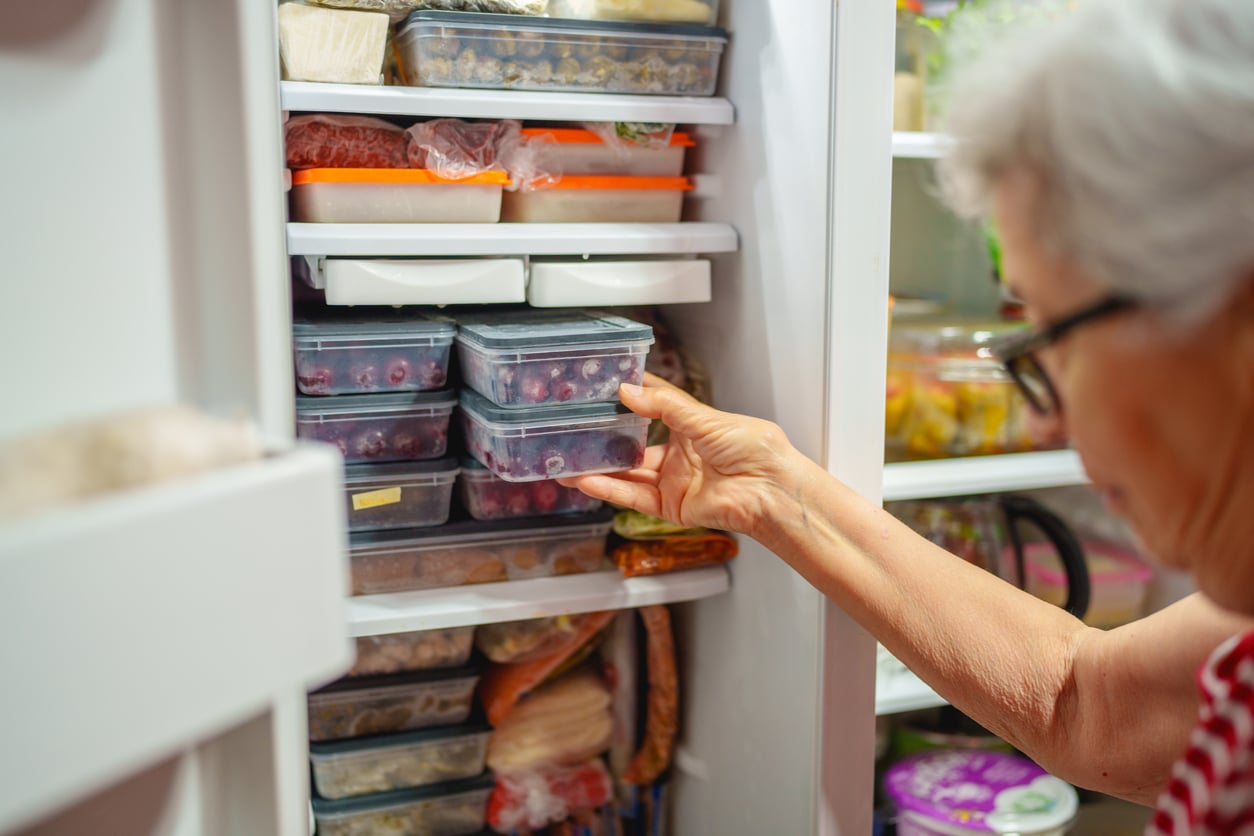
Leftovers, packed lunches, and meal preparation all become easier when you have containers that actually work. Spend $48 on a set and use the containers a combined 12 times a week for two years, and that’s roughly four cents per use before washing. The savings depend on whether you use them consistently, of course. Look for secure lids, practical sizes, and materials suited to your refrigerator, freezer, or dishwasher. Replacement lids are another consideration. A container isn’t particularly useful when its matching lid disappears after a few months.
An Everyday Rain Jacket

A $160 rain jacket might seem excessive if you only think about the occasional downpour. But wear it 50 times a year for four years, and the cost drops to 80 cents per outing before maintenance. A good jacket can be useful for walking, traveling, gardening, and running errands when the weather turns unpredictable. Check for sealed seams, a comfortable hood, and enough ventilation to avoid feeling clammy. Waterproof finishes also require care over time. If you live somewhere with little rain, a less expensive option may make more sense.
A Reliable Set of Basic Hand Tools
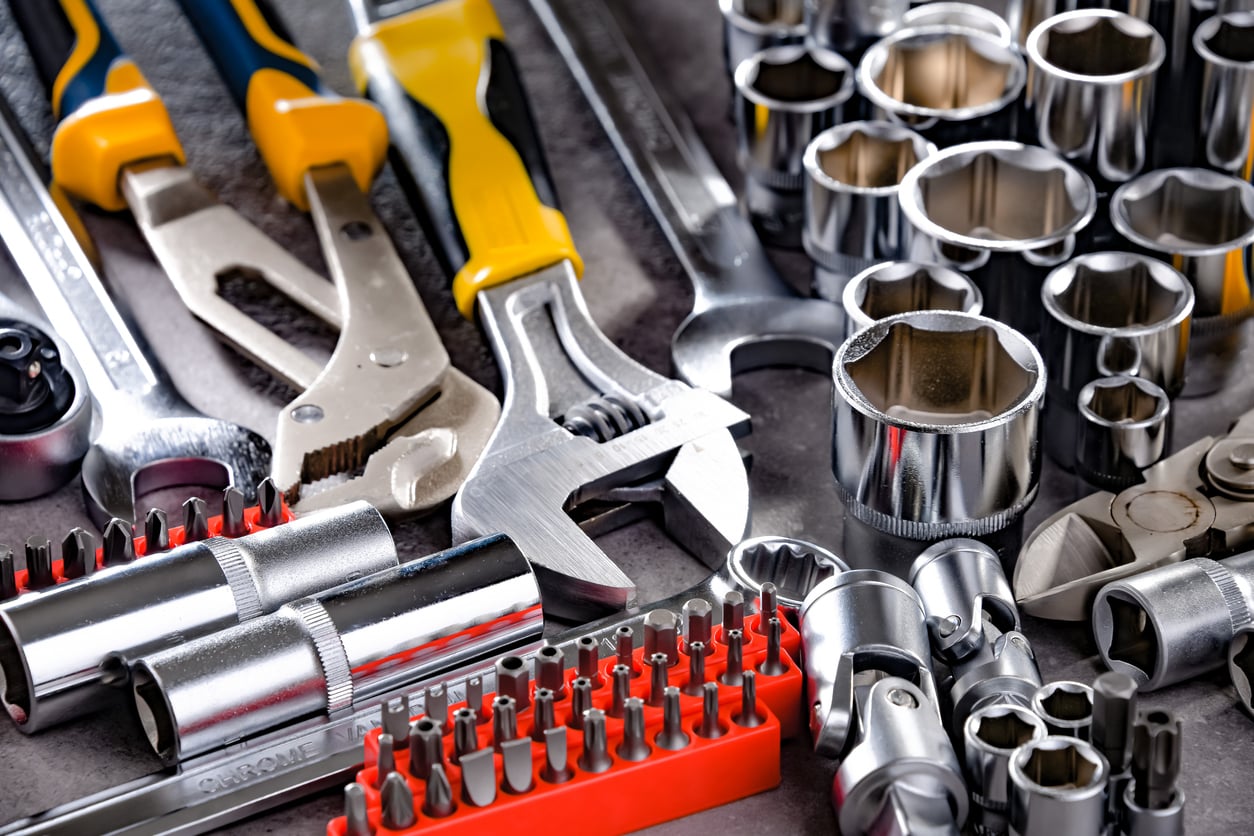
You don’t need an enormous toolbox to handle ordinary household jobs. A sturdy set of screwdrivers, pliers, wrenches, and a tape measure can help with everything from tightening cabinet handles to assembling furniture. Spend $100 on a kit and use it 10 times a year for a decade, and that’s about $1 per project. Quality tools can remain useful for years with basic care, but there’s no reason to pay extra for dozens of pieces you’ll never touch. Start with the essentials and add specialized tools only when needed.