If you’ve ever walked into a Trader Joe’s expecting a typical grocery shopping experience, you’ve probably noticed a few Trader Joe’s shopping secrets that make the store different from traditional supermarkets. There are no weekly sales flyers advertising buy-one-get-one-free deals, no loyalty cards to scan at checkout, and no self-checkout machines waiting for you to bag your own groceries. Instead, you’ll find employees ringing bells, shelves stocked with unusual products, and plenty of snacks you didn’t know existed until five minutes ago.
But these quirks aren’t just part of the store’s personality. Trader Joe’s has built its entire business around doing things differently from traditional supermarkets, from how it chooses products and negotiates with suppliers to how it sets prices and interacts with customers. Some of these decisions can help shoppers save money, while others might make your grocery run a little less convenient.
Whether you’re a devoted Trader Joe’s regular or someone who still doesn’t understand why people get so excited about seasonal snacks, here are 12 reasons the grocery chain operates unlike most supermarkets.
More Than 80% of Its Products Are Private Label

Walk through a typical supermarket, and you’ll find shelves packed with competing brands of cereal, pasta sauce, frozen meals, and just about everything else. At Trader Joe’s, things look considerably different. According to the company’s Inside Trader Joe’s podcast, more than 80% of its products carry the Trader Joe’s name rather than a national brand. That means you’re more likely to find a store-exclusive version of your favorite snack than the familiar package you’d see at Walmart or Kroger. Trader Joe’s says this approach allows it to work closely with suppliers, develop unique products, and keep costs under control. The downside? If you’re loyal to a particular national brand, you might have to shop somewhere else to find it.
There Are No Weekly Sales or Manufacturer Coupons

If you’re the kind of shopper who plans grocery trips around weekly circulars, digital coupons, and buy-one-get-one-free promotions, Trader Joe’s might take some getting used to. The chain doesn’t run traditional weekly sales or accept manufacturer coupons, which means you won’t find temporary discounts advertised throughout the aisles. Instead, Trader Joe’s says it focuses on offering everyday value rather than making customers wait for a particular promotion. That can make grocery shopping simpler, since you don’t have to clip coupons or remember which products are discounted this week. Of course, it also means you can’t stack discounts or take advantage of the kinds of promotional deals that sometimes make competing supermarkets cheaper.
It Doesn’t Have a Loyalty Card or Rewards Program

At many grocery chains, getting the lowest advertised price means scanning a loyalty card, entering your phone number, or downloading an app. Trader Joe’s doesn’t bother with any of that. There are no membership accounts, reward points, personalized discounts, or special prices reserved for frequent shoppers. According to the company, the idea is to offer the same prices to everyone, whether you’re visiting for the first time or stopping by three times a week. It’s a refreshingly straightforward approach for anyone tired of managing multiple grocery store apps. But if you’re someone who earns substantial rewards or cash back through supermarket loyalty programs, you won’t find those perks here.
You Can’t Order Groceries From Trader Joe’s Online

In an era when you can have almost anything delivered to your doorstep, Trader Joe’s remains surprisingly committed to making customers visit its stores. The chain doesn’t offer online grocery ordering, curbside pickup, or an official delivery service, and it says it doesn’t partner with third-party grocery delivery companies like Instacart. Company representatives have explained that they prefer investing in employees and the in-store shopping experience rather than building a delivery operation. That means anyone hoping to stock up on frozen Mandarin Orange Chicken or a favorite seasonal snack generally needs to make the trip in person. You might occasionally see Trader Joe’s products listed by online resellers, but those aren’t authorized sales through the company, and the prices can be considerably higher.
Self-Checkout Isn’t Part of Its Business Model
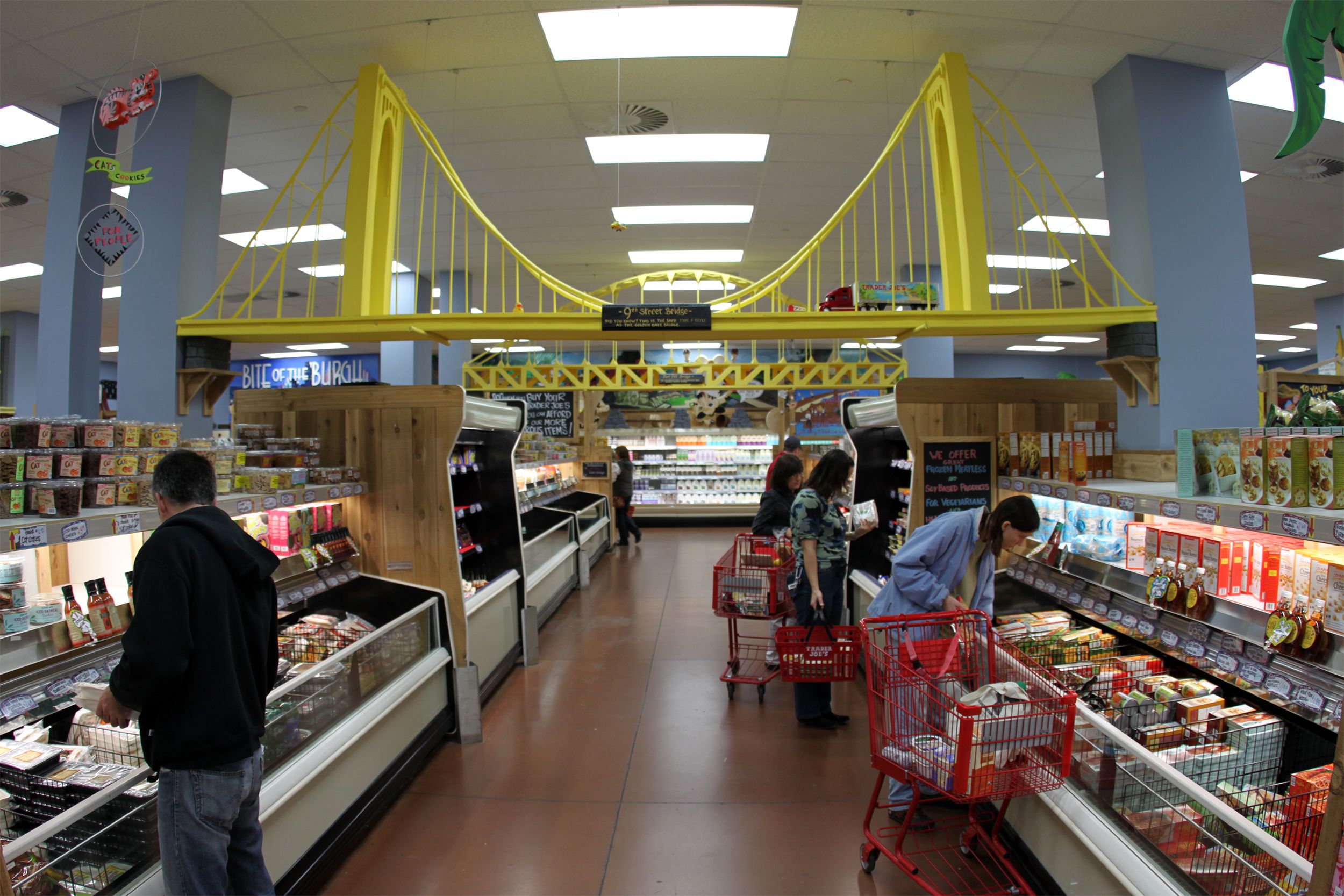
While many supermarkets have filled their front ends with self-checkout kiosks, Trader Joe’s has taken the opposite approach. Every customer checks out with an employee, and the company has publicly stated that it doesn’t plan to introduce self-service registers. Trader Joe’s leadership has explained that personal interaction is an important part of the shopping experience, which is why employees still scan groceries, answer questions, and help customers at checkout. For shoppers who appreciate a friendly conversation or need help finding a product, that approach can be a welcome change. But if you prefer scanning your own items and getting out without speaking to anyone, you’ll have to adjust your expectations.
Trending on Cheapism

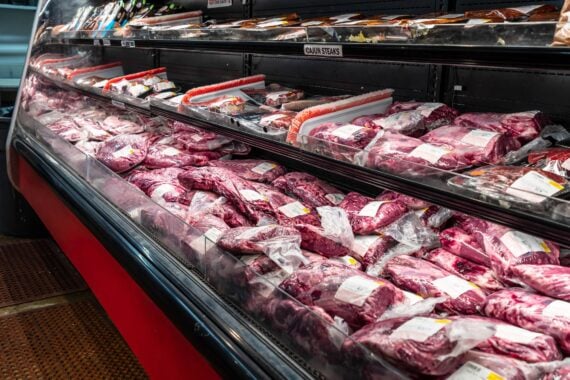
It Carries Far Fewer Products Than a Conventional Supermarket
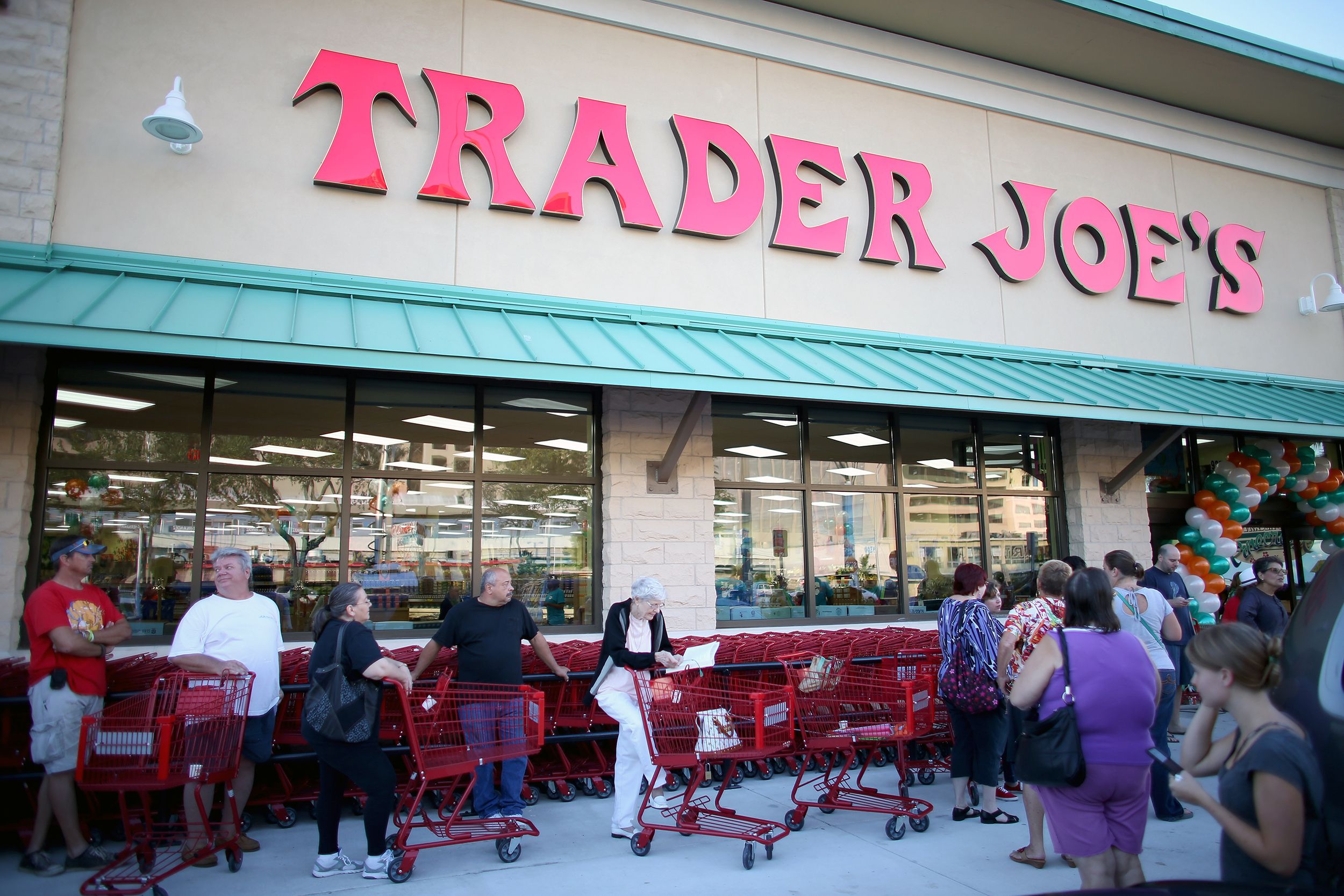
Ever notice that Trader Joe’s stores seem smaller than the average supermarket? That’s intentional. While conventional grocery chains can stock tens of thousands of different products, Trader Joe’s has historically carried a much smaller assortment. In one company podcast episode, representatives described stores offering fewer than 4,000 items at the time, compared with the enormous selections found at traditional supermarkets. Rather than stocking a dozen brands of peanut butter or countless varieties of pasta sauce, the chain generally offers a handful of carefully selected options. This can make shopping less overwhelming, since there aren’t quite as many decisions to make. On the other hand, it also means Trader Joe’s might not carry a specific ingredient, package size, or national brand you’re looking for.
Popular Products Can Disappear Permanently

If you’ve ever fallen in love with a Trader Joe’s snack only to discover that it vanished from the shelves a few months later, you’re familiar with one of the chain’s most frustrating habits. Unlike traditional supermarkets that try to keep popular staples available year-round, Trader Joe’s regularly discontinues products to make room for new arrivals. According to the company’s official FAQs, items can disappear for several reasons, including disappointing sales, rising production costs, supplier problems, or seasonal availability. Sometimes a favorite returns, but there’s no guarantee. The constant turnover helps make shopping feel like a treasure hunt, although it can be disappointing when your go-to frozen meal or favorite cookie suddenly disappears. Just be careful not to buy more than you can reasonably use simply because you’re worried something might sell out.
Suppliers Don’t Pay to Get Their Products on the Shelves

Here’s something most grocery shoppers probably never think about: In many traditional supermarkets, manufacturers may pay fees to secure shelf space or promotional placement for their products. Trader Joe’s says it doesn’t accept those kinds of slotting fees. Instead, the company works directly with suppliers whenever possible and chooses products based on factors like quality, customer appeal, and the price it can offer shoppers. This is part of its broader strategy of avoiding some of the promotional practices common in the grocery industry. It doesn’t automatically mean every Trader Joe’s product costs less than a comparable item elsewhere, but it helps explain why the store’s shelves look so different from those at conventional supermarkets.
Sign up for our newsletter
Potential Products Must Survive an Internal Tasting Panel
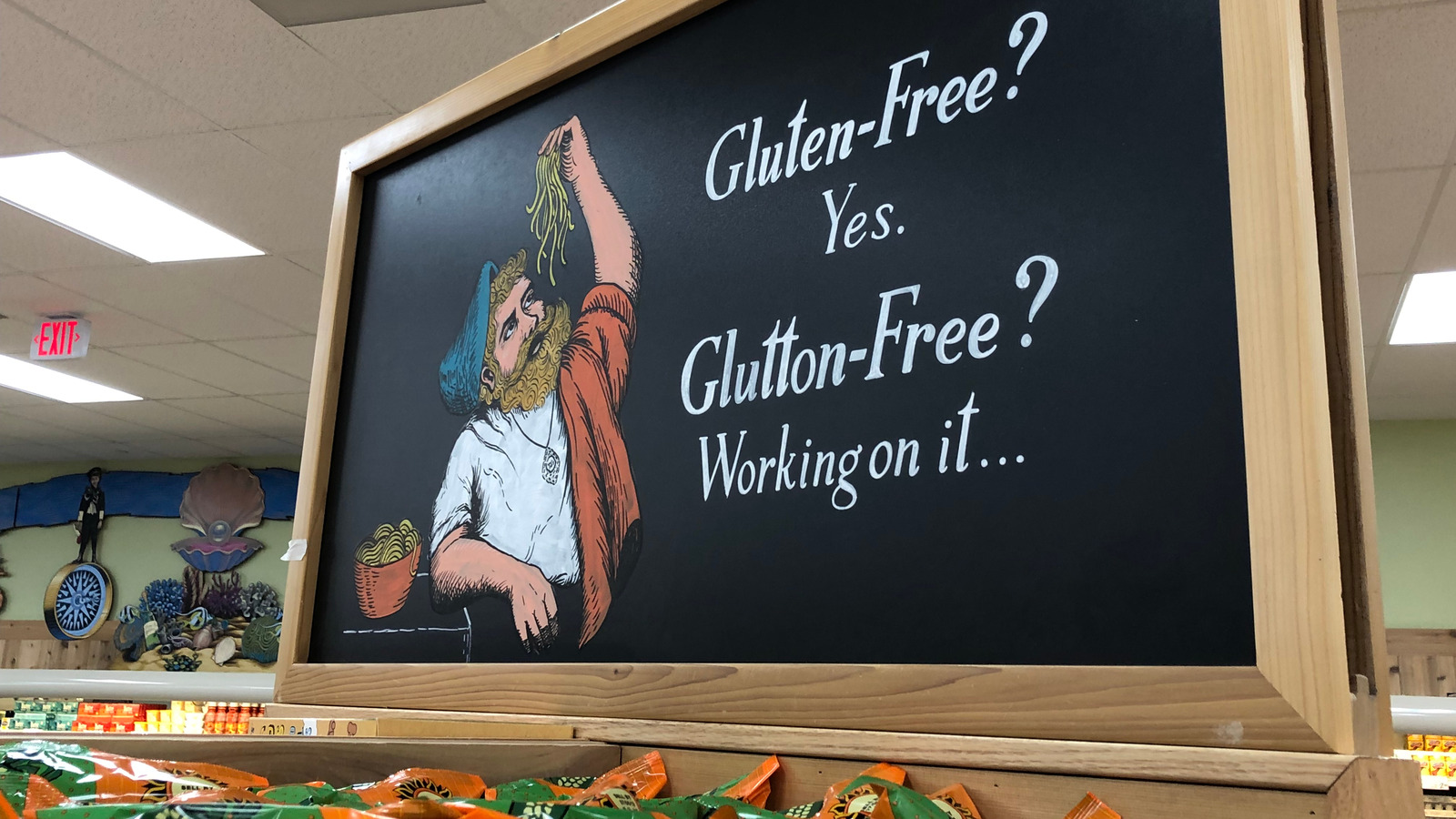
Ever wonder who decides that Trader Joe’s needs another unusual frozen appetizer or a new seasonal dessert? As it turns out, potential products have to make it through an internal tasting panel before reaching store shelves. According to the company’s Inside Trader Joe’s podcast, employees evaluate proposed foods based on taste, quality, ingredients, and overall value. Some products get rejected outright, while others are sent back to suppliers for adjustments before they’re considered again. During one holiday-focused podcast episode, the company described how numerous potential seasonal products failed to make the cut. This process helps explain why Trader Joe’s carries so many unusual items that aren’t readily available at other grocery stores. Of course, whether those products deserve a spot in your shopping cart is still up to you.
The Bells at Checkout Replace Traditional Store Announcements
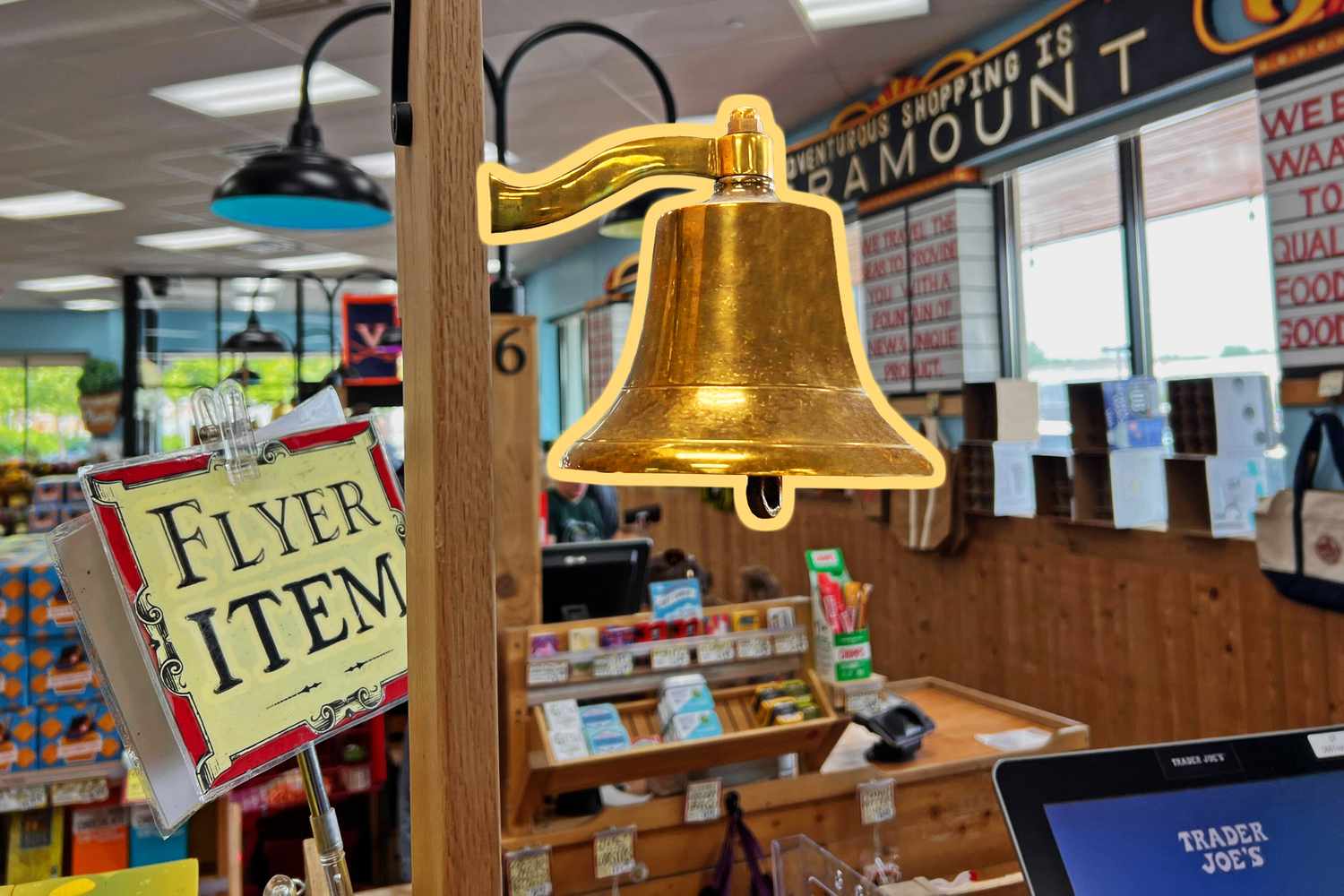
If you’ve ever heard a bell ringing near the registers at Trader Joe’s and wondered what was happening, there’s actually a system behind the noise. Instead of using a loudspeaker to communicate with employees throughout the store, Trader Joe’s relies on bells to signal different requests. According to the company’s official FAQs, one ring means another register needs to be opened, two rings indicate that an employee needs assistance or has a question at checkout, and three rings call for a manager. It’s a surprisingly old-fashioned system in an industry increasingly dominated by digital technology. And while the bells might seem like another quirky Trader Joe’s tradition, they serve a practical purpose by helping employees communicate without broadcasting announcements across the store.
Its Fearless Flyer Isn’t Really a Grocery Sale Circular
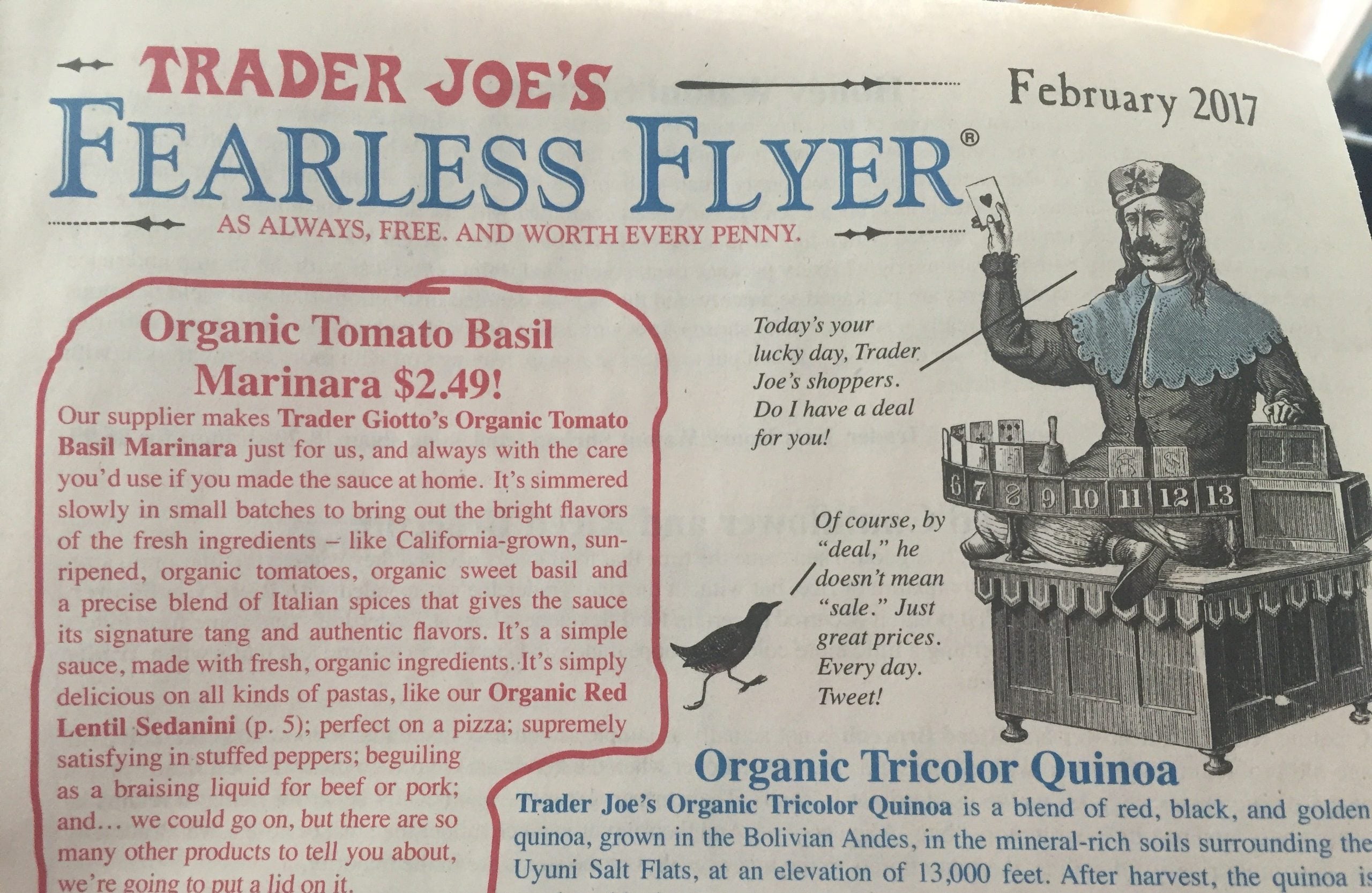
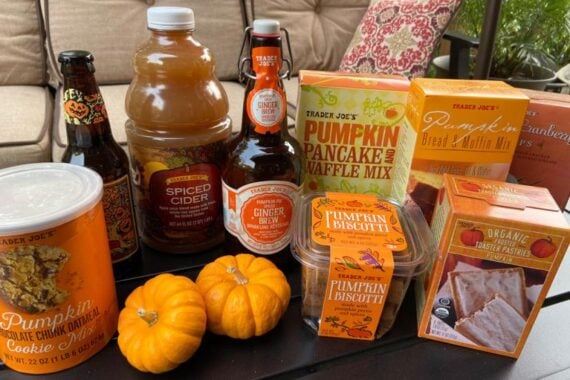
Most supermarket flyers are designed to convince shoppers to visit before a particular sale ends. Trader Joe’s Fearless Flyer works a little differently. Rather than filling its pages with coupons and temporary discounts, the publication highlights interesting products, seasonal arrivals, and everyday values through playful descriptions and illustrations. It’s part grocery guide, part product catalog, and part entertainment for shoppers who enjoy discovering what’s new. The September 2026 edition, for example, featured returning fall favorites and limited-supply seasonal products rather than a conventional lineup of weekly promotions. Just remember that an item appearing in the Fearless Flyer doesn’t necessarily mean it’s on sale. The publication is primarily about helping customers discover products, not announcing markdowns.
The Same Product May Not Be Available Everywhere
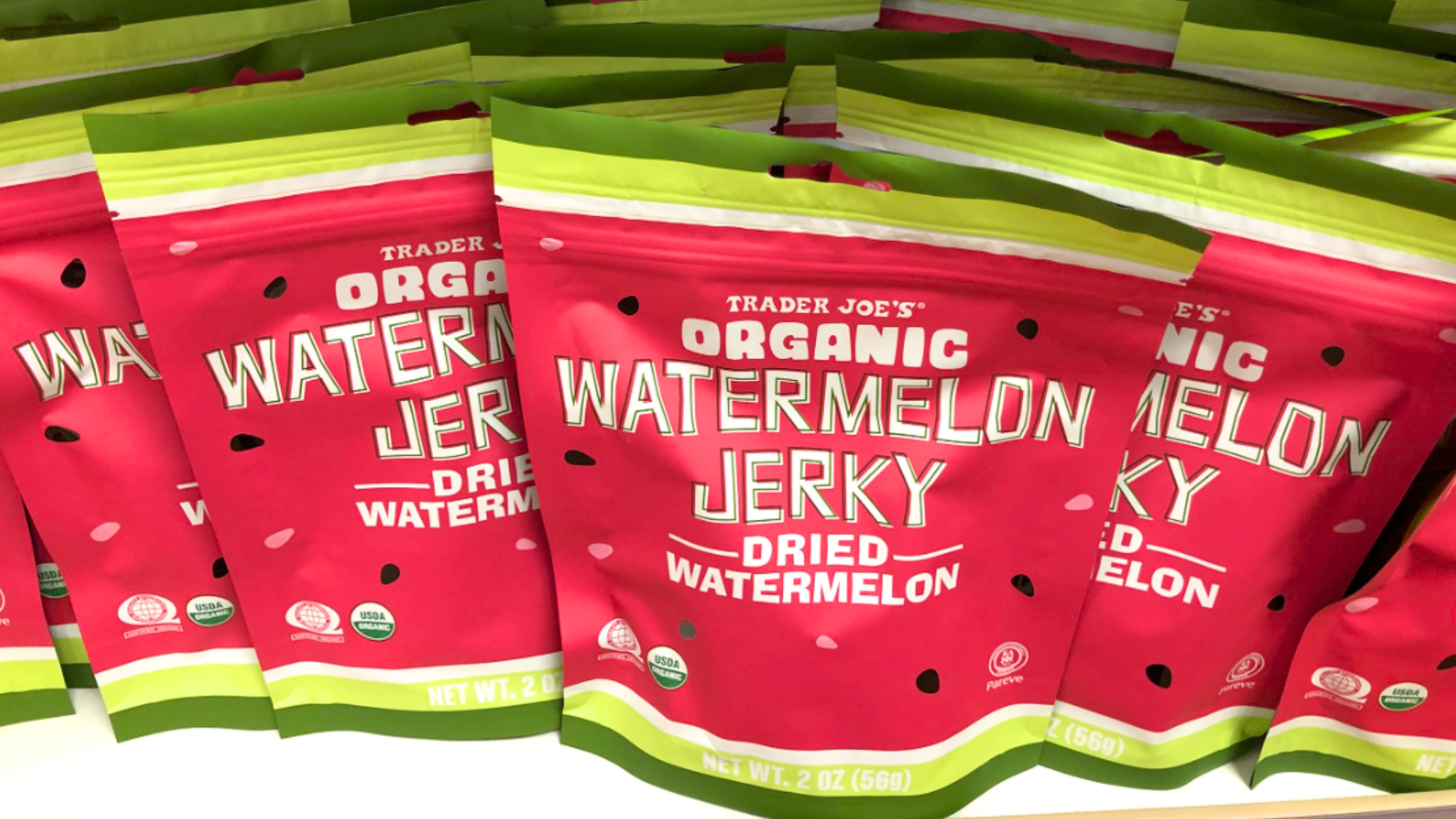
Just because your friend in California found an amazing Trader Joe’s product doesn’t mean you’ll be able to buy it at your local store. Although the chain operates across the United States, its product selection and prices aren’t necessarily identical everywhere. Trader Joe’s explains that some items, particularly fresh bakery goods, dairy products, deli foods, and juices, may be sourced from regional suppliers when possible. Differences in transportation costs, local availability, state regulations, and regional preferences can also affect what shoppers find on the shelves. So if you see someone raving about a particular product online, don’t assume your neighborhood location carries it. And if you’re comparing prices with someone who lives across the country, keep in mind that you might not be paying exactly the same amount.
Trader Joe’s Has Never Tried to Be a Typical Supermarket

From its private-label products and smaller stores to its unusual checkout bells and refusal to offer online grocery delivery, Trader Joe’s has built a business around doing things its own way. Some of those choices make shopping simpler, while others can be frustrating if you’re accustomed to the convenience and variety offered by larger grocery chains.
But understanding how Trader Joe’s operates can help you make smarter shopping decisions. Whether you’re looking for affordable pantry staples, hoping to discover something new, or trying to track down a favorite seasonal snack, knowing what makes the chain different can help you decide when it’s worth making the trip and when another supermarket might better suit your needs.