National attention to American barbecue styles tends to focus on Texas brisket, Memphis ribs, and Carolina pulled pork, but barbecue in the United States offers far greater diversity. Drawing on information from sources such as Visit California, Kentucky Tourism, among others, we explore these regional barbecue traditions, which feature a variety of meats, cooking methods, sauces, and other flavorful elements!
Santa Maria-Style Barbecue, Santa Maria Valley, California
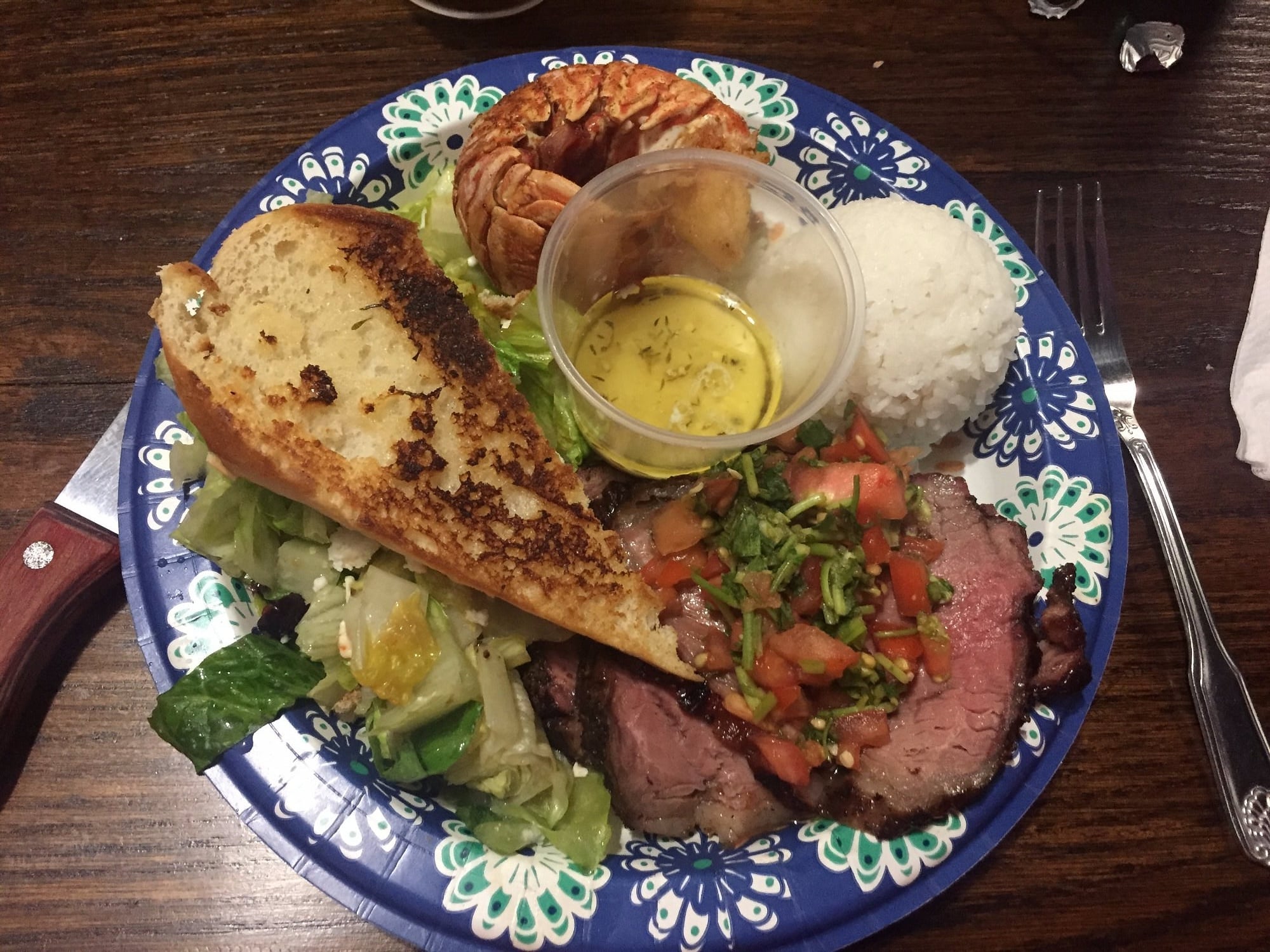
The Santa Maria-style barbecue method focuses on beef, especially tri-tip, which is cooked over California red oak. The traditional seasoning for this regional barbecue, which can be enjoyed in the town of Orcutt, at the Far Western Tavern, is simple: salt, pepper, and garlic. Finally, the dish is typically served with pinquito beans, grilled French bread, and salads, according to Visit California.
Western Kentucky Mutton Barbecue, Owensboro, Kentucky
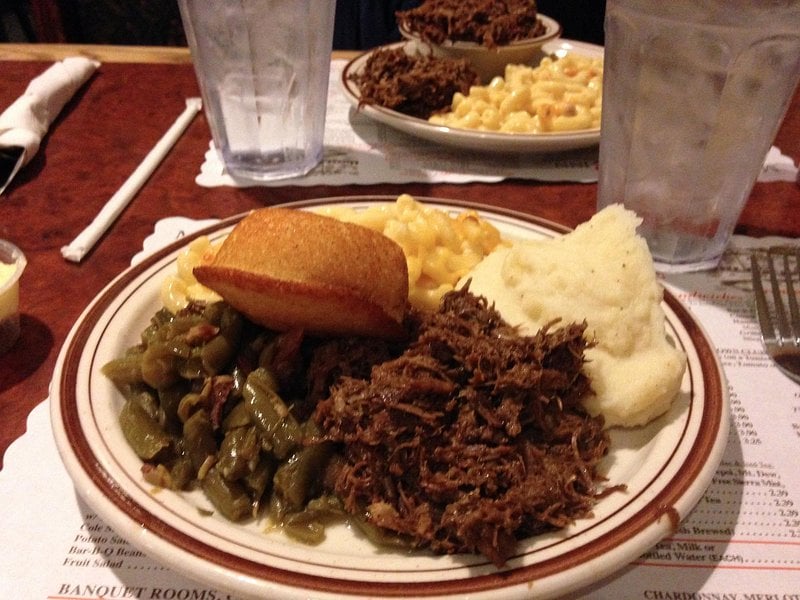
In Owensboro, Kentucky, you can enjoy a regional barbecue tradition that focuses not on pork or beef, but on mutton. The meat is pit-cooked and typically served with a tangy, vinegar-based dipping sauce known as “black dip.” This style is tied to a unique history rooted in sheep farming and regional cooking.
North Alabama White-Sauce Barbecue, Decatur, Alabama
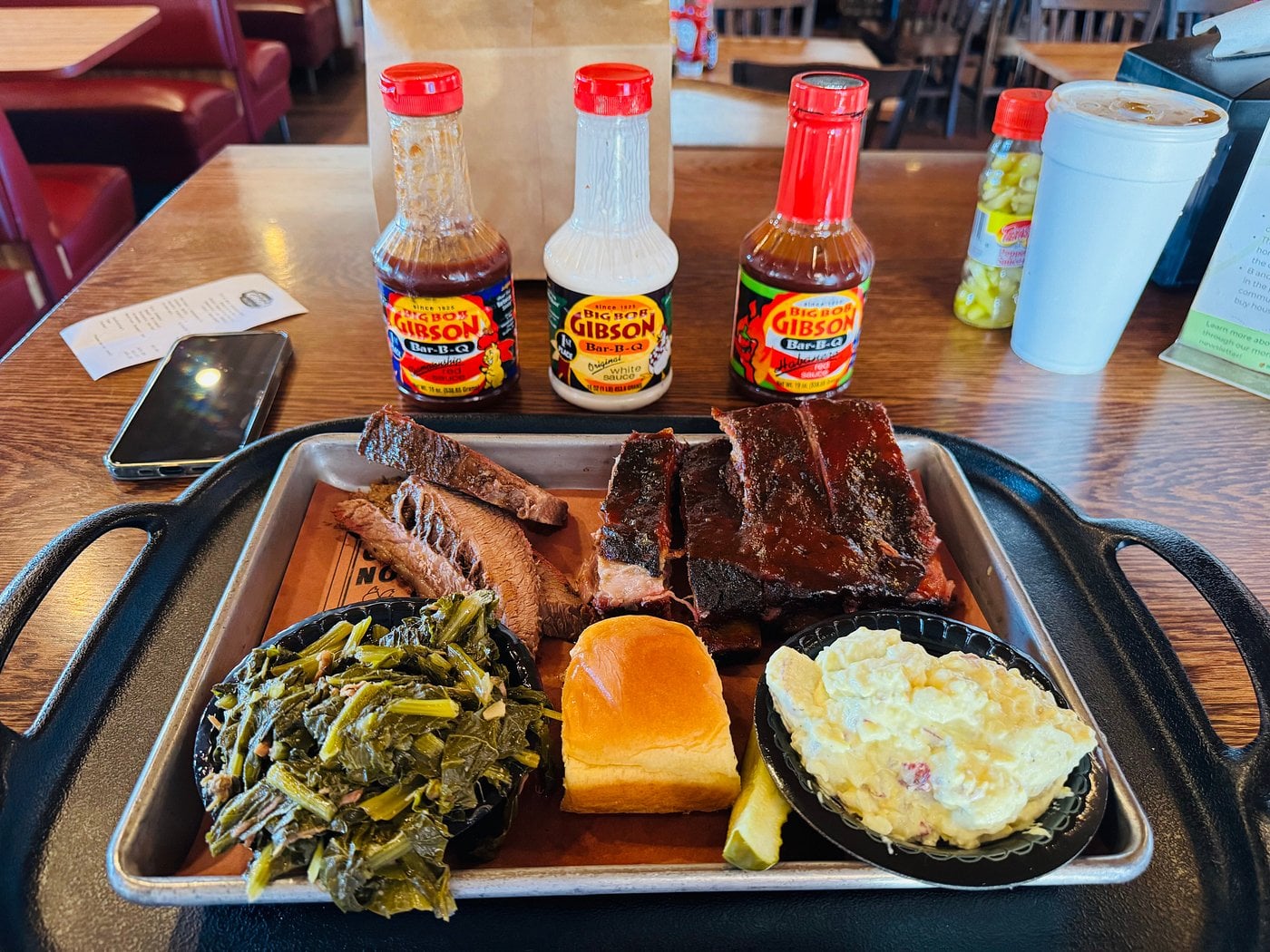
The white barbecue sauce from Decatur, Alabama, differs from the red sauces commonly associated with regional barbecue because it contains mayonnaise, vinegar, and black pepper. This style, which is particularly associated with smoked chicken and can be sampled at Big Bob Gibson Bar-B-Q, adds a creamy, smoky, and tangy element that contrasts with the flavor of the meat.
Chicago South Side Rib Tips, Chicago, Illinois
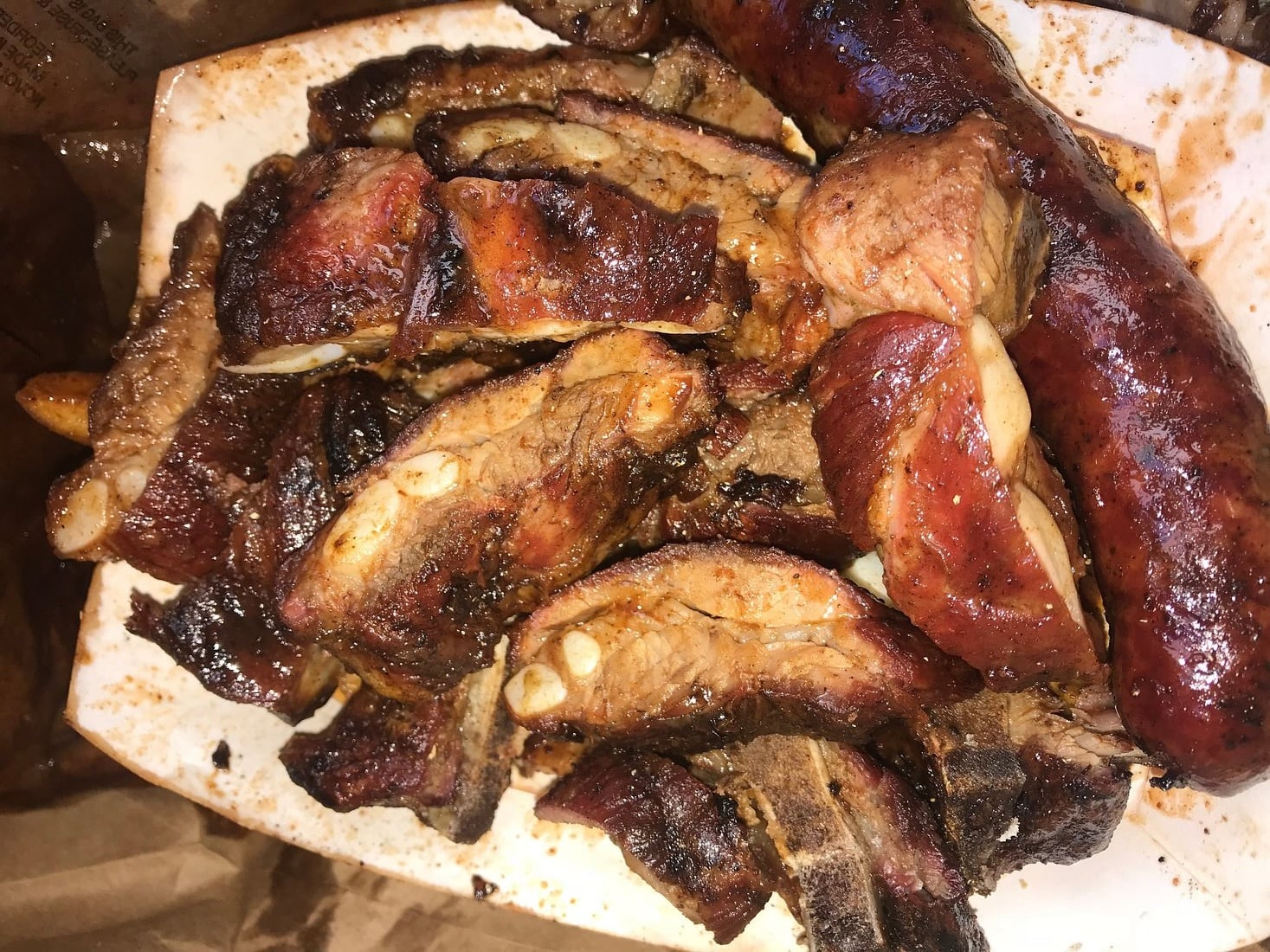
South Side Chicago barbecue is associated with rib tips, hot links, and distinctive aquarium-style smokers. This regional barbecue is typically served with a generous portion of sauce, fries, and white bread in Chicago, Illinois. This style stands apart from the brisket-focused barbecue culture that dominates the national conversation. Traditional South side smokehouses are some of the establishments that best exemplify this method.
Baltimore Pit Beef, Baltimore, Maryland
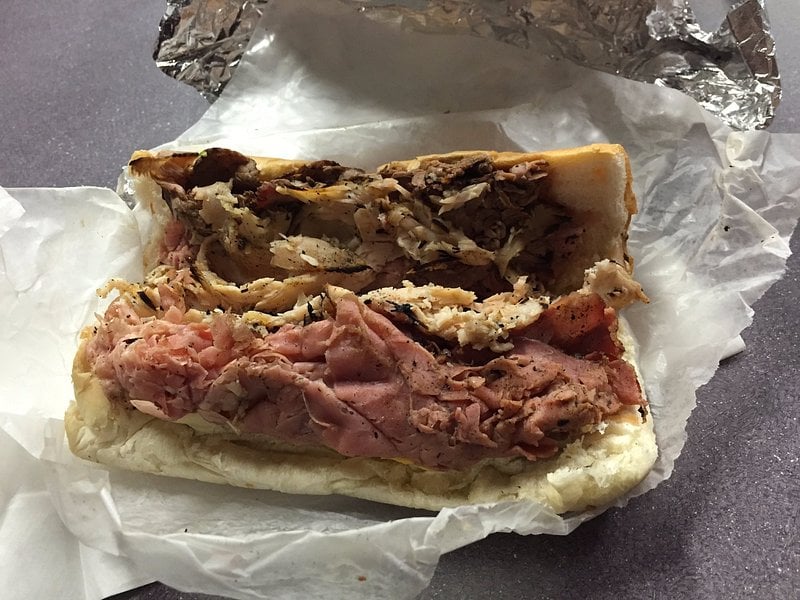
In the process of preparing pit beef, large cuts of beef are cooked over charcoal and then sliced to assemble sandwiches. This regional barbecue retains a rosy center, distinct from the fall-apart texture of slow-smoked brisket. The beef is served on a Kaiser roll, accompanied by raw onion and a horseradish-based tiger sauce. In the Baltimore area, such establishments can be found along what are known as the traditional pit-beef corridors at East Baltimore.
Trending on Cheapism


South Carolina Hash and Rice Barbecue, South Carolina Midlands
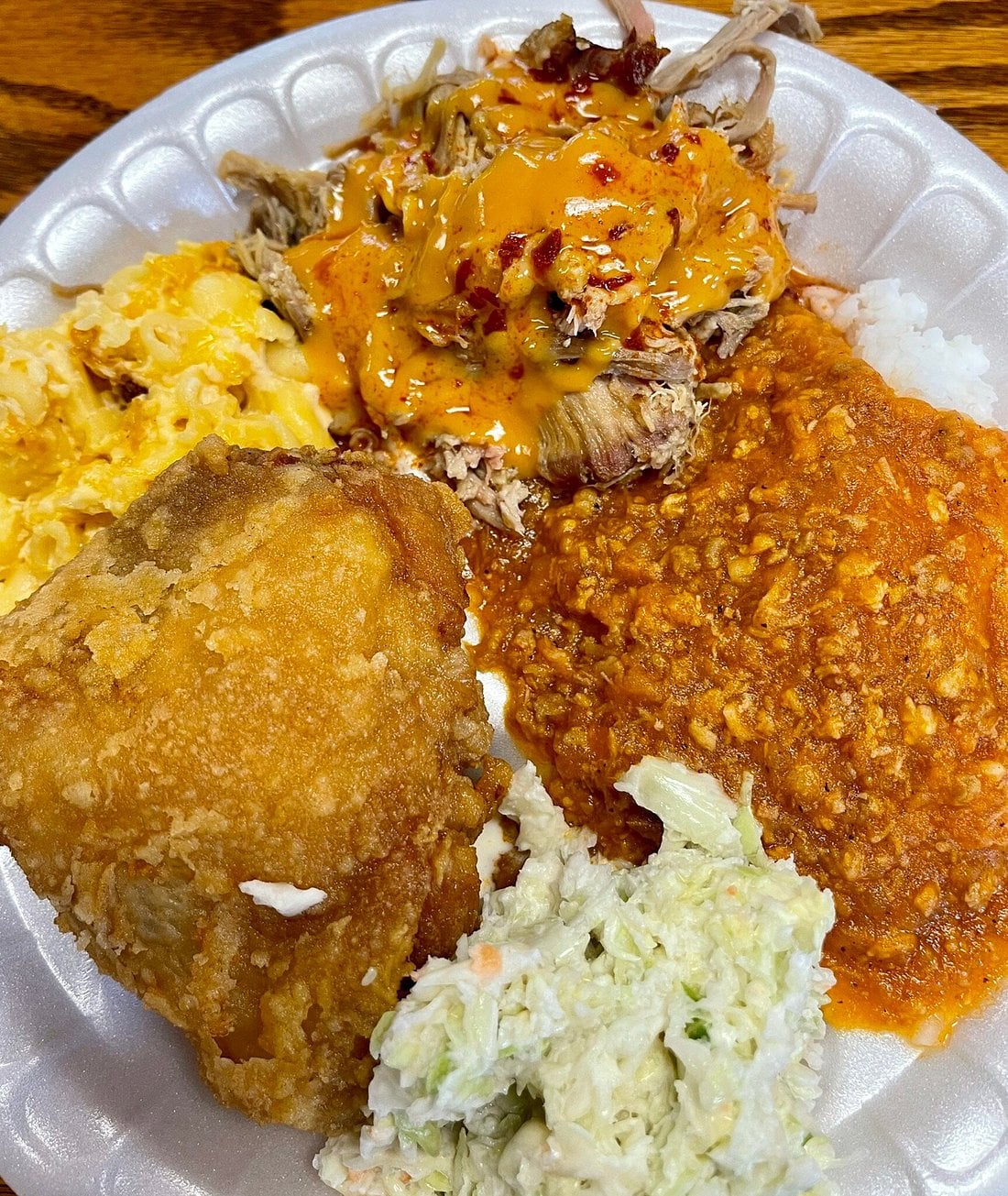
South Carolina is nationally associated with mustard sauce, but regional barbecue traditions also include hash-and-rice with pork. In places like Columbia, Orangeburg, and other communities in South Carolina’s Midlands, the hash is richly seasoned, the pork is slow-cooked, and served over rice, and accompanied by pork. This hearty combination demonstrates how barbecue traditions extend beyond smoked meats and sauces to include distinctive regional side dishes.
St. Louis Pork Steak Barbecue, St. Louis, Missouri
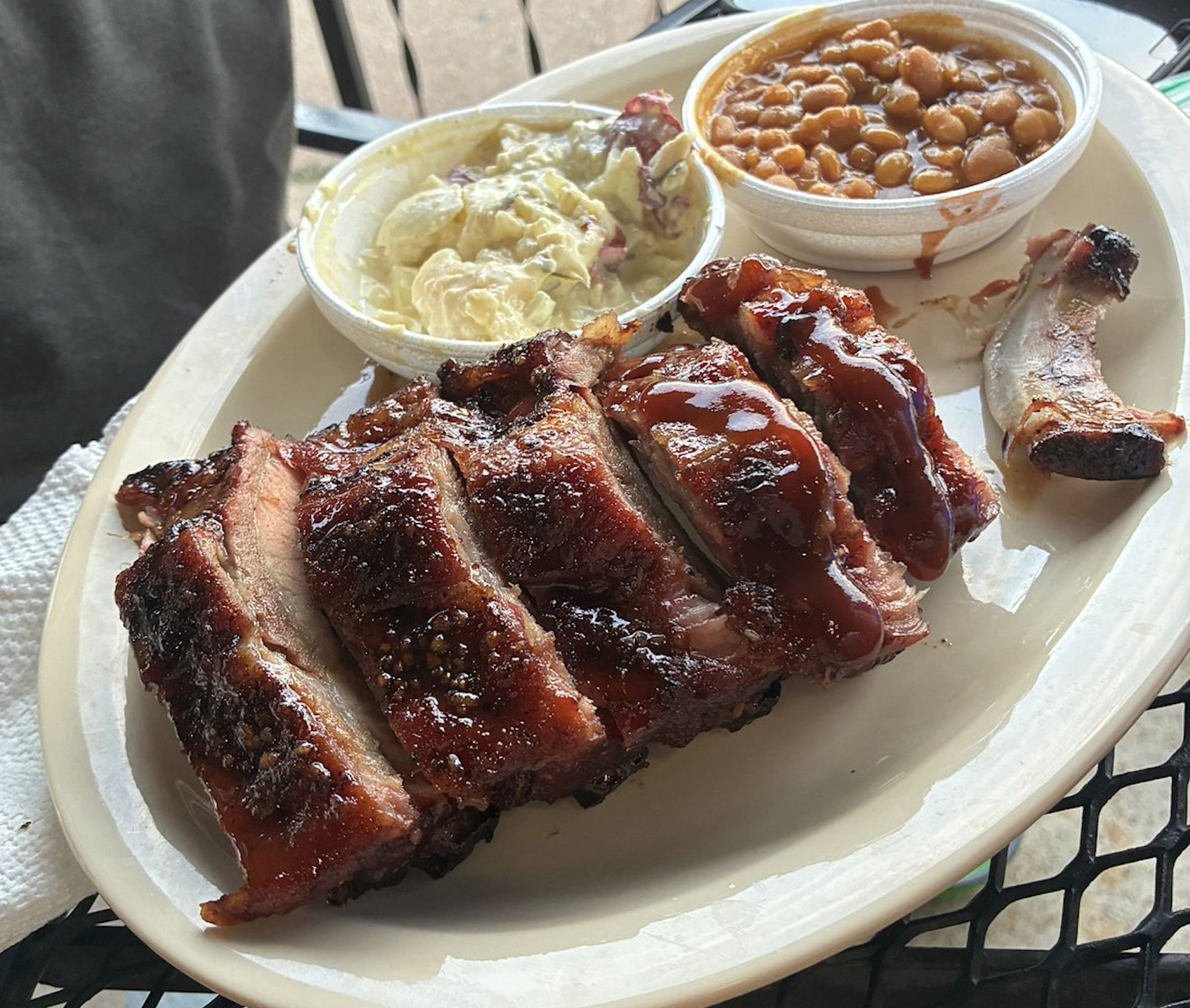
St. Louis-style ribs are very famous, but pork steaks also define the local regional barbecue tradition. This dish is prepared using cuts from the pork shoulder rather than the loin; the steaks are typically grilled and finished with a tomato-based barbecue sauce. This style of cooking is directly associated with backyard cookouts and local restaurants. Pork steaks are particularly popular because they offer an affordable and flavorful alternative to traditional ribs.
East Texas Chopped Beef Barbecue, East Texas
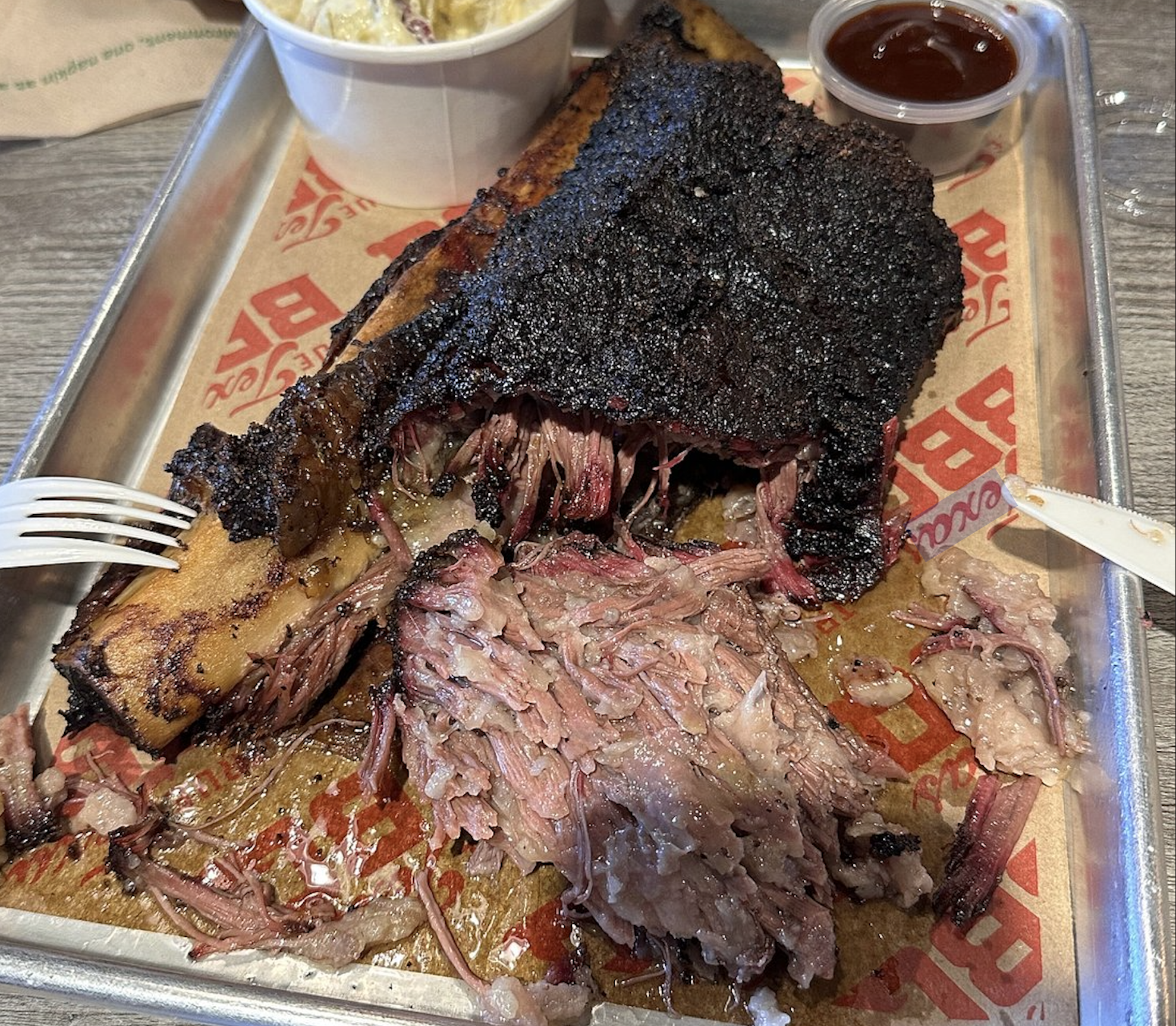
In the East Texas region, the emphasis is on soft, chopped, sauced beef, rather than the neatly sliced brisket associated with Central Texas. This regional barbecue style involves cooking the meat until it is tender and serving it in sandwiches with a sweeter, tomato-based sauce, reflecting the regional influences of the brisket culture found in Austin. The chopped texture also makes the beef particularly suitable for sandwiches.
Sign up for our newsletter
South Texas Barbacoa, South Texas
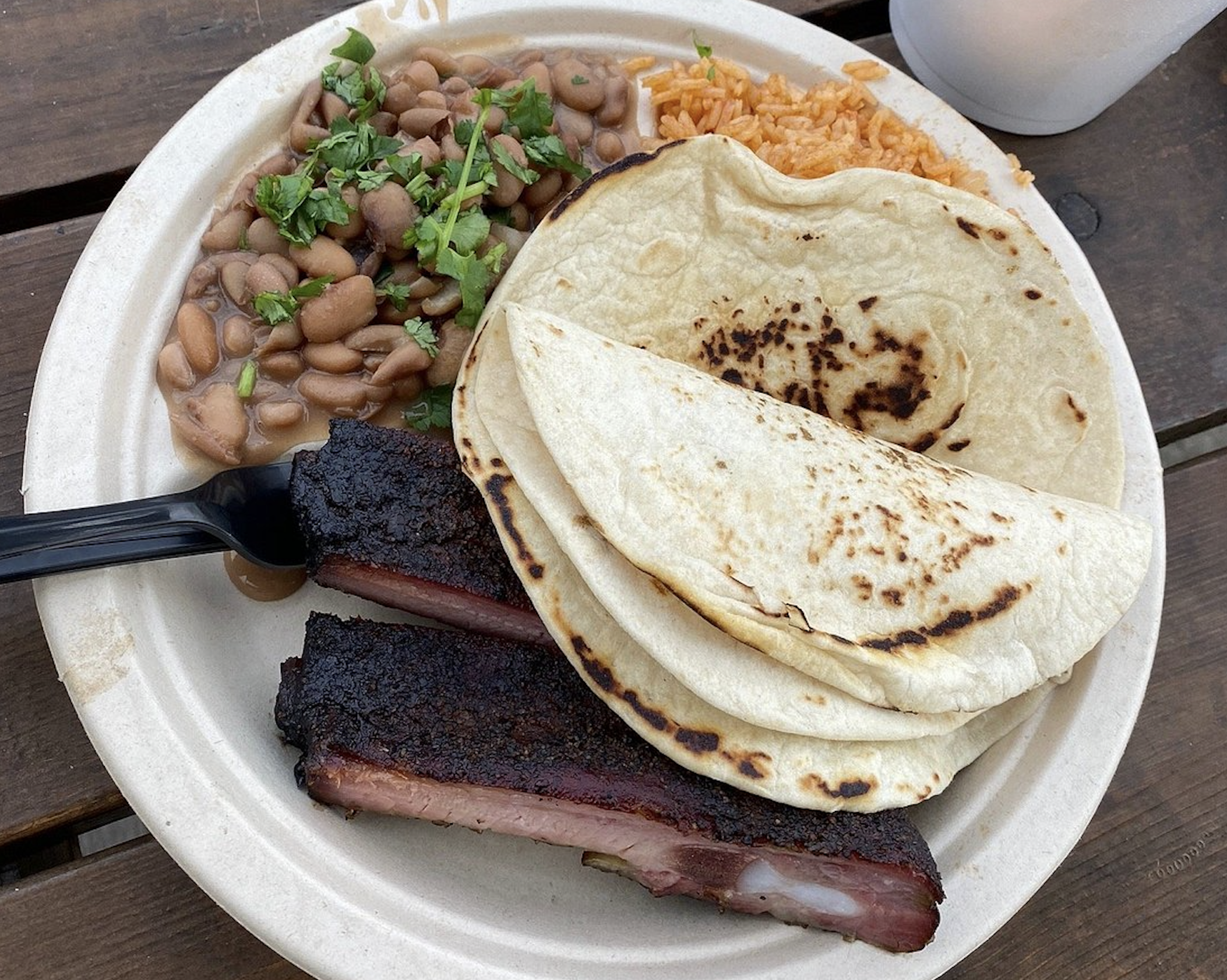
Unlike in East and Central Texas, South Texas-style ‘barbacoa’ focuses on slowly cooking cuts of beef, such as cheek meat, and has historical ties to Mexico and the ‘Tejano’ tradition. As a distinctive regional barbecue preparation, this meat is often served shredded in warm tortillas, making it a traditional weekend breakfast dish. Its long cooking process helps produce tender meat that can be easily pulled apart. The dish also demonstrates the strong Mexican culinary influences found in South Texas.
Georgia Pork Barbecue with Brunswick Stew, Central Georgia
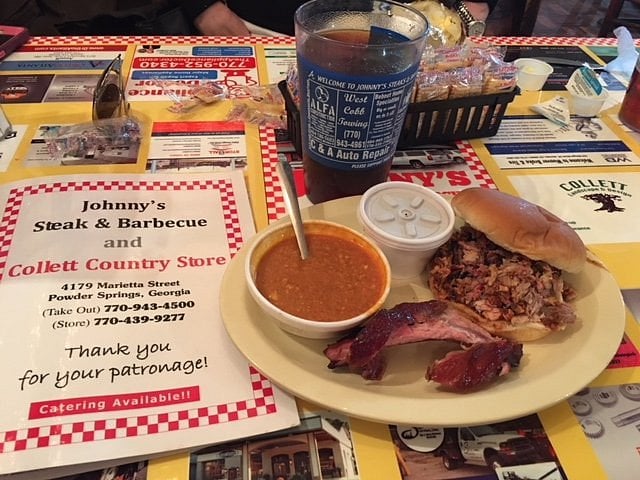
In Central Georgia, regional barbecue has a long-standing tradition in which pork is pit-cooked and served with tomato and vinegar-based sauces, a style found throughout the state. A key component of the meal is Brunswick stew, a hearty side dish that combines meat, vegetables, and tomatoes. People can experience this dish in the Georgia communities of Jackson and Gray. The stew adds another layer of flavor to traditional barbecue meals and reflect the area’s Southern cooking heritage.
Puerto Rican Lechón, Guavate, Puerto Rico
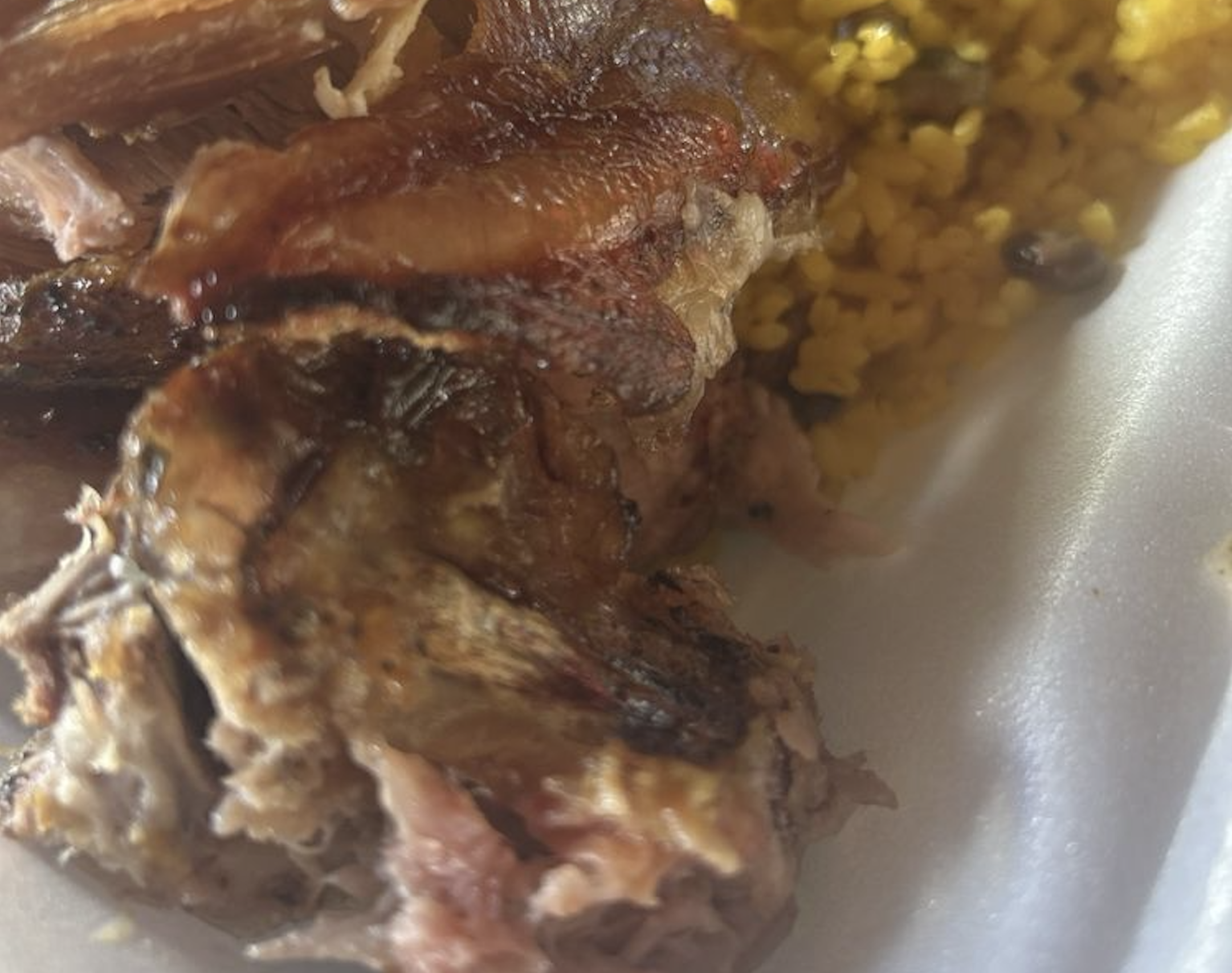
A signature Puerto Rican cooking style is lechón, the slow-roasting of whole pigs until the meat is tender and the skin becomes crip, which differs from the smokehouse traditions found in the mainland United States. In Guavate, a town in Puerto Rico, there is an area known as the Pork Highway, along Route 184, where roasted pork is served alongside traditional side dishes such as pigeon peas and yuca.
Lexington-Style Pork Shoulder Barbecue, Lexington, North Carolina
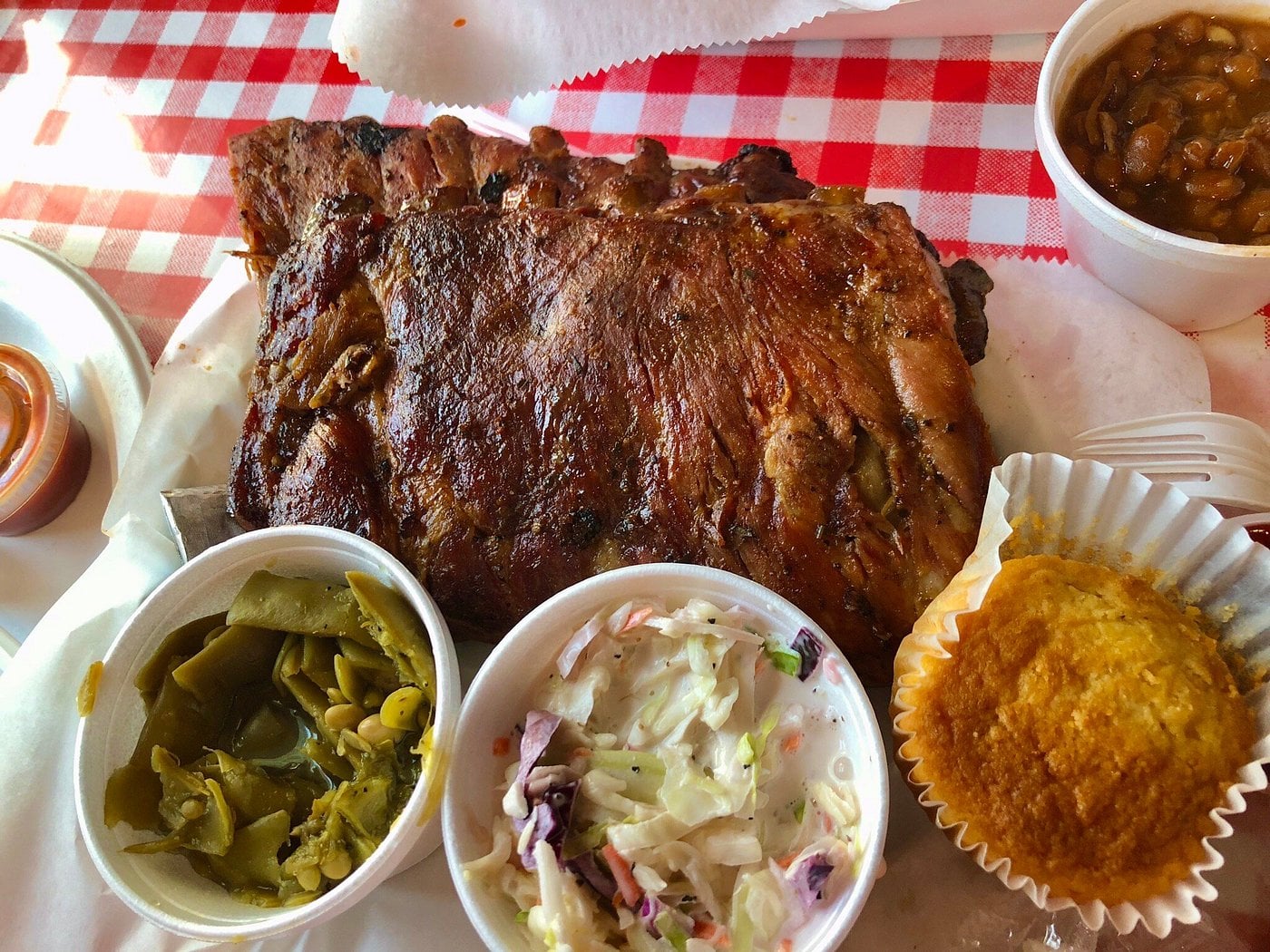
Lexington-style pork shoulder barbecue competes with North Carolina whole-hog barbecue, which receives somewhat more attention within the state, even though it focuses on a different cut of meat and represent different regional approaches within the state. What sets this dish apart is its distinctive vinegar-based sauce containing tomato, as well as the inclusion of coleslaw dressed with a tangy red mixture. Restaurants serving this dish can be found in the Piedmont region.
Conclusion
While American barbecue can be far more varied than some people might have thought, these regional barbecue styles depend on the part of the country you happen to be in. They range from lesser-known traditions, where diners sample different meats and sauces, to cultural histories involving specialized cooking equipment. Exploring these differences offers a better understanding of how local ingredients and cooking techniques have shaped American food culture.