Many restaurants are directly linked to the cities where they originated. Restaurant origins often reflect the culture of a specific society, yet these establishments can gain a following in neighboring areas or even miles away. Sometimes, the food served at these restaurants even becomes famous in cities where you would least expect it, according to Eater, Maid-Rite and others. We’ll reveal those unique cases!
Caesar Salad – Tijuana, Mexico
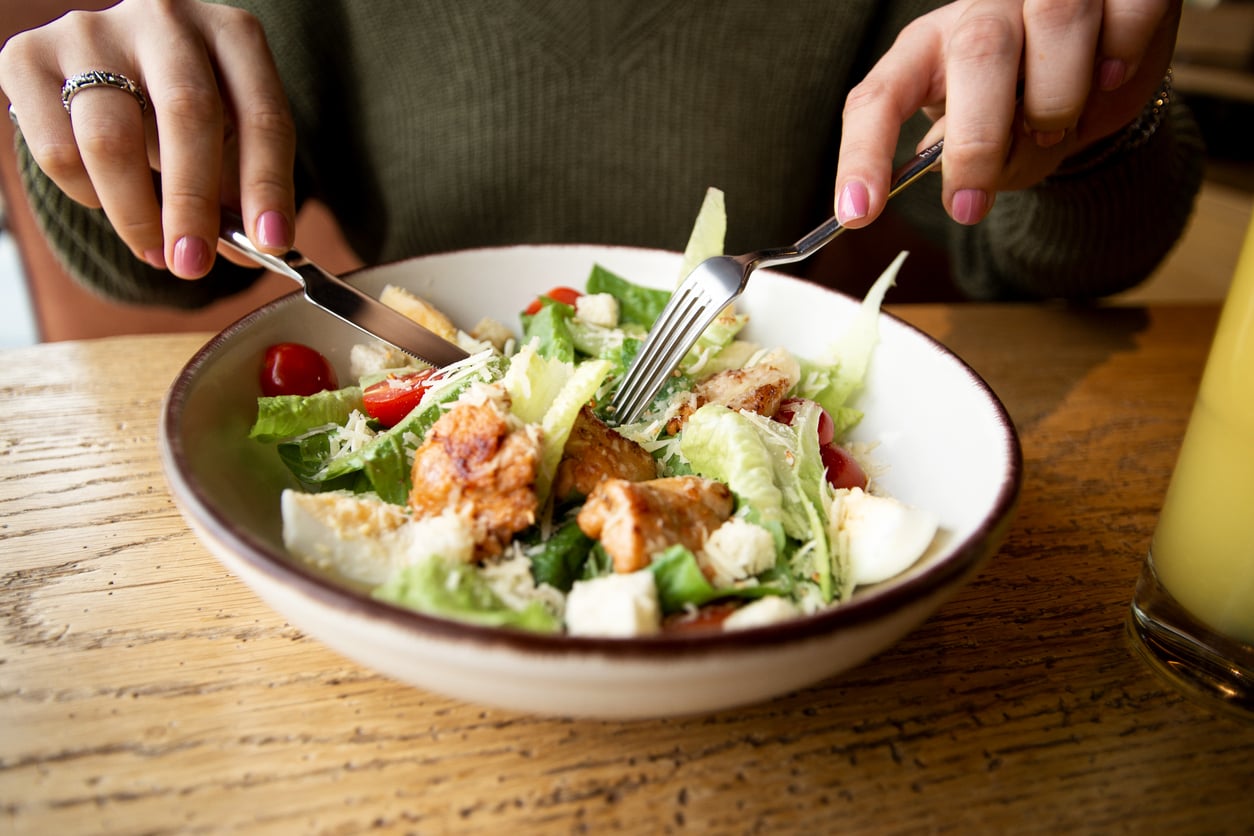
Many people believe the Caesar salad was an Italian invention that earned a place in American culinary culture as a staple of the American steakhouse. However, one of the most famous dishes in the United States actually originated just across the border in Mexico. According to ‘Food & Wine,’ restaurateur Caesar Cardini is credited with creating the dish at his Tijuana restaurant in 1924, during a busy Fourth of July weekend. Restaurant origins can sometimes defy expectations.
French Dip – Los Angeles, California
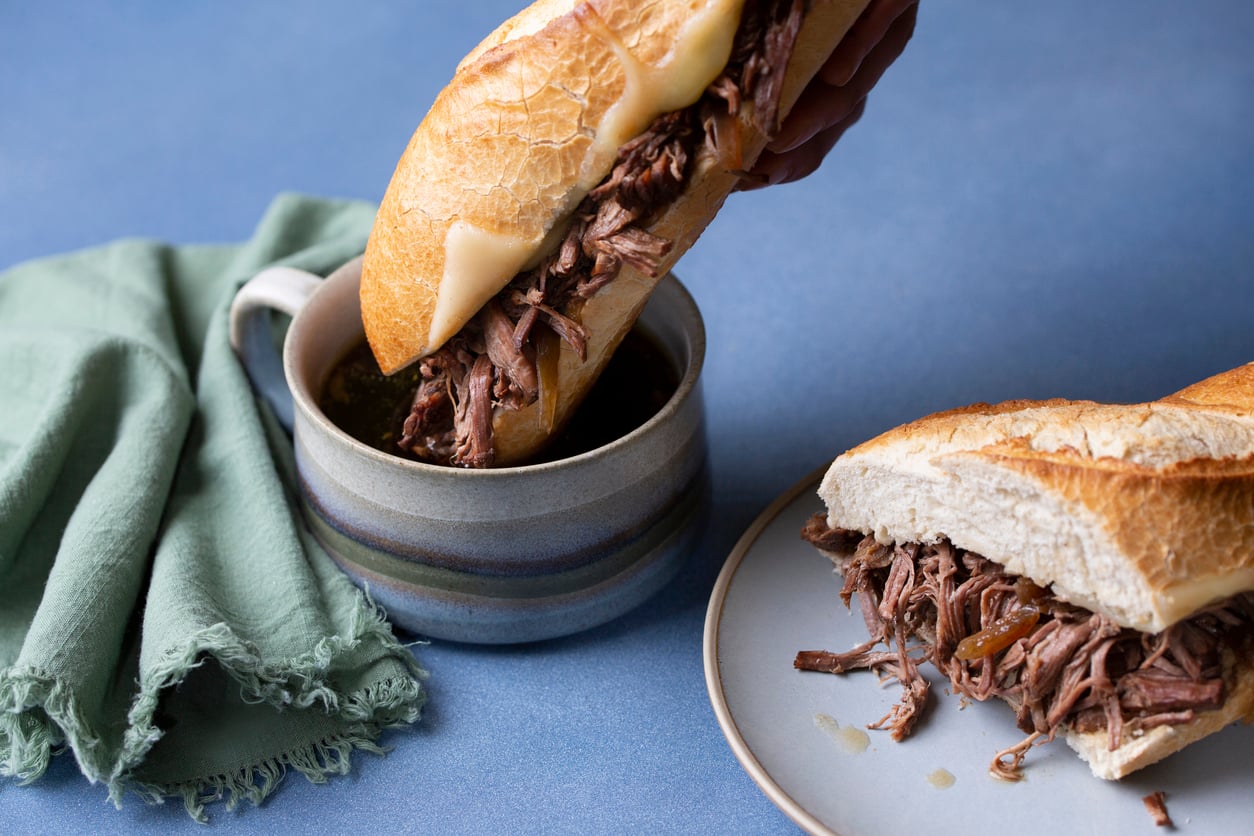
The French Dip has no connection to France, yet you wouldn’t necessarily guess it originated in Southern California either, as its name gives no indication of that. The fact is that in 1918, Philippe Mathieu accidentally created the sandwich, consisting of meat on French bread dipped in the meat’s roasting juices, at the ‘Philippe The Original’ restaurant in Los Angeles. Restaurant origins are not always as obvious as a dish’s name.
Cuban Sandwich – Tampa, Florida
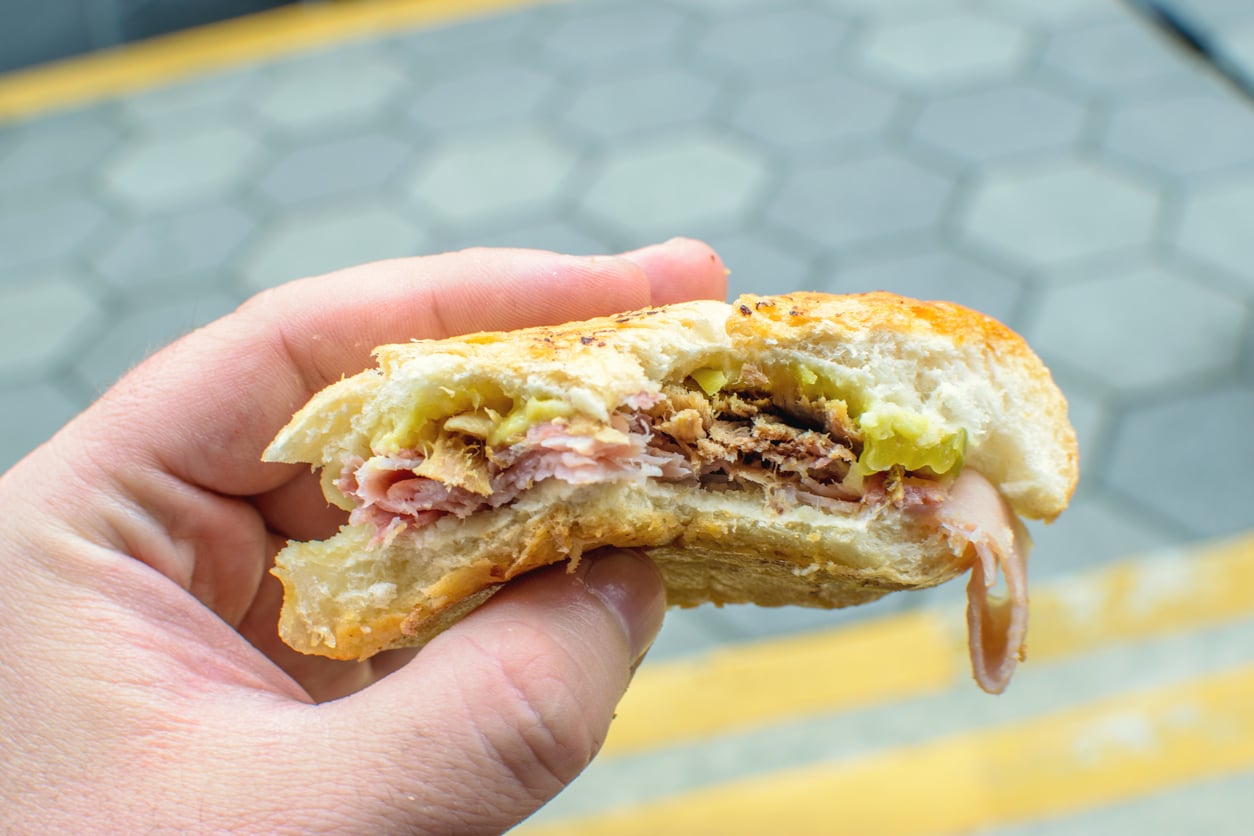
Many people might believe that the Cuban sandwich originated in Cuba, or perhaps in Miami, but the truth is that it was developed and popularized in Tampa, Florida. According to Visit Tampa Bay, the Tampa version was developed within an immigrant community in the early 20th century. Those early sandwiches that rooted from Cuba but developed in Tampa included ham, roast pork, Swiss cheese, pickles, mustard, and the notable addition of Genoa salami. Restaurant origins can be difficult to pin down when food traditions cross borders.
Hawaiian Pizza – Chatham, Ontario
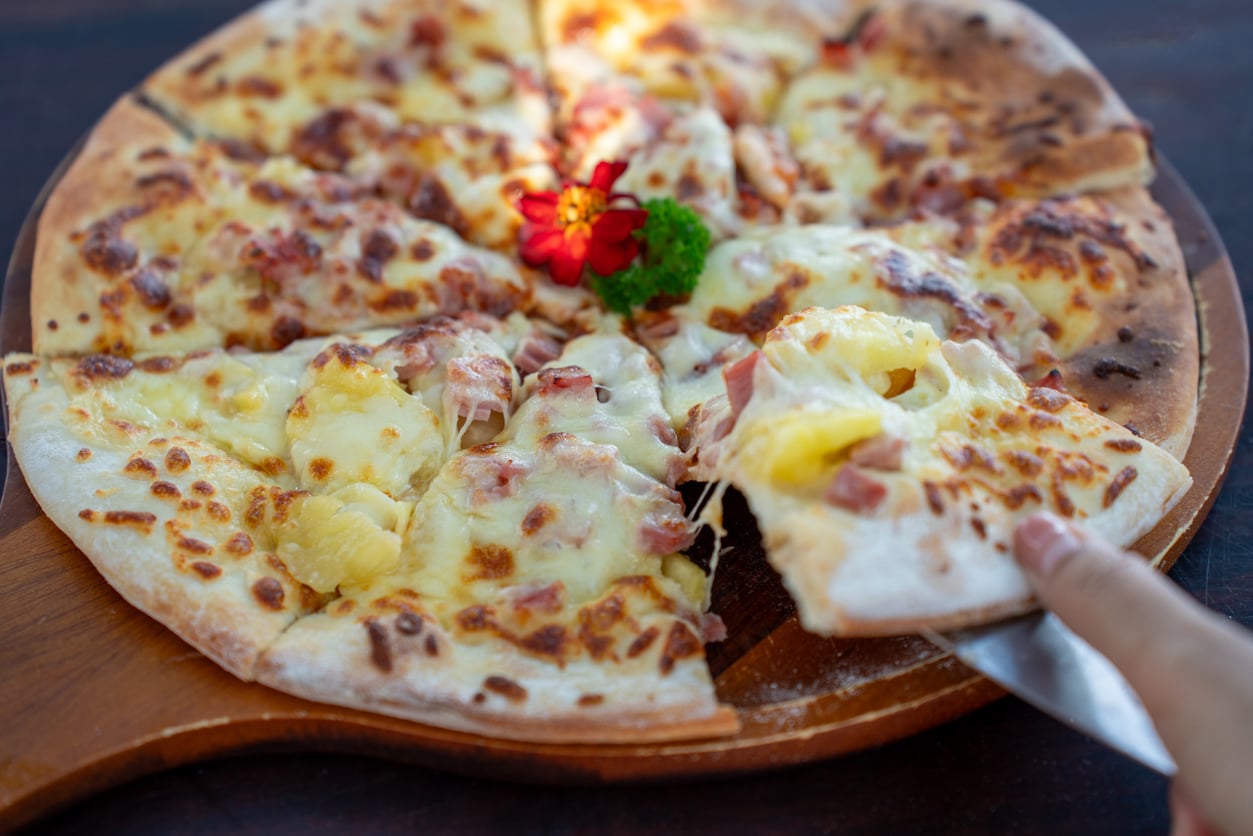
Hawaiian pizza was not invented in Hawaii, but rather in Chatham, Ontario. It was Sam Panopoulos, born in Greece but settled in Canada, who, in his role as a restaurateur, introduced the combination of pineapple and ham at the city’s ‘Satellite Restaurant’ in the 1960s. The name ‘Hawaiian’ came from the brand of the canned pineapples used. That invention went on to become one of the most controversial pizzas in history. Restaurant origins can be surprisingly far from a dish’s name.
Cincinnati Chili – Cincinnati, Ohio
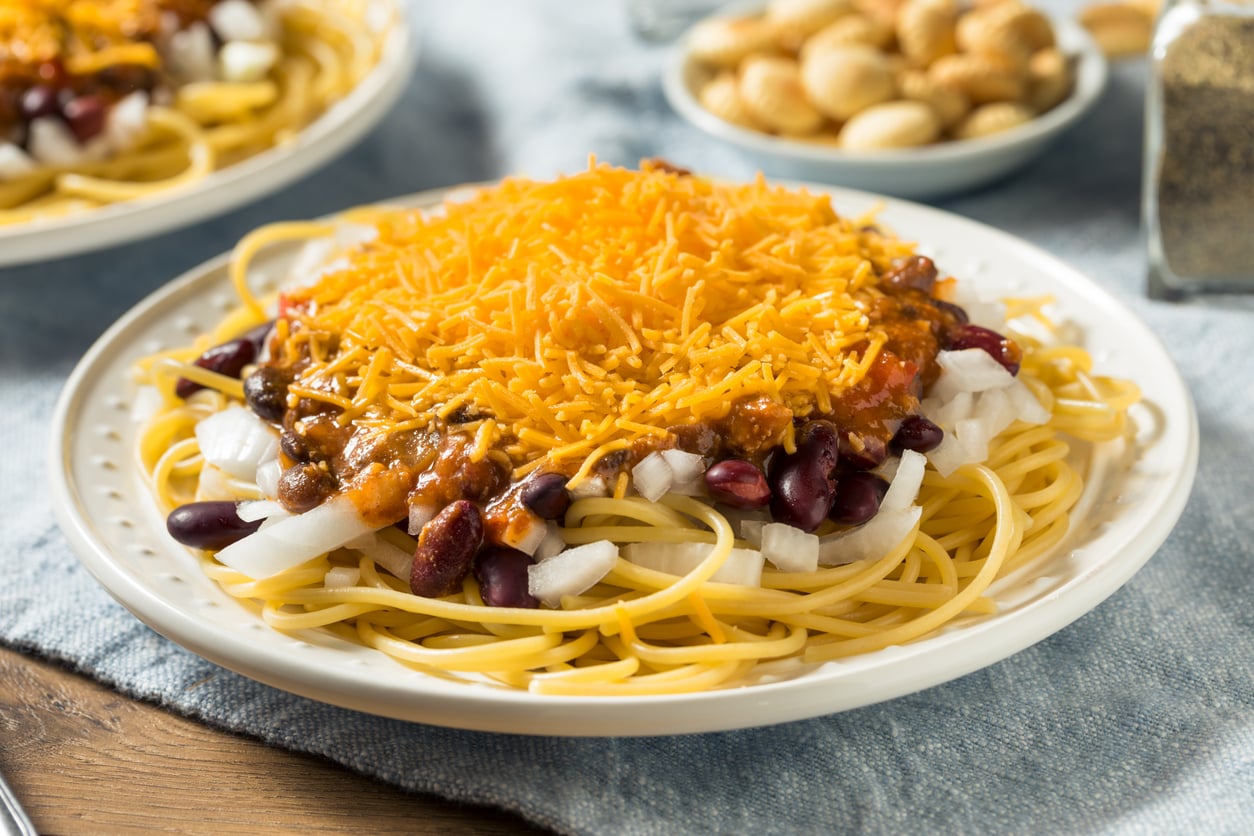
Cincinnati Chili is not eaten from a bowl as one might expect. Instead, it is served over spaghetti or hot dogs and topped with cheese, onions, and beans. It was created by the Kiradjieff brothers, two Macedonian immigrants who developed this distinctive spiced meat sauce in the early 20th century. Consequently, the city of Cincinnati transformed this immigrant dish into a chili tradition that bears little resemblance to Texas chili. Restaurant origins often reflect the influence of immigrant communities.
Trending on Cheapism
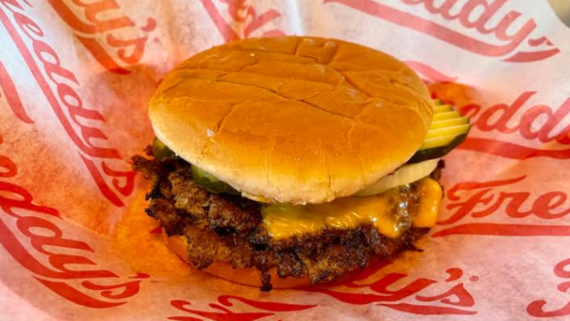

Toasted Ravioli – St. Louis, Missouri
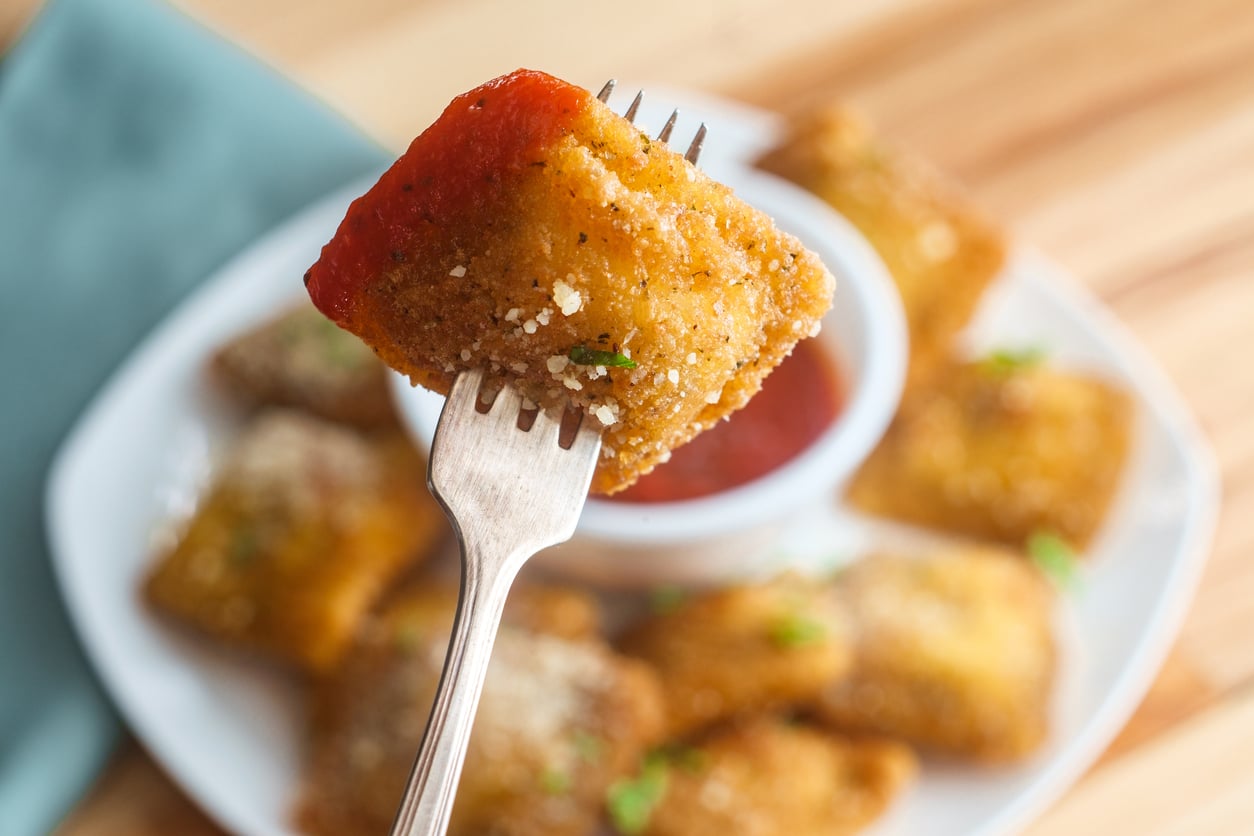
When you hear the term ‘toasted ravioli,’ you might assume it is a dish born from the fusion of Italian and American culinary cultures. However, this dish, fried ravioli served with marinara sauce and Parmesan cheese, is a signature specialty of The Hill, a historic Italian neighborhood in St. Louis, Missouri. While many restaurants claim credit for its invention, the most accepted story is that a ravioli accidentally fell into a pot of hot oil.
The Horseshoe Sandwich – Springfield, Illinois
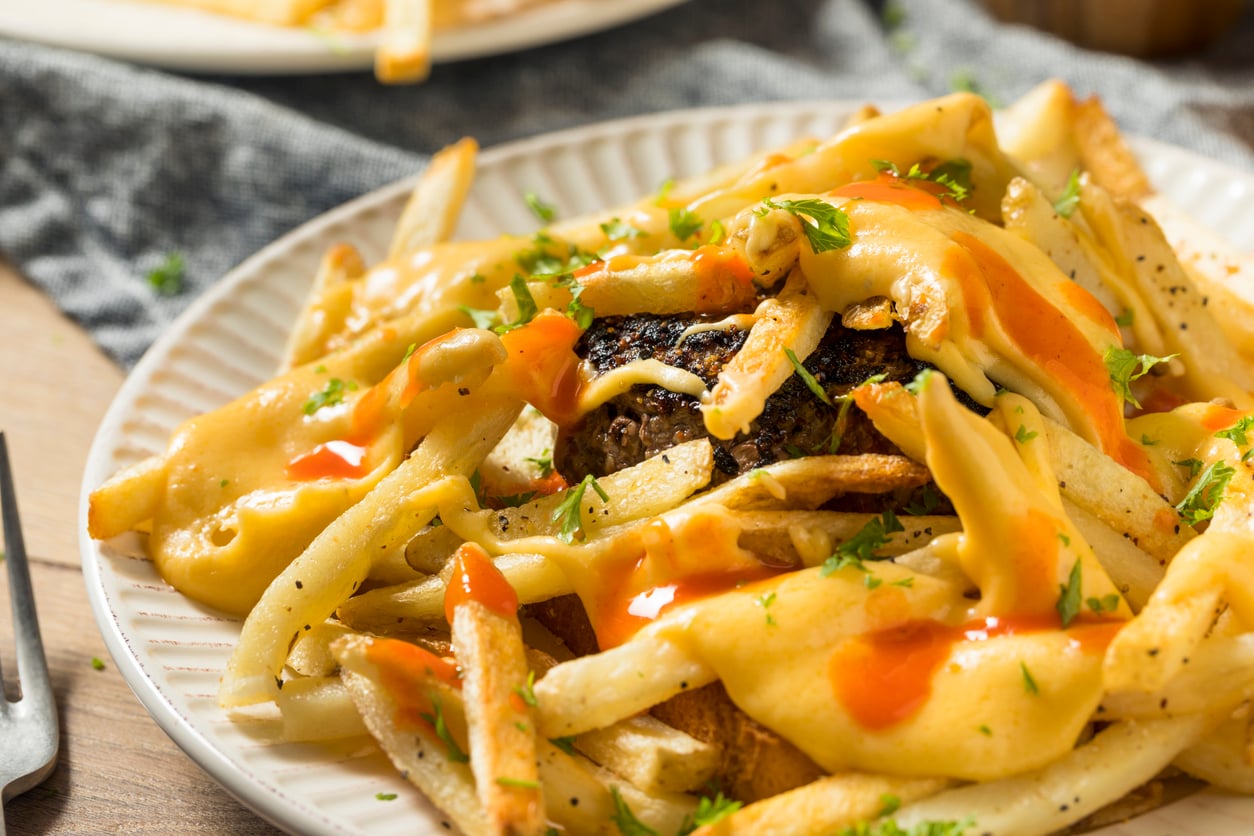
According to Visit Springfield, Illinois, this open-faced sandwich was created by Chef Joe Schweska, with the help of his wife Elizabeth, at Springfield’s Leland Hotel in 1928. Interestingly, it is difficult to find this dish outside of central Illinois. The meal consists of Texas toast topped with meat, French fries, and a generous amount of cheese sauce. The name comes from the fact that the fries represent horseshoe nails, and the original serving platter resembled a blacksmith’s anvil. Restaurant origins are central to the identity of this Springfield specialty.
The Garbage Plate – Rochester, New York
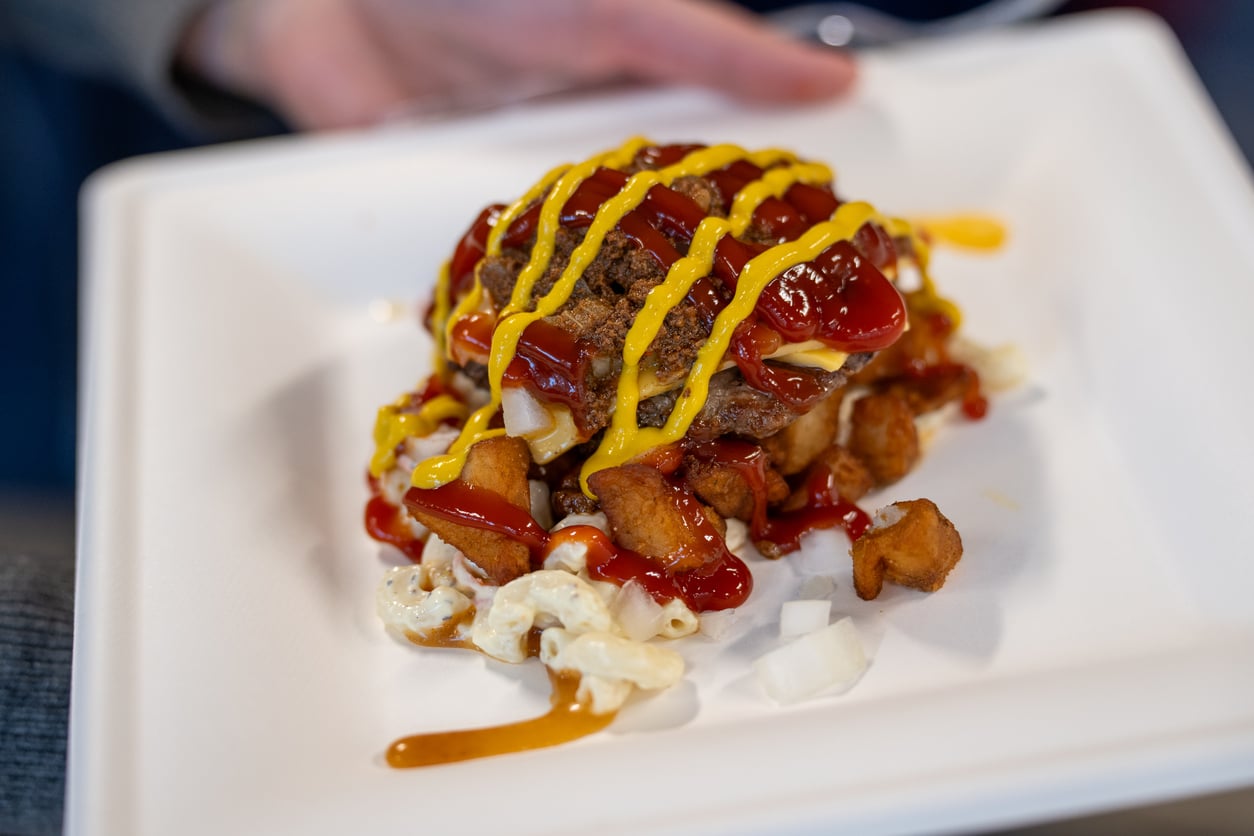
The ‘Garbage Plate’ is a dish that combines burgers or hot dogs with French fries, home fries, baked beans, or macaroni salad, all smothered in Rochester-style meat sauce. According to Visit Rochester, this massive mashup first appeared at the ‘Nick Tahou Hots’ restaurant. It is striking that a combination of leftovers could transform into a signature local restaurant meal. Restaurant origins help explain why this distinctive combination became a Rochester signature.
Sign up for our newsletter
The Loose-Meat Sandwich – Iowa
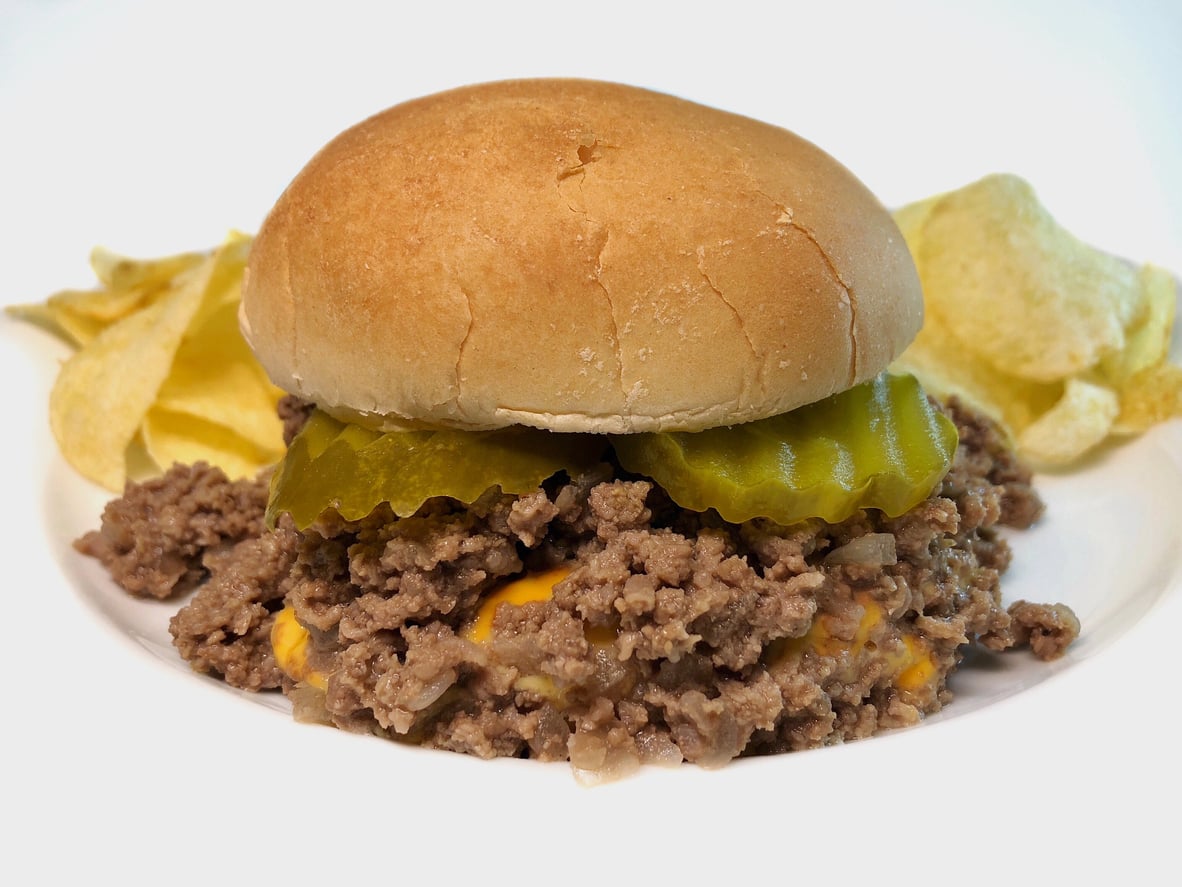
The loose-meat sandwich could be mistaken for the famous ‘Sloppy Joe,’ but the difference is that it lacks a tomato-based sauce. The tradition of the loose-meat sandwich originated in Iowa at the Maid-Rite eatery in 1926, when butcher Fred Angell developed the seasoned, loose ground beef served on a bun, according to Maid-Rite. To finish the sandwich, mustard, pickles, and onions are added. Over time, it became an “Iowa Thing” recognized by many. Restaurant origins remain part of the Maid-Rite story.
The Gerber Sandwich – St. Louis, Missouri
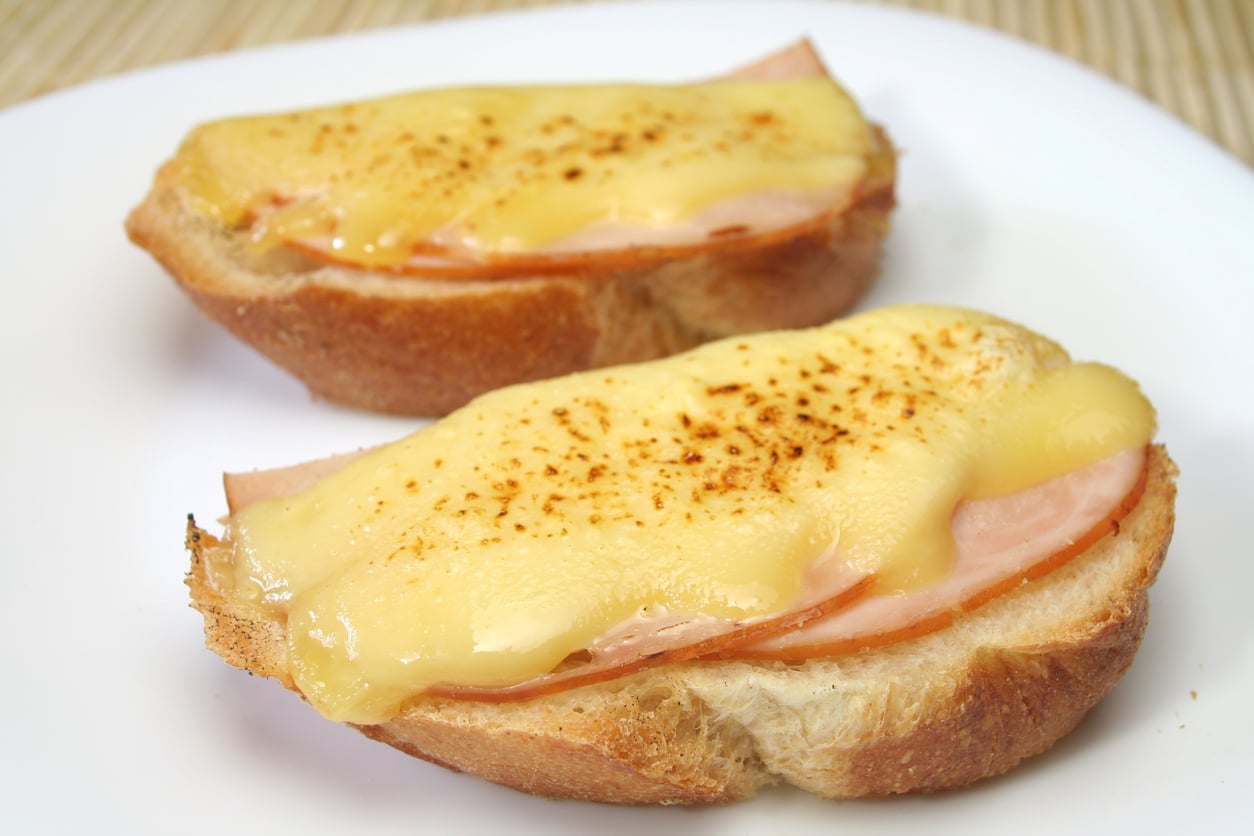
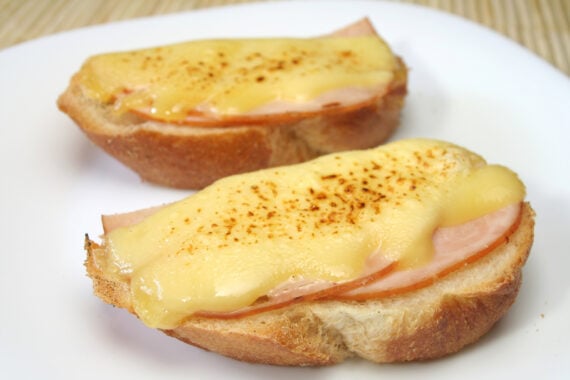
Not many people have heard of the ‘Gerber Sandwich.’ Once you leave the St. Louis area, you might not come across this open-faced sandwich again. According to the St. Louis Restaurant Review, it was created in 1973 by a customer named Dick Gerber, who insisted on preparing his own sandwich at ‘Ruma’s Deli.’ The sandwich consists of bread, ham, cheese, and paprika, and is then toasted. Modern versions often include Provel cheese. Restaurant origins can remain closely tied to a single neighborhood.
Teriyaki Chicken – Seattle, Washington
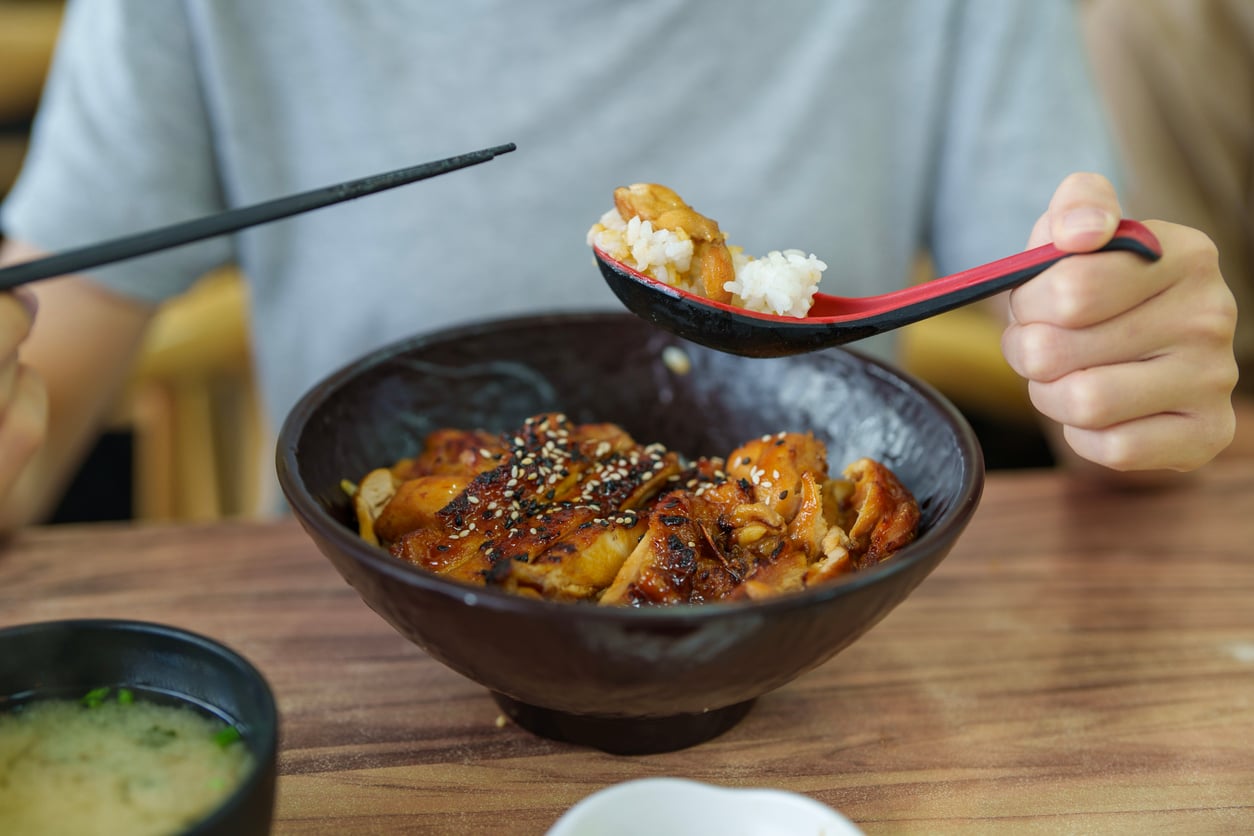
When you hear the term “Teriyaki,” your mind immediately jumps to Japan, but this affordable chicken-and-rice dish actually originated in Seattle, where it is a true restaurant phenomenon. Its creator, immigrant Toshi Kasahara, who began making it in the 1970s, did have ties to Japanese culture. Before long, small teriyaki shops began springing up across the Seattle area, serving this combination of grilled chicken, rice and salad. Restaurant origins explain why Seattle developed its own distinctive style of teriyaki.
Nashville Hot Chicken – Nashville, Tennessee
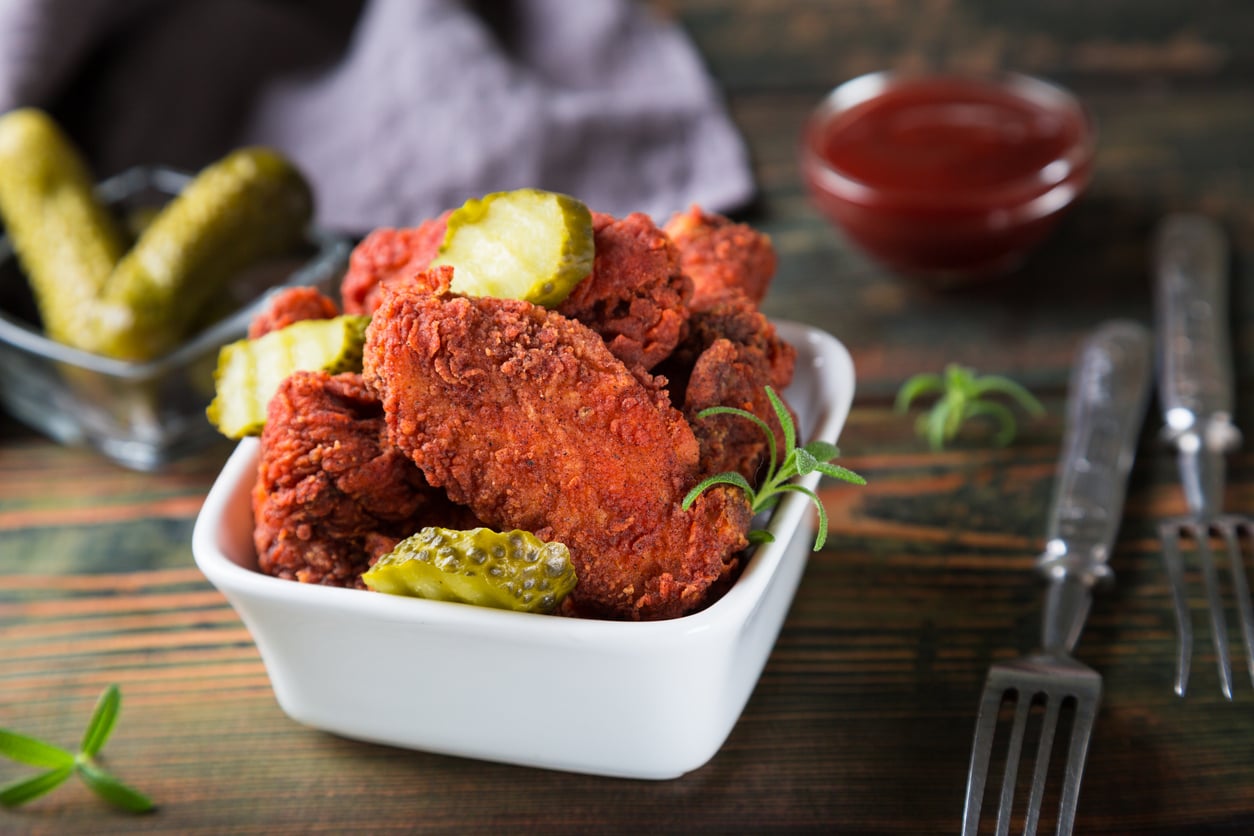
According to Eater, the Prince family is credited with creating what eventually became Nashville hot chicken. According to the family lore, the dish was reportedly prepared as an extremely spicy fried chicken, intended as a form of revenge against Thornton Price after he had stayed out late one night, but to everyone’s surprise, he loved it. Nashville is directly associated with this hot chicken. While originally linked to the Black community, it evolved into a nationwide restaurant trend over the years. Restaurant origins can sometimes involve competing versions of the past.
Conclusion
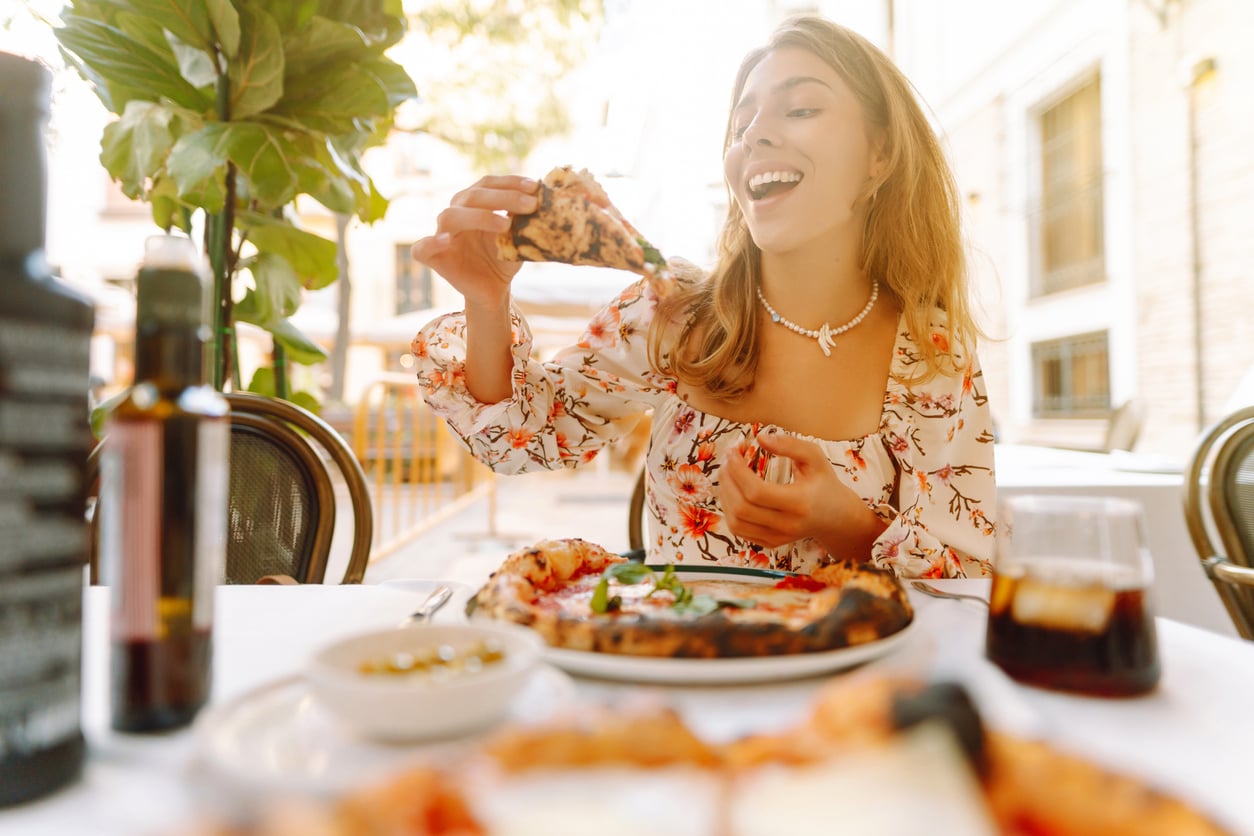
The names given to certain dishes at these restaurants can be misleading when trying to figure out their origins. Take, for instance, ‘Hawaiian Pizza’ which comes from Canada and the ‘Caesar Salad’ which hails from Tijuana. Conversely, dishes like the ‘Springfield Horseshoe’ and the ‘Gerber Sandwich’ are well-known in their respective cities yet rarely recognized beyond those local boundaries. Restaurant origins can be far more complicated than a dish’s name suggests.