A restaurant doesn’t have to serve a bad meal to make you regret walking through the door. Sometimes, the warning signs show up before you’ve even ordered, from sticky tables to questionable food handling. While a little clutter during a busy lunch rush isn’t necessarily a dealbreaker, certain restaurant signs deserve a closer look. The CDC recommends checking restaurant inspection scores and paying attention to food safety when dining out. Here are 12 red flags that might make you think twice before ordering.
The Restaurant Has a Troubling Recent Health Inspection
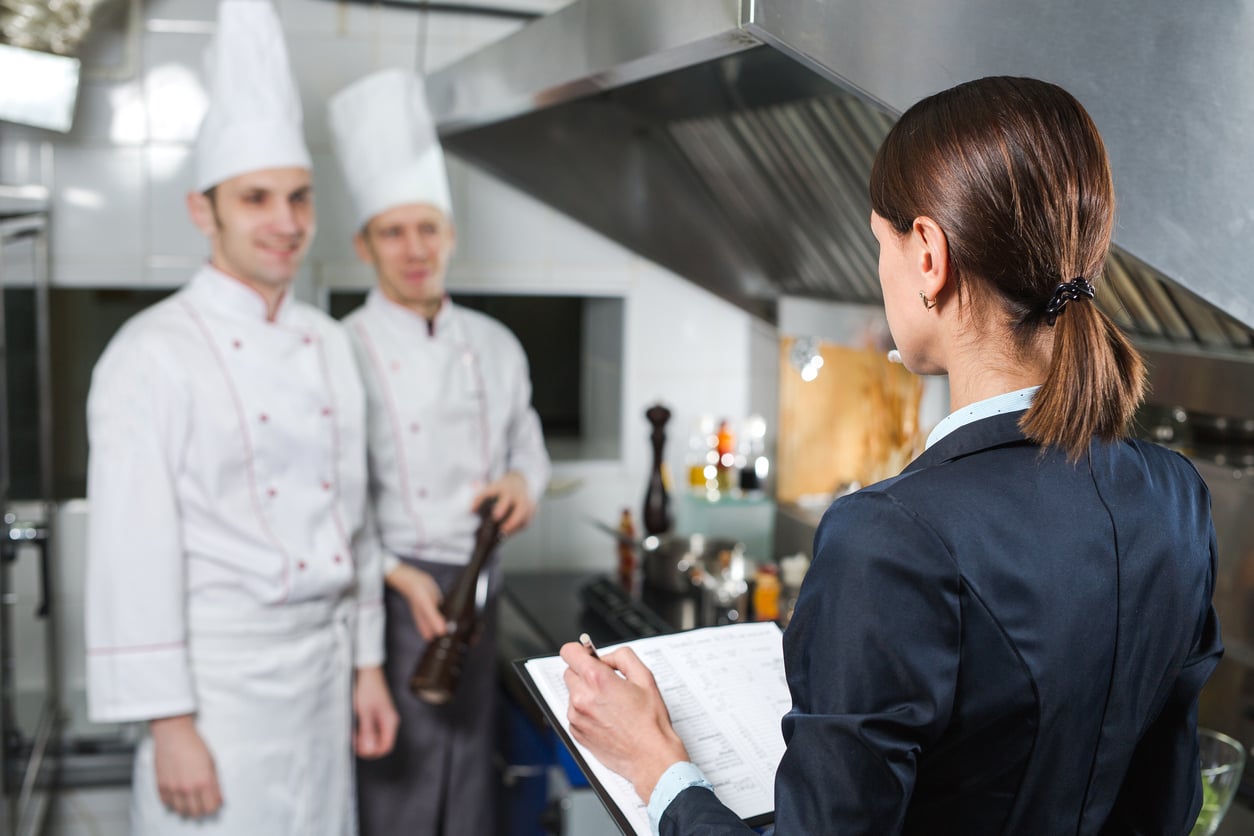
A spotless dining room doesn’t necessarily mean everything behind the kitchen doors is safe. Health inspection reports can reveal problems with refrigeration, food storage, pest control, and employee hygiene that customers would never notice. Before trying an unfamiliar restaurant, check the local health department’s website for recent inspection results. Pay particular attention to serious violations that appear repeatedly or haven’t been corrected. One minor citation doesn’t automatically make a restaurant unsafe, but a pattern of unresolved problems is a good reason to reconsider your reservation.
Tables and Seats Are Still Dirty After Customers Leave
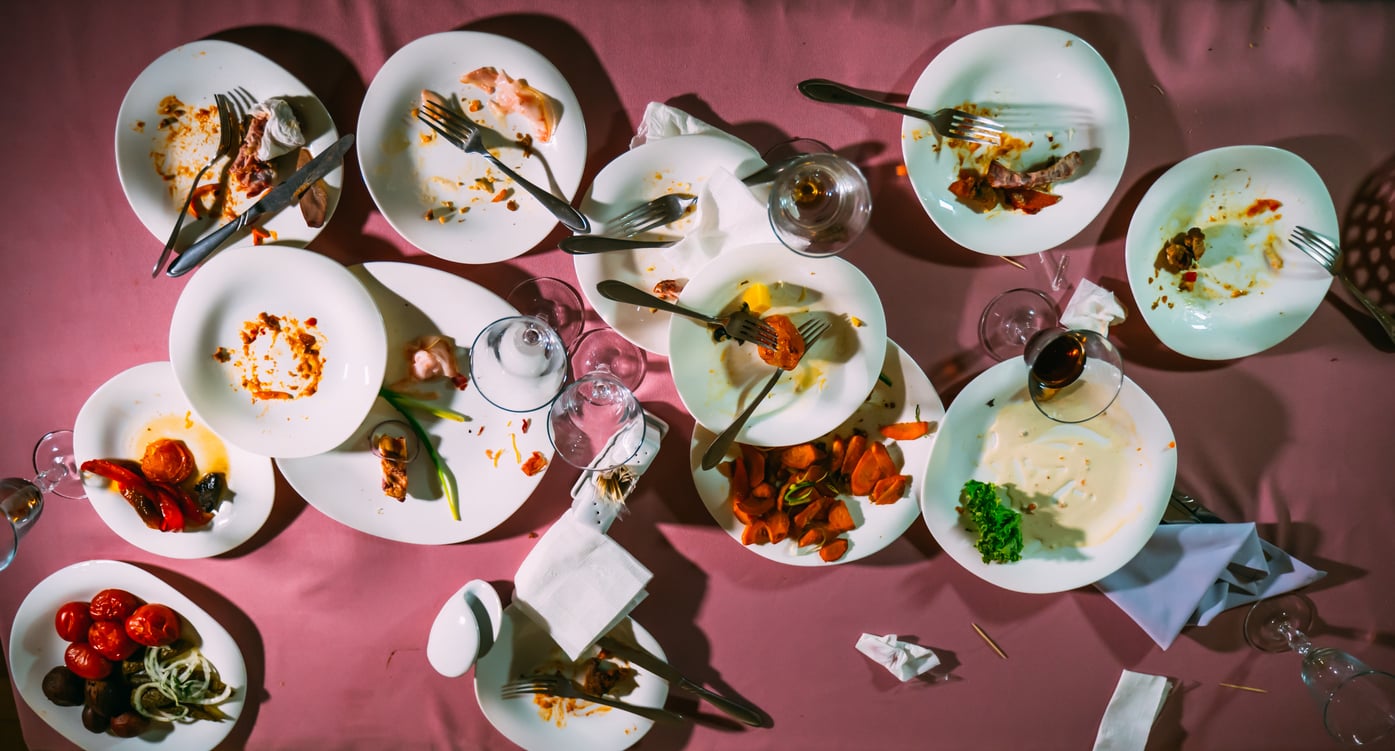
A busy restaurant might have a few tables waiting to be cleared, and that’s hardly unusual. What’s more concerning is finding sticky surfaces, dried food, crumbs, and dirty seats long after customers have left. If several empty tables look neglected, it raises questions about how carefully the restaurant handles routine cleaning. Check the silverware and glasses, too. One overlooked crumb isn’t a disaster, but repeated signs of poor housekeeping can make you wonder whether the same lack of attention extends to food preparation.
Employees Handle Cash and Food Without Washing Their Hands
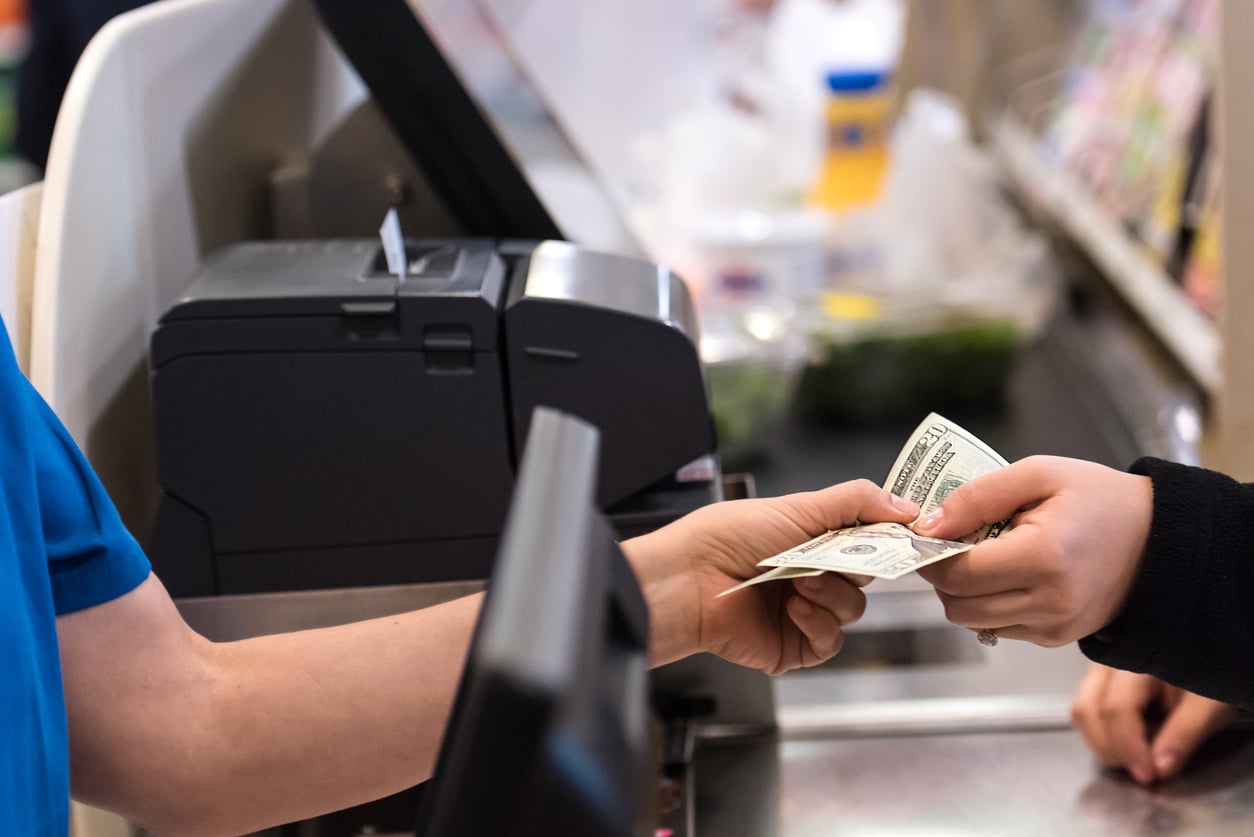
Watching someone collect payment and then immediately assemble a sandwich with bare hands isn’t exactly reassuring. Cash registers, phones, and other frequently touched surfaces can transfer contamination to employees’ hands. Food workers should wash their hands when switching from potentially contaminating tasks to food preparation and use appropriate methods to avoid touching ready-to-eat food directly. Gloves aren’t a substitute for handwashing, either. If you repeatedly see employees handling money, cleaning surfaces, and preparing food without changing their hygiene practices, consider eating elsewhere.
Perishable Foods Are Sitting Out Without Proper Cooling
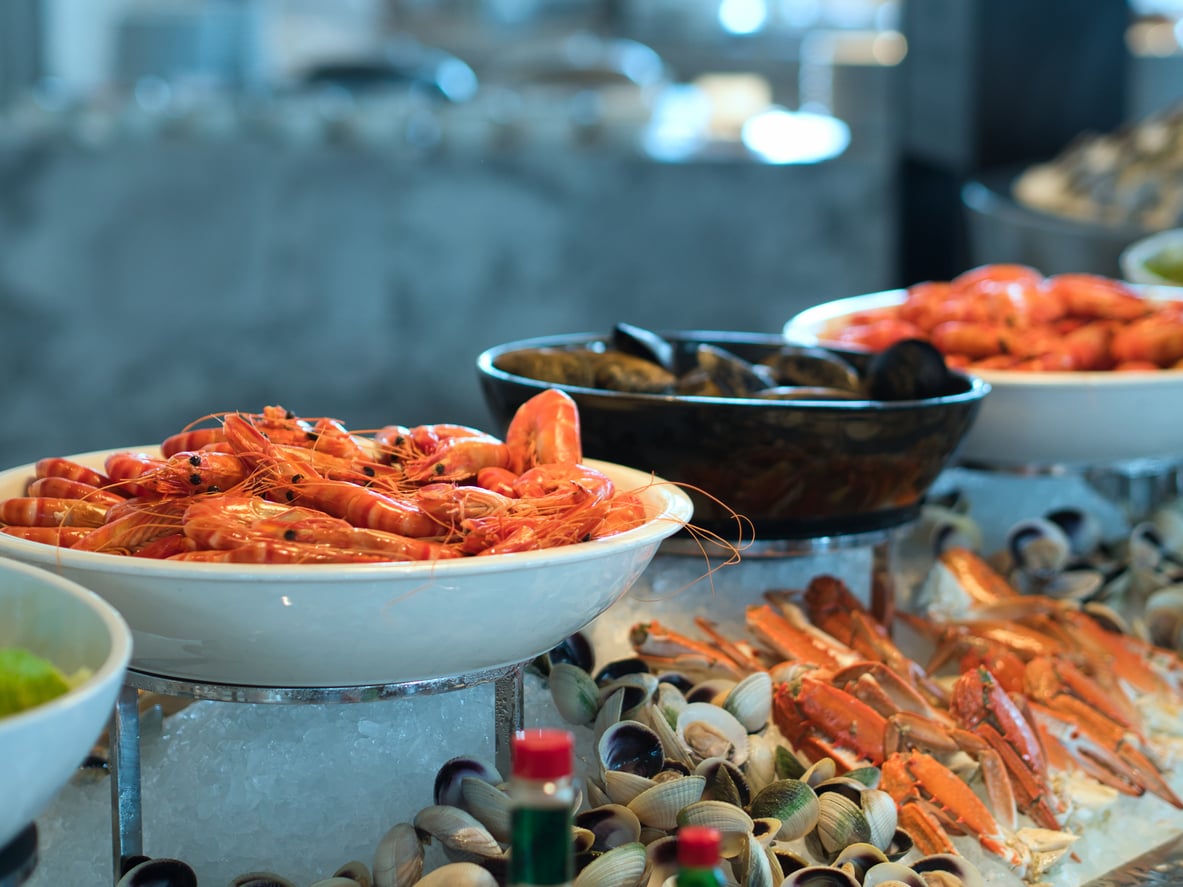
A display of seafood, prepared salads, or cream-filled desserts might look tempting, but temperature control matters more than presentation. Foods that require refrigeration can become unsafe when left too warm for too long. A chilled display doesn’t necessarily need visible ice, since refrigerated cases and approved time-control procedures are also used. Still, perishable foods sitting in a warm area for an extended period deserve a closer look. If the restaurant can’t explain how they’re being kept safe, choosing something else may be the smarter move.
The Buffet’s Hot Food Seems Lukewarm
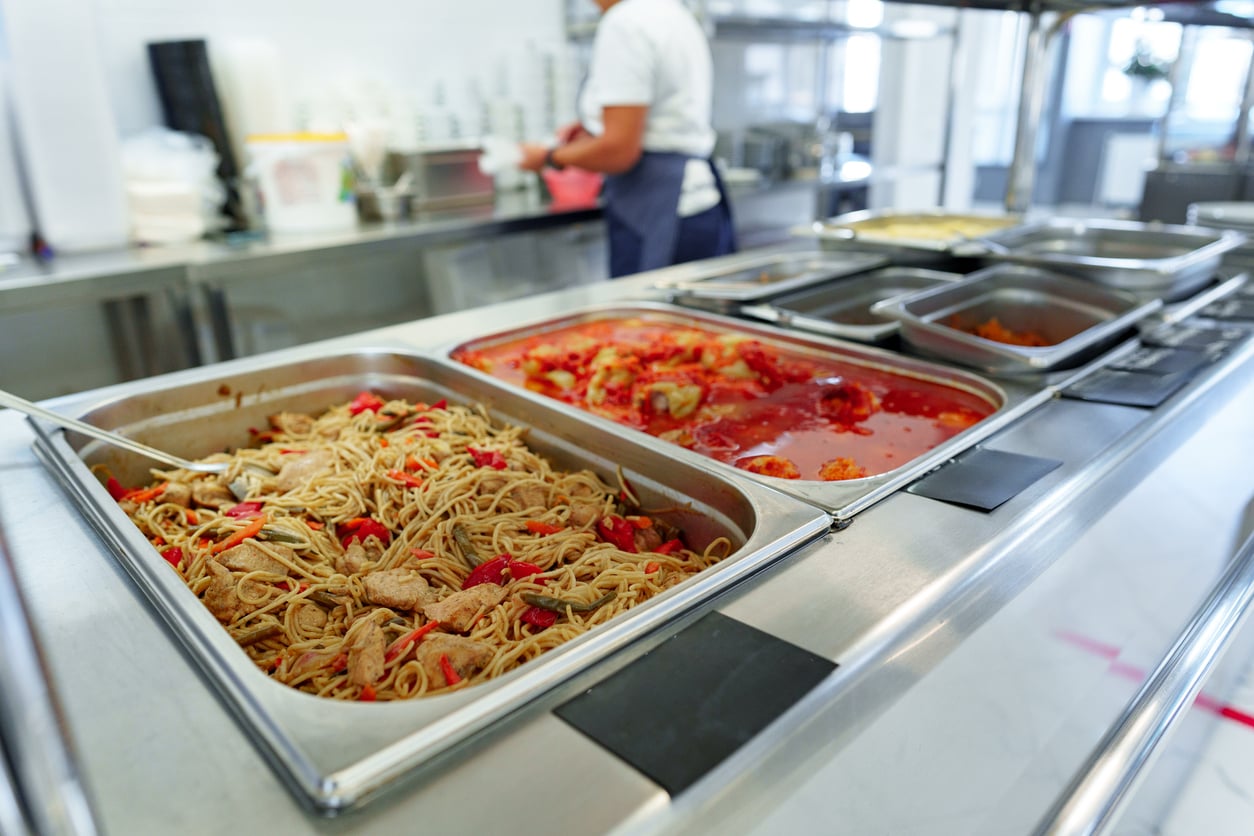
Few things ruin the appeal of a buffet faster than food that looks like it’s been sitting around for hours. Hot dishes should be maintained at safe temperatures, while cold selections need appropriate chilling. If a steam table appears neglected, serving trays sit uncovered, or food that’s supposed to be hot feels barely warm, that’s worth questioning. You can’t determine food safety just by looking at a tray, but the CDC advises diners to eat hot foods served hot and cold foods served cold. When in doubt, skip the buffet.
Trending on Cheapism

Staff Use the Same Utensils for Raw and Cooked Food
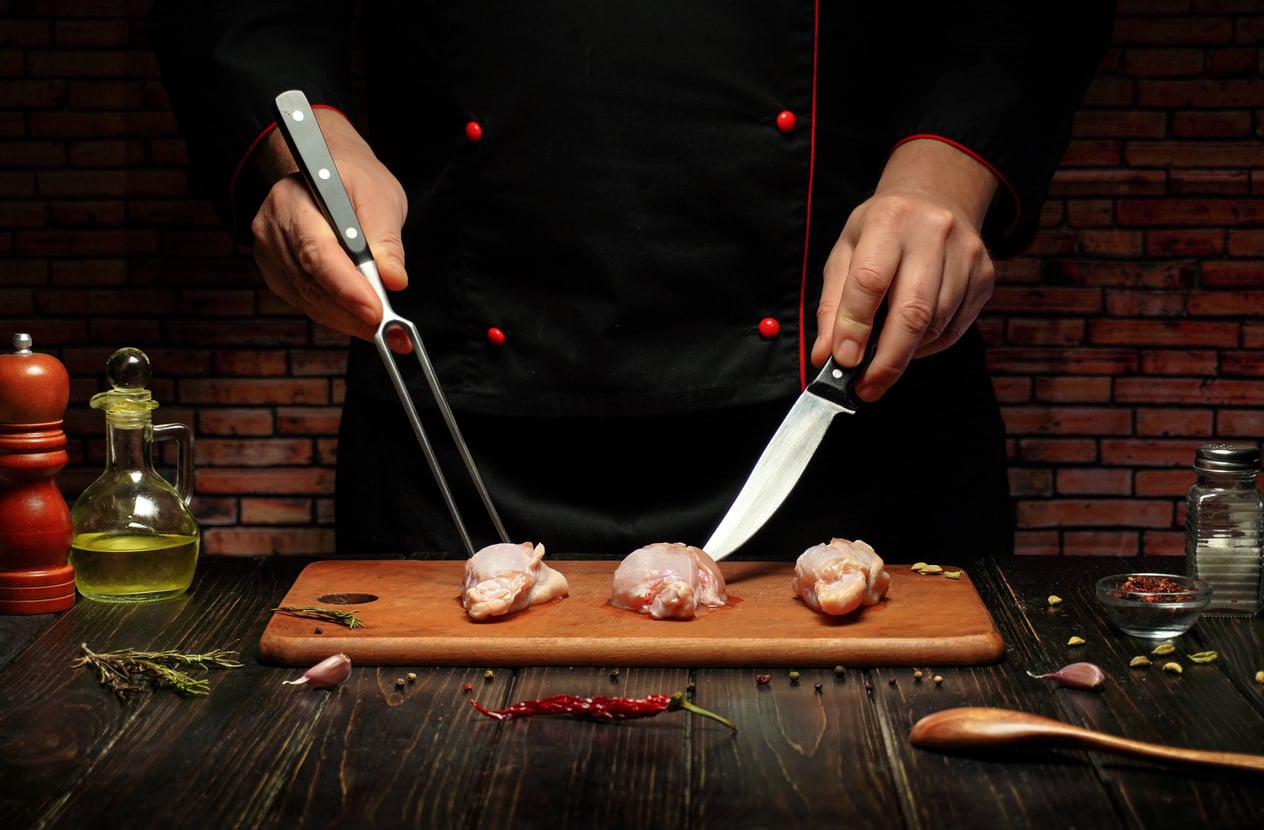
An open kitchen can be entertaining, but sometimes it reveals things you’d rather not see. Imagine watching a cook handle raw chicken with a pair of tongs and then use those same tongs to serve cooked meat without washing and sanitizing them. That’s a genuine cross-contamination concern, not just a matter of personal preference. Raw meat and poultry can carry harmful germs that shouldn’t reach ready-to-eat food. If employees repeatedly mix utensils or preparation surfaces without proper cleaning, it’s a strong reason to walk away.
The Restroom Has No Soap or Working Hand-Drying Facilities
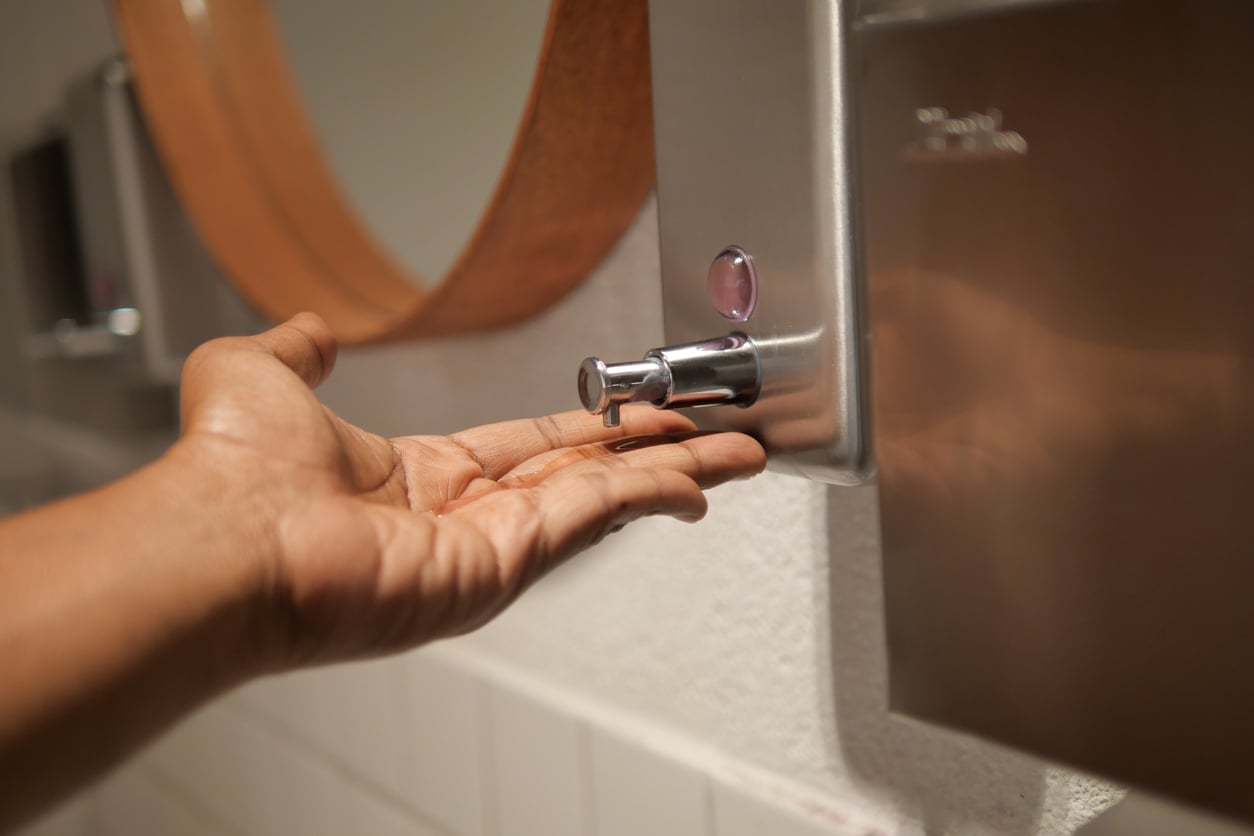
A restaurant restroom doesn’t need fancy fixtures, but it should have the basics. Empty soap dispensers, broken sinks, and missing paper towels or nonworking hand dryers can make proper handwashing difficult. A single dispenser running out during a rush might be an oversight, especially if staff correct it immediately. But a restroom that’s clearly been neglected raises concerns about maintenance and hygiene. It doesn’t prove the kitchen has the same problems, though it certainly isn’t encouraging. If employees dismiss the issue when you mention it, that’s another warning sign.
There Are Visible Signs of Rodents or Insects
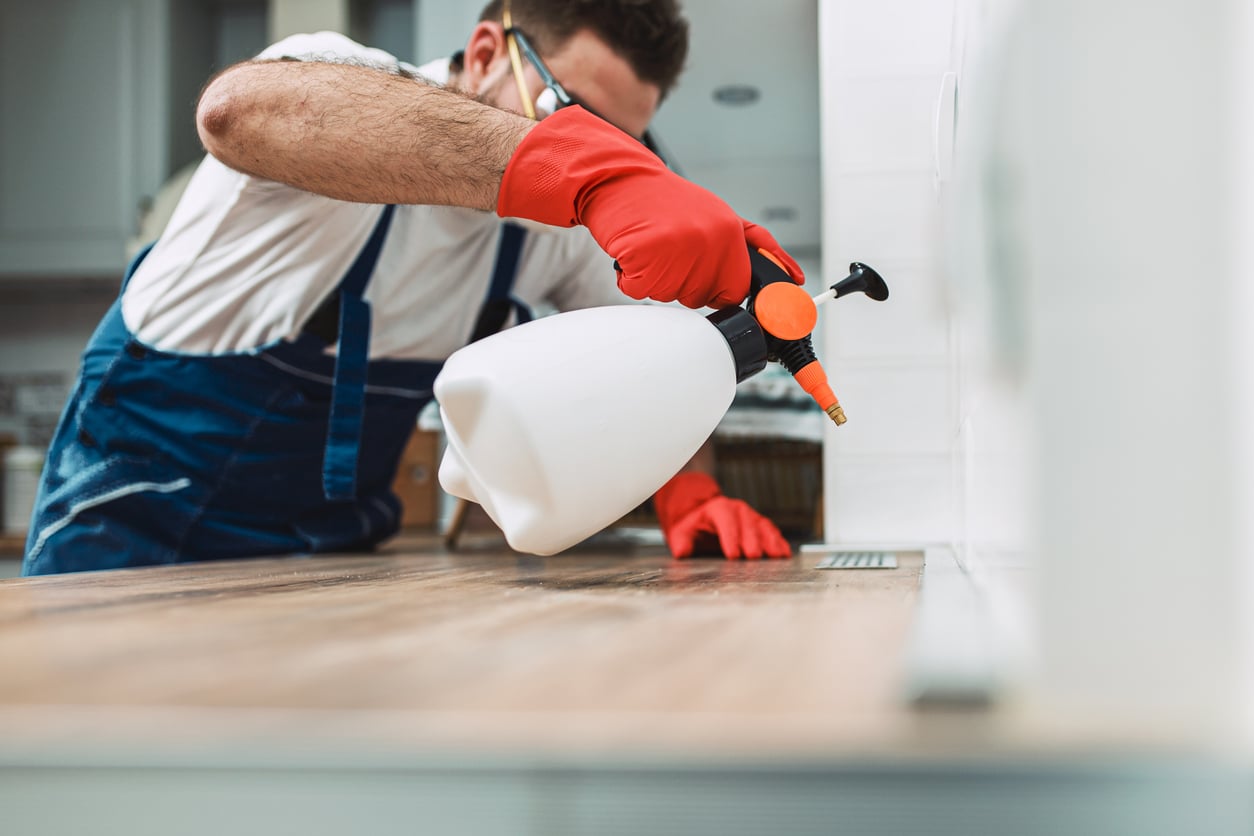
Spotting a fly near an open restaurant door isn’t necessarily cause for alarm. Finding rodent droppings, cockroaches around food preparation areas, or insects crawling over exposed ingredients is another matter. Restaurants are responsible for controlling pests and protecting food from contamination, regardless of whether the establishment is fancy or inexpensive. Pay attention to repeated sightings and obvious evidence of activity, particularly near food displays or storage areas. A single outdoor insect may be unavoidable, but visible signs of an ongoing pest problem are worth taking seriously.
Sign up for our newsletter
Uncovered Food Is Exposed to Customers and Contamination
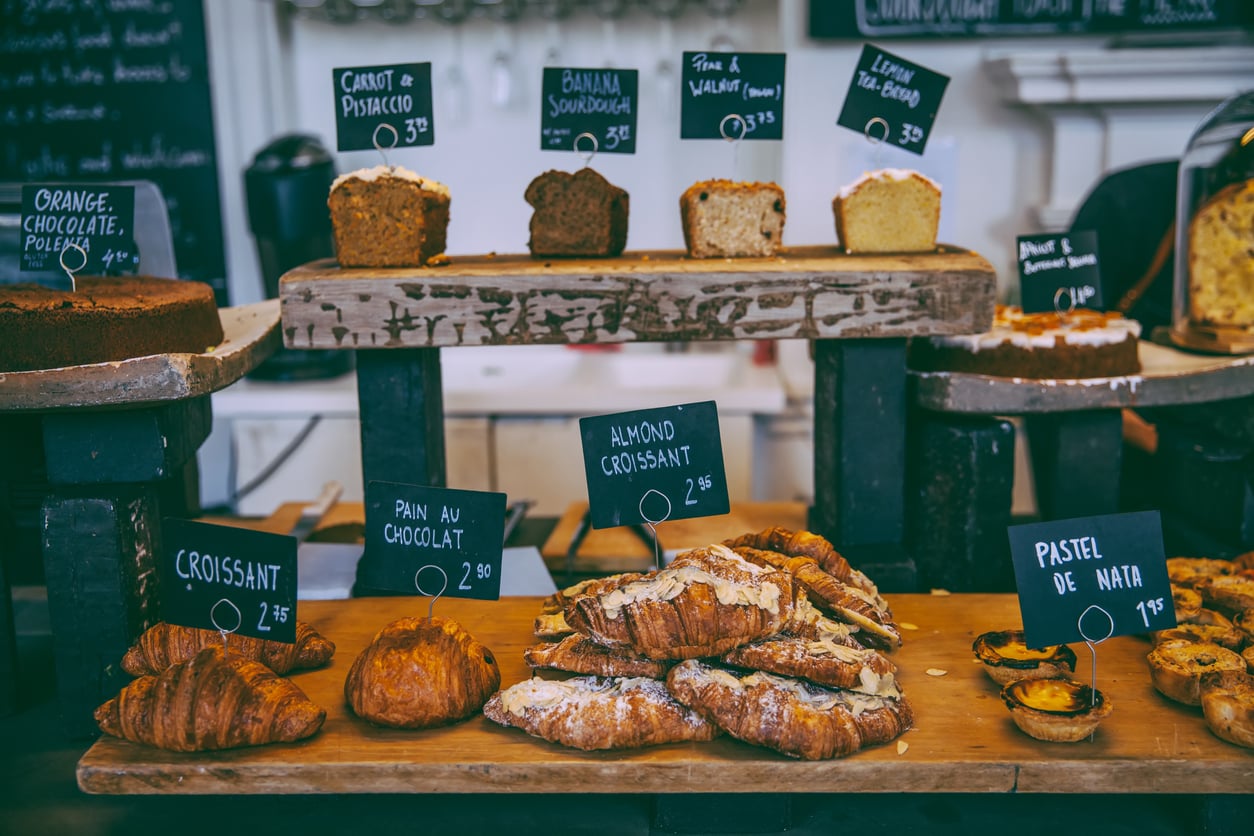
That beautiful pastry display becomes less appealing when customers can lean over the food, cough near it, or reach in with their hands. Ready-to-eat items should be protected from contamination through appropriate barriers, packaging, utensils, or supervised service. Not every open display is unsafe, but food sitting within easy reach of passing customers deserves attention. The same goes for self-service counters where people repeatedly touch shared items without using the provided utensils. If the restaurant doesn’t seem concerned about protecting exposed food, reconsider what you’re ordering.
Employees Can’t Give Reliable Answers About Food Allergies
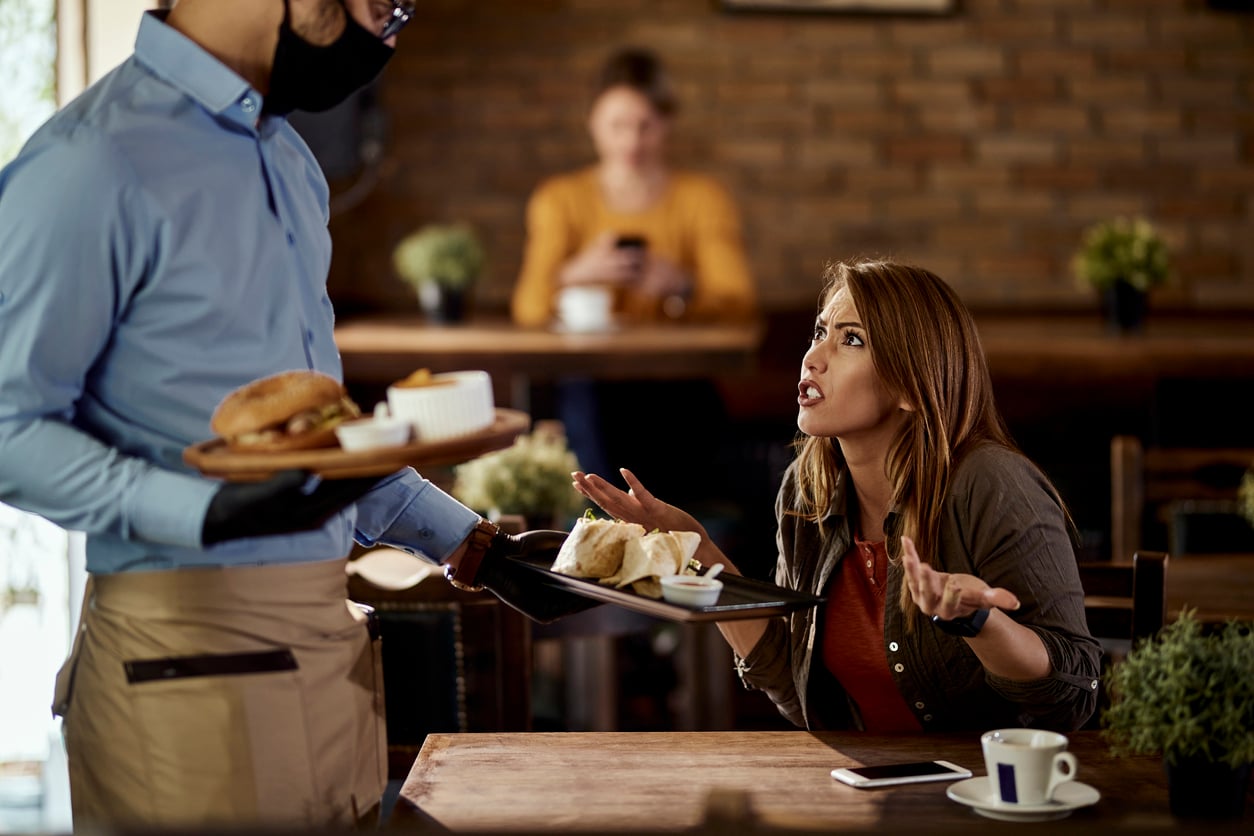
For someone with a serious food allergy, a restaurant’s response to ingredient questions can be more important than anything on the menu. Staff don’t need to memorize every recipe, but they should be willing to check with the kitchen and explain possible cross-contact risks. Guessing, giving contradictory answers, or promising that a dish is completely safe without checking are serious warning signs. A restaurant that honestly says it cannot accommodate an allergy is being more responsible than one offering false reassurance. When the answers aren’t clear, it’s safer not to order.
Menu Prices and Mandatory Fees Aren’t Clearly Explained

Finding an unexpected service charge on the bill can sour an otherwise pleasant meal. Restaurants may add mandatory fees, but customers should be able to understand the pricing before ordering. Watch for menus that don’t clearly explain additional charges or employees who can’t tell you what a required fee covers. This isn’t the same as a food-safety problem, and disclosure requirements differ by location. Still, unclear pricing makes it difficult to budget or compare restaurants fairly. If you can’t get a straight answer about the total cost, consider going elsewhere.
Employees Dismiss Serious Food-Safety Concerns
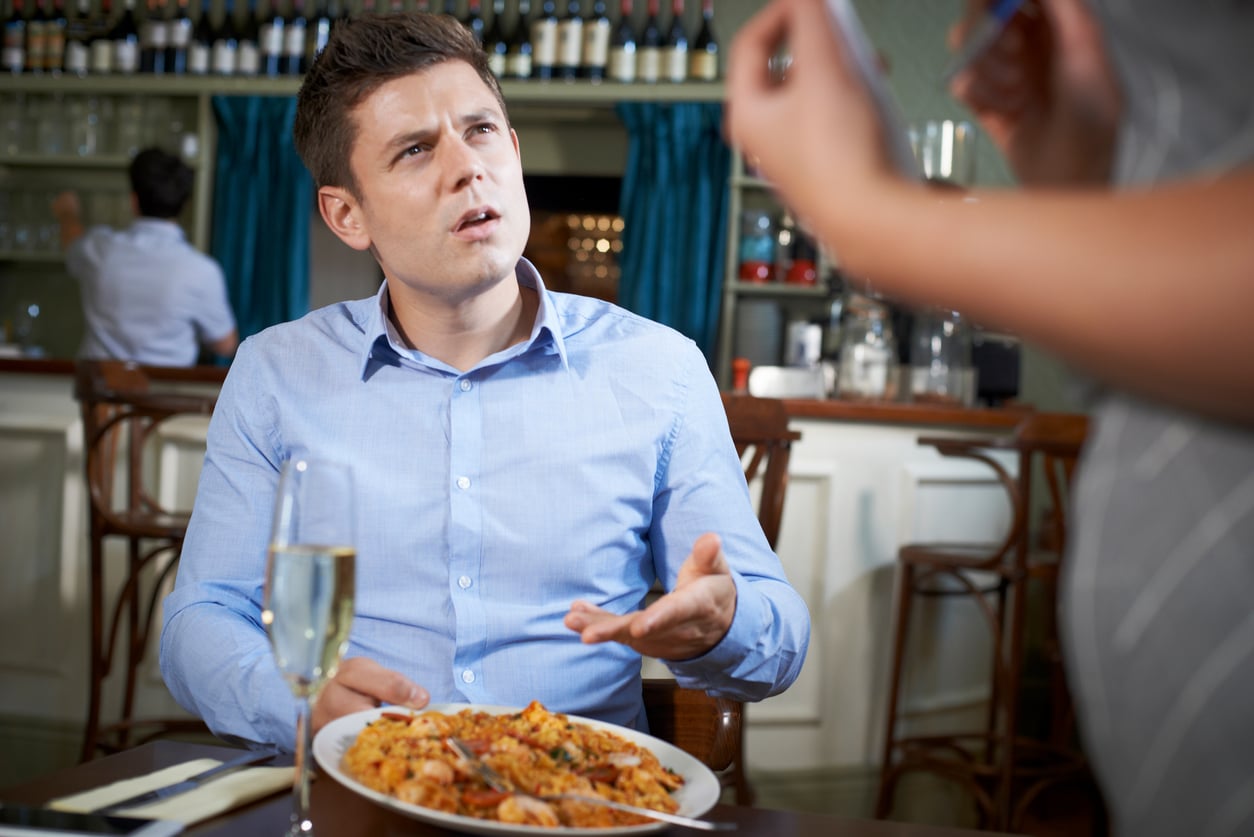
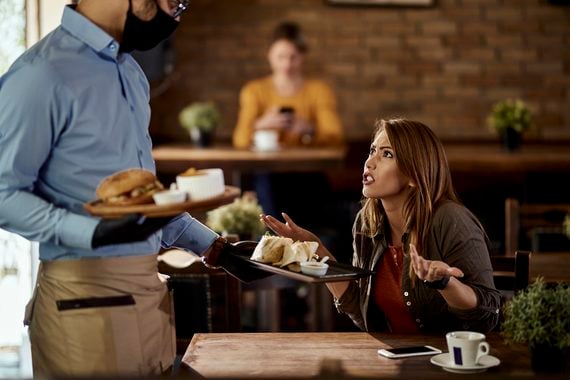
Even good restaurants make mistakes. What matters is how employees respond when someone points out a genuine problem. If you notice a contaminated serving utensil, improperly handled food, or a serious allergy concern, a responsible employee should take it seriously and involve a manager when necessary. Dismissing the issue, arguing with the customer, or continuing the same unsafe practice is much more troubling than the original mistake. A restaurant willing to correct problems earns trust. One that refuses to acknowledge them may not deserve your business.