Before restaurant chains made burgers, chicken sandwiches, and fries available just about everywhere, forgotten American foods were part of everyday life in communities across the country. In Kentucky, families gathered around bowls of burgoo. In North Carolina, livermush was a breakfast staple. And in Philadelphia, turtle soup was once something you could order at a respectable restaurant without anyone batting an eye.
Many of these dishes haven’t completely disappeared, but you’d be hard-pressed to find them on a typical restaurant menu today. Some originated with immigrant communities, others grew out of the need to stretch inexpensive ingredients, and plenty became beloved regional specialties that never really caught on elsewhere.
Fortunately, a handful of restaurants are keeping these culinary traditions alive, sometimes using recipes and techniques that have been passed down for generations. From old-fashioned spoonbread to New Orleans rice fritters, here are 12 restaurants where you can still taste a piece of America’s nearly forgotten food history.
Moonlite Bar-B-Q Inn: Kentucky-Style Mutton Barbecue and Burgoo
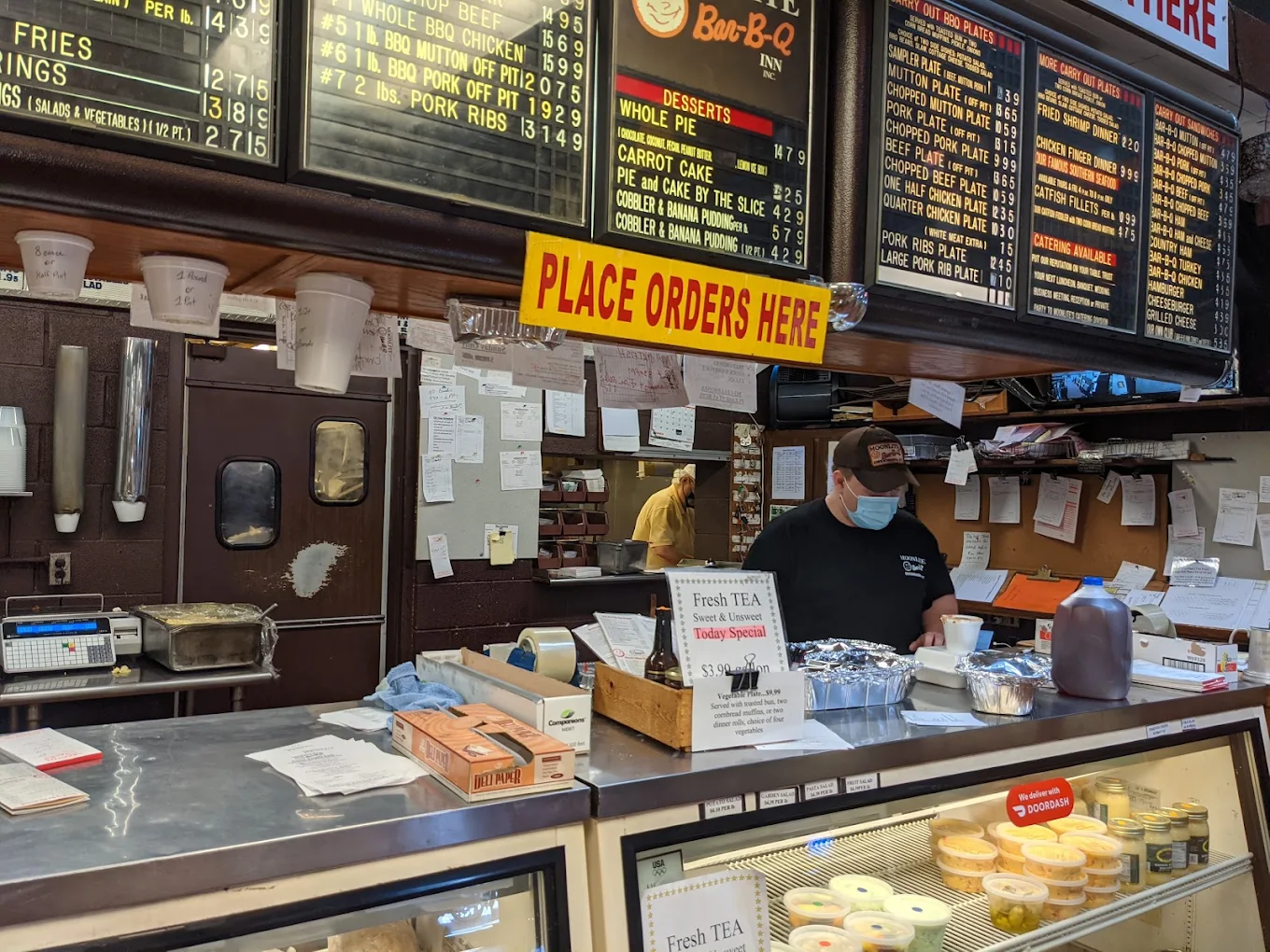
Most barbecue joints stick to pork, beef, or chicken, but Moonlite Bar-B-Q Inn in Owensboro, Kentucky, has been doing things a little differently for decades. Operated by the Bosley family since 1963, the restaurant specializes in hickory-smoked mutton, or meat from mature sheep, a western Kentucky tradition that’s practically unheard of in most other states. There’s also burgoo, a thick, hearty stew made with meat and vegetables that has long been a fixture at Kentucky gatherings. If you’re visiting, order the mutton with a bowl of burgoo to get the full Owensboro experience.
Oyster House: Snapper Turtle Soup
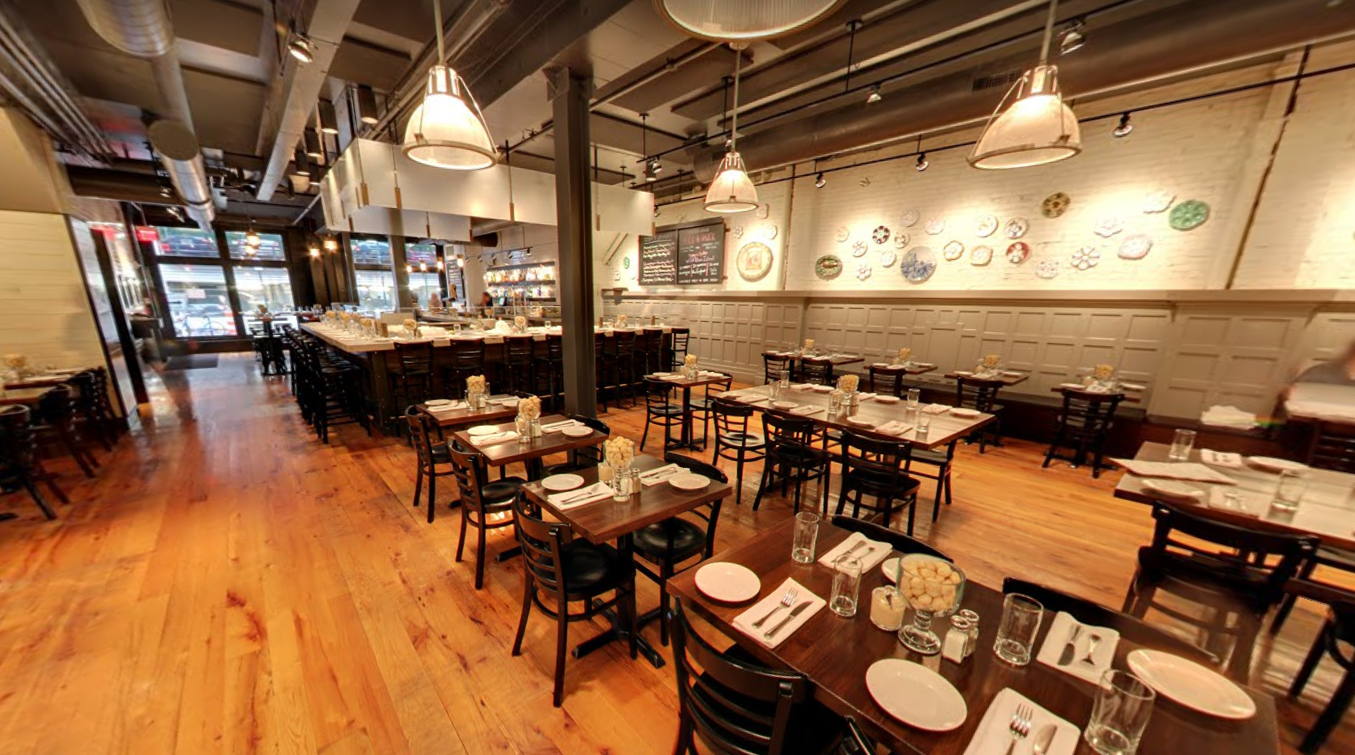
Oyster House keeps an old Philadelphia dining tradition alive with a dish that might surprise modern diners: snapper turtle soup. Once a familiar offering at upscale restaurants along the East Coast, turtle soup has largely vanished from mainstream menus. This Philadelphia seafood institution also preserves another unusual local pairing, fried oysters served with chicken salad, a combination rooted in the city’s historic fish-house culture. Both dishes offer a glimpse of what dining out in Philadelphia looked like long before cheesesteaks became the city’s most famous food.
Crafted at Boone Tavern: Traditional Kentucky Spoonbread
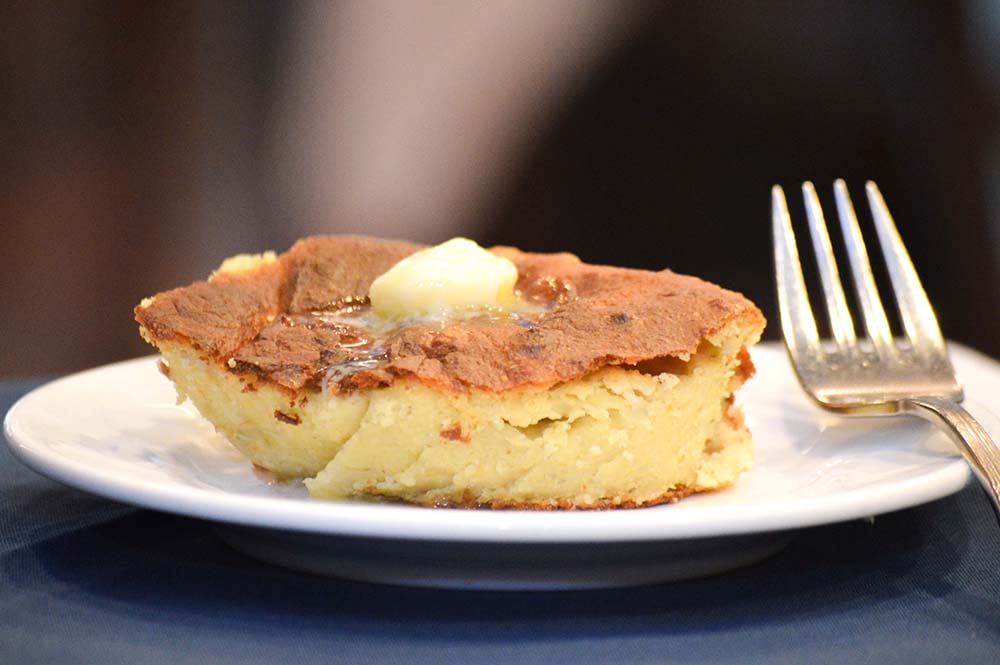
Cornbread is easy enough to find across the South, but its softer, custard-like cousin, spoonbread, is another story. At Crafted at Boone Tavern in Berea, Kentucky, the dish has been a signature offering for generations. Boone Tavern dates back to 1909, and even after its dining room was reimagined as Crafted, traditional spoonbread remained part of the experience. Unlike ordinary cornbread, this version is soft enough to eat with a spoon and is typically served warm. It’s a simple preparation that shows how much variety once existed in Southern cornmeal cooking.
Shelby Cafe: Appalachian Livermush
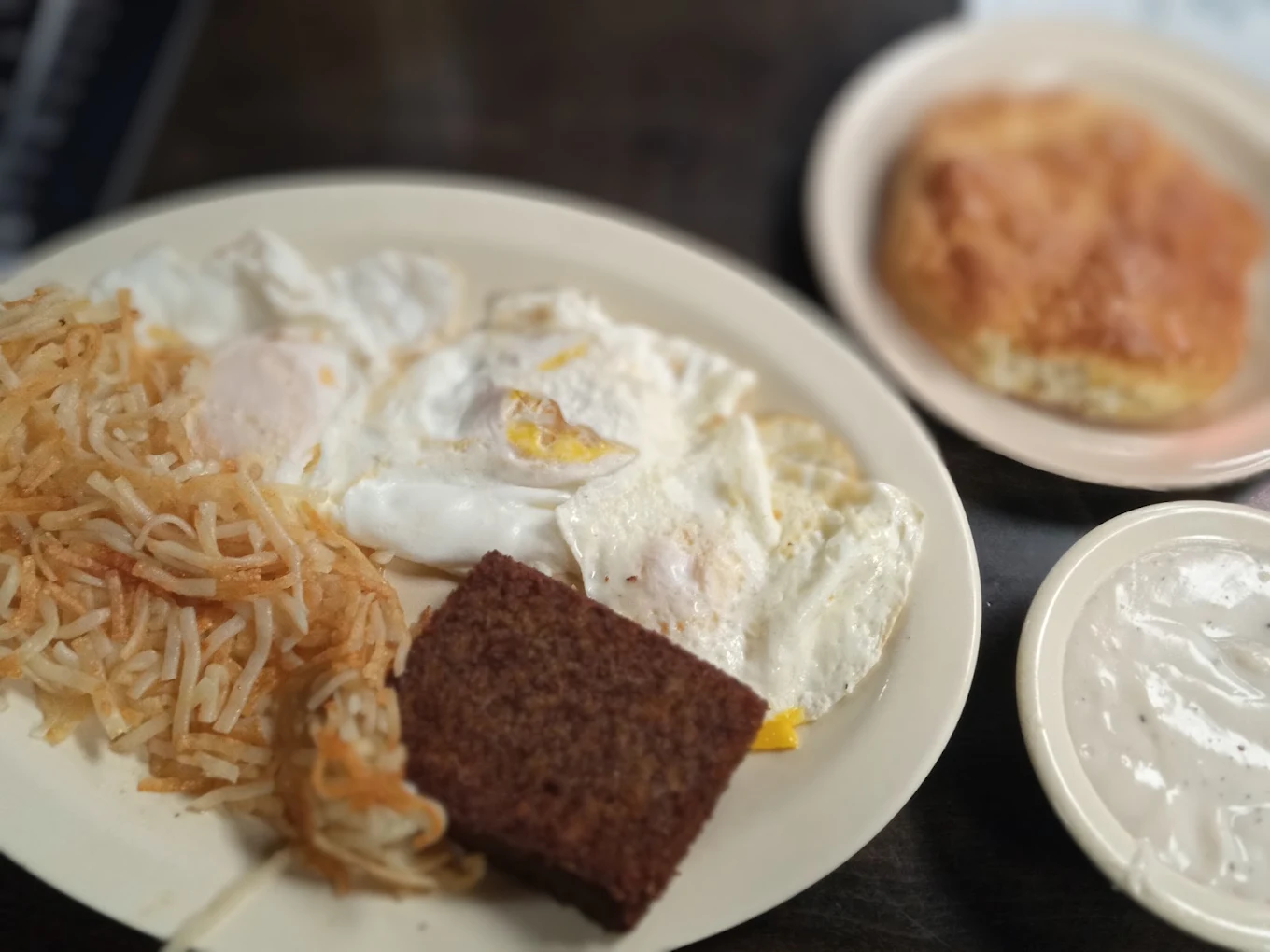
If you’ve never heard of livermush, you’re probably not from western North Carolina. This old-fashioned Appalachian staple combines pork, liver, cornmeal, and seasonings into a loaf that’s sliced and fried until crispy. It originated from the practical tradition of using as much of a butchered hog as possible, but it became a beloved breakfast food in its own right. At Shelby Cafe, diners can still order the local specialty, including in the Mayor’s Special, a combination of livermush, scrambled eggs, cheddar, and mayonnaise. It might not sound like your usual breakfast sandwich, but that’s exactly what makes it worth trying.
Kroll’s Diner: German-Russian Knoephla Soup
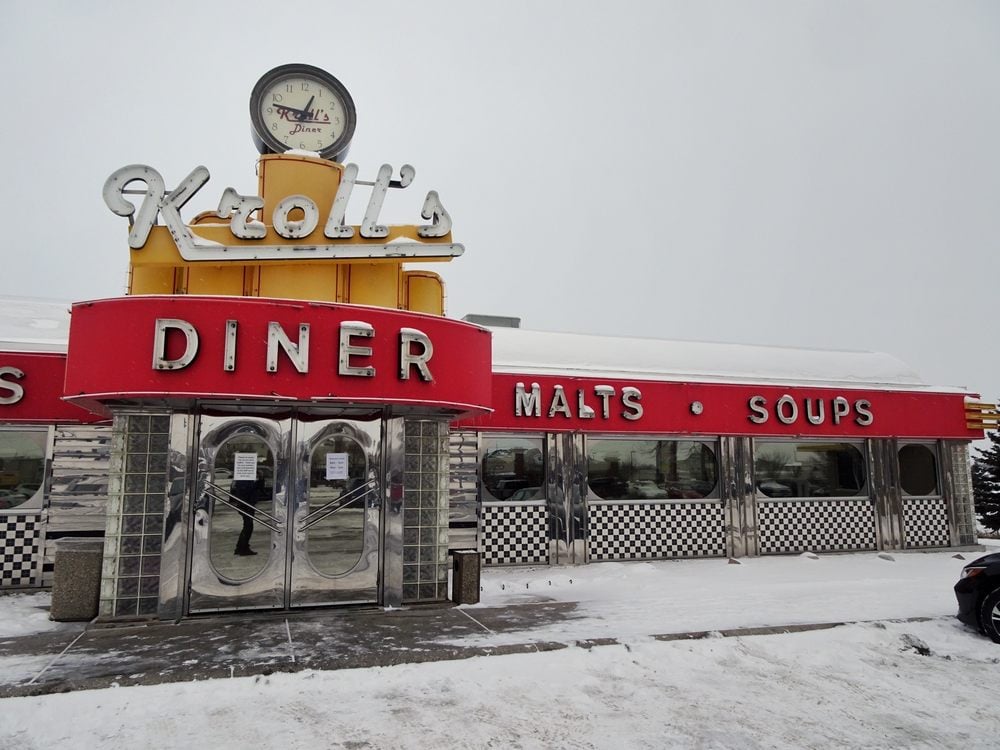
North Dakota has its own comfort-food traditions, and one of the most distinctive is knoephla soup. Brought to the northern Great Plains by German immigrants from Russia, this creamy soup is packed with small dumplings, potatoes, and plenty of hearty flavor. Kroll’s Diner, which has been serving German-American food since 1969, keeps the specialty front and center on its menu. The diner also offers fleischkuechle, a meat-filled fried pastry with similarly deep regional roots. Neither dish is particularly common outside the Dakotas, but both remain an important part of the area’s culinary identity.
Trending on Cheapism

Lehto’s Pasties: Traditional Upper Peninsula Pasties
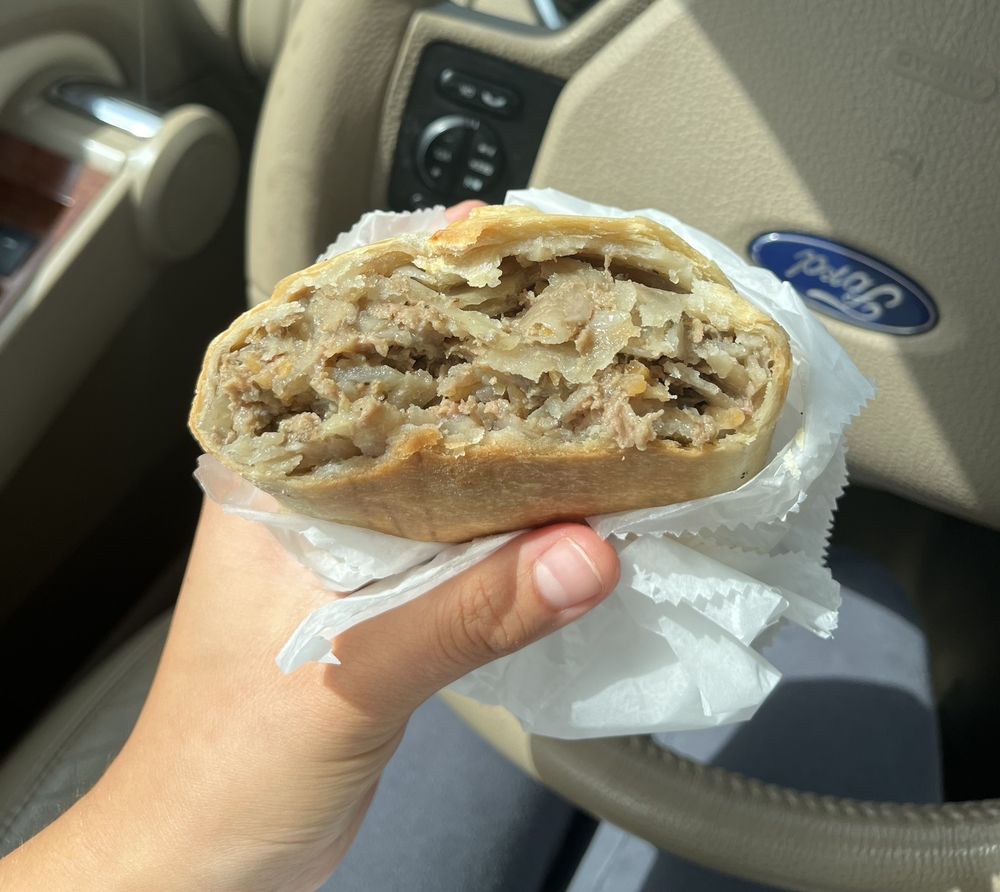
Long before handheld meat pies became trendy, miners in Michigan’s Upper Peninsula were carrying pasties to work. These sturdy pastries, introduced by Cornish immigrants in the 19th century, were filled with meat and vegetables and made for a practical meal that could be eaten without utensils. Lehto’s Pasties has been serving them since 1947, including the traditional beef version stuffed with potatoes, onions, and rutabaga. The original roadside location focuses on the classic recipe, while the downtown shop offers additional varieties. It’s a reminder that some of America’s most enduring regional foods started as inexpensive meals for working people.
Iggy’s Boardwalk Lobster & Clam Bar: Stuffed Quahogs
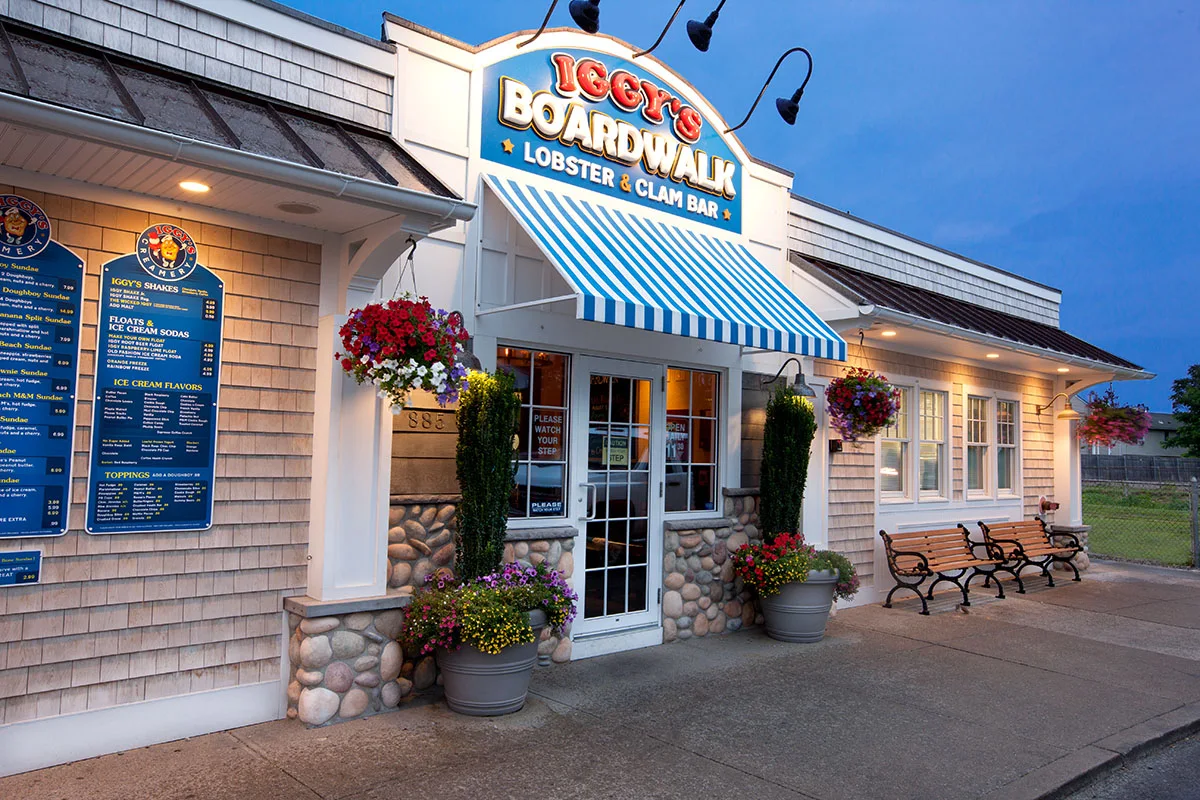
Rhode Island has a seafood tradition that goes well beyond lobster rolls and fried clams. One of its most distinctive specialties is the stuffie, a large quahog clam stuffed with seasoned breadcrumbs and other ingredients before being baked. It’s the kind of practical coastal cooking that made good use of local seafood and inexpensive pantry staples. At Iggy’s Boardwalk Lobster & Clam Bar, stuffies remain on the menu alongside clam cakes and Rhode Island-style clear clam chowder. Order all three, and you’ll get a taste of New England seafood traditions that rarely make it onto menus elsewhere in the country.
Sugar n’ Spice: Cincinnati Goetta
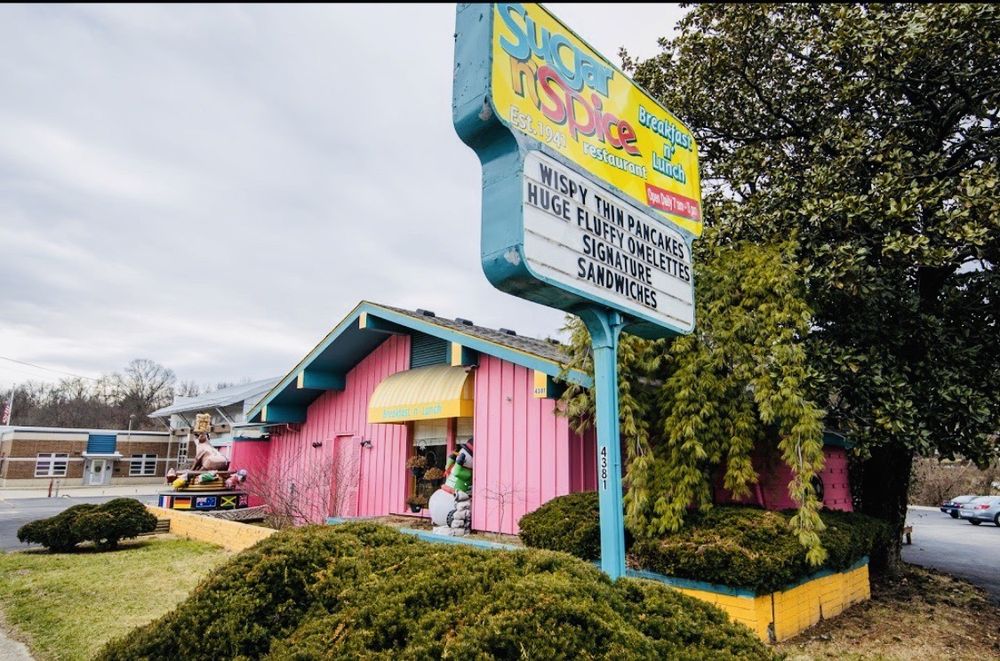
Cincinnati has a breakfast specialty that many Americans have never encountered: goetta. Made from ground meat, steel-cut oats, and spices, this German-American creation is formed into a loaf, sliced, and fried until the outside turns crispy. It originated as an economical way to stretch meat, but generations of Cincinnati families have embraced it as a breakfast favorite. Sugar n’ Spice continues serving the regional staple, including in its Goetta Benedict, which swaps the usual breakfast meat for a slice of the local specialty. If you’ve ever wondered what Cincinnati residents eat instead of bacon or sausage, this is one answer.
Sign up for our newsletter
Brigtsen’s: Creole Rice Calas
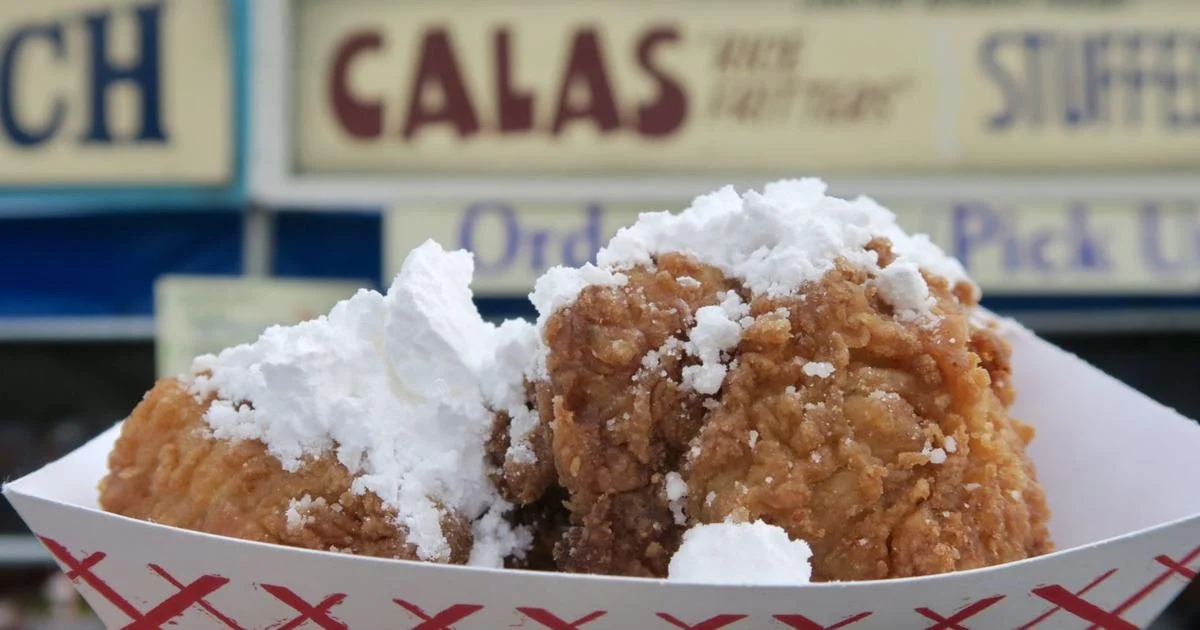
Beignets might get most of the attention in New Orleans, but the city once had another beloved fried treat: calas. These rice fritters were historically sold by African American street vendors, who helped make them a familiar part of local food culture. Today, they’re much harder to find than the city’s more famous pastries. At Brigtsen’s, chef Frank Brigtsen keeps the tradition alive with a savory interpretation, serving shrimp calas alongside New Orleans barbecue shrimp. The restaurant, which opened in 1986, has long celebrated Louisiana’s culinary heritage, and this dish is a particularly interesting example of an old recipe finding new life.
The Old Mill Restaurant: Old-Fashioned Corn Fritters and Corn Chowder
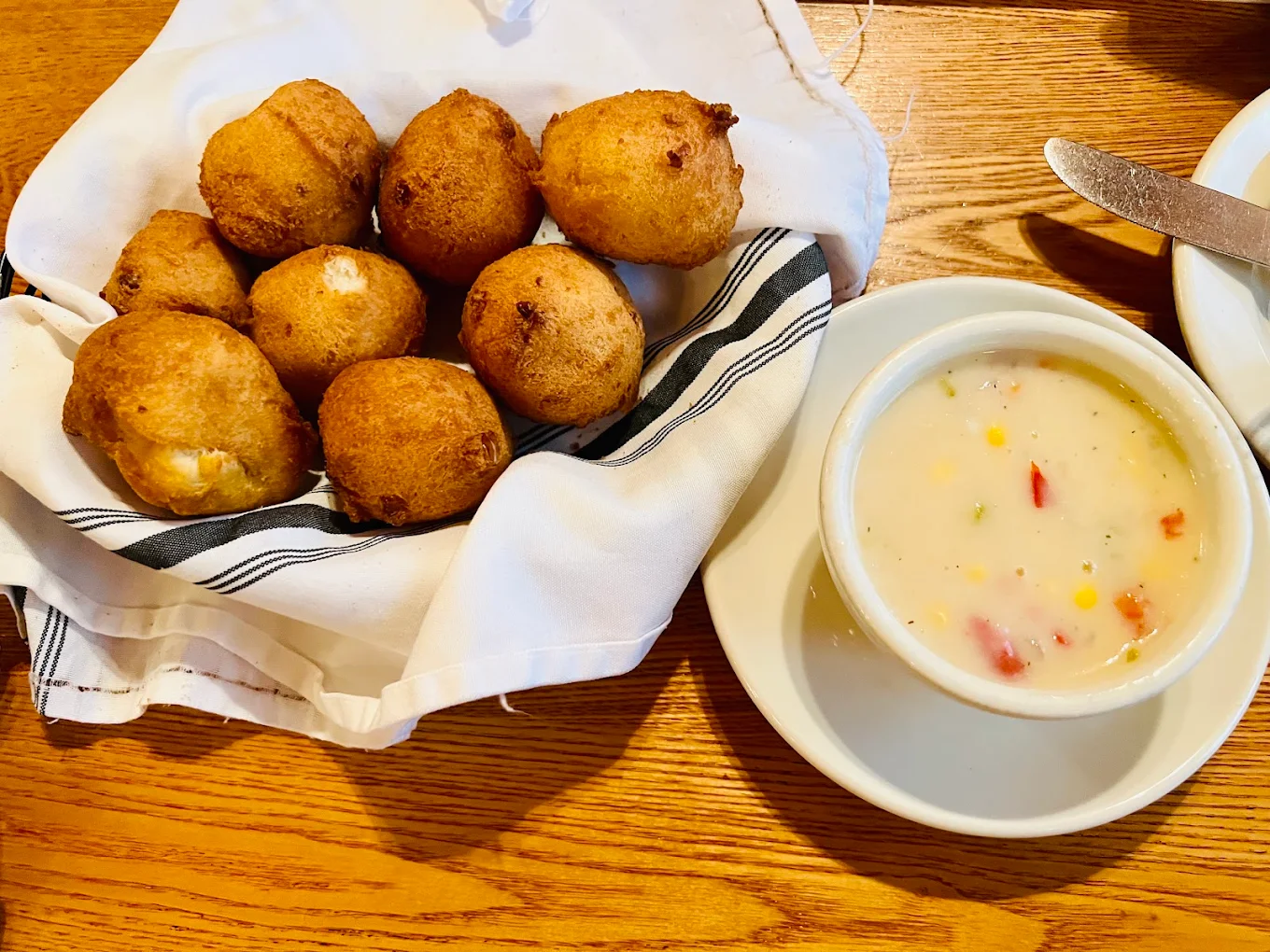
Corn was once the backbone of countless inexpensive American meals, from cornbread and grits to fried fritters made with whatever ingredients were available. At The Old Mill Restaurant in Pigeon Forge, Tennessee, that tradition is still going strong. The restaurant serves old-fashioned corn fritters with honey butter alongside its signature corn chowder, bringing two classic corn-based dishes together in one meal. Its connection to a historic working gristmill makes the experience especially fitting. While corn fritters haven’t disappeared entirely, they’re certainly not something you’ll find at most modern chain restaurants.
Schmidt’s Sausage Haus: Sauerkraut-Bratwurst Balls
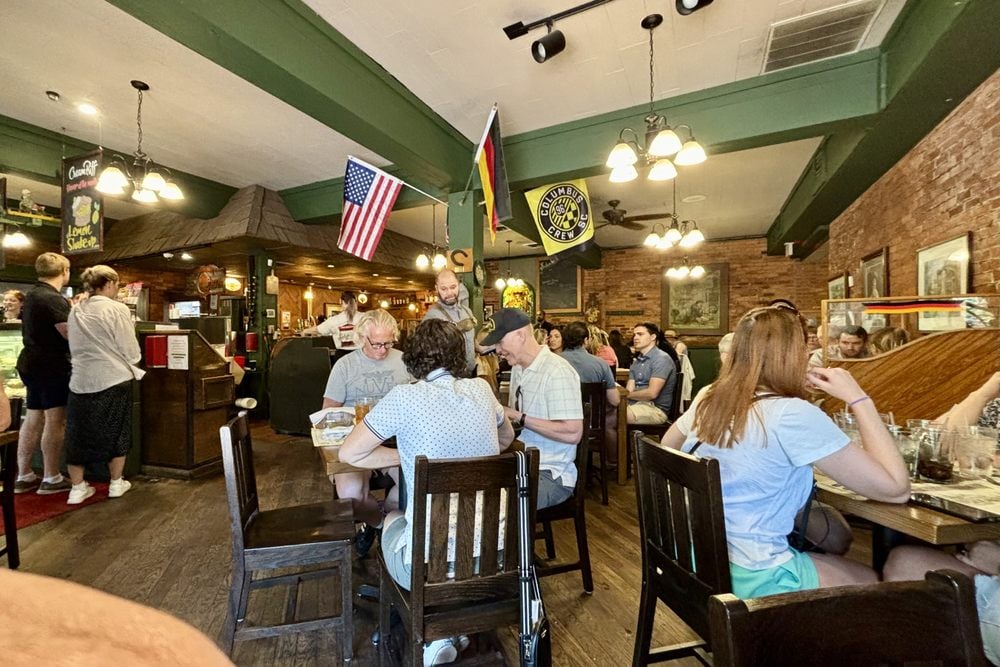
Sauerkraut might be a familiar topping for hot dogs, but turning it into a crispy, fried appetizer is a tradition that many diners outside Ohio have never experienced. Sauerkraut balls have long been associated with German-American communities in the state, combining sauerkraut with meat and other ingredients before being breaded and fried. At Schmidt’s Sausage Haus in Columbus’ historic German Village, the restaurant makes its version with bratwurst and sauerkraut, served with creamy mustard sauce. It’s a distinctly American adaptation of German culinary traditions, and one that deserves more attention than it gets.
Union Oyster House: Traditional Broiled Scrod
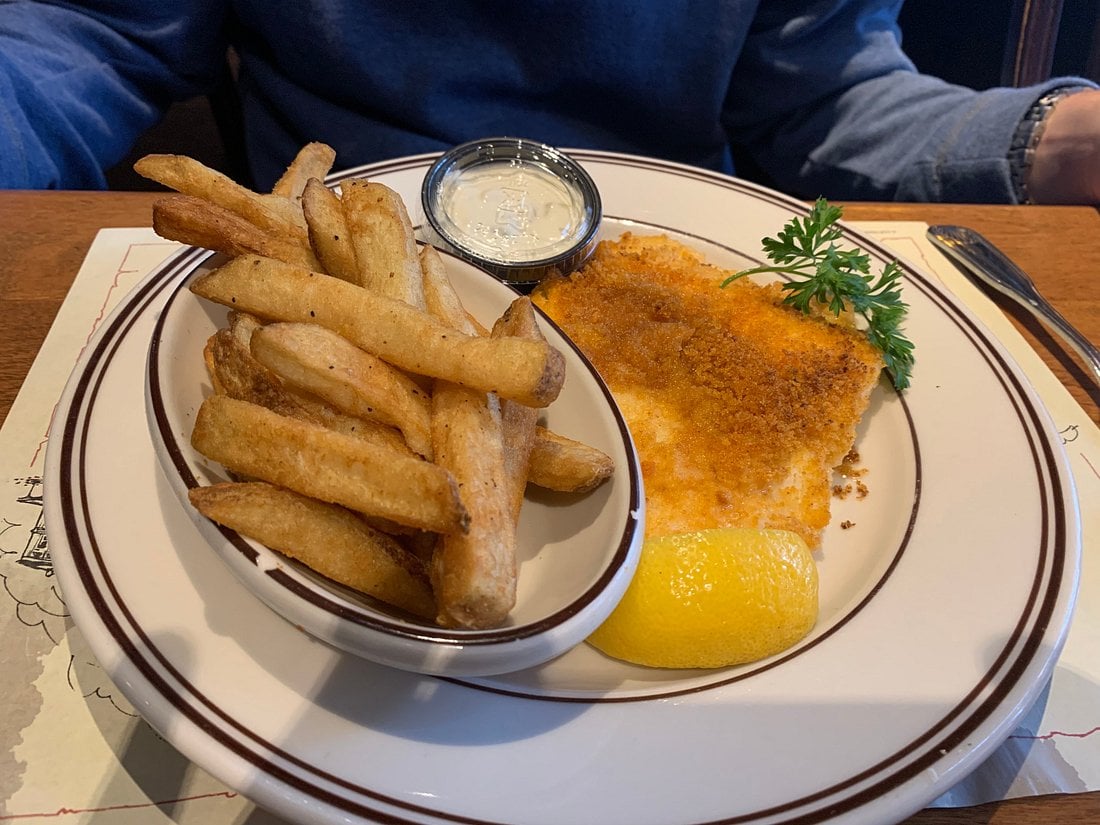
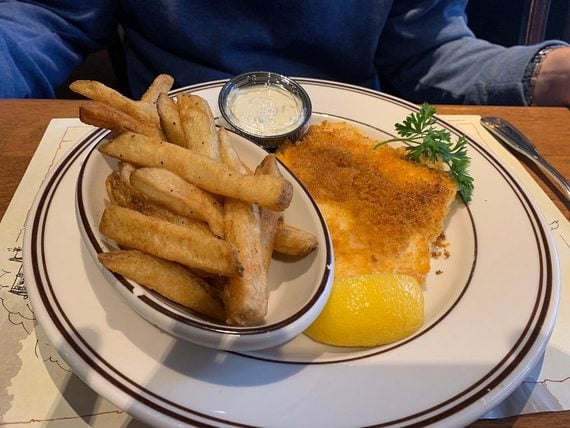
There was a time when broiled scrod was practically unavoidable on Boston seafood menus. The New England term generally refers to young cod or haddock, traditionally prepared with a simple breadcrumb topping rather than elaborate sauces. Although the dish has become less prominent, Union Oyster House still serves broiled Boston scrod alongside other old-fashioned regional favorites, including baked beans and fried oysters. The restaurant has been serving customers since 1826, making it one of the country’s most enduring dining institutions. Ordering scrod with Boston baked beans is a fitting way to experience the kind of straightforward New England cooking that generations of diners grew up eating.
America’s Food History Is Still on the Menu
America’s culinary history is a lot more varied than the menus at most national restaurant chains would suggest. From Appalachian livermush to New Orleans rice fritters, many of these dishes grew out of immigrant traditions, regional ingredients, and the simple need to make affordable food go further. They might seem unusual to outsiders today, but in their home communities, they’re an important part of local identity. And thanks to restaurants that continue preparing them, these nearly forgotten foods still have a place at the table.