If you grew up in the 1950s, ’60s, or ’70s, walking into a grocery store today can feel like stepping into an entirely different economy. A loaf of bread that once cost a few cents now sells for several dollars, filling up the gas tank can take a considerable bite out of your budget, and buying a first home has become a financial challenge for many younger Americans. Even something as simple as mailing a birthday card costs substantially more than it did decades ago.
Of course, there’s an important distinction between remembering lower prices and remembering things actually being more affordable. Inflation has changed the value of the dollar dramatically over the past half-century, and wages were considerably lower back then, too. Some purchases, like electronics and certain household goods, have actually become more affordable relative to income. Others, particularly housing and higher education, have experienced price increases that are harder to explain away with inflation alone.
Still, there’s something fascinating about looking back at what everyday purchases used to cost. From grocery staples to college tuition and movie tickets, here are 12 things Boomers remember being cheaper and how their prices compare in 2026.
A Loaf of White Bread
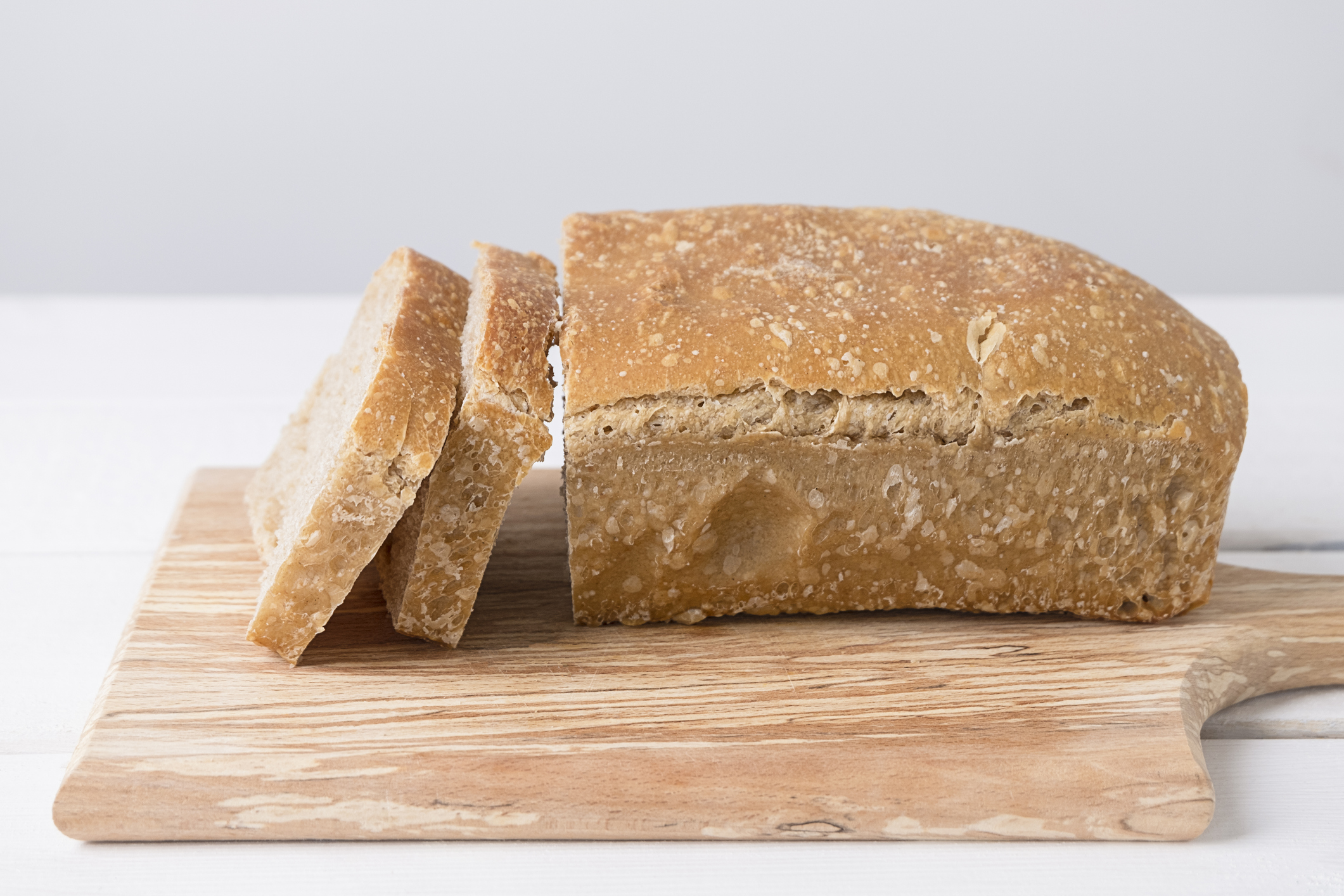
Remember when you could walk into the grocery store and pick up a loaf of bread for less than 50 cents? In 1975, the average price of white bread was approximately 36 cents per pound, according to historical data from the Bureau of Labor Statistics (BLS). For families packing school lunches, making sandwiches, or serving toast with breakfast, bread was an everyday staple that didn’t require much thought at checkout.
Fast-forward to 2026, and a regular loaf of supermarket bread generally costs several dollars, depending on the brand, size, and location. Specialty varieties, including artisan sourdough and organic whole-grain bread, can cost considerably more. Of course, comparing prices isn’t quite as straightforward as it seems: Historical figures often measured bread by the pound rather than by the loaf, and modern loaves come in different sizes. Still, it’s hard not to do a double take when remembering what a few coins could buy.
A Gallon of Milk
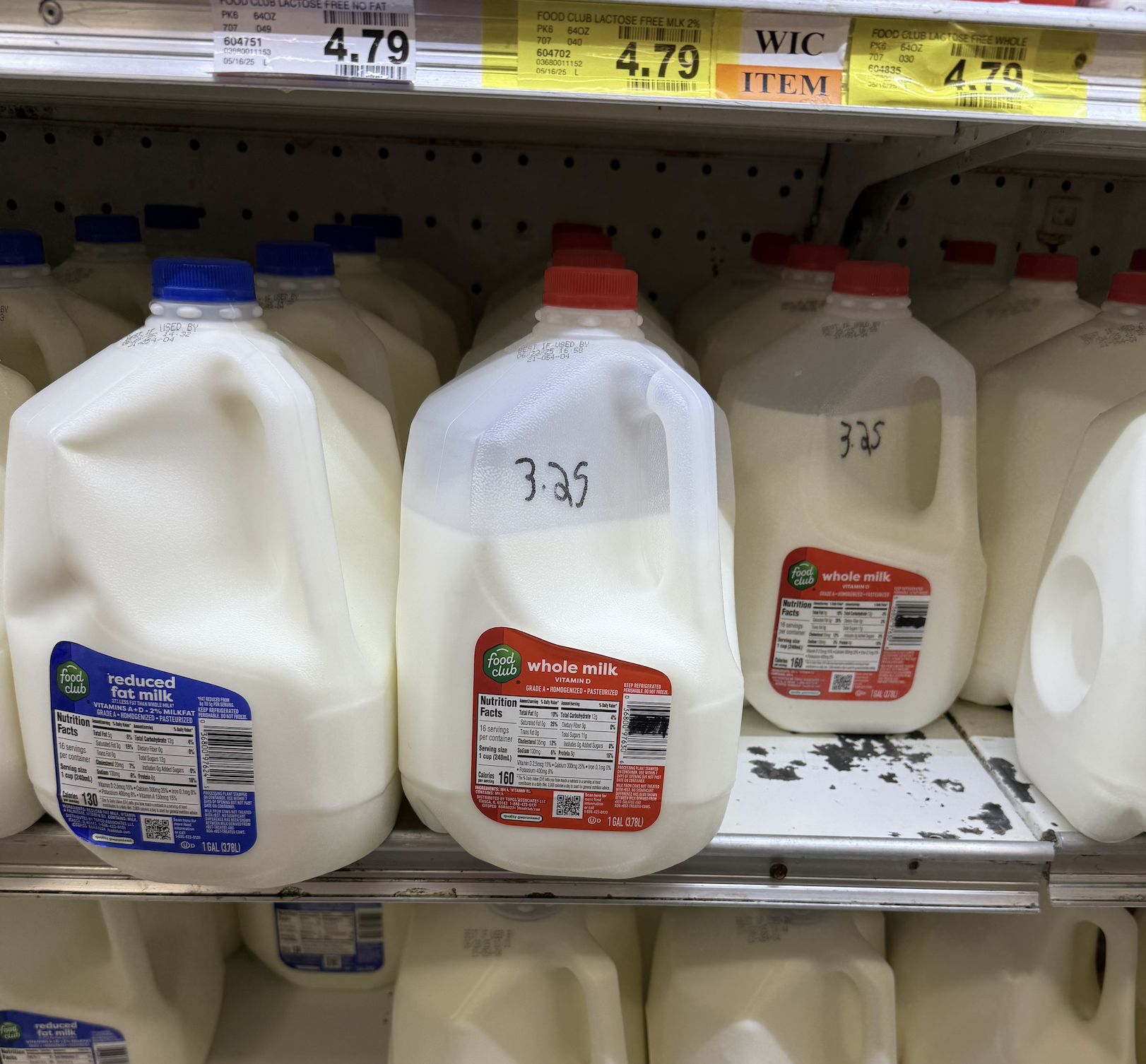
For many Boomers, milk was one of those household essentials that always seemed to be in the refrigerator. Whether it was poured over breakfast cereal, served with dinner, or used in homemade desserts, families went through plenty of it. In 1970, the average price of a half-gallon of milk in U.S. cities was approximately 66 cents, according to historical BLS figures. That works out to about $1.32 per gallon at the same unit price.
Today, shoppers are accustomed to paying several dollars for a gallon, with prices varying depending on where they live and what kind of milk they buy. Organic, lactose-free, and specialty varieties can cost considerably more than conventional milk. It’s worth remembering that milk prices have fluctuated over the decades, and inflation accounts for much of the difference. But for someone who remembers handing over a dollar or two for the family’s milk supply, today’s grocery receipt can still come as a surprise.
A Dozen Eggs
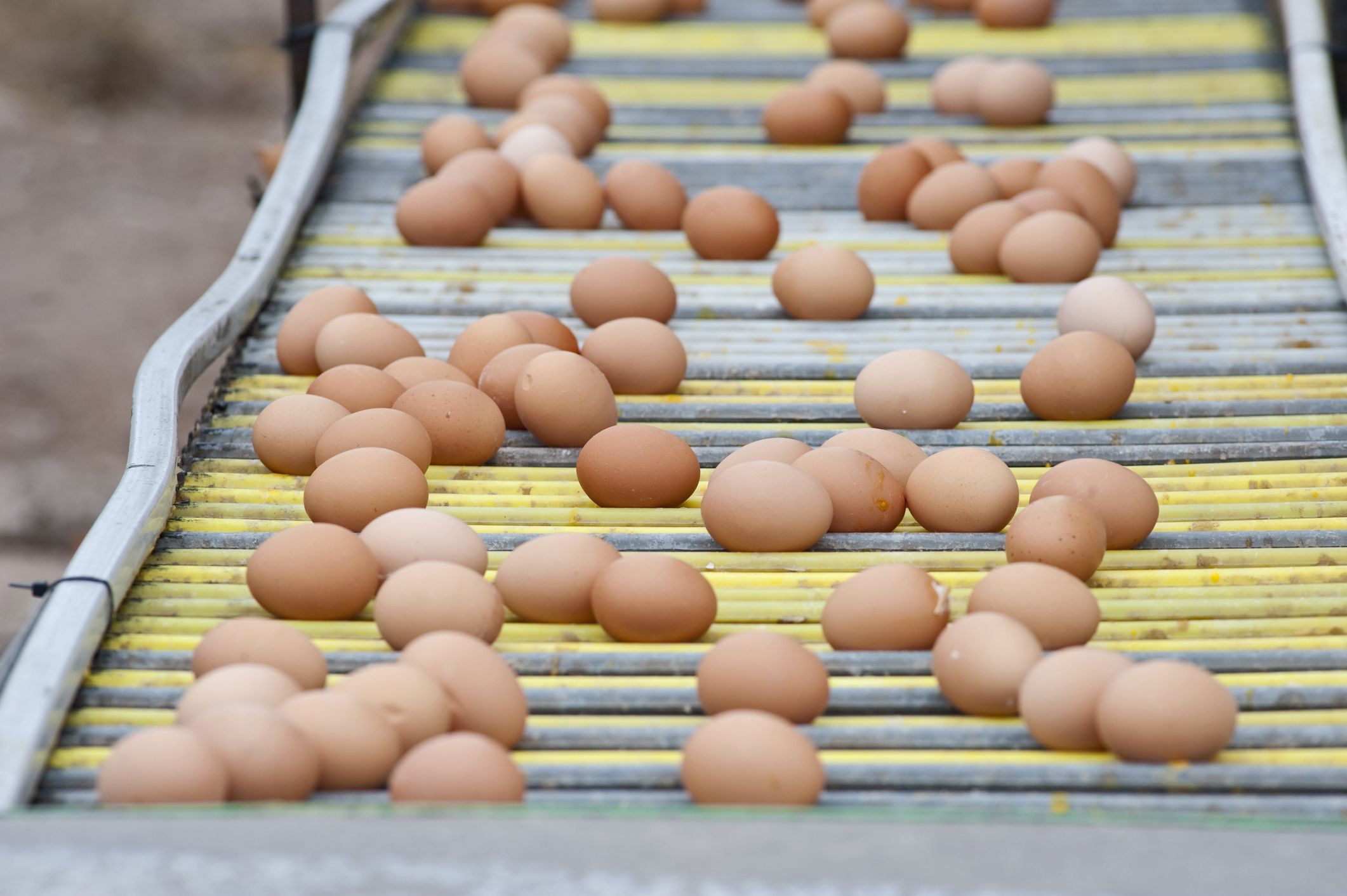
Eggs have always been one of the most versatile foods in the American kitchen. From scrambled eggs and omelets to birthday cakes and holiday cookies, a carton could go a long way. In 1970, a dozen eggs averaged approximately 61 cents, according to historical BLS data. For families trying to stretch their grocery budgets, eggs were a familiar and relatively inexpensive source of protein.
In 2026, however, egg prices remain a reminder of how quickly grocery costs can change. Unlike some food staples that experience relatively gradual price increases, eggs are particularly vulnerable to supply disruptions, including outbreaks of avian influenza that affect commercial poultry flocks. Prices can rise or fall dramatically within a matter of months, making it difficult to compare one year’s average with another. And while shoppers today can choose between conventional, cage-free, pasture-raised, and organic eggs, those options can also come with very different price tags.
A Pound of Bacon
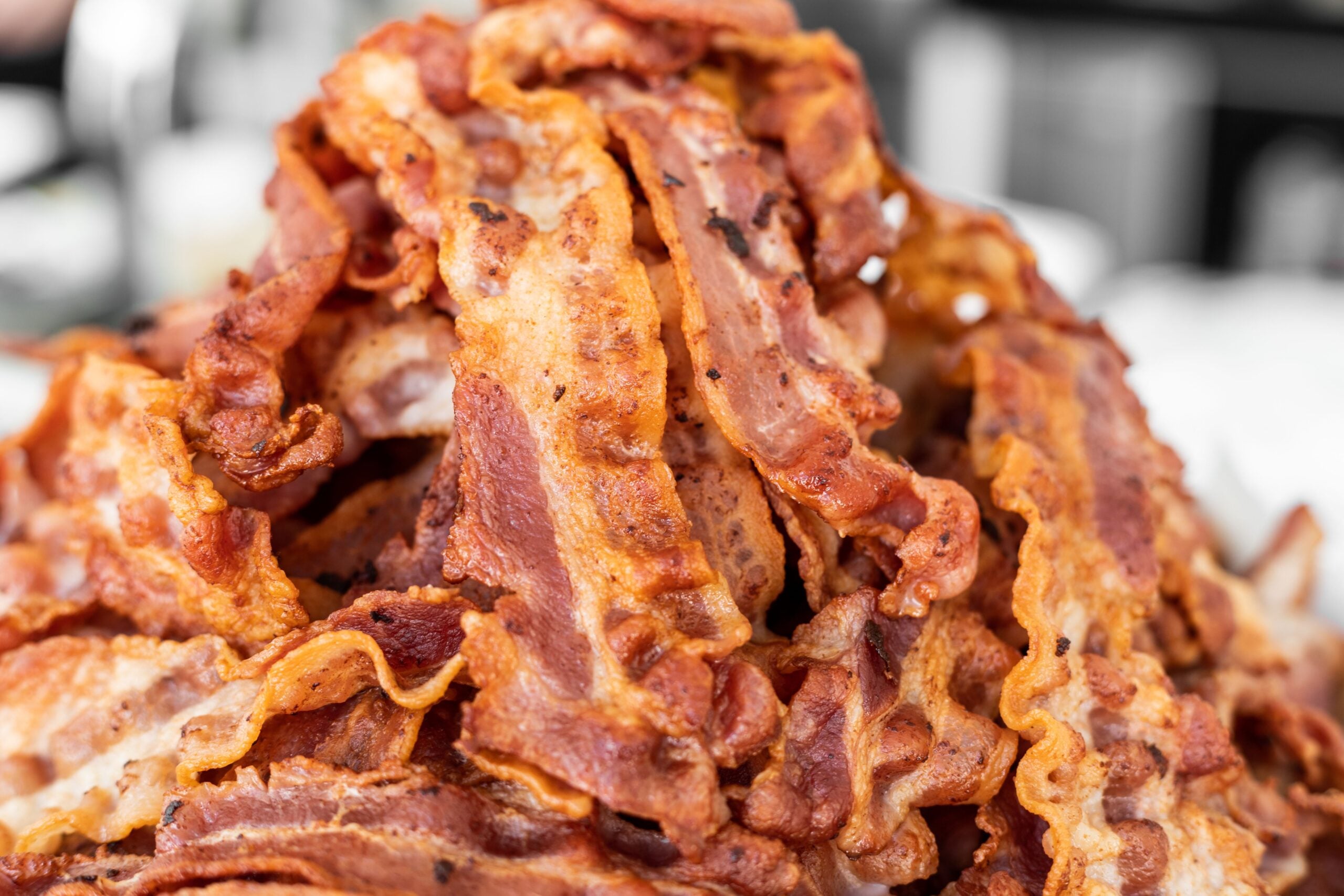
Few breakfast foods are quite as nostalgic as a skillet full of sizzling bacon. For families growing up in the 1960s and ’70s, bacon was a familiar addition to weekend breakfasts, BLT sandwiches, and homemade dinners. In 1970, the average price of bacon was approximately 95 cents per pound, according to historical BLS figures. That’s a price that might seem almost unbelievable to someone browsing the refrigerated meat section today.
Modern bacon commonly costs several dollars per package, and premium varieties can be significantly more expensive. But there’s another detail worth paying attention to: Not every package contains a full pound. Some brands sell bacon in 12-ounce packages, which can make the sticker price appear more competitive than it really is. For shoppers trying to save money, comparing the price per pound is often more useful than comparing the package price alone.
A Pound of Butter

If your family did a lot of baking when you were growing up, you probably remember seeing sticks of butter stacked in the refrigerator before Thanksgiving or Christmas. Butter was a kitchen essential for everything from homemade cookies and cakes to mashed potatoes and Sunday dinners. In 1970, the average price was approximately 87 cents per pound, according to historical BLS data.
Today, buying enough butter for a weekend of holiday baking can make a noticeable difference in your grocery bill. A standard one-pound package costs several times its 1970 sticker price, and premium European-style or organic butter can be considerably more expensive. Of course, the price difference becomes less dramatic once inflation is taken into account. Still, families who remember stocking up on butter without giving it much thought may find themselves paying closer attention to supermarket sales these days.
Trending on Cheapism

Everyday Cuts of Beef

For many American families in the 1960s and ’70s, beef was a regular feature of the dinner table. Pot roasts, meatloaf, hamburgers, and slow-cooked steaks were familiar meals, especially when parents knew how to make inexpensive cuts stretch across several servings. In 1970, round steak averaged approximately $1.30 per pound, according to historical BLS records.
In 2026, beef prices are considerably higher in nominal dollars, and even cuts that were traditionally considered economical can take a substantial bite out of the weekly grocery budget. Shoppers often look for supermarket promotions, family-size packages, or less expensive cuts to keep costs manageable. It’s important to compare similar cuts and grades rather than putting the price of a basic 1970 steak against a premium modern ribeye. But the difference in sticker prices is still enough to make plenty of Boomers nostalgic for the family dinners of their childhood.
A Tank of Gasoline

Remember pulling into a gas station and seeing prices advertised in cents rather than dollars per gallon? For Americans who started driving in the 1960s or early ’70s, filling up the family car required considerably less cash than it does today. In the early 1970s, gasoline generally cost less than 40 cents per gallon, although prices varied by location and fuel grade.
Of course, the idea that gas was always cheap during the Boomer generation’s younger years isn’t entirely accurate. The oil crises of 1973 and 1979 brought shortages, long lines at gas stations, and sharp price increases that many Americans still remember vividly. By 2026, drivers are accustomed to paying several dollars per gallon, with prices influenced by crude oil markets, regional taxes, and seasonal demand. And while today’s vehicles are generally more fuel-efficient than many older models, the cost of filling a large tank can still make drivers wince.
Public College Tuition

This is one of those comparisons that can make younger Americans genuinely envious. During the 1969–1970 academic year, average tuition and required fees at public four-year colleges were approximately $358 annually, according to historical education data compiled by the Education Data Initiative. For some students, attending a public university was possible without taking on the kind of substantial debt that has become familiar today.
By the 2026–2027 academic year, average in-state tuition and fees at public four-year institutions are estimated to be around $10,400 annually, before accounting for housing, meals, textbooks, and other expenses. That’s an enormous difference in sticker prices, and unlike many everyday consumer goods, college tuition has increased substantially even after adjusting for inflation. Financial aid, scholarships, and public funding can change what individual students actually pay, but there’s little question that the economics of attending college have changed dramatically since many Boomers were young adults.
Sign up for our newsletter
Movie Theater Tickets

For teenagers growing up in the 1960s and ’70s, going to the movies was one of the simplest ways to spend an afternoon or enjoy a date without spending a fortune. Neighborhood theaters, bargain matinees, and occasional double features made catching a movie a relatively accessible form of entertainment. In 1970, the average movie ticket cost approximately $1.55, according to historical industry figures.
Today, a regular movie ticket can easily cost more than $10, with premium formats, reclining seats, and large-screen experiences pushing prices even higher. Add popcorn, drinks, and tickets for the whole family, and an evening at the movies can quickly become an expensive outing. Of course, modern theaters offer amenities that older neighborhood cinemas didn’t, and inflation explains a significant portion of the price difference. Still, there’s something charming about remembering when a couple of dollars could buy you an afternoon at the movies.
Buying a First Home

Perhaps no financial comparison generates quite as much discussion between generations as the cost of buying a home. Many Boomers remember purchasing their first house for a price that wouldn’t come close to covering a down payment in some modern housing markets. According to U.S. Census data, the median sales price of a new home in 1970 was approximately $23,400.
By 2026, median home prices are measured in hundreds of thousands of dollars, and first-time buyers face challenges that extend well beyond the listing price. Down payments, mortgage rates, property taxes, homeowners insurance, and maintenance costs all affect affordability. Of course, buying a home wasn’t necessarily easy for previous generations, either. Mortgage rates climbed into double digits during the late 1970s and early 1980s, creating significant financial pressure for buyers. Still, in many markets, home prices have risen much faster than household incomes over the long term, making the dream of homeownership particularly difficult for younger Americans.
Monthly Apartment Rent
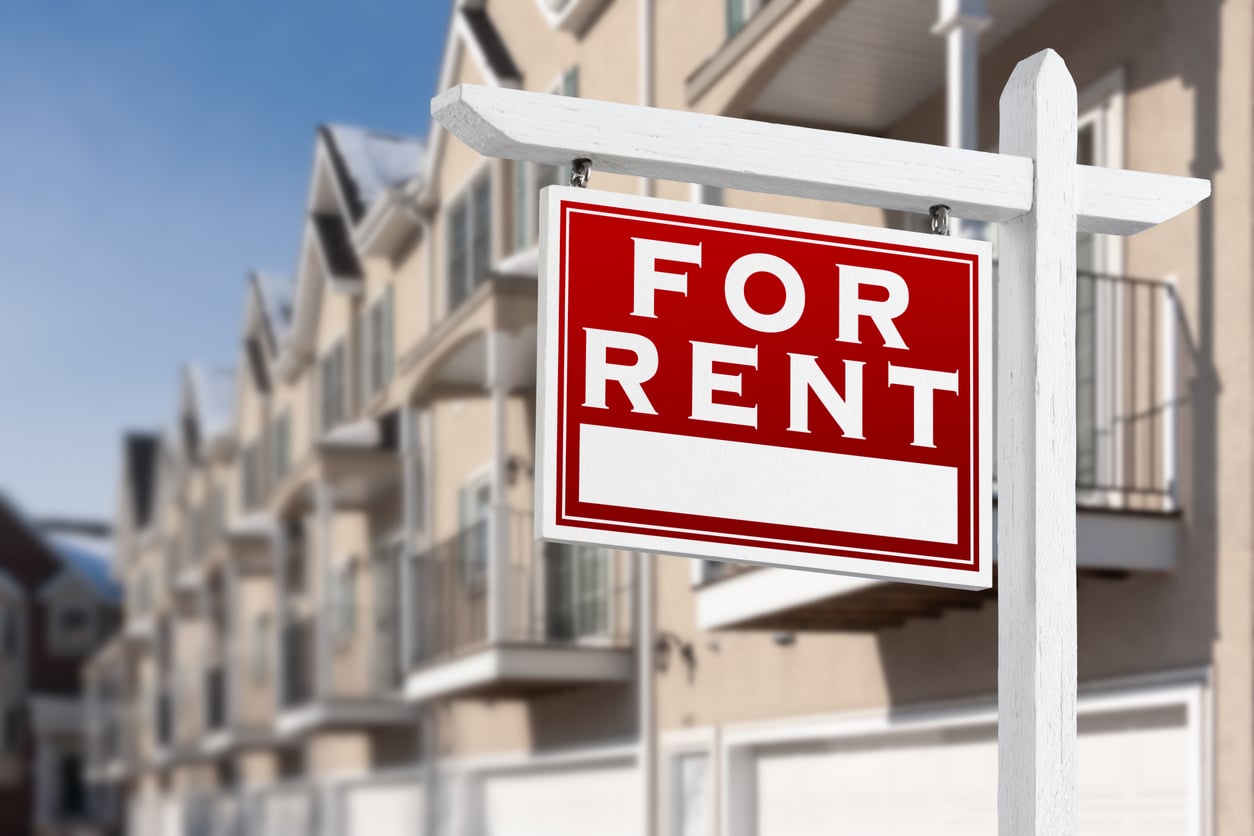
If you ask a Boomer how much they paid for their first apartment, there’s a good chance the answer will sound almost impossibly low by today’s standards. Young adults entering the workforce in the 1960s and ’70s might remember splitting a modest apartment with a roommate or renting their first place for a monthly amount that wouldn’t cover a week in some modern cities.
Of course, rental prices have always depended heavily on location, apartment size, and neighborhood. A small apartment in a rural town in 1975 isn’t directly comparable to a modern one-bedroom in Manhattan or San Francisco. But in many metropolitan areas, rent now consumes a substantial portion of household income, leaving less money available for savings, transportation, and other necessities. For younger renters trying to build an emergency fund or save for a first home, that financial pressure can be especially frustrating. And for Boomers who remember writing a much smaller rent check each month, the difference can be difficult to comprehend.
Mailing a Letter
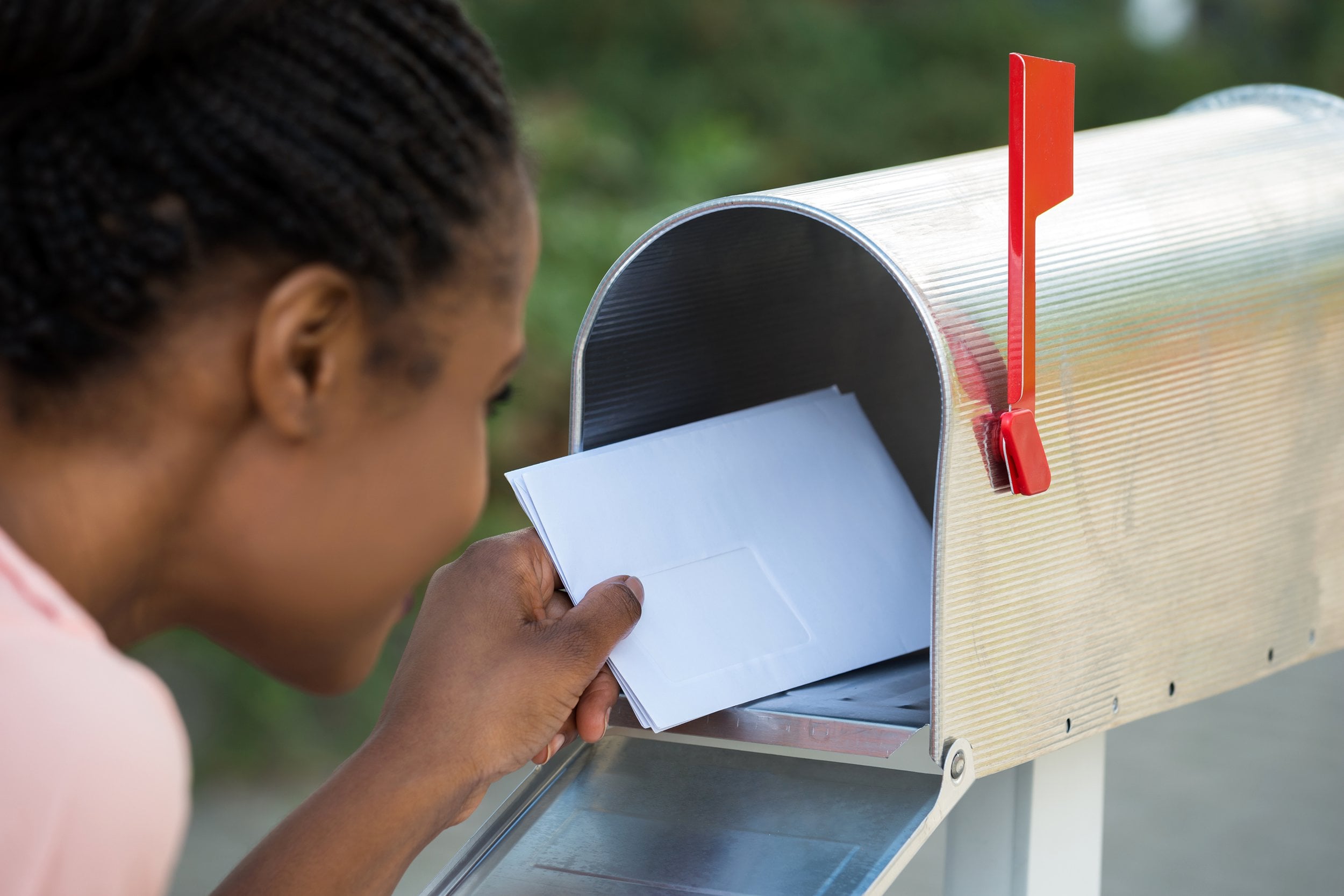
Long before text messages, emails, and social media, sending a handwritten letter was one of the most common ways to stay in touch with friends and relatives. Whether you were mailing a birthday card, writing to a pen pal, or sending Christmas greetings to the entire family, all you needed was an envelope, a stamp, and a trip to the mailbox. At the beginning of 1970, a first-class U.S. postage stamp cost just 6 cents.
By 2026, mailing a standard letter costs considerably more, and oversized cards or heavier envelopes can require additional postage. For families who still enjoy sending holiday cards, those costs can add up quickly, especially when mailing dozens of greetings every December. Of course, electronic communication has made it possible to stay in touch with people around the world for little or no additional cost. But for anyone who remembers keeping a book of stamps in a desk drawer and writing letters by hand, the rising price of postage is another reminder of how much everyday life has changed.