
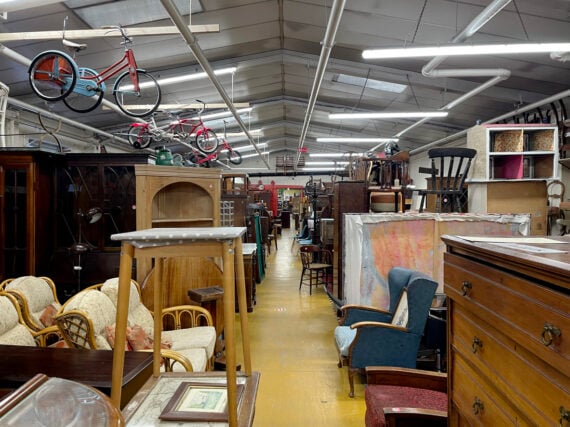
There was a time when things Boomers used until they wore out weren’t replaced simply because they looked a little worse for wear. A scuffed pair of shoes, a scratched dining table, or a refrigerator in a hopelessly outdated color could keep doing its job for years — sometimes decades.
For many Boomers growing up, repairing and reusing everyday possessions was simply part of household life. Some of that came down to economics, but there was also an expectation that plenty of things could be maintained instead of immediately replaced. Shoes went to the cobbler, clothes got patched, appliances got repaired, and hand-me-downs made their way through multiple members of the family.
Not everything made decades ago was magically indestructible, of course. The bigger difference was often how much wear people were willing to tolerate before deciding something had reached the end of its life. Here are 12 things many Boomers remember using until there was practically nothing left to save.
Leather Shoes
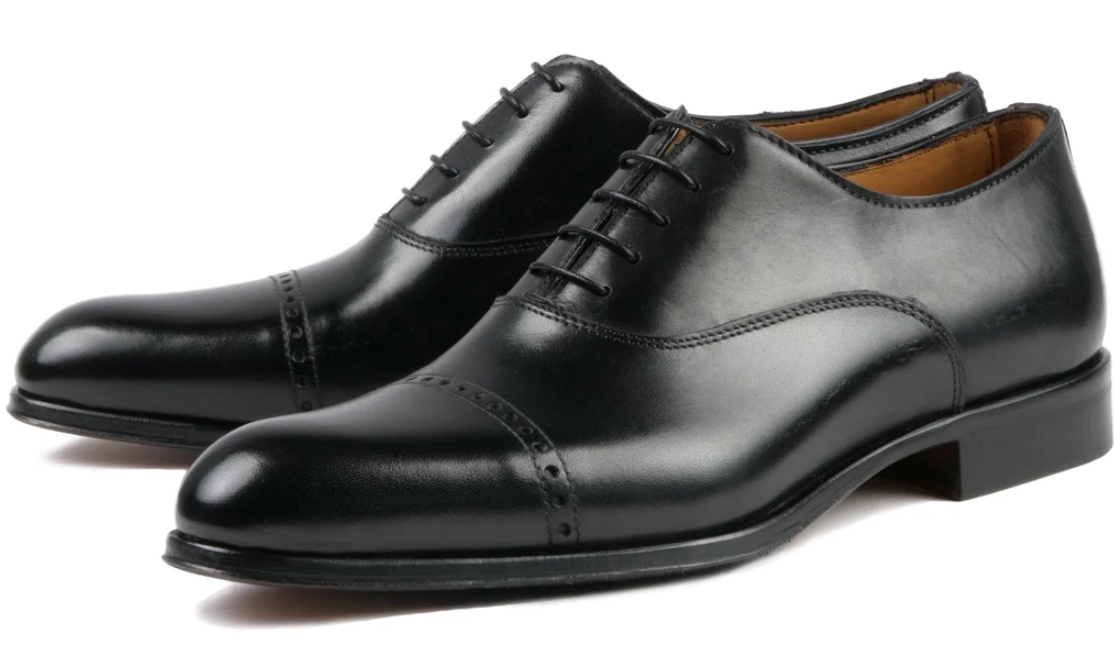
A worn-out sole didn’t necessarily mean a good pair of shoes was finished. Cobblers could replace heels, repair stitching, install new soles, and give battered leather footwear another lease on life. At home, there was often more maintenance waiting: tins of shoe polish, brushes, replacement laces, and plenty of buffing. A quality pair of dress shoes might survive years of regular wear and multiple trips to the neighborhood shoe-repair shop before the leather itself finally gave up.
Bath Towels
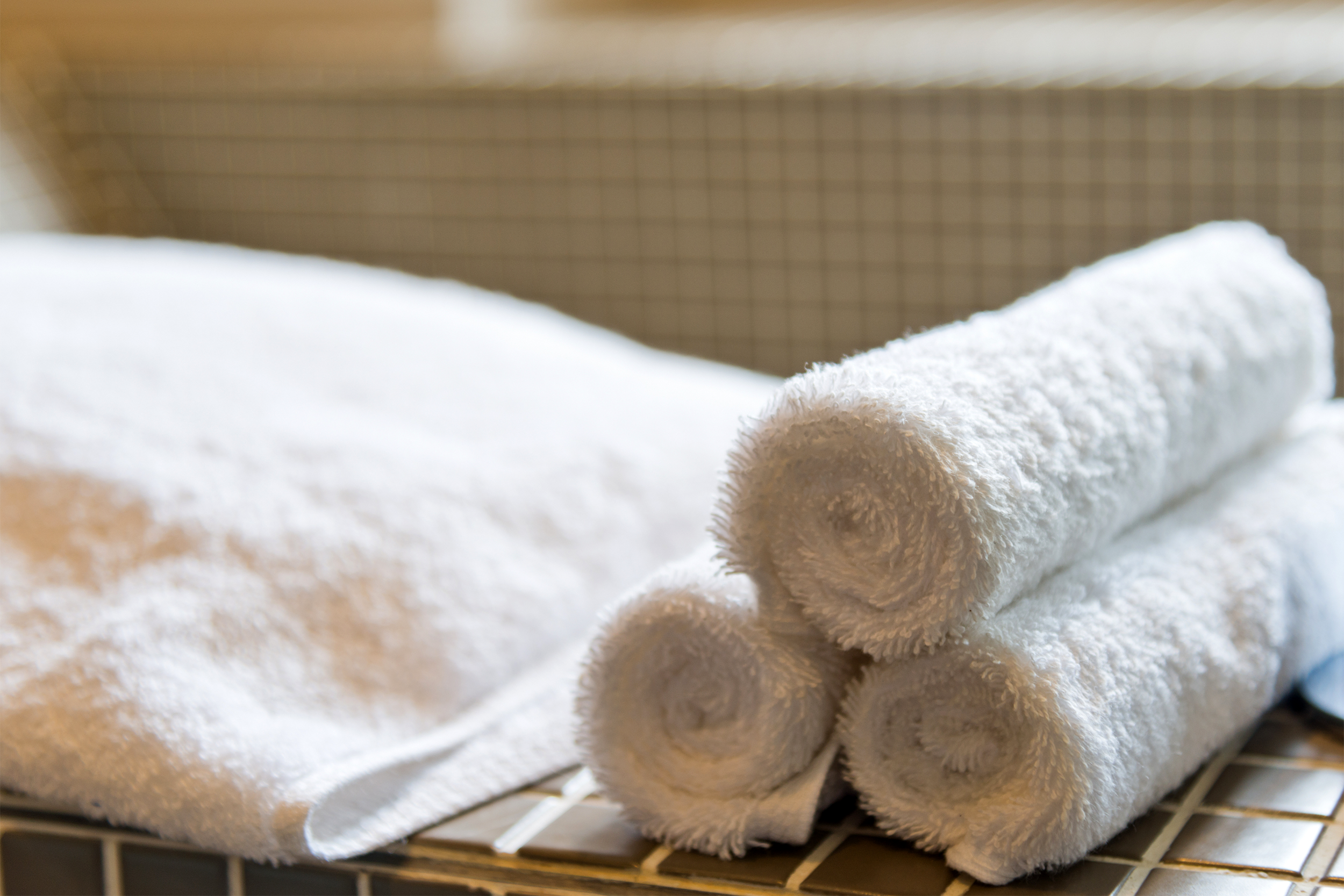
Today’s faded bath towel could become tomorrow’s beach towel, next year’s dog towel, and eventually the rag used to clean up something nobody wanted touching a decent cloth. Towels had an entire unofficial retirement plan. Fraying edges, bleach stains, and colors that no longer matched the bathroom weren’t necessarily enough to get one thrown away. Many households simply kept downgrading old towels to dirtier jobs until they were practically falling apart.
Family Cars

A paid-off car didn’t need to look pretty as long as it still started in the morning. Families kept familiar vehicles going with oil changes, new tires, batteries, belts, mufflers, tune-ups, and whatever repair could be handled in the driveway over the weekend. The station wagon that once hauled the whole family on vacation might eventually become a teenager’s first car, complete with faded paint and a torn bench seat. Interestingly, Americans haven’t completely abandoned the habit: The average age of U.S. light vehicles reached a record 12.8 years in 2025.
Jeans
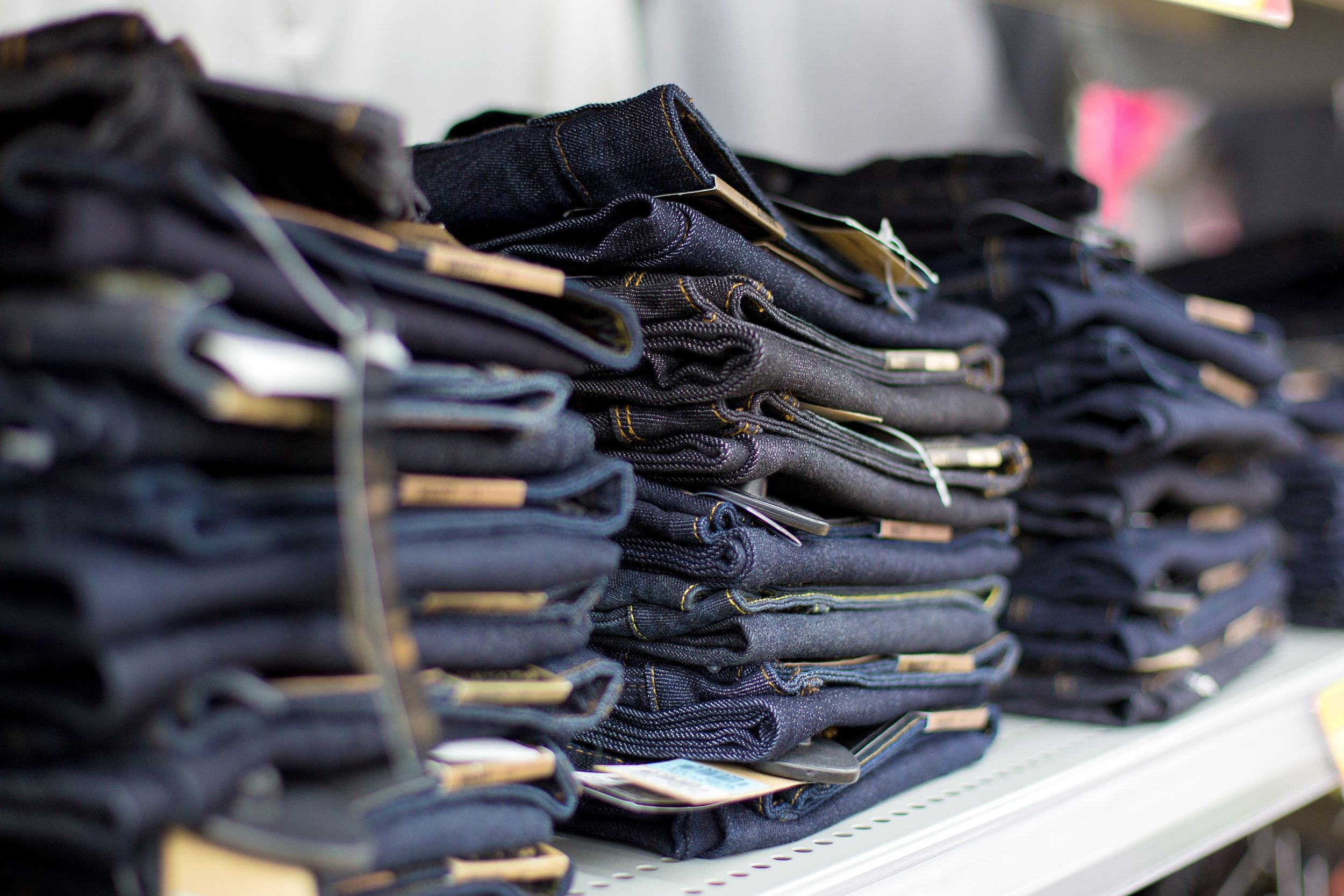
A hole in the knee was a problem for the sewing kit, not necessarily an excuse to buy another pair of jeans. Worn denim could be patched — sometimes with repairs that were anything but subtle — passed down to a younger sibling, turned into cutoff shorts, or relegated to yard work. By the time a pair finally reached the trash, it might have gone through several stages of usefulness. Iron-on patches may not have fooled anyone, but they could squeeze a little more life out of a favorite pair.
Refrigerators

A refrigerator was a major household purchase, and when something stopped working, calling a repair technician could make more sense than immediately shopping for a replacement. That meant the same fridge might remain in a kitchen long enough for its once-fashionable finish to become spectacularly dated. Plenty of Boomers remember avocado green, harvest gold, or other unmistakably retro appliances stubbornly surviving into a new decorating era. Keeping an ancient refrigerator running isn’t always a bargain today, though, since newer ENERGY STAR models can be considerably more energy efficient.
Trending on Cheapism

Pencils
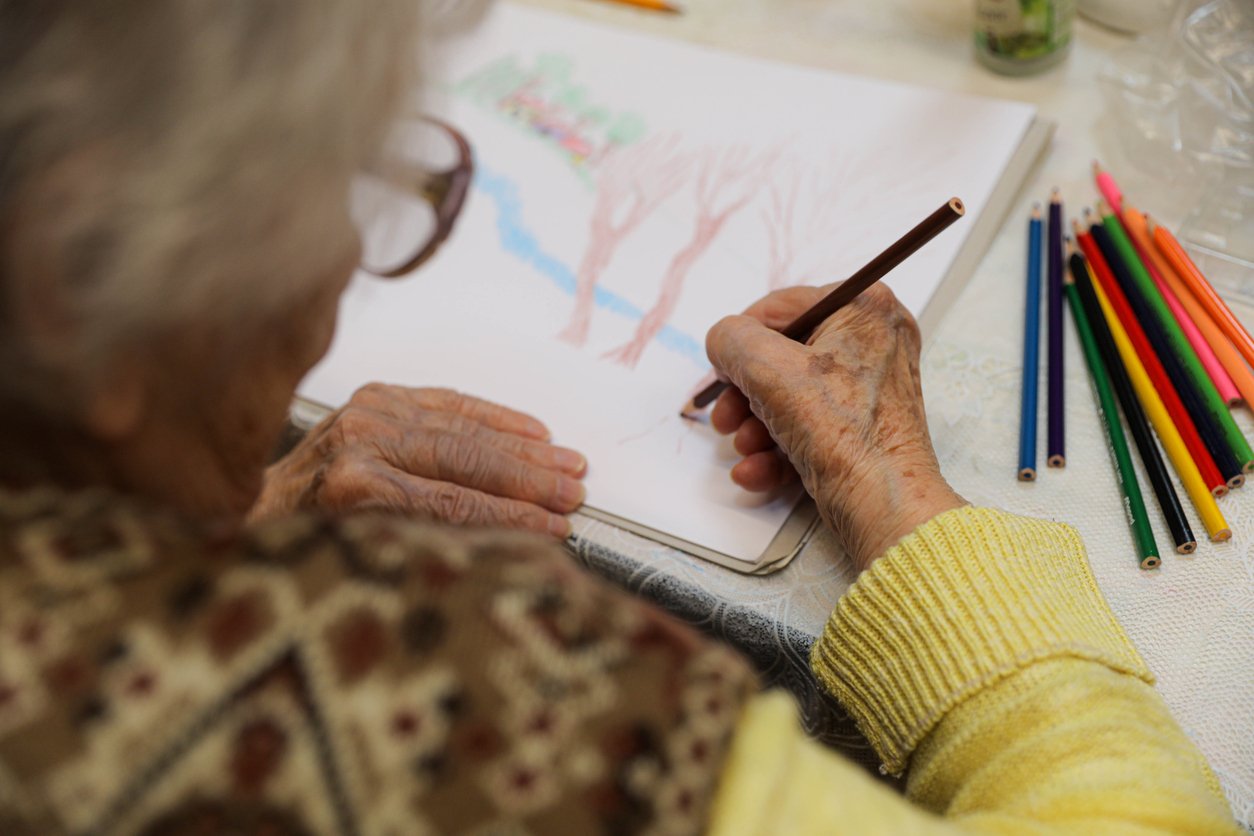
Few objects demonstrate “use it until it’s gone” quite as literally as a wooden pencil. A brand-new pencil could begin the school year at full length and gradually shrink through homework assignments, spelling tests, and trips to the wall-mounted classroom sharpener until it became an awkward little stub. As long as there was enough pencil left to hold — and enough eraser left to fix a mistake — there wasn’t much reason to retire it.
Kitchen Pots and Pans
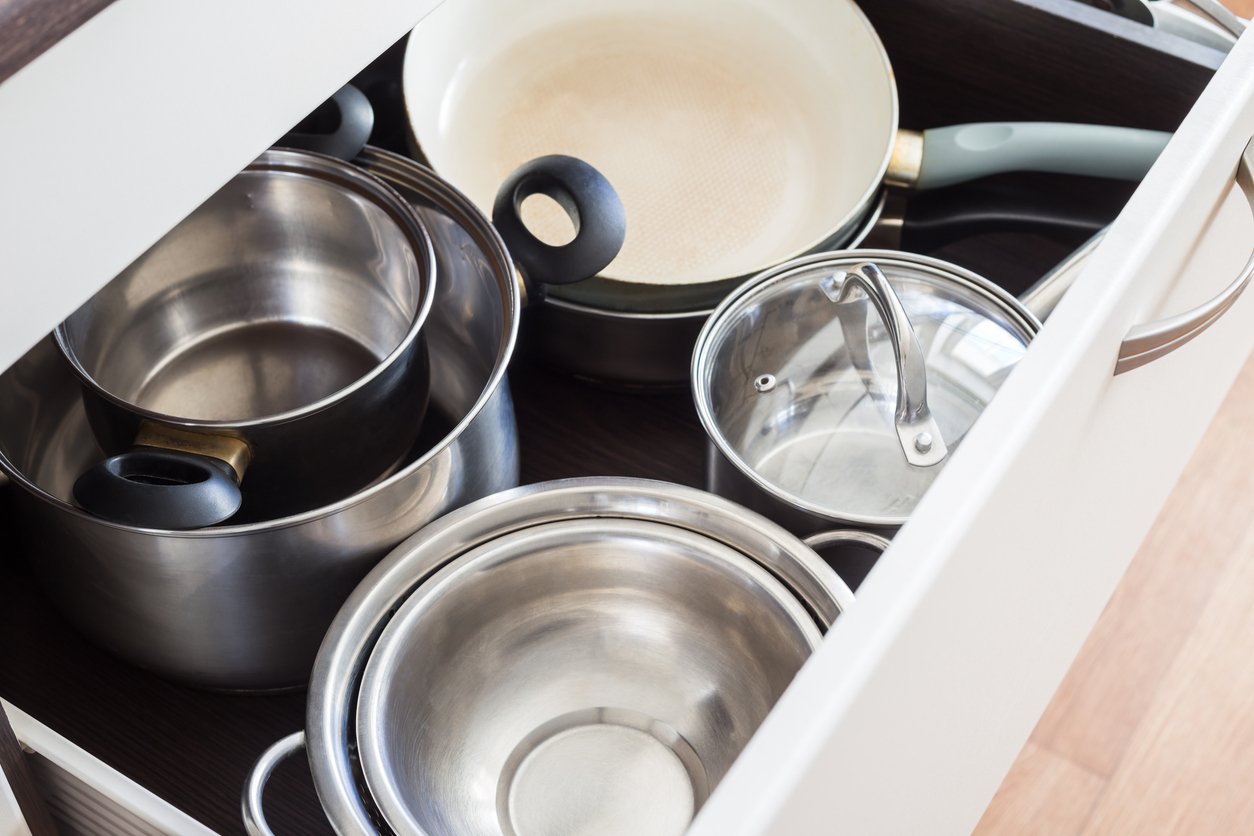
Cookware didn’t have to stay shiny to stay in the kitchen. Scratches, discoloration, baked-on marks, and the occasional dent could simply become part of a pan’s appearance after years of family dinners. Cast-iron cookware was especially suited to this mentality because a neglected skillet could often be cleaned, reseasoned, and put right back to work. Some pans lasted long enough to pass from one generation to another, looking decidedly less than new but still perfectly capable of frying breakfast.
Television Sets

When the family television started acting up, buying another one wasn’t always the first move. TVs were significant purchases, and repair shops — along with technicians who made house calls — could diagnose problems and replace individual components. For Boomers, the sight of a television repairman opening the back of the family set or hauling it off for service wasn’t unusual. The goal was to get a few more years out of the TV in the living room, not use a malfunction as an excuse for an upgrade.
Sign up for our newsletter
Bed Sheets
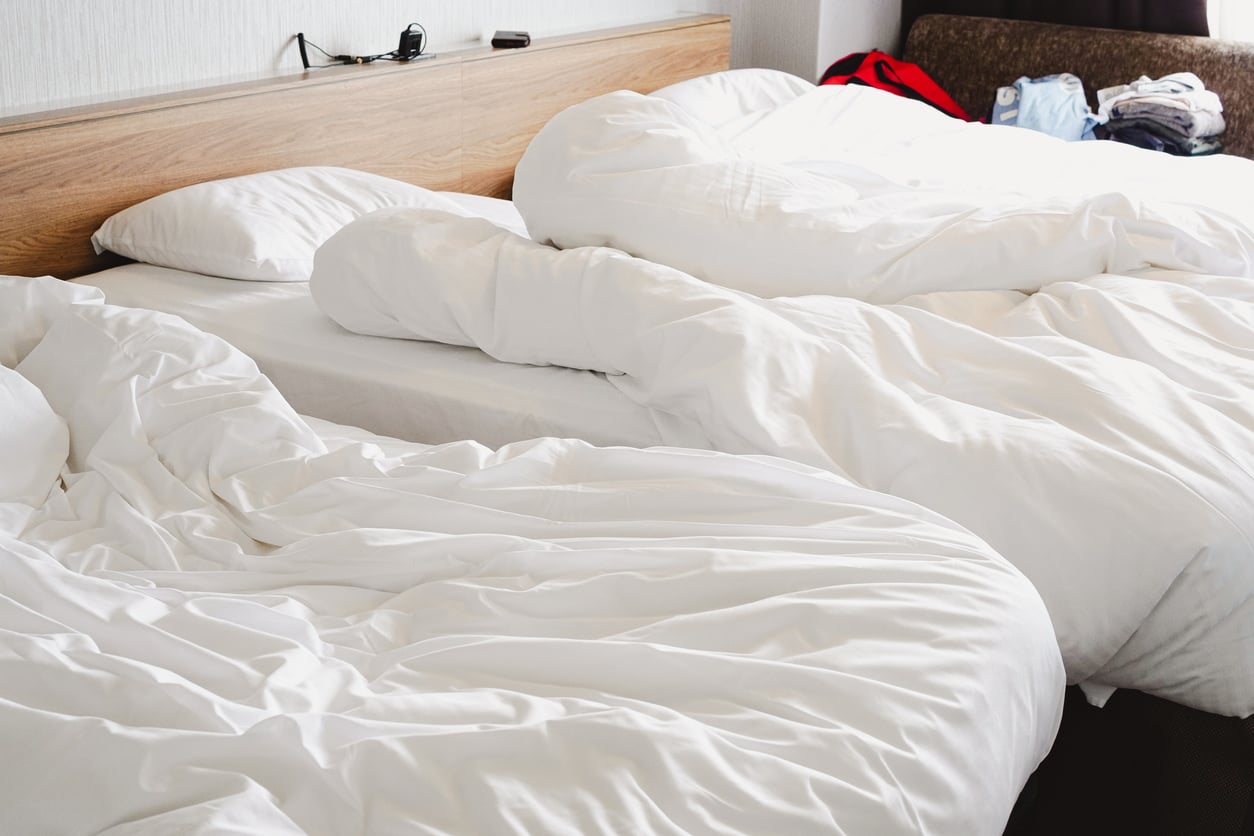
Sheets could have surprisingly long careers. A small tear might get mended, an older set could migrate from the parents’ room to a child’s bed, and fabric that was no longer presentable enough for overnight guests could still find another purpose around the house. Eventually, worn sheets might be cut into cleaning rags or saved for painting and other messy projects. The result was a linen closet where different colors, patterns, and decades could coexist without anyone worrying about achieving a perfectly coordinated bedroom aesthetic.
Lawn Mowers
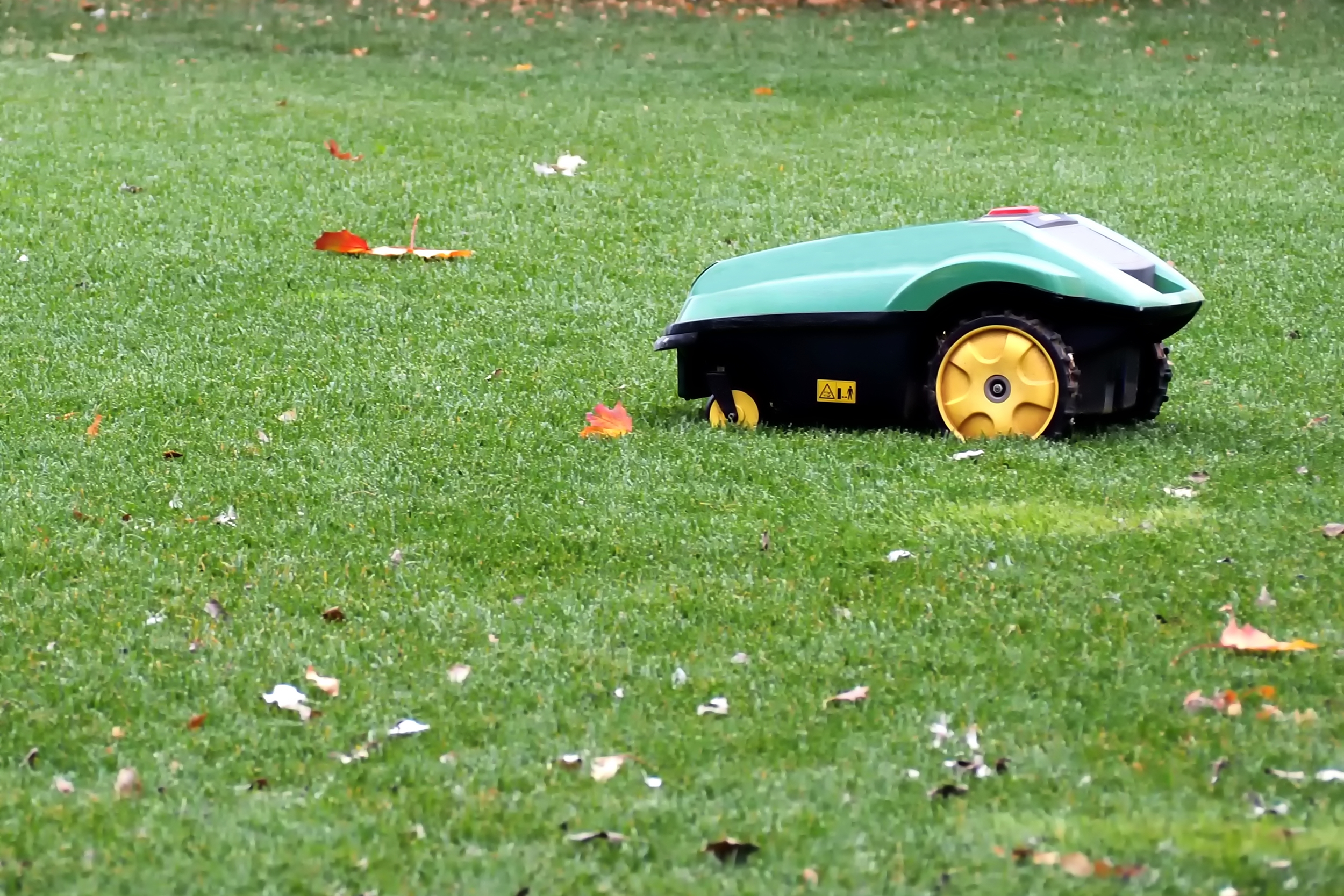
If the lawn mower refused to start on Saturday morning, the response wasn’t necessarily to wheel it to the curb. There were spark plugs to change, blades to sharpen, carburetors to clean, pull cords to replace, and plenty of troubleshooting to try first. Many Boomers can probably still hear the sound of a parent repeatedly yanking the starter cord until the engine finally coughed into action. Basic mechanical equipment lent itself to fixing the part that had failed rather than replacing the entire machine.
Furniture
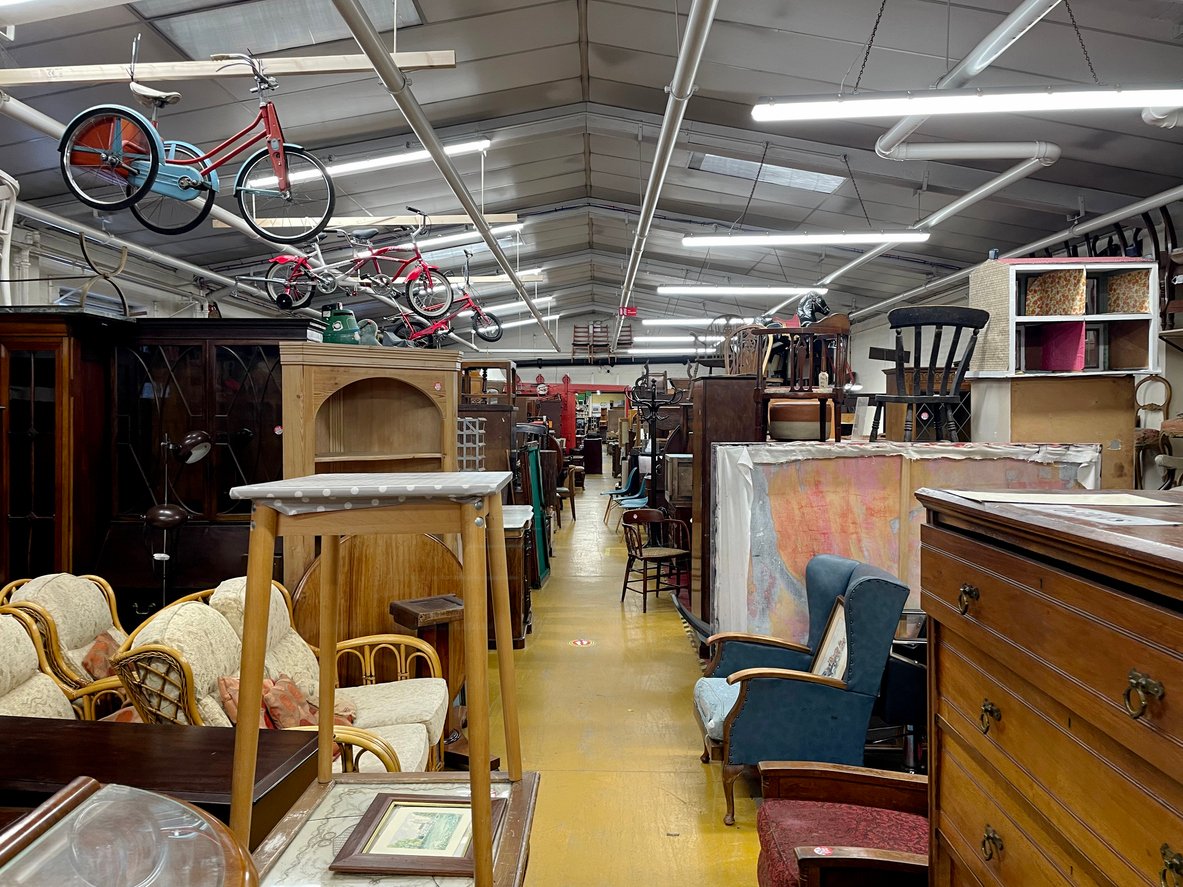
Furniture accumulated evidence of family life. Dining tables picked up scratches and stains, chairs became wobbly, and upholstery eventually showed its age, but those problems weren’t always considered fatal. Wood could be refinished, joints glued, cushions recovered, and sofas reupholstered. A dresser might start in the parents’ bedroom, move into a child’s room, and eventually get hauled into that child’s first apartment. Looking dated was one thing; being unusable was another.
Everyday Dishes and Drinking Glasses
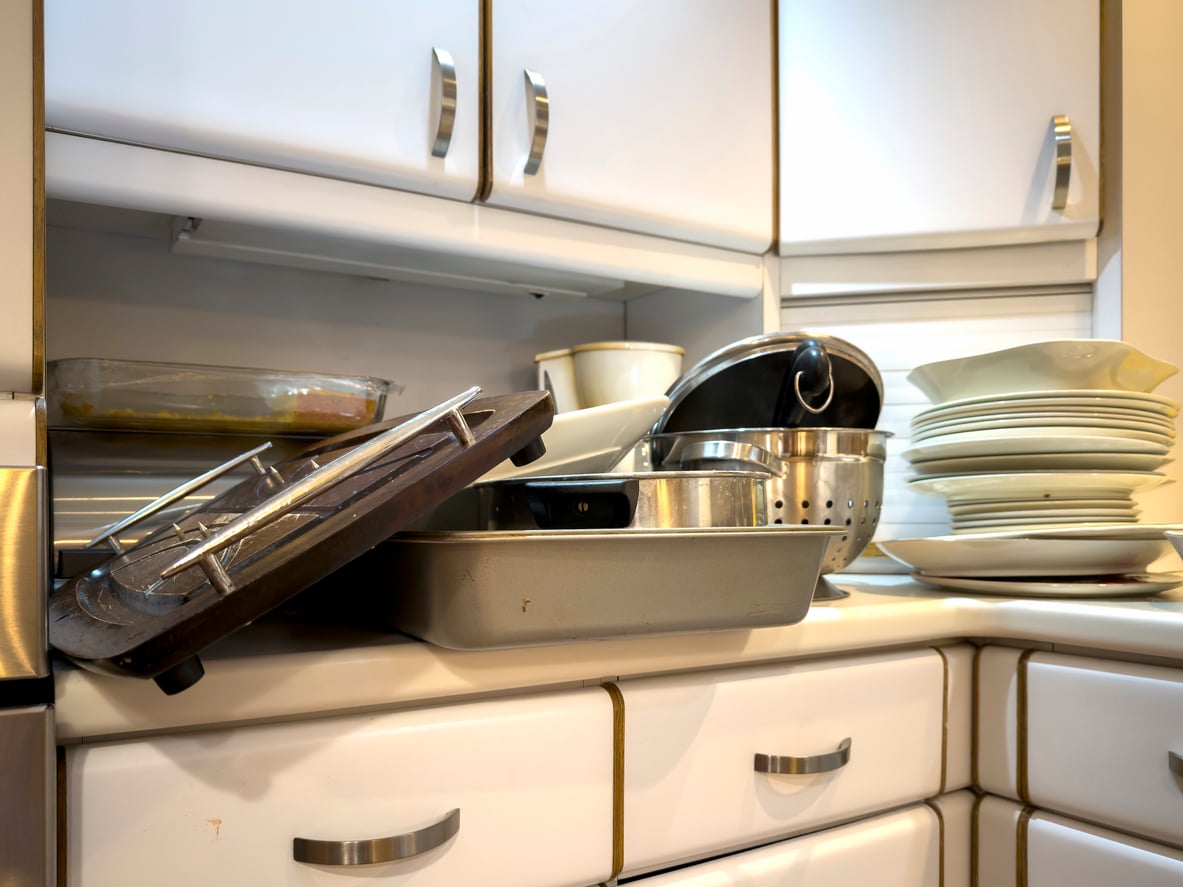
A dinnerware set didn’t stop being useful just because half of it had disappeared over the years. Broken plates could be replaced with whatever was available, inherited dishes joined newer ones, and promotional glasses or repurposed jars could wind up sharing cupboard space with the remnants of once-matching sets. Many families had that one surviving glass everyone vaguely remembered owning six of. If a plate still held dinner and a glass still held a drink, matching the rest of the kitchen wasn’t much of a requirement.
Old Didn’t Mean Useless

The biggest difference wasn’t necessarily that everything Boomers grew up with was sturdier. It was that signs of age weren’t automatically treated as signs that something needed replacing. A faded towel still dried you off. A scratched table still held dinner. Patched jeans were still jeans.
For many households, possessions were repaired, repurposed, handed down, and gradually demoted to less glamorous jobs until they truly couldn’t serve another purpose. “Old” and “useless” were two very different things — and something generally had to get pretty close to the latter before it was finally thrown away.