The dinner table in the 1950s came with its own set of rules, from keeping your elbows off the table to asking permission before leaving. In many American households, children were expected to eat whatever Mom served, finish everything on their plates, and mind their manners throughout the meal. As the Smithsonian explains, the decade also introduced convenience foods that began changing family mealtimes. From saying grace to eating Jell-O salads, these 12 traditions might bring back memories of what family dinners used to look like.
Waiting Until Everyone Was Seated Before Eating
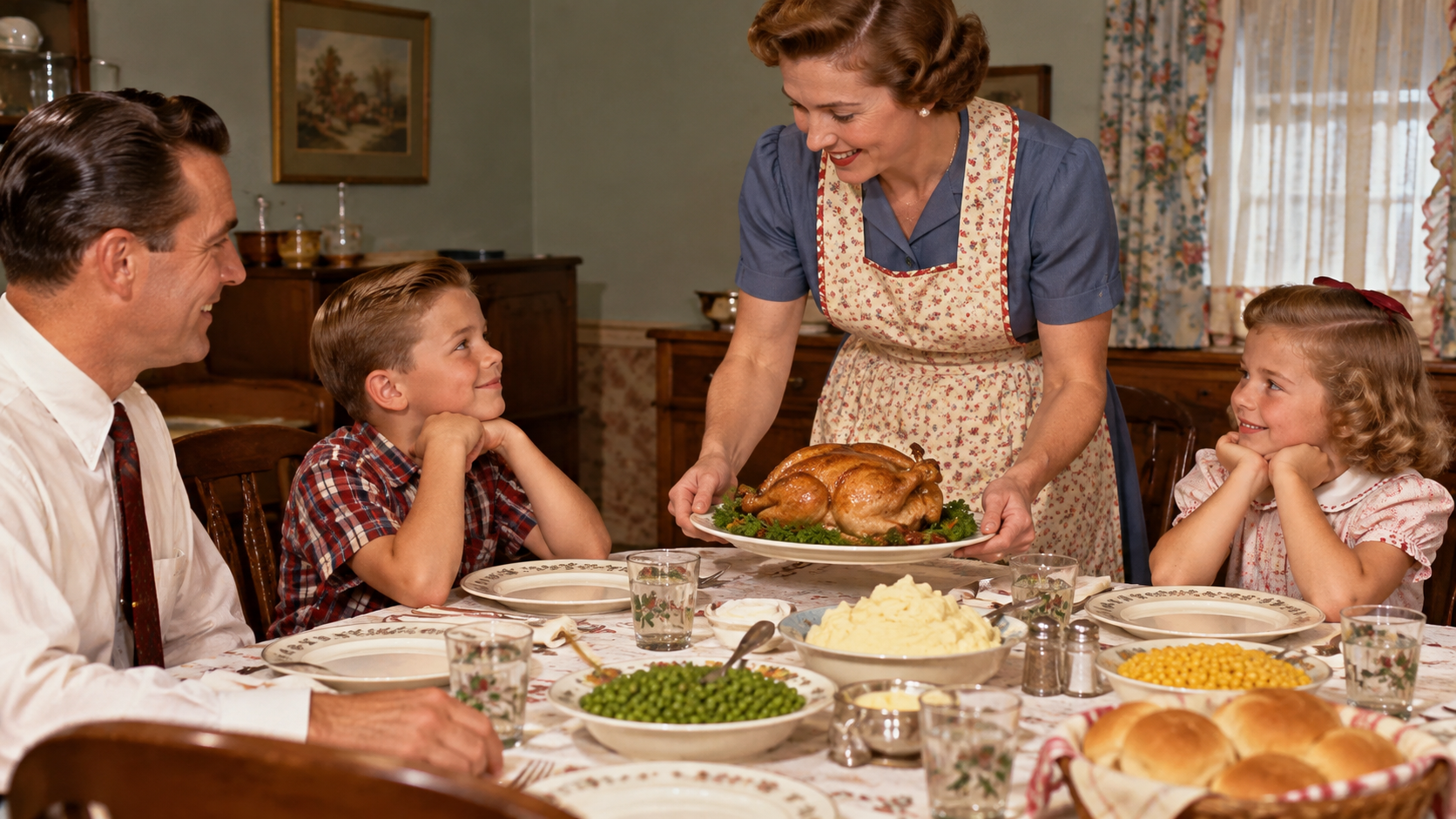
In some 1950s households, dinner didn’t officially begin until everyone was seated and ready. Children were expected to wait patiently, even if their mashed potatoes were getting cold or the smell of roast chicken was impossible to ignore. Starting before the adults could earn a quick reminder about manners. Parents might also expect children to wait until the person serving the meal had taken a seat. The idea was that dinner was something the family shared, not a race to finish first.
Saying Grace Before Every Meal
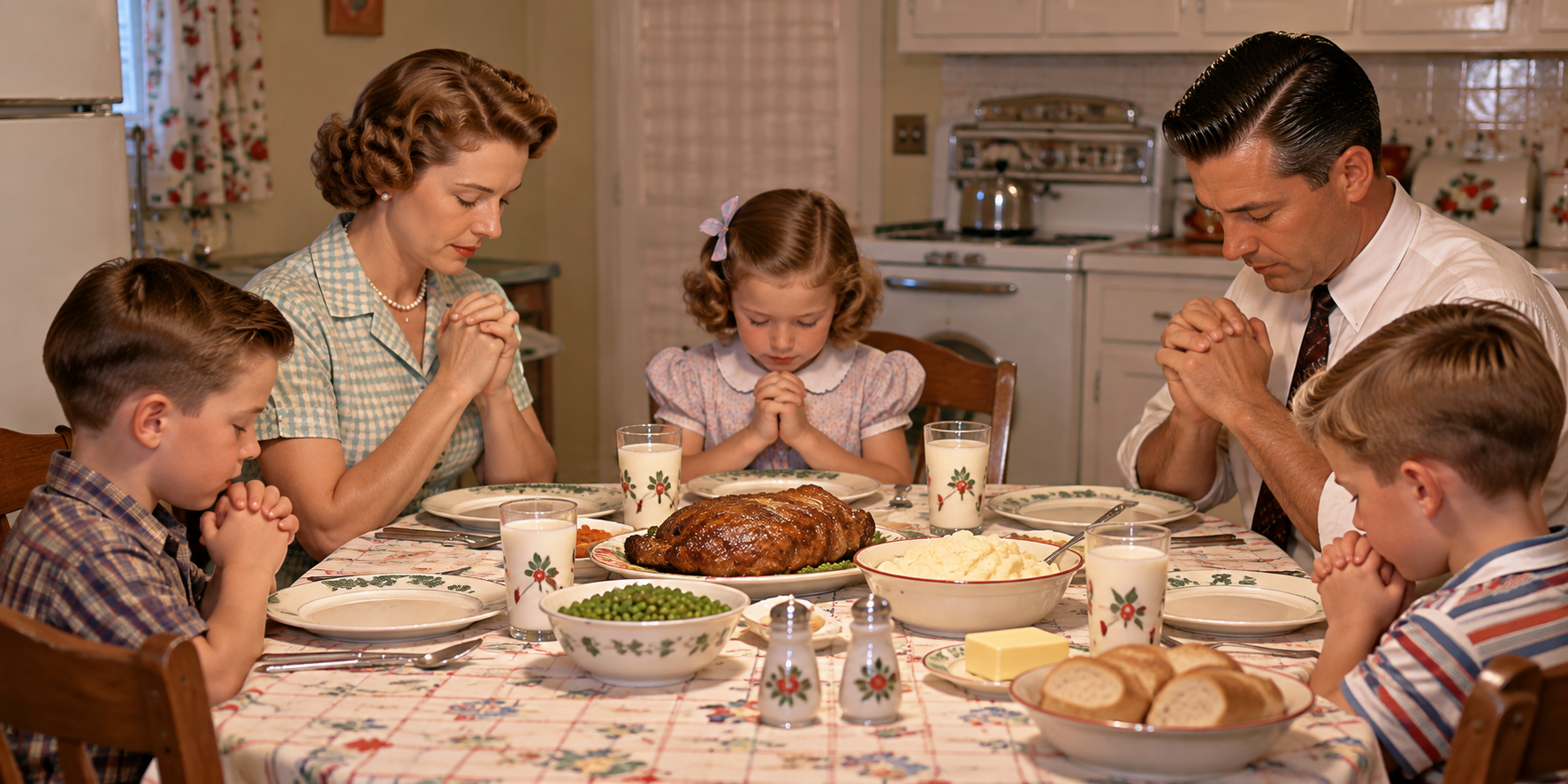
For many religious families, dinner began with a short prayer before anyone touched their food. Children might fold their hands, bow their heads, or join hands with everyone around the table. Sometimes Dad led the blessing, while other families took turns. Even the youngest children were expected to sit quietly until the prayer was finished. The tradition remains important in many households today, but for children who grew up with it, those familiar words were as much a part of dinner as the food itself.
Asking Someone to Pass the Food Instead of Reaching
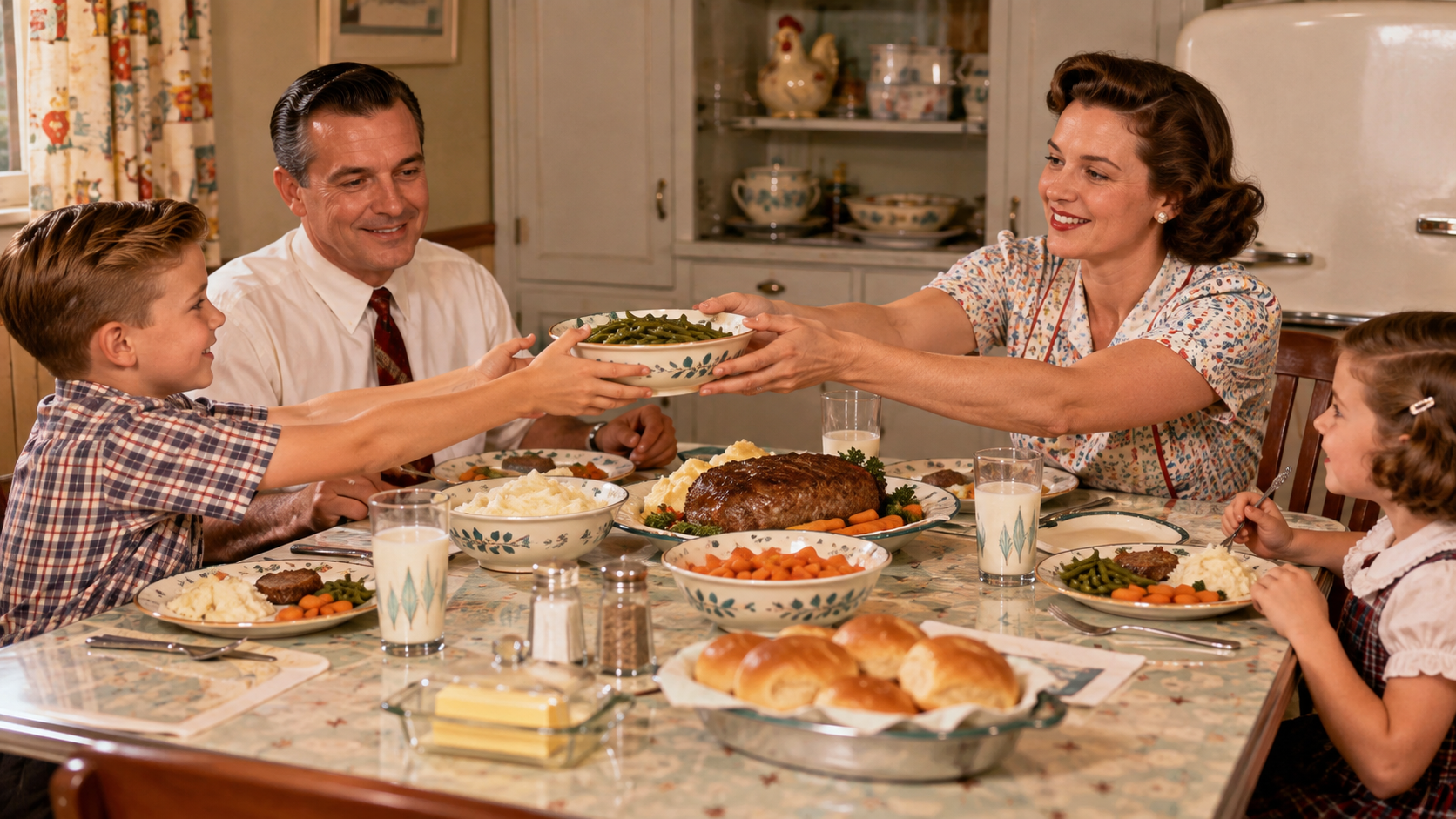
Reaching across the table for the butter or mashed potatoes could earn a child an immediate correction. Proper manners meant asking someone to pass the dish, preferably with a “please” attached. Many dinners were served family-style, with bowls of vegetables, potatoes, and other side dishes placed in the middle of the table. That made passing food a regular part of the meal. Forgetting to say thank you might bring another reminder, especially when Grandma was visiting and everyone was expected to be on their best behavior.
Eating Whatever Mom Put on the Table
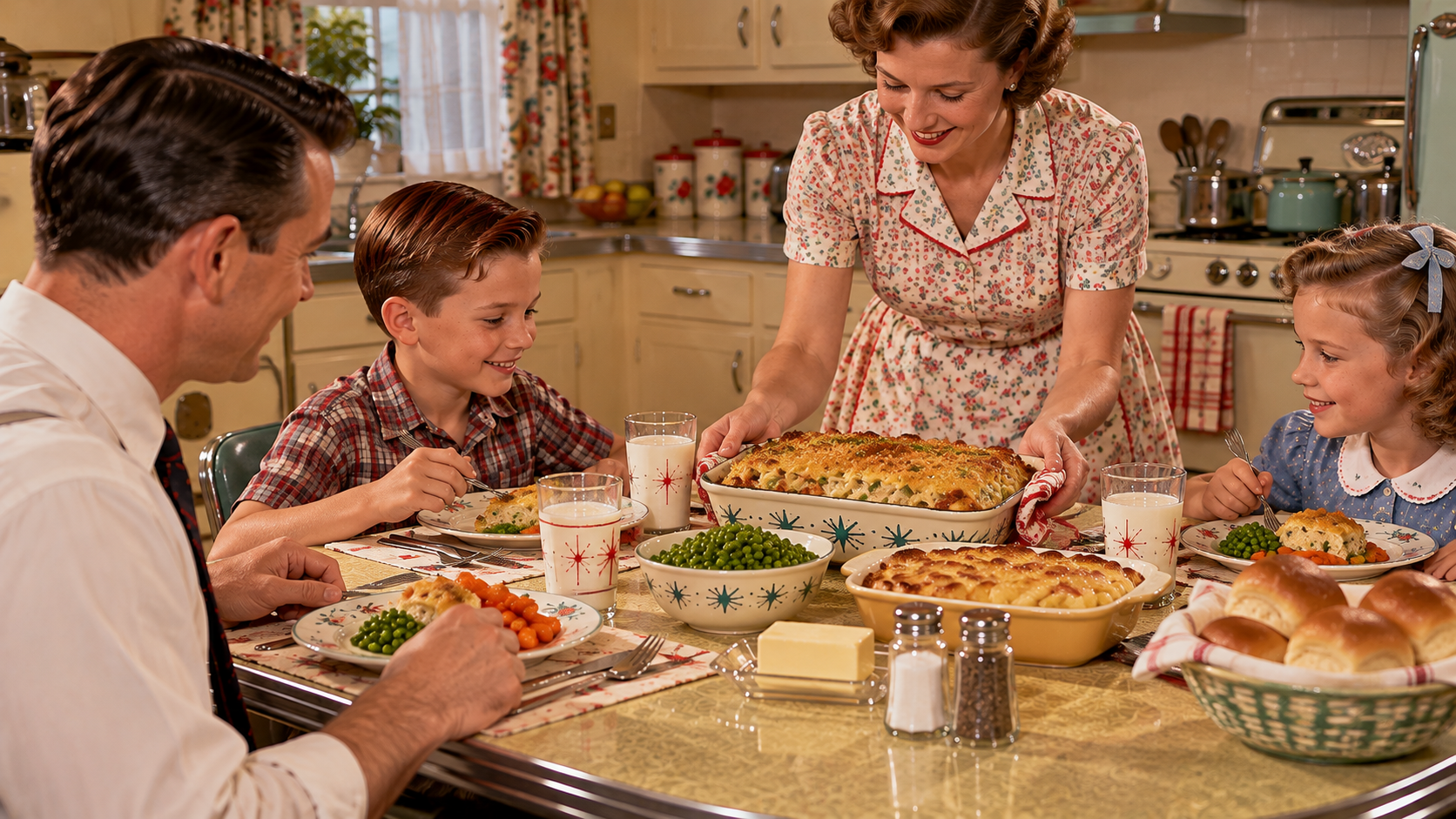
In many households, dinner meant eating whatever had been prepared, whether you liked it or not. There wasn’t necessarily a backup meal waiting for the child who refused the meatloaf or cooked spinach. With one person often responsible for preparing dinner, making several different meals wasn’t especially practical. Children might try pushing their vegetables around the plate or hiding an unwanted bite beneath the mashed potatoes. Complaining rarely helped, and some parents made it clear that the kitchen wasn’t a restaurant.
Cleaning Every Last Bite Off Your Plate
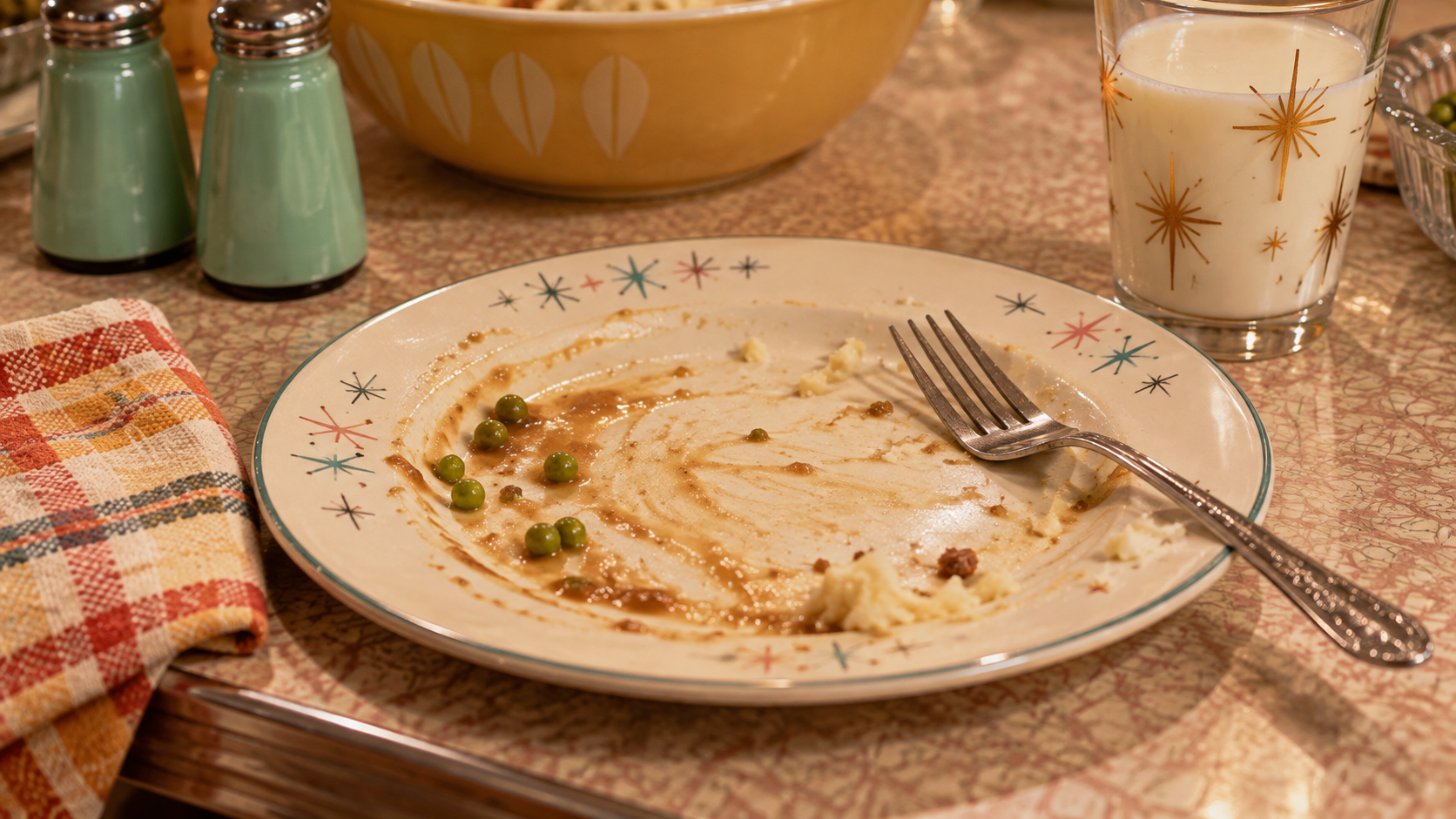
Leaving food behind could be a serious offense at some 1950s dinner tables. Parents who remembered the hardships of the Great Depression or wartime rationing often placed a high value on avoiding waste. Children might hear reminders about how fortunate they were to have a full meal. For some, that meant sitting at the table until the last few peas or Brussels sprouts disappeared. Not every family enforced the rule, but those who experienced it probably remember how long a small serving of unwanted vegetables could last.
Trending on Cheapism

Asking Permission Before Leaving the Table
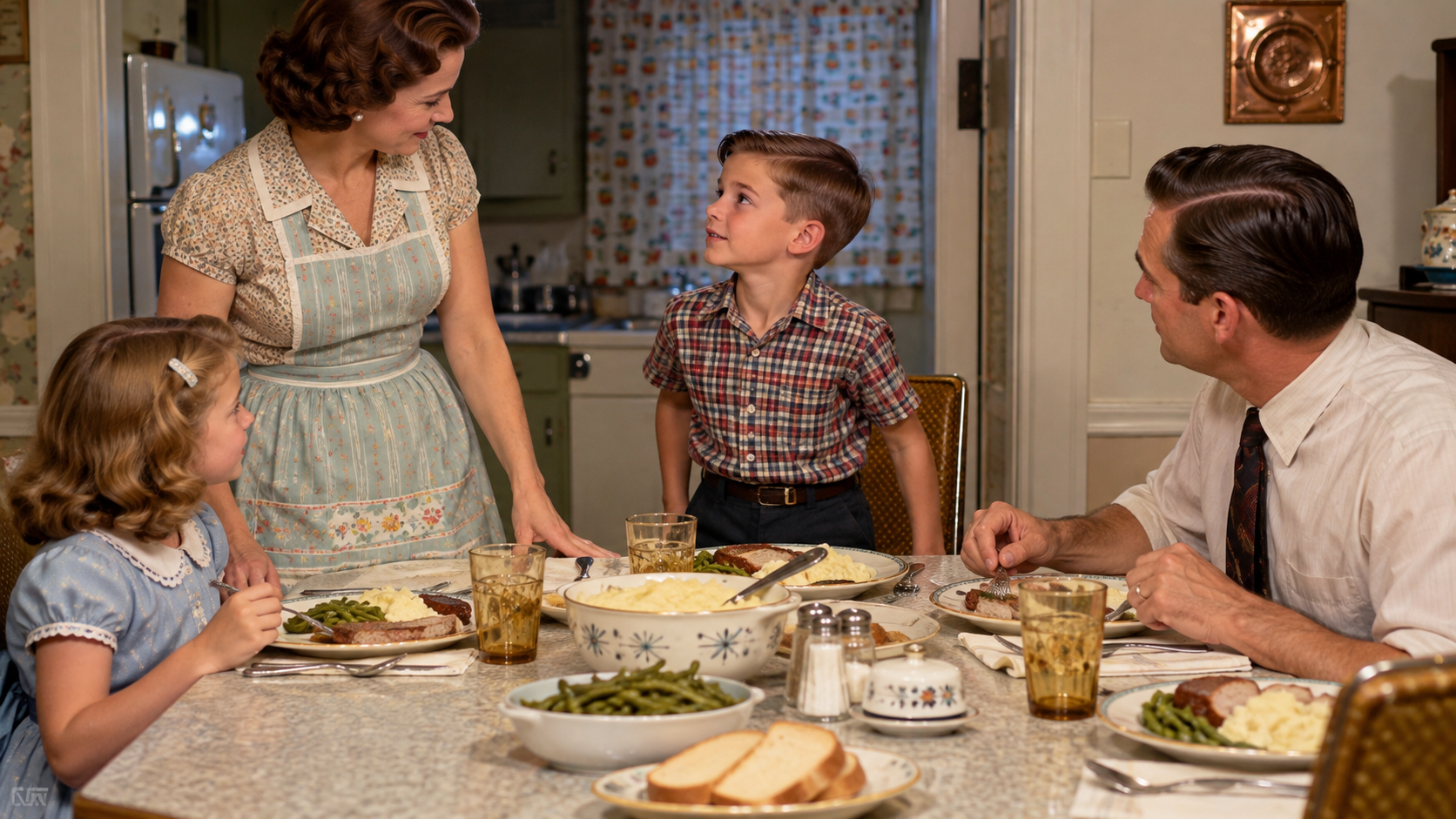
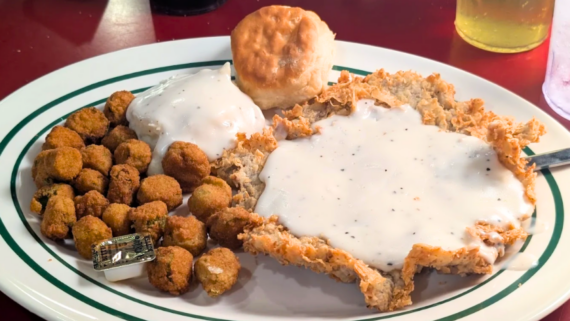
Finishing dinner didn’t always mean you were free to run outside and play. In stricter households, children were expected to remain seated until a parent gave permission to leave. Asking, “May I please be excused?” was part of the routine, especially when adults were still eating or talking. A child who jumped up without asking might be called straight back to the table. The rule could feel particularly frustrating when neighborhood friends were already waiting outside and the evening’s last bit of daylight was disappearing.
Watching Dad Carve the Roast While Mom Served Dinner
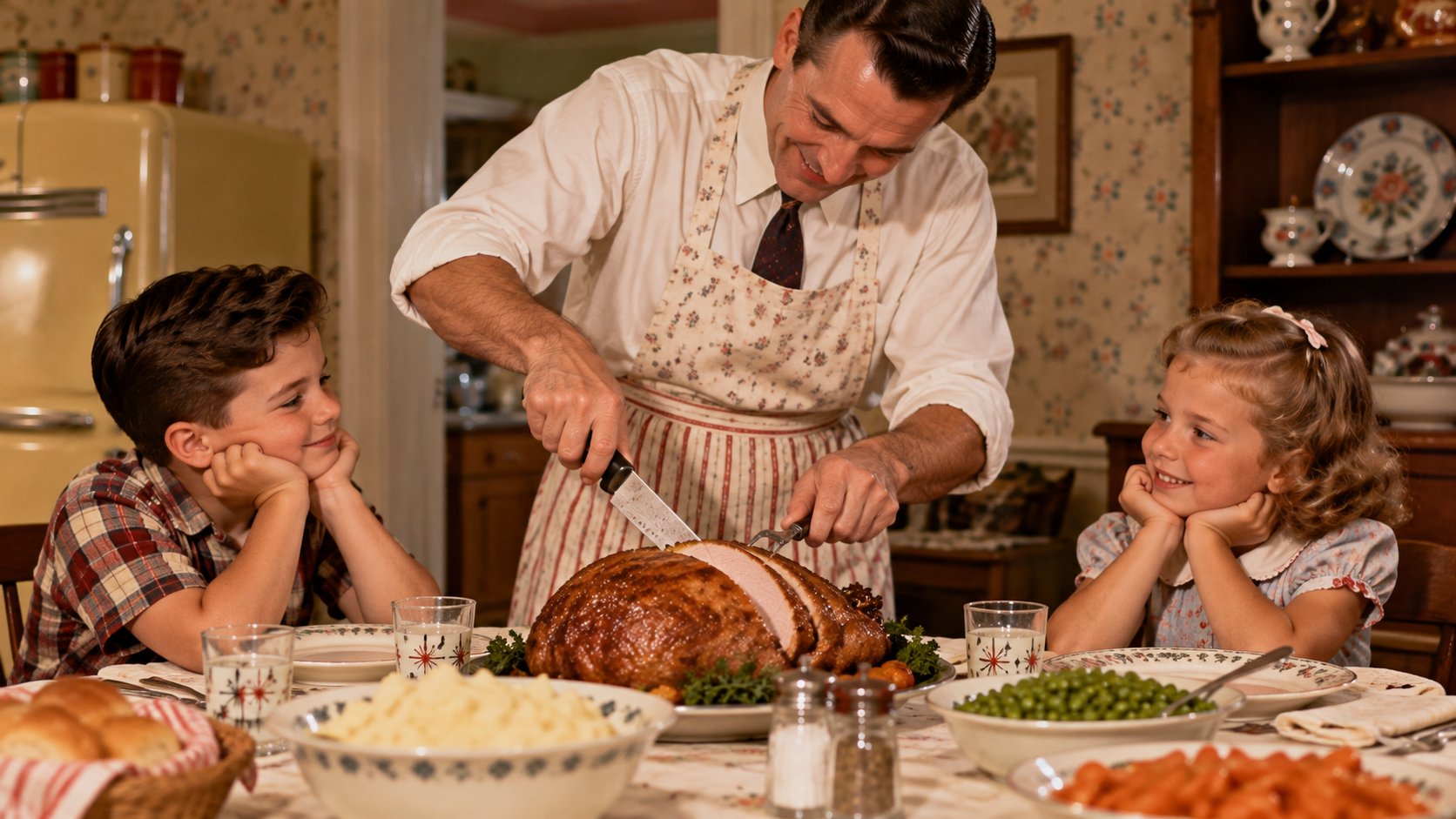
Traditional family roles were often reflected in the way dinner was prepared and served. In the idealized 1950s household portrayed in advertisements, Mom handled the cooking and side dishes while Dad might take charge of carving a roast or turkey. The carving knife could become his special responsibility, particularly during Sunday dinner. Of course, real households were more varied, and plenty of women worked outside the home. Still, those familiar images of Mom serving vegetables while Dad divided the meat captured a widely promoted picture of family life.
Setting the Table Properly for an Ordinary Dinner
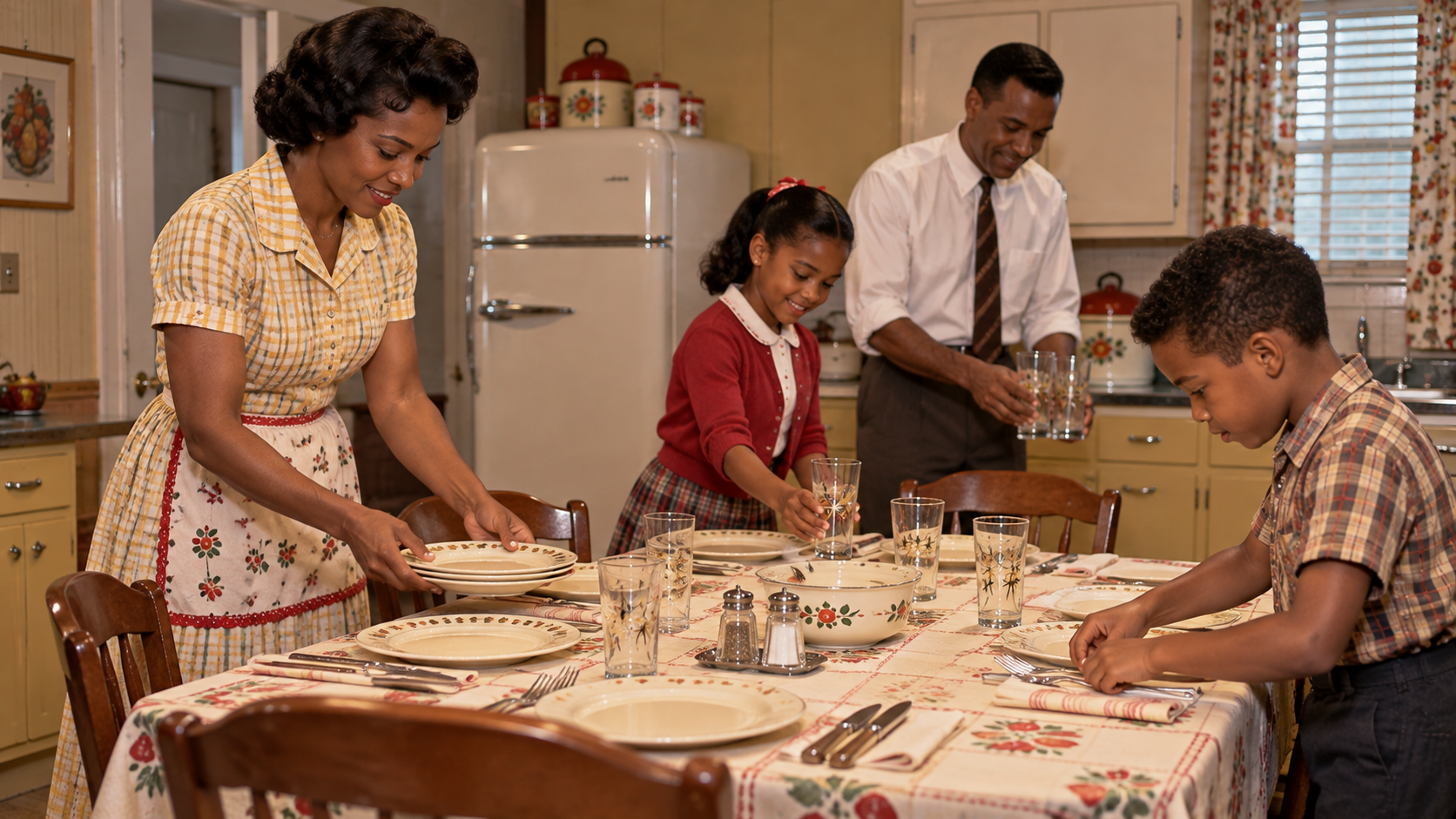
A carefully arranged dinner table wasn’t necessarily reserved for holidays or visiting relatives. Some families expected children to help set out plates, silverware, glasses, and napkins every evening. Forks belonged on the left, while knives and spoons went on the right. Betty Crocker’s midcentury etiquette advice even encouraged making everyday tables attractive with a small centerpiece. A child might be sent back to straighten a crooked fork or replace a missing napkin before anyone sat down. It was a small chore, but one that taught attention to detail.
Sign up for our newsletter
Getting Reminded to Keep Your Elbows Off the Table
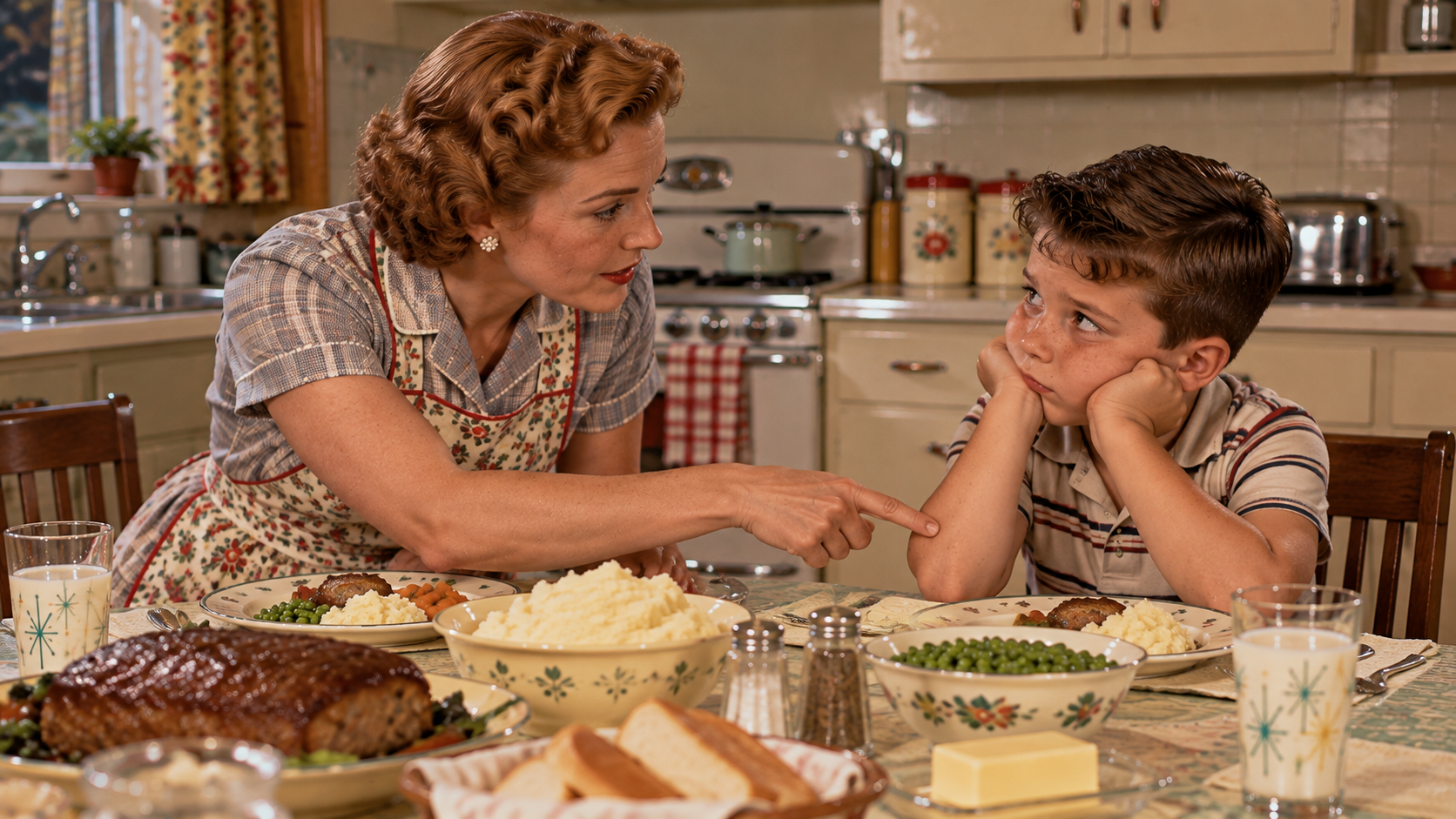
“Elbows off the table” was a familiar warning in households that took manners seriously. Children were expected to sit upright, chew with their mouths closed, and use their forks and knives properly. Talking with a mouthful of food could bring another correction, as could slouching or playing with utensils. These weren’t necessarily rules saved for special occasions. Some parents treated an ordinary Tuesday dinner as an opportunity to teach proper behavior. The reminders could feel endless, especially when a child was more interested in dessert than posture.
Eating a Jell-O Salad With the Main Course
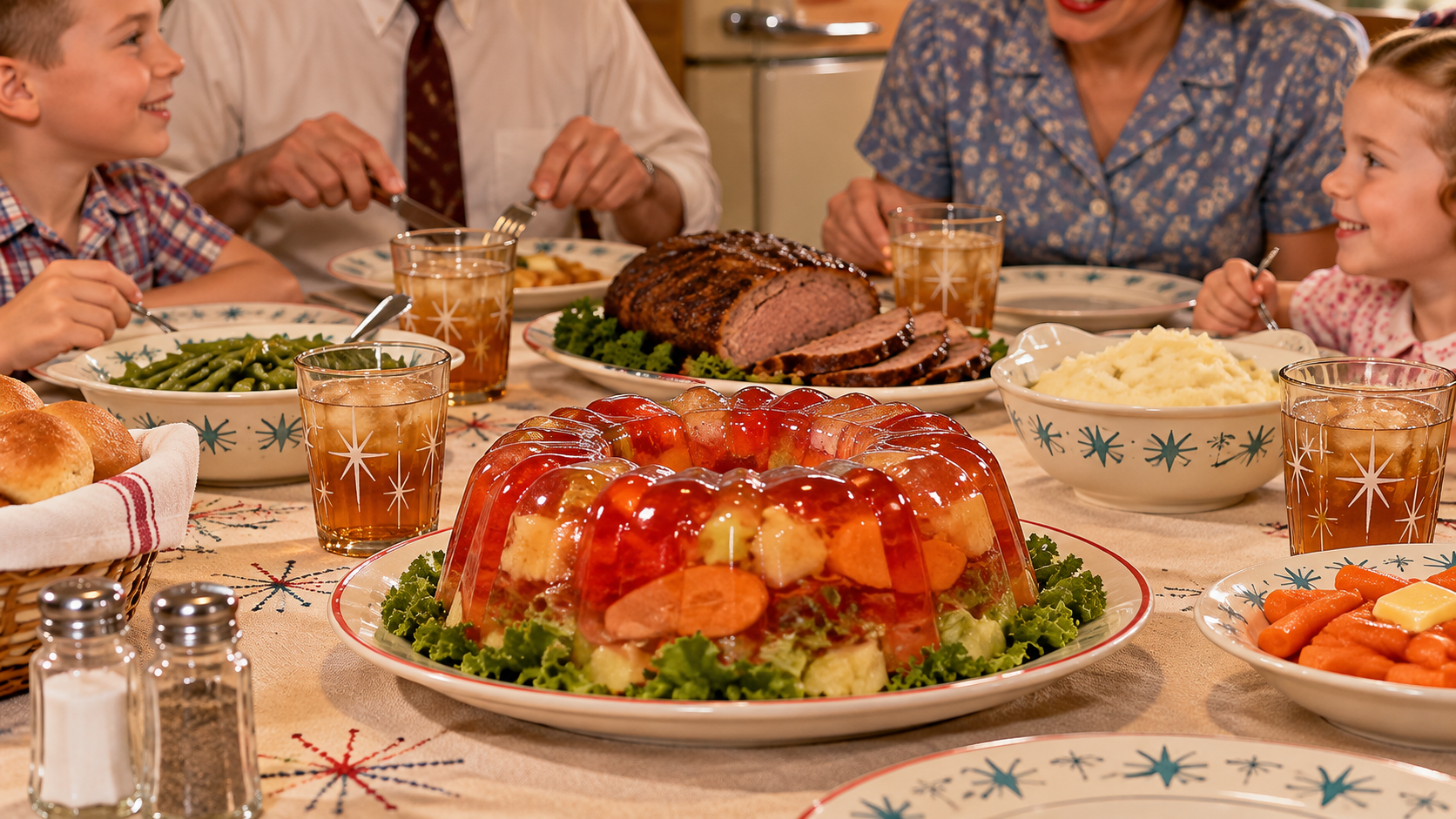
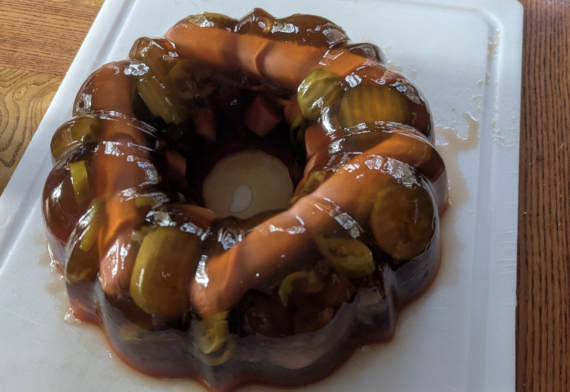
A colorful gelatin mold could appear right alongside the meat, potatoes, and vegetables at a 1950s dinner. These dishes weren’t always sweet desserts. Some recipes mixed flavored gelatin with shredded cabbage, celery, carrots, or other vegetables, while others featured fruit and creamy toppings. Molded salads were fashionable enough to appear regularly in midcentury cookbooks and food advertisements. The results could be surprisingly elaborate, with ingredients suspended inside a perfectly shaped ring. Not every child appreciated finding vegetables inside something that looked like dessert, but the presentation certainly made an impression.
Playing a Conversation Game During Dinner
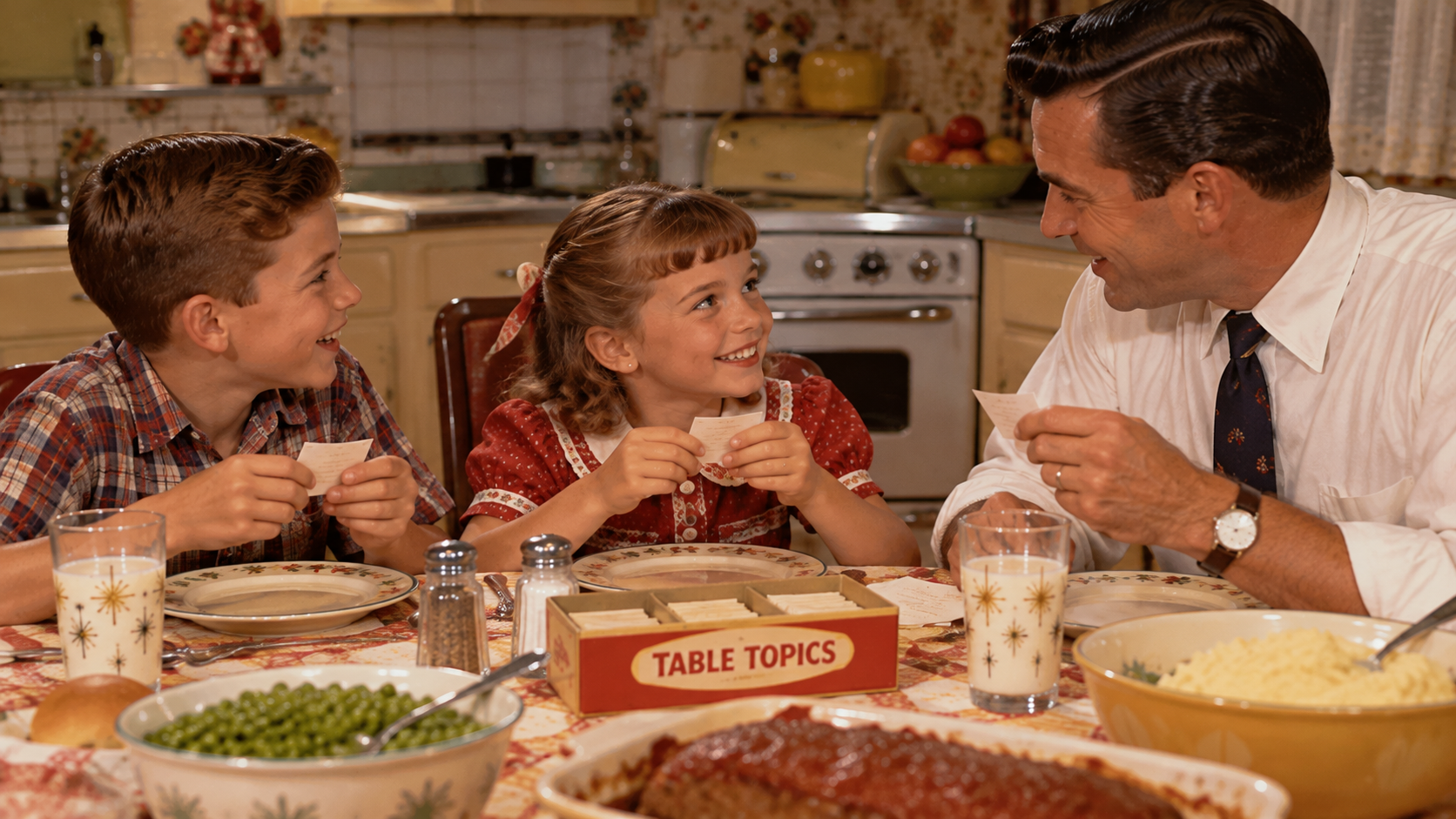
Family conversation was important enough that Betty Crocker’s 1957 children’s cookbook suggested turning it into a game. Called Table Topics, the activity involved taking turns choosing a subject while everyone shared what they knew. The book even recommended keeping a dictionary or encyclopedia nearby to settle disagreements. There’s no evidence that every family played this particular game, but the suggestion offers an interesting glimpse into the era’s ideas about making dinner educational and enjoyable. Instead of scrolling through a phone, children might have been challenged to explain something they’d learned at school.
Eating TV Dinners in Front of the Television
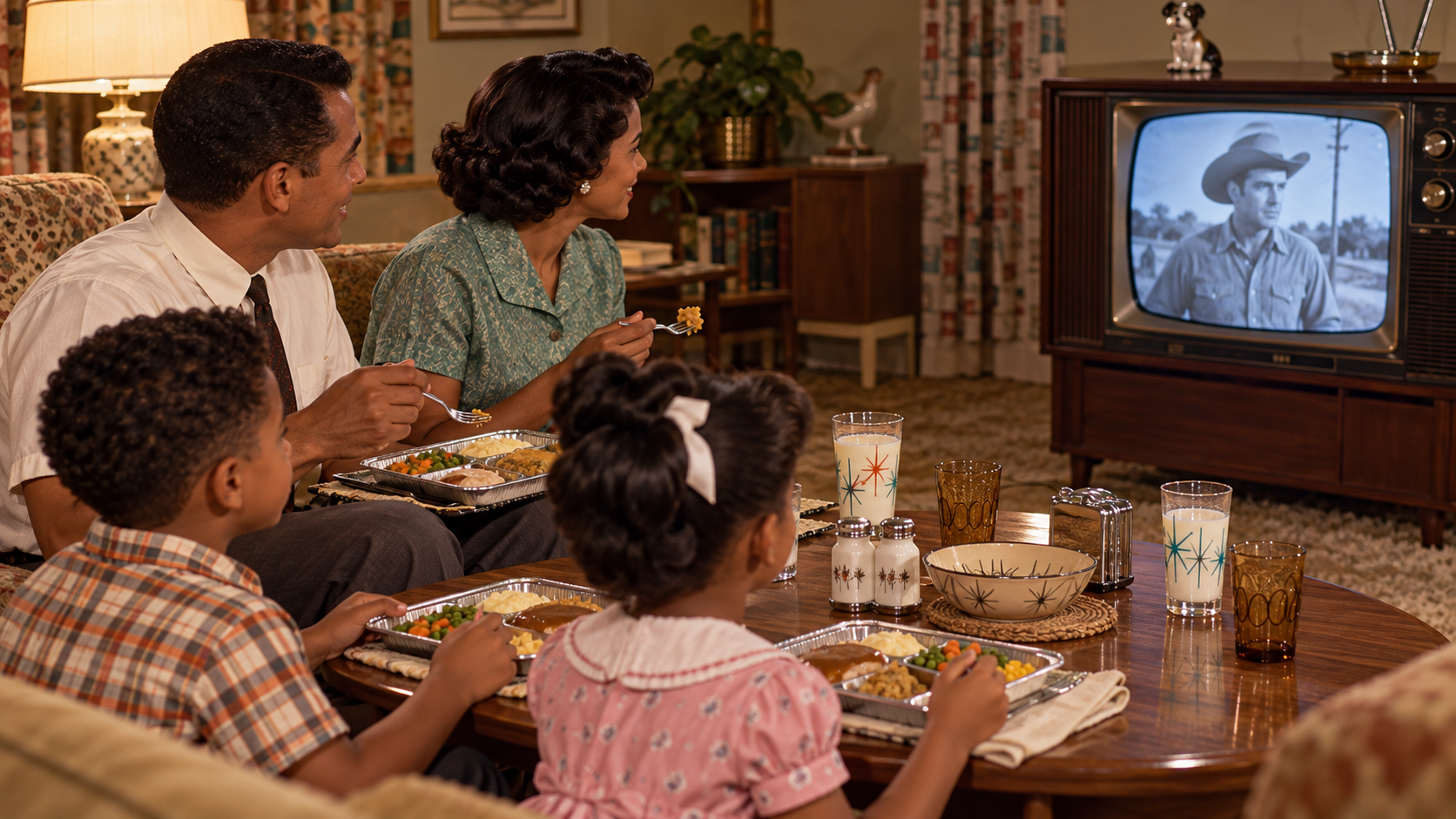
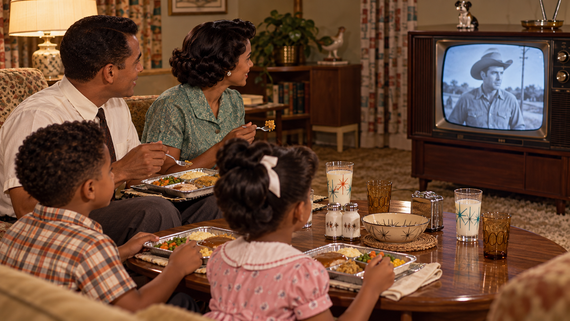
The arrival of frozen TV dinners gave families a new alternative to the traditional meal around the dining table. Swanson introduced its famous compartmentalized dinners in 1954, offering foods such as turkey, stuffing, and vegetables in an aluminum tray. For households with a television, eating while watching a favorite program could feel like a novelty. The meals were convenient, although they didn’t replace home cooking for everyone. Compared with setting the table and washing several dishes afterward, heating a tray and settling in front of the television had an obvious appeal.