Visiting a world-famous tourist attraction is often one of the highlights of a vacation. Whether you’re finally seeing the Grand Canyon in person, exploring a centuries-old landmark, or checking a national park off your bucket list, there’s something exciting about experiencing a place you’ve seen in photographs countless times. But popular attractions also come with their fair share of challenges, from enormous crowds and confusing ticketing systems to unexpected restrictions that can catch even experienced travelers off guard.
And while some travel mishaps are little more than inconveniences, others can end up costing you money, ruining your plans, or even putting your safety at risk. Showing up without a reservation might mean missing out entirely, while wandering off a designated trail for the perfect photograph could have much more serious consequences.
Fortunately, most of these tourist attraction mistakes are easy to avoid with a little preparation and common sense. Whether you’re planning a trip to a famous national park, historic monument, or must-see city landmark, here are 12 things you should never do when visiting a popular tourist attraction.
Assume You Can Buy Tickets at the Entrance

There’s nothing quite as frustrating as traveling all the way to a famous attraction only to discover that you can’t actually get inside. While some destinations still offer walk-up admission, others require advance reservations, timed-entry tickets, or special permits, particularly during busy travel seasons. And just because an attraction is open doesn’t necessarily mean additional visitors can enter.
For example, some popular national park experiences require reservations through Recreation.gov, while major museums and historic landmarks may have their own ticketing systems. Before leaving your hotel, check the attraction’s official website for admission requirements, available time slots, and identification rules. Booking in advance could save you from wasting an entire day of your vacation.
Buy Tickets From the First Reseller You Find
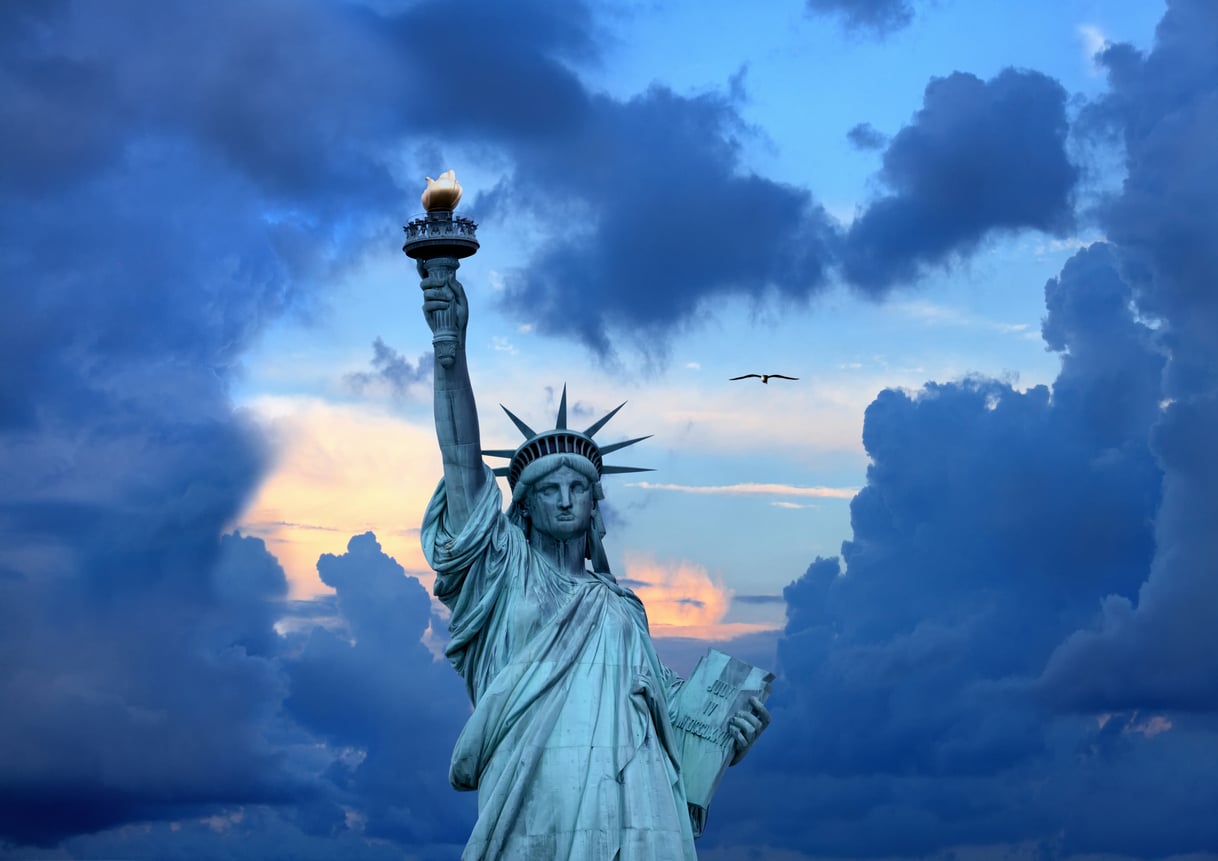
When tickets to a popular attraction appear to be sold out, it can be tempting to purchase them from whichever website still has availability. But third-party sellers sometimes charge significantly more than the original admission price, tack on unexpected service fees, or advertise packages that don’t include everything travelers assume they’re getting. Worse, some tickets may be invalid, nontransferable, or subject to restrictions that weren’t clearly explained.
The Federal Trade Commission recommends researching unfamiliar online sellers before making a purchase. Start with the attraction’s official website to check the standard admission price and whether authorized resellers exist. If a deal seems suspicious or a website pressures you to buy immediately, it’s worth taking a closer look before entering your credit card information.
Wander Off a Marked Trail for the Perfect Photo
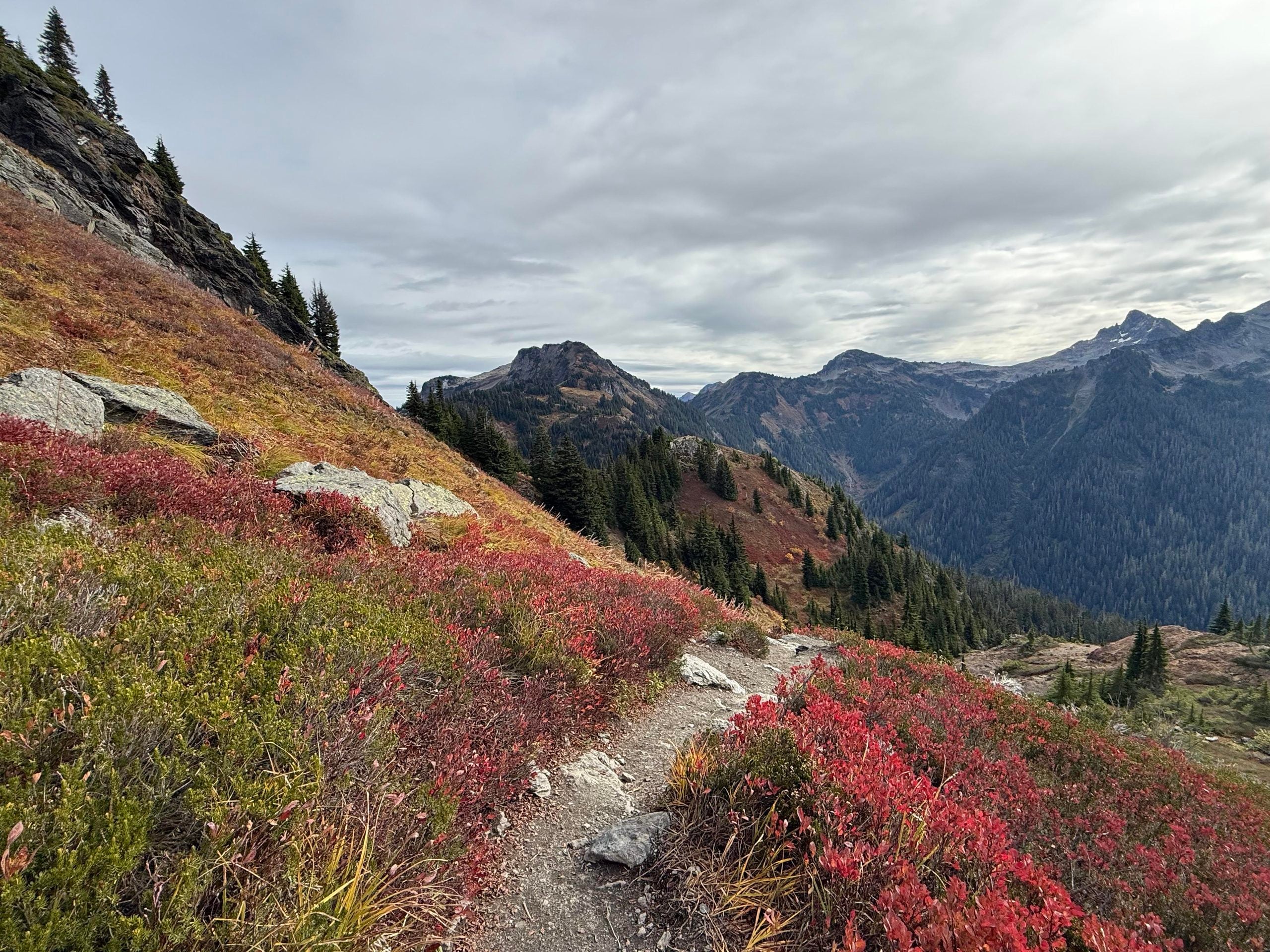
We’ve all seen those incredible vacation pictures of someone standing on the edge of a dramatic cliff or posing beside a beautiful natural landmark. What the photograph doesn’t always reveal is whether the person had to ignore a warning sign or leave a designated trail to get there. Unfortunately, venturing off established paths can damage fragile environments and expose visitors to serious hazards.
At Yellowstone National Park, for example, the National Park Service warns that seemingly solid ground around hot springs can conceal dangerously hot water beneath a thin crust. Visitors are required to stay on boardwalks and designated trails in thermal areas. No vacation photograph is worth risking serious injury or damaging a protected landscape. National Park Service+1
Get Too Close to Wildlife for a Selfie
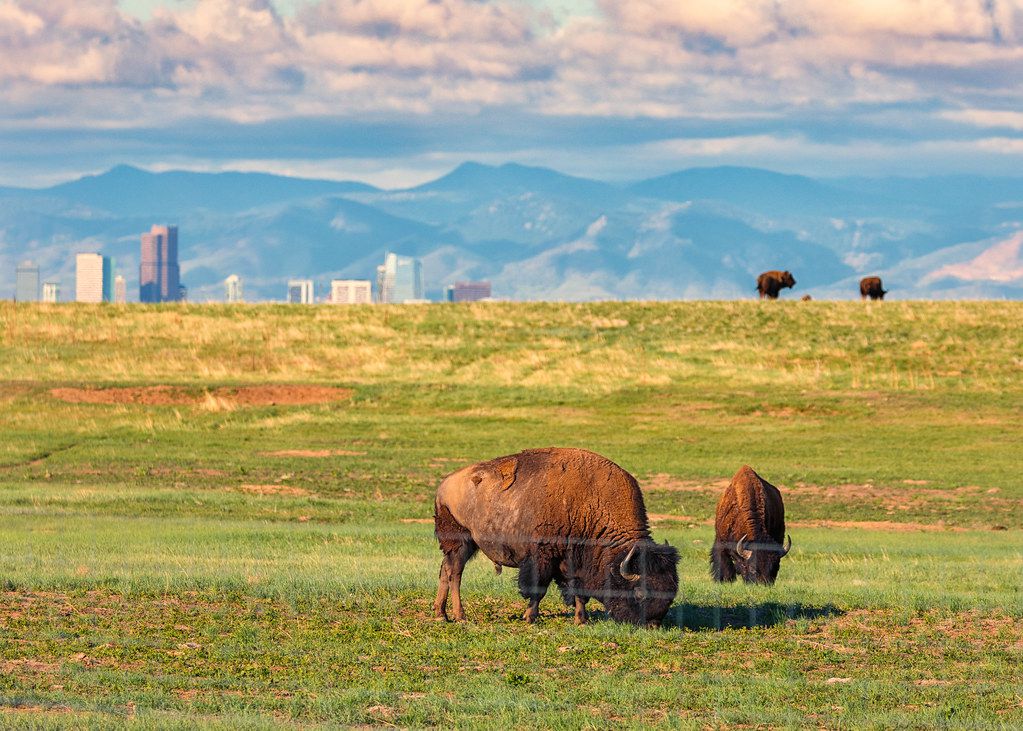
Seeing a wild animal up close can be one of the most memorable parts of visiting a national park, but that doesn’t mean you should approach it for a photograph. Animals that appear calm, friendly, or accustomed to tourists can behave unpredictably, especially when they feel threatened or are protecting their young. And getting too close can be dangerous for both visitors and the animals themselves.
At Yellowstone, visitors must remain at least 100 yards from bears, wolves, and cougars, and 25 yards from other wildlife, including bison and elk, according to the National Park Service. Other parks may have different rules, so always check the local guidance. Bring binoculars or use your camera’s zoom instead of trying to get closer. National Park Service+1
Assume You Can Fly a Drone Anywhere Outdoors
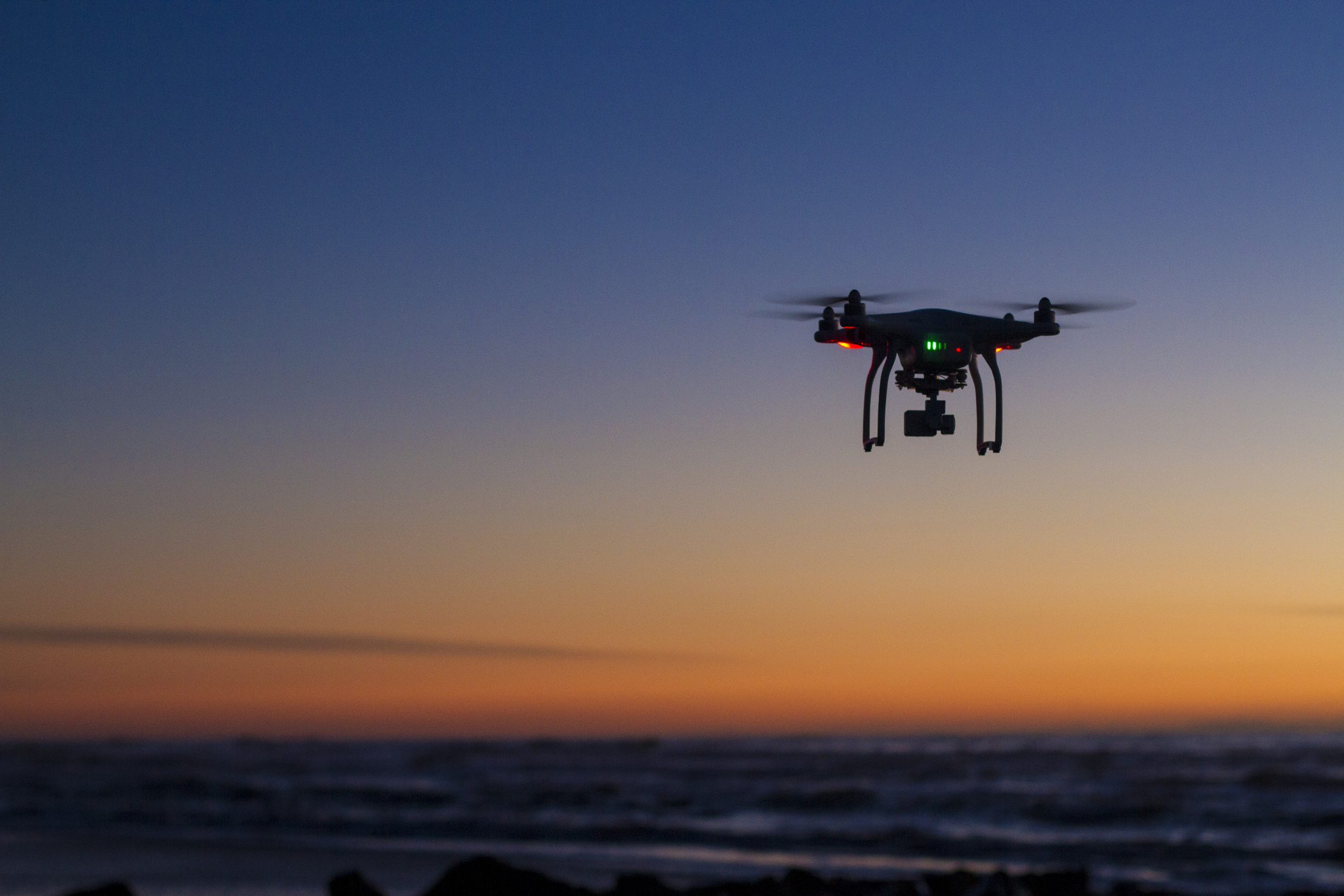
Aerial photographs can make even the most familiar landmarks look spectacular, but owning a drone doesn’t automatically give you permission to fly it wherever you want. Many famous attractions, historic sites, and protected natural areas have strict restrictions on drone use, even when recreational photography is otherwise allowed.
The National Park Service generally prohibits launching, landing, or operating drones on lands and waters it manages, with limited exceptions. These rules are intended to protect wildlife, visitors, and the natural environment. Before packing your drone, research the attraction’s specific policies and any applicable aviation restrictions. Otherwise, your attempt to capture the perfect aerial shot could end with a citation rather than a beautiful photograph. National Park Service+1
Trending on Cheapism


Ignore Barriers and Temporary Closure Signs
When you’ve traveled hundreds or even thousands of miles to visit a famous destination, discovering that a particular trail, viewpoint, or section of the attraction is closed can be incredibly disappointing. But ignoring a barrier because other tourists are doing the same thing is never a smart decision. Closures can happen for all sorts of reasons, including unstable terrain, dangerous weather, maintenance work, or structural problems.
A route that looks perfectly safe from a distance might have hazards that aren’t immediately visible. Before visiting, check the attraction’s official website for current alerts, and pay attention to posted restrictions once you arrive. If your preferred viewpoint is closed, ask staff about alternative routes or nearby places to explore instead.
Show Up Right Before Closing Time

Just because a famous attraction closes at 6 p.m. doesn’t necessarily mean you can arrive at 5:45 and expect to see everything. Many museums, monuments, and historic sites stop admitting visitors well before their official closing times. Others have separate schedules for guided tours, exhibitions, security checkpoints, or transportation services.
Even if you manage to get inside, arriving too late might leave you rushing through the experience you traveled so far to enjoy. Before planning your itinerary, check both the closing time and the final admission window. It’s also worth researching how long visitors typically spend there, especially if security lines or lengthy walks are involved.
Block Walkways While Taking Photos
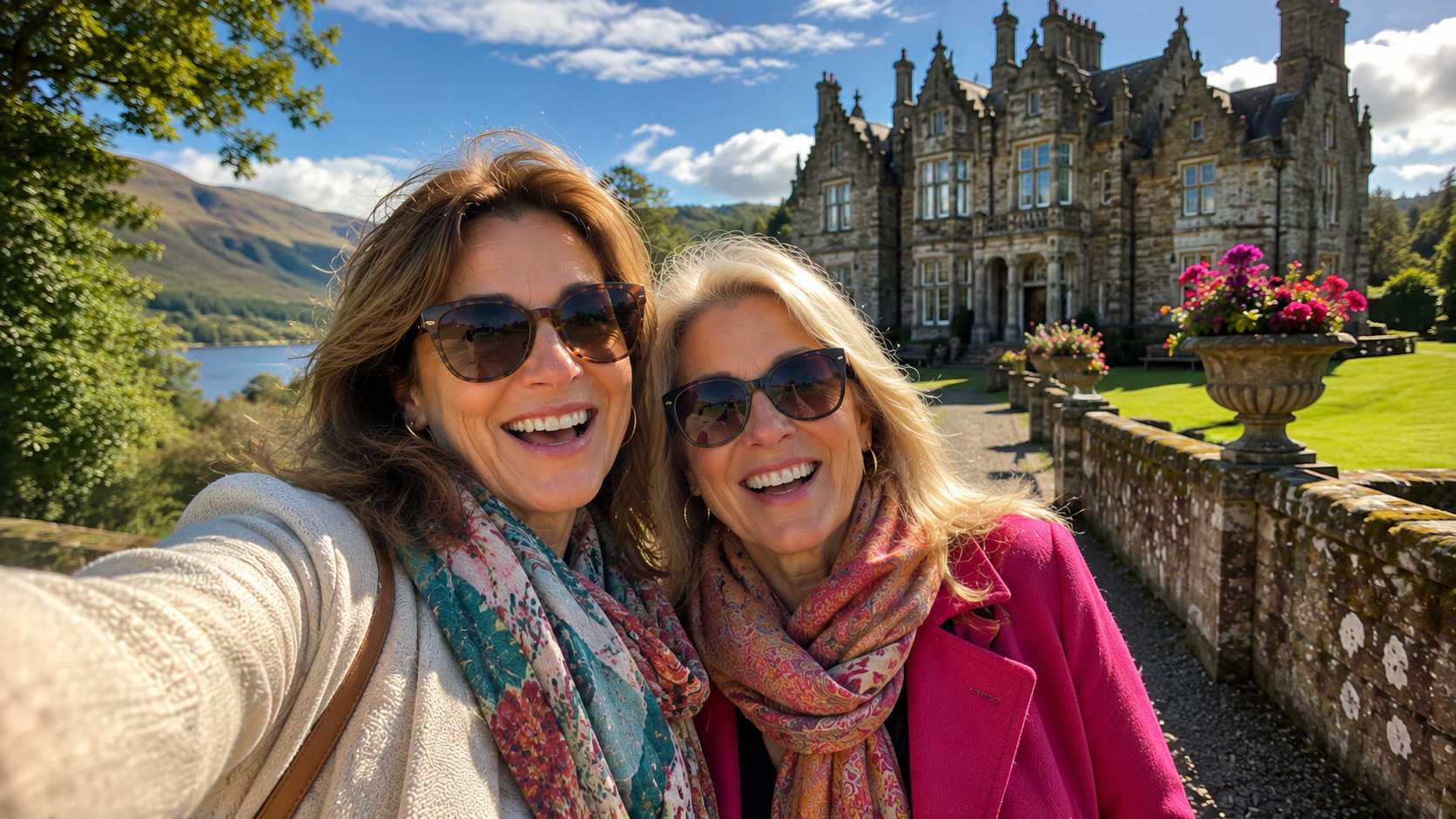
Everyone wants a great vacation photograph, but spending 20 minutes posing in the middle of a crowded walkway isn’t exactly considerate to everyone else trying to enjoy the attraction. Popular bridges, staircases, narrow corridors, and scenic overlooks can become particularly congested when visitors stop for extended photo sessions.
Besides frustrating other tourists, blocking shared spaces can make it harder for people with mobility limitations to get around and create unnecessary safety hazards. Take your photos from designated areas, step aside when people need to pass, and avoid setting up tripods where they could obstruct foot traffic. Some attractions also have specific rules about photography equipment and commercial shoots, so check before bringing anything elaborate.
Sign up for our newsletter
Assume You’ll Find Food, Water, and Shade Everywhere

It’s easy to underestimate how physically demanding sightseeing can be, especially when you’re distracted by beautiful scenery or impressive architecture. But some famous attractions involve hours of walking, long lines, steep paths, and extended exposure to the sun. And depending on where you’re visiting, drinking fountains, restaurants, and shaded resting areas might be surprisingly difficult to find.
The National Park Service advises hikers to carry appropriate supplies, drink water, and take breaks to help prevent dehydration and exhaustion. Before heading out, check what facilities are available and whether outside food and beverages are permitted. A refillable water bottle, comfortable shoes, and a little planning can make a big difference, especially when visiting outdoor attractions during warmer months. National Park Service
Take Home Rocks, Plants, or Pieces of Historic Landmarks
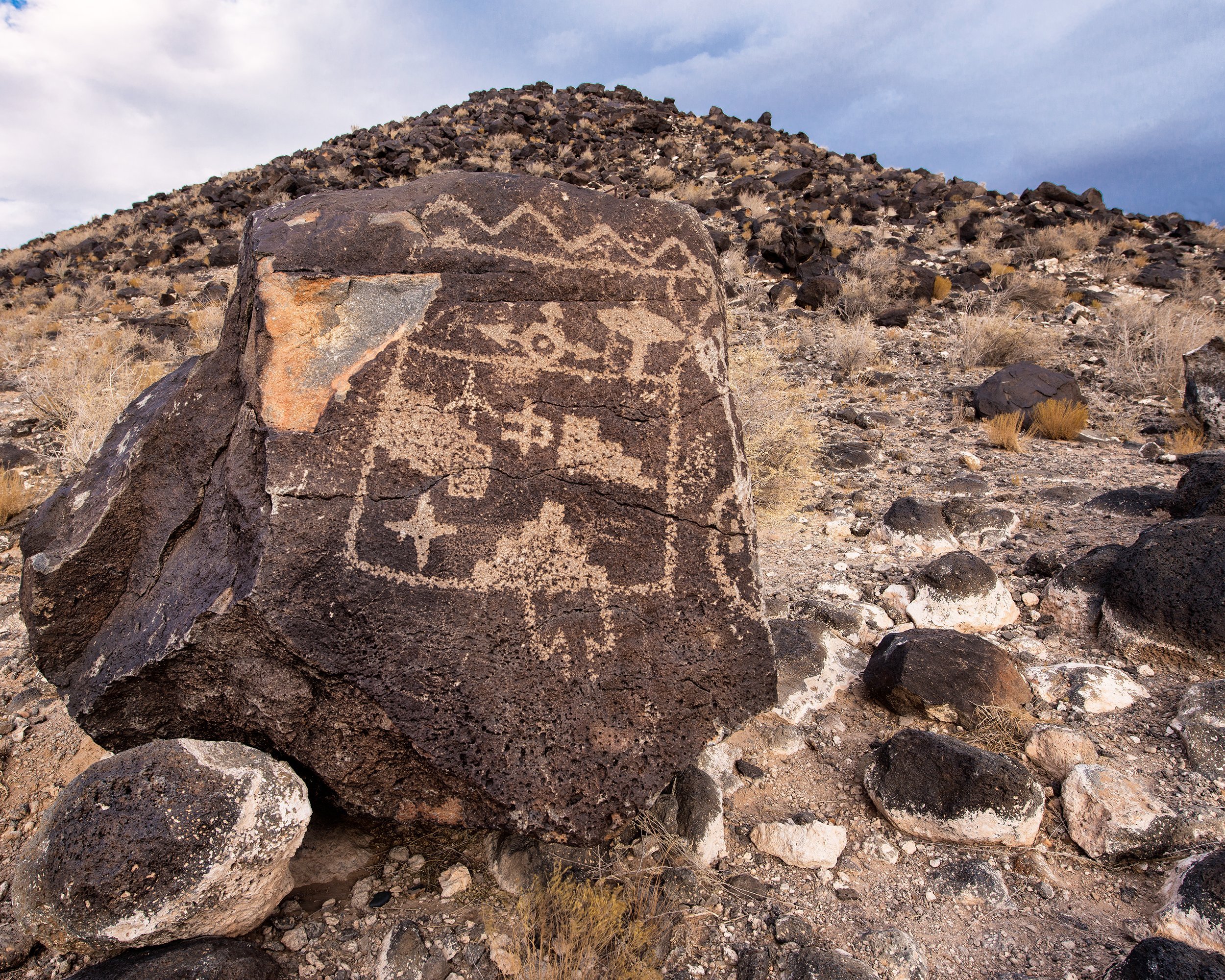
Picking up a pretty rock, an unusual shell, or a small piece of an old structure might seem like a harmless way to remember your vacation. But at many protected attractions, removing natural materials or historic objects is prohibited. Even something that looks insignificant could be part of a fragile ecosystem or an archaeological site that researchers are trying to preserve.
The National Park Service encourages visitors to leave natural and cultural objects where they find them. That also means avoiding the temptation to move artifacts around for photographs or carve your name into historic surfaces. If you want a physical reminder of your trip, purchasing something from an authorized gift shop is a much better option than taking a piece of the attraction home.
Assume You’ll Find Parking Right at the Entrance
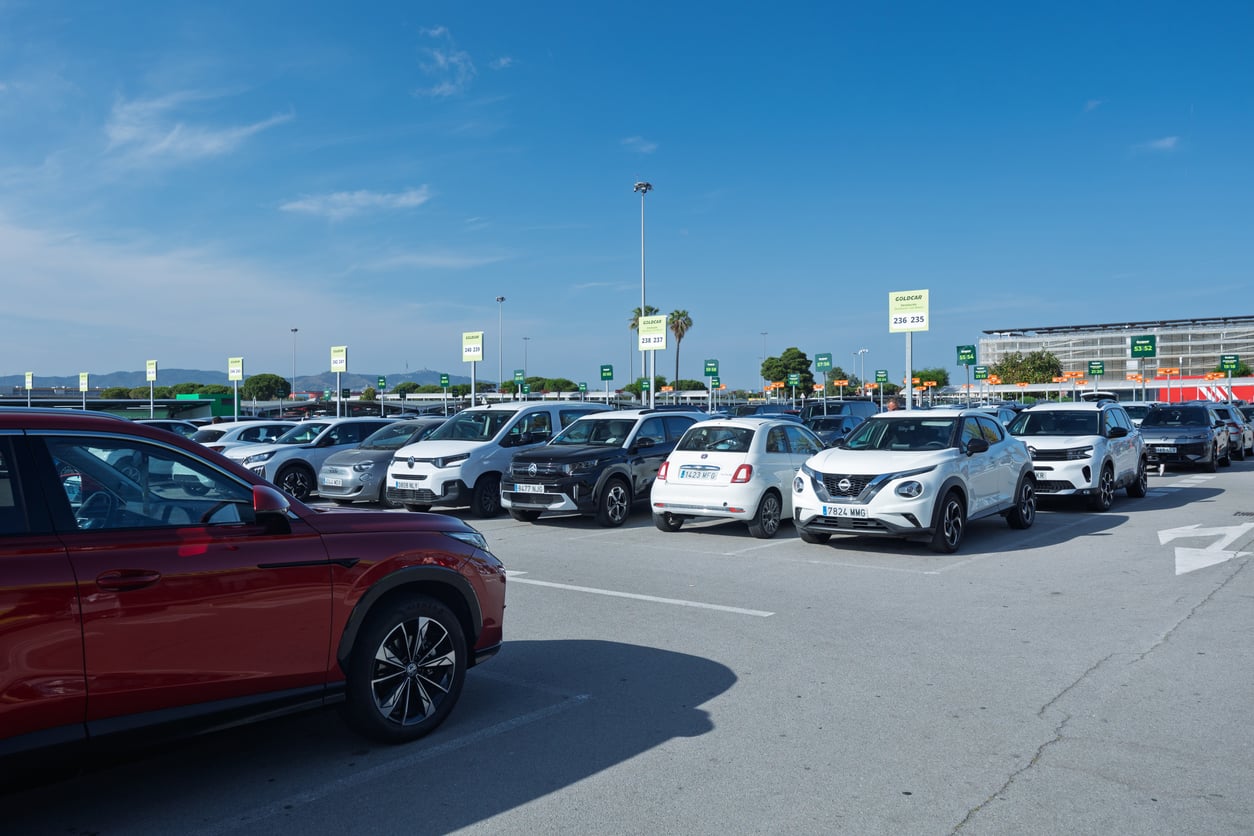
Driving directly to a famous attraction sounds convenient until you spend an hour circling a packed parking lot or discover that private vehicles aren’t allowed near the main entrance. Many popular destinations have limited parking, restricted access roads, seasonal shuttle services, or designated drop-off areas that visitors need to know about before arriving.
Parking costs can also add up, particularly when you’re visiting major attractions in busy cities. Before setting out, research official parking facilities, public transportation options, and any shuttle requirements. In some cases, leaving your car at the hotel and taking public transit could save both time and money.
Spend Your Entire Visit Chasing the Perfect Instagram Photo

There’s nothing wrong with wanting a beautiful photograph of a famous attraction, but constantly rushing between the most recognizable viewpoints can make it difficult to actually enjoy the experience. Some travelers spend so much time waiting for an empty background or recreating a picture they’ve seen online that they barely notice what’s happening around them.
And while iconic photo spots can certainly be worth visiting, they aren’t always the most interesting parts of a destination. Consider choosing one or two must-see viewpoints and leaving yourself enough time to explore less crowded areas, read informational displays, or join a guided tour. You might discover that your favorite memory of the trip has nothing to do with the photograph you originally wanted.
How to Make the Most of Your Visit Without the Hassle
Famous tourist attractions are popular for a reason, but large crowds, complicated admission policies, and unexpected restrictions can make visiting them more challenging than travelers anticipate. Fortunately, many of the most common mistakes can be avoided by doing a little research before you arrive.
Checking ticket requirements, planning transportation, respecting safety barriers, and allowing enough time to explore can make a world of difference. And while getting that perfect vacation photograph might be tempting, sometimes the best thing you can do is put your phone away and enjoy the experience. After all, the memories you make are ultimately worth more than any picture.