Some vacations are better when you stop trying to cover an entire city and settle into one neighborhood instead. The National Trust for Historic Preservation works to preserve historic places and communities across the country, many of which are the kinds of walkable districts where restaurants, shops, architecture, and local history come together. These trips where one great neighborhood can carry the entire vacation make it possible to unpack once, explore mostly on foot, and spend less time and money getting from one attraction to the next.
French Quarter | New Orleans, Louisiana
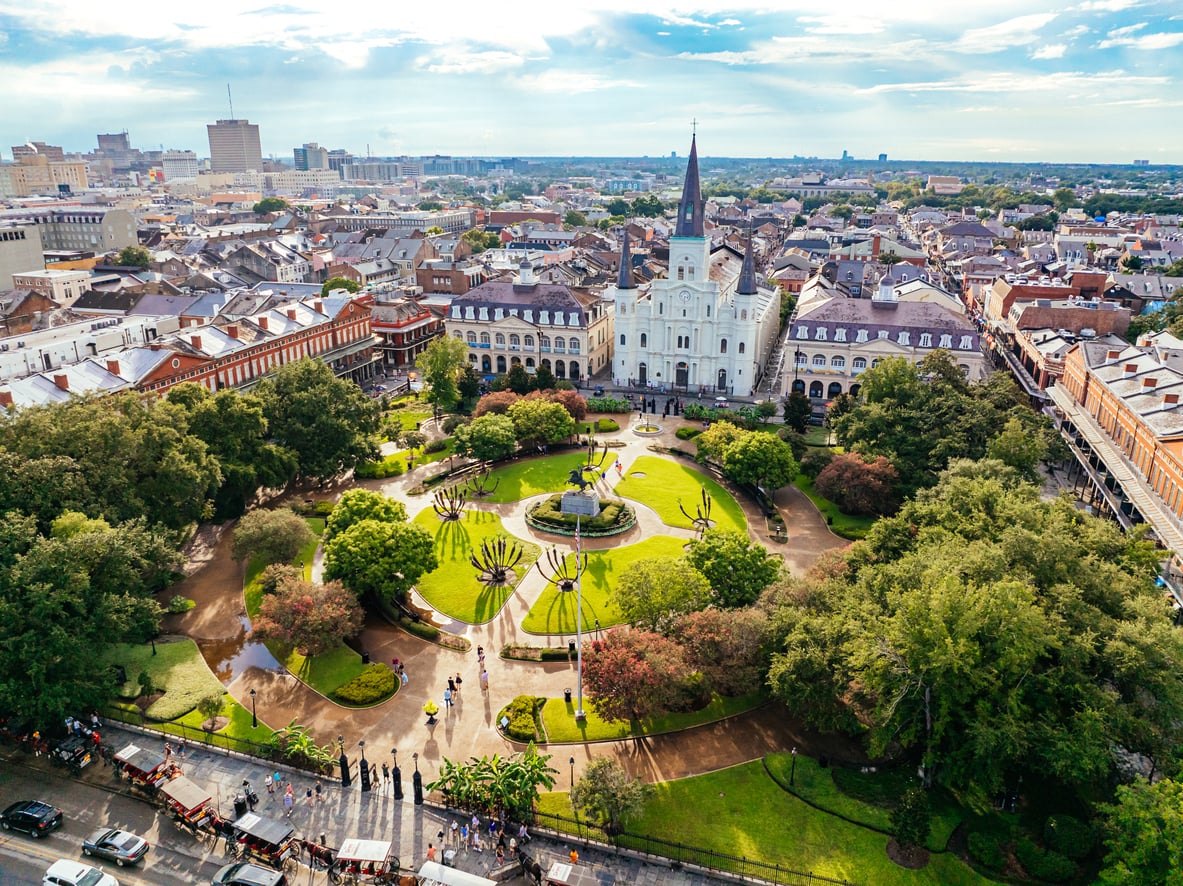
Bourbon Street gets the attention, but treating the French Quarter as nothing more than a nightlife strip means missing most of the neighborhood. Jackson Square, St. Louis Cathedral, museums, galleries, antique shops, the French Market, restaurants, historic architecture, and music venues are all packed into a remarkably small area. Spend mornings wandering quieter streets such as Royal and Chartres, stop for a long lunch, then return for music after dark. The trade-off is noise and crowds, so light sleepers should choose their hotel carefully.
Historic District | Savannah, Georgia
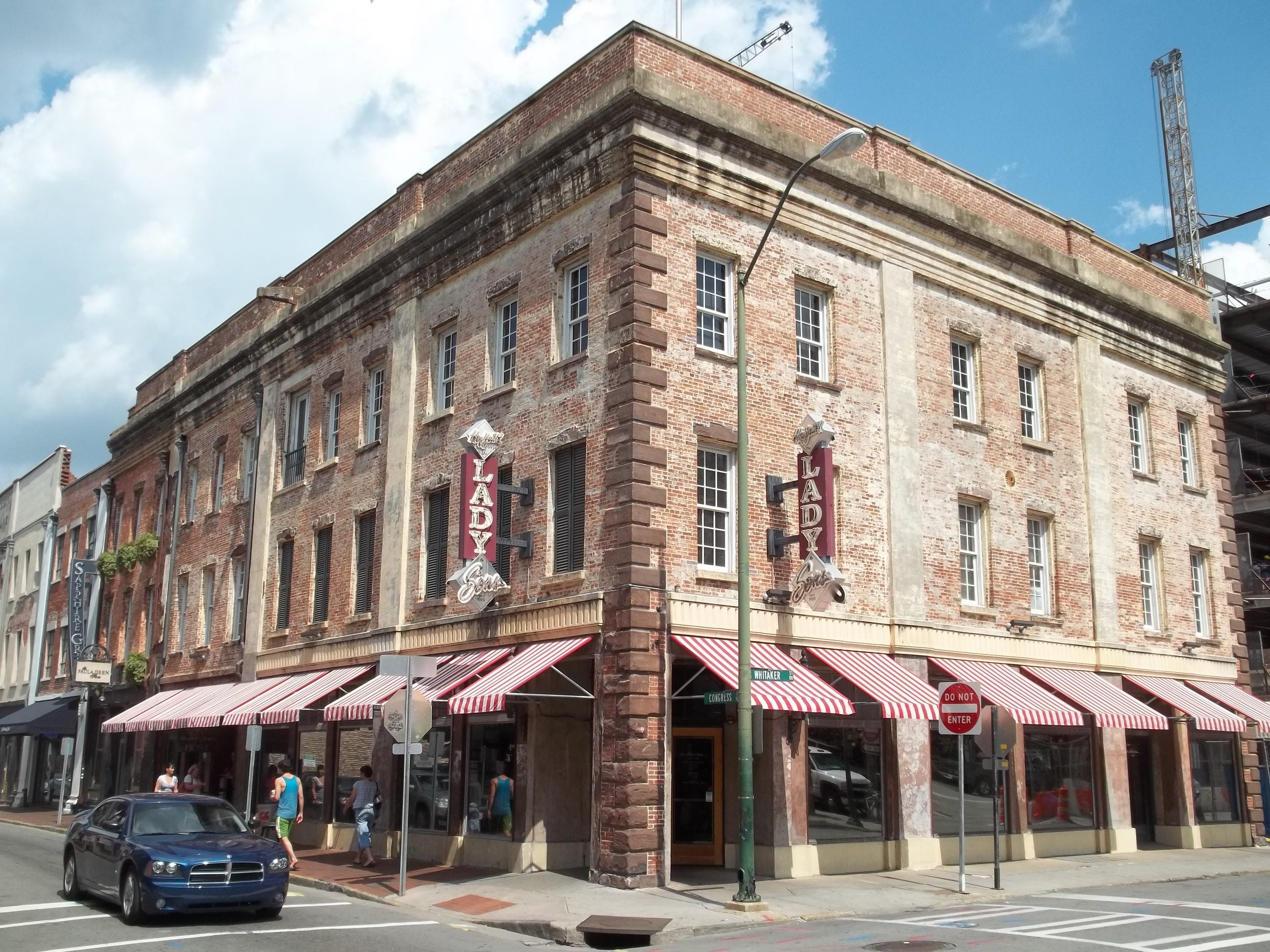
Savannah’s Historic Landmark District now contains 23 park squares, along with historic homes, museums, monuments, boutiques, River Street, City Market, and more than 100 restaurants. More importantly, the spaces between those attractions are part of the experience. A morning can disappear just walking beneath live oaks and poking around the squares. River cruises, ghost tours, restaurants, and bars extend the day after museums close. Summer heat and uneven historic surfaces can make all that walking tiring, so the free DOT shuttle is worth remembering.
Old San Juan | San Juan, Puerto Rico
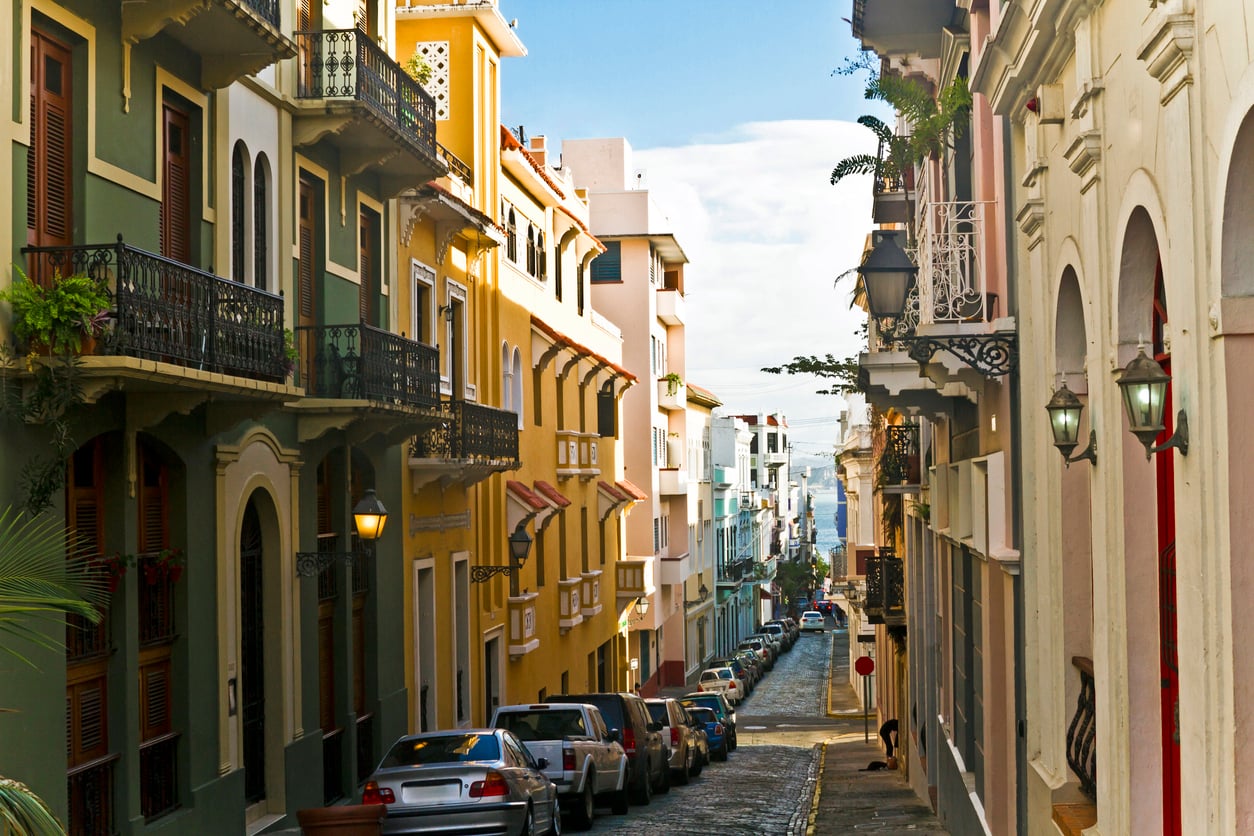
Old San Juan combines the pleasures of a historic walking trip with Caribbean weather and waterfront views. El Morro and Castillo San Cristobal provide enough history for substantial sightseeing, while plazas, churches, museums, shops, cafes, cocktail bars, and restaurants fill the streets between them. The port is roughly a 20-minute walk from El Morro, which gives a sense of the district’s manageable scale. Cobblestones and hills can be demanding, however, particularly for travelers with limited mobility, and midday heat makes an unhurried schedule especially appealing.
Plaza and Downtown | Santa Fe, New Mexico

Santa Fe’s historic center makes it surprisingly easy to build several different days around the same few blocks. The Plaza, Palace of the Governors, Cathedral Basilica, Georgia O’Keeffe Museum, galleries, bookstores, boutiques, restaurants, and adobe architecture all overlap rather than sitting in separate sightseeing zones. Even the New Mexico State Capitol and its art collection are within walking range. The downside is cost: central Santa Fe lodging and shopping can skew expensive. Staying downtown can still save the hassle and expense of repeatedly driving and parking.
Old Town | Key West, Florida
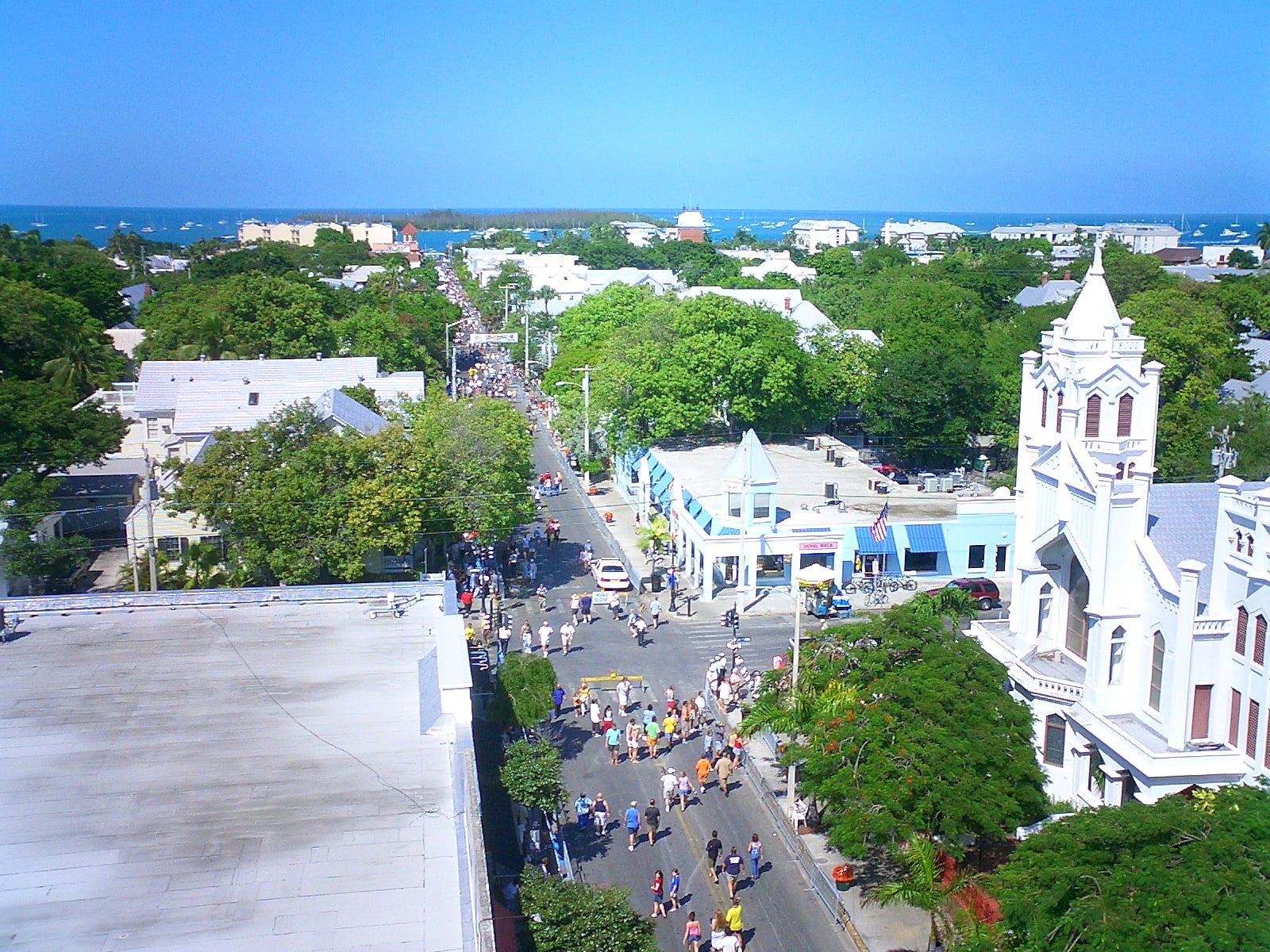
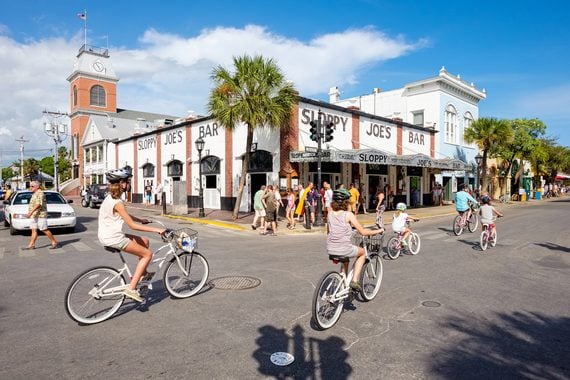
Key West’s Old Town works because the entertainment district and quieter residential streets sit practically side by side. Duval Street supplies restaurants, bars, galleries, and shopping, while a few turns can lead to historic homes and streets lined with old Bahamian-style cottages. Add museums, the waterfront, Mallory Square’s nightly sunset gathering, and easy biking, and a car can become largely unnecessary. Duval can feel crowded and heavily tourist-oriented, so travelers who want a more relaxed Key West should spend plenty of time away from its busiest blocks.
Trending on Cheapism


North Beach | San Francisco, California
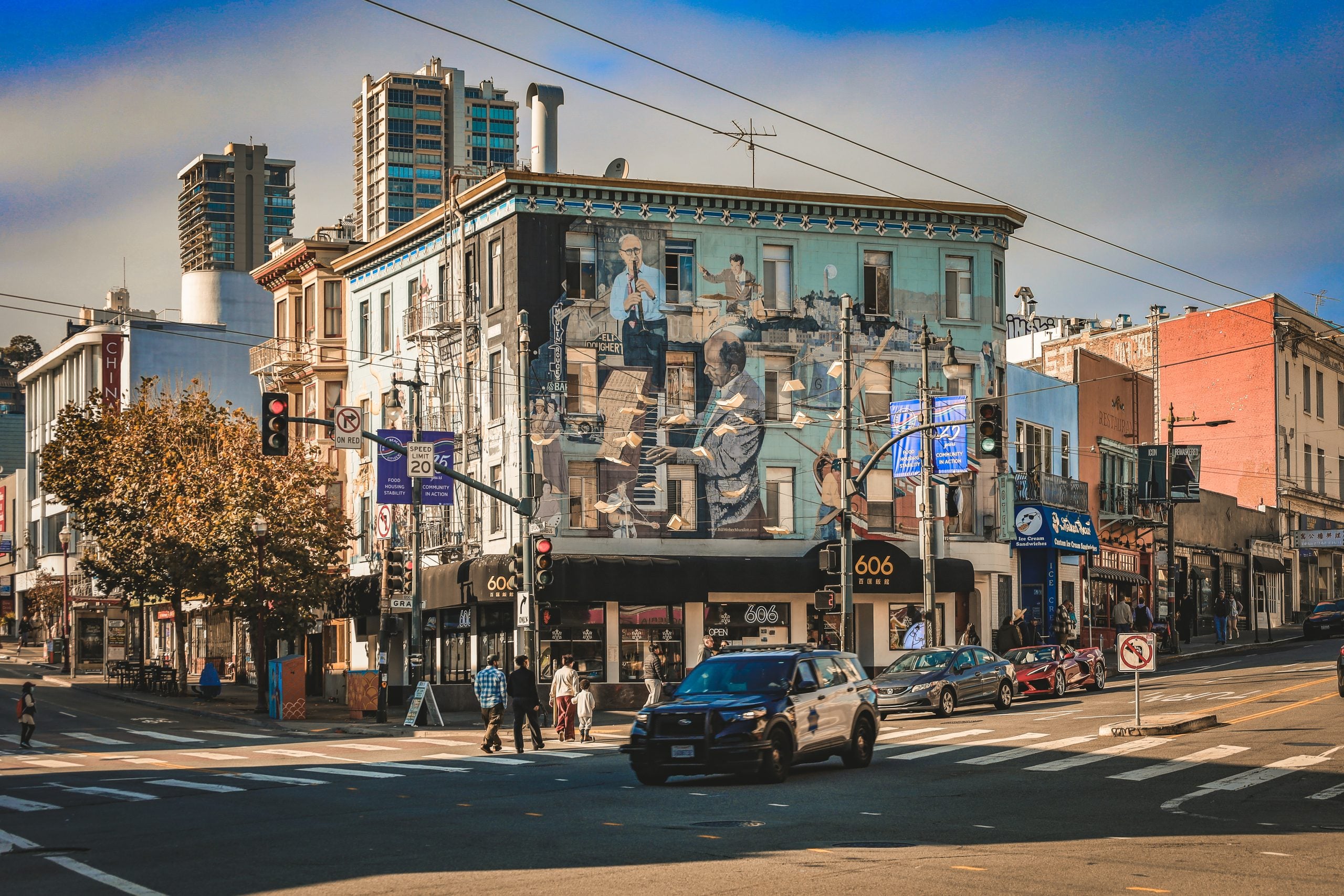
North Beach can take you from morning espresso to a late dinner without much reason to rush elsewhere. Its Italian-American heritage remains visible in restaurants, bakeries, and cafes, while Washington Square, City Lights Booksellers, Beat Generation history, independent shops, bars, and music venues add reasons to linger between meals. Coit Tower rises on neighboring Telegraph Hill, and Chinatown and the waterfront are close enough for easy detours. The biggest practical drawback is exactly what you’d expect in San Francisco: hills can turn short distances into surprisingly strenuous walks.
Old Town | Alexandria, Virginia
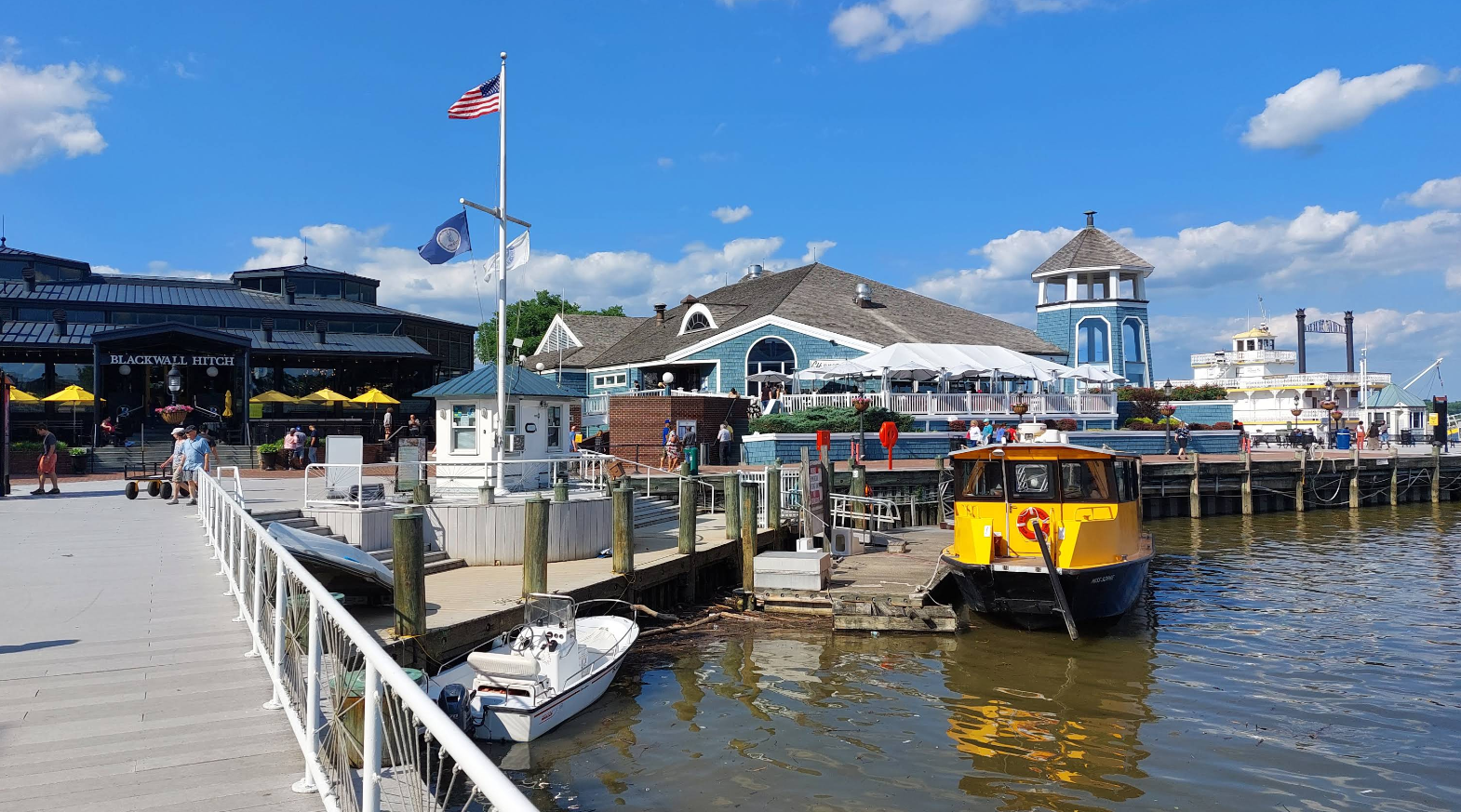
Old Town Alexandria feels substantial enough for a weekend despite sitting just outside Washington. King Street runs for about a mile toward the Potomac waterfront and anchors more than 200 independent restaurants and shops, with historic houses, small museums, galleries, and waterfront attractions scattered around it. A free trolley makes the neighborhood even easier to explore. One current complication: City Hall and Market Square are undergoing renovations, although nearby businesses and museums remain open. Washington is close, but Old Town doesn’t have to be merely where you sleep.
French Quarter | Charleston, South Carolina
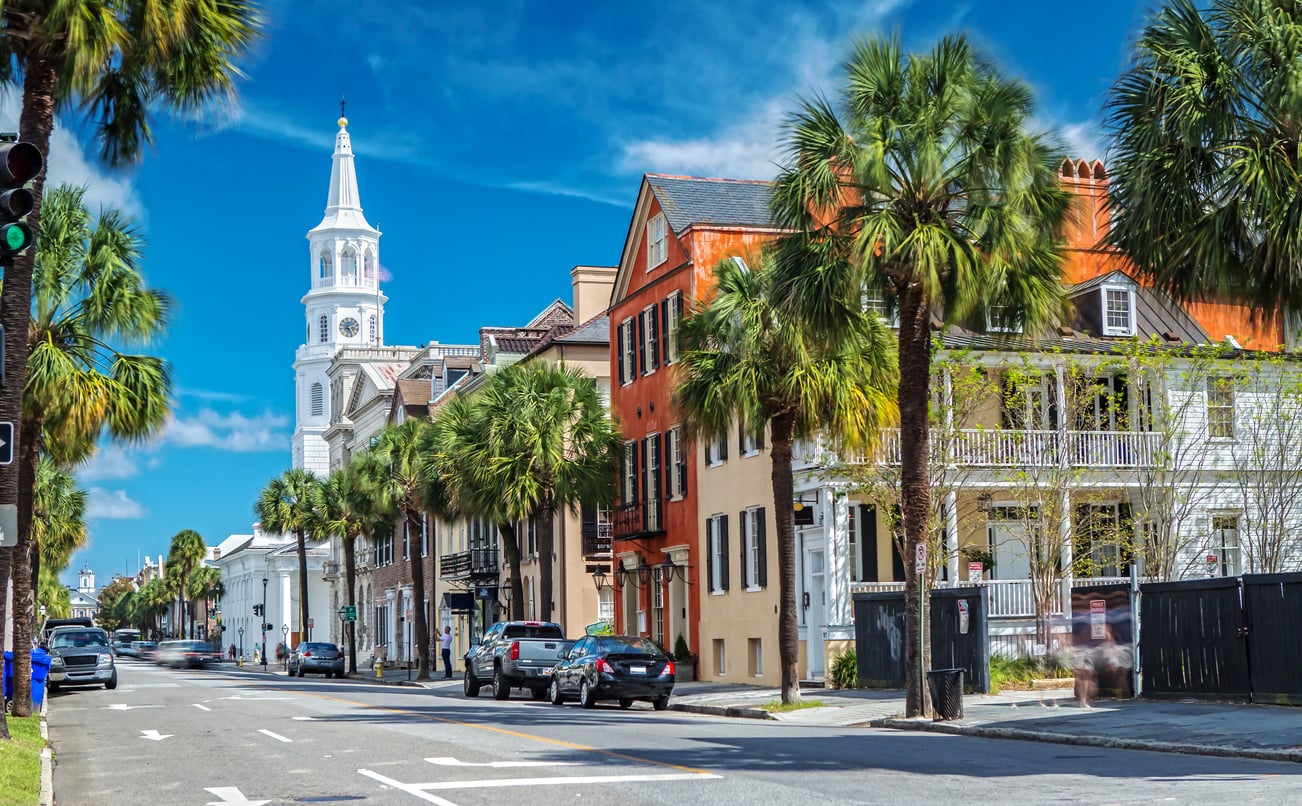
Charleston’s historic core works particularly well for travelers who like building a day around meals and filling the hours between them on foot. Historic homes, churches, galleries, boutiques, markets, waterfront parks, and distinctive architecture provide plenty to look at without requiring a packed itinerary. Wandering toward South of Broad adds some of the city’s most recognizable residential streets. The major limitation is price: centrally located hotels and destination restaurants can be costly. Summer heat and humidity can also make a leisurely walking itinerary considerably less leisurely.
Sign up for our newsletter
North End | Boston, Massachusetts
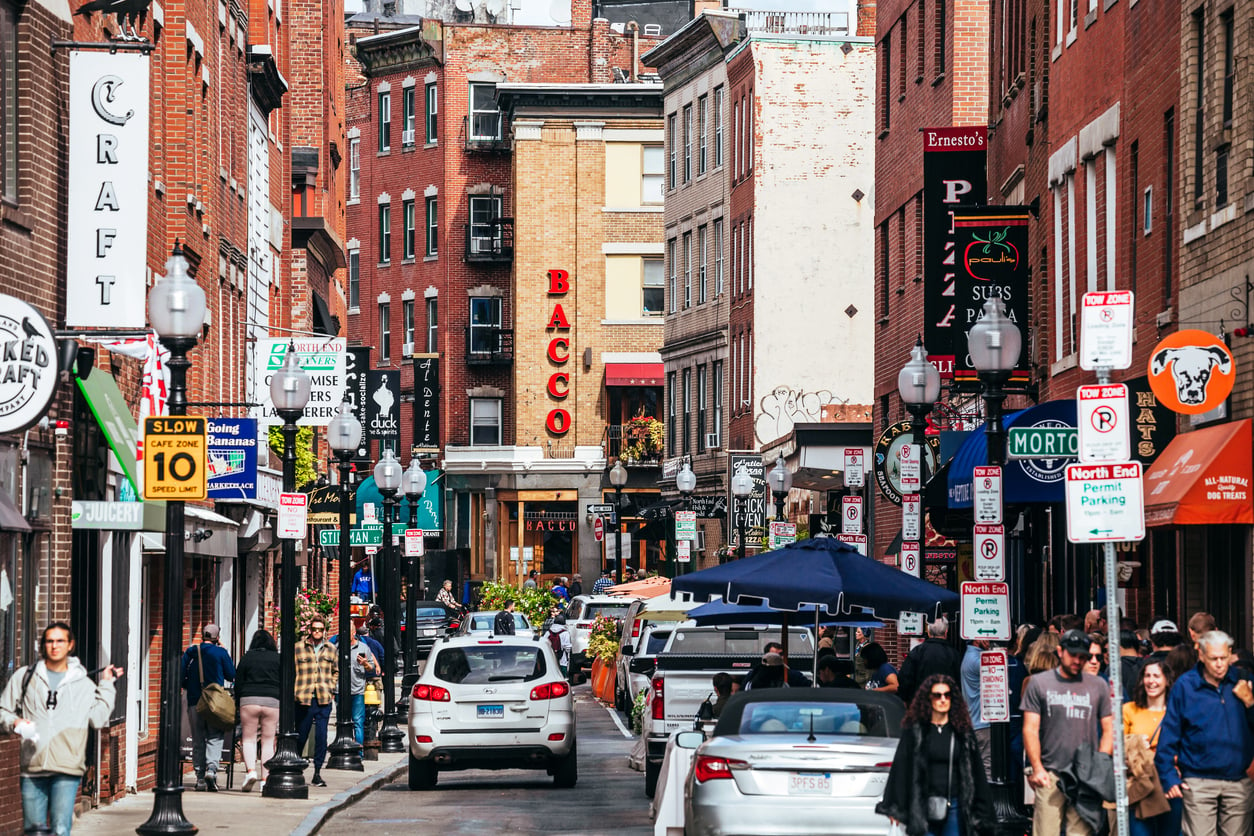
Boston’s North End manages to combine two vacations in a tiny footprint: Revolutionary history and an Italian-American food crawl. The Paul Revere House, Old North Church, Copp’s Hill Burying Ground, and sections of the Freedom Trail sit among narrow streets crowded with restaurants, bakeries, cafes, and neighborhood businesses. A new North End Historical Museum adds another reason to linger. Faneuil Hall and the waterfront are immediately outside the neighborhood, expanding the walking itinerary further. Popular restaurants can develop long waits, especially on busy evenings, so reservations help.
West Loop | Chicago, Illinois
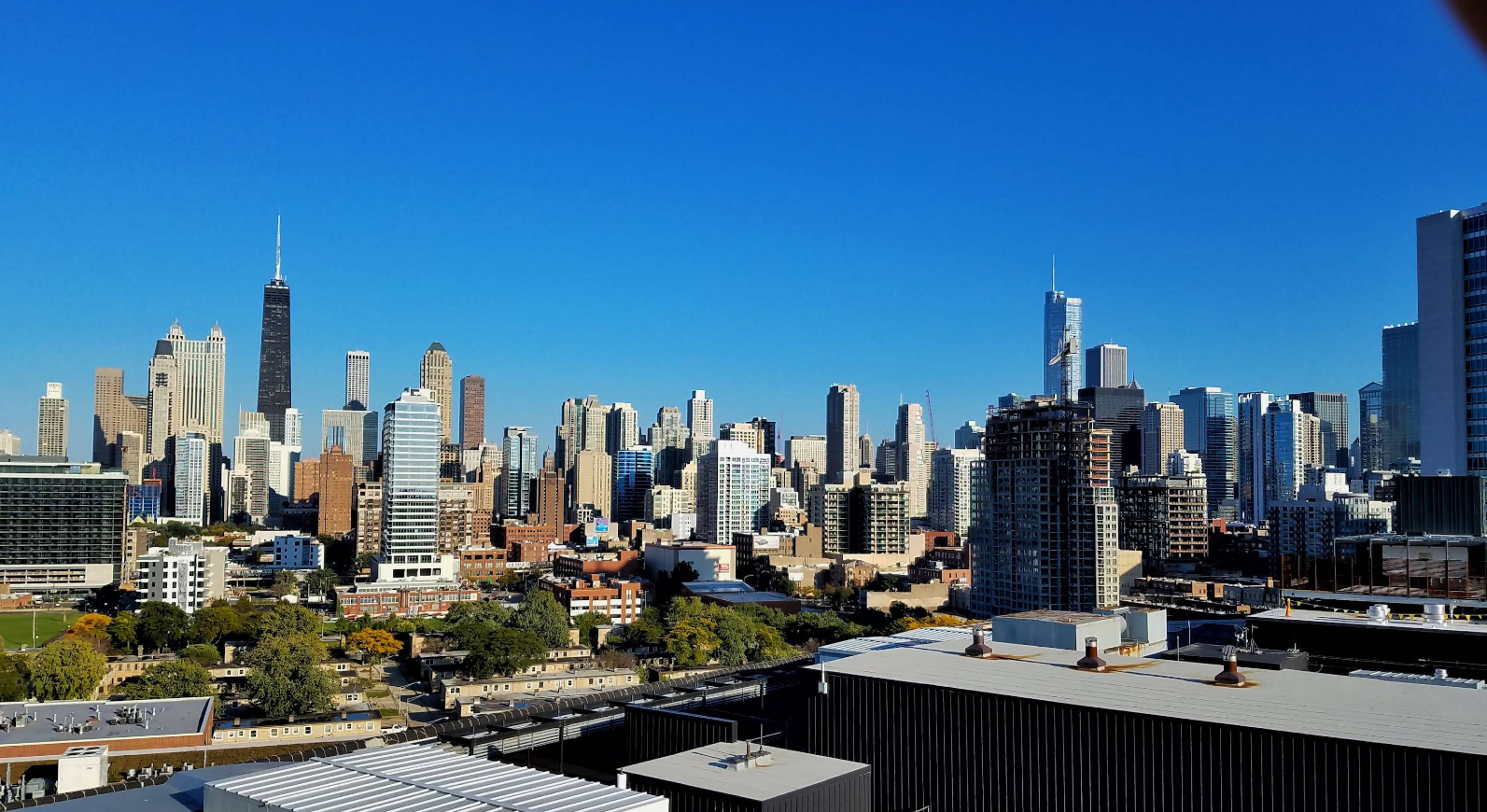
The West Loop is the outlier on this list because history isn’t really the main attraction. Food is. Restaurant Row, Fulton Market, Greektown, bakeries, cafes, cocktail bars, and converted warehouse spaces make the neighborhood especially good for travelers who plan vacations around what they’re going to eat next. There’s also the National Hellenic Museum and plenty of nightlife. Traditional Chicago sightseeing still requires venturing elsewhere, so this isn’t the neighborhood for someone determined to check off every landmark. For a food-centered long weekend, though, leaving can feel optional.
Downtown and Old Port | Portland, Maine
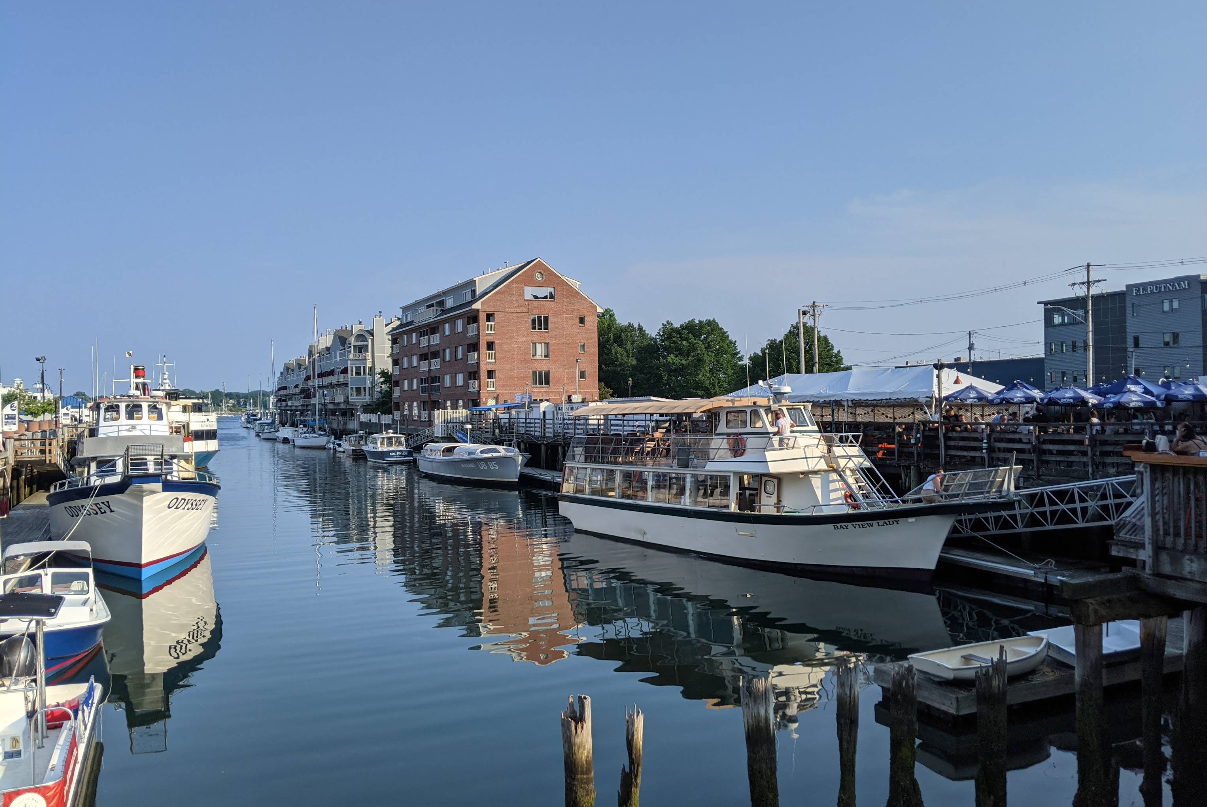
Portland squeezes big-city eating and coastal Maine atmosphere onto a compact peninsula. The Old Port brings together cobblestone streets, historic brick buildings, independent shops, seafood restaurants, bars, a working waterfront, and ferry access to Casco Bay. That last part is what really expands the vacation: you can stay downtown and still spend part of the day out on the water or visiting an island. Portland’s popularity has a downside, particularly in summer when central lodging can get expensive. Shoulder season can make this neighborhood-centered trip considerably easier on the budget.
Provincetown Center | Provincetown, Massachusetts
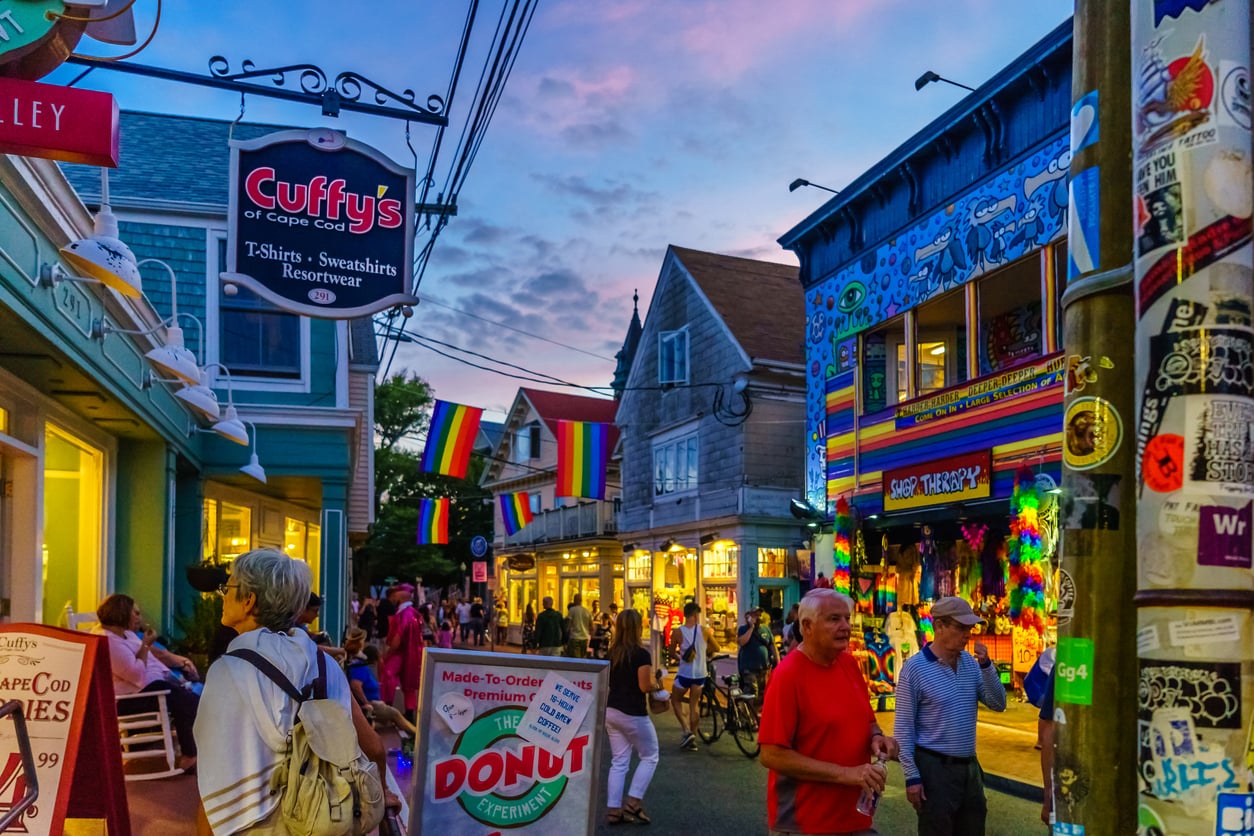
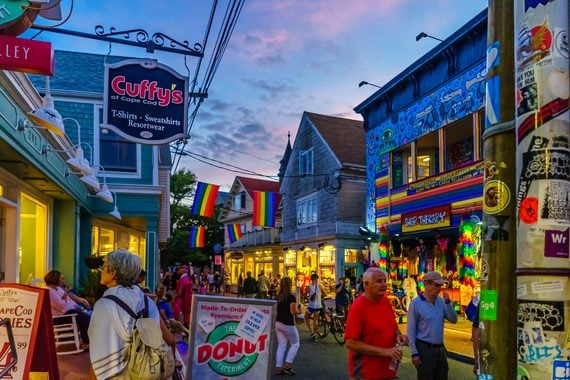
Provincetown’s long, narrow layout makes Commercial Street feel almost like the hallway connecting an entire vacation. Restaurants, galleries, boutiques, cafes, bars, performance spaces, and waterfront views crowd the center, while whale-watching boats and beaches add activities that feel much bigger than the town itself. Bike rentals also put more of the surrounding Cape Cod National Seashore within reach. Summer brings the biggest limitation: crowds and expensive lodging. Staying slightly away from Commercial Street’s busiest blocks can provide quieter nights without sacrificing the ability to walk almost everywhere.