
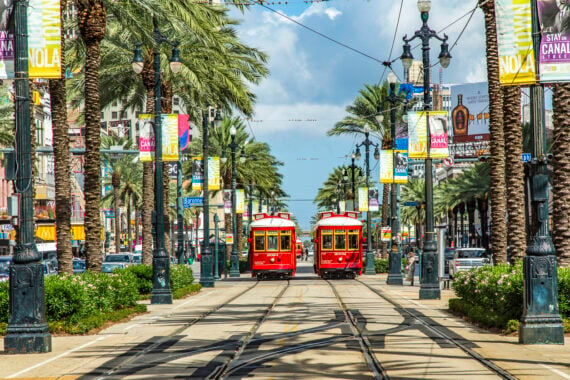
Renting a car can feel like the easiest way to get around on vacation, but in some destinations, it quickly becomes more trouble than it’s worth. Between pricey parking garages, traffic, tolls, and confusing streets, the cost of having your own wheels can pile up while the car spends most of the trip sitting unused. In New York City, for example, the MTA’s congestion pricing program adds another potential driving expense on top of parking and tolls. From Manhattan to Venice, these 12 trips are good reminders that sometimes the easiest way to travel is to skip the rental counter altogether.
New York City, New York
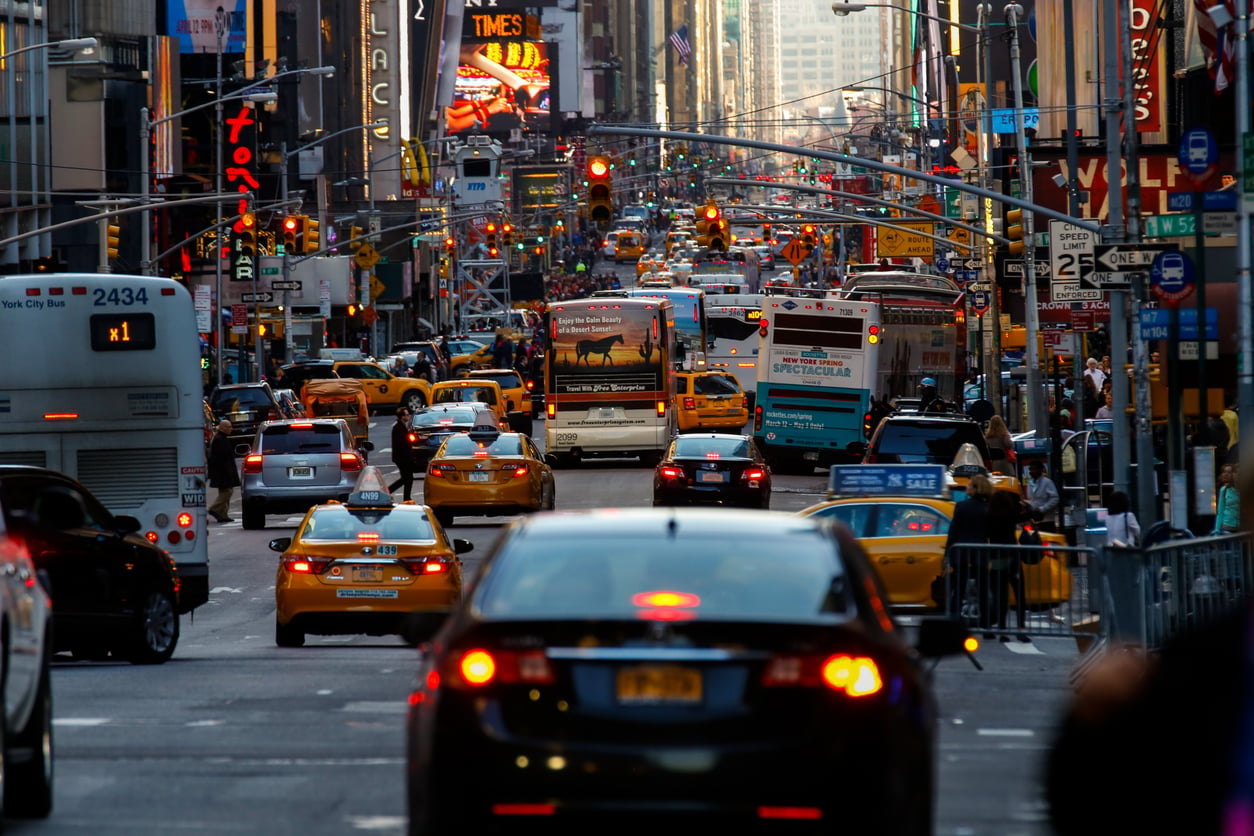
A rental car in Manhattan comes with expenses before you’ve found somewhere to park it. New York’s Congestion Relief Zone covers local streets and avenues in Manhattan at and below 60th Street, with passenger vehicles using a valid E-ZPass currently paying a $9 peak-period toll to enter. Add garage fees, bridge or tunnel tolls, and slow traffic, and driving quickly loses its appeal. The subway and buses reach far more of the city without the parking hunt. Rent a car later if you’re heading beyond the five boroughs.
San Francisco, California
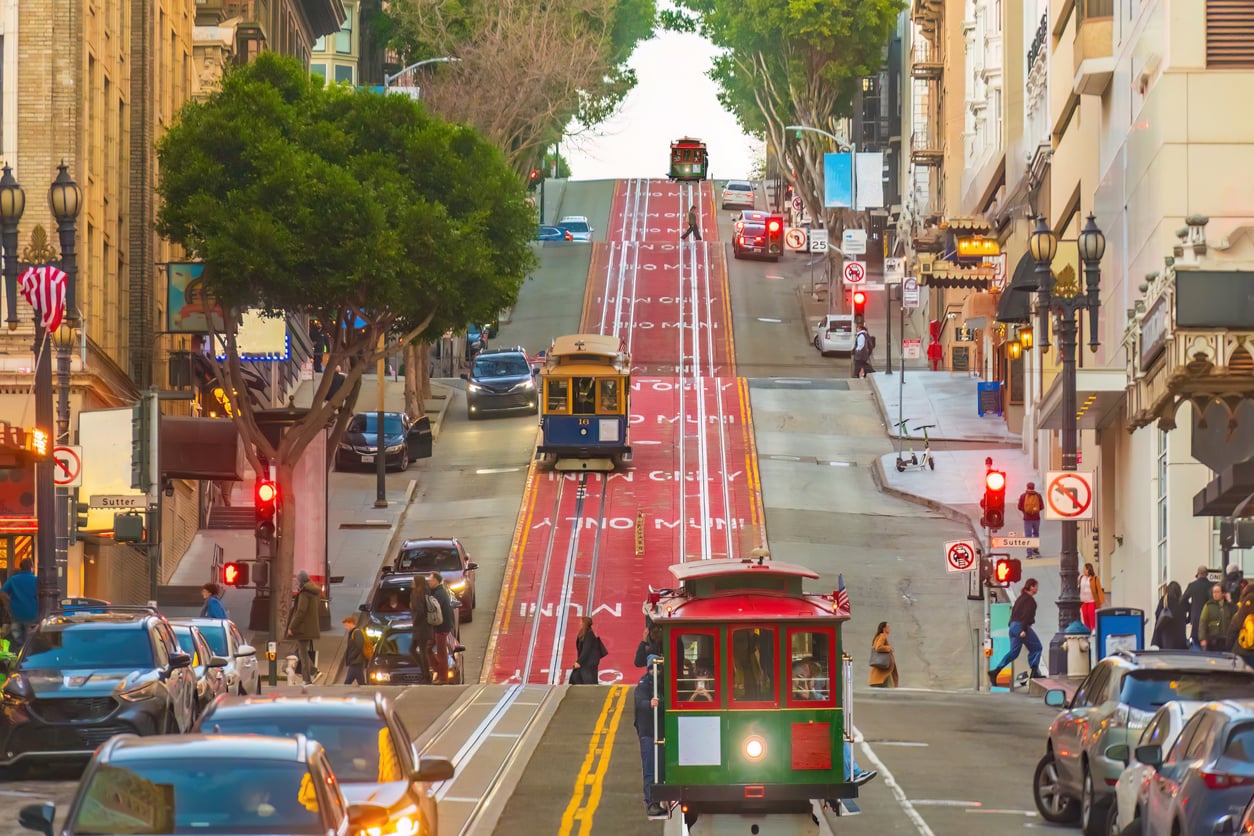
San Francisco is one city where even its tourism bureau says visitors don’t need to bring a car. Muni buses and trains, BART, cable cars, streetcars, ferries, taxis, and rideshares cover most sightseeing needs. There’s also another worry: SF Travel specifically advises drivers to remove luggage and valuables from parked vehicles. A car becomes much more useful once you’re leaving town for wine country or a coastal drive. Instead of paying to store one during the city portion, pick it up on the morning you actually need it.
Washington, D.C.

Driving from monument to monument sounds convenient until you look at the parking rules. The National Park Service says parking is at a premium in Washington and specifically recommends using Metro rail and buses. The National Mall has more than 1,400 metered spaces, but most cost $2.30 an hour and carry a three-hour limit, meaning a car doesn’t necessarily buy you much flexibility. Stay near a Metro station instead. Once downtown, many of Washington’s museums, memorials, and monuments can be combined into long walks.
Boston, Massachusetts
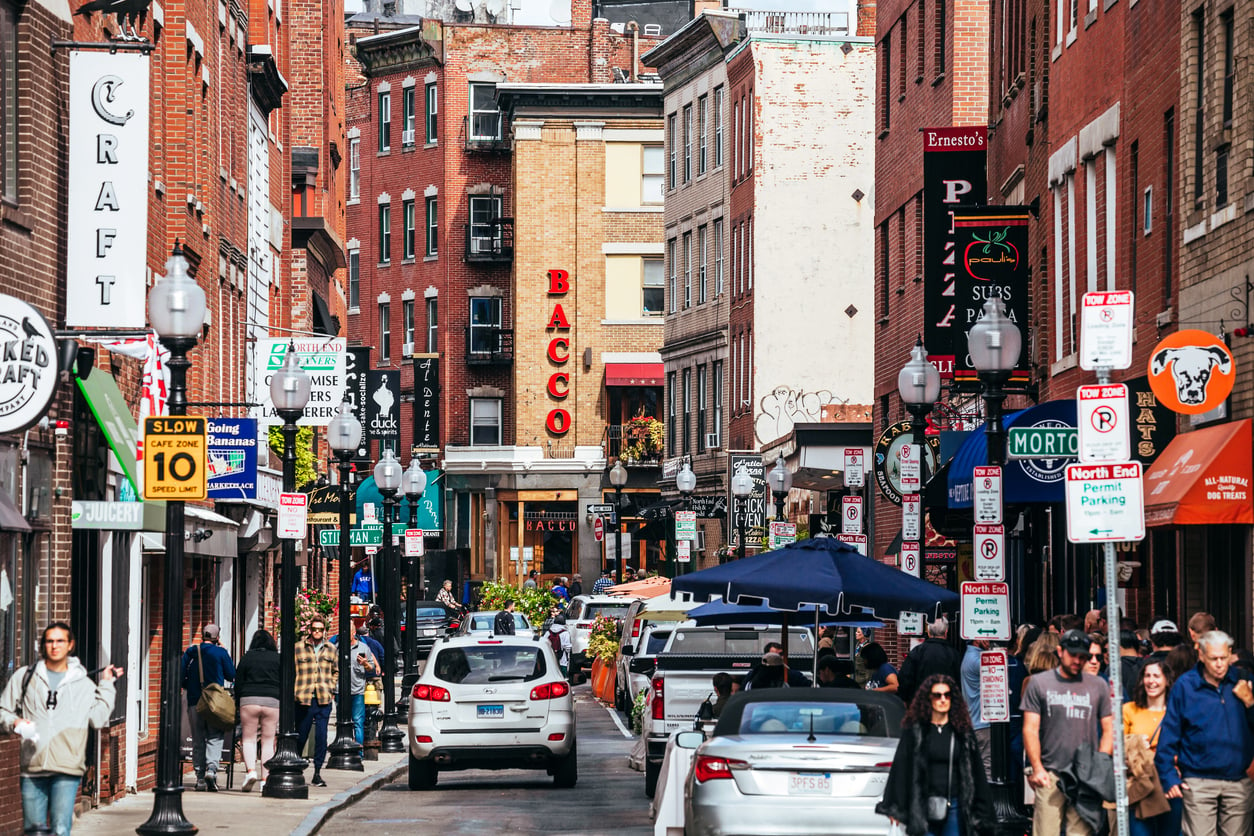
Boston calls itself “America’s Walking City”, and visitors can take the hint. Downtown, Beacon Hill, the North End, Boston Common, and sections of the Freedom Trail are packed into an unusually compact area, while the T handles longer trips. Official tourism guidance calls walking, biking, and public transit the easiest and most cost-effective ways to get around. Street meters generally cost $2 to $3.75 an hour and often have two-hour limits. Unless you’re planning substantial travel outside Boston, a rental car can spend an expensive vacation sitting still.
Chicago, Illinois
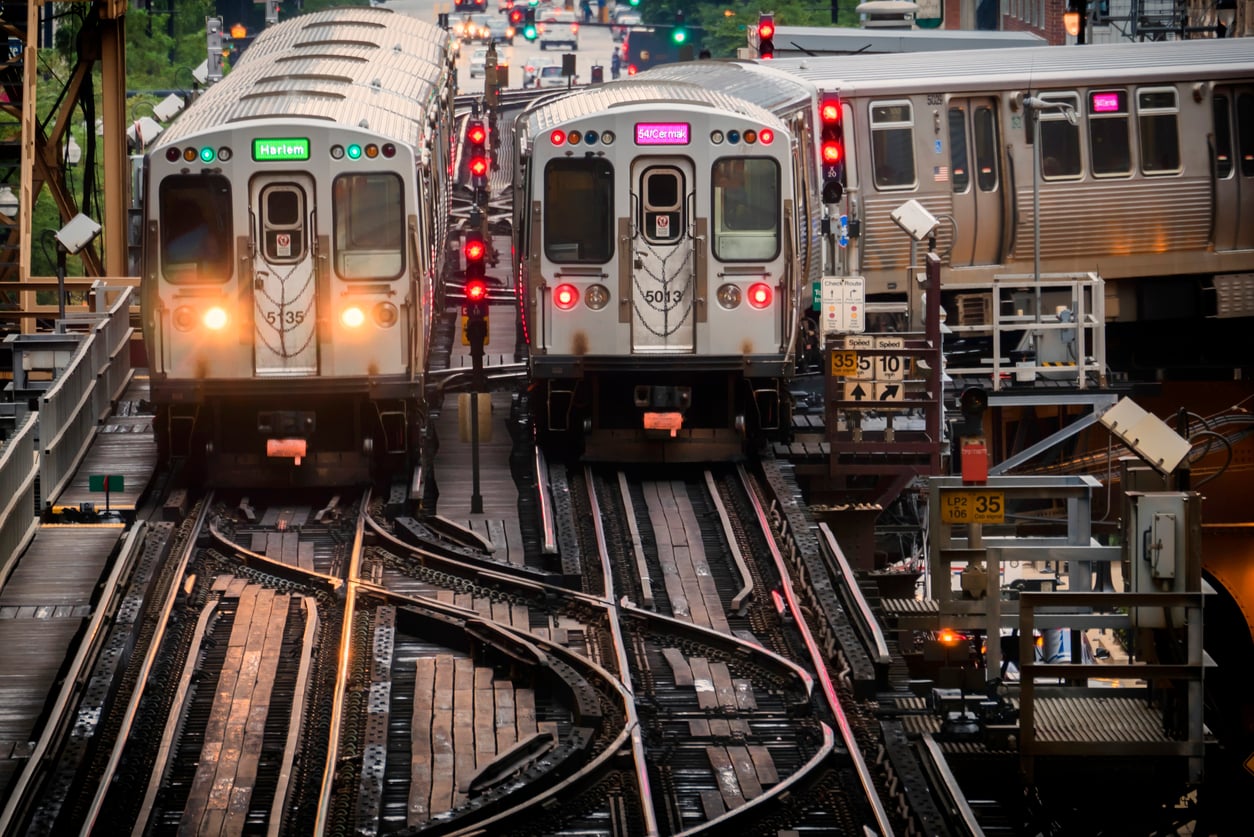
Chicago’s grid is easier to understand than Boston’s streets, but that doesn’t mean vacationers need a car. The CTA’s rail network connects downtown with major neighborhoods and both airports. The Orange Line makes the Midway-to-Loop trip in roughly 20 to 25 minutes, while the Blue Line serves O’Hare. Once downtown, attractions such as Millennium Park, the Art Institute, Riverwalk, Magnificent Mile, and lakefront are easy to combine with walking and transit. A one-day unlimited CTA ticket is just $5, making the rental-car math particularly difficult to justify.
Trending on Cheapism


New Orleans, Louisiana
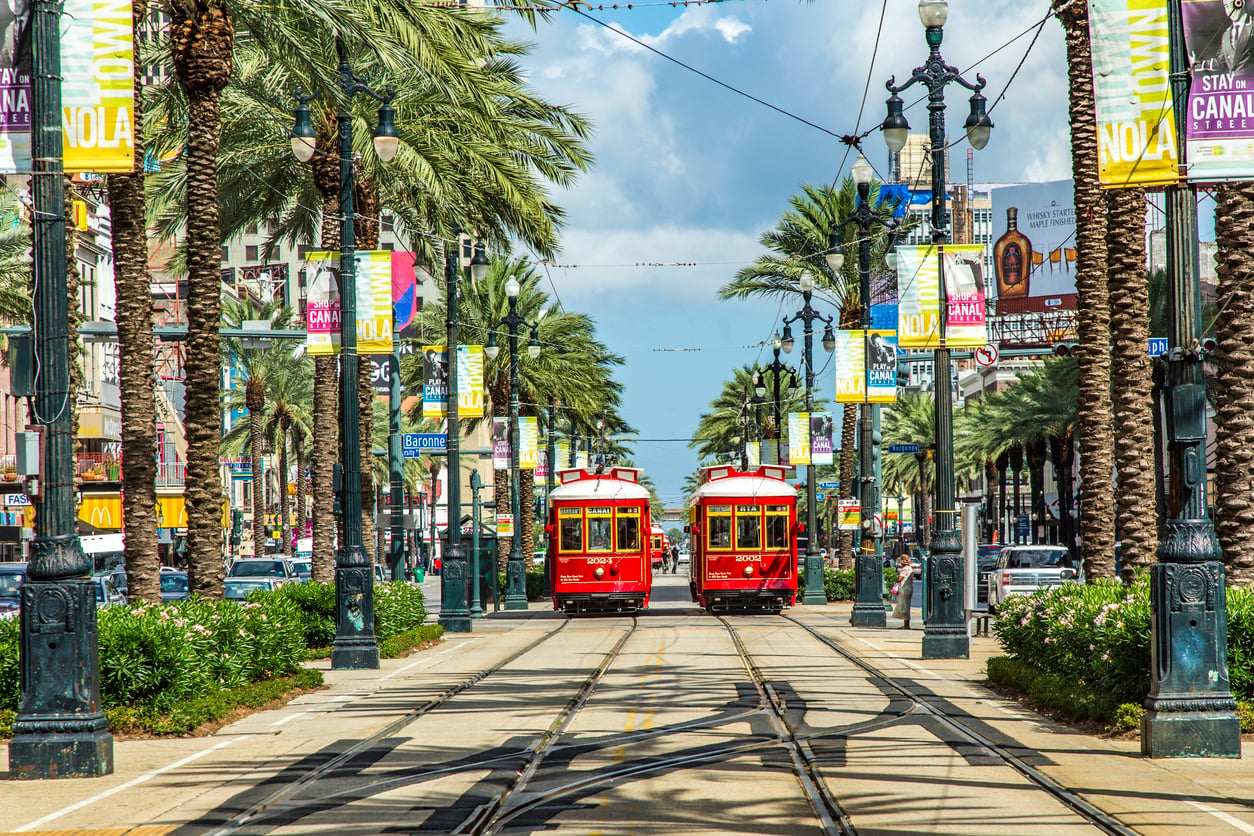
A car isn’t impossible to use in New Orleans, but for a typical sightseeing trip it can become an unnecessary expense. The neighborhoods most visitors frequent, including the French Quarter, CBD, Warehouse District, Marigny, and Garden District, can be reached by walking or transit. A streetcar ride costs $1.25, while a one-day unlimited Jazzy Pass is $3. New Orleans’ tourism organization says downtown hotel parking commonly runs $30 to $50 per night. Unless you’re heading outside the city, leave the driving to somebody else.
Key West, Florida
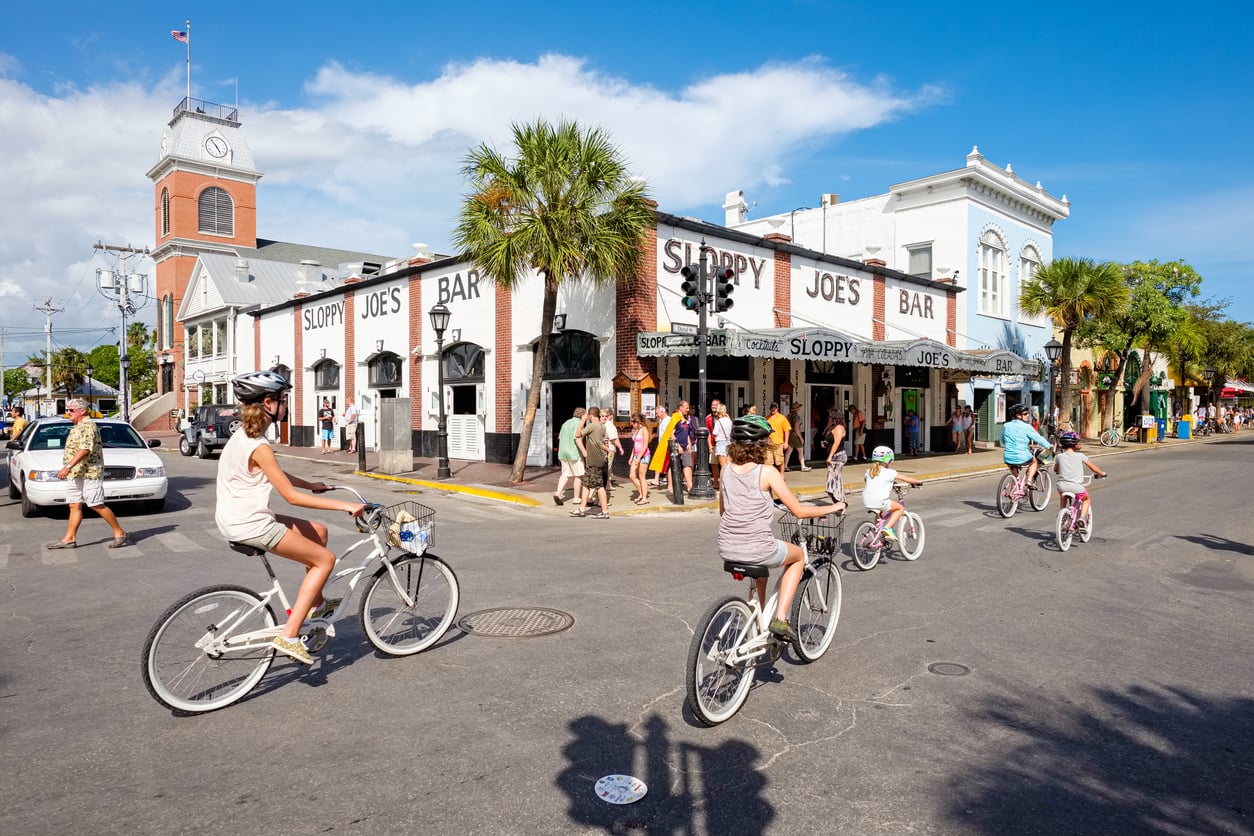
Driving the Overseas Highway to Key West can be part of the vacation. Driving around Old Town once you arrive is another story. The compact historic center lends itself to walking and biking, while the city’s Duval Loop bus is free. Parking rules also favor residents in portions of the historic neighborhoods, making a rental less useful for visitors. If Key West is the end of a Florida road trip, find one legal place for the car and leave it there while sightseeing rather than repeatedly moving it between stops.
Honolulu and Waikiki, Hawaii
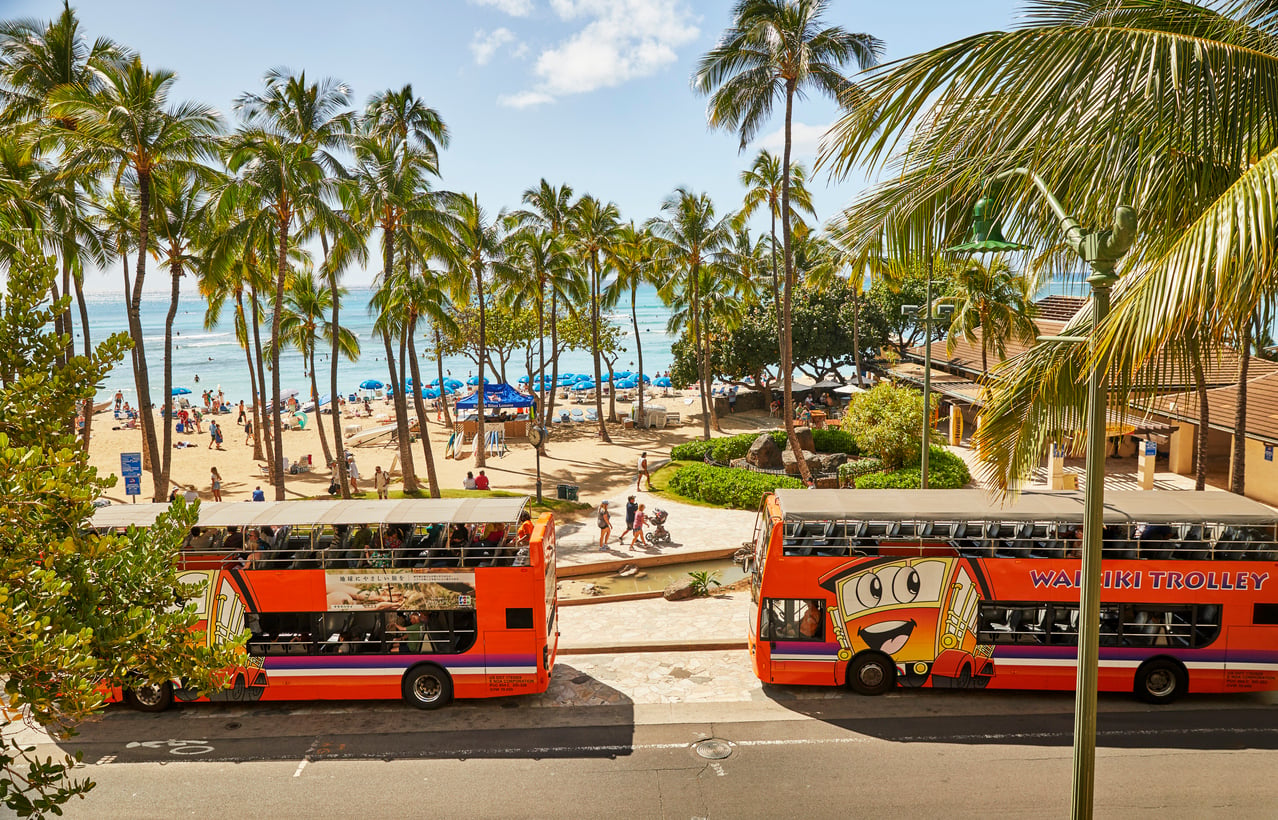
A car makes much more sense for exploring Oahu than it does for spending several days around Waikiki. Hotels, restaurants, shops, beaches, and much of the resort district are close enough to combine on foot, and Honolulu’s TheBus connects Waikiki with downtown and destinations elsewhere on the island. Current routes even reach attractions as far afield as the North Shore with transfers. The practical compromise is often renting a car only for the day or two devoted to island exploration instead of paying a rental rate and resort parking every night.
Sign up for our newsletter
Savannah, Georgia
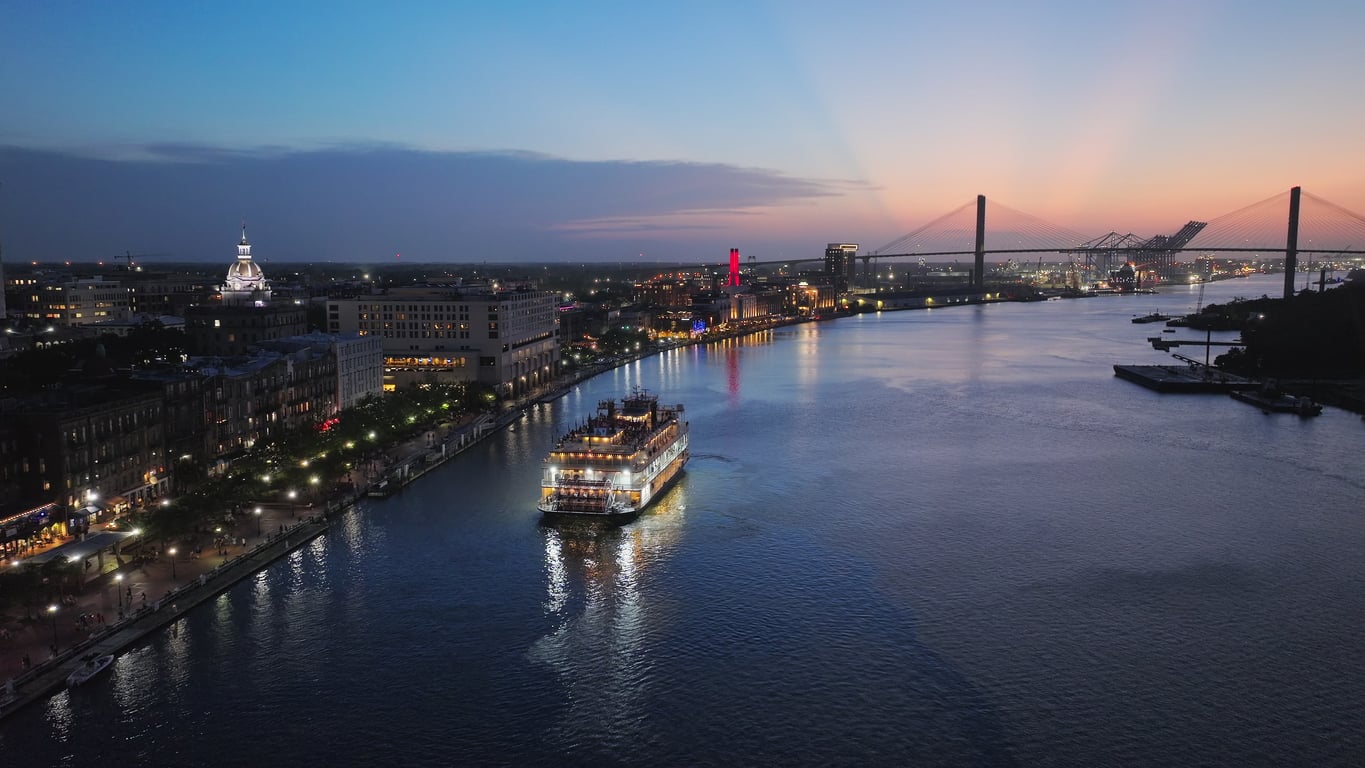
Savannah rewards slow sightseeing. Its Historic District is a sequence of leafy squares, old houses, churches, shops, and restaurants that makes much more sense on foot than through a windshield. Visitors who need a break from walking also have a fare-free downtown transportation system, including shuttle service and passenger ferries. The city’s visitor-parking program offers 24- and 48-hour passes, so arriving by car isn’t disastrous. But once you’ve parked, there’s little reason to keep moving it. Comfortable shoes will usually be more useful than the keys.
Charleston, South Carolina
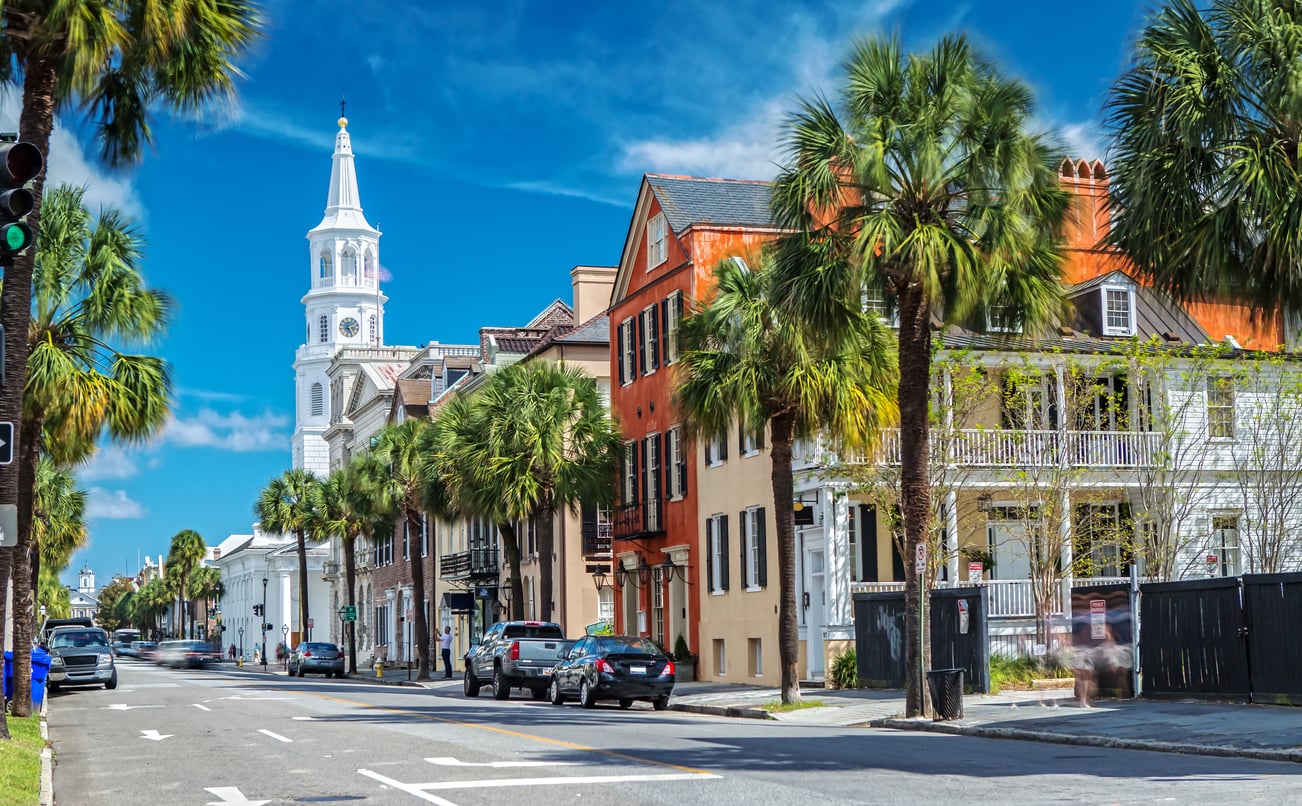
Charleston’s historic peninsula is another place where a car can be more useful for getting to the destination than getting around it. Downtown city garages generally charge $1 per 20 minutes with a $24 daily maximum, while many metered spaces cost $3 an hour. Meanwhile, CARTA’s DASH buses circulate around the historic peninsula for free, serving King Street, Waterfront Park, City Market, museums, and other visitor areas. Keep a car if you’re visiting beaches or attractions outside downtown; otherwise, walking and the free shuttle can handle much of a city stay.
Venice, Italy
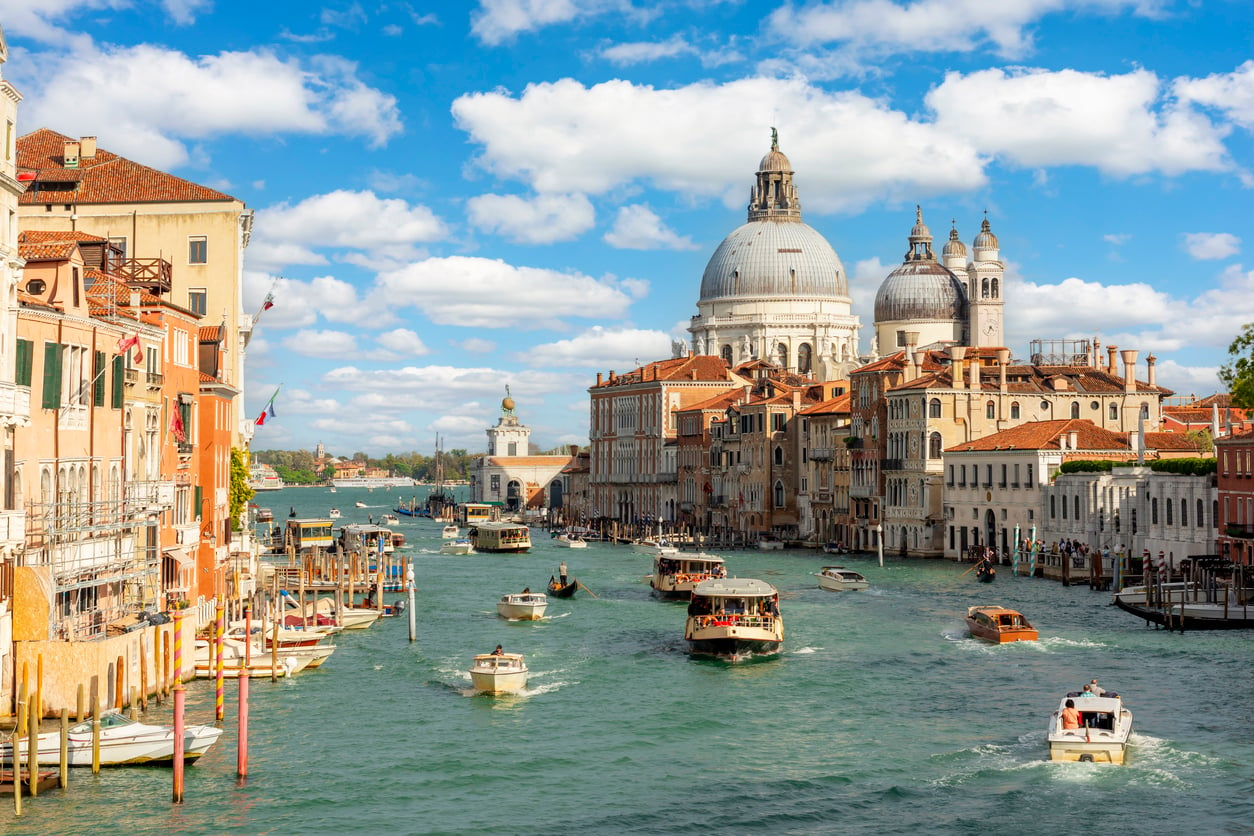
This one isn’t really a contest. You cannot drive around historic Venice. Travelers arriving by car must leave it at the edge of the pedestrian city, such as Piazzale Roma, and continue on foot or by water. Venice’s municipal garage at Piazzale Roma currently costs €35 for 24 hours, meaning you’re paying to store a rental you cannot use. Arriving by train at Venezia Santa Lucia eliminates that problem entirely: step outside the station and the Grand Canal is right there. From then on, walking and vaporetti do the work.
Amsterdam, Netherlands
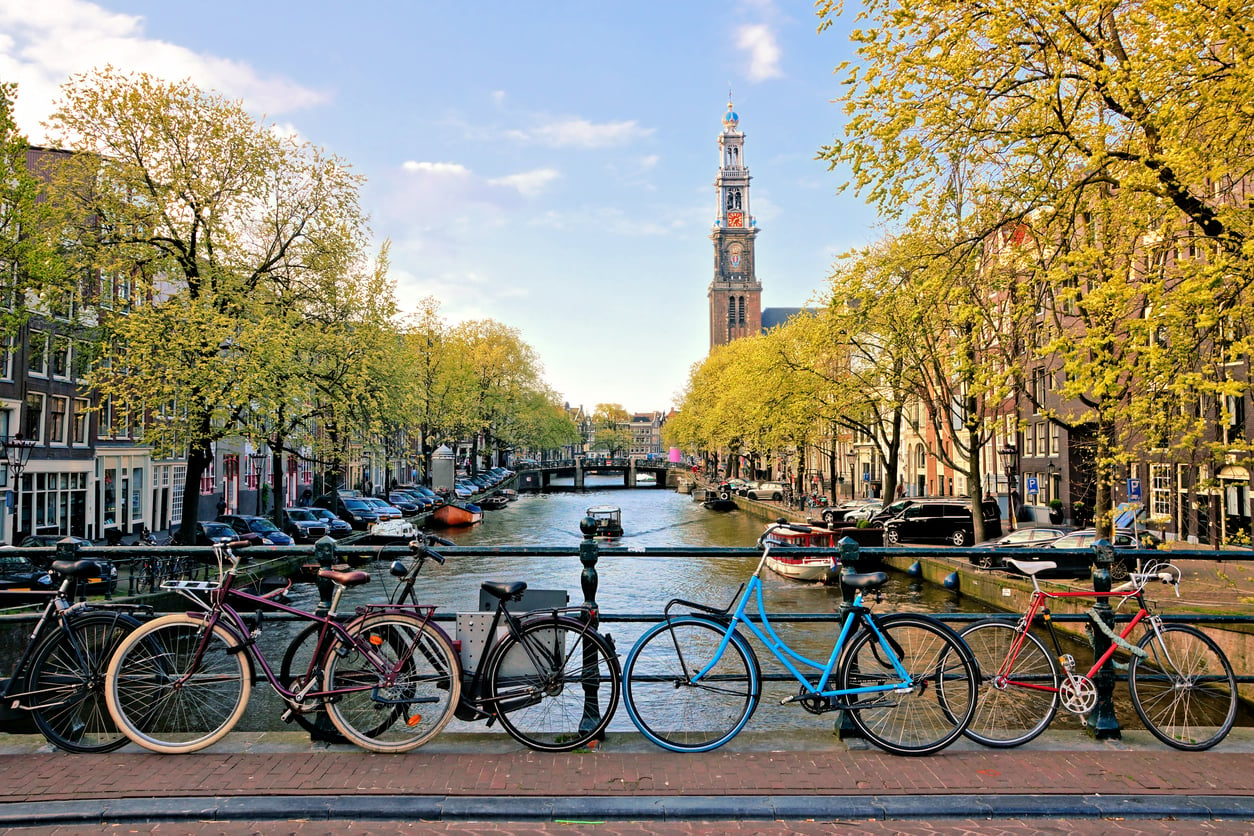
Amsterdam’s canals, trams, bicycles, narrow streets, and dense center make a rental car an awkward sightseeing tool. The city currently charges as much as €8.05 an hour for street parking in the center. By contrast, Amsterdam’s extensive public transportation network includes trams, metro, buses, and trains, with contactless payment available. If you’re arriving in the Netherlands by car, the city’s P+R system offers a sensible compromise: qualifying parking outside the center can cost €6 or €13 per 24 hours. Better yet, many popular Dutch day trips are reachable by train.