People often envision various scenarios when considering the purchase of an item or gadget for their home or daily routine. You might think a device will be useful and that you’ll use it every day, but imagining it is far easier than actually building the habit. These unused purchases can become a waste of money, as Consumer Reports indicates. Here are 12 items people keep buying for the future, yet almost never end up using.
The Beautiful New Planner
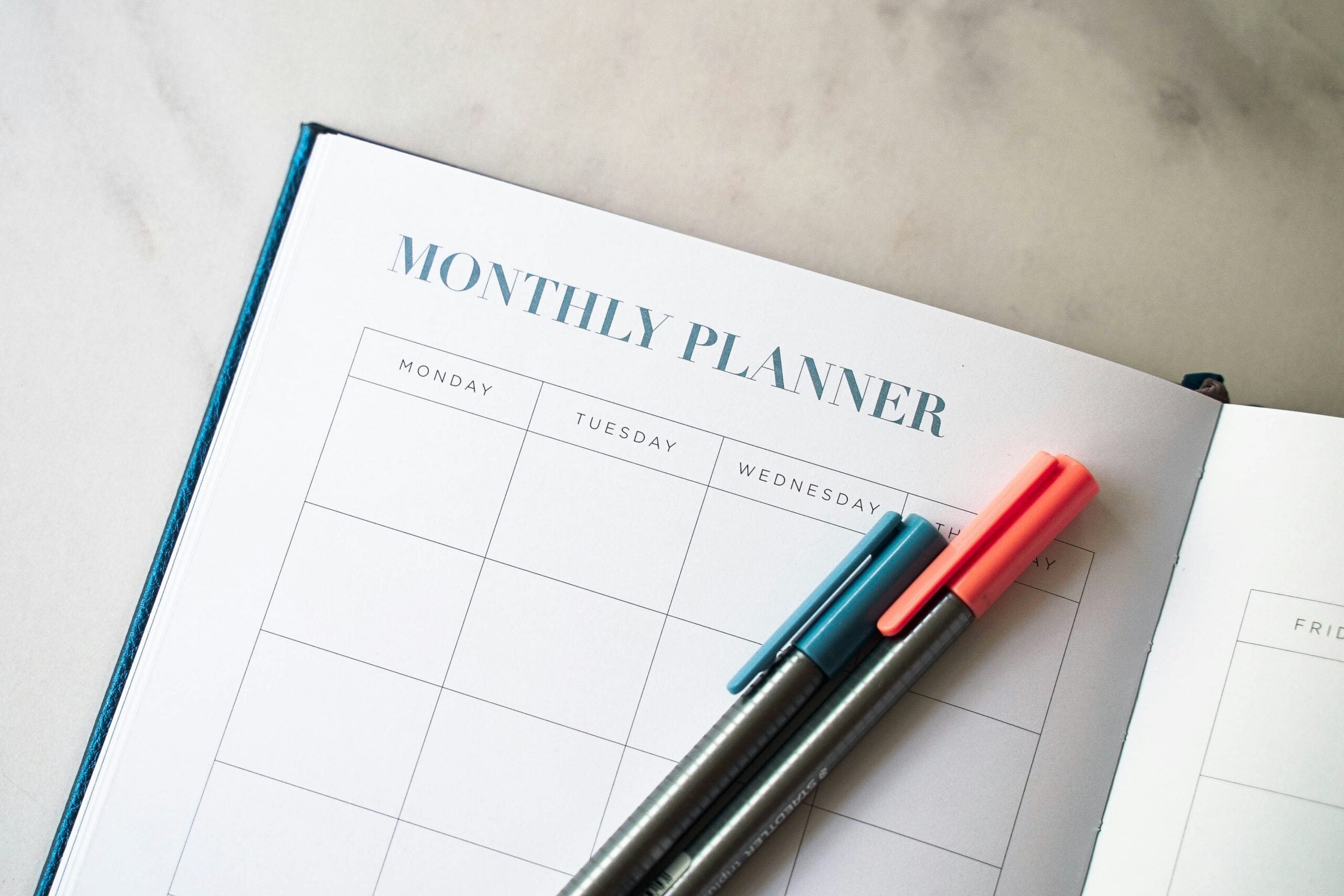
When you buy a planner, you imagine you’ll be able to organize events, tasks, and activities throughout the year and so you keep it near your desk. However, what often happens is that after a month or two, the pages start remaining blank. While these notebooks represent a purchase that could help you effectively organize your weeks, it could actually be better to simply note everything in your phone’s calendar and avoid spending money on these unused purchases,
The Home Gym Setup
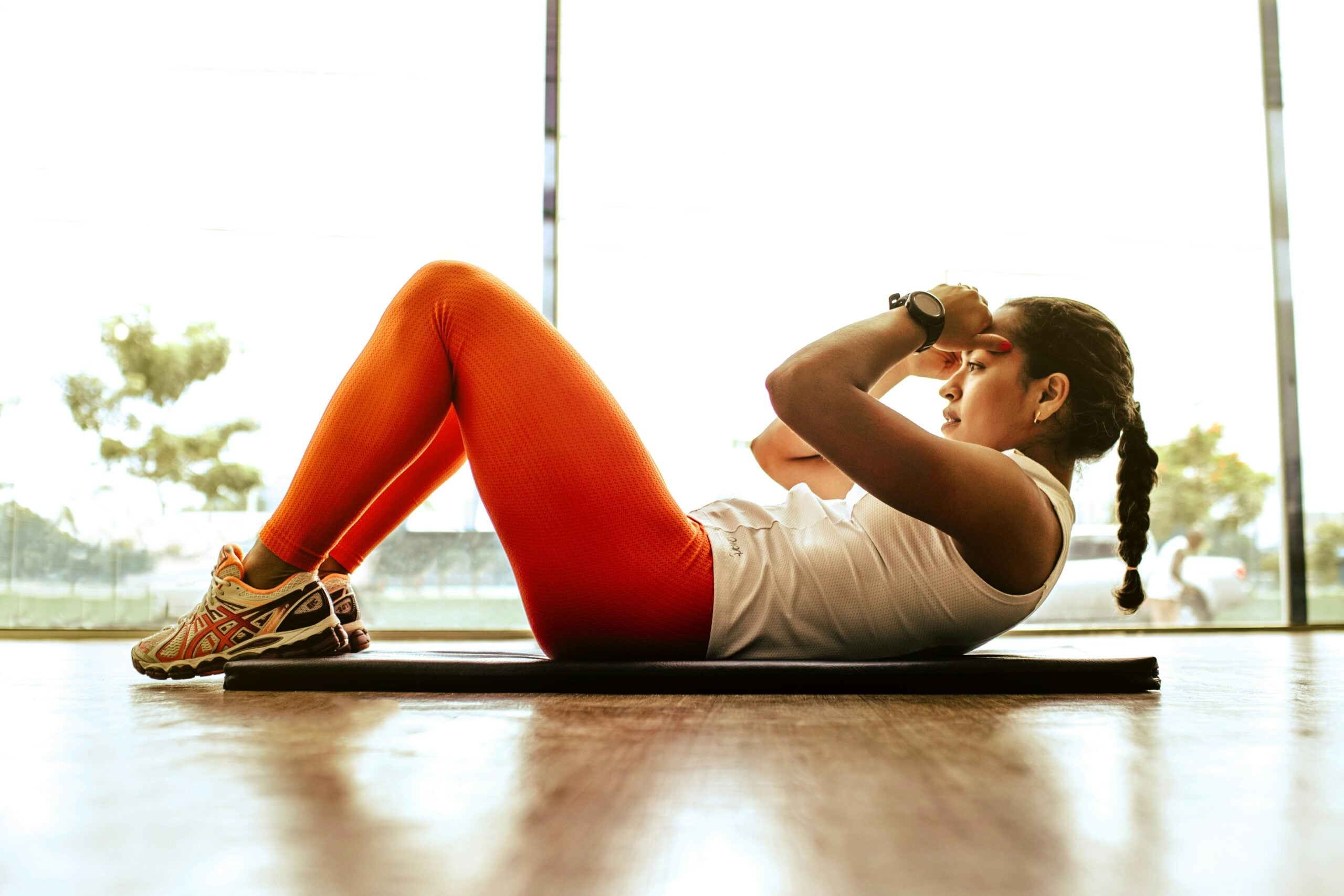
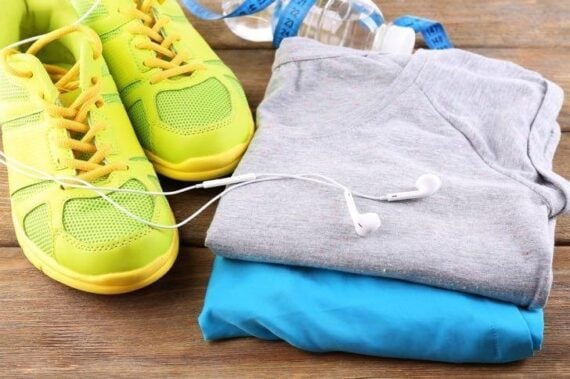
In general, having a home gym setup, with dumbbells, benches, treadmills, and exercise bikes right in your own home, might lead you to imagine you’ll build a healthy routine. However, in many cases, this equipment ends up serving as nothing more than very expensive clothes racks. The best approach is to establish a workout habit first and buy the equipment gradually, adding one item at a time, to see if you actually use it. Instead of getting unused purchases, Consumer Reports indicates you can create an exercise area by getting a cushy floor mat, dumbbells and elastic bands for a few dollars.
The Fitness App Subscription
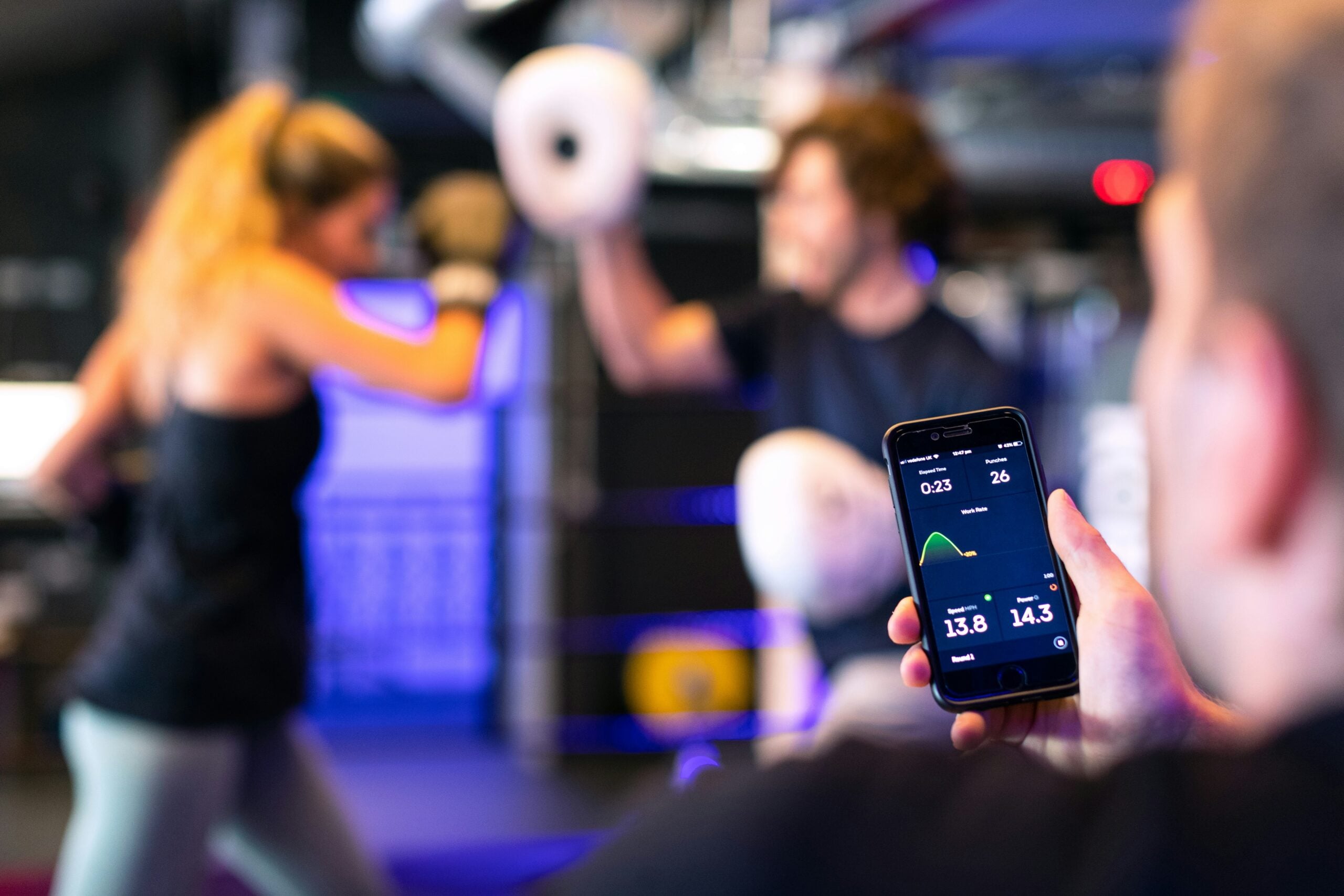
When you decide to pay for a fitness app subscription, you feel committed to working out, and you might make the most of it during the first few weeks so as not to waste your money. However, that recurring expense can continue long after you’ve stopped using the app to exercise. Consumer Reports indicates that with a fitness app, you miss out on the personalized instruction you get during an in-person class or session with a trainer. To Avoid turning subscriptions into unused purchases, consider whether you’ll actually use the app.
The Expensive Blender or Juicer
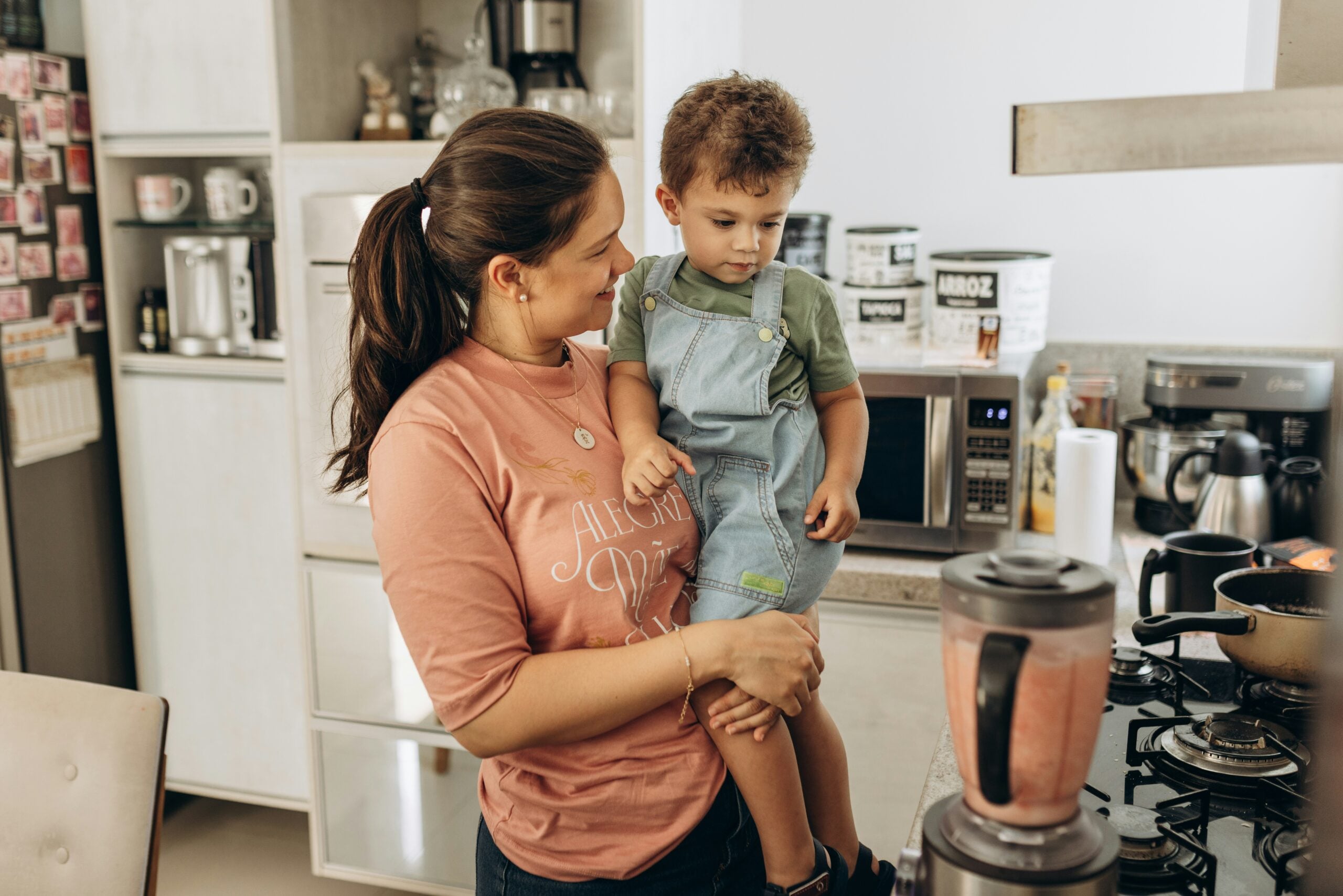
Another item that often goes underutilized when you own one is a blender or juicer, neither of which is cheap. You might imagine yourself making smoothies every day, but the reality is that the few times you actually use it, you will likely get tired of the hassle involved in chopping the fruit beforehand and washing the blades afterward. These appliances can quickly become unused purchases.
The Single-Purpose Kitchen Gadget
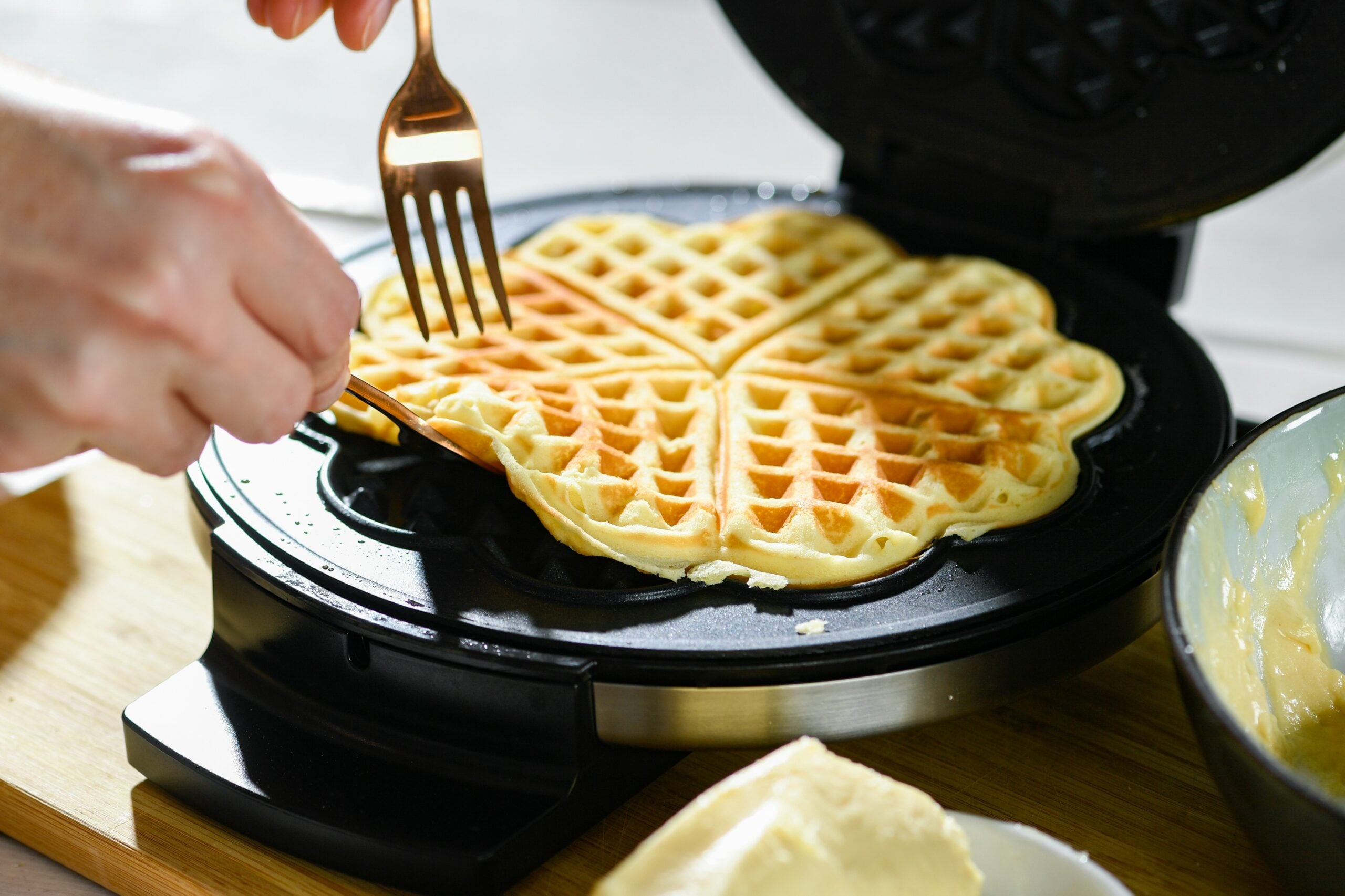
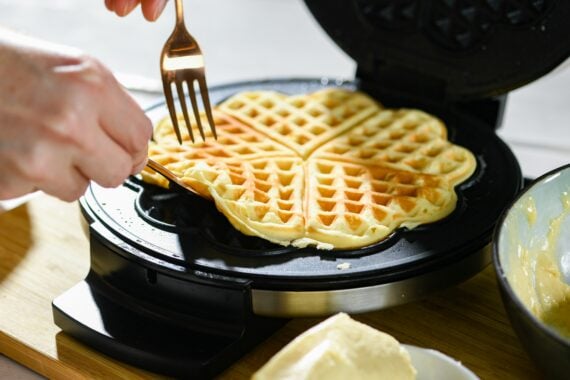
Promotions for single-task kitchen appliances, such as bread makers, waffle irons, ice-cream machines, and popcorn makers, might lead you to believe you’ll be making food from scratch. In reality, however, they often just take up cabinet space and get used only a few times a year. You can save money by borrowing them instead of making unused purchases, or by purchasing a second-hand model.
Trending on Cheapism
A Complete Meal-Prep Container System
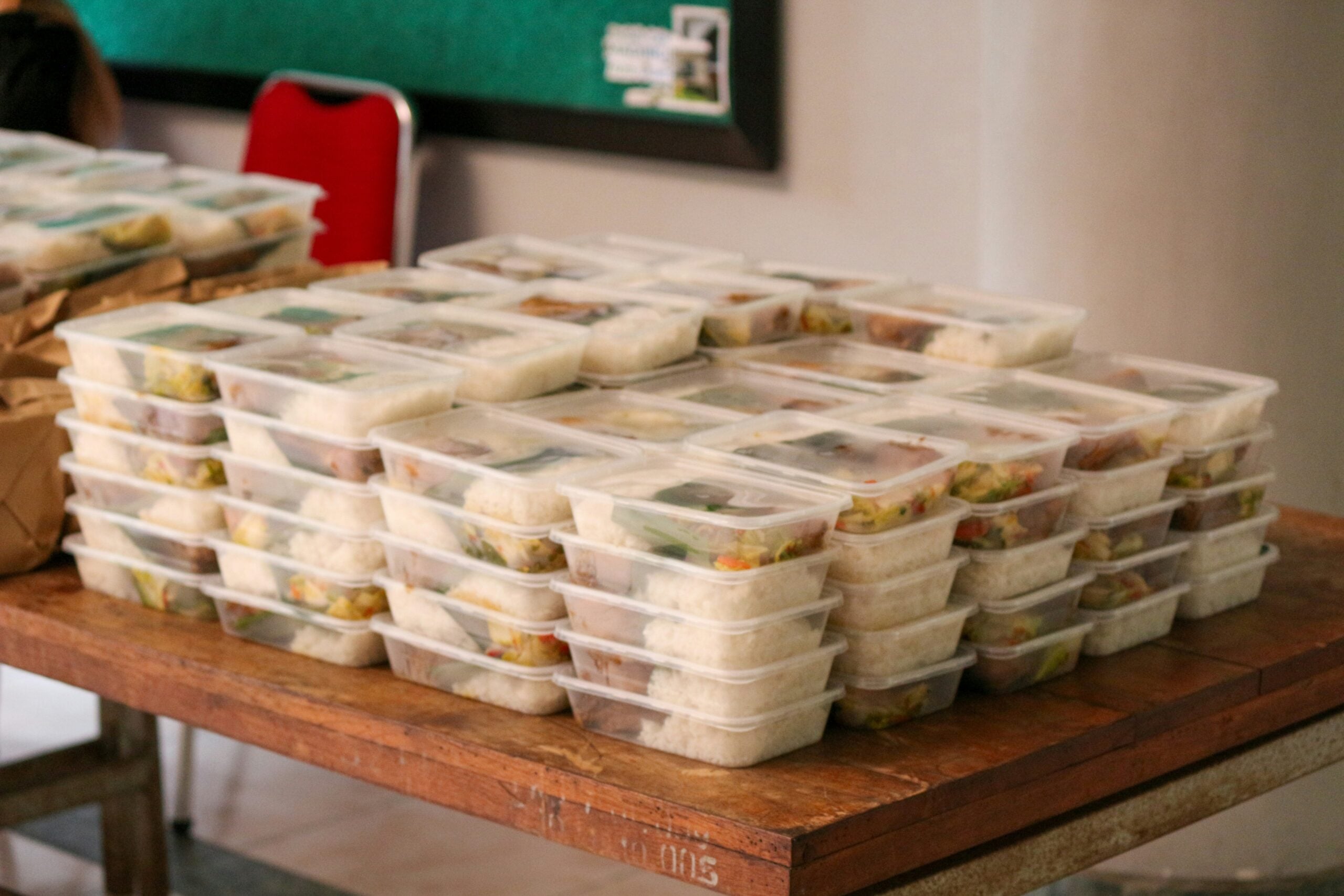
Being able to prepare meals for an entire week, or even a month, is the dream of many time-strapped workers. However, a meal-prep container system can easily fall apart. You might have leftovers, order takeout, face an irregular schedule, or even lose the container lids. You could start small by prepping meals in just a few containers rather than buying a large set. Simply owning a stack of containers doesn’t guarantee you’ll actually get into the habit of filling them all, so avoid making unused purchases.
An Entire New Hobby at Once
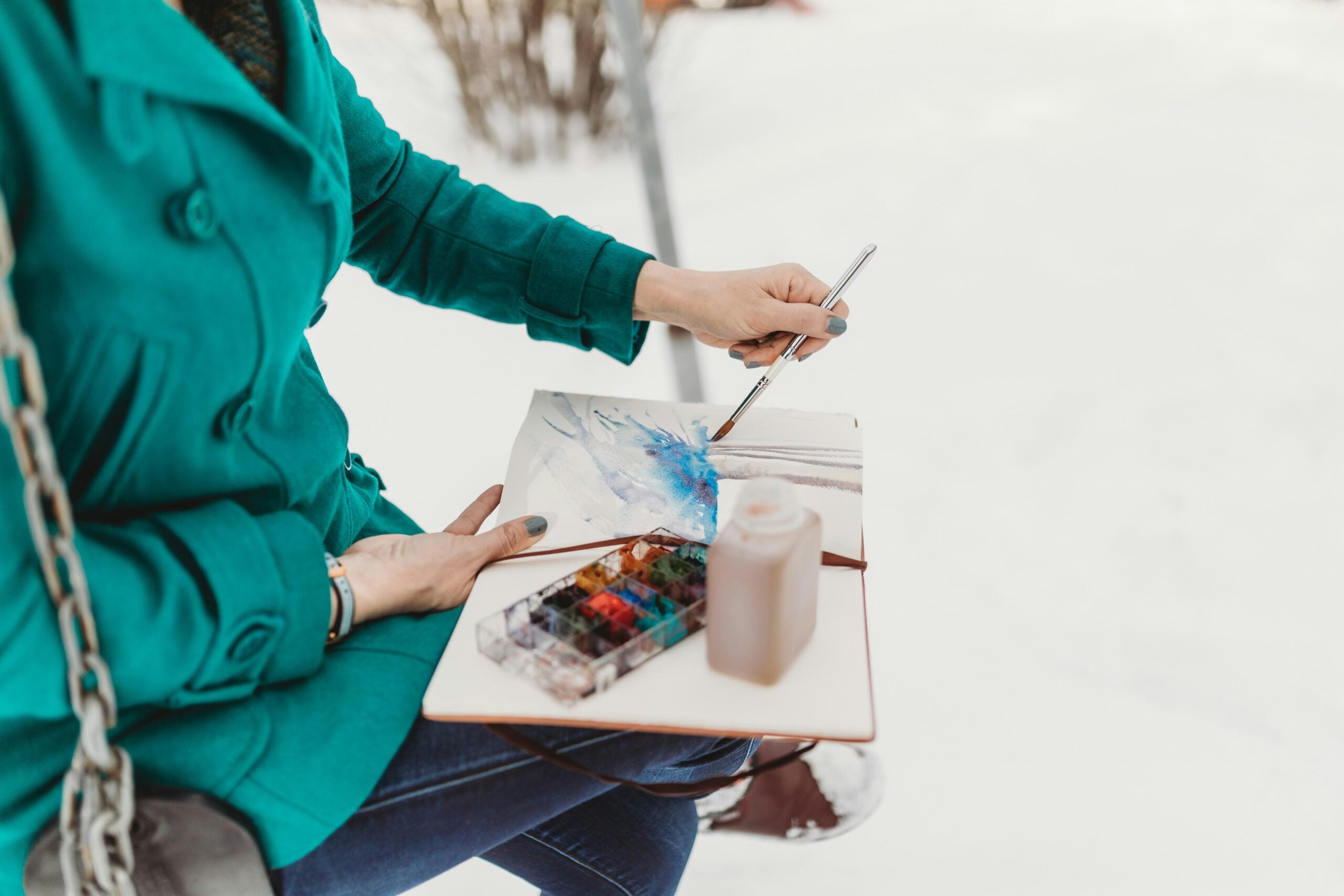
You might enjoy spending time painting a part of your home, practicing photography, tending to the garden, or playing music, but you should take on only one new hobby at a time. People often spend a lot of money when starting an activity, for instance, on brushes, paints, canvases, and instructional books for painting, only to abandon the hobby a month later. Don’t waste your money on unused purchases for hobbies that you aren’t sure you will actually stick with over time.
The Full Camping Setup
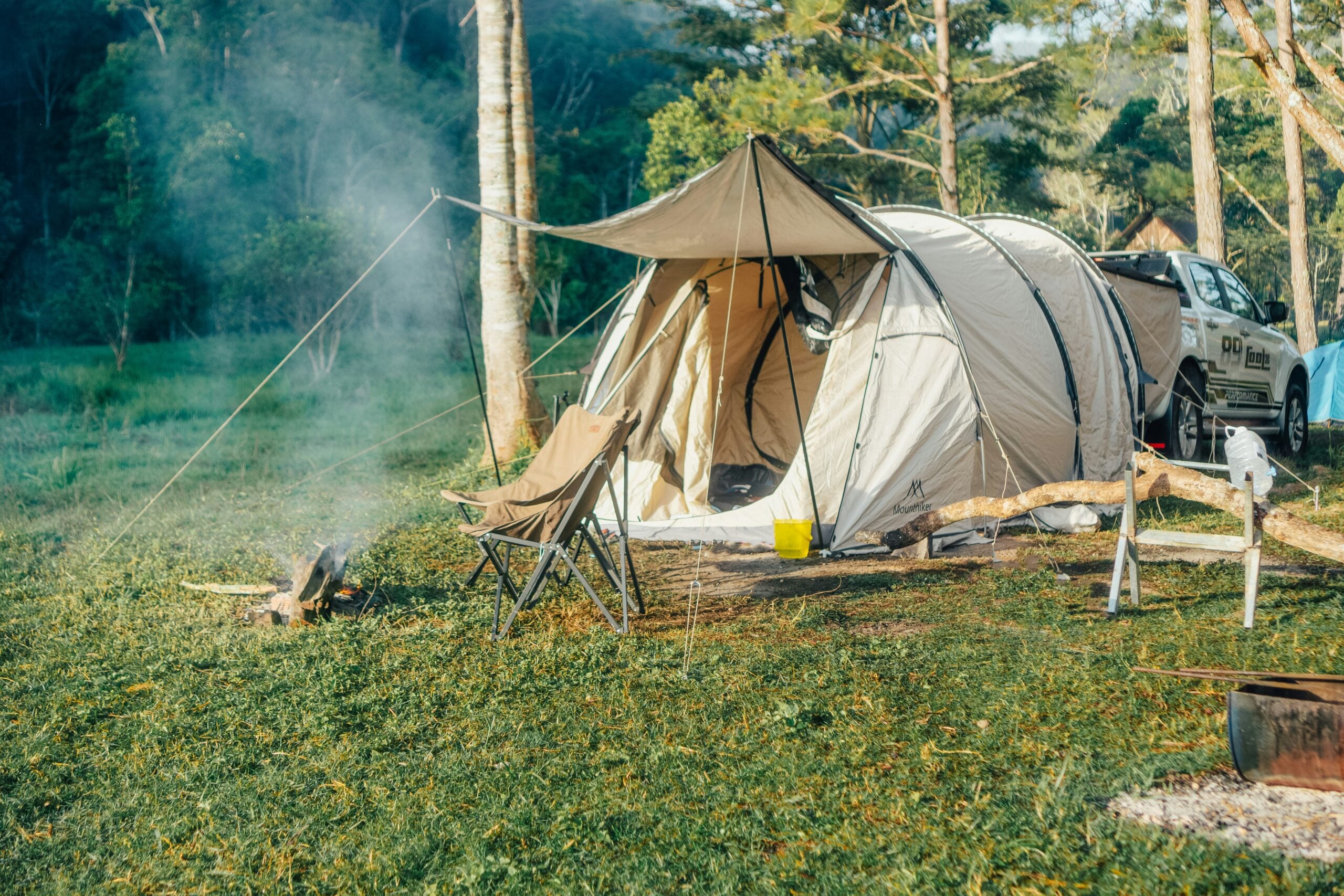
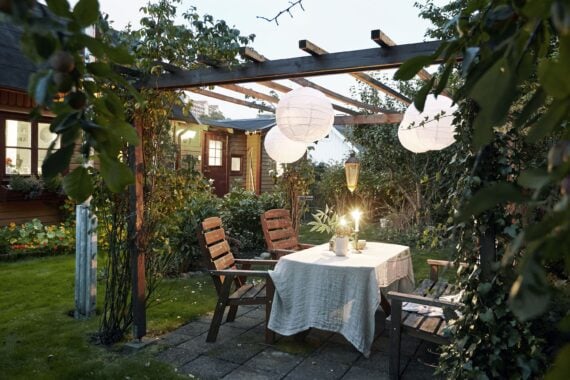
The idea of making a habit of frequent camping trips can be very costly. Buying a tent, sleeping bags, a stove, a chair, a cooler, hiking gear, and lanterns, among other items, for future outdoor adventures might seem like an ideal plan, but the reality is quite different. For one thing, all that gear takes up storage space at home; for another, you could simply rent or borrow basic equipment first to decide if camping is really for you and avoid unused purchases.
Sign up for our newsletter
Clothes for a Life You Don’t Actually Live
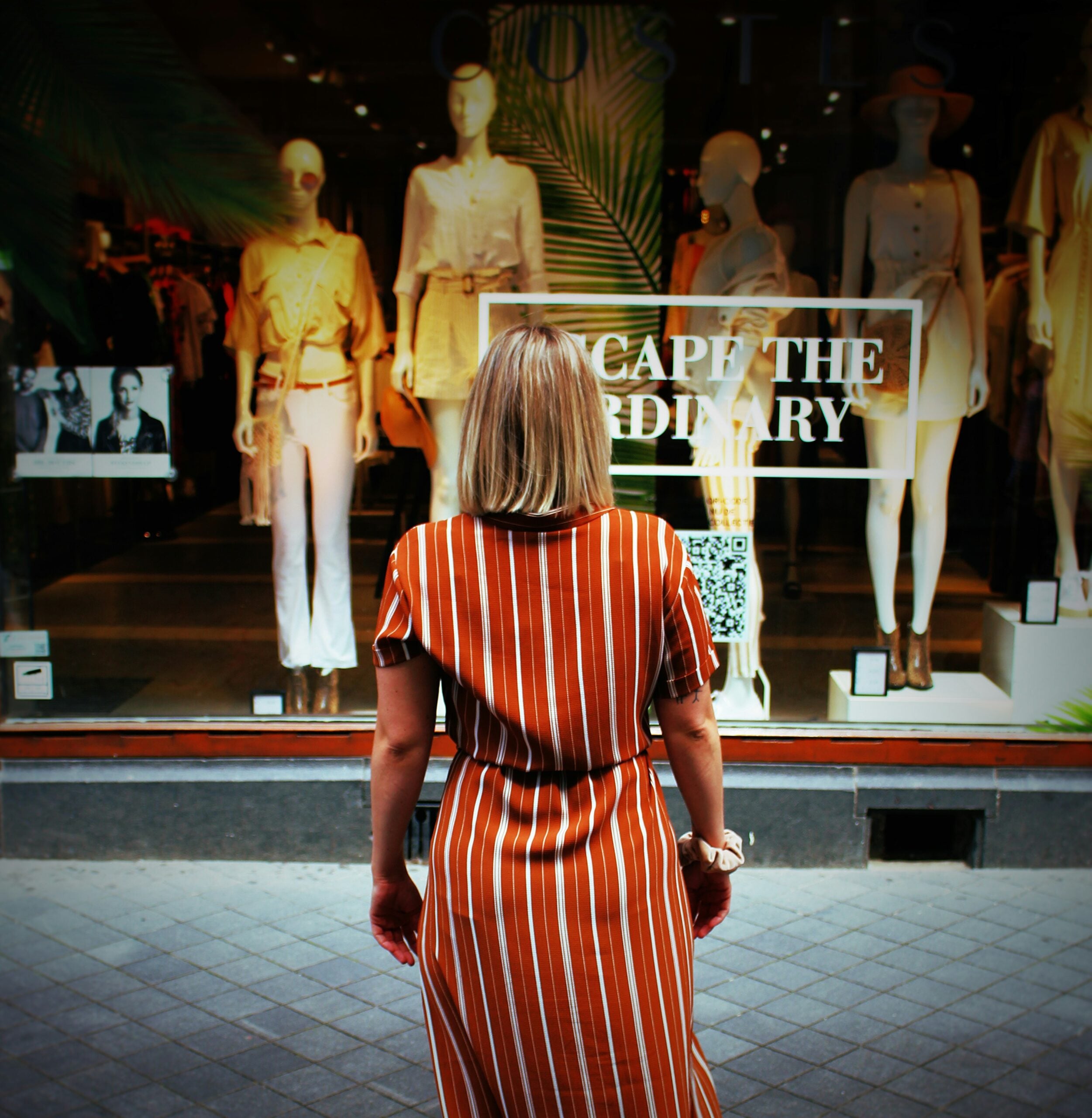
Just because a garment looks attractive and fits well when you try it on doesn’t mean you should necessarily buy it. You might envision occasions to wear formal wear, cocktail dresses, or office-event attire, yet, as a remote worker, for instance, those scenarios may exist only in your imagination. Before purchasing such items, ask yourself whether you will actually wear them a month or two down the line and avoid unused purchases.
Storage Bins Before Actually Decluttering
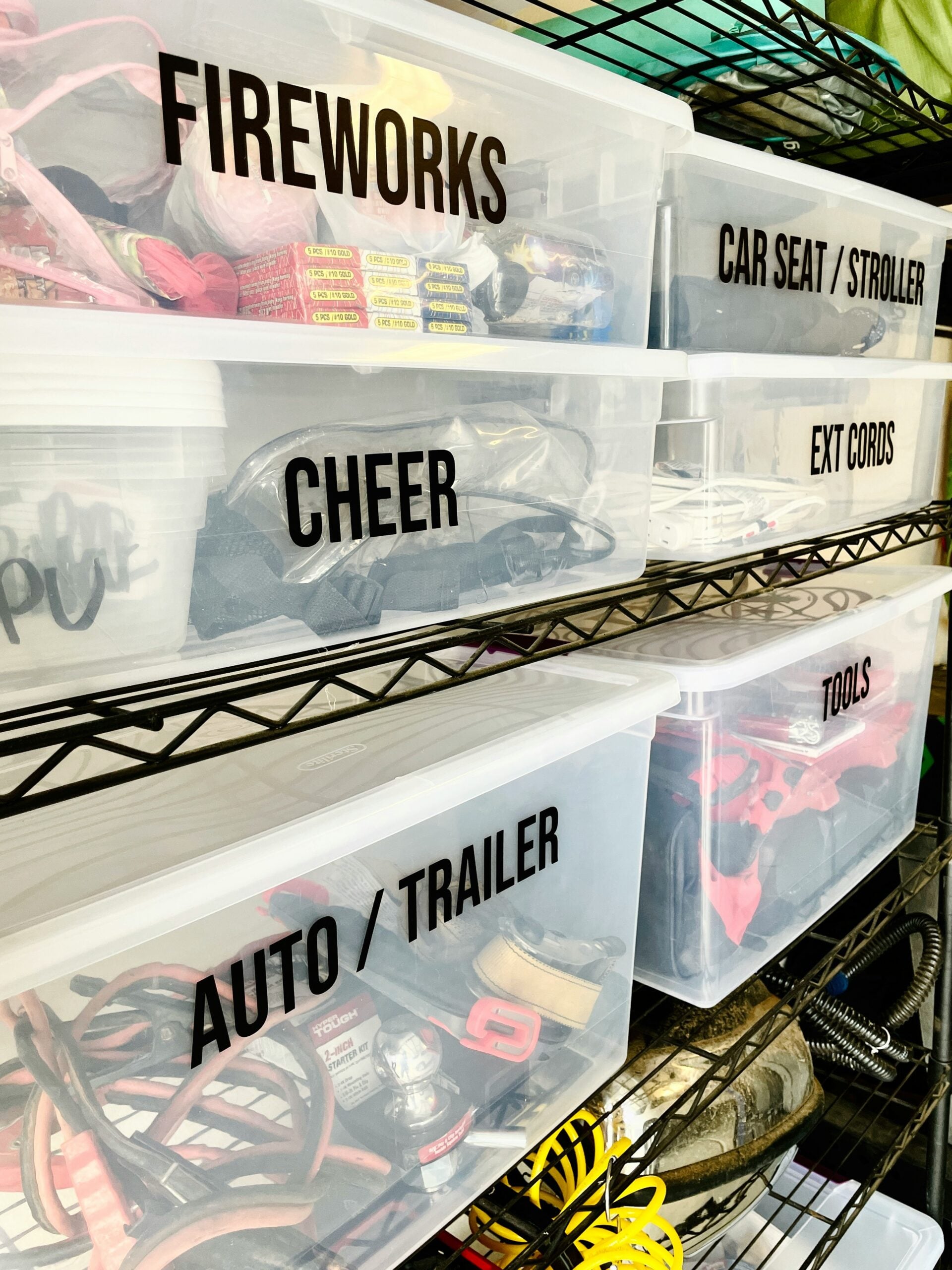
Storing belongings that should be donated or discarded can quickly create more clutter. People often buy storage bins, baskets, labels, and drawer dividers to organize their homes, only to fill them with items that rarely use. These unused purchases can sometime make the clutter problem worse rather than solve it. Consumer Reports has noted that decluttering can stall when people experience analysis paralysis or try to tackle too much at once. Before buying more unused purchases, consider whether you actually need another organizational item.
A Stack of Self-Improvement Books and Courses
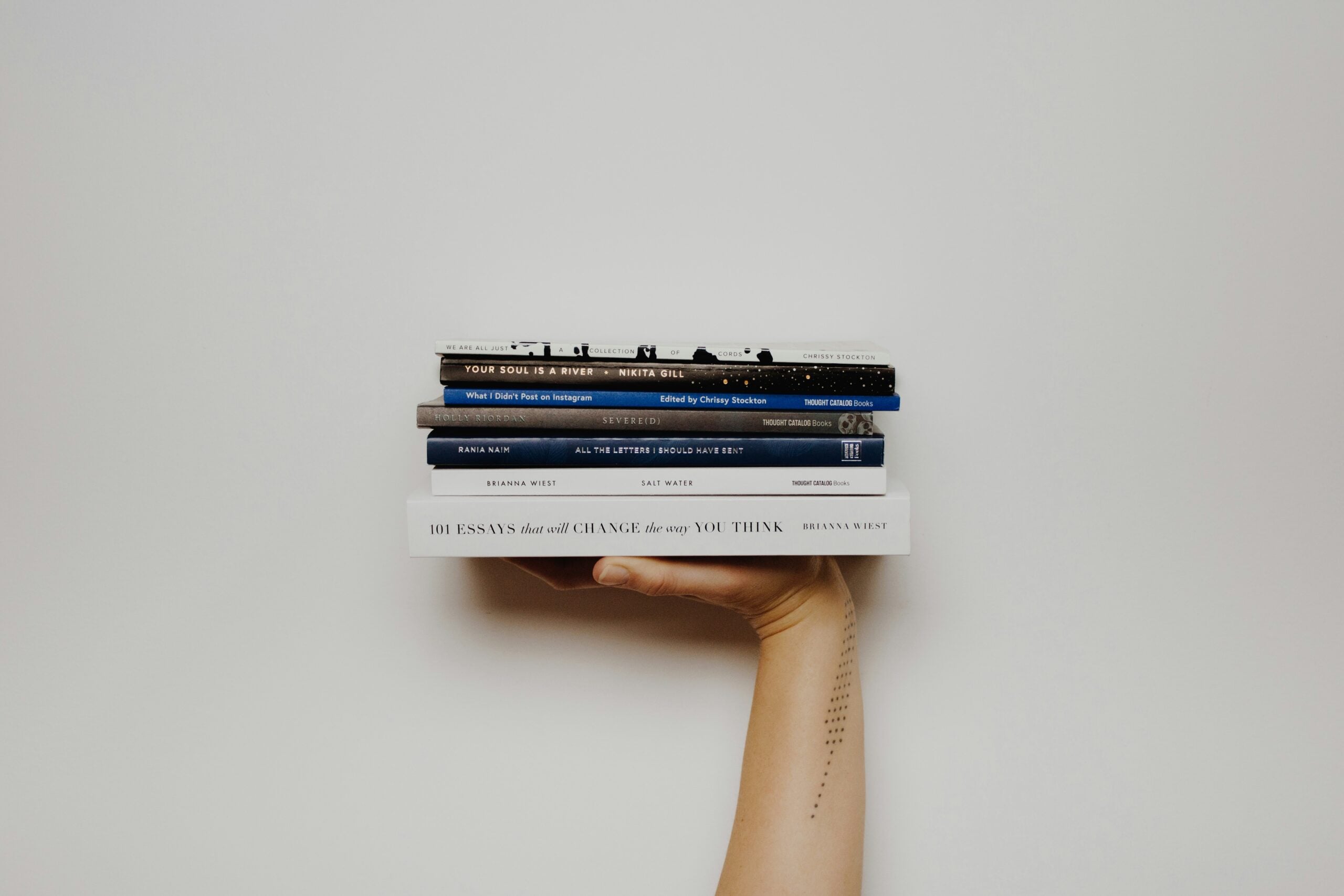
It is perfectly valid for people to want to improve themselves, and certain books and courses can assist in that process. Reading about productivity, cooking, languages, finance, or personal development can make it feel like you are making significant progress, even before you actually put the material into practice. The best way to avoid wasting money on a book you might not finish is to take it slow. Acquire one book or take one course at a time, rather than tackling many at once.
Entertaining Gear for Parties That Rarely Happen
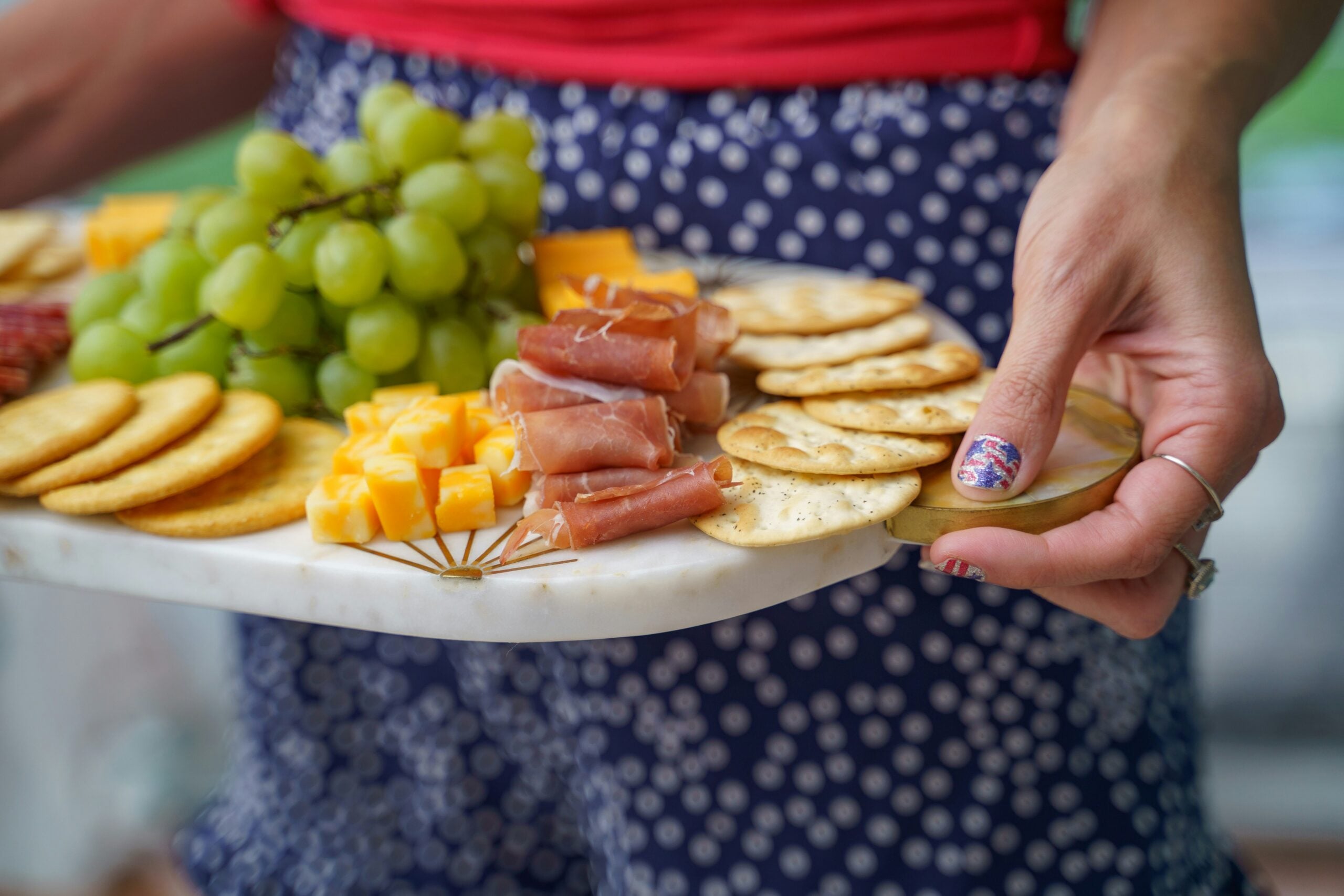
You might find it appealing to own charcuterie boards, cocktail sets, serving platters, extra wine glasses, fondue pots, and other items for parties or gatherings. However, before buying these things, ask yourself how often you actually host a get-together when you would use them. You might realize you would only use them once during the holidays, or perhaps twice a year. Instead of wasting money, you could borrow them from family or friends when those gatherings actually take place.
Conclusion
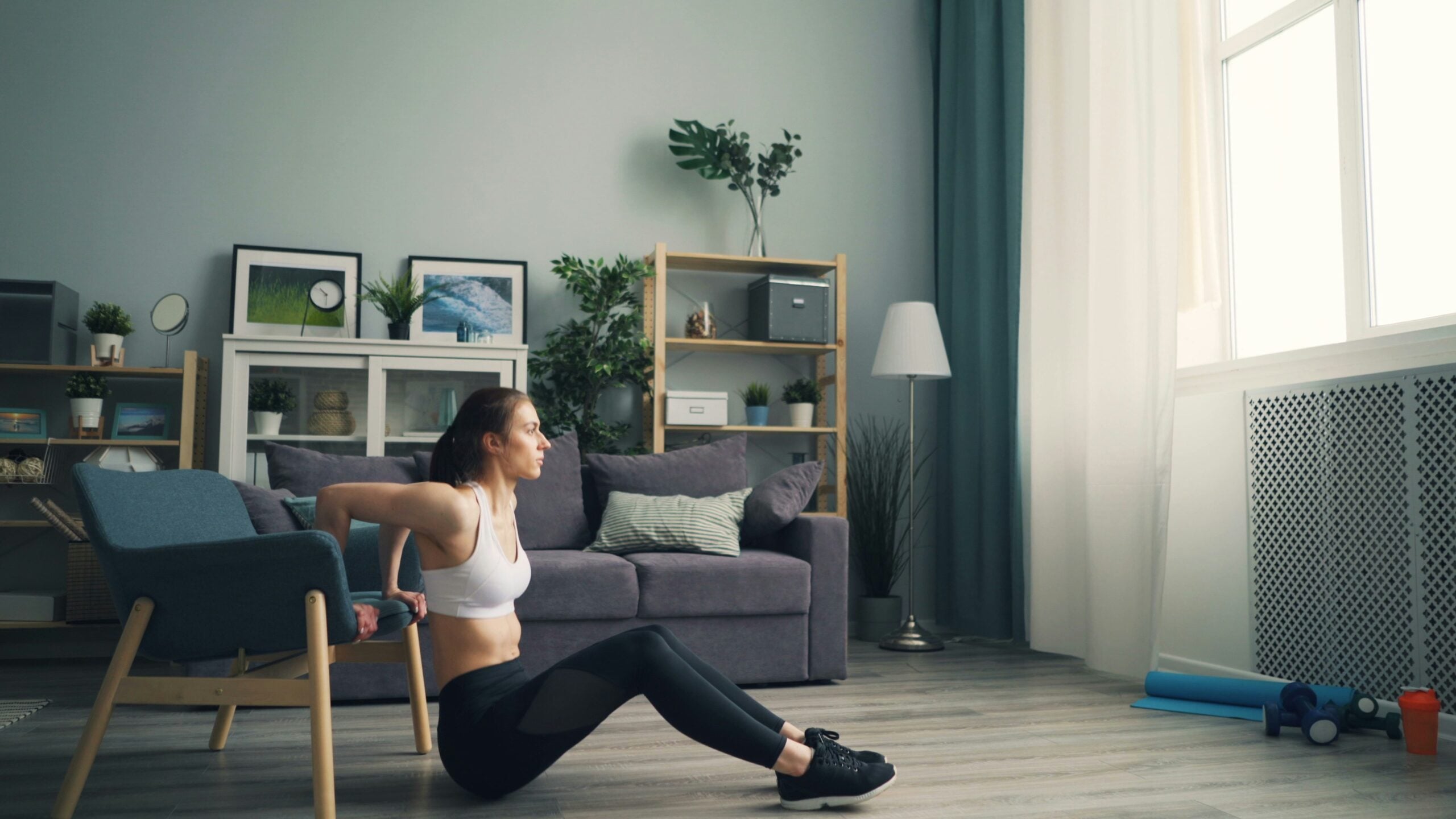
The common thread among these purchases is the feeling that you need or want the items before the actual situation requiring their use arises. You can adopt a rule of developing a habit inexpensively before buying the necessary equipment for it. For instance, walk regularly before purchasing a treadmill, and you’ll be less likely to make unused purchases.