The desserts that appear on American tables have evolved over the decades. Some favorite sweet treats from the 1940s through the 1980s have been left in the past. Culinary trends have shifted, but, drawing on information from Serious Eats, King Arthur Baking, and other sources, we’ll reveal the vintage desserts that deserve a comeback!
Pineapple Upside-Down Cake
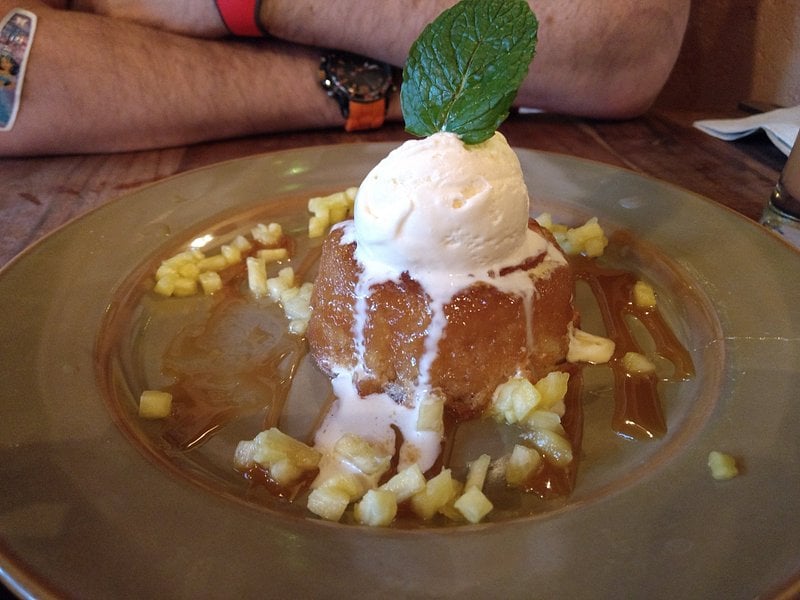
The pineapple upside-down cake was a popular dessert during the 20th century, featuring a combination of canned pineapple rings, cherries, and a buttery sugar topping. This classic among vintage desserts owes its appeal to caramelized fruit and the dramatic presentation that results from inverting the cake.
Grasshopper Pie
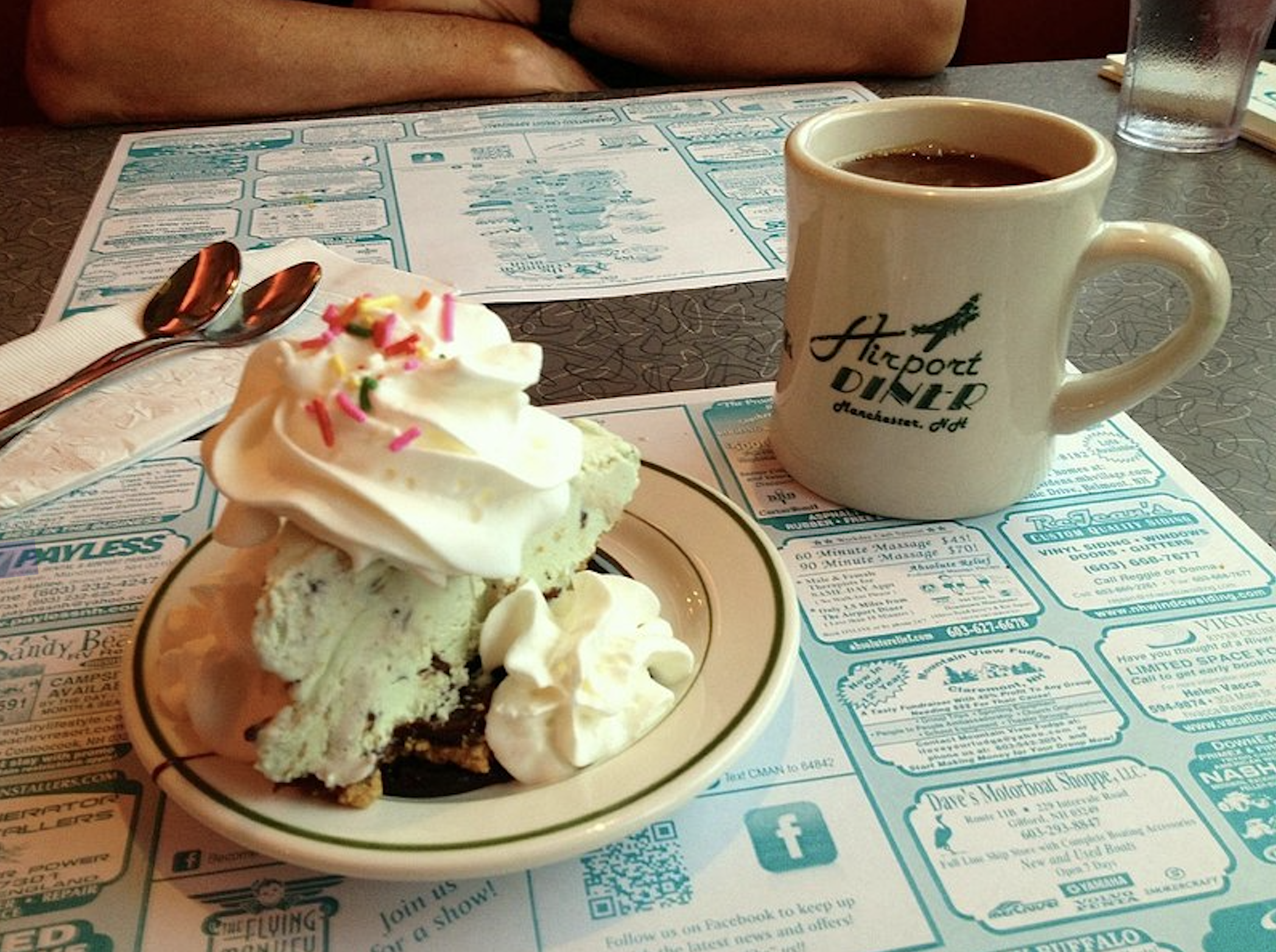
Grasshopper pie is a combination of a chocolate cookie crust and a fluffy, mint-flavored filling, which was traditionally made with cream and crème de menthe. This is one of the vintage desserts associated with mid-century entertaining, a time when the combination of mint and chocolate, along with the vivid colors found in chilled desserts, was in vogue.
Lemon Chiffon Pie
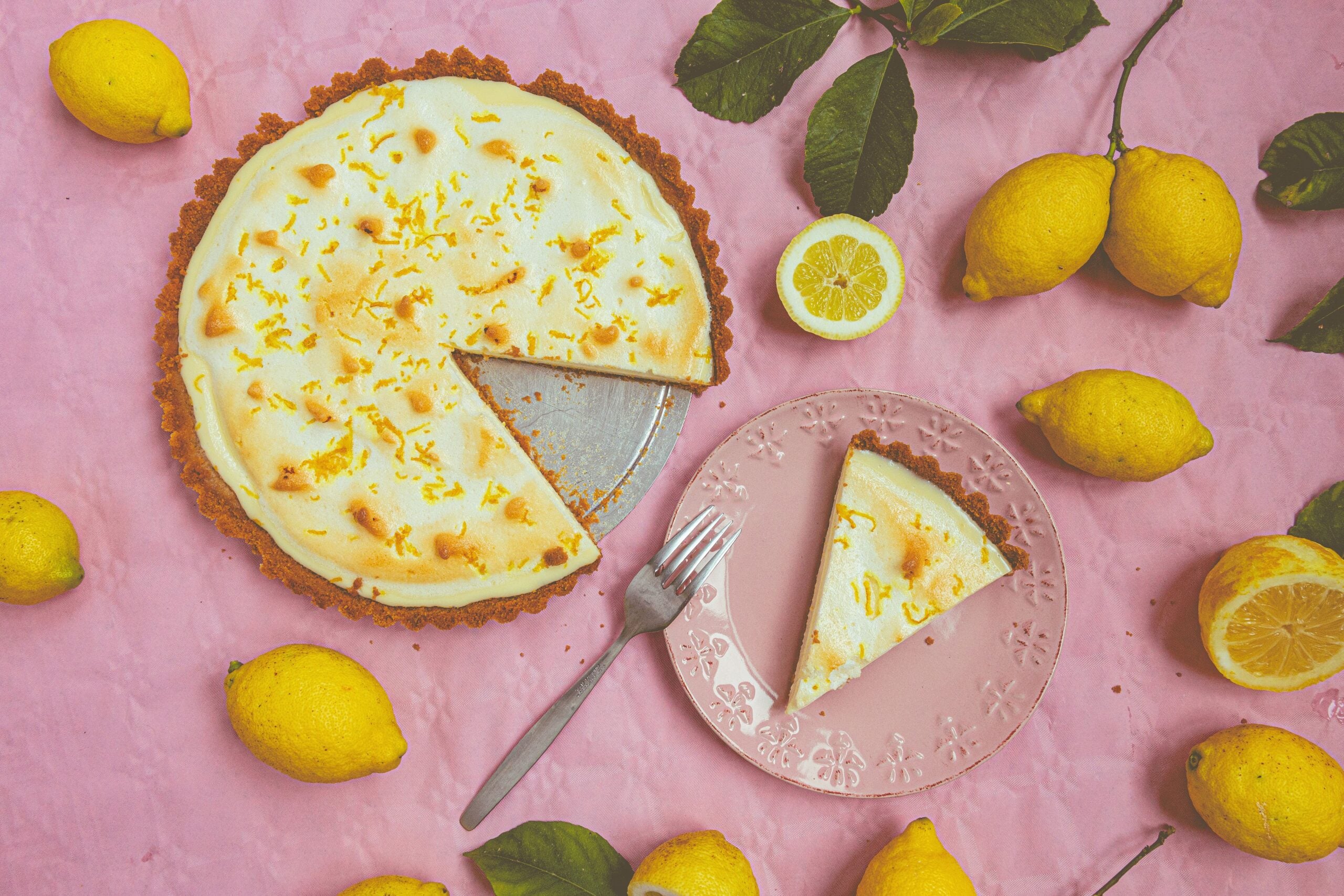
The airy fillings of chiffon pies lend these vintage desserts a lightness that serves as an alternative to the dense custard pies and traditional cream-based desserts found on menus. The lemon version featured a citrusy flavor and a fluffy filling, set using either gelatin or a filling to set the cake.
Chocolate Mayonnaise Cake
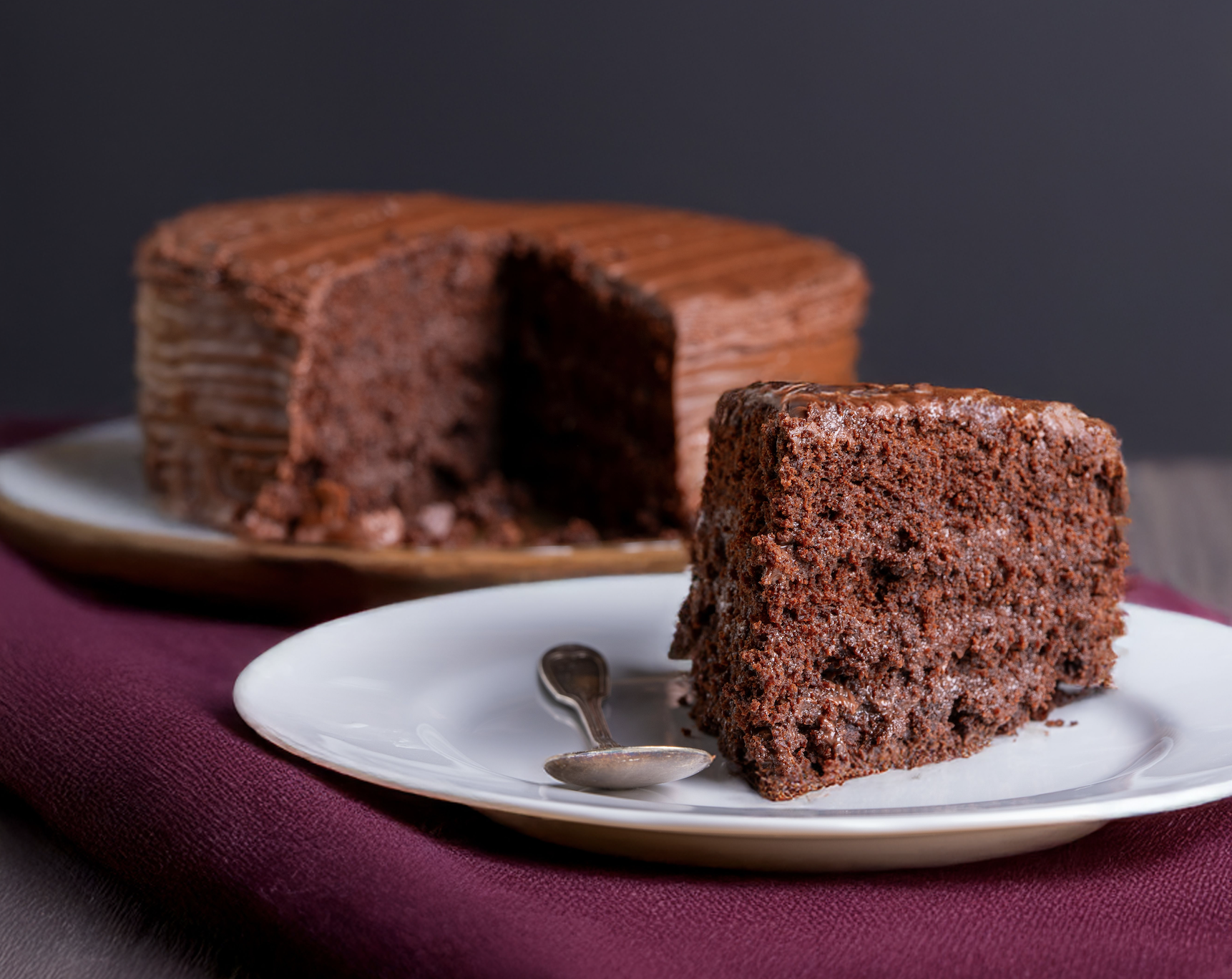
Chocolate mayonnaise cake provided both fat and eggs in a single, convenient ingredient, and it was typically made when households had limited supplies. Among vintage desserts, this cake stands out because mayonnaise is actually one of the ingredients in this cake, contributing moisture and richness to the chocolate batter.
Watergate Cake
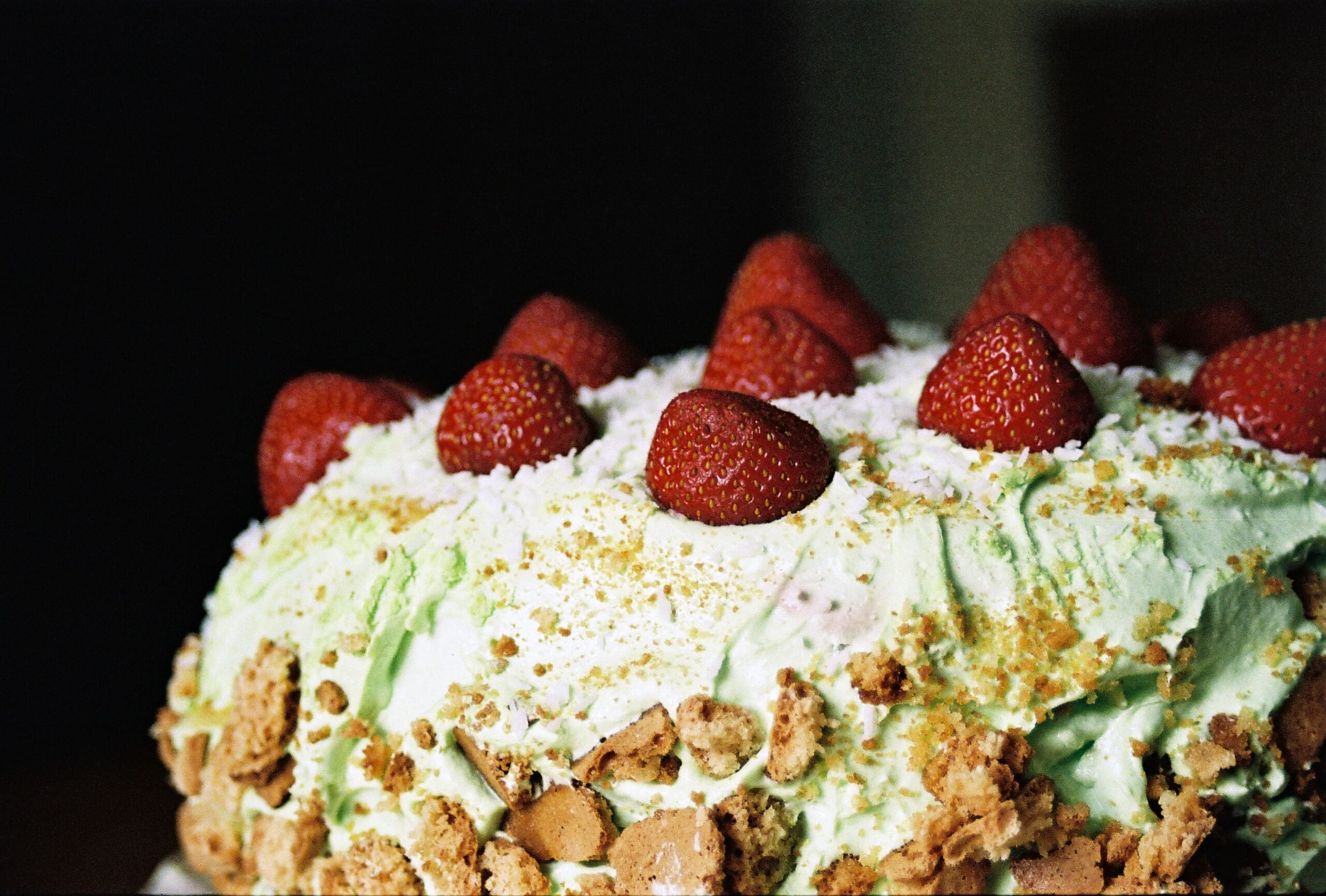
In the 1970s, the Watergate cake embodied the colorful convenience typical of the vintage desserts of that era. The use of pistachio pudding mix, cake mix, nuts, and whipped topping gave it a distinctive pale-green color, a feature that many people still remember today.
Trending on Cheapism


Strawberry Pretzel Salad
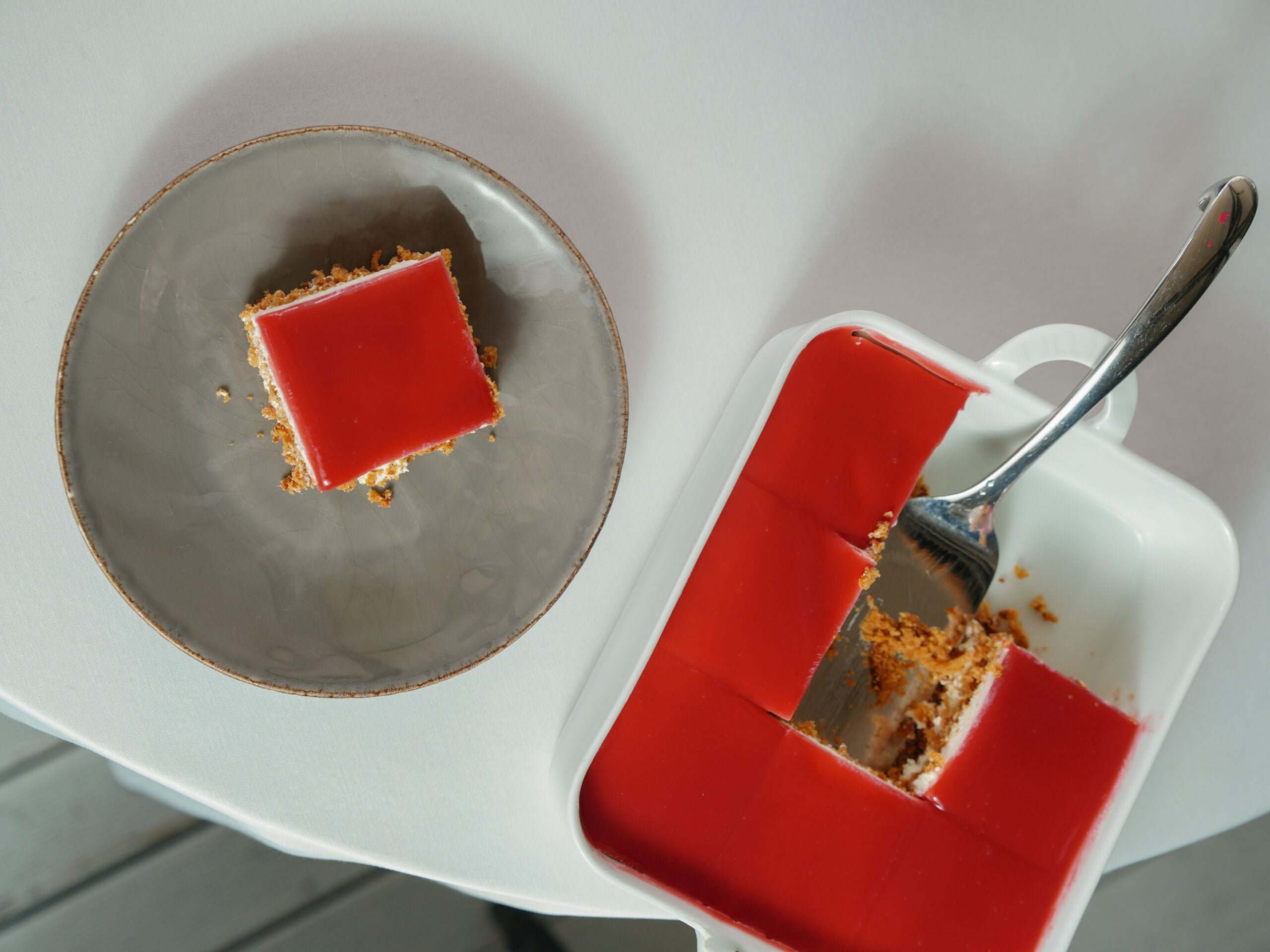
Despite being called strawberry pretzel salad, this dish was served as a dessert, combining a pretzel crust with sweetened cream cheese and strawberry gelatin. This unusual combination helped make it one of the most recognizable vintage desserts at family potlucks and holiday gatherings. Its appeal lay in the contrast between salty, crunchy, creamy, and fruity components.
Black Bottom Pie
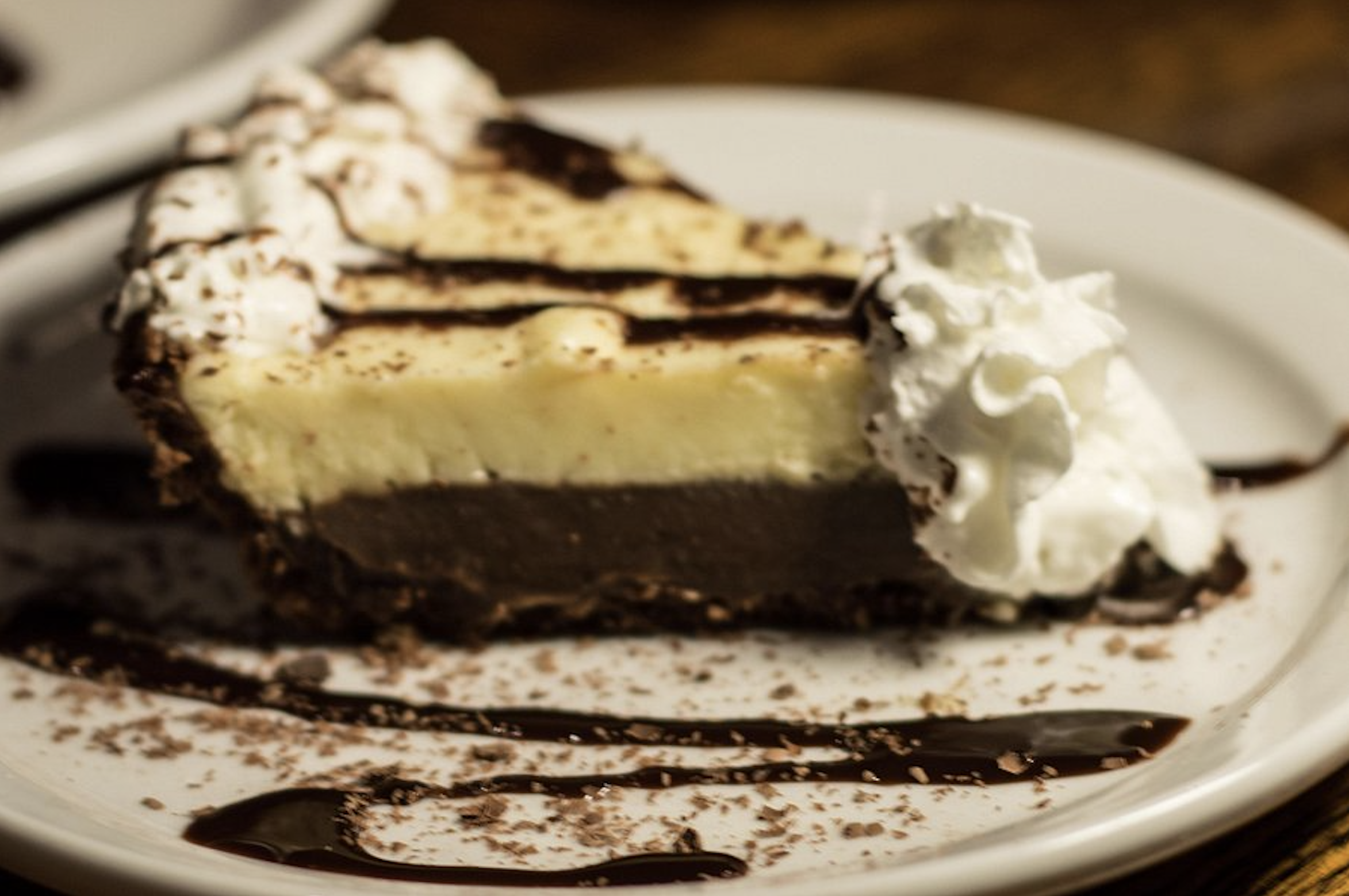
The layered presentation of black bottom pie appears elaborate, despite consisting of familiar ingredients, such as chocolate, custard, and cream filling, and is typically served in a pastry or crumb crust. What makes the black bottom pie distinctive is the contrast between the rich chocolate in the bottom layer and the delicate upper layer, where custard or chiffon filling appears.
Strawberry Poke Cake
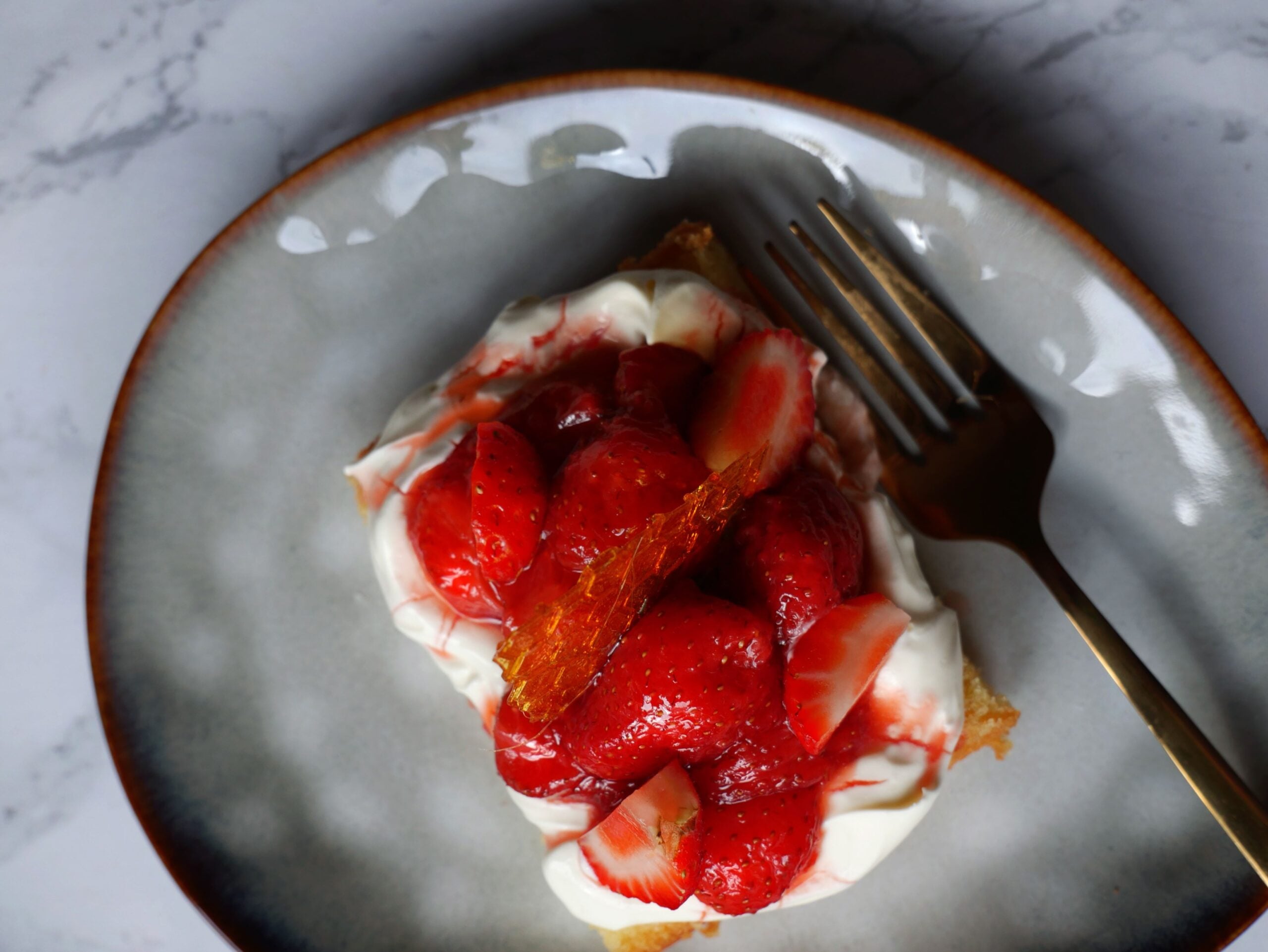
Poke cakes were popular in the 1970s because they were convenient to bake, often utilizing boxed cake mixes, gelatin, and whipped topping to create colorful desserts. While this dessert has largely been forgotten over time, it remains an inexpensive option for feeding a crowd.
Sign up for our newsletter
Chocolate Éclair Icebox Cake
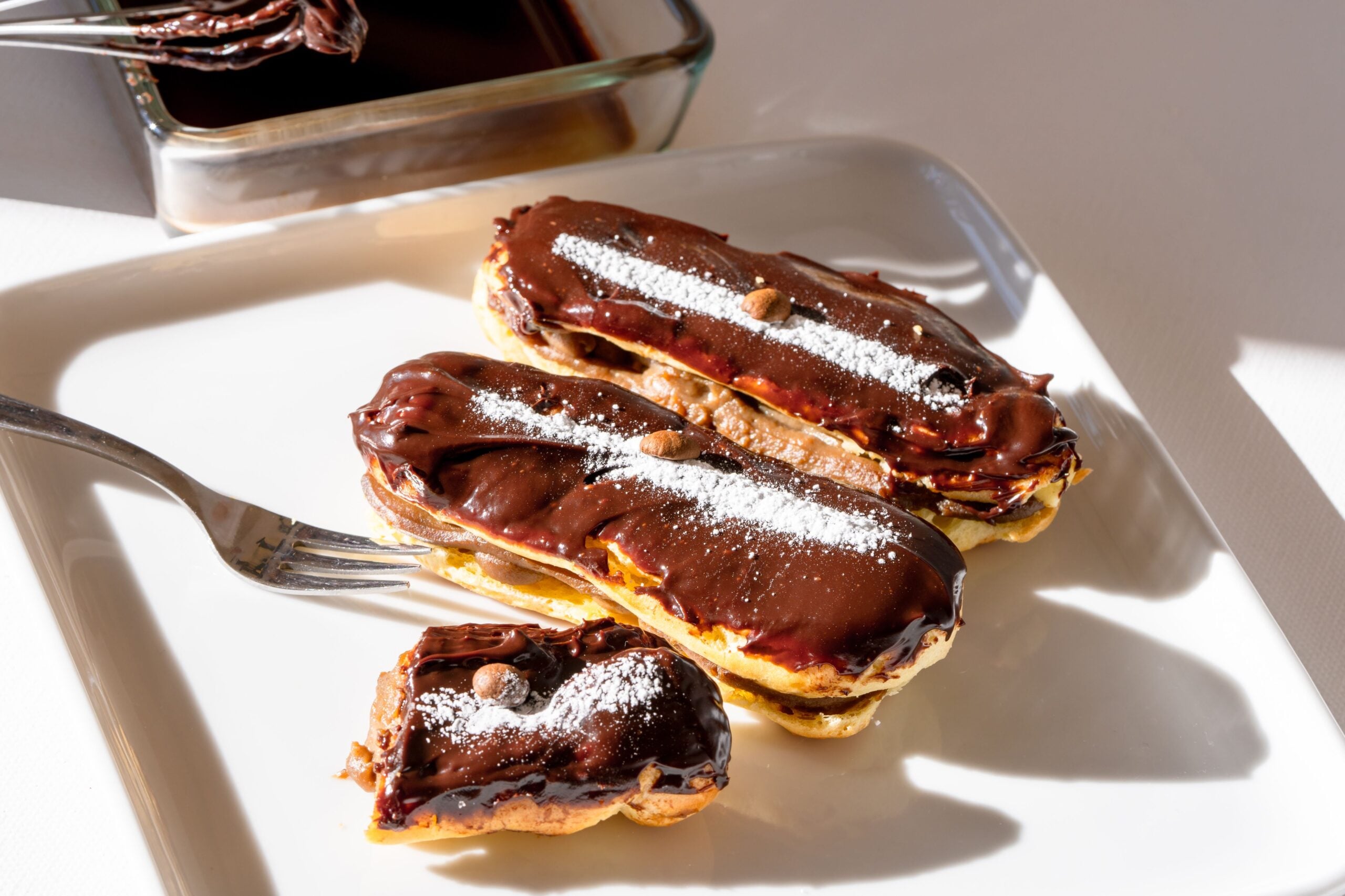
The concept of assembling a cake without extensive baking, relying instead on cookies or crackers, is what icebox cakes made possible in the past. The chilled desserts created from these combinations were prepared in advance for holidays and parties.
Baked Alaska
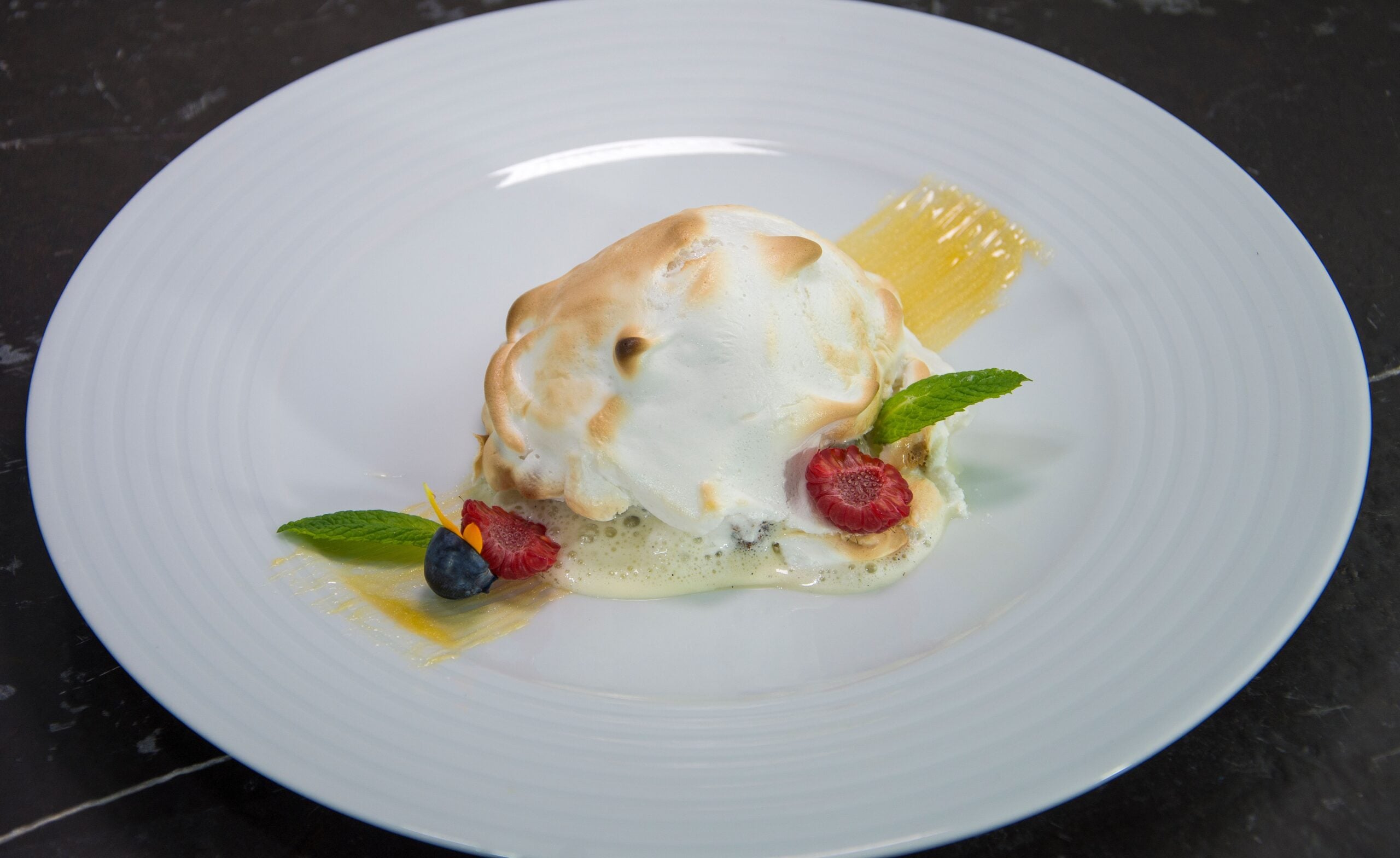
Baked Alaskas are cakes combined with ice cream and meringue, creating a dramatic dessert that is served immediately after the meringue is browned, while the ice cream remains frozen, to produce a striking temperature contrast in the mouth. Today, this dessert can serve as an impressive centerpiece, evoking personal memories for guests when it is served.
Floating Island Dessert
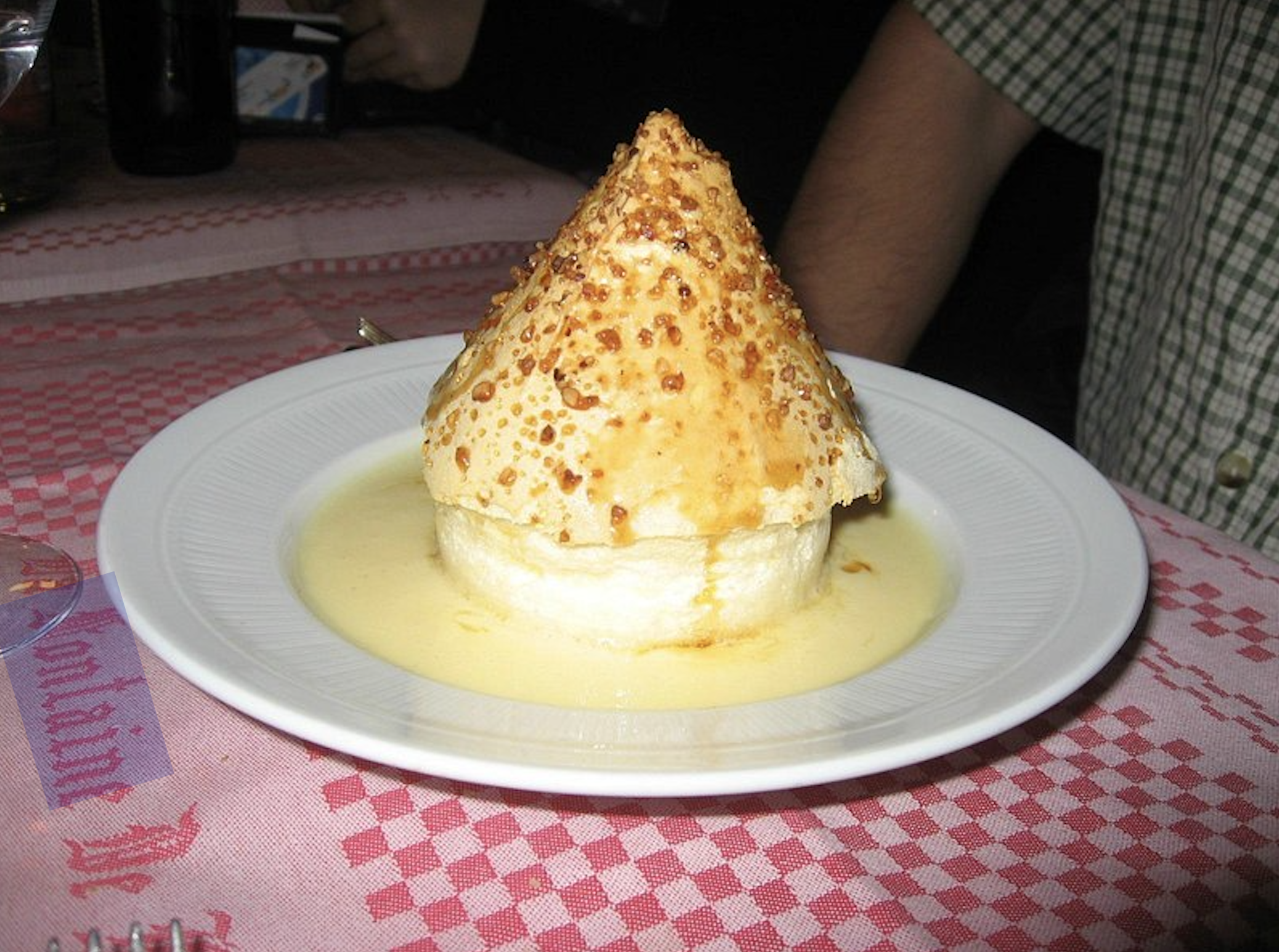
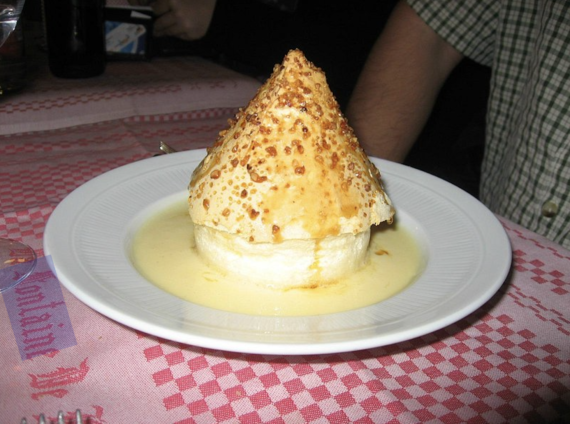
With its airy texture and simple yet elegant presentation, the floating island dessert might well deserve a comeback. This sweet treat, which has European roots, features delicate poached meringues resting on a pool of vanilla crème anglaise.
Harvey Wallbanger Cake
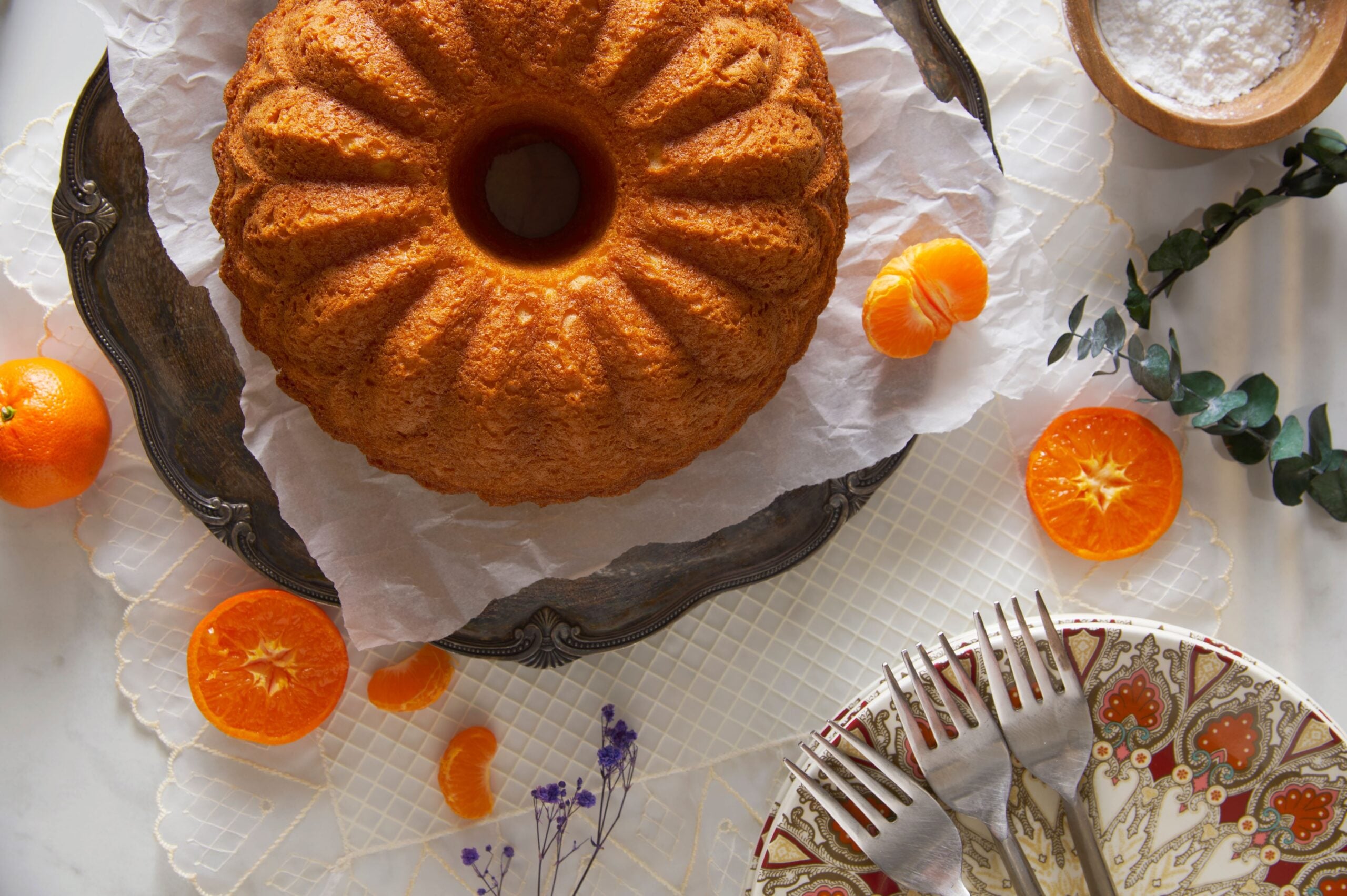
The Harvey Wallbanger cake reflects baking trends from the 1970s, a period when recipes were often inspired by cocktails. Traditional versions of the Harvey Wallbanger combined orange flavor with vodka and Galliano liqueur, and typically relied on a cake mix and a sweet glaze for added convenience.
Conclusion
Many of these vintage desserts have disappeared from restaurant menus because customers’ tastes and culinary habits have changed. It is not that these desserts have lost their appeal. By adjusting sweetness levels to suit modern preferences, using fresh ingredients, and simplifying preparation, these dishes could reappear, bringing these classic desserts back into fashion.