Remember when going shopping meant spending an entire Saturday afternoon at the mall, even if you didn’t actually need to buy anything? Back in the 1980s, shopping was about much more than checking items off a list. It was an opportunity to meet up with friends, grab a bite at the food court, browse the latest records, and maybe convince your parents to let you spend a few quarters at the arcade.
Of course, this was long before online shopping, smartphones, and same-day delivery made it possible to buy practically anything without leaving the couch. If you wanted to compare prices, try on a new outfit, or see the latest electronics, you usually had to visit a store in person. And while that wasn’t always convenient, it meant that an ordinary shopping trip could easily turn into a memorable outing.
From crowded department stores and elaborate Christmas displays to afternoons spent wandering around the mall with friends, here are 12 ways shopping in the 1980s felt more like entertainment than another household chore.
A Trip to the Mall Could Take Up the Entire Afternoon
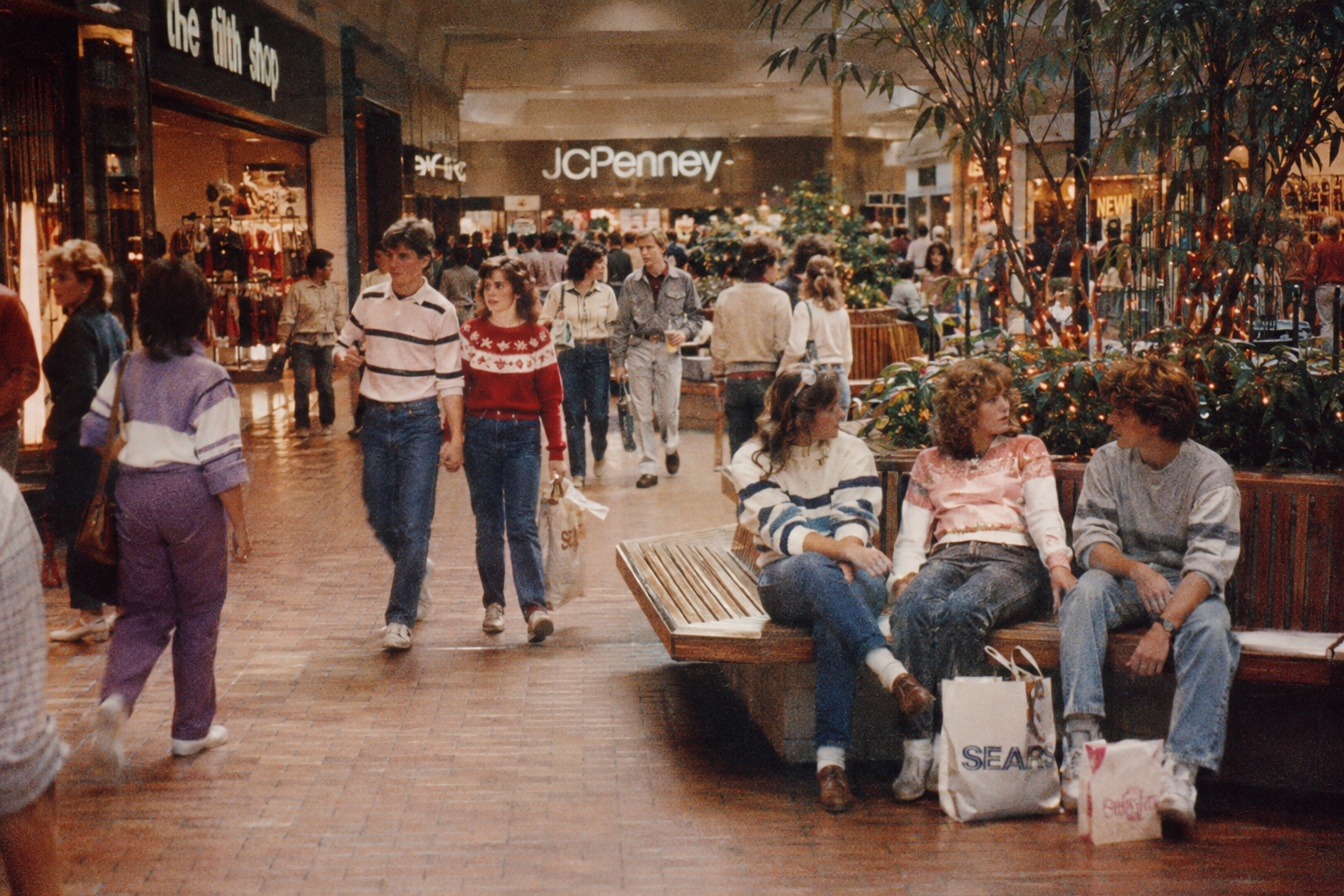
In the 1980s, going to the mall wasn’t necessarily something you squeezed in between other errands. For many families, it was the main event of the weekend. You might arrive before lunchtime, wander through several department stores, stop for a snack, and somehow still be there when the stores started closing.
And there were certainly plenty of malls to explore. According to the International Council of Shopping Centers, more than 16,000 shopping centers were built between 1980 and 1990. With so many stores, restaurants, and entertainment options under one roof, it was easy to spend hours browsing without buying much of anything.
Department Stores Felt Like Destinations of Their Own
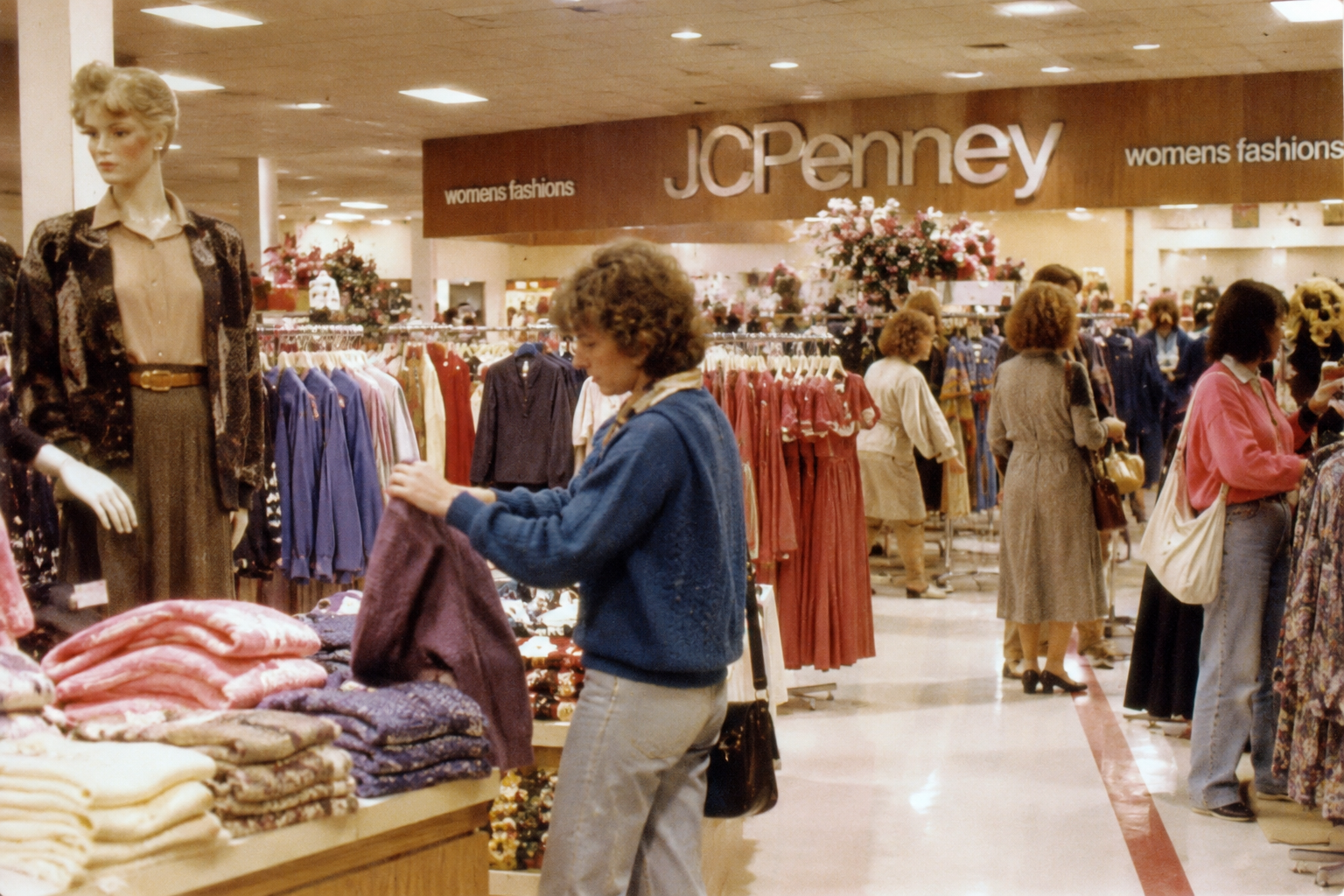
Before big-box retailers and online marketplaces dominated American shopping habits, department stores such as Sears, JCPenney, and Macy’s were destinations in their own right. You could spend an entire afternoon exploring different floors filled with clothing, furniture, cosmetics, kitchen appliances, and just about everything else a household might need.
And let’s not forget the experience itself. There were perfume counters where salespeople offered samples, escalators connecting seemingly endless departments, and carefully arranged displays that made even ordinary merchandise look exciting. For kids, riding the escalator or wandering through the toy department was sometimes more entertaining than whatever their parents had come to buy.
The Food Court Was Part of the Reason to Go
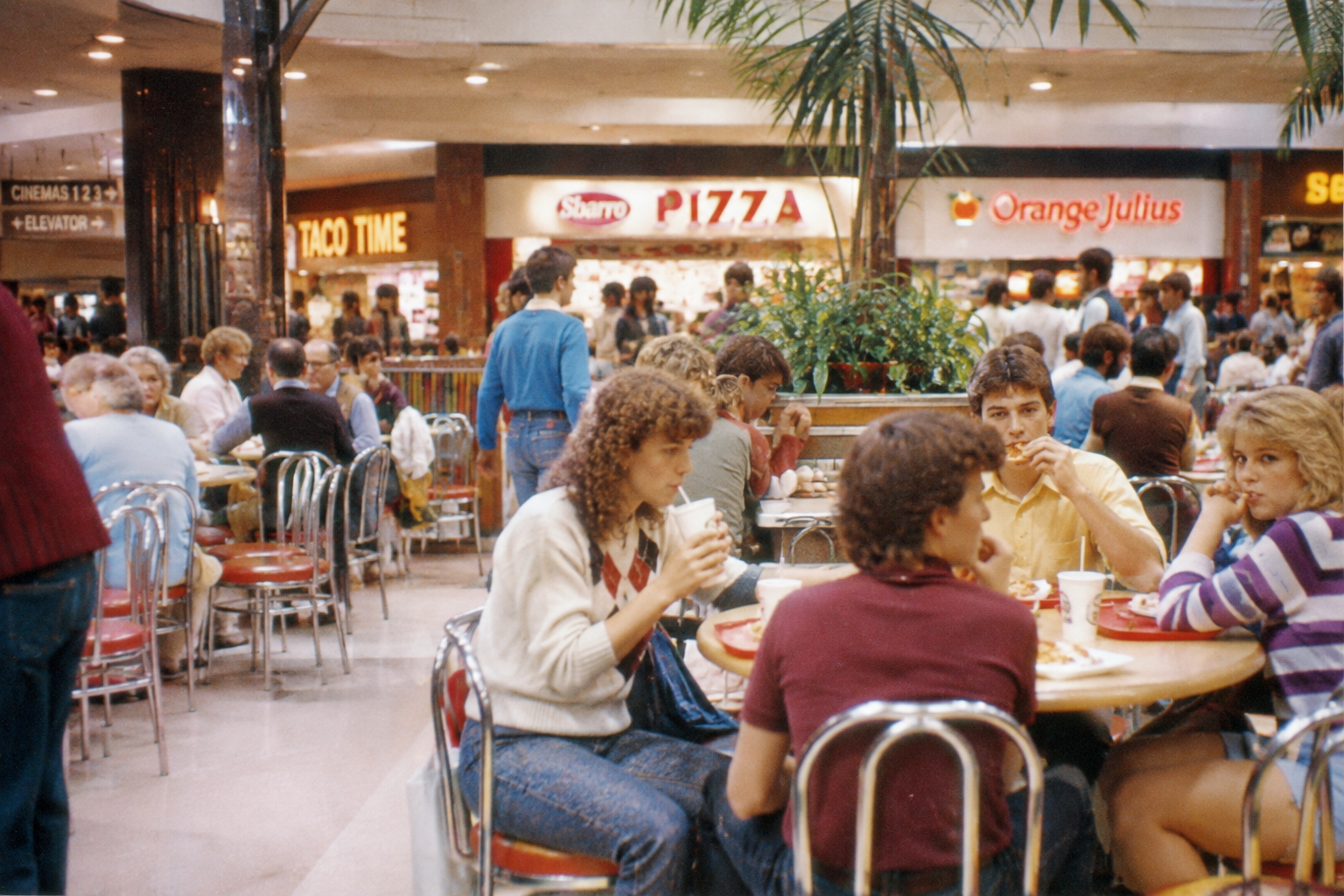
Let’s be serious: Sometimes the best part of going to the mall had absolutely nothing to do with shopping. By the 1980s, food courts had become a familiar feature of many American shopping centers, offering everything from pizza and burgers to soft pretzels and Orange Julius drinks.
For teenagers, grabbing a snack with friends was practically an activity of its own. Families might split up to visit different stores before agreeing to meet at the food court for lunch. And whether you were eating a greasy slice of pizza or sharing a giant pretzel, there was something about mall food that made an ordinary afternoon feel like a special occasion.
Trying on Clothes Was an Actual Social Activity
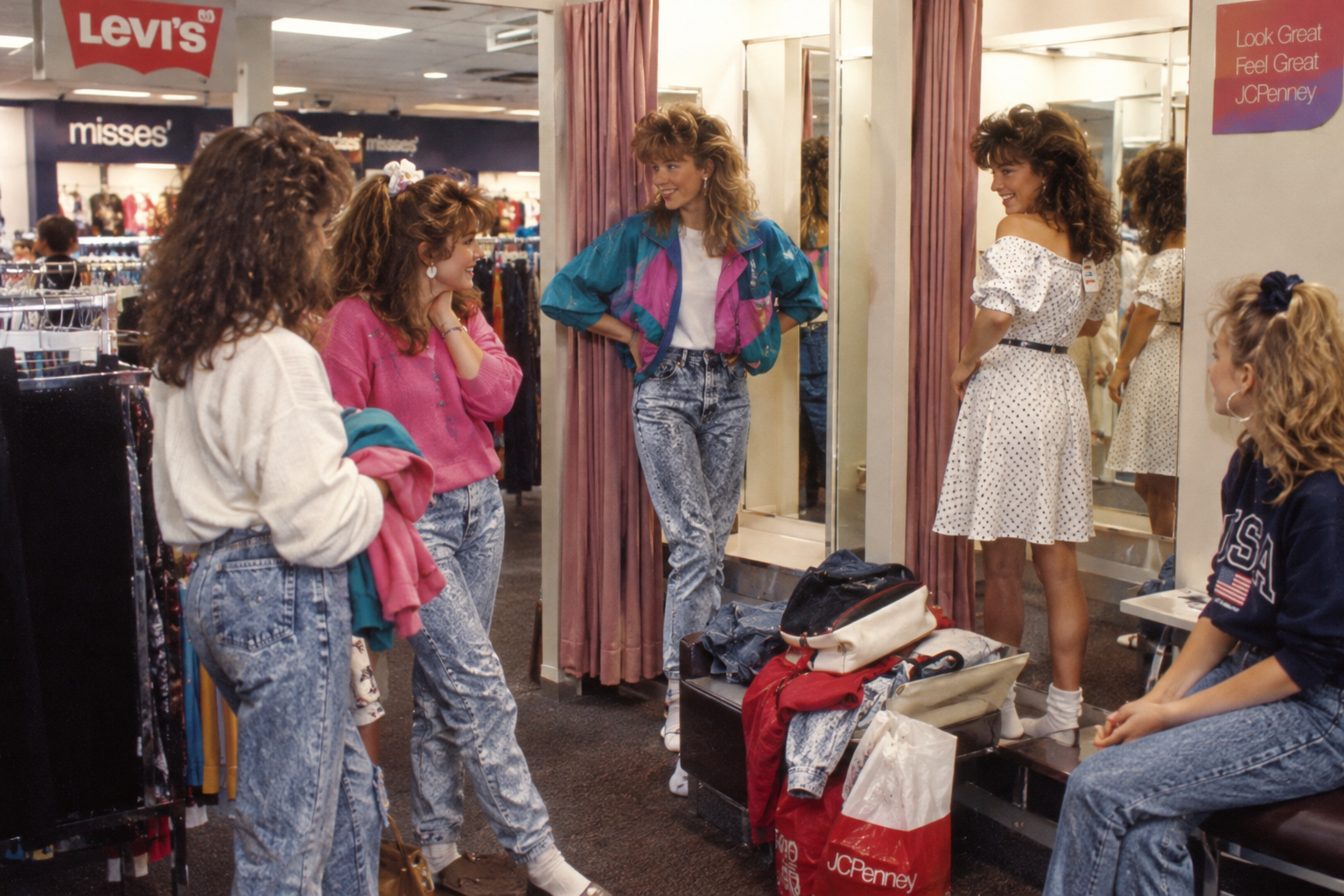
Today, you can order three different sizes of the same pair of jeans and return whichever ones don’t fit. But in the 1980s, finding the perfect outfit usually required a trip to the store, a little patience, and plenty of time in the fitting room.
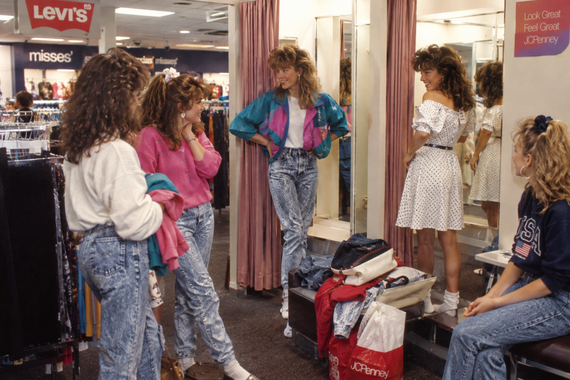
Shopping for clothes with friends could turn into an entire afternoon of trying on acid-wash jeans, oversized sweaters, and brightly colored jackets while asking for opinions through the fitting-room door. And if you were shopping with your parents, there was always the possibility of an argument over whether something was too expensive, too revealing, or simply too ridiculous to wear to school.
Record Stores Let Shoppers Discover Music by Browsing
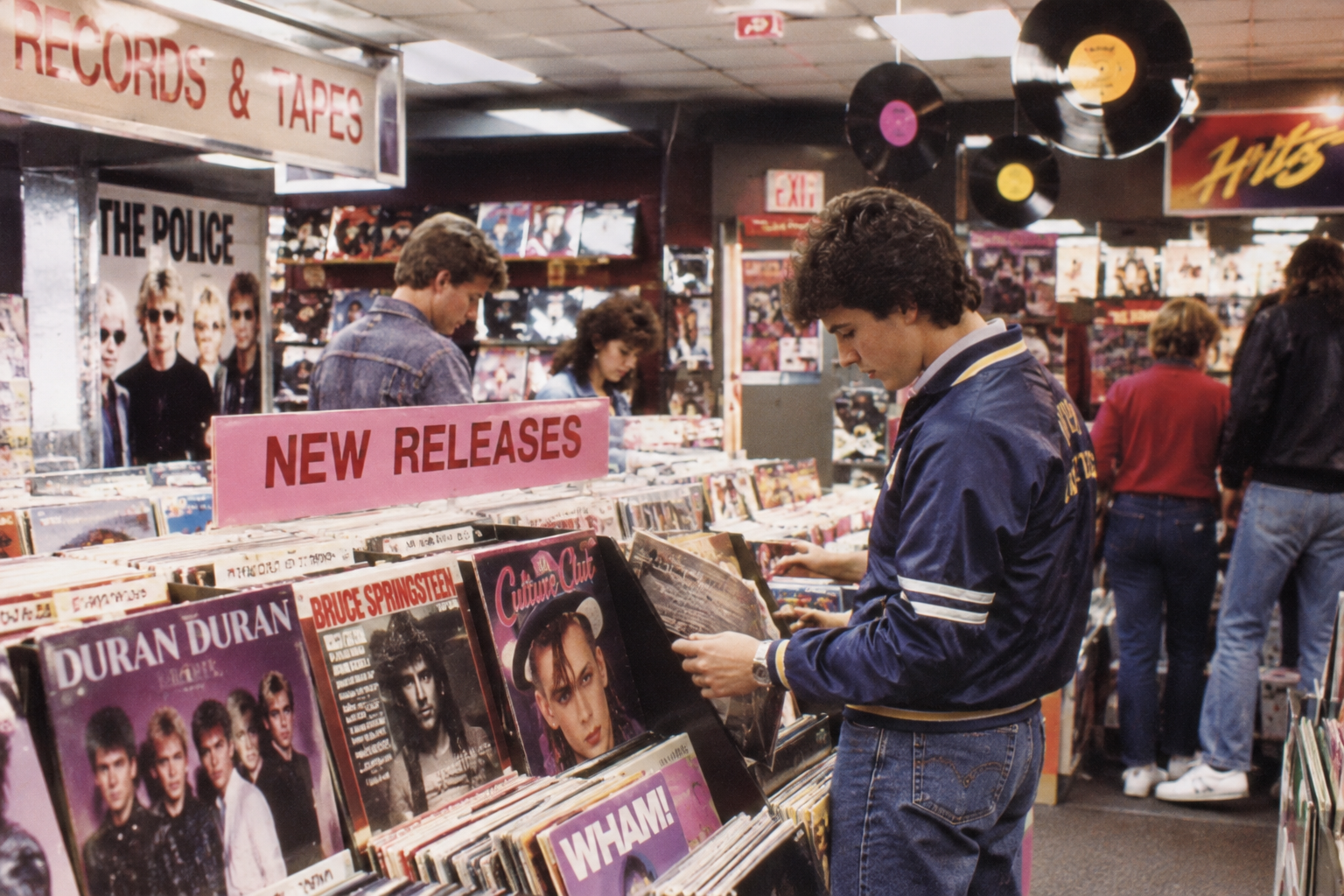
Long before Spotify playlists and streaming recommendations, discovering new music often meant spending time at a record store. Chains such as Sam Goody and Musicland were familiar fixtures in American malls, with shelves packed with vinyl records, cassette tapes, and the latest releases from popular artists.
You could spend ages flipping through albums, studying the cover artwork, or debating which cassette was worth spending your allowance on. Sometimes, you’d discover a new band simply because the album cover caught your eye or a salesperson recommended something you’d never heard before. And unlike clicking a button to stream a song, bringing home a new album felt like an event.
Trending on Cheapism

The Arcade Could Be More Important Than Shopping
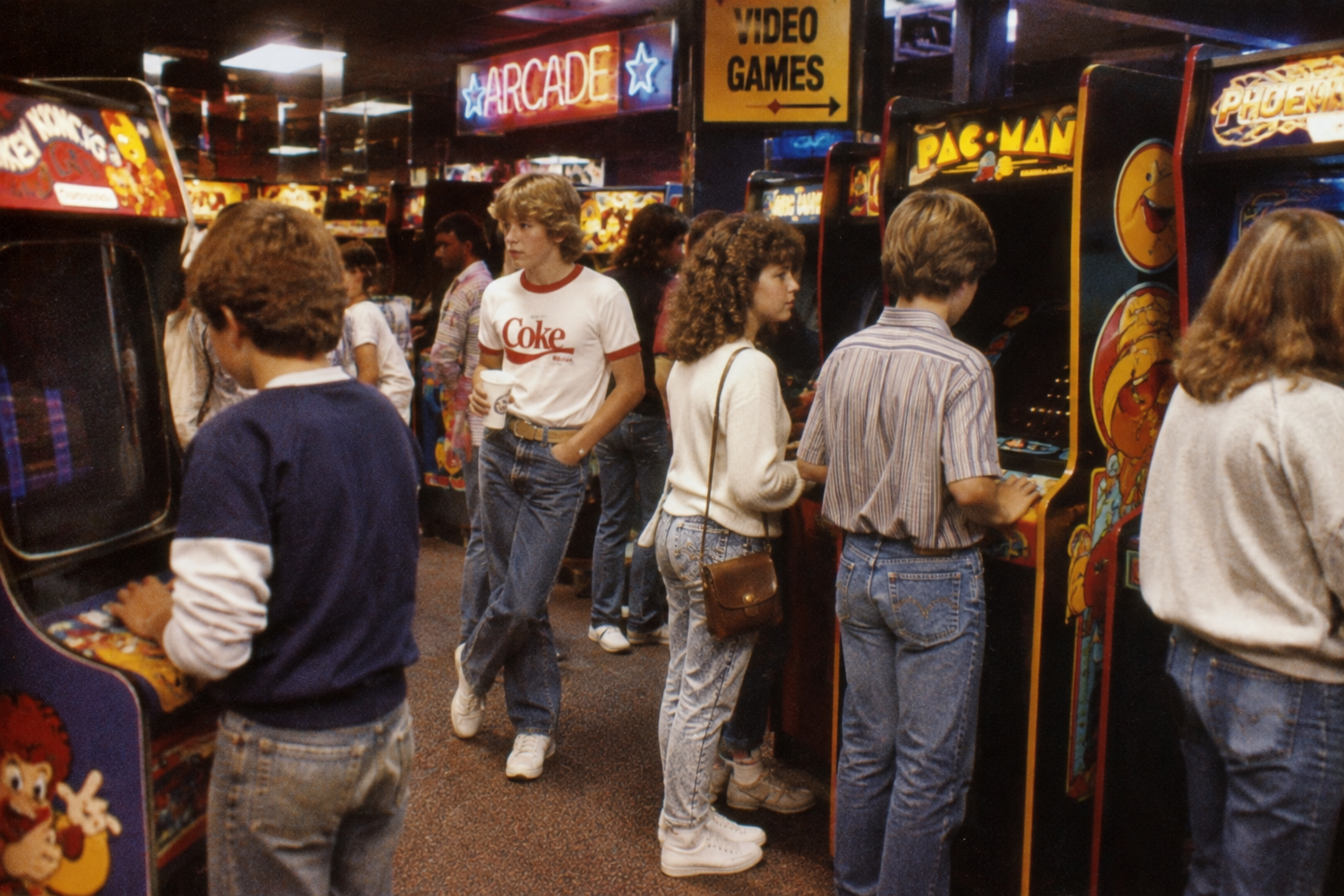
For plenty of kids growing up in the 1980s, the mall’s biggest attraction wasn’t the clothing stores or the food court. It was the arcade. With games like Pac-Man, Donkey Kong, and Galaga competing for attention, those noisy, flashing rooms could keep teenagers entertained for hours.
If you were lucky, your parents might hand you a few quarters and tell you to meet them outside the arcade when they finished shopping. Of course, those quarters never seemed to last very long, especially when you were determined to beat your friend’s high score. And there was always that one kid who seemed impossibly good at every game.
Electronics Stores Encouraged Customers to Try Everything
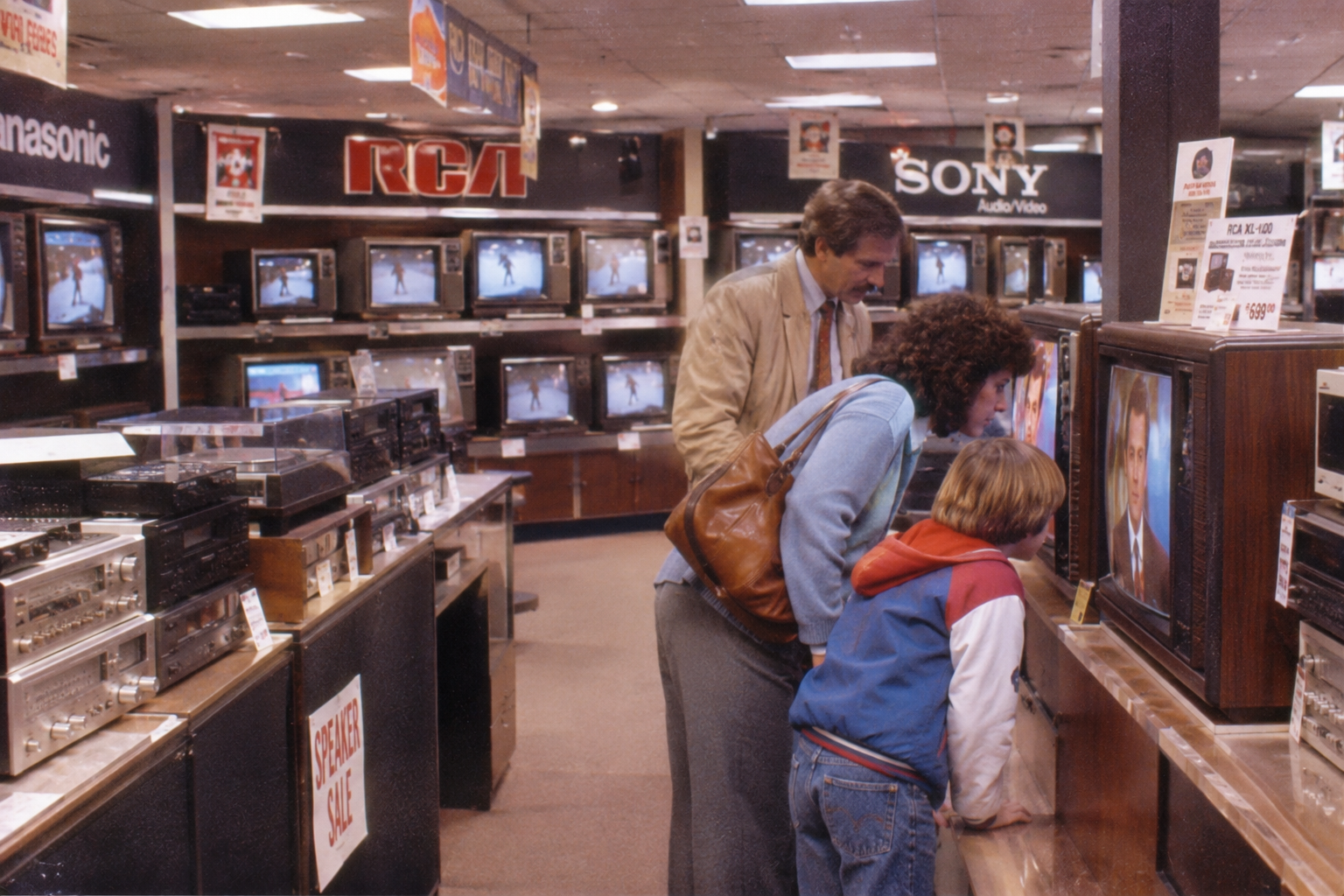
Remember walking into an electronics store and seeing rows of televisions playing the same program, stereos blasting music, and computers that customers could actually experiment with? In the 1980s, stores selling electronics were practically miniature technology exhibitions.
For kids, getting to type on a display computer or press buttons on an expensive stereo system was exciting, even if there was absolutely no chance their parents would buy it. Meanwhile, adults could spend ages comparing televisions, listening to different speakers, or asking salespeople about the latest gadgets. It was a hands-on experience that’s difficult to recreate when shopping from a screen.
Bookstores Were Places to Spend Time, Not Just Buy Books
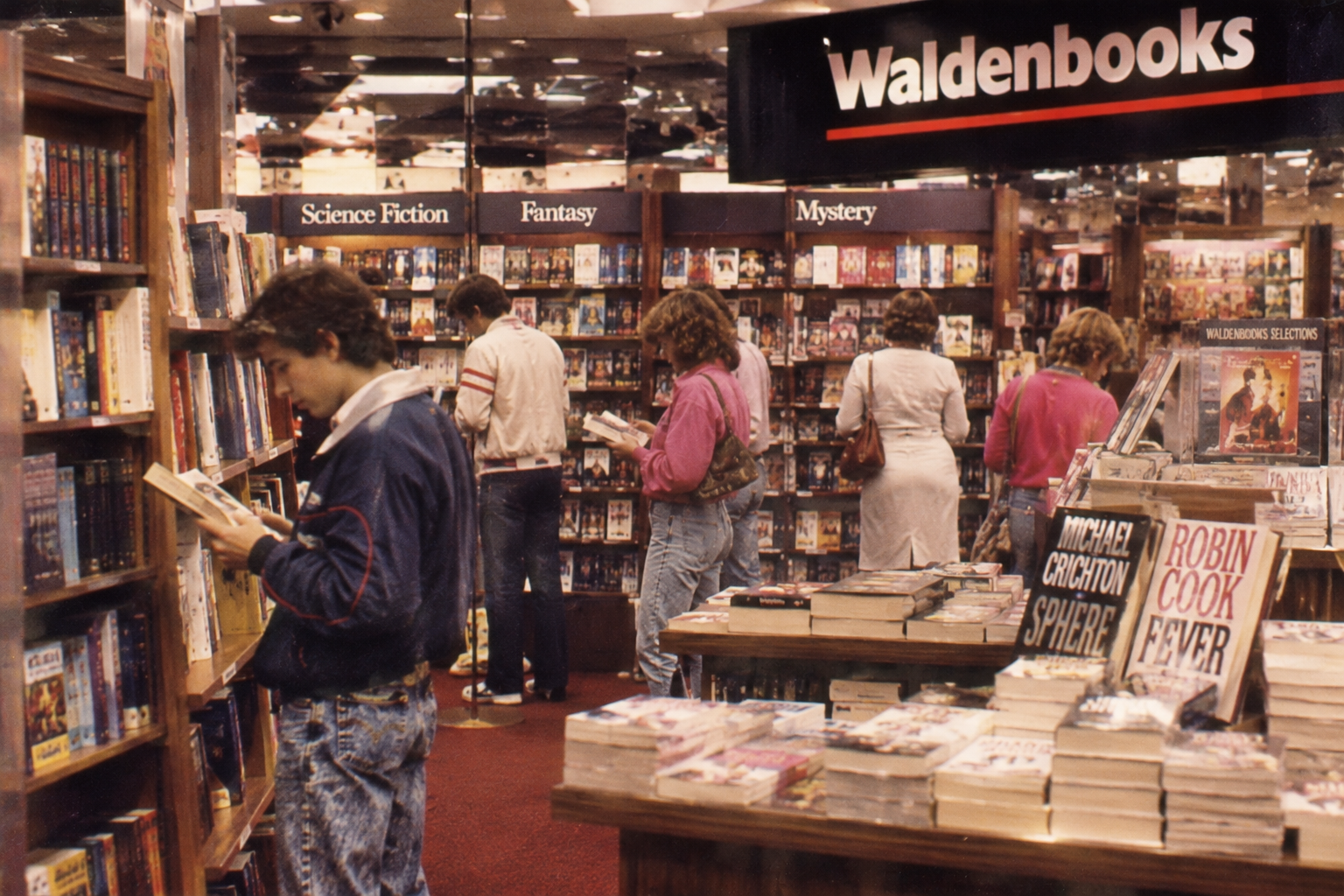
Before online bookstores made it possible to order practically any title in seconds, mall bookstores such as Waldenbooks and B. Dalton were wonderful places to lose track of time. Their shelves were packed with novels, cookbooks, magazines, travel guides, and whatever bestsellers everyone seemed to be talking about.
And browsing was half the fun. You could pick up a book because its cover looked interesting, read the description on the back, and flip through a few pages before deciding whether it deserved a place on your bookshelf. Kids might spend ages looking at comic collections or fantasy novels while their parents explored another section. Sometimes, you could leave without buying anything and still feel like you’d had a pretty good afternoon.
Sign up for our newsletter
Shopping for Christmas Decorations Meant Seeing Entire Holiday Displays
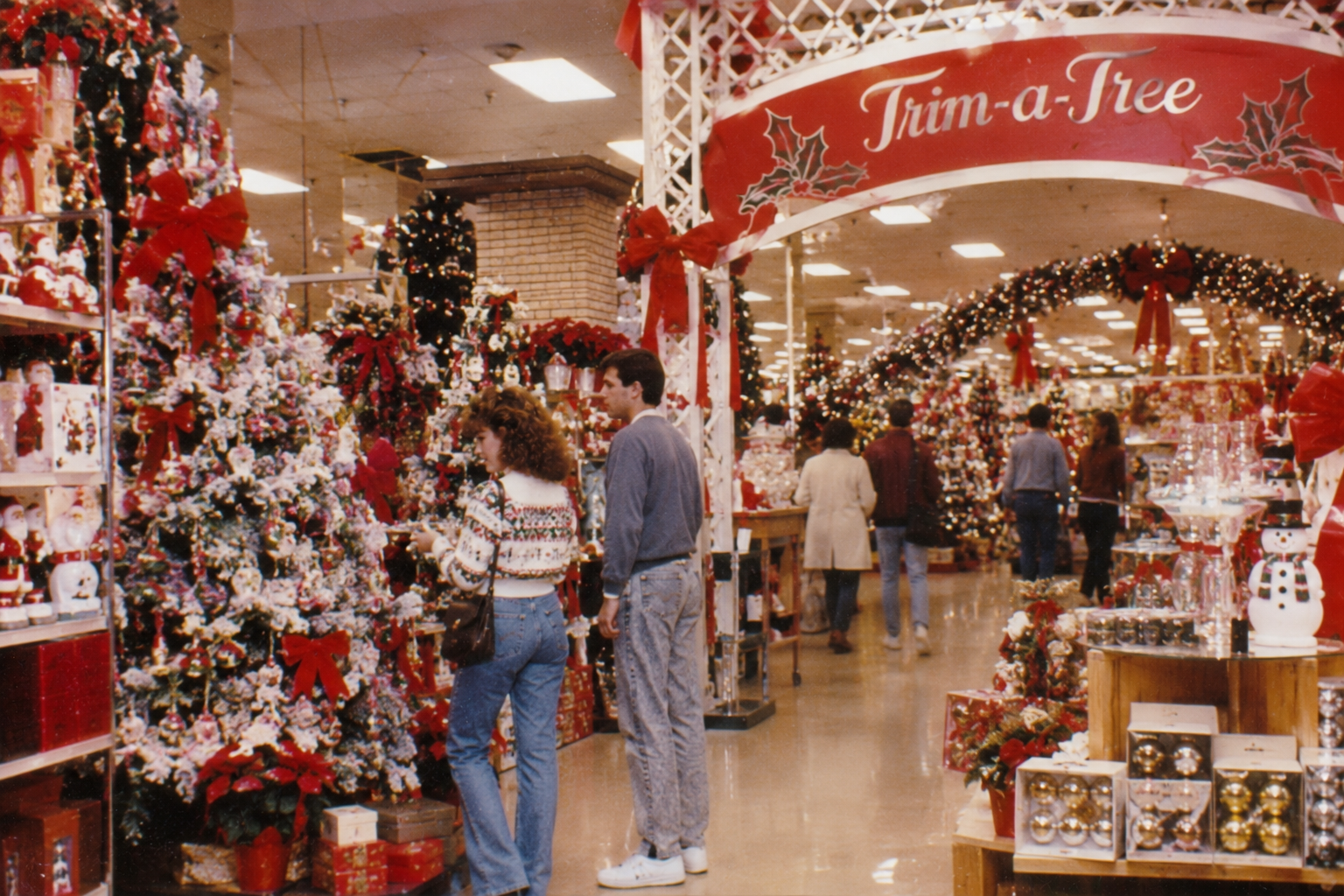
If you grew up in the 1980s, you probably remember how exciting it was when the mall started decorating for Christmas. Department stores went all out with enormous trees, glittering ornaments, elaborate window displays, and mechanical figures that moved through miniature winter wonderlands.
For children, visiting those displays could be just as exciting as opening presents on Christmas morning. There were trips to see Santa, toy departments filled with holiday decorations, and Christmas music playing throughout the stores. And while shopping for gifts could be stressful for parents, the decorations made the experience feel magical for kids who weren’t worried about the bill.
Buying Something Expensive Required Visiting Several Stores
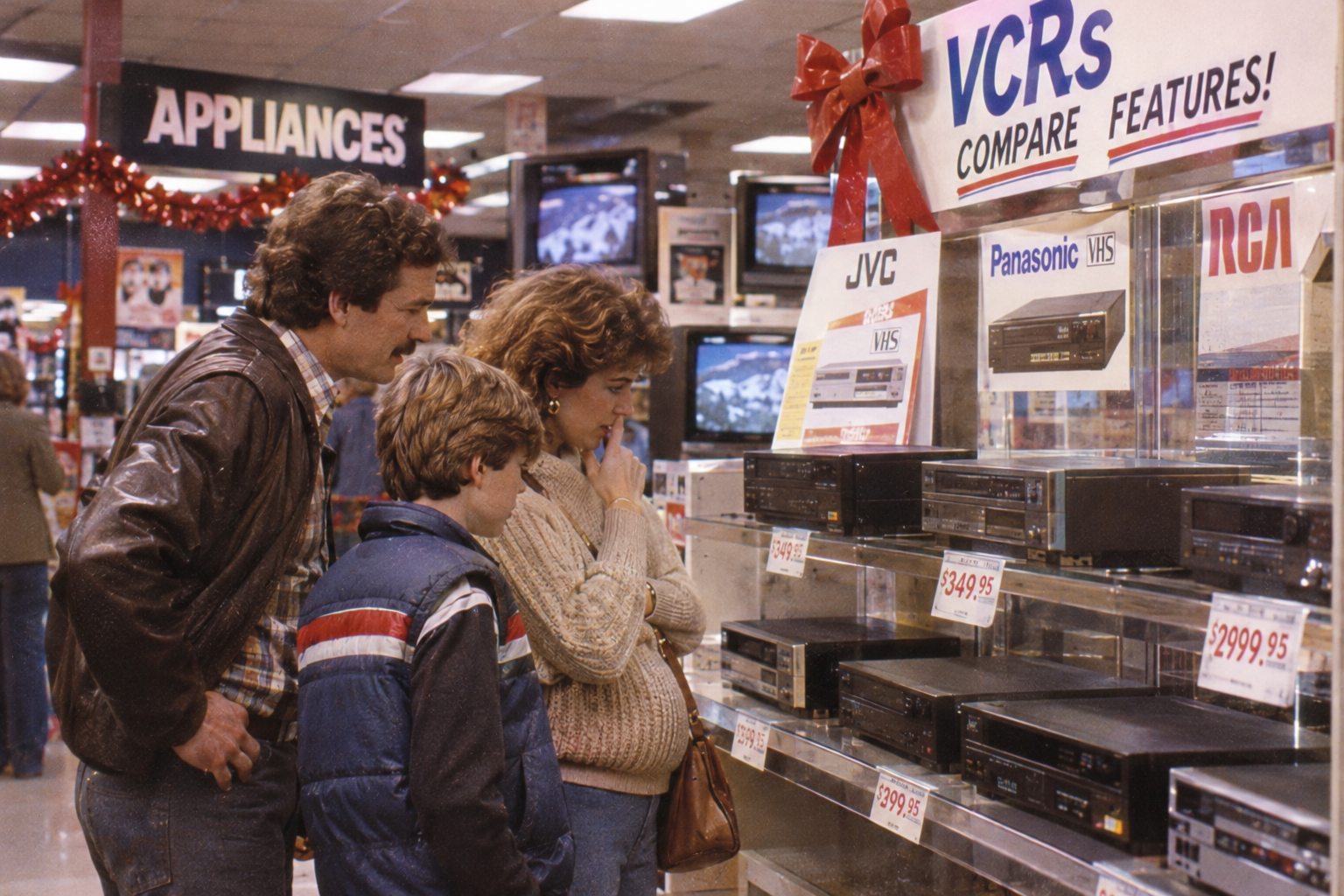
These days, comparing prices on a new television or refrigerator takes about five minutes and a few browser tabs. But in the 1980s, making a major purchase often involved newspaper advertisements, store catalogs, conversations with salespeople, and visits to several different retailers.
Families might spend an entire Saturday comparing appliances, furniture, or electronics before deciding which store offered the best deal. And sometimes, after all that driving around and asking questions, they’d end up returning to the very first store they visited. It wasn’t exactly efficient, but it certainly made buying something expensive feel like a major family decision.
Meeting Friends at the Mall Didn’t Require Buying Anything
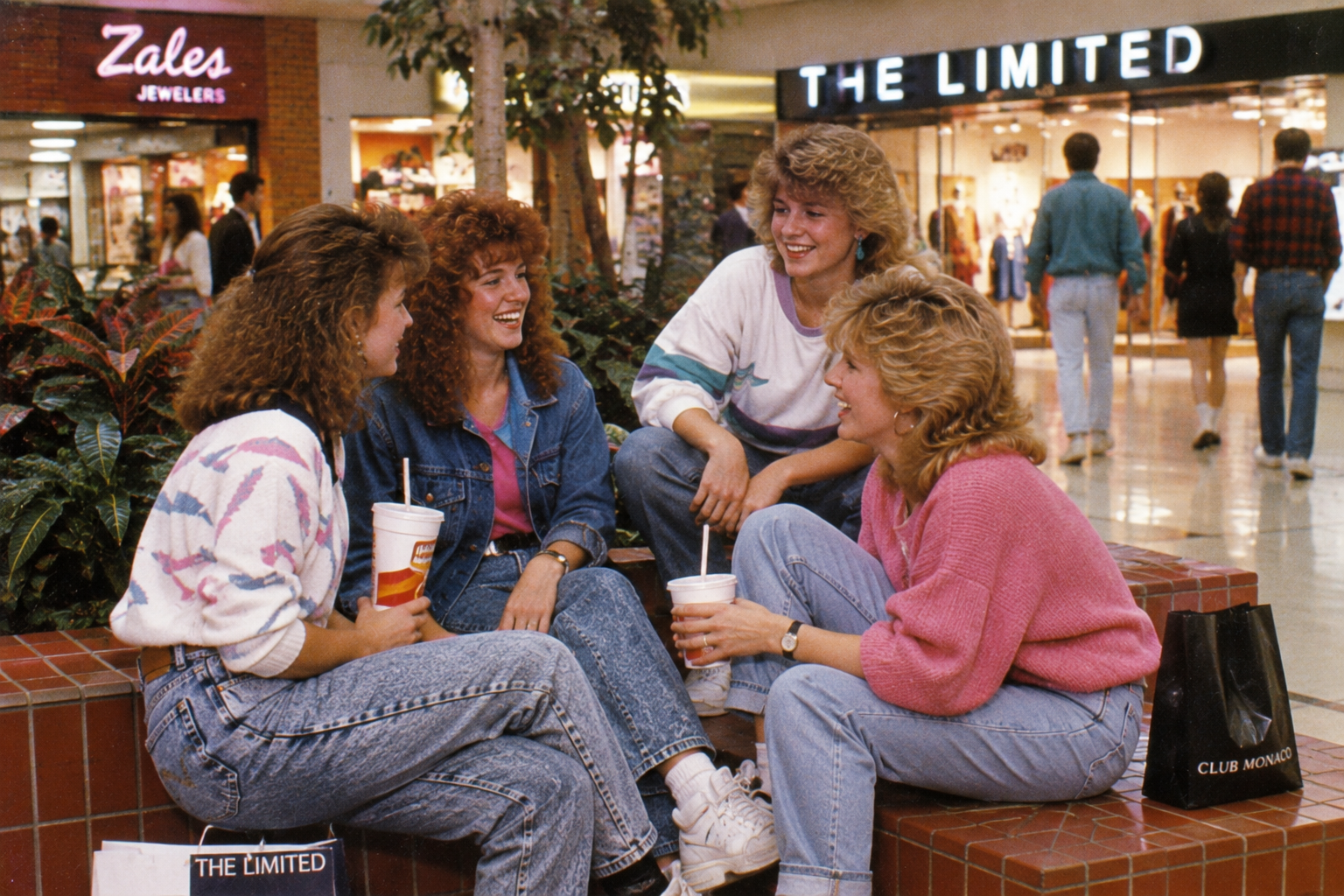
For teenagers in the 1980s, the mall was more than a place to shop. It was one of the easiest places to meet friends, hang out, and spend a few hours away from home without needing much money. Between the food court, arcade, record stores, and benches scattered throughout the building, there was always somewhere to go.
And because nobody had cellphones, making plans required a little more commitment. You might agree to meet your friends by the fountain at two o’clock or outside a particular department store, then hope everyone remembered. Once you were together, the afternoon could disappear into window-shopping, people-watching, and conversations that seemed far more important than anything happening at home.
A Shopping Trip Could Include Dinner and a Movie
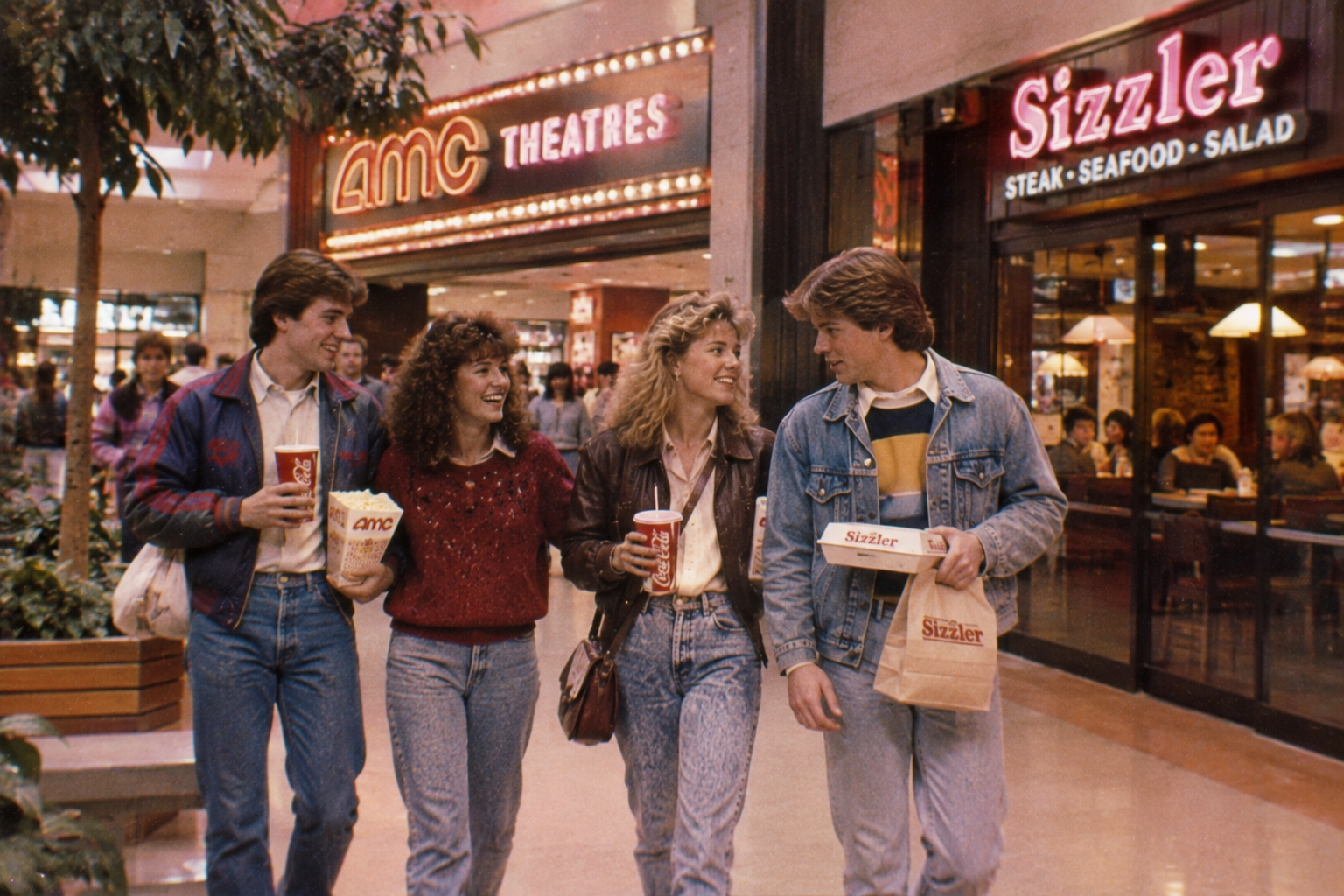
One of the best things about shopping malls in the 1980s was that they offered so much more than stores. Depending on the mall, you could browse for clothes, grab dinner at a restaurant, and catch a movie without ever leaving the building.
For families, that meant an ordinary shopping trip could easily turn into a full evening out. Couples could combine dinner and a movie with a little window-shopping, while teenagers might spend the afternoon wandering around before meeting friends at the theater. It was the kind of all-in-one entertainment that made the mall feel like a destination rather than simply somewhere to run errands.
When Shopping Was About More Than Buying Things
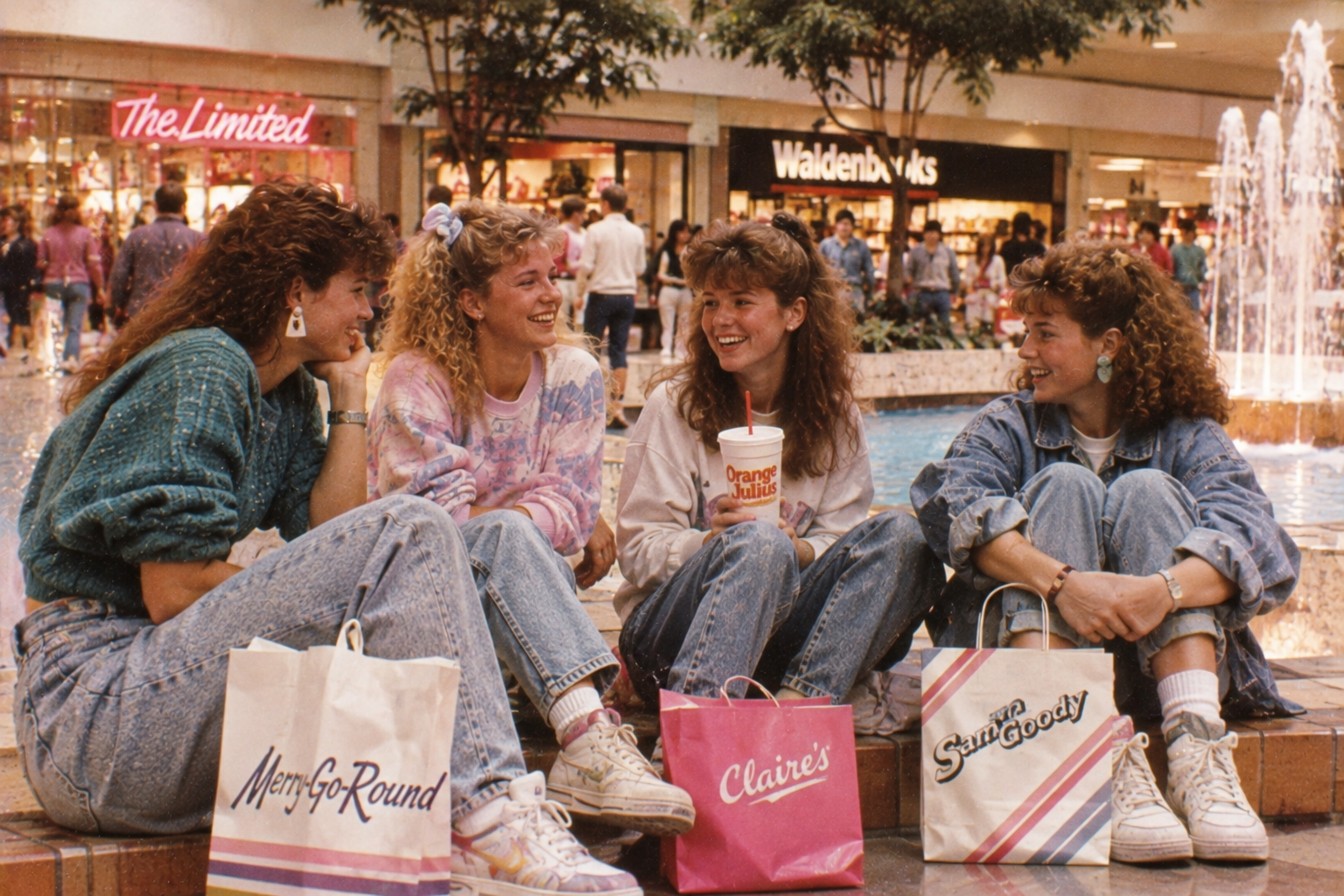
Shopping today is undeniably more convenient than it was in the 1980s. You can compare prices, read reviews, and order almost anything without leaving home. But for those who remember spending Saturday afternoons at the mall, something about the experience has been lost along the way.
After all, a trip to the mall wasn’t just about coming home with a new pair of jeans or a bag of groceries. It was about meeting friends, discovering new music, sharing a meal, and spending time together. And sometimes, the best shopping trips were the ones where you didn’t buy anything at all.