Winter attractions can be quite compelling once the traditional tourist season has ended. They are not limited solely to indoor venues, freezing temperatures, or a lack of activities. National parks are among the winter destinations that offer persuasive reasons to visit during the off-season, and, using information from the National Park Service, we will share several other trip ideas to explore during this time of year!
Bryce Canyon National Park, Utah: Red Rocks Look Completely Different Under Snow
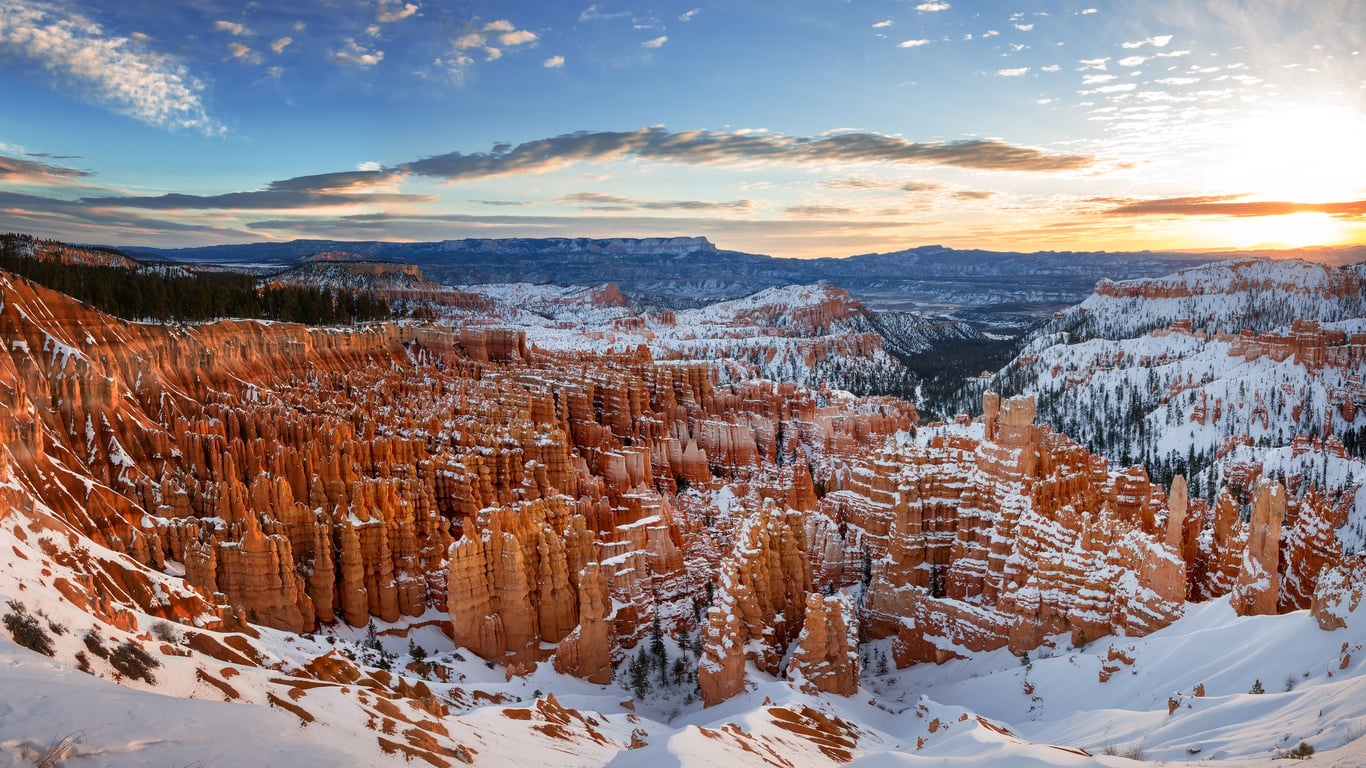
When snow takes hold of Utah, the landscape of Bryce Canyon National Park, typically characterized by shades of orange and red, transforms into an entirely different kind of attraction. The visual contrast created by winter is so striking that visitors can hardly believe what they are seeing. With activities like snowshoeing and cross-country skiing, combined with quieter, more peaceful overlooks, the park takes on an entirely different character.
Yellowstone National Park, Wyoming: See the Geysers in a Frozen Landscape
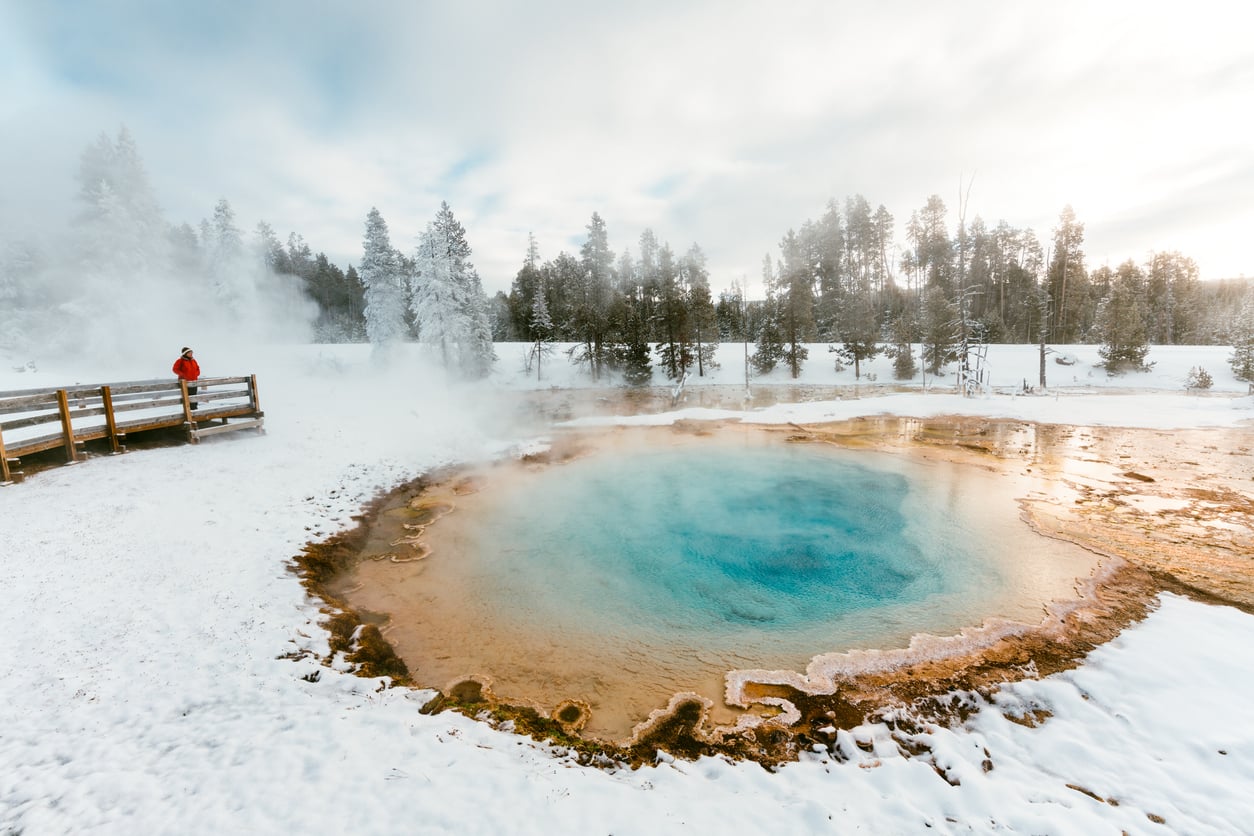
In the winter, Yellowstone’s geothermal areas transform into scenes of steam rising through the snow. Snowcoach and snowmobile excursions offer a unique way to experience the national park. During these months, most park roads may be closed to regular vehicles, so be sure to arrange appropriate transportation in advance, according to the National Park Service.
Grand Canyon National Park, Arizona: Experience the South Rim Without the Summer Crowds
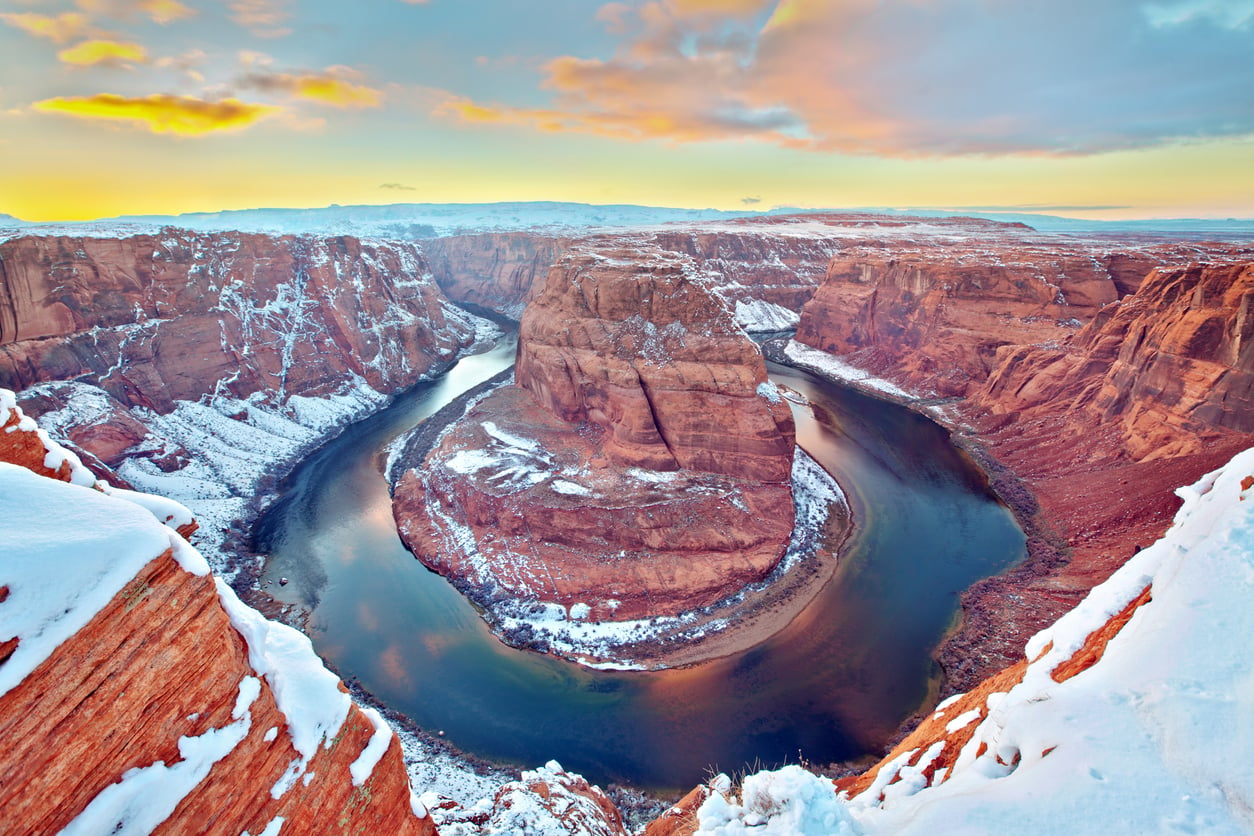
The months of January and February offer a less crowded scenic landscape at Grand Canyon National Park. Those who head to Arizona can enjoy a quieter experience in what is typically one of the busiest parks in the United States. Visitors will notice a striking contrast to the red and orange rock formations seen during the summer, making this one of the most appealing winter destinations for nature lovers.
Yosemite National Park, California: The Valley Becomes a Winter Retreat
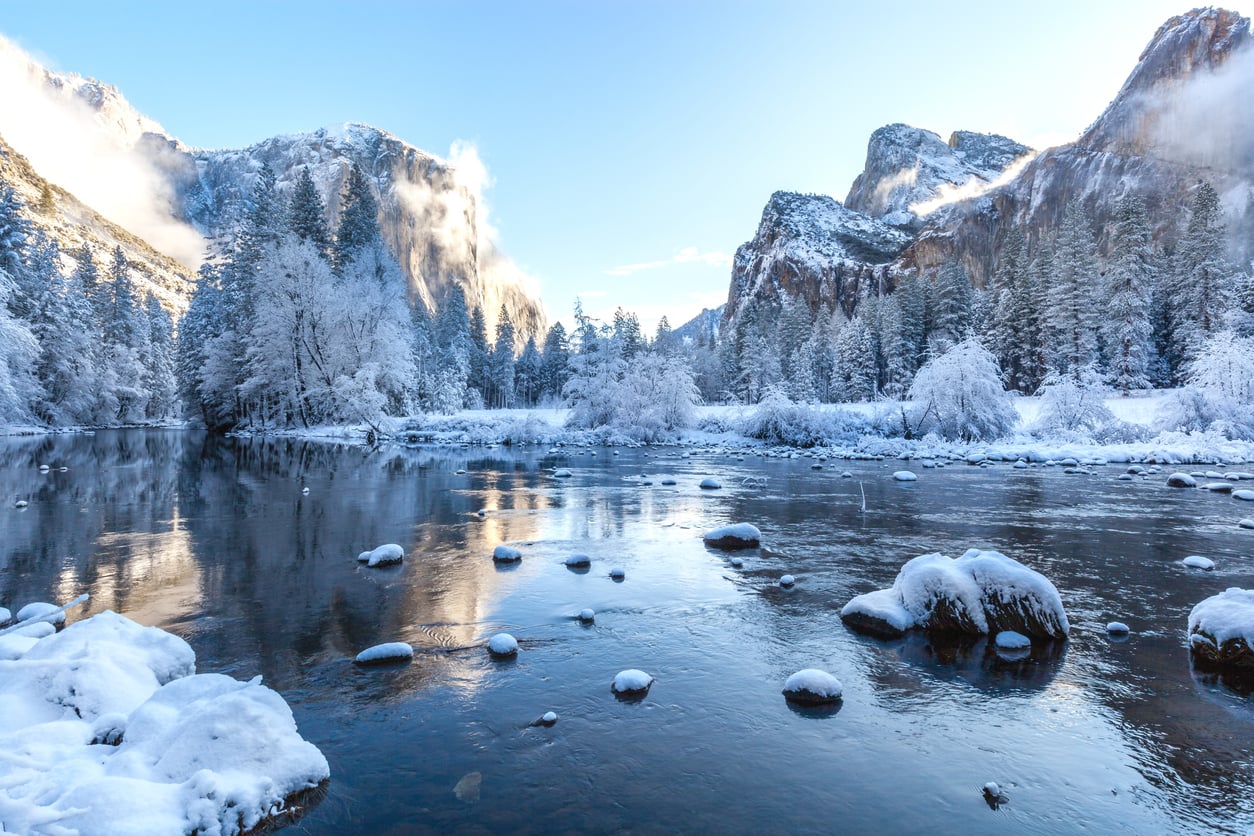
Snow-covered granite cliffs, quiet meadows, and frozen-looking landscapes are what Yosemite National Park offers visitors during the winter. This makes Yosemite one of the most beautiful winter destinations for outdoor enthusiasts. Visitors must know that the Tioga Road and Glacier Point Road generally close during winter, and tire chains may be required to enter, while the section to Badger Pass is plowed during the ski season.
Olympic National Park, Washington: Go to the Beach to Watch Winter Storms
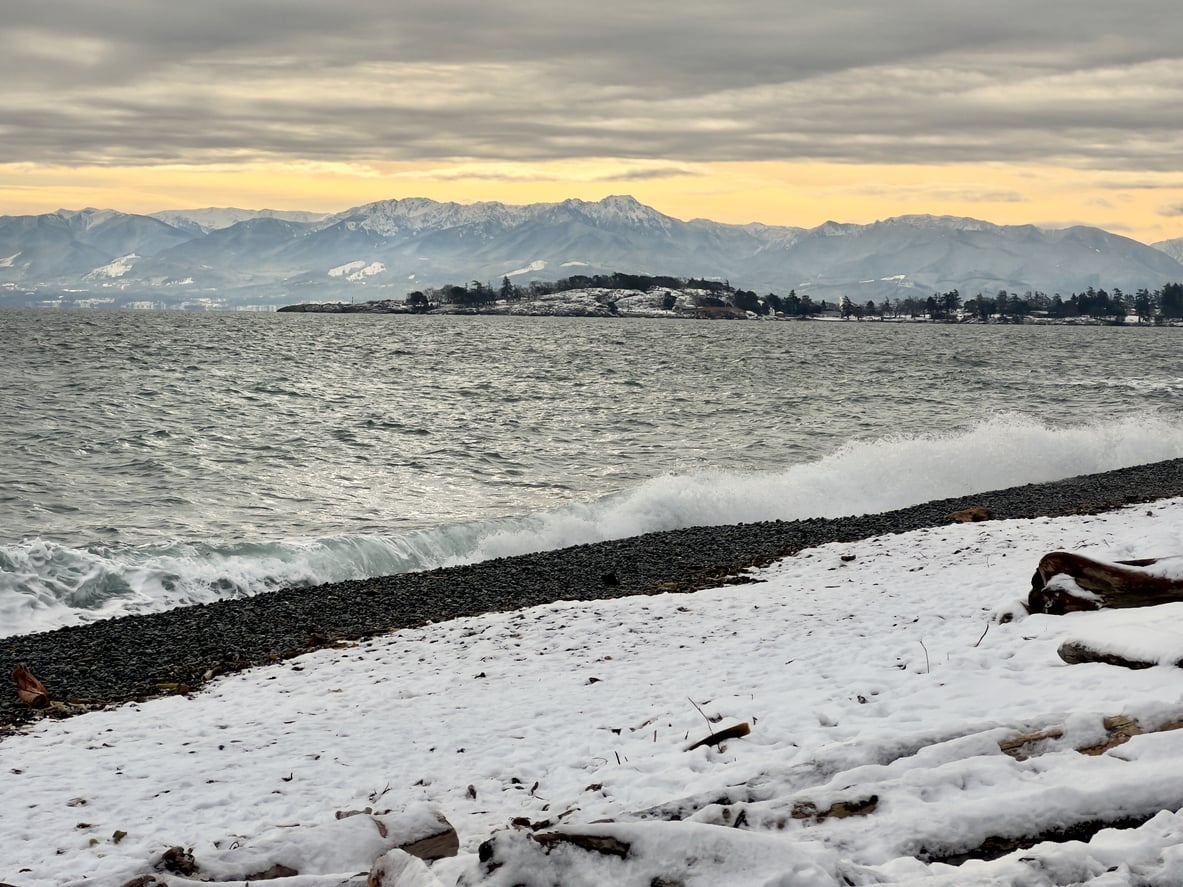
During winter trips to the beaches of Olympic National Park in Washington, visitors can watch Pacific waves crash against the rugged shoreline. This atmosphere, combined with the rainforest, makes it one of the most distinctive winter destinations, offering an experience entirely different from the dry-weather hiking found during other times of the year. Before heading to Olympic National Park, be sure to stick to safe, elevated viewpoints, well away from the surf, driftwood, and incoming tides.
Trending on Cheapism


Acadia National Park, Maine: Discover What a Quiet New England Coast Feels Like
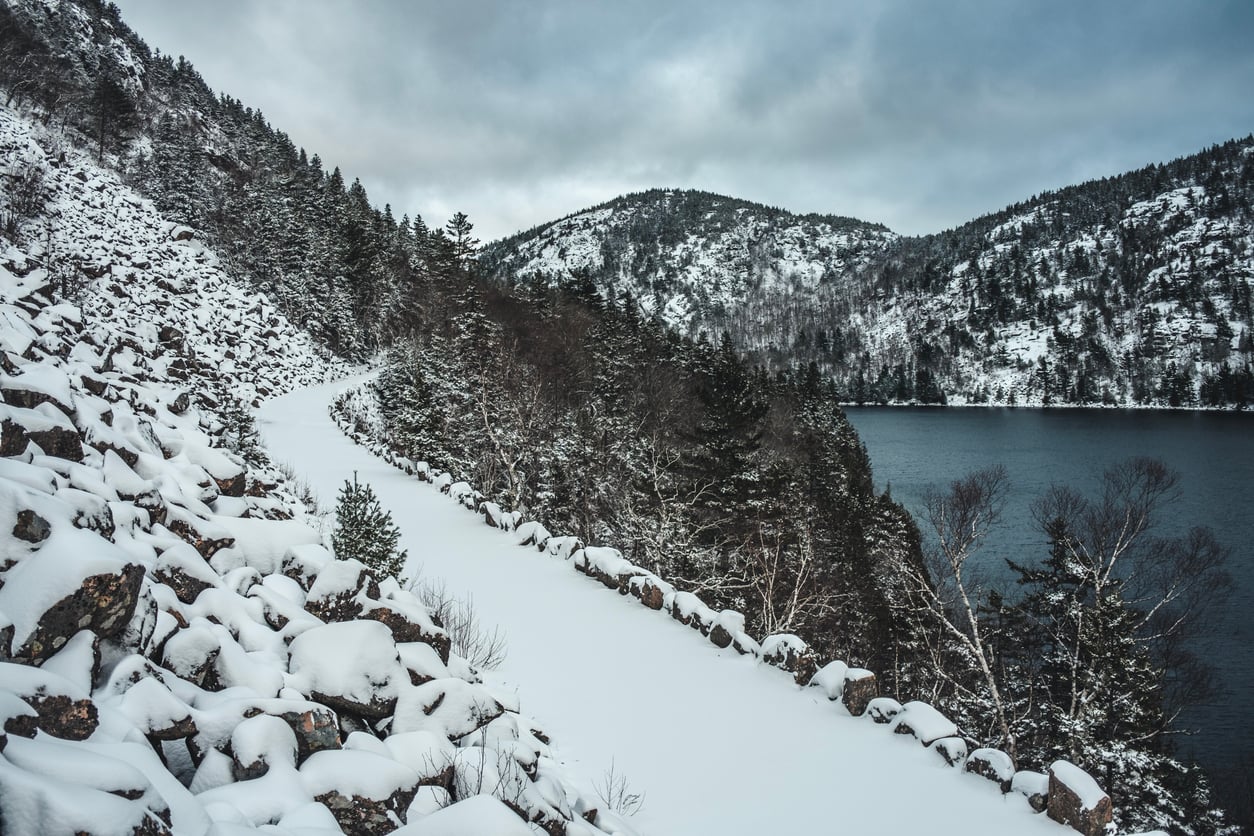
During the winter, Acadia National Park features a stark, rocky shoreline and snow-covered forests, offering a quiet escape, a sharp contrast to the summer months, when it is packed with visitors. According to the National Park Service, you can access the dramatic coastline to enjoy activities such as snowshoeing and cross-country skiing. These features make Acadia one of the Maine’s most appealing winter destinations.
Death Valley National Park, California: Winter Makes the Desert More Accessible
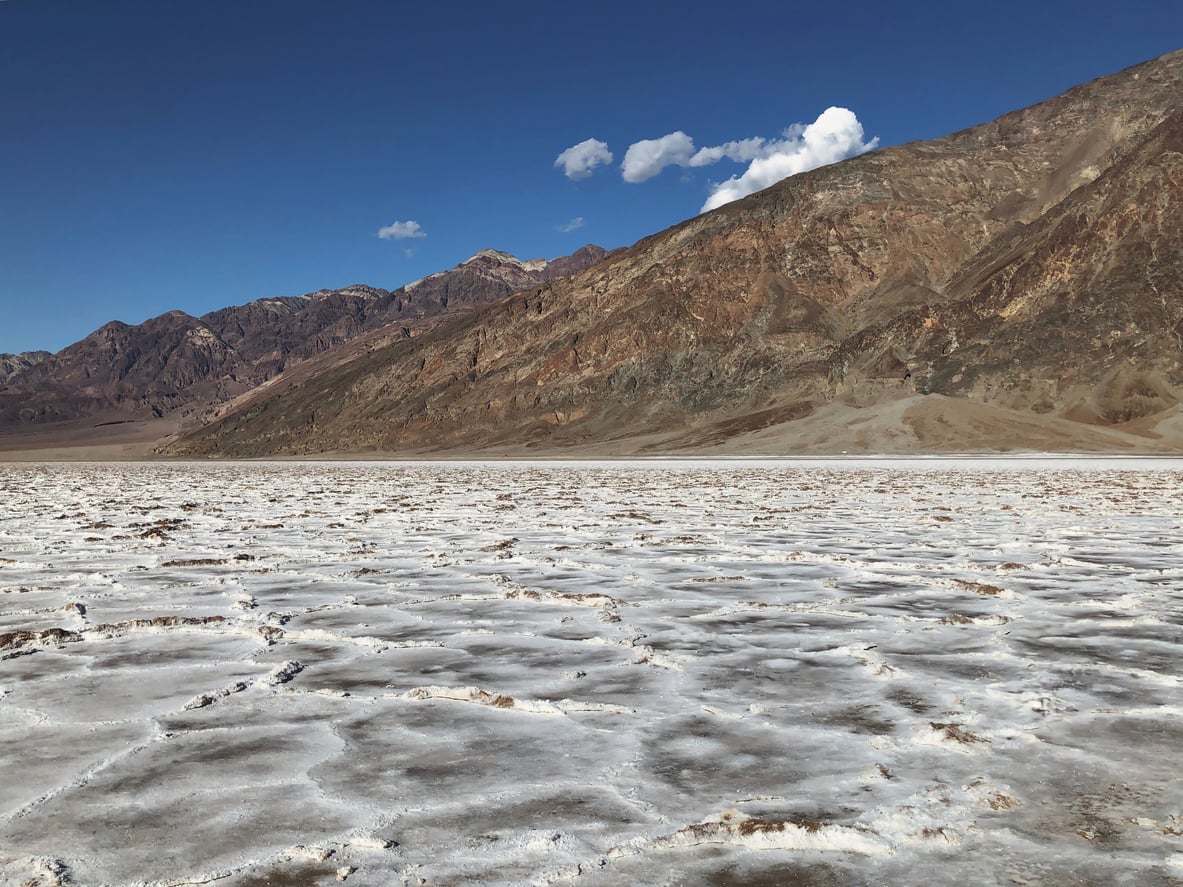
Extreme summer temperatures make lower-elevation hikes in Death Valley National Park dangerous. Therefore, it is more comfortable to visit between November and March to undertake these treks. With cooler weather, attractions such as Badwater Basin, Golden Canyon, and the Mesquite Flat Sand Dunes are much easier to explore and enjoy. These conditions makes Death Valley one of the best winter destinations for travelers interested in desert landscapes.
Mackinac Island, Michigan: Experience the Island After the Tourists Leave
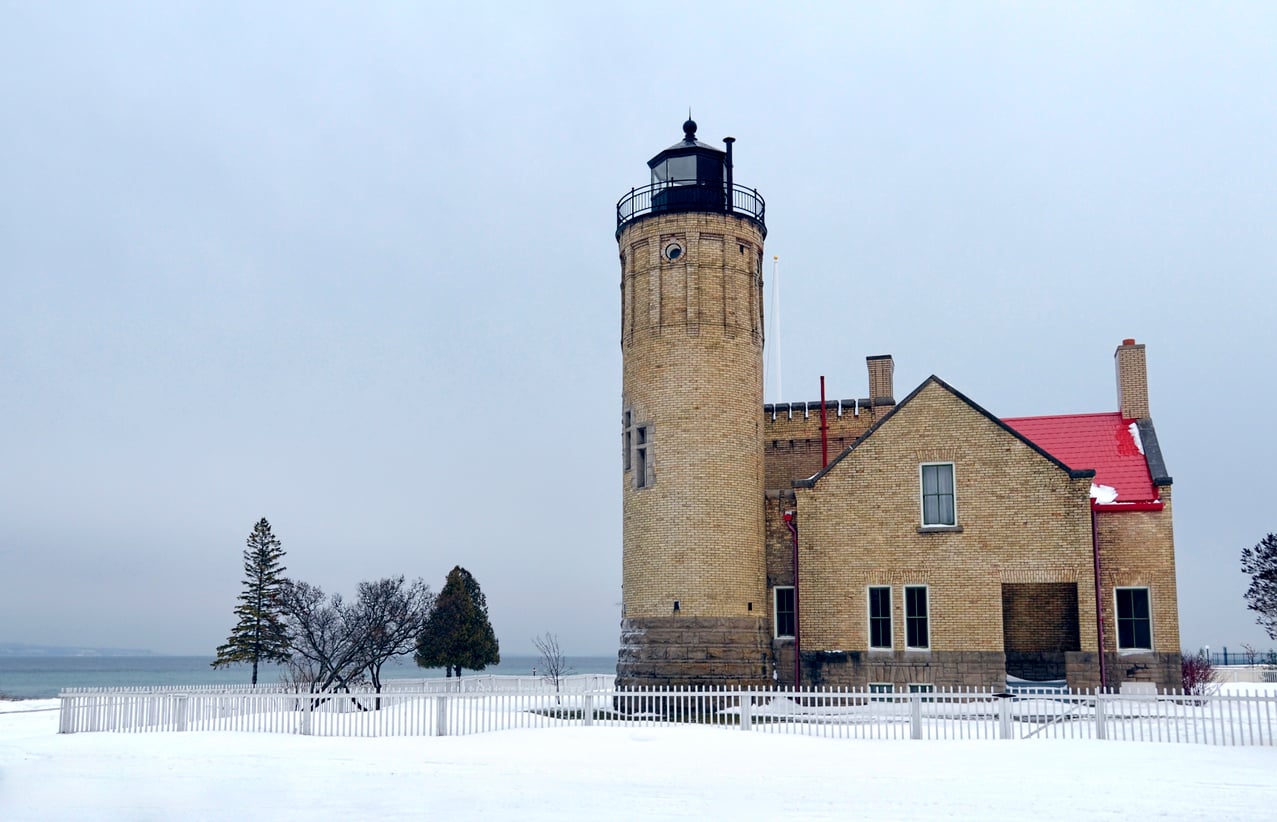
During the winter, Mackinac Island transforms into a much quieter, snow-covered community, offering views of the frozen Great Lakes. Visitors can explore snowy roads and the trails, or enjoy activities such as snowshoeing, skiing, and winter photography. This males the island one of the charming winter destinations for travelers that should be aware that the ferry service depends on ice conditions, which determine whether or not it is operating.
Sign up for our newsletter
Bayfield, Wisconsin: Lake Superior’s Frozen Shoreline Becomes the Attraction
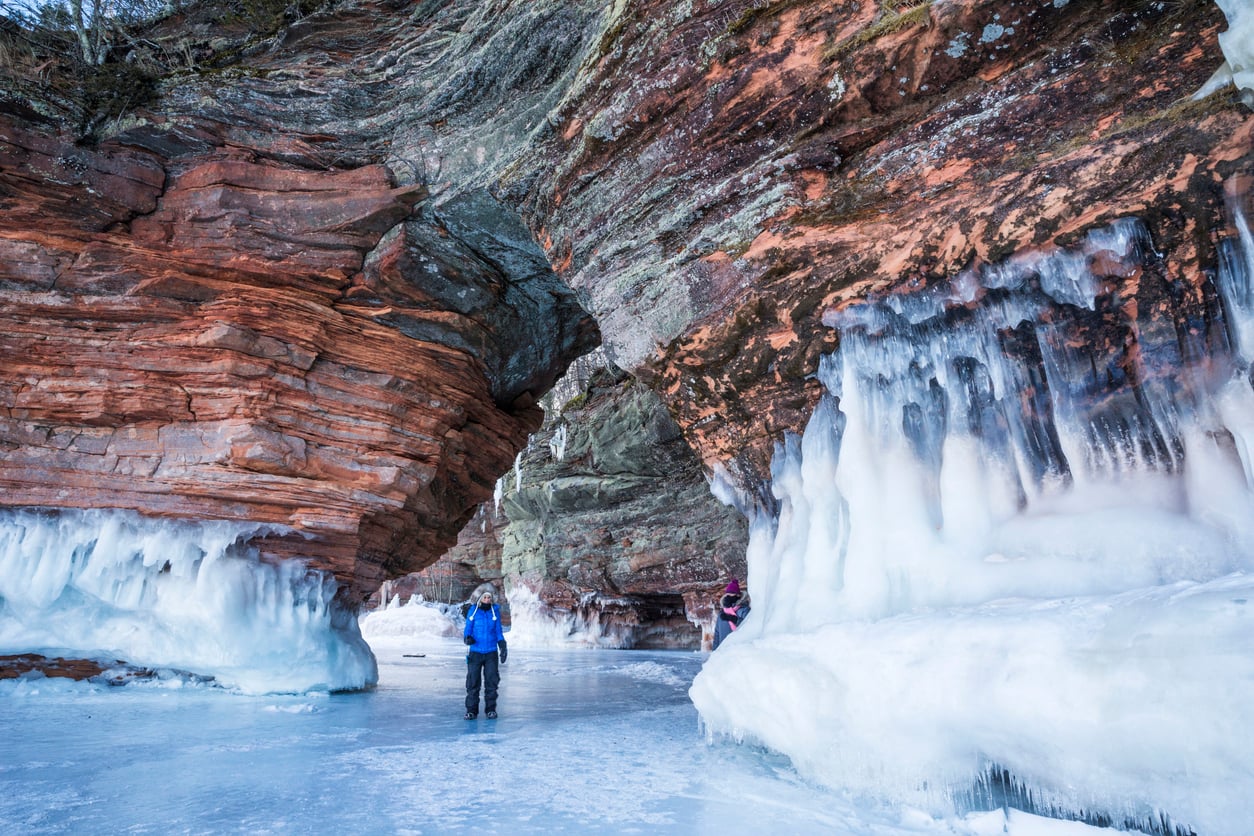
Near Bayfield, Wisconsin, the Apostle Islands region of Lake Superior features sandstone cliffs, snow-covered beaches, and striking frozen shoreline formations. At times, access to the famous ice caves is prohibited. In fact, this winter destination has a particularly rare attraction: According to the National Park Service, the mainland ice caves were accessible on only 2% of the days between 2000 and 2023.
Asheville, North Carolina: See the Blue Ridge Mountains Without the Fall Crowds
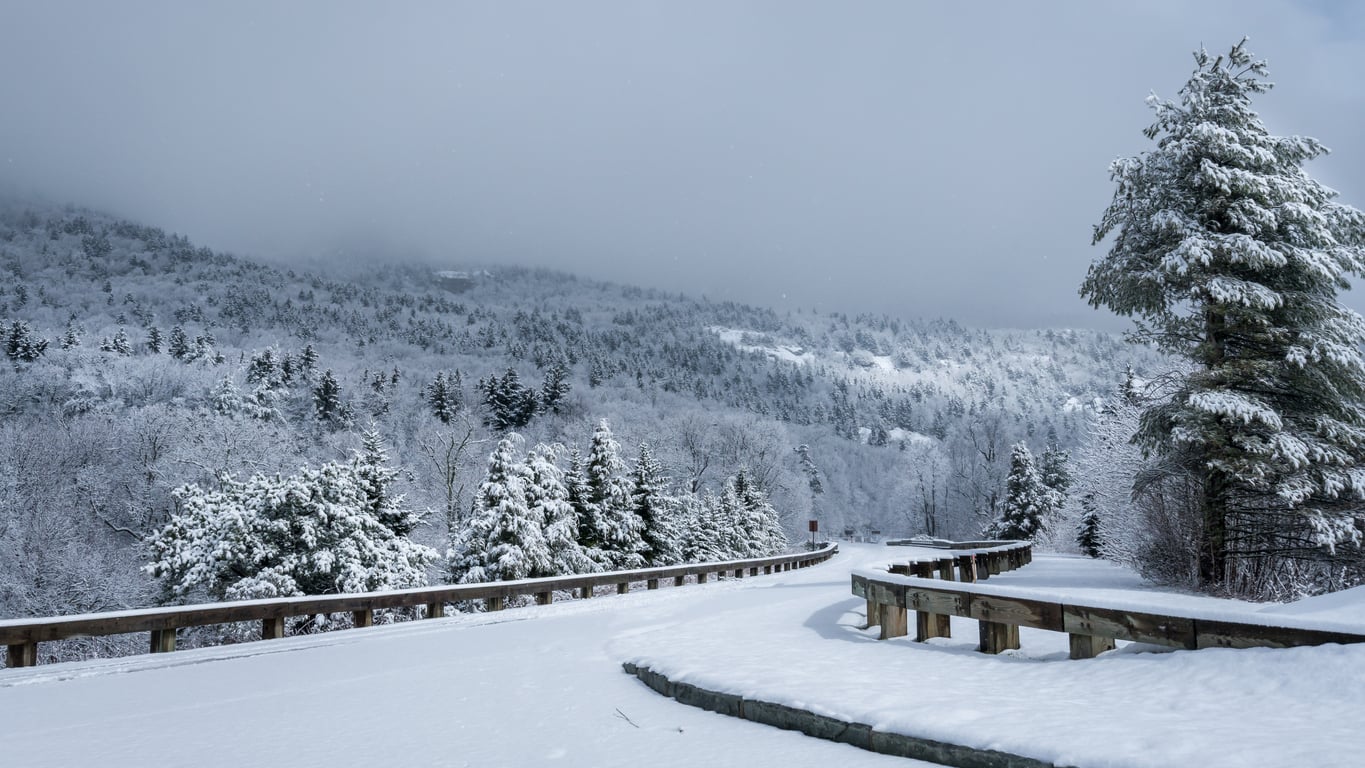
During the fall, Asheville is a highly sought-after tourist destination, made especially attractive by the vibrant autumn foliage. In the winter, visitors can enjoy snow-covered landscapes, and when temperatures become particularly cold, the city’s restaurants, coffee shops, and live music venues make it one of the most appealing winter destinations for spending time indoors.
Carlsbad Caverns National Park, New Mexico: Explore an Underground World Without Summer Heat
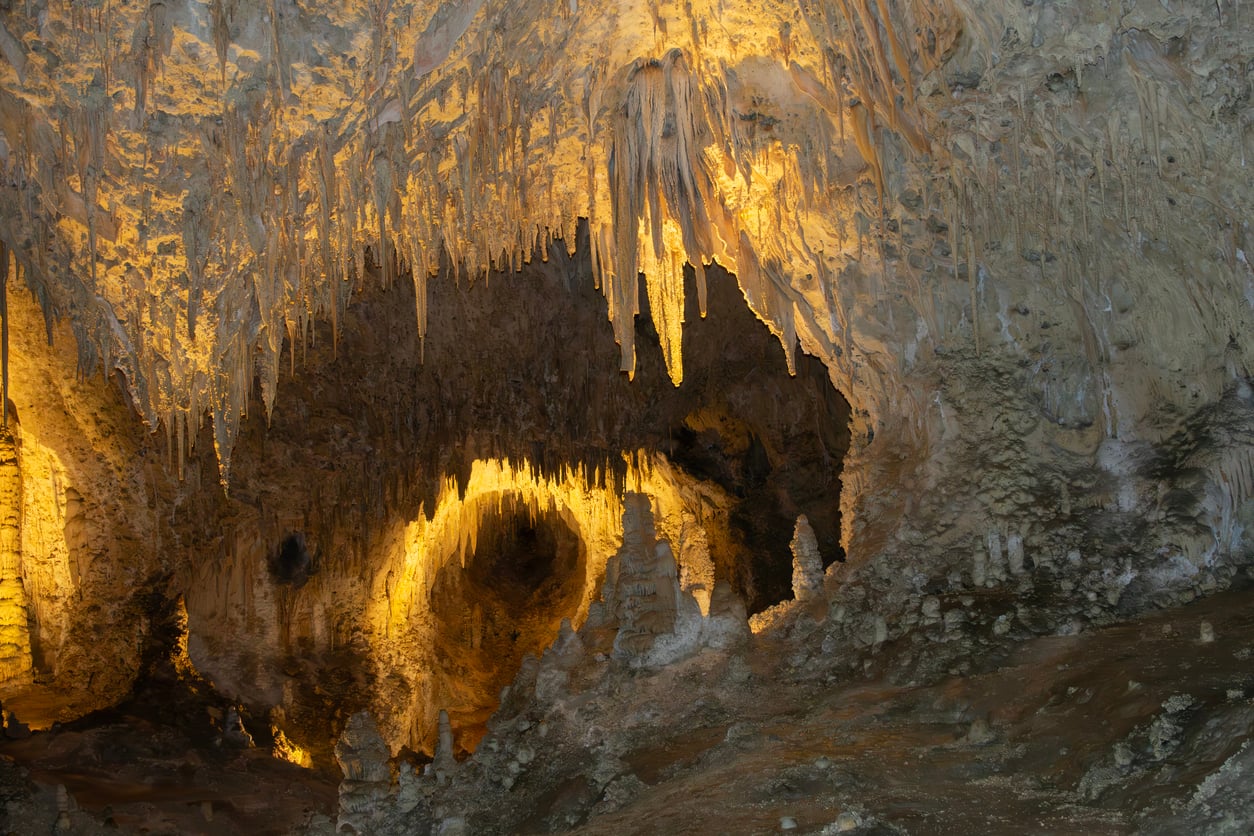
Summer temperatures in southeastern New Mexico can be punishing, making winter an ideal time to visit Carlsbad Caverns National Park. The main cavern offers an underground environment that you can explore, though entry is subject to a timed-entry system. These unique underground attractions make this one of the most interesting winter destinations when looking to escape the cold outdoors.
Port Angeles and the Olympic Peninsula, Washington: Trade Summer Hiking Crowds for Winer Wilderness
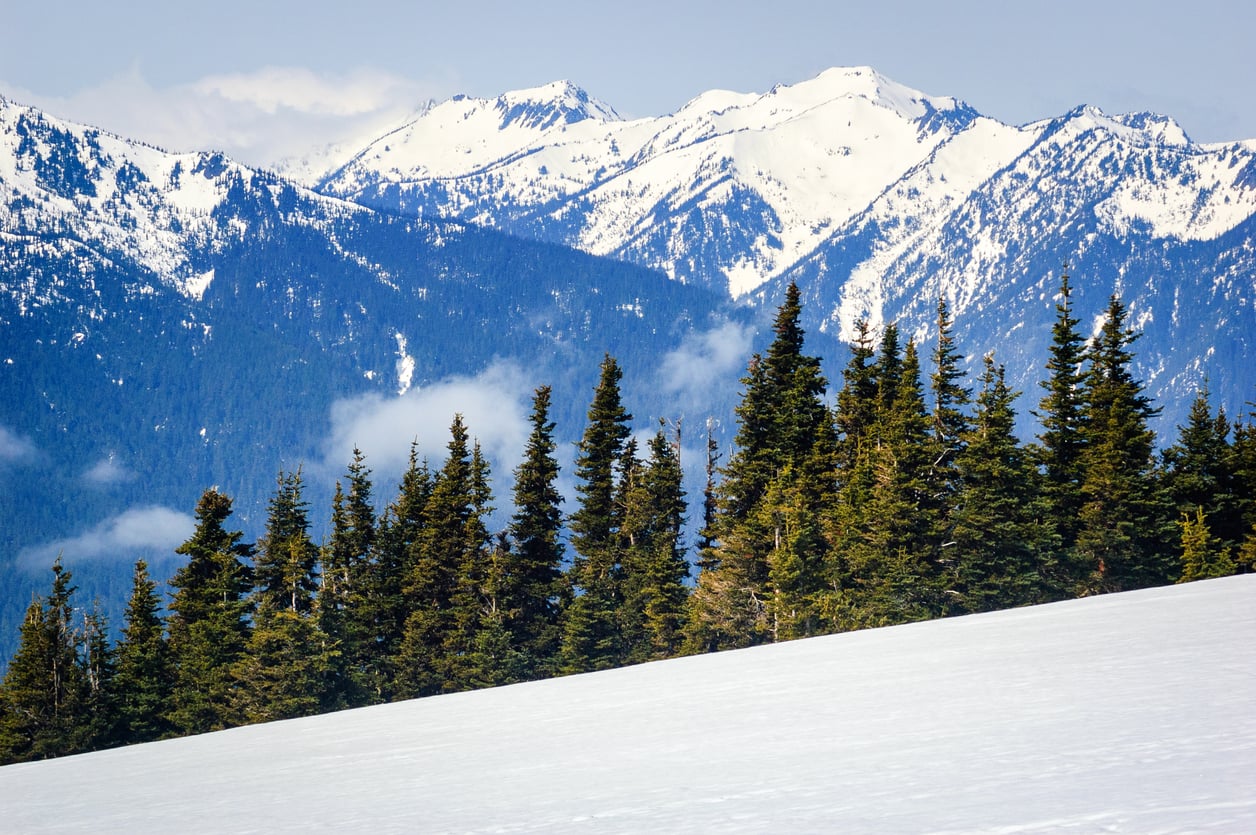
In Port Angeles, near Olympic National Park, snow-covered mountain areas are a common sight, but you can also enjoy dramatic, stormy coastal viewpoints. Visitors can explore forested landscapes and relax in cozy accommodations, all without having to contend with the sweltering heat typical of summer hiking. These features make the area one of the attractive winter destinations for travelers seeking both outdoor adventures and comfortable accommodations.
Conclusion
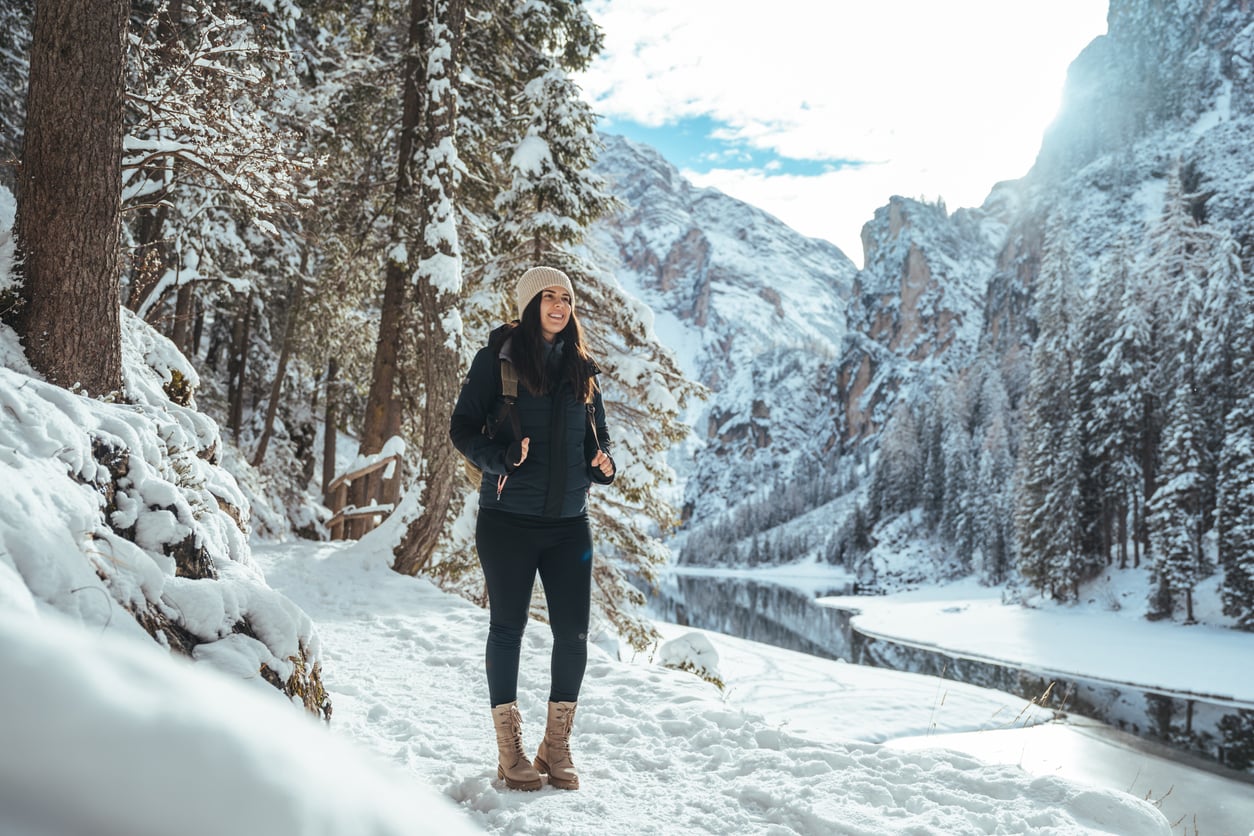
These national parks demonstrate that, during the winter, they offer a different, but equally compelling, visitor experience. They feature many of the same attractions, along with landscapes that are striking precisely because they look so different from how they do in the summer. These winter destinations offer plenty of reasons to travel, although visitors should be mindful of factors that change during the season, such as road conditions, reduced services, and shorter daylight hours.