When winter arrives, it can reveal issues in people’s homes that they might not have noticed during other times of the year. From outdoor plumbing to heating equipment, these components can lead to significant repair costs. Drawing on information from sources such as the American Red Cross and the Department of Energy, we’ll outline essential winter home maintenance checks homeowners should complete before the first hard freeze arrives!
Outdoor Faucets and Attached Garden Hoses
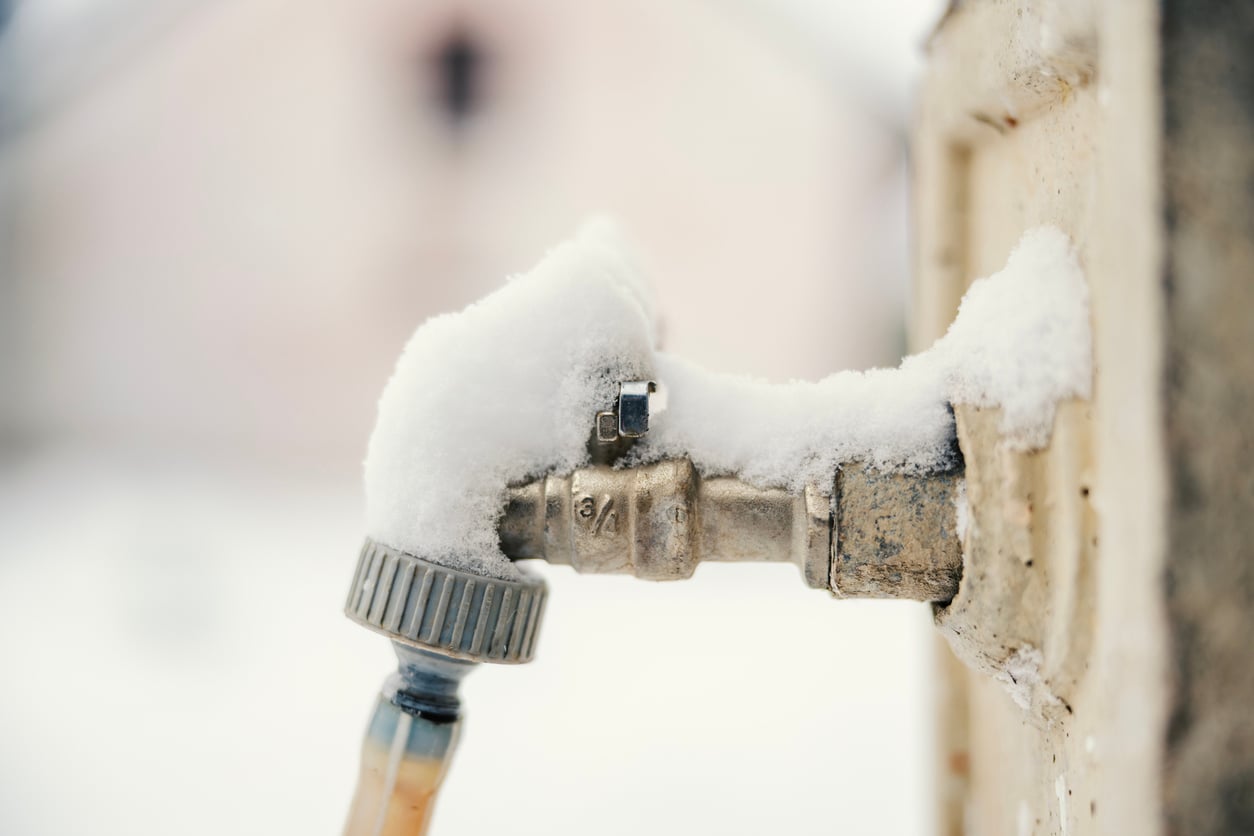
If you have an outdoor faucet, water could be trapped inside a hose. It might freeze, expand and damage the faucet or the connected pipe. The American Red Cross recommends disconnecting hoses and draining them, as well as closing the appropriate interior shutoff valves, before freezing weather arrives. These are essential winter home maintenance steps.
Pipes Running Through Garages, Basements, and Crawl Spaces
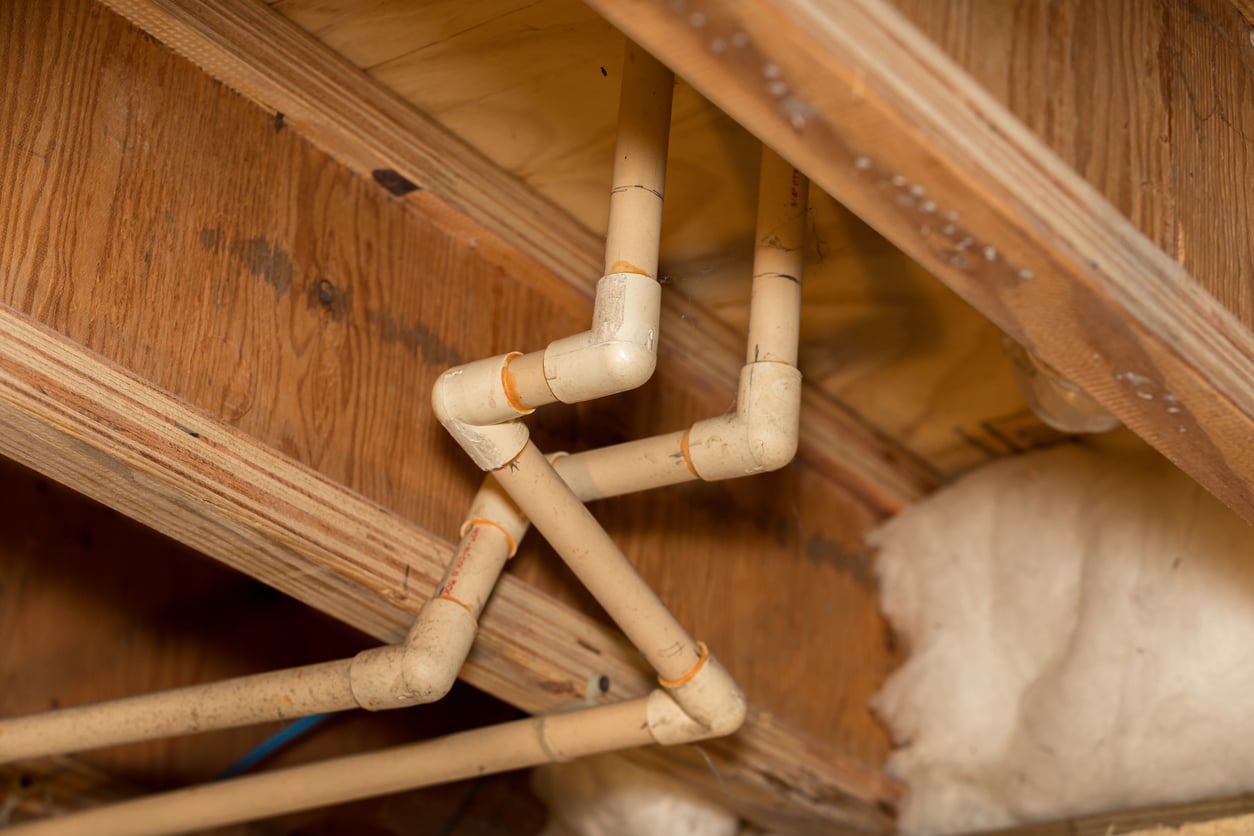
Water lines that run through unheated areas can be vulnerable to the cold. Therefore, homeowners should check any lines that pass through exterior walls, garage ceilings, or behind cabinets. It is advisable to identify these exposed supply lines and provide them with freeze protection as part of your winter home maintenance routine.
The Furnace or Heat Pump Before It’s Needed Continuously
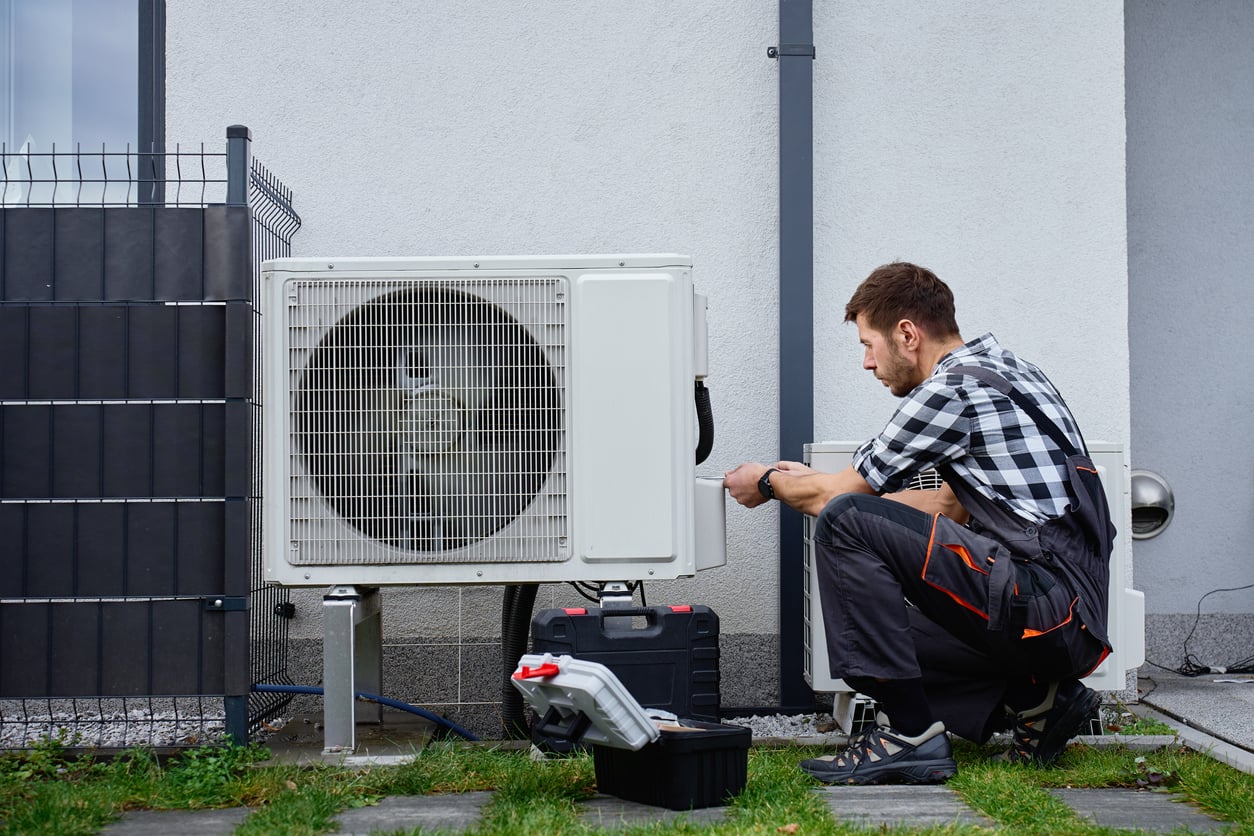
Heating equipment, such as a furnace or heat pump, should be checked to ensure it is free from issues like dirty filters, airflow problems, or a lack of maintenance, all of which can impair performance. Problems may already exist in the fall, but because the system is used less frequently, homeowners might not even notice them. It is better to take preventive action before the truly cold days arrive.
Gutters and Downspouts That Still Contain Fall Leaves
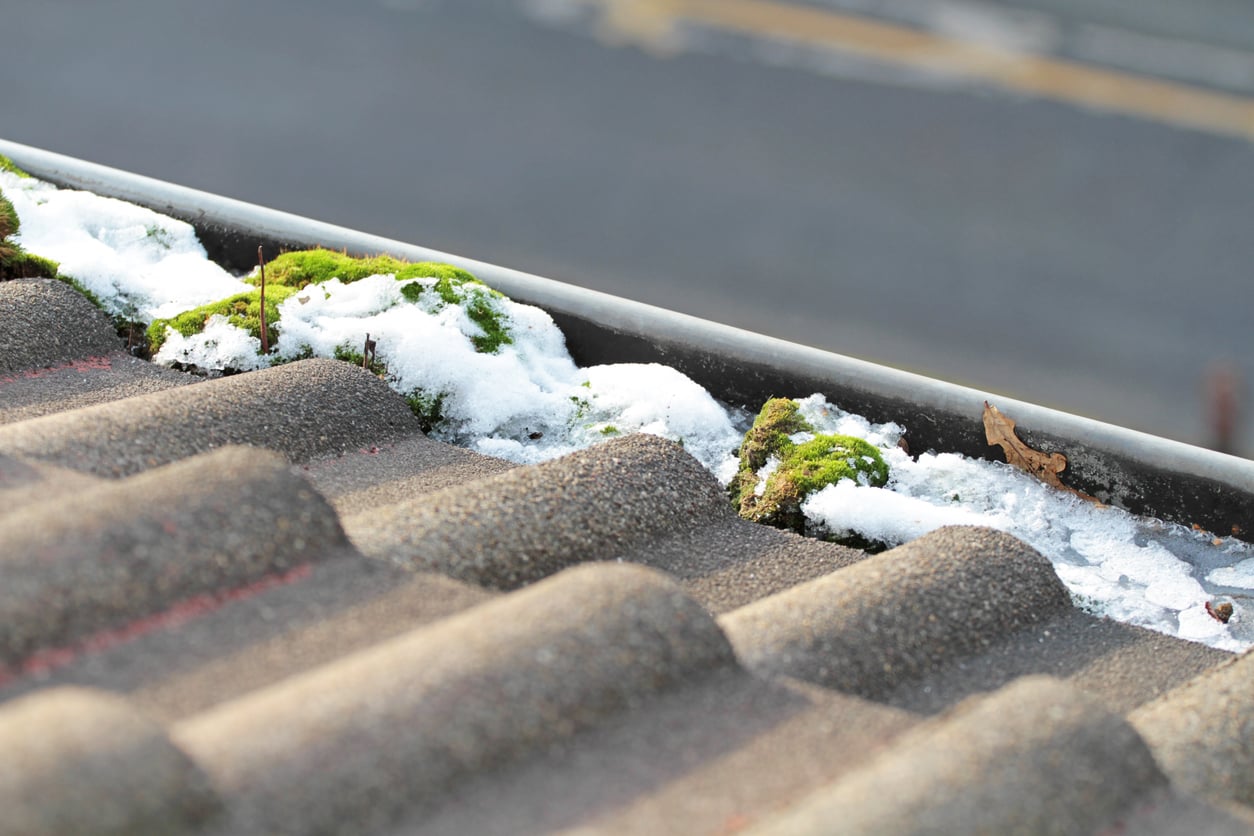
Clogged gutters can prevent melting snow and rainwater from draining properly, which increases the risk of water backing up around the edges of the roof. Therefore, homeowners should check for visible debris, loose downspouts, and drainage issues from the ground, and address them before winter. Cleaning and inspecting gutters is an important winter home maintenance task.
Sprinklers Systems and Exterior Irrigation Lines
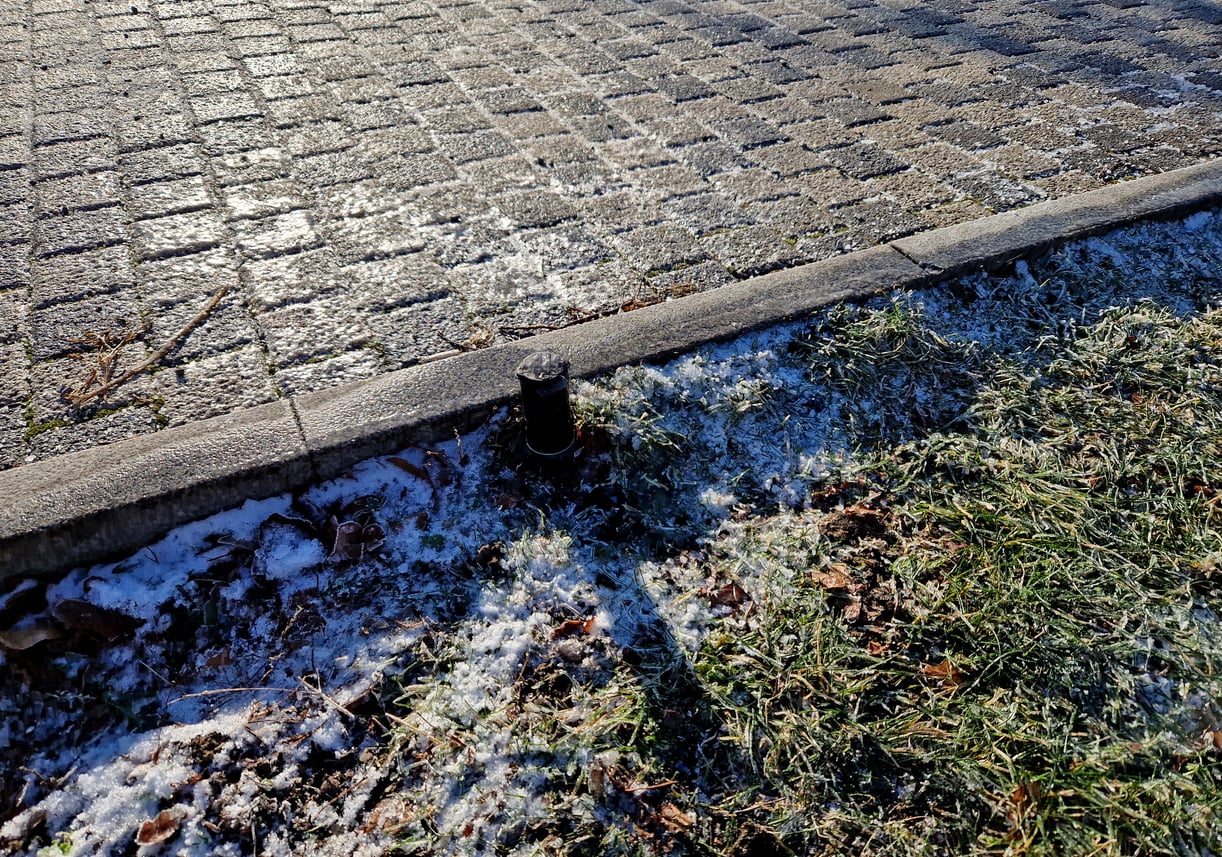
Water inside irrigation systems can freeze, affecting underground pipes and valves, creating leaks that you may only discover when the system is restarted in the spring. Homeowners should check the manufacturer’s winterization procedure and arrange for professional draining when appropriate. The preventive measure is another important part of winter home maintenance.
Trending on Cheapism
Attic Insulation and Signs of Roof Moisture
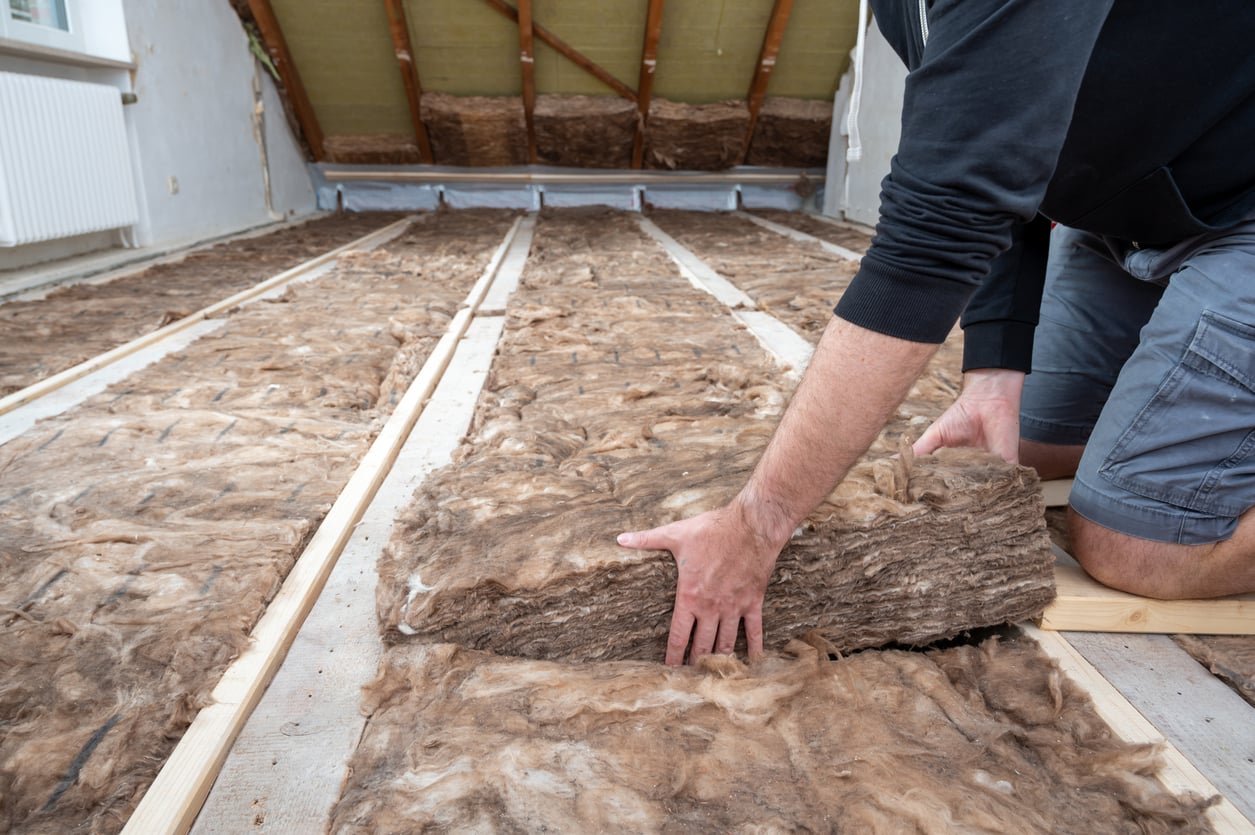
Heat escaping into the attic can warm parts of the roof, causing melted snow to refreeze along the colder edges because of the action of ice dams. Furthermore, gaps in insulation and inadequate ventilation can lead to moisture problems. Check for any visible moisture stains, compressed insulation, or obvious air leaks as part of your winter home maintenance routine.
Door Weatherstripping and Window Drafts
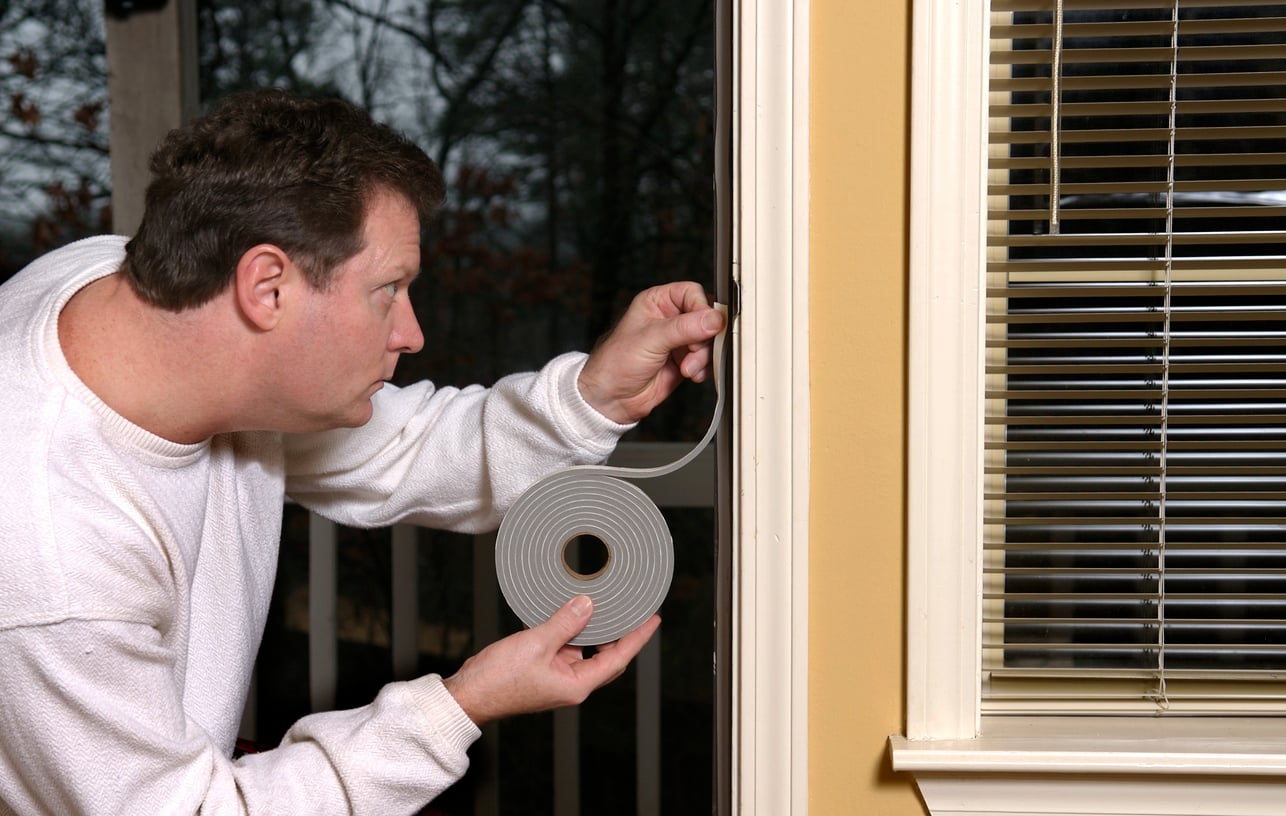
Gaps around doors and windows can allow heated indoor air to escape and cold air to enter a home, which forces heating systems to work harder and leads to higher energy bills. Check for worn door sweeps and loose weatherstripping before winter arrives as part of your winter home maintenance efforts.
The Main Water Shutoff Valve
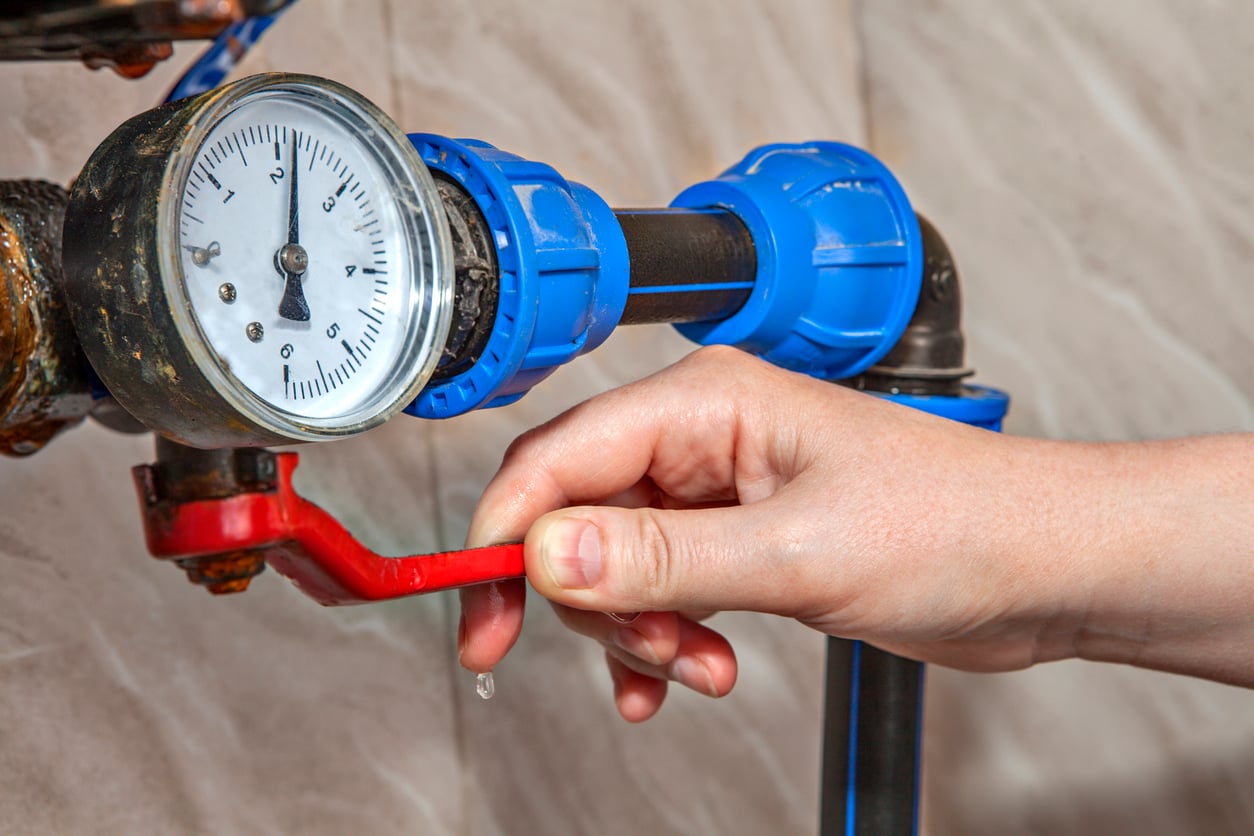
The main water shutoff valve should always be in working order. In the event of an issue, such as a frozen pipe bursting, being able to shut off the water supply is the first step toward limiting property damage. Some homeowners are not even sure where this valve is located, so keeping it accessible and clearly identified is an essential winter home maintenance precaution.
Sign up for our newsletter
Smoke and Carbon Monoxide Alarms
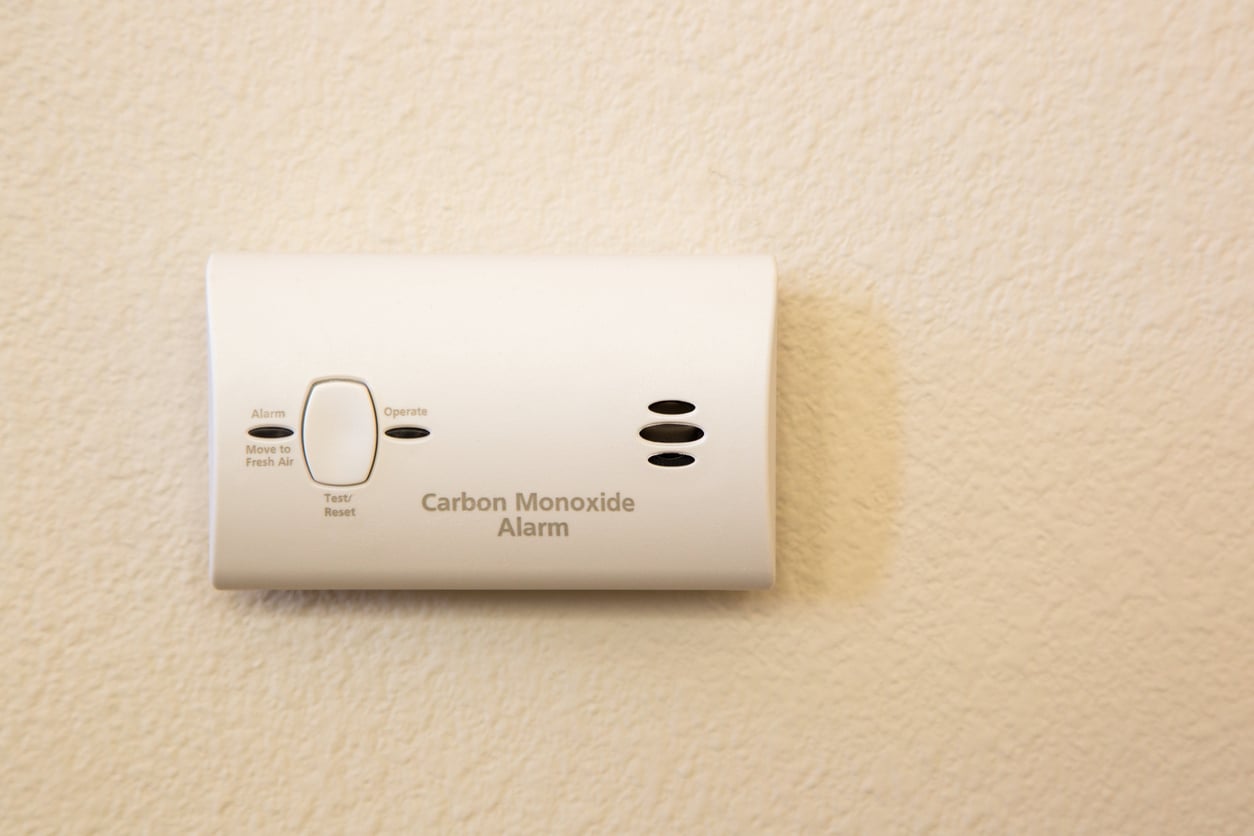
As heating equipment, fireplaces, and supplemental heaters are used more frequently during the colder months, carbon monoxide can become a problem. This highly dangerous gas, which cannot be detected by the sense of smell, should be detected by carbon monoxide alarms installed in your home. Checking these alarms is a critical part of winter home maintenance and home safety.
Outdoor Heat Pump Units
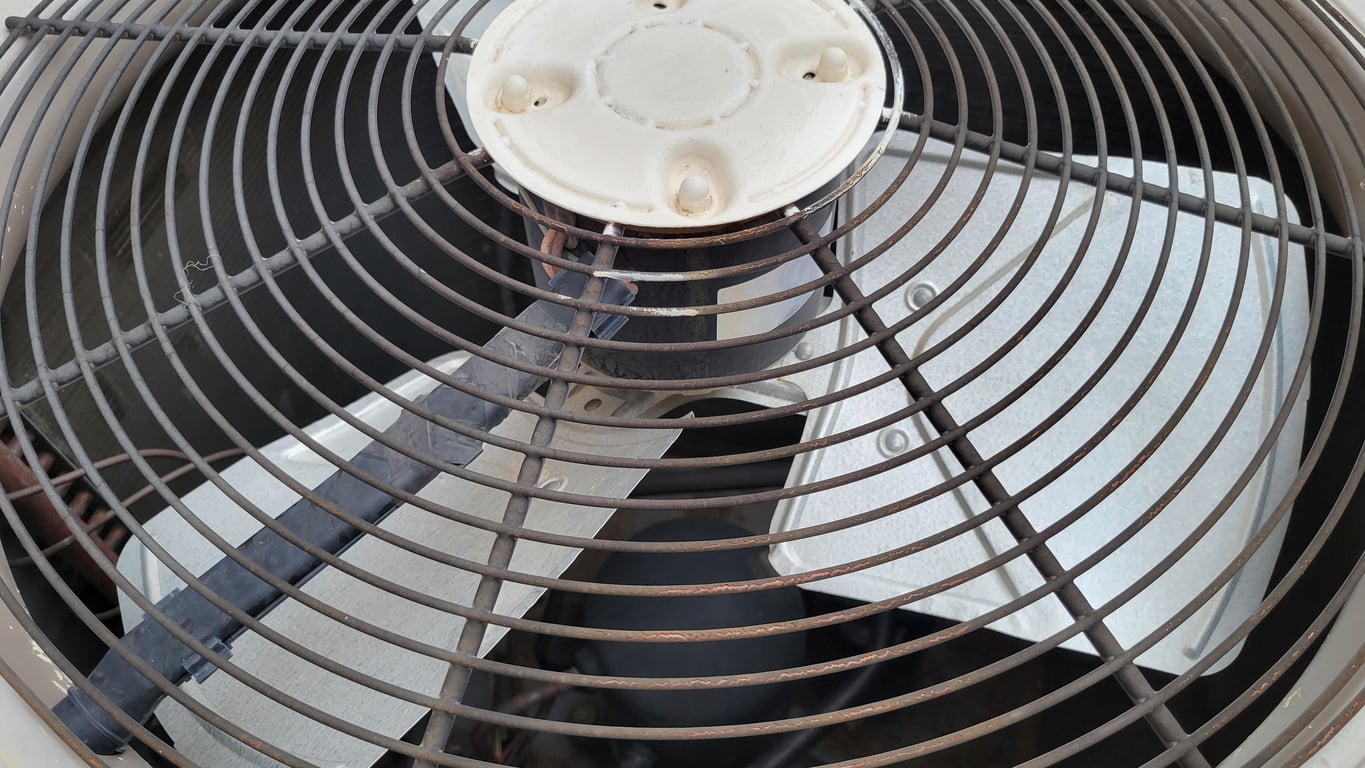
Outdoor heat pump equipment requires sufficient airflow to continue operating when temperatures drop. Leaves, snow accumulation, or other obstructions can interfere with its normal function. Homeowners should clear away any loose debris from the area and maintain the clearance recommended by the manufacturer, as specified in the manual.
Basement and Crawl-Space Openings
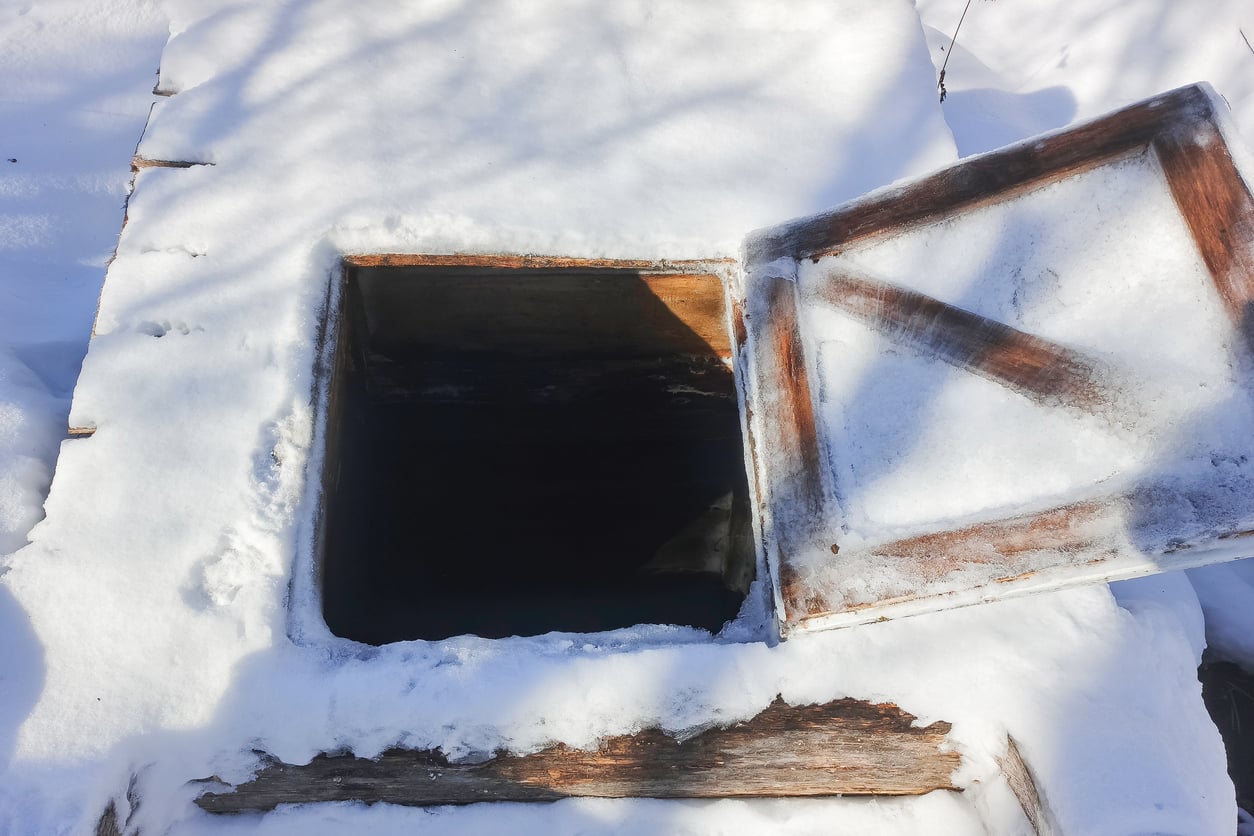
Unsealed openings around foundation walls or crawl-space access panels can expose nearby plumbing to cold air. These air leaks may be hidden behind stored items or unfinished basement walls, so homeowners should inspect for obvious gaps and issues with insulation during their winter home maintenance checks.
The Heating Plan for Any Days the House Will Be Empty
If you leave your home unoccupied during a freezing spell, the potential consequences, such as heating failures or plumbing leaks, can escalate. Setting the thermostat too low to save money, for instance, can inadvertently increase the risk to vulnerable pipes and lead to future problems.
Conclusion
Ensuring your home functions well during the winter requires taking important steps before that season arrives. Protecting water lines, ensuring reliable heating, and preventing moisture are some of the key aspects of winter home maintenance to consider. Fortunately, many of these issues can be identified through a visual inspection before they develop into more serious problems.