
The operating conditions for certain elements and systems within a home change during the winter. From heating systems to batteries and cleaning supplies, these winter household items have to work much harder during those months. Drawing on information from the Department of Energy, the EPA, and other sources, we’ll reveal which household products work much harder in the winter, something many people don’t even realize!
Furnace Air Filters
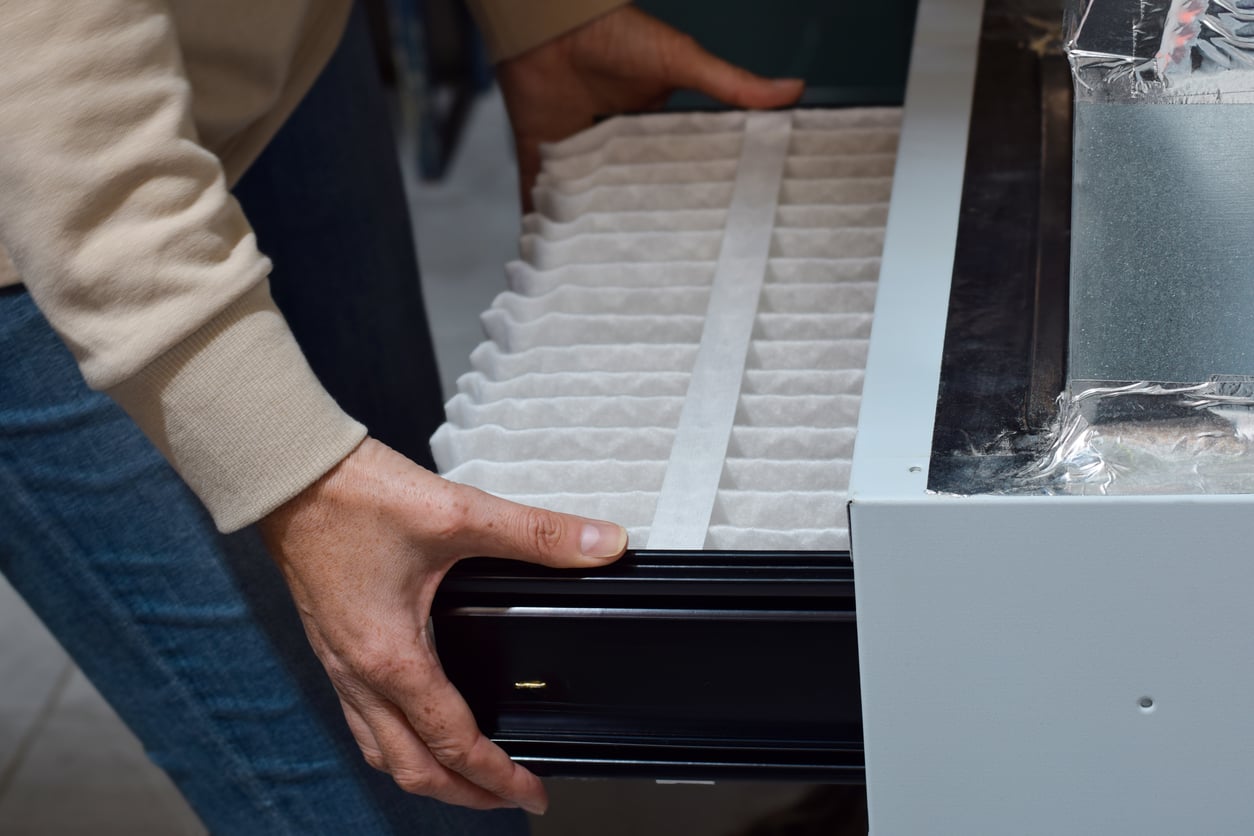
As air circulates through the system, forced-air heating systems operate more frequently and for longer periods during cold weather. The accumulation of dust and debris on these filters restricts airflow, which reduces the system’s efficiency and places additional strain on the equipment. Among winter household items, heating systems require particular attention, so it is best to inspect the filters and replace them by following the steps outlined in the manufacturer’s guide.
Home Humidifiers
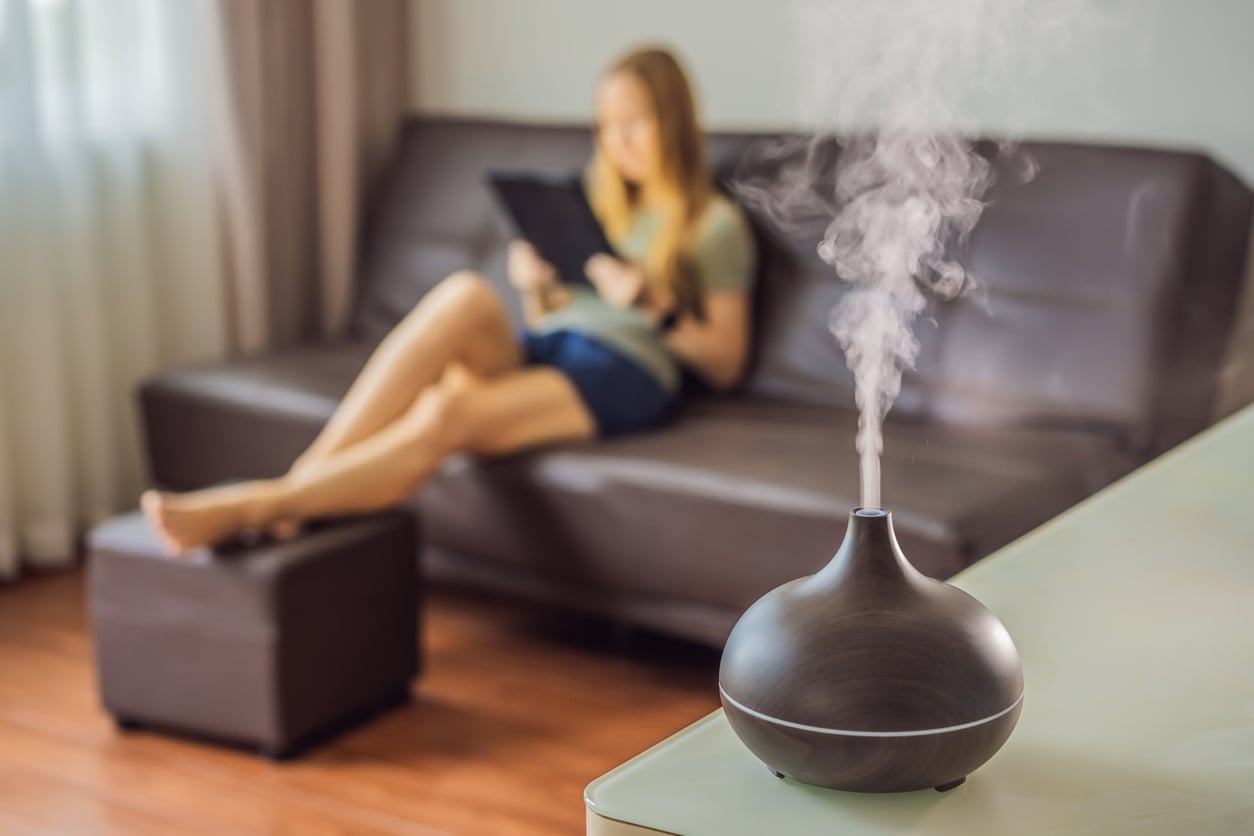
During winter, dry indoor air causes humidifiers to run for longer periods. This leads to more frequent refilling, more cleaning, and increased mineral buildup. This winter household items need regular attention, so monitor indoor humidity levels, use the appropriate type of water, and clean portable units frequently, as recommended by the EPA.
Door Weatherstripping
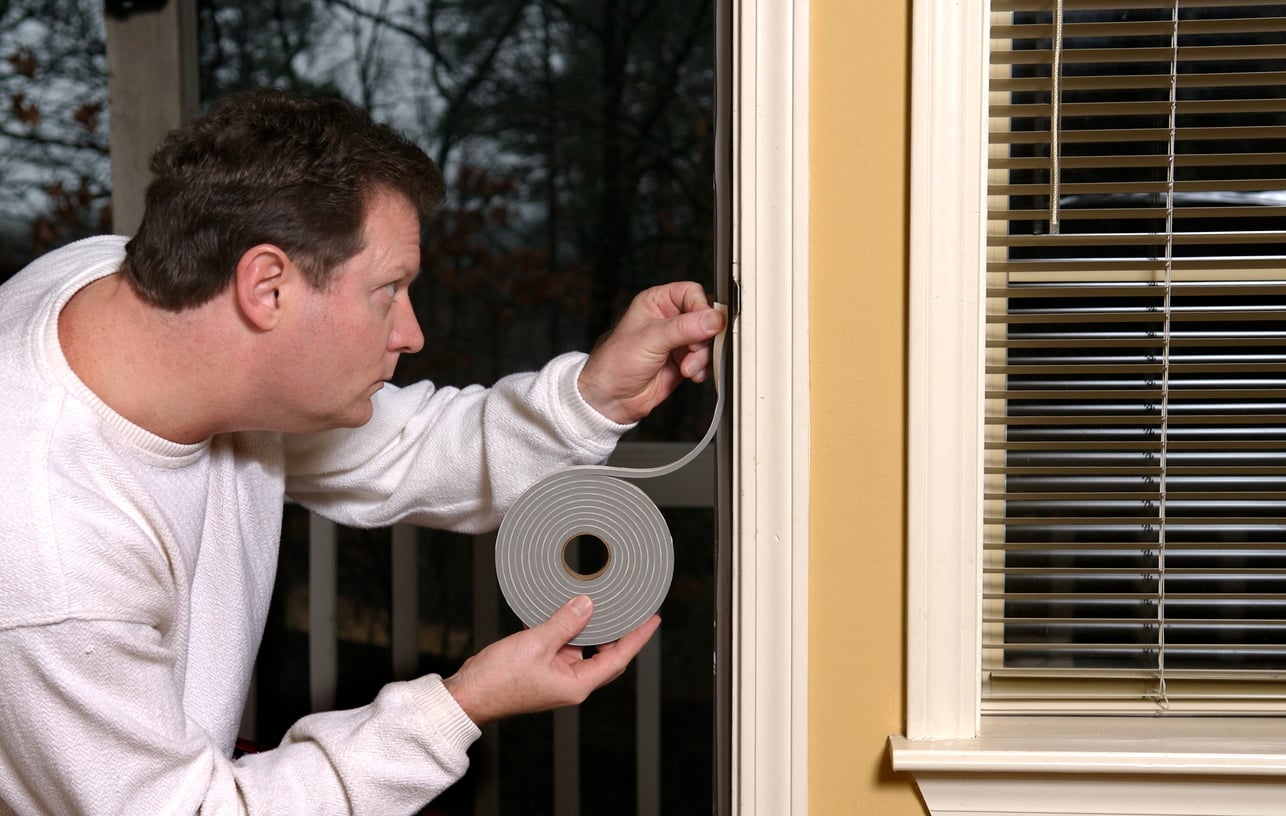
Weatherstripping naturally deteriorates over time, but homeowners often notice worn or damaged seals most during winter, allowing cold air to enter and warm air to escape. This forces heating systems to work harder, according to the Department of Energy. As winter household items and home components face extra strain, check your home for potential gaps before the winter months arrive.
Water Heaters
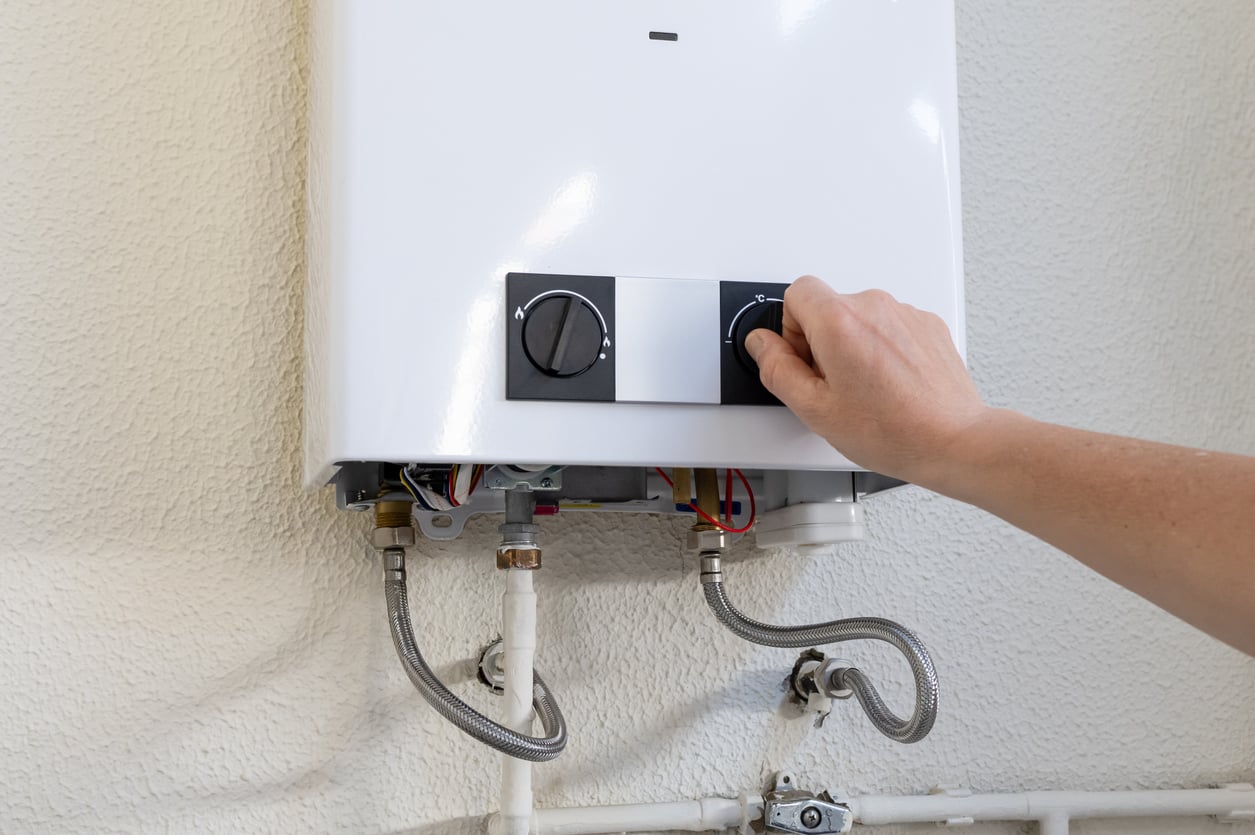
Water heaters use energy to operate. Therefore, incoming cold water causes the appliance to run for longer periods to reach the desired temperature. This increases energy demand and, consequently, your household utility bills at the end of the month. You should check the appliance for leaks and perform the proper maintenance as specified in the manufacturer’s instructions.
LED Light Bulbs in Frequently Used Rooms
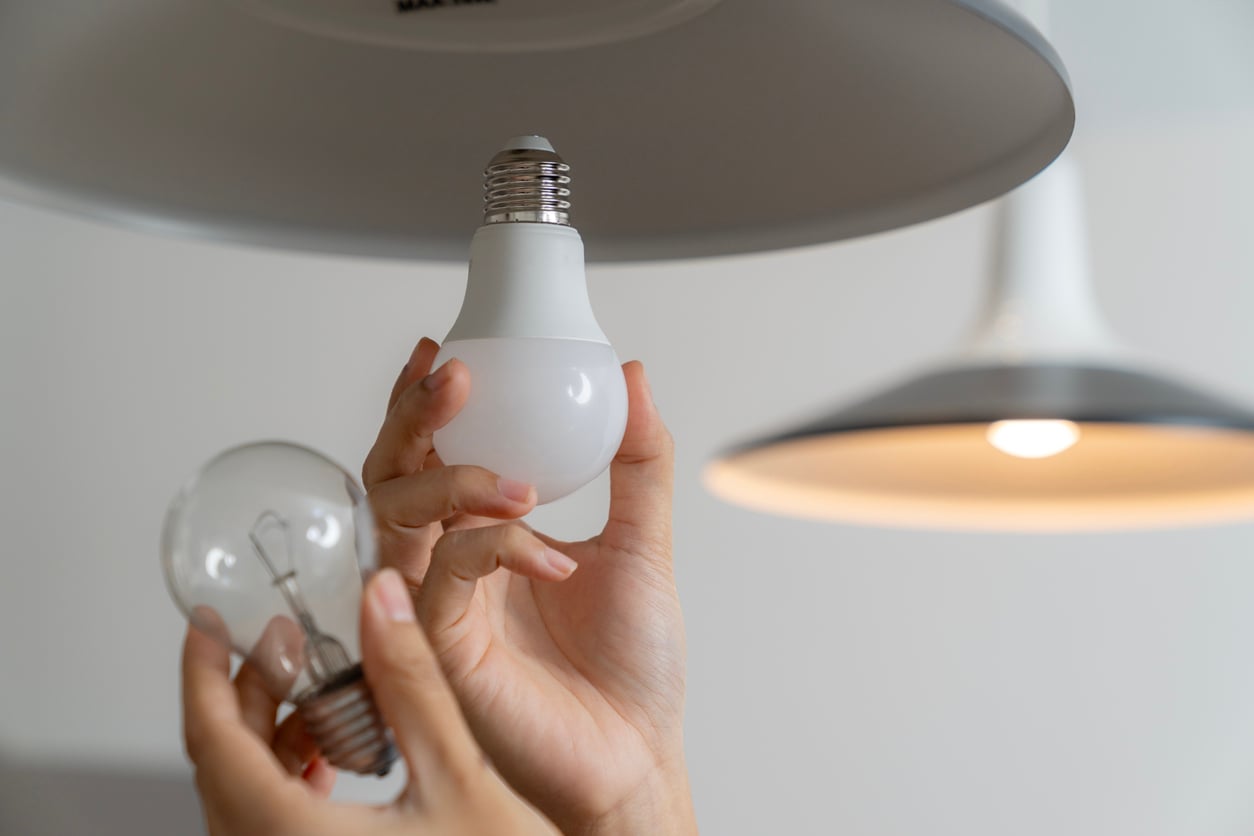
As the daylight hours shorten during the winter, the lights in the rooms of your home will be on for longer periods. These extra hours of use will increase your electricity consumption. Lighting is among the winter household items that can contribute to higher energy bills, so the best approach is to install energy-efficient LED bulbs equipped with timers or occupancy sensors, according to the Department of Energy.
Trending on Cheapism


Air Purifier Filters
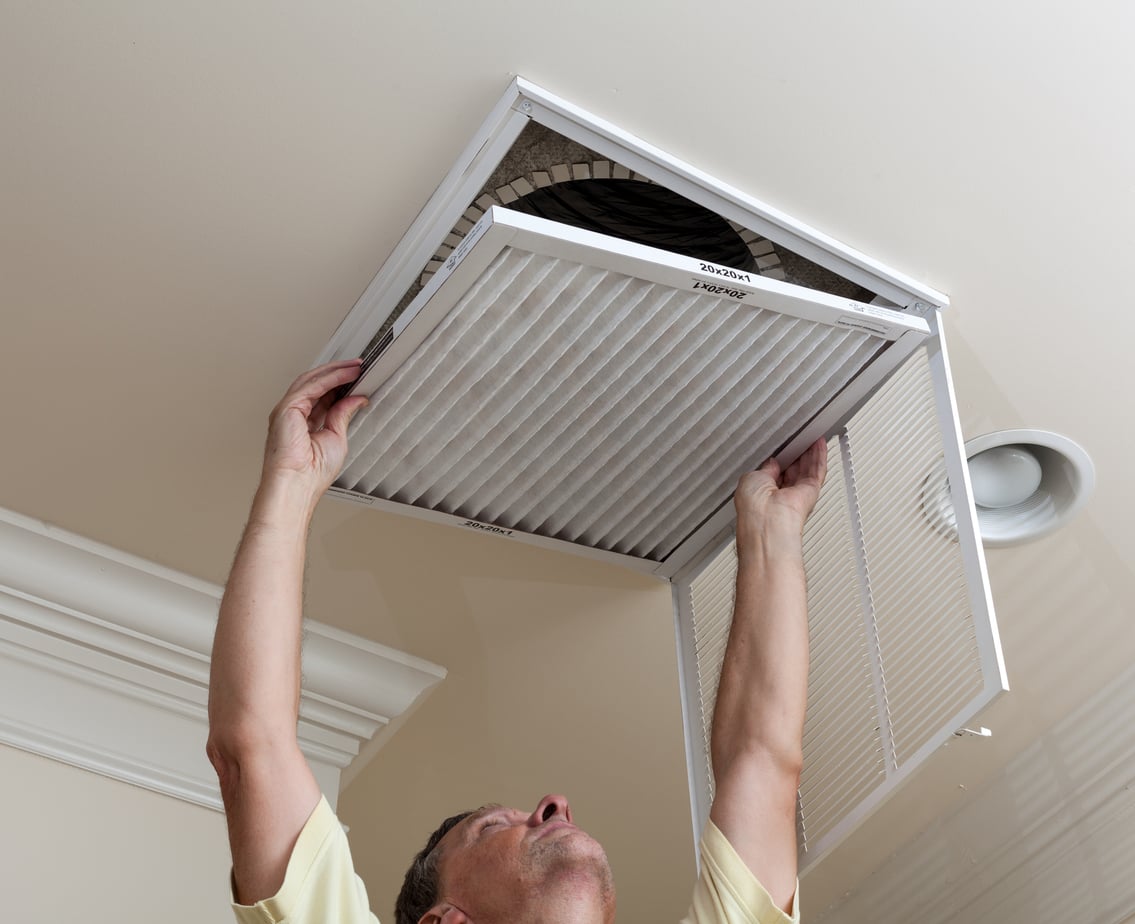
Air purifier filters may work harder during the winter, capturing airborne particles as air passes through them and accumulating debris. Increased use of the device means that the filter will need to be replaced more frequently, and the level of pollutants collected within the unit could affect its overall lifespan. These winter household items should be inspected regularly to ensure they continue working properly.
Vacuum Cleaners
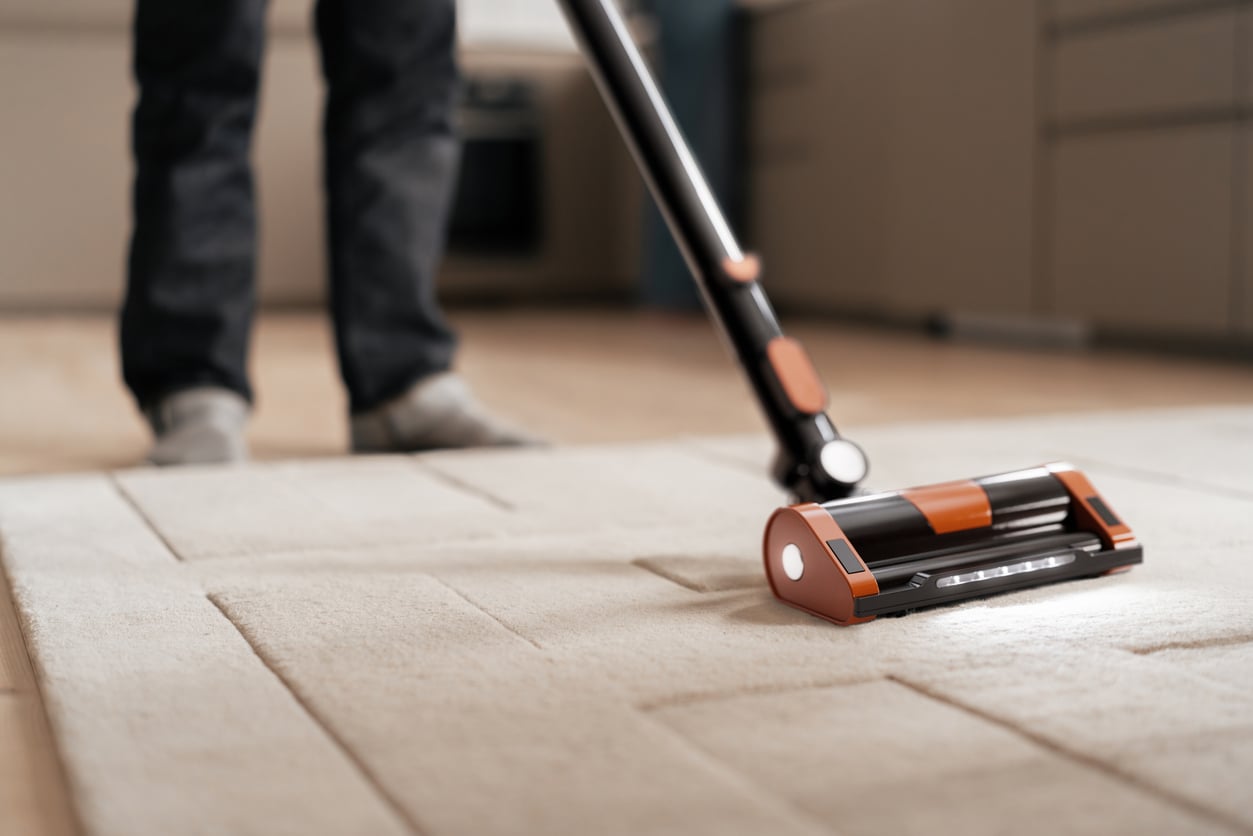
Vacuum cleaners will see more use during the winter, as snow can bring in sand, road salt, mud, and other debris. Entryway rugs and carpets may require more frequent cleaning because snow and debris are tracked into your home on shoes and boots. You might consider removing wet footwear near the door and cleaning your vacuum filters more often during these months.
Washing Machines
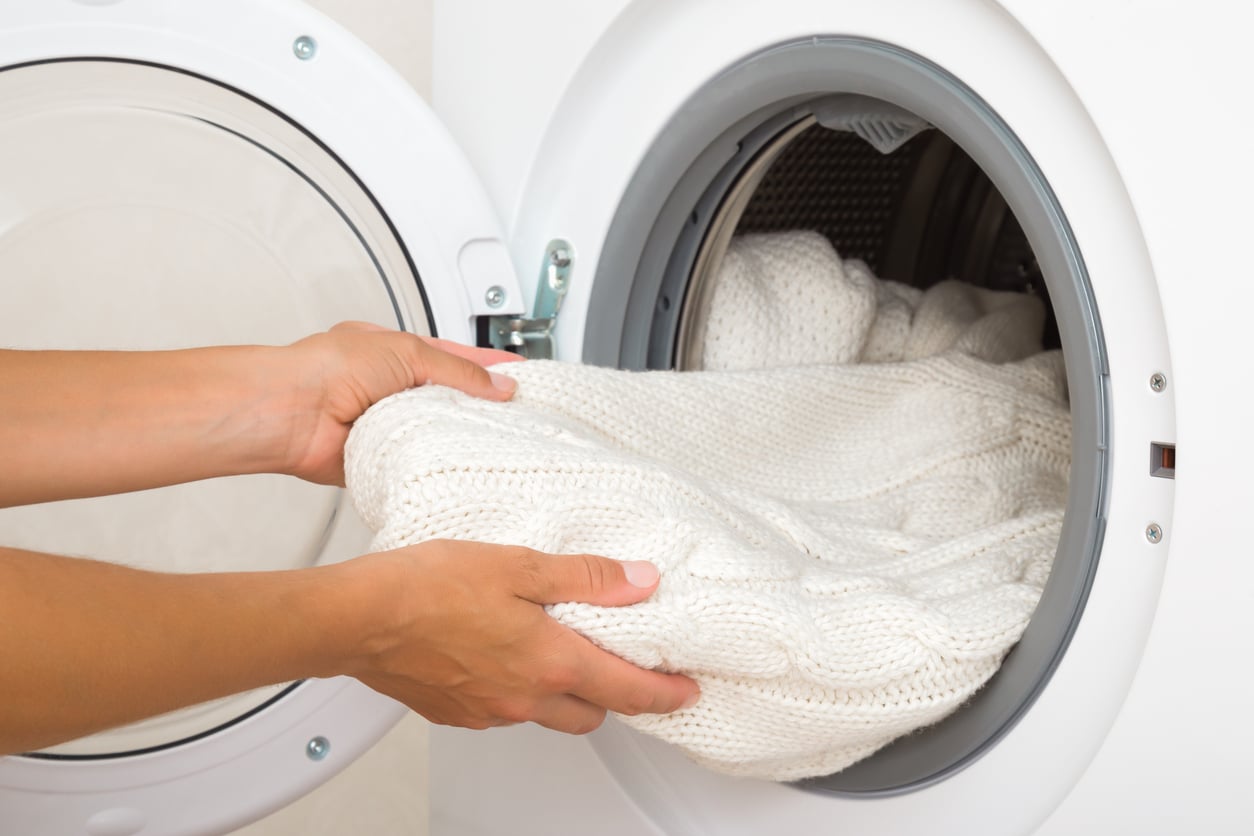
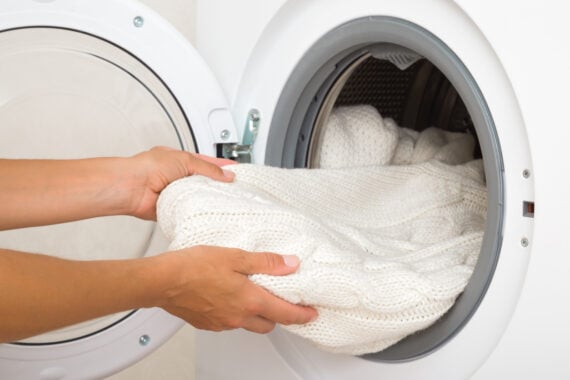
Winter clothing is heavier, besides extra bed linens, additional socks, and outerwear for wet weather that you’ll be using during those months, and will end in your household washing machine. These winter household items, including bulky clothing put a greater strain on washing machines, so be mindful of the appliance’s capacity limits to prevent it from wearing out prematurely.
Sign up for our newsletter
Clothes Dryers
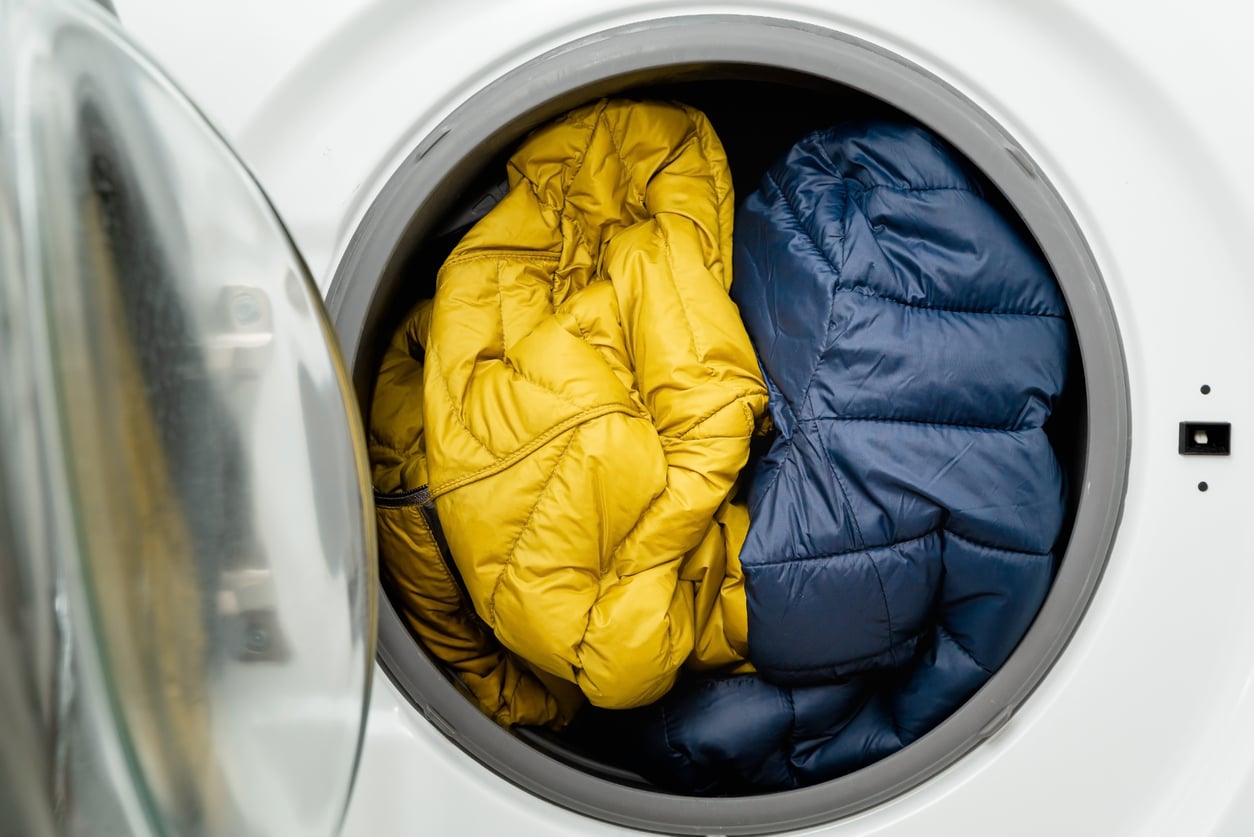
Just like washing machines, clothes dryers will also have to work harder, as winter fabrics are thicker and require more thorough drying. Energy consumption increases, and there is also a greater risk of the lint screen filling up after every load. Dryers are among the winter household items that may see increased use, so inspect your dryer and follow all safety recommendations, including leaning the lint screen after every load.
Heat Pump Outdoor Units
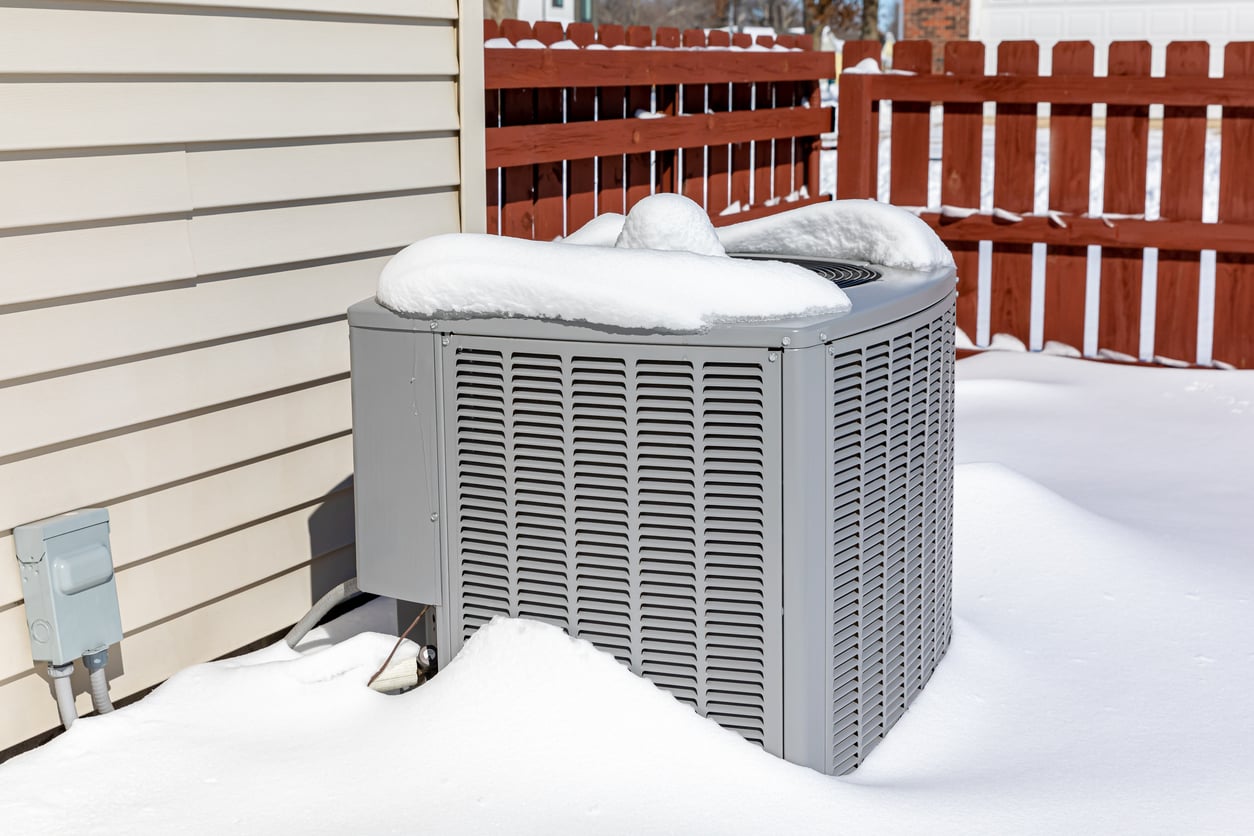
The Department of Energy recommends ensuring proper airflow around outdoor heat pump units. If they become blocked, the units will have to work harder, preventing them from achieving the desired level of efficiency. Snow accumulation, leaves, and other debris can obstruct the airflow through this equipment, making heat pumps important winter household items and systems to inspect regularly.
Batteries in Flashlights and Emergency Devices
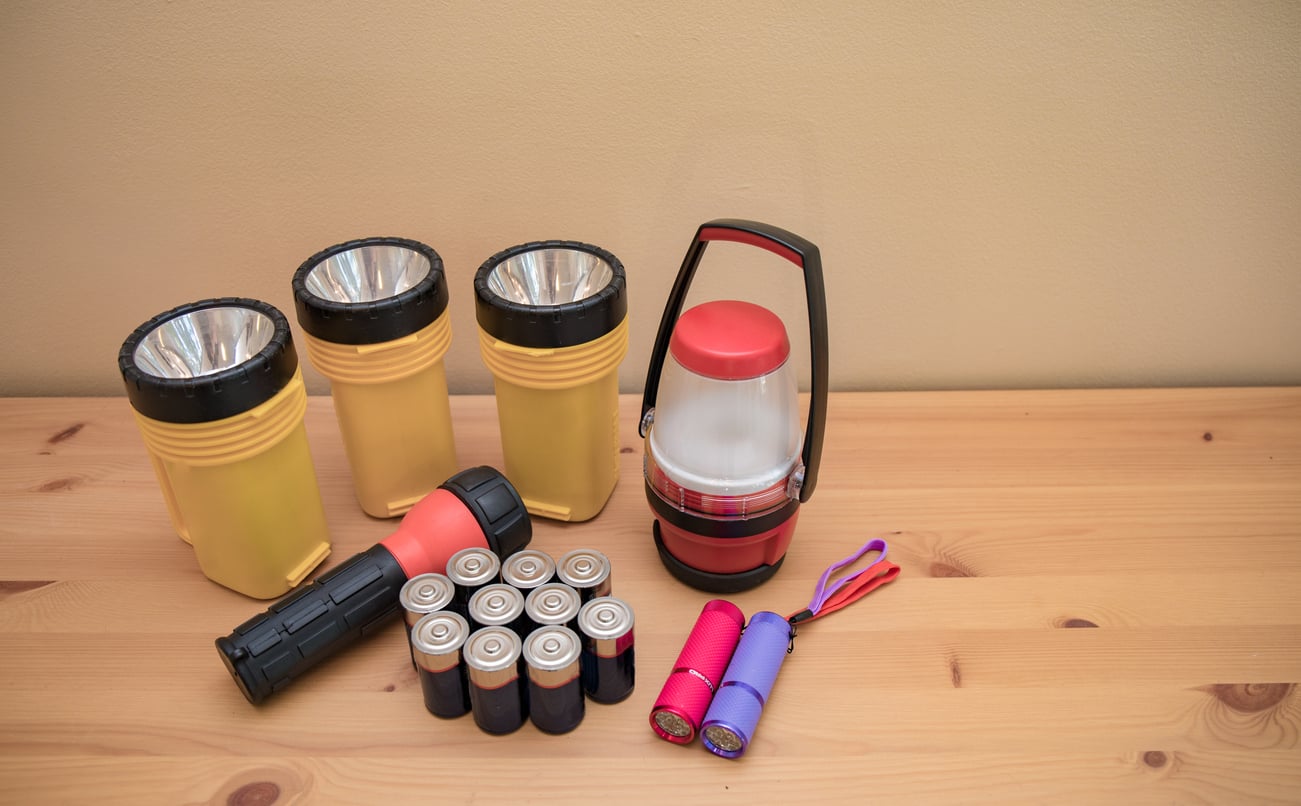
Items that become especially important during the winter include flashlights, battery-powered radios, and emergency lighting, as winter storms can disrupt electrical service. Cold temperatures can reduce battery performance, so these winter household items should be checked before the cold months arrive, and their batteries should be replaced if necessary.
Thermostats and Temperature Controls
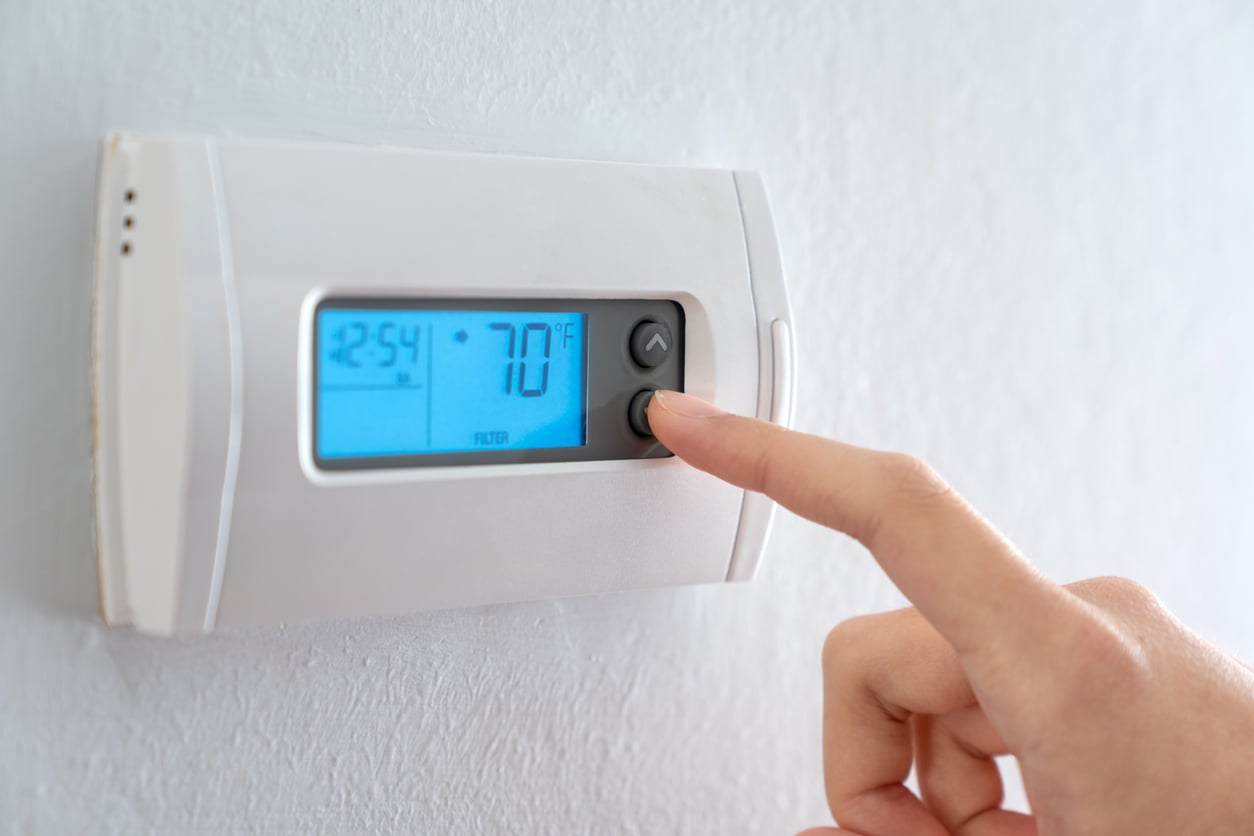
The settings on your home thermostat determine how long your heating equipment runs, so adjust them with the expected weather conditions in mind. Homeowners can program the controls to reduce unnecessary heating when the house will be empty, and for homes with heat pumps, use thermostat settings designed for those systems.
Conclusion

The extra workload that many common household items will face during the winter, due to increased heating needs and longer operating hours, makes it advisable to schedule regular maintenance for those components. Many winter household items benefit from preventive maintenance before the cold season begins. Be sure to check airflow, moisture control, and heating efficiency well before winter arrives.