

When winter arrives, some people may feel pressured to buy items to help them deal with snow, ice, and freezing temperatures, or for vacations centered around such destinations. While some of these purchases are truly useful, many others turn out to be expensive disappointments. Drawing on information from Consumer Reports and the Department of Energy, we’ll look at which winter purchases may not be worth the money!
An Oversized Snow Blower for a Small Driveway

Some people buy a two-stage snow blower to clear snow from their driveway, even though it might seem unnecessary for such a small area and the relatively short period it will be used. Furthermore, these snow blowers are typically gas-powered, which means they require storage space and fuel management, factors that drive the costs up even further. This is one of those winter purchases that may be excessive for smaller driveways.
A Cheap Space Heater That Becomes an Expensive Habit
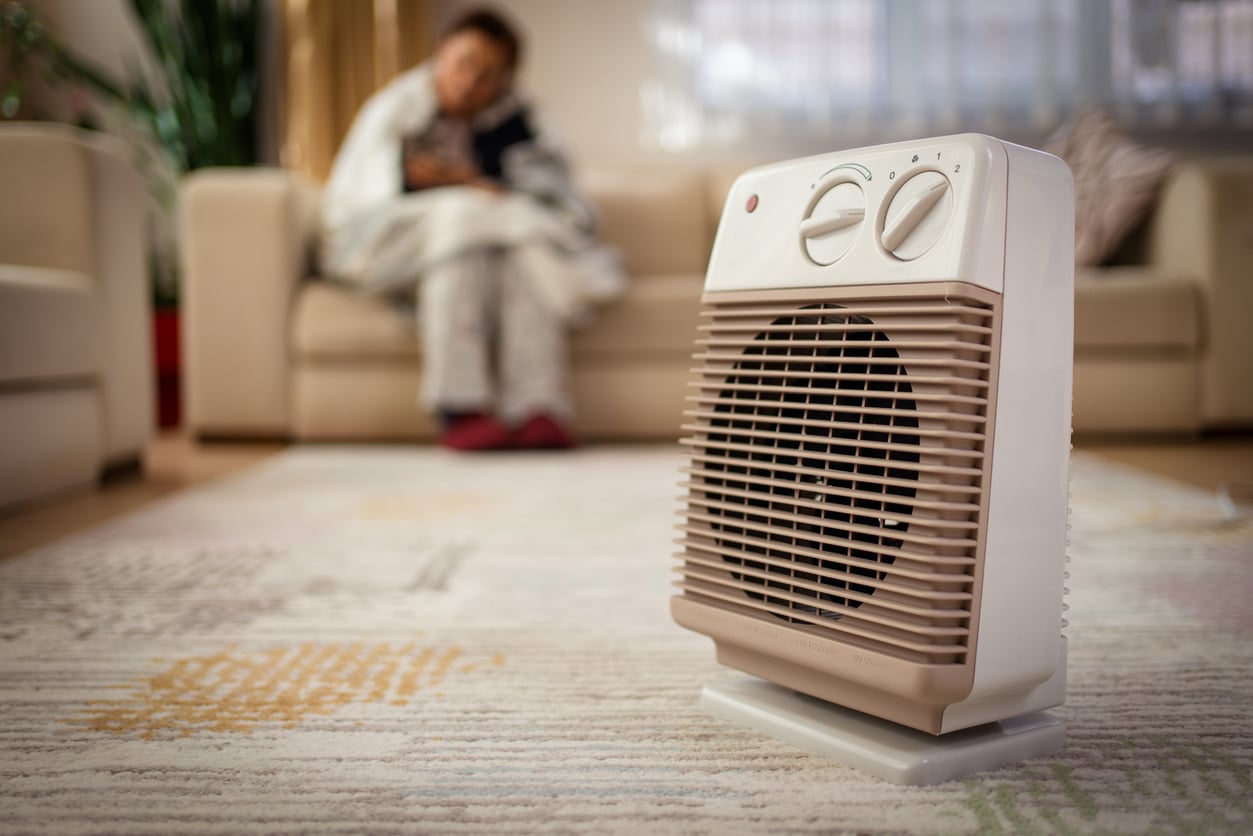
Small electric heaters, which are often used in individual rooms, can run for hours and increase electricity consumption. According to the Department of Energy, a space heater can significantly increase electricity consumption, depending on its wattage and how long it runs. These winter purchases can significantly increase electricity bills.
A Humidifier That’s Difficult to Clean
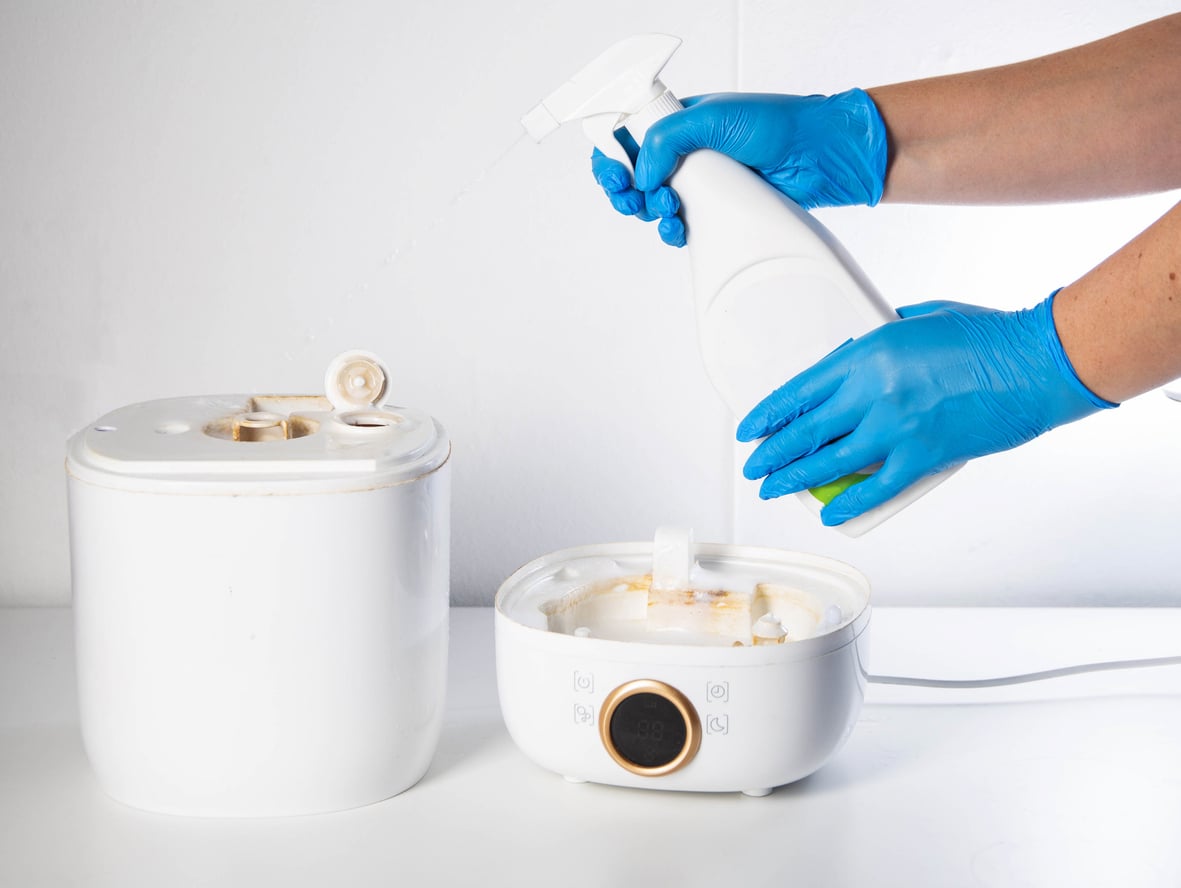
Some humidifier models may require you to clean the tank, refill it, and replace filters, which means doing extra work. The EPA recommends emptying and refilling portable units daily, and cleaning them every three days. Neglecting proper maintenance can allow microorganisms or mineral deposits to accumulate and potentially be dispersed into the air. These winter purchases may require more upkeep than people initially expect.
Expensive Fashion Boots Without Proper Winter Traction

Another type of purchase some people make is fashion boots equipped with winter traction, intended to provide traction on slippery sidewalks and icy parking lots. However, such boots can be uncomfortable during long walks, as they often lack the necessary flexibility and insulation for extended periods of use. People may end up spending a significant amount of money on footwear that will only be used in winter conditions.
Heated Driveway Mats for an Entire Outdoor Walkaway
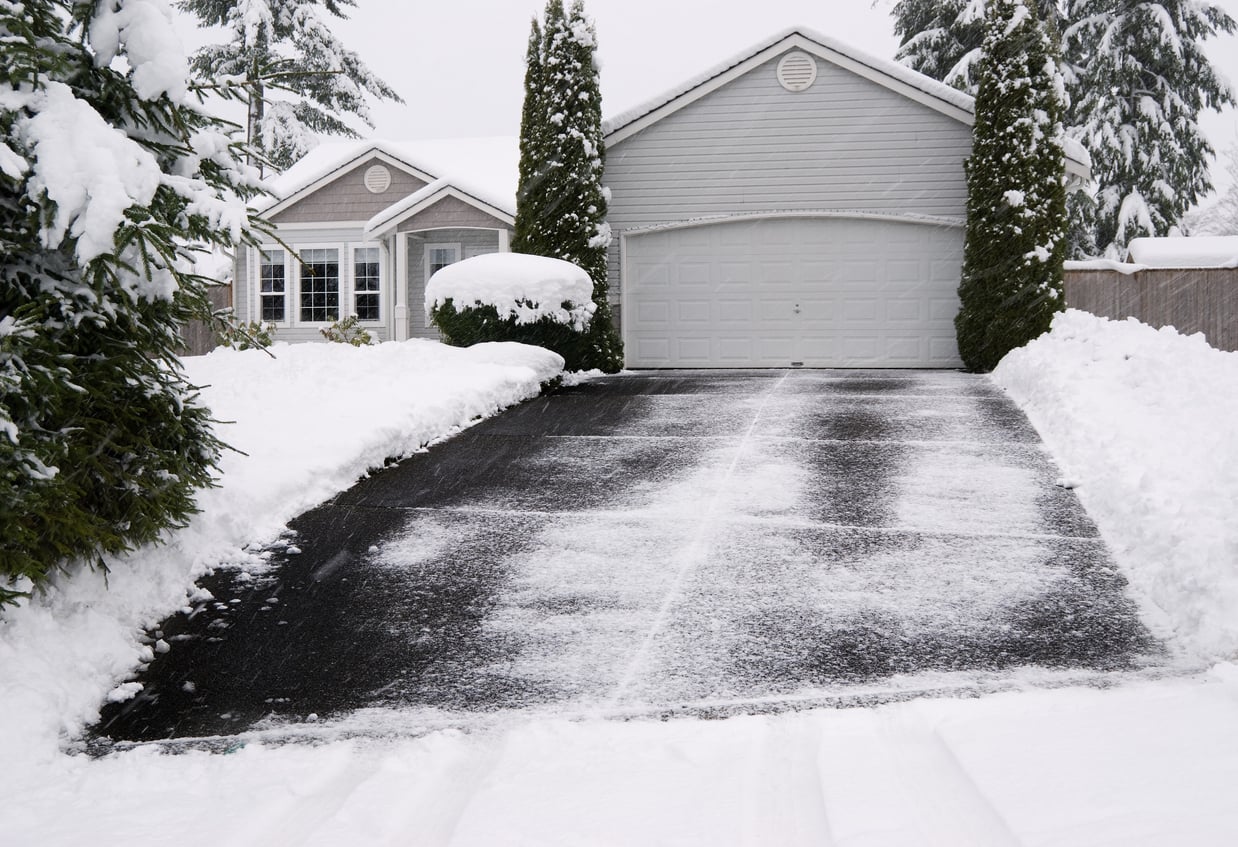
Electrically heated mats promise an easy way to remove snow, but their installation can entail costs for equipment, outdoor electrical requirements, and ongoing electricity consumption when mats are operating. It might be better to install handrails on challenging steps or landings, as the alternative system could end up costing more than just the initial purchase price.
Trending on Cheapism

An Oversized Artificial Christmas Tree
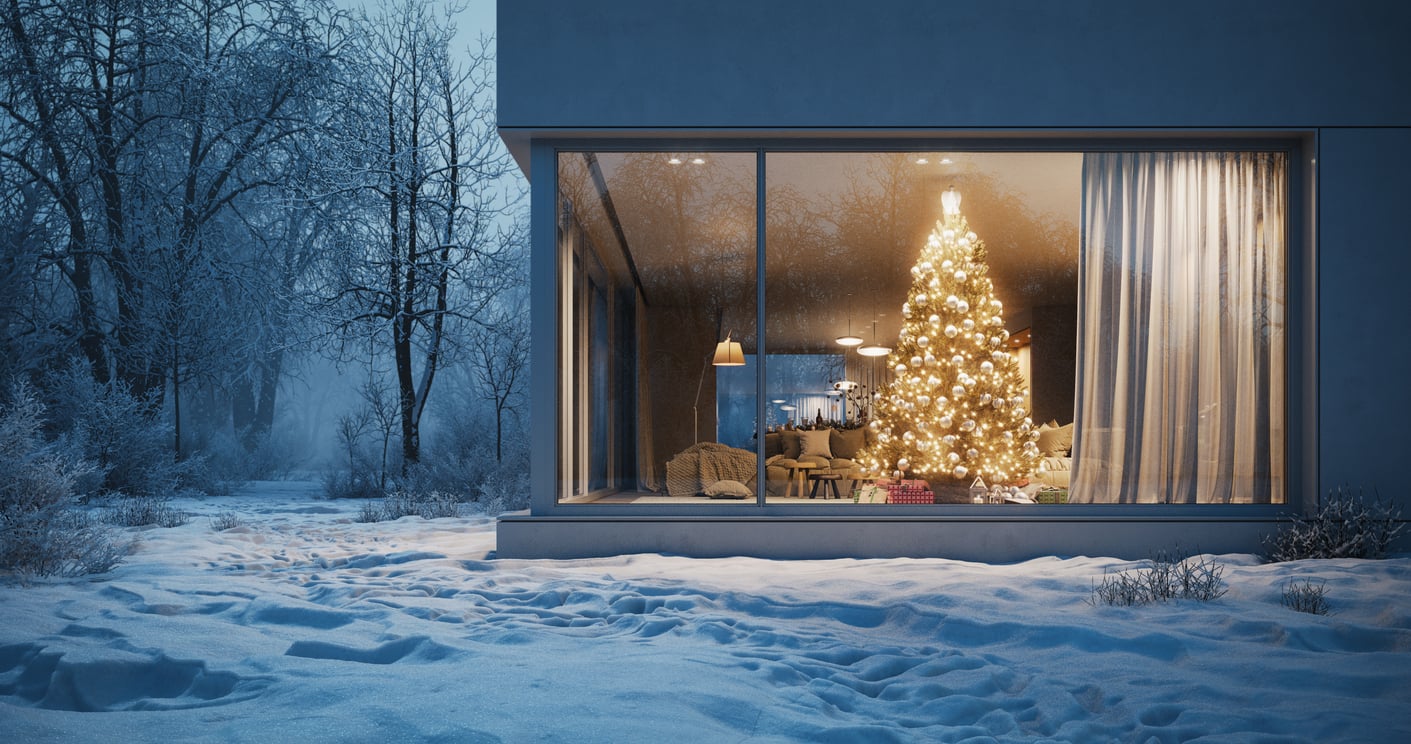
Large artificial Christmas trees can be overwhelming in an ordinary living room, and storing them requires several bulky containers. It is better to choose a tree that fits the available space, ensuring there is enough space between the top of the tree and the ceiling, as recommended by the U.S. Consumer Product Safety Commission. These winter purchases should also be evaluated based on how much storage space they require after the holidays.
A Snow Shovel That’s Too Heavy or Too Wide

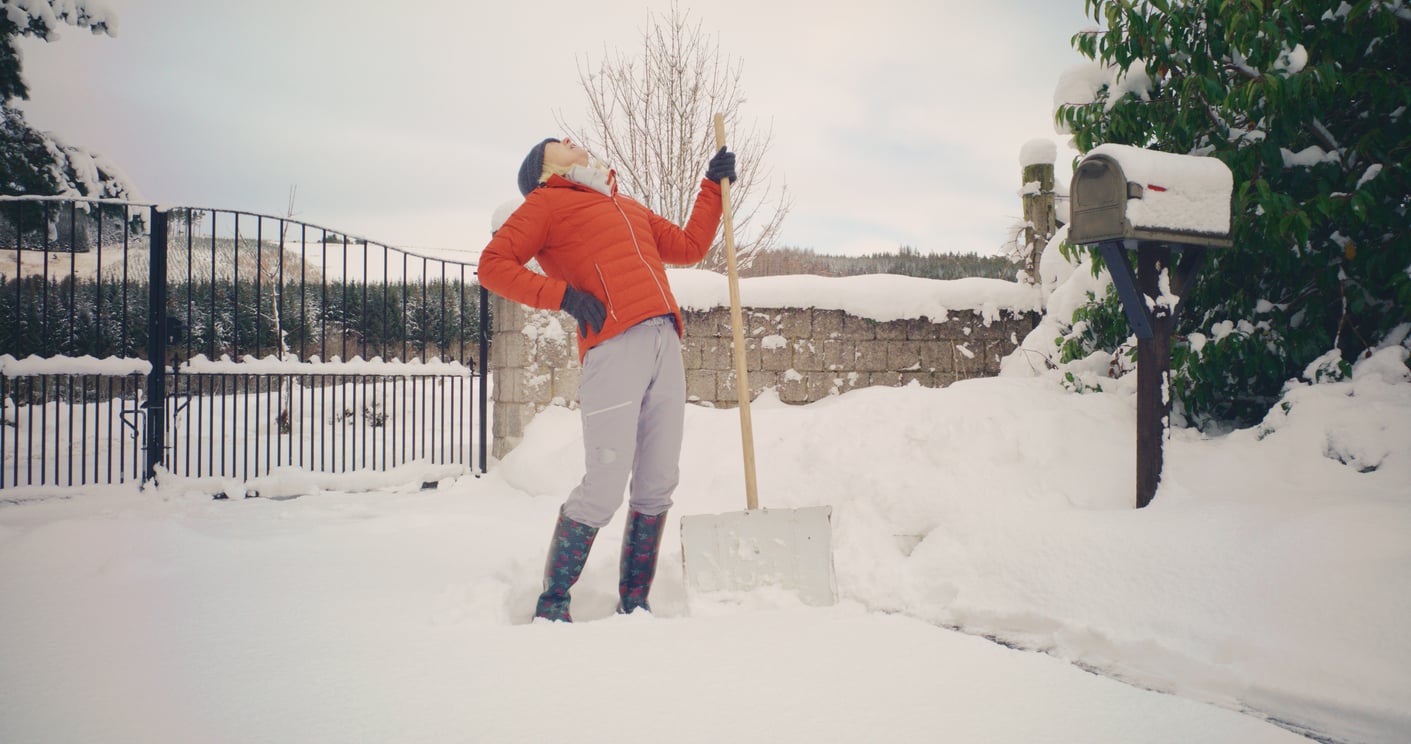
Oversized snow shovels may seem efficient for clearing a path, but handling large amounts of snow will require a significant physical effort. A better alternative would be to choose a more manageable blade size and, on suitable surfaces, consider using a push-style shovel. These winter purchases should make snow removal easier than the unnecessarily exhausting.
An Expensive Winter Coat That’s Too Warm for Everyday Use

Winter coats may be ideal for cold, snowy days, but when you return to your daily routine in the city, an expensive winter coat is often too warm. Furthermore, the weight, bulkiness, and lack of breathability can be uncomfortable when moving between heated buildings and the milder temperatures outside. These winter purchases may not be provide the versatility people need for everyday use.
Sign up for our newsletter
A Whole-House Humidifier Without Considering Maintenance
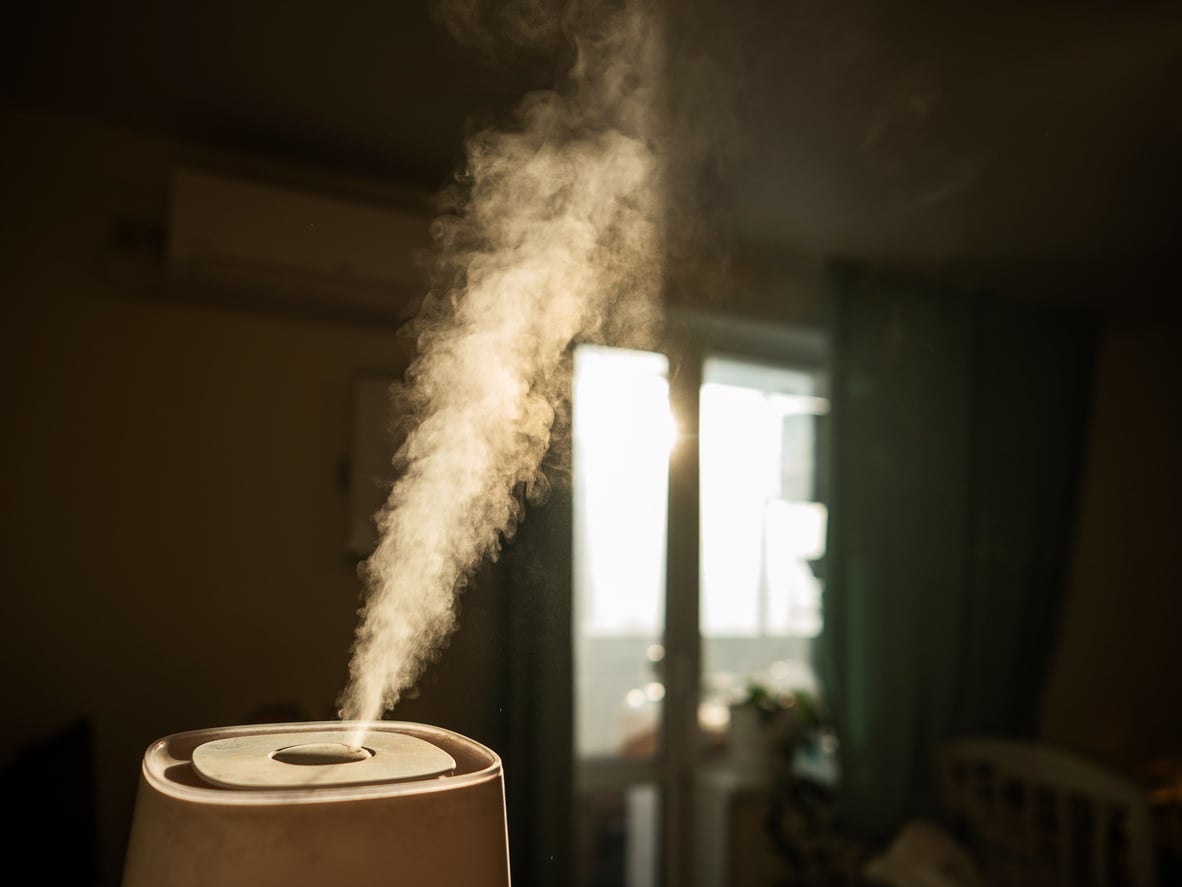
Whole-house humidifiers can be effective for controlling the moisture levels in your home, but many people overlook the fact that they require additional equipment that needs to be inspected and cleaned, with water panels occasionally needing replacement. It is not a set-it-and-forget-it solution, rather it is a system that requires seasonal attention and an ongoing financial investment to keep it running.
Decorative Outdoor Lights That Are Difficult to Remove
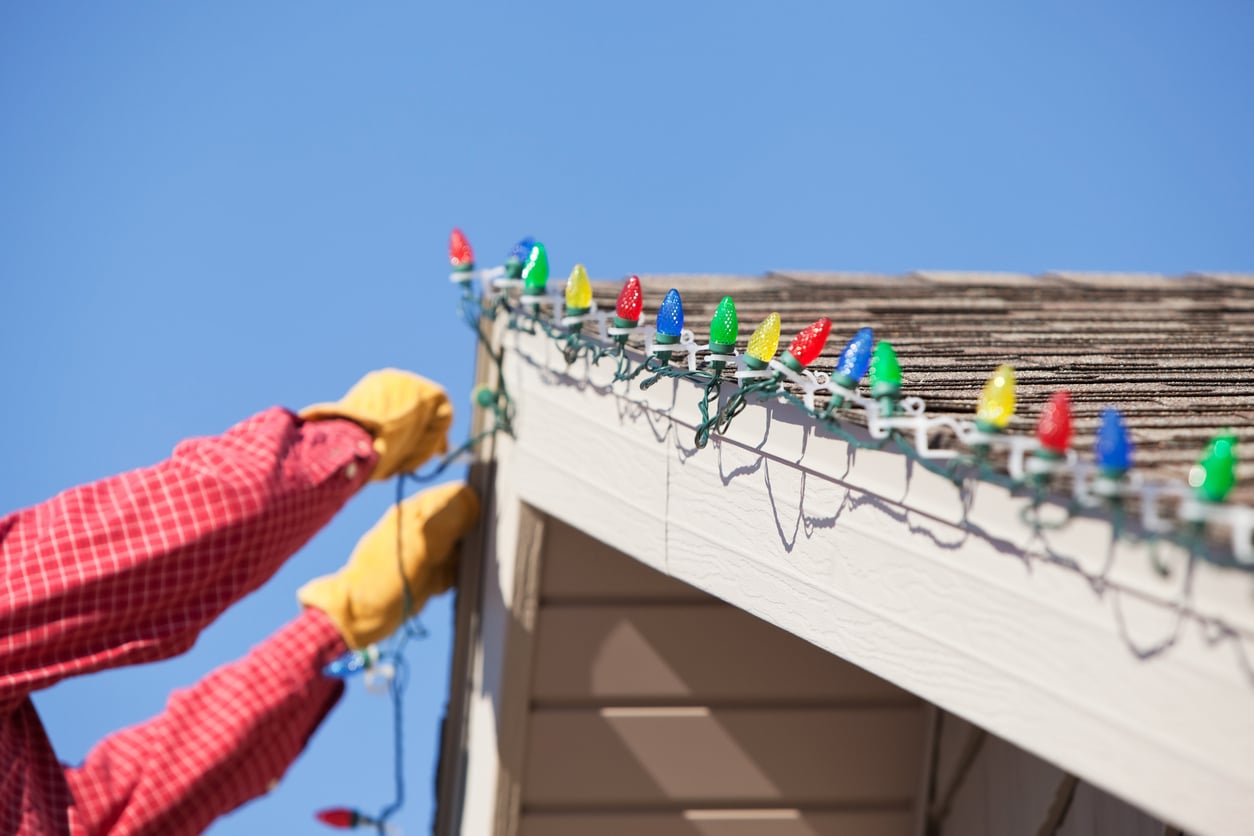
When you set up holiday light installations at your home, you may need ladders, extension cables, specialized clips, and hours of labor to put them up and take them down. Furthermore, if the lights aren’t very efficient, they can become even more difficult to manage over the course of several winters, especially when icy conditions make the task even more challenging. These winter purchases can add to both your seasonal expenses and workload.
A Gas Snow Blower That Rarely Gets Properly Stored
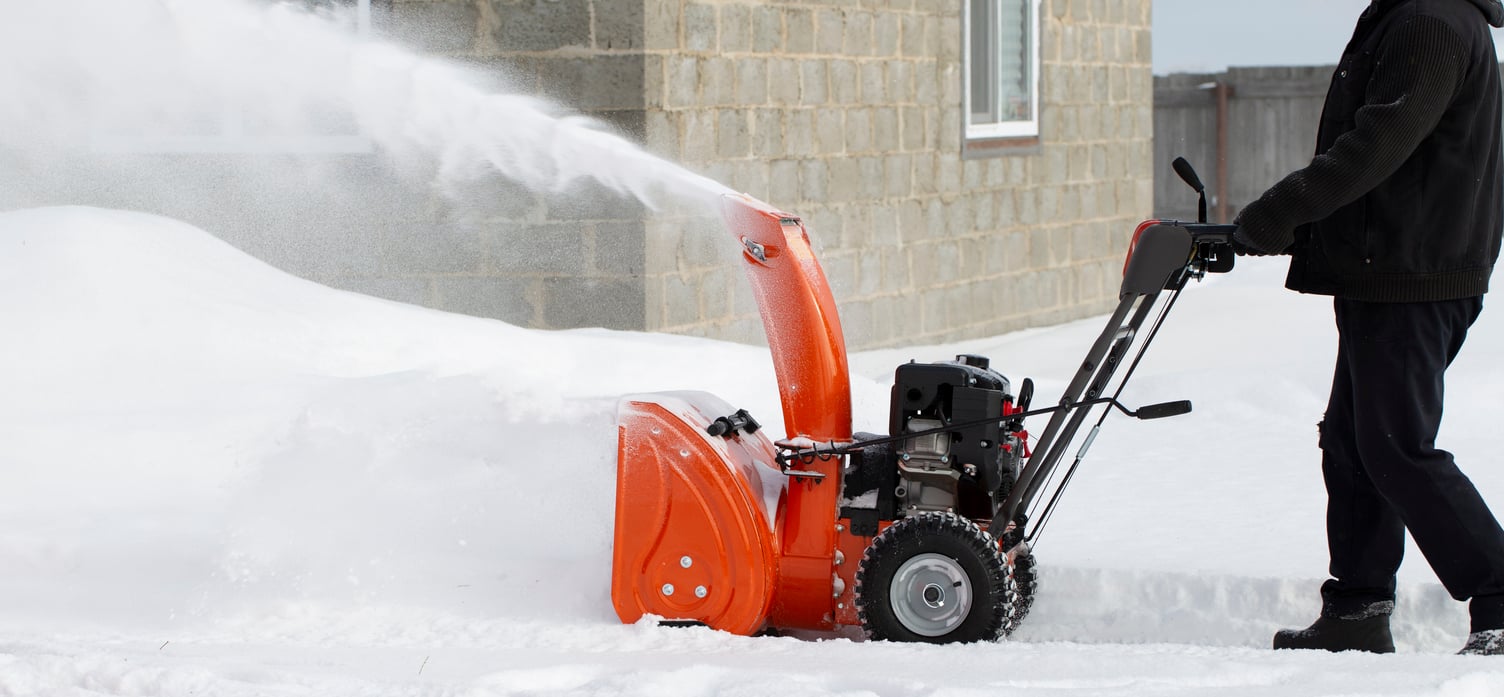
Gas-powered snow blowers require fuel and maintenance even when they are not in use. For this reason, Consumer Reports notes that gasoline can cause damage to a snow blower during months of storage, and the components such as shear pins may wear out or break. These winter purchases may require ongoing maintenance even when they sit unused for much of the year.
Too Many Single-Purpose Winter Gadgets

Items such as ice scrapers, heated accessories, and specialized snow-clearing tools and useful only during winter, which means they may end up taking up space in your storage area for the better part of the year. It is possible that the combined cost and the storage space required outweighs the convenience they provide. These winter purchases may not justify the money and room they take up.
Conclusion
Winter purchases should be carefully analyzed so that shoppers do not overlook operating costs, maintenance requirements, or storage needs, ensuring they know what the items will actually end up costing them. The best solution may not be to buy the most expensive items, but rather the most practical ones.