Many Baby Boomers faced a struggling U.S. economy during their young adult years, so they learned how to stretch every meal. Decades later, they haven’t lost those habits. AARP surveys and USDA data show information about Boomers being concerned about grocery prices nowadays, making affordable foods especially relevant. We’ll reveal the dishes Boomers are rediscovering because they are affordable and versatile to prepare!
Dried Beans and Lentils
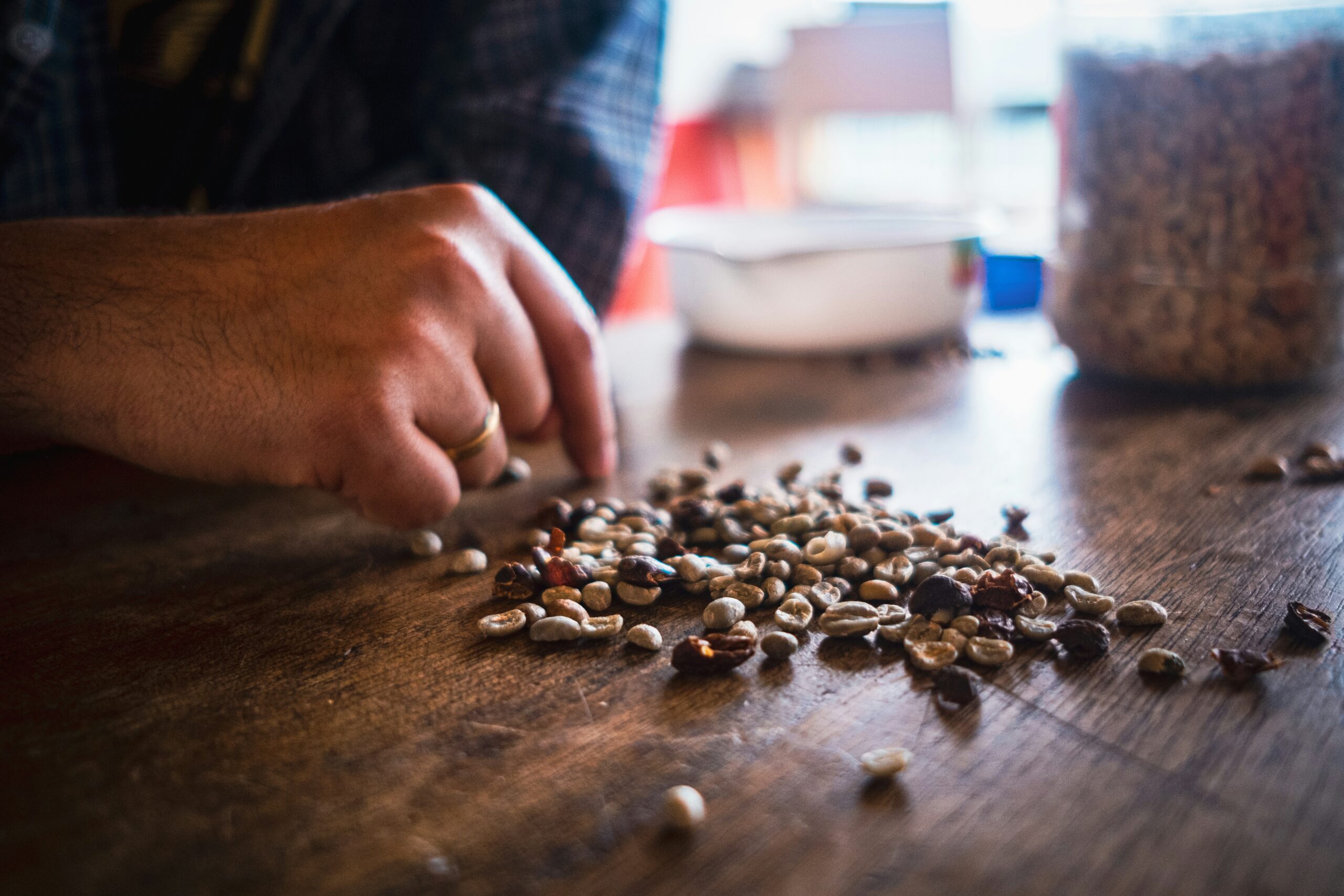
Since 78% of adults over the age 50 are concerned about grocery prices, dried beans and lentils are affordable foods they might turn to. These are inexpensive and can be prepared in soups, chili, or even salads, or served as a side dish. The USDA notes that beans, peas, and lentils are low-cost sources of protein, making them highly valuable.
Potatoes
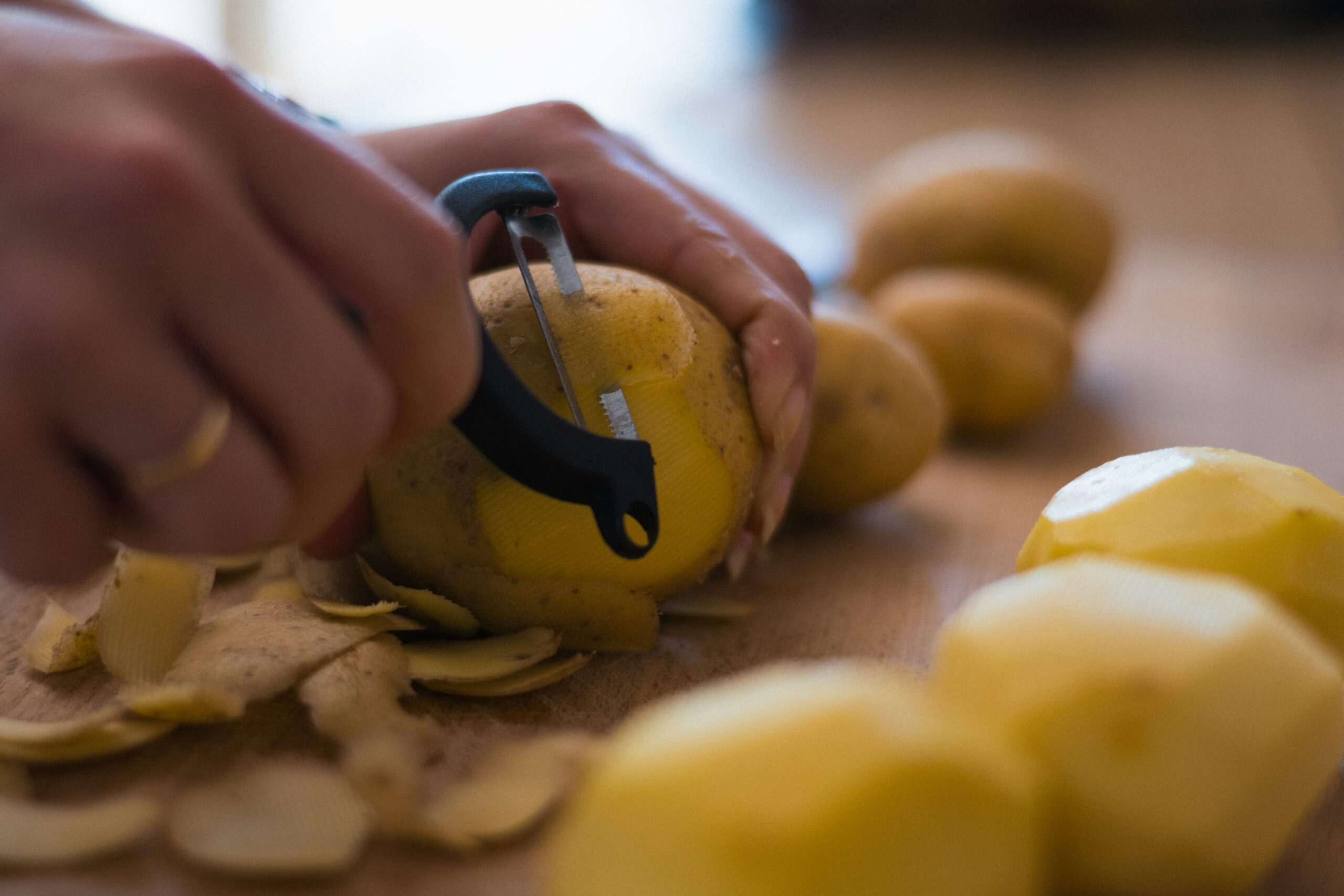
Potatoes can be prepared as a breakfast hash, baked for lunch, or made into soup for dinner, not to mention mashed potatoes, roasted side dishes, and casseroles, but the most significant point is that they are an inexpensive food. Furthermore, the fact that they can be combined with meat, cheese, vegetables, or leftovers makes potatoes one of the most versatile affordable foods.
Oatmeal
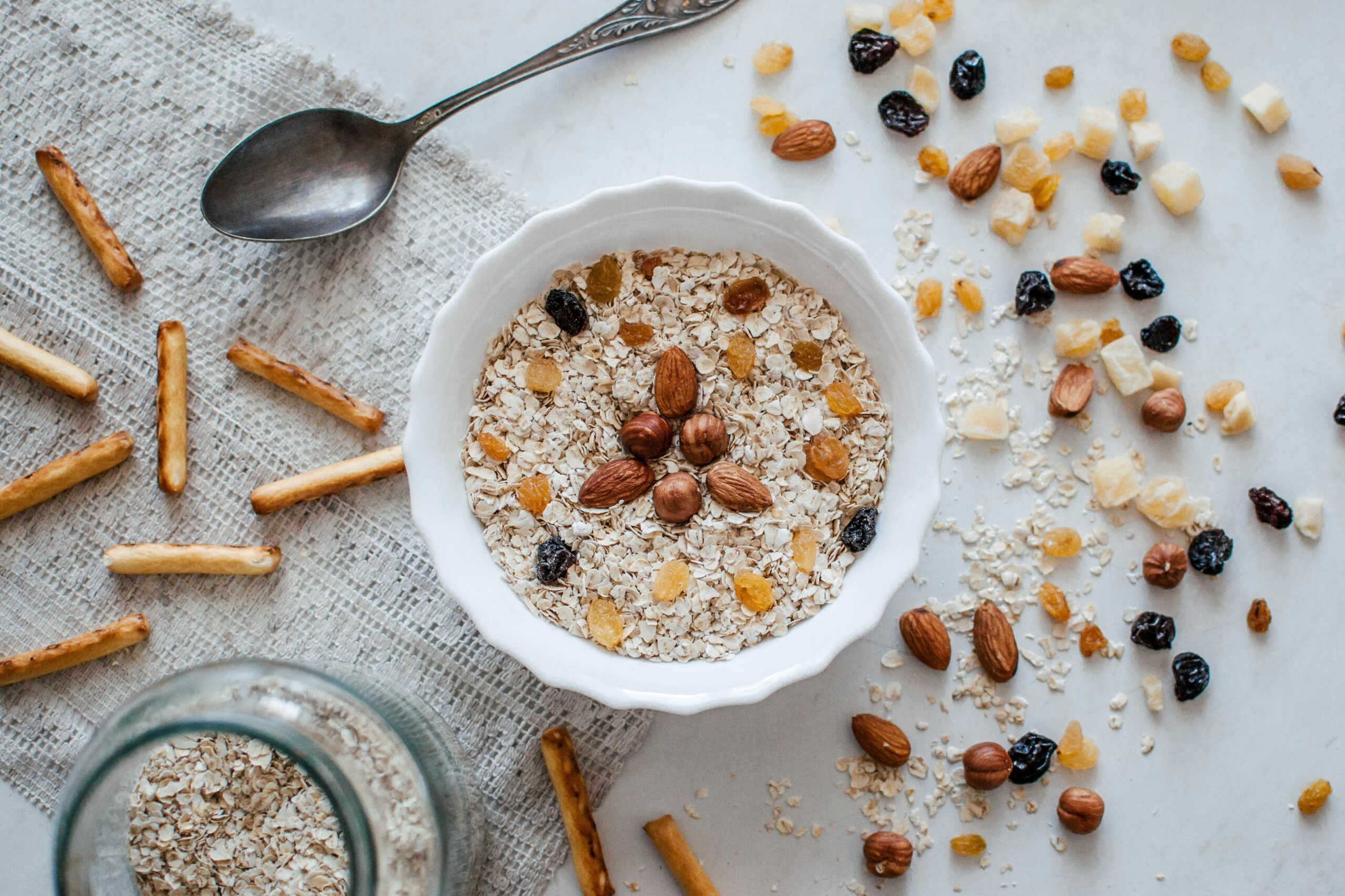
Oatmeal is one of those affordable foods that works well for breakfast but can also be used in meatloaf, cookies, crisps, and granola, or simply eaten in a bowl. The USDA notes that because oats can be purchased in exact quantities, there is less risk of spoilage, which helps reduce waste and save money. If Boomers want to enhance it, they can add peanut butter, cinnamon, frozen berries, raisins, or other ingredients.
Eggs
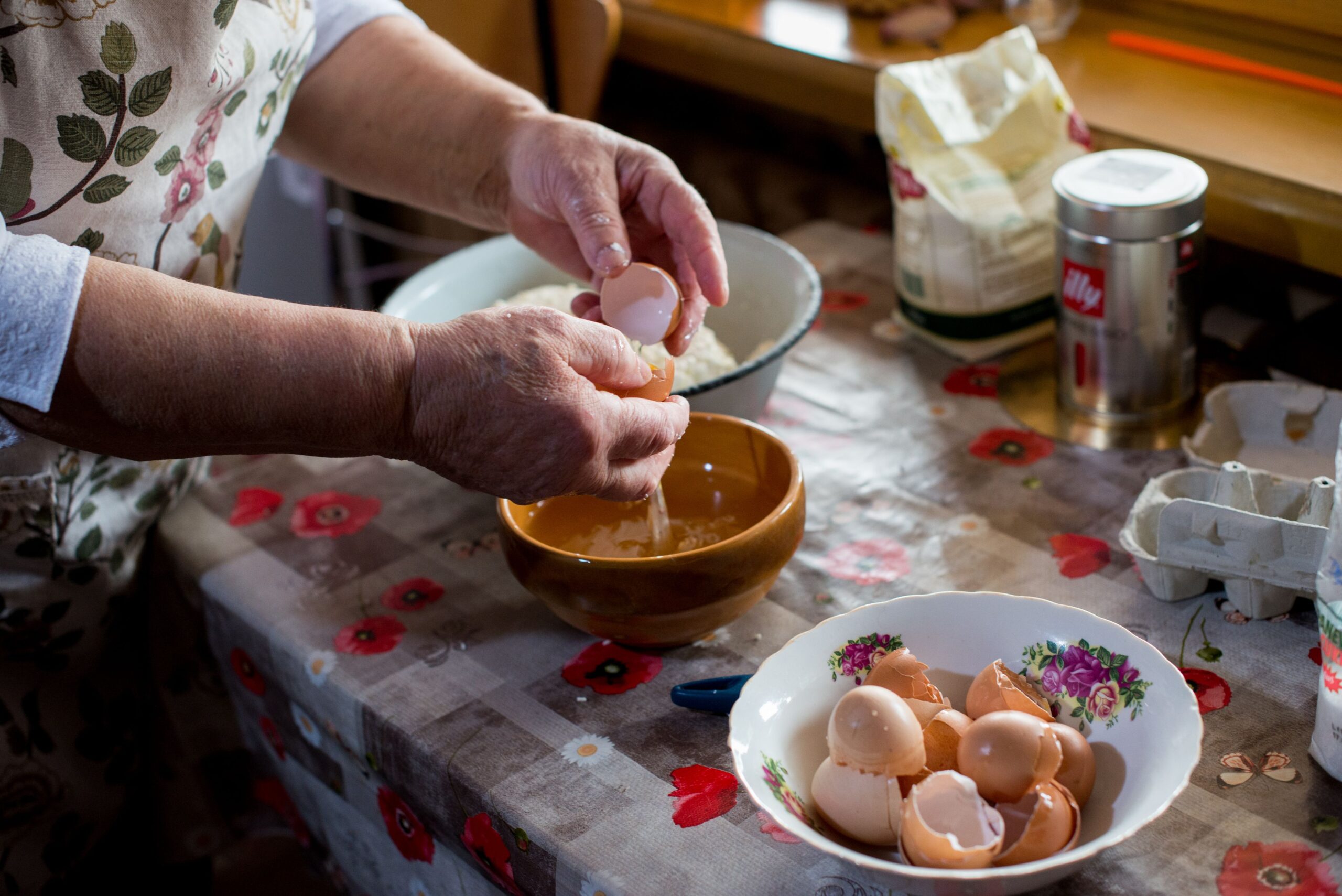
Eggs should be a staple in your weekly meals, as they are incredibly versatile, and remain one of the most useful affordable foods for making omelets, sandwiches, salads, casseroles, pancakes, and more. Although egg prices have been somewhat volatile in recent years, the average cost in 2026 is projected to remain below the 2025 average as the USDA Food Price Outlook forecasts.
Cabbage
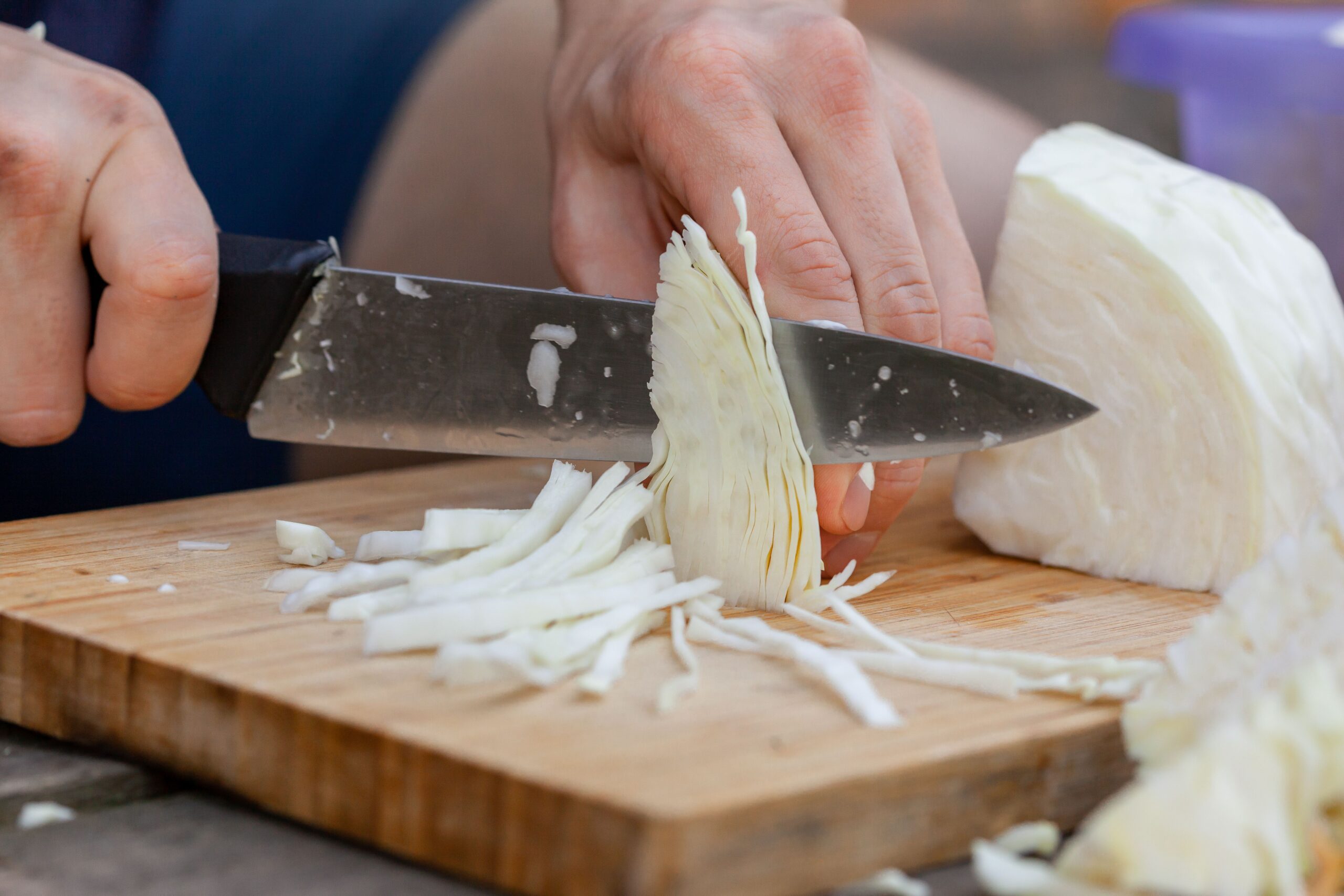
Since cabbage can be prepared as slaw, in a stir-fry, soup, roasted wedges, stuffed, or into tacos, it offers a variety that makes it one of the most practical affordable foods. It is a highly perishable vegetable, yet one you can use at almost any time. Boomers can use a head of cabbage gradually without it spoiling between meals. From a Monday when you prepare slaw to the weekend when you make soup, it won’t go bad.
Trending on Cheapism


Frozen Vegetables
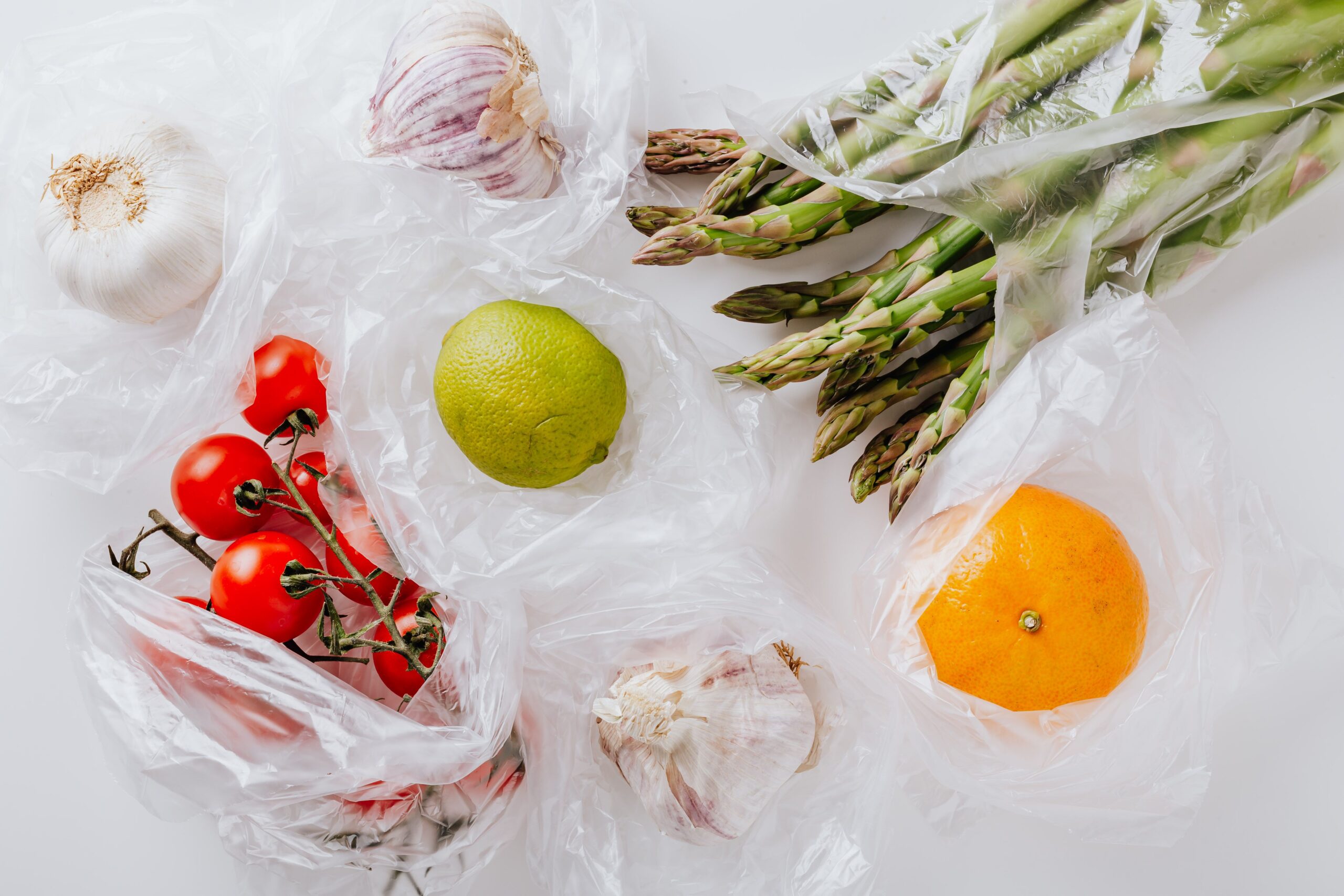
Frozen vegetables are another of the affordable foods options that Boomers can take advantage of in their daily routine. Broccoli, peas, corn, spinach, and mixed vegetable blends can be used partially, with the remainder kept frozen for a future meal. The USDA notes that to reduce waste, you can combine fresh produce with frozen and canned alternatives. You can incorporate frozen vegetables into soups, casseroles, pasta, side dishes, and omelets.
Rice
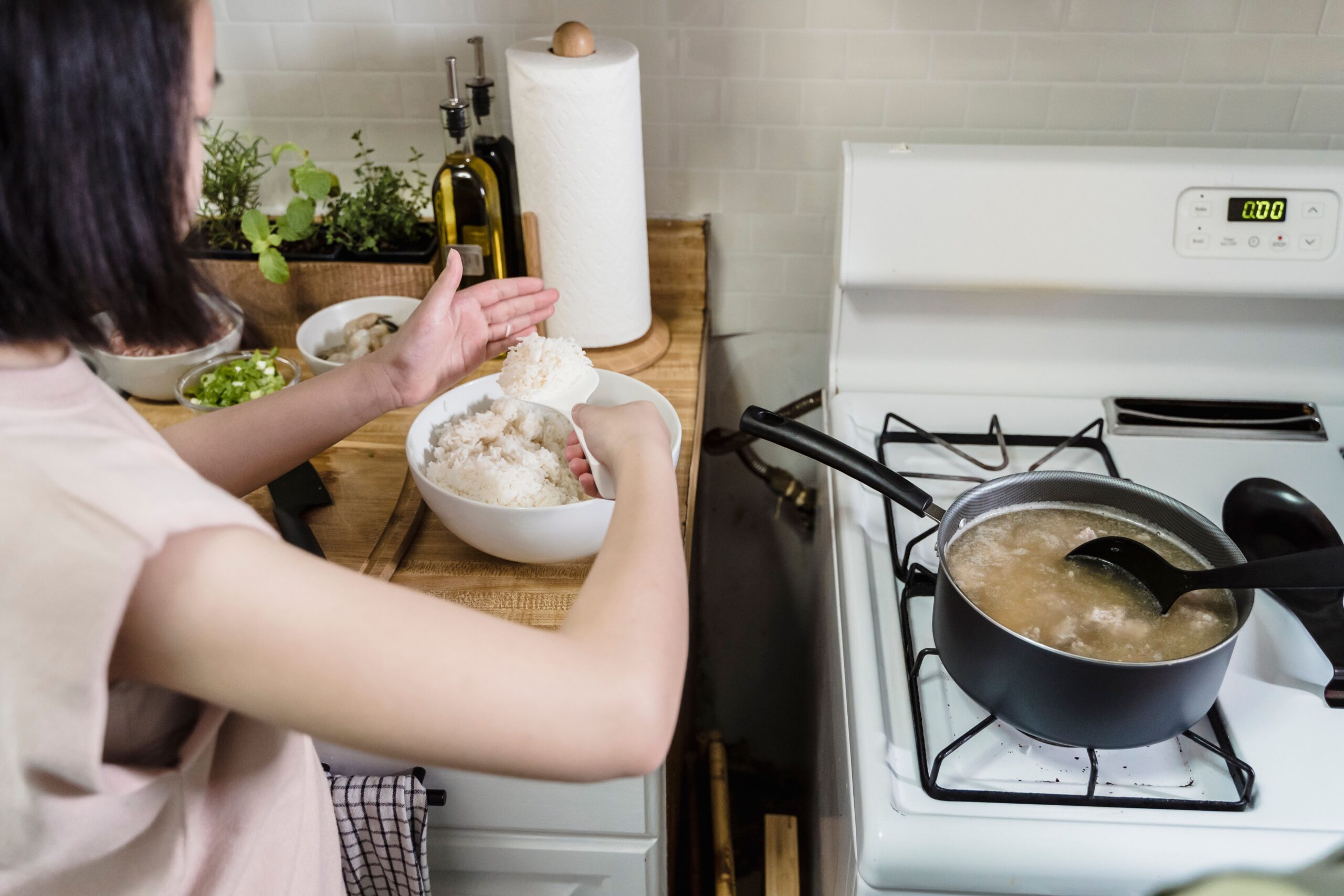
You can make rice with beans one day, a rice casserole the next, and fried rice once leftovers from other dishes have accumulated. And considering that dried rice can be stored for a long time when kept properly, it is one of the reliable affordable foods staples. The USDA identifies rice as a low-cost, shelf-stable pantry staple that is useful for quick meals.
Pasta
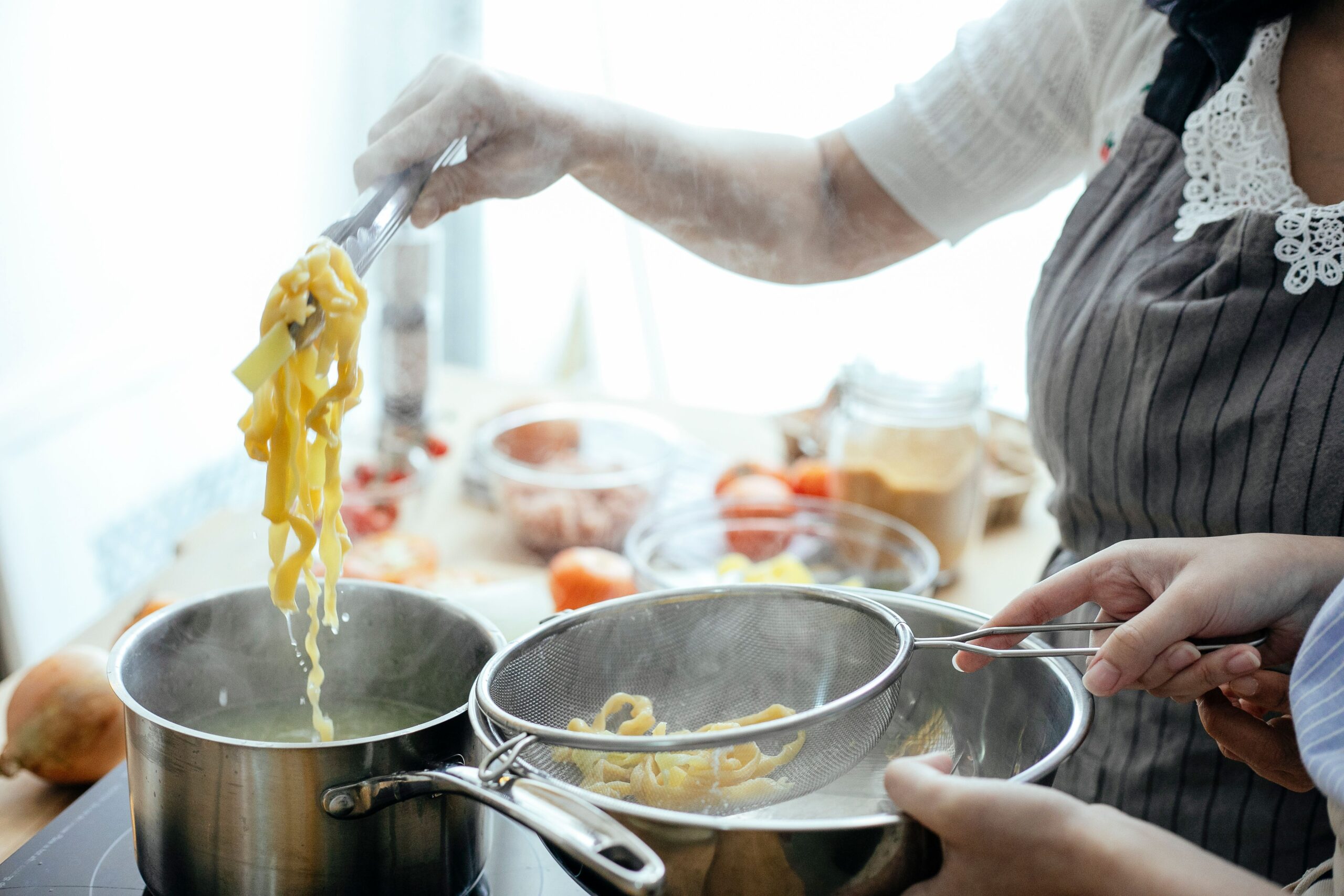
Pasta is another item Boomers have rediscovered because it allows them to stretch small quantities of tomato sauce, leftover vegetables, tuna, beans, cheese, and sausages into a complete meal. Furthermore, dried pasta can remain shelf-stable for a long time when properly stored. The USDA lists it as a recommended, inexpensive, shelf-stable pantry staple for smaller households.
Sign up for our newsletter
Canned Tuna
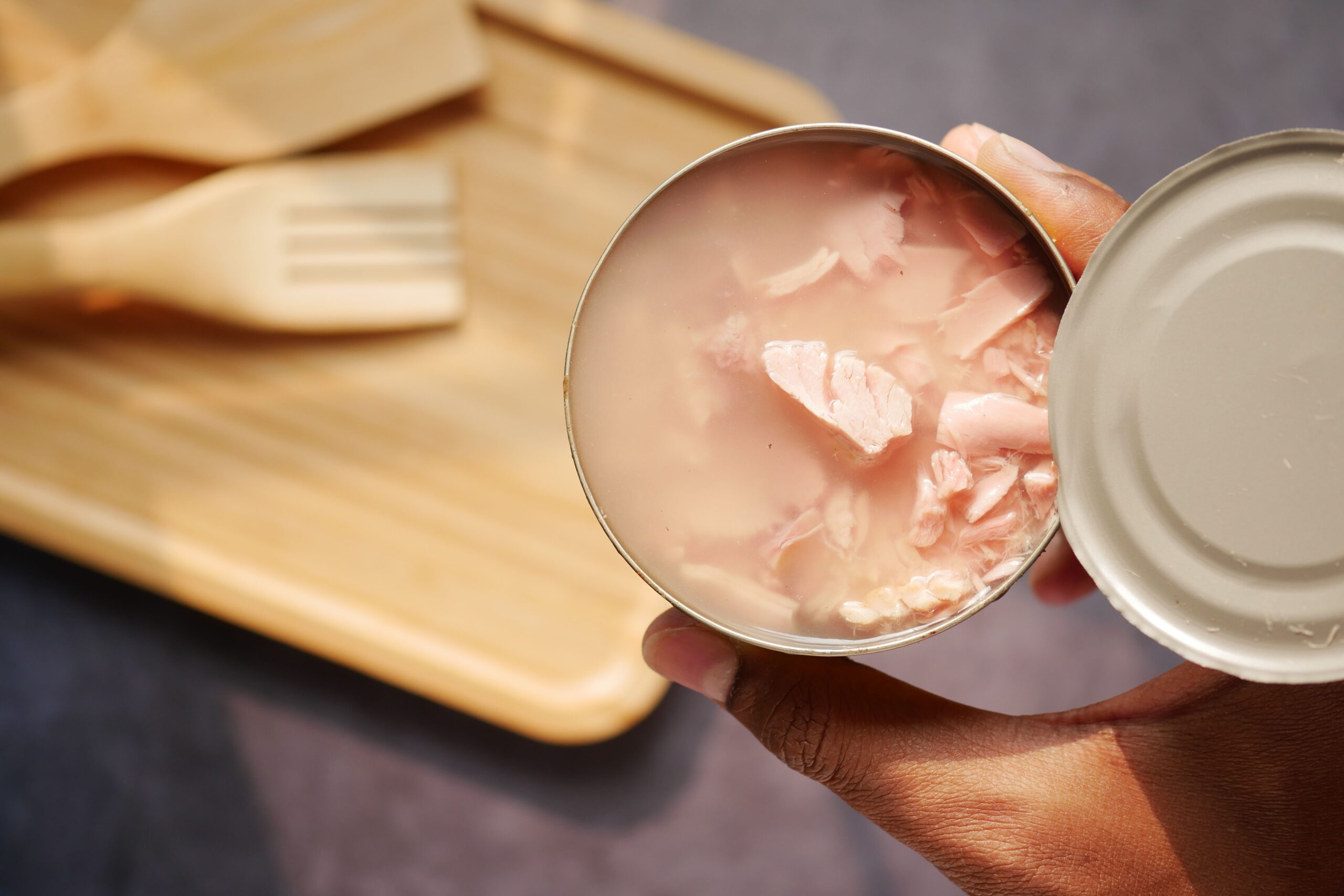
Canned tuna can be used in sandwiches, pasta dishes, melts, casseroles, salads, and stuffed tomatoes, or simply as a quick source of protein on crackers, making serves as one of the affordable foods options. The USDA recognizes canned tuna as an affordable source of protein and nutrition, especially the water-packed variety. A single can is enough to add protein to a dish of leftovers you already have at home.
Peanut Butter
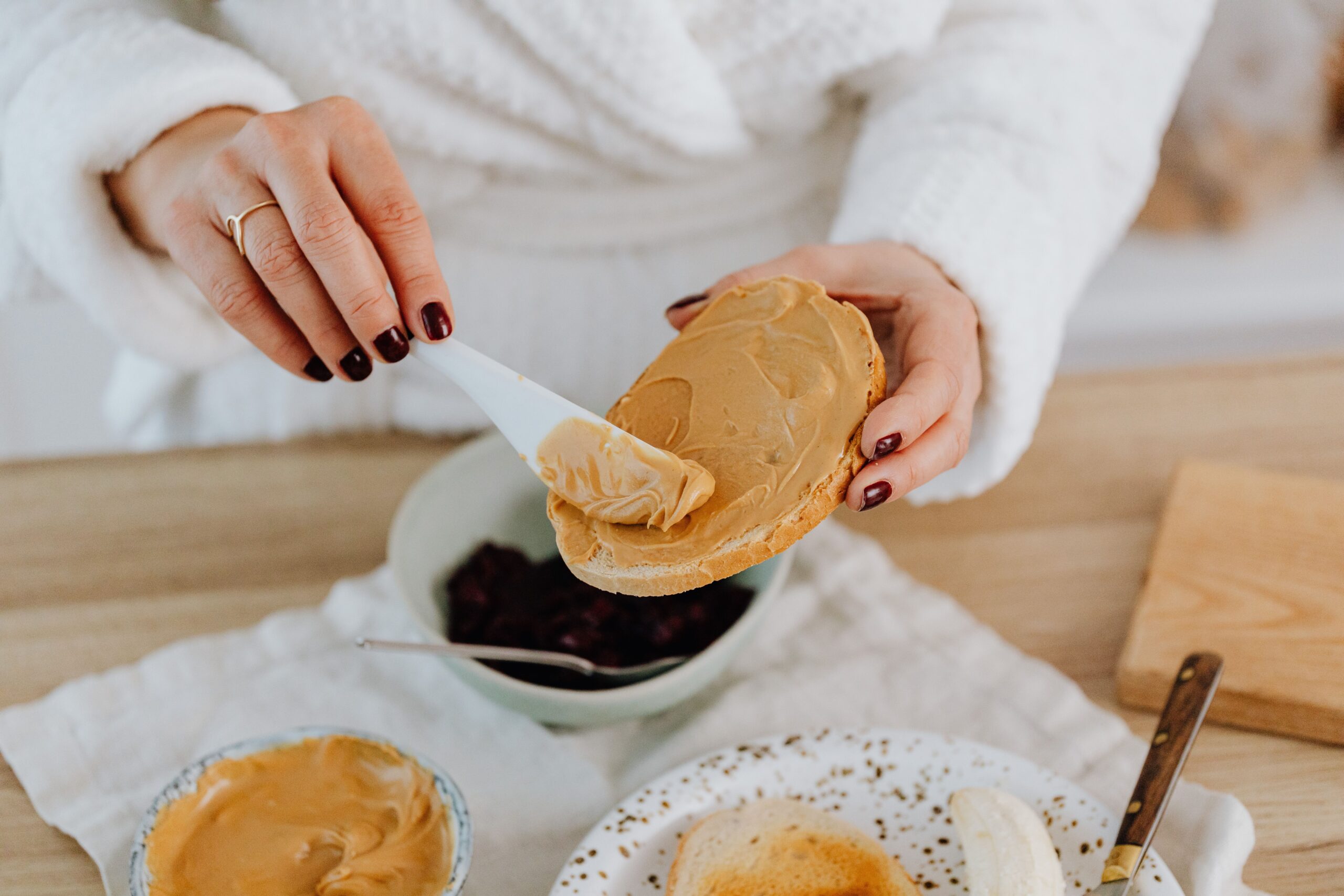
The USDA classifies peanut butter as a low-cost, shelf-stable pantry staple, making it one of the especially practical affordable foods for quick meals and snacks. Baby Boomers can rely on peanut butter for breakfast, lunch, snacks, and even dinner, in sauces or with noodles. A major plus is that there is no rush to finish the jar, as it does not spoil as quickly as meat or produce.
Carrots
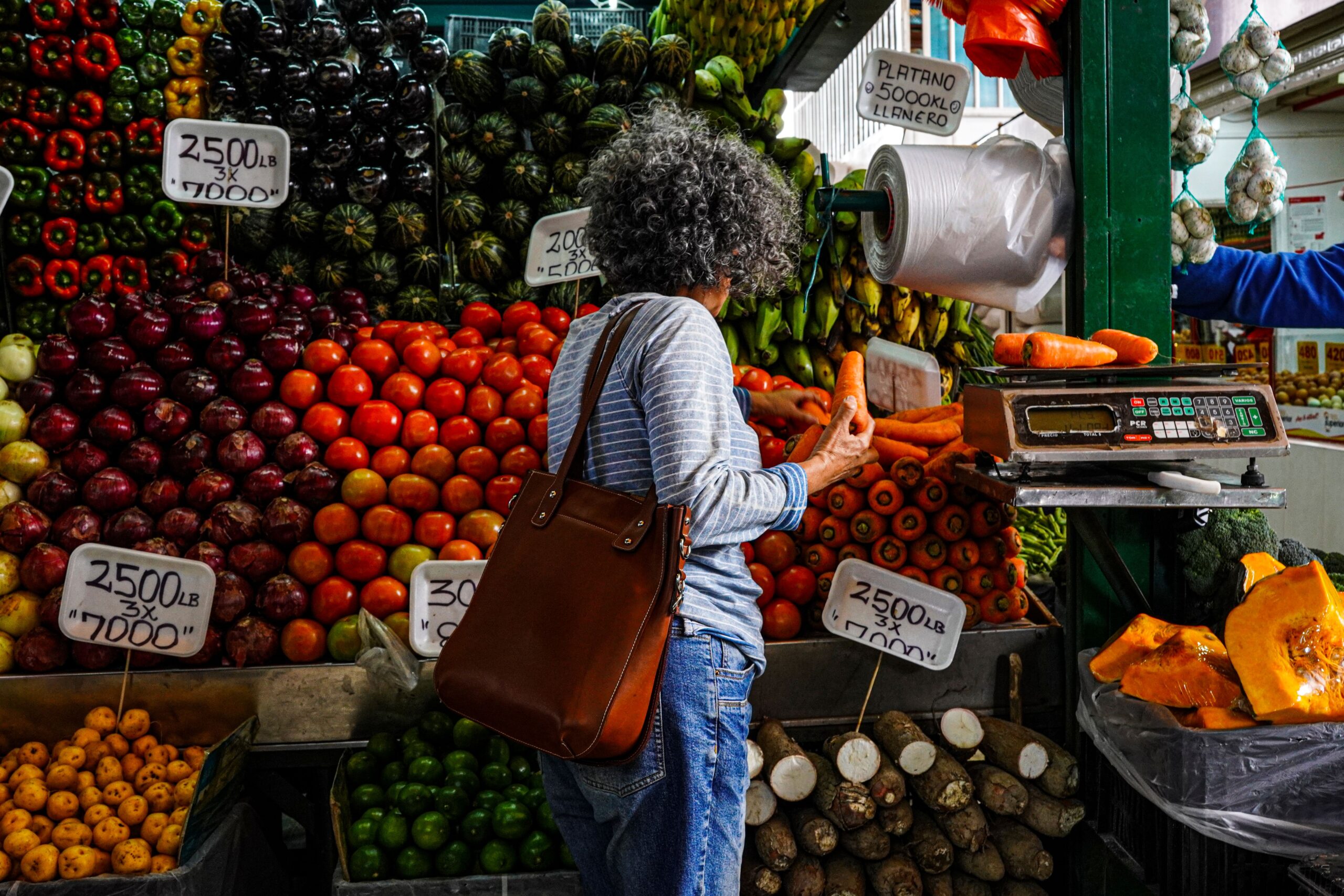
Carrots are versatile affordable foods that work well in raw snacks, as well as in stews, casseroles, and side dishes. This vegetable is very practical compared to others and holds up better in the refrigerator than delicate greens. Even if carrots start to soften, you can still add them to soups, stocks, stews, or roasted vegetable medley.
Canned Tomatoes
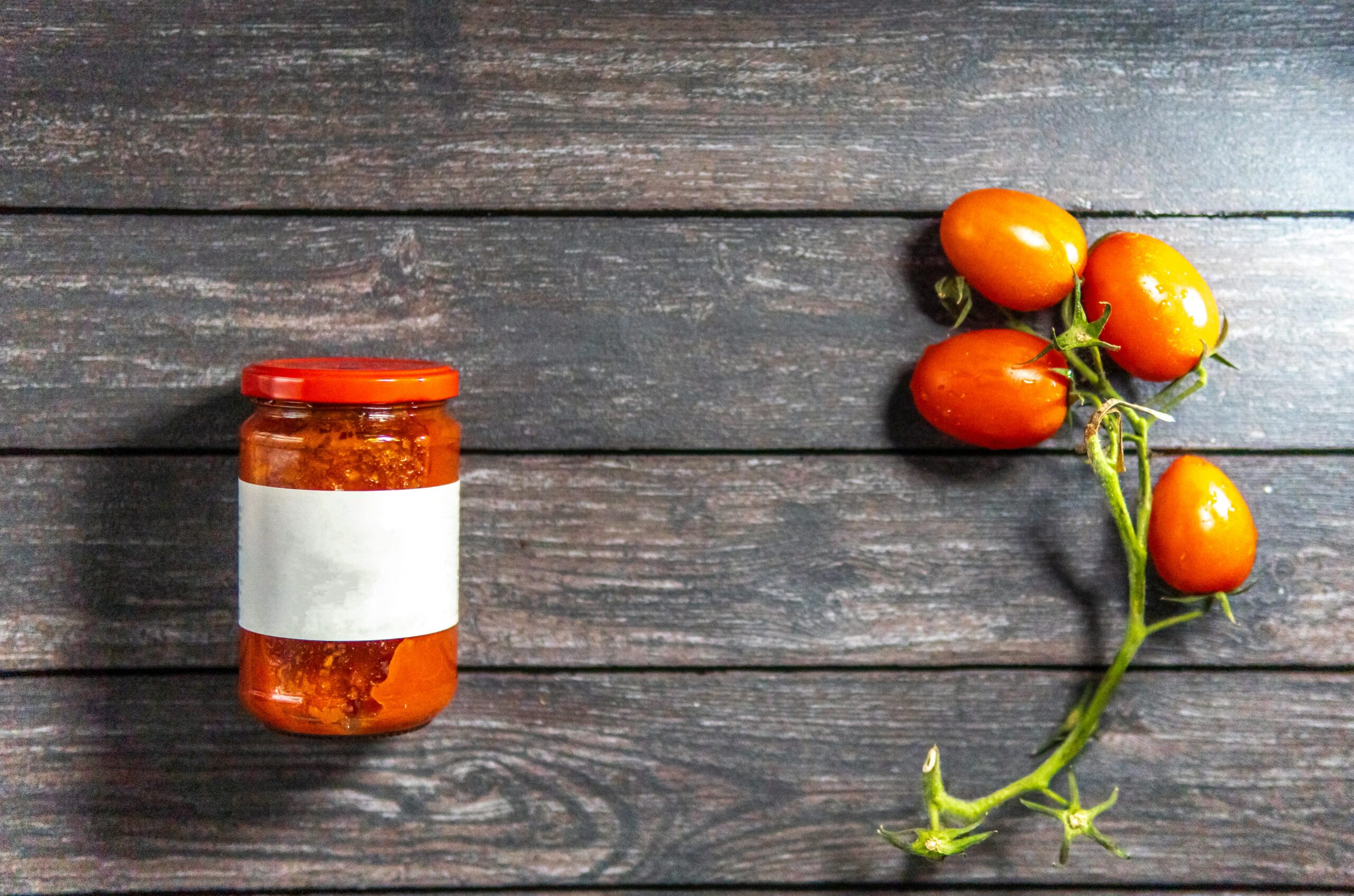
Canned tomatoes not only solve the problem of wanting a tomato flavor without having to buy fresh tomatoes, which can spoil in a matter of days, but they also are inexpensive. Whether crushed, diced, puréed, or whole, they can be added to pasta sauce, chili, rice dishes, braised meats, soups, and more. They are affordable pantry staples, much like beans, pasta, lentils, and other pantry staples.
Tortillas
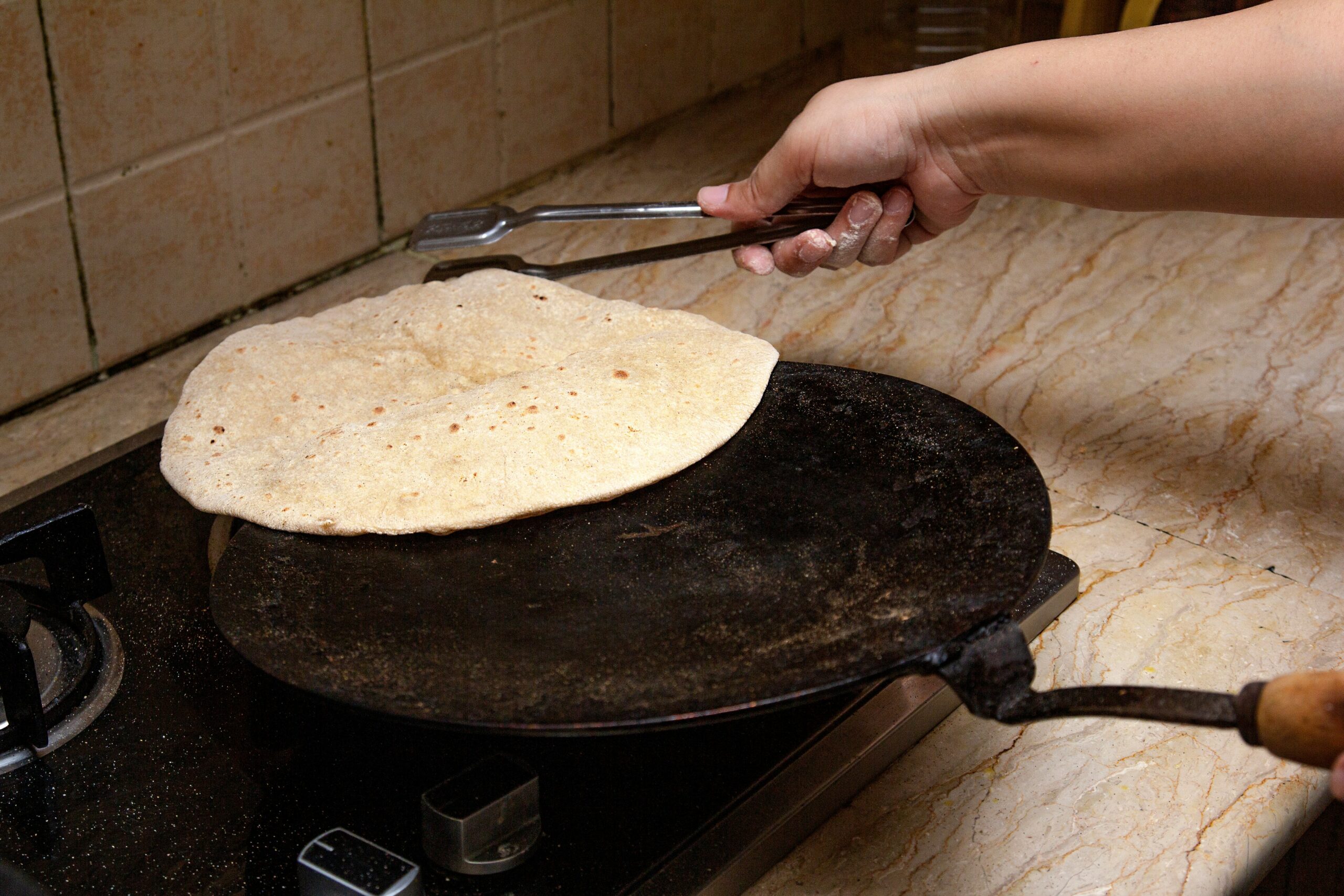
Tortillas are a great asset when you want to stretch your food budget, making it one of the affordable foods when used across several meals. They can breathe new life into other ingredients. Simply add two spoonfuls of beans, some leftover chicken, or whatever else is in your fridge, and you can turn leftovers into a complete lunch. With tortillas, you can make quesadillas, breakfast burritos, quick pizzas, and enchiladas, among other dishes.
Rotisserie Chicken
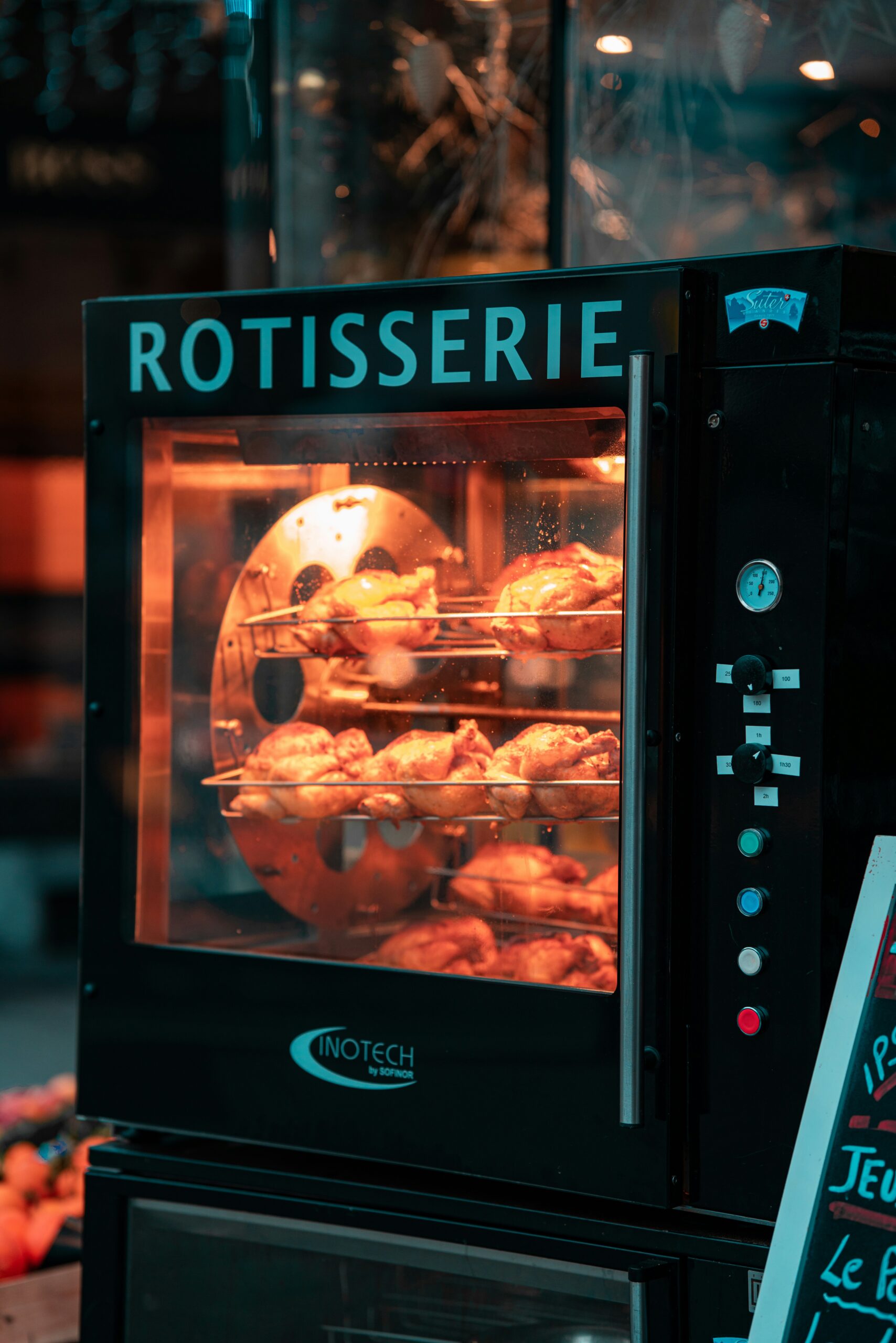
If you buy a rotisserie chicken along with the other groceries we discussed, it might not be the cheapest option, but it is more convenient than many of the other options because it is already cooked and makes it easy to stretch your meals. You could have sliced rotisserie chicken for dinner the first night, then a sandwich the next morning, and tacos for lunch. The key is to cut the chicken into pieces right away so you don’t have to thaw the whole food when you need it.
Homemade Soup
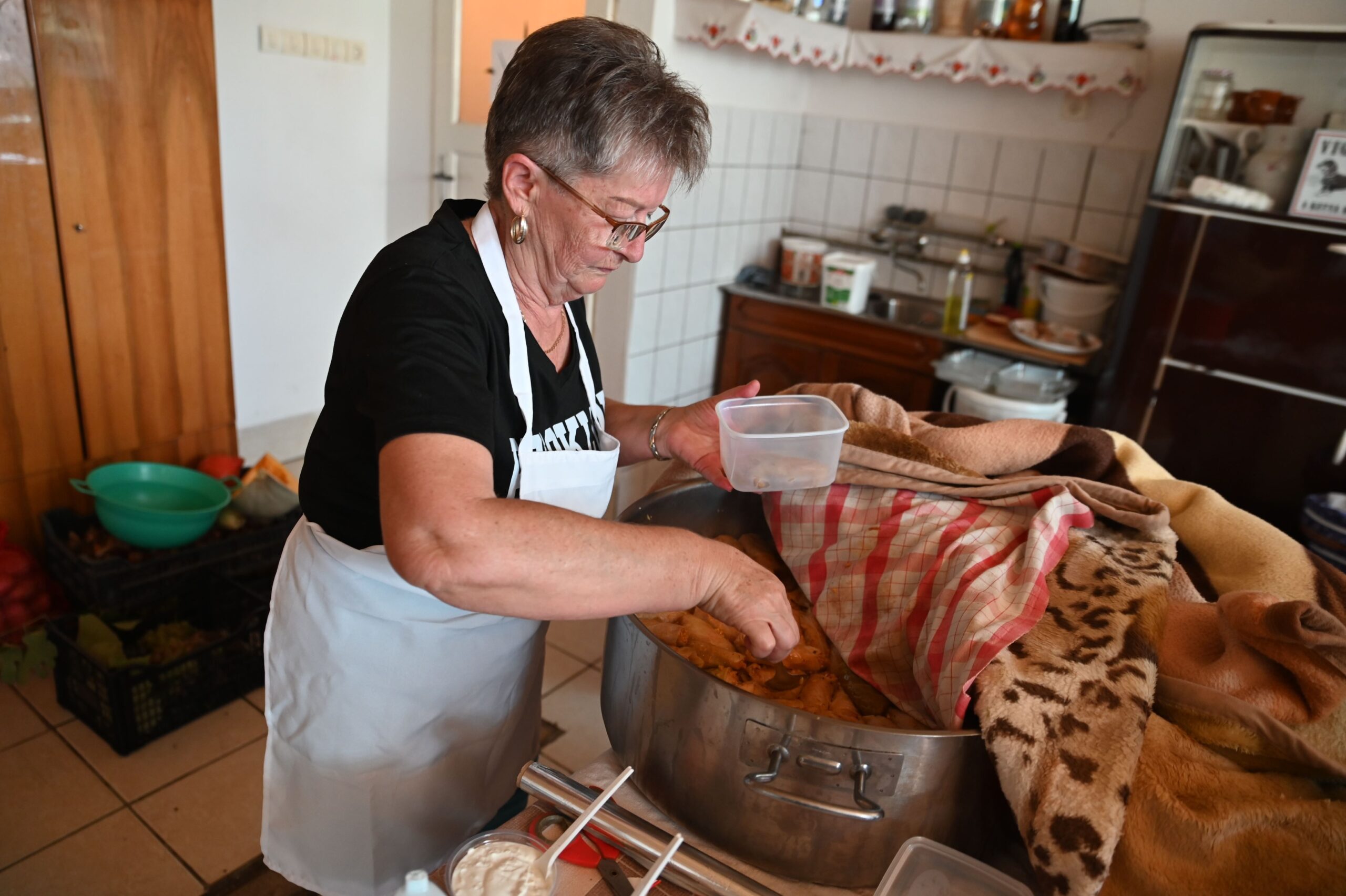
Soup is one of those dishes that can incorporate all the leftovers you’ve cooked throughout the week, making it one of the convenient affordable foods. Whether it’s beans, frozen vegetables, potatoes, or even a piece of meat, simply adding half an onion, some carrots, and another ingredient or two allows you to create a completely new meal. The USDA notes that soups and stews leftovers can be refrigerated for three to four days and frozen for two to three months before spoiling.
Conclusion
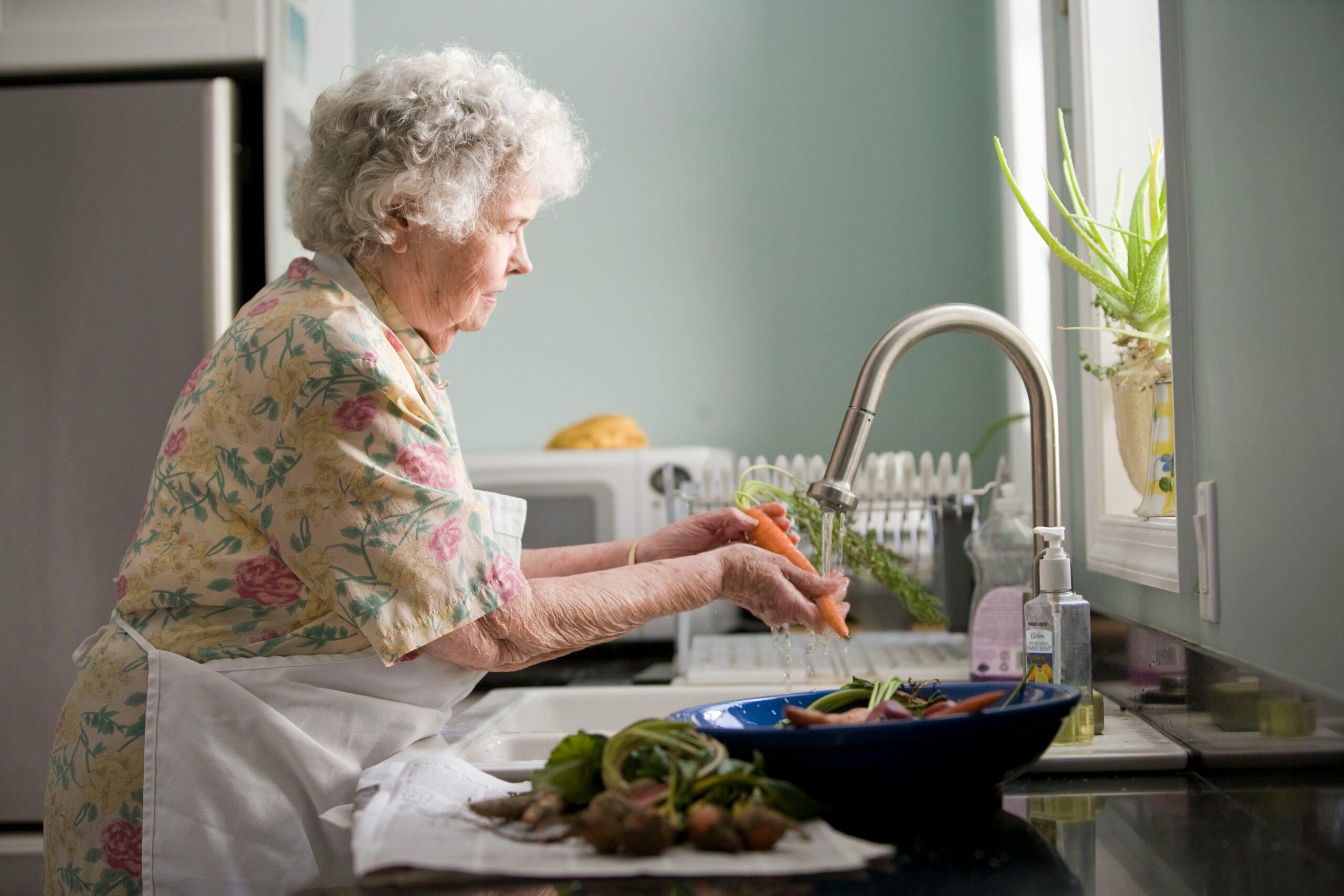
All these food options offer Baby Boomers a broader range of choices when it comes to cooking and eating. Many Baby Boomers may prefer to avoid daily hassles. They do not want to have to rush to the supermarket because dinner isn’t ready for the evening meal. Consequently, affordable foods that do not spoil quickly in the pantry could simplify their lives, something they highly value at this stage.