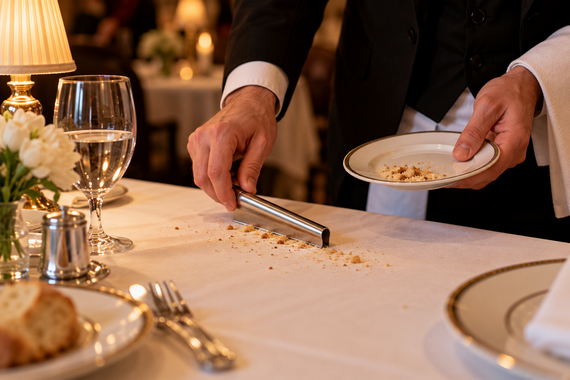

Just as society’s preferences regarding daily activities shift, and technology exerts its influence on many situations, eating habits have also changed compared to previous generations. From breakfasts becoming more portable to formal meals giving way to casual dining, we’ll take a look at how Americans have transformed the way they eat in recent years!
Breakfast

Americans used to enjoy breakfasts consisting of eggs, bacon, toast, cereal, or pancakes. While those meals still appear today, eating habits now include protein shakes, breakfast sandwiches, bars, and coffee are consumed on the move. This shift is due to people choosing to have breakfast while on their way to work. For the sake of convenience, they have gravitated toward portable breakfast options because many people decide to grab something to eat rather than sitting down for several minutes.
Sunday Dinner
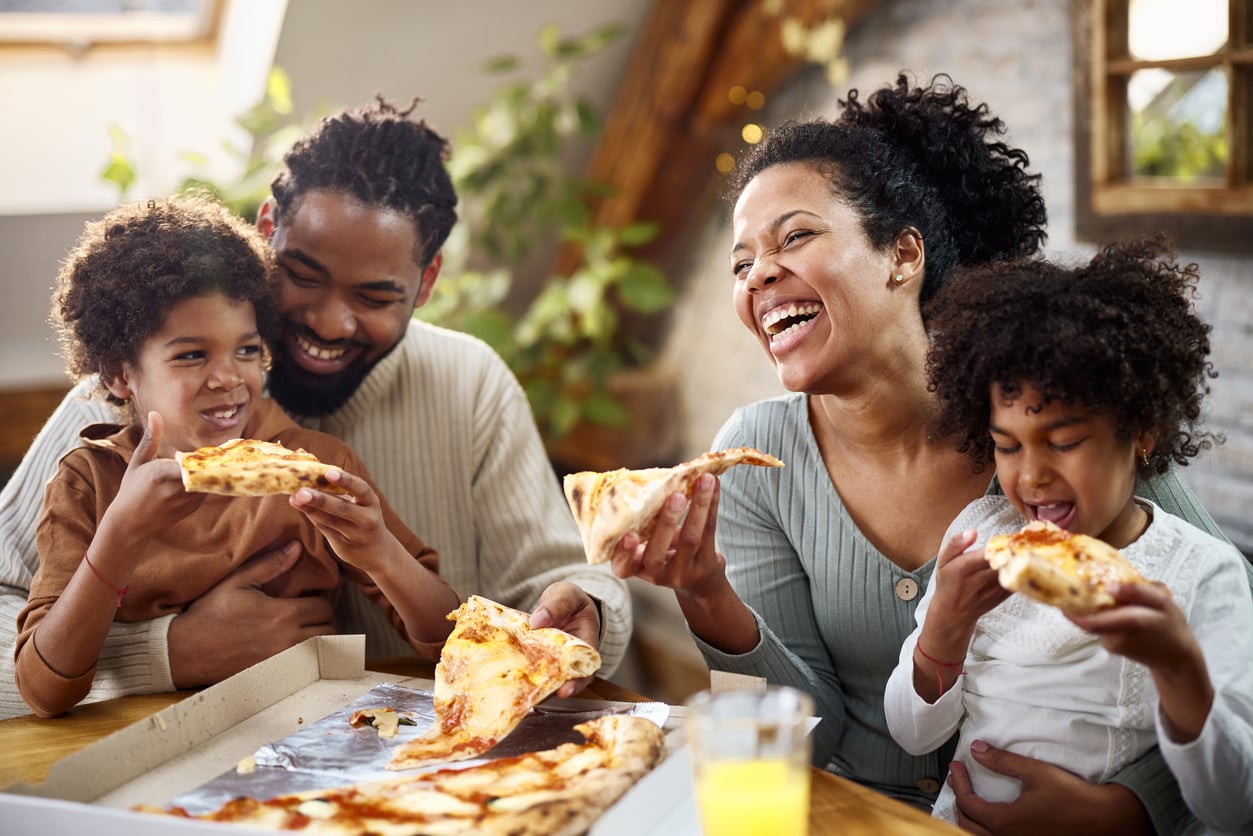
Sunday dinners were known as family gatherings featuring an elaborate meal, such as roast meat, potatoes, vegetables, and dessert. However, busier schedules and the difficulty of aligning parents’ and children’s routines have transformed these eating habits, with some families ordering pizza or meeting at a restaurant instead.
School Lunch

Young people used to go to school with sandwiches in brown bags, thermoses, and cartons of milk for lunch. Nowadays, mothers give their children packaged snack kits, wraps, fruit pouches, bottled drinks, and even meals with international flair. These changing eating habits have come about due to the convenience of pre-packaged foods and a change in thinking regarding what children should eat.
Burgers and Fries

In the past, people might order a standard burger with a small portion of fries and a soda. Over the years, however, eating habits among fast-food customers have increasingly included double patties, premium toppings, loaded fries, and massive combo meals. Fast-food chains have engaged in fierce competition to offer larger portions at lower prices, though they do not always succeed. This food, once inexpensive, often ends up costing as much as a meal at a casual sit-down restaurant.
Pizza Night
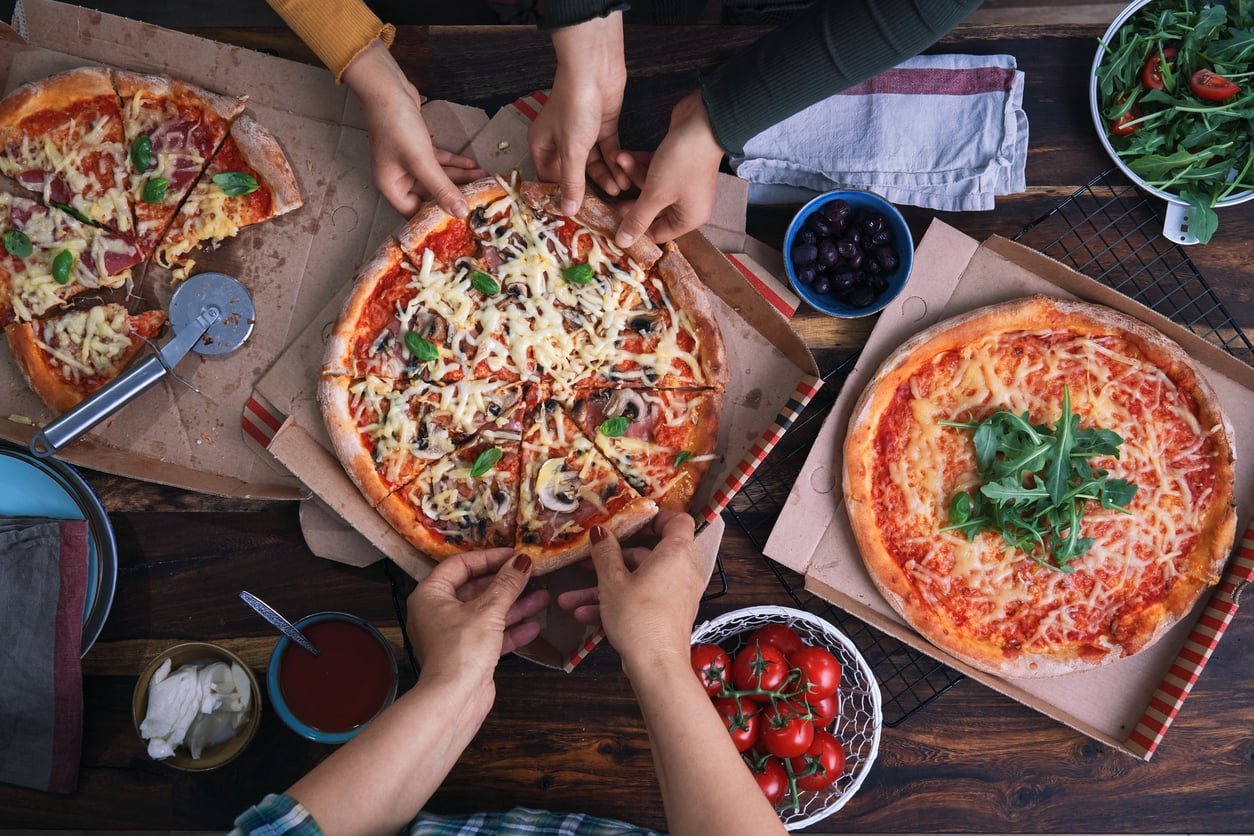
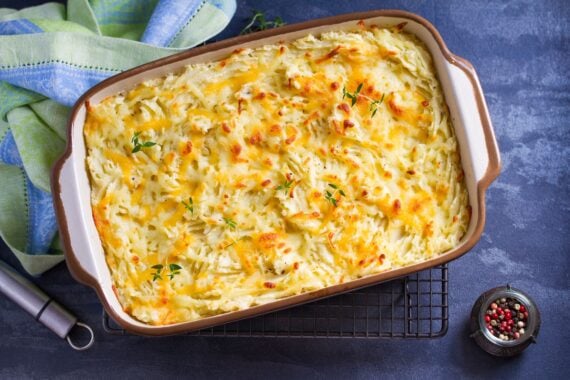
Americans used to enjoy a cheese or pepperoni pizza meant for the whole family. Menu options have since evolved, offering the chance to order individual pizzas or varieties featuring cauliflower crusts, hot honey, specialty toppings, wood-fired pies, and other customizations. These changing eating habits have shifted pizza choices toward gourmet and regional styles, and families have embraced this trend.
Trending on Cheapism

Sandwich Lunches
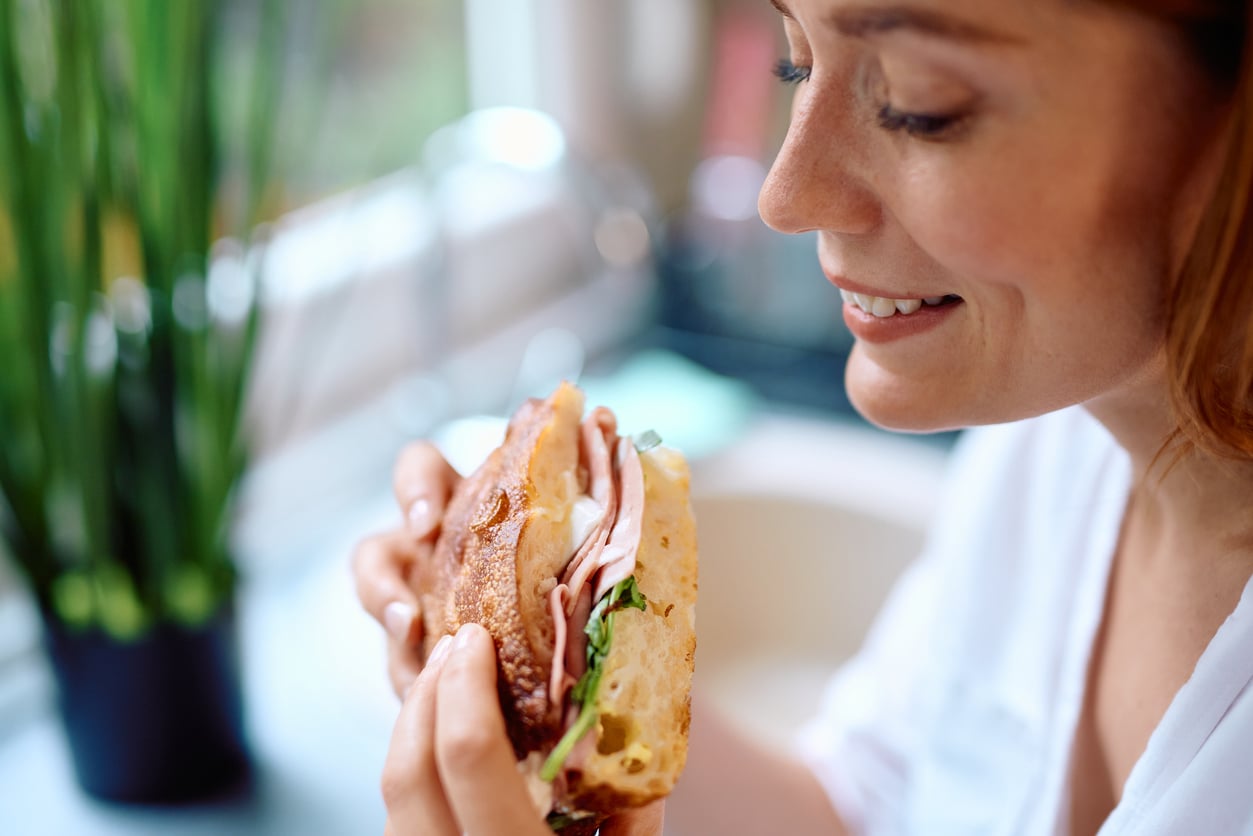
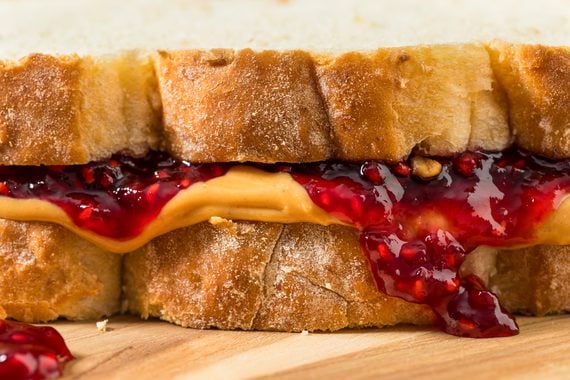
‘Restaurant-style’ lunch options have become a staple of people’s daily routines. What used to be a simple ham and cheese, tuna, bologna, or even peanut butter and jelly sandwich has been, at least partially, replaced by giant deli sandwiches, wraps, paninis, open-faced sandwiches, and loaded subs. Eating habits have changed, and there is a significant difference between the cost of simple ingredients and the roughly $15 one might pay at a shop today for one of these sandwiches.
Salads
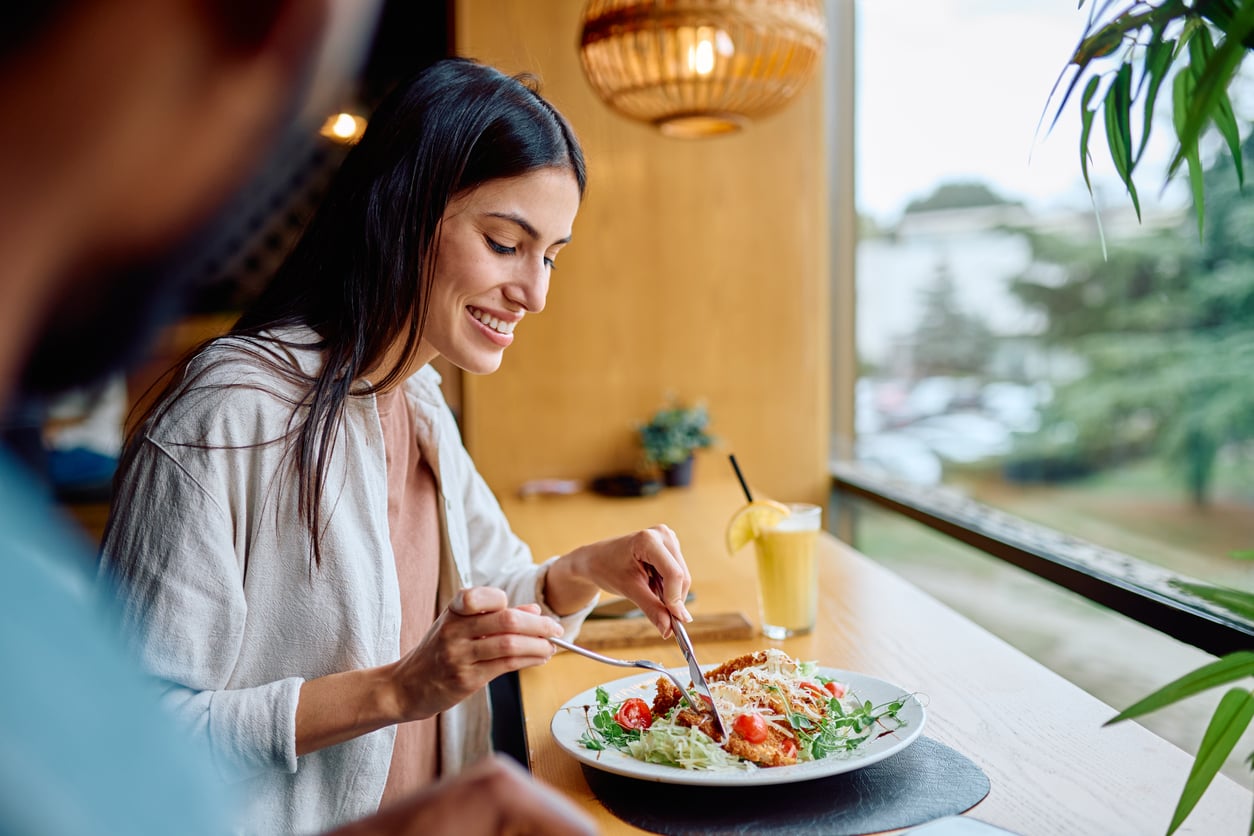
A salad used to be made with just a bit of iceberg lettuce, tomato, and bottled dressing poured over the top. Eating habits have evolved, however, as trends introduced ingredients like chicken, grains, avocado, cheese, nuts and more elaborate dressings. The transformation of the salad from a simple side dish to a main course is striking. Many recall those modest dinner salads, whereas today’s versions are oversized, modern salad bowls.
Coffee and Breakfast
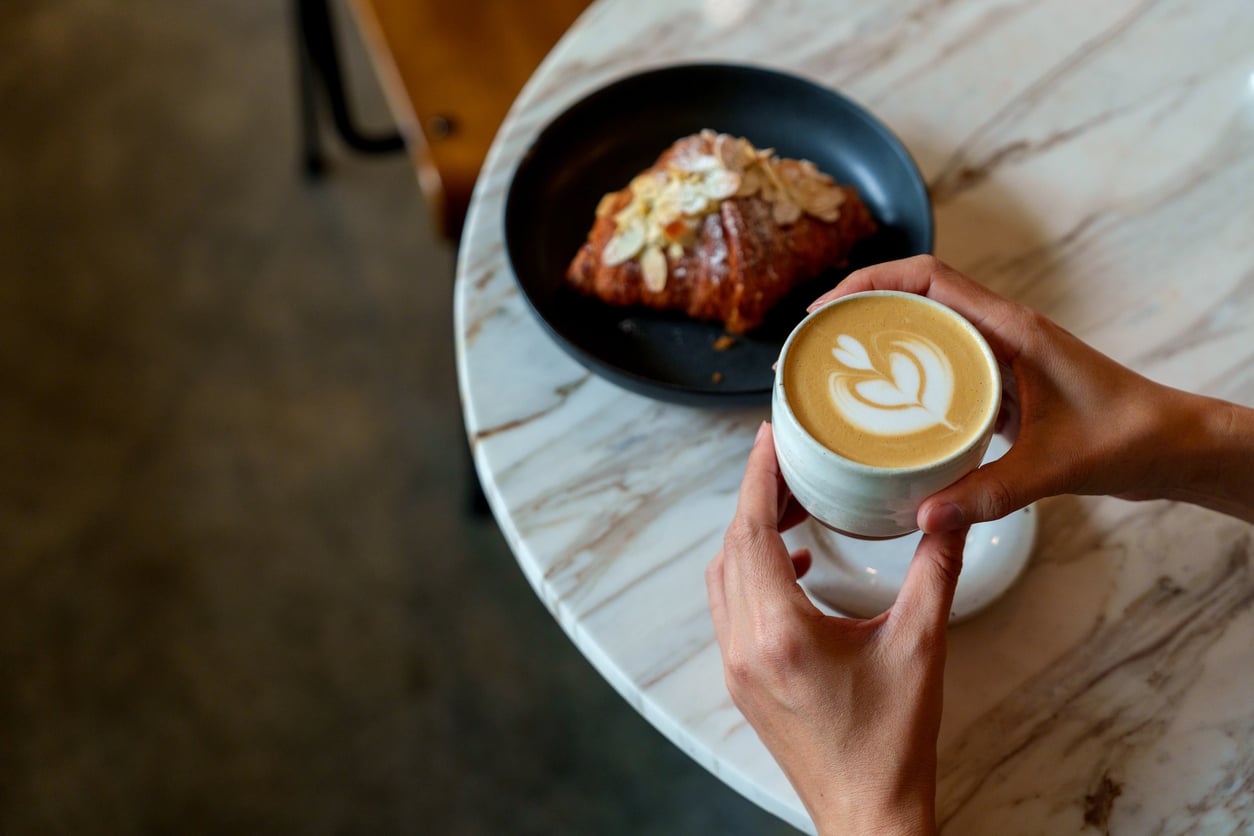
Coffee consumption used to be just part of a meal during the day. However, eating habits and coffee culture have evolved considerably, with specialty drinks featuring milk, flavorings, foam, and syrups becoming a more prominent part of people’s morning routines. Coffee culture has shifted toward treating coffee as more than just a beverage, as was often the case in the past.
Sign up for our newsletter
Chinese Takeout Night
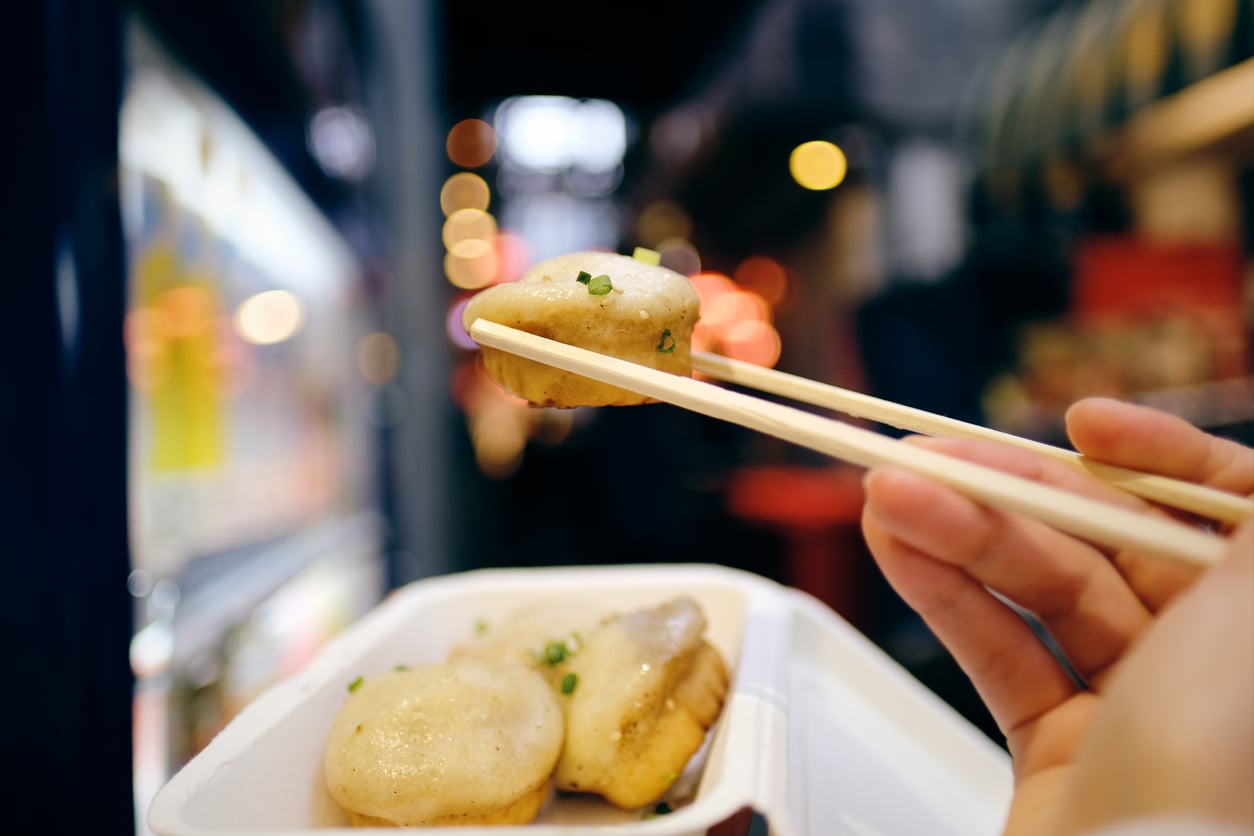
There weren’t many families who enjoyed Chinese dishes like chow mein, fried rice, egg rolls, and sweet-and-sour pork. However, eating habits in the United States have evolved as Chinese food has expanded to include options like hot pot, dumplings, hand-pulled noodles, Sichuan dishes, and more. Nowadays, Chinese takeout menus in the U.S. often offer a much wider variety of regional dishes.
Steak Dinner
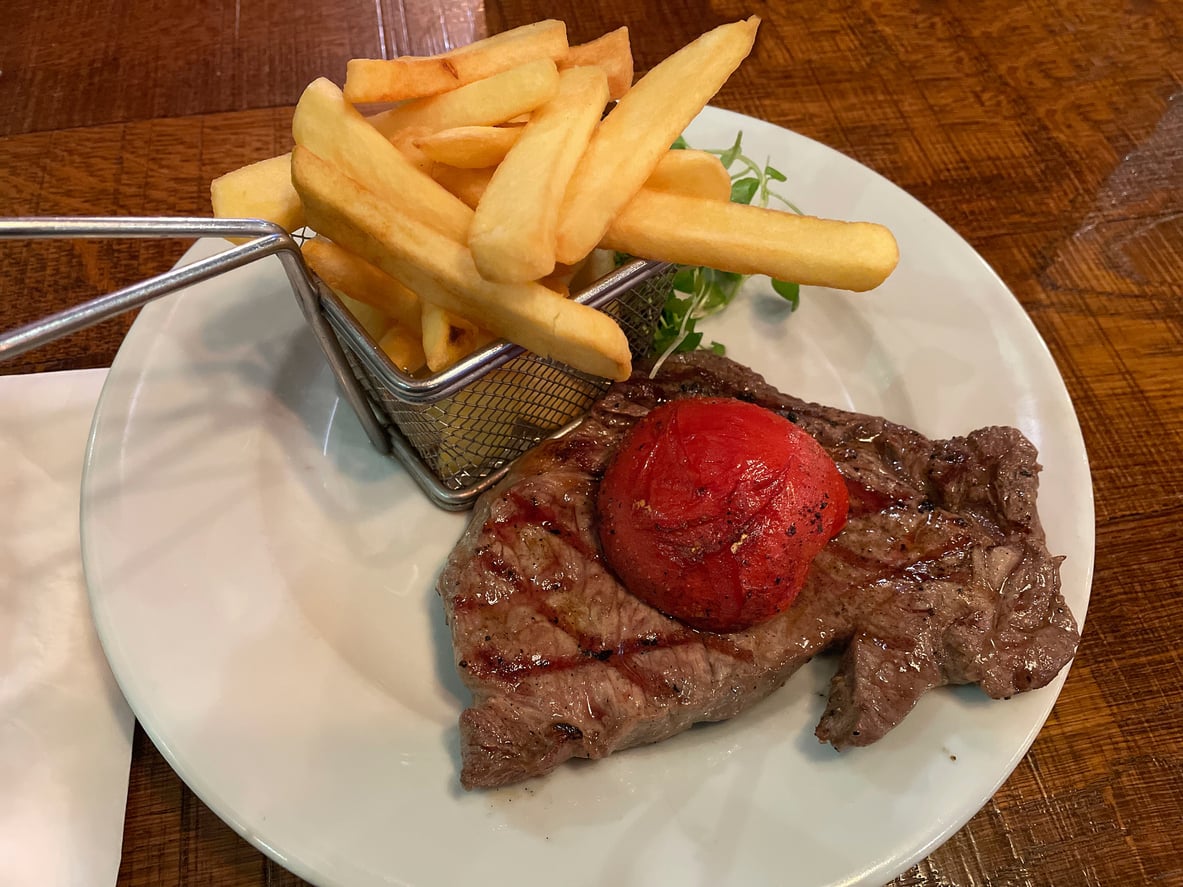
Steakhouses have evolved into more specialized and expensive restaurants. They no longer serve just steak, a baked potato, vegetables, and a salad. Nowadays, they offer smaller specialty cuts of meat, steak fries, shared steaks, elaborate sauces, compound butters, and premium side dishes sold separately. These changing eating habits often make steakhouses destinations for occasions where a group of family or friends is celebrating an event.
Thanksgiving Dinner
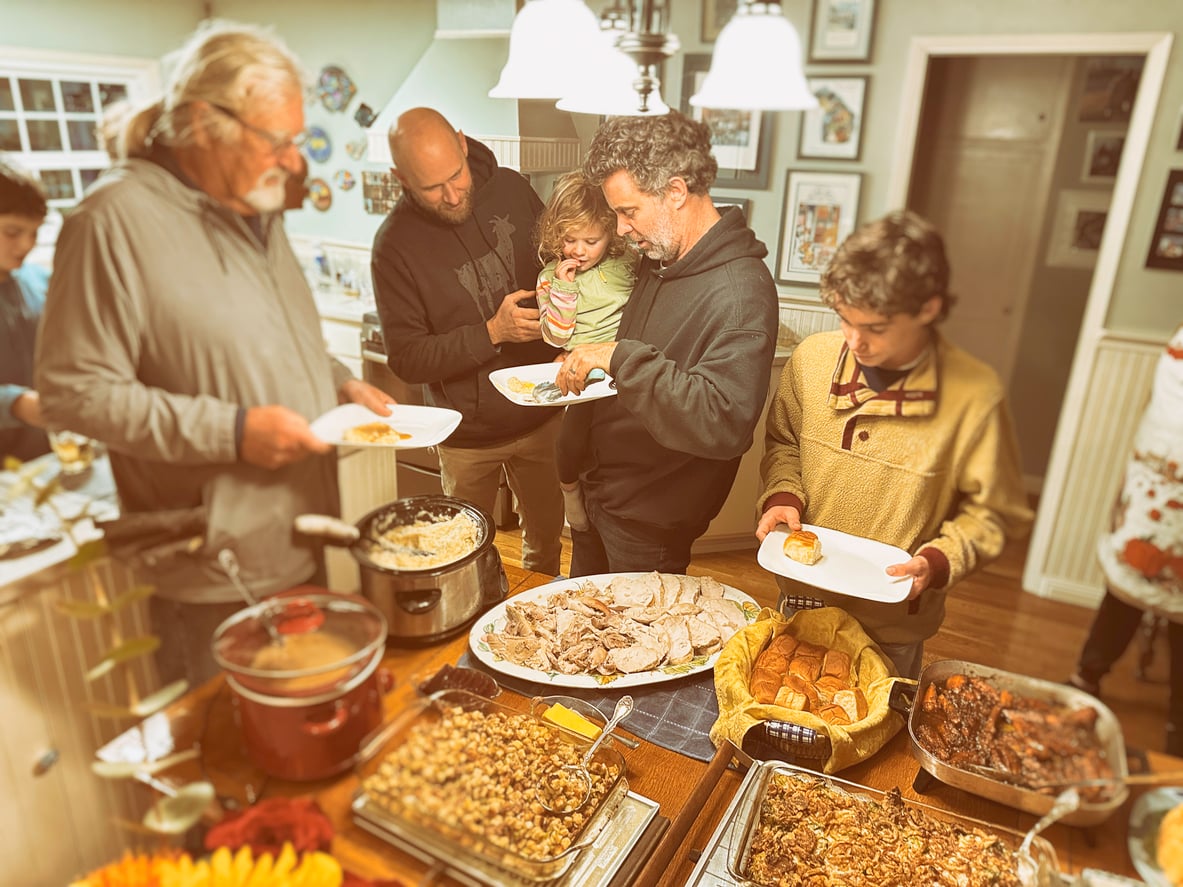
Thanksgiving dinner used to feature staples such as turkey, stuffing, mashed potatoes, canned cranberry sauce, and familiar family side dishes. Although the celebration remains traditional, eating habits are increasingly flexible, with families willing to switch up certain dishes rather than always repeating the same menu. Smoked turkey, deep-fried turkey, vegetarian main courses, regional sides, and restaurant takeout packages have all made their way onto the table for the holiday.
Movie-Night Food

A night out at the movies might have involved some popcorn and soda, but eating habits have changed as the experience of watching a film has expanded beyond gathering at a theater. Streaming allows people to transform their living rooms into home theaters, making it much easier to have snacks like nachos and candy, full meals, or alcohol, and even order food for delivery.
Road-Trip Meals
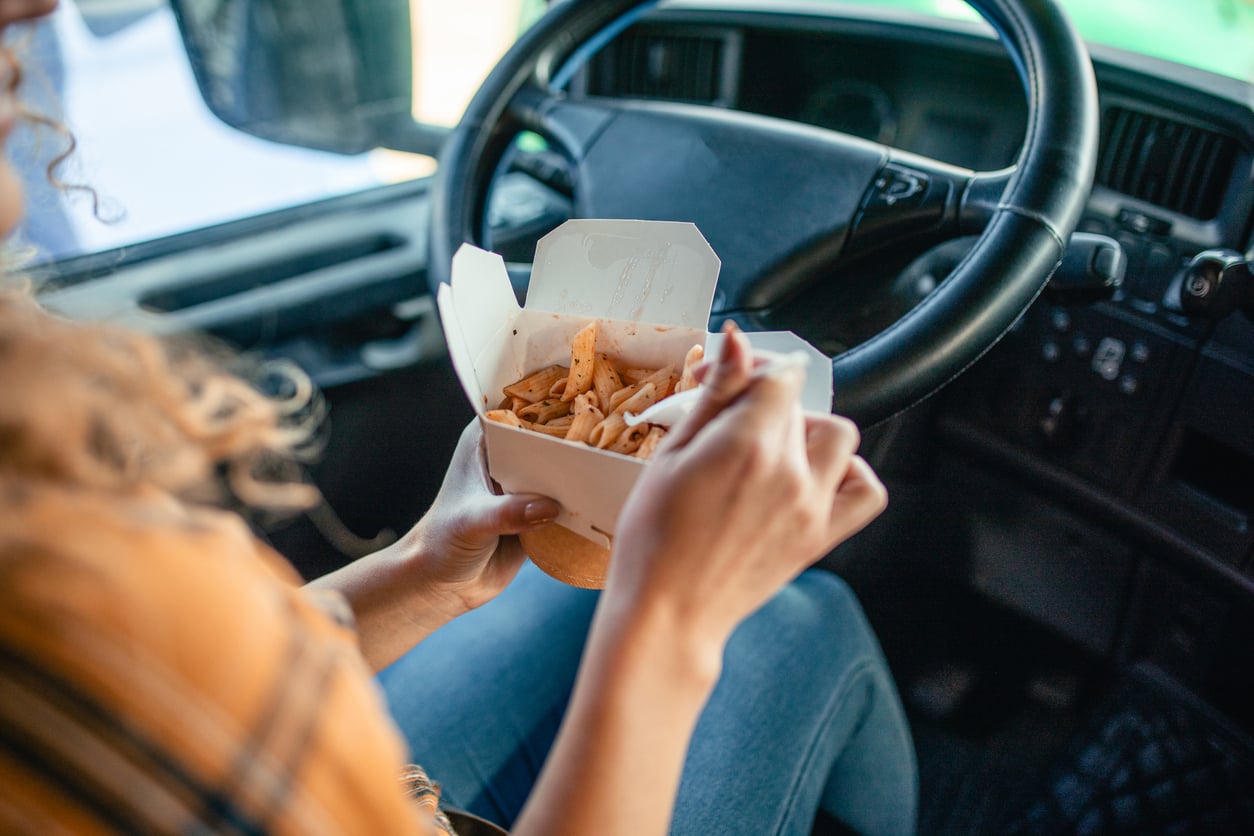
Road trip meals have evolved from roadside picnics to eating inside the vehicle while on the move. Maintaining a steady pace behind the wheel is crucial, as is knowing the locations of drive-thru, convenience stores, coffee chains, and similar stops along your route. For many people, the days of cooler-packed sandwiches and roadside diners are a thing of the past.
Dinner at Home
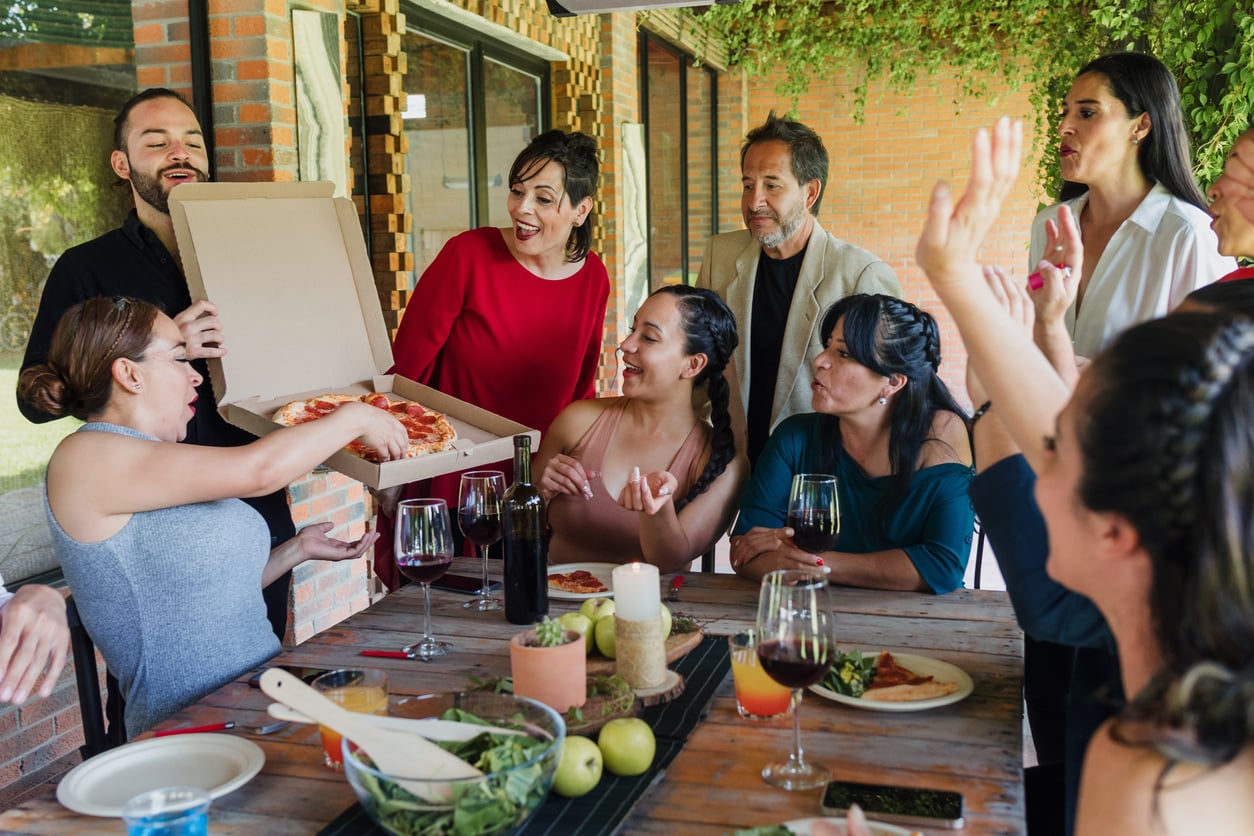
When a group of friends or family members gathered at a home, the host would typically prepare a meal for everyone to enjoy together. That has changed. Nowadays, one person might decide to order delivery, another eats leftovers, and someone else waits for a frozen meal to thaw. These shifts occur because individual schedules do not always align, and being together is valued more than everyone eating the same meal.
Dessert

In the past, dessert options were limited to little more than pie, cake, pudding, ice cream, or cookies. Desserts have evolved into a course in their own right, rather than just a complement to the meal. Nowadays, you can choose from giant milkshakes, gourmet donuts, from specialty-shop cookies to elaborate bakery creations.
Conclusion

Many of these changes in eating habits stem from a shift toward meals that are more portable, customizable, and individual. Life moves at a faster pace, making “grab-and-go” options a popular choice, even as access to regional and international cuisine becomes easier. Nevertheless, Americans do not reject the familiar foods of their youth; instead, they are selective about when they eat them, reserving them for special occasions.