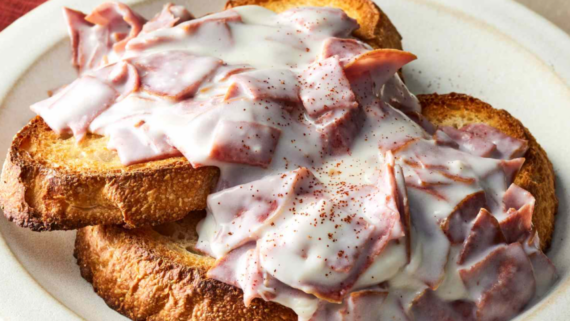
1950s family meals looked very different from the meals many households prepare today. The postwar boom transformed American kitchens through the rapid growth of supermarkets, frozen foods, canned ingredients, and labor-saving appliances that promised to make home cooking easier than ever before. Convenience became a selling point rather than a compromise, with condensed soups, frozen vegetables, and packaged products helping busy families prepare hearty dinners while stretching modest grocery budgets.
Many of the meals that defined the decade have never completely disappeared, but they no longer occupy the regular place they once held on American dinner tables. Drawn from vintage cookbooks, historical food archives, and classic mid-century recipes, these nostalgic dishes reflect a time when casseroles, creamy sauces, and economical ingredients ruled family mealtime. Whether remembered fondly or viewed as relics of another era, they offer a fascinating glimpse into how Americans ate during the 1950s.
Tuna Noodle Casserole
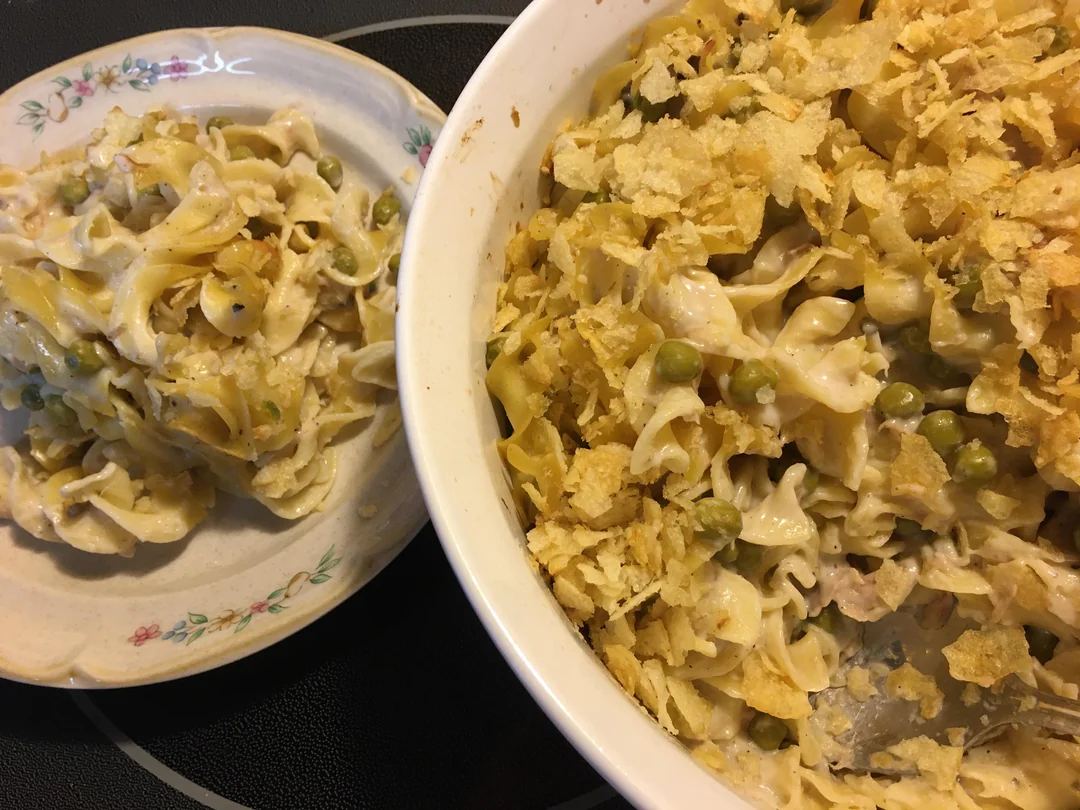
Few meals capture the spirit of 1950s home cooking better than tuna noodle casserole. Combining canned tuna, egg noodles, cream of mushroom soup, frozen peas, and a crunchy topping of crushed potato chips or bread crumbs, it was affordable, filling, and easy to assemble from pantry staples. While the casserole remains a comfort food for some families today, fresher pasta dishes and lighter tuna recipes have largely replaced it on the average dinner table.
Chicken à la King Over Toast
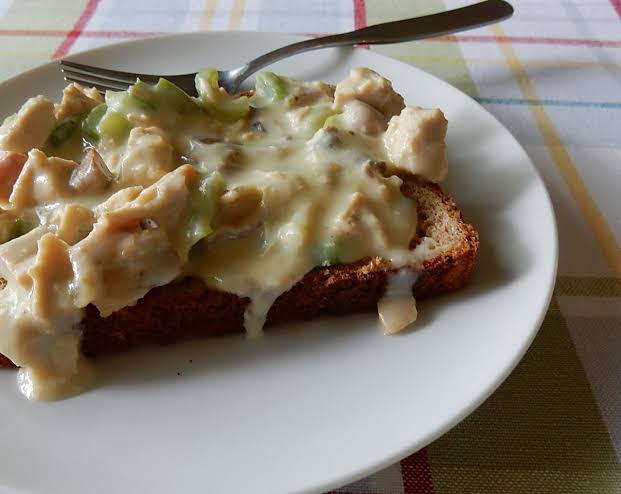
Chicken à la King brought a touch of elegance to ordinary weeknight dinners without requiring expensive ingredients. Leftover chicken was combined with mushrooms, peas, and pimientos in a creamy white sauce before being served over toast points, biscuits, rice, or noodles. While it was once considered a reliable family favorite, today’s leftover chicken is far more likely to end up in tacos, wraps, salads, or grain bowls than beneath a rich cream sauce.
Salisbury Steak With Mushroom Gravy
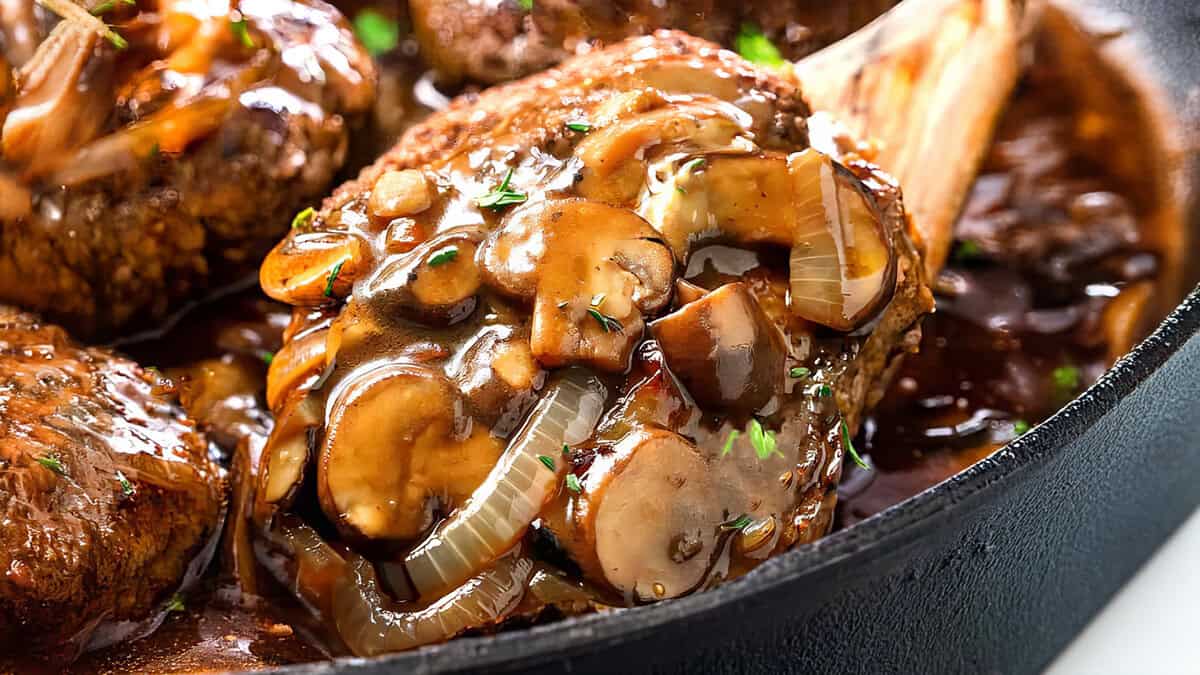
Salisbury steak offered families the feeling of a steak dinner while using inexpensive ground beef stretched with bread crumbs and seasonings. The oval-shaped patties were covered in mushroom or onion gravy and almost always served with mashed potatoes. Although homemade versions still exist, the dish has become more closely associated with frozen TV dinners and school cafeterias than with home cooking.
Swiss Steak
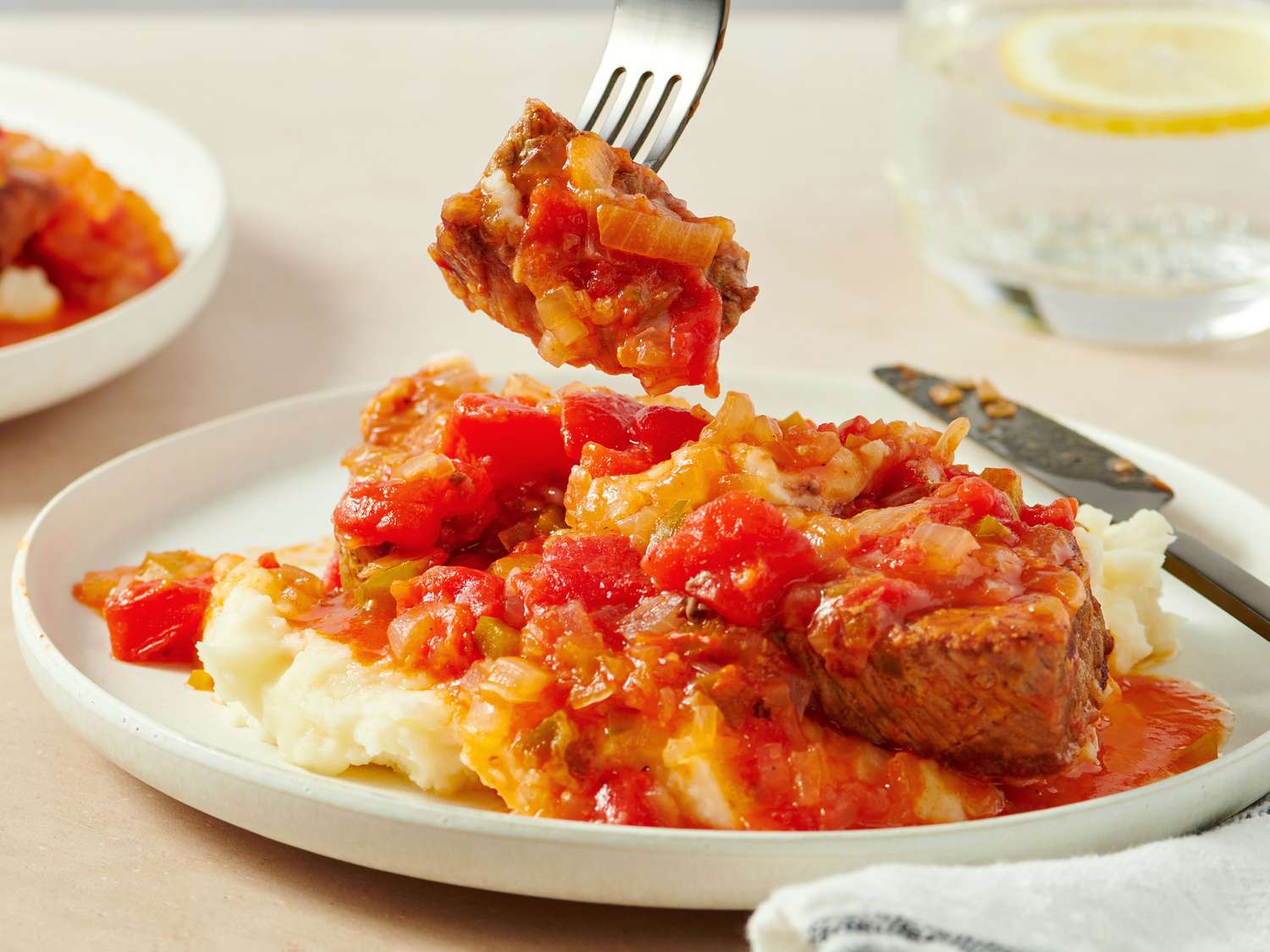
Swiss steak transformed an inexpensive cut of beef into a comforting family supper through slow cooking. After being tenderized, the meat was braised with tomatoes, onions, celery, and peppers until it became fork-tender. The lengthy preparation that once made the meal worthwhile feels far less practical today, with busy families often choosing faster slow-cooker recipes, pot roast, or shredded beef instead.
Stuffed Bell Peppers
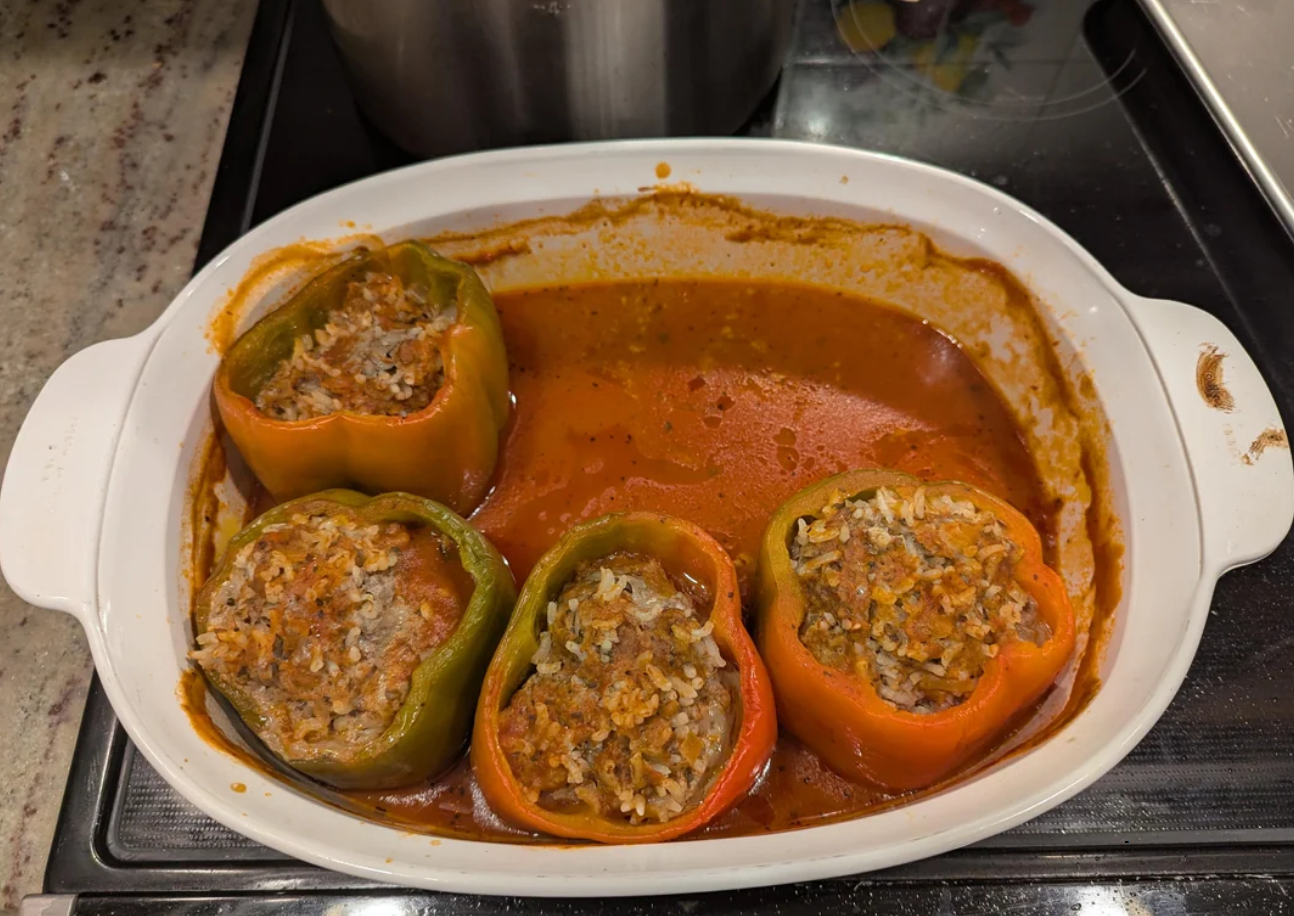
Stuffed bell peppers were an economical way to make a small amount of ground beef feed an entire family. Green peppers were filled with beef, rice or bread crumbs, tomatoes, and seasonings before being baked until tender. While stuffed peppers remain popular among some home cooks, they are now more commonly associated with meal prep or healthier eating than everyday family dinners.
Trending on Cheapism

Porcupine Meatballs
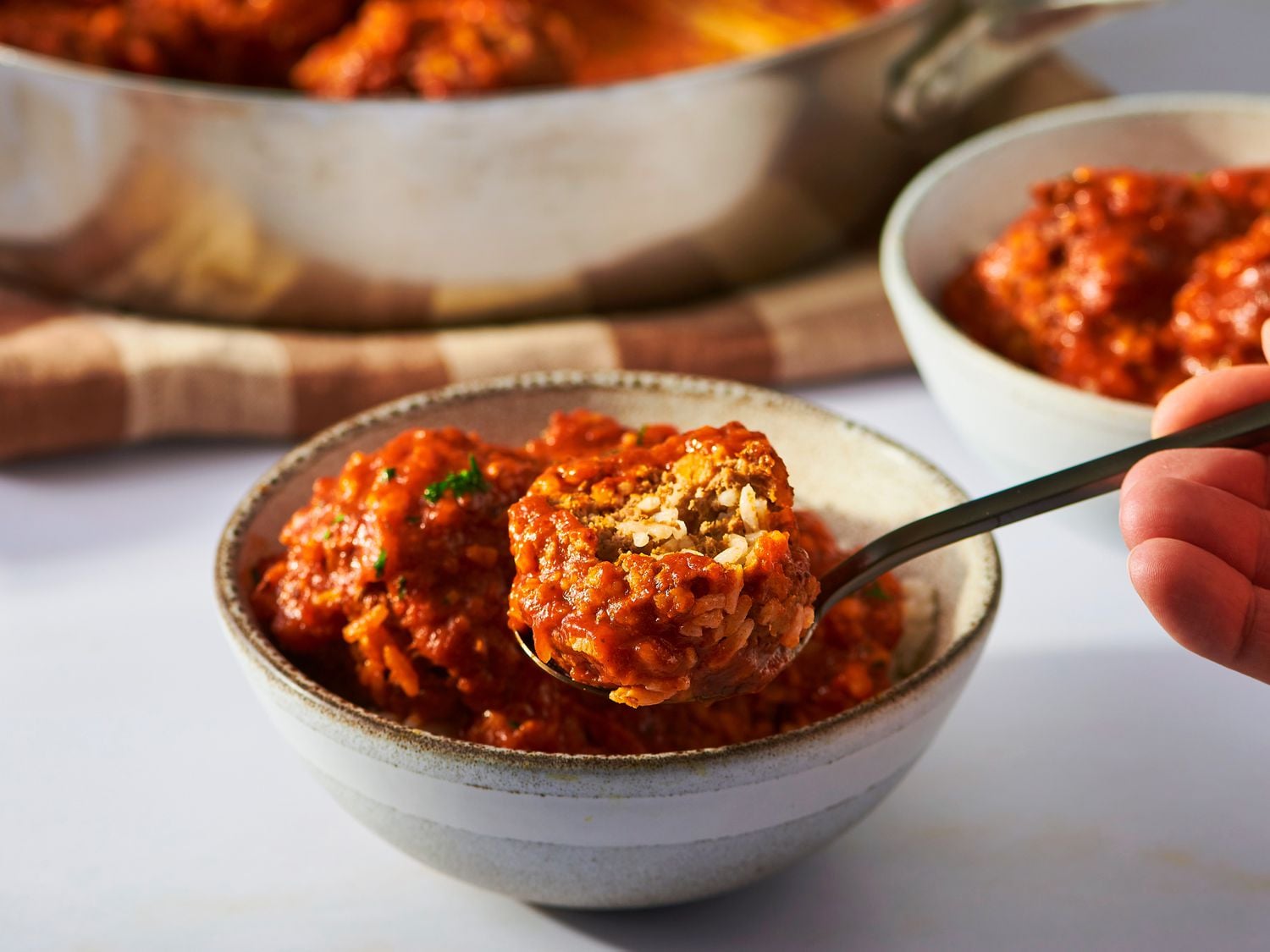
Porcupine meatballs earned their memorable name from the grains of rice that poked through the meat as they cooked. Mixing uncooked rice into ground beef allowed families to stretch their grocery budget while creating a filling meal simmered in tomato sauce or condensed tomato soup. The playful appearance appealed to children, but modern families generally favor Italian meatballs, Swedish meatballs, or pasta dishes instead.
Ham Loaf With Sweet Glaze
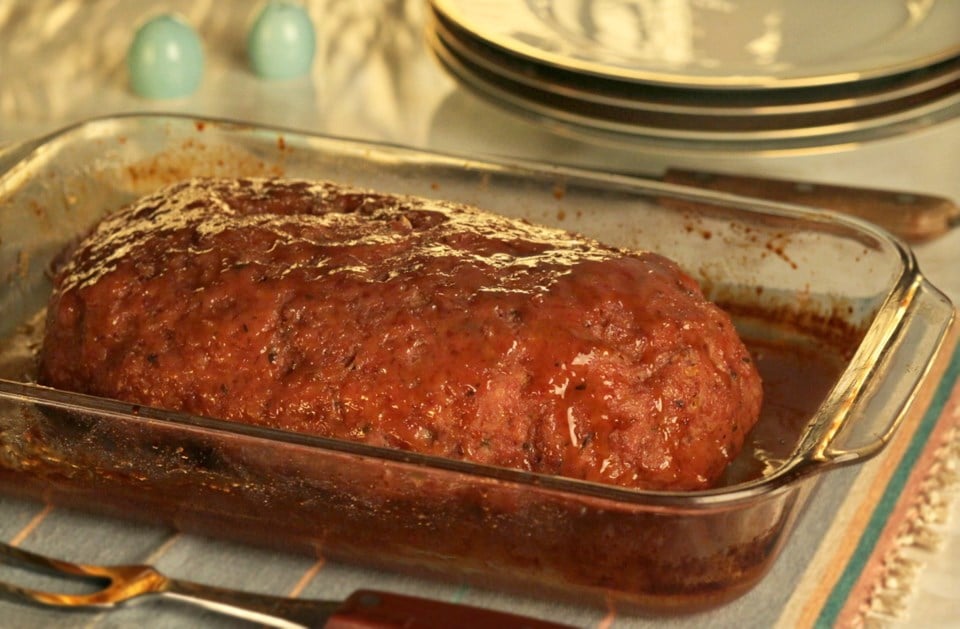
Ham loaf combined ground ham with pork or beef before topping it with a sweet glaze made from brown sugar, mustard, pineapple, or fruit preserves. Particularly popular in Pennsylvania Dutch communities, it offered a creative way to use leftover ham while feeding a crowd. Today, sliced ham, pulled pork, or traditional meatloaf have become much more common choices than this once-beloved regional favorite.
Chicken Tetrazzini
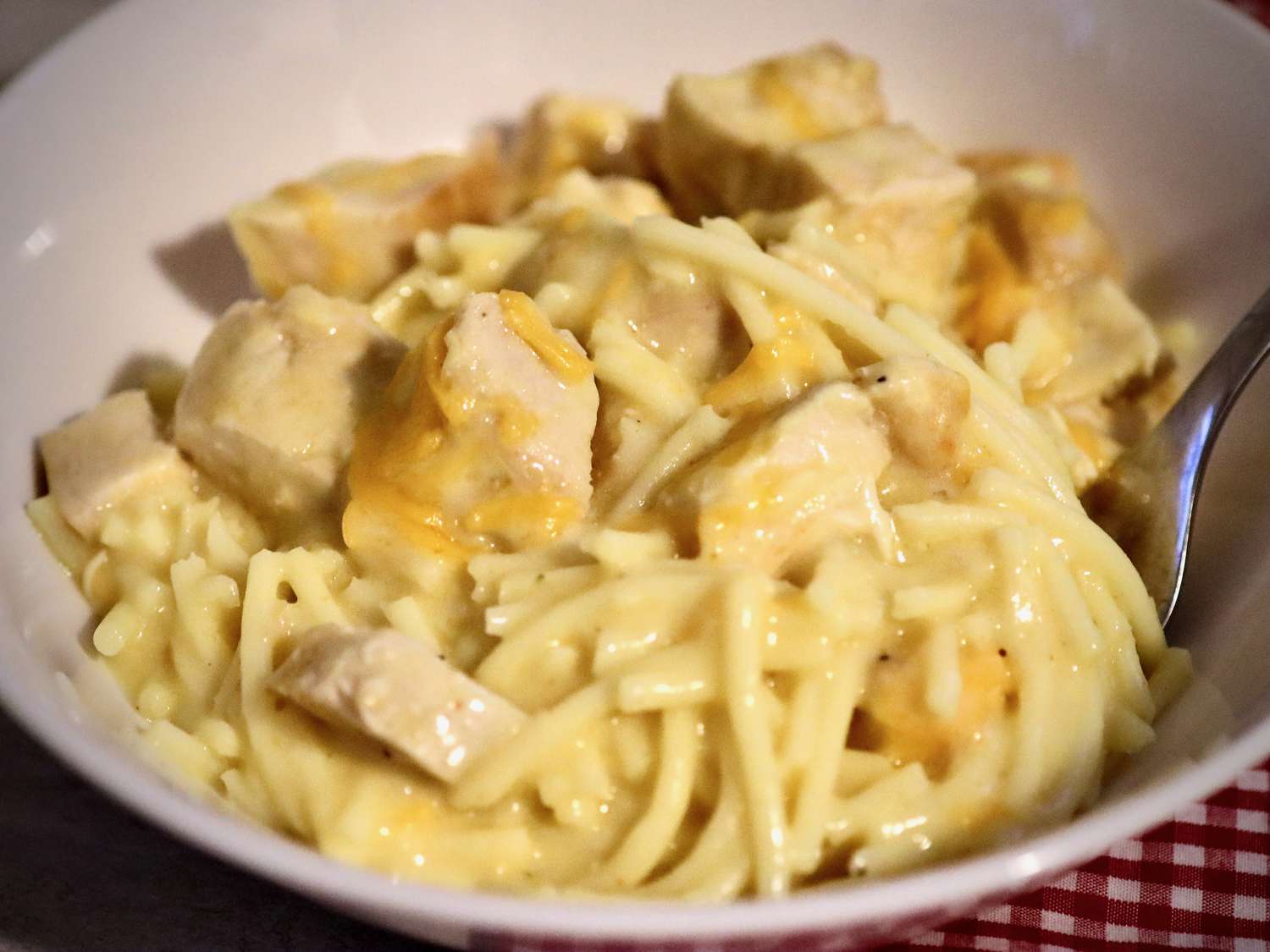
Rich, creamy, and filling, chicken tetrazzini turned leftover roast chicken or turkey into an entirely new meal. Pasta, mushrooms, cheese, and a cream sauce were baked together into a hearty casserole that could easily feed a large household. Although it still appears on some holiday tables, lighter pasta dishes and quicker leftover recipes have pushed tetrazzini out of most regular meal rotations.
Sign up for our newsletter
Meatloaf With Mashed Potatoes and Canned Vegetables
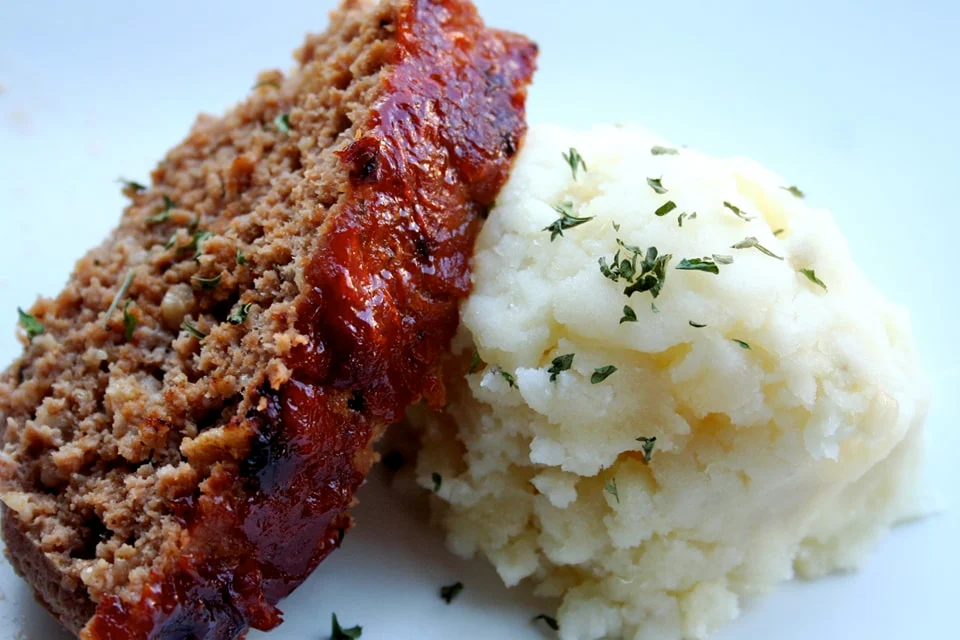
Few dinners were more iconic during the 1950s than a thick slice of meatloaf served alongside mashed potatoes and canned green beans or peas. Bread crumbs, eggs, onions, and milk stretched the meat while creating enough leftovers for sandwiches the following day. Meatloaf itself remains popular, but the complete meat-and-two-sides dinner has become much less common as modern families embrace quicker and more varied meals.
Welsh Rarebit With Tomato Soup
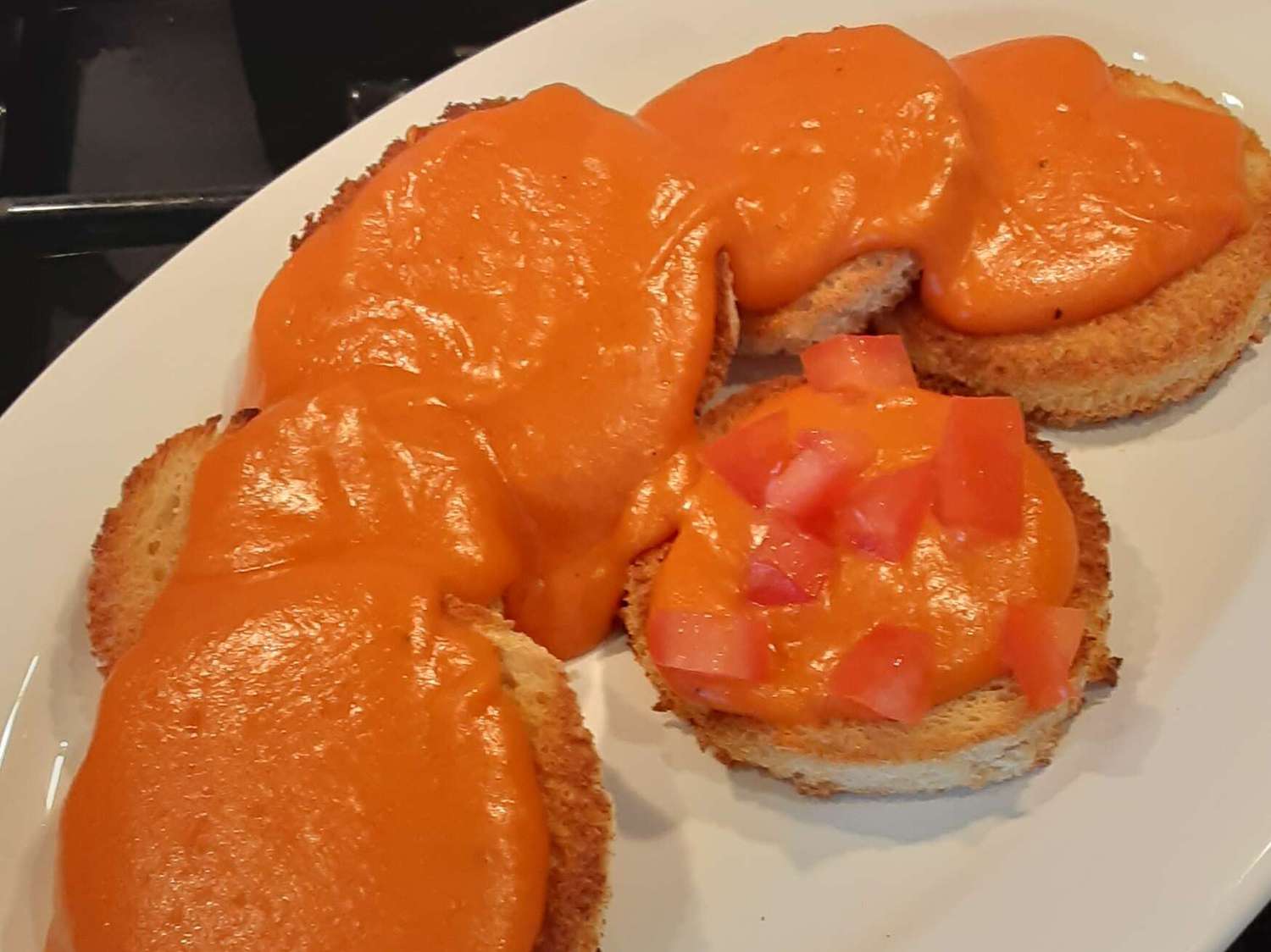
Welsh rarebit elevated simple toast with a rich cheese sauce flavored with mustard, milk, or even beer. Paired with tomato soup or a small salad, it became a satisfying lunch or light supper that relied on inexpensive pantry ingredients. Although the dish survives in some regions, grilled cheese sandwiches have largely replaced it as America’s favorite cheese-and-bread comfort meal.
Chicken Pot Pie
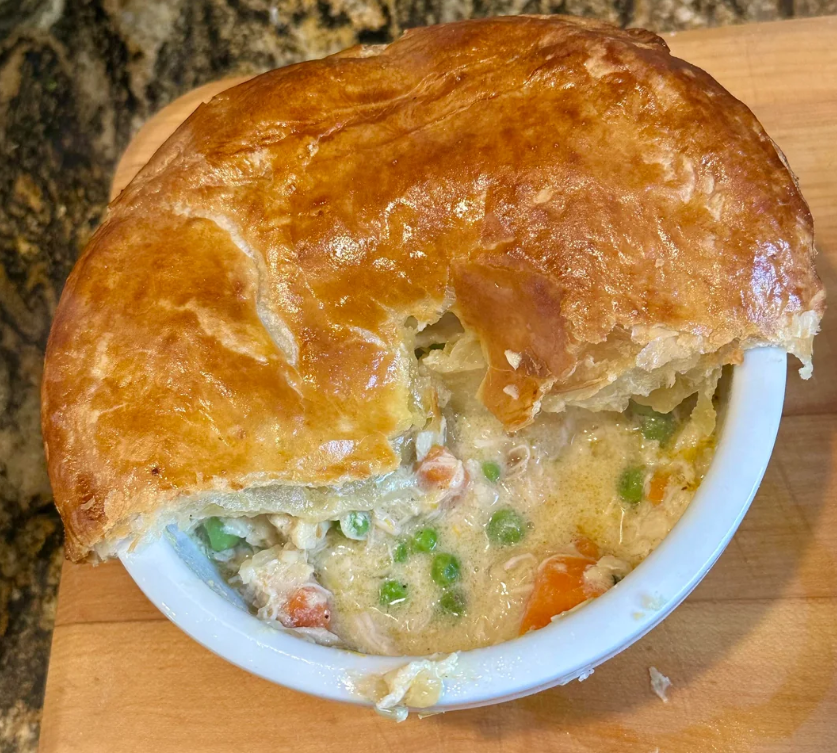
Chicken pot pie wrapped chicken, vegetables, and creamy gravy inside a flaky pastry crust to create a complete meal in a single dish. Homemade versions were popular throughout the decade, while frozen pot pies also became increasingly common as convenience foods expanded. Today’s shoppers still buy frozen pot pies, but homemade versions appear far less often thanks to the time required to prepare both the filling and pastry.
American Chop Suey
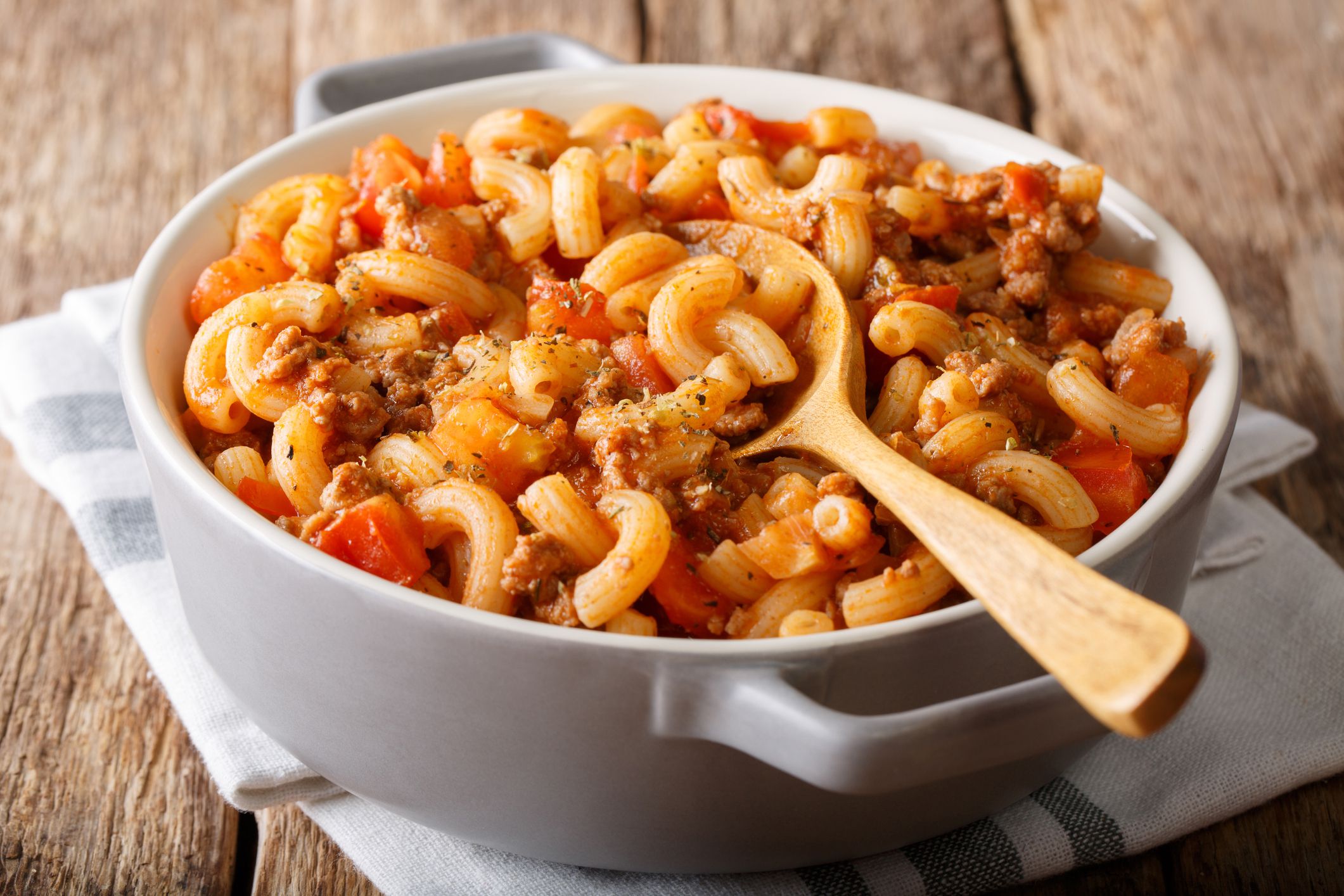
Despite its name, American chop suey had little connection to Chinese cuisine. The hearty skillet meal combined ground beef, elbow macaroni, peppers, onions, and tomato sauce into an affordable dinner that could feed an entire family. Similar dishes still exist under names like goulash, chili mac, or hamburger pasta, but the original title and recipe have become increasingly uncommon outside New England.
Fish Sticks With Mashed Potatoes and Canned Peas
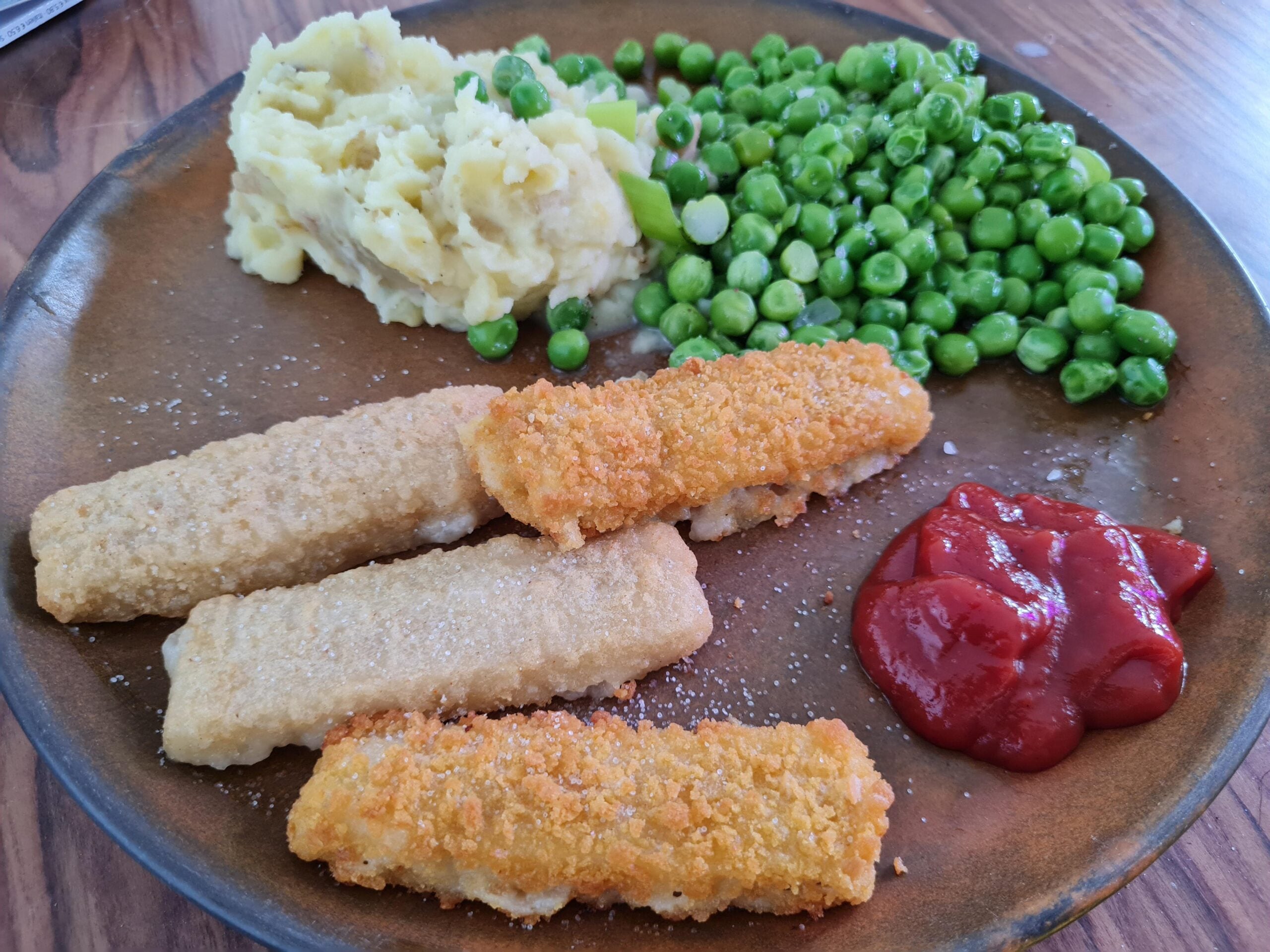
When fish sticks arrived in the early 1950s, they quickly became one of the decade’s biggest convenience-food successes. Families appreciated having a mild seafood option that children could enjoy without worrying about bones, especially when paired with instant mashed potatoes and canned peas. Although fish sticks remain available today, they’re no longer viewed as an exciting centerpiece for family dinners.
A Swanson-Style TV Dinner
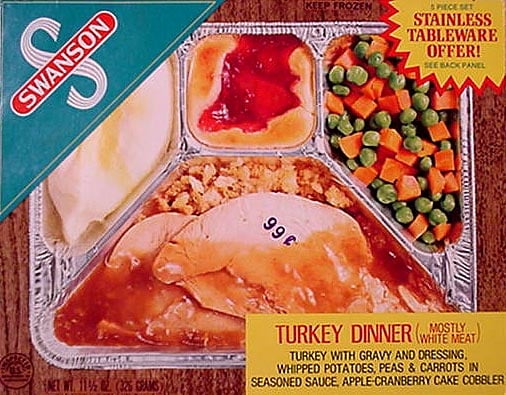
The introduction of the frozen TV dinner completely changed the way many families thought about convenience. Turkey, stuffing, peas, and sweet potatoes arrived neatly separated in aluminum trays that could be heated in the oven while families gathered around the television. Frozen dinners remain popular, but today’s versions offer far more variety and are designed primarily for microwave cooking rather than leisurely oven baking.
Creamed Chipped Beef on Toast
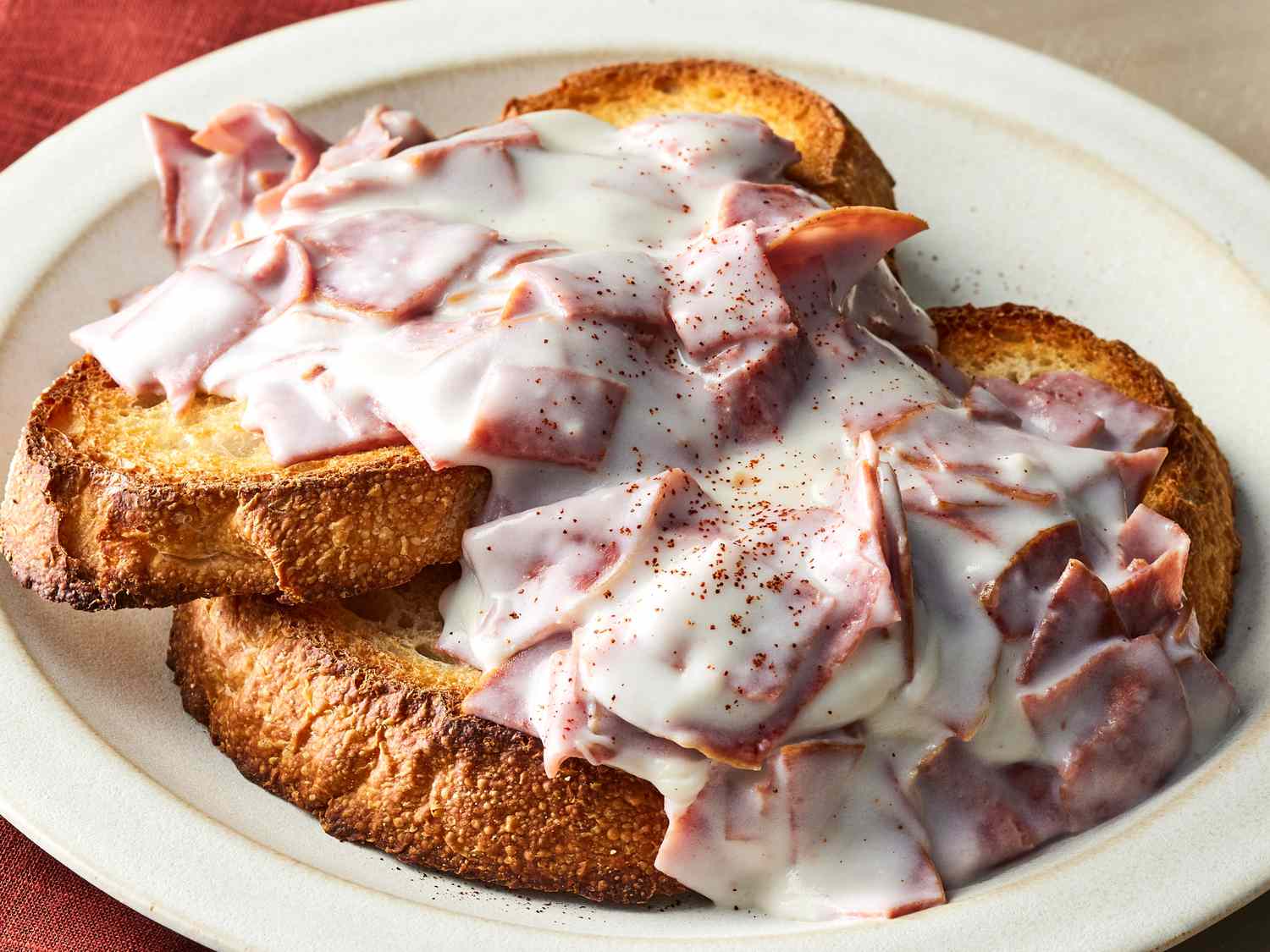
Creamed chipped beef on toast turned dried beef, butter, flour, and milk into a filling dinner that relied almost entirely on shelf-stable ingredients. Popularized by returning veterans who had eaten the dish during military service, it offered an inexpensive way to feed a family with minimal preparation. Today, its salty flavor and creamy gravy make it more of a nostalgic comfort food than a regular dinner choice.
Why These Vintage Meals Still Matter
Many of these dinners reflected the priorities of 1950s family life: feeding large households affordably, making the most of pantry staples, and embracing the convenience of newly available packaged foods. While tastes have changed and fresh ingredients, international cuisines, and takeout have reshaped the modern dinner table, these classic meals remain a fascinating reminder of an era when casseroles, creamy sauces, and economical recipes defined American home cooking. Whether remembered with fondness or curiosity, they continue to tell the story of how families gathered around the table during one of the country’s most influential decades.