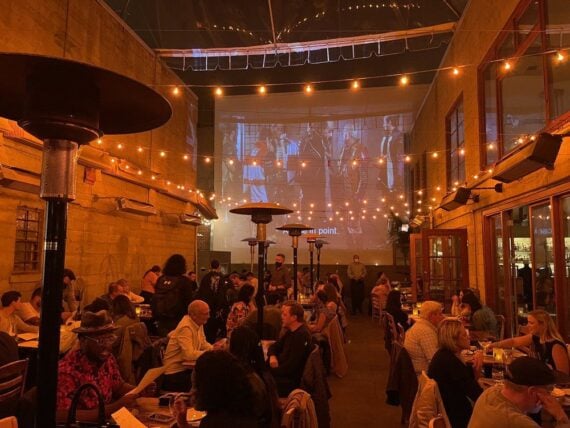
Eating out used to come with a whole set of rituals that made dinner feel like an occasion. Servers tossed Caesar salads tableside, dessert carts rolled between tables, and a maitre d’ might know regulars by name. Some of these restaurant traditions are still hanging on. Wisconsin’s supper clubs, for example, continue to preserve old-school touches such as relish trays and leisurely dinners. But as restaurants have become faster, more casual, and more technology-driven, plenty of once-familiar customs have become increasingly rare. Here are 15 restaurant traditions younger diners may never get to experience quite the same way.
Tableside Caesar Salad
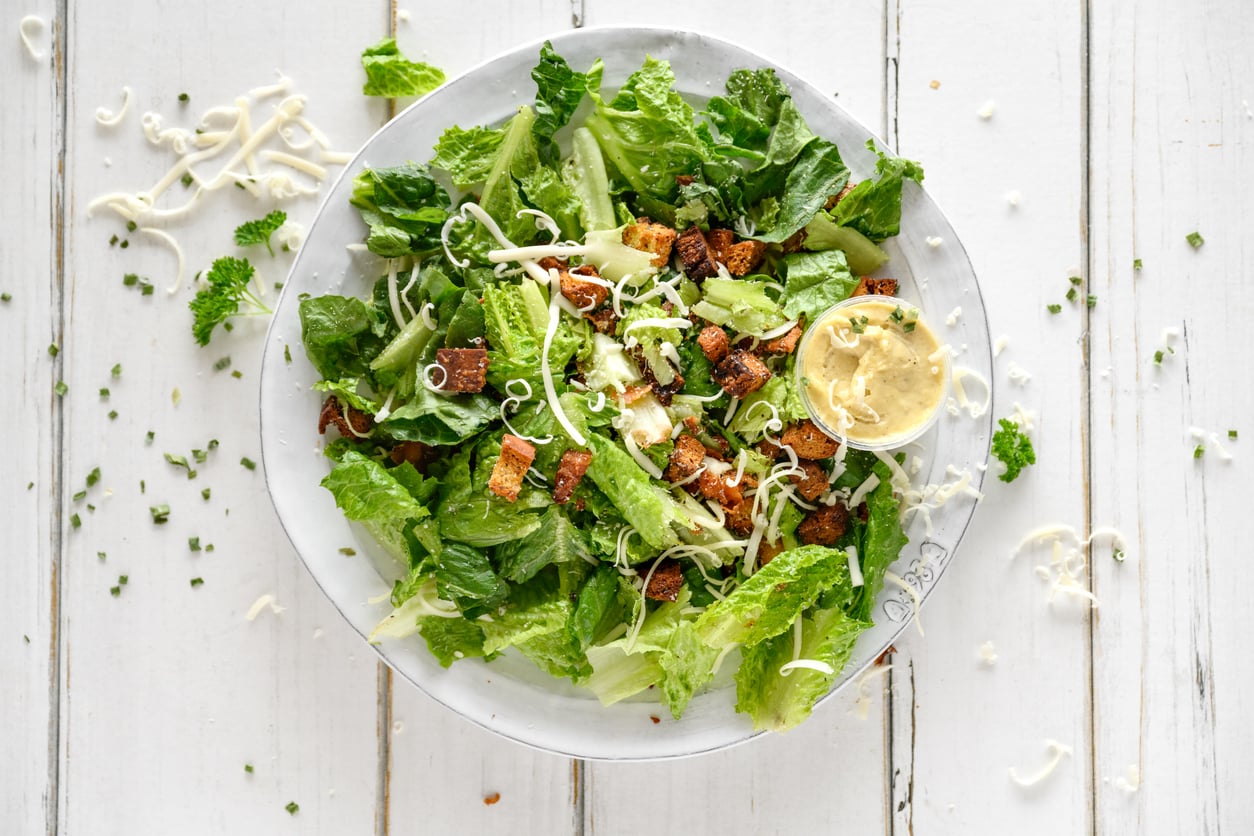
There was a time when ordering a Caesar salad could bring a small performance to your table. A server would arrive with a cart and prepare or toss the salad right in front of diners rather than simply carrying a finished plate from the kitchen. The ritual goes all the way back to the salad’s origins in Tijuana in 1924, and Caesar’s Restaurant still prepares its famous version tableside today. It takes more staff time and dining-room space, however, making the spectacle considerably less common in everyday restaurants.
Dessert Carts
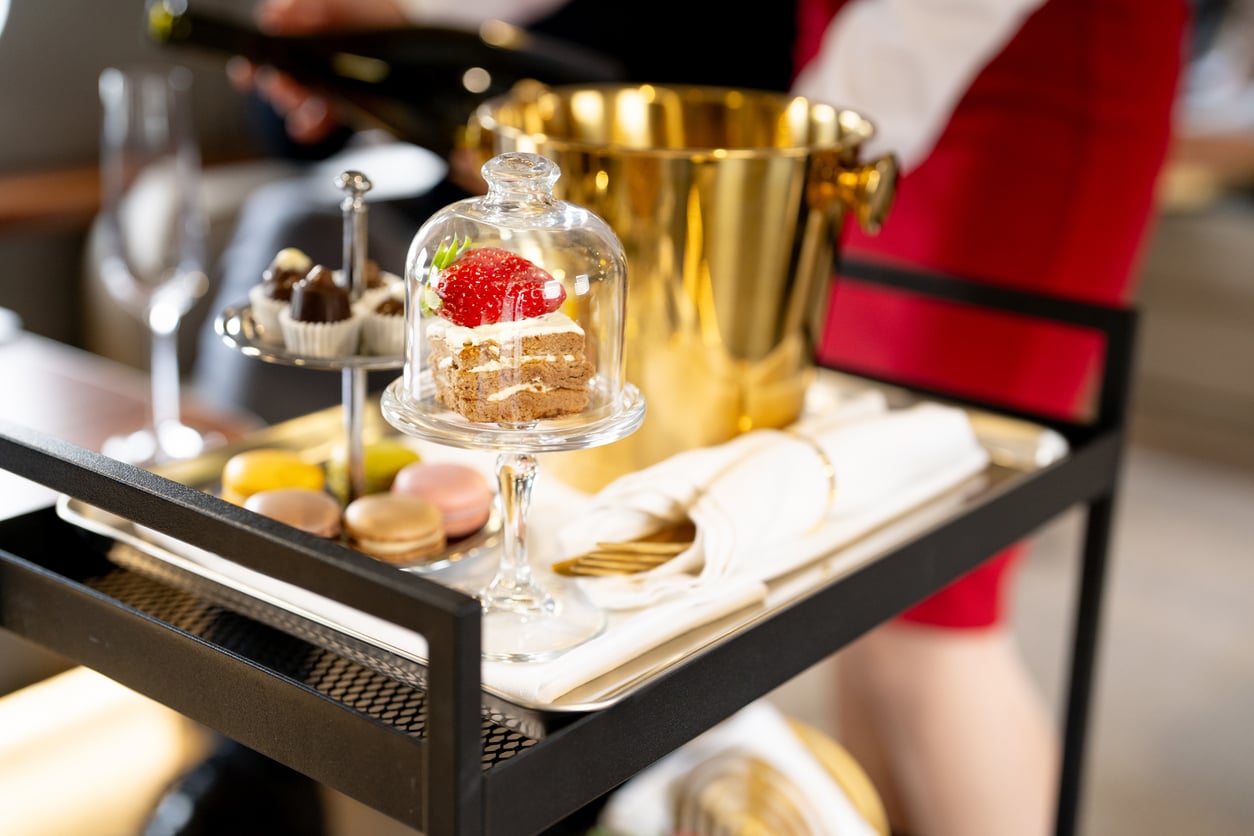
Why read about the chocolate cake when someone could roll the whole thing up to your table? Dessert carts and trolleys allowed diners to inspect slices of cake, pies and other sweets before making the final decision. It turned ordering dessert into an event and made resisting considerably harder. The carts never completely disappeared, and some upscale restaurants are embracing trolley service again, but most diners today are more likely to choose dessert from a printed or digital menu.
Relish Trays Before Dinner
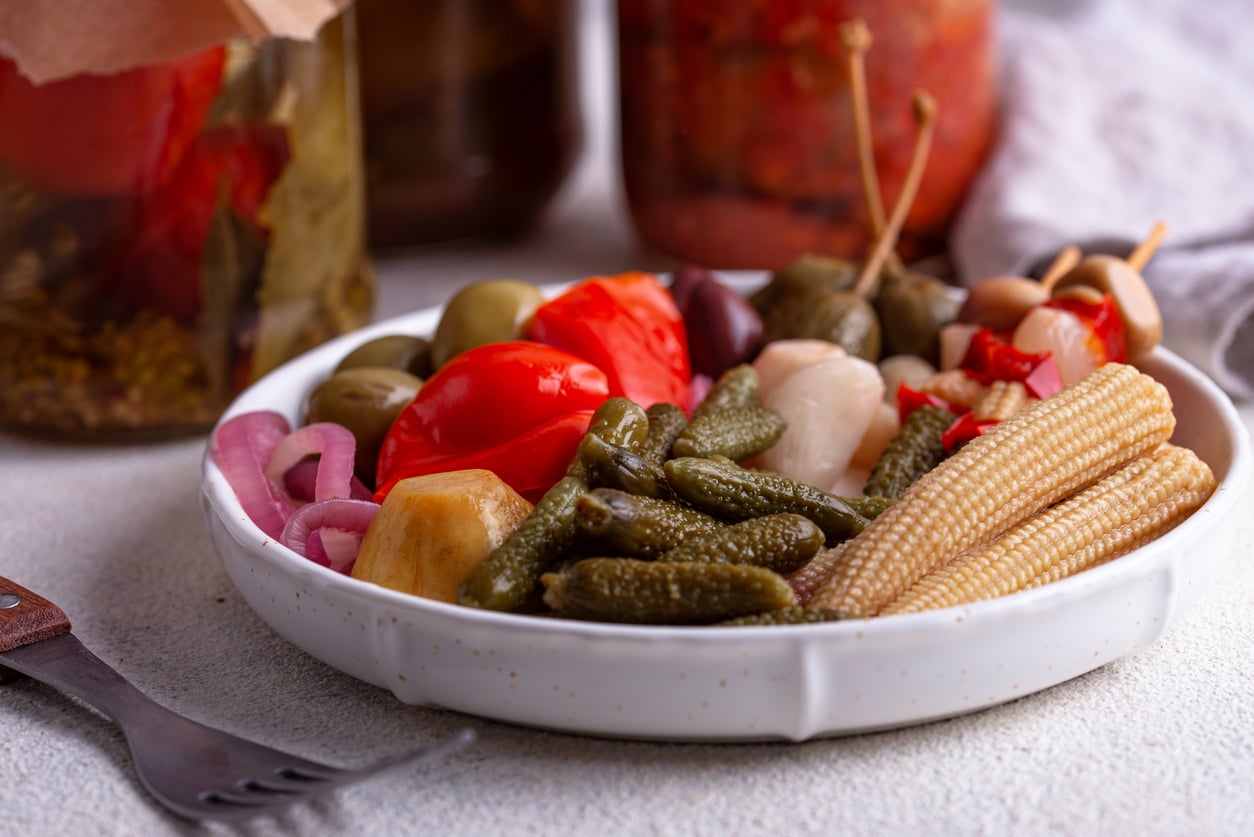
Carrots, celery, radishes, olives and pickles once arrived as a complimentary nibble at many Midwestern supper clubs. The relish tray is far from dead: It remains such a recognizable part of Wisconsin supper-club culture that its absence can still spark debate over whether a restaurant qualifies as a proper supper club. Outside those holdouts, however, automatically receiving a free assortment of vegetables and pickles before dinner has become an unusual sight.
A Free Bread Basket Without Asking
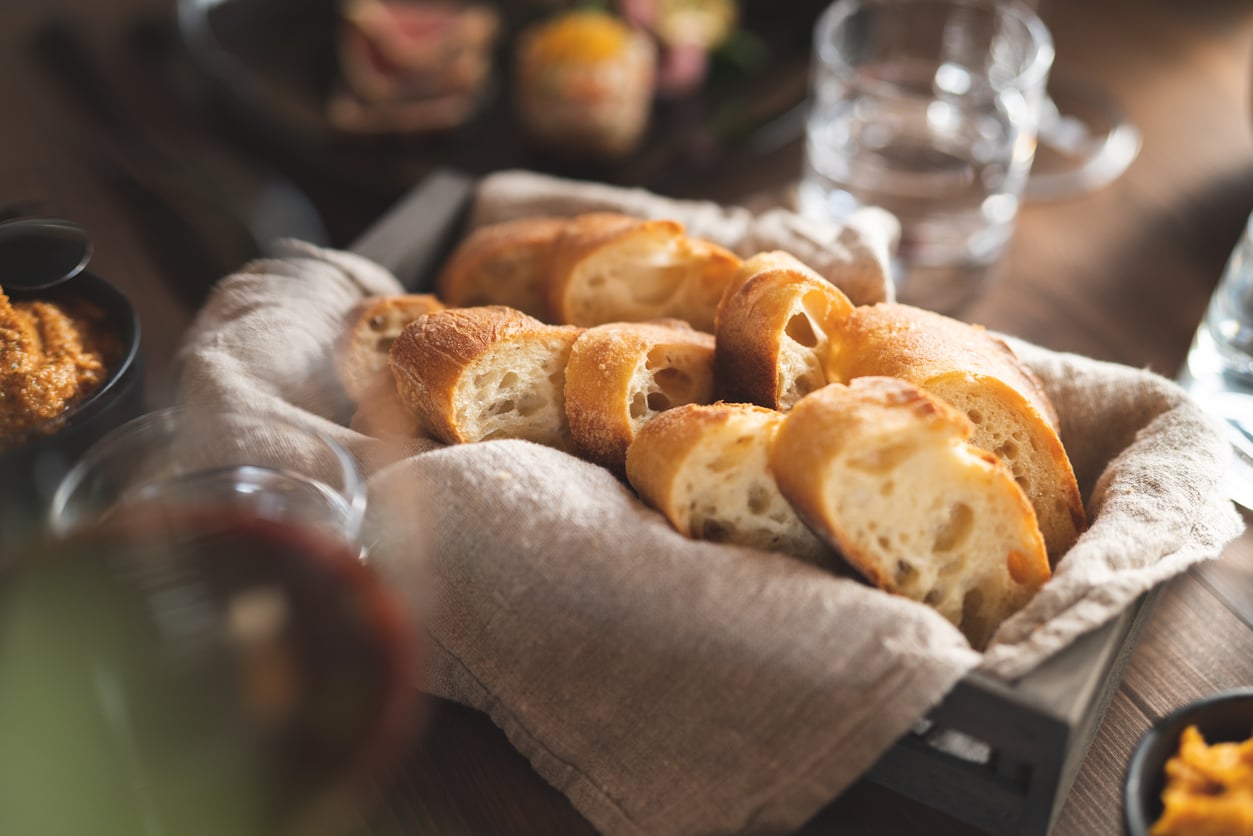
For many diners, the arrival of warm rolls or sliced bread and butter was once simply the opening act of dinner. Nobody had ordered it, and nobody expected to see it listed separately on the check. Complimentary bread certainly hasn’t vanished, particularly at traditional Italian restaurants, steakhouses and chains, but it can no longer be assumed. Some restaurants have dropped automatic bread service, provide it only when requested or sell a more elaborate bread course instead.
Captains and Formal Dining-Room Hierarchies
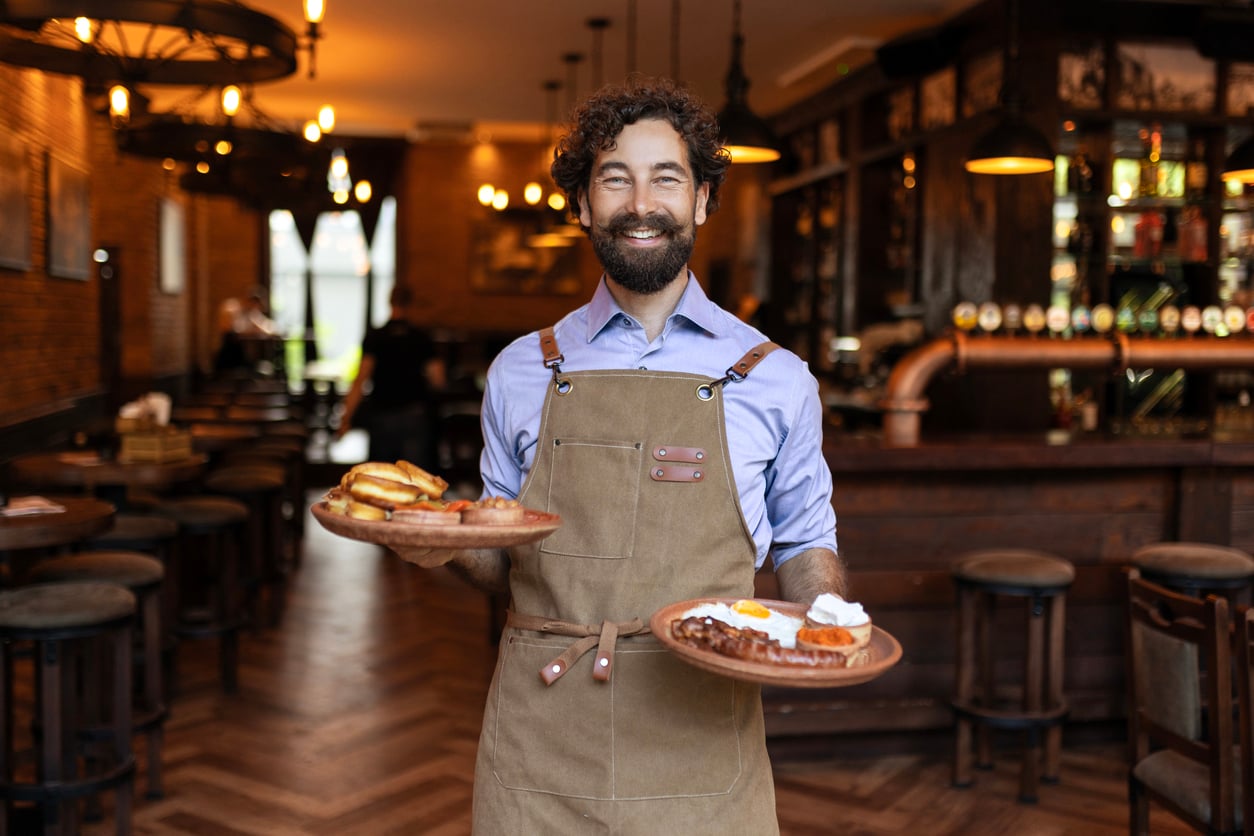
A formal dining room could once involve a surprisingly large cast. A maitre d’ oversaw the room, captains supervised sections, waiters took care of guests and bus staff handled supporting duties. Experienced dining-room professionals could also carve meat, debone fish or prepare dishes tableside. Many restaurants have since streamlined those roles, leaving individual servers responsible for considerably more of the meal. The elaborate hierarchy survives in some luxury restaurants, hotels and cruise ships, but it is far removed from the service model most diners encounter today.
Trending on Cheapism
Tableside Flambé
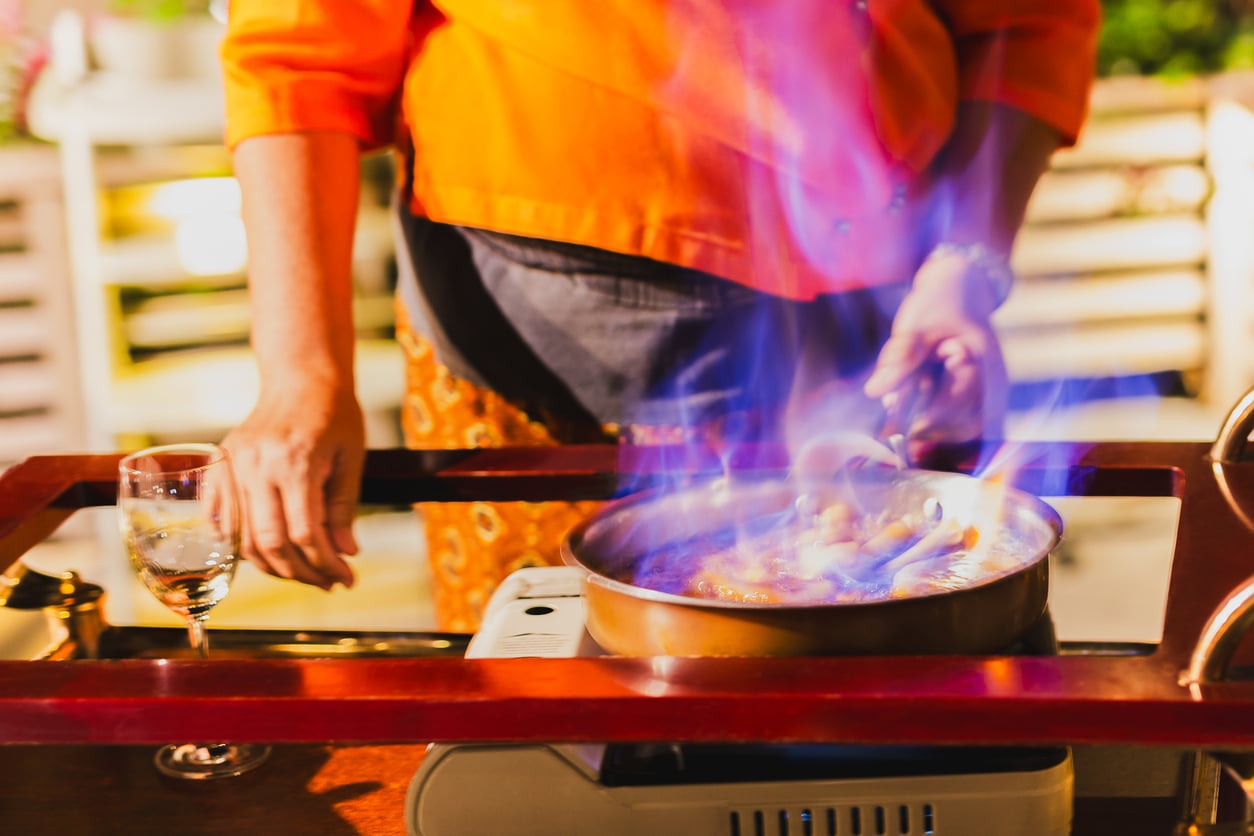
Few desserts can compete with one that suddenly catches fire a few feet from your chair. Cherries Jubilee, Crepes Suzette and Bananas Foster helped make flambé one of the great spectacles of old-school dining. The style fell out of favor as restaurant service became less theatrical, but this is one tradition enjoying a modest comeback. Brennan’s still prepares Bananas Foster tableside, while other restaurants have revived flaming classics partly because diners once again enjoy the show.
Calling for a Reservation and Getting Written Into a Book

Before reservation apps, securing Saturday dinner meant picking up the telephone. Someone at the restaurant answered, checked a physical book and penciled in your name and party size. That began changing rapidly with online reservation systems; OpenTable, founded in 1998, now says its network includes more than 70,000 restaurants, bars, wineries and other venues worldwide. Restaurants still take phone reservations, of course, but having every booking live inside a handwritten ledger is increasingly a throwback.
A Maitre d’ Who Actually Knew the Regulars

At an old-school restaurant, a great maitre d’ wasn’t merely the person asking whether you had a reservation. Regulars might be recognized immediately, along with their preferred table, drink or favorite dish. Historically, the maitre d’ could be one of the most important personalities in the entire dining room. Those relationships haven’t vanished, especially at longstanding independent restaurants, but computerized guest profiles and modern host stands have changed a role that once depended heavily on a remarkable human memory.
Sign up for our newsletter
Live Piano Music With Dinner
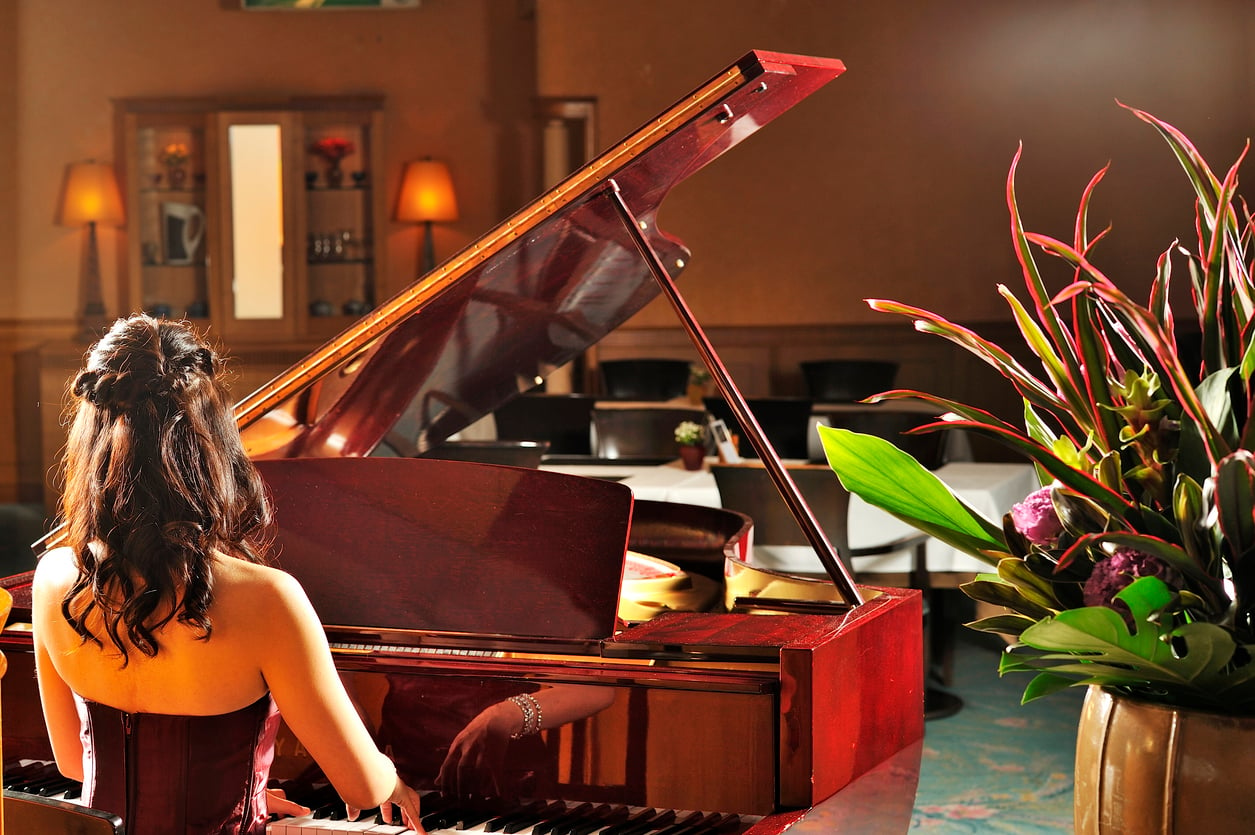
Dinner once came with its own soundtrack, and it wasn’t generated by a streaming playlist. Restaurants, hotel dining rooms and supper clubs could feature a pianist or small group playing while guests ate, drank and lingered. Mid-century supper clubs sometimes combined an entire evening of dining, music, dancing and entertainment. A few wonderful holdouts still preserve the idea, but paying live performers requires money and floor space that recorded music does not. For many younger diners, dinner beside a real piano now feels like a special novelty.
Servers Crumbing the Table
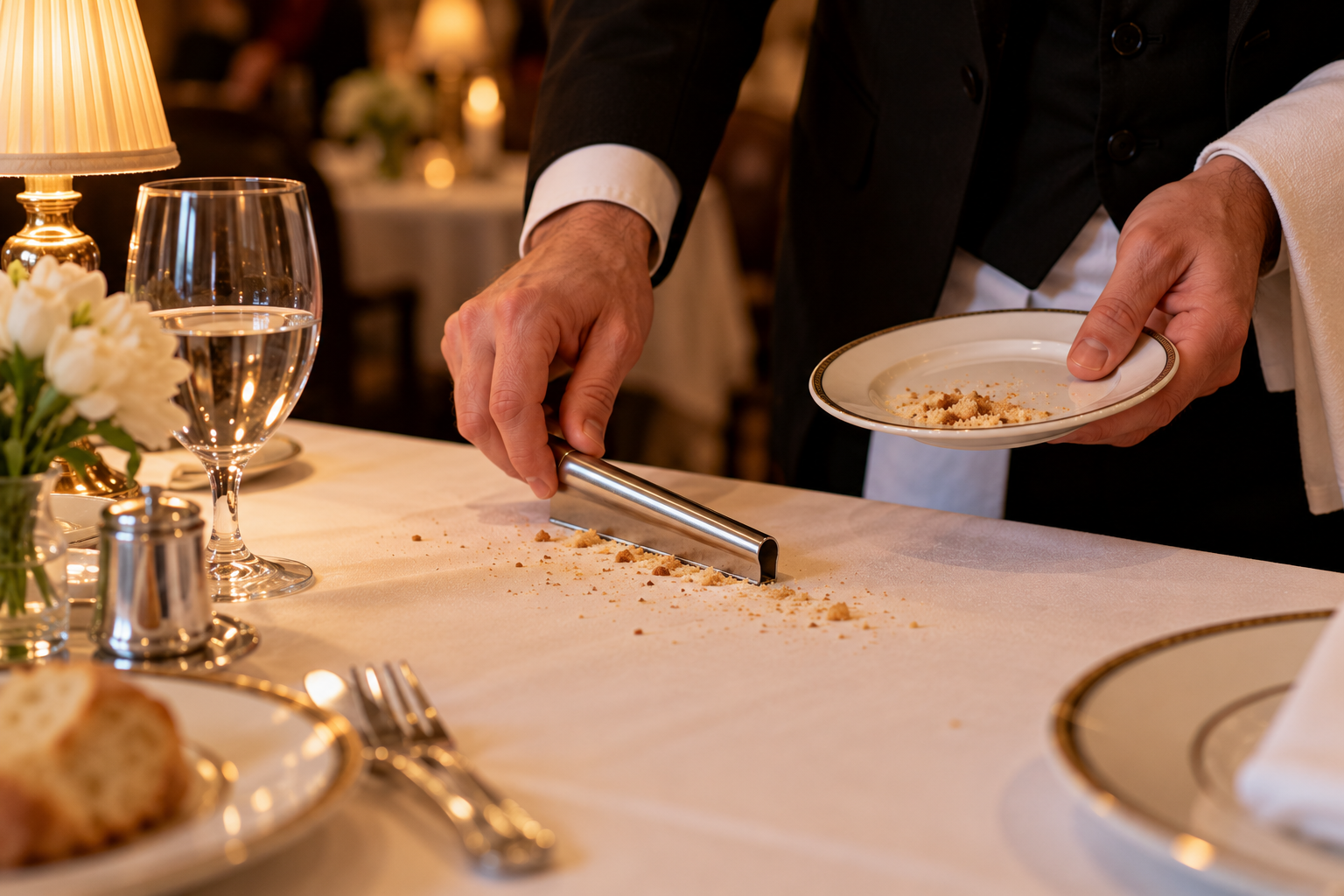
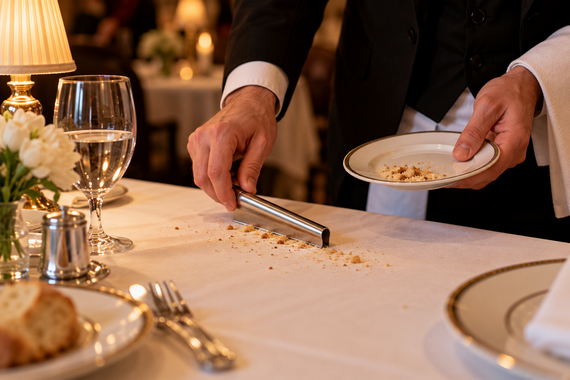
One of fine dining’s smallest rituals involved a tool many younger diners have probably never seen: the table crumber. Between courses, a server would use a narrow metal scraper to sweep stray bread crumbs from the tablecloth, quietly resetting the table for what came next. The familiar metal version dates back at least to a patent filed in 1939. Crumbing hasn’t completely disappeared from formal restaurants, but as white tablecloth service has become less central to American dining, encountering the little silver tool has become much less routine.
Finger Bowls After a Messy Course
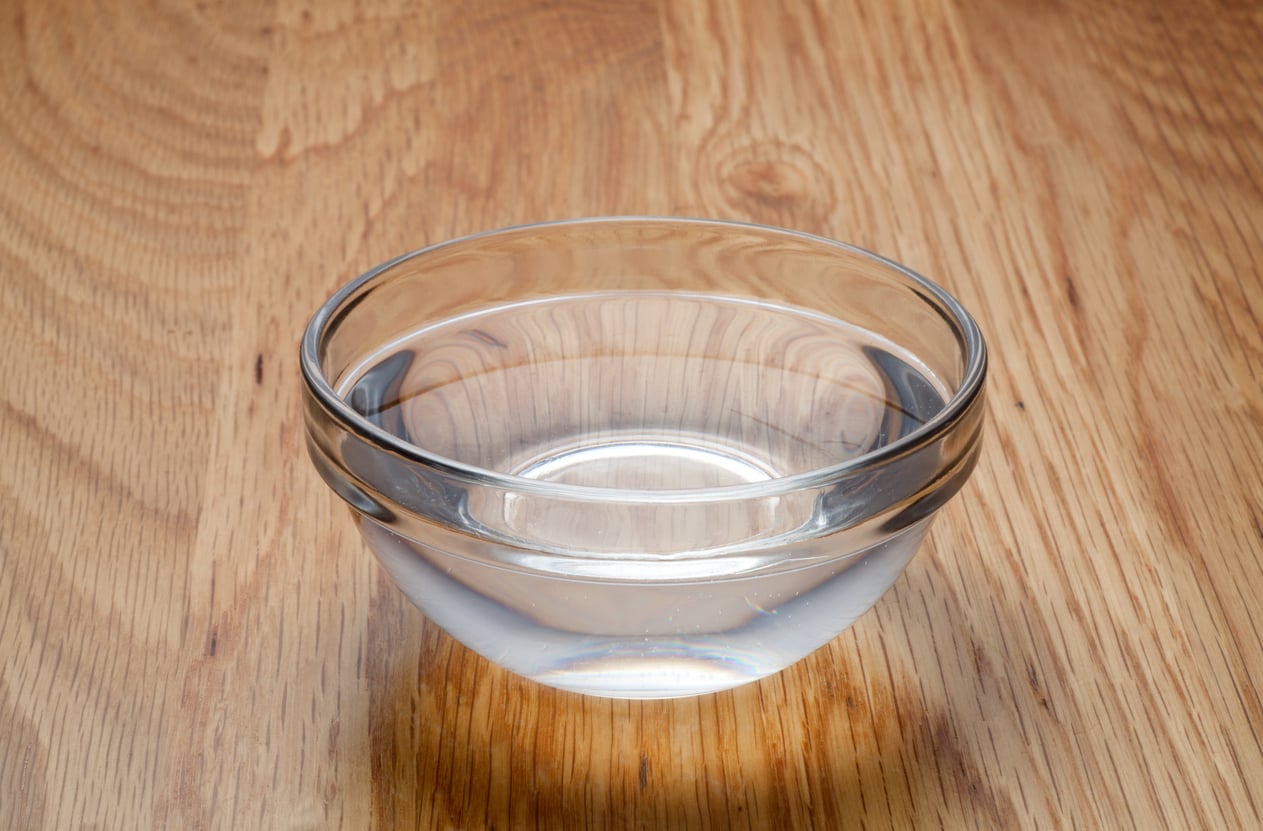
That little bowl of water wasn’t soup. Finger bowls allowed diners to rinse their fingertips at the table and were once part of formal American restaurant etiquette, particularly around meals involving food eaten by hand. They were common enough in expensive American restaurants in the early 20th century to function as a marker of upscale service. Their decline actually began much earlier than many traditions on this list, and today a wet towel or wipe is far more familiar to most American diners.
Matchbooks by the Register
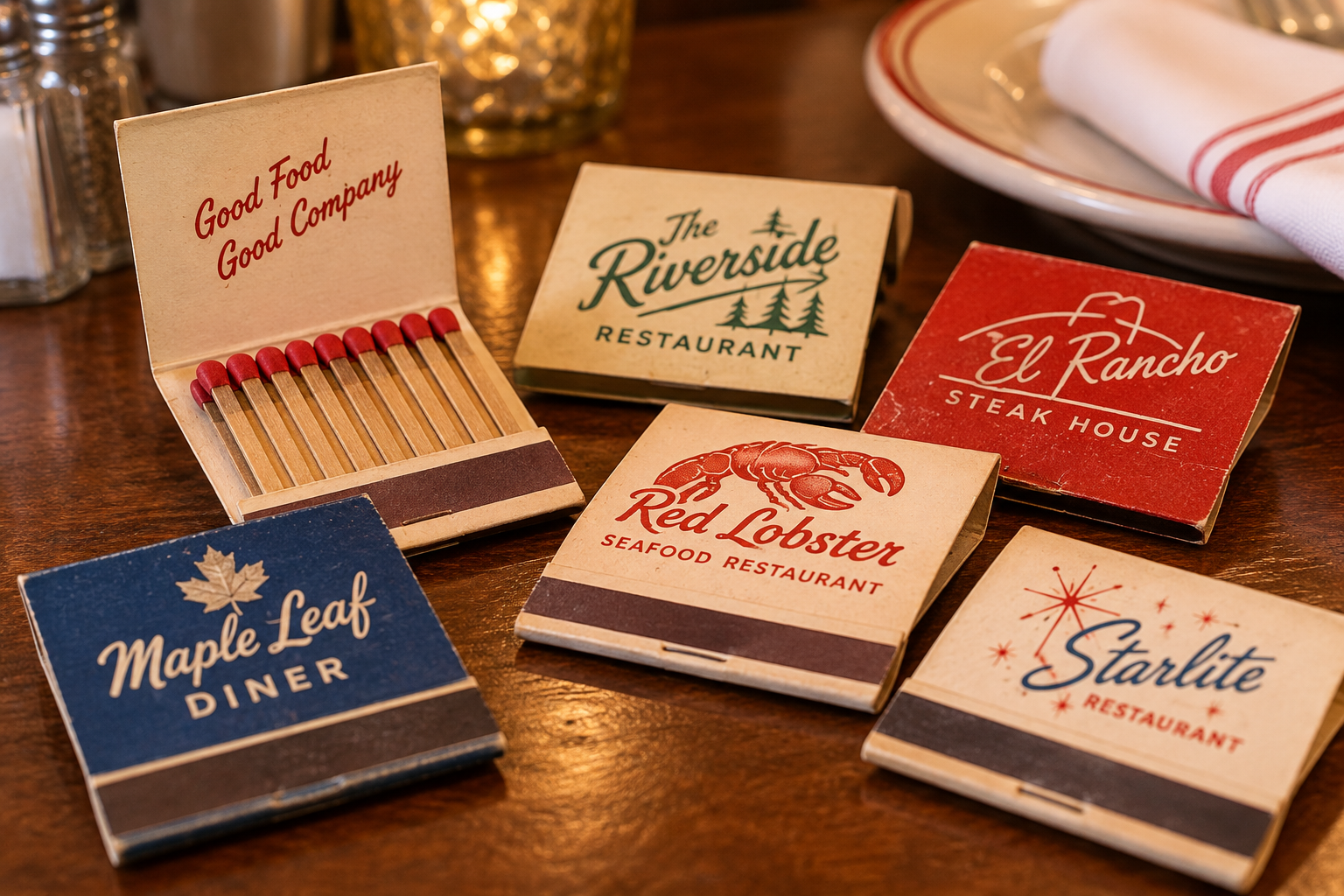
For decades, leaving a restaurant with a tiny branded matchbook was completely ordinary. Restaurants used them as inexpensive advertisements, while customers tucked them into pockets and purses and sometimes built sizable collections. Smoking restrictions and falling smoking rates greatly reduced their practical purpose, and many restaurants eventually stopped paying for them. Ironically, that has helped transform surviving restaurant matchbooks into nostalgic souvenirs and collectibles. Some restaurants still offer them precisely because they now feel so delightfully old-fashioned.
Tableside Carving and Deboning
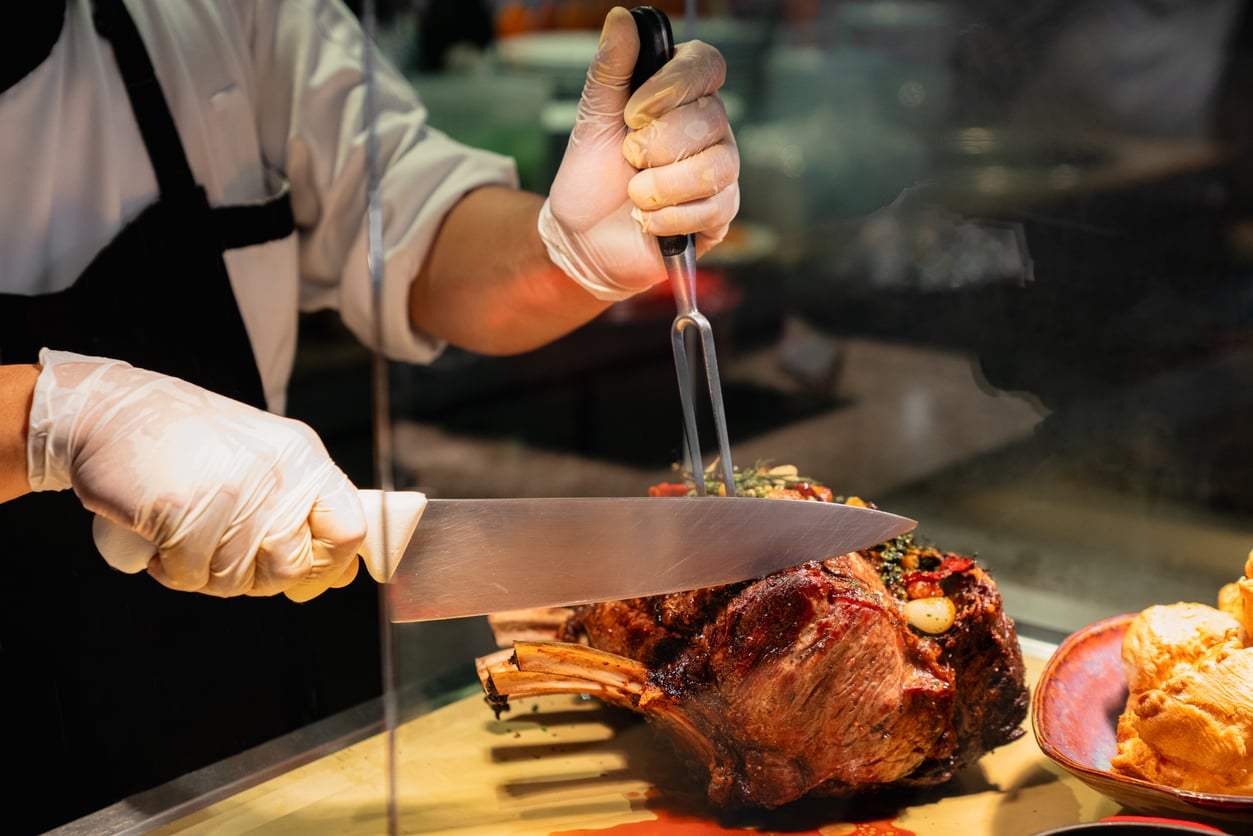
Ordering certain dishes once meant the final preparation happened in the dining room. Skilled servers or captains could carve a roast, portion a bird or debone a fish beside the table before transferring everything neatly onto diners’ plates. It required training, equipment and enough room to maneuver a service cart, but it also gave dinner a bit of theater. Classic tableside service still survives and has even attracted renewed interest at some upscale restaurants, but it is hardly a standard part of a modern restaurant meal.
The Check in a Leather Folder and Your Card Disappearing
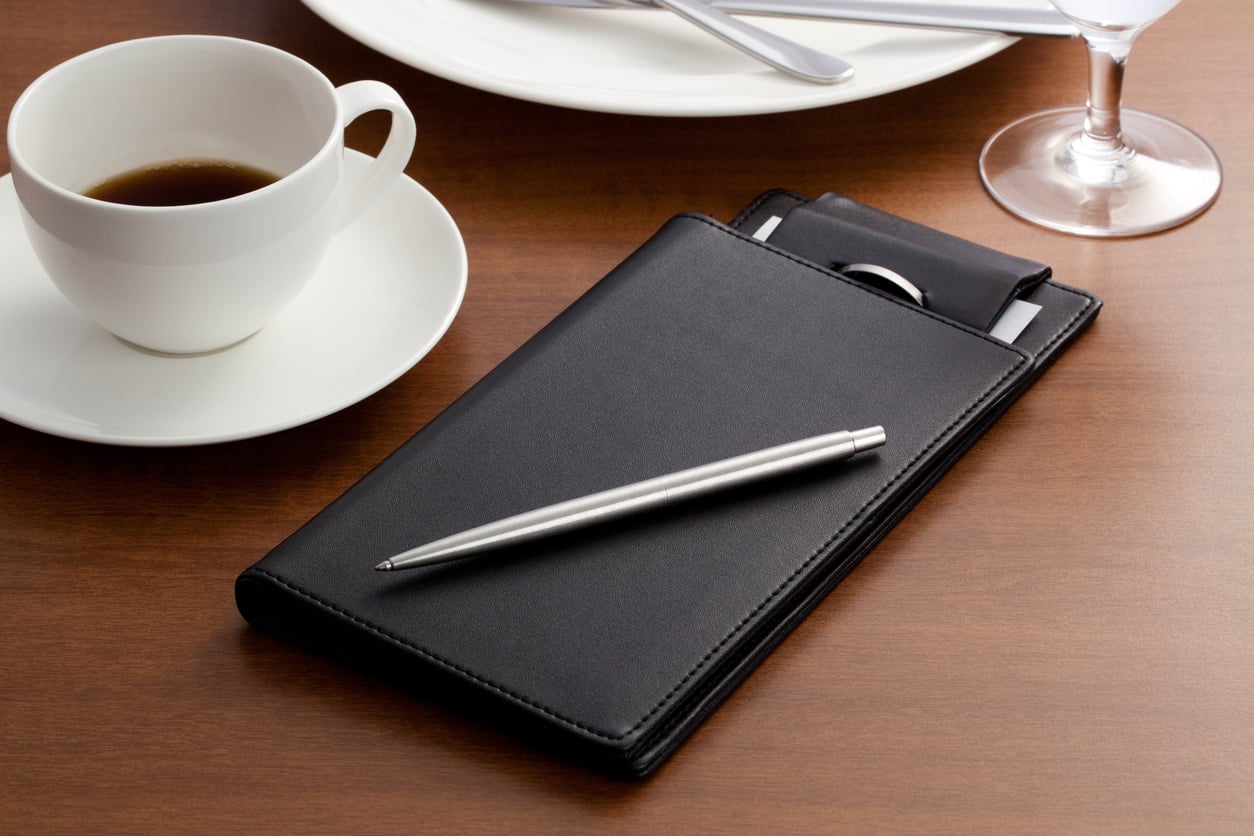
The end-of-dinner routine used to require patience. The server delivered a paper check, often tucked inside a leather folder, disappeared with your credit card and eventually returned with another slip requiring a signature and handwritten tip. That ritual remains familiar in plenty of American restaurants, so it isn’t gone yet. But handheld terminals and pay-at-the-table systems increasingly allow the entire transaction, including the tip, to happen in front of the diner without the card ever leaving the table.
Dressing Up Just to Go Out to Dinner
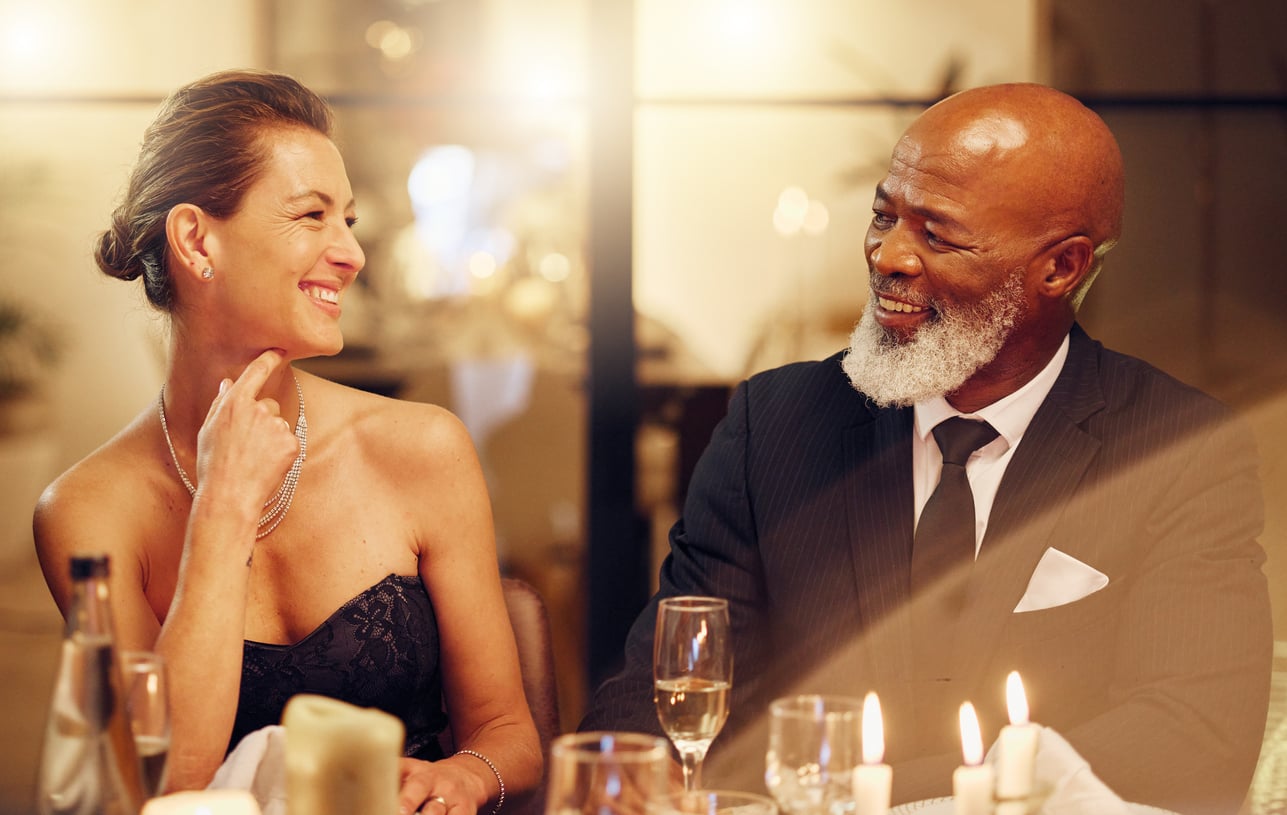
Going to a nice restaurant once offered a reason to pull out a jacket, dress and polished shoes even when nobody was celebrating a wedding. American dining gradually became more casual, with “come as you are” restaurants spreading widely by the 1960s and formal dress requirements later loosening even at many upscale establishments. Dress codes certainly still exist, but the expectation that an ordinary restaurant dinner itself calls for dressing up has weakened considerably. For diners who remember it, that little bit of ceremony helped make eating out feel like an occasion.