Restaurant prices are making people think twice before grabbing a table, but diners are finding ways to make the experience feel worthwhile again. A 2026 Toast survey found that 53 percent of diners are eating out less often, while only 18 percent think recent restaurant price increases are justified. Instead of giving restaurants up completely, people are getting more selective, looking for better deals, smarter ordering strategies, and meals that actually feel worth the splurge.
Going Out for Happy Hour Instead of Dinner
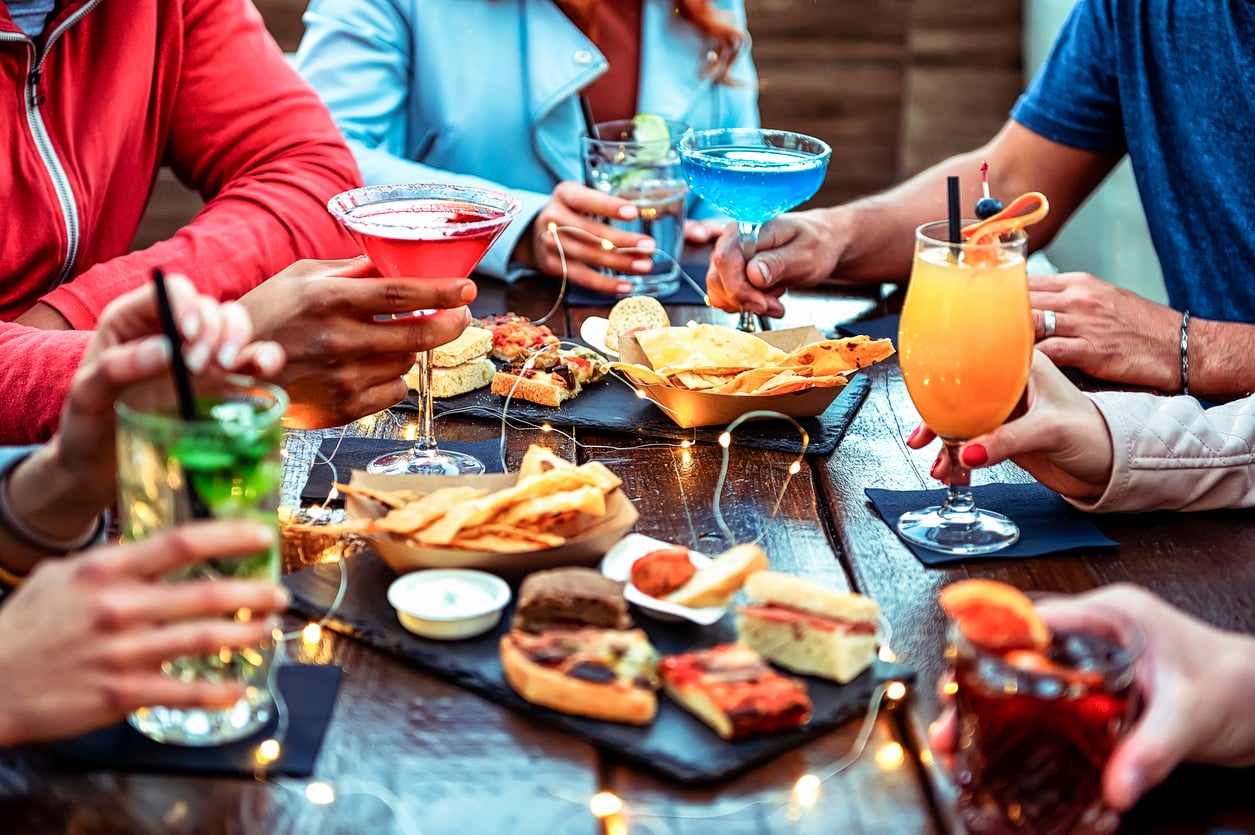
Happy hour is not just about discounted cocktails anymore. OpenTable found that dining between 4 and 4:59 p.m. increased 13 percent year over year, while 51 percent of Americans said they wanted to see more happy hour and value promotions in 2026. For diners with flexible schedules, an early meal can mean discounted appetizers, food specials, and drinks without giving up the pleasure of sitting down at a restaurant. Just check the menu first, since some happy hours slash drink prices while offering little or no discount on food.
Saving Restaurants for Actual Occasions

A mediocre Tuesday night dinner is harder to shrug off when the check approaches $100, so some diners are saving restaurants for occasions that actually feel worth celebrating. OpenTable found that 61 percent of Americans expect dining out to feel more like a special treat than a regular habit in 2026. Birthdays were the most common dining celebration in its data, while anniversary diners spent 40 percent more per person than those making an ordinary visit. Instead of abandoning restaurants, people can simply reserve the expense for meals they are more likely to remember.
Hunting Down a Deal Before Ordering

Coupons have not disappeared, but many of them have moved onto restaurant apps, websites, email lists, and loyalty accounts. The National Restaurant Association found that 40 percent of consumers were using more discounts or value promotions than usual in the third quarter of 2026, up from 35 percent in the previous quarter. Checking for buy one get one offers, family bundles, weekday specials, and limited time promotions before ordering can make a noticeable difference. The important part is not spending extra just because something happens to be discounted.
Joining the Loyalty Program
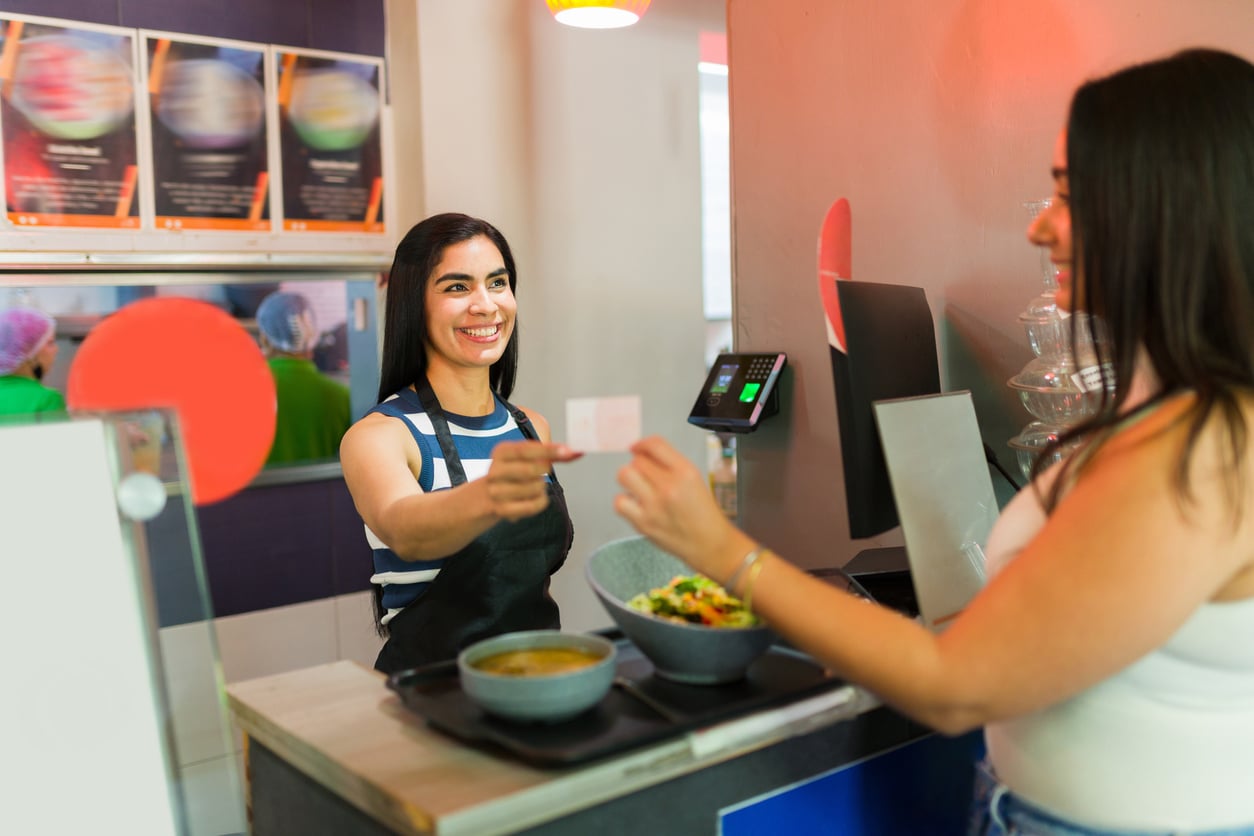
Signing up for a rewards program before paying can turn a meal you were already planning to buy into points, a future discount, or a birthday reward. The National Restaurant Association says loyalty programs remain an important restaurant choice factor in 2026. Even among Baby Boomers, 39 percent said membership mattered when choosing a full service restaurant, while 51 percent said the same about limited service restaurants. Look for programs offering an immediate sign up reward, but do not let expiring points persuade you to spend money on a restaurant visit you did not really want.
Ordering What the Restaurant Does Especially Well
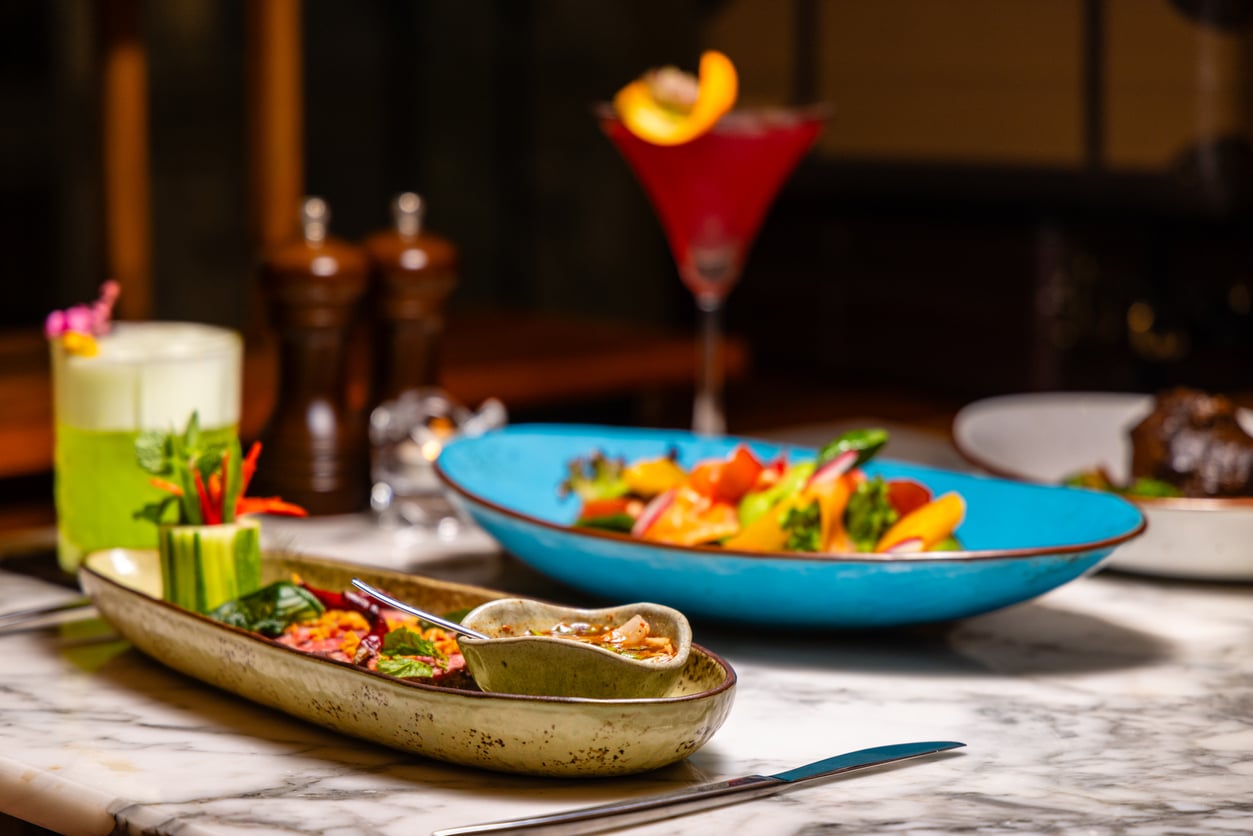
If you are paying restaurant prices, ordering something that would be difficult or inconvenient to reproduce at home can make the expense feel more worthwhile. Technomic says restaurants are increasingly emphasizing signature dishes that customers cannot readily make themselves as they try to demonstrate value beyond price. That could mean smoked barbecue, handmade dumplings, wood fired pizza, regional specialties, labor intensive sauces, or dishes requiring equipment most home cooks do not own. It does not have to be the most expensive item on the menu. The better question is what the restaurant can give you that your own kitchen cannot.
Trending on Cheapism
Splitting a Big Entrée
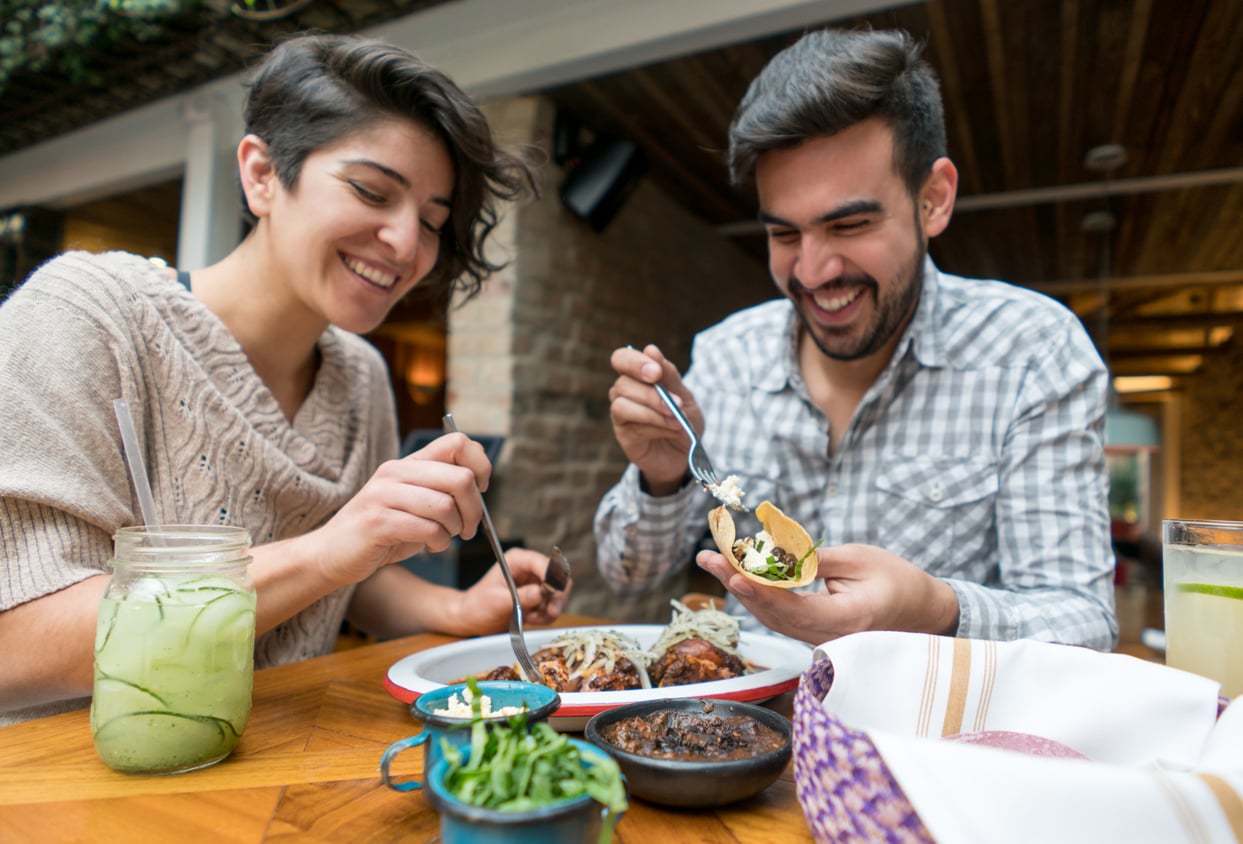
Two people do not necessarily need two entrees, particularly at restaurants known for serving enormous plates. Technomic identifies shareable entrees and family size portions as part of the way consumers evaluate restaurant value. If a $26 entree is genuinely enough for two people, sharing it and adding a side may make more sense than ordering two meals and taking half of each home. Check the restaurant’s policy before relying on this strategy, since some establishments charge a split plate fee, and restaurants with relatively modest portions may not be good candidates for sharing.
Making Tomorrow’s Lunch Part of the Deal
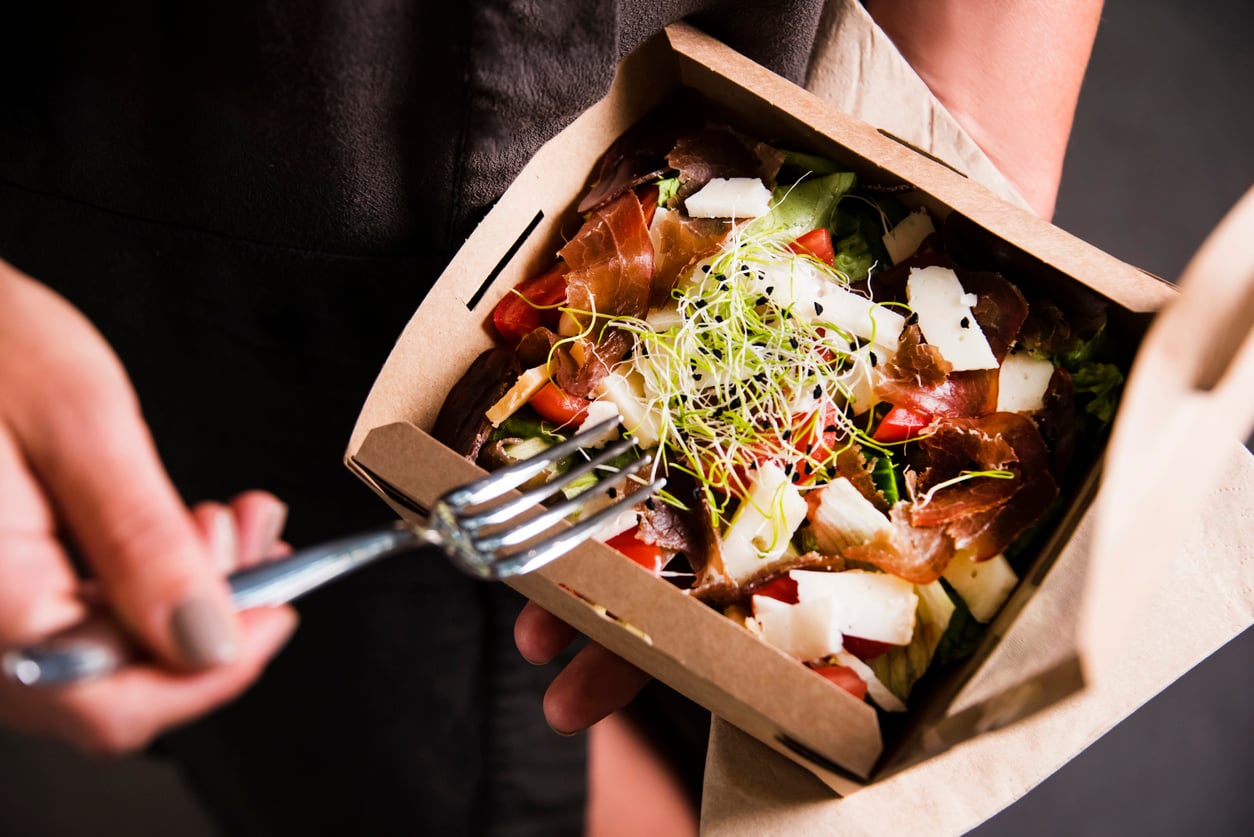
A restaurant entree does not necessarily have to end when the check arrives. If a generous $22 pasta, curry, barbecue plate, pizza, or grain bowl provides enough leftovers for lunch the following day, the original expense stretches across two meals. This strategy works particularly well with foods that store and reheat nicely. Bigger is not automatically better, however. Paying for an oversized portion saves nothing if the leftovers end up in the trash, so this approach makes the most sense when ordering something you know you will actually want to eat again.
Going at Lunch Instead
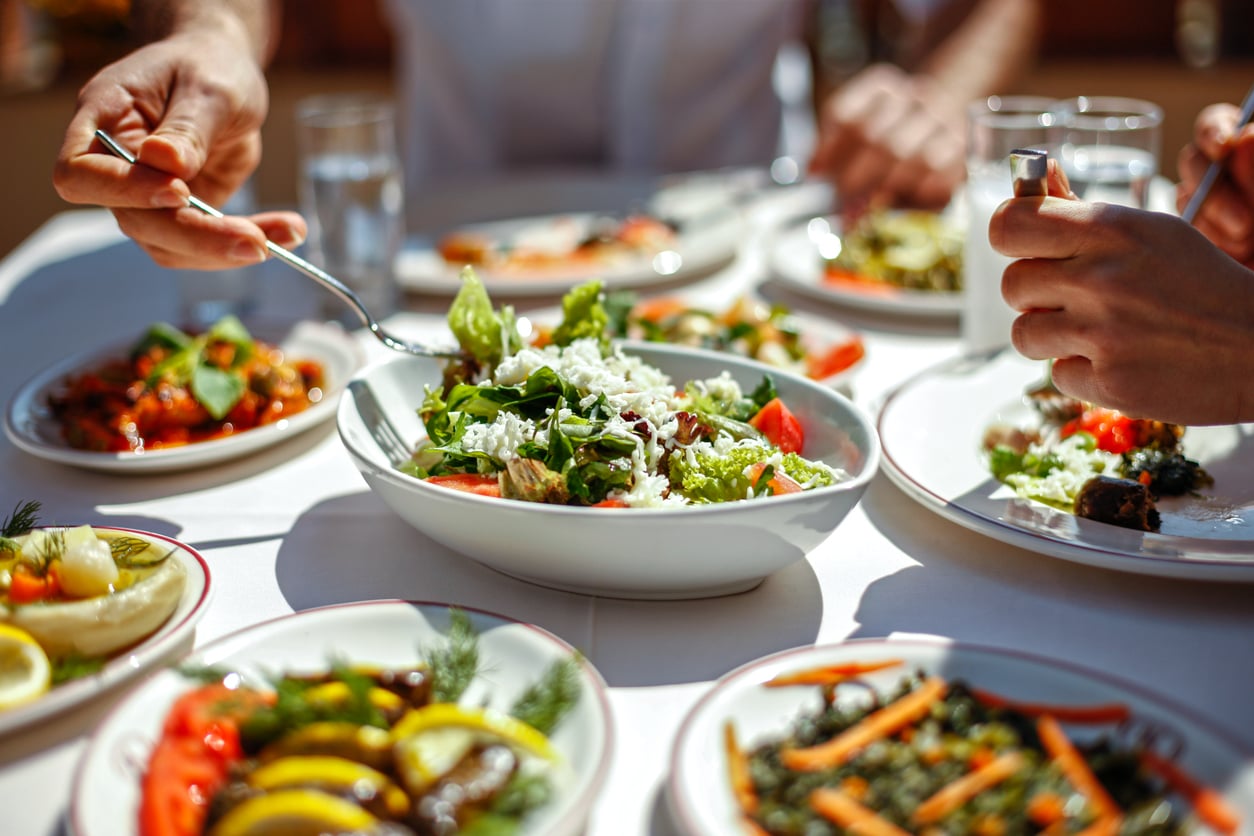
Sometimes the restaurant you want is more affordable a few hours earlier. Lunch menus may offer smaller versions of dinner entrees, combination meals, sandwiches, weekday specials, or fixed price menus at lower prices. That can be particularly useful for diners who care more about trying the food than having a Saturday night reservation. Before booking dinner, compare the restaurant’s lunch and evening menus to see whether the same dishes or similar options cost less earlier in the day. Not every restaurant has separate lunch pricing, but when it does, the difference can make the earlier visit considerably easier on the budget.
Sign up for our newsletter
Asking About Senior and Membership Discounts

One of the simplest restaurant savings is also easy to forget about. AARP currently lists discounts at participating restaurants including 15 percent at Denny’s and 10 percent at Outback Steakhouse, Carrabba’s Italian Grill, Bonefish Grill, McAlister’s Deli, and several others. Other membership organizations, employers, and local clubs may provide dining discounts as well. Offers can vary by location and may not combine with other promotions, so check the terms before ordering. A 10 percent discount might not seem enormous on one dinner, but the savings become more meaningful for people who eat out regularly.
Skipping the Drinks When They Aren’t Worth It
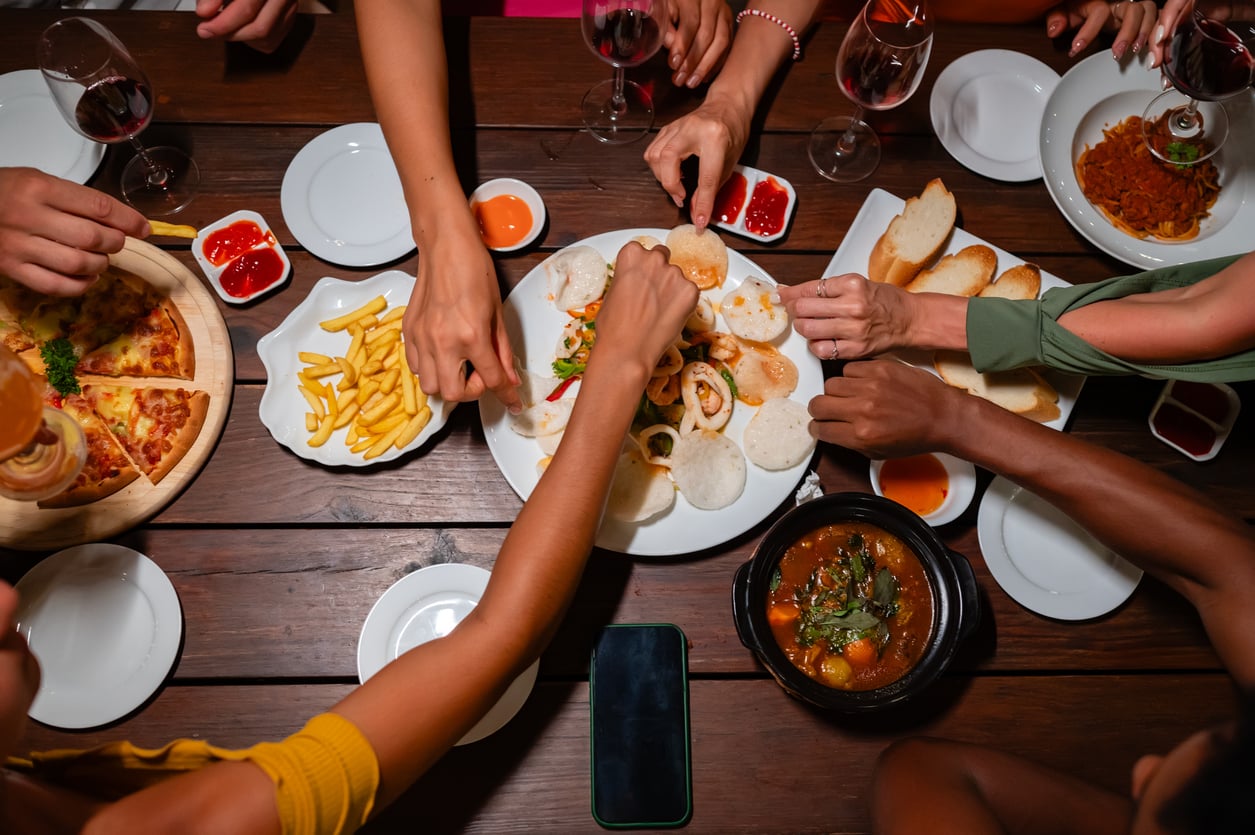
It is easy to focus on the price of an entree while overlooking everything surrounding it, and a couple of cocktails, sodas, or specialty drinks can quickly change the final bill. With Toast finding that diners have become increasingly skeptical of restaurant price increases, looking at the entire check rather than just the main course makes sense. Ordering water and putting the money toward a dish, appetizer, or dessert you genuinely want can make the same budget go further. Of course, if the restaurant is known for a particular cocktail or drink, that may be exactly where you decide the splurge is worthwhile.
Looking for Prix-Fixe and Bundled Meals
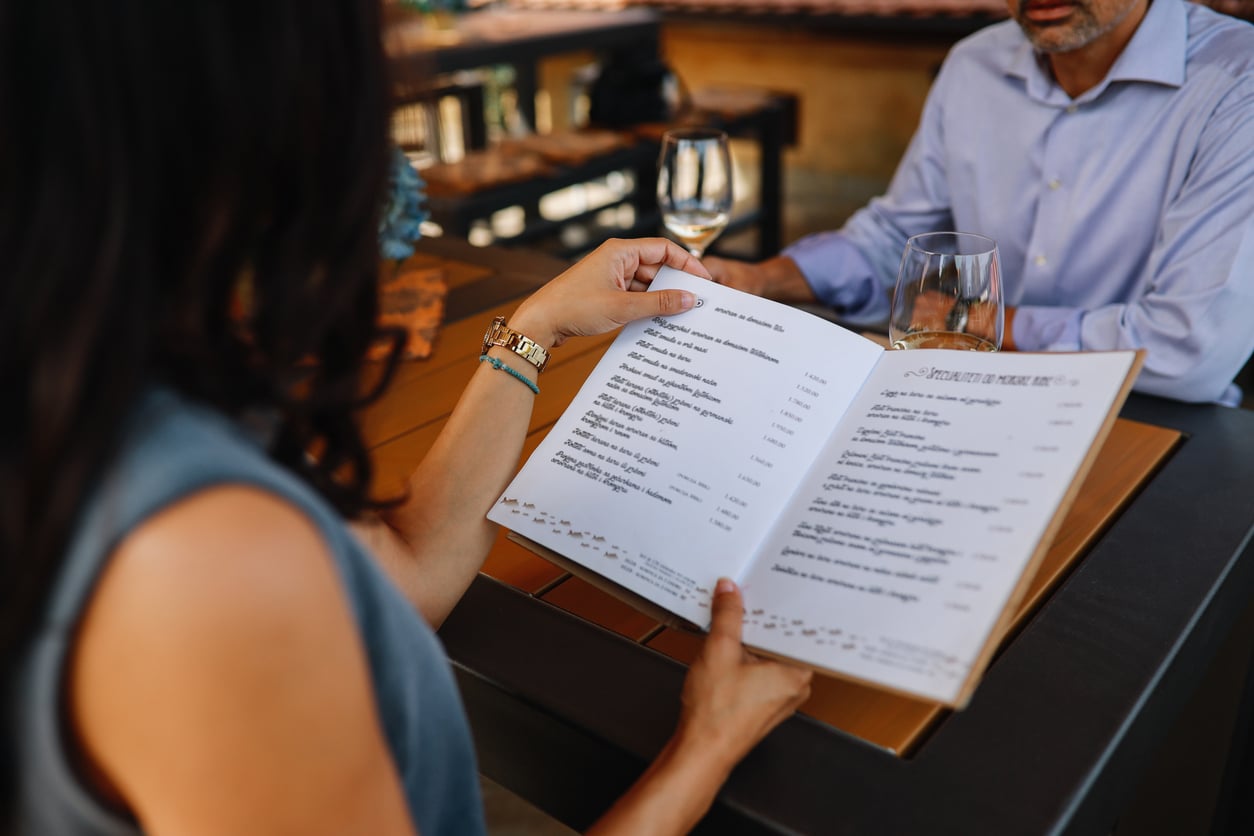
A set price meal can take some of the uncertainty out of eating at a restaurant. Restaurant Weeks, early bird menus, lunch specials, and chain bundles often package several courses or items for one advertised price, making it easier to know the cost before ordering. That does not automatically make every bundle a bargain. An analysis of hundreds of menus from New York City’s 2026 Restaurant Week found that savings varied considerably between participating restaurants. Before ordering a fixed price menu, compare the included dishes with their regular menu prices and make sure you actually want everything included in the package.
Buying Restaurant Gift Cards at a Discount
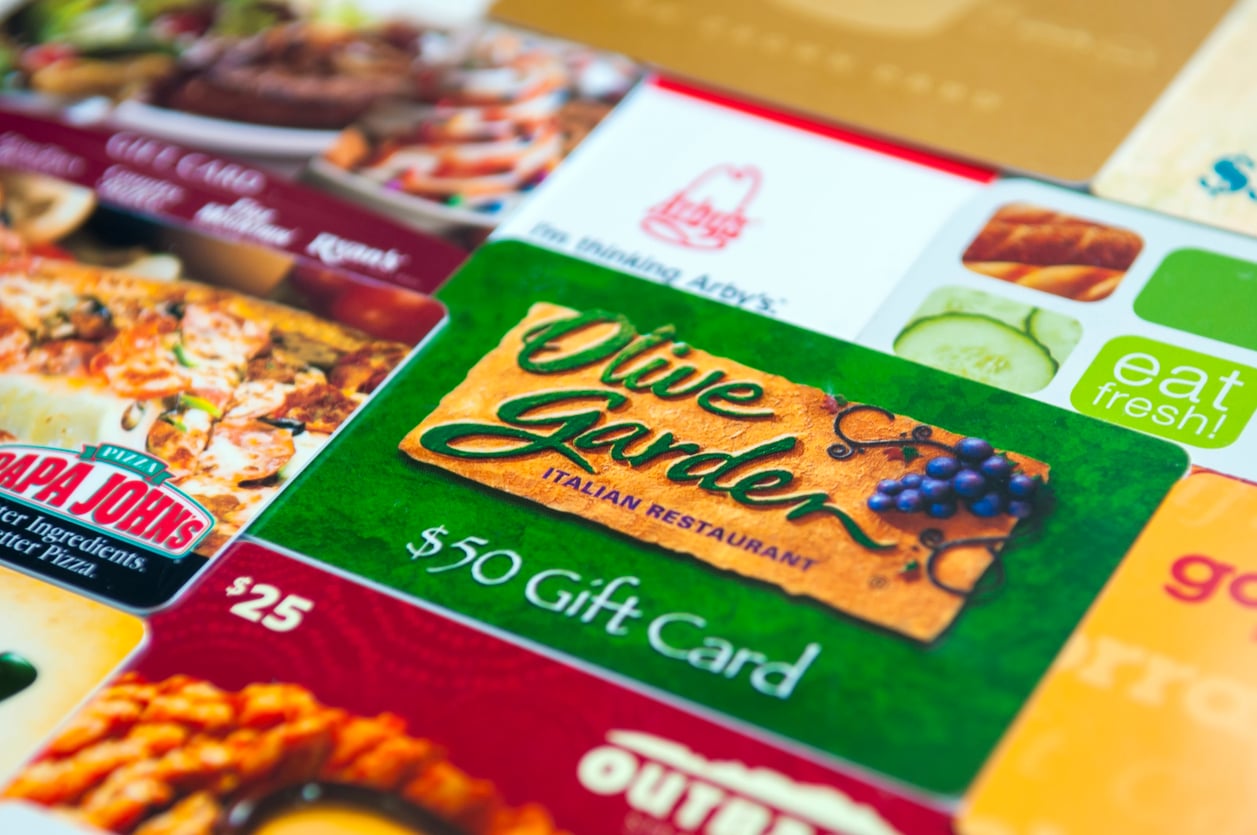
You do not necessarily have to spend $100 to get $100 worth of restaurant credit. Warehouse clubs and other retailers periodically sell restaurant gift cards for less than their face value. Costco says its restaurant gift card selection commonly includes savings of around 20 to 25 percent, although participating restaurants and prices change. For a restaurant you already visit, buying one of these cards can effectively create a discount before you even sit down. The strategy works best for places you know you will use, since a discounted gift card is not much of a bargain if it encourages an unnecessary meal out.
Paying for an Experience You Can’t Have at Home
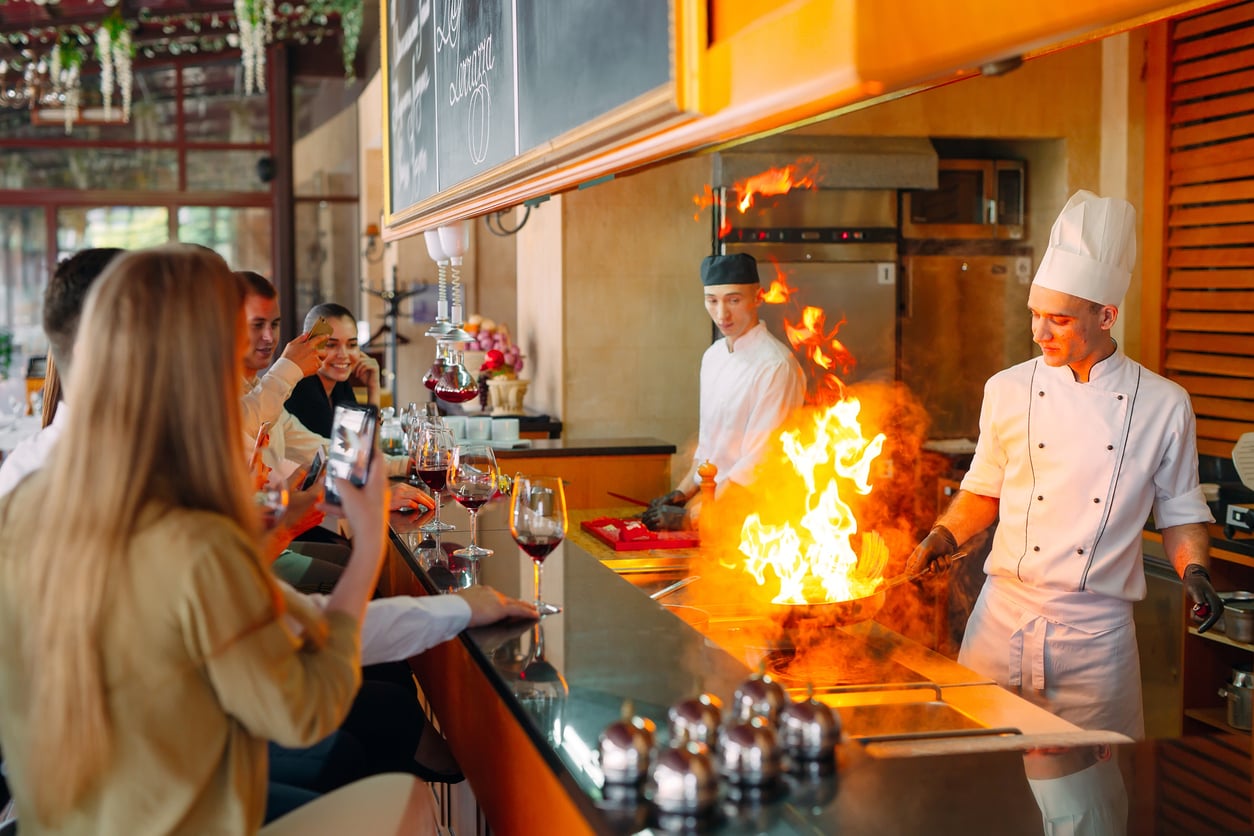
Sometimes getting better value does not mean spending less. It means getting something memorable for the money. OpenTable reported a 46 percent year over year increase in experiential dining, while Technomic says restaurants are placing greater emphasis on the on premise experience as consumers reconsider what makes restaurant prices worthwhile. A chef’s counter, tableside preparation, tasting menu, live music, themed dinner, or unusual setting can provide something beyond food that could simply be ordered for takeout. Still, diners should be selective, since calling a meal an experience does not automatically make mediocre food or inflated prices worthwhile.
Checking the Menu Before Leaving Home
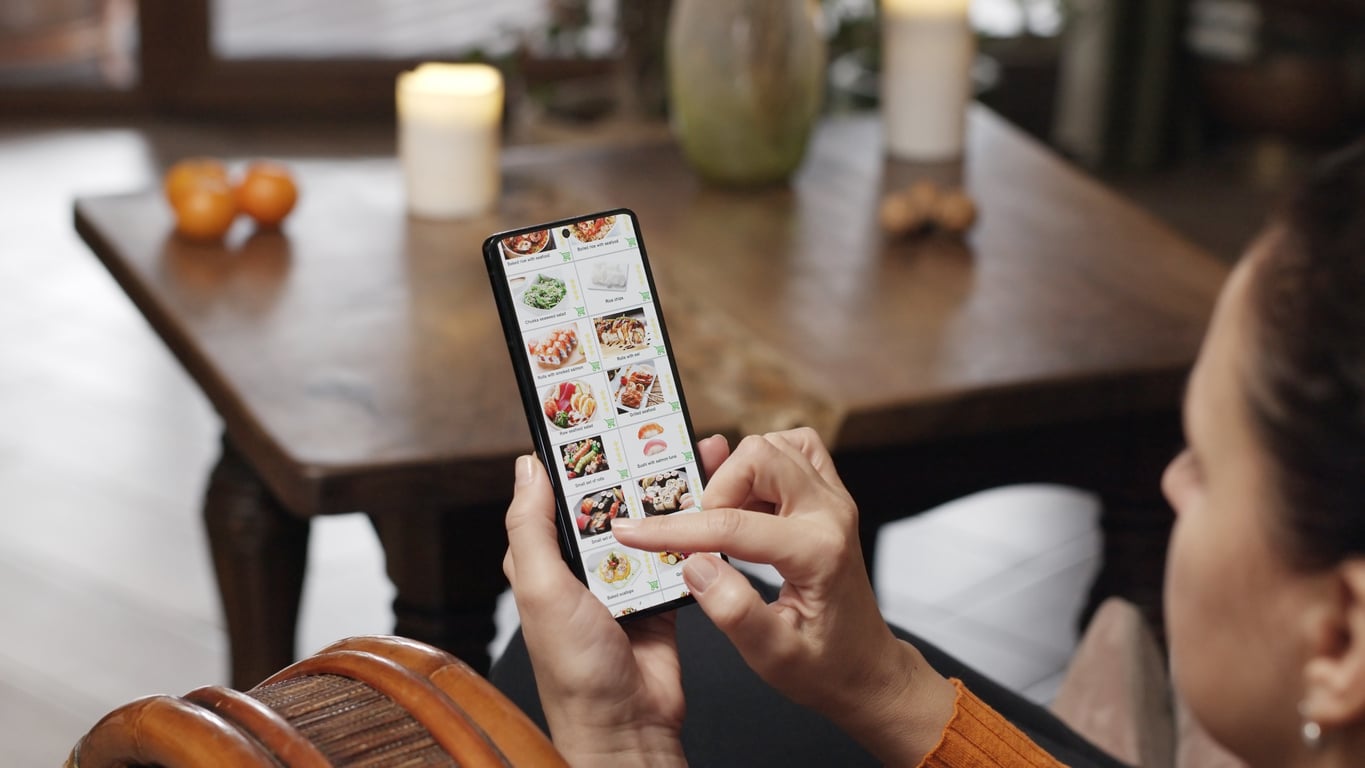
Walking into a restaurant without knowing roughly what dinner will cost has become an increasingly risky habit. Toast found that only 18 percent of surveyed diners considered recent restaurant price increases justified, even though 57 percent said they understood why restaurants were raising prices. Checking the menu online before leaving home makes it easier to compare entree prices, add ons, specials, happy hour times, and possible service charges before committing. Look for a current menu on the restaurant’s own website whenever possible, since old menu photos and outdated PDFs can show prices that are no longer accurate.
Eating Out Less, but Being Pickier When They Do
This may be the strategy that ties all the others together. Toast found that 53 percent of diners said they were eating out less often in 2026, while OpenTable found that 61 percent expect restaurant dining to feel more like a special treat than a regular habit. At the same time, the National Restaurant Association says restaurants remain a leading discretionary spending priority for consumers. Rather than giving up restaurants completely, diners appear to be becoming more selective about where their money goes, choosing fewer forgettable meals and expecting better food, service, value, or experiences when they do decide to spend.