Some of America’s most familiar meals started out looking very different. As immigrants adapted recipes to new ingredients, customers, and restaurant culture, dishes evolved into distinctly American creations. The Smithsonian’s FOOD: Transforming the American Table explores how migration, technology, and changing tastes have shaped what Americans eat. From oversized meatballs and New York pizza to crunchy tacos and Chinese takeout, these foods Americans completely reinvented show how old culinary traditions can take on entirely new lives.
Pizza Became the Giant New York Slice
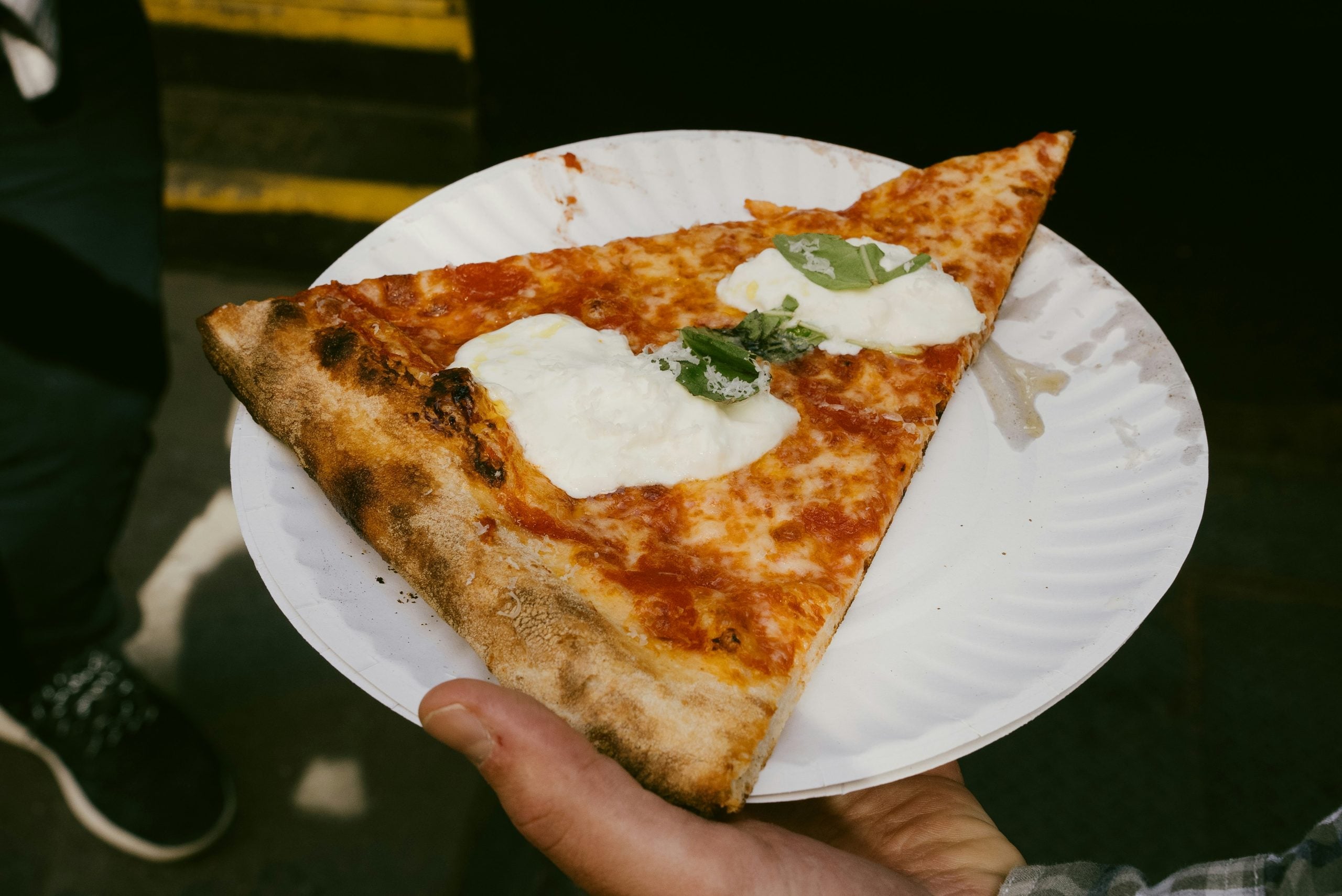
Pizza came to New York with Italian immigrants, but the classic New York slice eventually became something quite different from a personal Neapolitan pie. New York pizzas grew larger, developed firmer crusts, and were increasingly baked in gas deck ovens at lower temperatures. Low-moisture mozzarella replaced fresh mozzarella at many slice shops, while selling individual wedges turned pizza into inexpensive food you could fold and eat on the move. Gas deck ovens helped the slice-shop format flourish after World War II.
Spaghetti Got Covered in Giant Meatballs
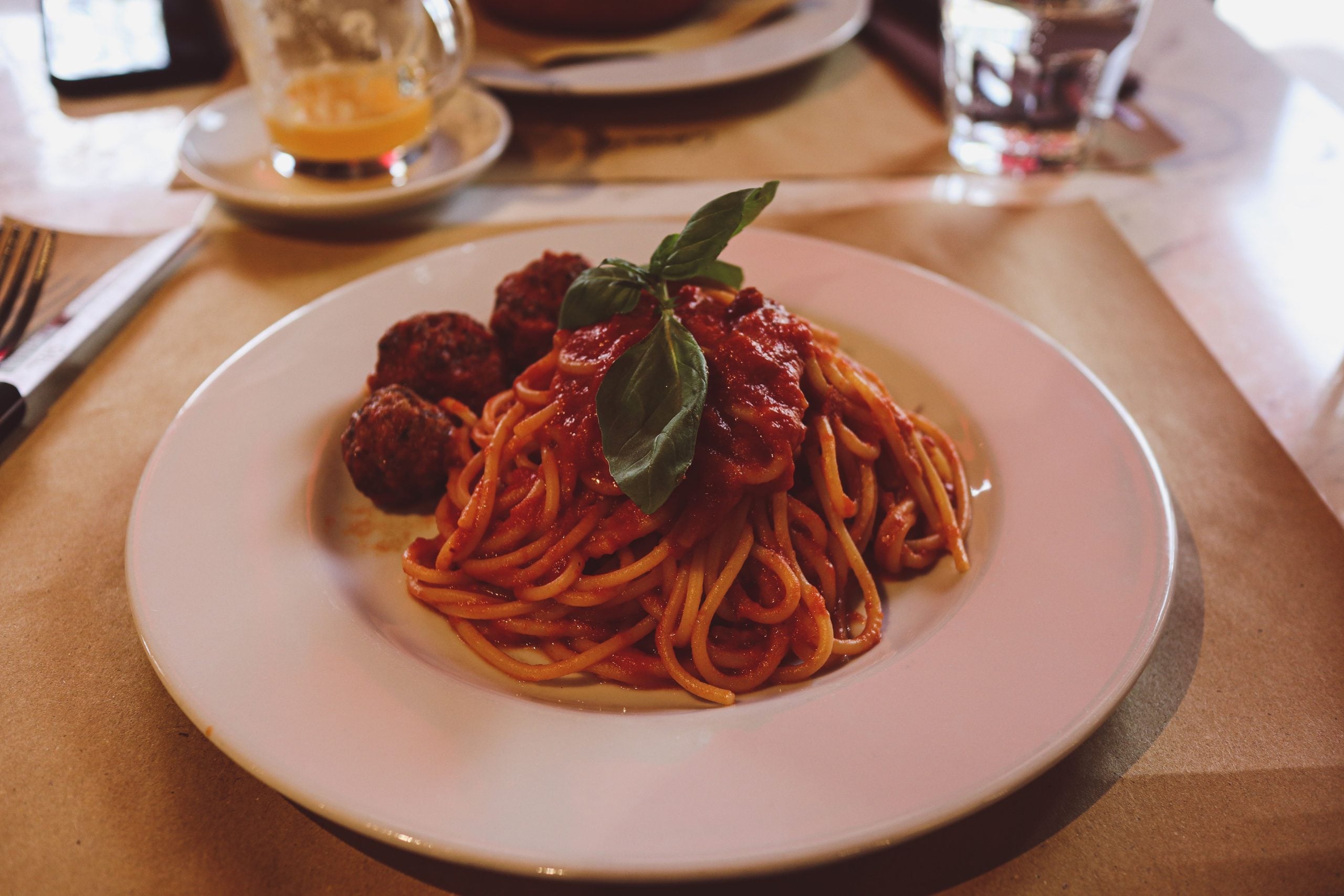
You can find polpette in Italy, but the enormous meatballs piled over spaghetti are an Italian American creation. Millions of mostly southern Italian immigrants arrived in the U.S. between 1880 and 1920 and encountered something many had rarely enjoyed back home: affordable meat in abundance. Smithsonian reports that immigrant meatballs grew from roughly golf-ball to baseball size, while pasta moved from its traditional place in the meal to accompany meat. The resulting spaghetti-and-meatballs dinner became an American red-sauce classic.
Eggplant Parmigiana Turned Into Chicken Parm
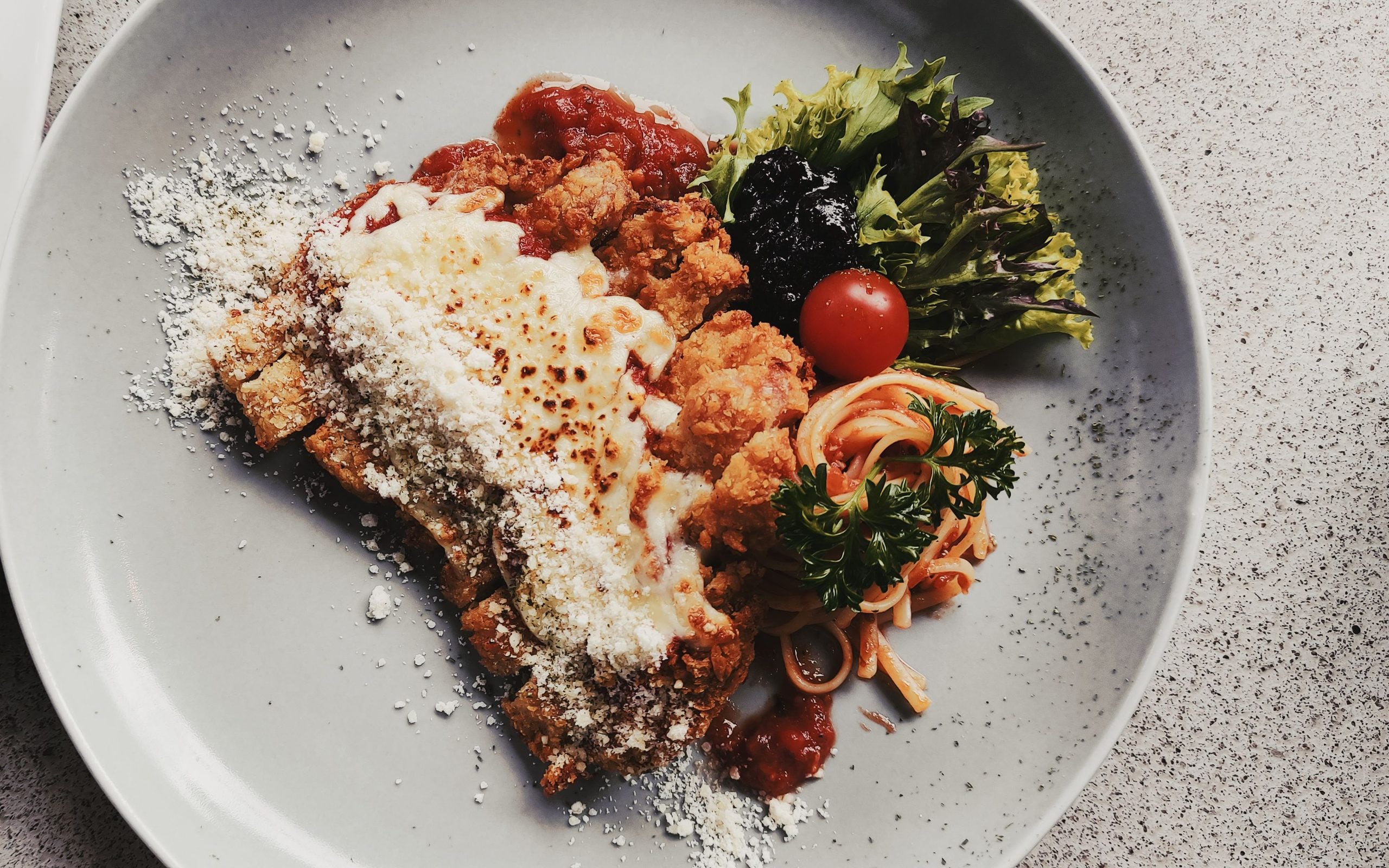
Southern Italy already had versions of eggplant Parmigiana, layering the vegetable with tomato and cheese. Italian American cooking took the basic idea in a meatier direction. As meat became more accessible to immigrant families, breaded chicken or veal cutlets were paired with tomato sauce and melted cheese. Chicken Parm eventually became a fixture of Italian American restaurants, often arriving with a sizeable helping of pasta. The dish borrows heavily from Italian traditions, but the familiar chicken-and-spaghetti dinner is decidedly Italian American.
Chop Suey Helped Create Chinese American Cuisine
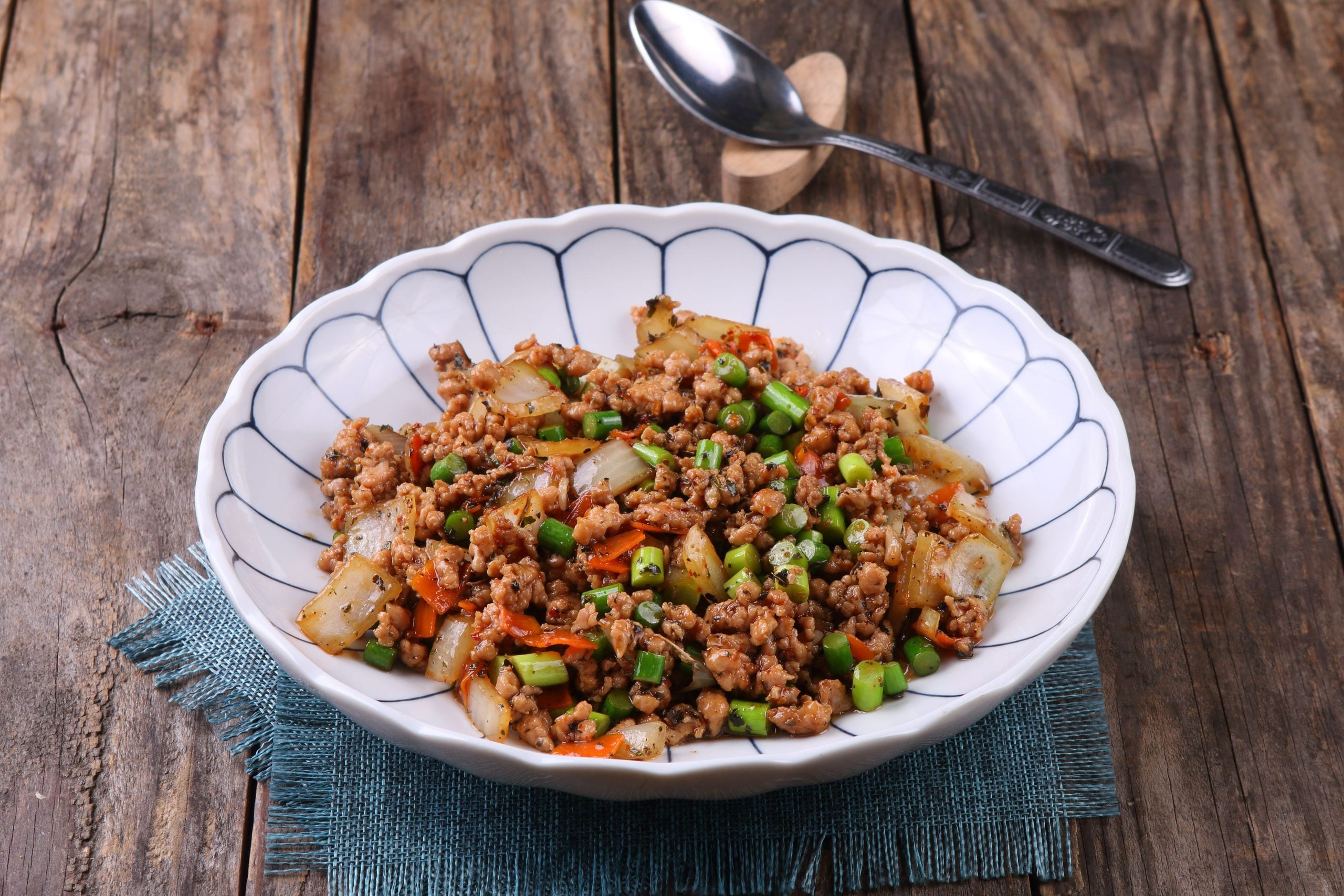
Chop suey was once so popular that “chop suey houses” became a familiar part of the American restaurant landscape. Chinese immigrant restaurateurs combined meat, vegetables, eggs, and sauce into a dish made with ingredients American customers could recognize while introducing them to Chinese cooking. The Smithsonian notes that Chinese restaurant owners frequently combined traditional recipes with Western flavors to attract a broader clientele. Chop suey eventually faded from its superstar status, but it helped establish Chinese American restaurant culture nationwide.
General Tso’s Chicken Got Much Sweeter
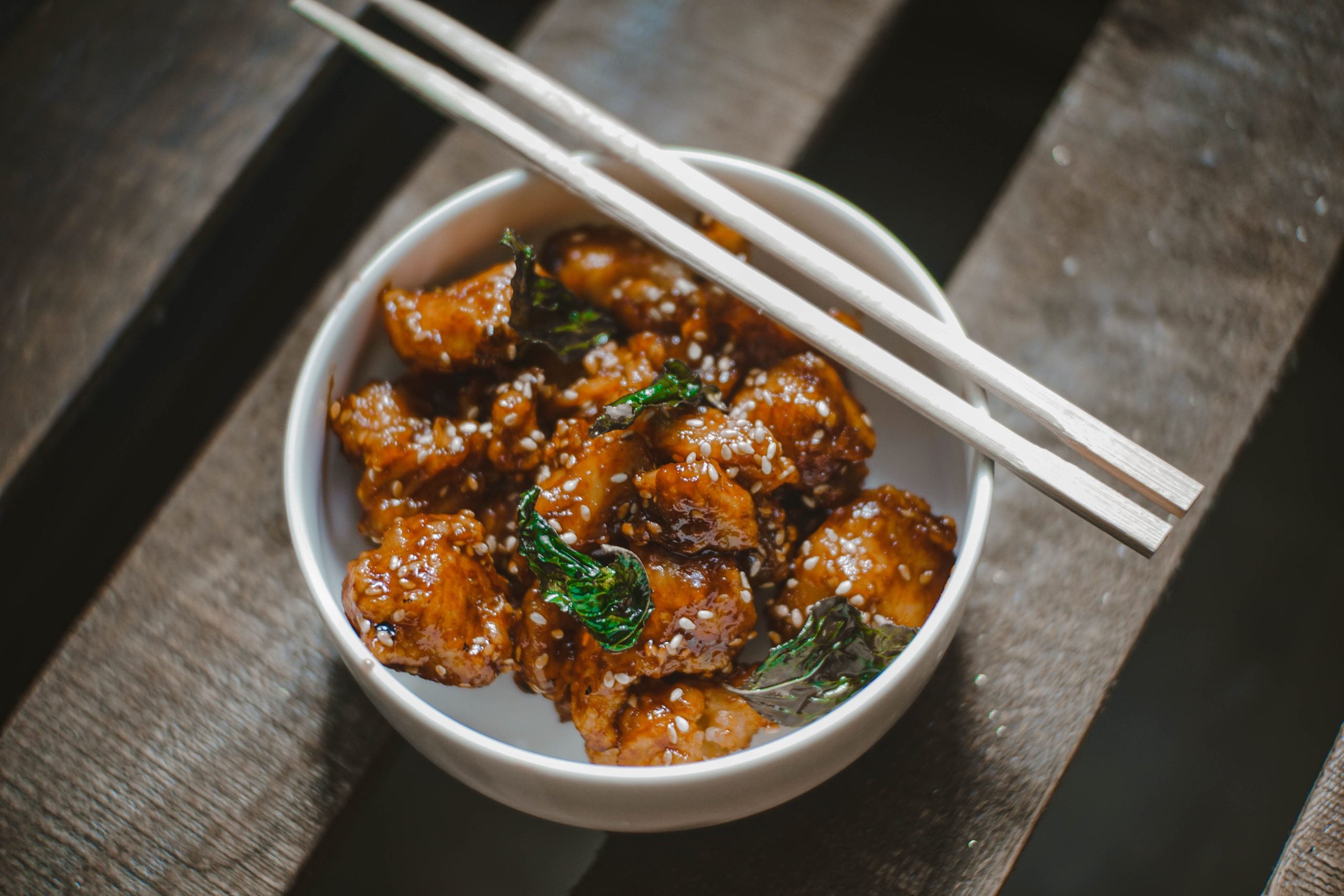
The General Tso’s chicken familiar from American takeout menus has traveled an unusually complicated route. Chef Peng Chang-kuei, who fled mainland China for Taiwan, is widely credited with creating an earlier version there in the 1950s. The dish appeared in New York in the 1970s and evolved into the battered, fried, sweet-and-savory version familiar to American diners. Its enormous U.S. popularity is especially interesting because the dish was once unfamiliar even to many people who grew up in Taiwan.
Trending on Cheapism

Fortune Cookies Became “Chinese”
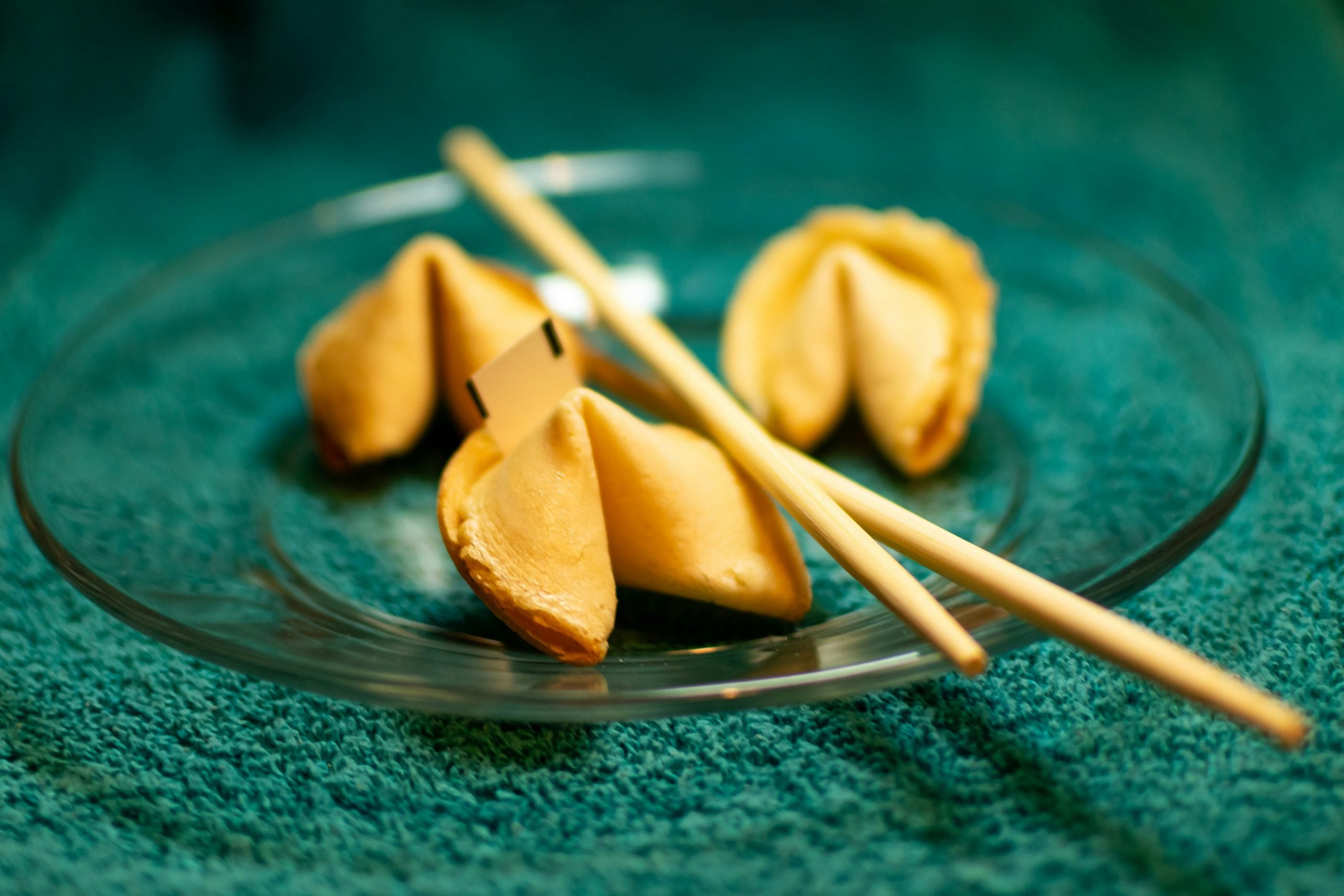
Few restaurant rituals seem more stereotypically Chinese American than cracking open a fortune cookie after dinner. Yet Smithsonian research traces the cookie’s ancestry to Japan. Japanese immigrant Suyeichi Okamura’s Benkyodo bakery supplied similar cookies to San Francisco’s Japanese Tea Garden in the early 1900s. During World War II, when Japanese Americans were incarcerated, Chinese businesses increasingly produced and distributed the cookies. Eventually, something with Japanese roots became almost inseparable from the American Chinese restaurant experience.
Bagels Got Bigger and Went Mainstream
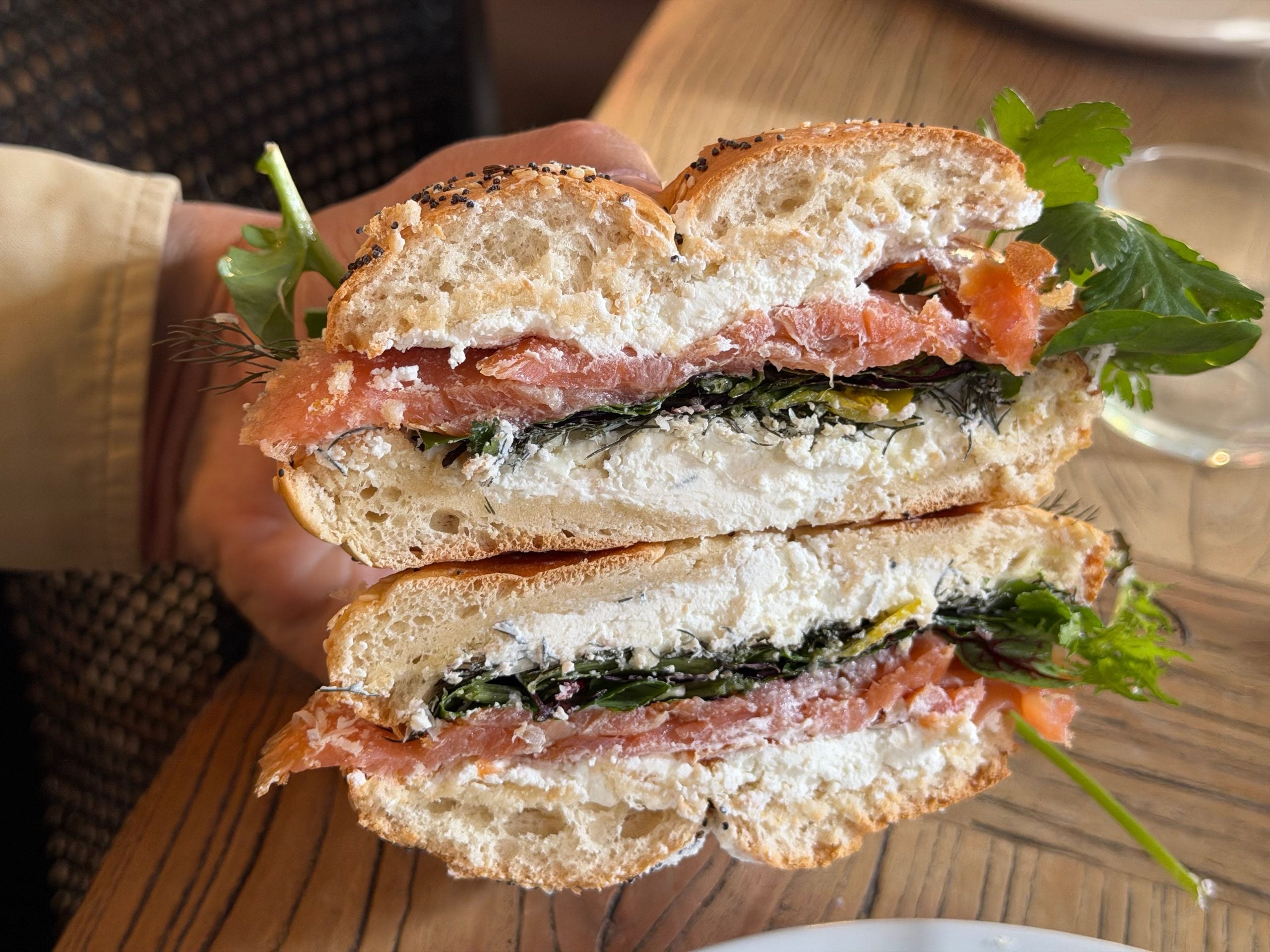
Eastern European Jewish immigrants brought bagels to America in the late 19th century, and for decades they remained closely associated with Jewish communities, particularly in New York. Then industrial production changed everything. Bagel-making machinery and frozen supermarket bagels helped turn the once-regional bread into a national breakfast staple, while flavors expanded far beyond plain and salt. Today’s supermarket shelves can hold everything from cinnamon raisin to blueberry and “everything” bagels, a considerable evolution from the immigrant bakery original.
Romanian Pastrama Became the New York Pastrami Sandwich
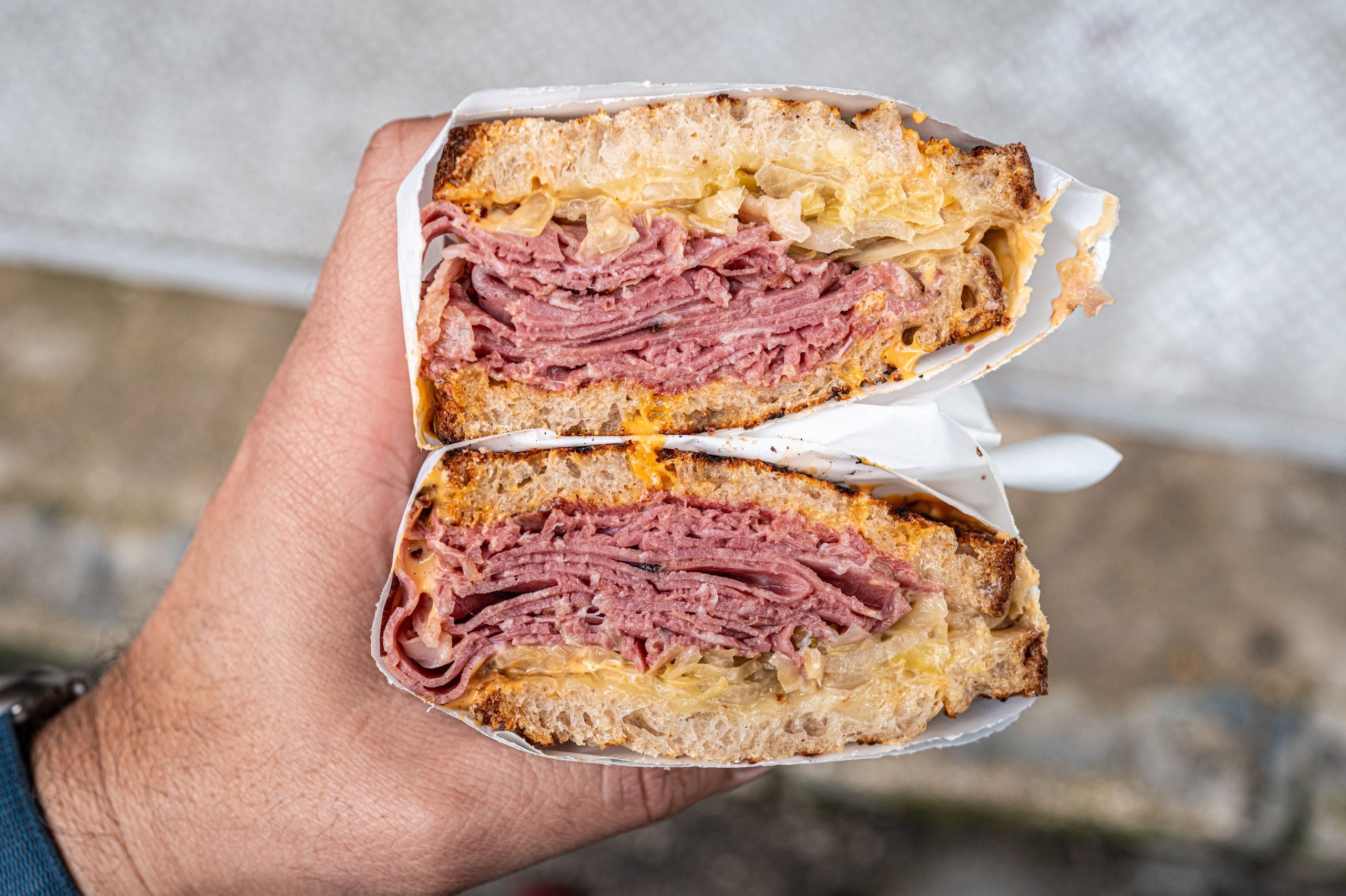
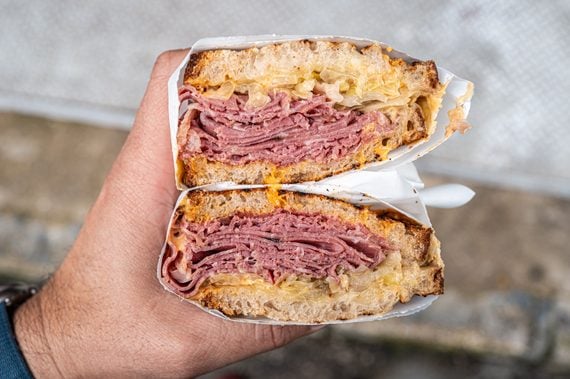
Pastrami has roots in Eastern European traditions of curing and seasoning meat, including Romanian pastrama. Jewish immigrants brought those traditions to the United States, where beef became particularly important. New York delicatessens eventually turned pastrami into something monumental: heaps of warm, peppery sliced meat stacked between pieces of rye bread, usually with mustard nearby. The preservation technique has Old World ancestry, but the towering pastrami-on-rye sandwich became one of the defining foods of the American Jewish deli.
Sign up for our newsletter
German Sausages Became the American Hot Dog
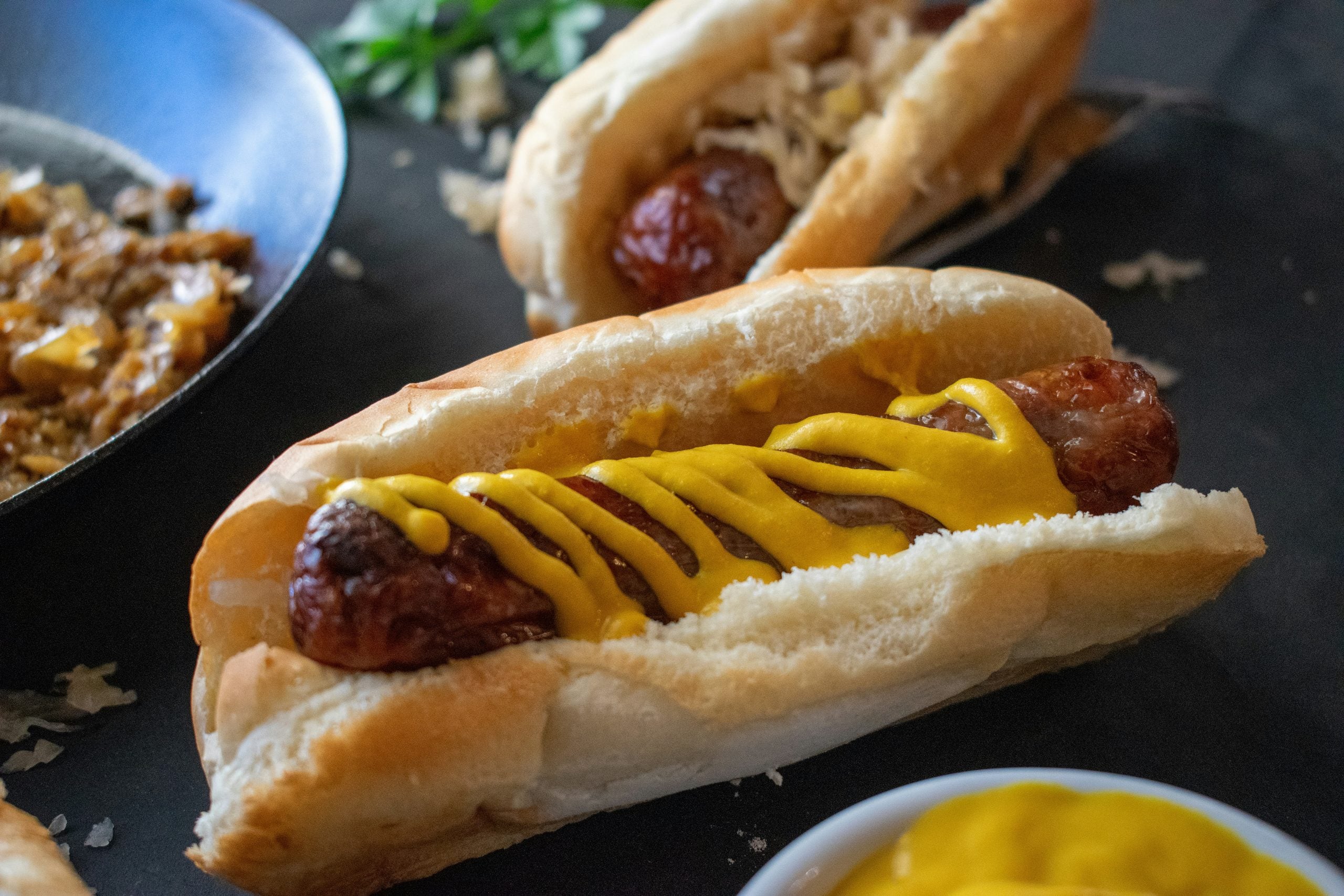
German immigrants brought frankfurters, wieners, and sausage-making traditions with them, but America gave those sausages a particularly convenient new identity. By the 19th century, German immigrants were selling sausages in buns from New York pushcarts, creating an inexpensive meal perfectly suited to crowded cities. Hot dogs subsequently became fixtures at Coney Island, baseball parks, fairs, and backyard cookouts. Regional versions piled on everything from chili and slaw to tomatoes and sport peppers, making the humble sausage one of America’s most customizable foods.
Hamburg Steak Became the Hamburger
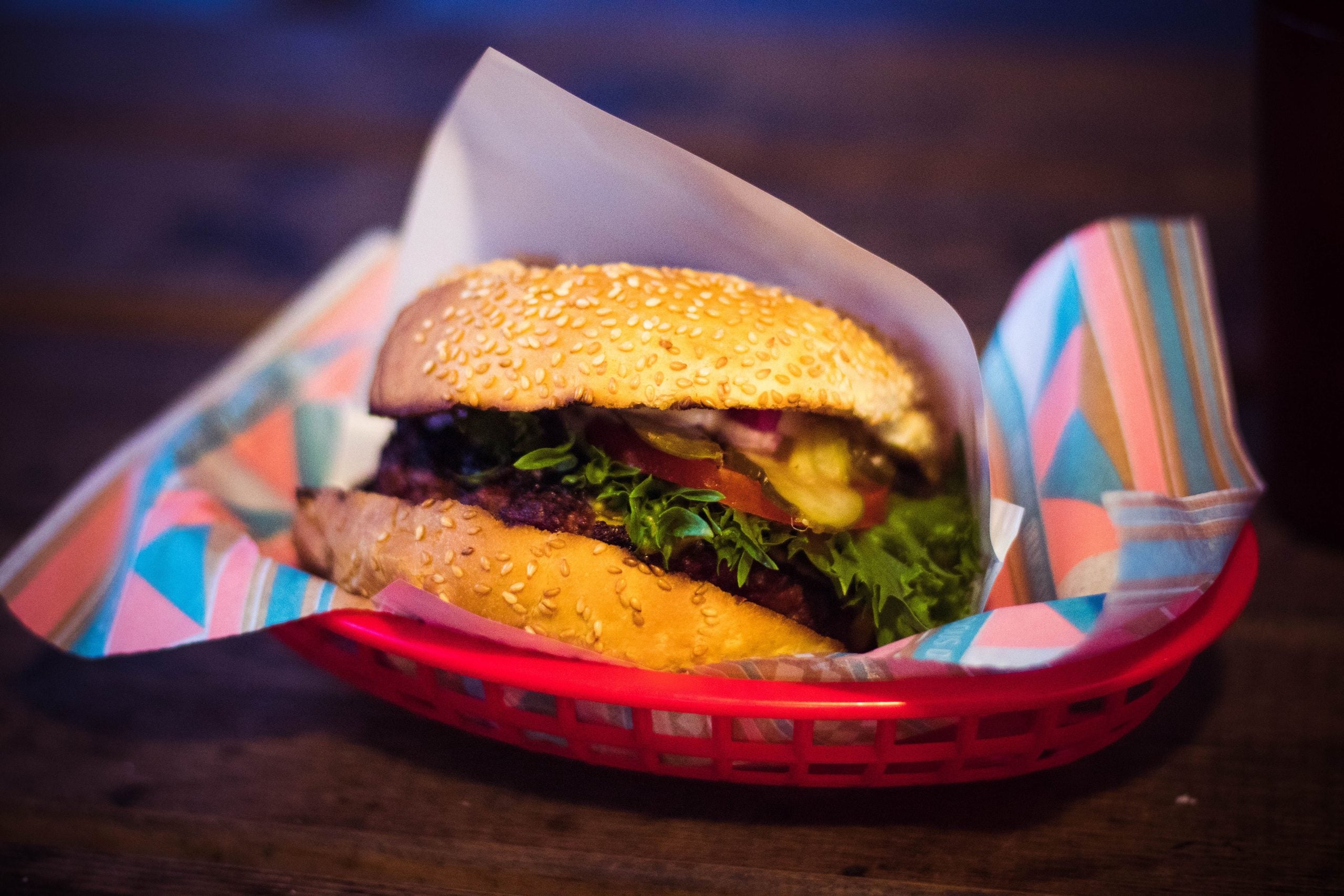
Before hamburgers conquered drive-thrus, Americans were already familiar with dishes called Hamburg steak: seasoned or chopped beef eaten with a knife and fork. Exactly who first decided to put a ground-beef patty between bread remains disputed, and numerous American towns and restaurants have claimed credit. What is clearer is the transformation that followed. The bun made chopped beef portable, while pickles, onions, cheese, sauces, and eventually french fries turned it into an entire meal that American chains would export around the world.
Tacos Got a Crunchy U-Shaped Shell
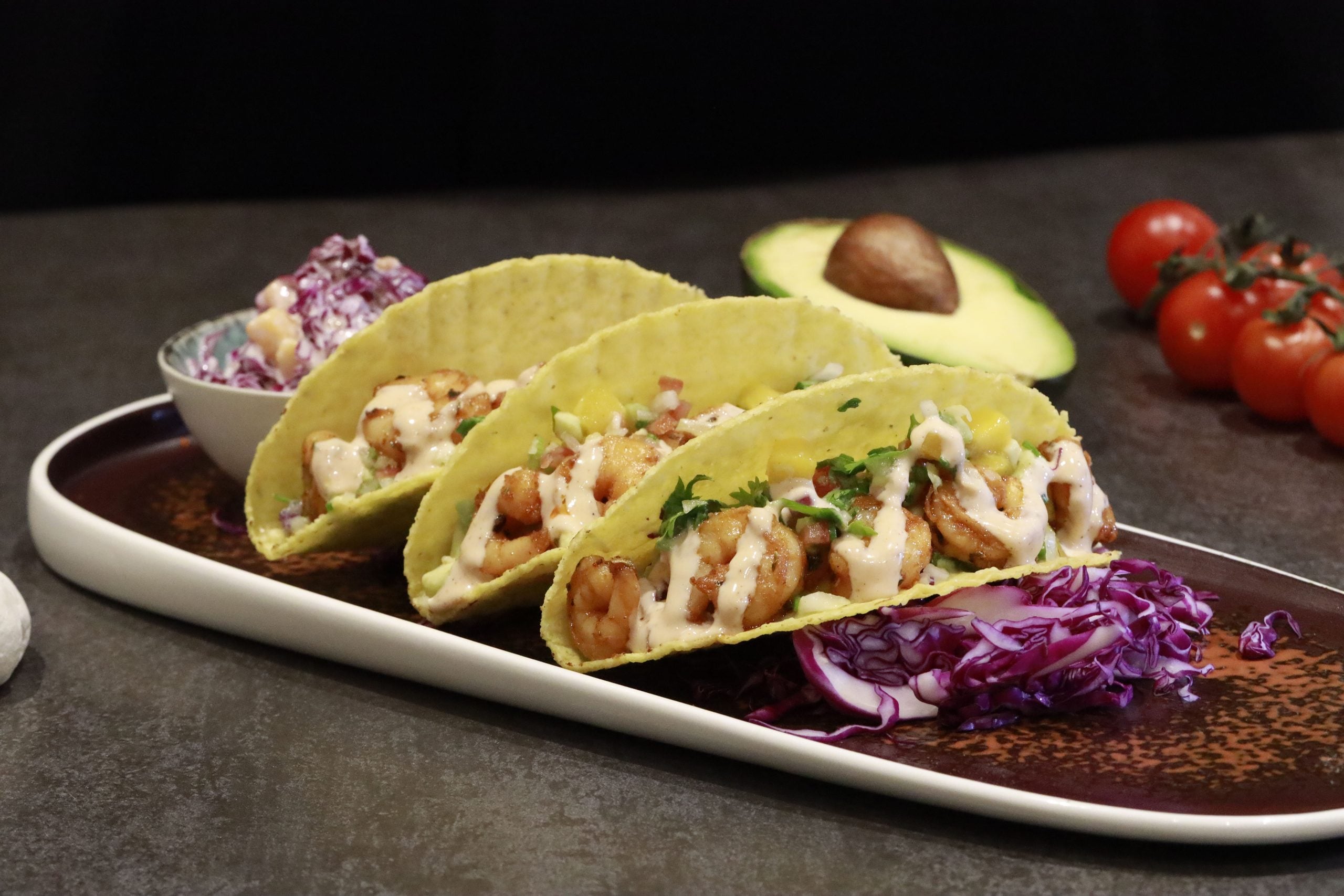
There is no single “Mexican taco” to compare with the American version; Mexico has countless regional styles. But American mass-market food culture became particularly attached to one formula: a crisp U-shaped shell filled with seasoned ground beef, shredded lettuce, yellow cheese, and sauce. Taco molds, packaged shells, supermarket kits, and fast-food restaurants helped standardize that style during the 20th century. The Smithsonian specifically documents how Mexican and Mexican American foods moved from local communities into restaurants, grocery stores, and mainstream American kitchens.
Burritos Became Enormous in San Francisco
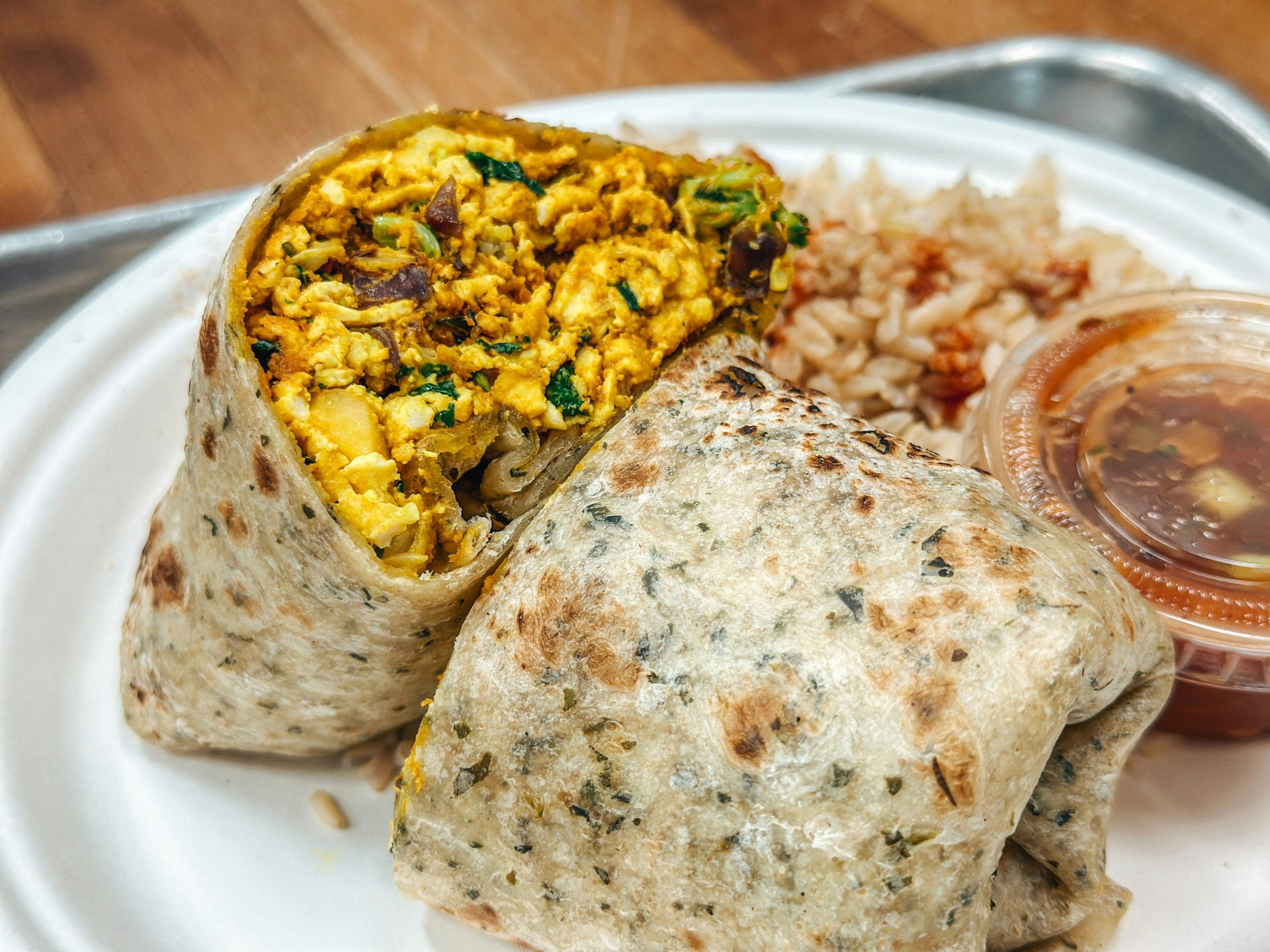
Burritos existed long before San Francisco’s Mission District made them enormous. Beginning around the 1960s and ’70s, Mission taquerias developed a distinctive style built around a large flour tortilla stuffed with combinations of meat, beans, rice, salsa, cheese, sour cream, and guacamole, then wrapped tightly in foil. Several businesses have competing claims about exactly who created the format, so there is no need to crown an inventor. What matters is what followed: the Mission burrito became a California institution and helped shape America’s fast-casual burrito culture.
Mexican American Cooking Became Tex-Mex
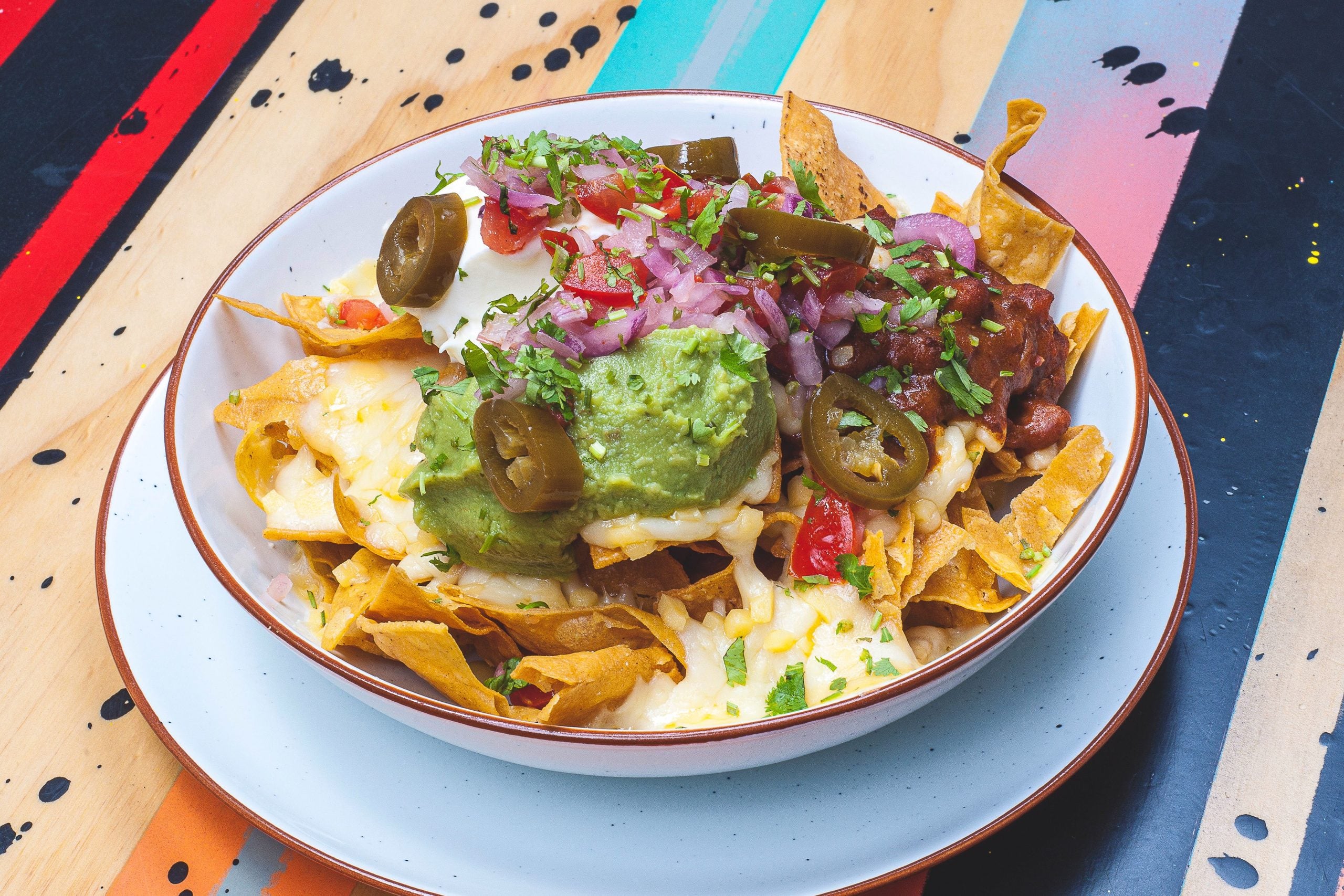
Tex-Mex is sometimes dismissed as Mexican food that Americans somehow got wrong, but that misses its history. It developed as a regional Mexican American cuisine, particularly in Texas, where cultures and ingredients had been interacting for generations. Restaurant combination plates made enchiladas, tacos, rice, beans, cheese, and chili-based sauces familiar to diners far beyond the Southwest. By the late 20th century, foods rooted in Mexican and Mexican American communities had spread through restaurant chains, packaged products, and supermarkets across the country.
Bacon and Cabbage Became Corned Beef and Cabbage
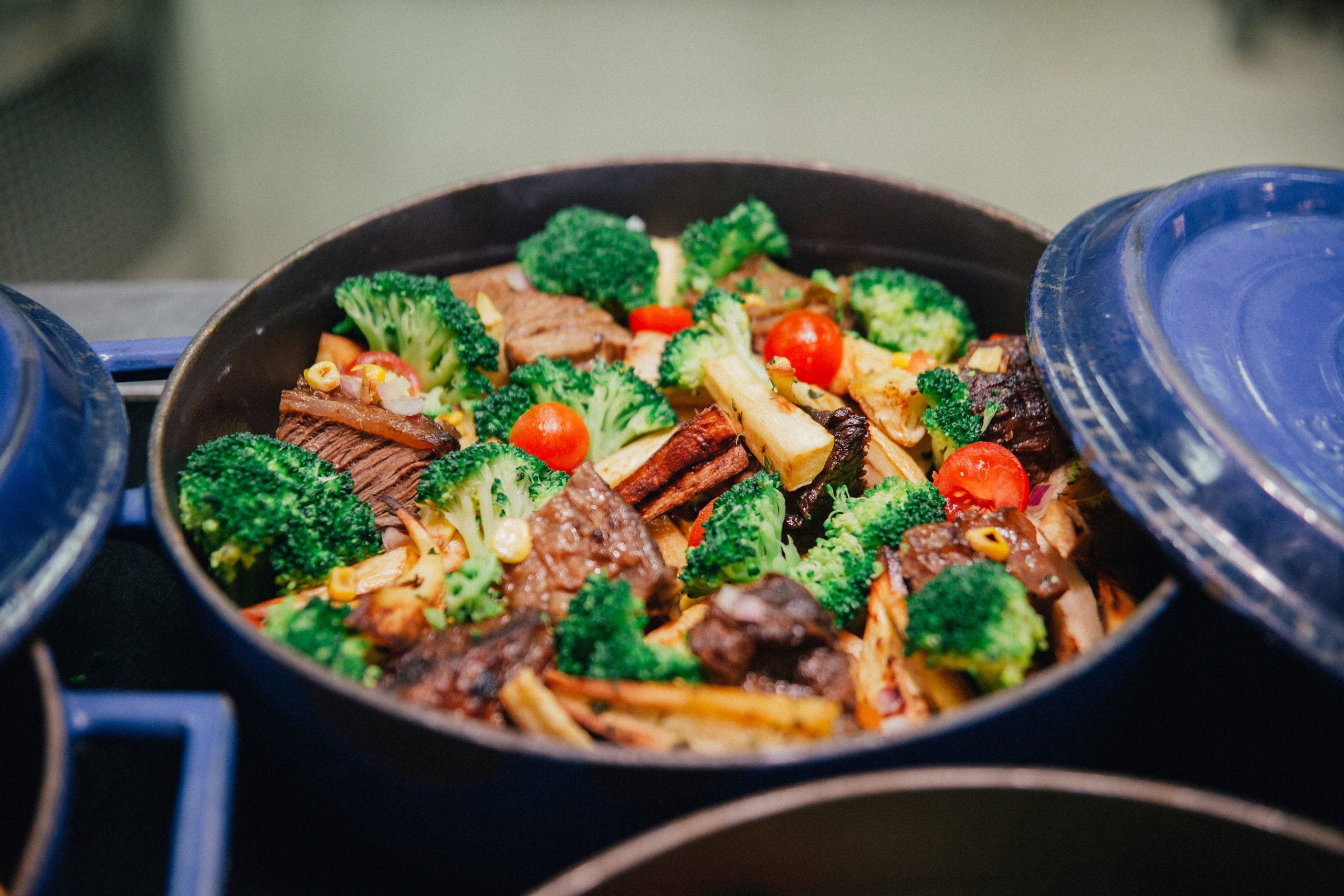
Corned beef and cabbage may be a St. Patrick’s Day staple in America, but Ireland historically had a stronger tradition of eating bacon with cabbage. Irish immigrants in the United States encountered a different food economy, where beef was more accessible than it had been for many families back home. In cities such as New York, Irish and Jewish immigrant communities also lived in close proximity, helping expose Irish families to inexpensive cured beef. The substitution eventually became so established that Americans came to regard it as quintessentially Irish.
Gyros Became an American Fast-Food Staple
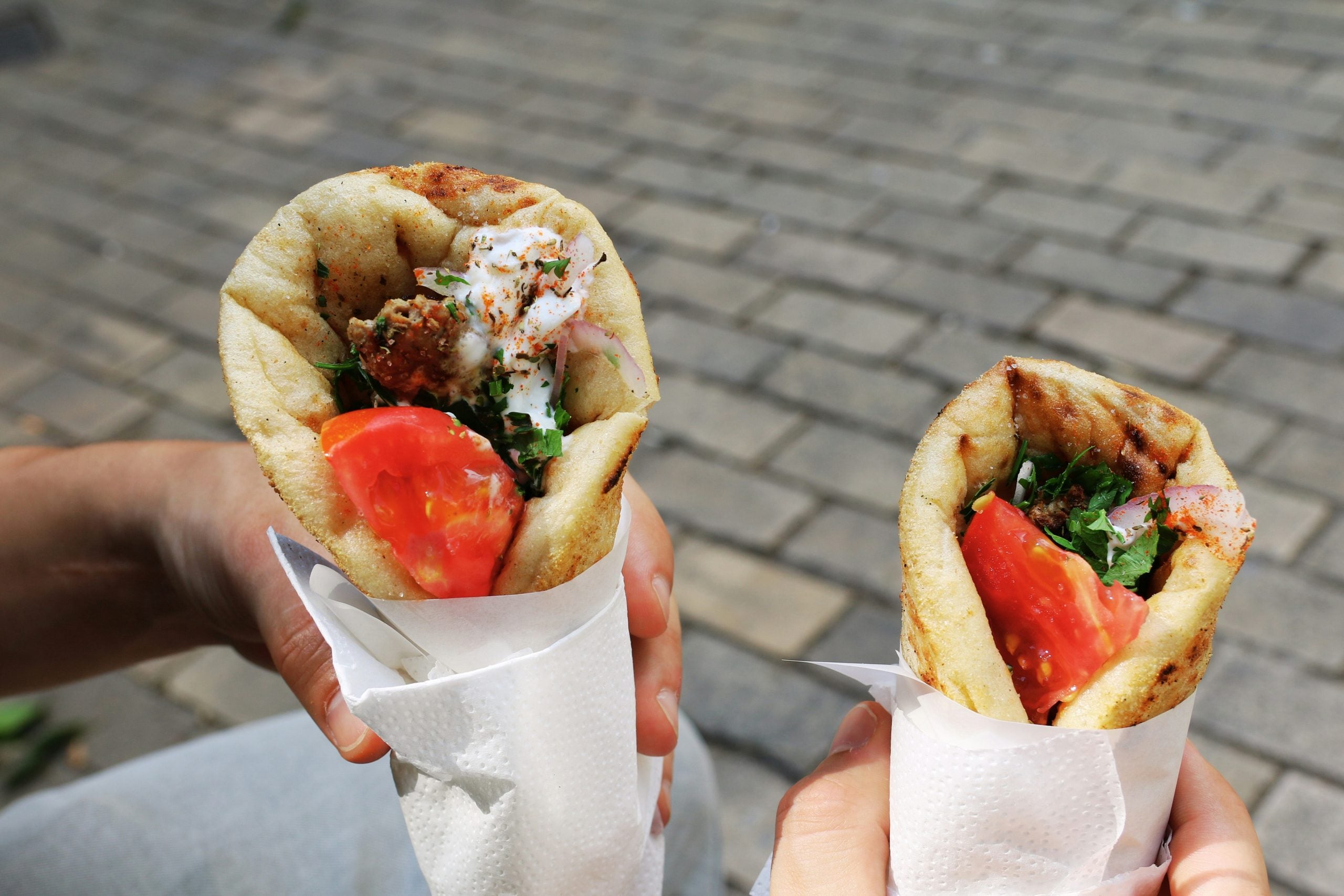
Gyros belong to the larger eastern Mediterranean tradition of cooking meat on a vertical spit, but the American version developed its own unmistakable personality. Greek American restaurants popularized sandwiches stuffed with thin slices of seasoned meat, tomato, onion, and tzatziki. Industrial production later made preformed cones of seasoned beef-and-lamb mixture easy for restaurants far beyond Greek neighborhoods to serve. That standardized cone helped turn the gyro into a familiar American diner, food-court, and street-festival meal rather than a specialty confined to immigrant communities.
Chinese Takeout Became a Cuisine of Its Own
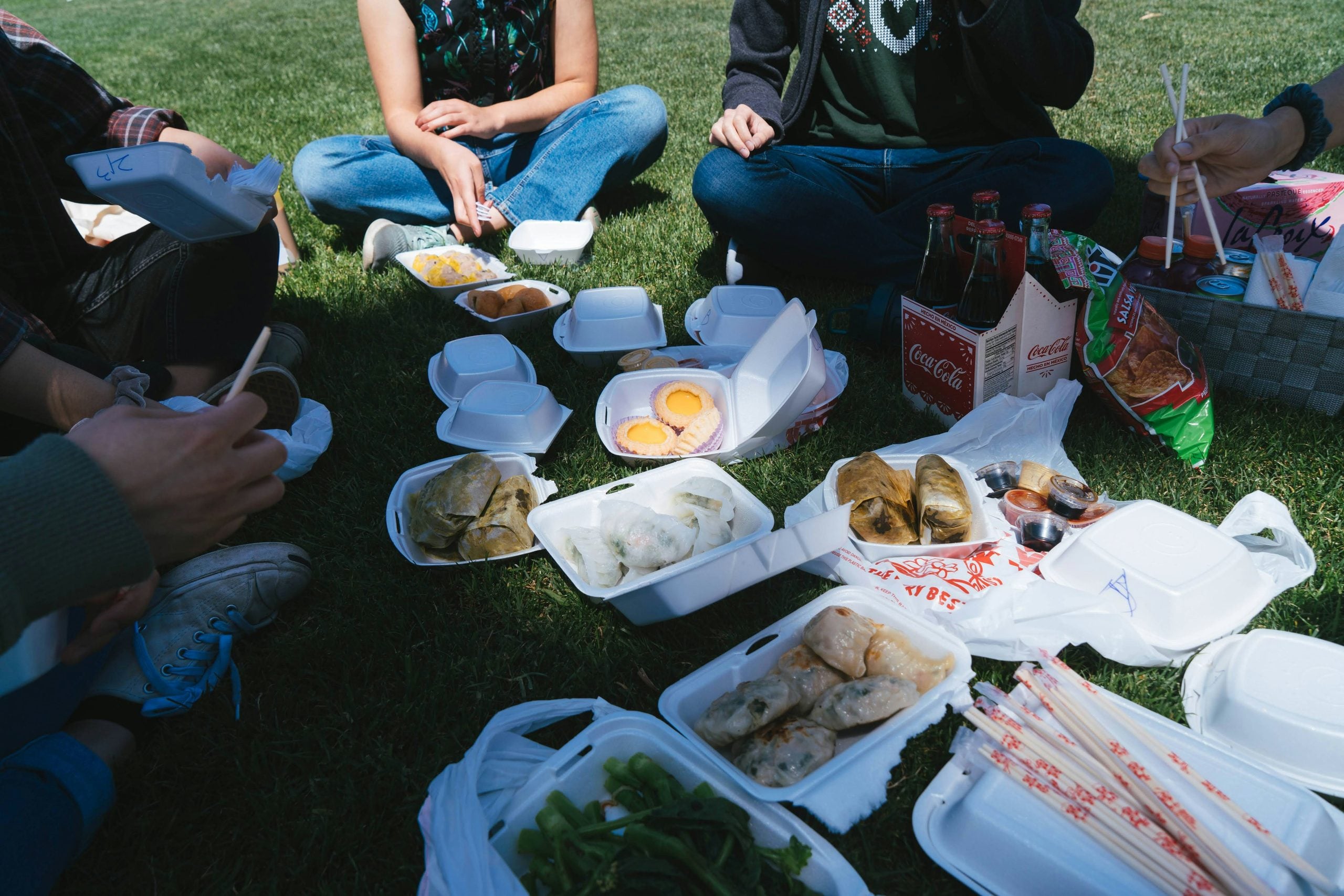
Perhaps the biggest reinvention is not a single dish. Chinese American restaurants developed a culinary language shaped by immigration, exclusion, American ingredients, customer preferences, and generations of entrepreneurship. Chop suey, egg foo young, sweet-and-sour dishes, fortune cookies, and later regional influences all became part of it. After immigration rules changed in the 1960s, restaurants incorporated more dishes from regions such as Sichuan and Hunan. The result was not simply “Chinese food made incorrectly,” but a distinct Chinese American culinary tradition.