Some foods are instant favorites, while others need a few years, and maybe better cooking, to finally make sense. Many foods people learn to appreciate later in life share qualities that can be challenging when we’re young, including bitterness, strong aromas, acidity, and unusual textures. As Harvard’s Nutrition Source explains, exploring a variety of foods is part of building a healthy eating pattern. From Brussels sprouts and blue cheese to olives and sardines, these 16 foods prove that a childhood “no thanks” doesn’t always last forever.
Brussels Sprouts
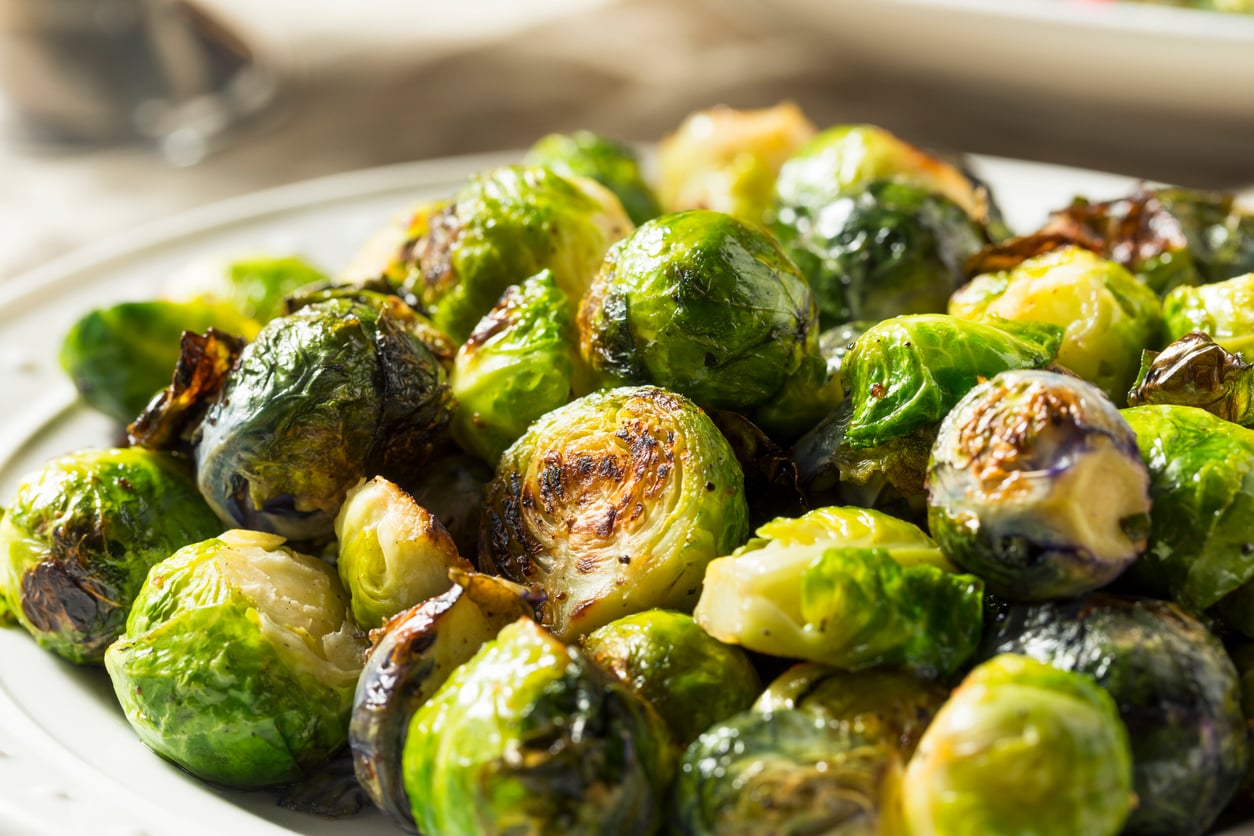
Anyone whose childhood Brussels sprouts arrived gray, mushy, and smelling vaguely sulfurous deserves another try. Brussels sprouts naturally contain compounds that contribute bitterness, and modern varieties have also been bred to taste milder than their predecessors. Roasting or sautéing them is another game changer, producing browned edges instead of the waterlogged texture many people remember. For an inexpensive side dish, halve them, toss with oil and salt, and roast until deeply browned.
Blue Cheese
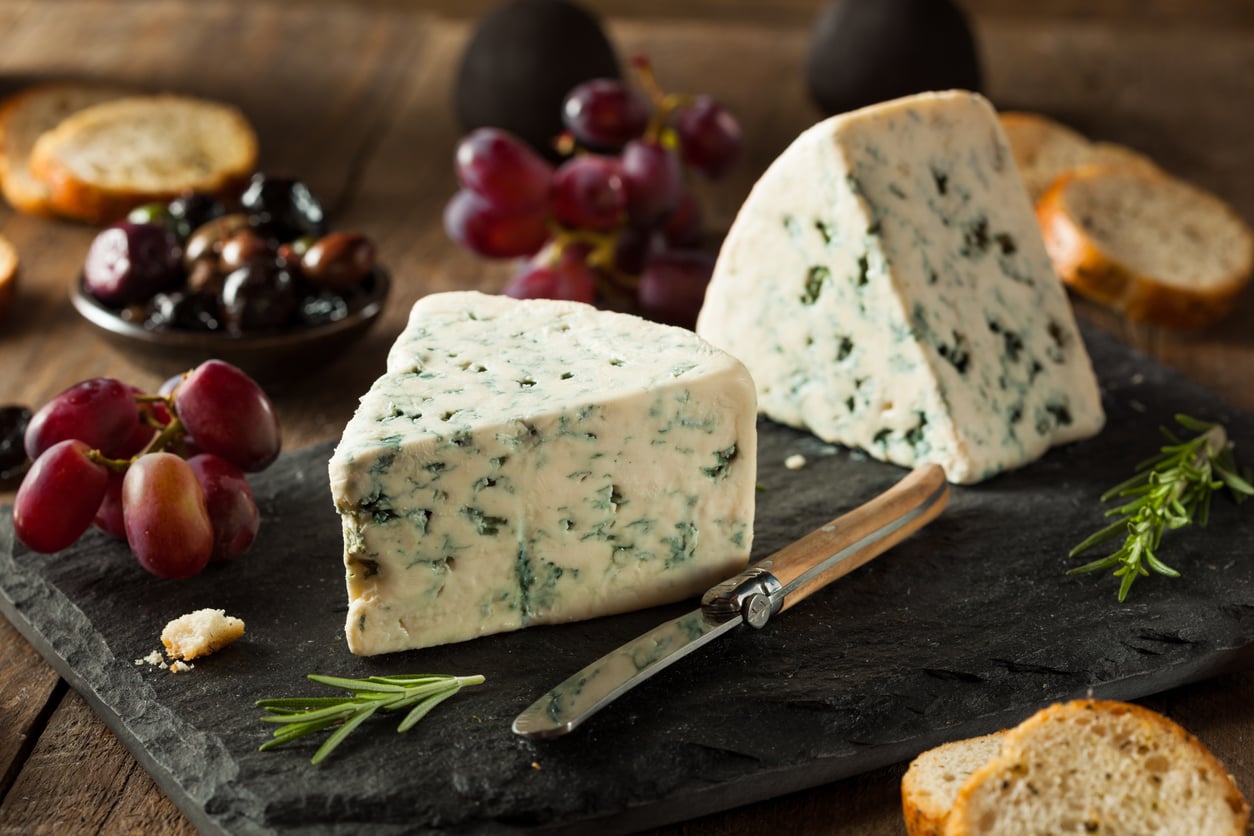
Blue cheese doesn’t exactly ease newcomers in gently. Its pungent aroma, visible blue-green mold, salty flavor, and sometimes creamy texture can be a lot to process, particularly for someone accustomed to mozzarella or mild cheddar. Later on, those same qualities can become the attraction. You don’t need much, either, which makes a small wedge surprisingly useful. Crumble a little over a burger or salad, or pair it with pears, apples, honey, or crackers rather than tackling a large piece by itself.
Olives
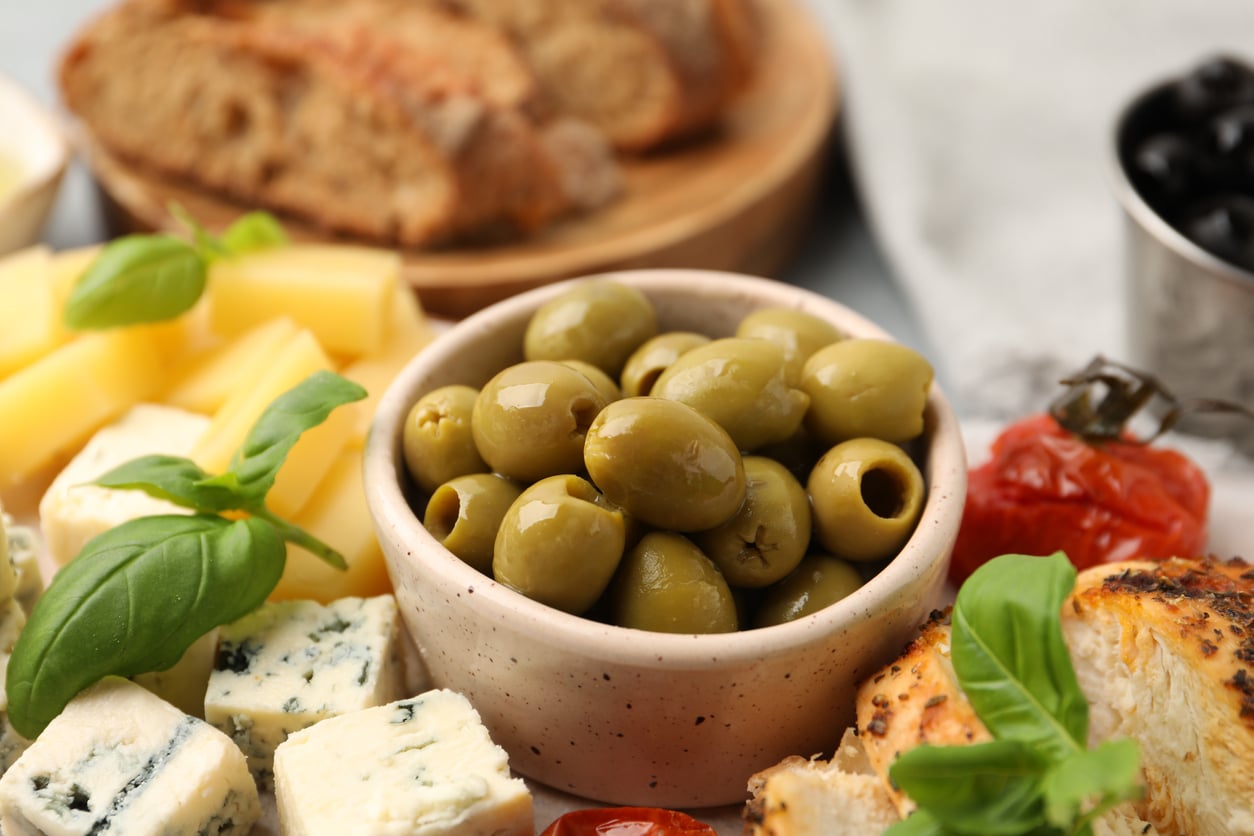
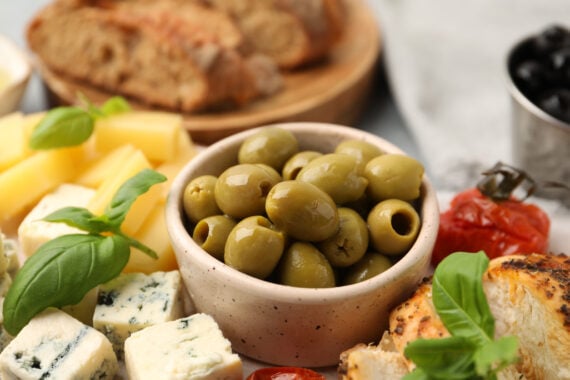
Olives can be a shock if you’re expecting something fruity. Curing transforms the naturally bitter fruit into something salty, savory, and sometimes intensely briny, and different varieties taste remarkably different. Reddit threads about childhood food dislikes repeatedly bring up olives as something people discovered later. For skeptics, Castelvetrano olives are an especially gentle starting point: they’re typically described as mild, buttery, slightly sweet, and crisp rather than aggressively briny.
Coffee

The first sip of unsweetened coffee can make a kid wonder why adults voluntarily drink the stuff. That reaction isn’t particularly surprising: children tend to be more sensitive to bitterness and prefer greater sweetness than adults do. Coffee also illustrates how an acquired taste actually works. Aroma, habit, preparation, and repeated exposure can all become part of the experience. Starting with milk or a latte can soften the bitterness, while better beans and careful brewing may convert people who grew up knowing only burnt-tasting diner coffee.
Dark Chocolate

A Hershey-style milk chocolate bar and a square of 80% cacao barely seem like members of the same family when you’re young. Dark chocolate contains substantially more cocoa solids and generally delivers a more intense, bitter flavor. Harvard’s Nutrition Source notes that dark chocolate typically contains 50% to 90% cocoa solids and that bitterness increases as that percentage climbs. There’s no prize for starting at 90%, though. Something around 60% to 70% cacao provides an easier bridge from sweeter milk chocolate.
Trending on Cheapism


Mushrooms
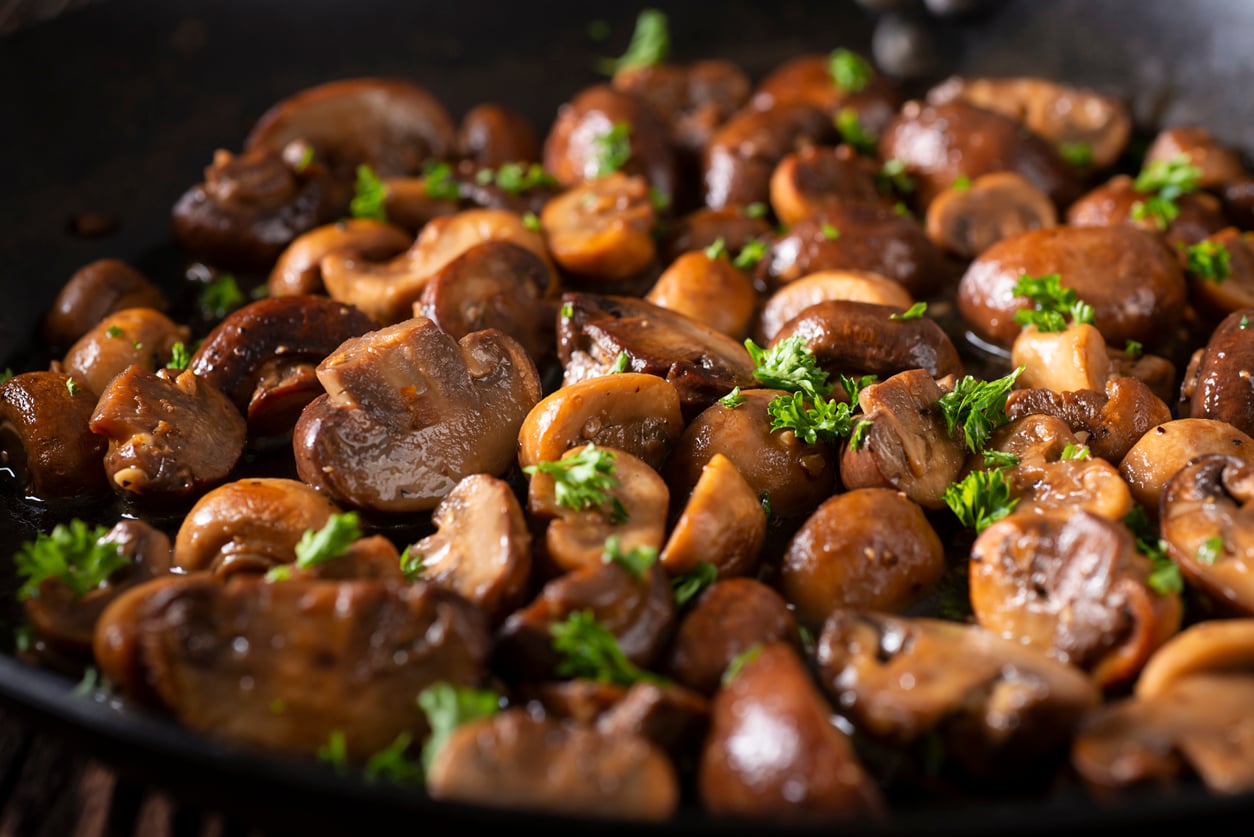
For mushroom haters, flavor isn’t always the problem, texture is. Pale, rubbery mushrooms swimming in liquid can leave a lasting impression. Browning them properly is practically a different food experience, bringing out a much deeper savory flavor while getting rid of some of that spongy quality. This distinction comes up repeatedly in conversations about foods people rediscover as adults; mushrooms were among the most common answers in one large Reddit discussion. Garlic, butter, and a hot skillet aren’t a bad way to conduct a second taste test.
Oysters
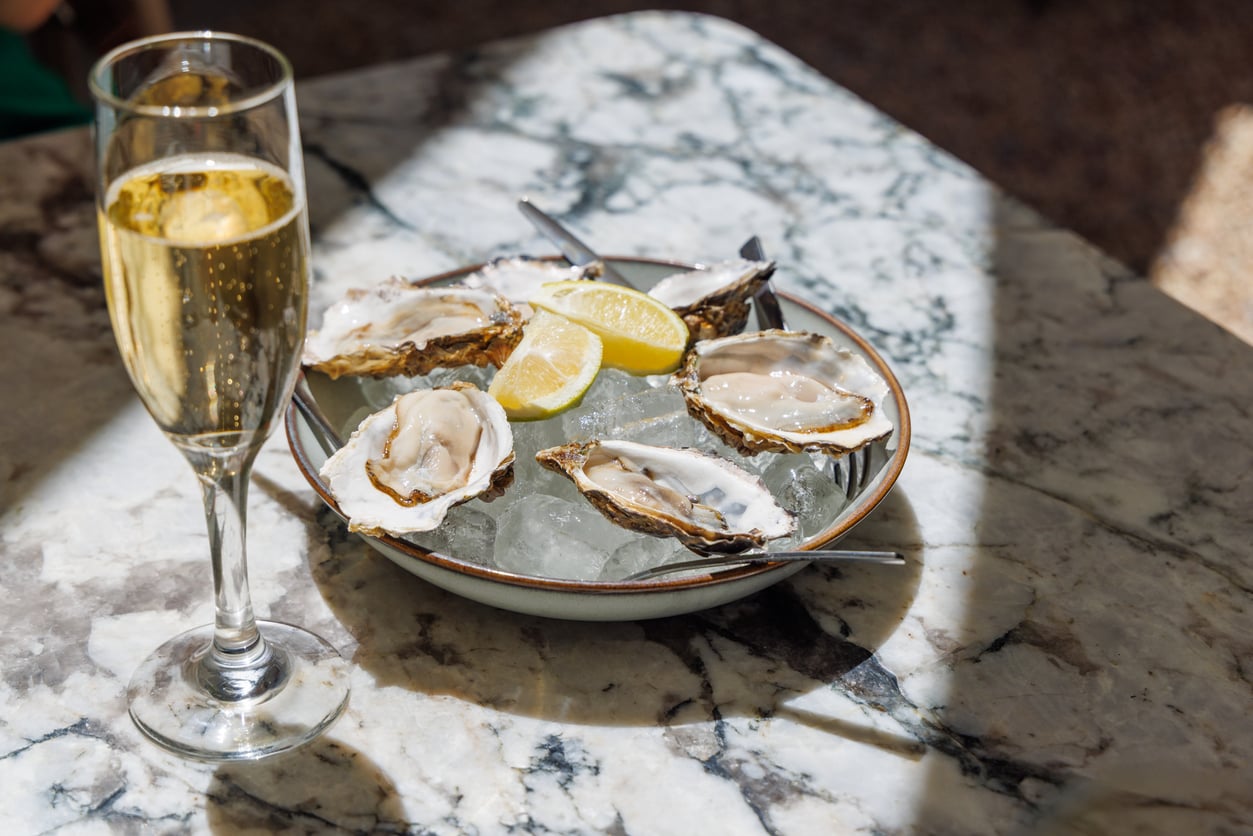
Raw oysters ask quite a lot of a first-time eater: they’re cold, slippery, salty, and swallowed almost whole. Fans eventually start noticing what beginners may miss, including differences in brininess, sweetness, size, and texture. But oysters deserve one major caveat, especially for older readers. The CDC warns that raw or undercooked oysters can carry Vibrio and other harmful germs, and people with certain underlying conditions face greater risks. Cooking oysters properly is the safer way to try them.
Anchovies

Eating an anchovy fillet straight from the tin isn’t the easiest introduction to this tiny, intensely salty fish. Using one in cooking is another story. Anchovies can essentially disappear into warm oil or sauce, leaving savory depth behind rather than an obvious chunk of fish. That’s one reason they work so well in Caesar dressing, tomato sauces, and pasta dishes. Even people who insist they hate anchovies may already enjoy foods seasoned with them without realizing exactly what they’re tasting.
Sign up for our newsletter
Grapefruit
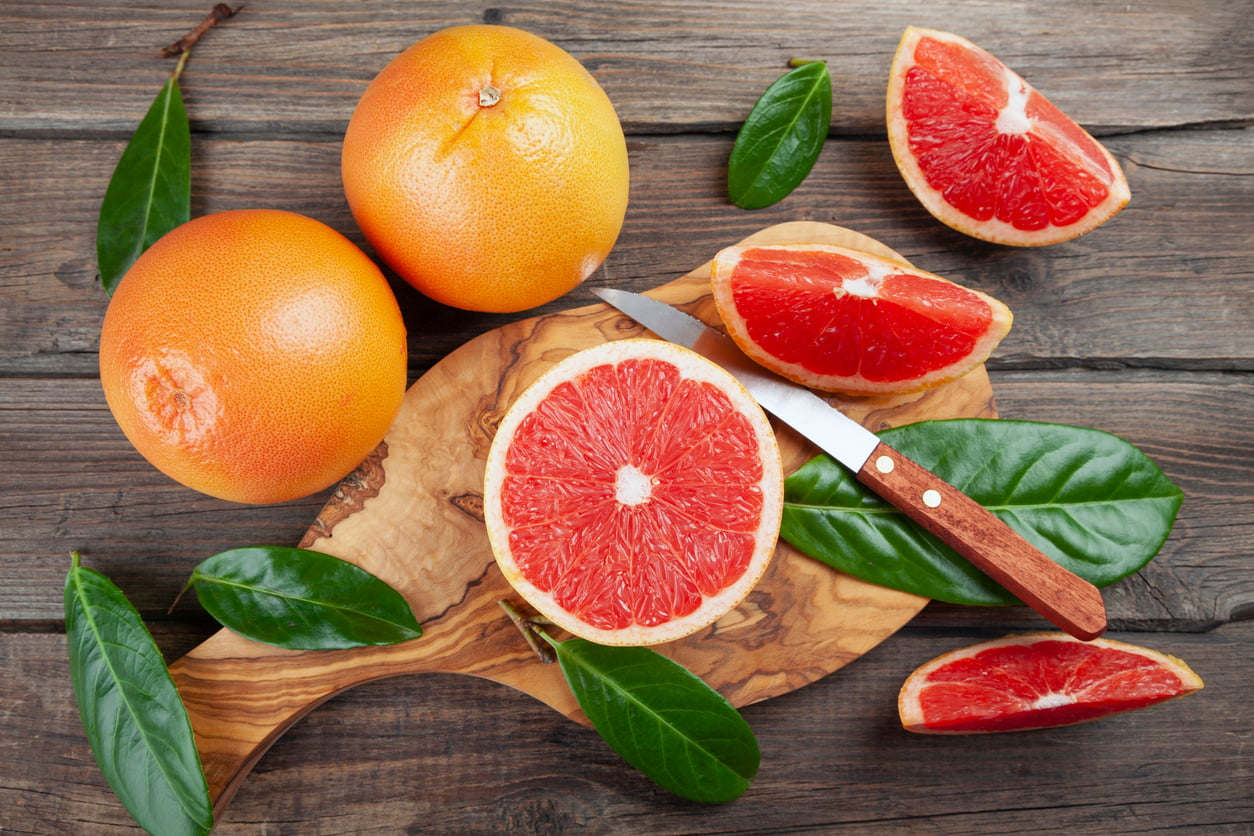
Grapefruit doesn’t offer the straightforward sweetness of an orange. Its combination of tartness and distinctive bitterness can be challenging when you’re young, particularly since children generally favor sweeter flavors. Ruby red varieties can provide a friendlier introduction. There is one important consideration, however: grapefruit and grapefruit juice can interfere with certain prescription and over-the-counter medications, including some cholesterol, blood pressure, and other drugs. The FDA recommends checking the medication information or asking a pharmacist if you’re unsure.
Mustard

Put ketchup and Dijon mustard in front of many children and the sweeter red bottle doesn’t have much competition. Mustard can bring acidity, pungency, spice, and very little sweetness, but those qualities become surprisingly useful once you start thinking beyond hot dogs. Dijon can sharpen a vinaigrette, whole-grain mustard adds texture to sandwiches, and yellow mustard cuts through fatty meats. Honey mustard is an easy middle ground for anyone still wary of the sharper stuff, though lifelong mustard haters certainly aren’t required to graduate.
Pickles
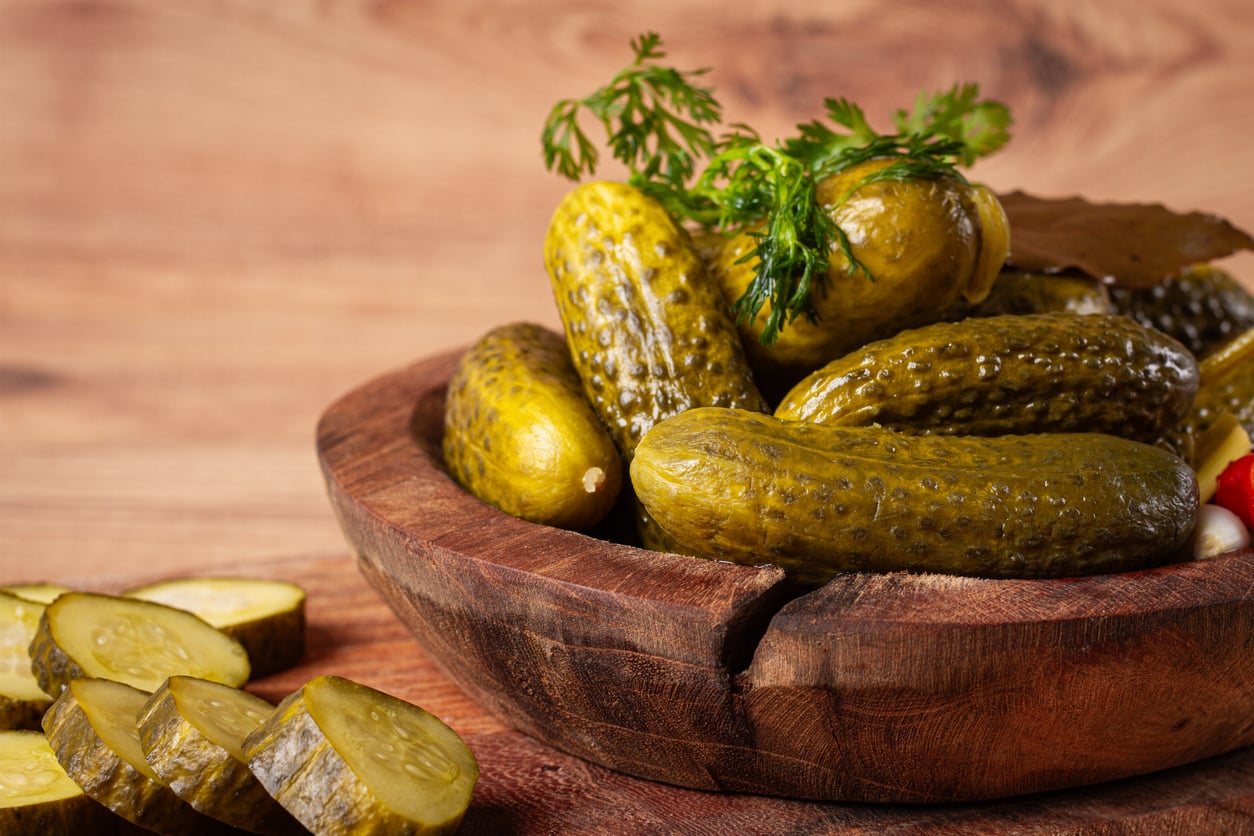
A pickle delivers a lot at once: acidity, salt, crunch, herbs, and sometimes garlic, spice, or fermentation funk. But there’s an important distinction often lost when people talk about pickles. Some are fermented, with bacteria producing the acid over time, while quick-process pickles get their acidity directly from vinegar. That also means two jars can taste dramatically different. Bread-and-butter pickles offer a sweeter introduction, while a crisp dill is a good stepping stone toward sourer fermented varieties.
Eggplant
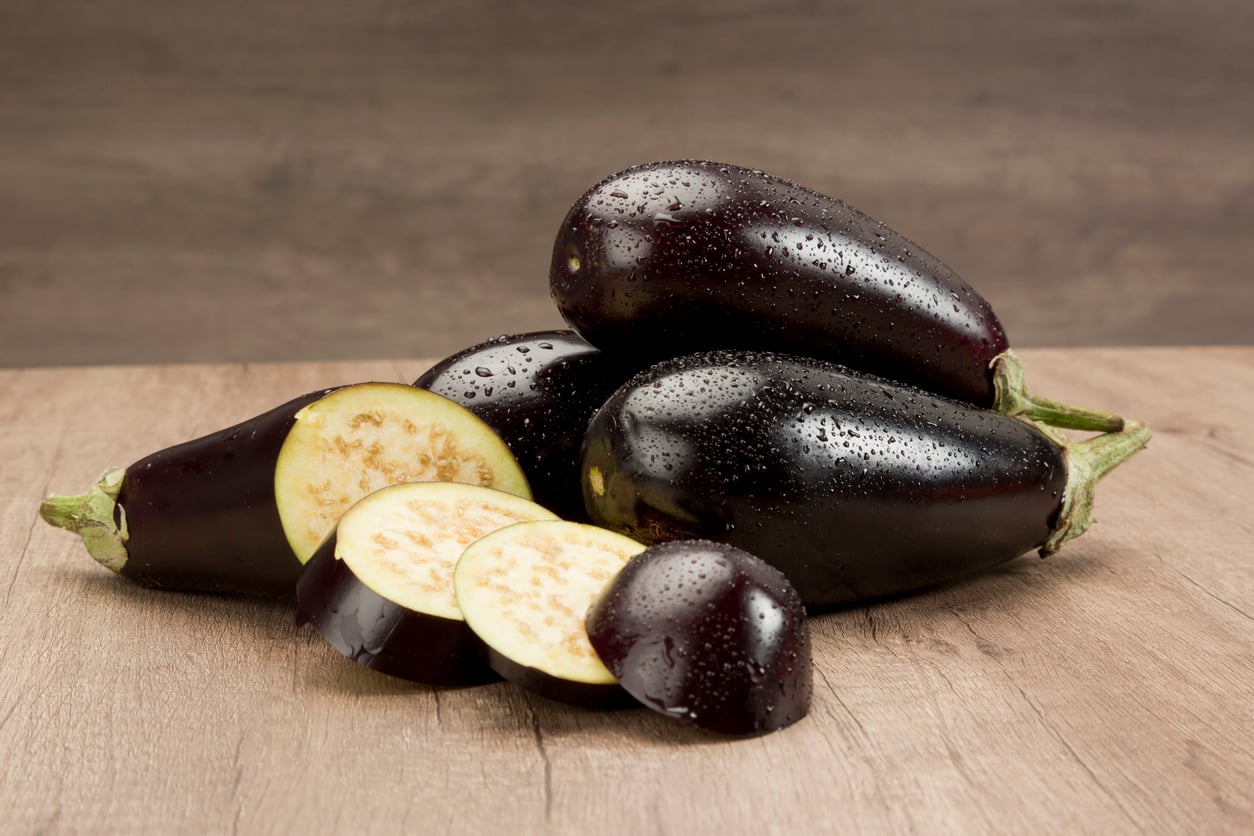
A badly cooked eggplant can confirm every suspicion you ever had about the vegetable. Overmature eggplants may be bitter, spongy, and seedy, while poorly cooked ones can turn oily or mushy. Fresh eggplant cooked well is another matter. University of Illinois Extension recommends baking, sauteing, broiling, roasting, or grilling it and notes that older fruits can become more bitter. For hesitant eaters, eggplant Parmesan or smoky baba ganoush may be much more persuasive than a plain slice of boiled eggplant.
Sardines
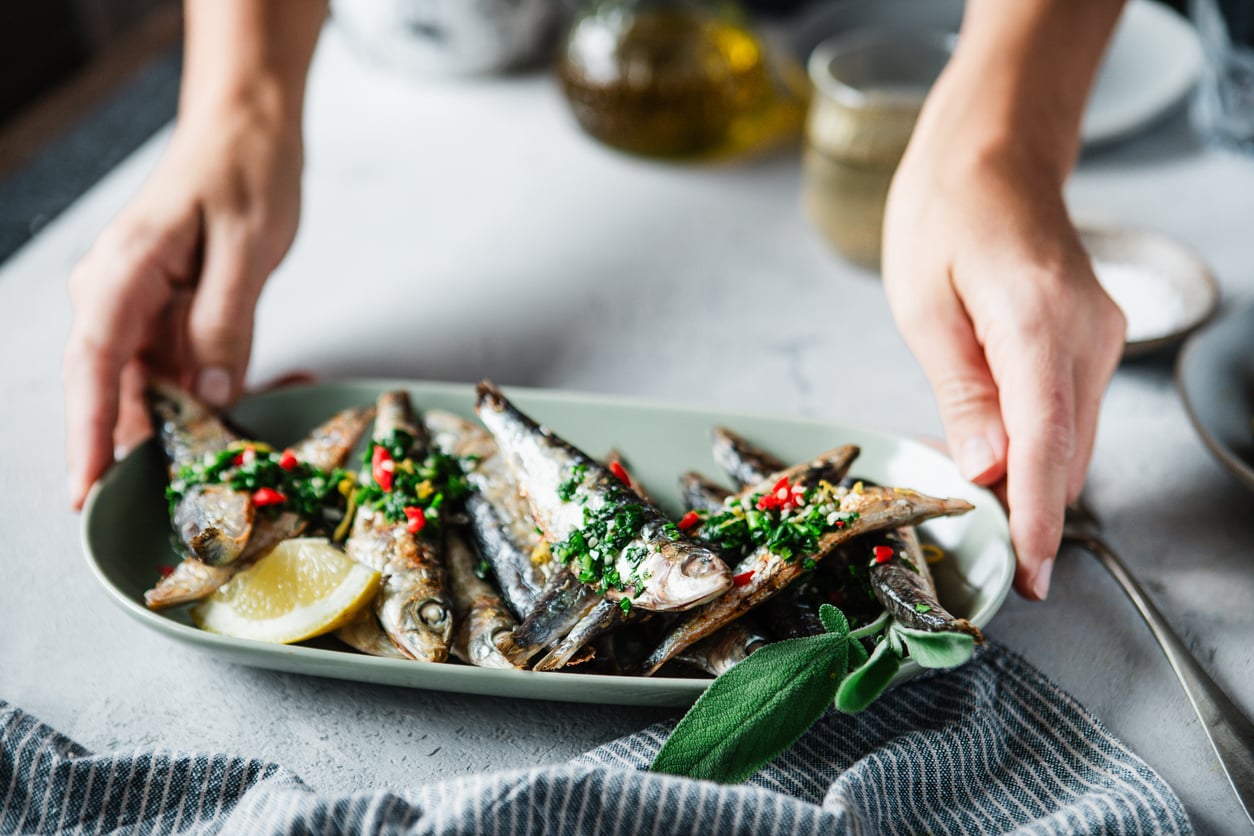
Sardines have a marketing problem before you even open the tin. Small whole fish packed tightly together aren’t exactly designed to win over a squeamish kid. Yet they’re inexpensive, shelf-stable, intensely savory, and require virtually no preparation. For a less intimidating start, look for boneless, skinless sardines packed in olive oil and serve them on toast or crackers with lemon, herbs, or a little mustard. Once the visual hurdle disappears, the flavor may seem considerably less challenging than expected.
Sauerkraut
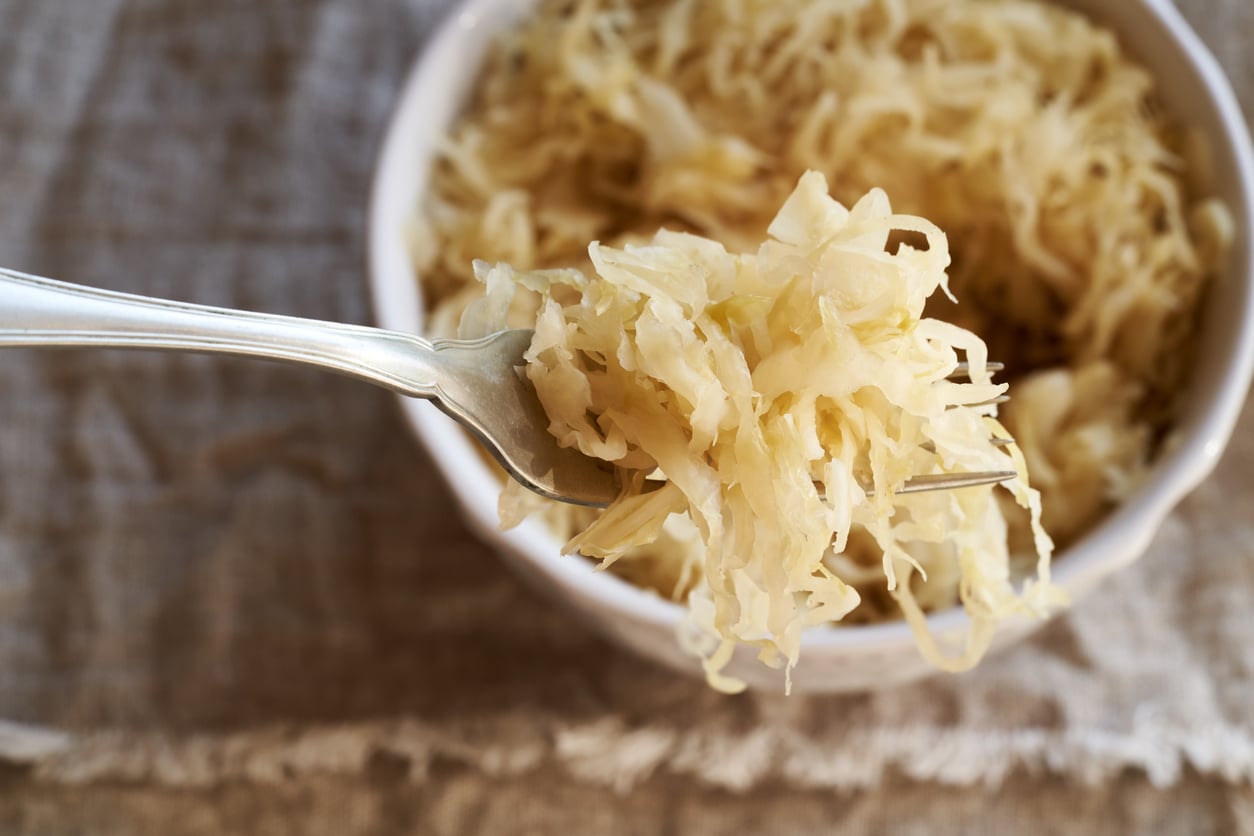
Fermented cabbage is unlikely to win a popularity contest with French fries among children. Sauerkraut’s sour aroma and tang can be startling on their own, but they make much more sense next to rich food. A forkful can cut through the heaviness of sausage, pork, or a loaded sandwich. Real sauerkraut is produced by adding salt to cabbage and allowing natural fermentation to develop its characteristic acidity. If a bowlful sounds excessive, think of it as a condiment and start with a spoonful.
Beets
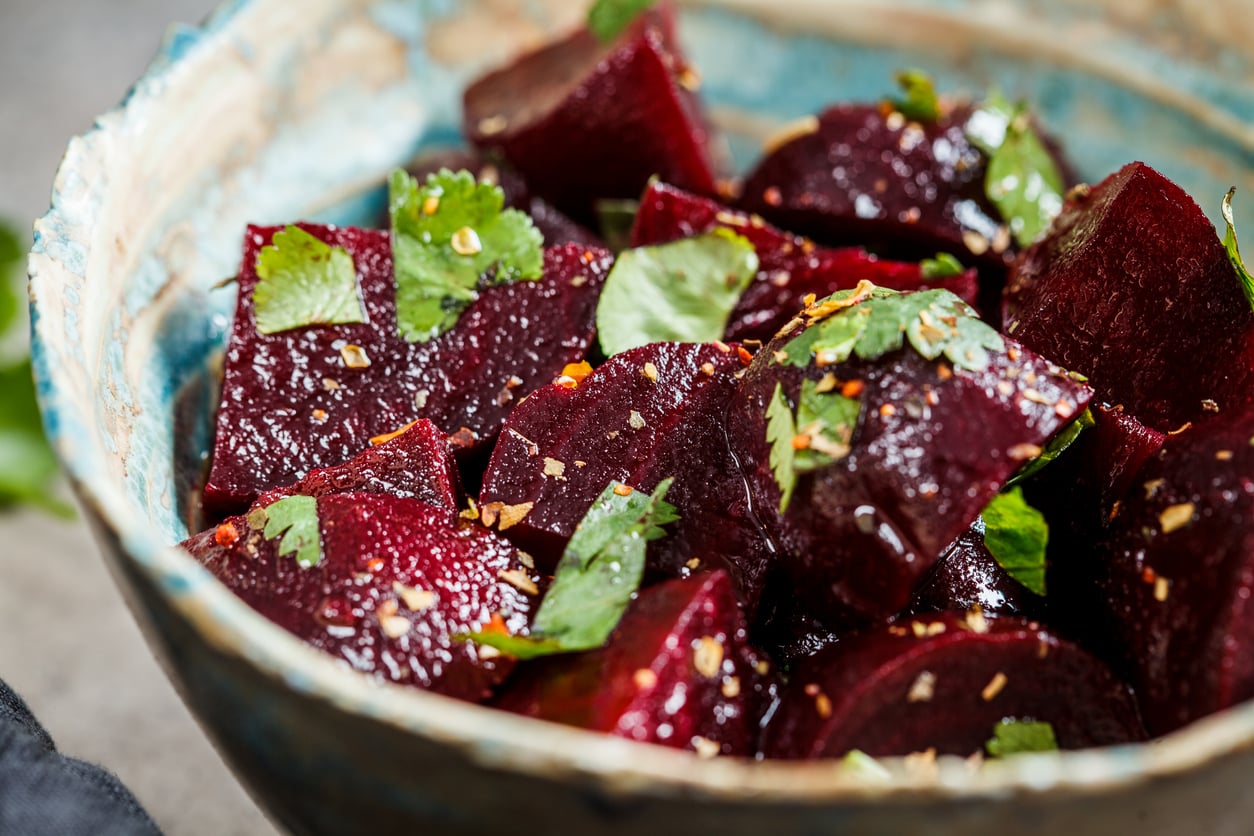
Beets don’t merely taste “vegetable-y”. Their unmistakably earthy character comes largely from geosmin, a compound humans can detect at extremely low concentrations and that is also associated with the smell of soil. No wonder reactions can be strong. Roasting helps mellow that earthiness while highlighting the beet’s natural sweetness, and pairing it with goat cheese, feta, citrus, nuts, or vinaigrette adds contrasting flavors and textures. People scarred by canned beets may discover that fresh roasted ones seem like an entirely different vegetable.
Bitter Greens
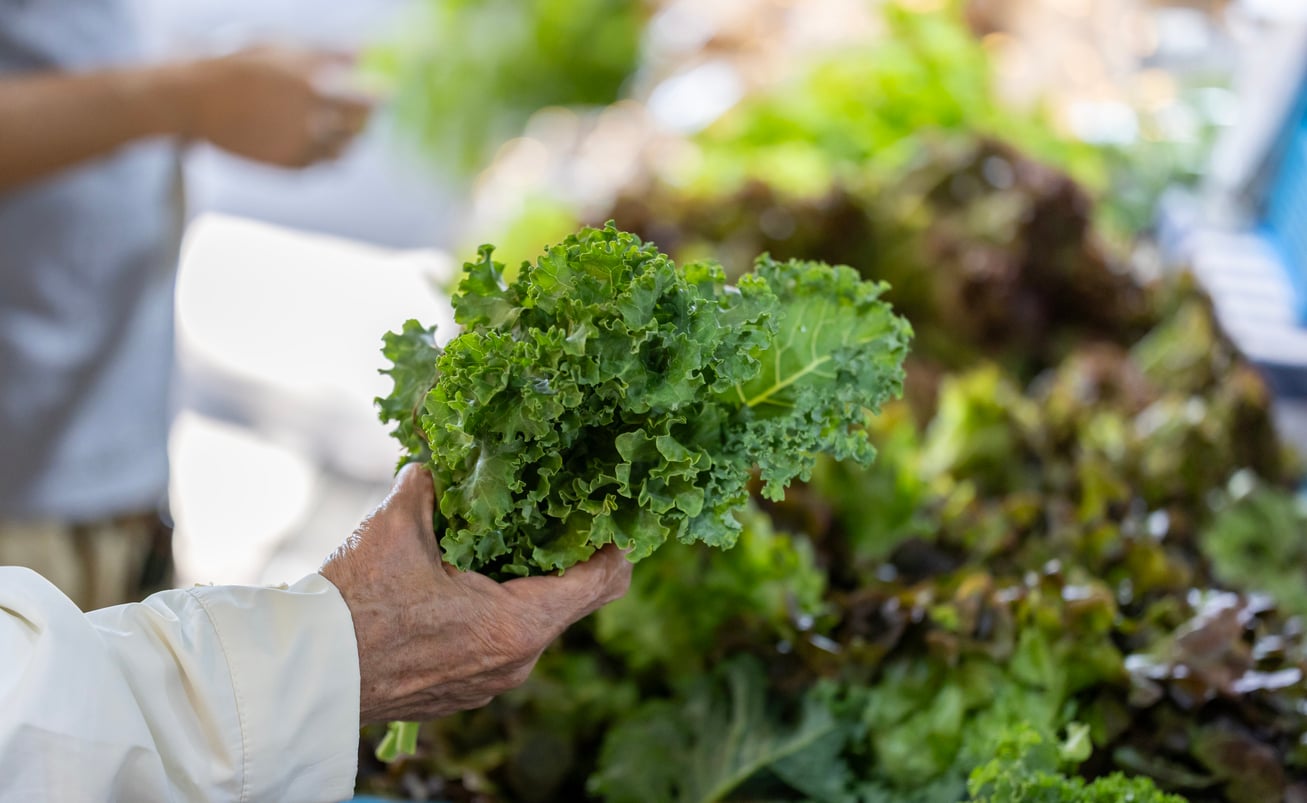
Kale, collard greens, mustard greens, and other assertive leafy vegetables can be a tough sell when you’re young. Research suggests that’s hardly surprising: children are generally more sensitive to bitter tastes, and experience can reduce aversion to some bitter foods. Preparation matters enormously, too. Sauteing greens with garlic and olive oil, adding acid, or serving them alongside richer foods can balance their intensity. You may never crave a plate of plain steamed kale, but that doesn’t mean you dislike kale in every form.