Some of America’s most interesting restaurant specialties are hiding in places that rarely get much attention for their food. From salt potatoes in Syracuse to fried onion burgers in a small Oklahoma city, these dishes grew out of local history, immigrant traditions, and recipes that simply never traveled very far. As the Smithsonian’s National Museum of American History explains in its look at regional foodways, food traditions are closely tied to place and the communities that shape them. Here are 16 specialties that might be completely familiar in one corner of America and practically unheard of everywhere else.
The Horseshoe – Springfield, Illinois
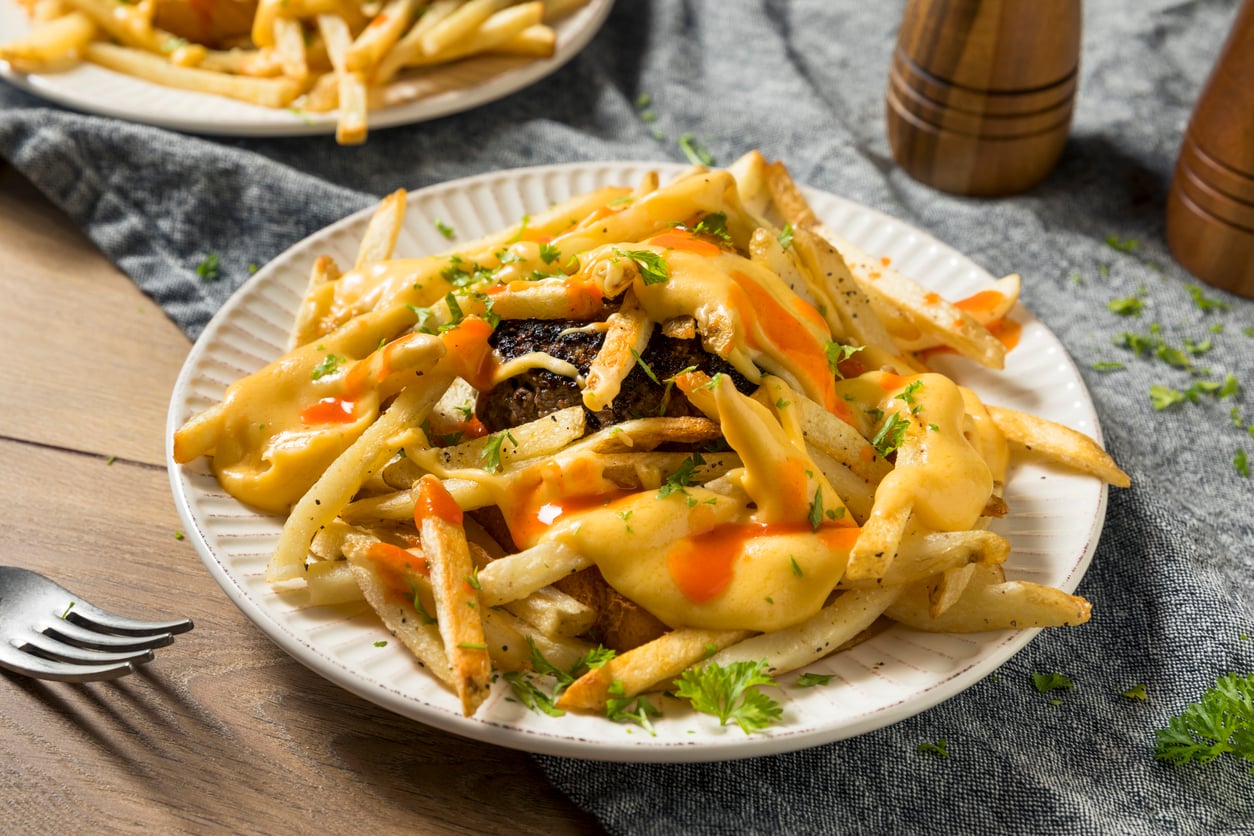
The horseshoe is the kind of meal that makes an ordinary sandwich look restrained. Two slices of Texas toast are topped with meat, French fries, and a generous blanket of cheese sauce. Springfield tourism traces the creation to chef Joe Schweska at the city’s Leland Hotel in 1928, when the original version used ham. Today, restaurants throughout Springfield serve their own takes. D’Arcy’s Pint remains a popular stop, with several meats available beneath those fries and cheese.
The Garbage Plate – Rochester, New York
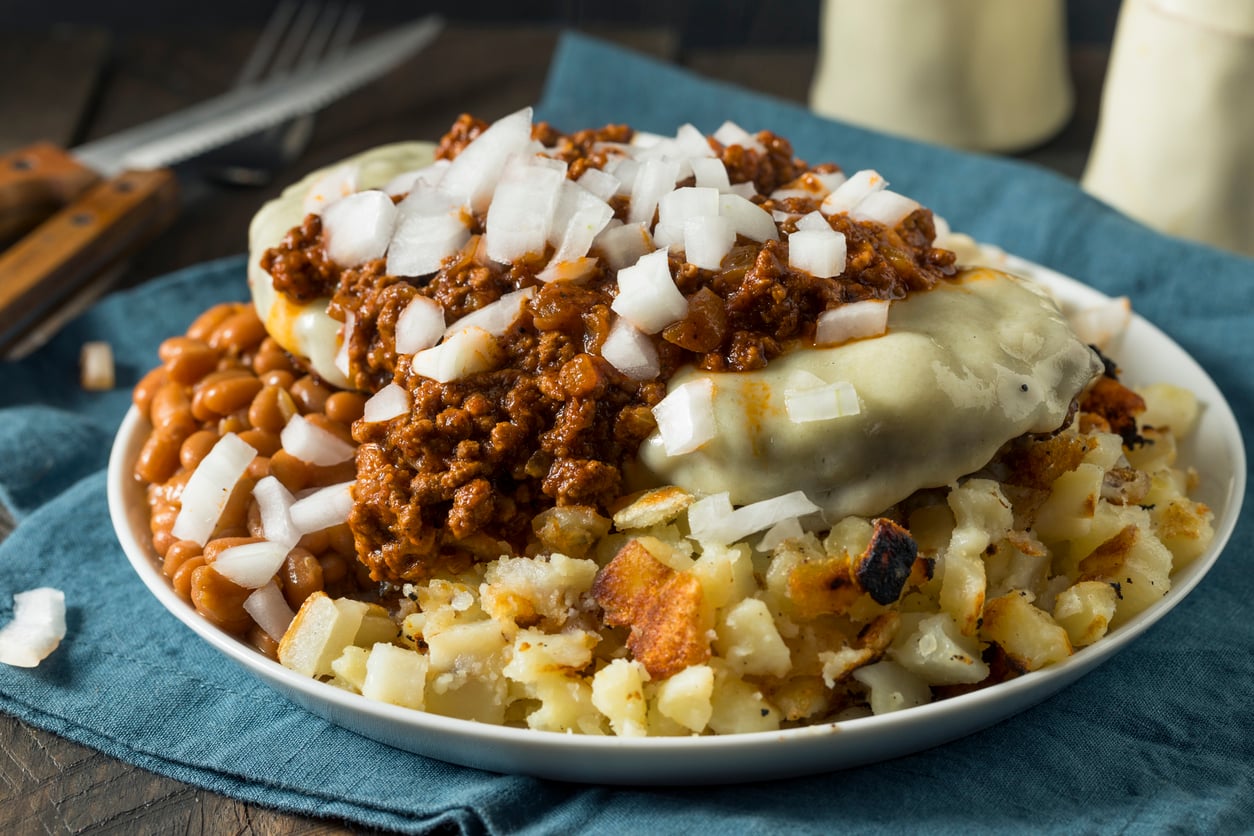
Don’t let the name put you off. Rochester’s famous Garbage Plate combines a choice of meat with sides such as home fries, macaroni salad, fries, or baked beans, then adds the city’s spicy meat “hot sauce,” often with mustard and onions. The Garbage Plate name is trademarked by Nick Tahou Hots, while restaurants across Rochester serve variations under other names. It is unapologetically enormous, making this more of a serious comfort-food commitment than a light lunch.
Goetta – Cincinnati, Ohio, and Northern Kentucky
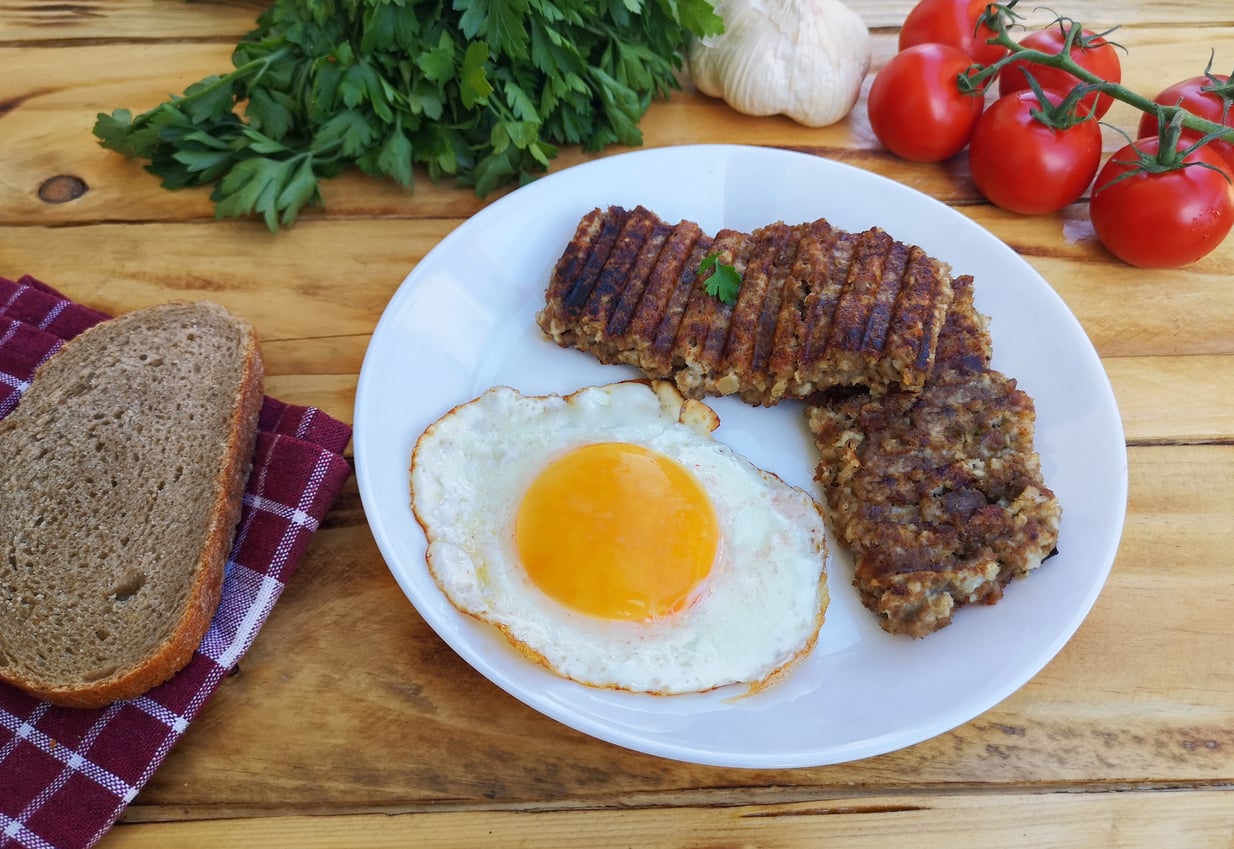
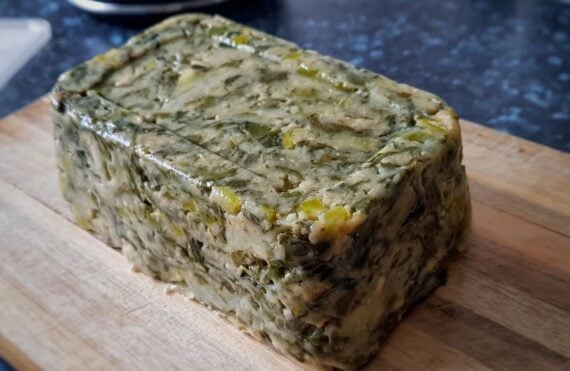
Visitors expecting Cincinnati chili may be surprised to encounter another local obsession at breakfast. Goetta combines ground meat, steel-cut oats, and seasonings into a loaf that is sliced and fried until crisp around the edges. It developed among German immigrants in the Cincinnati region during the 19th century as a practical way to stretch meat. Across the Ohio River in Covington, Kentucky, the old-school Anchor Grill serves goetta in several forms, including breakfast sandwiches, omelets, and plates with eggs.
Spiedies – Binghamton, New York
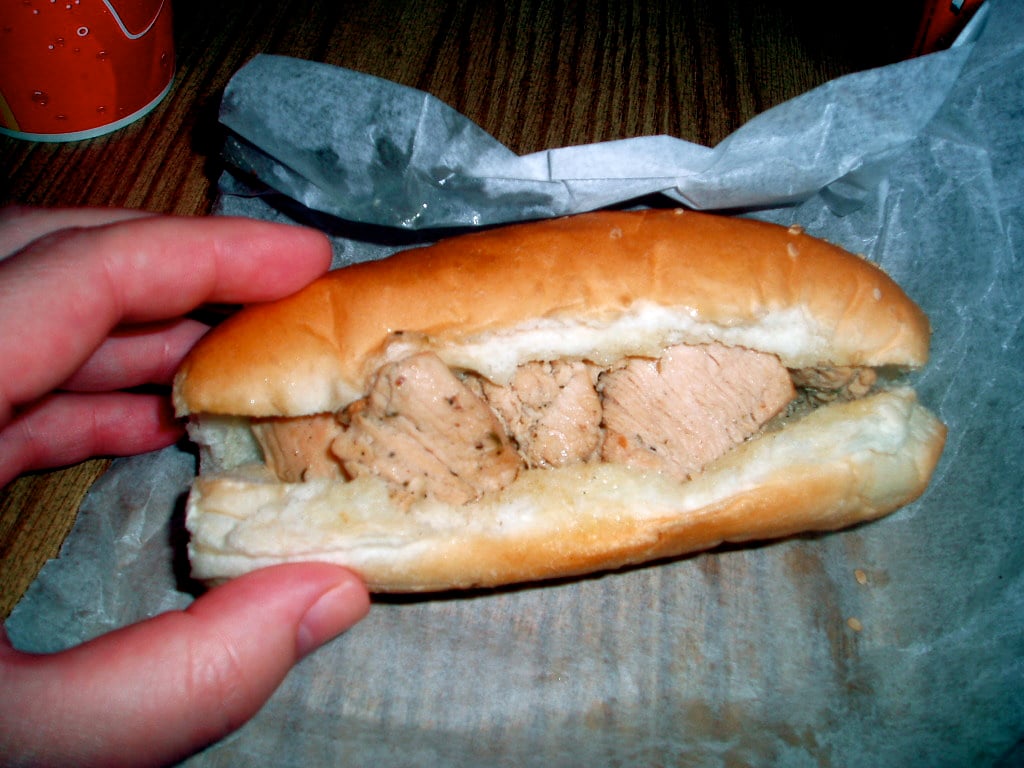
A spiedie looks straightforward: cubes of marinated meat grilled and tucked into bread. But around Binghamton, it has become a regional institution. The sandwich has Italian roots and was traditionally made with lamb, though chicken and pork are now especially common. Spiedie & Rib Pit still sells traditional 6 and 12-inch versions alongside more elaborate variations. Its current menu keeps prices relatively approachable, while recent diners frequently praise the tender meat and value, although experiences with service can vary.
Salt Potatoes – Syracuse, New York
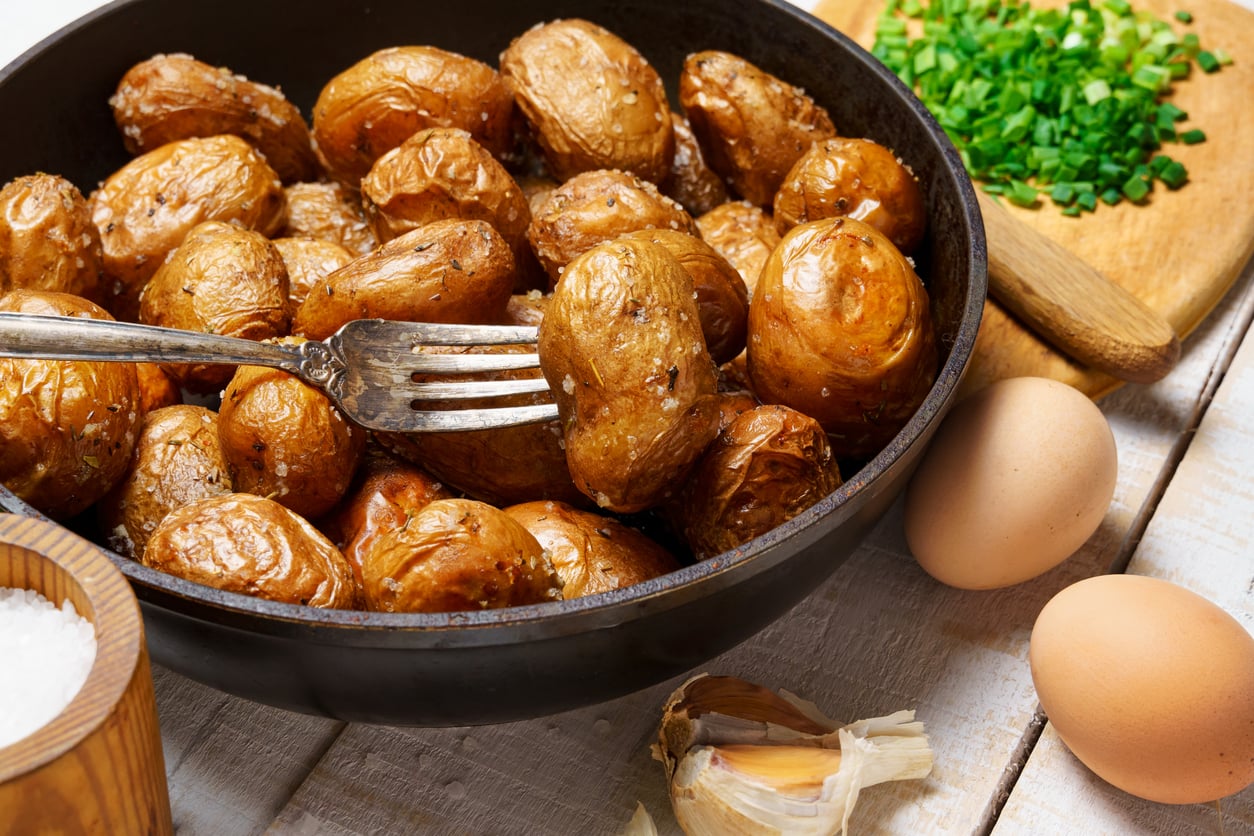
Few foods sound less elaborate than potatoes boiled in salty water, yet Syracuse turned exactly that into a regional specialty. The dish is connected to the city’s 19th-century salt industry and traditionally consists of small potatoes cooked in heavily salted water and served with butter. Restaurants have since gotten much more creative. Bull & Bear Roadhouse, for example, serves loaded salt potatoes topped with pulled pork, bacon, cheddar, sour cream, and scallions, considerably less modest than the original version.
Trending on Cheapism
Fried Onion Burgers – El Reno, Oklahoma
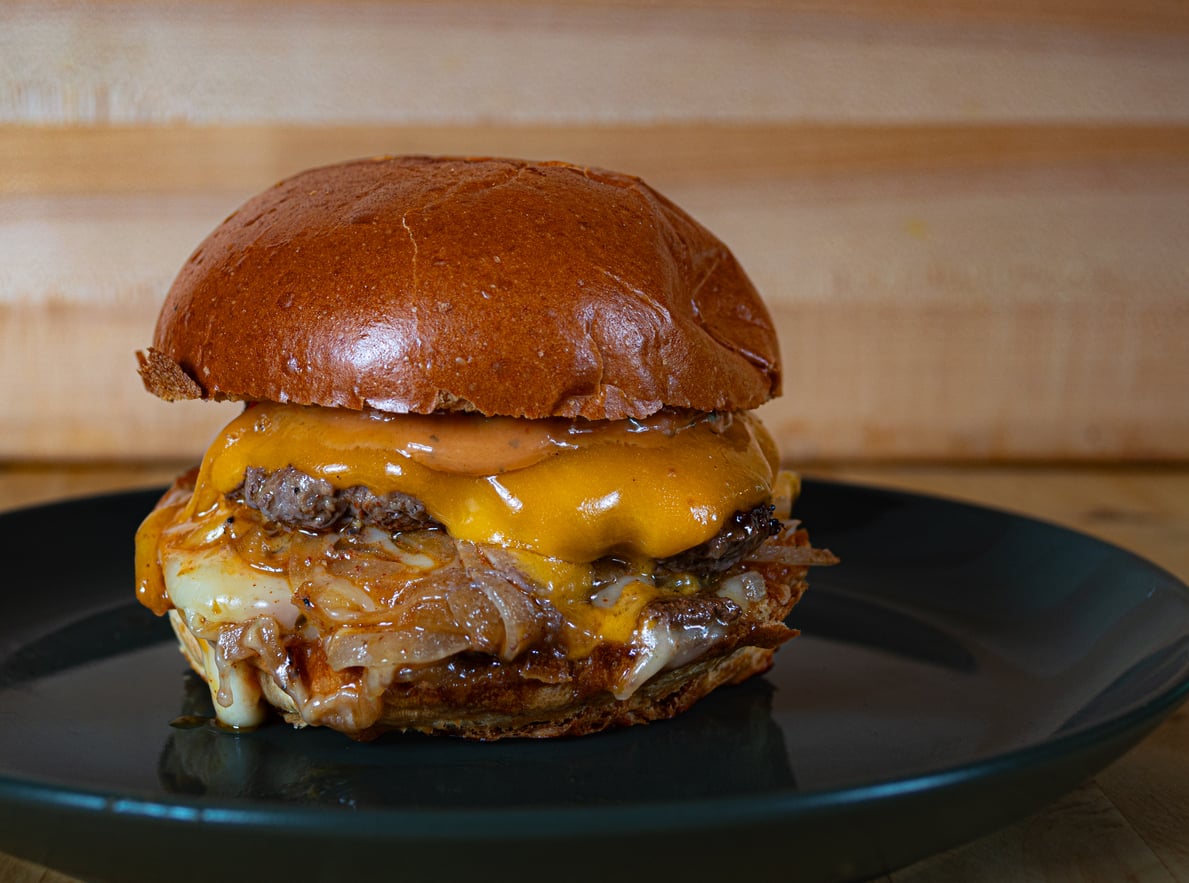
During the Depression, restaurant owner Ross Davis reportedly mixed inexpensive shredded onions into small beef patties to make them look more substantial. The trick became an El Reno tradition that survived long after beef stopped being scarce. The onions are smashed directly into the meat on the griddle, becoming browned, sweet, and tangled into the patty. Sid’s Diner remains one of the classic places to try one. Recent visitors regularly praise the burgers but also mention waits at the tiny, busy restaurant.
Breaded Pork Tenderloin – Huntington, Indiana
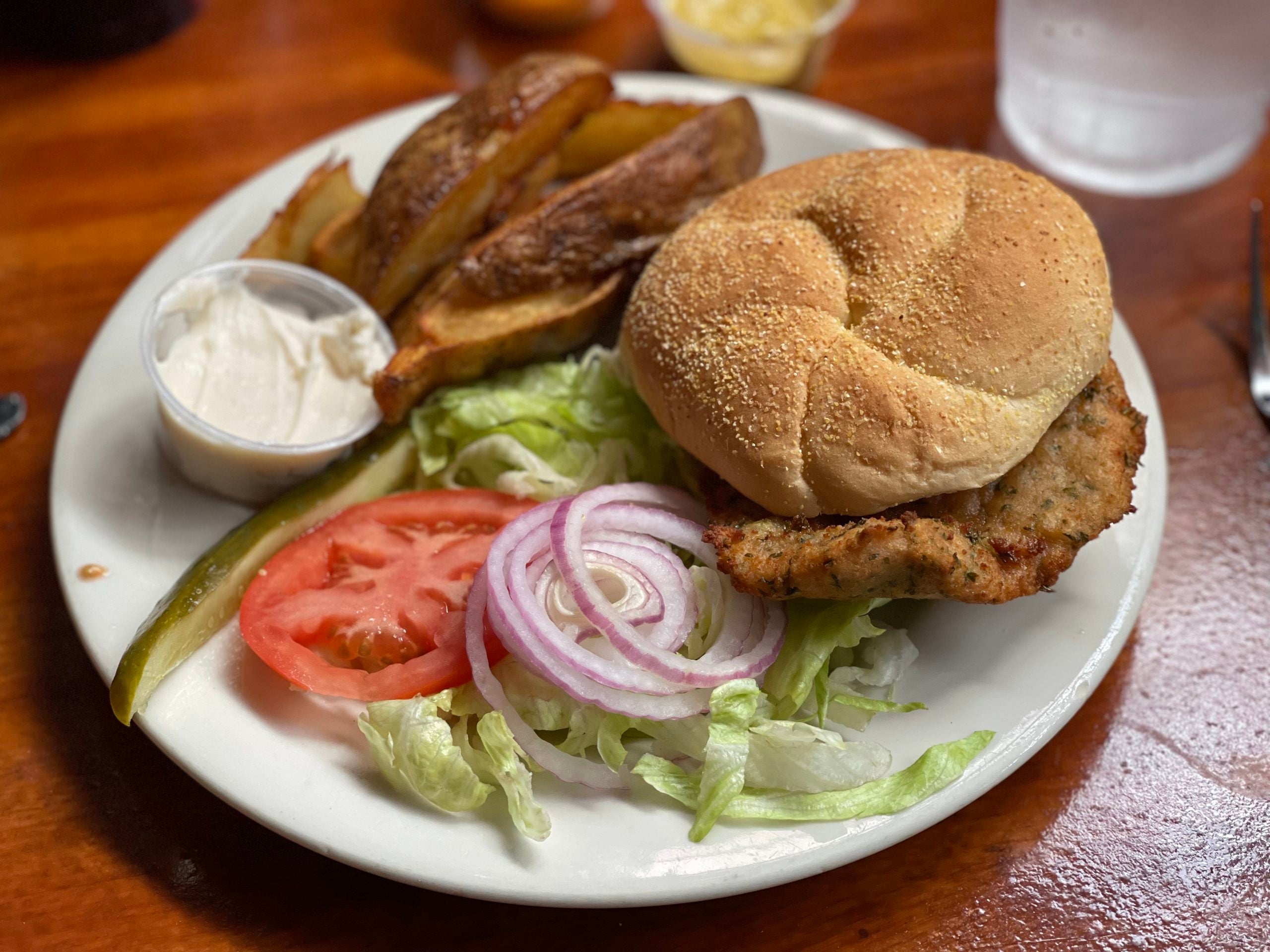
Indiana’s pork tenderloin sandwich can look almost comical when it reaches the table: a thin, breaded pork cutlet spreading several inches beyond an ordinary hamburger bun. Its roots are commonly traced to Nick Freienstein, the son of German immigrants, who adapted the idea of Wiener schnitzel using pork. His Nick’s Kitchen opened in Huntington in 1908 and still serves its tenderloin after marinating the pork in buttermilk. It’s a particularly good example of immigrant cooking becoming unmistakably Midwestern.
Runza – Nebraska
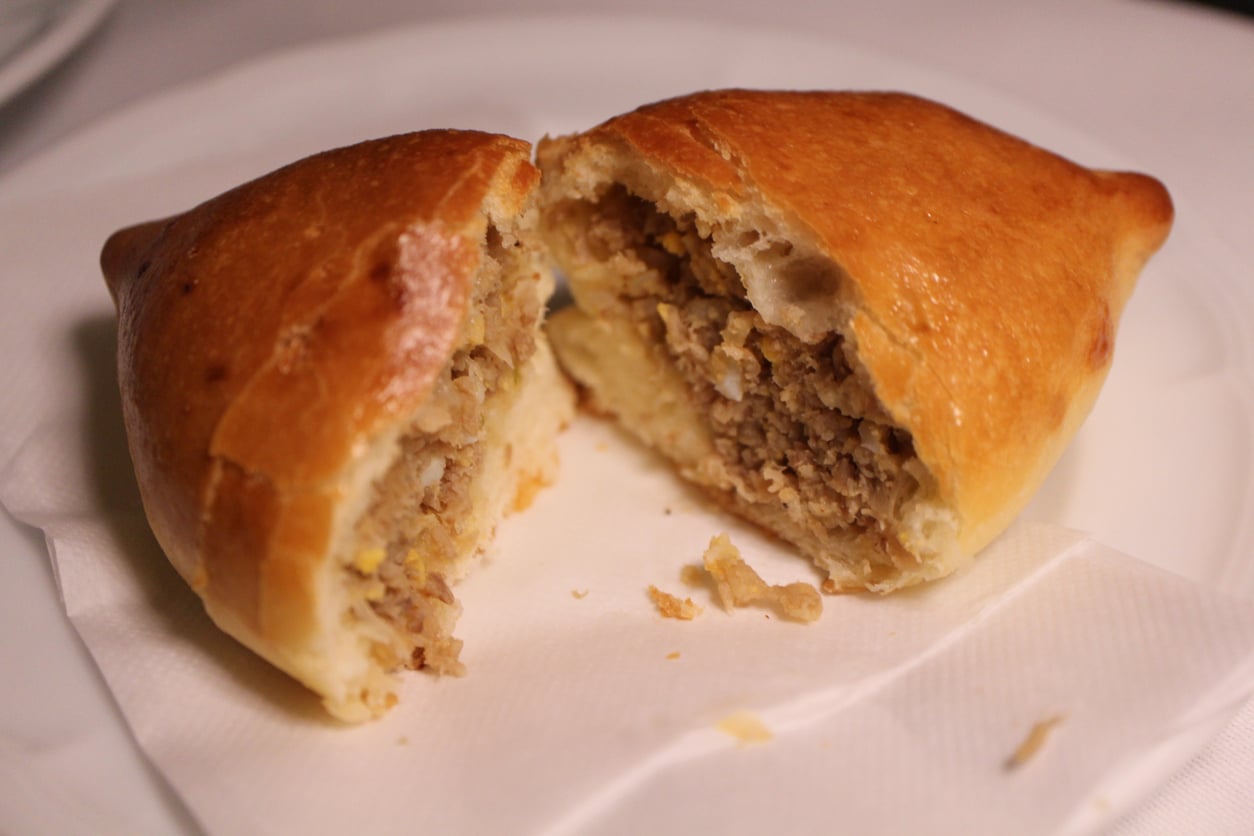
Nebraska has something much of America doesn’t: a fast-food chain built around a stuffed bread pocket filled with beef and cabbage. The original Runza sandwich combines seasoned ground beef, cabbage, and onions inside bread baked fresh at the restaurants. The chain began in Lincoln in 1949 and deliberately remains concentrated in Nebraska and a handful of neighboring states rather than expanding nationwide. At 490 calories for the original, it’s also a more manageable order than some of the oversized specialties on this list.
Sign up for our newsletter
Knoephla Soup – North Dakota
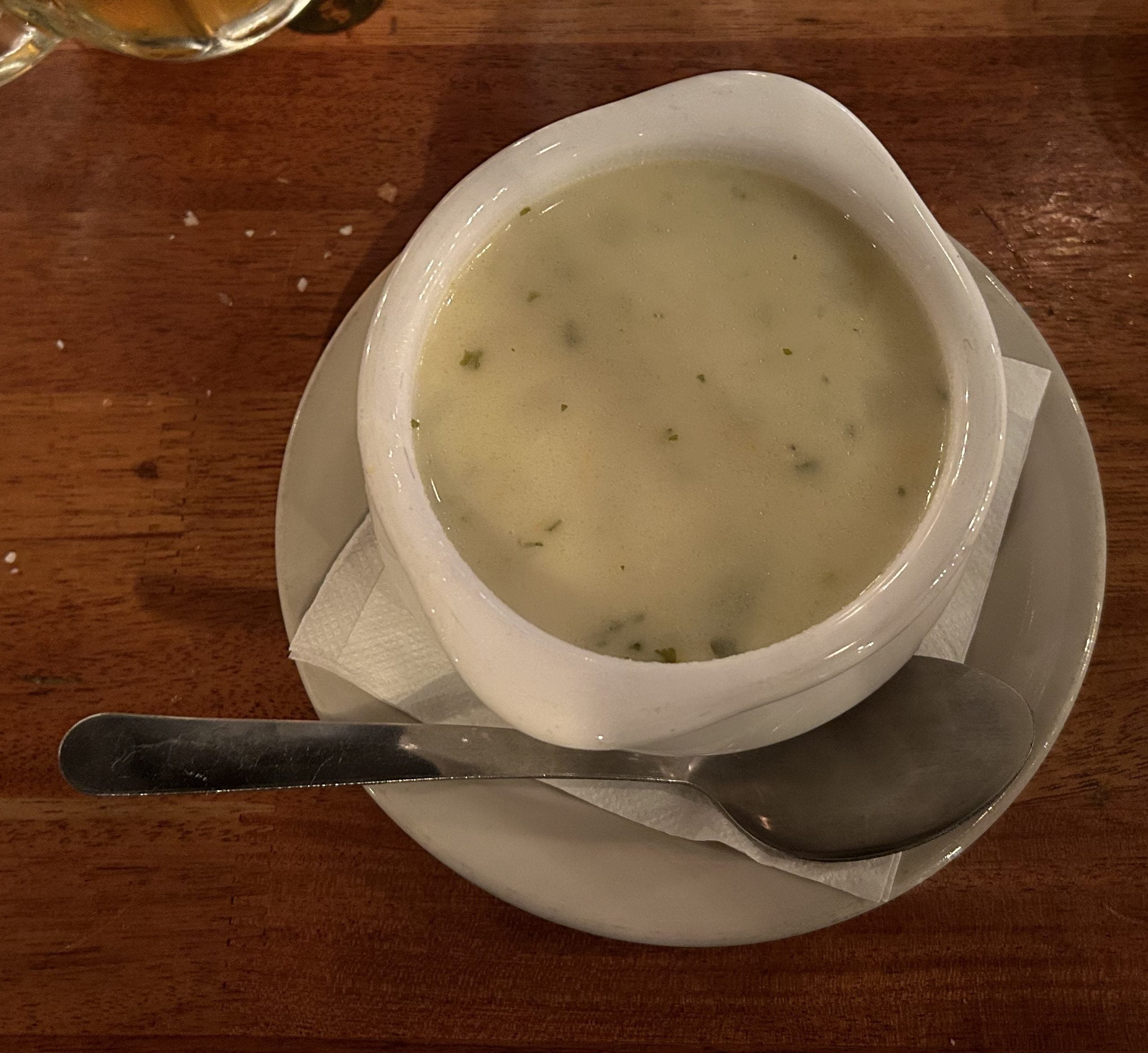
North Dakota’s German-Russian heritage lives on in a bowl of knoephla, a creamy soup built around small, soft dumplings, usually accompanied by potatoes and vegetables. It is hearty cold-weather food that feels much more Central European than stereotypically American. Kroll’s Diner has been serving German specialties since 1972, and North Dakota Tourism specifically highlights its knoephla. Current menus list the soup by the cup or bowl, making it one of the easier regional specialties here to sample without committing to a huge meal.
Sonoran Hot Dogs – Tucson, Arizona
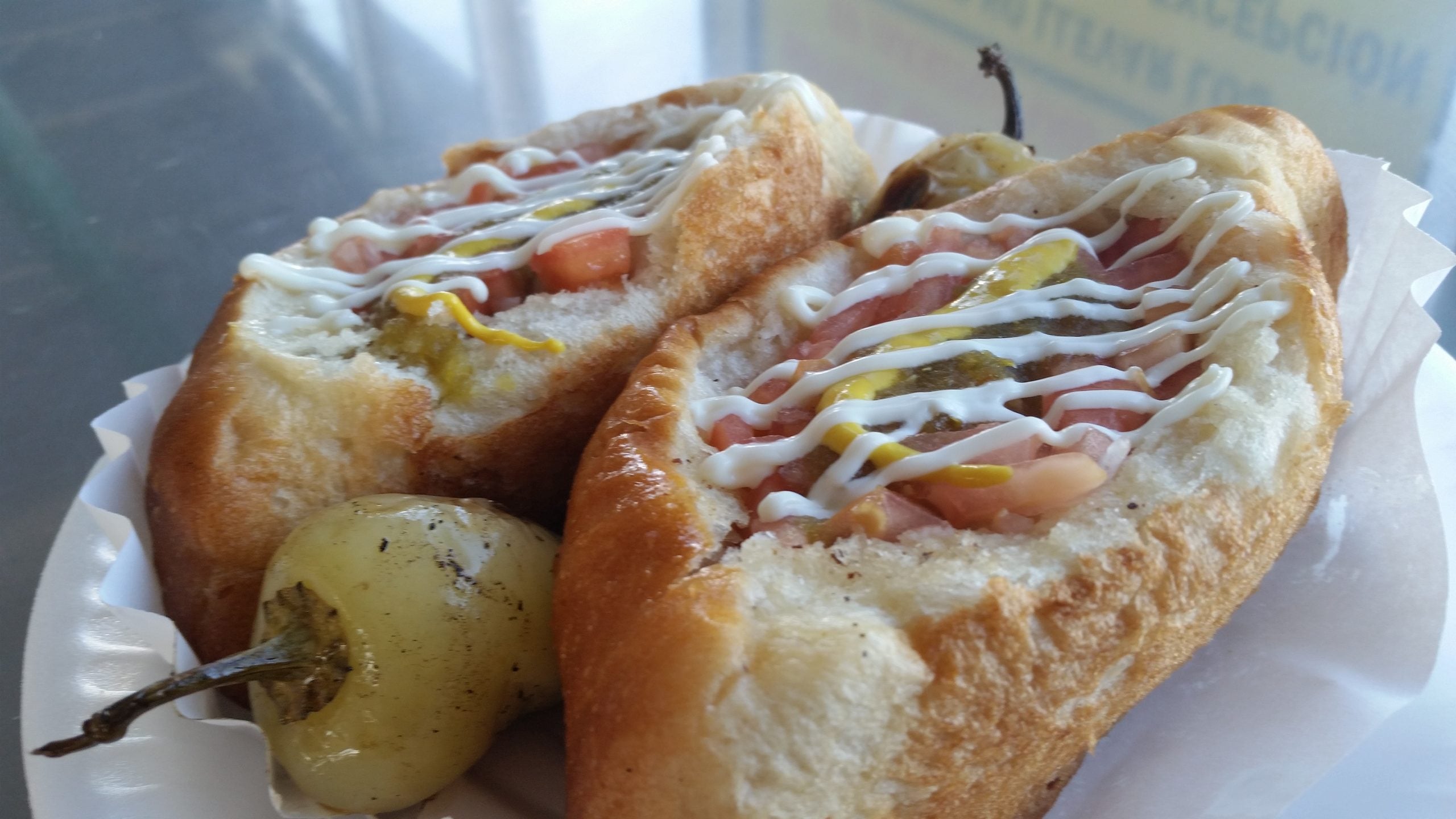
Tucson’s signature hot dog actually reaches across the border. Originating in Hermosillo, Sonora, the Sonoran dog became a fixture of southern Arizona’s borderlands food culture: a bacon-wrapped frank in a soft bun loaded with pinto beans, tomatoes, onions, mayonnaise, mustard, and salsa. Tucson launched an official Sonoran Dog Trail in 2026. At El Guero Canelo, the Sonoran-style dog remains remarkably affordable at around $4.29 on its current online menu, although toppings make this an exceptionally messy hot dog to eat.
Scrapple – Philadelphia and Southeastern Pennsylvania
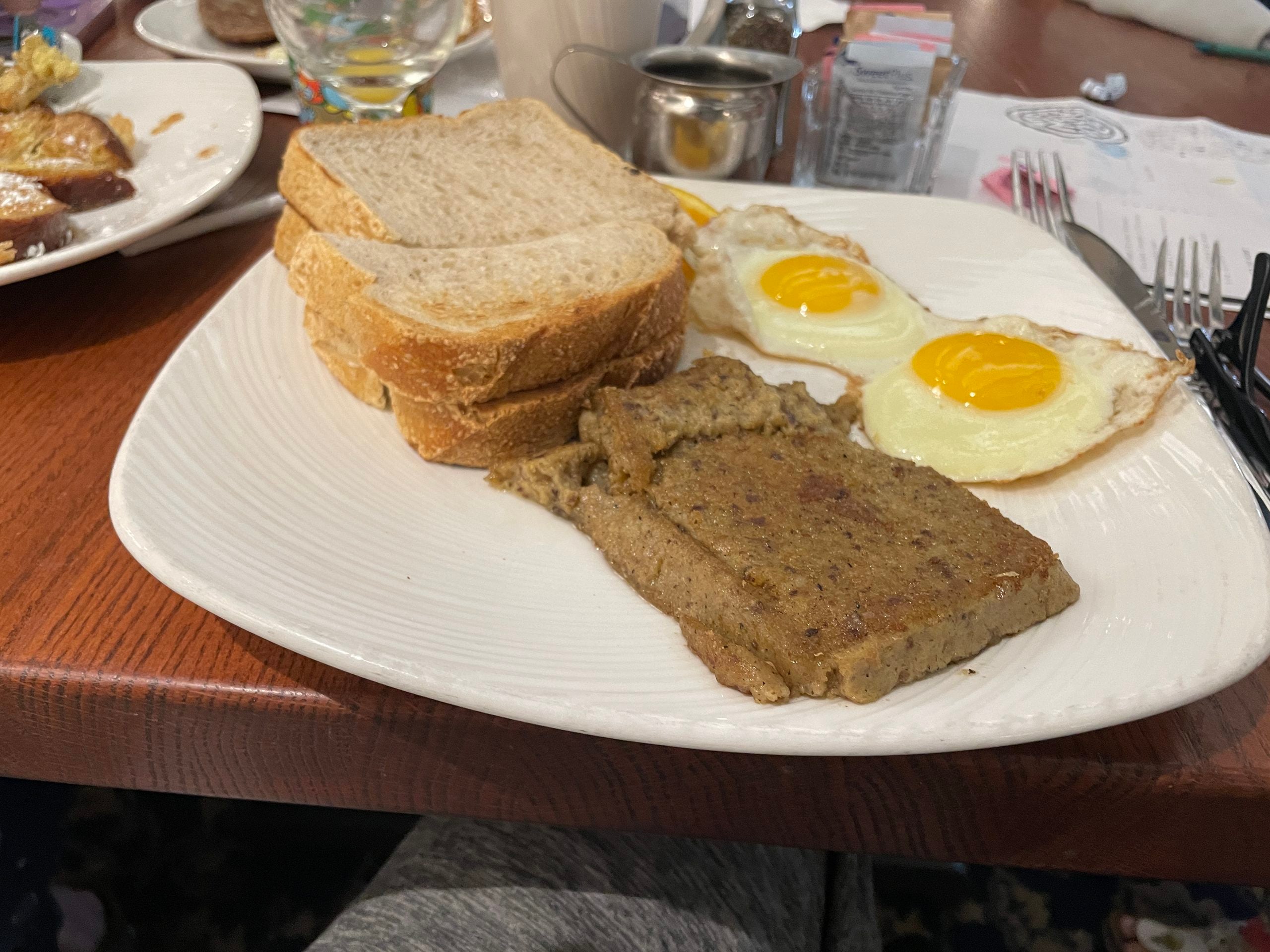
Long before nose-to-tail eating became fashionable, Pennsylvania Dutch cooks were making scrapple. Pork is combined with grain and seasonings, formed into a loaf, sliced, and fried until the exterior develops a crisp crust. Its roots are Pennsylvania Dutch, meaning German rather than Dutch, and it remains much easier to find around southeastern Pennsylvania than in most of the country. At Reading Terminal Market, Dutch Eating Place still offers crispy scrapple alongside its traditional Pennsylvania-style breakfasts.
Detroit Coney Dogs – Detroit, Michigan
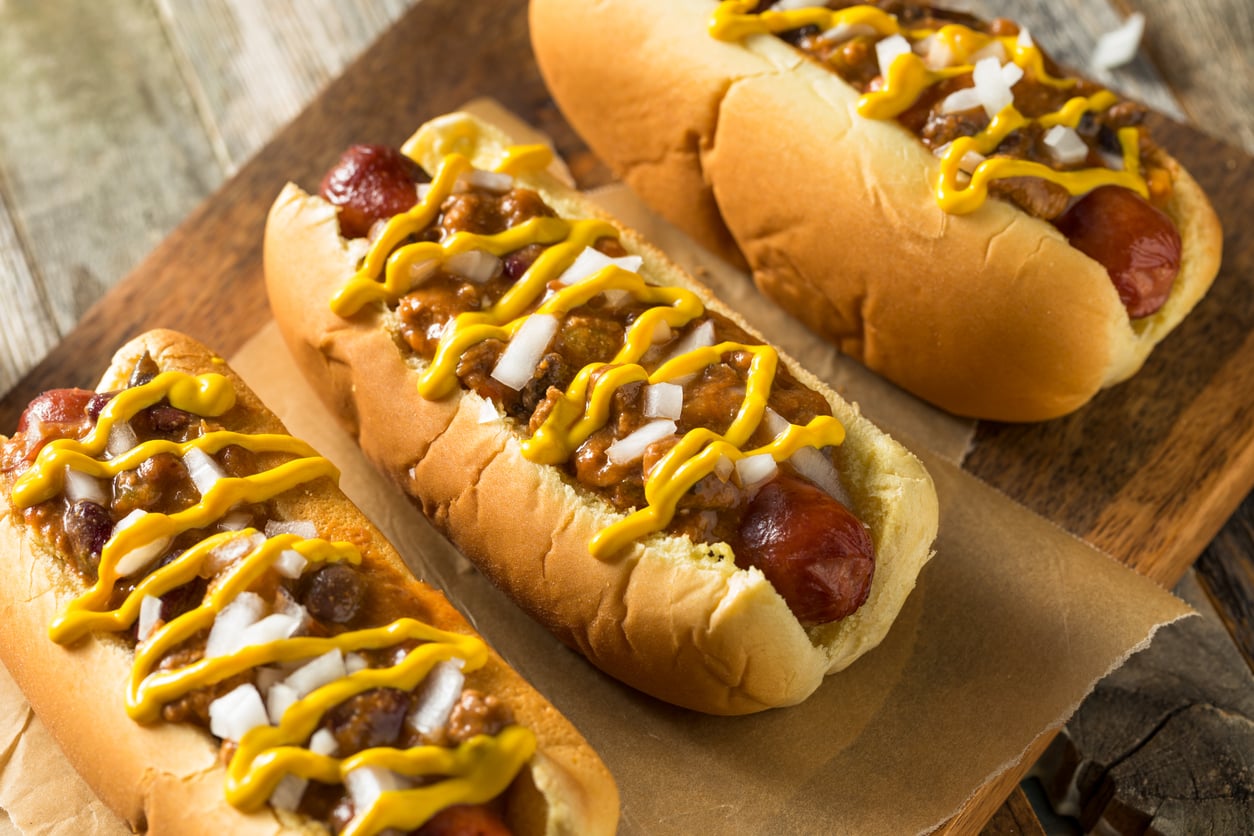
Despite the name, Detroit’s Coney dog isn’t simply a transplant from New York’s Coney Island. The Detroit version typically starts with a natural-casing beef frank and adds beanless meat chili, chopped white onion, and yellow mustard. Greek immigrants played an important role in establishing Michigan’s Coney restaurant tradition. American Coney Island opened in downtown Detroit in 1917 and still serves the basic combination more than a century later. The enduring rivalry among local Coney restaurants is almost as much a Detroit tradition as the hot dog itself.
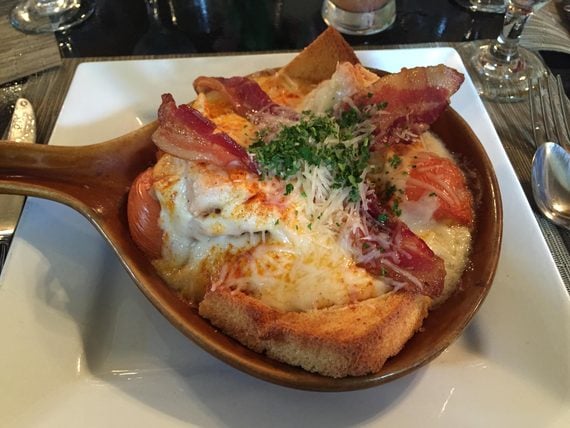
The Hot Brown – Louisville, Kentucky
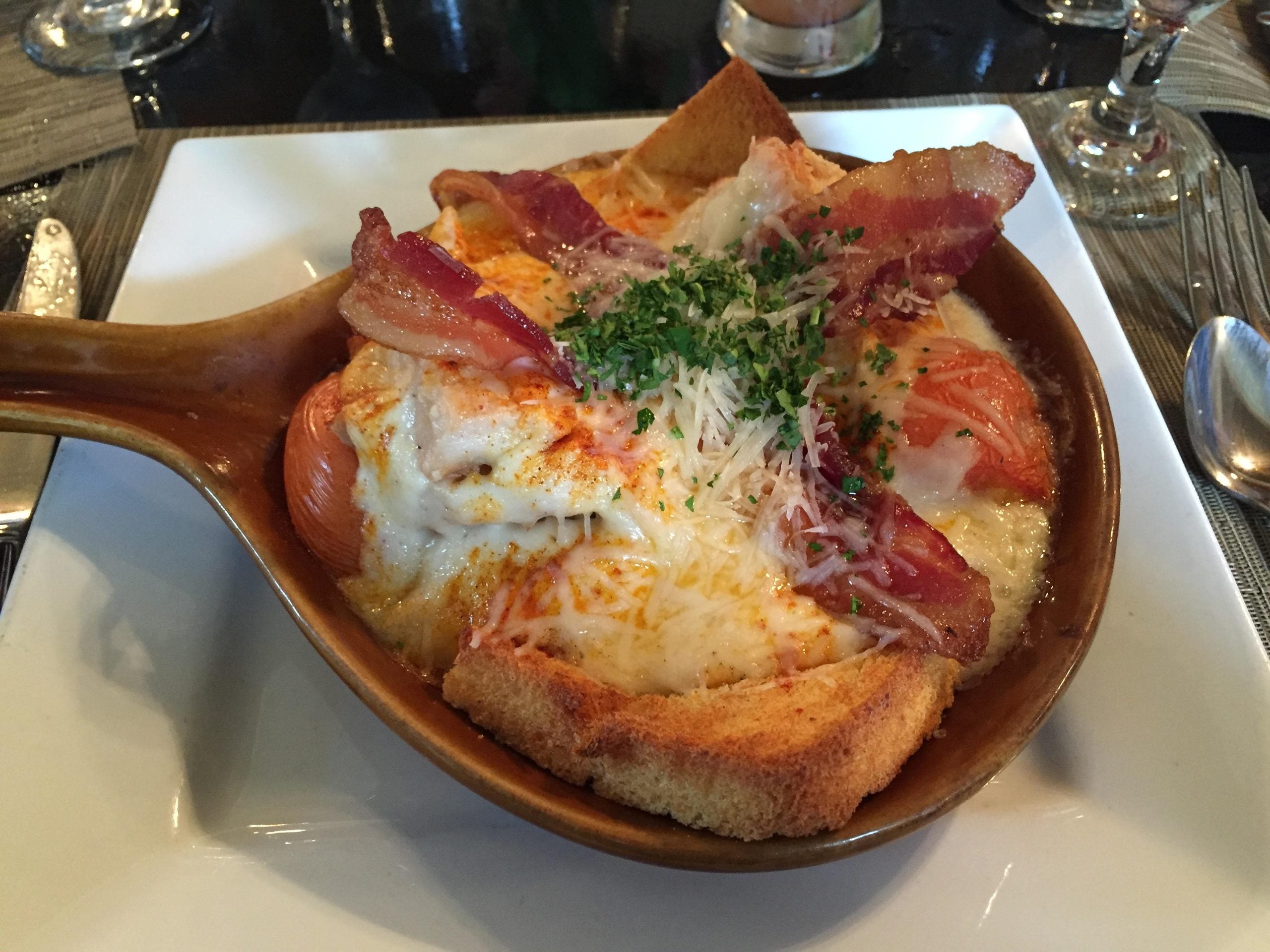
The Hot Brown turns what could have been a leftover turkey sandwich into something considerably richer. Chef Fred Schmidt created it at Louisville’s Brown Hotel in 1926 for hungry late-night guests. The open-faced sandwich combines roasted turkey, toast, Mornay sauce, cheese, bacon, and tomatoes before being broiled until bubbling. The hotel still serves it 100 years later. It isn’t a budget lunch, a 2026 hotel menu lists the full Hot Brown at $34, but the portion is substantial enough that lighter eaters may want to share.
Chicken Riggies – Utica, New York
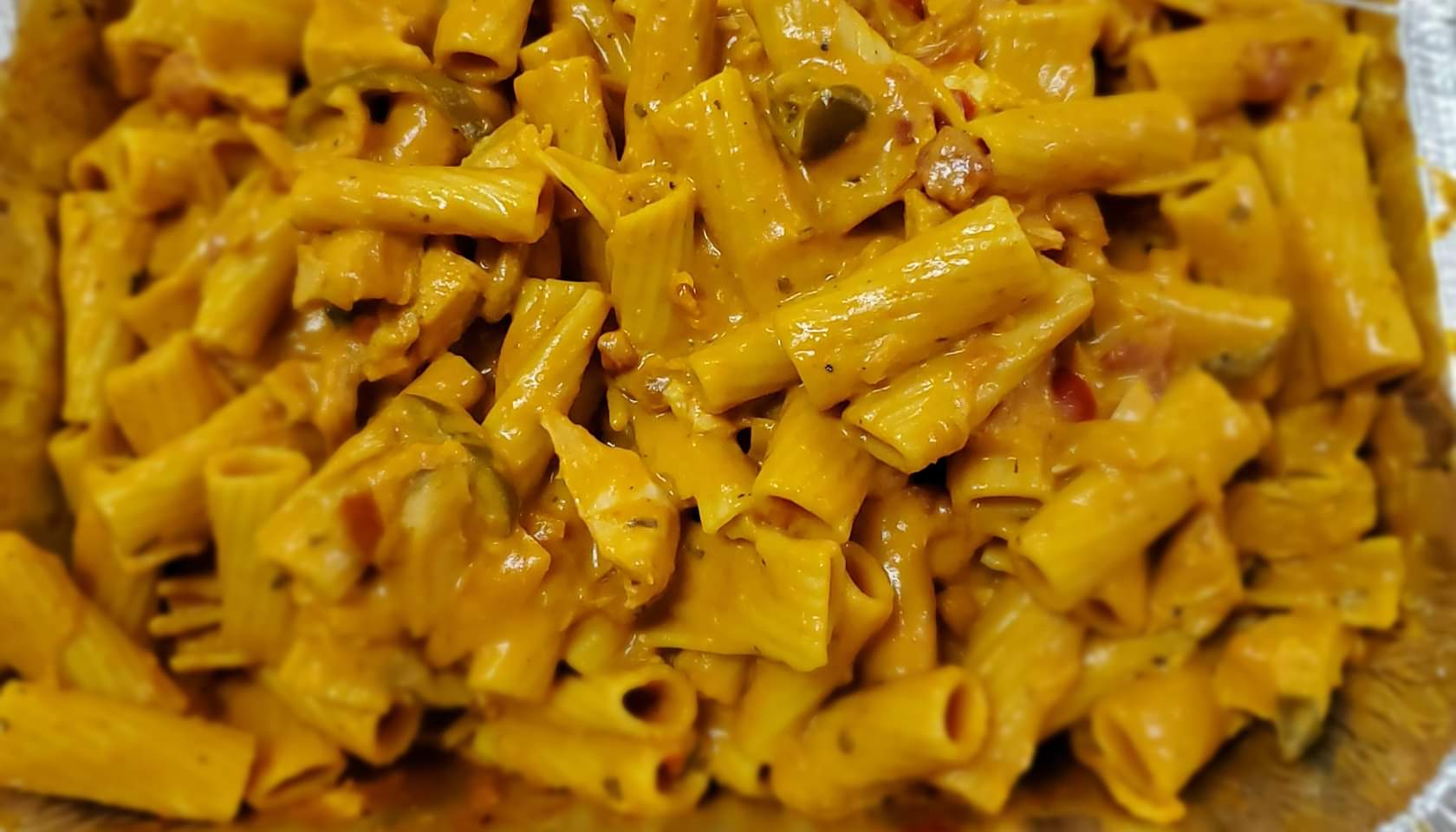
Chicken riggies sound like a dish that should be found everywhere Italian-American food is served, yet they are particularly associated with Utica and the surrounding Mohawk Valley. Rigatoni is tossed with bite-size chicken, peppers, and a creamy tomato sauce that can range from mild to decidedly spicy. The exact origin is debated, so recipes vary from restaurant to restaurant. Michael T’s in nearby New Hartford currently serves its version with sweet and hot peppers and a house-made pink sauce for about $20.
St. Elmo Shrimp Cocktail – Indianapolis, Indiana
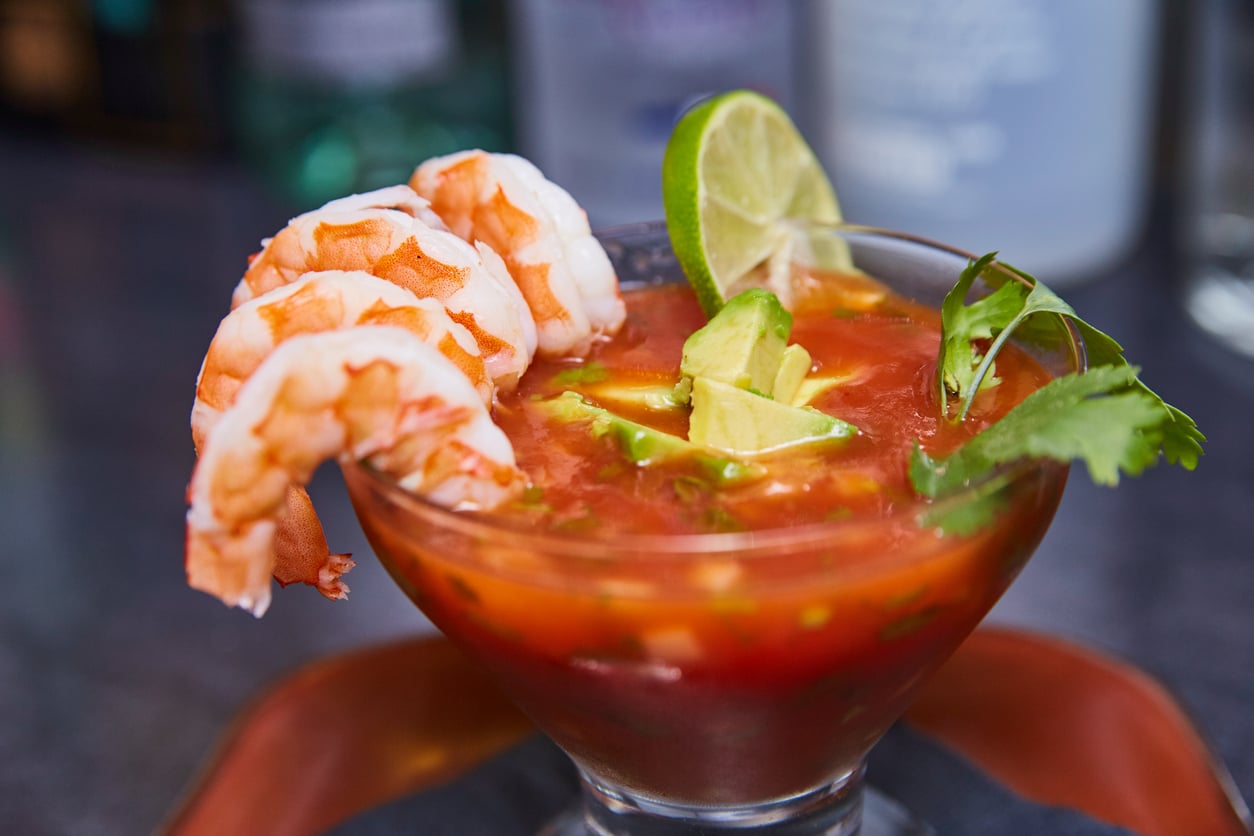
Shrimp cocktail isn’t uniquely Midwestern, but the version at Indianapolis’ St. Elmo Steak House has become a local attraction because of what is in the sauce. Fresh horseradish is ground daily, producing the famously intense blast of heat that accompanies four jumbo shrimp. St. Elmo dates to 1902, and its current bar menu prices the shrimp cocktail at $21.95. Recent diners still single it out, but consider the horseradish warning serious: this is a specialty designed to clear the sinuses.
Pork Roll, Egg, and Cheese – New Jersey
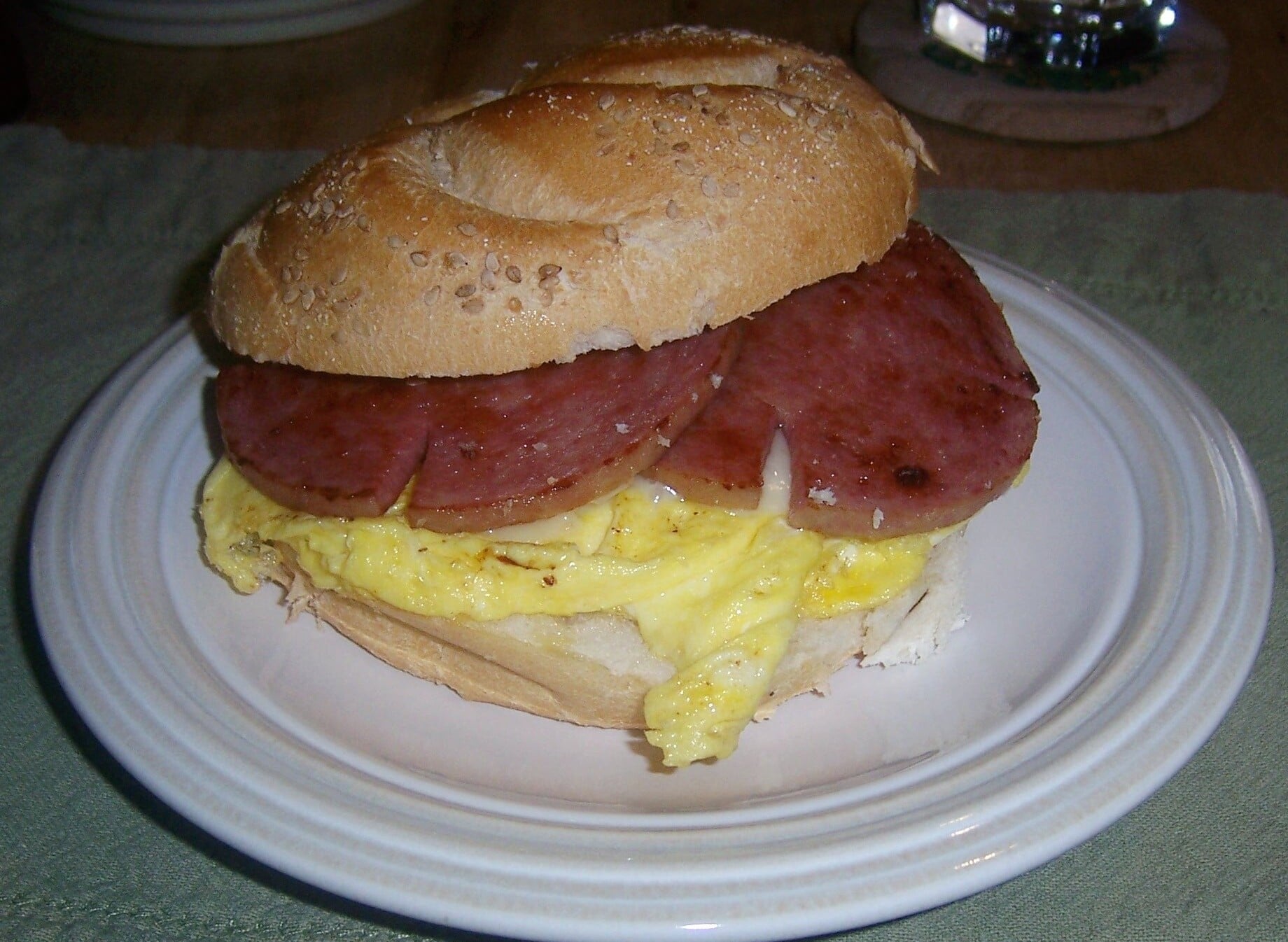
In New Jersey, the argument can start before breakfast is even served: Is it pork roll or Taylor ham? The processed pork product was created in Trenton in 1856, and the terminology still varies around the state. Either way, one of its classic forms is grilled pork roll stacked with egg and cheese on a roll. Johnny’s Pork Roll in Red Bank specializes in the sandwich, while diners throughout New Jersey serve their own versions. Simple, salty, portable, and filling, it remains distinctly Jersey.