The soda aisle was a much stranger place in the 1980s, 1990s, and early 2000s. Major beverage companies experimented with everything from clear cola and apple pop to coffee-flavored Pepsi and electric-blue drinks. Some of these soda pops vanished almost immediately, while others built cult followings that lasted for decades. Even Coca-Cola has revisited some of its biggest beverage experiments over the years, showing just how memorable a discontinued drink can become.
Aspen
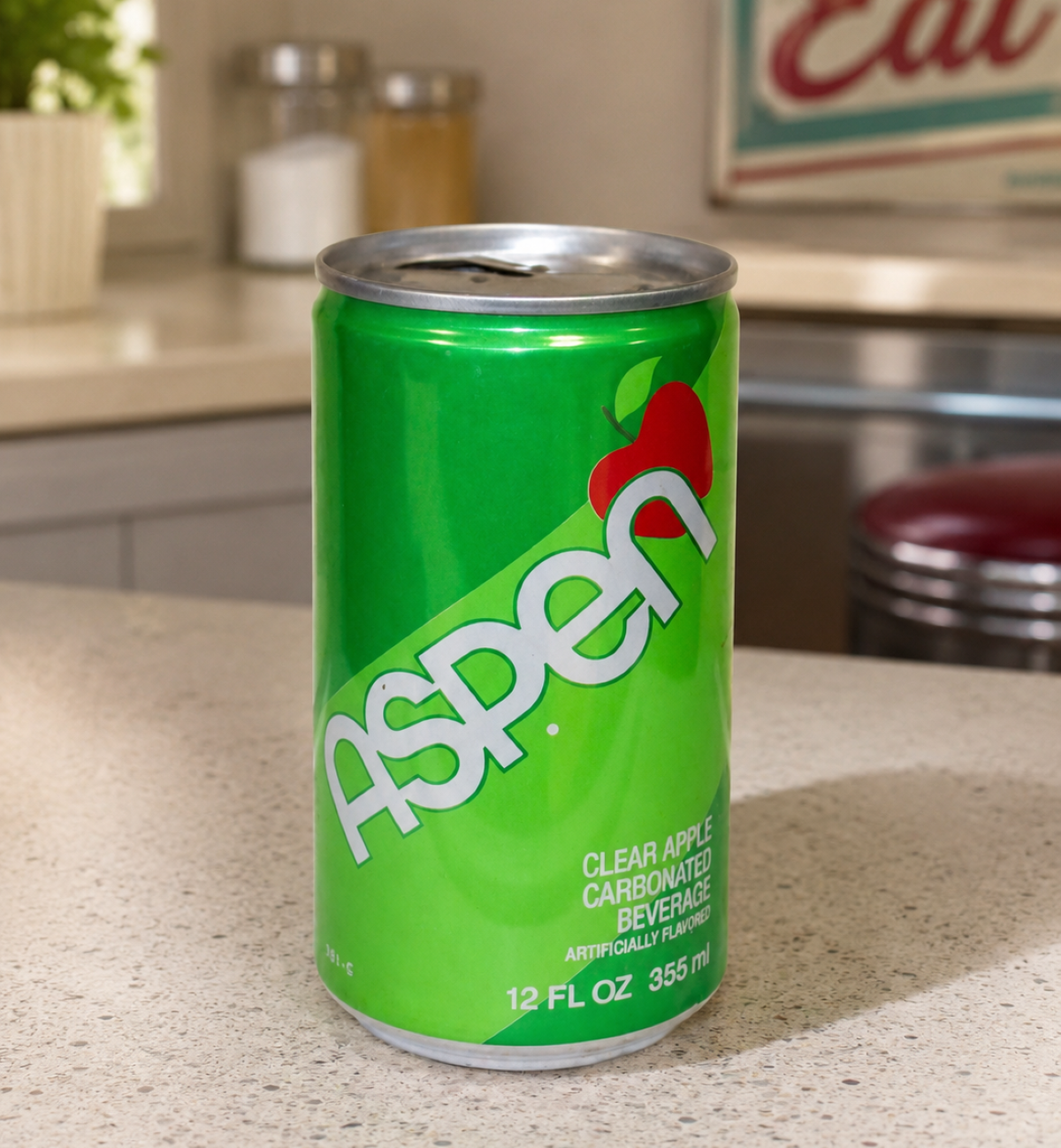
Long before apple-flavored sparkling drinks became common, PepsiCo tried selling one as mainstream soda. Aspen arrived around 1978 as a clear, apple-flavored pop with outdoorsy mountain branding. Its relatively short life ended in the early 1980s, although the exact discontinuation year is difficult to establish from contemporary sources. What makes Aspen memorable today is how unusual the flavor still seems: American soda shelves have traditionally leaned much more heavily toward cola, citrus, orange, and grape.
7UP Gold
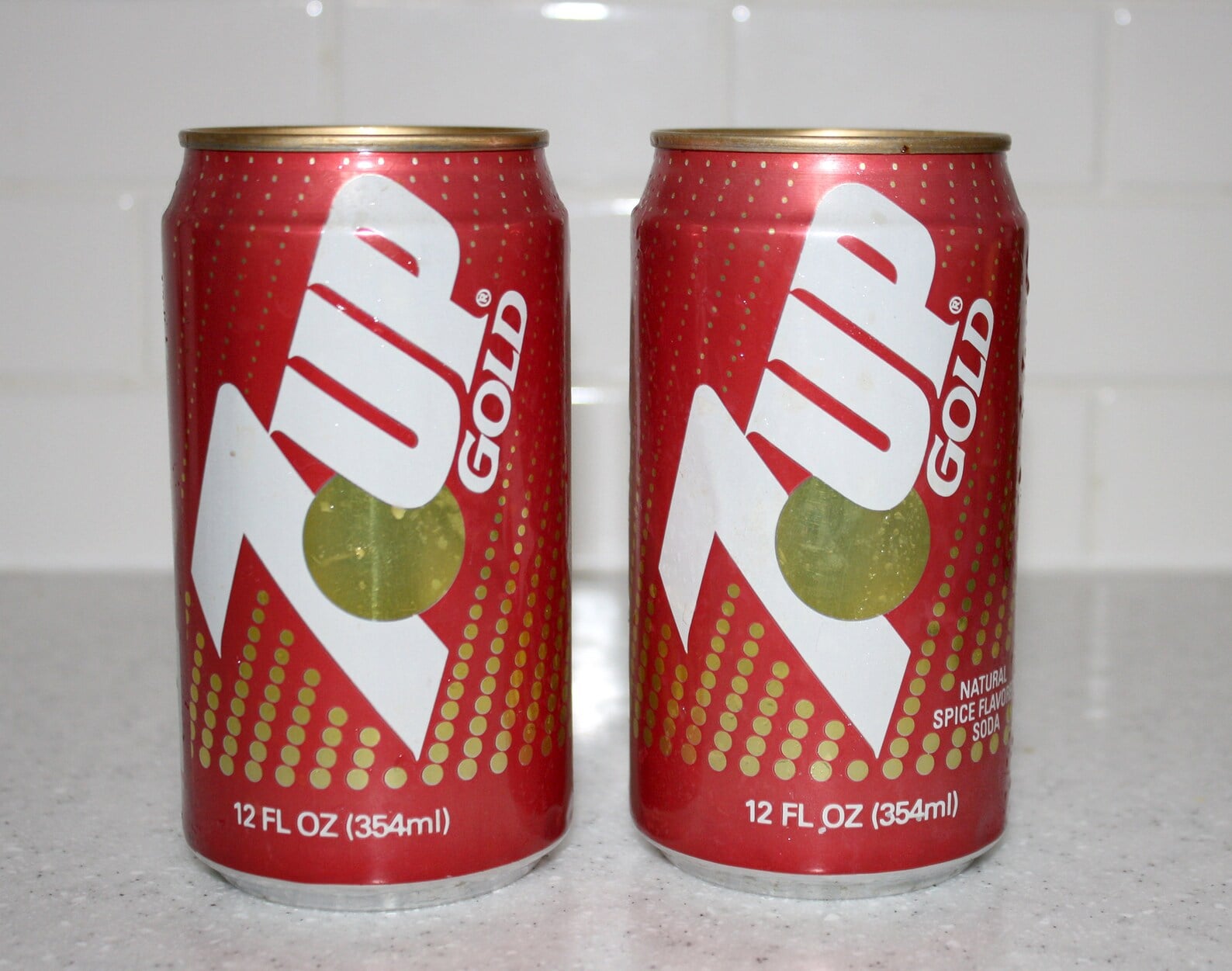
Few soda experiments clashed with their parent brand quite as dramatically as 7UP Gold. Introduced in 1988, it was amber-colored, caffeinated, and much bolder than the clear, caffeine-free lemon-lime drink customers associated with 7UP. Contemporary coverage even described it as a product intended to compete with darker colas. Diet 7UP Gold appeared too. The experiment was brief, and the drink disappeared after roughly a year, leaving behind one of the stranger detours in 7UP history.
Hubba Bubba Soda
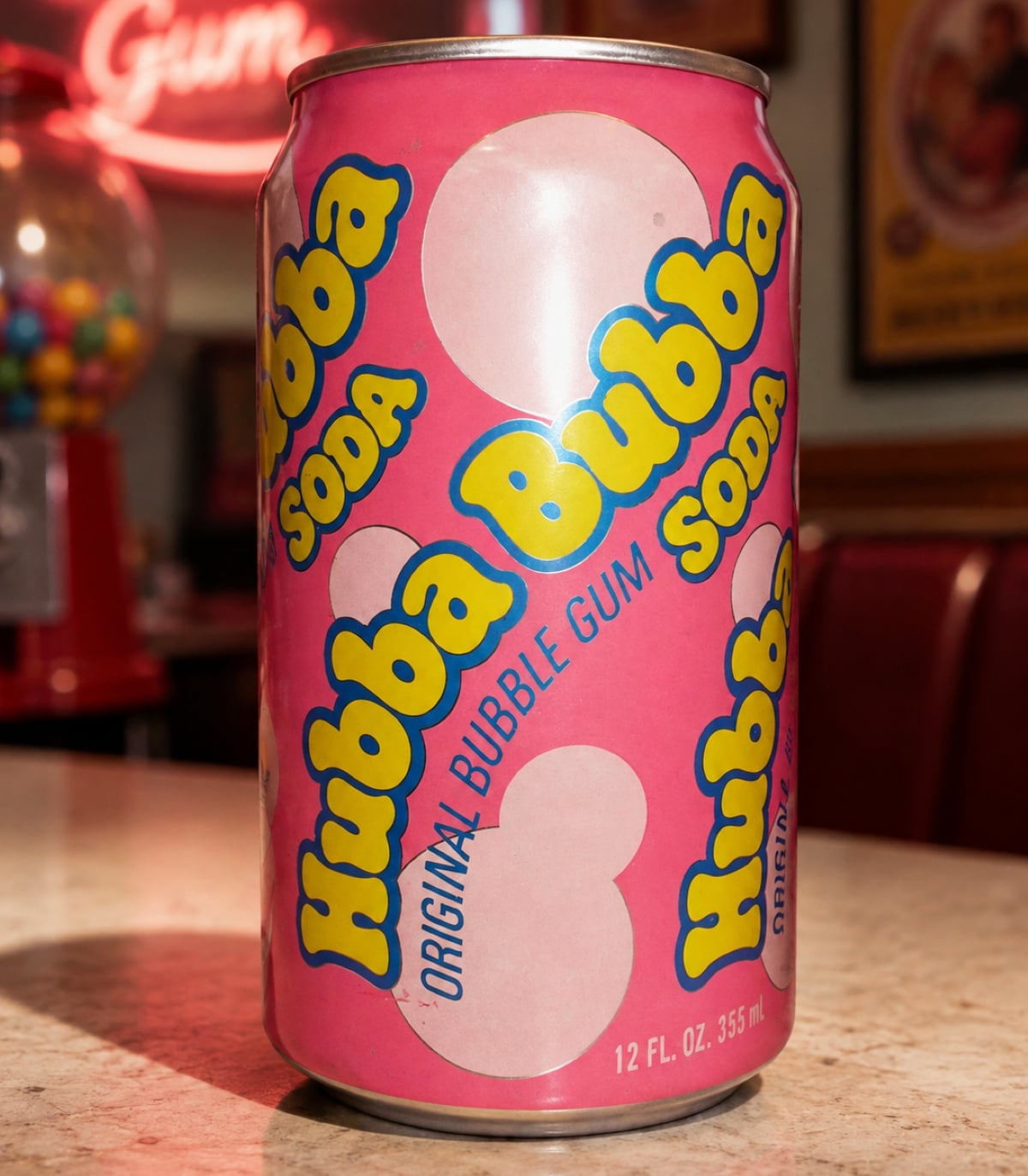
Yes, somebody really turned Hubba Bubba bubble gum into soda. Introduced in 1988, the intensely sweet, pink carbonated drink was produced under license and designed to mimic the unmistakable flavor of the gum. A diet version followed as well. The novelty generated attention but apparently not enough repeat business to keep it around, and the soda vanished within a few years. Even modern accounts cannot pin down one universally agreed discontinuation date, which is a good indication of just how fleeting its run was.
Pepsi A.M.
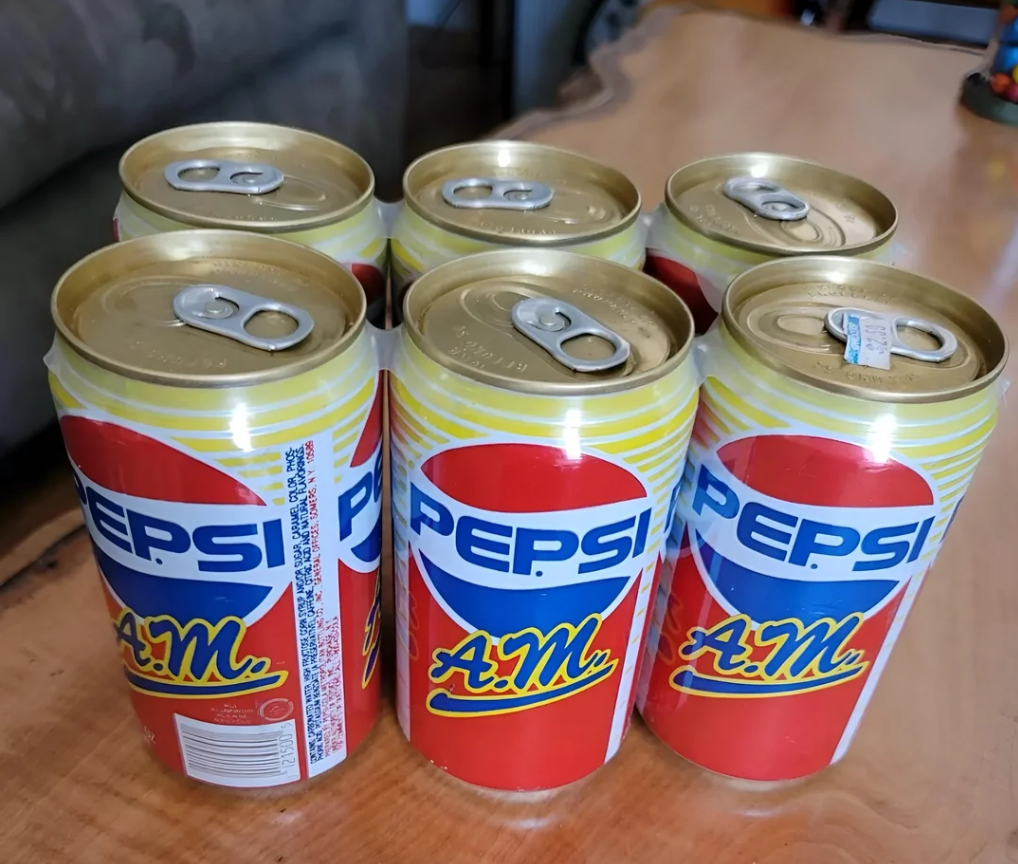
Pepsi A.M. tried to solve a problem most people apparently did not have: finding a cola specifically for breakfast. Pepsi began testing the drink in 1989 in Midwestern markets. It contained more caffeine than ordinary Pepsi and was pitched toward morning soda drinkers, with a Diet Pepsi A.M. offered alongside it. Contemporary reporting shows Pepsi believed morning soda consumption was growing, but the experiment never escaped its limited test. By 1990, Pepsi A.M. was gone. Coffee had survived the challenge.
Crystal Pepsi
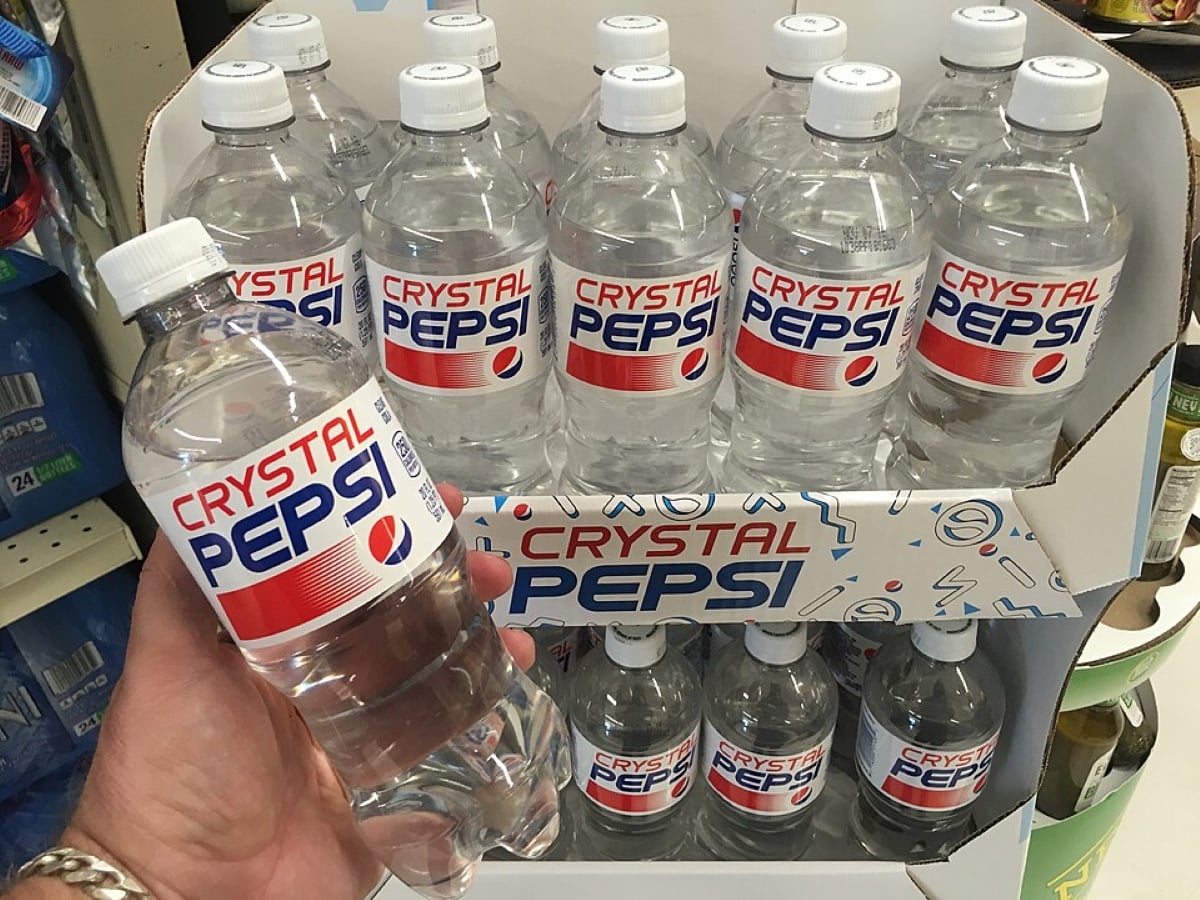
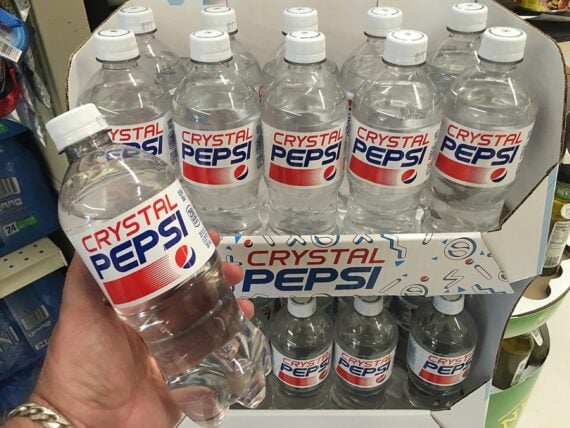
Crystal Pepsi may be the most famous failed soda of the era. Pepsi introduced the clear cola in 1992, delivering familiar cola flavor without traditional caramel coloring. The idea fit neatly into the early-’90s fascination with clear, supposedly cleaner-looking consumer products. Pepsi itself now says the original product was discontinued in 1994. Nostalgia proved much more durable than the original sales, however, and Crystal Pepsi has returned several times in limited runs. It remains absent from Pepsi’s permanent U.S. lineup.
Trending on Cheapism
OK Soda
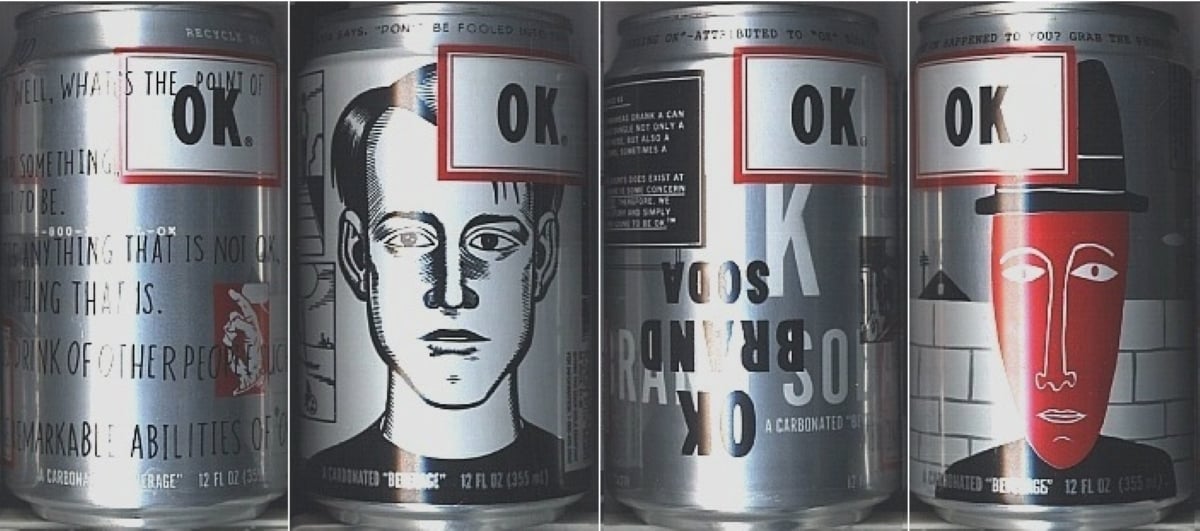
Coca-Cola went after Generation X with a product that practically refused to advertise itself normally. OK Soda used ironic slogans, unusual illustrations, and an intentionally cynical tone rather than the cheerful imagery soda companies usually favored. It entered test markets in the mid-1990s but never reached a full nationwide rollout. In retrospect, the packaging and anti-advertising campaign are remembered more vividly than the drink itself. Coca-Cola abandoned the experiment after its limited trial failed to build enough momentum.
Josta
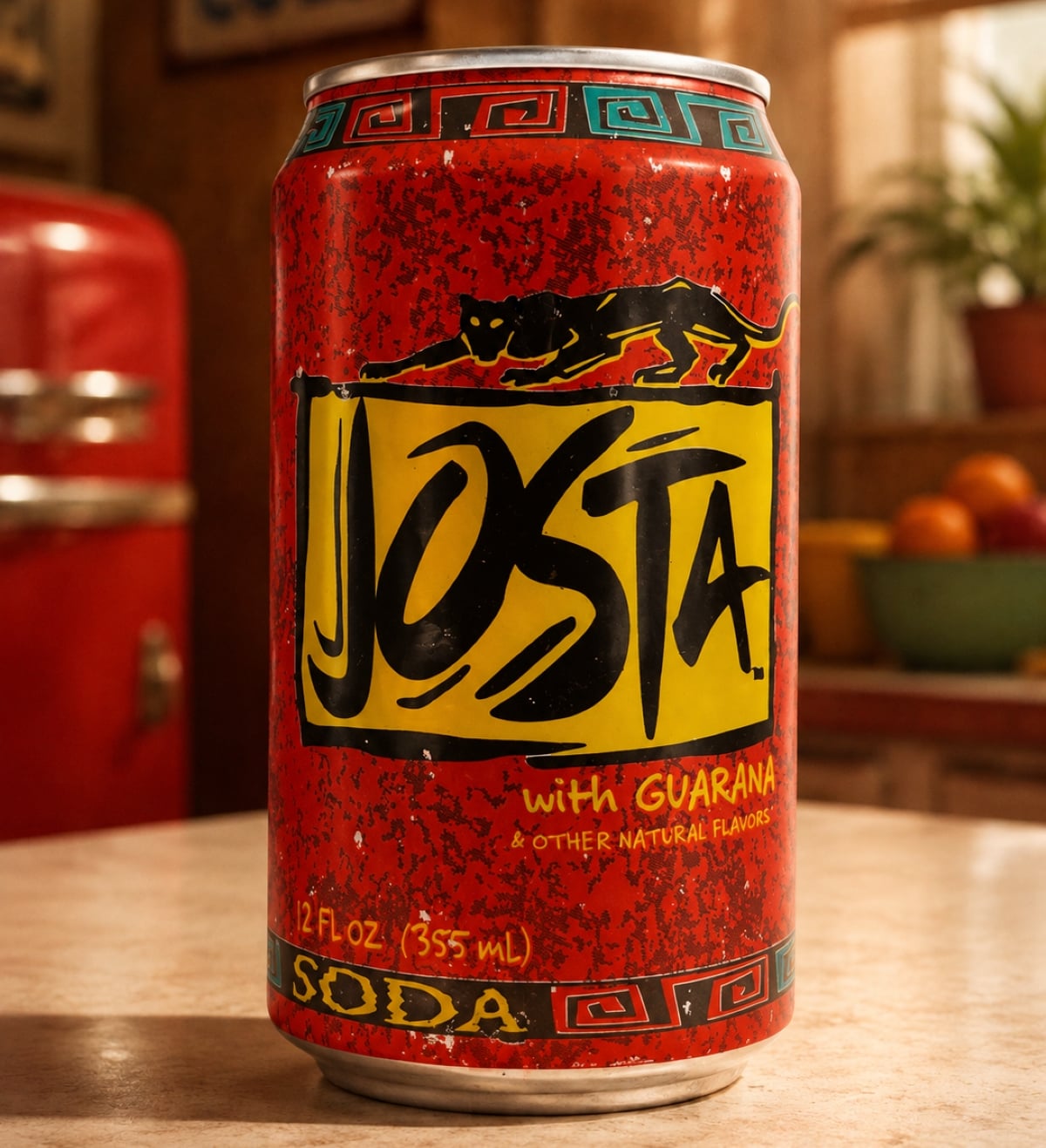
Josta looked a little like an energy drink before Americans had fully embraced energy drinks. Pepsi tested the guarana-based beverage in the mid-1990s and eventually expanded it, combining guarana with caffeine and marketing the soda toward younger customers. Contemporary reporting is particularly useful here: in March 1999, Pepsi said it was ending Josta because popularity had not spread beyond its initial audience. The timing is intriguing, considering how enormous the caffeinated energy-beverage category would become only a few years later.
Pepsi Kona
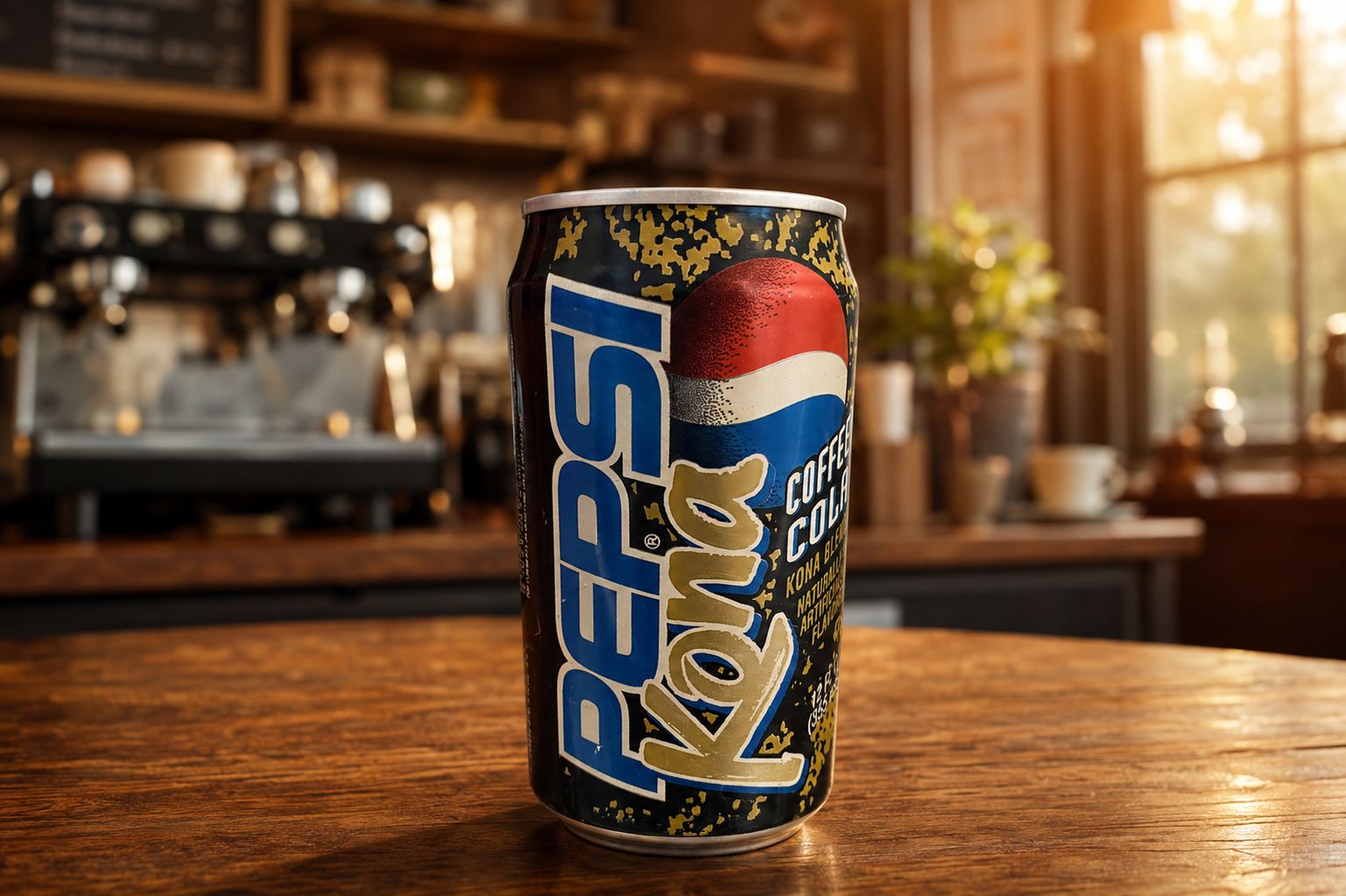
Apparently one breakfast Pepsi was not enough. In 1996, Pepsi tested Kona, a soda that actually blended cola and coffee flavors rather than merely adding extra caffeine. Supermarket trade reporting described Pepsi Kona as a limited-market experiment, while a Los Angeles Times taste test found it surprisingly drinkable for people who already liked Pepsi. It never earned a national rollout. Pepsi and Coca-Cola would both revisit coffee-and-cola combinations years later, suggesting the idea itself proved harder to kill than Pepsi Kona did.
Sign up for our newsletter
Lemon-Lime Slice
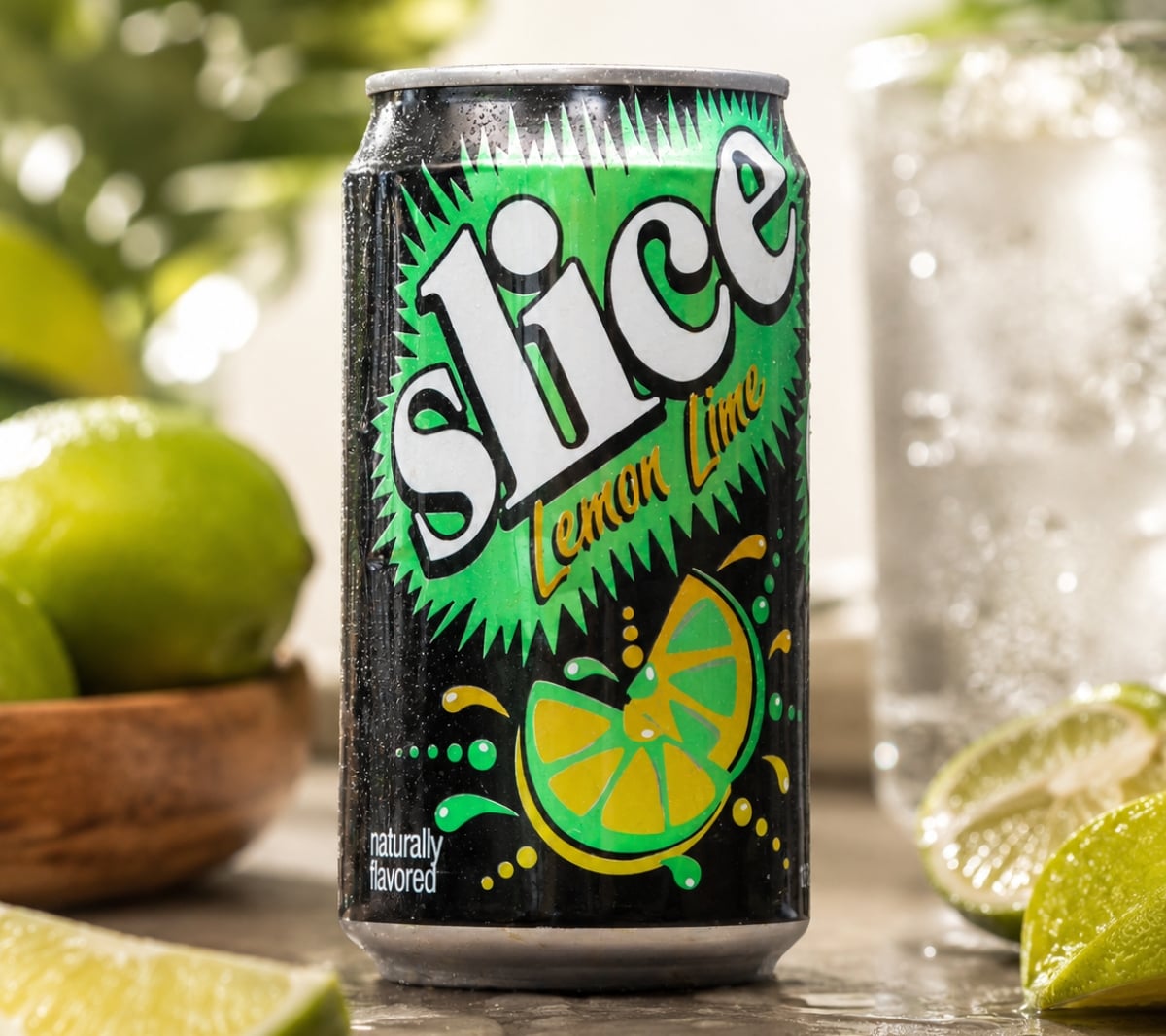
Slice was hardly a tiny novelty brand. Introduced during the 1980s, PepsiCo’s fruit-flavored soda family became familiar in supermarkets, vending machines, and restaurants, with Lemon-Lime Slice positioned against Sprite and 7UP. But by 2000 Pepsi was preparing another reset. Contemporary reports said the company planned to end both Lemon-Lime Slice and Storm while rolling out what became Sierra Mist. Other Slice flavors lingered longer, so it was a gradual disappearance rather than the entire brand vanishing overnight.
New Coke, Later Coke II
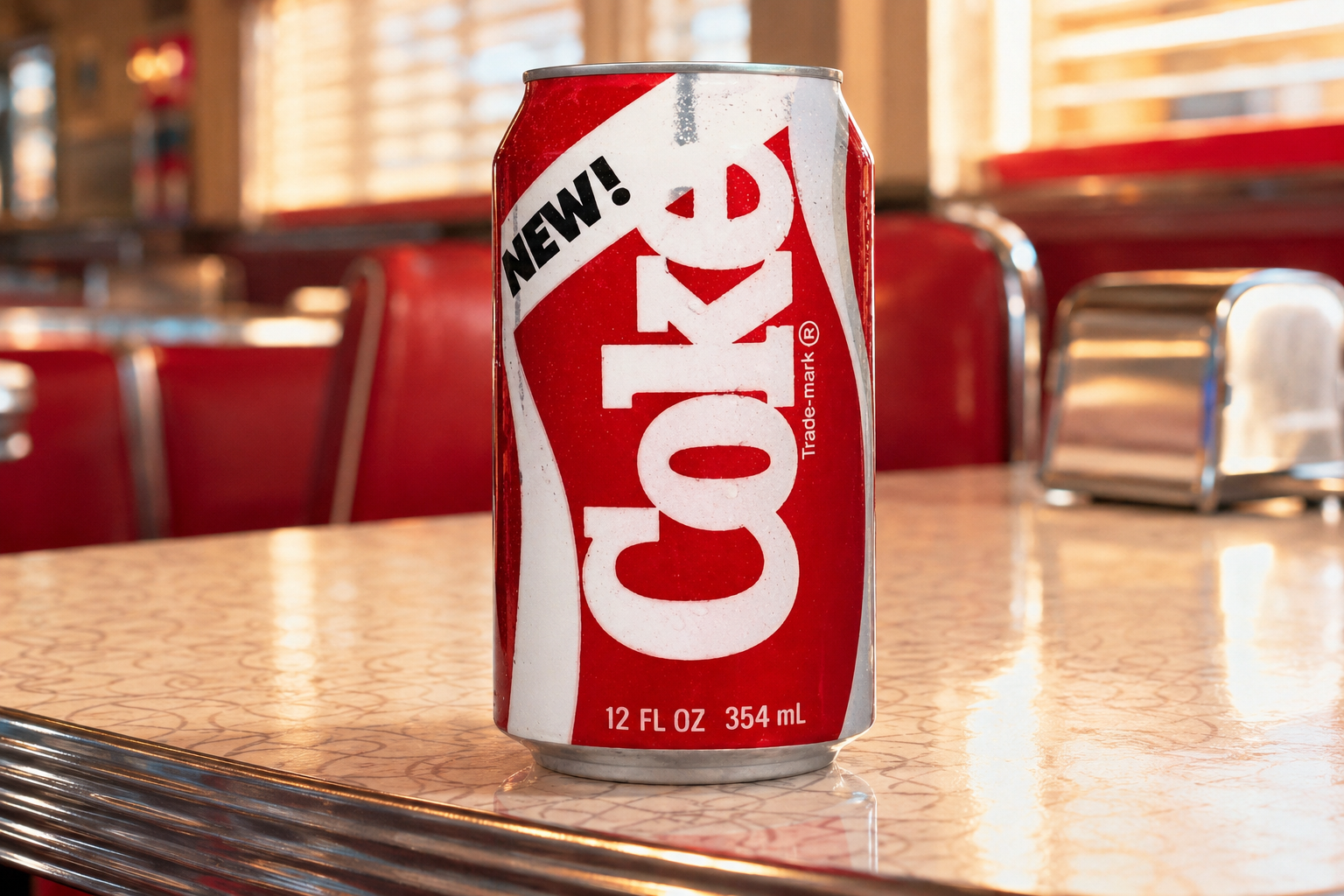
The remarkable thing about New Coke is not merely that Coca-Cola changed its famous formula in 1985. It is that the replacement survived considerably longer than most people remember. Consumer backlash prompted Coca-Cola to restore the original formula as Coca-Cola Classic just 79 days after the switch, but New Coke continued alongside it. The reformulated drink was eventually renamed Coke II and remained in increasingly limited distribution before disappearing. Coca-Cola’s own history confirms the two formulas coexisted long after the famous reversal.
Storm
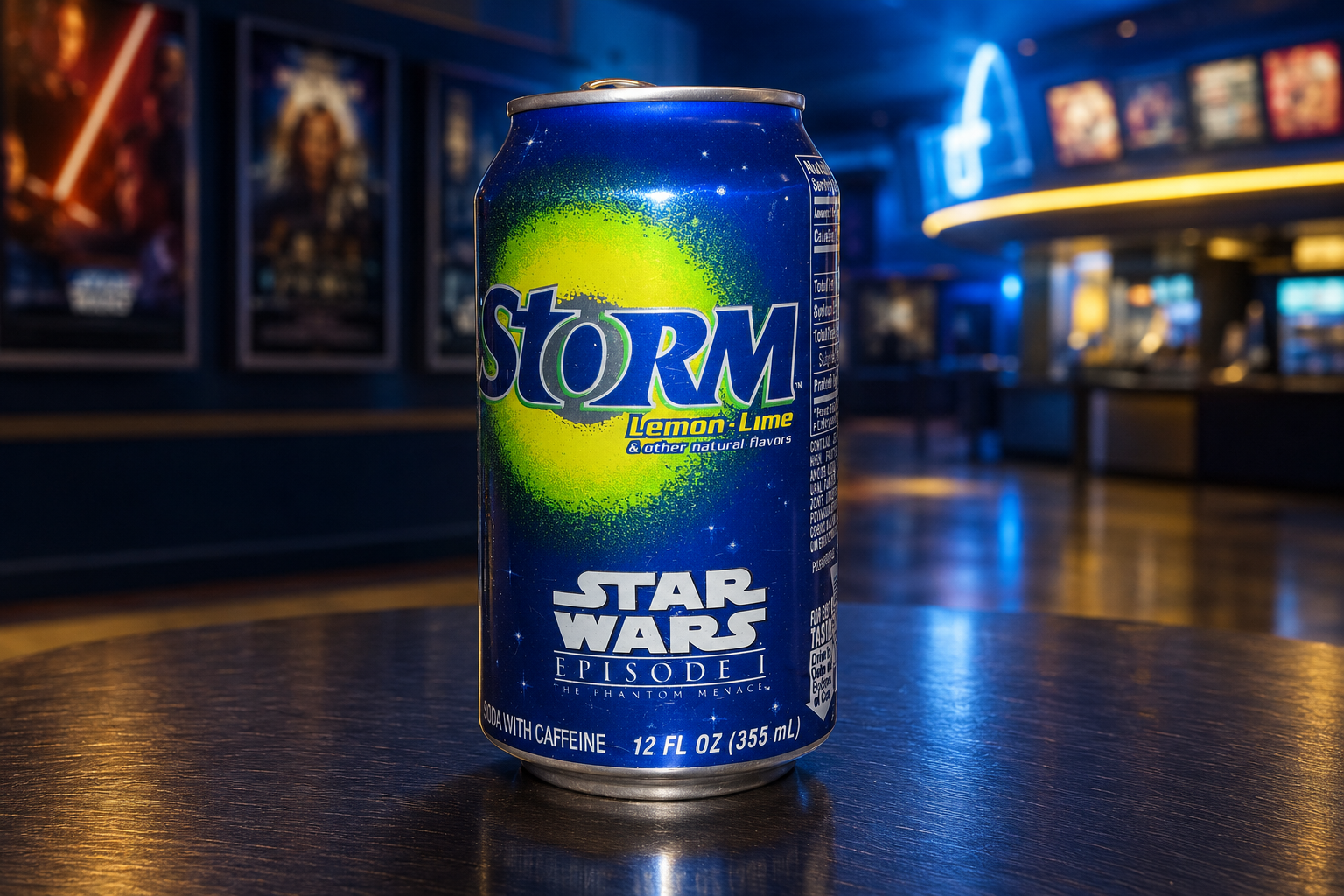
Before Sierra Mist, Pepsi tested another answer to Sprite and 7UP called Storm. Contemporary supermarket trade coverage shows the lemon-lime soda entered Colorado test markets in 1998, replacing Lemon-Lime Slice there. Unlike most lemon-lime sodas, Storm contained caffeine and was less heavily carbonated. A zero-calorie Light Storm followed. Neither stuck. In 2000, Pepsi announced that both Storm and Lemon-Lime Slice would be dropped as the company prepared the new lemon-lime drink that became Sierra Mist.
Surge
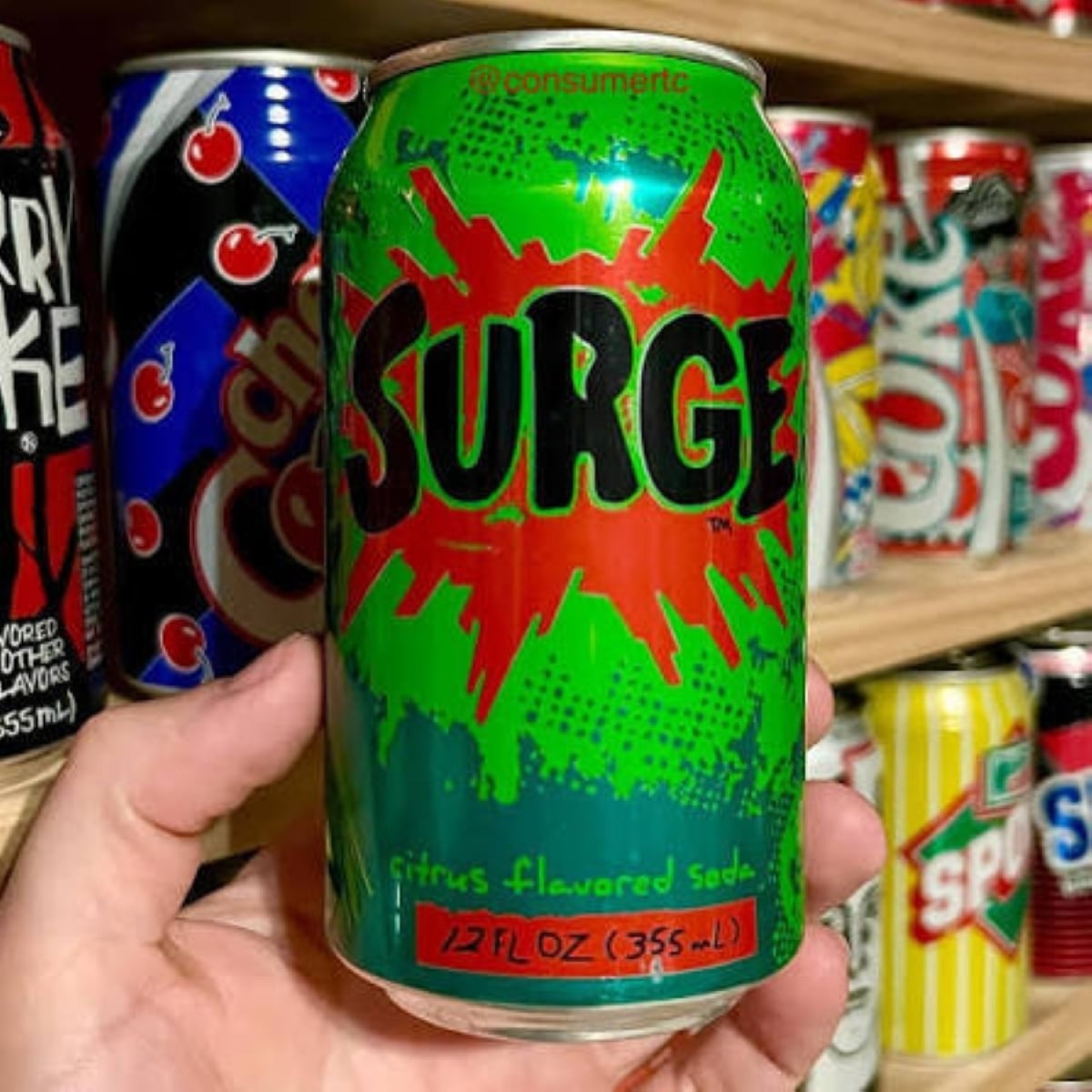
With neon-green packaging and relentlessly energetic advertising, Surge looked perfectly at home in the late 1990s. Coca-Cola created the caffeinated citrus soda as a competitor to Mountain Dew, and it developed a devoted following even though sales eventually faded. Coca-Cola says Surge was removed from the market in 2003. Fans refused to forget it, eventually organizing a campaign strong enough to help bring the drink back through Amazon in 2014, followed by limited retail distribution.
Pepsi Blue
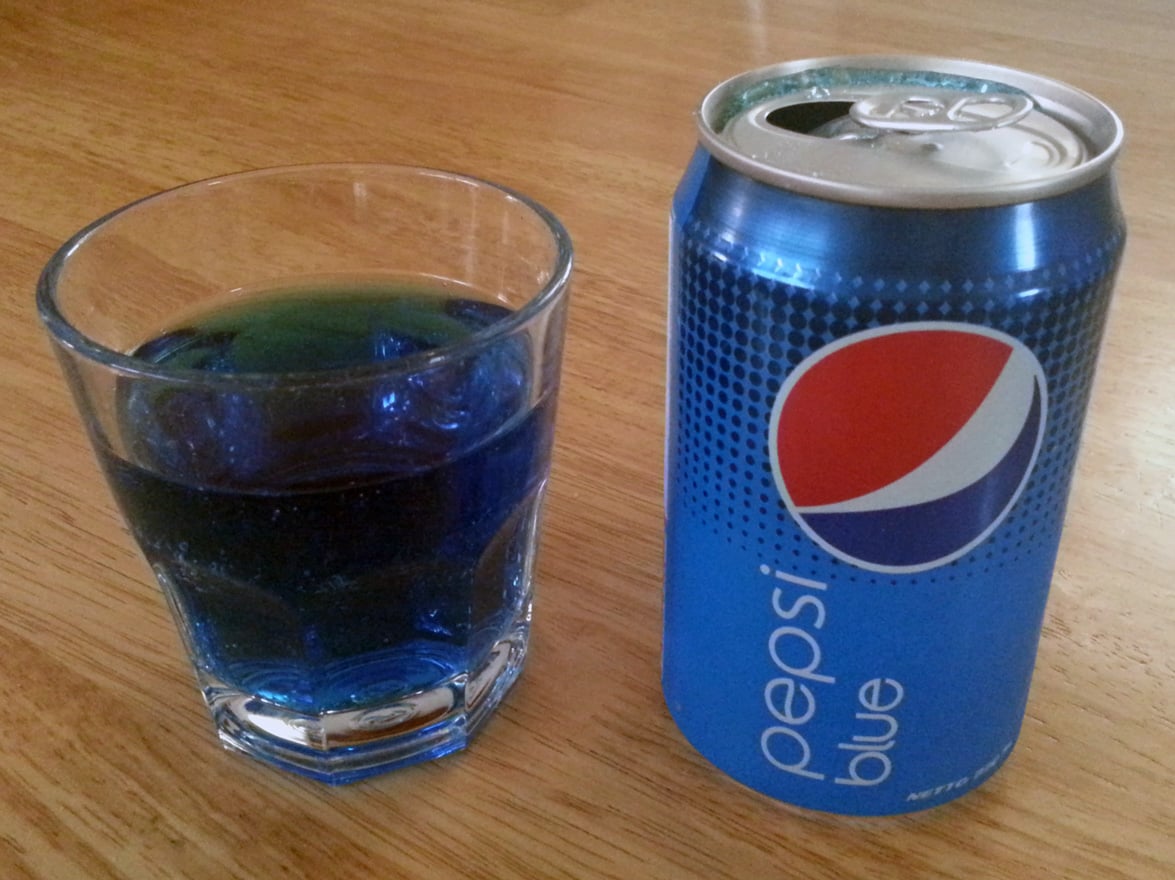
Few products could scream “2002” quite like an electric-blue cola. Pepsi Blue combined berry and cola flavors and targeted younger consumers during a period when beverage companies were experimenting heavily with color and flavor extensions. Contemporary reporting described it as a major launch intended to reinvigorate Pepsi’s cola business. The original U.S. run fizzled out by 2004. Nostalgia eventually earned Pepsi Blue another brief appearance in 2021, but that comeback was limited rather than a permanent restoration.
Dr Pepper Red Fusion
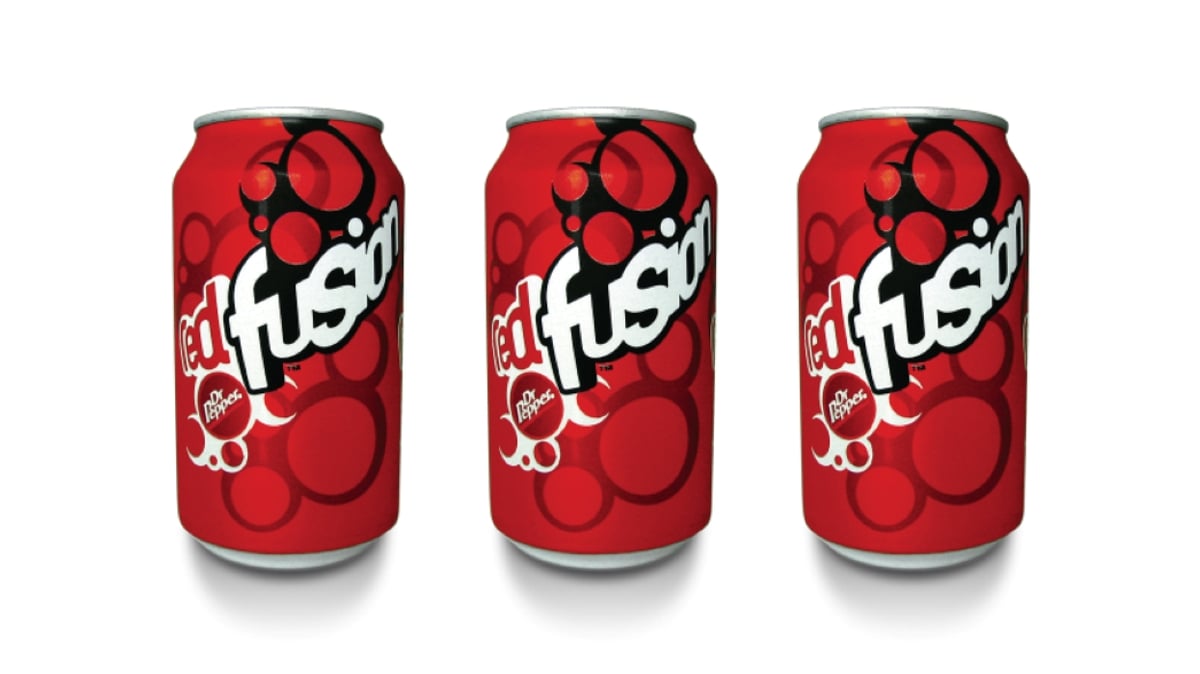
Dr Pepper had gone 117 years without launching a major flavor extension when Red Fusion arrived in 2002. The bright-red soda combined the familiar Dr Pepper profile with additional fruit flavors and debuted while Coke and Pepsi were also flooding shelves with new variations. Despite the significance of the launch, Red Fusion never became a lasting part of the lineup and disappeared within a few years. It should not be confused with today’s Dr Pepper Cherry; Red Fusion was its own short-lived formula.
dnL
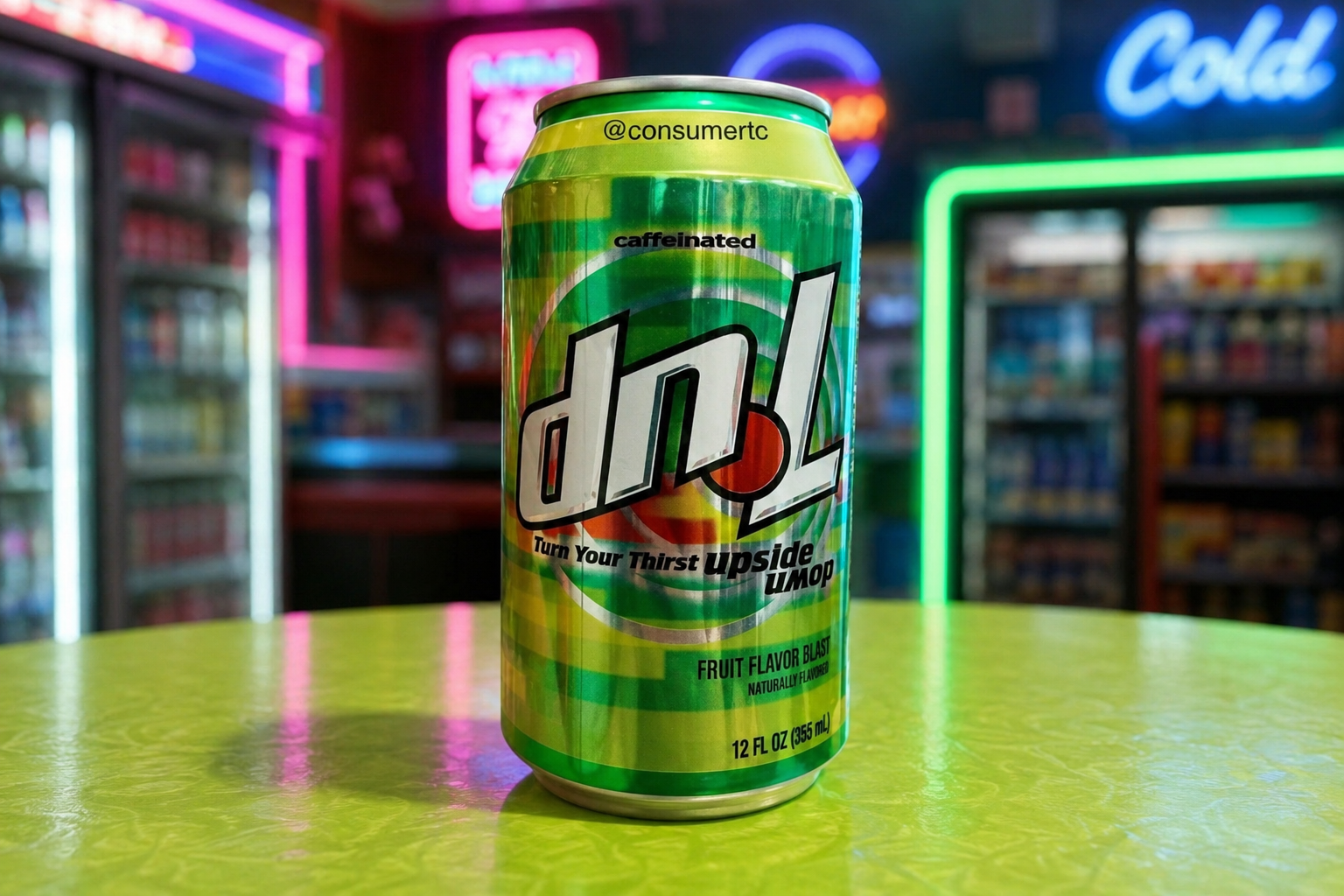
Turn “7UP” upside down and you get the idea behind dnL. Launched in 2002, the bright-green drink deliberately reversed several familiar features of 7UP: it was colored rather than clear, caffeinated rather than caffeine-free, and carried a different fruit-forward flavor. Dr Pepper/Seven Up initially planned a broad national rollout after its first markets. The branding was clever, but dnL failed to become a permanent sibling to 7UP and faded from shelves during the mid-2000s. Records of its exact final date are surprisingly inconsistent.
Citra
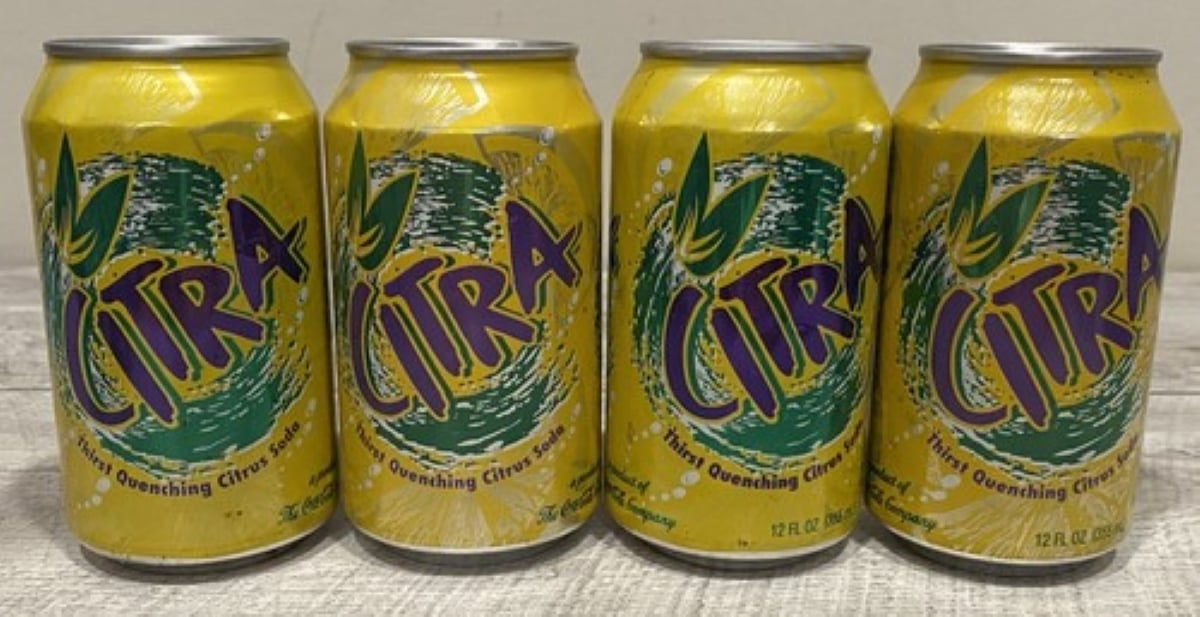
Coca-Cola launched Citra in 1996, joining an especially crowded decade for citrus sodas. The drink leaned strongly toward grapefruit flavor, even though its marketing generally described it more broadly as citrus. That may sound close to Fresca, but Citra was a regular sweetened soda rather than a diet drink. It lasted longer than many forgotten experiments on this list, surviving into the early 2000s before disappearing around 2004 and giving way to a related Fanta citrus product.